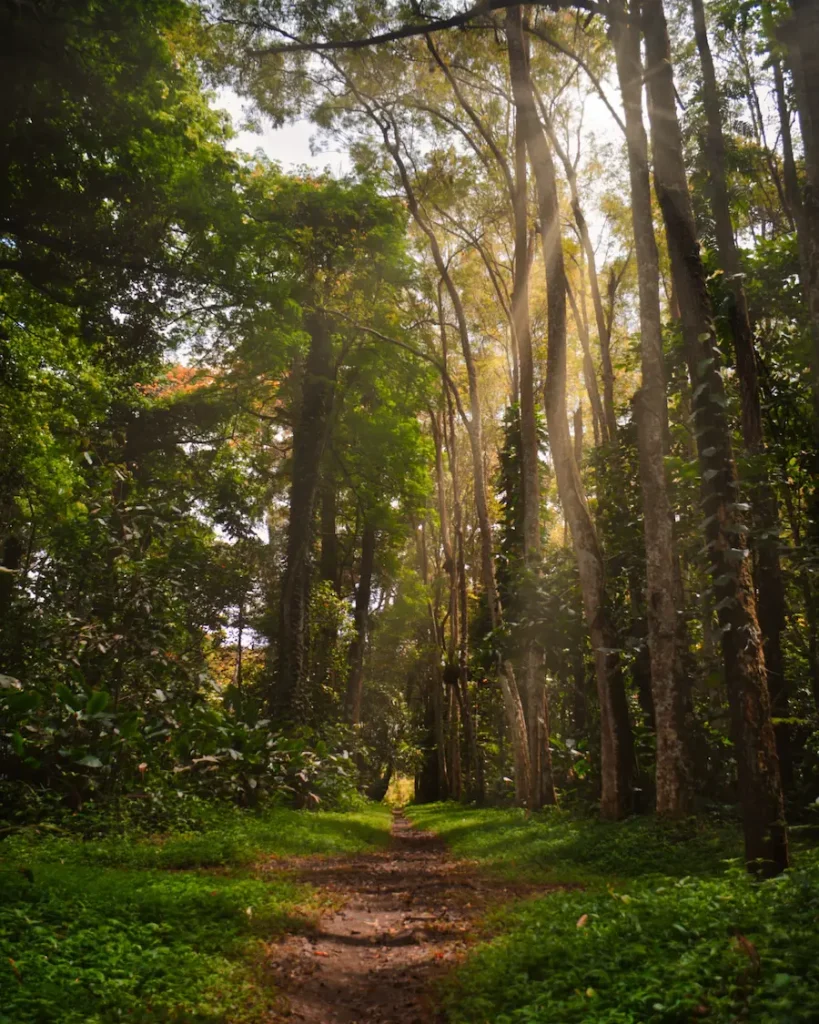
Forests
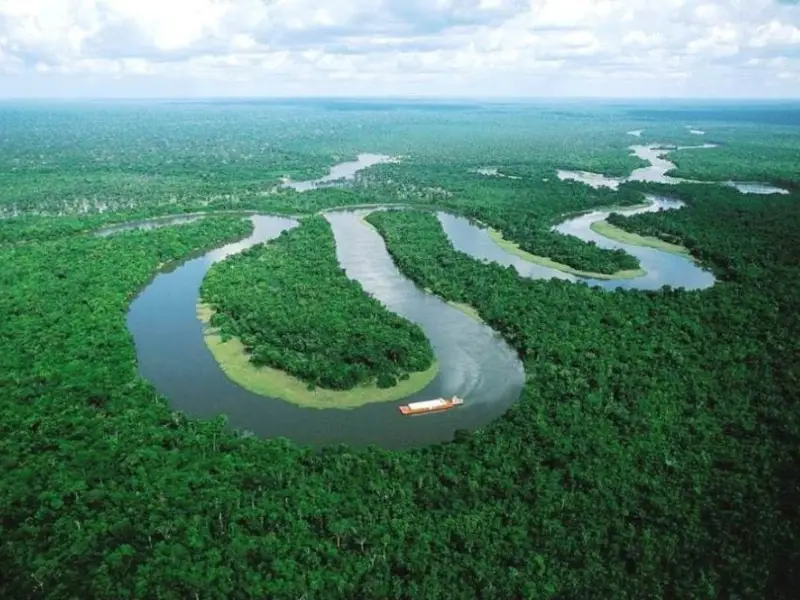
What Is The Biggest Rainforest In The World?
Nature is full of incredible wonders that continue to amaze and inspire us. In this comprehensive guide, we will explore what is the biggest rainforest in the world? in detail, covering everything you need to know to understand and appreciate this fascinating topic. Whether you are a nature enthusiast, a student, or simply someone who loves learning about the world around us, this article will provide you with valuable insights and practical information that will deepen your understanding and appreciation of the natural world. We have compiled extensive research and expert knowledge to bring you the most complete and accurate information available on this subject.
Key Takeaways
- Comprehensive overview of what is the biggest rainforest in the world?
- Detailed explanations and practical insights from experts in the field
- Expert tips, recommendations, and best practices
- Frequently asked questions answered in detail
- Current research findings and scientific perspectives
- Practical advice for experiencing this topic firsthand
Introduction
The natural world is full of remarkable phenomena that shape our planet and sustain life in all its forms. Understanding these natural processes and features is not only fascinating but also essential for appreciating the delicate balance of our ecosystem. In this article, we will take an in-depth look at what is the biggest rainforest in the world?, exploring its significance, characteristics, and the role it plays in the broader natural world. Our goal is to provide you with a thorough understanding that goes beyond surface-level knowledge, giving you the kind of detailed insight that will deepen your appreciation for nature and inspire you to learn more about the incredible world around us. This guide is designed to be a comprehensive resource that you can return to again and again as you continue your journey of discovery and learning.
Background and Context
To fully appreciate the significance of this topic, it is important to understand the broader context in which it exists. The natural world is a complex and interconnected system where every element plays a vital role in maintaining the overall balance. From the smallest microorganisms that cycle nutrients in the soil to the largest ecosystems that regulate our climate, every component is essential. Understanding these connections helps us appreciate why topics like this matter so much, not just for the environment but for our own well-being and survival. Scientists and researchers around the world continue to study these natural processes, uncovering new insights that deepen our understanding and inform conservation efforts. The more we learn about the natural world, the better equipped we are to make decisions that benefit both the environment and humanity.
The Importance of Forests
Forests are among the most vital ecosystems on our planet, covering approximately 31 percent of the global land area and providing habitat for more than 80 percent of the world terrestrial biodiversity. They are home to countless species of plants, animals, fungi, and microorganisms, many of which have yet to be discovered and studied by scientists. Forests play a critical role in regulating the global climate by absorbing carbon dioxide from the atmosphere and producing oxygen through photosynthesis. A single mature tree can absorb up to 48 pounds of carbon dioxide per year and release enough oxygen to sustain two people. Forests also help maintain the water cycle by absorbing rainfall, reducing runoff, and recharging groundwater supplies. Their root systems prevent soil erosion, which is essential for maintaining fertile land for agriculture and preventing landslides and flooding. Beyond their ecological importance, forests provide resources that billions of people depend on for their livelihoods, including timber, food, medicine, and clean water. Indigenous communities around the world have lived in harmony with forests for thousands of years, developing deep knowledge of these ecosystems that we are only beginning to understand and appreciate.
Furthermore, it is worth noting that this aspect of the natural world has far-reaching implications that extend beyond what we might initially expect. The interconnectedness of natural systems means that changes in one area can have cascading effects throughout the entire ecosystem. Understanding these relationships is crucial for making informed decisions about conservation, resource management, and environmental policy. By deepening our knowledge of these topics, we become better stewards of the natural world and more effective advocates for its protection.
Threats to Forest Ecosystems
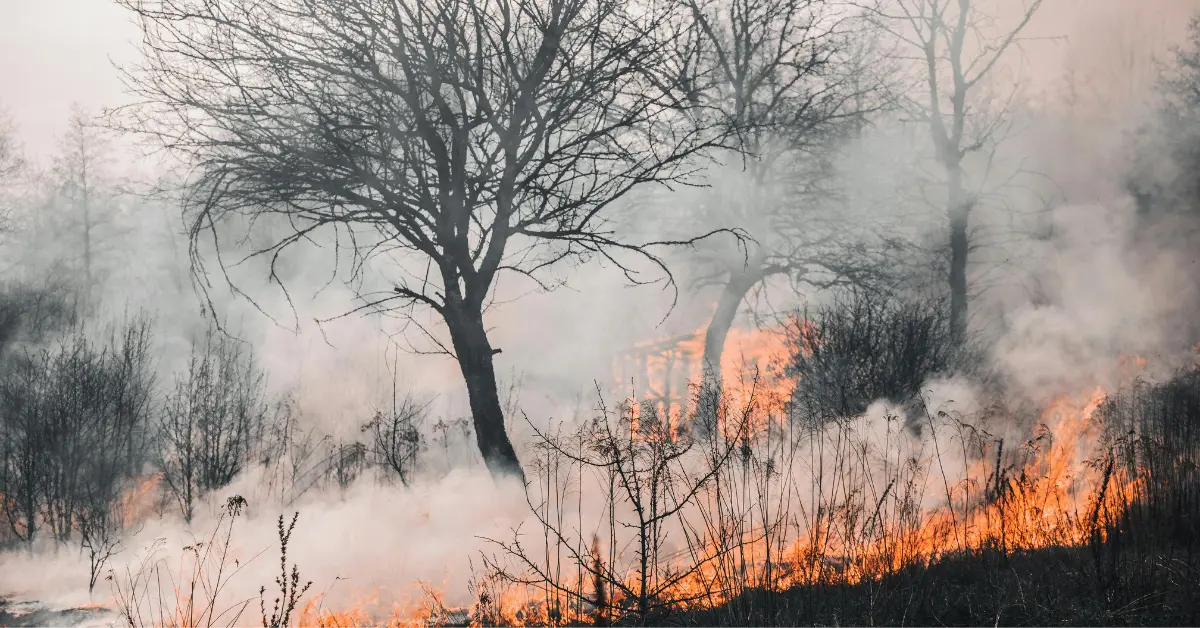
Despite their immense importance, forests around the world are facing unprecedented threats from human activities that are destroying these vital ecosystems at an alarming rate. Deforestation, driven primarily by agricultural expansion, logging, mining, and urban development, continues to destroy approximately 10 million hectares of forest every year according to the Food and Agriculture Organization. The Amazon rainforest alone has lost approximately 17 percent of its forest cover in the last 50 years, primarily due to cattle ranching and soybean farming. Climate change is exacerbating these threats by increasing the frequency and severity of wildfires, droughts, pest outbreaks, and disease. The 2019 Amazon fires, which burned over 900,000 hectares, were largely caused by human activity combined with unusually dry conditions linked to climate change. Pollution from industrial activities, invasive species that outcompete native plants and animals, and unsustainable resource extraction further compound the challenges facing forest ecosystems. The loss of forests not only destroys habitats and threatens biodiversity but also releases stored carbon dioxide into the atmosphere, creating a dangerous feedback loop that accelerates climate change.
Furthermore, it is worth noting that this aspect of the natural world has far-reaching implications that extend beyond what we might initially expect. The interconnectedness of natural systems means that changes in one area can have cascading effects throughout the entire ecosystem. Understanding these relationships is crucial for making informed decisions about conservation, resource management, and environmental policy. By deepening our knowledge of these topics, we become better stewards of the natural world and more effective advocates for its protection.
Conservation and Solutions
Fortunately, there are many ongoing efforts to protect and restore forest ecosystems around the world, and these efforts are making a real difference when properly supported and implemented. Conservation organizations such as the World Wildlife Fund, Conservation International, and the Rainforest Alliance are working to establish protected areas, promote sustainable forestry practices, and support indigenous communities who have been stewards of the land for generations. Reforestation and afforestation projects are helping to restore degraded landscapes and create new habitats for wildlife. The Bonn Challenge, a global effort to restore 350 million hectares of degraded land by 2030, has already seen commitments from over 60 countries. Education and awareness campaigns are also playing a crucial role in changing attitudes and behaviors toward forest conservation. Certification programs like the Forest Stewardship Council help consumers choose products that come from responsibly managed forests. Technology is also playing an increasingly important role, with satellite monitoring systems helping to detect illegal deforestation in real time.
Furthermore, it is worth noting that this aspect of the natural world has far-reaching implications that extend beyond what we might initially expect. The interconnectedness of natural systems means that changes in one area can have cascading effects throughout the entire ecosystem. Understanding these relationships is crucial for making informed decisions about conservation, resource management, and environmental policy. By deepening our knowledge of these topics, we become better stewards of the natural world and more effective advocates for its protection.
What You Can Do
Every individual can make a difference in the effort to protect our planet forests, and the cumulative impact of millions of small actions can be truly transformative. Simple actions like reducing paper consumption, choosing recycled paper products, and avoiding single-use paper goods can significantly reduce the demand for virgin timber. Supporting sustainable products by looking for certifications like FSC when buying wood and paper products ensures that your purchases support responsible forestry practices. Reducing meat consumption, particularly beef, can help reduce the pressure on forests that are cleared for cattle ranching and animal feed production. Supporting conservation organizations through donations or volunteering is another powerful way to contribute. Many organizations offer opportunities to participate in tree planting events, citizen science projects, and advocacy campaigns. By working together and making conscious choices in our daily lives, we can ensure that these incredible ecosystems continue to thrive for generations to come.
Furthermore, it is worth noting that this aspect of the natural world has far-reaching implications that extend beyond what we might initially expect. The interconnectedness of natural systems means that changes in one area can have cascading effects throughout the entire ecosystem. Understanding these relationships is crucial for making informed decisions about conservation, resource management, and environmental policy. By deepening our knowledge of these topics, we become better stewards of the natural world and more effective advocates for its protection.
Current Research and Developments
Scientific research continues to reveal new and exciting information about the natural world, and this topic is no exception. Recent studies have provided fresh insights into the processes and phenomena that shape our understanding of this subject. Researchers are using advanced technologies, from satellite imaging to DNA analysis, to uncover details that were previously beyond our reach. These discoveries not only expand our knowledge but also have practical applications for conservation, education, and sustainable management of natural resources. Staying informed about the latest research helps us appreciate the dynamic and ever-evolving nature of the world around us.
Historical Perspective
Throughout human history, our relationship with the natural world has evolved dramatically. Early humans lived in close harmony with nature, depending on it for food, shelter, and medicine. As civilizations developed, our impact on the natural world grew, sometimes in ways that were sustainable and sometimes in ways that caused lasting damage. The industrial revolution marked a turning point, as new technologies allowed us to extract resources and transform landscapes at an unprecedented scale. Today, we are beginning to understand the full consequences of our actions and the urgent need to find a more sustainable path forward.
Global Impact and Significance
The topic we are exploring has implications that extend far beyond any single location or ecosystem. In our interconnected world, changes in one part of the globe can have ripple effects that are felt thousands of miles away. Understanding these global connections is essential for addressing the environmental challenges we face today. From climate change and biodiversity loss to pollution and resource depletion, the issues are complex and interconnected. Solving them requires a global perspective and a willingness to work together across borders, cultures, and disciplines.
Practical Applications
The knowledge we gain about the natural world has many practical applications that benefit society in tangible ways. From developing new medicines based on natural compounds to designing more sustainable agricultural practices, the insights we gain from studying nature have real-world value. Understanding topics like this also helps us make better decisions about how we interact with our environment, from choosing sustainable products to supporting conservation initiatives. By applying what we learn, we can contribute to a more sustainable and harmonious relationship with the natural world.
Future Outlook
Looking ahead, the future of this topic will be shaped by the choices we make today. Scientific advances are opening new possibilities for understanding and protecting the natural world, from genetic tools that can help save endangered species to satellite technologies that monitor environmental changes in real time. At the same time, growing awareness of environmental issues is driving changes in policy, business practices, and individual behavior. Young people around the world are increasingly engaged in environmental activism, demanding action from leaders and holding corporations accountable. While the challenges are significant, there are many reasons for optimism.
Expert Perspectives and Insights
Leading scientists, conservationists, and naturalists have shared valuable insights about this topic that can help us better understand its significance and the actions needed to protect it. Dr. Jane Goodall, the renowned primatologist, has emphasized the importance of individual action in conservation, noting that every person has a role to play in protecting the natural world. Similarly, marine biologist Sylvia Earle has highlighted the critical importance of ocean conservation, describing the ocean as the life support system of our planet. These expert perspectives remind us that the challenges we face are significant but not insurmountable, and that the knowledge and tools we need to make a difference are available to us right now.
Case Studies and Real-World Examples
To better understand the practical implications of this topic, it is helpful to examine real-world examples and case studies from around the globe. These examples illustrate both the challenges and the successes of conservation and management efforts, providing valuable lessons for future action. From community-led conservation initiatives in developing countries to cutting-edge research programs in universities and laboratories, the range of approaches being employed is as diverse as the natural world itself. These case studies demonstrate that meaningful progress is possible when people work together toward a common goal, and they offer hope and inspiration for those who want to make a difference.
Frequently Asked Questions
What makes this topic so important?
This topic is important because it helps us understand the natural processes that shape our planet and sustain life. By learning about these processes, we can better appreciate the complexity and beauty of the natural world and make more informed decisions about how we interact with it. The knowledge we gain has practical applications for conservation, education, and sustainable living.
How can I learn more about this topic?
There are many ways to learn more, including reading books and scientific articles, watching documentaries, visiting natural sites, and participating in educational programs and guided tours led by knowledgeable experts. Online resources, university courses, and local nature groups are also excellent ways to deepen your understanding.
What are the best ways to experience this firsthand?
The best way to experience this topic firsthand is to visit natural sites where you can observe and appreciate the features in person. Make sure to plan your visit carefully, bring appropriate gear, and follow all local guidelines and regulations. Consider hiring a local guide who can share insights and knowledge that you would never discover on your own.
How does this relate to environmental conservation?
Understanding this topic is closely related to environmental conservation because it helps us appreciate the importance of preserving natural features and processes. The more we understand about the natural world, the better equipped we are to protect it for future generations. Conservation efforts depend on public awareness and support, which starts with education and understanding.
What should I bring when visiting natural sites?
Essential items include comfortable walking shoes, weather-appropriate clothing, a camera, sunscreen, insect repellent, a hat, binoculars, a reusable water bottle, and a field guide. A first aid kit and emergency supplies are also recommended for remote locations.
Are these sites suitable for families with children?
Yes, many natural sites are family-friendly and offer educational programs and activities designed specifically for children. These experiences can be incredibly valuable for young people, helping them develop a lifelong appreciation for the natural world and a commitment to environmental stewardship.
How can I contribute to conservation efforts?
There are many ways to contribute, including volunteering with conservation organizations, donating to environmental causes, reducing your environmental footprint, and spreading awareness about the importance of protecting our natural heritage. Even small actions, like choosing sustainable products and reducing waste, can make a meaningful difference when multiplied across millions of people. Consider joining local conservation groups, participating in citizen science projects, or advocating for stronger environmental policies in your community.
What are the biggest threats to the natural world today?
The natural world faces numerous interconnected threats, including climate change, habitat destruction, pollution, overexploitation of resources, and invasive species. Climate change is perhaps the most far-reaching threat, affecting ecosystems and species around the world through rising temperatures, changing precipitation patterns, and more frequent extreme weather events. Addressing these threats requires coordinated action at all levels, from individual choices to international policy agreements. The good news is that awareness is growing, and more people than ever are taking action to protect our planet.
Conclusion
The natural world is an endless source of wonder and inspiration, and topics like this remind us of the incredible diversity and complexity of life on Earth. By taking the time to learn about and appreciate these natural features, we enrich our lives and deepen our connection to the planet we call home. Whether you are exploring this topic through reading, travel, or direct observation, the knowledge and appreciation you gain will stay with you for a lifetime. We encourage you to continue exploring, learning, and advocating for the protection of our incredible natural world. Every step we take toward understanding and appreciating nature brings us closer to living in harmony with our planet and ensuring a healthy, vibrant future for all living things. The time to act is now, and every one of us has the power to make a difference.
Share this guide with fellow nature enthusiasts and help spread the wonder of the natural world. Together, we can make a difference.
Forests
The Daintree Rainforest — Older Than the Amazon
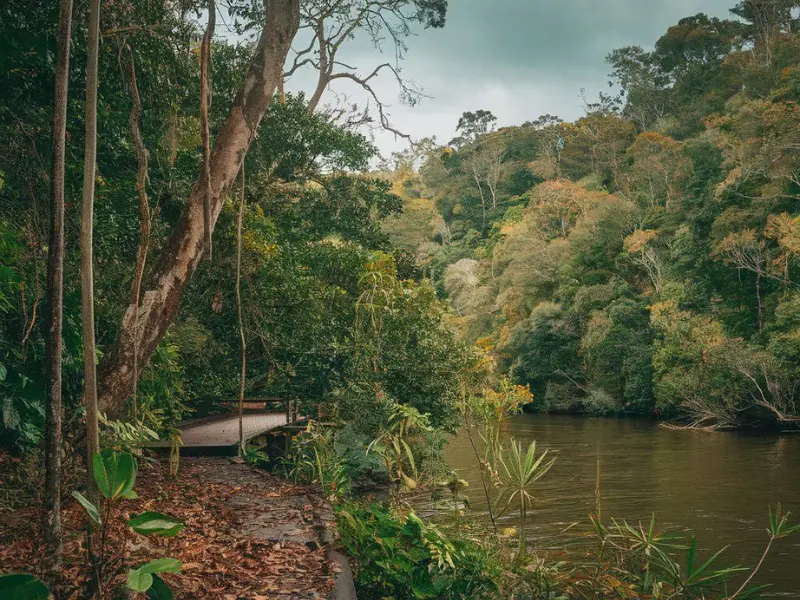
Imagine walking through a forest that has been growing for 180 million years. That is the Daintree Rainforest in tropical North Queensland, Australia. It is the oldest continuously surviving tropical rainforest on Earth, and it is packed with plants and animals found nowhere else on the planet.
Short answer: The Daintree Rainforest is a World Heritage listed wilderness in Australia that predates the Amazon by over 100 million years. It is home to the highest concentration of unique species in Australia, and you can visit it as a day trip from Cairns or Port Douglas.
Key Takeaways
- The Daintree Rainforest is at least 180 million years old, making it the oldest tropical rainforest on Earth.
- It covers only about 1,200 square kilometers but hosts an extraordinary density of endemic species.
- You can visit the Daintree year round, though the dry season from May to September is the most comfortable.
- The forest is part of the Wet Tropics of Queensland World Heritage Area.
- It is owned and managed in partnership with the Eastern Kuku Yalanji Aboriginal people, the traditional custodians.
Why the Daintree Rainforest Matters
Most people have heard of the Amazon. The Daintree is far less famous, but in many ways it is even more remarkable. While the Amazon is huge and incredibly important, the Daintree is a living fossil. It has survived ice ages, continental shifts, and the rise and fall of the dinosaurs. Scientists believe it has been continuously forested for longer than any other rainforest on Earth.
What makes this place special is not just its age. It is the sheer number of species that exist here and nowhere else. The Daintree has the highest concentration of endemic plants and animals in Australia. That means if you want to see the southern cassowary, the musky rat kangaroo, or the Idiospermum australiense (a tree so ancient it has no living relatives), this is the only place you can find them in the wild.
For nature lovers, the Daintree is not just a destination. It is a chance to step into a world that has been evolving since before flowers even existed on Earth.
Where Is the Daintree Rainforest?
The Daintree Rainforest is located in Far North Queensland, Australia. It sits about 100 kilometers north of Cairns and roughly 1,700 kilometers northwest of Brisbane. The forest stretches from the Daintree River up to Cape Tribulation and inland to the Great Dividing Range.
The nearest major town is Port Douglas, which is about an hour drive south of the Daintree River crossing. Most visitors base themselves in Port Douglas or Cairns and drive north for the day. The Daintree River itself is crossed by a cable ferry that runs during the day, and it is one of the most scenic river crossings you will ever experience.
What You Will See in the Daintree
The Ancient Plant Life
The Daintree is a botanical treasure chest. It has some of the earliest flowering plants still living today. The Idiospermum australiense, sometimes called the idiot fruit, is a tree that was thought to be extinct until it was rediscovered in the Daintree in 1971. It belongs to a plant family that has been around for over 100 million years.
You will also find massive kauri pines, some of which are over 1,000 years old. Fan palms, wait a while vines, and enormous ferns create a canopy so thick that the forest floor stays cool and damp even in the middle of the Australian summer. The diversity of plant life is staggering. Scientists have identified over 1,800 plant species in the Daintree region.
The Wildlife
The Daintree is home to some of Australia’s most iconic and rare animals. The southern cassowary is the star of the show. This large, flightless bird stands up to 1.8 meters tall and has a vivid blue neck and a bony casque on its head. It is endangered, and the Daintree is one of the best places left to see one in the wild.
Other animals you might spot include the musky rat kangaroo (the most primitive living kangaroo), Boyd’s forest dragon lizard, the Ulysses butterfly with its brilliant blue wings, and the striped possum. The rivers and estuarine zones are home to saltwater crocodiles, so swimming in the wild is absolutely not recommended.
The Reef Meets the Rainforest
One of the most unique things about the Daintree is where it sits. At Cape Tribulation, the rainforest literally meets the Great Barrier Reef. This is one of the only places on Earth where two World Heritage sites touch each other. You can stand on a beach with ancient forest behind you and coral reef in front of you. It is a powerful reminder of how connected our natural world really is.
Best Time to Visit the Daintree Rainforest
You can visit the Daintree any time of year, but the experience changes dramatically with the seasons.
May to September (Dry Season): This is the best time to visit. The weather is warm but not oppressive, humidity is lower, and there is less rainfall. Wildlife is easier to spot, and the walking trails are in better condition. This is peak tourist season, so book accommodation early.
October to April (Wet Season): The wet season brings heavy rain, high humidity, and the possibility of tropical cyclones. Some roads and walking tracks may close. However, the forest is at its most lush and dramatic during this time. Waterfalls are at full power, and the rivers are impressive to see. If you visit during the wet season, plan for flexibility and check conditions before heading out.
Best months overall: June, July, and August offer the best balance of comfortable weather, active wildlife, and accessible trails.
How to Get to the Daintree
The most common way to reach the Daintree is by car from Cairns or Port Douglas. The drive from Cairns takes about two hours along the Captain Cook Highway, which is one of the most scenic coastal drives in Australia. You pass through Palm Beach, Ellis Beach, and the town of Mossman before reaching the Daintree River.
The Daintree River Ferry is a cable ferry that carries vehicles across the river. It operates from early morning until late afternoon. There is a small fee per vehicle. Once across, you are in the Daintree National Park area.
If you do not want to drive, there are guided tour operators running day trips from both Cairns and Port Douglas. These tours typically include a river cruise, a guided rainforest walk, a visit to Cape Tribulation, and sometimes a stop at a wildlife park.
Things to Do in the Daintree
Walk the Mossman Gorge Trail
Mossman Gorge is the southern gateway to the Daintree and one of the most accessible parts of the rainforest. The walking trails here range from short boardwalks to longer hikes through dense forest. The water in the gorge is crystal clear and surrounded by massive boulders. Local Indigenous guides offer cultural tours that explain how the Eastern Kuku Yalanji people have used this forest for tens of thousands of years.
Take a Daintree River Cruise
A river cruise is one of the best ways to see crocodiles and other wildlife without venturing too deep into the bush. Several operators run cruises along the Daintree River, and the guides are experts at spotting saltwater crocodiles, tree snakes, and birds along the banks. Early morning cruises tend to be the most productive for wildlife sightings.
Visit Cape Tribulation
Cape Tribulation is where the rainforest meets the reef. The beach here is beautiful, though you cannot swim due to crocodiles and stingers (venomous jellyfish) depending on the season. The Cape Tribulation lookout offers stunning views of the coastline and the reef beyond. There are several short walking trails through the forest here.
Explore the Jindalba Boardwalk
Jindalba is a self guided walking trail that takes you through lowland rainforest. It is fully accessible and has interpretive signs explaining the plants and animals you are seeing. This is a great option if you want to explore at your own pace.
Night Walks
The Daintree comes alive at night. Several operators run guided night walks where you can spot nocturnal animals like the green tree frog, Boyd’s forest dragon, and even the elusive spotted quoll. The sounds of the forest at night are an experience in themselves.
Daintree Rainforest Comparison
| Place | Location | Best Time to Visit |
|---|---|---|
| Mossman Gorge | Southern Daintree, Queensland | June to September |
| Daintree River | Central Daintree, Queensland | May to October |
| Cape Tribulation | Northern Daintree, Queensland | June to August |
| Jindalba Boardwalk | Northern Daintree, Queensland | Year round |
| Daintree Village | Central Daintree, Queensland | May to September |
Why You Should Visit the Daintree
There are rainforests all over the world, from Borneo to Brazil to the Congo. So why should the Daintree be on your list?
First, it is the oldest. Walking through the Daintree is like stepping back in time. The plants here have been evolving since the Jurassic period. You are literally walking through a living museum of botanical history.
Second, it is incredibly accessible for a wilderness experience. You do not need to be an experienced bushwalker or a scientist to enjoy the Daintree. The boardwalks, river cruises, and guided tours make it welcoming for families, beginners, and travelers of all ages.
Third, the cultural significance is profound. The Eastern Kuku Yalanji people have lived in this forest for at least 50,000 years. Visiting with a local guide gives you a completely different understanding of the landscape and its meaning.
And finally, the Daintree is under threat. Climate change, development, and invasive species are all putting pressure on this ancient ecosystem. Visiting responsibly supports the local economy and helps fund conservation efforts. Your tourism dollars make a real difference here.
Travel Tips for the Daintree
- Book the ferry in advance during peak season. The Daintree River Ferry can get very busy in July and August. Arrive early or consider booking ahead.
- Bring insect repellent. The Daintree is tropical rainforest. Mosquitoes and sandflies are part of the experience, especially near water.
- Wear closed shoes. The walking trails can be muddy and slippery. Sturdy footwear is essential.
- Never swim in the rivers or creeks. Saltwater crocodiles are real and present. Heed all warning signs.
- Respect Indigenous land. Much of the Daintree is on Aboriginal land. Follow the rules, stay on marked paths, and support local Indigenous guided tours.
- Pack a rain jacket even in the dry season. This is a rainforest. Rain can arrive at any time.
- Do not feed the wildlife. Feeding animals disrupts their natural behavior and can be dangerous for both you and the animal.
Frequently Asked Questions
Is the Daintree Rainforest really older than the Amazon?
Yes. Scientific evidence suggests the Daintree has been continuously forested for at least 180 million years. The Amazon rainforest, by comparison, is estimated to be around 55 million years old. The Daintree survived the last ice age and has maintained its tropical forest ecosystem through dramatic climate changes.
How many days do I need in the Daintree?
You can see the highlights in one full day, but two to three days is ideal. This gives you time for a river cruise, a visit to Mossman Gorge, a walk at Cape Tribulation, and maybe a night tour. If you want to really slow down and soak it in, a week lets you explore the more remote areas.
Can I visit the Daintree on my own?
Absolutely. The Daintree is very visitor friendly. You can drive yourself, walk the marked trails, and explore at your own pace. However, a guided tour will teach you things you would never notice on your own, especially about the plants and the Indigenous cultural significance.
Are there crocodiles in the Daintree?
Yes. Saltwater crocodiles live in the Daintree River and along the coastline. They are large, powerful predators. Never swim in the river or walk too close to the water edge. Always follow posted warnings and listen to local guides.
What is the Daintree Rainforest famous for?
The Daintree is famous for being the oldest continuously surviving tropical rainforest on Earth. It is also known for its incredible biodiversity, its endemic species like the southern cassowary, and the fact that the rainforest meets the Great Barrier Reef at Cape Tribulation.
Is the Daintree Rainforest worth visiting?
Without question. If you love nature, wildlife, or just want to see something truly ancient and beautiful, the Daintree is one of the most special places on the planet. It is not as crowded as some other World Heritage sites, and the experience feels genuine and unspoiled.
How far is the Daintree from Cairns?
The Daintree River is about 100 kilometers north of Cairns, which is roughly a two hour drive. Port Douglas is closer, at about 50 kilometers from the river crossing. Both towns make good base camps for exploring the area.
Conclusion
The Daintree Rainforest is one of those places that changes the way you see the natural world. It is not the biggest rainforest. It is not the most famous. But it is the oldest, and that alone makes it worth the trip. Every step you take on its trails is a step through millions of years of living history.
Whether you are a seasoned traveler planning your next adventure, a teenager curious about the natural world, or someone who just wants to escape into something ancient and beautiful, the Daintree delivers. It is wild, it is real, and it is waiting for you.
Start planning your trip today. The Daintree has been here for 180 million years. It is not going anywhere, but it is changing. See it while it is still as magnificent as it is now.
Share this post with your friends and start planning your Daintree adventure together.
Forests
How to Go Forest Bathing and Why It’s Good for You
Imagine stepping into a forest, breathing in the cool, earthy air, and feeling your shoulders drop as the stress of daily life melts away. That is exactly what forest bathing is all about. You do not need to hike ten miles or climb a mountain. You just need to be present among the trees. In this guide, you will learn what forest bathing is, why science says it works, and how to do it yourself even if you have never set foot in a woodland before.
Key Takeaways
- Forest bathing, or shinrin-yoku, is the practice of slowly immersing yourself in a forest atmosphere for health benefits.
- Research shows it can lower stress hormones, reduce blood pressure, and boost your immune system.
- You do not need any special gear or fitness level. A quiet walk through any wooded area counts.
- Even 20 minutes in a forest can make a measurable difference in how you feel.
- Forest bathing is practiced worldwide, from Japan to Europe to North America.
What Is Forest Bathing?
Forest bathing comes from the Japanese term shinrin-yoku, which translates roughly to “taking in the forest atmosphere” or “forest bath.” It was developed in Japan in the 1980s as a public health practice. The idea is simple: spend time in a forest, engage your senses, and let nature do the rest.
This is not a workout. It is not a nature photography expedition. It is not about reaching a destination. Forest bathing is about slowing down and connecting with the natural world through sight, sound, smell, touch, and even taste. You might stand still and listen to birdsong. You might touch the bark of an old tree. You might simply breathe deeply and notice the scent of pine needles or damp soil.
Think of it as meditation, but instead of sitting on a cushion in a quiet room, you are surrounded by living trees, flowing water, and fresh air. The forest becomes your wellness retreat, and it is open to everyone.
Why Forest Bathing Is Good for Your Health
Scientists have been studying the effects of time in forests for decades, and the results are impressive. Here is what the research tells us.
Lowers Stress Hormones
One of the most consistent findings is that spending time in a forest reduces cortisol, the hormone your body produces when you are stressed. A study published in the journal Environmental Health and Preventive Medicine found that participants who walked in a forest for just 30 minutes had significantly lower cortisol levels compared to those who walked in an urban setting. The effect was noticeable even after only 15 minutes of sitting quietly among trees.
Reduces Blood Pressure and Heart Rate
High blood pressure is a major risk factor for heart disease, and forest bathing appears to help. Multiple studies from Japan and South Korea have shown that time spent in forests can lower both systolic and diastolic blood pressure. Heart rate also tends to drop, which means your cardiovascular system gets a genuine rest. This is one reason doctors in some countries now recommend time in nature as part of a healthy lifestyle.
Boosts Your Immune System
Trees release organic compounds called phytoncides, which are essentially natural oils that protect them from insects and disease. When you breathe in these compounds, your body responds by increasing the activity of natural killer cells, a type of white blood cell that fights viruses and even tumors. Research from Nippon Medical School in Tokyo found that a three-day forest bathing trip increased natural killer cell activity for more than 30 days afterward. That is a powerful immune boost from simply being around trees.
Improves Mood and Mental Health
If you have ever felt calmer after a walk in the woods, you are not imagining things. Forest bathing has been shown to reduce symptoms of anxiety and depression. A large study in the United Kingdom involving nearly 20,000 participants found that people who spent at least two hours a week in natural environments reported significantly higher levels of well-being and life satisfaction compared to those who did not. The effect held true across age groups, income levels, and even among people with chronic illnesses.
Helps You Focus
Modern life bombards you with notifications, screens, and constant stimulation. This leads to what psychologists call directed attention fatigue. Time in nature gives your brain a chance to recover. The Attention Restoration Theory, developed by researchers Rachel and Stephen Kaplan, suggests that natural environments engage your attention in a gentle, effortless way that allows your cognitive resources to recharge. This is why you often feel clearer and more creative after spending time outdoors.
How to Practice Forest Bathing: A Step-by-Step Guide
You do not need to travel to a remote wilderness to try forest bathing. Any area with trees and minimal human noise will work. Here is how to get started.
Step 1: Choose Your Location
Look for a park, nature reserve, woodland trail, or even a tree-lined neighborhood street. The key is to find a place where you feel safe and can walk without rushing. National and state parks are excellent options, but so are local community forests and botanical gardens. If you are new to this, start with a place you already know and feel comfortable visiting.
Step 2: Leave Your Phone Behind (or on Silent)
This is perhaps the hardest step for many people. Forest bathing works best when you are fully present. Turn off notifications, put your phone in your pocket, and resist the urge to take photos every few minutes. You can document your experience afterward if you want, but during the practice itself, try to stay unplugged.
Step 3: Walk Slowly and Without a Destination
Forget about covering distance. Walk at a pace that feels almost uncomfortably slow. Pause whenever something catches your attention. It might be the way sunlight filters through leaves, the sound of a stream, or the texture of moss on a rock. There is no right or wrong way to move through the forest. Let curiosity guide you.
Step 4: Engage All Five Senses
This is the heart of forest bathing. As you move through the woods, actively tune in to what you experience through each sense.
- Sight: Notice the shades of green, the patterns of light and shadow, the movement of leaves in the breeze.
- Sound: Listen for birdsong, rustling leaves, distant water, or the crunch of your footsteps on the trail.
- Smell: Breathe deeply and identify scents like pine, cedar, damp earth, wildflowers, or rain.
- Touch: Feel the rough bark of a tree, the softness of moss, the coolness of a stone, or the texture of fallen leaves.
- Taste: If you know with certainty that something is safe, you might taste wild mint or a clean mountain stream. Otherwise, simply notice the freshness of the air.
Step 5: Find a Spot to Sit
After walking for a while, find a comfortable place to sit. It could be a fallen log, a flat rock, or simply a patch of soft ground. Stay there for at least 10 to 15 minutes. Watch what happens around you. Notice how your breathing slows and your mind quiets. This stillness is where much of the healing happens.
Step 6: Breathe Deeply
Practice slow, deep breathing while you sit. Inhale through your nose for a count of four, hold for a moment, and exhale through your mouth for a count of six. This activates your parasympathetic nervous system, which is responsible for rest and digestion. Combined with the phytoncides in forest air, deep breathing amplifies the calming effect.
Best Places to Try Forest Bathing
Forest bathing can be done almost anywhere, but some locations offer particularly rich experiences. Here are a few types of forests worth seeking out.
| Place Type | Location Examples | Best Time to Visit |
|---|---|---|
| Temperate Deciduous Forest | Great Smoky Mountains, USA; New Forest, England | Spring through Fall |
| Boreal Forest (Taiga) | Swedish Lapland; Algonquin Park, Canada | Summer and early Fall |
| Tropical Rainforest | Costa Rica; Borneo; Amazon Basin | Dry season for easier access |
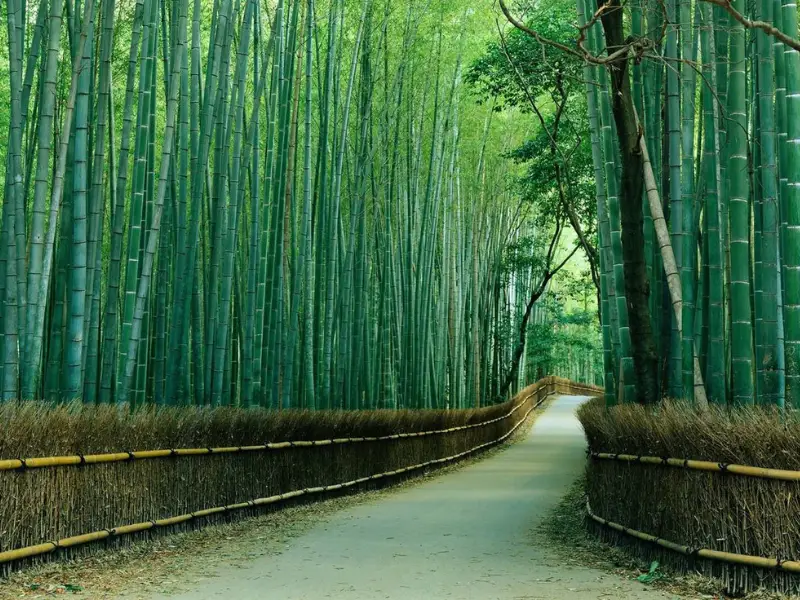
| Bamboo Forest | Arashiyama, Japan; Hangzhou, China | Spring and Fall |
| Old Growth Forest | Pacific Northwest, USA; Tasmania, Australia | Year-round |
Each type of forest offers a different sensory experience. A deciduous forest in autumn fills your senses with warm colors and the smell of fallen leaves. A tropical rainforest surrounds you with humidity, dense greenery, and the calls of exotic birds. A boreal forest in winter offers silence so deep it almost hums. Try different types to discover which speaks to you most.
Forest Bathing for Beginners: Tips to Get Started
If you have never tried forest bathing before, these practical tips will help you have a rewarding first experience.
- Start small. Even 20 minutes in a city park with trees counts. You do not need a full day in the wilderness.
- Go alone or with one quiet companion. Large groups and conversation can break the meditative quality of the experience.
- Wear comfortable clothing. Dress for the weather and wear shoes you can walk in easily. You will not be moving fast, so heavy boots are not necessary.
- Bring water. Staying hydrated is important, especially in warm weather.
- Do not worry about bugs. Insects are part of the forest ecosystem. Wear light long sleeves if you are concerned, but try not to let the fear of mosquitoes keep you indoors.
- Visit regularly. The benefits of forest bathing increase with frequency. Try to make it a weekly habit rather than a one-time event.
- Be patient. The first time you try forest bathing, your mind might race and you might feel restless. That is completely normal. It gets easier and more rewarding with practice.
Forest Bathing vs. Hiking: What Is the Difference?
People often confuse forest bathing with hiking, but they are quite different activities. Hiking usually has a goal: reach the summit, cover a certain distance, or get exercise. The focus is on physical achievement and the destination. Forest bathing has no goal other than being present. The focus is on sensory awareness and relaxation.
That said, the two activities complement each other beautifully. Many hikers find that slowing down and incorporating forest bathing techniques into their walks makes the experience far more restorative. You can even combine them by hiking to a scenic spot and then spending 20 to 30 minutes in quiet forest bathing before heading back.
Can Forest Bathing Help With Anxiety?
Yes, and the evidence is growing. Several clinical studies have examined the effects of nature exposure on anxiety. A review published in the International Journal of Environmental Research and Public Health analyzed over 100 studies and concluded that time in natural environments, particularly forests, was associated with significant reductions in anxiety symptoms.
The mechanism is partly physiological. Lower cortisol, reduced heart rate, and activated parasympathetic nervous system all contribute to a calmer state. But there is also a psychological component. Being in a forest removes you from the environments and stimuli that often trigger anxiety, such as crowded spaces, traffic noise, and digital screens. The forest offers a sensory environment that feels safe and grounding to most people.
If you struggle with anxiety, forest bathing is not a replacement for professional treatment, but it can be a valuable addition to your toolkit. Many therapists now incorporate nature-based practices into their work, sometimes called ecotherapy or green therapy.
How Often Should You Go Forest Bathing?
Research suggests that the health benefits of time in nature follow a dose-response relationship. In other words, the more time you spend in natural environments, the greater the benefits. However, even small amounts make a difference.
A landmark study from the University of Exeter found that people who spent at least 120 minutes a week in nature were significantly more likely to report good health and well-being compared to those who spent no time in nature. The 120 minutes could be broken into smaller chunks, such as four 30-minute visits or two hour-long sessions.
For forest bathing specifically, many practitioners recommend at least one session per week. If that is not realistic for your schedule, aim for once a month and supplement with shorter visits to local parks or tree-lined streets. Consistency matters more than duration.
Forest Bathing Around the World
While the term shinrin-yoku is Japanese, the practice of seeking healing in nature is universal. Here is how different cultures approach it.
- Japan: Forest bathing is officially recognized as a preventive health measure. Japan has designated over 60 official forest therapy bases with trained guides and marked trails designed for shinrin-yoku.
- South Korea: The Korea Forest Service operates healing forests and employs forest therapy programs for people with stress, depression, and burnout.
- Scandinavia: The concept of allemansrätten, or everyman’s right, gives people in Sweden, Norway, and Finland the legal right to roam freely in forests and natural areas. Forest walks are a deeply ingrained part of Nordic culture.
- Germany: Waldeinsamkeit, a German word meaning “forest solitude,” captures the feeling of being alone and at peace in the woods. It has been celebrated in German literature and philosophy for centuries.
- Scotland: The Scottish Forestry Commission promotes woodland wellness programs, recognizing the mental health benefits of time spent among trees.
Frequently Asked Questions
What is the best time of day for forest bathing?
Early morning and late afternoon tend to be the most peaceful times in a forest. Fewer people are around, and the light filtering through the trees creates a beautiful atmosphere. However, any time of day works. Even a midday walk in a wooded park can be deeply restorative.
Do I need to be fit to go forest bathing?
Not at all. Forest bathing is one of the most accessible wellness practices available. You do not need to walk far or fast. If you can sit on a park bench surrounded by trees, you can practice forest bathing. It is suitable for all ages and fitness levels.
Can I forest bathe in winter?
Yes. Winter forest bathing has its own unique beauty. The silence of a snow-covered forest, the crisp air, and the stark beauty of bare branches can be incredibly calming. Just dress warmly and be mindful of icy trails.
Is forest bathing the same as meditation?
They share similarities but are not identical. Meditation typically involves focused attention on the breath or a specific thought. Forest bathing is more about open awareness of your natural surroundings. However, many people find that forest bathing naturally induces a meditative state.
How long should a forest bathing session last?
Ideally, aim for at least 30 to 60 minutes. Research suggests that the physiological benefits, such as reduced cortisol and increased natural killer cell activity, become more pronounced after about 20 to 30 minutes. However, even a brief 10-minute sit among trees can help you feel calmer.
Can children benefit from forest bathing?
Absolutely. Children are often naturals at this kind of sensory exploration. Studies show that time in nature improves attention, creativity, and emotional regulation in children. Encouraging kids to slow down and notice what they see, hear, and smell in a forest is a wonderful gift.
What if there is no forest near me?
Any green space with trees can work. City parks, tree-lined streets, university campuses, community gardens, and even cemeteries with mature trees can provide a forest bathing experience. The key is to find a place with enough tree cover to feel immersed and enough quiet to focus on your senses.
Conclusion
Forest bathing is one of the simplest and most effective ways to improve your physical and mental health. It costs nothing, requires no special equipment, and is available to almost everyone. The science is clear: spending time among trees lowers stress, reduces blood pressure, strengthens your immune system, and lifts your mood. Whether you visit an ancient woodland or a small neighborhood park, the act of slowing down and opening your senses to the natural world is a powerful form of self-care.
You do not need to overhaul your life to start. Pick a tree-covered area near you, set aside 30 minutes this week, and simply go. Walk slowly. Breathe deeply. Listen to the birds. Touch the bark. Let the forest do what it has done for humans for thousands of years: restore your sense of calm and connection.
Start planning your first forest bathing session today. Your mind and body will thank you.
Forests
The Boreal Forest — Earth’s Largest Land Biome
The boreal forest is the largest land biome on Earth, stretching across the northern hemisphere in a vast green belt that spans three continents. Covering roughly 17 million square kilometers, it makes up nearly one-third of the world’s total forest cover. If you have ever flown across Canada, Scandinavia, or Russia and looked down at an endless carpet of green below, chances are you were looking at the boreal forest.
This incredible ecosystem is home to countless animals, stores massive amounts of carbon, and plays a critical role in regulating our planet’s climate. Yet most people know very little about it. In this guide, we will explore everything you need to know about the boreal forest — where it is, what lives there, why it matters, and how you can visit one yourself.
Key Takeaways
- The boreal forest, also called taiga, is the largest terrestrial biome on the planet, circling the northern hemisphere.
- It stretches across Canada, Alaska, Scandinavia, and Russia, forming a continuous band of forest up to 1,000 kilometers wide.
- Boreal forests are dominated by coniferous trees like spruce, pine, and fir, along with some deciduous species.
- This biome stores an estimated 30 to 40 percent of all terrestrial carbon, making it crucial for climate regulation.
- Iconic wildlife includes moose, bears, wolves, lynx, caribou, and hundreds of bird species.
- Indigenous communities have lived in and depended on the boreal forest for thousands of years.
- Threats include climate change, logging, mining, and oil extraction.
What Is the Boreal Forest?
The boreal forest, often referred to by its Russian name “taiga,” is a biome characterized by vast stretches of coniferous woodland in the cold northern latitudes. It forms a circumpolar band across the northern hemisphere, spanning parts of Canada, the United States (Alaska), Norway, Sweden, Finland, and Russia.
Unlike tropical rainforests that teem with biodiversity at every level, the boreal forest has a simpler structure. The tree species are fewer in number, but the sheer scale of the forest is staggering. The word “boreal” comes from Boreas, the Greek god of the north wind, which gives you a sense of the cold conditions that define this biome.
The growing season here is short — typically only 50 to 100 days per year. Winters are long and brutally cold, with temperatures sometimes dropping below minus 40 degrees Celsius. Despite these harsh conditions, life thrives here in surprising ways. Animals have adapted through thick fur, hibernation strategies, and seasonal migration patterns.
One of the most remarkable features of the boreal forest is its soil. In many areas, the ground is underlain by permafrost — a layer of permanently frozen earth that can extend hundreds of meters below the surface. This permafrost holds enormous amounts of trapped carbon, making the boreal forest one of the planet’s most important carbon sinks.
Where Is the Boreal Forest Located?
The boreal forest stretches in a broad belt between roughly 50 and 60 degrees north latitude. Let’s take a closer look at the major regions.
Canada
Canada contains the largest share of the world’s boreal forest, stretching from Yukon and the Northwest Territories in the west all the way to Newfoundland and Labrador in the east. This Canadian boreal covers approximately 2.5 million square kilometers — an area larger than the entire continent of Europe. It includes parts of every Canadian province and territory.
Alaska (United States)
Alaska’s boreal interior covers a vast portion of the state, from the Brooks Range in the north to the Alaska Range in the south. The landscape here is a mix of spruce forests, muskeg bogs, and frozen rivers that thaw briefly in summer.
Scandinavia (Norway, Sweden, Finland)
The Scandinavian boreal forest, often called Norrland in Sweden, covers the northern portions of Norway, Sweden, and Finland. This region is known for its rugged beauty, reindeer herding traditions, and the indigenous Sami people who have called it home for millennia.
Russia
Russia contains the single largest portion of the world’s boreal forest, sometimes called the “Russian taiga.” It stretches thousands of kilometers from the Finnish border to the Pacific coast, covering much of Siberia. This is the most remote and least disturbed section of the biome.
Comparison of Boreal Forest Regions
| Region | Location | Best Time to Visit |
|---|---|---|
| Canadian Boreal | Northern Canada, Yukon to Newfoundland | June to August |
| Alaskan Boreal | Interior and northern Alaska | June to August |
| Scandinavian Boreal | Northern Norway, Sweden, Finland | June to September |
| Russian Taika | Siberia and Far East Russia | July to August |
Wildlife of the Boreal Forest
The boreal forest supports an impressive array of wildlife, even though its tree diversity is relatively low compared to tropical forests. Many of the animals here are iconic northern species that have captured our imagination for generations.
Mammals
The moose is perhaps the most recognizable resident of the boreal forest. Standing over two meters tall at the shoulder, it is the largest living species of deer. Moose are excellent swimmers and feed on aquatic plants in forest lakes and wetlands. You can find them throughout the boreal zone in North America and Europe.
Both black bears and brown bears (including grizzly bears) roam the boreal forest. These omnivores spend much of their time foraging for berries, roots, fish, and insects. In the fall, they enter a phase called hyperphagia, eating obsessively to build fat reserves for winter hibernation.
Wolves are the apex predators of the boreal forest. They live in family packs and work together to hunt large prey like moose and caribou. The boreal forest is one of the last strongholds for gray wolves in North America and Europe.
The Canada lynx is a medium-sized wild cat specially adapted to deep snow, with large furry paws that act like snowshares. Its population cycles closely follow those of its primary prey, the snowshoe hare. Other notable mammals include caribou (reindeer in Eurasia), beavers, red foxes, wolverines, and fishers.
Birds
Over 300 bird species breed in the boreal forest, making it one of the most important bird habitats in the world. Many of these species are migratory, spending winters in warmer regions and returning north to breed in summer.
The great gray owl, one of the tallest owl species in the world, is a year-round resident. It hunts by perching near forest clearings and listening for the rustle of small mammals under the snow. Its facial disc works like a satellite dish, funneling sound toward its ears with remarkable precision.
Warblers, thrushes, and flycatchers fill the summer boreal forest with song. Species like the black-throated green warbler, Swainson’s thrush, and western tanager breed here in enormous numbers. The boreal forest is sometimes called the “bird nursery of North America” because so many migratory songbirds depend on it for breeding habitat.
Other notable boreal birds include the boreal owl, northern hawk owl, spruce grouse, ruffed grouse, common loon, and various woodpecker species like the black-backed woodpecker, which specializes in feeding on insects in recently burned trees.
Amphibians and Recosystems
The cold climate limits amphibian diversity, but several hardy species have adapted. Wood frogs are particularly remarkable — they can actually freeze solid in winter and thaw out alive in spring. Their hearts stop beating, and they produce a natural antifreeze compound that protects their cells from damage.
Plant Life in the Boreal Forest
The boreal forest is dominated by coniferous trees — species that bear cones and keep their needles year-round. The most common genera are spruce (Picea), pine (Pinus), fir (Abies), and larch (Larix). Larch is unusual among boreal conifers because it drops its needles in winter, making it a deciduous conifer.
Three spruce species rule much of the boreal landscape: white spruce, black spruce, and Norway spruce. Black spruce is especially well adapted to cold, waterlogged soils and is the dominant tree in much of the Canadian boreal. Jack pine has a fascinating survival strategy — its cones are sealed with resin and only open after exposure to the heat of a forest fire, ensuring seeds drop onto freshly cleared ground.
Beneath the tree canopy, the forest floor is covered with mosses, lichens, and low-growing shrubs. Reindeer lichen (actually a lichen, not a moss) forms pale gray carpets across the ground and is a primary winter food source for caribou. Heather, blueberry, lingonberry, and cranberry plants add color and provide food for both wildlife and human foragers.
In wetter areas, the boreal forest gives way to peatlands and bogs. These waterlogged ecosystems are incredibly important for carbon storage, as the slow decomposition of plant material in oxygen-poor water leads to the accumulation of thick layers of peat.
Why the Boreal Forest Matters
The importance of the boreal forest extends far beyond its borders. Here are some of the key roles it plays in the global ecosystem.
Carbon Storage
The boreal forest and its soils store an enormous amount of carbon — estimates range from 200 to 600 billion metric tons globally. To put that in perspective, that is several times more carbon than has been released by all human activities since the Industrial Revolution. Much of this carbon is locked in peatlands and permafrost, which makes it particularly vulnerable to climate change.
When permafrost thaws due to rising temperatures, it releases carbon dioxide and methane back into the atmosphere. Scientists worry about a feedback loop: warming thaws permafrost, which releases greenhouse gases, which causes more warming. Protecting the boreal forest and its frozen soils is one of the most important things we can do for climate stability.
Water Cycle Regulation
The boreal forest plays a major role in global water systems. Its rivers carry vast quantities of fresh water to the Arctic Ocean. The Mackenzie River in Canada alone discharges more water into the Arctic than all European rivers combined. Boreal wetlands and peatlands act like sponges, absorbing rainfall, reducing flooding, and filtering water naturally.
Habitat for Migratory Species
Besides being the breeding ground for hundreds of bird species, the boreal forest is critical for many migratory caribou herds. The Porcupine caribou herd, for example, migrates over 2,400 kilometers annually between the boreal forest and the Arctic coastal plain — one of the longest land migrations of any terrestrial mammal.
Home to Indigenous Peoples
Indigenous communities have lived in the boreal forest for thousands of years. In Canada, First Nations and Metis communities depend on the forest for food, medicine, shelter, and cultural practices. The Sami people of Scandinavia herd reindeer across the boreal landscape. In Russia, groups like the Evenki and Nenets maintain traditional lifestyles deeply connected to the forest. These communities hold invaluable knowledge about sustainable forest management that modern science is only beginning to appreciate.
Threats to the Boreal Forest
Despite its size and importance, the boreal forest faces serious threats from multiple directions.
Climate Change
Perhaps the biggest long-term threat is climate change. The northern latitudes are warming at roughly twice the global average rate. This warming causes permafrost to thaw, increases the frequency and severity of forest fires, and shifts the boundaries of the boreal zone northward. Some scientists predict that significant portions of the boreal forest could transition to grasslands or temperate forest within this century.
Wildfire is a natural part of the boreal ecosystem — jack pine, for example, depends on fire to release its seeds. But climate change is making fires more frequent, larger, and more intense. In recent years, record-breaking fires in Canada, Alaska, and Siberia have burned millions of hectares, releasing vast amounts of carbon and destroying critical habitat.
Logging and Deforestation
Industrial logging remains a major pressure on the boreal forest, particularly in Canada, Scandinavia, and Russia. Clear-cut logging practices can destroy vast areas of old-growth forest. While some logging companies practice replanting, a replanted tree plantation does not replace the biodiversity and ecological complexity of an ancient boreal forest. You might want to read more about this in our article on What Is Deforestation and Why Should You Care.
Oil, Gas, and Mining
The boreal region is rich in natural resources. In Alberta, Canada, the development of oil sands (tar sands) has destroyed large areas of boreal forest and created toxic tailings ponds visible from space. Mining operations in Russia, Canada, and Scandinavia also leave lasting scars on the landscape. Pipeline construction further fragments habitats that animals like caribou depend on.
How to Visit the Boreal Forest
If you want to experience the boreal forest for yourself, there are some incredible places to visit. Here are a few top destinations.
Algonquin Provincial Park, Ontario, Canada
About three hours north of Toronto, Algonquin is one of the most accessible boreal destinations in the world. The park covers nearly 7,700 square kilometers of classic Canadian boreal landscape, with towering spruce, birch, and maple trees, crystal-clear lakes, and abundant wildlife. You can see moose, hear wolves howl at night, and spot loons gliding across quiet waters. Canoe camping here is a bucket-list experience.
Mingan Archipelago, Quebec, Canada
Yukon Territory, Canada
The Yukon offers some of the most pristine boreal wilderness remaining. Miles of untouched forest, crystal rivers, and the chance to see grizzly bears, Dall sheep, and golden eagles make this a destination for serious nature lovers. Visit in summer for nearly 24 hours of daylight or in winter for the aurora borealis dancing over snow-covered spruce.
Swedish Lapland
For a European boreal experience, Swedish Lapland is hard to beat. Abisko National Park sits above the tree line but is surrounded by lower-elevation boreal forest. In summer you get the midnight sun, and in winter you might see the northern lights. Reindeer herding remains a living part of Sami culture here, and you can learn about their traditions firsthand.
Finnish Lapland
Finland’s northernmost region offers incredible boreal wilderness combined with excellent infrastructure. national parks like Urho Kekkonen and Oulanka provide well-maintained trails through dense spruce forests, along roaring rivers, and past open fells. Finland also has the unique concept of “everyman’s right,” which legally allows anyone to hike, camp, and forage on public and much private land.
Lake Baikal Region, Siberia, Russia
If you are feeling adventurous, the area around Lake Baikal in Siberia offers a truly remote boreal forest experience. Lake Baikal is the deepest and oldest freshwater lake on Earth, holding about 20 percent of the world’s unfrozen surface water. The surrounding forests are home to brown bears, Siberian tigers (in limited areas), and the adorable Baikal seal — the world’s only exclusively freshwater seal species.
Travel Tips for Visiting the Boreal Forest
- Plan your timing carefully. Summer (June through August) is the most comfortable time, with long days, warmer temperatures, and fewer bugs. Fall brings extraordinary foliage colors. Winter visits are magical but require serious cold-weather preparation.
- Bring quality insect protection. Mosquitoes and black flies can be intense in summer, especially near wetlands and rivers. A head net, effective repellent, and light long-sleeved clothing are essential.
- Be wildlife aware. The boreal forest is home to bears, moose, and wolves. Carry bear spray where appropriate, make noise while hiking, store food properly, and learn what to do if you encounter a large animal.
- Pack for changing weather. Even in summer, temperatures can swing from warm to freezing in a single day. Bring layers, a waterproof jacket, and sturdy waterproof boots.
- Respect Indigenous lands. Much of the boreal forest is the traditional territory of Indigenous peoples. Seek permission where required, and learn about the cultural significance of the places you visit.
- Consider guided experiences. The boreal forest is vast and can be disorienting. Local guides can take you to the best wildlife viewing spots and keep you safe in the wilderness.
Boreal Forests and Climate Change
The relationship between boreal forests and climate change is one of the most important environmental stories of our time. The boreal forest has historically acted as a carbon sink, absorbing carbon dioxide from the atmosphere through photosynthesis and storing it in trees, soil, and peatlands. But this balance is shifting.
As temperatures rise, the boreal forest faces several compounding problems. First, warmer conditions increase the rate of decomposition in soils, releasing more carbon back into the air. Thawing permafrost unlocks frozen organic matter that begins to decompose. Second, drought stress makes trees more vulnerable to insects like the spruce bark beetle, which has devastated millions of hectares in western North America. Third, larger and more frequent fires release carbon stored over centuries in a matter of days.
On the flip side, some parts of the boreal forest are actually growing faster because of warmer temperatures and longer growing seasons. But most scientists agree that the net effect is negative — more carbon is being released than absorbed in many boreal regions. This is why protecting existing boreal forests and reducing global greenhouse gas emissions are so urgent.
Frequently Asked Questions About the Boreal Forest
What is the difference between boreal forest and taiga?
The terms are often used interchangeably. Technically, “taiga” refers to the northernmost part of the boreal zone where trees are more sparse and conditions are harsher, while “boreal forest” describes the denser, closed-canopy forests further south. In Canada, “boreal forest” is the more common term, while Russians typically say “taiga.”
Is the boreal forest the same as the rainforest?
No. Rainforests are tropical or temperate ecosystems with very high rainfall and biodiversity. The boreal forest is a cold-climate biome with much lower biodiversity and dominated by coniferous trees. However, there are rainforest regions within the broader boreal zone, like the Valdivian Temperate Rainforest and the Great Bear Rainforest along the Pacific coast.
What is the largest animal in the boreal forest?
The moose (called elk in Europe) is by far the largest animal standing in the boreal forest. Moose can weigh up to 700 kilograms. However, the brown bear (including grizzlies) can be heavier, with large males reaching over 600 kilograms. In terms of total mass including marine animals, beluga whales live in some boreal rivers and coastal waters.
Can you live in the boreal forest?
Absolutely. Millions of people live in boreal forest regions, including major cities like Montreal, Edmonton, and Fairbanks in North America, and smaller towns throughout Scandinavia and Siberia. Indigenous communities have thrived in the boreal forest for thousands of years using a combination of hunting, fishing, gathering, and reindeer herding.
How old are boreal forests?
The boreal forest as a biome has existed in its current form since the last ice age ended about 10,000 years ago. However, individual old-growth boreal stands can be several hundred years old. Some Siberian larch trees in Russia are estimated to be over 800 years old. The carbon stored in boreal peatlands has been accumulating for thousands of years.
What should I wear when visiting the boreal forest?
Dressing in layers is the key to comfort. Start with a moisture-wicking base layer, add an insulating mid-layer (fleece or wool), and top with a waterproof outer shell. Sturdy waterproof boots are a must. In summer, bring a bug jacket or head net. In winter, you will need insulated boots rated to at least minus 30 degrees Celsius, a heavy down parka, and insulated mittens.
Are there dangerous animals in the boreal forest?
The boreal forest has several large predators, including wolves, bears (both black and brown/grizzly), and moose. While attacks on humans are rare, moose can be surprisingly aggressive, especially during mating season. The best safety strategy is to make noise while traveling, carry bear spray, store food properly, and give wildlife plenty of space.
Protecting the Boreal Forest
There are meaningful steps you can take to help protect the boreal forest even if you live far away. Support policies and organizations that advocate for large-scale forest protection. Choose paper and wood products certified by the Forest Stewardship Council (FSC). Reduce your carbon footprint — every fraction of a degree of warming we prevent helps keep permafrost frozen and carbon safely stored. Learn about and support Indigenous-led conservation initiatives, which are proving to be some of the most effective at preserving large intact ecosystems.
The boreal forest may not have the colorful coral reefs of tropical coasts or the dramatic mountain vistas of the Alps. But in its quiet, vast, understated way, it is one of the most important ecosystems on Earth. It stores carbon, shelters wildlife, sustains communities, and regulates climate for the entire planet. Understanding and protecting the boreal forest is not just good for nature — it is essential for our shared future.
Share this post with your friends who love nature. Start planning your trip to the boreal forest today and discover what this incredible biome has to offer.
-
World2 years agoTypes of Ants Living in the World and Information
-
Wildlife4 years ago(10) Insects Are Animals in the world?
-
Forests2 years agoThe 10 Best Forests to Visit in the World
-

Ocean2 years agoOceans in the World and Their Information & Locations
-
Wildlife4 years agoMost Popular Wild Animals in The World
-
Forests2 years agoThe Main Factors That Contribute to Forest Destruction
-
World1 year agoThe 10 Largest Farms in the World
-
Forests4 years agoBiggest Trees in The World List