
Animals
Most Popular Wild Animals in The World

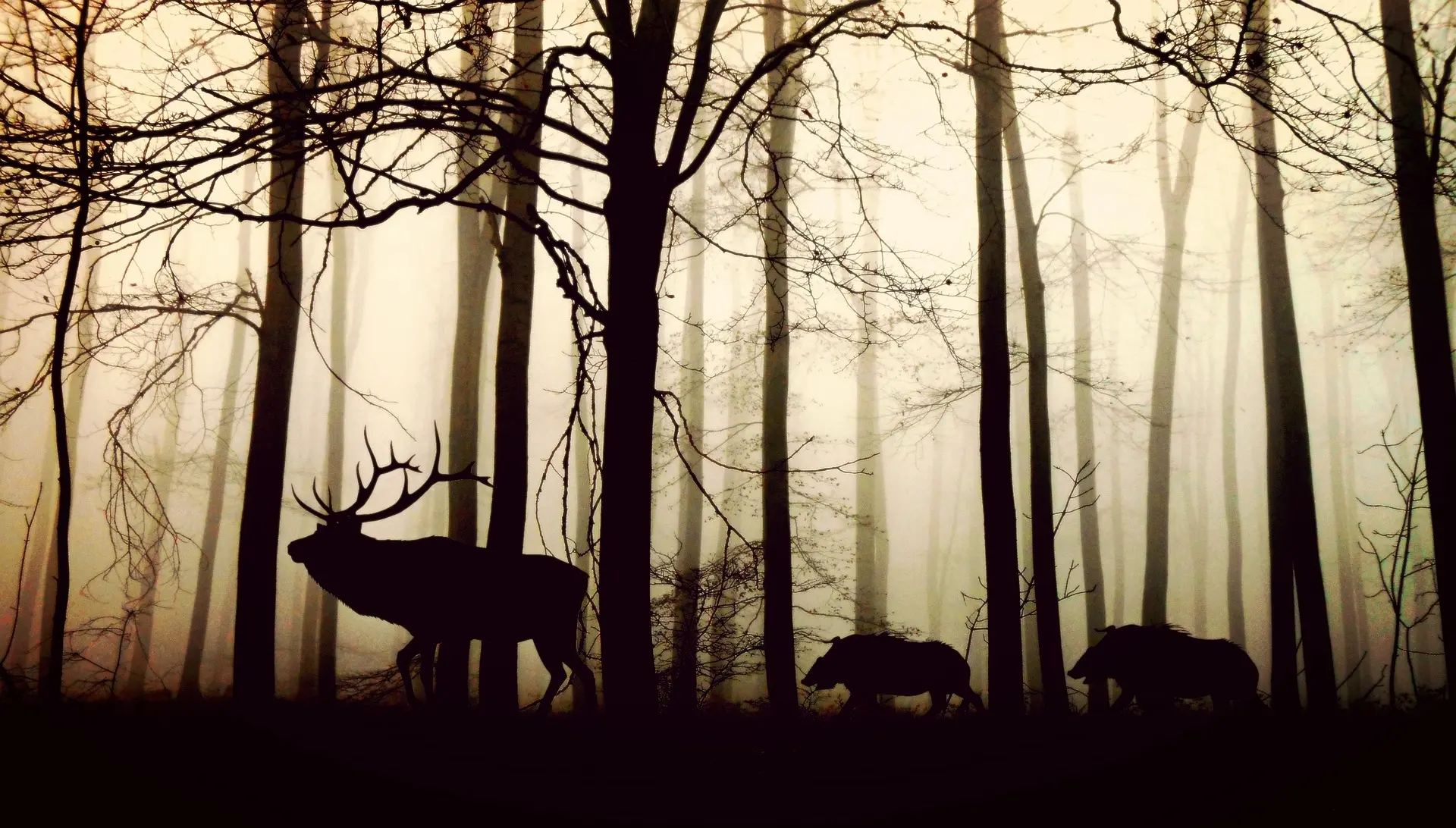
The wild animals in the world are some of the most majestic creatures on Earth. They can be found in various environments, ranging from the icy tundras of the North to the scorching deserts of the South. Despite their vast differences, they all share one common characteristic: they are all wild.
The term “wild” refers to animals that are not domesticated and are typically not found near humans.
The wild animals in the world are magnificent creatures that deserve protection. Unfortunately, many of these animals are in danger of extinction due to poaching, hunting, and habitat destruction. We must do everything we can to save these animals and their habitats.
“Most Popular Wild Animals in The World”
The world is home to many different animals, both domesticated and wild.
Of the many types of animals globally, wild animals are some of the most fascinating.
Wild animals can be found in various habitats, including forests, deserts, and mountains.
Wild animals are known for their agility, strength, and beauty.
“Most Popular Wild Animals in The World”
Biggest Wild Animals in The World
There are many different kinds of animals in the world, big and small. Of all the animals in the world, which are the biggest? In this article, we will explore the largest wild animals in the world. These animals are some of the biggest and most powerful creatures on Earth. These animals will amaze and astonish you, from elephants to hippos to gorillas.
There are many different ways to classify the biggest wild animals in the world. Some people might consider the biggest animals to be the ones that weigh the most, while others might feel the biggest animals be the ones that are the tallest or have the most extended bodies.
However you choose to classify them, some animals out there are bigger than others. Here are just a few of the biggest wild animals in the world.
The African elephant is the largest land animal in the world. These massive creatures can weigh up to six and a half tons, and their trunks alone can weigh up to two hundred pounds.
The blue whale is the largest animal in the world, period. These massive creatures can weigh up to two hundred and sixty tons and measure up to one hundred and ten feet long!
The white rhinoceros is the largest land mammal in the world. These massive animals can weigh up to two and a half tons and can be up to six and a
“Most Popular Wild Animals in The World”
Most Dangerous Wild Animals in The World
According to the World Wildlife Fund, there are around 10,000 threatened species of animals in the world. Of these, 36 are classified as critically endangered, and more than 1,200 are endangered.
Many people think of wild animals as dangerous, and they often are. However, not all wild animals are dangerous; some are pretty gentle and make great pets.
It is hard to determine which animals are the most dangerous. Many factors must be considered, such as the animal’s size, the area in which it lives, and how comfortable it is around humans. Nevertheless, a few animals stand out as being particularly dangerous.
Most Popular Wild Animals in The World
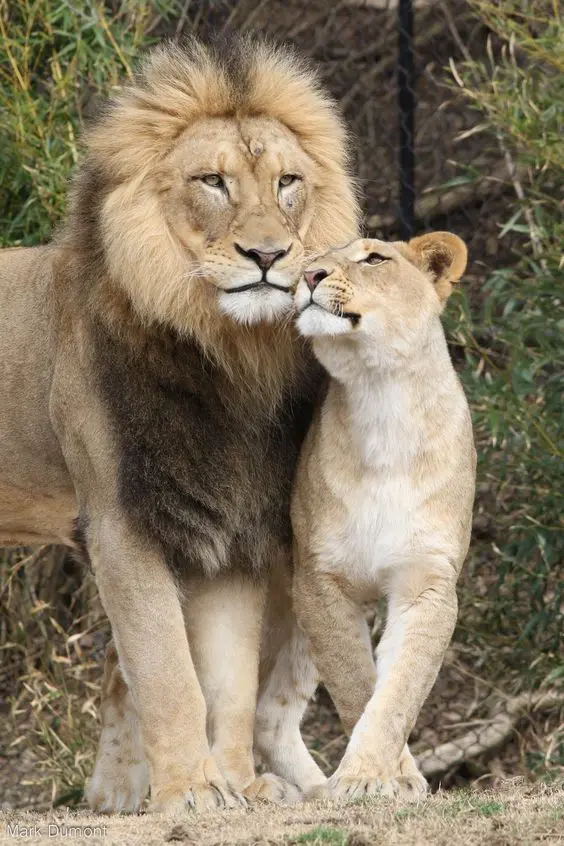
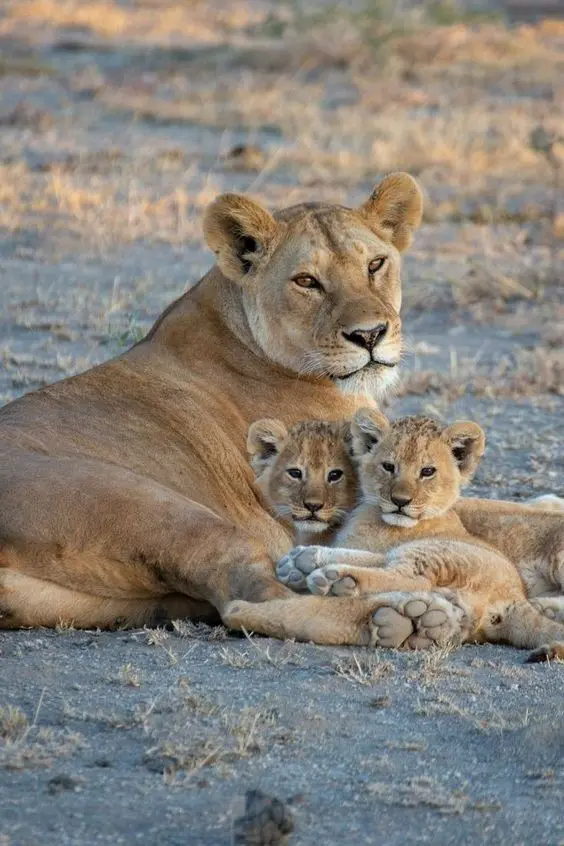
The lion (P. Leo)
Lions are one of the big five animals in Africa. They are the largest African cats and can weigh up to 350 pounds. Male lions have a mane that makes them look more prominent and use it to intimidate other males. Lions live in groups called pride. The females do most of the hunting, and the males protect their pride from other predators.
Lions are one of the most popular animals globally and are known for their strength, power, and grace. Lions can be found in Africa and India, and they are the second-largest cat in the world.
Lions are one of the most iconic and well-known animals in the world. They are the kings of the jungle and are fiercely territorial. Lions live in groups known as pride, which usually consist of around 15 lions. The males are the only ones with a mane, and they use it to intimidate other lions and potential threats. Lions are carnivores, and their diet consists mainly of wildebeest, zebra, and other hoofed animals.
“Most Popular Wild Animals in The World”
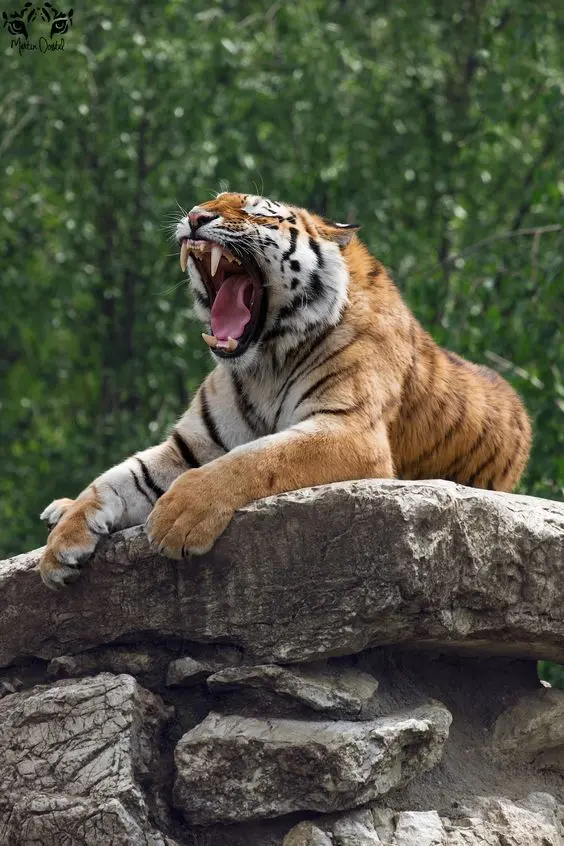
The tiger (Panthera tigris)
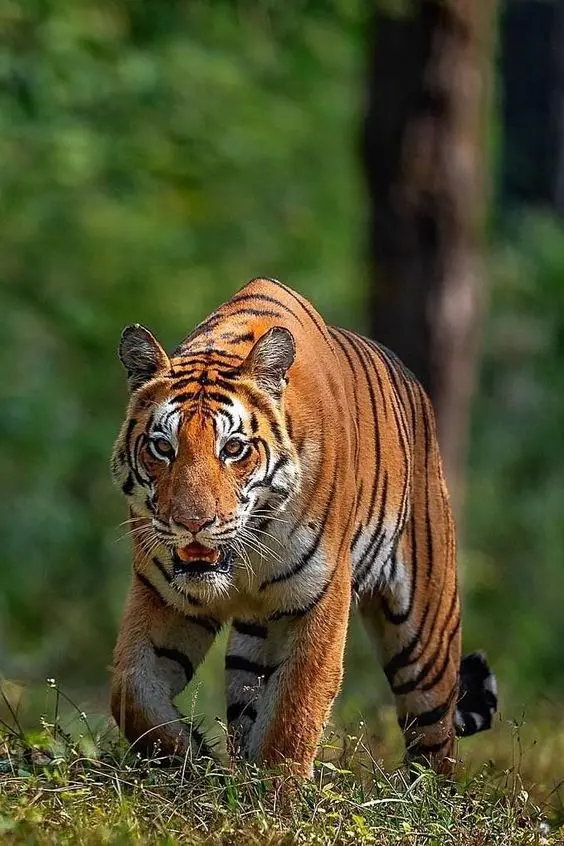
The tigeThe tiger is one of the most feared animals in the world. Tigers can weigh up to 650 pounds and measure 10 feet long. They are excellent predators and can kill much larger prey than themselves. Tigers can also run up to 45 miles an hour. Despite their fearsome reputation, tigers are shy animals and generally avoid humans.
The tiger is one of the most iconic animals in the world. It is a large, powerful predator that is both feared and admired. Tigers are found in forests and grasslands in Asia, varying in color from orange to black. They are solitary animals that hunt prey, such as deer and wild pigs. Tigers are threatened by poaching and loss of habitat, and their numbers have dwindled in recent years. r (Panthera tigris)
“Most Popular Wild Animals in The World”
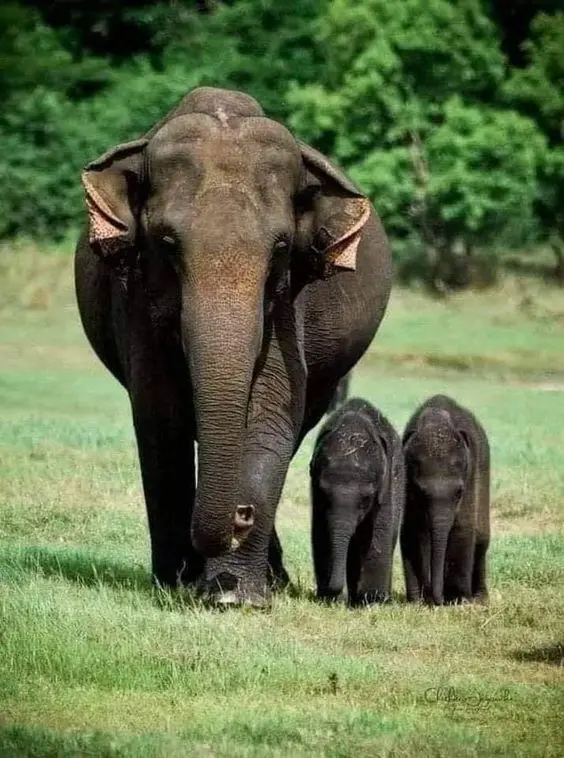
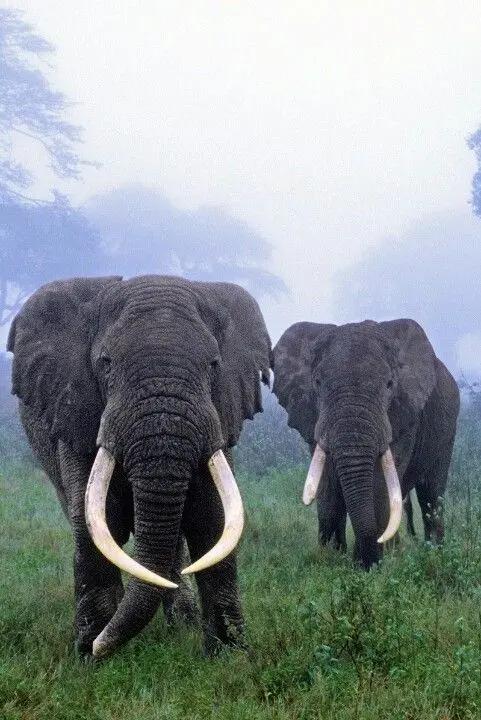
The elephant (Loxodonta africana, L. cyclotis, and Elephas maximus)
The elephant is one of the most fascinating creatures on Earth. They are the largest land animals on the planet and can weigh up to two tons. They are also one of the most intelligent animals and can be taught to perform a variety of tricks. Elephants are also known for their fantastic memory, which can help them remember routes they have traveled for many years.
Elephants are the largest land animals on Earth. They can weigh up to two tons and grow six and a half feet tall. Their trunk is their most crucial appendage; it is used for grabbing objects, drinking, bathing, and communicating with other elephants. Elephants live in herds of up to fifteen animals, but sometimes they live alone. They eat various plants but prefer leaves, twigs, and fruits.
“Most Popular Wild Animals in The World”
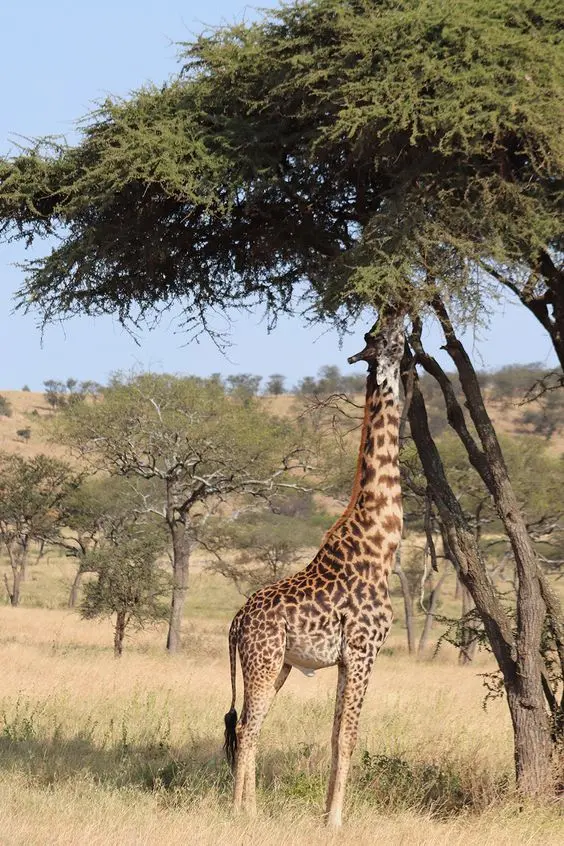
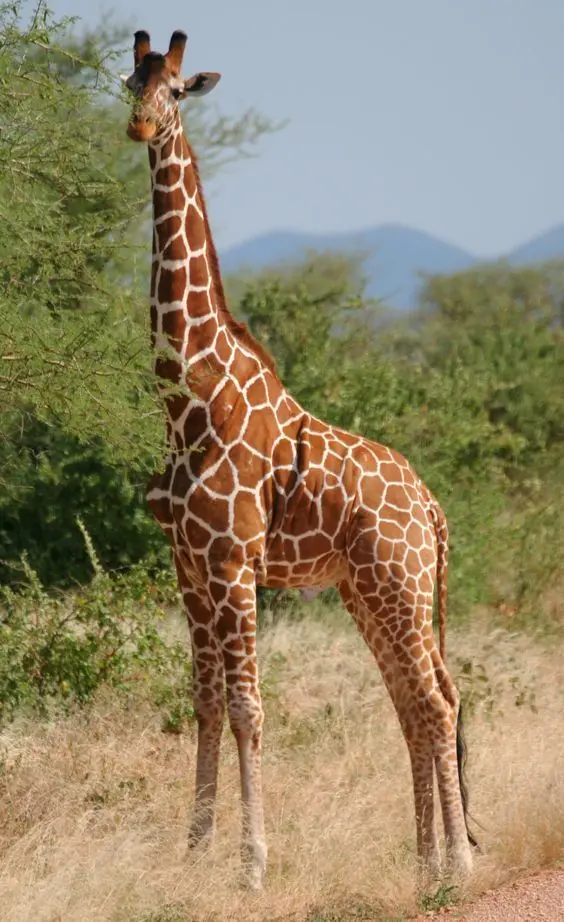
The giraffe (Giraffa camelopardalis)
The giraffe is the tallest land animal on earth. They can grow up to 18 feet tall and weigh up to 2,000 pounds. Giraffes have long necks and spotted coats. They live in Africa and eat leaves from trees. Giraffes are herbivores, and their diet consists of primary leaves, but they will also eat flowers, fruits, and shoots.
“Most Popular Wild Animals in The World”
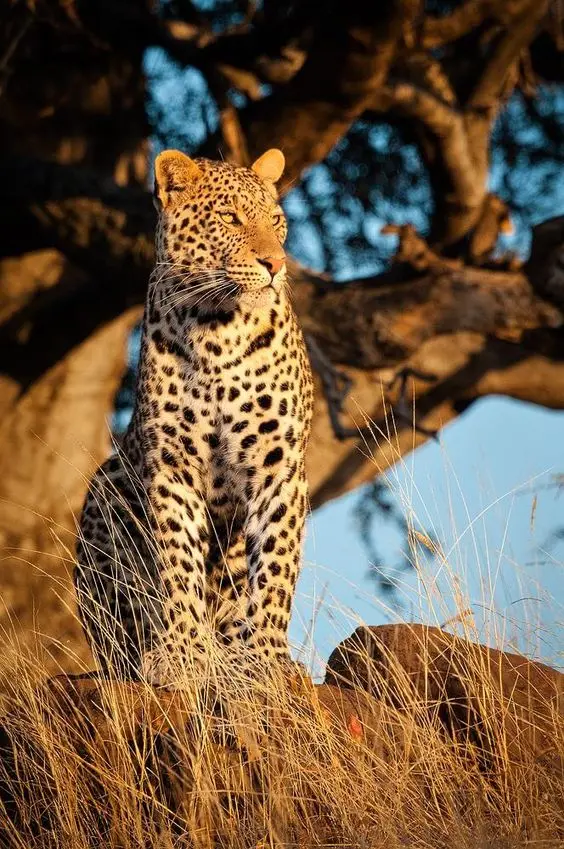
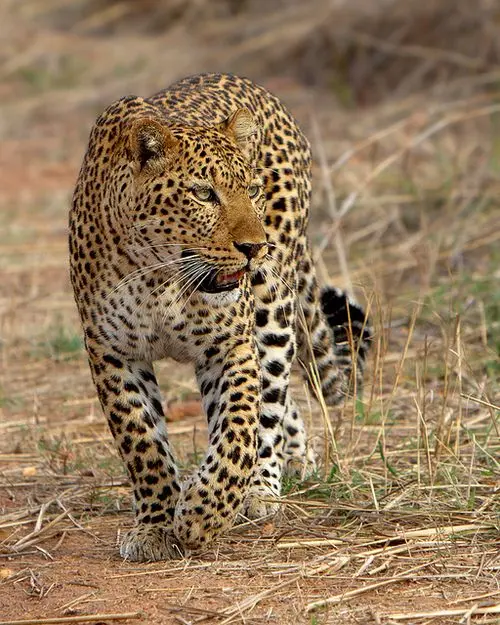
The leopard (Panthera pardus)
The leopard is a large, spotted cat found in Africa and Asia. They are the most adaptable big cats and can be found in various habitats, from rainforests to deserts. Leopards are solitary animals and mainly hunt at night. They are powerful predators, capable of taking down prey as large as antelopes or deer. Despite their size and strength, leopards are also agile climbers and have been known to take down prey from trees.
They are known for their spotted coats in Africa and Asia. Leopards are apex predators, meaning they are at the top of their food chain. They are versatile hunters and can take down prey as large as wildebeests. Leopards have also been known to scavenge off of other predators’ kills.
These cats are solitary and territorial, and they prey on small to medium-sized animals. Leopards are very adaptable animals, and they have been known to live in various habitats. However, despite their adaptability, leopards face several threats to their survival.
“Most Popular Wild Animals in The World”
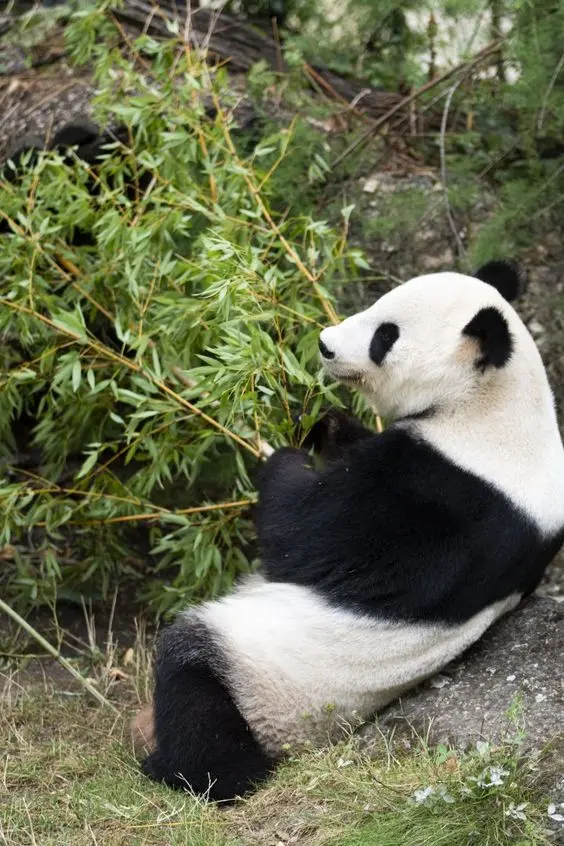
The panda (Ailuropoda melanoleuca)
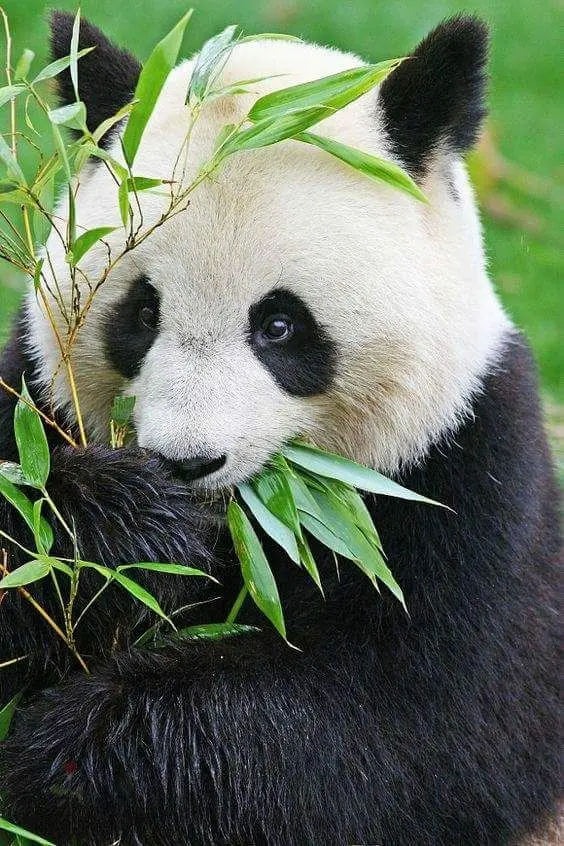
Pandas are one of the world’s most endearing and popular animals. The giant panda is one of the most endangered species on Earth, and there are only around 1,600 left in the wild. These enigmatic creatures are difficult to study, and their natural habitat slowly diminishes. Despite this, they continue to fascinate people with their cuteness, personality, and curiosity.
The panda is a large, black and white bear-like animal native to China. The panda is a national treasure of China and is protected by law. They have often been seen in zoos, and some people think they are cute, but many people also think they are endangered because of their rarity.
“Most Popular Wild Animals in The World”
The cheetah (Acinonyx jubatus)
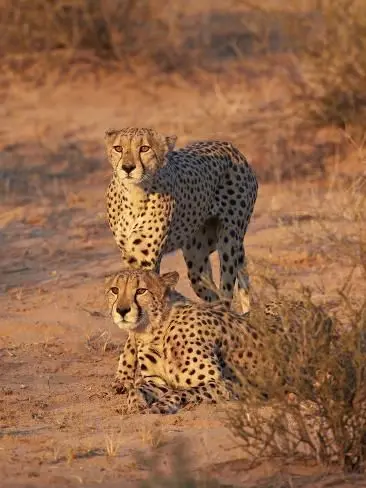
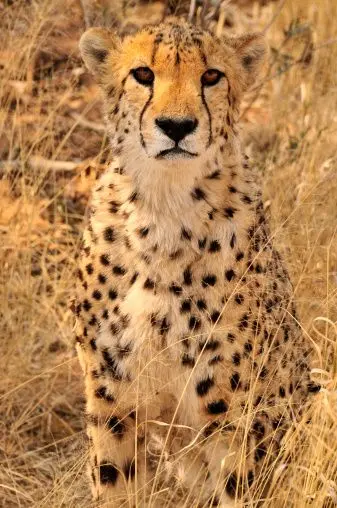
The cheetah is one of the most elusive and beautiful animals globally, and it is a fast runner that can outrun almost any other animal. The cheetah is critically endangered, and there are only around100 left in the wild.
Cheetahs are the fastest land animals on Earth and can run at speeds up to 200 mph. They can jump up to 30 feet in the air, and cover distances up to 100 miles in a single dash. Cheetahs have a lifespan of around ten years in the wild but can live up to 20 in captivity.
“Most Popular Wild Animals in The World”
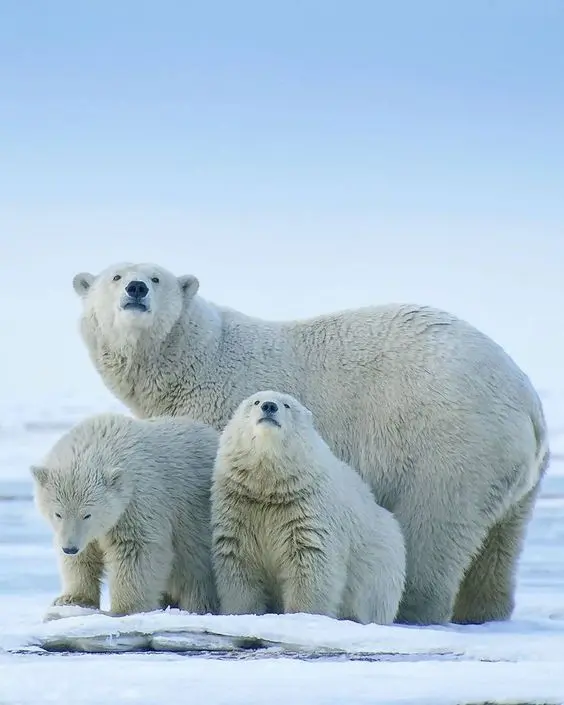
The polar bear (Ursus maritimus)
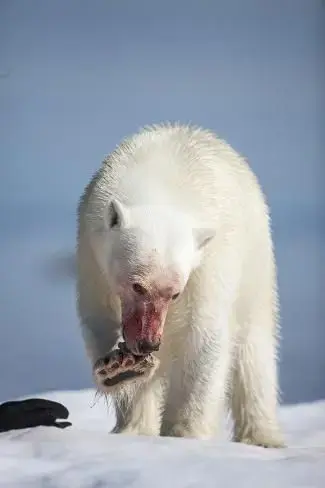
Polar bears are one of the most iconic animals globally and for good reason. These massive bears are some of the strongest and most adaptable creatures on Earth, able to survive in some of the harshest environments on Earth. They’re also one of the planet’s most endangered species, with only around 25,000 left in the wild. So what makes a polar bear so unique? For one, they’re some of the largest land animals in the world.
The polar bear is one of the most well-known animals in the world. They are known for their thick fur coat, which helps them stay warm in the cold weather. Polar bears are also known for their vast paws, which help them swim and hunt for food.
Polar bears are one of the world’s most iconic and endangered animals. They live in the Arctic and spend their days hunting for seals. Polar bears are endangered because they face many challenges, including climate change, oil exploration, and pollution.
“Most Popular Wild Animals in The World”
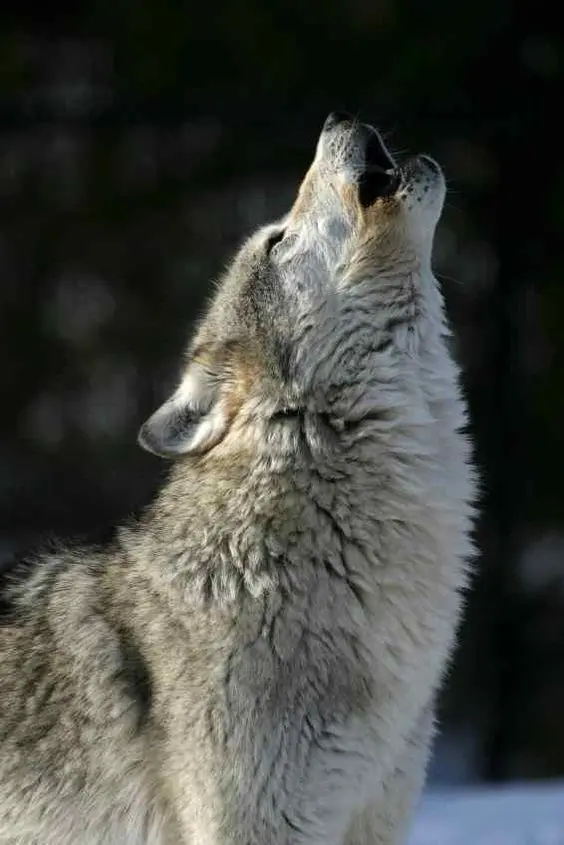
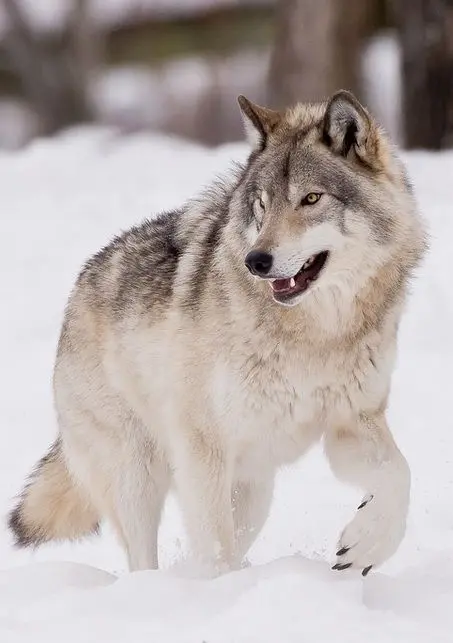
The gray wolf (Canis lupus)
The gray wolf is the most endangered wolf species, and it is estimated that only about 500 gray wolves remain in the United States in the wild. The gray wolf is a federally protected animal, and hunting them is illegal in all states except Alaska. They are also protected under the Endangered Species Act.
The gray wolf is one of North America’s most iconic and endangered species. Once widespread across the continent, the gray wolf was driven to extinction by hunting and trapping in the early 1900s. In 1973, a federal conservation program helped reintroduce wolves to Yellowstone National Park, and their populations have grown to over 1,600 animals today. The gray wolf is now listed as an endangered species under the US Endangered Species Act. They are the most widely distributed land mammal in the world. Gray wolves live in packs, consisting of alpha male, female, and their offspring.
“Most Popular Wild Animals in The World”
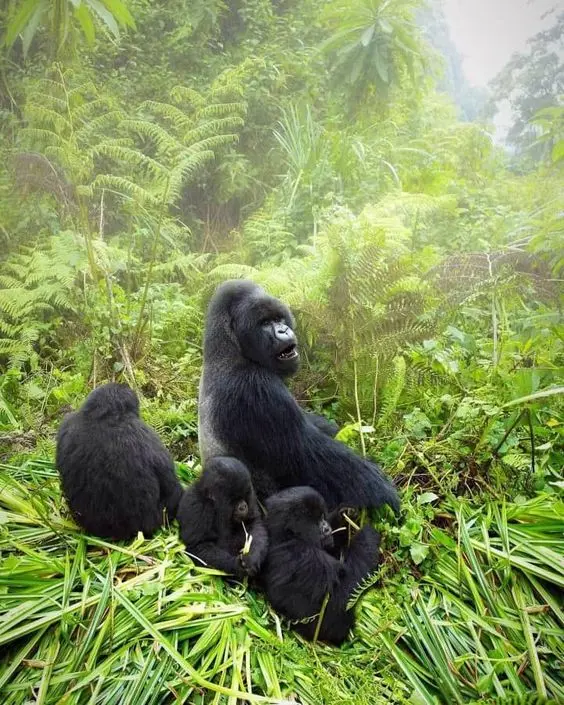
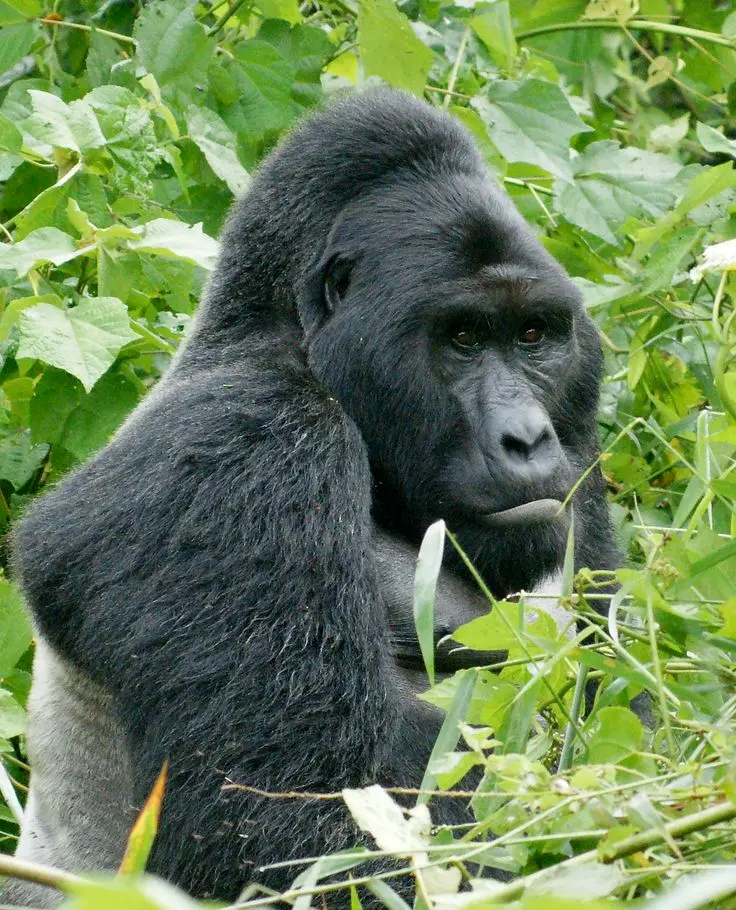
The gorilla (Gorilla beringei and G. gorilla)
Some people are afraid of gorillas because they have never seen one in person. Gorillas are the most giant primates and can be as big as 3 or 4 feet tall and weigh up to 350 pounds. They have long arms and legs, a big head, and a long body. Gorillas live in the forests of Africa and Asia.
The Gorilla is one of the world’s largest primates and is one of the most iconic animals in the world. Gorillas are found in Africa and Asia and are classified within the genus Gorilla. They are herbivores and have a lifespan of around 30-35 years. They are social animals that live in groups of around 20 individuals. The primary purpose of the Gorilla is to provide security for its group and to protect its territory.
Gorillas are one of the most admired animals in the world. They are gentle giants that tend to be quite approachable. Gorillas spend a great deal of time in the trees, which helps them stay healthy. These animals are very important to our planet and help keep our environment clean.
“Most Popular Wild Animals in The World”
Wild Animals Protecting Humans
Wild animals have been protecting people for centuries. From gorillas to lions, these animals are known for their fierce protectiveness of humans. Some animals, such as the black widow spider, have even developed deadly venom to take down predators that threaten their human counterparts.
Wild animals are known for their automatic behaviors and protective instincts. Some animals, such as wolves, lions, and bears, view humans as their natural prey. Other animals, like the elephant, are more trusting and protect humans if they feel threatened. Regardless of the animal’s temperament, all wild animals have a strong sense of self-preservation and will defend themselves and their human counterparts if necessary.
Wild animals have been protecting humans for centuries. From the lions that protect villages in Africa to the bears that protect people in North America, these animals quickly react when they sense danger. Some animals, such as the lion and the brown bear, have been known to kill human attackers. Other animals, such as the elephant and the gorilla, are more likely to charge an attacker and use their large bodies to protect their owners.
Conclusions
“Most Popular Wild Animals in The World”
In conclusion, wild animals are some of the most majestic creatures. They should be appreciated and respected for their beauty, power, and grace. We should do everything we can to help preserve their populations and ensure their survival in the wild.
In conclusion, it is essential to remember that wild animals are essential to their ecosystem. They play a crucial role in the environment’s health and should be protected. We must do our part to ensure their survival by conserving their habitats and not harming them. Let’s all work together to keep wild animals thriving in the world!

Hey, nature lovers! Ever wondered what makes some snakes so deadly that just one bite can change everything? If you’re out hiking or just love learning about wildlife, knowing about these poisonous creatures can keep you safe and amazed. We’ve put together a list of the 20 most poisonous snakes out there, based on how strong their venom is. Stick around – you might be surprised by what’s lurking in the wild!
Key Takeaways
- These snakes have super strong venom that can harm people fast.
- Most live in places like Australia, Asia, and Africa, but some are closer to home.
- Learning about them helps you stay safe outdoors.
- Venom potency is measured by things like LD50, which shows how little it takes to be deadly.
- Not all poisonous snakes are aggressive – many bite only when scared.
Summary Table of the 20 Most Poisonous Snakes
| Snake | Venom Type | Main Habitat |
|---|---|---|
| 1. Inland Taipan | Neurotoxic | Australia |
| 2. Eastern Brown Snake | Neurotoxic and Coagulant | Australia |
| 3. Coastal Taipan | Neurotoxic | Australia and New Guinea |
| 4. Tiger Snake | Neurotoxic and Myotoxic | Australia |
| 5. Black Mamba | Neurotoxic | Africa |
| 6. Philippine Cobra | Neurotoxic | Philippines |
| 7. Death Adder | Neurotoxic | Australia and New Guinea |
| 8. Belcher’s Sea Snake | Neurotoxic | Oceans near Australia and Asia |
| 9. Russell’s Viper | Hemotoxic | Asia |
| 10. Saw-Scaled Viper | Hemotoxic | Middle East and India |
| 11. King Cobra | Neurotoxic | Asia |
| 12. Boomslang | Hemotoxic | Africa |
| 13. Fer-de-Lance | Hemotoxic | Central and South America |
| 14. Bushmaster | Hemotoxic | South America |
| 15. Eastern Diamondback Rattlesnake | Hemotoxic | USA |
| 16. Coral Snake | Neurotoxic | Americas |
| 17. Common Krait | Neurotoxic | Asia |
| 18. Blue Krait | Neurotoxic | Southeast Asia |
| 19. Many-Banded Krait | Neurotoxic | Asia |
| 20. Beaked Sea Snake | Neurotoxic | Oceans in Indo-Pacific |
This table gives you a quick look. Now, let’s dive deeper into each one. You’re going to love the details – it’s like uncovering secrets of nature!
1. Inland Taipan
About
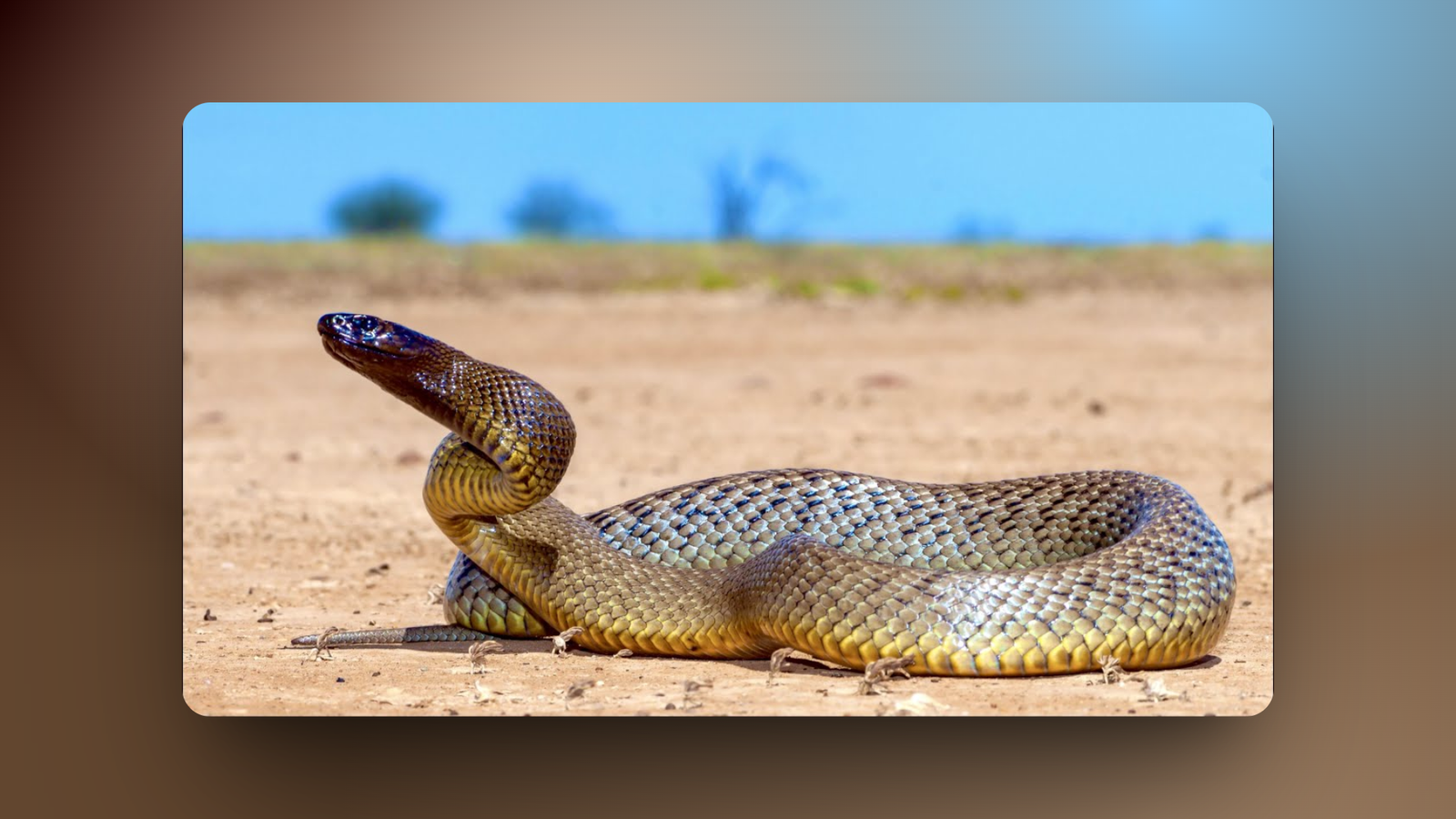
The Inland Taipan, also called the fierce snake, is from the Elapidae family. Its scientific name is Oxyuranus microlepidotus. It was first described in 1879, but people didn’t know much about it until the 1970s because it’s so shy and lives in remote areas. This snake is native to central Australia and is known as the most venomous land snake in the world.
Description
This snake grows up to about 2 meters long, that’s around 6.5 feet. It has a slim body with scales that look smooth and can be light brown or olive green, which helps it blend into the dry grasslands. Its head is a bit wider than the neck, and it has big eyes with round pupils. When it’s angry, it can flatten its neck a little, but not like a cobra. The color changes with seasons – darker in winter to soak up more heat.
Venom
The venom is mostly neurotoxic, which means it attacks the nerves and can stop you from breathing. One bite has enough venom to kill 100 people! The LD50 value is super low at 0.025 mg/kg, making it the strongest. It also has some myotoxins that damage muscles. If bitten, symptoms start fast: headache, nausea, then paralysis. Without treatment, it’s deadly in under an hour.
Habitat
You’ll find the Inland Taipan in the dry, cracked soil areas of Queensland and South Australia. It likes hiding in rat burrows or under rocks during the hot days. These snakes are active in the morning or late afternoon to avoid the extreme heat. They eat mostly small mammals like rats, which they hunt in the semi-arid plains.
Why It’s Dangerous
This snake is dangerous because its venom is so potent – even a tiny amount can cause total body shutdown. But here’s the good news: it’s not aggressive and bites only if cornered. Most bites happen to snake handlers. If you’re in its area, watch your step, and antivenom works well if you get help quick. Knowing this keeps you on the edge of your seat when exploring Aussie outback!
Key Facts
- Average length: 1.8-2.5 meters.
- Diet: Small rodents.
- Lifespan: Up to 20 years in captivity.
- Conservation status: Least concern, but habitat loss is a worry.
For more on deadly animals, check our article on Most Dangerous Animals in Australia. Learn more from National Geographic.
2. Eastern Brown Snake
About
The Eastern Brown Snake is part of the Elapidae family, scientific name Pseudonaja textilis. It was named in 1801 and is common in eastern Australia. This snake is responsible for many snakebite deaths there because it lives near people.
Description
It can reach up to 2 meters, with a slender build and colors from light tan to dark brown. The belly is cream or yellow. Young ones have black bands on their heads, which fade as they grow. It’s fast and can raise its body when threatened, looking ready to strike.
Venom
Neurotoxic and coagulant venom makes blood clot wrong and attacks nerves. LD50 is 0.036 mg/kg. Bites cause pain, swelling, then bleeding issues and paralysis. Untreated, it can kill in hours.
Habitat
Lives in farmlands, woodlands, and even suburbs in eastern Australia. It hides under logs or in grass and hunts during the day.
Why It’s Dangerous
It’s quick to bite if surprised, and since it likes areas with humans, encounters happen a lot. But antivenom saves most people. Stay alert in grassy spots!
Key Facts
- Length: 1.5-2 meters.
- Diet: Rodents, birds, frogs.
- Lifespan: 7-10 years.
- It’s the second most venomous land snake.
See related: Deadliest Snakes in Asia.
3. Coastal Taipan
About
From the Elapidae family, Oxyuranus scutellatus, described in 1867. Native to northern Australia and New Guinea.
Description
Up to 3 meters long, brown or black with a lighter head. Slim and agile.
Venom
Neurotoxic, LD50 0.099 mg/kg. Causes rapid paralysis and bleeding.
Habitat
Coastal forests and cane fields, active daytime hunter.
Why It’s Dangerous
Aggressive when cornered, venom acts fast. Rare bites, but deadly without help.
Key Facts
- Length: 2-3 meters.
- Diet: Mammals and birds.
- Known for multiple bites in one attack.
4. Tiger Snake
About
Notechis scutatus, Elapidae, named in 1827. Found in southern Australia.
Description
1-2 meters, with bands like a tiger, colors vary.
Venom
Neurotoxic and myotoxic, LD50 0.118 mg/kg. Damages muscles and nerves.
Habitat
Wetlands, rivers, active in cooler weather.
Why It’s Dangerous
Defensive, bites cause severe pain and organ failure.
Key Facts
- Adapts to cold by hibernating.
- Eats frogs and small animals.
5. Black Mamba
About
Dendroaspis polylepis, Elapidae, 1864. Africa’s longest venomous snake.
Description
Up to 4.5 meters, gray to olive, black mouth inside.
Venom
Neurotoxic, LD50 0.25 mg/kg. Fast-acting, causes collapse in minutes.
Habitat
Savannas, rocky hills in sub-Saharan Africa.
Why It’s Dangerous
Very fast, up to 20 km/h, and territorial.
Key Facts
- Not actually black, name from mouth.
- Diet: Birds, mammals.
Link: African Wildlife Dangers. More at BBC Wildlife.
6. Philippine Cobra
About
Naja philippinensis, Elapidae, 1922. Endemic to the Philippines.
Description
1-1.5 meters, brown with hood.
Venom
Neurotoxic, LD50 0.2 mg/kg. Spits venom too.
Habitat
Forests, fields, near water.
Why It’s Dangerous
Spits accurately, causes blindness or death.
Key Facts
- Can spit up to 3 meters.
- Eats small vertebrates.
7. Death Adder
About
Acanthophis antarcticus, Elapidae, 1804. Australia and New Guinea.
Description
Short, up to 1 meter, triangular head, banded.
Venom
Neurotoxic, LD50 0.4 mg/kg. Paralyzes quickly.
Habitat
Forests, grasslands, ambush hunter.
Why It’s Dangerous
Camouflages well, strikes fast.
Key Facts
- Waits for prey, tail lures.
- Gives live birth.
8. Belcher’s Sea Snake
About
Hydrophis belcheri, Elapidae, 1849. Oceanic.
Description
Up to 1 meter, yellow with bands.
Venom
Neurotoxic, LD50 0.24 mg/kg, but mild-mannered.
Habitat
Warm oceans, near reefs.
Why It’s Dangerous
Venom potent, but rare bites to fishermen.
Key Facts
- Most venomous sea snake.
- Eats fish.
9. Russell’s Viper
About
Daboia russelii, Viperidae, 1797. Asia.
Description
1-1.5 meters, brown with spots.
Venom
Hemotoxic, LD50 0.75 mg/kg. Causes bleeding, kidney failure.
Habitat
Grasslands, farms.
Why It’s Dangerous
Common in populated areas, aggressive.
Key Facts
- Hisses loudly.
- Major cause of bites in India.
10. Saw-Scaled Viper
About
Echis carinatus, Viperidae, 1799. Middle East, India.
Description
Small, 30-80 cm, rough scales.
Venom
Hemotoxic, LD50 0.24 mg/kg. Painful, causes hemorrhage.
Habitat
Deserts, rocky areas.
Why It’s Dangerous
Irritable, rubs scales to warn.
Key Facts
- Responsible for many deaths.
- Nocturnal.
11. King Cobra
About
Ophiophagus hannah, Elapidae, 1836. Asia.
Description
Up to 5.5 meters, olive with bands.
Venom
Neurotoxic, LD50 1.28 mg/kg. Large quantity per bite.
Habitat
Forests, bamboo thickets.
Why It’s Dangerous
Eats other snakes, rears up high.
Key Facts
- Longest venomous snake.
- Builds nests for eggs.
12. Boomslang
About
Dispholidus typus, Colubridae, 1768. Africa.
Description
1.5-2 meters, green or brown, big eyes.
Venom
Hemotoxic, LD50 0.07 mg/kg. Slow but deadly bleeding.
Habitat
Trees, savannas.
Why It’s Dangerous
Rear-fanged, bites rare but fatal without antivenom.
Key Facts
- Changes color with age.
- Eats birds, chameleons.
13. Fer-de-Lance
About
Bothrops asper, Viperidae, 1766. Central/South America.
Description
Up to 2.5 meters, brown with diamonds.
Venom
Hemotoxic, LD50 1.1 mg/kg. Tissue damage, bleeding.
Habitat
Rainforests, plantations.
Why It’s Dangerous
Aggressive, common in human areas.
Key Facts
- Gives live birth.
- Nocturnal hunter.
14. Bushmaster
About
Lachesis muta, Viperidae, 1766. South America.
Description
Up to 3.5 meters, pinkish-brown with triangles.
Venom
Hemotoxic, LD50 1.5 mg/kg. Pain, swelling, death.
Habitat
Rainforests, solitary.
Why It’s Dangerous
Largest viper, strikes from distance.
Key Facts
- Vibrates tail like rattler.
- Eats small mammals.
15. Eastern Diamondback Rattlesnake
About
Crotalus adamanteus, Viperidae, 1803. USA.
Description
Up to 2.5 meters, diamond pattern, rattle.
Venom
Hemotoxic, LD50 1.2 mg/kg. Damages tissue.
Habitat
Pine forests, swamps in Southeast US.
Why It’s Dangerous
Rattles to warn, but potent bite.
Key Facts
- Largest rattlesnake.
- Hunts rabbits, rodents.
Link: Snakes in North America.
16. Coral Snake
About
Micrurus fulvius, Elapidae, 1766. Americas.
Description
60-90 cm, red-yellow-black bands.
Venom
Neurotoxic, LD50 0.3 mg/kg. Paralyzes slowly.
Habitat
Woodlands, under leaves.
Why It’s Dangerous
Mimicry confuses, small fangs but strong venom.
Key Facts
- Rhyme: “Red on yellow, kill a fellow.”
- Burrowing habits.
17. Common Krait
About
Bungarus caeruleus, Elapidae, 1799. Asia.
Description
1-1.5 meters, black with white bands.
Venom
Neurotoxic, LD50 0.09 mg/kg. Bites at night, painless but deadly.
Habitat
Fields, villages.
Why It’s Dangerous
Enters homes, bites sleeping people.
Key Facts
- Nocturnal.
- Eats other snakes.
18. Blue Krait
About
Bungarus candidus, Elapidae, 1830. Southeast Asia.
Description
Up to 1.6 meters, black with blue tint, white bands.
Venom
Neurotoxic, LD50 0.1 mg/kg. Causes paralysis.
Habitat
Forests, rice paddies.
Why It’s Dangerous
Quiet bites, high fatality without treatment.
Key Facts
- Similar to common krait.
- Active at night.
19. Many-Banded Krait
About
Bungarus multicinctus, Elapidae, 1861. Asia.
Description
1-1.5 meters, black with many white bands.
Venom
Neurotoxic, LD50 0.08 mg/kg. Very potent.
Habitat
Mountains, forests.
Why It’s Dangerous
Bites cause respiratory failure fast.
Key Facts
- Found in Taiwan, China.
- Docile but deadly.
20. Beaked Sea Snake
About
Enhydrina schistosa, Elapidae, 1801. Indo-Pacific oceans.
Description
Up to 1.4 meters, gray with bands, paddle tail.
Venom
Neurotoxic, LD50 0.164 mg/kg. Affects nerves and muscles.
Habitat
Shallow seas, estuaries.
Why It’s Dangerous
Common in fishing nets, bites fishermen.
Key Facts
- Most dangerous sea snake for humans.
- Gives live birth in water.
FAQ
What’s the difference between poisonous and venomous snakes?
Venomous snakes inject venom through bites, while poisonous means harmful if eaten. All in this list are venomous – they bite to deliver toxin.
Which snake has the strongest venom?
The Inland Taipan tops the list with the most potent venom based on LD50 tests.
Are these snakes aggressive?
Most aren’t – they bite when threatened. Snakes like the Black Mamba can be territorial, though.
What should I do if bitten?
Stay calm, don’t move much, and get to a hospital fast for antivenom. Don’t suck out the venom!
Where can I see these snakes safely?
Visit zoos or wildlife sanctuaries. Never approach in the wild.
How can I avoid snake bites?
Wear boots in snake areas, watch your step, and don’t disturb rocks or logs.
Are sea snakes more dangerous than land ones?
Not always – their venom is strong, but they rarely bite unless handled.
Conclusion
There you have it – the 20 most poisonous snakes that make nature both thrilling and a bit scary. From the fierce Inland Taipan to the sneaky Beaked Sea Snake, each one shows how amazing wildlife can be. Learning about them isn’t just fun; it keeps you safe on your adventures. Don’t miss out on sharing this with fellow nature lovers – who knows, it might save a life! Share this post and tell us in the comments which snake surprised you most. For more, check Deadliest Creatures in the Ocean. Stay curious and safe out there!
Key Takeaways
- There are over 12,000 species of ants identified worldwide, with diverse habitats and behaviors.
- Some common types include carpenter ants, fire ants, sugar ants, and leafcutter ants.
- Ants play vital roles in ecosystems but can also be invasive pests in certain contexts.
- Understanding different types of ants helps in appreciating their ecological importance and managing their presence effectively.
Ants: Nature’s Tiny Yet Mighty Creatures
Ants might be small, but their impact on the environment is enormous. Found almost everywhere on Earth, these fascinating insects have over 12,000 species that vary in size, behavior, and habitat. From their intricate colonies to their ability to adapt and thrive in diverse conditions, ants are nothing short of amazing.
If you’ve ever wondered about the types of ants crawling around the world and their unique characteristics, you’re in the right place. Let’s dive deep into the world of ants and uncover the details you’ve been curious about.
How Many Types of Ants Exist Worldwide?
Ants belong to the family Formicidae, and researchers have identified more than 12,000 species globally, with many more yet to be discovered. They are grouped into various genera and species based on their physical traits, behaviors, and habitats.
Tropical regions, like the Amazon rainforest, are home to the highest diversity of ants. However, you can find them in deserts, forests, urban areas, and even your backyard!
Common Types of Ants and Their Characteristics
Here are some of the most common types of ants found worldwide:
1. Carpenter Ants
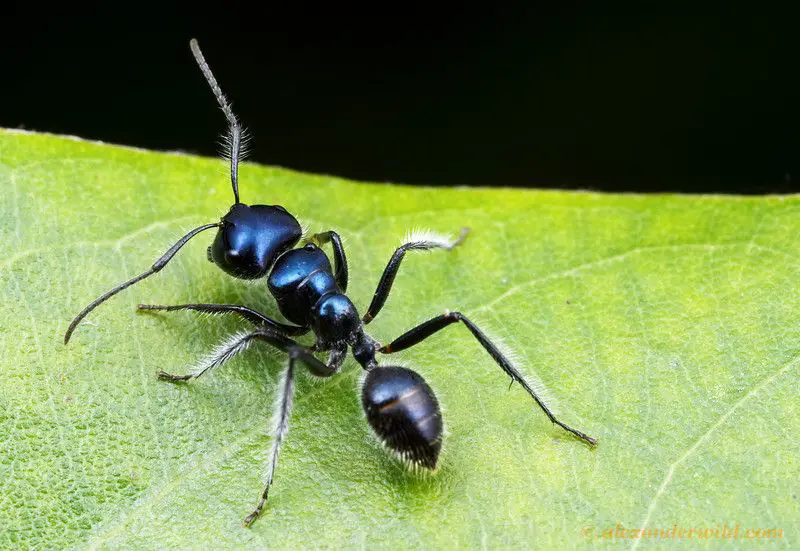
- Where They Live: Forests, wooden structures, and dead trees.
- Why They’re Special: These ants are famous for their ability to burrow into wood, which can sometimes cause damage to homes. They don’t eat wood but use it to create their nests.
- Geographic Range: Found across North America, Europe, and parts of Asia.
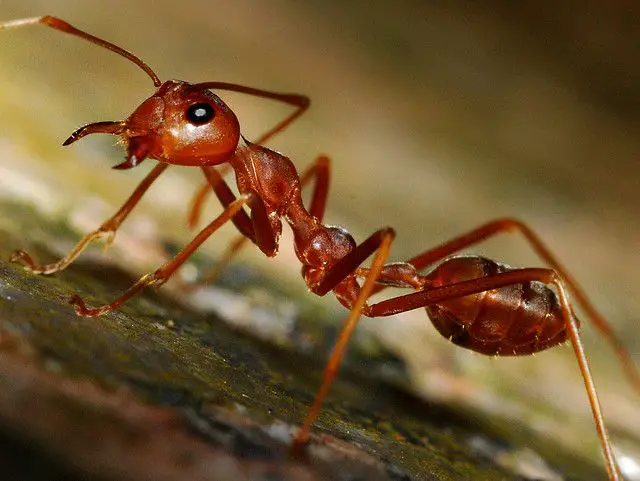
2. Fire Ants
- Where They Live: Warm climates, particularly in South America and the southern United States.
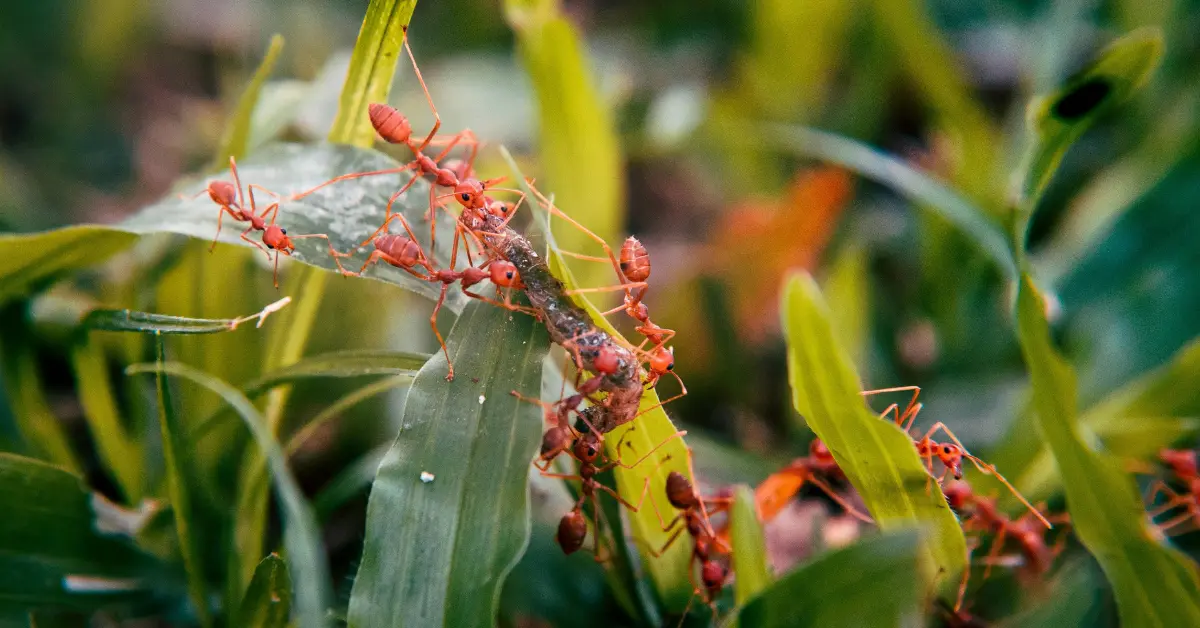
- Why They’re Special: Known for their painful sting, fire ants are aggressive and can pose a threat to humans and animals.
- Behavior: They form large colonies and are highly territorial.
3. Sugar Ants
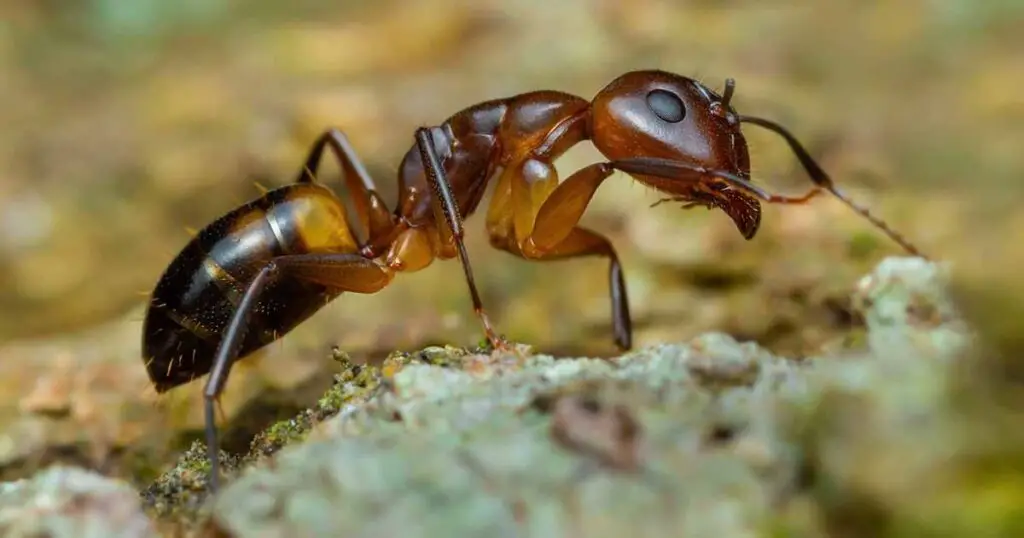
- Where They Live: Near human settlements where sugary food is available.
- Why They’re Special: Attracted to sweet foods, sugar ants are common household pests.
- Behavior: Mostly harmless but annoying due to their foraging habits.
4. Leafcutter Ants
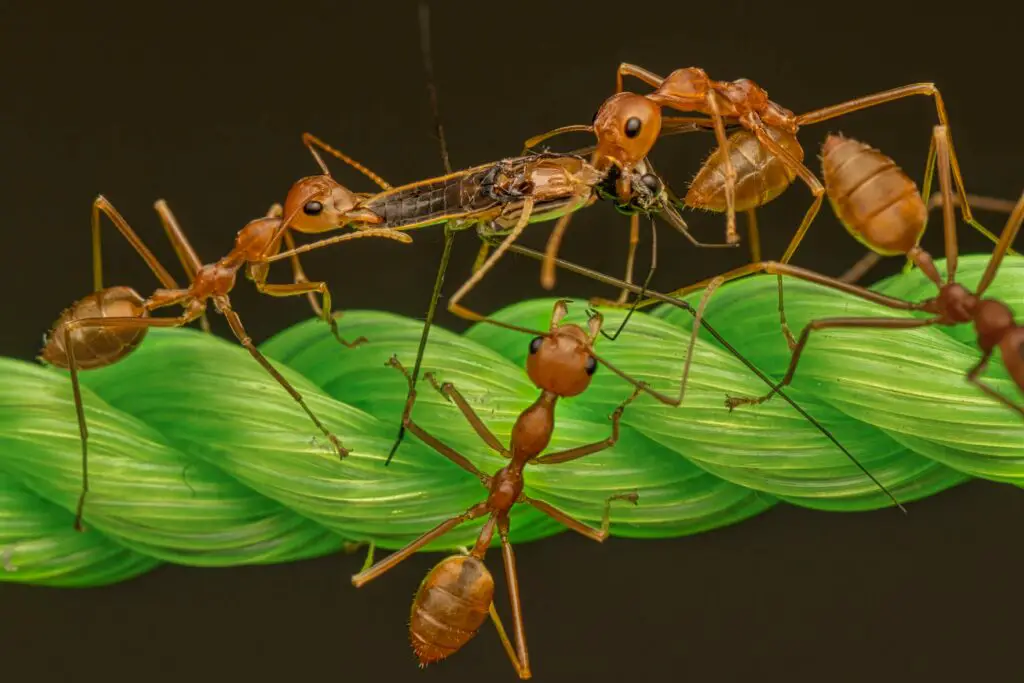
- Where They Live: Tropical rainforests in South and Central America.
- Why They’re Special: These ants are nature’s farmers, cutting leaves to cultivate fungus, which serves as their primary food source.
- Ecological Role: Essential for nutrient cycling in forests.
5. Army Ants
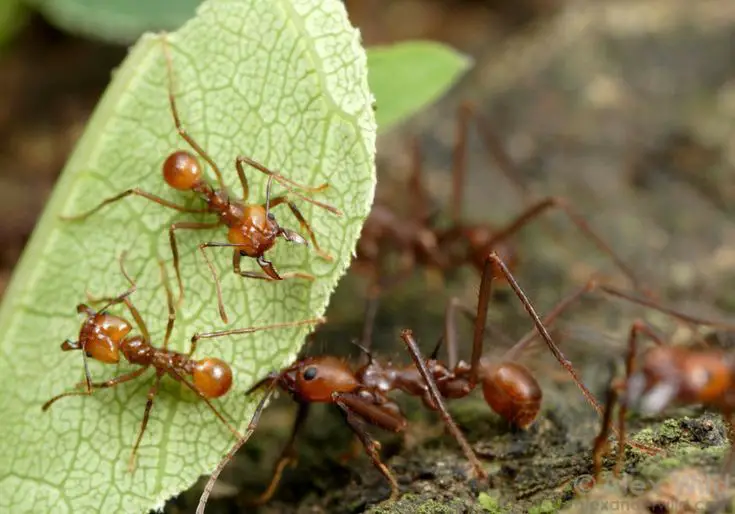
- Where They Live: Tropical regions, especially in Africa and South America.
- Why They’re Special: Known for their nomadic lifestyle and coordinated hunting strategies.
- Behavior: Travel in massive swarms to hunt prey.
Where Ants Live and Thrive
Ants are incredibly adaptable and can live in almost any environment. Here are some key habitats:
- Tropical Regions: Rich biodiversity and food availability make these areas ideal.
- Urban Areas: Many ants thrive in human settlements due to easy access to food and shelter.
- Deserts: Species like the harvester ant have adapted to extreme heat and arid conditions.
Unique Behaviors and Social Structure
Ants have complex social structures that make their colonies highly efficient. Each colony has a queen, workers, and sometimes soldiers. Their communication relies on pheromones, sounds, and touch, enabling them to work together seamlessly.
Interesting behaviors include:
- Farming: Leafcutter ants grow fungus as food.
- Swarming: Army ants hunt in groups to capture larger prey.
- Nest Building: Carpenter ants carve intricate tunnels in wood.
Benefits and Challenges of Ants
Ants are essential for ecosystems:
- Benefits:
- Aerate soil and help plants grow.
- Control pests by eating other insects.
- Recycle organic material.
- Challenges:
- Some species, like fire ants, are invasive and harmful.
- Carpenter ants can damage wooden structures.
FAQs About Ants
1. Why are ants important in ecosystems?
Ants help aerate the soil, control pests, and recycle organic material, making them vital for the environment.
2. How can I identify different ant species?
Look at their size, color, behavior, and where they live. Using a guidebook or online resources can also help.
3. Are all ants harmful?
No, most ants are harmless. Some can be pests, but others play crucial roles in maintaining ecological balance.
Conclusion
Ants may be small, but they’re incredibly diverse and vital to the natural world. From carpenter ants burrowing in wood to leafcutter ants farming fungus, each species has a unique story to tell. By understanding more about these fascinating creatures, we can appreciate their roles in the ecosystem and learn to coexist with them.
Image Article Source : https://www.pinterest.com/
Key Takeaways
- Discover the top 10 largest living birds by size and weight.
- Learn about their unique habitats, behaviors, and adaptations.
- Gain insight into how these birds survive and thrive in their environments.
Introduction
Birds are among the most fascinating creatures on Earth, and their incredible diversity never ceases to amaze us. From the small and colorful hummingbird to the towering ostrich, each species plays an important role in its ecosystem. But today, we’re going big—literally!
Have you ever wondered which birds hold the title of the largest living species in the world? This guide will take you on a journey to meet the giants of the bird kingdom. From massive flightless land birds to majestic fliers with astonishing wingspans, these species showcase just how remarkable nature can be.
Let’s dive into the top 10 largest living birds, exploring their size, habitats, and extraordinary traits that make them stand out.
The 10 Largest Living Birds
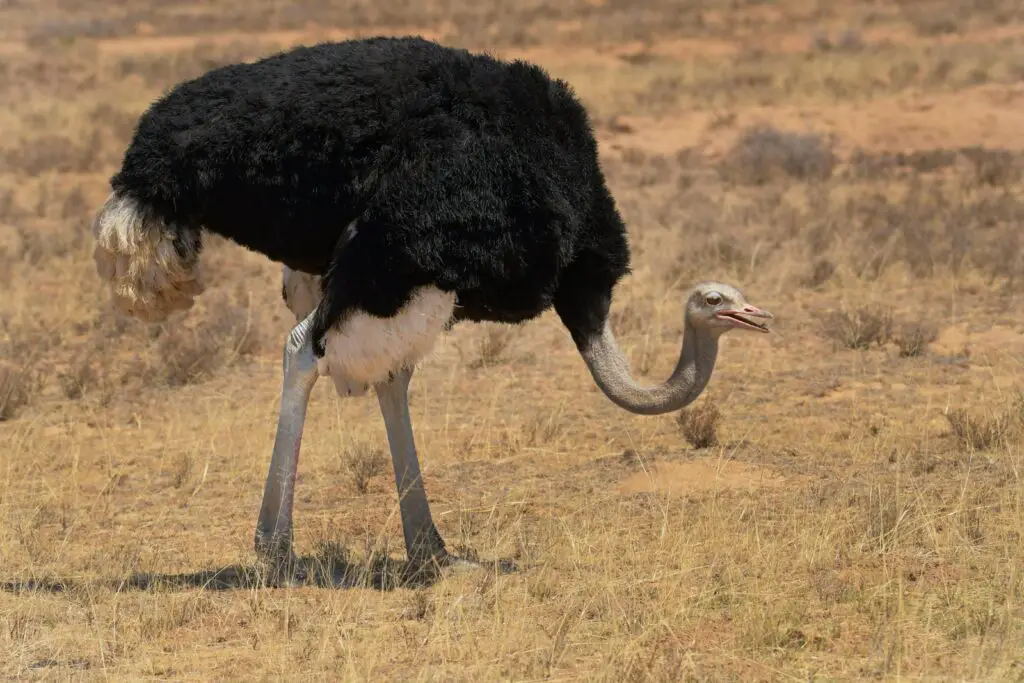
1. Ostrich – The Largest Living Bird
- Average Height: 8–9 feet
- Average Weight: 220–350 pounds
- Habitat: African savannas and deserts
The ostrich is not just the largest bird on the planet but also the fastest runner among birds, reaching speeds of up to 60 mph. They have powerful legs that allow them to cover up to 16 feet in a single stride. Being flightless, ostriches rely on their speed and size to evade predators.
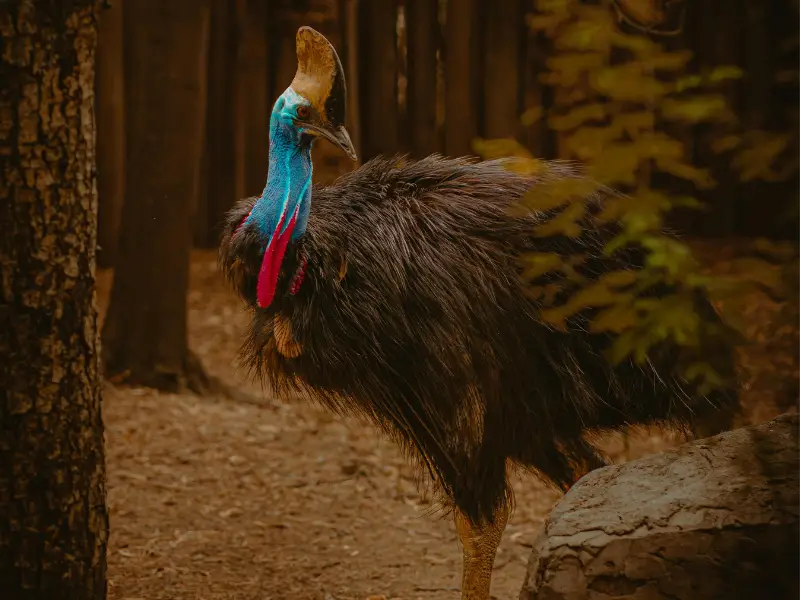
2. Southern Cassowary – The Forest Giant
- Average Height: 5–6.6 feet
- Average Weight: 110–160 pounds
- Habitat: Tropical forests of Australia, New Guinea, and nearby islands
Known for its striking blue neck and helmet-like casque, the southern cassowary is a solitary and territorial bird. While flightless, it’s an excellent swimmer and can navigate rivers with ease. Beware—this bird is known for its strong legs and sharp claws!
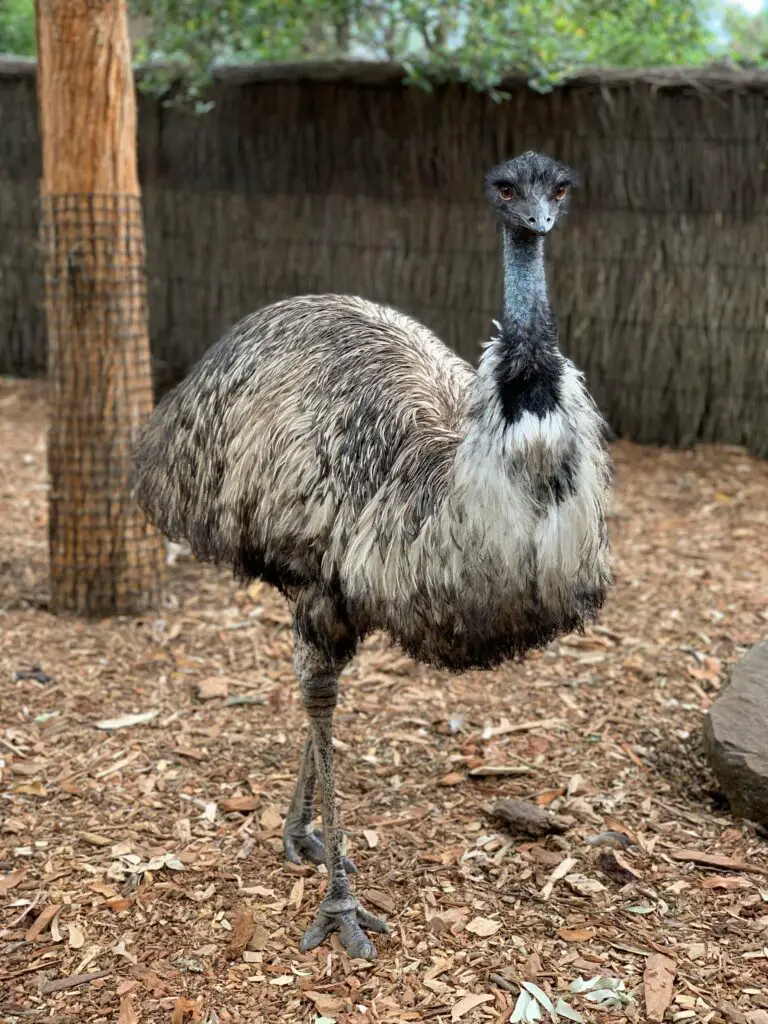
3. Emu – Australia’s Iconic Bird
- Average Height: 5.7–6.2 feet
- Average Weight: 100–130 pounds
- Habitat: Grasslands, woodlands, and semi-arid regions of Australia
The emu is a close cousin to the cassowary and shares its flightless nature. These curious birds are known for their inquisitive behavior and can travel long distances while searching for food.\
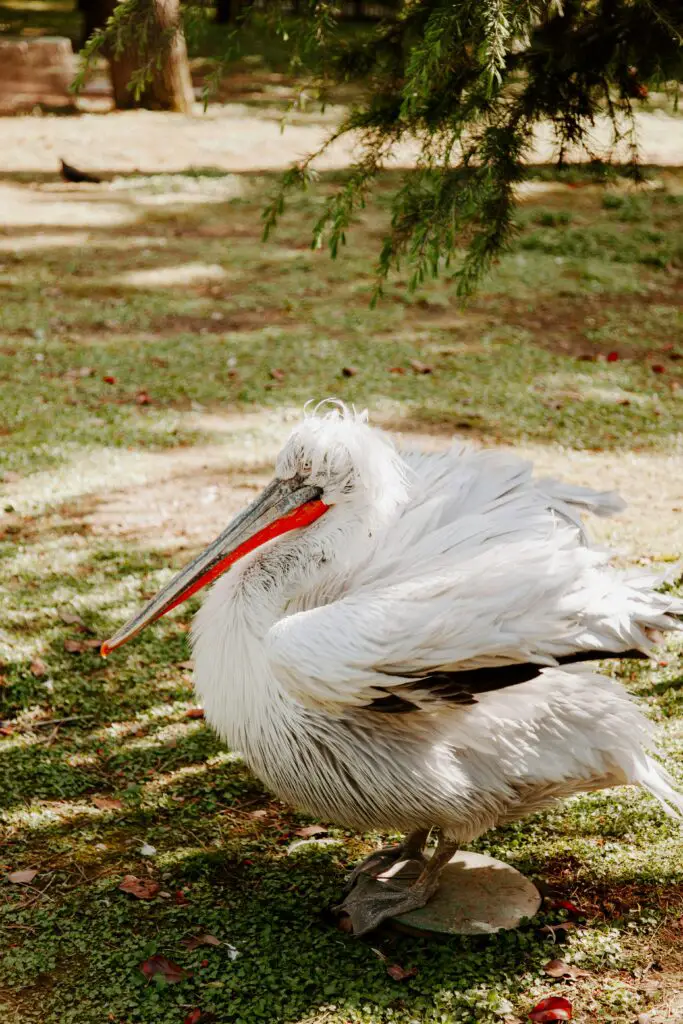
4. Dalmatian Pelican – The Largest Flying Bird by Weight
- Wingspan: 9–11.5 feet
- Average Weight: 22–33 pounds
- Habitat: Wetlands across Europe and Asia
This elegant bird is the heaviest flying bird in the world. Its enormous wingspan allows it to soar effortlessly, while its large pouch helps it catch fish. Dalmatian pelicans often live in colonies near lakes and rivers.
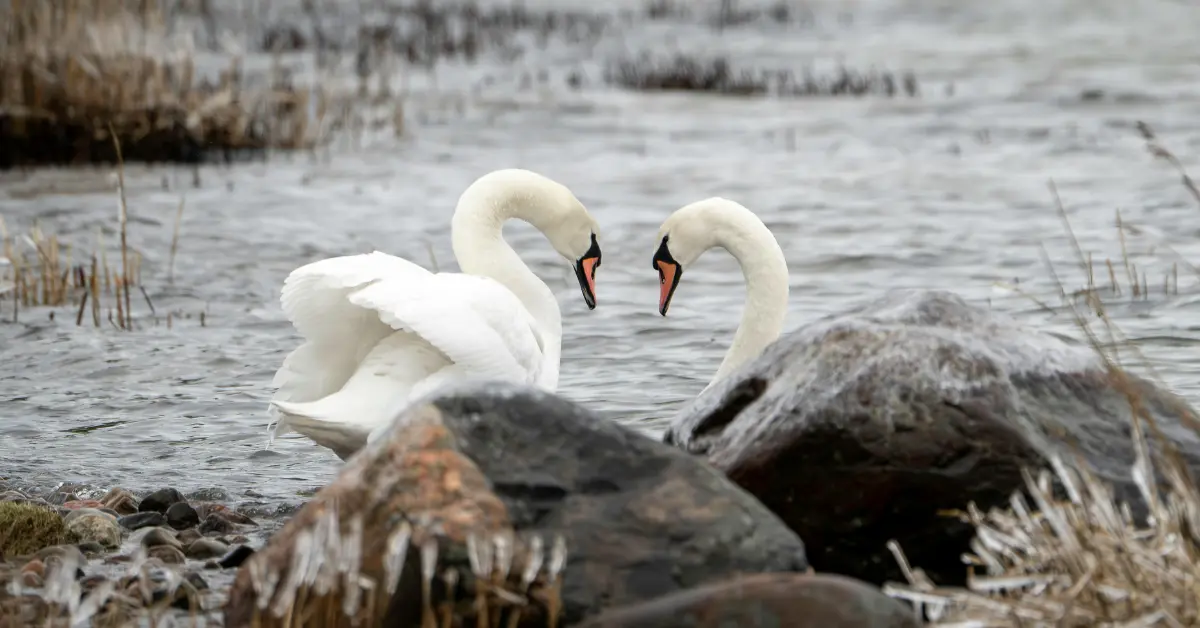
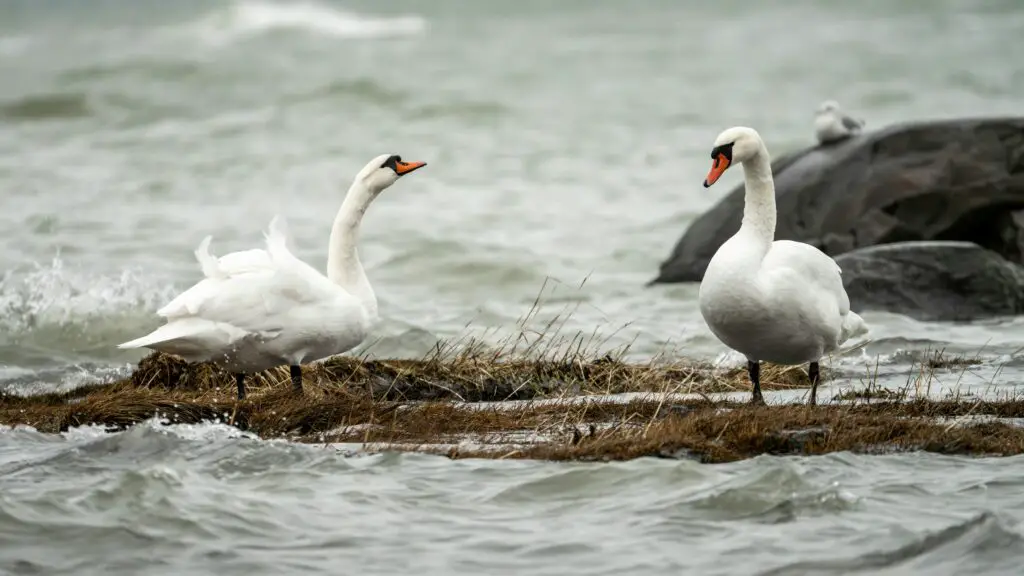
5. Mute Swan – Grace and Size Combined
- Wingspan: 7–8 feet
- Average Weight: 20–26 pounds
- Habitat: Lakes and ponds in Europe, Asia, and North America
Known for their elegant white feathers and curved necks, mute swans are among the largest waterfowl. Despite their serene appearance, they are highly territorial and can be aggressive when protecting their nests.
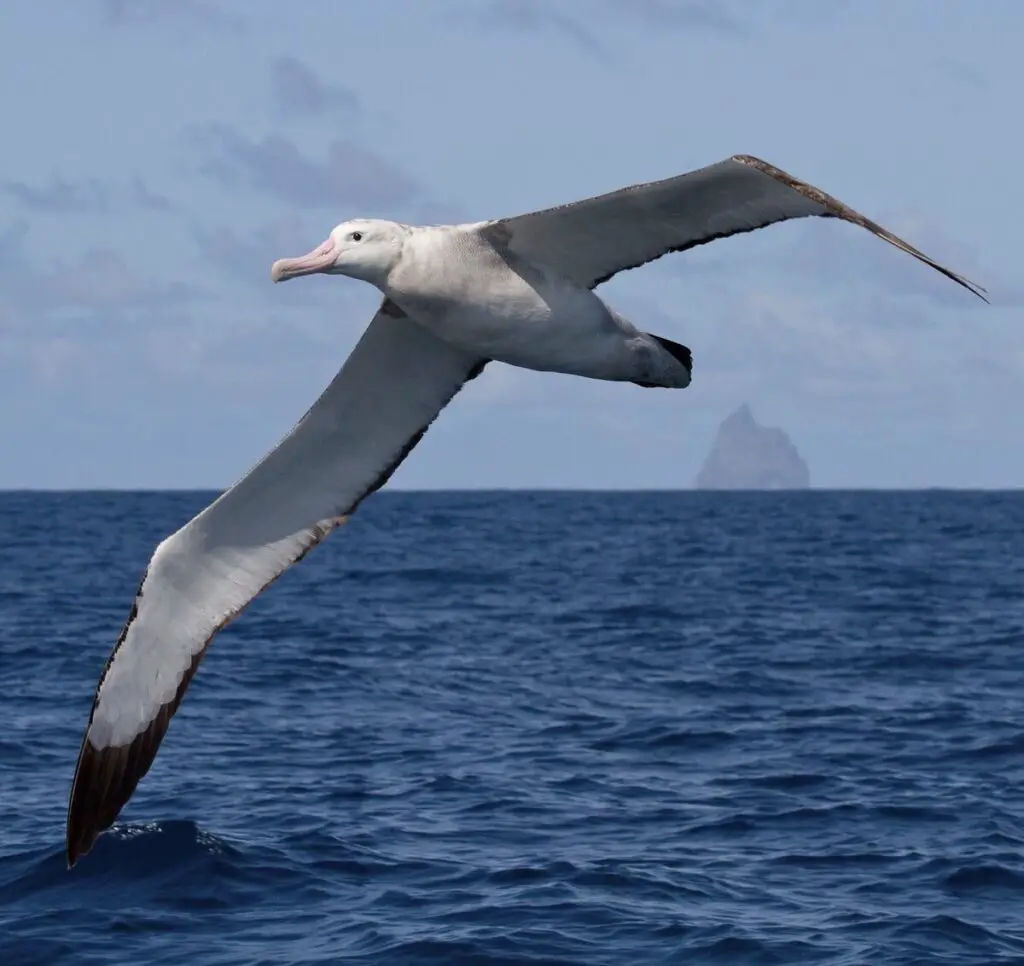
6. Wandering Albatross – The Bird with the Longest Wingspan
- Wingspan: 11–12 feet
- Average Weight: 15–25 pounds
- Habitat: Southern Ocean and sub-Antarctic islands
Famous for their incredible wingspan, wandering albatrosses can glide for hours without flapping their wings. They spend most of their lives at sea and are master navigators, traveling thousands of miles across the ocean.
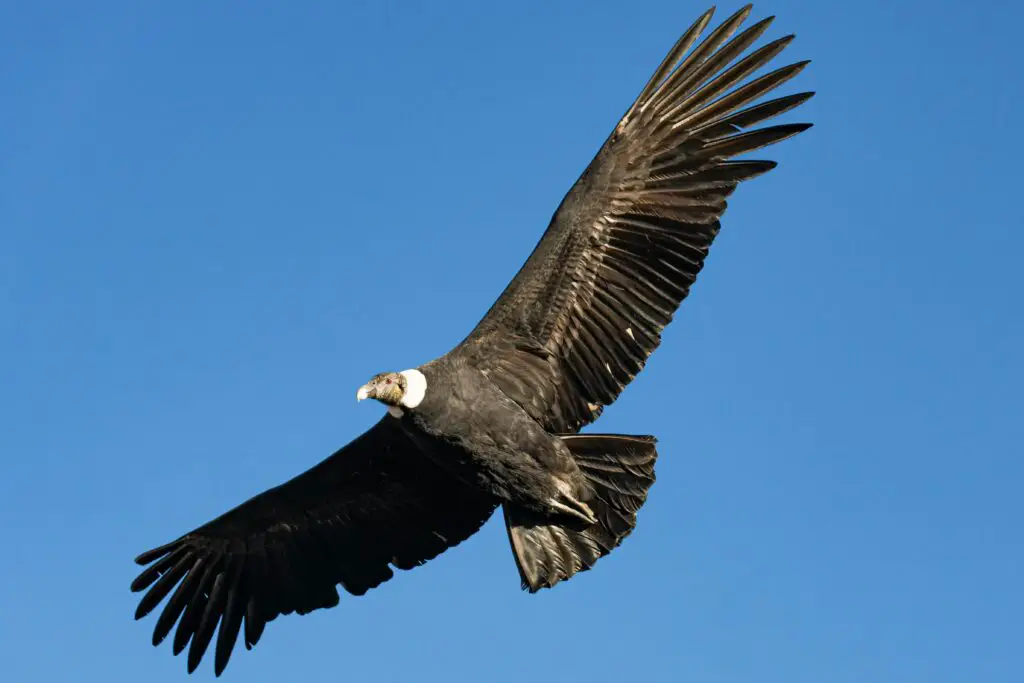
7. Andean Condor – The Largest Bird of Prey
- Wingspan: 9–10.5 feet
- Average Weight: 20–33 pounds
- Habitat: Andes Mountains of South America
This majestic scavenger is a symbol of the Andes. With its broad wings and impressive gliding ability, the Andean condor relies on thermals to soar high above the mountains in search of carrion.
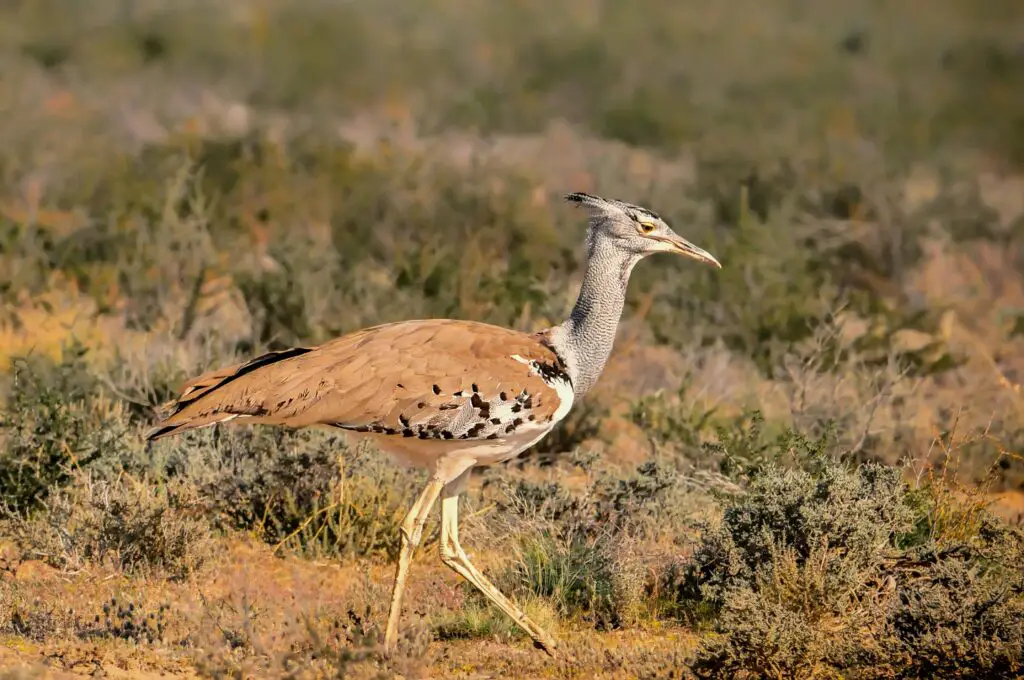
8. Kori Bustard – The Heaviest Flying Bird
- Average Weight: 24–42 pounds
- Habitat: African savannas and dry grasslands
The kori bustard holds the record for being the heaviest bird capable of flight. While they prefer walking and are not strong fliers, these birds display fascinating courtship dances during the breeding season.
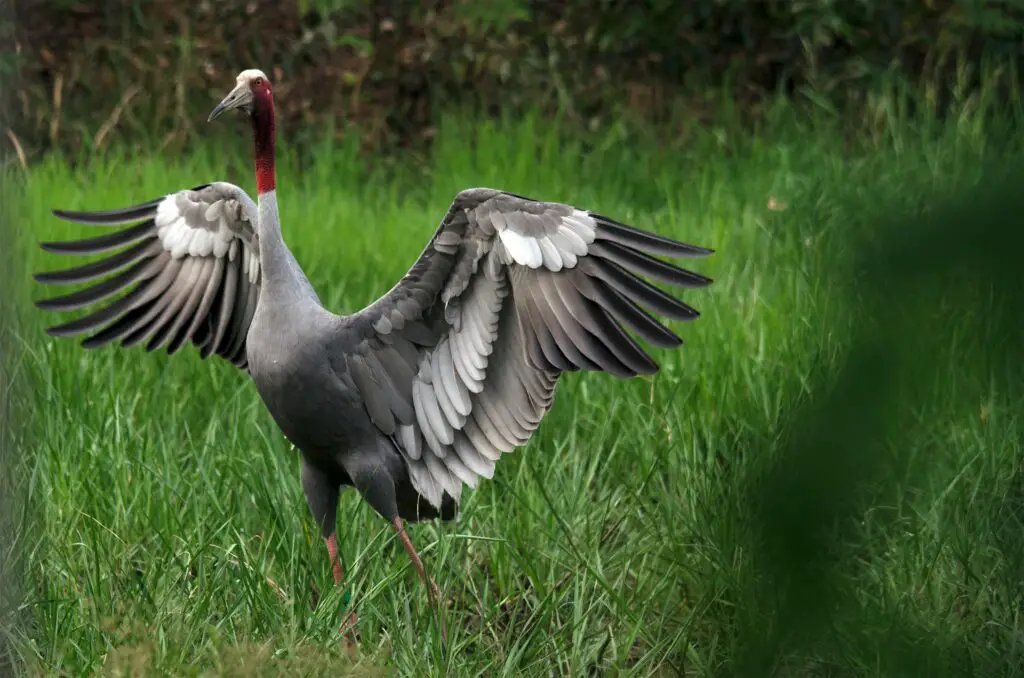
9. Sarus Crane – The World’s Tallest Flying Bird
- Average Height: 5.9–6 feet
- Average Weight: 15–26 pounds
- Habitat: Wetlands in South Asia, Southeast Asia, and Australia
With their long legs and graceful movements, Sarus cranes are known for their striking beauty and elaborate mating dances. These birds form lifelong bonds with their mates.
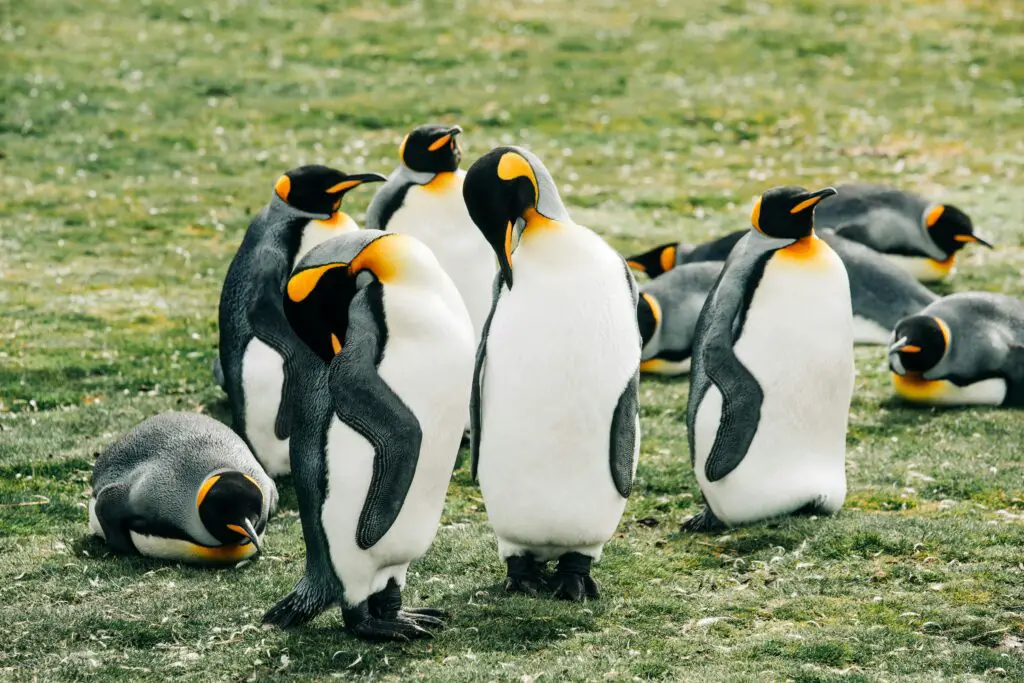
10. King Penguin – The Largest Penguin Species
- Average Height: 3.1–3.3 feet
- Average Weight: 25–35 pounds
- Habitat: Sub-Antarctic islands
King penguins are the second-largest penguin species after the emperor penguin. Their striking orange and yellow plumage make them one of the most recognizable birds in the world.
FAQs About Large Birds
What is the largest living bird?
The ostrich is the largest living bird, standing up to 9 feet tall and weighing up to 350 pounds.
Can the largest birds fly?
Most of the largest birds, like ostriches, cassowaries, and emus, are flightless. However, large flying birds like the wandering albatross and Dalmatian pelican excel at gliding or soaring.
Why are some birds flightless?
Flightless birds evolved in environments with fewer predators, prioritizing size and strength over the ability to fly.
Conclusion
The world of birds is full of surprises, and the largest ones truly stand out with their impressive size and unique adaptations. Whether it’s the sheer speed of an ostrich or the majestic flight of a wandering albatross, these birds remind us of nature’s incredible diversity.
If you ever get a chance to see one of these giants in the wild, take it—it’s an experience you won’t forget!

20 Most Poisonous Snakes in the World
Hey, nature lovers! Ever wondered what makes some snakes so deadly that just one bite can change everything? If you’re...


The Most Valuable Dogs in the World That Can Be Kept at Home
Key Takeaways The Most Valuable Dogs That Make Great Pets Imagine owning a dog that costs as much as a...


The 10 Largest Farms in the World
Key Takeaways What Are the Largest Farms in the World? Farms come in all shapes and sizes, but some are...
-
 Animals2 years ago
Types of Ants Living in the World and Information
-
 Forests2 years ago
The 10 Best Forests to Visit in the World
-

 Ocean2 years ago
Oceans in the World and Their Information & Locations
-
 Forests5 years ago
What Is The Biggest Rainforest In The World?
-
 Animals5 years ago
(10) Insects Are Animals in the world?
-

 Forests2 years ago
The Main Factors That Contribute to Forest Destruction
-
Nature2 years ago
The 10 Largest Farms in the World
-
 Animals3 years ago
What is The Reason for Freshwater Fish Extinction?