Connect with us

Forests

Biggest Trees in The World List

Published

on

Biggest Trees

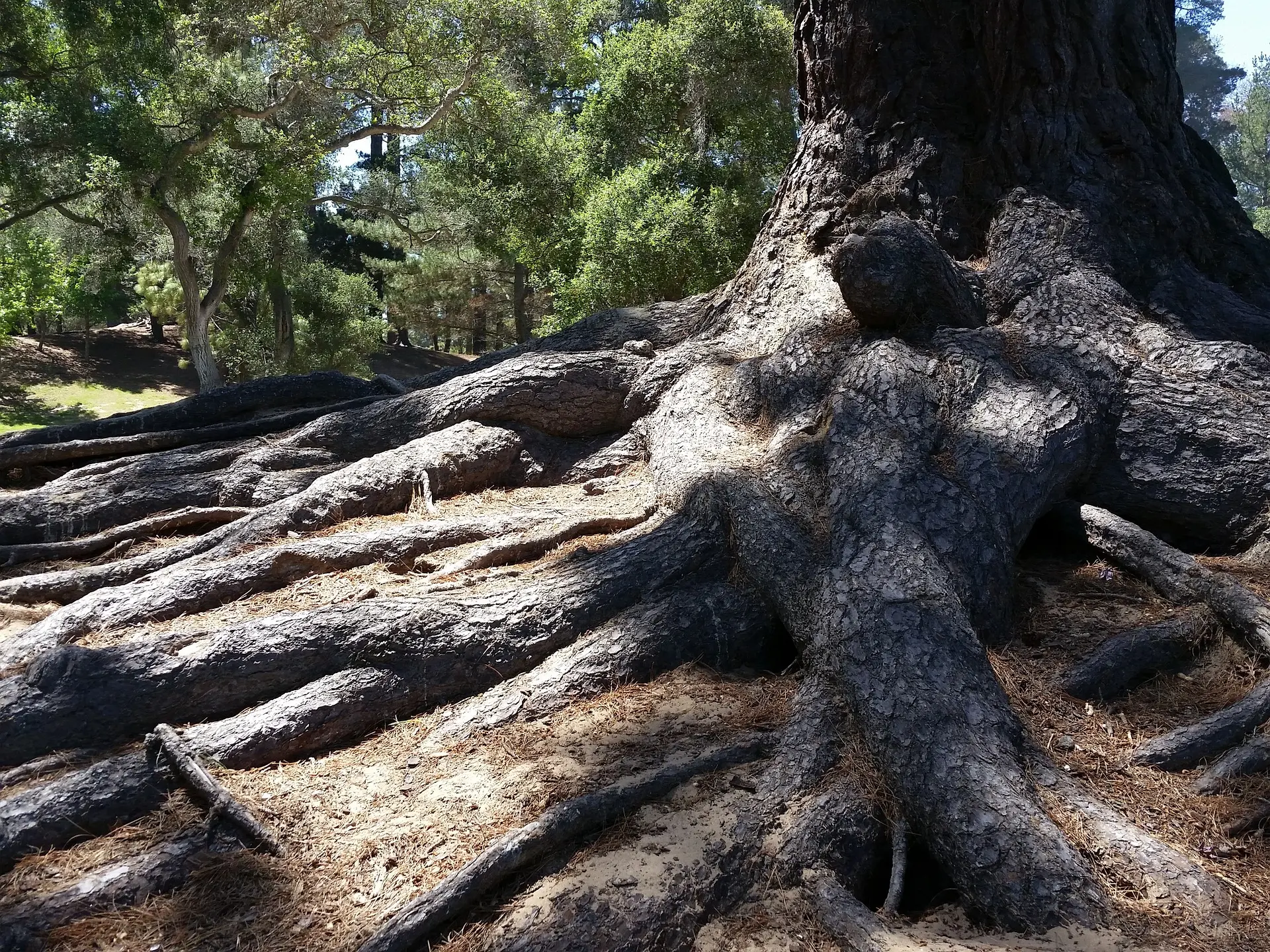
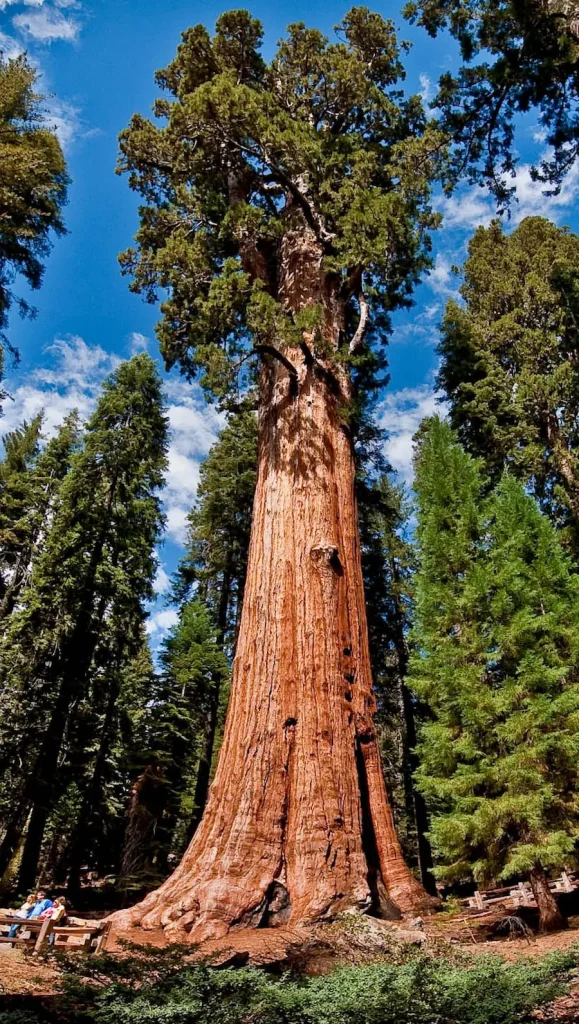
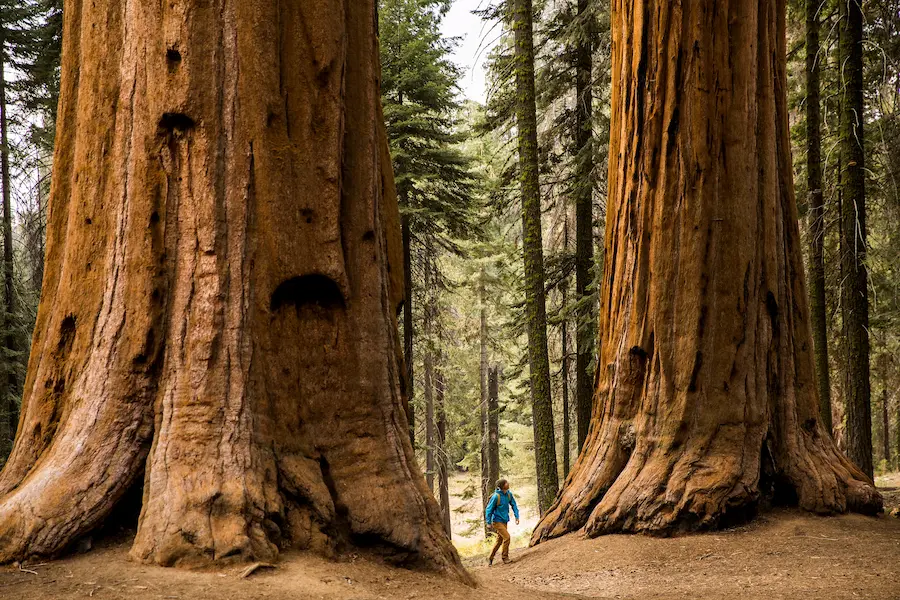
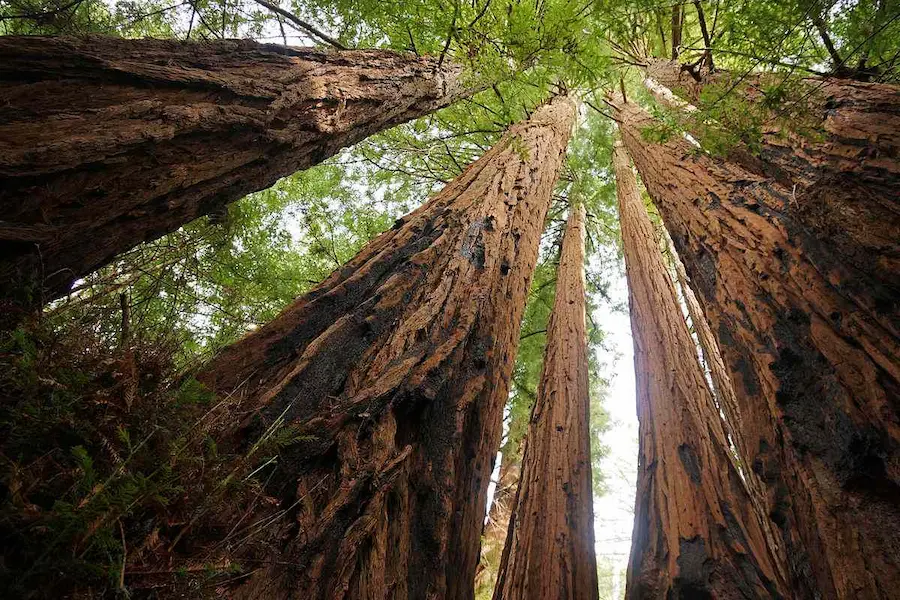
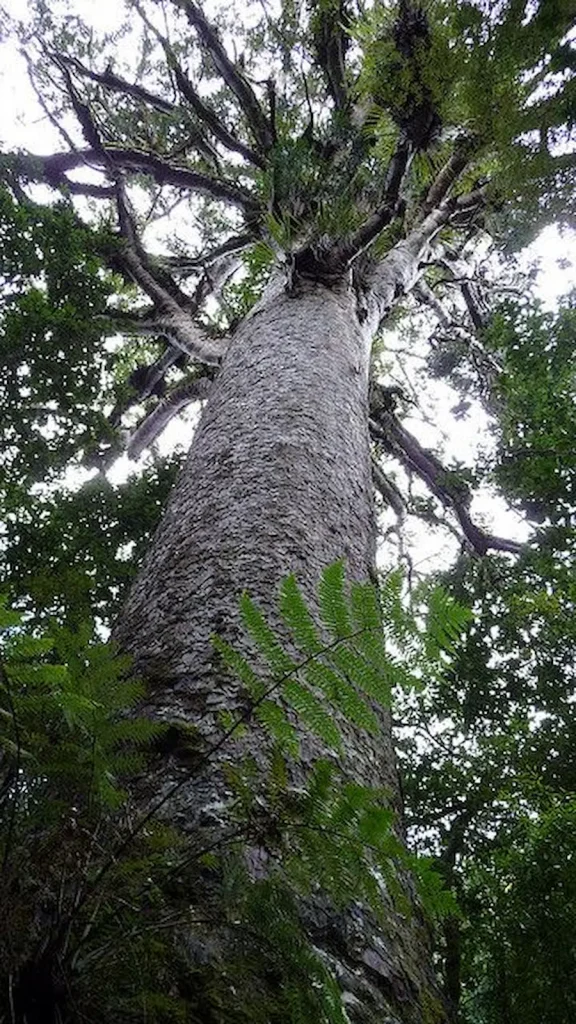
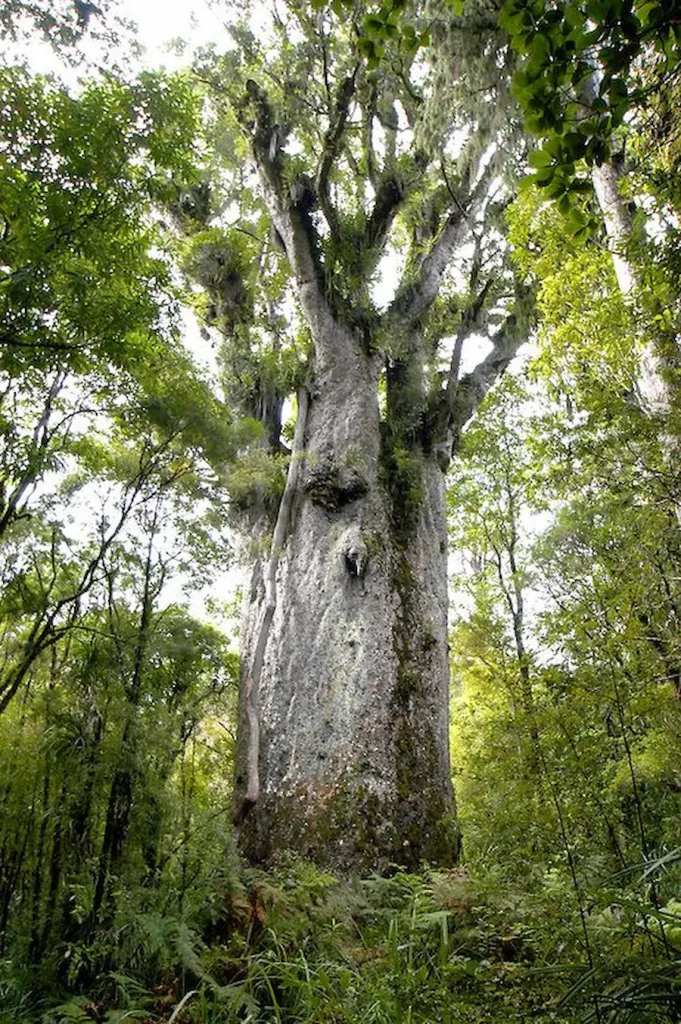
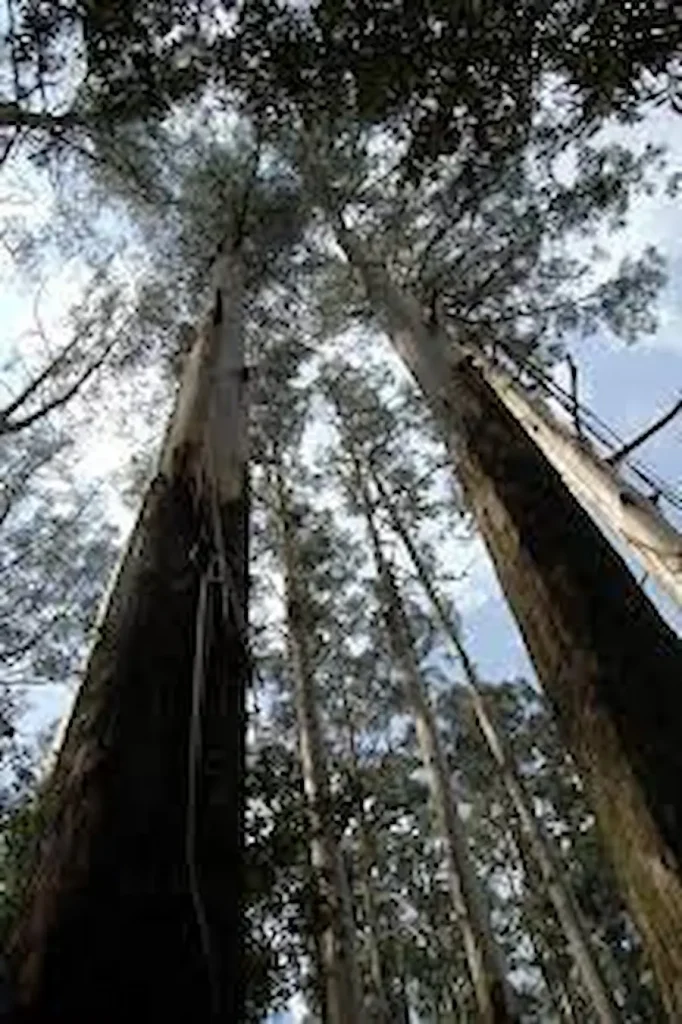
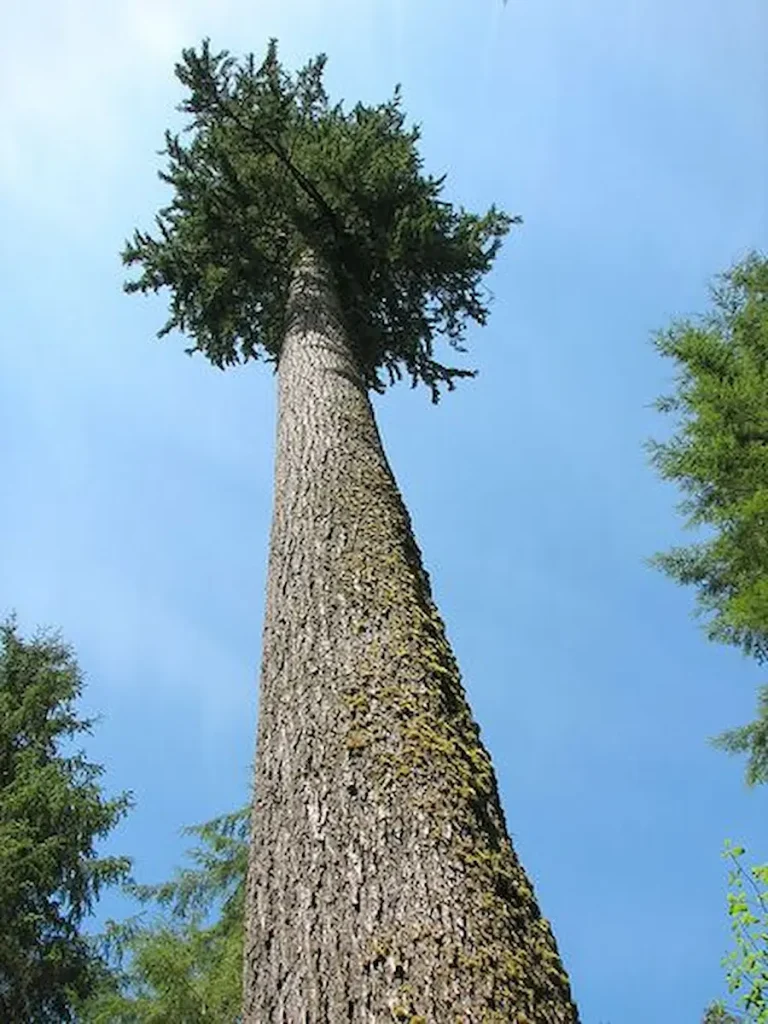
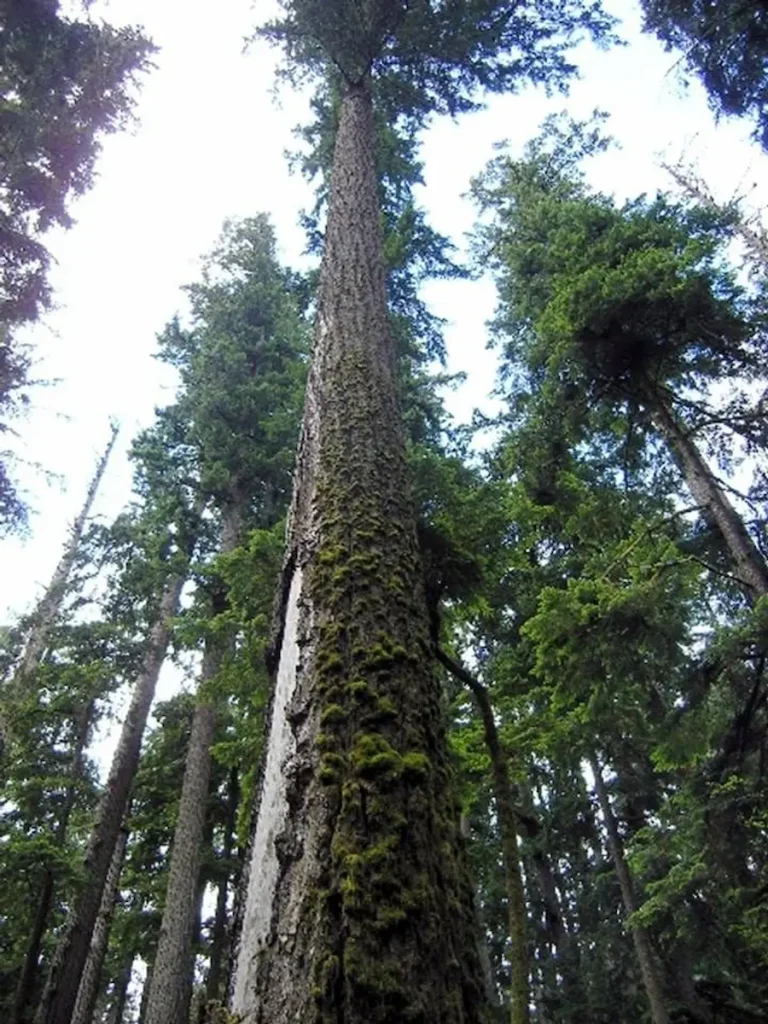
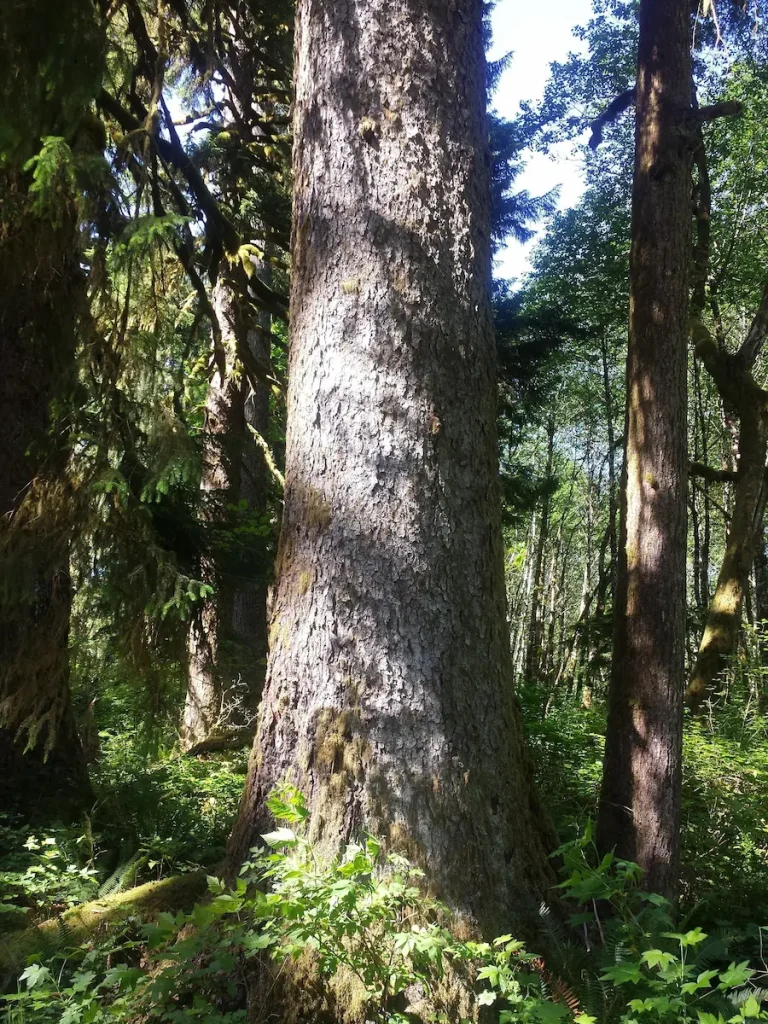
Nature is full of incredible wonders that continue to amaze and inspire us. In this comprehensive guide, we will explore biggest trees in the world list in detail, covering everything you need to know to understand and appreciate this fascinating topic. Whether you are a nature enthusiast, a student, or simply someone who loves learning about the world around us, this article will provide you with valuable insights and practical information that will deepen your understanding and appreciation of the natural world. We have compiled extensive research and expert knowledge to bring you the most complete and accurate information available on this subject.

Key Takeaways

  • Comprehensive overview of biggest trees in the world list
  • Detailed explanations and practical insights from experts in the field
  • Expert tips, recommendations, and best practices
  • Frequently asked questions answered in detail
  • Current research findings and scientific perspectives
  • Practical advice for experiencing this topic firsthand

Introduction

The natural world is full of remarkable phenomena that shape our planet and sustain life in all its forms. Understanding these natural processes and features is not only fascinating but also essential for appreciating the delicate balance of our ecosystem. In this article, we will take an in-depth look at biggest trees in the world list, exploring its significance, characteristics, and the role it plays in the broader natural world. Our goal is to provide you with a thorough understanding that goes beyond surface-level knowledge, giving you the kind of detailed insight that will deepen your appreciation for nature and inspire you to learn more about the incredible world around us. This guide is designed to be a comprehensive resource that you can return to again and again as you continue your journey of discovery and learning.

Background and Context

To fully appreciate the significance of this topic, it is important to understand the broader context in which it exists. The natural world is a complex and interconnected system where every element plays a vital role in maintaining the overall balance. From the smallest microorganisms that cycle nutrients in the soil to the largest ecosystems that regulate our climate, every component is essential. Understanding these connections helps us appreciate why topics like this matter so much, not just for the environment but for our own well-being and survival. Scientists and researchers around the world continue to study these natural processes, uncovering new insights that deepen our understanding and inform conservation efforts. The more we learn about the natural world, the better equipped we are to make decisions that benefit both the environment and humanity.

The World of Plants

Plants are the foundation of life on Earth, producing the oxygen we breathe and the food we eat through the remarkable process of photosynthesis. They come in an astonishing variety of shapes, sizes, and forms, from tiny mosses that grow on rocks to towering trees that have stood for thousands of years. Plants play a crucial role in regulating the climate by absorbing carbon dioxide, maintaining soil health through their root systems, and supporting countless other species that depend on them for food and shelter. Understanding and appreciating the plant kingdom is essential for anyone who cares about the natural world and the future of our planet. The study of plants has led to countless advances in medicine, agriculture, and environmental science.

Furthermore, it is worth noting that this aspect of the natural world has far-reaching implications that extend beyond what we might initially expect. The interconnectedness of natural systems means that changes in one area can have cascading effects throughout the entire ecosystem. Understanding these relationships is crucial for making informed decisions about conservation, resource management, and environmental policy. By deepening our knowledge of these topics, we become better stewards of the natural world and more effective advocates for its protection.

Plant Adaptations

Plants have evolved an incredible range of adaptations to survive in different environments, and these adaptations are among the most remarkable examples of evolution in action. Desert plants have developed water-storing tissues and reduced leaf surfaces to minimize water loss in arid conditions. Tropical plants have broad leaves to capture maximum sunlight in the dense forest canopy. Alpine plants grow close to the ground to avoid harsh winds and cold temperatures. Some plants have developed symbiotic relationships with fungi, bacteria, or animals to help them obtain nutrients. Carnivorous plants have evolved to trap and digest insects to supplement their nutrient intake in poor soils. This diversity of adaptations is a testament to the remarkable resilience and creativity of life on Earth.

Furthermore, it is worth noting that this aspect of the natural world has far-reaching implications that extend beyond what we might initially expect. The interconnectedness of natural systems means that changes in one area can have cascading effects throughout the entire ecosystem. Understanding these relationships is crucial for making informed decisions about conservation, resource management, and environmental policy. By deepening our knowledge of these topics, we become better stewards of the natural world and more effective advocates for its protection.

Conservation and Importance

Plant conservation is critical for maintaining the health of our planet ecosystems and for human survival. Many plant species are threatened by habitat destruction, climate change, invasive species, and overharvesting. The loss of plant species can have cascading effects on entire ecosystems, as many animals depend on specific plants for food and shelter. Plants also provide essential ecosystem services, including air purification, water filtration, soil stabilization, and climate regulation. Conservation efforts include establishing seed banks to preserve genetic diversity, protecting natural habitats through parks and reserves, and promoting sustainable agriculture and forestry practices that work with nature rather than against it.

Furthermore, it is worth noting that this aspect of the natural world has far-reaching implications that extend beyond what we might initially expect. The interconnectedness of natural systems means that changes in one area can have cascading effects throughout the entire ecosystem. Understanding these relationships is crucial for making informed decisions about conservation, resource management, and environmental policy. By deepening our knowledge of these topics, we become better stewards of the natural world and more effective advocates for its protection.

Growing and Caring for Plants

Whether you have a large garden or just a few pots on a windowsill, growing plants can be a deeply rewarding experience that connects you with the natural world. Understanding the basic needs of plants, including light, water, soil, and nutrients, is the first step toward successful gardening. Choosing the right plants for your climate and conditions is also important, as is understanding the specific needs of each species. With proper care and attention, you can create a thriving green space that supports local wildlife, improves air quality, and brings joy to your daily life. Gardening is also a great way to teach children about the natural world and instill a sense of environmental responsibility.

Furthermore, it is worth noting that this aspect of the natural world has far-reaching implications that extend beyond what we might initially expect. The interconnectedness of natural systems means that changes in one area can have cascading effects throughout the entire ecosystem. Understanding these relationships is crucial for making informed decisions about conservation, resource management, and environmental policy. By deepening our knowledge of these topics, we become better stewards of the natural world and more effective advocates for its protection.

Current Research and Developments

Scientific research continues to reveal new and exciting information about the natural world, and this topic is no exception. Recent studies have provided fresh insights into the processes and phenomena that shape our understanding of this subject. Researchers are using advanced technologies, from satellite imaging to DNA analysis, to uncover details that were previously beyond our reach. These discoveries not only expand our knowledge but also have practical applications for conservation, education, and sustainable management of natural resources. Staying informed about the latest research helps us appreciate the dynamic and ever-evolving nature of the world around us.

Historical Perspective

Throughout human history, our relationship with the natural world has evolved dramatically. Early humans lived in close harmony with nature, depending on it for food, shelter, and medicine. As civilizations developed, our impact on the natural world grew, sometimes in ways that were sustainable and sometimes in ways that caused lasting damage. The industrial revolution marked a turning point, as new technologies allowed us to extract resources and transform landscapes at an unprecedented scale. Today, we are beginning to understand the full consequences of our actions and the urgent need to find a more sustainable path forward.

Global Impact and Significance

The topic we are exploring has implications that extend far beyond any single location or ecosystem. In our interconnected world, changes in one part of the globe can have ripple effects that are felt thousands of miles away. Understanding these global connections is essential for addressing the environmental challenges we face today. From climate change and biodiversity loss to pollution and resource depletion, the issues are complex and interconnected. Solving them requires a global perspective and a willingness to work together across borders, cultures, and disciplines.

Practical Applications

The knowledge we gain about the natural world has many practical applications that benefit society in tangible ways. From developing new medicines based on natural compounds to designing more sustainable agricultural practices, the insights we gain from studying nature have real-world value. Understanding topics like this also helps us make better decisions about how we interact with our environment, from choosing sustainable products to supporting conservation initiatives. By applying what we learn, we can contribute to a more sustainable and harmonious relationship with the natural world.

Future Outlook

Looking ahead, the future of this topic will be shaped by the choices we make today. Scientific advances are opening new possibilities for understanding and protecting the natural world, from genetic tools that can help save endangered species to satellite technologies that monitor environmental changes in real time. At the same time, growing awareness of environmental issues is driving changes in policy, business practices, and individual behavior. Young people around the world are increasingly engaged in environmental activism, demanding action from leaders and holding corporations accountable. While the challenges are significant, there are many reasons for optimism.

Expert Perspectives and Insights

Leading scientists, conservationists, and naturalists have shared valuable insights about this topic that can help us better understand its significance and the actions needed to protect it. Dr. Jane Goodall, the renowned primatologist, has emphasized the importance of individual action in conservation, noting that every person has a role to play in protecting the natural world. Similarly, marine biologist Sylvia Earle has highlighted the critical importance of ocean conservation, describing the ocean as the life support system of our planet. These expert perspectives remind us that the challenges we face are significant but not insurmountable, and that the knowledge and tools we need to make a difference are available to us right now.

Case Studies and Real-World Examples

To better understand the practical implications of this topic, it is helpful to examine real-world examples and case studies from around the globe. These examples illustrate both the challenges and the successes of conservation and management efforts, providing valuable lessons for future action. From community-led conservation initiatives in developing countries to cutting-edge research programs in universities and laboratories, the range of approaches being employed is as diverse as the natural world itself. These case studies demonstrate that meaningful progress is possible when people work together toward a common goal, and they offer hope and inspiration for those who want to make a difference.

Frequently Asked Questions

What makes this topic so important?
This topic is important because it helps us understand the natural processes that shape our planet and sustain life. By learning about these processes, we can better appreciate the complexity and beauty of the natural world and make more informed decisions about how we interact with it. The knowledge we gain has practical applications for conservation, education, and sustainable living.

How can I learn more about this topic?
There are many ways to learn more, including reading books and scientific articles, watching documentaries, visiting natural sites, and participating in educational programs and guided tours led by knowledgeable experts. Online resources, university courses, and local nature groups are also excellent ways to deepen your understanding.

What are the best ways to experience this firsthand?
The best way to experience this topic firsthand is to visit natural sites where you can observe and appreciate the features in person. Make sure to plan your visit carefully, bring appropriate gear, and follow all local guidelines and regulations. Consider hiring a local guide who can share insights and knowledge that you would never discover on your own.

How does this relate to environmental conservation?
Understanding this topic is closely related to environmental conservation because it helps us appreciate the importance of preserving natural features and processes. The more we understand about the natural world, the better equipped we are to protect it for future generations. Conservation efforts depend on public awareness and support, which starts with education and understanding.

What should I bring when visiting natural sites?
Essential items include comfortable walking shoes, weather-appropriate clothing, a camera, sunscreen, insect repellent, a hat, binoculars, a reusable water bottle, and a field guide. A first aid kit and emergency supplies are also recommended for remote locations.

Are these sites suitable for families with children?
Yes, many natural sites are family-friendly and offer educational programs and activities designed specifically for children. These experiences can be incredibly valuable for young people, helping them develop a lifelong appreciation for the natural world and a commitment to environmental stewardship.

How can I contribute to conservation efforts?
There are many ways to contribute, including volunteering with conservation organizations, donating to environmental causes, reducing your environmental footprint, and spreading awareness about the importance of protecting our natural heritage. Even small actions, like choosing sustainable products and reducing waste, can make a meaningful difference when multiplied across millions of people. Consider joining local conservation groups, participating in citizen science projects, or advocating for stronger environmental policies in your community.

What are the biggest threats to the natural world today?
The natural world faces numerous interconnected threats, including climate change, habitat destruction, pollution, overexploitation of resources, and invasive species. Climate change is perhaps the most far-reaching threat, affecting ecosystems and species around the world through rising temperatures, changing precipitation patterns, and more frequent extreme weather events. Addressing these threats requires coordinated action at all levels, from individual choices to international policy agreements. The good news is that awareness is growing, and more people than ever are taking action to protect our planet.

Conclusion

The natural world is an endless source of wonder and inspiration, and topics like this remind us of the incredible diversity and complexity of life on Earth. By taking the time to learn about and appreciate these natural features, we enrich our lives and deepen our connection to the planet we call home. Whether you are exploring this topic through reading, travel, or direct observation, the knowledge and appreciation you gain will stay with you for a lifetime. We encourage you to continue exploring, learning, and advocating for the protection of our incredible natural world. Every step we take toward understanding and appreciating nature brings us closer to living in harmony with our planet and ensuring a healthy, vibrant future for all living things. The time to act is now, and every one of us has the power to make a difference.

Share this guide with fellow nature enthusiasts and help spread the wonder of the natural world. Together, we can make a difference.

Click to comment

Leave a Reply

Your email address will not be published. Required fields are marked *

Forests

The Sundarbans — World’s Largest Mangrove Forest

Published

on

By

featured img 462

The Sundarbans — World’s Largest Mangrove Forest

Have you ever imagined a forest that grows right where the land meets the sea? The Sundarbans is exactly that — a vast, tangled maze of mangrove trees stretching across the border of India and Bangladesh, and it is the largest mangrove forest on the planet. If you are looking for a nature experience that feels like stepping into another world, this is it.

Key Takeaways

  • The Sundarbans covers roughly 10,000 square kilometers across India and Bangladesh.
  • It is a UNESCO World Heritage Site and home to the famous Bengal tiger.
  • The name “Sundarbans” comes from the Sundari trees that dominate the landscape.
  • Over 4 million people depend on the Sundarbans for their livelihood.
  • Boat travel is the only way to explore most of the forest.

What Makes the Sundarbans So Special

There is no other place on Earth quite like the Sundarbans. This massive mangrove forest sits in the delta formed by three great rivers — the Ganges, the Brahmaputra, and the Meghna — as they pour into the Bay of Bengal. The result is a constantly shifting landscape of tidal waterways, mudflats, and islands covered in dense mangrove trees.

The Sundarbans was designated a UNESCO World Heritage Site in 1987, and for good reason. It supports an incredible range of wildlife, from saltwater crocodiles to spotted deer, and it serves as one of the last strongholds of the Bengal tiger. The forest also acts as a natural shield, protecting millions of people along the coast from cyclones and storm surges.

Wildlife You Can Find in the Sundarbans

The Sundarbans is one of the best places in Asia to see wildlife in its natural habitat. The star attraction is the Bengal tiger, and the Sundarbans population is uniquely adapted to the mangrove environment. These tigers are strong swimmers and are known to cross wide channels between islands in search of prey.

But tigers are only part of the story. The forest is home to:

  • Spotted deer (chital) — the most common prey animal, often seen grazing near the water’s edge.
  • Wild boar — rooting through the mudflats for food.
  • Saltwater crocodiles — some of the largest reptiles in Asia, often spotted basking on riverbanks.
  • River dolphins — the endangered Ganges river dolphin navigates these murky waters.
  • Kingfishers, herons, and egrets — the Sundarbans is a birdwatcher’s paradise with over 300 species recorded.
  • Monitors lizards and olive ridley turtles — both commonly seen along the waterways.

One thing to keep in mind: the Sundarbans is a wild place. The tigers here have a reputation, and visitors are always accompanied by trained forest guides. This is not a zoo — it is nature at its most raw and real.

How to Visit the Sundarbans

Most visitors enter the Sundarbans from the Indian side, starting from the town of Canning or from Godkhali, where boats depart for the forest. On the Bangladesh side, the gateway is usually Khulna, with boats heading into the Sundarbans South Wildlife Sanctuary.

The best way to explore is by boat. Multi-day boat tours let you glide through narrow creeks, stop at watchtowers for wildlife viewing, and experience the forest from the water — the same way the local fishermen and honey collectors have traveled for centuries.

There are a few popular entry points and what they offer:

Place Name Location Best Time to Visit
Sajnekhali Wildlife Sanctuary West Bengal, India November to February
Netidhopani Watch Tower West Bengal, India December to March
Sundarbans South Wildlife Sanctuary Khulna, Bangladesh November to March
Katka Bangladesh December to February
Hiron Point (Heron Point) Bangladesh November to March

Sajnekhali Wildlife Sanctuary

Sajnekhali is the most popular entry point on the Indian side and serves as the headquarters of the Sundarbans Tiger Reserve. It has a mangrove interpretation center, a watchtower, and a crocodile sanctuary. You are likely to see spotted deer, crocodiles, and a variety of birds here.

Highlights: Mangrove interpretation center, birdwatching, crocodile sightings.

Experience: A relaxed introduction to the Sundarbans, ideal for first-time visitors and families.

Best Time to Visit: November to February, when the weather is cool and dry.

Why You Should Visit: It is the most accessible part of the Sundarbans and gives you a solid overview of the ecosystem.

Travel Tips: Book through the West Bengal Forest Department or a licensed tour operator. Day trips are available, but overnight stays give you a much richer experience.

Netidhopani Watch Tower

Netidhopani is a bit more remote and offers a deeper feel of the forest. The watchtower here overlooks a watering hole where animals come to drink, and there are ruins of a 400-year-old temple nearby, slowly being reclaimed by the mangroves.

Highlights: Ancient temple ruins, wildlife viewing from the watchtower.

Experience: A quieter, more atmospheric spot where you can feel the forest closing in around you.

Best Time to Visit: December to March.

Why You Should Visit: The combination of history and wildlife makes this a unique stop.

Travel Tips: Accessible only by boat. Combine with a visit to Sajnekhali for a full day.

Sundarbans South Wildlife Sanctuary

On the Bangladesh side, the South Wildlife Sanctuary is the largest of the three sanctuaries and offers some of the best chances to spot tigers, though sightings are never guaranteed. The landscape here is wilder and less developed than the Indian side.

Highlights: Tiger habitat, dense mangrove channels, river dolphins.

Experience: A more adventurous and off-the-beaten-path experience.

Best Time to Visit: November to March.

Why You Should Visit: If you want to see the Sundarbans in its most untouched form, this is the place.

Travel Tips: Arrange tours through the Bangladesh Forest Department or eco-tourism operators based in Khulna.

Katka

Katka is a beautiful spot on the Bangladesh side known for its sandy beaches and deer grazing areas. It is one of the few places in the Sundarbans where you can actually walk on a beach and watch wildlife at the same time.

Highlights: Beach walks, spotted deer, panoramic views of the Bay of Bengal.

Experience: A peaceful contrast to the dense mangrove channels.

Best Time to Visit: December to February.

Why You Should Visit: It offers a different perspective of the Sundarbans — open, coastal, and serene.

Travel Tips: Usually included in multi-day boat tours from Khulna.

Hiron Point (Heron Point)

Hiron Point, also known as Heron Point, is one of the most scenic spots in the Bangladeshi Sundarbans. The area is rich in birdlife, and the dense forest here feels truly remote. It is a great place to simply sit and listen to the sounds of the forest.

Highlights: Birdwatching, pristine mangrove forest, tranquil atmosphere.

Experience: Ideal for nature lovers who want to slow down and absorb the environment.

Best Time to Visit: November to March.

Why You Should Visit: It is one of the quietest and most beautiful corners of the Sundarbans.

Travel Tips: Best reached as part of a multi-day boat expedition.

Why the Sundarbans Matters

Beyond its beauty and wildlife, the Sundarbans plays a critical role in the health of the entire region. The mangrove forest acts as a carbon sink, absorbing large amounts of carbon dioxide from the atmosphere. Studies have shown that mangrove forests store up to four times more carbon per hectare than tropical rainforests, making the Sundarbans one of the most valuable ecosystems on the planet in the fight against climate change.

The forest also protects the coastline from erosion and storm damage. When Cyclone Amphan struck the region in May 2020, the Sundarbans absorbed much of the impact, shielding millions of people living further inland. Without the mangrove buffer, the devastation would have been far worse. This protective role is becoming more important every year as climate change brings stronger and more frequent cyclones to the Bay of Bengal.

But the Sundarbans is under serious threat. Rising sea levels, increased salinity, and human encroachment are putting enormous pressure on this fragile ecosystem. Several islands in the delta have already disappeared underwater, including Ghoramara Island, which lost over 50 percent of its land area in just a few decades. The tigers and other animals are losing habitat, and the freshwater that the mangroves depend on is being diverted upstream for agriculture and industry.

Shrimp farming is another major concern. Large areas of mangrove forest have been cleared to make way for shrimp ponds, which provide short-term income but destroy the long-term health of the ecosystem. Overfishing is also depleting the fish stocks that local communities rely on for food and income.

Visiting the Sundarbans responsibly — and supporting conservation efforts — is one way to help ensure this incredible place survives for future generations. Tourism revenue gives local communities a reason to protect the forest rather than exploit it, and every visitor who leaves with a deeper appreciation for mangroves becomes an advocate for their preservation.

Life Along the Edge — People of the Sundarbans

The Sundarbans is not just a wildlife sanctuary — it is also home to millions of people who live in small villages scattered across the delta. These communities have adapted to life in one of the most challenging environments on Earth, where the land floods twice a day with the tigers and cyclones are a constant threat.

Fishing is the main livelihood for most families. Every day, small wooden boats head out into the creeks and channels to catch fish, crabs, and prawns. Honey collection is another traditional occupation, though it is dangerous work — the honey collectors, known as “mouwali,” must enter the deep forest where tigers roam, and attacks are not uncommon.

Life in the Sundarbans has always been hard, but climate change is making it harder. Saltwater intrusion is ruining farmland, and stronger cyclones are destroying homes and infrastructure. Many families have already been forced to relocate, and experts predict that millions more could become climate refugees in the coming decades.

When you visit the Sundarbans, you will likely encounter these communities — the boatmen who navigate the creeks, the fishermen mending their nets, the women collecting crabs along the mudflats. Taking the time to learn about their lives adds a whole new dimension to the experience and reminds you that conservation is not just about protecting animals — it is about protecting people too.

If you care about mangrove ecosystems, you might also enjoy reading about why mangrove forests are critical for coastal protection or how mangroves protect coastlines from storms.

Travel Tips for the Sundarbans

  • Book with licensed operators only. The Sundarbans is a protected area, and you need permits to enter. Reputable operators handle the paperwork for you.
  • Bring binoculars. Birdwatching and wildlife spotting are much better with a good pair of binoculars.
  • Wear neutral colors. Bright colors can disturb wildlife. Stick to greens, browns, and khakis.
  • Carry insect repellent. Mosquitoes can be fierce, especially in the warmer months.
  • Respect the forest. Do not litter, do not feed animals, and always follow your guide’s instructions.
  • Be patient. Wildlife sightings take time. The Sundarbans rewards those who slow down and pay attention.

Frequently Asked Questions

Is the Sundarbans safe for tourists?

Yes, as long as you travel with licensed guides and follow the rules. Tiger attacks on tourists are extremely rare, but the forest is wild, and it is important to respect the animals and the environment.

What is the best time to visit the Sundarbans?

The best time is between November and March, when the weather is cooler and drier. The monsoon season (June to September) makes travel difficult and many areas are closed.

Can you see tigers in the Sundarbans?

It is possible but not guaranteed. The Sundarbans tigers are elusive and the dense mangrove forest makes sightings challenging. Most visitors see deer, crocodiles, birds, and maybe tracks or signs of tigers.

How do you get to the Sundarbans?

From India, the most common route is from Kolkata to Canning by train, then by boat. From Bangladesh, the gateway is Khulna, with boat tours departing regularly.

How long should you spend in the Sundarbans?

A minimum of two to three days is recommended. This gives you enough time to explore different areas, take boat rides, and have a realistic chance of wildlife sightings.

What should you pack for a Sundarbans trip?

Pack light, breathable clothing in neutral colors, a hat, sunscreen, insect repellent, binoculars, a waterproof bag for your camera, and any medications you might need. There are no pharmacies in the forest.

Is the Sundarbans affected by climate change?

Yes, significantly. Rising sea levels are causing islands to subside, and increased salinity is affecting the mangrove trees and the animals that depend on them. The Sundarbans is one of the most climate-vulnerable ecosystems on Earth.

Conclusion

The Sundarbans is not just a forest — it is a living, breathing world where land and water blend together in a way that feels almost magical. From the silent glide of a boat through narrow mangrove channels to the distant call of a bird you cannot see, every moment in the Sundarbans reminds you how powerful and beautiful nature can be.

Whether you are a wildlife enthusiast, a photographer, or simply someone who wants to experience something truly different, the Sundarbans delivers. It is one of those places that stays with you long after you leave — the smell of the salt air, the tangle of roots in the mud, and the knowledge that somewhere in that green maze, a Bengal tiger is watching.

Start planning your trip today. The Sundarbans is waiting, and it is one adventure you will not forget.

Share this post with your friends and fellow nature lovers — the Sundarbans deserves to be on every traveler’s bucket list.

Continue Reading

Forests

The Most Haunted Forests Around the World

Published

on

By

featured img 464

The Most Haunted Forests Around the World

Some forests are so eerie, so wrapped in shadow and silence, that people have told ghost stories about them for centuries. From dense woodlands where strange lights flicker between the trees to jungles where explorers vanish without a trace, the world’s most haunted forests blend natural beauty with spine-tingling mystery. If you love nature and a good chill down your spine, these forests will captivate you.

Key Takeaways

  • Haunted forests exist on every continent except Antarctica, each with its own legends and lore.
  • Many of these forests have real natural phenomena — like methane gas or magnetic anomalies — that explain the “ghostly” activity.
  • Some are protected national parks you can actually visit, while others are best admired from a distance.
  • These forests are ecologically important, home to rare species and ancient trees.
  • Whether you believe in ghosts or not, visiting one of these forests is an unforgettable experience.

What Makes a Forest “Haunted”?

Before we dive into the list, it’s worth asking: what exactly makes a forest haunted? In most cases, it’s a combination of isolation, unusual natural features, and centuries of human storytelling. Dense canopy cover blocks sunlight, creating perpetual twilight on the forest floor. Strange sounds — creaking branches, animal calls, wind through narrow valleys — get amplified and distorted. And when something can’t be easily explained, humans tend to fill in the supernatural blanks.

That said, some of these forests have genuinely unexplained phenomena. Compasses malfunction. Electronic equipment fails. People report feelings of being watched, sudden temperature drops, and an overwhelming urge to leave. Science offers partial explanations — underground magnetic deposits, toxic gas emissions, infrasound — but not every mystery has been solved.

What we do know is that these forests are real, they’re breathtakingly beautiful, and they’re worth exploring if you have the nerve.

15 of the World’s Most Haunted Forests

1. Aokigahara Forest, Japan

About: Located at the base of Mount Fuji, Aokigahara — also known as the Sea of Trees — is a dense forest that grew over lava flows from the mountain’s last eruption in 864 AD. The forest covers roughly 35 square kilometers and is so thick in places that sunlight barely reaches the ground.

Highlights: The Ice Cave and Wind Cave, two natural lava tubes that stay icy year-round. The eerie silence caused by the dense canopy blocking wind. Ancient lava formations covered in thick moss.

Experience: Walking through Aokigahara feels like entering another world. The ground is uneven volcanic rock, and the trees grow so close together that navigation is difficult. Compasses are said to malfunction due to the iron-rich volcanic soil.

Best Time to Visit: Spring (April–May) or autumn (October–November) for mild weather and clear visibility.

Why You Should Visit: Beyond its dark reputation, Aokigahara is a remarkable geological site and a place of quiet, haunting beauty. The Japanese government has worked to reframe the forest as a destination for nature walks and reflection.

Travel Tips: Stay on marked trails. The forest is genuinely easy to get lost in. Consider hiring a local guide, especially if you want to explore the lava caves.

2. Hoia-Baciu Forest, Romania

About: Just outside the city of Cluj-Napoca in Transylvania, Hoia-Baciu is often called “the world’s most haunted forest.” It covers about 3 square kilometers of oddly shaped trees, clearings where nothing grows, and a long history of UFO sightings and paranormal reports.

Highlights: The Round Glade (Poiana Rotundă), a circular clearing where vegetation refuses to grow. Trees bent and twisted into unnatural shapes. Numerous photographs over the decades showing unexplained lights and orbs.

Experience: Visitors report headaches, anxiety, burns on the skin, and a strong sense of being watched. The forest has been studied by biologists, physicists, and paranormal researchers alike, with no definitive conclusions.

Best Time to Visit: Summer (June–August) when the weather is warm and the forest is most accessible.

Why You Should Visit: Whether you’re a skeptic or a believer, Hoia-Baciu is fascinating. It’s also a great base for exploring Transylvania’s castles, including the famous Bran Castle.

Travel Tips: Visit during daylight hours. The forest is small enough to explore in a few hours, but the trails can be confusing. Bring a GPS device.

3. The Black Forest, Germany

About: The Schwarzwald, or Black Forest, stretches across southwestern Germany for over 160 kilometers. Its name comes from the dense canopy of evergreen trees that blocks out most sunlight, creating a perpetually dark interior. It’s the setting for many of the Brothers Grimm’s darkest fairy tales.

Triberg Waterfalls, one of Germany’s highest. The dark, winding roads through ancient spruce and fir. Traditional cuckoo clock villages nestled in the hills.

Experience: The Black Forest is less about paranormal activity and more about atmosphere. Walking through the deepest parts on a foggy morning, with mist curling around ancient trunks, you’ll understand exactly why fairy tales of witches and wolves originated here.

Best Time to Visit: Winter (December–February) for the full dark-forest atmosphere, or summer for hiking and outdoor activities.

Why You Should Visit: It’s one of Europe’s most beautiful and accessible forests, with excellent hiking trails, charming villages, and a rich cultural heritage.

Travel Tips: The Black Forest High Road (Schwarzwaldhochstraße) is one of Germany’s most scenic drives. Combine your forest visit with stops at Baden-Baden and Freiburg.

4. Dering Wood, England

About: Located in Kent, Dering Wood is an ancient woodland that has been continuously forested for over 1,000 years. It’s known locally as “the screaming wood” due to unexplained sounds heard at night, including what witnesses describe as human screams.

Highlights: Bluebell carpets in spring that stretch across the forest floor. Ancient oak and beech trees. The ruins of a medieval hunting lodge hidden among the trees.

Experience: By day, Dering Wood is a peaceful and beautiful woodland. At night, the atmosphere changes dramatically. The “screams” are likely foxes — their calls can sound terrifyingly human — but the effect is still unsettling.

Best Time to Visit: Late April to early May for the bluebell bloom, which is one of the best in southern England.

Why You Should Visit: It’s a perfect day trip from London and offers a genuine ancient woodland experience with a side of spooky atmosphere.

Travel Tips: The wood is open to the public year-round. Wear sturdy shoes — the ground can be muddy. Visit at dusk if you want the full “screaming wood” experience.

5. Wychwood Forest, England

About: Once a vast royal hunting forest in Oxfordshire, Wychwood has been reduced to a few scattered fragments, but the remaining woodland is steeped in history. It was mentioned in the Domesday Book and was a favorite hunting ground of English kings.

Highlights: Ancient oak pollards, some over 500 years old. The sense of walking through a forest that has existed since medieval times. Reports of ghostly horsemen and phantom hunting parties.

Experience: Wychwood feels timeless. The remaining woodland areas are quiet and atmospheric, with a sense of deep history that’s hard to shake. Local legends speak of the ghost of a medieval forester who still patrols his old territory.

Best Time to Visit: Autumn (September–November) when the ancient oaks turn gold and copper.

Why You Should Visit: It’s one of the best-preserved examples of ancient English woodland, and the historical atmosphere is unmatched.

Travel Tips: Combine with a visit to the nearby Cotswolds villages. The Wychwood Way is a long-distance footpath that passes through the forest remnants.

6. The Forest of Dean, England

About: This ancient royal forest in Gloucestershire has been a source of timber, iron, and coal for over 2,000 years. It’s one of the oldest surviving forests in England and has a rich tradition of folklore, including sightings of the “Forest Devil” — a spectral black dog.

Highlights: Puzzlewood, a stunning area of ancient quarry workings now covered in moss and ferns (it inspired J.R.R. Tolkien’s Middle-earth). Wild roe deer and boar. The Sculpture Trail through the forest.

Experience: The Forest of Dean is genuinely atmospheric. Puzzlewood in particular feels like stepping into a fantasy novel — the twisted rock formations, deep gorges, and thick moss create an otherworldly landscape.

Best Time to Visit: Spring and autumn for the best light and colors.

Why You Should Visit: Puzzlewood alone is worth the trip. The forest also offers excellent mountain biking, hiking, and wildlife watching.

Travel Tips: Book Puzzlewood tickets in advance during peak season. The forest is well-served by trails for all fitness levels.

7. Crooked Forest, Poland

About: Near the town of Gryfino in western Poland, about 400 pine trees were planted around 1930 that all bend sharply to the north at the base, then curve back upright. No one knows for certain why they grow this way.

Highlights: The uniform, eerie curvature of every single tree. The mystery of their origin — theories range from heavy snowfall to deliberate human manipulation to unknown magnetic forces.

Experience: Walking among the crooked pines is surreal. Every tree bends in exactly the same direction, at exactly the same height, creating a scene that looks deliberately staged but isn’t.

Best Time to Visit: Summer (June–August) for the greenest canopy and easiest access.

Why You Should Visit: It’s one of the world’s most visually unusual forests and a great stop if you’re traveling between Berlin and the Polish coast.

Travel Tips: The forest is small — you can see everything in under an hour. Combine with a visit to nearby Szczecin.

8. Jogulamba Forest, India

About: Located in the southern Indian state of Karnataka, this dense forest is associated with numerous local legends of spirits and supernatural beings. It’s part of a larger forested region that’s home to tigers, elephants, and leopards.

Highlights: Dense tropical dry forest with ancient temples hidden among the trees. Rich biodiversity including several endangered species. Local tribal communities with deep spiritual connections to the forest.

Experience: The forest feels ancient and alive. The combination of wildlife sounds, dense vegetation, and abandoned temple ruins creates an atmosphere that’s both beautiful and unnerving.

Best Time to Visit: October to March, when the weather is cooler and wildlife is more visible.

Why You Should Visit: It’s an off-the-beaten-path destination that offers genuine wilderness, cultural richness, and a sense of adventure.

Travel Tips: Visit with a local guide who knows the forest and its trails. Respect local customs around sacred sites.

9. Epping Forest, England

About: Just northeast of London, Epping Forest is a 2,400-hectare ancient woodland that has been protected since 1878. Despite its proximity to the city, it feels remarkably wild — and it has a dark history as a highwayman’s hideout.

Highlights: Ancient pollarded hornbeam trees, some over 1,000 years old. Ambresbury Banks, an Iron Age hillfort. Reports of ghostly highwaymen and spectral riders.

Experience: Epping Forest is accessible enough for a day trip from London but wild enough to feel like genuine wilderness. On misty mornings, with fog drifting between the ancient trees, it’s easy to imagine ghosts from centuries past.

Best Time to Visit: Autumn for the best atmosphere, or spring for bluebells and wildflowers.

Why You Should Visit: It’s one of the best ancient woodlands near a major city in Europe, with excellent walking and cycling trails.

Travel Tips: Take the London Underground to Epping station — the forest is right there. Multiple well-marked trails range from easy to challenging.

10. Tiveden National Park, Sweden

About: Tiveden is one of Sweden’s oldest national parks, a dense, rocky forest that historically marked the border between the Swedes and the Geats. For centuries, it was considered so dangerous and impassable that people avoided it entirely.

Highlights: Ancient pine forests growing among massive boulders. Crystal-clear lakes hidden deep in the woodland. A genuine sense of wilderness that’s rare in southern Scandinavia.

Experience: Tiveden feels genuinely remote despite being in southern Sweden. The forest floor is a maze of moss-covered boulders, and the silence is profound. Local legends speak of trolls and forest spirits.

Best Time to Visit: Summer (June–August) for the midnight sun and warm hiking weather.

Why You Should Visit: It’s one of Scandinavia’s most atmospheric forests, with excellent hiking and a real sense of adventure.

Travel Tips: The park has several marked trails of varying difficulty. Bring insect repellent — Swedish summer mosquitoes are no joke.

11. Argyll Forest, Scotland

About: Scotland’s first national forest, Argyll covers a vast area of the Scottish Highlands with ancient Caledonian pine forest, lochs, and mountains. Scottish forests have deep connections to Celtic mythology, and Argyll is no exception.

Highlights: Remnants of the ancient Caledonian Forest, with Scots pines over 300 years old. Red squirrels, golden eagles, and pine martens. The “Dark Walk,” a trail through the densest, most atmospheric part of the forest.

Experience: The Scottish Highlands have a wild, ancient quality that’s hard to match anywhere else. Argyll Forest, with its combination of dark pine woods, misty lochs, and mountain backdrops, feels like the setting of an old legend — because it is.

Best Time to Visit: Late spring (May–June) for long days and fewer midges, or autumn for dramatic colors.

Why You Should Visit: It’s one of the best places in Scotland to experience the ancient Caledonian Forest and Highland wilderness.

Travel Tips: Combine with a visit to Loch Lomond and the Trossachs National Park. The forest is well-marked but remote — bring proper hiking gear.

12. The Devil’s Tramping Ground, North Carolina, USA

About: In the forests of North Carolina, there’s a bare circular patch of ground about 40 feet in diameter where nothing has grown for over 100 years. Local legend says it’s where the Devil paces at night, plotting his next move.

Highlights: The mysterious bare circle in the middle of dense forest. The surrounding longleaf pine ecosystem, which is itself ecologically fascinating. A genuine unsolved natural mystery.

Experience: The Tramping Ground is a small site — you can see it in minutes — but the mystery is compelling. Scientists have tested the soil and found nothing that explains why nothing grows there. Whether you believe the legend or not, it’s a fascinating stop.

Best Time to Visit: Spring or fall for pleasant weather in the North Carolina Piedmont.

Why You Should Visit: It’s one of America’s most enduring natural mysteries and a great addition to a road trip through the Carolinas.

Travel Tips: The site is on private land but accessible. Be respectful and don’t leave trash. Combine with a visit to nearby Jordan Lake State Recreation Area.

13. Aokigahara’s Neighbor: Yoshida Trail Forest, Japan

About: While not as famous as Aokigahara, the forest along the Yoshida Trail up Mount Fuji has its own eerie reputation. Pilgrims have walked this route for centuries, and the forest is dotted with shrines, stone markers, and caves used by ascetic monks.

Highlights: Ancient volcanic rock formations covered in moss. Small shrines and Jizo statues (protectors of travelers and children). The transition from dense forest to barren volcanic landscape as you climb.

Experience: Hiking through this forest at dawn, with mist rising from the canopy and the silhouette of Fuji ahead, is a spiritual experience regardless of your beliefs. The forest feels like a threshold between the human world and the mountain’s sacred space.

Best Time to Visit: July–August during the official climbing season.

Why You Should Visit: It’s the most popular route up Mount Fuji and offers a unique combination of natural beauty, cultural heritage, and atmospheric forest walking.

Travel Tips: Start early to avoid crowds. Bring layers — it’s much colder at the summit. Book mountain hut accommodation in advance if you plan to overnight.

14. Tarkine Forest, Tasmania, Australia

About: The Tarkine is one of the largest temperate rainforests in the Southern Hemisphere, covering nearly 4,000 square kilometers of northwestern Tasmania. It’s home to ancient myrtle trees, Aboriginal heritage sites, and a creature locals call the “Tasmanian Tiger” — officially extinct but still reportedly sighted.

Highlights: Ancient myrtle beech trees over 1,000 years old. Aboriginal cave systems with 40,000 years of human history. The Savage River, which winds through some of the most remote forest in Australia.

Experience: The Tarkine feels primordial. The forest is so dense and vast that large areas have never been properly surveyed. Walking here, you get a genuine sense of what the world looked like before humans — and why early people might have believed in forest spirits.

Best Time to Visit: Summer (December–February) for the warmest weather, though the forest is beautiful year-round.

Why You Should Visit: It’s one of the last great temperate rainforests on Earth, with extraordinary biodiversity and deep cultural significance.

Travel Tips: Much of the Tarkine is accessible only by 4WD or on foot. Join a guided tour for the best experience. Respect Aboriginal cultural sites.

15. Białowieża Forest, Poland/Belarus

About: Straddling the border between Poland and Belarus, Białowieża is Europe’s last primeval forest — a vast woodland that has never been cleared by humans. It’s home to the European bison, which was reintroduced here after going extinct in the wild. The forest has a deep, ancient atmosphere that feels genuinely untouched by time.

Highlights: European bison (żubr) in their natural habitat. Trees that have been growing undisturbed for over 500 years. The strict nature reserve, where access is limited to guided tours — it feels like stepping back millennia.

Experience: Białowieża is not “haunted” in the traditional sense, but its sheer age and wildness create an atmosphere that’s profoundly moving. Standing among trees that were old when Columbus sailed is a humbling experience. Local folklore speaks of forest spirits and ancient gods who still dwell in the deepest parts.

Best Time to Visit: Spring (April–May) for birdlife and wildflowers, or autumn (September–October) for bison sightings and fall colors.

Why You Should Visit: It’s one of the most important and unique forests in the world — a living example of what Europe’s original forests looked like.

Travel Tips: Book guided tours of the strict nature reserve well in advance. The Polish side is more accessible than the Belarusian side. Combine with a visit to the nearby Białowieża village.

Comparison of Haunted Forests

Forest Name Location Best Time to Visit
Aokigahara Forest Japan (Mount Fuji) Spring or Autumn
Hoia-Baciu Forest Romania (Transylvania) Summer
The Black Forest Germany (Southwest) Winter or Summer
Dering Wood England (Kent) Late April–May
Wychwood Forest England (Oxfordshire) Autumn
Forest of Dean England (Gloucestershire) Spring or Autumn
Crooked Forest Poland (Gryfino) Summer
Jogulamba Forest India (Karnataka) October–March
Epping Forest England (Essex) Autumn or Spring
Tiveden National Park Sweden (Southern) Summer
Argyll Forest Scotland (Highlands) Late Spring
Devil’s Tramping Ground USA (North Carolina) Spring or Fall
Yoshida Trail Forest Japan (Mount Fuji) July–August
Tarkine Forest Australia (Tasmania) Summer
Białowieża Forest Poland/Belarus Spring or Autumn

Are Haunted Forests Safe to Visit?

The short answer is yes — with common sense. Most of the forests on this list are protected areas with established trails and visitor facilities. The “haunting” is almost entirely atmospheric rather than dangerous. That said, there are real risks in any remote forest: getting lost, encountering wildlife, and dealing with changing weather.

Here are some basic safety rules for visiting any of these forests:

  • Stay on marked trails. This is especially important in dense forests like Aokigahara where it’s genuinely easy to become disoriented.
  • Tell someone your plans. If you’re hiking alone, let someone know where you’re going and when you expect to return.
  • Bring a map and compass. GPS devices can fail, especially in dense canopy or areas with magnetic anomalies.
  • Don’t visit alone at night. Even if you’re not afraid of ghosts, forests are genuinely more dangerous in the dark.
  • Respect local customs and sacred sites. Many of these forests have cultural or spiritual significance to local communities.

Frequently Asked Questions

1. What is the most haunted forest in the world?

Hoia-Baciu Forest in Romania is widely considered the world’s most haunted forest, with decades of documented paranormal reports, UFO sightings, and scientific studies that haven’t fully explained the phenomena. Aokigahara in Japan is probably the most famous, though its reputation is more cultural than paranormal.

2. Can you visit Aokigahara Forest?

Yes, Aokigahara is open to visitors and there are marked trails. The Japanese government has installed signs and volunteer patrols along the trails. However, visitors should stay on marked paths, as the volcanic terrain makes it very easy to get lost. Guided tours are available and recommended for first-time visitors.

3. Why do compasses fail in some forests?

Compasses can malfunction in areas with high concentrations of magnetic minerals in the soil, such as iron-rich volcanic rock. Aokigahara, built on Mount Fuji’s lava flows, is one such area. Hoia-Baciu also reports compass anomalies, possibly due to underground mineral deposits.

4. Are there haunted forests in the United States?

Yes. Beyond the Devil’s Tramping Ground in North Carolina, there are numerous forests with ghost lore across the US, including the Pine Barrens of New Jersey (home of the Jersey Devil), the Hoosier National Forest in Indiana, and the vast forests of the Pacific Northwest with their Bigfoot legends.

5. What should I bring when visiting a haunted forest?

Bring the same gear you’d take on any forest hike: sturdy shoes, water, a map, a flashlight, and layers for changing weather. A fully charged phone is useful, but don’t rely on it — signal can be poor under dense canopy. If you’re visiting a forest known for magnetic anomalies, bring a paper map and a physical compass as backup.

6. Are haunted forests dangerous?

The forests themselves aren’t dangerous beyond the normal risks of any wilderness area. The “haunting” is atmospheric and cultural. Real risks include getting lost, wildlife encounters, and weather changes — all manageable with proper preparation and common sense.

7. What’s the best haunted forest for beginners?

Epping Forest in England is the most accessible haunted forest on this list — you can reach it via the London Underground. The Black Forest in Germany is another excellent choice, with well-developed tourist infrastructure, excellent trails, and charming villages nearby. Both offer the atmospheric forest experience without requiring wilderness survival skills.

Conclusion

The world’s most haunted forests remind us that nature doesn’t need ghosts to be awe-inspiring. The creak of ancient trees, the play of light through dense canopy, the sudden silence when the wind stops — these forests are naturally atmospheric in ways that no haunted house could ever replicate.

Whether you visit Hoia-Baciu to test your nerve, walk the Black Forest for its fairy tale atmosphere, or stand among the ancient pines of Białowieża to feel the weight of centuries, these forests offer something that’s increasingly rare in our modern world: genuine mystery.

You don’t need to believe in ghosts to feel the magic of these places. You just need to step off the path, look up at the canopy, and let the forest do the rest.

Share this post with your friends who love a good adventure — and start planning your trip to one of these incredible forests today.

Continue Reading

Forests

The Taiga Forest — Life on the Edge of the Arctic

Published

on

By

featured img 478

The Taiga Forest — Life on the Edge of the Arctic

The Taiga forest is the world’s largest land biome, stretching across the northern reaches of North America, Europe, and Asia like a green belt wrapped around the Arctic. If you have ever dreamed of visiting a vast, quiet wilderness where snow piles high and the trees seem to go on forever, the taiga is that place. It is a land of extremes — brutally cold winters, short but surprisingly warm summers, and a resilience that both the plants and animals there have perfected over thousands of years.

Key Takeaways

  • The Taiga forest covers roughly 17 million square kilometers, making it the largest terrestrial biome on Earth.
  • It spans across Canada, Alaska, Scandinavia, and most of Russia, forming a near-continuous ring around the northern hemisphere.
  • Winters can last 6 to 8 months, with temperatures dropping below minus 40 degrees Celsius.
  • Despite the harsh conditions, the taiga supports wolves, bears, moose, lynx, and hundreds of bird species.
  • The taiga stores more carbon than all tropical forests combined, making it critical in the fight against climate change.

What Exactly Is the Taiga Forest?

The word “taiga” comes from the Russian word for “boreal forest,” and it refers to the vast stretch of coniferous woodland that circles the globe just below the Arctic tundra. You will also hear it called the boreal forest, especially in North America. It is not one single forest but a massive biome — a connected ecosystem that crosses continents.

Think of the taiga as Earth’s cold-weather forest. While tropical rainforests thrive in heat and humidity, the taiga does the opposite. It endures months of freezing darkness, then bursts into frantic life during a short summer that barely lasts three months. Everything there — every tree, every animal, every insect — has adapted to this cycle of extremes.

The taiga covers parts of Canada, Alaska, Norway, Sweden, Finland, and most of Russia. In fact, the Russian taiga alone is larger than the entire Amazon rainforest. It is one of the last truly wild places on the planet, with huge stretches that have never been logged, farmed, or developed.

How the Taiga Forest Survives the Cold

The secret to the taiga’s survival lies in its trees. Almost all of them are conifers — spruce, pine, fir, and larch. These trees have evolved a set of brilliant adaptations for cold climates.

Their conical shape helps shed heavy snow before branches snap. Their needle-like leaves have a waxy coating that reduces water loss during winter when the ground is frozen and roots cannot absorb moisture. And their dark green color absorbs as much sunlight as possible during the short growing season.

Some taiga trees, like the Siberian larch, take adaptation a step further. They are deciduous conifers — they drop their needles in autumn to avoid damage from the worst cold. This is unusual for a conifer, but it works in the harshest parts of the taiga where even needle-leaved trees struggle.

Beneath the trees, the forest floor is covered in moss, lichen, and a thick layer of slowly decomposing needles. This acidic, nutrient-poor soil is called podzol, and it gives taiga landscapes their characteristic grey-white color when you see them from above.

Animals of the Taiga Forest

The taiga may look quiet and empty, especially in winter, but it is far from lifeless. A surprising number of large mammals call it home, along with hundreds of bird species that migrate there each summer to breed.

Large mammals: Moose are perhaps the most iconic taiga animal. They wade through snow and shallow lakes feeding on aquatic plants and willow bark. Brown bears and black bears roam the forest, fatting up on berries and salmon before their long winter hibernation. Wolves travel in packs across enormous territories, hunting moose, deer, and hares. The elusive Siberian tiger — the world’s largest cat — lives in the Russian Far East taiga, though fewer than 600 remain in the wild.

Smaller mammals: Lynx, wolverines, foxes, ermines, squirrels, and beavers all thrive in the taiga. The snowshoe hare is a keystone species — its population cycles drive the breeding success of lynx, foxes, and birds of prey across the entire biome.

Birds: Over 300 bird species breed in the taiga. Many, like the great grey owl, the crossbill, and the Bohemian waxwing, are specially adapted to cold forests. In summer, the taiga fills with the songs of warblers, thrushes, and flycatchers that have traveled thousands of kilometers from tropical wintering grounds.

Comparison Table: Major Taiga Regions

Region Location Best Time to Visit
Canadian Boreal Forest Canada (Alberta to Newfoundland) June to August
Scandinavian Taiga Norway, Sweden, Finland June to September
Russian Taiga Siberia, Russian Far East July to August
Alaskan Boreal Forest Alaska, USA June to August

Canadian Boreal Forest

About: Canada’s boreal forest is one of the largest intact forests on Earth, stretching from the Yukon all the way to Newfoundland. It covers roughly 2.7 million square kilometers — about a third of the entire country.

Highlights: Vast wetlands, pristine lakes, and some of the best wildlife viewing in North America. Woodland caribou, grey wolves, and black bears are common. The northern lights are frequently visible in the northern sections.

Experience: Canoeing through interconnected lake systems is the classic Canadian boreal experience. Parks like Wood Buffalo National Park and Algonquin Provincial Park offer accessible entry points for visitors.

Best Time to Visit: June through August for warm weather and long daylight. September offers stunning autumn color as larch trees turn gold.

Why You Should Visit: It is one of the last places on Earth where you can paddle for days without seeing another person. The sense of scale and solitude is unmatched.

Travel Tips: Bring serious bug spray — mosquitoes and blackflies are intense in early summer. Book canoe trips well in advance for popular parks.

Scandinavian Taiga

About: The Scandinavian taiga covers most of inland Norway, Sweden, and Finland. It is more accessible than other taiga regions, with well-maintained trails, huts, and public transport links.

Highlights: Old-growth spruce forests, reindeer herding by the indigenous Sami people, and the midnight sun in summer. Lemmenjoki National Park in Finland and Sarek National Park in Sweden are standout destinations.

Experience: Hiking is the main draw. The Kungsleden (King’s Trail) in Sweden is a 440-kilometer trail through the heart of the Scandinavian taiga, with mountain huts spaced a day’s walk apart.

Best Time to Visit: June through September. July and August are warmest, but September brings fewer crowds and beautiful autumn colors.

Why You Should Visit: It combines wilderness with accessibility. You can experience deep forest solitude and still have a warm hut to sleep in at night.

Travel Tips: The right to roam (allemansrätten) in Scandinavia means you can camp almost anywhere. Bring a good tent and a reliable water filter.

Russian Taiga

About: The Russian taiga is the largest section of the biome by far, stretching over 10 million square kilometers from the Ural Mountains to the Pacific Ocean. It is the wildest and least visited part of the taiga.

Highlights: The Virgin Komi Forests — a UNESCO World Heritage Site — is the largest area of virgin boreal forest in Europe. Siberia’s taiga is home to brown bears, wolverines, sables, and the Siberian tiger in the Far East.

Experience: This is expedition-level travel. Most visitors join organized tours to places like the Altai Mountains or the Kamchatka Peninsula, where the taiga meets volcanic landscapes.

Best Time to Visit: July and August. Even then, nights can be cold, and mosquitoes are relentless in June and early July.

Why You Should Visit: For the truly adventurous, the Russian taiga offers a wilderness experience that has no equal on Earth. It is raw, remote, and humbling.

Travel Tips: Permits are required for many areas. Work with an experienced local tour operator. Russian visa processes can take weeks, so plan ahead.

Alaskan Boreal Forest

About: Alaska’s boreal forest covers the interior of the state, between the coastal rainforests and the Arctic tundra. It is a landscape of spruce, birch, and aspen, crisscrossed by rivers and dotted with lakes.

Highlights: Denali National Park protects a huge stretch of boreal forest. Moose, grizzly bears, caribou, and Dall sheep are all commonly seen. The forest floor in summer is carpeted with blueberries and wildflowers.

Experience: Bus tours into Denali offer excellent wildlife viewing. For a more remote experience, the Brooks Range and the Arctic National Wildlife Refuge provide true backcountry adventure.

Best Time to Visit: June through August. Late August and early September bring autumn color and fewer tourists.

Why You Should Visit: Alaska’s boreal forest is the most accessible taiga in North America, with good infrastructure and well-managed national parks.

Travel Tips: Bear safety is essential — carry bear spray and know how to use it. Book Denali bus tickets early; they sell out fast in peak season.

Why the Taiga Forest Matters More Than Ever

The taiga is not just a remote wilderness — it is a global climate regulator. The trees and soils of the boreal forest store an estimated 208 billion tons of carbon, more than all the world’s tropical forests combined. Much of this carbon is locked in peatlands and permafrost beneath the forest floor.

As the climate warms, the taiga is under increasing threat. Rising temperatures are causing more frequent and intense forest fires. In recent years, Siberian wildfires have burned millions of acres, releasing massive amounts of carbon into the atmosphere. Thawing permafrost is destabilizing the ground and releasing methane, a potent greenhouse gas.

Logging is another major pressure, particularly in Canada and Russia, where industrial forestry operations clear-cut vast swaths of old-growth boreal forest. Once these forests are gone, it takes centuries for them to recover — if they recover at all.

Protecting the taiga is not just about saving trees. It is about stabilizing the global climate, preserving habitat for endangered species, and maintaining one of the last great wildernesses on Earth.

How to Explore the Taiga Forest Responsibly

If you are planning a trip to the taiga, here are a few things to keep in mind. First, prepare for weather that can change fast. Even in summer, temperatures can drop near freezing at night, especially at higher elevations. Bring layers, a waterproof shell, and sturdy boots.

Second, respect wildlife. The taiga is home to large predators, including bears and wolves. Store food properly, make noise on trails, and keep your distance from any animals you encounter.

Third, follow Leave No Trace principles. The taiga’s slow decomposition rate means that trash and waste linger for years. Pack out everything you bring in.

Finally, consider supporting conservation organizations that work to protect boreal forests. Groups like the Boreal Forest Conservation Framework and the International Union for Conservation of Nature are doing important work to keep these forests intact.

Frequently Asked Questions

Where is the taiga forest located?

The taiga forest spans the northern hemisphere, covering large parts of Canada, Alaska, Scandinavia (Norway, Sweden, Finland), and Russia. It forms a continuous band between the Arctic tundra to the north and temperate forests to the south.

What is the difference between taiga and tundra?

The taiga is a forested biome dominated by coniferous trees, while the tundra is a treeless biome where only low-growing plants like moss, lichen, and small shrubs can survive. The tundra lies north of the taiga, closer to the Arctic Circle, and has permafrost that prevents tree roots from taking hold.

What is the best time to visit the taiga forest?

Summer — June through August in most regions — is the best time to visit. The weather is mildest, daylight hours are longest, and wildlife is most active. Autumn (September) offers beautiful fall colors and fewer insects.

Is it safe to visit the taiga forest?

Yes, with proper preparation. The main risks are cold weather, insects (mosquitoes and ticks), and encounters with large wildlife like bears. Bring appropriate gear, carry bear spray in bear country, and let someone know your travel plans.

What animals live in the taiga forest?

Common taiga animals include moose, brown bears, black bears, wolves, lynx, wolverines, beavers, snowshoe hares, and hundreds of bird species. The Russian Far East taiga is also home to the endangered Siberian tiger.

Why is the taiga forest important for climate change?

The taiga stores enormous amounts of carbon in its trees, soils, and peatlands. When the forest burns or permafrost thaws, that carbon is released into the atmosphere, accelerating global warming. Protecting the taiga is one of the most important things we can do for climate stability.

Can you see the northern lights in the taiga?

Yes. The taiga lies within the auroral zone, especially in northern Canada, Alaska, and Scandinavia. The best time to see the northern lights is during the dark winter months (October through March), though summer visitors will enjoy the midnight sun instead.

Conclusion

The taiga forest is one of the planet’s most extraordinary and underrated wildernesses. It does not have the dramatic peaks of the mountains or the warm sand of the beach, but it offers something rarer — a sense of vastness and quiet that is increasingly hard to find. Whether you paddle a canoe through the Canadian boreal, hike the Kungsleden in Sweden, or dream of a Siberian expedition, the taiga is waiting.

It is also a biome under threat. Climate change, logging, and industrial development are putting pressure on the taiga from all sides. Visiting — and caring about — this forest is not just a travel experience. It is a way of saying that these wild places matter.

Start planning your trip today. The taiga is closer than you think, and it will change the way you see the natural world.

Continue Reading

Trending