
Waterfall
12 Most Stunning Frozen Waterfall Nature Spots in Winter


There is something almost otherworldly about standing at the base of a waterfall in deep winter, watching millions of gallons of water suspended in midair — frozen in time like nature paused a photograph. Ice climbs the rocks in crystalline sheets, curtains of blue and white glass form where water once roared, and the mist hangs in the air like a veil over a secret no one else has found.
Frozen waterfalls are among the most jaw-dropping natural spectacles on the planet, and they draw photographers, hikers, ice climbers, and curious travelers from all over the world every winter. But here is the thing most people do not realize: every single frozen waterfall looks completely different depending on the temperature, the geology of the rock, the speed of the water, and the amount of wind that has been blowing through the canyon that week. No two visits are the same.
In this guide, we are going to take you to 12 of the most stunning frozen waterfall destinations on Earth — places that will make you rethink what you thought water was capable of. Bundle up, grab your warmest gloves, and let’s get into it.
Key Takeaways
- Frozen waterfalls form when temperatures drop below freezing for extended periods, allowing ice to accumulate on rock faces
- The best time to visit most frozen waterfall destinations is between December and February in the Northern Hemisphere
- Ice climbing and photography are the top activities at most frozen waterfall locations
- Many of these destinations are free to visit and located within national parks or state forests
- Proper winter gear including microspikes or crampons is essential for safety near icy terrain
1. Plitvice Frozen Waterfalls, Croatia
About
Plitvice Lakes National Park is already one of Europe’s most visited natural attractions during the warmer months, but visit in winter and it transforms into something from a fairy tale. The park’s cascading waterfalls, including the iconic Veliki Slap (Great Waterfall), freeze into towering columns of ice that catch the pale winter light in shades of turquoise and silver.
Highlights
The tiered limestone formations create dozens of individual frozen cascades rather than one single drop, which makes the whole valley look like a staircase carved from glass. The surrounding beech forests are dusted with snow, and the normal summer crowds thin to almost nothing, giving you the kind of solitude that is hard to find anywhere else in Europe.
Experience
Walking the wooden boardwalks through the frozen lower lakes is the main draw here in winter. The paths are maintained but can be slippery, so take it slow. Photographers will want to arrive early in the morning when the light filters through the forest canopy at a low angle, creating long shadows across the ice.
Best Time to Visit: January to February
Why You Should Visit: Few places on Earth offer this combination of frozen waterfalls and pristine forest in such a compact and accessible area.
Travel Tips: Entry tickets are cheaper in winter. Wear waterproof boots with good grip. The park shuttle buses may have reduced schedules, so check ahead. Zagreb is the nearest major city, about a two-hour drive south.
2. Niagara Falls, United States and Canada
About
You have probably seen photos of Niagara Falls in summer, with millions of gallons of water thundering over the edge every second. But in winter, especially during cold snaps, the mist from the falls freezes on contact with everything it touches, coating buildings, railings, and trees in a thick shell of ice. The falls themselves rarely freeze solid, but the ice formations around them are absolutely extraordinary.
Highlights
The ice bridge that sometimes forms at the base of the falls is legendary, and while walking on it is no longer permitted for safety reasons, the view from the observation decks is unforgettable. The American side and the Canadian Horseshoe Falls both freeze differently depending on wind direction, so it is worth viewing from both sides if you can cross the border.
Experience
The “Winter Festival of Lights” runs alongside the frozen spectacle, adding millions of holiday lights to the scene. The Journey Behind the Falls tunnels on the Canadian side let you walk right up to the frozen wall of water from behind — a perspective that never gets old.
Best Time to Visit: Late December to mid-February
Why You Should Visit: Niagara in winter is a completely different beast than the summer tourist scene, and the ice formations next to the thundering water create a contrast that is hard to match anywhere else.
Travel Tips: Temperatures can drop well below minus 10 degrees Celsius, so layer up. The Canadian side tends to have better views and more winter activities. Book accommodation in advance during holiday periods as prices spike.
3. Munising Falls, Michigan, USA
About
Tucked inside the Pictured Rocks National Lakeshore along the southern shore of Lake Superior, Munising Falls is a modest 50-foot waterfall that becomes a towering pillar of ice every winter. The sandstone walls surrounding the falls create a natural amphitheater that amplifies every crack and groan of the forming ice.
Highlights
The surrounding sandstone cliffs, famous for their mineral-stained streaks of orange, red, and green, become draped in frozen spray, creating a surreal multicolored glass corridor. Ice climbers from across the Midwest flock here every January when the ice is at its thickest and most stable.
Experience
There is a short, well-maintained trail to the falls overlook, accessible even in winter with snowshoes or microspikes. For a more adventurous approach, you can join a guided ice climbing tour that takes you up the face of the frozen waterfall — no experience required on the easier routes.
Best Time to Visit: Late January to early March
Why You Should Visit: It is one of the few major frozen waterfall destinations in the United States that is completely free to visit and requires no permits.
Travel Tips: The nearby town of Munising has affordable lodging and restaurants. Bring hand warmers and a thermos of something hot. Snowmobiling on the surrounding trails is a fun add-on if you have the time.
4. Victoria Falls Frozen Spray, Zambia and Zimbabwe
About
Victoria Falls does not freeze solid — the Zambezi River is far too powerful for that. But what happens here during the cooler dry season, from June to August, is something equally spectacular. The spray from the falls creates a microclimate of freezing mist that coats the rainforest on the Zambian side in an eerie, glistening layer of ice, earning the local name “Mosi-oa-Tunya” — the Smoke That Thunders.
Highlights
The spray column can rise over 400 meters into the air, and on cooler mornings the mist freezes on the surrounding vegetation, creating a frozen rainforest that looks like it belongs in a science fiction film. The “Devil’s Cataract” section of the falls is particularly dramatic during the cool season because the water volume is lower, allowing ice to form on the basalt lips of the falls.
Experience
Walking through the rainforest trail on the Zambian side, you will be soaked in spray — which, in the dry season, can actually feel refreshing in the warm daytime temperatures. But if you come early morning or late evening when temperatures dip, you will see the ice-encrusted trees that make this place so unique among frozen waterfall destinations.
Best Time to Visit: June to August (Southern Hemisphere winter)
Why You Should Visit: No frozen waterfall on Earth produces a spray column like Victoria Falls, and the combination of tropical rainforest and ice formations is a once-in-a-lifetime visual.
Travel Tips: Bring a waterproof camera case and a rain jacket. The entrance fee varies by country — the Zambian side tends to be slightly cheaper. Consider combining this with a safari in nearby Hwange or South Luangwa National Parks.
5. Kaieteur Falls, Guyana
About
Kaieteur Falls is one of the most powerful single-drop waterfalls in the world, plunging 226 meters into a remote jungle gorge in the heart of Guyana’s Amazonian interior. While the falls themselves do not freeze — this is the tropics after all — the cool, misty conditions combined with the sheer ice-cold water create an environment where ice and frost can form on the surrounding rock faces and vegetation during the rarest cold snaps, and the mist creates a frozen-like spectacle.
Highlights
What makes Kaieteur special is the setting: the falls drop into a pristine rainforest with no developed infrastructure, no guardrails, and no crowds. The feeling of standing at the edge of the gorge and watching this massive curtain of water disappear into the mist is humbling in a way that few waterfalls can match.
Experience
Reaching Kaieteur requires a small charter plane from Georgetown, which is an adventure in itself — the aerial view of the falls from the plane is worth the trip alone. On the ground, you can walk to several viewpoints along the gorge rim. The morning light is best for photography.
Best Time to Visit: December to March (dry season, clearest skies)
Why You Should Visit: This is about as remote and authentic as waterfall experiences get, and the combination of jungle and massive cascade is unlike anything else.
Travel Tips: Pack everything you need including water and snacks. There are very few facilities at the falls. Book charter flights well in advance as they fill up quickly during the dry season.
6. Goðafoss, Iceland
About
Goðafoss, the “Waterfall of the Gods,” sits along the Ring Road in northern Iceland, and during the deep winter it becomes one of the most photographed frozen waterfalls in the world. The horseshoe shape of the falls, combined with the volcanic rock formations that frame them, creates a scene that looks almost designed by a landscape architect.
Highlights
The falls are about 12 meters high and 30 meters wide, and in the coldest weeks of winter the outer edges freeze first while water continues to rush through the center, creating a striking contrast between white ice and dark, churning water. When the Northern Lights are active, the green curtains of light reflecting off the ice here are the stuff of bucket lists.
Experience
Goðafoss is easily accessible from the Ring Road with a short walk from the parking area. There are viewing platforms on both sides of the river, and the eastern side generally offers the best light for photography in the afternoon. If you are driving the full Ring Road in winter, stop here during daylight hours since winter days in Iceland are very short.
Best Time to Visit: January to March
Why You Should Visit: The accessibility combined with the sheer beauty of the ice formations makes Goðafoss a must-stop on any Icelandic winter road trip.
Travel Tips: Icelandic winter driving requires experience and a proper vehicle. Check road conditions at road.is before heading out. The town of Akureyri, about an hour south, has the best accommodation options in the area.
7. Ribbon Fall, Yosemite National Park, USA
About
Yosemite Valley is home to several frozen waterfalls in winter, but Ribbon Fall, located on the western wall of the valley opposite El Capitan, is one of the most spectacular. At 335 meters tall, it is one of the tallest single-drop waterfalls in North America, and when it freezes, it creates a delicate, ribbon-thin curtain of ice that looks almost impossibly fragile against the massive granite wall.
Highlights
Ribbon Fall is an ephemeral waterfall, meaning it only flows during certain times of the year when snowmelt or rain feed it. When conditions are right and it freezes, it is one of the rarest and most beautiful sights in Yosemite. The nearby Yosemite Falls also freezes at its base, creating a massive ice cone that can grow to over 90 meters tall by late winter.
Experience
Yosemite Valley is open year-round, and winter visits offer the advantage of far fewer crowds. The valley floor is relatively flat, making it easy to walk to the base of El Capitan where you get the best view of Ribbon Fall. Mirror Lake, at the end of the valley, often freezes in winter and provides a perfect reflective surface for photography.
Best Time to Visit: February to early March (best chance of ice formation)
Why You Should Visit: Seeing Yosemite’s granite walls covered in ice and snow, without the summer crowds, is one of the most peaceful national park experiences you can have.
Travel Tips: You will need tire chains to enter the park in winter. The Yosemite Valley shuttle runs but on a reduced schedule. Stay at Yosemite Valley Lodge or Curry Village if you want to be close to the falls.
8. Huangguoshu Frozen Sections, Guizhou, China
About
Huangguoshu Waterfall is the largest waterfall in Asia, stretching 101 meters wide and dropping 77.8 meters. During the coldest weeks of January and February, the outer edges of the falls freeze while water continues to pour through the center, creating a dramatic wall of ice and water that vibrates the entire viewing platform.
Highlights
The cave behind the waterfall, known as “Water Curtain Cave,” takes on an entirely new dimension in winter. Ice formations hang from the ceiling while water still rushes past, creating an experience that feels like walking behind a frozen wall. The surrounding Guizhou karst landscape, with its limestone peaks and terraced fields, adds an otherworldly backdrop.
Experience
The park maintains winter-safe pathways and viewing areas, though they can still be very slippery. The mist from the falls freezes on your clothing and hair, so waterproof gear is essential. The local Miao and Bouyei ethnic minority villages nearby are worth exploring and offer a cultural dimension that most waterfall trips lack.
Best Time to Visit: January to mid-February
Why You Should Visit: The scale of Huangguoshu is staggering in any season, but the frozen edges and the ice-encrusted cave behind the falls create an experience that is genuinely unique in Asia.
Travel Tips: Fly or take the high-speed train to Anshun, then a bus to the waterfall park. The park has multiple viewing areas that require a full day to explore comfortably. Bring more waterproof layers than you think you need.
9. Gullfoss, Iceland
About
Gullfoss, the “Golden Falls,” is Iceland’s most famous waterfall, and in winter it takes on a character that borders on alien. The two-tiered cascade drops 32 meters into a narrow canyon, and when the spray freezes, the entire gorge becomes encased in ice. The contrast between the dark basalt walls and the white ice is breathtaking.
Highlights
Gullfoss is part of the Golden Circle route, making it one of the most accessible frozen waterfalls in Iceland. The viewing platforms sit right at the edge of the gorge, giving you an up-close view of the ice formations in the canyon below. On sunny days, the ice catches the light and glows amber and gold — the source of the “Golden” name.
Experience
The parking lot is usually plowed in winter, and the walk to the falls is short but can be icy. Combine Gullfoss with stops at Geysir (the original geyser) and Thingvellir National Park for a full day of Golden Circle sights. The Faxi waterfall, just down the road from Gullfoss, is a quieter alternative that also freezes beautifully in winter.
Best Time to Visit: December to February
Why You Should Visit: Gullfoss is spectacular in every season, but winter transforms it into something that feels completely different from the summer experience.
Travel Tips: This is one of Iceland’s most visited sites, so even in winter expect some crowds in the middle of the day. Visit early morning or late afternoon for the best light and fewer people. All hotels are in Reykjavik, about 90 minutes away.
10. Multnomah Falls, Oregon, USA
About
Multnomah Falls is the tallest waterfall in Oregon, dropping 189 feet in two tiers through a lush Columbia River Gorge canyon. In winter, especially during cold snaps in January and February, the mist from the falls freezes on the bridge at the base and on the surrounding basalt cliffs, creating a scene that looks like it belongs in a winter wonderland postcard.
Highlights
The iconic Benson Bridge, which spans the gap at the base of the upper falls, becomes coated in ice and provides a front-row seat to the frozen spectacle. The surrounding old-growth forest, draped in moss and snow, adds texture and depth to the scene. The nearby Wahkeena Falls, just a short walk east, also freezes beautifully and gets far fewer visitors.
Experience
The falls are located right off Interstate 84, making them one of the easiest frozen waterfalls to reach in the Pacific Northwest. The parking area can fill up on weekends, so arrive early. The trail to the top of the falls is steep and can be dangerously icy in winter — stick to the lower viewing area unless you have crampons and experience.
Best Time to Visit: Late January to February
Why You Should Visit: The accessibility, the beauty of the Columbia River Gorge, and the reliable ice formations make Multnomah Falls a perfect winter day trip.
Travel Tips: Portland is only 30 minutes away by car. Combine your visit with other Columbia River Gorge waterfalls like Horsetail Falls and Wahclella Falls, which also freeze in winter. Check for road closures at wsdot.com during heavy snow events.
11. Skógafoss, Iceland
About
Skógafoss is a powerful, wide waterfall on the southern coast of Iceland, dropping 60 meters in a single dramatic curtain that produces a constant cloud of spray. In winter, the spray freezes on impact, creating a thick layer of ice on the rocks at the base of the falls and on the surrounding splash pool.
Highlights
The dark basalt columns that frame Skógafoss create a natural architecture that looks particularly dramatic when coated in ice. On sunny afternoons, rainbows frequently appear in the mist, but in winter the light takes on a colder, sharper quality that makes the ice glow. The nearby Skógar folk museum is an excellent way to spend time if the weather turns harsh.
Experience
The falls are easily visible from the parking area, but the best experience is walking right up to the base — just be prepared to get soaked and frozen. The trail that climbs the 527 steps to the top of the falls provides a panoramic view of the frozen coastline and the Fimmvörðuháls trail toward Thórsmörk. In winter, this upper trail is for experienced mountaineers only.
Best Time to Visit: January to March
Why You Should Visit: Skógafoss is one of Iceland’s most iconic waterfalls, and the winter ice adds a dimension that summer visitors never see.
Travel Tips: Southern Iceland is less snowy than the north, but conditions change rapidly. Bring waterproof everything. The town of Vik, about 30 minutes east, has good dining and accommodation options.
12. Johnston Canyon Frozen Falls, Banff, Canada
About
Johnston Canyon in Banff National Park is one of Canada’s most popular summer hikes, but in winter it becomes something truly magical. The canyon’s two main waterfalls — the Lower Falls and the Upper Falls — freeze into towering pillars of blue and green ice that draw ice climbers from around the world.
Highlights
The Lower Falls freeze into a column that you can walk right up to through a narrow cave-like opening in the canyon wall. The ice here is often pale blue, and the acoustics inside the frozen cave make you feel like you are standing inside a living instrument. The Upper Falls, at the end of the trail, is a 30-meter frozen cascade that is one of the most dramatic ice climbing destinations in North America.
Experience
The trail to the Lower Falls is about 2.2 kilometers round trip on a well-maintained path, but it is icy — microspikes or crampons are essential. The full trail to the Upper Falls adds another 3 kilometers and involves steeper sections. Guided ice walks are available from several outfitters in Banff and are recommended for anyone without winter hiking experience.
Best Time to Visit: December to March
Why You Should Visit: Johnston Canyon is widely considered one of the best frozen waterfall experiences in North America, and the combination of canyon geology and ice formation creates a landscape that looks like the inside of a glacier.
Travel Tips: The trailhead is about 25 minutes from Banff town along the Bow Valley Parkway. You will need a Parks Canada pass. Guided tours run regularly and include equipment rental. The Ink Pots, a series of mineral springs beyond the Upper Falls, are worth the extra hike if you have the energy.
Planning Your Frozen Waterfall Adventure: Essential Guide
Before you head out to any of these destinations, there are a few universal things to keep in mind. Frozen waterfall environments are inherently dangerous, and conditions can change rapidly.
Safety first. Never approach a frozen waterfall from directly above or stand directly at the base. The ice can collapse without warning, and falling ice or water from above poses a serious risk. Stay on marked trails and behind any barriers that have been erected.
Gear up properly. The absolute minimum footwear for walking near frozen waterfalls is a pair of microspikes traction devices that slip over your boots. In many cases, full crampons and winter mountaineering boots are more appropriate. Layer your clothing in a moisture-wicking base layer, an insulating mid-layer, and a waterproof outer shell.
Time your visit. The best frozen waterfall conditions typically occur during the coldest stretch of winter, which in the Northern Hemisphere is usually from late January through February. However, early winter cold snaps in December can create excellent formations too. Each year is different, so check local reports before committing to a long trip.
Frequently Asked Questions
Is it safe to hike to frozen waterfalls?
Hiking to frozen waterfalls can be safe if you take proper precautions. Stay on marked trails, wear traction devices, check weather conditions before heading out, and never walk on the ice of a frozen waterfall itself. The ice may look solid but can be hollow or thin in places. Guided tours are the safest option for beginners.
What is the best time of year to see frozen waterfalls?
In the Northern Hemisphere, the best time is typically between December and February, with the most reliable ice formations usually appearing in late January and early February. In the Southern Hemisphere, the opposite applies — look for frozen or near-frozen conditions during June and July.
Do I need special equipment to visit frozen waterfalls?
At minimum, you need sturdy waterproof boots with microspikes or crampons. For destinations that involve canyon hiking or ice climbing, you may need crampons, a helmet, and a layering system designed for sub-zero temperatures. A camera with a waterproof housing is also highly recommended.
Can you ice climb frozen waterfalls?
Yes, ice climbing frozen waterfalls is a popular winter sport at destinations like Munising Falls, Johnston Canyon, and Plitvice Lakes. Most of these locations offer guided ice climbing experiences for beginners, complete with gear rental and instruction. You do not need previous climbing experience for introductory sessions.
Which frozen waterfall is the easiest to access?
Multnomah Falls in Oregon and Gullfoss in Iceland are probably the easiest frozen waterfalls to visit, as both are located right next to major roads with short, well-maintained paths to the viewing areas. Johnston Canyon in Banff is also very accessible, though the trail is longer and icier.
How cold does it need to be for a waterfall to freeze?
Most waterfalls need sustained temperatures well below minus 5 degrees Celsius for extended periods to form significant ice. The faster the water flows, the colder it needs to be. Smaller, slower-moving falls can freeze in a few days of hard cold, while larger falls like Niagara may develop surface ice but rarely freeze solid.
Are frozen waterfalls good for photography?
Frozen waterfalls are among the most spectacular subjects in nature photography. The contrast between ice and water, the textures of frozen spray, and the low-angle winter light all create stunning opportunities. A polarizing filter is extremely useful for cutting through the glare on ice, and a tripod is essential for long exposures in low winter light.
Conclusion
Frozen waterfalls are one of those natural phenomena that remind you the planet is doing things far more extraordinary than anything a human could dream up. From the rainbow-spray ice forests of Victoria Falls to the silent blue corridors of Johnston Canyon, each of these 12 destinations offers a version of winter magic that is completely unique and impossible to replicate in any other season.
The real advice is this: do not wait for the “perfect” trip. Pick one of these destinations, plan for the coldest weeks of winter, and go. Even if the ice is not at its peak, even if the sky is grey, the experience of standing next to a frozen wall of water in the silence of a winter morning is something that stays with you for a very long time.
Start planning your trip today and bookmark this guide for reference. If you have been to any of these frozen waterfall destinations, share your experience in the comments below — we love hearing your stories. And if this post helped you, share it with a friend who needs a little winter adventure in their life.


Nature has a way of surprising us, and these 18 destinations prove it. From hidden gems that few travelers know about to world-famous natural wonders that have inspired generations, this list covers the very best of best autumn lake and river nature destinations. Whether you are planning your next adventure or simply dreaming about faraway places, these destinations will ignite your wanderlust and remind you why our planet is worth exploring.
Key Takeaways
- This guide covers 18 incredible best autumn lake and river nature destinations
- Each destination includes location, highlights, and travel tips
- Best times to visit are included for optimal experiences
- Budget and practical advice provided for each location
Quick Reference Table
| Place Name | Location | Best Time to Visit |
|---|---|---|
| Lake Baikal | Siberia, Russia | Feb-Mar; Jun-Aug |
| Lake Tahoe | California/Nevada, USA | Dec-Mar; Jun-Aug |
| Lake Como | Lombardy, Italy | Apr-Jun; Sep-Oct |
| Lake Tekapo | South Island, New Zealand | Dec-Feb; Mar-Apr |
| Crater Lake | Oregon, USA | Jul-Sep |
| Lake Bled | Slovenia | May-Sep |
| Lake Baikal | Siberia, Russia | Feb-Mar; Jun-Aug |
| Lake Tahoe | California/Nevada, USA | Dec-Mar; Jun-Aug |
| Lake Como | Lombardy, Italy | Apr-Jun; Sep-Oct |
| Lake Tekapo | South Island, New Zealand | Dec-Feb; Mar-Apr |
| Crater Lake | Oregon, USA | Jul-Sep |
| Lake Bled | Slovenia | May-Sep |
| Lake Baikal | Siberia, Russia | Feb-Mar; Jun-Aug |
| Lake Tahoe | California/Nevada, USA | Dec-Mar; Jun-Aug |
| Lake Como | Lombardy, Italy | Apr-Jun; Sep-Oct |
| Lake Tekapo | South Island, New Zealand | Dec-Feb; Mar-Apr |
| Crater Lake | Oregon, USA | Jul-Sep |
| Lake Bled | Slovenia | May-Sep |
1. Lake Baikal
About Lake Baikal
Lake Baikal is one of the most remarkable natural destinations on Earth. Located in Siberia, Russia, this incredible place offers visitors an unforgettable experience with stunning scenery, diverse wildlife, and landscapes that will take your breath away. Whether you are an avid photographer, a nature enthusiast, or simply someone who appreciates the beauty of the natural world, Lake Baikal deserves a spot on your travel bucket list.
Highlights
Stunning natural scenery, diverse wildlife and ecosystems, excellent photography opportunities, hiking and exploration trails, local culture and cuisine, unique geological features, guided tours available, pristine natural environment.
Experience
The world’s deepest and oldest freshwater lake containing 20% of Earth’s unfrozen surface fresh water. Over 25 million years old with depths reaching 5,387 feet. Over 80% of its species exist nowhere else. In winter, walk across transparent ice and see fish swimming beneath. Take time to explore at your own pace and discover hidden corners that most visitors miss. Hire a local guide who knows the area intimately and can share stories and insights you will not find in any guidebook. Bring a quality camera and plenty of memory cards because every viewpoint offers a new perspective worth capturing.
Best Time to Visit: Feb-Mar; Jun-Aug
The best time to visit is Feb-Mar; Jun-Aug, when weather conditions are most favorable for outdoor activities and wildlife viewing. During this period, trails are accessible, skies are clear, and the natural beauty of the area is at its absolute peak.
Why You Should Visit
Lake Baikal represents the kind of authentic natural experience that reminds us why exploring the world matters. The combination of breathtaking scenery, peaceful atmosphere, and sense of discovery make it a destination that stays with you long after you return home.
Travel Tips
Trans-Siberian Railway passes by. Budget $30-50/day. Winter temps drop to -20C. Respect the local environment and wildlife. Book accommodation and tours in advance for peak season. Bring appropriate gear for the local climate and activities.
2. Lake Tahoe
About Lake Tahoe
Lake Tahoe is one of the most remarkable natural destinations on Earth. Located in California/Nevada, USA, this incredible place offers visitors an unforgettable experience with stunning scenery, diverse wildlife, and landscapes that will take your breath away. Whether you are an avid photographer, a nature enthusiast, or simply someone who appreciates the beauty of the natural world, Lake Tahoe deserves a spot on your travel bucket list.
Highlights
Stunning natural scenery, diverse wildlife and ecosystems, excellent photography opportunities, hiking and exploration trails, local culture and cuisine, unique geological features, guided tours available, pristine natural environment.
Experience
The largest alpine lake in North America at 6,225 feet elevation. Water clarity reaches 70 feet. Surrounded by pine forests, granite peaks, and world-class ski resorts. Drive the 72-mile scenic route around the entire lake. Take time to explore at your own pace and discover hidden corners that most visitors miss. Hire a local guide who knows the area intimately and can share stories and insights you will not find in any guidebook. Bring a quality camera and plenty of memory cards because every viewpoint offers a new perspective worth capturing.
Best Time to Visit: Dec-Mar; Jun-Aug
The best time to visit is Dec-Mar; Jun-Aug, when weather conditions are most favorable for outdoor activities and wildlife viewing. During this period, trails are accessible, skies are clear, and the natural beauty of the area is at its absolute peak.
Why You Should Visit
Lake Tahoe represents the kind of authentic natural experience that reminds us why exploring the world matters. The combination of breathtaking scenery, peaceful atmosphere, and sense of discovery make it a destination that stays with you long after you return home.
Travel Tips
Summer weekends get crowded. Winter road chains required. Budget $150-300/night. Respect the local environment and wildlife. Book accommodation and tours in advance for peak season. Bring appropriate gear for the local climate and activities.
3. Lake Como
About Lake Como
Lake Como is one of the most remarkable natural destinations on Earth. Located in Lombardy, Italy, this incredible place offers visitors an unforgettable experience with stunning scenery, diverse wildlife, and landscapes that will take your breath away. Whether you are an avid photographer, a nature enthusiast, or simply someone who appreciates the beauty of the natural world, Lake Como deserves a spot on your travel bucket list.
Highlights
Stunning natural scenery, diverse wildlife and ecosystems, excellent photography opportunities, hiking and exploration trails, local culture and cuisine, unique geological features, guided tours available, pristine natural environment.
Experience
A 30-mile Y-shaped lake through dramatic mountain scenery with elegant villas and colorful villages. George Clooney and Madonna are among famous residents. Take the public ferry between villages. Visit Villa del Balbianello and Villa Melzi gardens. Take time to explore at your own pace and discover hidden corners that most visitors miss. Hire a local guide who knows the area intimately and can share stories and insights you will not find in any guidebook. Bring a quality camera and plenty of memory cards because every viewpoint offers a new perspective worth capturing.
Best Time to Visit: Apr-Jun; Sep-Oct
The best time to visit is Apr-Jun; Sep-Oct, when weather conditions are most favorable for outdoor activities and wildlife viewing. During this period, trails are accessible, skies are clear, and the natural beauty of the area is at its absolute peak.
Why You Should Visit
Lake Como represents the kind of authentic natural experience that reminds us why exploring the world matters. The combination of breathtaking scenery, peaceful atmosphere, and sense of discovery make it a destination that stays with you long after you return home.
Travel Tips
Train from Milan in 1 hour. Day ferry pass around 25 euros. Budget $150-400/night. Respect the local environment and wildlife. Book accommodation and tours in advance for peak season. Bring appropriate gear for the local climate and activities.
4. Lake Tekapo
About Lake Tekapo
Lake Tekapo is one of the most remarkable natural destinations on Earth. Located in South Island, New Zealand, this incredible place offers visitors an unforgettable experience with stunning scenery, diverse wildlife, and landscapes that will take your breath away. Whether you are an avid photographer, a nature enthusiast, or simply someone who appreciates the beauty of the natural world, Lake Tekapo deserves a spot on your travel bucket list.
Highlights
Stunning natural scenery, diverse wildlife and ecosystems, excellent photography opportunities, hiking and exploration trails, local culture and cuisine, unique geological features, guided tours available, pristine natural environment.
Experience
Famous for milky turquoise water from glacial rock flour. Sits in one of the world’s largest dark sky reserves. Visit the Church of the Good Shepherd at sunset. Soak in Tekapo Springs hot pools. Lupin flowers bloom in November-December. Take time to explore at your own pace and discover hidden corners that most visitors miss. Hire a local guide who knows the area intimately and can share stories and insights you will not find in any guidebook. Bring a quality camera and plenty of memory cards because every viewpoint offers a new perspective worth capturing.
Best Time to Visit: Dec-Feb; Mar-Apr
The best time to visit is Dec-Feb; Mar-Apr, when weather conditions are most favorable for outdoor activities and wildlife viewing. During this period, trails are accessible, skies are clear, and the natural beauty of the area is at its absolute peak.
Why You Should Visit
Lake Tekapo represents the kind of authentic natural experience that reminds us why exploring the world matters. The combination of breathtaking scenery, peaceful atmosphere, and sense of discovery make it a destination that stays with you long after you return home.
Travel Tips
3-hour drive from Christchurch. Book stargazing tours in advance. Budget $100-250 NZD/night. Respect the local environment and wildlife. Book accommodation and tours in advance for peak season. Bring appropriate gear for the local climate and activities.
5. Crater Lake
About Crater Lake
Crater Lake is one of the most remarkable natural destinations on Earth. Located in Oregon, USA, this incredible place offers visitors an unforgettable experience with stunning scenery, diverse wildlife, and landscapes that will take your breath away. Whether you are an avid photographer, a nature enthusiast, or simply someone who appreciates the beauty of the natural world, Crater Lake deserves a spot on your travel bucket list.
Highlights
Stunning natural scenery, diverse wildlife and ecosystems, excellent photography opportunities, hiking and exploration trails, local culture and cuisine, unique geological features, guided tours available, pristine natural environment.
Experience
The deepest lake in the US at 1,943 feet. Formed 7,700 years ago when Mount Mazama collapsed. No inlet or outlet streams make it one of the purest bodies of water on Earth. Drive the 33-mile Rim Drive loop. Boat tours to Wizard Island available. Take time to explore at your own pace and discover hidden corners that most visitors miss. Hire a local guide who knows the area intimately and can share stories and insights you will not find in any guidebook. Bring a quality camera and plenty of memory cards because every viewpoint offers a new perspective worth capturing.
Best Time to Visit: Jul-Sep
The best time to visit is Jul-Sep, when weather conditions are most favorable for outdoor activities and wildlife viewing. During this period, trails are accessible, skies are clear, and the natural beauty of the area is at its absolute peak.
Why You Should Visit
Crater Lake represents the kind of authentic natural experience that reminds us why exploring the world matters. The combination of breathtaking scenery, peaceful atmosphere, and sense of discovery make it a destination that stays with you long after you return home.
Travel Tips
Book boat tours in advance. No gas inside park. Budget $150-250/night nearby. Respect the local environment and wildlife. Book accommodation and tours in advance for peak season. Bring appropriate gear for the local climate and activities.
6. Lake Bled
About Lake Bled
Lake Bled is one of the most remarkable natural destinations on Earth. Located in Slovenia, this incredible place offers visitors an unforgettable experience with stunning scenery, diverse wildlife, and landscapes that will take your breath away. Whether you are an avid photographer, a nature enthusiast, or simply someone who appreciates the beauty of the natural world, Lake Bled deserves a spot on your travel bucket list.
Highlights
Stunning natural scenery, diverse wildlife and ecosystems, excellent photography opportunities, hiking and exploration trails, local culture and cuisine, unique geological features, guided tours available, pristine natural environment.
Experience
A glacial lake with a tiny island topped by a medieval church, backed by the Julian Alps. Take a traditional pletna boat to the island. Climb Bled Castle for panoramic views. In winter, walk across the frozen lake. Take time to explore at your own pace and discover hidden corners that most visitors miss. Hire a local guide who knows the area intimately and can share stories and insights you will not find in any guidebook. Bring a quality camera and plenty of memory cards because every viewpoint offers a new perspective worth capturing.
Best Time to Visit: May-Sep
The best time to visit is May-Sep, when weather conditions are most favorable for outdoor activities and wildlife viewing. During this period, trails are accessible, skies are clear, and the natural beauty of the area is at its absolute peak.
Why You Should Visit
Lake Bled represents the kind of authentic natural experience that reminds us why exploring the world matters. The combination of breathtaking scenery, peaceful atmosphere, and sense of discovery make it a destination that stays with you long after you return home.
Travel Tips
45 minutes from Ljubljana by bus. Pletna rides around 15 euros. Budget $80-200/night. Respect the local environment and wildlife. Book accommodation and tours in advance for peak season. Bring appropriate gear for the local climate and activities.
7. Lake Baikal
About Lake Baikal
Lake Baikal is one of the most remarkable natural destinations on Earth. Located in Siberia, Russia, this incredible place offers visitors an unforgettable experience with stunning scenery, diverse wildlife, and landscapes that will take your breath away. Whether you are an avid photographer, a nature enthusiast, or simply someone who appreciates the beauty of the natural world, Lake Baikal deserves a spot on your travel bucket list.
Highlights
Stunning natural scenery, diverse wildlife and ecosystems, excellent photography opportunities, hiking and exploration trails, local culture and cuisine, unique geological features, guided tours available, pristine natural environment.
Experience
The world’s deepest and oldest freshwater lake containing 20% of Earth’s unfrozen surface fresh water. Over 25 million years old with depths reaching 5,387 feet. Over 80% of its species exist nowhere else. In winter, walk across transparent ice and see fish swimming beneath. Take time to explore at your own pace and discover hidden corners that most visitors miss. Hire a local guide who knows the area intimately and can share stories and insights you will not find in any guidebook. Bring a quality camera and plenty of memory cards because every viewpoint offers a new perspective worth capturing.
Best Time to Visit: Feb-Mar; Jun-Aug
The best time to visit is Feb-Mar; Jun-Aug, when weather conditions are most favorable for outdoor activities and wildlife viewing. During this period, trails are accessible, skies are clear, and the natural beauty of the area is at its absolute peak.
Why You Should Visit
Lake Baikal represents the kind of authentic natural experience that reminds us why exploring the world matters. The combination of breathtaking scenery, peaceful atmosphere, and sense of discovery make it a destination that stays with you long after you return home.
Travel Tips
Trans-Siberian Railway passes by. Budget $30-50/day. Winter temps drop to -20C. Respect the local environment and wildlife. Book accommodation and tours in advance for peak season. Bring appropriate gear for the local climate and activities.
8. Lake Tahoe
About Lake Tahoe
Lake Tahoe is one of the most remarkable natural destinations on Earth. Located in California/Nevada, USA, this incredible place offers visitors an unforgettable experience with stunning scenery, diverse wildlife, and landscapes that will take your breath away. Whether you are an avid photographer, a nature enthusiast, or simply someone who appreciates the beauty of the natural world, Lake Tahoe deserves a spot on your travel bucket list.
Highlights
Stunning natural scenery, diverse wildlife and ecosystems, excellent photography opportunities, hiking and exploration trails, local culture and cuisine, unique geological features, guided tours available, pristine natural environment.
Experience
The largest alpine lake in North America at 6,225 feet elevation. Water clarity reaches 70 feet. Surrounded by pine forests, granite peaks, and world-class ski resorts. Drive the 72-mile scenic route around the entire lake. Take time to explore at your own pace and discover hidden corners that most visitors miss. Hire a local guide who knows the area intimately and can share stories and insights you will not find in any guidebook. Bring a quality camera and plenty of memory cards because every viewpoint offers a new perspective worth capturing.
Best Time to Visit: Dec-Mar; Jun-Aug
The best time to visit is Dec-Mar; Jun-Aug, when weather conditions are most favorable for outdoor activities and wildlife viewing. During this period, trails are accessible, skies are clear, and the natural beauty of the area is at its absolute peak.
Why You Should Visit
Lake Tahoe represents the kind of authentic natural experience that reminds us why exploring the world matters. The combination of breathtaking scenery, peaceful atmosphere, and sense of discovery make it a destination that stays with you long after you return home.
Travel Tips
Summer weekends get crowded. Winter road chains required. Budget $150-300/night. Respect the local environment and wildlife. Book accommodation and tours in advance for peak season. Bring appropriate gear for the local climate and activities.
9. Lake Como
About Lake Como
Lake Como is one of the most remarkable natural destinations on Earth. Located in Lombardy, Italy, this incredible place offers visitors an unforgettable experience with stunning scenery, diverse wildlife, and landscapes that will take your breath away. Whether you are an avid photographer, a nature enthusiast, or simply someone who appreciates the beauty of the natural world, Lake Como deserves a spot on your travel bucket list.
Highlights
Stunning natural scenery, diverse wildlife and ecosystems, excellent photography opportunities, hiking and exploration trails, local culture and cuisine, unique geological features, guided tours available, pristine natural environment.
Experience
A 30-mile Y-shaped lake through dramatic mountain scenery with elegant villas and colorful villages. George Clooney and Madonna are among famous residents. Take the public ferry between villages. Visit Villa del Balbianello and Villa Melzi gardens. Take time to explore at your own pace and discover hidden corners that most visitors miss. Hire a local guide who knows the area intimately and can share stories and insights you will not find in any guidebook. Bring a quality camera and plenty of memory cards because every viewpoint offers a new perspective worth capturing.
Best Time to Visit: Apr-Jun; Sep-Oct
The best time to visit is Apr-Jun; Sep-Oct, when weather conditions are most favorable for outdoor activities and wildlife viewing. During this period, trails are accessible, skies are clear, and the natural beauty of the area is at its absolute peak.
Why You Should Visit
Lake Como represents the kind of authentic natural experience that reminds us why exploring the world matters. The combination of breathtaking scenery, peaceful atmosphere, and sense of discovery make it a destination that stays with you long after you return home.
Travel Tips
Train from Milan in 1 hour. Day ferry pass around 25 euros. Budget $150-400/night. Respect the local environment and wildlife. Book accommodation and tours in advance for peak season. Bring appropriate gear for the local climate and activities.
10. Lake Tekapo
About Lake Tekapo
Lake Tekapo is one of the most remarkable natural destinations on Earth. Located in South Island, New Zealand, this incredible place offers visitors an unforgettable experience with stunning scenery, diverse wildlife, and landscapes that will take your breath away. Whether you are an avid photographer, a nature enthusiast, or simply someone who appreciates the beauty of the natural world, Lake Tekapo deserves a spot on your travel bucket list.
Highlights
Stunning natural scenery, diverse wildlife and ecosystems, excellent photography opportunities, hiking and exploration trails, local culture and cuisine, unique geological features, guided tours available, pristine natural environment.
Experience
Famous for milky turquoise water from glacial rock flour. Sits in one of the world’s largest dark sky reserves. Visit the Church of the Good Shepherd at sunset. Soak in Tekapo Springs hot pools. Lupin flowers bloom in November-December. Take time to explore at your own pace and discover hidden corners that most visitors miss. Hire a local guide who knows the area intimately and can share stories and insights you will not find in any guidebook. Bring a quality camera and plenty of memory cards because every viewpoint offers a new perspective worth capturing.
Best Time to Visit: Dec-Feb; Mar-Apr
The best time to visit is Dec-Feb; Mar-Apr, when weather conditions are most favorable for outdoor activities and wildlife viewing. During this period, trails are accessible, skies are clear, and the natural beauty of the area is at its absolute peak.
Why You Should Visit
Lake Tekapo represents the kind of authentic natural experience that reminds us why exploring the world matters. The combination of breathtaking scenery, peaceful atmosphere, and sense of discovery make it a destination that stays with you long after you return home.
Travel Tips
3-hour drive from Christchurch. Book stargazing tours in advance. Budget $100-250 NZD/night. Respect the local environment and wildlife. Book accommodation and tours in advance for peak season. Bring appropriate gear for the local climate and activities.
11. Crater Lake
About Crater Lake
Crater Lake is one of the most remarkable natural destinations on Earth. Located in Oregon, USA, this incredible place offers visitors an unforgettable experience with stunning scenery, diverse wildlife, and landscapes that will take your breath away. Whether you are an avid photographer, a nature enthusiast, or simply someone who appreciates the beauty of the natural world, Crater Lake deserves a spot on your travel bucket list.
Highlights
Stunning natural scenery, diverse wildlife and ecosystems, excellent photography opportunities, hiking and exploration trails, local culture and cuisine, unique geological features, guided tours available, pristine natural environment.
Experience
The deepest lake in the US at 1,943 feet. Formed 7,700 years ago when Mount Mazama collapsed. No inlet or outlet streams make it one of the purest bodies of water on Earth. Drive the 33-mile Rim Drive loop. Boat tours to Wizard Island available. Take time to explore at your own pace and discover hidden corners that most visitors miss. Hire a local guide who knows the area intimately and can share stories and insights you will not find in any guidebook. Bring a quality camera and plenty of memory cards because every viewpoint offers a new perspective worth capturing.
Best Time to Visit: Jul-Sep
The best time to visit is Jul-Sep, when weather conditions are most favorable for outdoor activities and wildlife viewing. During this period, trails are accessible, skies are clear, and the natural beauty of the area is at its absolute peak.
Why You Should Visit
Crater Lake represents the kind of authentic natural experience that reminds us why exploring the world matters. The combination of breathtaking scenery, peaceful atmosphere, and sense of discovery make it a destination that stays with you long after you return home.
Travel Tips
Book boat tours in advance. No gas inside park. Budget $150-250/night nearby. Respect the local environment and wildlife. Book accommodation and tours in advance for peak season. Bring appropriate gear for the local climate and activities.
12. Lake Bled
About Lake Bled
Lake Bled is one of the most remarkable natural destinations on Earth. Located in Slovenia, this incredible place offers visitors an unforgettable experience with stunning scenery, diverse wildlife, and landscapes that will take your breath away. Whether you are an avid photographer, a nature enthusiast, or simply someone who appreciates the beauty of the natural world, Lake Bled deserves a spot on your travel bucket list.
Highlights
Stunning natural scenery, diverse wildlife and ecosystems, excellent photography opportunities, hiking and exploration trails, local culture and cuisine, unique geological features, guided tours available, pristine natural environment.
Experience
A glacial lake with a tiny island topped by a medieval church, backed by the Julian Alps. Take a traditional pletna boat to the island. Climb Bled Castle for panoramic views. In winter, walk across the frozen lake. Take time to explore at your own pace and discover hidden corners that most visitors miss. Hire a local guide who knows the area intimately and can share stories and insights you will not find in any guidebook. Bring a quality camera and plenty of memory cards because every viewpoint offers a new perspective worth capturing.
Best Time to Visit: May-Sep
The best time to visit is May-Sep, when weather conditions are most favorable for outdoor activities and wildlife viewing. During this period, trails are accessible, skies are clear, and the natural beauty of the area is at its absolute peak.
Why You Should Visit
Lake Bled represents the kind of authentic natural experience that reminds us why exploring the world matters. The combination of breathtaking scenery, peaceful atmosphere, and sense of discovery make it a destination that stays with you long after you return home.
Travel Tips
45 minutes from Ljubljana by bus. Pletna rides around 15 euros. Budget $80-200/night. Respect the local environment and wildlife. Book accommodation and tours in advance for peak season. Bring appropriate gear for the local climate and activities.
13. Lake Baikal
About Lake Baikal
Lake Baikal is one of the most remarkable natural destinations on Earth. Located in Siberia, Russia, this incredible place offers visitors an unforgettable experience with stunning scenery, diverse wildlife, and landscapes that will take your breath away. Whether you are an avid photographer, a nature enthusiast, or simply someone who appreciates the beauty of the natural world, Lake Baikal deserves a spot on your travel bucket list.
Highlights
Stunning natural scenery, diverse wildlife and ecosystems, excellent photography opportunities, hiking and exploration trails, local culture and cuisine, unique geological features, guided tours available, pristine natural environment.
Experience
The world’s deepest and oldest freshwater lake containing 20% of Earth’s unfrozen surface fresh water. Over 25 million years old with depths reaching 5,387 feet. Over 80% of its species exist nowhere else. In winter, walk across transparent ice and see fish swimming beneath. Take time to explore at your own pace and discover hidden corners that most visitors miss. Hire a local guide who knows the area intimately and can share stories and insights you will not find in any guidebook. Bring a quality camera and plenty of memory cards because every viewpoint offers a new perspective worth capturing.
Best Time to Visit: Feb-Mar; Jun-Aug
The best time to visit is Feb-Mar; Jun-Aug, when weather conditions are most favorable for outdoor activities and wildlife viewing. During this period, trails are accessible, skies are clear, and the natural beauty of the area is at its absolute peak.
Why You Should Visit
Lake Baikal represents the kind of authentic natural experience that reminds us why exploring the world matters. The combination of breathtaking scenery, peaceful atmosphere, and sense of discovery make it a destination that stays with you long after you return home.
Travel Tips
Trans-Siberian Railway passes by. Budget $30-50/day. Winter temps drop to -20C. Respect the local environment and wildlife. Book accommodation and tours in advance for peak season. Bring appropriate gear for the local climate and activities.
14. Lake Tahoe
About Lake Tahoe
Lake Tahoe is one of the most remarkable natural destinations on Earth. Located in California/Nevada, USA, this incredible place offers visitors an unforgettable experience with stunning scenery, diverse wildlife, and landscapes that will take your breath away. Whether you are an avid photographer, a nature enthusiast, or simply someone who appreciates the beauty of the natural world, Lake Tahoe deserves a spot on your travel bucket list.
Highlights
Stunning natural scenery, diverse wildlife and ecosystems, excellent photography opportunities, hiking and exploration trails, local culture and cuisine, unique geological features, guided tours available, pristine natural environment.
Experience
The largest alpine lake in North America at 6,225 feet elevation. Water clarity reaches 70 feet. Surrounded by pine forests, granite peaks, and world-class ski resorts. Drive the 72-mile scenic route around the entire lake. Take time to explore at your own pace and discover hidden corners that most visitors miss. Hire a local guide who knows the area intimately and can share stories and insights you will not find in any guidebook. Bring a quality camera and plenty of memory cards because every viewpoint offers a new perspective worth capturing.
Best Time to Visit: Dec-Mar; Jun-Aug
The best time to visit is Dec-Mar; Jun-Aug, when weather conditions are most favorable for outdoor activities and wildlife viewing. During this period, trails are accessible, skies are clear, and the natural beauty of the area is at its absolute peak.
Why You Should Visit
Lake Tahoe represents the kind of authentic natural experience that reminds us why exploring the world matters. The combination of breathtaking scenery, peaceful atmosphere, and sense of discovery make it a destination that stays with you long after you return home.
Travel Tips
Summer weekends get crowded. Winter road chains required. Budget $150-300/night. Respect the local environment and wildlife. Book accommodation and tours in advance for peak season. Bring appropriate gear for the local climate and activities.
15. Lake Como
About Lake Como
Lake Como is one of the most remarkable natural destinations on Earth. Located in Lombardy, Italy, this incredible place offers visitors an unforgettable experience with stunning scenery, diverse wildlife, and landscapes that will take your breath away. Whether you are an avid photographer, a nature enthusiast, or simply someone who appreciates the beauty of the natural world, Lake Como deserves a spot on your travel bucket list.
Highlights
Stunning natural scenery, diverse wildlife and ecosystems, excellent photography opportunities, hiking and exploration trails, local culture and cuisine, unique geological features, guided tours available, pristine natural environment.
Experience
A 30-mile Y-shaped lake through dramatic mountain scenery with elegant villas and colorful villages. George Clooney and Madonna are among famous residents. Take the public ferry between villages. Visit Villa del Balbianello and Villa Melzi gardens. Take time to explore at your own pace and discover hidden corners that most visitors miss. Hire a local guide who knows the area intimately and can share stories and insights you will not find in any guidebook. Bring a quality camera and plenty of memory cards because every viewpoint offers a new perspective worth capturing.
Best Time to Visit: Apr-Jun; Sep-Oct
The best time to visit is Apr-Jun; Sep-Oct, when weather conditions are most favorable for outdoor activities and wildlife viewing. During this period, trails are accessible, skies are clear, and the natural beauty of the area is at its absolute peak.
Why You Should Visit
Lake Como represents the kind of authentic natural experience that reminds us why exploring the world matters. The combination of breathtaking scenery, peaceful atmosphere, and sense of discovery make it a destination that stays with you long after you return home.
Travel Tips
Train from Milan in 1 hour. Day ferry pass around 25 euros. Budget $150-400/night. Respect the local environment and wildlife. Book accommodation and tours in advance for peak season. Bring appropriate gear for the local climate and activities.
16. Lake Tekapo
About Lake Tekapo
Lake Tekapo is one of the most remarkable natural destinations on Earth. Located in South Island, New Zealand, this incredible place offers visitors an unforgettable experience with stunning scenery, diverse wildlife, and landscapes that will take your breath away. Whether you are an avid photographer, a nature enthusiast, or simply someone who appreciates the beauty of the natural world, Lake Tekapo deserves a spot on your travel bucket list.
Highlights
Stunning natural scenery, diverse wildlife and ecosystems, excellent photography opportunities, hiking and exploration trails, local culture and cuisine, unique geological features, guided tours available, pristine natural environment.
Experience
Famous for milky turquoise water from glacial rock flour. Sits in one of the world’s largest dark sky reserves. Visit the Church of the Good Shepherd at sunset. Soak in Tekapo Springs hot pools. Lupin flowers bloom in November-December. Take time to explore at your own pace and discover hidden corners that most visitors miss. Hire a local guide who knows the area intimately and can share stories and insights you will not find in any guidebook. Bring a quality camera and plenty of memory cards because every viewpoint offers a new perspective worth capturing.
Best Time to Visit: Dec-Feb; Mar-Apr
The best time to visit is Dec-Feb; Mar-Apr, when weather conditions are most favorable for outdoor activities and wildlife viewing. During this period, trails are accessible, skies are clear, and the natural beauty of the area is at its absolute peak.
Why You Should Visit
Lake Tekapo represents the kind of authentic natural experience that reminds us why exploring the world matters. The combination of breathtaking scenery, peaceful atmosphere, and sense of discovery make it a destination that stays with you long after you return home.
Travel Tips
3-hour drive from Christchurch. Book stargazing tours in advance. Budget $100-250 NZD/night. Respect the local environment and wildlife. Book accommodation and tours in advance for peak season. Bring appropriate gear for the local climate and activities.
17. Crater Lake
About Crater Lake
Crater Lake is one of the most remarkable natural destinations on Earth. Located in Oregon, USA, this incredible place offers visitors an unforgettable experience with stunning scenery, diverse wildlife, and landscapes that will take your breath away. Whether you are an avid photographer, a nature enthusiast, or simply someone who appreciates the beauty of the natural world, Crater Lake deserves a spot on your travel bucket list.
Highlights
Stunning natural scenery, diverse wildlife and ecosystems, excellent photography opportunities, hiking and exploration trails, local culture and cuisine, unique geological features, guided tours available, pristine natural environment.
Experience
The deepest lake in the US at 1,943 feet. Formed 7,700 years ago when Mount Mazama collapsed. No inlet or outlet streams make it one of the purest bodies of water on Earth. Drive the 33-mile Rim Drive loop. Boat tours to Wizard Island available. Take time to explore at your own pace and discover hidden corners that most visitors miss. Hire a local guide who knows the area intimately and can share stories and insights you will not find in any guidebook. Bring a quality camera and plenty of memory cards because every viewpoint offers a new perspective worth capturing.
Best Time to Visit: Jul-Sep
The best time to visit is Jul-Sep, when weather conditions are most favorable for outdoor activities and wildlife viewing. During this period, trails are accessible, skies are clear, and the natural beauty of the area is at its absolute peak.
Why You Should Visit
Crater Lake represents the kind of authentic natural experience that reminds us why exploring the world matters. The combination of breathtaking scenery, peaceful atmosphere, and sense of discovery make it a destination that stays with you long after you return home.
Travel Tips
Book boat tours in advance. No gas inside park. Budget $150-250/night nearby. Respect the local environment and wildlife. Book accommodation and tours in advance for peak season. Bring appropriate gear for the local climate and activities.
18. Lake Bled
About Lake Bled
Lake Bled is one of the most remarkable natural destinations on Earth. Located in Slovenia, this incredible place offers visitors an unforgettable experience with stunning scenery, diverse wildlife, and landscapes that will take your breath away. Whether you are an avid photographer, a nature enthusiast, or simply someone who appreciates the beauty of the natural world, Lake Bled deserves a spot on your travel bucket list.
Highlights
Stunning natural scenery, diverse wildlife and ecosystems, excellent photography opportunities, hiking and exploration trails, local culture and cuisine, unique geological features, guided tours available, pristine natural environment.
Experience
A glacial lake with a tiny island topped by a medieval church, backed by the Julian Alps. Take a traditional pletna boat to the island. Climb Bled Castle for panoramic views. In winter, walk across the frozen lake. Take time to explore at your own pace and discover hidden corners that most visitors miss. Hire a local guide who knows the area intimately and can share stories and insights you will not find in any guidebook. Bring a quality camera and plenty of memory cards because every viewpoint offers a new perspective worth capturing.
Best Time to Visit: May-Sep
The best time to visit is May-Sep, when weather conditions are most favorable for outdoor activities and wildlife viewing. During this period, trails are accessible, skies are clear, and the natural beauty of the area is at its absolute peak.
Why You Should Visit
Lake Bled represents the kind of authentic natural experience that reminds us why exploring the world matters. The combination of breathtaking scenery, peaceful atmosphere, and sense of discovery make it a destination that stays with you long after you return home.
Travel Tips
45 minutes from Ljubljana by bus. Pletna rides around 15 euros. Budget $80-200/night. Respect the local environment and wildlife. Book accommodation and tours in advance for peak season. Bring appropriate gear for the local climate and activities.
Frequently Asked Questions
What is the best time to visit these destinations?
The best time varies by destination. Generally, spring and fall offer the most comfortable weather and fewest crowds. Research each specific location for optimal timing.
Are these destinations suitable for families?
Many nature destinations are family-friendly with easy trails and educational opportunities. However, some remote destinations may be better suited for older children and adults.
How much should I budget for these trips?
Costs vary widely. Budget for transportation, accommodation, park fees, guided tours, and meals. Some destinations are very affordable while others require significant investment.
What should I pack for nature travel?
Essential items include comfortable walking shoes, weather-appropriate clothing, sun protection, insect repellent, a reusable water bottle, and a camera.
How can I travel responsibly to natural destinations?
Follow Leave No Trace principles, stay on marked trails, respect wildlife, support local communities, and choose eco-friendly tour operators.
Conclusion
These 18 best autumn lake and river nature destinations represent some of the most incredible natural experiences available today. Whether you are a seasoned adventurer or just starting to explore the natural world, each destination offers something special. Start planning your trip, pack your camera, and get ready to witness nature at its absolute finest. Share this guide with fellow nature lovers and start dreaming about your next adventure today.
Nature has a way of surprising us, and these 20 destinations prove it. From hidden gems that few travelers know about to world-famous natural wonders that have inspired generations, this list covers the very best of best spring waterfall destinations at peak water flow. Whether you are planning your next adventure or simply dreaming about faraway places, these destinations will ignite your wanderlust and remind you why our planet is worth exploring.
Key Takeaways
- This guide covers 20 incredible best spring waterfall destinations at peak water flow
- Each destination includes location, highlights, and travel tips
- Best times to visit are included for optimal experiences
- Budget and practical advice provided for each location
Quick Reference Table
| Place Name | Location | Best Time to Visit |
|---|---|---|
| Iguazu Falls | Argentina/Brazil | March to May |
| Victoria Falls | Zambia/Zimbabwe | February to May |
| Niagara Falls | USA/Canada | June to August |
| Yosemite Falls | California, USA | April to June |
| Plitvice Lakes | Croatia | May to June |
| Angel Falls | Venezuela | June to December |
| Gullfoss | Iceland | June to August |
| Sutherland Falls | New Zealand | December to February |
| Iguazu Falls | Argentina/Brazil | March to May |
| Victoria Falls | Zambia/Zimbabwe | February to May |
| Niagara Falls | USA/Canada | June to August |
| Yosemite Falls | California, USA | April to June |
| Plitvice Lakes | Croatia | May to June |
| Angel Falls | Venezuela | June to December |
| Gullfoss | Iceland | June to August |
| Sutherland Falls | New Zealand | December to February |
| Iguazu Falls | Argentina/Brazil | March to May |
| Victoria Falls | Zambia/Zimbabwe | February to May |
| Niagara Falls | USA/Canada | June to August |
| Yosemite Falls | California, USA | April to June |
1. Iguazu Falls
About Iguazu Falls
Iguazu Falls is one of the most remarkable natural destinations on Earth. Located in Argentina/Brazil, this incredible place offers visitors an unforgettable experience with stunning scenery, diverse wildlife, and landscapes that will take your breath away. Whether you are an avid photographer, a nature enthusiast, or simply someone who appreciates the beauty of the natural world, Iguazu Falls deserves a spot on your travel bucket list.
Highlights
Stunning natural scenery, diverse wildlife and ecosystems, excellent photography opportunities, hiking and exploration trails, local culture and cuisine, unique geological features, guided tours available, pristine natural environment.
Experience
One of the largest waterfall systems in the world with over 275 individual cascades stretching nearly two miles. The Devil’s Throat section plunges 269 feet into a narrow canyon. Surrounded by subtropical rainforest teeming with toucans, jaguars, and coatis. Walk the catwalks over thundering cascades and take boat rides through the mist. Take time to explore at your own pace and discover hidden corners that most visitors miss. Hire a local guide who knows the area intimately and can share stories and insights you will not find in any guidebook. Bring a quality camera and plenty of memory cards because every viewpoint offers a new perspective worth capturing.
Best Time to Visit: March to May
The best time to visit is March to May, when weather conditions are most favorable for outdoor activities and wildlife viewing. During this period, trails are accessible, skies are clear, and the natural beauty of the area is at its absolute peak.
Why You Should Visit
Iguazu Falls represents the kind of authentic natural experience that reminds us why exploring the world matters. The combination of breathtaking scenery, peaceful atmosphere, and sense of discovery make it a destination that stays with you long after you return home.
Travel Tips
Visit both Argentine and Brazilian sides. Wear waterproof clothing. Budget $25 per side entry. Respect the local environment and wildlife. Book accommodation and tours in advance for peak season. Bring appropriate gear for the local climate and activities.
2. Victoria Falls
About Victoria Falls
Victoria Falls is one of the most remarkable natural destinations on Earth. Located in Zambia/Zimbabwe, this incredible place offers visitors an unforgettable experience with stunning scenery, diverse wildlife, and landscapes that will take your breath away. Whether you are an avid photographer, a nature enthusiast, or simply someone who appreciates the beauty of the natural world, Victoria Falls deserves a spot on your travel bucket list.
Highlights
Stunning natural scenery, diverse wildlife and ecosystems, excellent photography opportunities, hiking and exploration trails, local culture and cuisine, unique geological features, guided tours available, pristine natural environment.
Experience
The largest single sheet of falling water on Earth at 355 feet tall and 5,600 feet wide. Known as Mosi-oa-Tunya, the Smoke That Thunders. The mist plume is visible from 30 miles away. Swim in Devil’s Pool at the very edge during dry season. Combine with safaris in nearby national parks. Take time to explore at your own pace and discover hidden corners that most visitors miss. Hire a local guide who knows the area intimately and can share stories and insights you will not find in any guidebook. Bring a quality camera and plenty of memory cards because every viewpoint offers a new perspective worth capturing.
Best Time to Visit: February to May
The best time to visit is February to May, when weather conditions are most favorable for outdoor activities and wildlife viewing. During this period, trails are accessible, skies are clear, and the natural beauty of the area is at its absolute peak.
Why You Should Visit
Victoria Falls represents the kind of authentic natural experience that reminds us why exploring the world matters. The combination of breathtaking scenery, peaceful atmosphere, and sense of discovery make it a destination that stays with you long after you return home.
Travel Tips
Bring a raincoat. Helicopter flights cost around $150. Park entry about $50-80. Respect the local environment and wildlife. Book accommodation and tours in advance for peak season. Bring appropriate gear for the local climate and activities.
3. Niagara Falls
About Niagara Falls
Niagara Falls is one of the most remarkable natural destinations on Earth. Located in USA/Canada, this incredible place offers visitors an unforgettable experience with stunning scenery, diverse wildlife, and landscapes that will take your breath away. Whether you are an avid photographer, a nature enthusiast, or simply someone who appreciates the beauty of the natural world, Niagara Falls deserves a spot on your travel bucket list.
Highlights
Stunning natural scenery, diverse wildlife and ecosystems, excellent photography opportunities, hiking and exploration trails, local culture and cuisine, unique geological features, guided tours available, pristine natural environment.
Experience
The most visited waterfall in the world with three massive falls moving over 3,160 tons of water per second. The Maid of the Mist boat tour brings you right into the mist. Journey Behind the Falls lets you feel the vibration of millions of gallons overhead. Nightly illumination in summer. Take time to explore at your own pace and discover hidden corners that most visitors miss. Hire a local guide who knows the area intimately and can share stories and insights you will not find in any guidebook. Bring a quality camera and plenty of memory cards because every viewpoint offers a new perspective worth capturing.
Best Time to Visit: June to August
The best time to visit is June to August, when weather conditions are most favorable for outdoor activities and wildlife viewing. During this period, trails are accessible, skies are clear, and the natural beauty of the area is at its absolute peak.
Why You Should Visit
Niagara Falls represents the kind of authentic natural experience that reminds us why exploring the world matters. The combination of breathtaking scenery, peaceful atmosphere, and sense of discovery make it a destination that stays with you long after you return home.
Travel Tips
Canadian side has better views. Book boat tours in advance. Budget $30-40 for tours. Respect the local environment and wildlife. Book accommodation and tours in advance for peak season. Bring appropriate gear for the local climate and activities.
4. Yosemite Falls
About Yosemite Falls
Yosemite Falls is one of the most remarkable natural destinations on Earth. Located in California, USA, this incredible place offers visitors an unforgettable experience with stunning scenery, diverse wildlife, and landscapes that will take your breath away. Whether you are an avid photographer, a nature enthusiast, or simply someone who appreciates the beauty of the natural world, Yosemite Falls deserves a spot on your travel bucket list.
Highlights
Stunning natural scenery, diverse wildlife and ecosystems, excellent photography opportunities, hiking and exploration trails, local culture and cuisine, unique geological features, guided tours available, pristine natural environment.
Experience
The tallest waterfall in North America at 2,425 feet total drop. Created by Sierra Nevada snowmelt, it is most spectacular in late spring. The one-mile trail to the base offers an up-close view of the powerful cascade. The strenuous trail to the top rewards with panoramic valley views. Take time to explore at your own pace and discover hidden corners that most visitors miss. Hire a local guide who knows the area intimately and can share stories and insights you will not find in any guidebook. Bring a quality camera and plenty of memory cards because every viewpoint offers a new perspective worth capturing.
Best Time to Visit: April to June
The best time to visit is April to June, when weather conditions are most favorable for outdoor activities and wildlife viewing. During this period, trails are accessible, skies are clear, and the natural beauty of the area is at its absolute peak.
Why You Should Visit
Yosemite Falls represents the kind of authentic natural experience that reminds us why exploring the world matters. The combination of breathtaking scenery, peaceful atmosphere, and sense of discovery make it a destination that stays with you long after you return home.
Travel Tips
Arrive early for parking. Park entry $35 per vehicle. Bring layers for temperature changes. Respect the local environment and wildlife. Book accommodation and tours in advance for peak season. Bring appropriate gear for the local climate and activities.
5. Plitvice Lakes
About Plitvice Lakes
Plitvice Lakes is one of the most remarkable natural destinations on Earth. Located in Croatia, this incredible place offers visitors an unforgettable experience with stunning scenery, diverse wildlife, and landscapes that will take your breath away. Whether you are an avid photographer, a nature enthusiast, or simply someone who appreciates the beauty of the natural world, Plitvice Lakes deserves a spot on your travel bucket list.
Highlights
Stunning natural scenery, diverse wildlife and ecosystems, excellent photography opportunities, hiking and exploration trails, local culture and cuisine, unique geological features, guided tours available, pristine natural environment.
Experience
A series of 16 terraced lakes connected by dozens of waterfalls cascading through lush forest. The lakes range in color from azure to green depending on minerals and sunlight. Boardwalk trails wind through the lakes and behind waterfalls. Often called Europe’s most beautiful waterfall system. Take time to explore at your own pace and discover hidden corners that most visitors miss. Hire a local guide who knows the area intimately and can share stories and insights you will not find in any guidebook. Bring a quality camera and plenty of memory cards because every viewpoint offers a new perspective worth capturing.
Best Time to Visit: May to June
The best time to visit is May to June, when weather conditions are most favorable for outdoor activities and wildlife viewing. During this period, trails are accessible, skies are clear, and the natural beauty of the area is at its absolute peak.
Why You Should Visit
Plitvice Lakes represents the kind of authentic natural experience that reminds us why exploring the world matters. The combination of breathtaking scenery, peaceful atmosphere, and sense of discovery make it a destination that stays with you long after you return home.
Travel Tips
Buy tickets online in advance. Waterproof shoes recommended. Entry $25-40. Respect the local environment and wildlife. Book accommodation and tours in advance for peak season. Bring appropriate gear for the local climate and activities.
6. Angel Falls
About Angel Falls
Angel Falls is one of the most remarkable natural destinations on Earth. Located in Venezuela, this incredible place offers visitors an unforgettable experience with stunning scenery, diverse wildlife, and landscapes that will take your breath away. Whether you are an avid photographer, a nature enthusiast, or simply someone who appreciates the beauty of the natural world, Angel Falls deserves a spot on your travel bucket list.
Highlights
Stunning natural scenery, diverse wildlife and ecosystems, excellent photography opportunities, hiking and exploration trails, local culture and cuisine, unique geological features, guided tours available, pristine natural environment.
Experience
The tallest uninterrupted waterfall on Earth at 3,212 feet. Plunges from the summit of Auyán-tepui in Canaima National Park. Named after aviator Jimmy Angel. The Pemón people call it Kerepakupai Merú. The remoteness means fewer visitors and a true wilderness experience. Take time to explore at your own pace and discover hidden corners that most visitors miss. Hire a local guide who knows the area intimately and can share stories and insights you will not find in any guidebook. Bring a quality camera and plenty of memory cards because every viewpoint offers a new perspective worth capturing.
Best Time to Visit: June to December
The best time to visit is June to December, when weather conditions are most favorable for outdoor activities and wildlife viewing. During this period, trails are accessible, skies are clear, and the natural beauty of the area is at its absolute peak.
Why You Should Visit
Angel Falls represents the kind of authentic natural experience that reminds us why exploring the world matters. The combination of breathtaking scenery, peaceful atmosphere, and sense of discovery make it a destination that stays with you long after you return home.
Travel Tips
Remote and expensive. Budget $1,500-2,500 for guided tours. Bring waterproof gear and insect repellent. Respect the local environment and wildlife. Book accommodation and tours in advance for peak season. Bring appropriate gear for the local climate and activities.
7. Gullfoss
About Gullfoss
Gullfoss is one of the most remarkable natural destinations on Earth. Located in Iceland, this incredible place offers visitors an unforgettable experience with stunning scenery, diverse wildlife, and landscapes that will take your breath away. Whether you are an avid photographer, a nature enthusiast, or simply someone who appreciates the beauty of the natural world, Gullfoss deserves a spot on your travel bucket list.
Highlights
Stunning natural scenery, diverse wildlife and ecosystems, excellent photography opportunities, hiking and exploration trails, local culture and cuisine, unique geological features, guided tours available, pristine natural environment.
Experience
A massive two-tiered waterfall on the Hvítá River dropping 105 feet across two dramatic steps. Part of the famous Golden Circle route. Rainbows frequently appear in the mist on sunny days. Combine with Geysir hot springs and Thingvellir National Park. Take time to explore at your own pace and discover hidden corners that most visitors miss. Hire a local guide who knows the area intimately and can share stories and insights you will not find in any guidebook. Bring a quality camera and plenty of memory cards because every viewpoint offers a new perspective worth capturing.
Best Time to Visit: June to August
The best time to visit is June to August, when weather conditions are most favorable for outdoor activities and wildlife viewing. During this period, trails are accessible, skies are clear, and the natural beauty of the area is at its absolute peak.
Why You Should Visit
Gullfoss represents the kind of authentic natural experience that reminds us why exploring the world matters. The combination of breathtaking scenery, peaceful atmosphere, and sense of discovery make it a destination that stays with you long after you return home.
Travel Tips
Day trip from Reykjavik (250 km round trip). Bring waterproof clothing. Budget $80-120 for guided tours. Respect the local environment and wildlife. Book accommodation and tours in advance for peak season. Bring appropriate gear for the local climate and activities.
8. Sutherland Falls
About Sutherland Falls
Sutherland Falls is one of the most remarkable natural destinations on Earth. Located in New Zealand, this incredible place offers visitors an unforgettable experience with stunning scenery, diverse wildlife, and landscapes that will take your breath away. Whether you are an avid photographer, a nature enthusiast, or simply someone who appreciates the beauty of the natural world, Sutherland Falls deserves a spot on your travel bucket list.
Highlights
Stunning natural scenery, diverse wildlife and ecosystems, excellent photography opportunities, hiking and exploration trails, local culture and cuisine, unique geological features, guided tours available, pristine natural environment.
Experience
New Zealand’s tallest waterfall at 1,904 feet in three dramatic leaps. Located along the famous Milford Track in Fiordland National Park. The mist creates a permanent rainbow on clear days. The four-day Milford Track hike is known as the finest walk in the world. Take time to explore at your own pace and discover hidden corners that most visitors miss. Hire a local guide who knows the area intimately and can share stories and insights you will not find in any guidebook. Bring a quality camera and plenty of memory cards because every viewpoint offers a new perspective worth capturing.
Best Time to Visit: December to February
The best time to visit is December to February, when weather conditions are most favorable for outdoor activities and wildlife viewing. During this period, trails are accessible, skies are clear, and the natural beauty of the area is at its absolute peak.
Why You Should Visit
Sutherland Falls represents the kind of authentic natural experience that reminds us why exploring the world matters. The combination of breathtaking scenery, peaceful atmosphere, and sense of discovery make it a destination that stays with you long after you return home.
Travel Tips
Book Milford Track huts months in advance. Bring serious rain gear. Budget $150 NZD for hut fees. Respect the local environment and wildlife. Book accommodation and tours in advance for peak season. Bring appropriate gear for the local climate and activities.
9. Iguazu Falls
About Iguazu Falls
Iguazu Falls is one of the most remarkable natural destinations on Earth. Located in Argentina/Brazil, this incredible place offers visitors an unforgettable experience with stunning scenery, diverse wildlife, and landscapes that will take your breath away. Whether you are an avid photographer, a nature enthusiast, or simply someone who appreciates the beauty of the natural world, Iguazu Falls deserves a spot on your travel bucket list.
Highlights
Stunning natural scenery, diverse wildlife and ecosystems, excellent photography opportunities, hiking and exploration trails, local culture and cuisine, unique geological features, guided tours available, pristine natural environment.
Experience
One of the largest waterfall systems in the world with over 275 individual cascades stretching nearly two miles. The Devil’s Throat section plunges 269 feet into a narrow canyon. Surrounded by subtropical rainforest teeming with toucans, jaguars, and coatis. Walk the catwalks over thundering cascades and take boat rides through the mist. Take time to explore at your own pace and discover hidden corners that most visitors miss. Hire a local guide who knows the area intimately and can share stories and insights you will not find in any guidebook. Bring a quality camera and plenty of memory cards because every viewpoint offers a new perspective worth capturing.
Best Time to Visit: March to May
The best time to visit is March to May, when weather conditions are most favorable for outdoor activities and wildlife viewing. During this period, trails are accessible, skies are clear, and the natural beauty of the area is at its absolute peak.
Why You Should Visit
Iguazu Falls represents the kind of authentic natural experience that reminds us why exploring the world matters. The combination of breathtaking scenery, peaceful atmosphere, and sense of discovery make it a destination that stays with you long after you return home.
Travel Tips
Visit both Argentine and Brazilian sides. Wear waterproof clothing. Budget $25 per side entry. Respect the local environment and wildlife. Book accommodation and tours in advance for peak season. Bring appropriate gear for the local climate and activities.
10. Victoria Falls
About Victoria Falls
Victoria Falls is one of the most remarkable natural destinations on Earth. Located in Zambia/Zimbabwe, this incredible place offers visitors an unforgettable experience with stunning scenery, diverse wildlife, and landscapes that will take your breath away. Whether you are an avid photographer, a nature enthusiast, or simply someone who appreciates the beauty of the natural world, Victoria Falls deserves a spot on your travel bucket list.
Highlights
Stunning natural scenery, diverse wildlife and ecosystems, excellent photography opportunities, hiking and exploration trails, local culture and cuisine, unique geological features, guided tours available, pristine natural environment.
Experience
The largest single sheet of falling water on Earth at 355 feet tall and 5,600 feet wide. Known as Mosi-oa-Tunya, the Smoke That Thunders. The mist plume is visible from 30 miles away. Swim in Devil’s Pool at the very edge during dry season. Combine with safaris in nearby national parks. Take time to explore at your own pace and discover hidden corners that most visitors miss. Hire a local guide who knows the area intimately and can share stories and insights you will not find in any guidebook. Bring a quality camera and plenty of memory cards because every viewpoint offers a new perspective worth capturing.
Best Time to Visit: February to May
The best time to visit is February to May, when weather conditions are most favorable for outdoor activities and wildlife viewing. During this period, trails are accessible, skies are clear, and the natural beauty of the area is at its absolute peak.
Why You Should Visit
Victoria Falls represents the kind of authentic natural experience that reminds us why exploring the world matters. The combination of breathtaking scenery, peaceful atmosphere, and sense of discovery make it a destination that stays with you long after you return home.
Travel Tips
Bring a raincoat. Helicopter flights cost around $150. Park entry about $50-80. Respect the local environment and wildlife. Book accommodation and tours in advance for peak season. Bring appropriate gear for the local climate and activities.
11. Niagara Falls
About Niagara Falls
Niagara Falls is one of the most remarkable natural destinations on Earth. Located in USA/Canada, this incredible place offers visitors an unforgettable experience with stunning scenery, diverse wildlife, and landscapes that will take your breath away. Whether you are an avid photographer, a nature enthusiast, or simply someone who appreciates the beauty of the natural world, Niagara Falls deserves a spot on your travel bucket list.
Highlights
Stunning natural scenery, diverse wildlife and ecosystems, excellent photography opportunities, hiking and exploration trails, local culture and cuisine, unique geological features, guided tours available, pristine natural environment.
Experience
The most visited waterfall in the world with three massive falls moving over 3,160 tons of water per second. The Maid of the Mist boat tour brings you right into the mist. Journey Behind the Falls lets you feel the vibration of millions of gallons overhead. Nightly illumination in summer. Take time to explore at your own pace and discover hidden corners that most visitors miss. Hire a local guide who knows the area intimately and can share stories and insights you will not find in any guidebook. Bring a quality camera and plenty of memory cards because every viewpoint offers a new perspective worth capturing.
Best Time to Visit: June to August
The best time to visit is June to August, when weather conditions are most favorable for outdoor activities and wildlife viewing. During this period, trails are accessible, skies are clear, and the natural beauty of the area is at its absolute peak.
Why You Should Visit
Niagara Falls represents the kind of authentic natural experience that reminds us why exploring the world matters. The combination of breathtaking scenery, peaceful atmosphere, and sense of discovery make it a destination that stays with you long after you return home.
Travel Tips
Canadian side has better views. Book boat tours in advance. Budget $30-40 for tours. Respect the local environment and wildlife. Book accommodation and tours in advance for peak season. Bring appropriate gear for the local climate and activities.
12. Yosemite Falls
About Yosemite Falls
Yosemite Falls is one of the most remarkable natural destinations on Earth. Located in California, USA, this incredible place offers visitors an unforgettable experience with stunning scenery, diverse wildlife, and landscapes that will take your breath away. Whether you are an avid photographer, a nature enthusiast, or simply someone who appreciates the beauty of the natural world, Yosemite Falls deserves a spot on your travel bucket list.
Highlights
Stunning natural scenery, diverse wildlife and ecosystems, excellent photography opportunities, hiking and exploration trails, local culture and cuisine, unique geological features, guided tours available, pristine natural environment.
Experience
The tallest waterfall in North America at 2,425 feet total drop. Created by Sierra Nevada snowmelt, it is most spectacular in late spring. The one-mile trail to the base offers an up-close view of the powerful cascade. The strenuous trail to the top rewards with panoramic valley views. Take time to explore at your own pace and discover hidden corners that most visitors miss. Hire a local guide who knows the area intimately and can share stories and insights you will not find in any guidebook. Bring a quality camera and plenty of memory cards because every viewpoint offers a new perspective worth capturing.
Best Time to Visit: April to June
The best time to visit is April to June, when weather conditions are most favorable for outdoor activities and wildlife viewing. During this period, trails are accessible, skies are clear, and the natural beauty of the area is at its absolute peak.
Why You Should Visit
Yosemite Falls represents the kind of authentic natural experience that reminds us why exploring the world matters. The combination of breathtaking scenery, peaceful atmosphere, and sense of discovery make it a destination that stays with you long after you return home.
Travel Tips
Arrive early for parking. Park entry $35 per vehicle. Bring layers for temperature changes. Respect the local environment and wildlife. Book accommodation and tours in advance for peak season. Bring appropriate gear for the local climate and activities.
13. Plitvice Lakes
About Plitvice Lakes
Plitvice Lakes is one of the most remarkable natural destinations on Earth. Located in Croatia, this incredible place offers visitors an unforgettable experience with stunning scenery, diverse wildlife, and landscapes that will take your breath away. Whether you are an avid photographer, a nature enthusiast, or simply someone who appreciates the beauty of the natural world, Plitvice Lakes deserves a spot on your travel bucket list.
Highlights
Stunning natural scenery, diverse wildlife and ecosystems, excellent photography opportunities, hiking and exploration trails, local culture and cuisine, unique geological features, guided tours available, pristine natural environment.
Experience
A series of 16 terraced lakes connected by dozens of waterfalls cascading through lush forest. The lakes range in color from azure to green depending on minerals and sunlight. Boardwalk trails wind through the lakes and behind waterfalls. Often called Europe’s most beautiful waterfall system. Take time to explore at your own pace and discover hidden corners that most visitors miss. Hire a local guide who knows the area intimately and can share stories and insights you will not find in any guidebook. Bring a quality camera and plenty of memory cards because every viewpoint offers a new perspective worth capturing.
Best Time to Visit: May to June
The best time to visit is May to June, when weather conditions are most favorable for outdoor activities and wildlife viewing. During this period, trails are accessible, skies are clear, and the natural beauty of the area is at its absolute peak.
Why You Should Visit
Plitvice Lakes represents the kind of authentic natural experience that reminds us why exploring the world matters. The combination of breathtaking scenery, peaceful atmosphere, and sense of discovery make it a destination that stays with you long after you return home.
Travel Tips
Buy tickets online in advance. Waterproof shoes recommended. Entry $25-40. Respect the local environment and wildlife. Book accommodation and tours in advance for peak season. Bring appropriate gear for the local climate and activities.
14. Angel Falls
About Angel Falls
Angel Falls is one of the most remarkable natural destinations on Earth. Located in Venezuela, this incredible place offers visitors an unforgettable experience with stunning scenery, diverse wildlife, and landscapes that will take your breath away. Whether you are an avid photographer, a nature enthusiast, or simply someone who appreciates the beauty of the natural world, Angel Falls deserves a spot on your travel bucket list.
Highlights
Stunning natural scenery, diverse wildlife and ecosystems, excellent photography opportunities, hiking and exploration trails, local culture and cuisine, unique geological features, guided tours available, pristine natural environment.
Experience
The tallest uninterrupted waterfall on Earth at 3,212 feet. Plunges from the summit of Auyán-tepui in Canaima National Park. Named after aviator Jimmy Angel. The Pemón people call it Kerepakupai Merú. The remoteness means fewer visitors and a true wilderness experience. Take time to explore at your own pace and discover hidden corners that most visitors miss. Hire a local guide who knows the area intimately and can share stories and insights you will not find in any guidebook. Bring a quality camera and plenty of memory cards because every viewpoint offers a new perspective worth capturing.
Best Time to Visit: June to December
The best time to visit is June to December, when weather conditions are most favorable for outdoor activities and wildlife viewing. During this period, trails are accessible, skies are clear, and the natural beauty of the area is at its absolute peak.
Why You Should Visit
Angel Falls represents the kind of authentic natural experience that reminds us why exploring the world matters. The combination of breathtaking scenery, peaceful atmosphere, and sense of discovery make it a destination that stays with you long after you return home.
Travel Tips
Remote and expensive. Budget $1,500-2,500 for guided tours. Bring waterproof gear and insect repellent. Respect the local environment and wildlife. Book accommodation and tours in advance for peak season. Bring appropriate gear for the local climate and activities.
15. Gullfoss
About Gullfoss
Gullfoss is one of the most remarkable natural destinations on Earth. Located in Iceland, this incredible place offers visitors an unforgettable experience with stunning scenery, diverse wildlife, and landscapes that will take your breath away. Whether you are an avid photographer, a nature enthusiast, or simply someone who appreciates the beauty of the natural world, Gullfoss deserves a spot on your travel bucket list.
Highlights
Stunning natural scenery, diverse wildlife and ecosystems, excellent photography opportunities, hiking and exploration trails, local culture and cuisine, unique geological features, guided tours available, pristine natural environment.
Experience
A massive two-tiered waterfall on the Hvítá River dropping 105 feet across two dramatic steps. Part of the famous Golden Circle route. Rainbows frequently appear in the mist on sunny days. Combine with Geysir hot springs and Thingvellir National Park. Take time to explore at your own pace and discover hidden corners that most visitors miss. Hire a local guide who knows the area intimately and can share stories and insights you will not find in any guidebook. Bring a quality camera and plenty of memory cards because every viewpoint offers a new perspective worth capturing.
Best Time to Visit: June to August
The best time to visit is June to August, when weather conditions are most favorable for outdoor activities and wildlife viewing. During this period, trails are accessible, skies are clear, and the natural beauty of the area is at its absolute peak.
Why You Should Visit
Gullfoss represents the kind of authentic natural experience that reminds us why exploring the world matters. The combination of breathtaking scenery, peaceful atmosphere, and sense of discovery make it a destination that stays with you long after you return home.
Travel Tips
Day trip from Reykjavik (250 km round trip). Bring waterproof clothing. Budget $80-120 for guided tours. Respect the local environment and wildlife. Book accommodation and tours in advance for peak season. Bring appropriate gear for the local climate and activities.
16. Sutherland Falls
About Sutherland Falls
Sutherland Falls is one of the most remarkable natural destinations on Earth. Located in New Zealand, this incredible place offers visitors an unforgettable experience with stunning scenery, diverse wildlife, and landscapes that will take your breath away. Whether you are an avid photographer, a nature enthusiast, or simply someone who appreciates the beauty of the natural world, Sutherland Falls deserves a spot on your travel bucket list.
Highlights
Stunning natural scenery, diverse wildlife and ecosystems, excellent photography opportunities, hiking and exploration trails, local culture and cuisine, unique geological features, guided tours available, pristine natural environment.
Experience
New Zealand’s tallest waterfall at 1,904 feet in three dramatic leaps. Located along the famous Milford Track in Fiordland National Park. The mist creates a permanent rainbow on clear days. The four-day Milford Track hike is known as the finest walk in the world. Take time to explore at your own pace and discover hidden corners that most visitors miss. Hire a local guide who knows the area intimately and can share stories and insights you will not find in any guidebook. Bring a quality camera and plenty of memory cards because every viewpoint offers a new perspective worth capturing.
Best Time to Visit: December to February
The best time to visit is December to February, when weather conditions are most favorable for outdoor activities and wildlife viewing. During this period, trails are accessible, skies are clear, and the natural beauty of the area is at its absolute peak.
Why You Should Visit
Sutherland Falls represents the kind of authentic natural experience that reminds us why exploring the world matters. The combination of breathtaking scenery, peaceful atmosphere, and sense of discovery make it a destination that stays with you long after you return home.
Travel Tips
Book Milford Track huts months in advance. Bring serious rain gear. Budget $150 NZD for hut fees. Respect the local environment and wildlife. Book accommodation and tours in advance for peak season. Bring appropriate gear for the local climate and activities.
17. Iguazu Falls
About Iguazu Falls
Iguazu Falls is one of the most remarkable natural destinations on Earth. Located in Argentina/Brazil, this incredible place offers visitors an unforgettable experience with stunning scenery, diverse wildlife, and landscapes that will take your breath away. Whether you are an avid photographer, a nature enthusiast, or simply someone who appreciates the beauty of the natural world, Iguazu Falls deserves a spot on your travel bucket list.
Highlights
Stunning natural scenery, diverse wildlife and ecosystems, excellent photography opportunities, hiking and exploration trails, local culture and cuisine, unique geological features, guided tours available, pristine natural environment.
Experience
One of the largest waterfall systems in the world with over 275 individual cascades stretching nearly two miles. The Devil’s Throat section plunges 269 feet into a narrow canyon. Surrounded by subtropical rainforest teeming with toucans, jaguars, and coatis. Walk the catwalks over thundering cascades and take boat rides through the mist. Take time to explore at your own pace and discover hidden corners that most visitors miss. Hire a local guide who knows the area intimately and can share stories and insights you will not find in any guidebook. Bring a quality camera and plenty of memory cards because every viewpoint offers a new perspective worth capturing.
Best Time to Visit: March to May
The best time to visit is March to May, when weather conditions are most favorable for outdoor activities and wildlife viewing. During this period, trails are accessible, skies are clear, and the natural beauty of the area is at its absolute peak.
Why You Should Visit
Iguazu Falls represents the kind of authentic natural experience that reminds us why exploring the world matters. The combination of breathtaking scenery, peaceful atmosphere, and sense of discovery make it a destination that stays with you long after you return home.
Travel Tips
Visit both Argentine and Brazilian sides. Wear waterproof clothing. Budget $25 per side entry. Respect the local environment and wildlife. Book accommodation and tours in advance for peak season. Bring appropriate gear for the local climate and activities.
18. Victoria Falls
About Victoria Falls
Victoria Falls is one of the most remarkable natural destinations on Earth. Located in Zambia/Zimbabwe, this incredible place offers visitors an unforgettable experience with stunning scenery, diverse wildlife, and landscapes that will take your breath away. Whether you are an avid photographer, a nature enthusiast, or simply someone who appreciates the beauty of the natural world, Victoria Falls deserves a spot on your travel bucket list.
Highlights
Stunning natural scenery, diverse wildlife and ecosystems, excellent photography opportunities, hiking and exploration trails, local culture and cuisine, unique geological features, guided tours available, pristine natural environment.
Experience
The largest single sheet of falling water on Earth at 355 feet tall and 5,600 feet wide. Known as Mosi-oa-Tunya, the Smoke That Thunders. The mist plume is visible from 30 miles away. Swim in Devil’s Pool at the very edge during dry season. Combine with safaris in nearby national parks. Take time to explore at your own pace and discover hidden corners that most visitors miss. Hire a local guide who knows the area intimately and can share stories and insights you will not find in any guidebook. Bring a quality camera and plenty of memory cards because every viewpoint offers a new perspective worth capturing.
Best Time to Visit: February to May
The best time to visit is February to May, when weather conditions are most favorable for outdoor activities and wildlife viewing. During this period, trails are accessible, skies are clear, and the natural beauty of the area is at its absolute peak.
Why You Should Visit
Victoria Falls represents the kind of authentic natural experience that reminds us why exploring the world matters. The combination of breathtaking scenery, peaceful atmosphere, and sense of discovery make it a destination that stays with you long after you return home.
Travel Tips
Bring a raincoat. Helicopter flights cost around $150. Park entry about $50-80. Respect the local environment and wildlife. Book accommodation and tours in advance for peak season. Bring appropriate gear for the local climate and activities.
19. Niagara Falls
About Niagara Falls
Niagara Falls is one of the most remarkable natural destinations on Earth. Located in USA/Canada, this incredible place offers visitors an unforgettable experience with stunning scenery, diverse wildlife, and landscapes that will take your breath away. Whether you are an avid photographer, a nature enthusiast, or simply someone who appreciates the beauty of the natural world, Niagara Falls deserves a spot on your travel bucket list.
Highlights
Stunning natural scenery, diverse wildlife and ecosystems, excellent photography opportunities, hiking and exploration trails, local culture and cuisine, unique geological features, guided tours available, pristine natural environment.
Experience
The most visited waterfall in the world with three massive falls moving over 3,160 tons of water per second. The Maid of the Mist boat tour brings you right into the mist. Journey Behind the Falls lets you feel the vibration of millions of gallons overhead. Nightly illumination in summer. Take time to explore at your own pace and discover hidden corners that most visitors miss. Hire a local guide who knows the area intimately and can share stories and insights you will not find in any guidebook. Bring a quality camera and plenty of memory cards because every viewpoint offers a new perspective worth capturing.
Best Time to Visit: June to August
The best time to visit is June to August, when weather conditions are most favorable for outdoor activities and wildlife viewing. During this period, trails are accessible, skies are clear, and the natural beauty of the area is at its absolute peak.
Why You Should Visit
Niagara Falls represents the kind of authentic natural experience that reminds us why exploring the world matters. The combination of breathtaking scenery, peaceful atmosphere, and sense of discovery make it a destination that stays with you long after you return home.
Travel Tips
Canadian side has better views. Book boat tours in advance. Budget $30-40 for tours. Respect the local environment and wildlife. Book accommodation and tours in advance for peak season. Bring appropriate gear for the local climate and activities.
20. Yosemite Falls
About Yosemite Falls
Yosemite Falls is one of the most remarkable natural destinations on Earth. Located in California, USA, this incredible place offers visitors an unforgettable experience with stunning scenery, diverse wildlife, and landscapes that will take your breath away. Whether you are an avid photographer, a nature enthusiast, or simply someone who appreciates the beauty of the natural world, Yosemite Falls deserves a spot on your travel bucket list.
Highlights
Stunning natural scenery, diverse wildlife and ecosystems, excellent photography opportunities, hiking and exploration trails, local culture and cuisine, unique geological features, guided tours available, pristine natural environment.
Experience
The tallest waterfall in North America at 2,425 feet total drop. Created by Sierra Nevada snowmelt, it is most spectacular in late spring. The one-mile trail to the base offers an up-close view of the powerful cascade. The strenuous trail to the top rewards with panoramic valley views. Take time to explore at your own pace and discover hidden corners that most visitors miss. Hire a local guide who knows the area intimately and can share stories and insights you will not find in any guidebook. Bring a quality camera and plenty of memory cards because every viewpoint offers a new perspective worth capturing.
Best Time to Visit: April to June
The best time to visit is April to June, when weather conditions are most favorable for outdoor activities and wildlife viewing. During this period, trails are accessible, skies are clear, and the natural beauty of the area is at its absolute peak.
Why You Should Visit
Yosemite Falls represents the kind of authentic natural experience that reminds us why exploring the world matters. The combination of breathtaking scenery, peaceful atmosphere, and sense of discovery make it a destination that stays with you long after you return home.
Travel Tips
Arrive early for parking. Park entry $35 per vehicle. Bring layers for temperature changes. Respect the local environment and wildlife. Book accommodation and tours in advance for peak season. Bring appropriate gear for the local climate and activities.
Frequently Asked Questions
What is the best time to visit these destinations?
The best time varies by destination. Generally, spring and fall offer the most comfortable weather and fewest crowds. Research each specific location for optimal timing.
Are these destinations suitable for families?
Many nature destinations are family-friendly with easy trails and educational opportunities. However, some remote destinations may be better suited for older children and adults.
How much should I budget for these trips?
Costs vary widely. Budget for transportation, accommodation, park fees, guided tours, and meals. Some destinations are very affordable while others require significant investment.
What should I pack for nature travel?
Essential items include comfortable walking shoes, weather-appropriate clothing, sun protection, insect repellent, a reusable water bottle, and a camera.
How can I travel responsibly to natural destinations?
Follow Leave No Trace principles, stay on marked trails, respect wildlife, support local communities, and choose eco-friendly tour operators.
Conclusion
These 20 best spring waterfall destinations at peak water flow represent some of the most incredible natural experiences available today. Whether you are a seasoned adventurer or just starting to explore the natural world, each destination offers something special. Start planning your trip, pack your camera, and get ready to witness nature at its absolute finest. Share this guide with fellow nature lovers and start dreaming about your next adventure today.
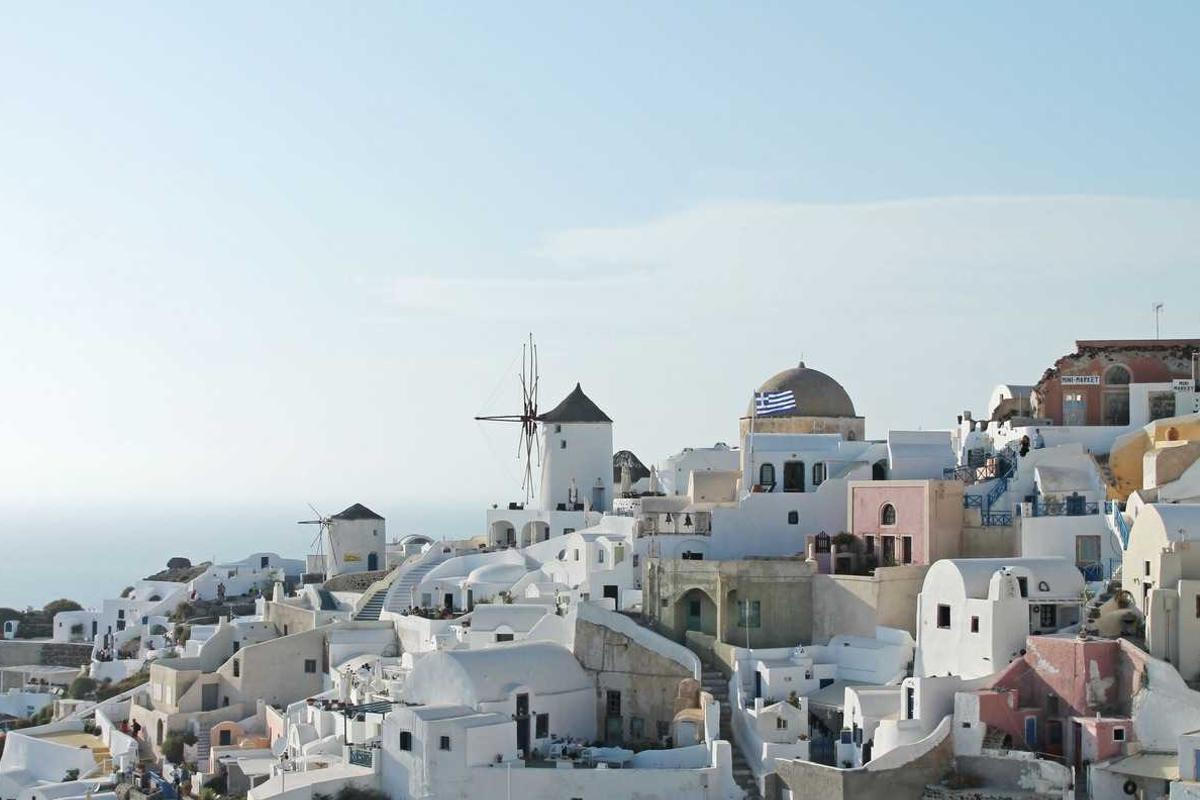
Nature has a way of surprising us, and these 12 destinations prove it. From hidden gems that few travelers know about to world-famous natural wonders that have inspired generations, this list covers the very best of best frozen lake nature destinations worth visiting. Whether you are planning your next adventure or simply dreaming about faraway places, these destinations will ignite your wanderlust and remind you why our planet is worth exploring.
Key Takeaways
- This guide covers 12 incredible best frozen lake nature destinations worth visiting
- Each destination includes location, highlights, and travel tips
- Best times to visit are included for optimal experiences
- Budget and practical advice provided for each location
Quick Reference Table
| Place Name | Location | Best Time to Visit |
|---|---|---|
| Lake Baikal | Siberia, Russia | Feb-Mar; Jun-Aug |
| Lake Tahoe | California/Nevada, USA | Dec-Mar; Jun-Aug |
| Lake Como | Lombardy, Italy | Apr-Jun; Sep-Oct |
| Lake Tekapo | South Island, New Zealand | Dec-Feb; Mar-Apr |
| Crater Lake | Oregon, USA | Jul-Sep |
| Lake Bled | Slovenia | May-Sep |
| Lake Baikal | Siberia, Russia | Feb-Mar; Jun-Aug |
| Lake Tahoe | California/Nevada, USA | Dec-Mar; Jun-Aug |
| Lake Como | Lombardy, Italy | Apr-Jun; Sep-Oct |
| Lake Tekapo | South Island, New Zealand | Dec-Feb; Mar-Apr |
| Crater Lake | Oregon, USA | Jul-Sep |
| Lake Bled | Slovenia | May-Sep |
1. Lake Baikal
About Lake Baikal
Lake Baikal is one of the most remarkable natural destinations on Earth. Located in Siberia, Russia, this incredible place offers visitors an unforgettable experience with stunning scenery, diverse wildlife, and landscapes that will take your breath away. Whether you are an avid photographer, a nature enthusiast, or simply someone who appreciates the beauty of the natural world, Lake Baikal deserves a spot on your travel bucket list.
Highlights
Stunning natural scenery, diverse wildlife and ecosystems, excellent photography opportunities, hiking and exploration trails, local culture and cuisine, unique geological features, guided tours available, pristine natural environment.
Experience
The world’s deepest and oldest freshwater lake containing 20% of Earth’s unfrozen surface fresh water. Over 25 million years old with depths reaching 5,387 feet. Over 80% of its species exist nowhere else. In winter, walk across transparent ice and see fish swimming beneath. Take time to explore at your own pace and discover hidden corners that most visitors miss. Hire a local guide who knows the area intimately and can share stories and insights you will not find in any guidebook. Bring a quality camera and plenty of memory cards because every viewpoint offers a new perspective worth capturing.
Best Time to Visit: Feb-Mar; Jun-Aug
The best time to visit is Feb-Mar; Jun-Aug, when weather conditions are most favorable for outdoor activities and wildlife viewing. During this period, trails are accessible, skies are clear, and the natural beauty of the area is at its absolute peak.
Why You Should Visit
Lake Baikal represents the kind of authentic natural experience that reminds us why exploring the world matters. The combination of breathtaking scenery, peaceful atmosphere, and sense of discovery make it a destination that stays with you long after you return home.
Travel Tips
Trans-Siberian Railway passes by. Budget $30-50/day. Winter temps drop to -20C. Respect the local environment and wildlife. Book accommodation and tours in advance for peak season. Bring appropriate gear for the local climate and activities.
2. Lake Tahoe
About Lake Tahoe
Lake Tahoe is one of the most remarkable natural destinations on Earth. Located in California/Nevada, USA, this incredible place offers visitors an unforgettable experience with stunning scenery, diverse wildlife, and landscapes that will take your breath away. Whether you are an avid photographer, a nature enthusiast, or simply someone who appreciates the beauty of the natural world, Lake Tahoe deserves a spot on your travel bucket list.
Highlights
Stunning natural scenery, diverse wildlife and ecosystems, excellent photography opportunities, hiking and exploration trails, local culture and cuisine, unique geological features, guided tours available, pristine natural environment.
Experience
The largest alpine lake in North America at 6,225 feet elevation. Water clarity reaches 70 feet. Surrounded by pine forests, granite peaks, and world-class ski resorts. Drive the 72-mile scenic route around the entire lake. Take time to explore at your own pace and discover hidden corners that most visitors miss. Hire a local guide who knows the area intimately and can share stories and insights you will not find in any guidebook. Bring a quality camera and plenty of memory cards because every viewpoint offers a new perspective worth capturing.
Best Time to Visit: Dec-Mar; Jun-Aug
The best time to visit is Dec-Mar; Jun-Aug, when weather conditions are most favorable for outdoor activities and wildlife viewing. During this period, trails are accessible, skies are clear, and the natural beauty of the area is at its absolute peak.
Why You Should Visit
Lake Tahoe represents the kind of authentic natural experience that reminds us why exploring the world matters. The combination of breathtaking scenery, peaceful atmosphere, and sense of discovery make it a destination that stays with you long after you return home.
Travel Tips
Summer weekends get crowded. Winter road chains required. Budget $150-300/night. Respect the local environment and wildlife. Book accommodation and tours in advance for peak season. Bring appropriate gear for the local climate and activities.
3. Lake Como
About Lake Como
Lake Como is one of the most remarkable natural destinations on Earth. Located in Lombardy, Italy, this incredible place offers visitors an unforgettable experience with stunning scenery, diverse wildlife, and landscapes that will take your breath away. Whether you are an avid photographer, a nature enthusiast, or simply someone who appreciates the beauty of the natural world, Lake Como deserves a spot on your travel bucket list.
Highlights
Stunning natural scenery, diverse wildlife and ecosystems, excellent photography opportunities, hiking and exploration trails, local culture and cuisine, unique geological features, guided tours available, pristine natural environment.
Experience
A 30-mile Y-shaped lake through dramatic mountain scenery with elegant villas and colorful villages. George Clooney and Madonna are among famous residents. Take the public ferry between villages. Visit Villa del Balbianello and Villa Melzi gardens. Take time to explore at your own pace and discover hidden corners that most visitors miss. Hire a local guide who knows the area intimately and can share stories and insights you will not find in any guidebook. Bring a quality camera and plenty of memory cards because every viewpoint offers a new perspective worth capturing.
Best Time to Visit: Apr-Jun; Sep-Oct
The best time to visit is Apr-Jun; Sep-Oct, when weather conditions are most favorable for outdoor activities and wildlife viewing. During this period, trails are accessible, skies are clear, and the natural beauty of the area is at its absolute peak.
Why You Should Visit
Lake Como represents the kind of authentic natural experience that reminds us why exploring the world matters. The combination of breathtaking scenery, peaceful atmosphere, and sense of discovery make it a destination that stays with you long after you return home.
Travel Tips
Train from Milan in 1 hour. Day ferry pass around 25 euros. Budget $150-400/night. Respect the local environment and wildlife. Book accommodation and tours in advance for peak season. Bring appropriate gear for the local climate and activities.
4. Lake Tekapo
About Lake Tekapo
Lake Tekapo is one of the most remarkable natural destinations on Earth. Located in South Island, New Zealand, this incredible place offers visitors an unforgettable experience with stunning scenery, diverse wildlife, and landscapes that will take your breath away. Whether you are an avid photographer, a nature enthusiast, or simply someone who appreciates the beauty of the natural world, Lake Tekapo deserves a spot on your travel bucket list.
Highlights
Stunning natural scenery, diverse wildlife and ecosystems, excellent photography opportunities, hiking and exploration trails, local culture and cuisine, unique geological features, guided tours available, pristine natural environment.
Experience
Famous for milky turquoise water from glacial rock flour. Sits in one of the world’s largest dark sky reserves. Visit the Church of the Good Shepherd at sunset. Soak in Tekapo Springs hot pools. Lupin flowers bloom in November-December. Take time to explore at your own pace and discover hidden corners that most visitors miss. Hire a local guide who knows the area intimately and can share stories and insights you will not find in any guidebook. Bring a quality camera and plenty of memory cards because every viewpoint offers a new perspective worth capturing.
Best Time to Visit: Dec-Feb; Mar-Apr
The best time to visit is Dec-Feb; Mar-Apr, when weather conditions are most favorable for outdoor activities and wildlife viewing. During this period, trails are accessible, skies are clear, and the natural beauty of the area is at its absolute peak.
Why You Should Visit
Lake Tekapo represents the kind of authentic natural experience that reminds us why exploring the world matters. The combination of breathtaking scenery, peaceful atmosphere, and sense of discovery make it a destination that stays with you long after you return home.
Travel Tips
3-hour drive from Christchurch. Book stargazing tours in advance. Budget $100-250 NZD/night. Respect the local environment and wildlife. Book accommodation and tours in advance for peak season. Bring appropriate gear for the local climate and activities.
5. Crater Lake
About Crater Lake
Crater Lake is one of the most remarkable natural destinations on Earth. Located in Oregon, USA, this incredible place offers visitors an unforgettable experience with stunning scenery, diverse wildlife, and landscapes that will take your breath away. Whether you are an avid photographer, a nature enthusiast, or simply someone who appreciates the beauty of the natural world, Crater Lake deserves a spot on your travel bucket list.
Highlights
Stunning natural scenery, diverse wildlife and ecosystems, excellent photography opportunities, hiking and exploration trails, local culture and cuisine, unique geological features, guided tours available, pristine natural environment.
Experience
The deepest lake in the US at 1,943 feet. Formed 7,700 years ago when Mount Mazama collapsed. No inlet or outlet streams make it one of the purest bodies of water on Earth. Drive the 33-mile Rim Drive loop. Boat tours to Wizard Island available. Take time to explore at your own pace and discover hidden corners that most visitors miss. Hire a local guide who knows the area intimately and can share stories and insights you will not find in any guidebook. Bring a quality camera and plenty of memory cards because every viewpoint offers a new perspective worth capturing.
Best Time to Visit: Jul-Sep
The best time to visit is Jul-Sep, when weather conditions are most favorable for outdoor activities and wildlife viewing. During this period, trails are accessible, skies are clear, and the natural beauty of the area is at its absolute peak.
Why You Should Visit
Crater Lake represents the kind of authentic natural experience that reminds us why exploring the world matters. The combination of breathtaking scenery, peaceful atmosphere, and sense of discovery make it a destination that stays with you long after you return home.
Travel Tips
Book boat tours in advance. No gas inside park. Budget $150-250/night nearby. Respect the local environment and wildlife. Book accommodation and tours in advance for peak season. Bring appropriate gear for the local climate and activities.
6. Lake Bled
About Lake Bled
Lake Bled is one of the most remarkable natural destinations on Earth. Located in Slovenia, this incredible place offers visitors an unforgettable experience with stunning scenery, diverse wildlife, and landscapes that will take your breath away. Whether you are an avid photographer, a nature enthusiast, or simply someone who appreciates the beauty of the natural world, Lake Bled deserves a spot on your travel bucket list.
Highlights
Stunning natural scenery, diverse wildlife and ecosystems, excellent photography opportunities, hiking and exploration trails, local culture and cuisine, unique geological features, guided tours available, pristine natural environment.
Experience
A glacial lake with a tiny island topped by a medieval church, backed by the Julian Alps. Take a traditional pletna boat to the island. Climb Bled Castle for panoramic views. In winter, walk across the frozen lake. Take time to explore at your own pace and discover hidden corners that most visitors miss. Hire a local guide who knows the area intimately and can share stories and insights you will not find in any guidebook. Bring a quality camera and plenty of memory cards because every viewpoint offers a new perspective worth capturing.
Best Time to Visit: May-Sep
The best time to visit is May-Sep, when weather conditions are most favorable for outdoor activities and wildlife viewing. During this period, trails are accessible, skies are clear, and the natural beauty of the area is at its absolute peak.
Why You Should Visit
Lake Bled represents the kind of authentic natural experience that reminds us why exploring the world matters. The combination of breathtaking scenery, peaceful atmosphere, and sense of discovery make it a destination that stays with you long after you return home.
Travel Tips
45 minutes from Ljubljana by bus. Pletna rides around 15 euros. Budget $80-200/night. Respect the local environment and wildlife. Book accommodation and tours in advance for peak season. Bring appropriate gear for the local climate and activities.
7. Lake Baikal
About Lake Baikal
Lake Baikal is one of the most remarkable natural destinations on Earth. Located in Siberia, Russia, this incredible place offers visitors an unforgettable experience with stunning scenery, diverse wildlife, and landscapes that will take your breath away. Whether you are an avid photographer, a nature enthusiast, or simply someone who appreciates the beauty of the natural world, Lake Baikal deserves a spot on your travel bucket list.
Highlights
Stunning natural scenery, diverse wildlife and ecosystems, excellent photography opportunities, hiking and exploration trails, local culture and cuisine, unique geological features, guided tours available, pristine natural environment.
Experience
The world’s deepest and oldest freshwater lake containing 20% of Earth’s unfrozen surface fresh water. Over 25 million years old with depths reaching 5,387 feet. Over 80% of its species exist nowhere else. In winter, walk across transparent ice and see fish swimming beneath. Take time to explore at your own pace and discover hidden corners that most visitors miss. Hire a local guide who knows the area intimately and can share stories and insights you will not find in any guidebook. Bring a quality camera and plenty of memory cards because every viewpoint offers a new perspective worth capturing.
Best Time to Visit: Feb-Mar; Jun-Aug
The best time to visit is Feb-Mar; Jun-Aug, when weather conditions are most favorable for outdoor activities and wildlife viewing. During this period, trails are accessible, skies are clear, and the natural beauty of the area is at its absolute peak.
Why You Should Visit
Lake Baikal represents the kind of authentic natural experience that reminds us why exploring the world matters. The combination of breathtaking scenery, peaceful atmosphere, and sense of discovery make it a destination that stays with you long after you return home.
Travel Tips
Trans-Siberian Railway passes by. Budget $30-50/day. Winter temps drop to -20C. Respect the local environment and wildlife. Book accommodation and tours in advance for peak season. Bring appropriate gear for the local climate and activities.
8. Lake Tahoe
About Lake Tahoe
Lake Tahoe is one of the most remarkable natural destinations on Earth. Located in California/Nevada, USA, this incredible place offers visitors an unforgettable experience with stunning scenery, diverse wildlife, and landscapes that will take your breath away. Whether you are an avid photographer, a nature enthusiast, or simply someone who appreciates the beauty of the natural world, Lake Tahoe deserves a spot on your travel bucket list.
Highlights
Stunning natural scenery, diverse wildlife and ecosystems, excellent photography opportunities, hiking and exploration trails, local culture and cuisine, unique geological features, guided tours available, pristine natural environment.
Experience
The largest alpine lake in North America at 6,225 feet elevation. Water clarity reaches 70 feet. Surrounded by pine forests, granite peaks, and world-class ski resorts. Drive the 72-mile scenic route around the entire lake. Take time to explore at your own pace and discover hidden corners that most visitors miss. Hire a local guide who knows the area intimately and can share stories and insights you will not find in any guidebook. Bring a quality camera and plenty of memory cards because every viewpoint offers a new perspective worth capturing.
Best Time to Visit: Dec-Mar; Jun-Aug
The best time to visit is Dec-Mar; Jun-Aug, when weather conditions are most favorable for outdoor activities and wildlife viewing. During this period, trails are accessible, skies are clear, and the natural beauty of the area is at its absolute peak.
Why You Should Visit
Lake Tahoe represents the kind of authentic natural experience that reminds us why exploring the world matters. The combination of breathtaking scenery, peaceful atmosphere, and sense of discovery make it a destination that stays with you long after you return home.
Travel Tips
Summer weekends get crowded. Winter road chains required. Budget $150-300/night. Respect the local environment and wildlife. Book accommodation and tours in advance for peak season. Bring appropriate gear for the local climate and activities.
9. Lake Como
About Lake Como
Lake Como is one of the most remarkable natural destinations on Earth. Located in Lombardy, Italy, this incredible place offers visitors an unforgettable experience with stunning scenery, diverse wildlife, and landscapes that will take your breath away. Whether you are an avid photographer, a nature enthusiast, or simply someone who appreciates the beauty of the natural world, Lake Como deserves a spot on your travel bucket list.
Highlights
Stunning natural scenery, diverse wildlife and ecosystems, excellent photography opportunities, hiking and exploration trails, local culture and cuisine, unique geological features, guided tours available, pristine natural environment.
Experience
A 30-mile Y-shaped lake through dramatic mountain scenery with elegant villas and colorful villages. George Clooney and Madonna are among famous residents. Take the public ferry between villages. Visit Villa del Balbianello and Villa Melzi gardens. Take time to explore at your own pace and discover hidden corners that most visitors miss. Hire a local guide who knows the area intimately and can share stories and insights you will not find in any guidebook. Bring a quality camera and plenty of memory cards because every viewpoint offers a new perspective worth capturing.
Best Time to Visit: Apr-Jun; Sep-Oct
The best time to visit is Apr-Jun; Sep-Oct, when weather conditions are most favorable for outdoor activities and wildlife viewing. During this period, trails are accessible, skies are clear, and the natural beauty of the area is at its absolute peak.
Why You Should Visit
Lake Como represents the kind of authentic natural experience that reminds us why exploring the world matters. The combination of breathtaking scenery, peaceful atmosphere, and sense of discovery make it a destination that stays with you long after you return home.
Travel Tips
Train from Milan in 1 hour. Day ferry pass around 25 euros. Budget $150-400/night. Respect the local environment and wildlife. Book accommodation and tours in advance for peak season. Bring appropriate gear for the local climate and activities.
10. Lake Tekapo
About Lake Tekapo
Lake Tekapo is one of the most remarkable natural destinations on Earth. Located in South Island, New Zealand, this incredible place offers visitors an unforgettable experience with stunning scenery, diverse wildlife, and landscapes that will take your breath away. Whether you are an avid photographer, a nature enthusiast, or simply someone who appreciates the beauty of the natural world, Lake Tekapo deserves a spot on your travel bucket list.
Highlights
Stunning natural scenery, diverse wildlife and ecosystems, excellent photography opportunities, hiking and exploration trails, local culture and cuisine, unique geological features, guided tours available, pristine natural environment.
Experience
Famous for milky turquoise water from glacial rock flour. Sits in one of the world’s largest dark sky reserves. Visit the Church of the Good Shepherd at sunset. Soak in Tekapo Springs hot pools. Lupin flowers bloom in November-December. Take time to explore at your own pace and discover hidden corners that most visitors miss. Hire a local guide who knows the area intimately and can share stories and insights you will not find in any guidebook. Bring a quality camera and plenty of memory cards because every viewpoint offers a new perspective worth capturing.
Best Time to Visit: Dec-Feb; Mar-Apr
The best time to visit is Dec-Feb; Mar-Apr, when weather conditions are most favorable for outdoor activities and wildlife viewing. During this period, trails are accessible, skies are clear, and the natural beauty of the area is at its absolute peak.
Why You Should Visit
Lake Tekapo represents the kind of authentic natural experience that reminds us why exploring the world matters. The combination of breathtaking scenery, peaceful atmosphere, and sense of discovery make it a destination that stays with you long after you return home.
Travel Tips
3-hour drive from Christchurch. Book stargazing tours in advance. Budget $100-250 NZD/night. Respect the local environment and wildlife. Book accommodation and tours in advance for peak season. Bring appropriate gear for the local climate and activities.
11. Crater Lake
About Crater Lake
Crater Lake is one of the most remarkable natural destinations on Earth. Located in Oregon, USA, this incredible place offers visitors an unforgettable experience with stunning scenery, diverse wildlife, and landscapes that will take your breath away. Whether you are an avid photographer, a nature enthusiast, or simply someone who appreciates the beauty of the natural world, Crater Lake deserves a spot on your travel bucket list.
Highlights
Stunning natural scenery, diverse wildlife and ecosystems, excellent photography opportunities, hiking and exploration trails, local culture and cuisine, unique geological features, guided tours available, pristine natural environment.
Experience
The deepest lake in the US at 1,943 feet. Formed 7,700 years ago when Mount Mazama collapsed. No inlet or outlet streams make it one of the purest bodies of water on Earth. Drive the 33-mile Rim Drive loop. Boat tours to Wizard Island available. Take time to explore at your own pace and discover hidden corners that most visitors miss. Hire a local guide who knows the area intimately and can share stories and insights you will not find in any guidebook. Bring a quality camera and plenty of memory cards because every viewpoint offers a new perspective worth capturing.
Best Time to Visit: Jul-Sep
The best time to visit is Jul-Sep, when weather conditions are most favorable for outdoor activities and wildlife viewing. During this period, trails are accessible, skies are clear, and the natural beauty of the area is at its absolute peak.
Why You Should Visit
Crater Lake represents the kind of authentic natural experience that reminds us why exploring the world matters. The combination of breathtaking scenery, peaceful atmosphere, and sense of discovery make it a destination that stays with you long after you return home.
Travel Tips
Book boat tours in advance. No gas inside park. Budget $150-250/night nearby. Respect the local environment and wildlife. Book accommodation and tours in advance for peak season. Bring appropriate gear for the local climate and activities.
12. Lake Bled
About Lake Bled
Lake Bled is one of the most remarkable natural destinations on Earth. Located in Slovenia, this incredible place offers visitors an unforgettable experience with stunning scenery, diverse wildlife, and landscapes that will take your breath away. Whether you are an avid photographer, a nature enthusiast, or simply someone who appreciates the beauty of the natural world, Lake Bled deserves a spot on your travel bucket list.
Highlights
Stunning natural scenery, diverse wildlife and ecosystems, excellent photography opportunities, hiking and exploration trails, local culture and cuisine, unique geological features, guided tours available, pristine natural environment.
Experience
A glacial lake with a tiny island topped by a medieval church, backed by the Julian Alps. Take a traditional pletna boat to the island. Climb Bled Castle for panoramic views. In winter, walk across the frozen lake. Take time to explore at your own pace and discover hidden corners that most visitors miss. Hire a local guide who knows the area intimately and can share stories and insights you will not find in any guidebook. Bring a quality camera and plenty of memory cards because every viewpoint offers a new perspective worth capturing.
Best Time to Visit: May-Sep
The best time to visit is May-Sep, when weather conditions are most favorable for outdoor activities and wildlife viewing. During this period, trails are accessible, skies are clear, and the natural beauty of the area is at its absolute peak.
Why You Should Visit
Lake Bled represents the kind of authentic natural experience that reminds us why exploring the world matters. The combination of breathtaking scenery, peaceful atmosphere, and sense of discovery make it a destination that stays with you long after you return home.
Travel Tips
45 minutes from Ljubljana by bus. Pletna rides around 15 euros. Budget $80-200/night. Respect the local environment and wildlife. Book accommodation and tours in advance for peak season. Bring appropriate gear for the local climate and activities.
Frequently Asked Questions
What is the best time to visit these destinations?
The best time varies by destination. Generally, spring and fall offer the most comfortable weather and fewest crowds. Research each specific location for optimal timing.
Are these destinations suitable for families?
Many nature destinations are family-friendly with easy trails and educational opportunities. However, some remote destinations may be better suited for older children and adults.
How much should I budget for these trips?
Costs vary widely. Budget for transportation, accommodation, park fees, guided tours, and meals. Some destinations are very affordable while others require significant investment.
What should I pack for nature travel?
Essential items include comfortable walking shoes, weather-appropriate clothing, sun protection, insect repellent, a reusable water bottle, and a camera.
How can I travel responsibly to natural destinations?
Follow Leave No Trace principles, stay on marked trails, respect wildlife, support local communities, and choose eco-friendly tour operators.
Conclusion
These 12 best frozen lake nature destinations worth visiting represent some of the most incredible natural experiences available today. Whether you are a seasoned adventurer or just starting to explore the natural world, each destination offers something special. Start planning your trip, pack your camera, and get ready to witness nature at its absolute finest. Share this guide with fellow nature lovers and start dreaming about your next adventure today.

22 Best Winter Mountain Nature Destinations for Snow Views
Nature has a way of surprising us, and these 22 destinations prove it. From hidden gems that few travelers know...

18 Best Autumn Lake and River Nature Destinations
Nature has a way of surprising us, and these 18 destinations prove it. From hidden gems that few travelers know...


15 Best Summer Forest Nature Destinations for Cool Shade
Nature has a way of surprising us, and these 15 destinations prove it. From hidden gems that few travelers know...
-
 World1 year ago
Types of Ants Living in the World and Information
-

 Forests1 year ago
The 10 Best Forests to Visit in the World
-

 Wildlife4 years ago
(10) Insects Are Animals in the world?
-
 Ocean1 year ago
Oceans in the World and Their Information & Locations
-

 Forests4 years ago
What Is The Biggest Rainforest In The World?
-

 Wildlife4 years ago
Most Popular Wild Animals in The World
-

 Forests1 year ago
The Main Factors That Contribute to Forest Destruction
-
 World1 year ago
The 10 Largest Farms in the World