Connect with us

Wildlife

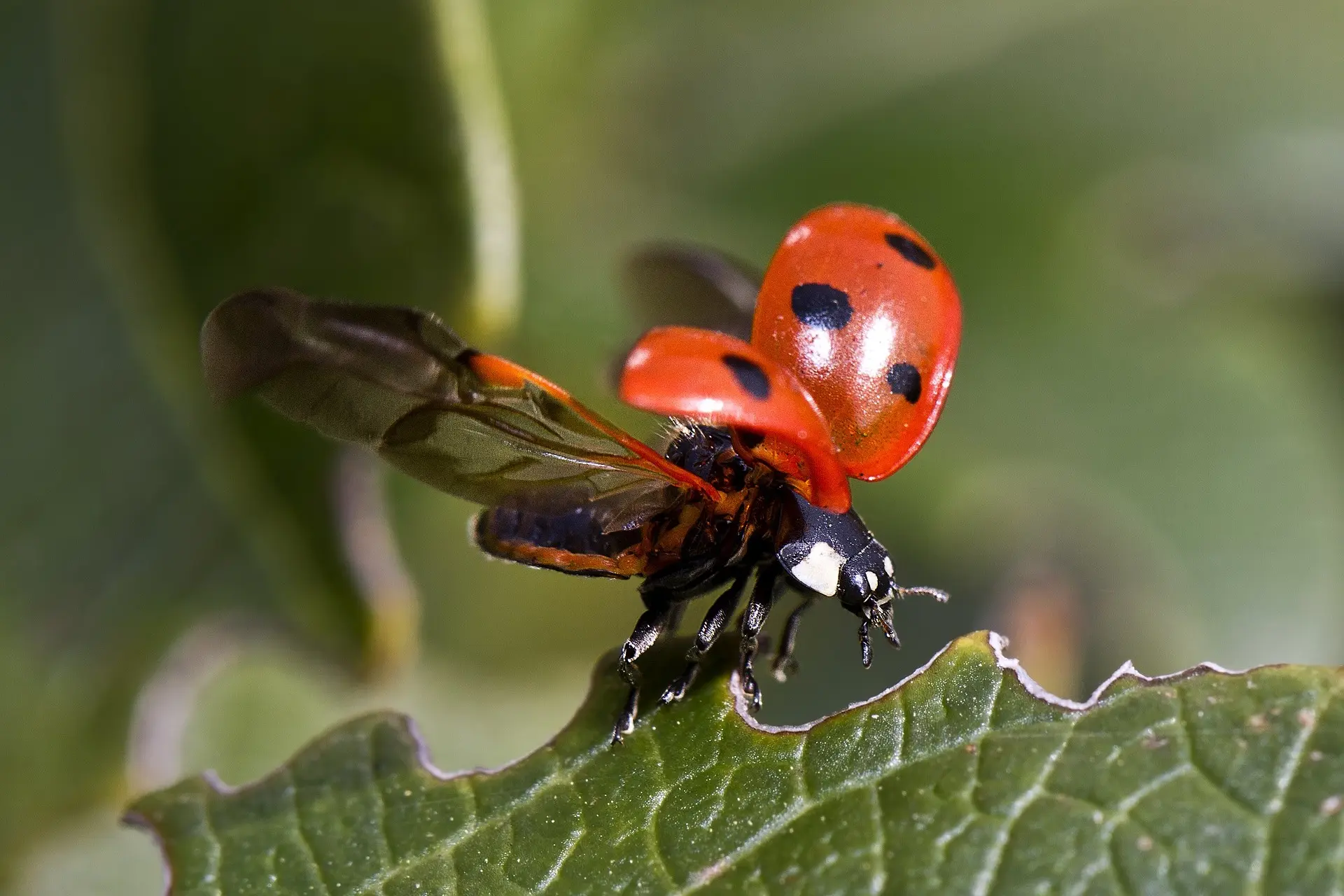
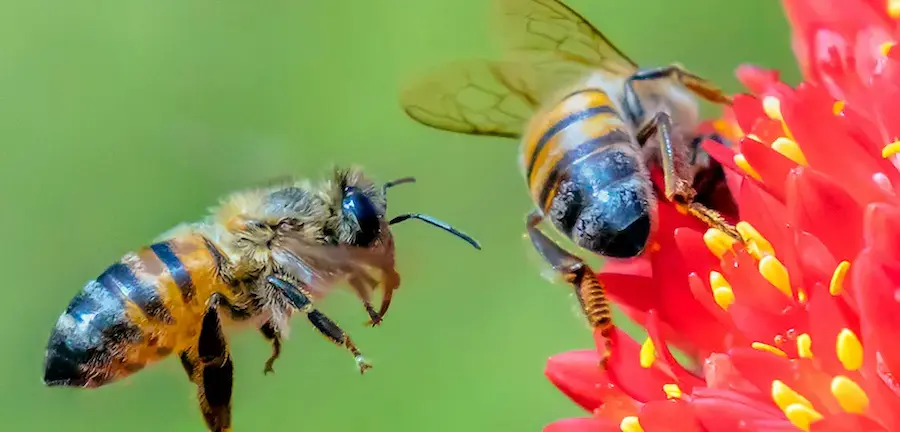
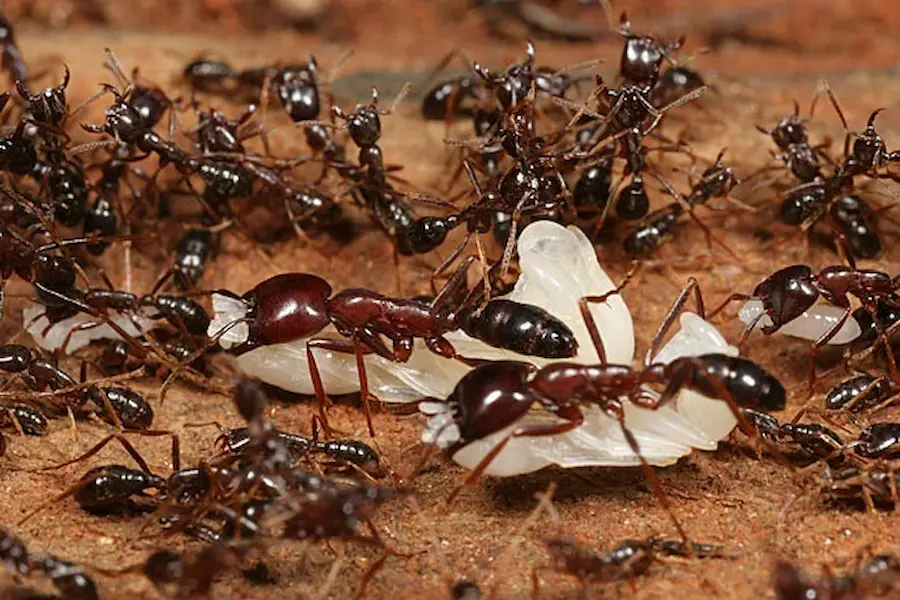
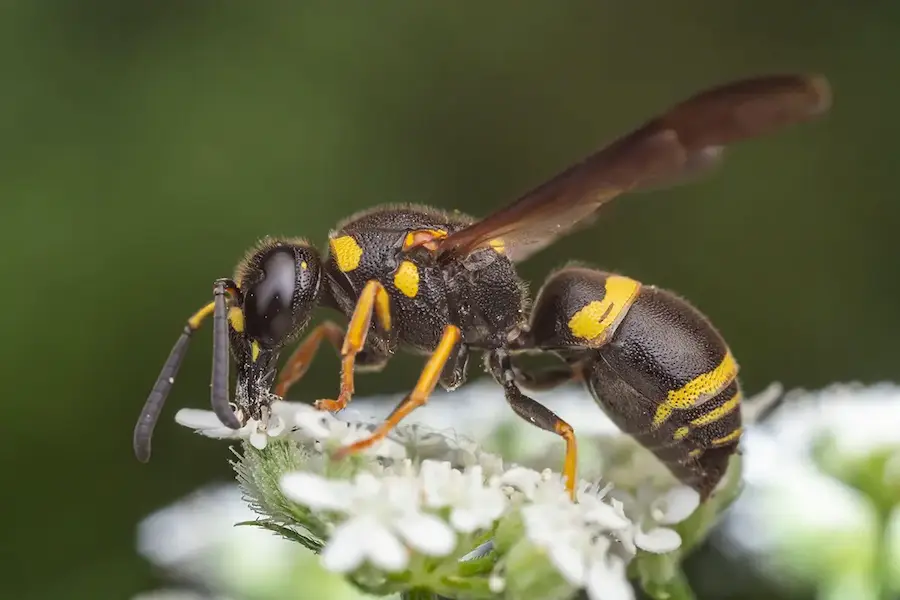
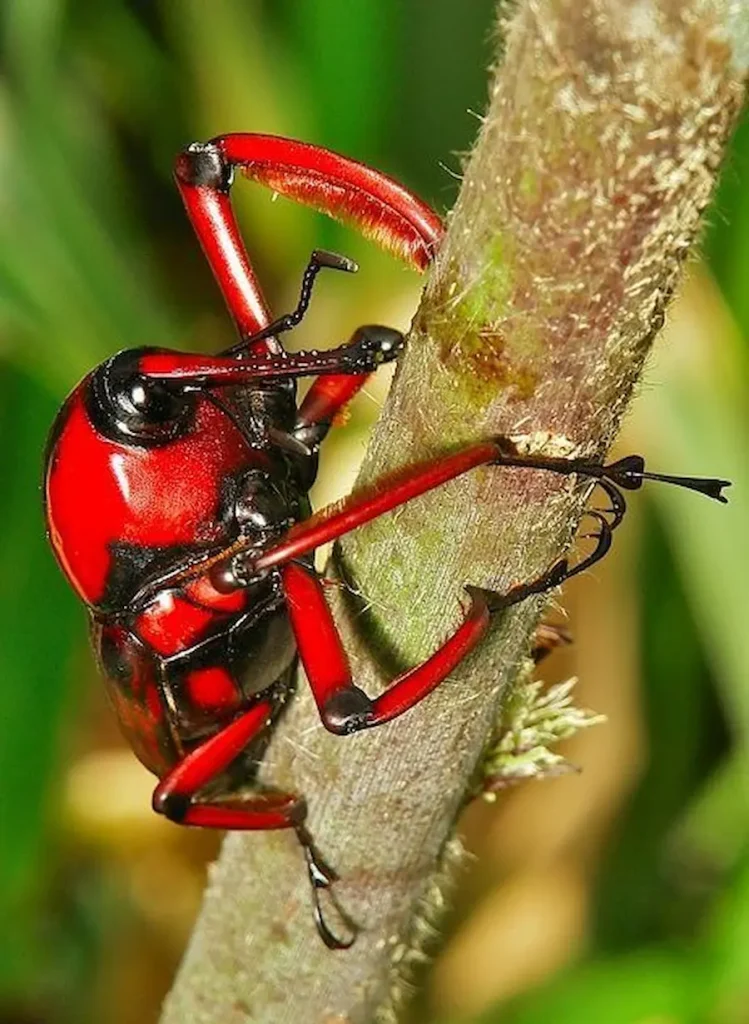
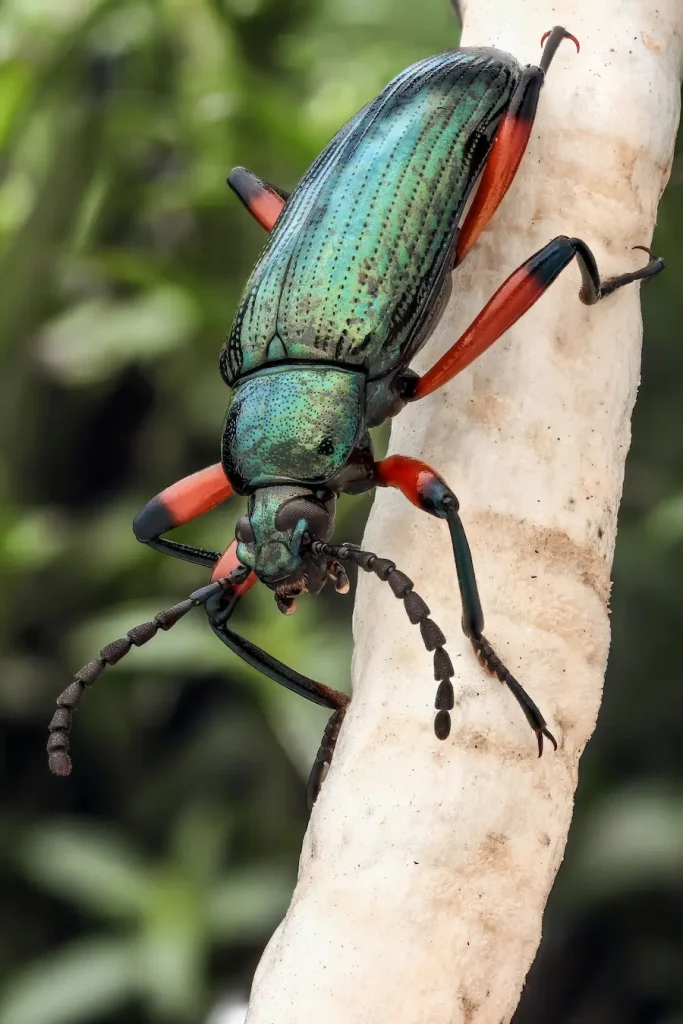
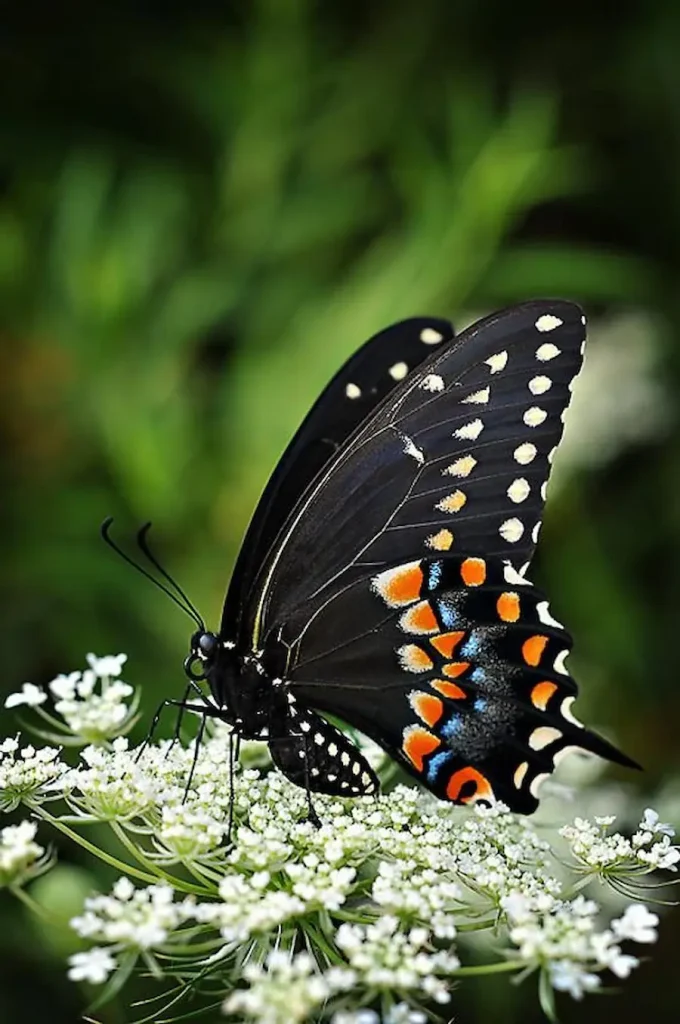
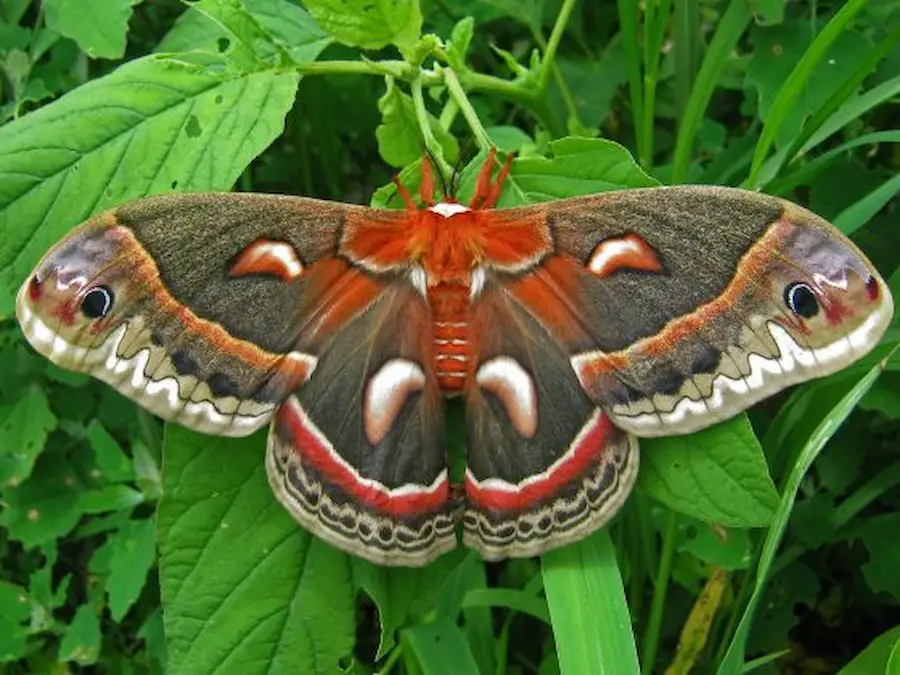
(10) Insects Are Animals in the world?

Published

on

Insects Animals World

Nature is full of incredible wonders that continue to amaze and inspire us. In this comprehensive guide, we will explore (10) insects are animals in the world? in detail, covering everything you need to know to understand and appreciate this fascinating topic. Whether you are a nature enthusiast, a student, or simply someone who loves learning about the world around us, this article will provide you with valuable insights and practical information that will deepen your understanding and appreciation of the natural world. We have compiled extensive research and expert knowledge to bring you the most complete and accurate information available on this subject.

Key Takeaways

  • Comprehensive overview of (10) insects are animals in the world?
  • Detailed explanations and practical insights from experts in the field
  • Expert tips, recommendations, and best practices
  • Frequently asked questions answered in detail
  • Current research findings and scientific perspectives
  • Practical advice for experiencing this topic firsthand

Introduction

The natural world is full of remarkable phenomena that shape our planet and sustain life in all its forms. Understanding these natural processes and features is not only fascinating but also essential for appreciating the delicate balance of our ecosystem. In this article, we will take an in-depth look at (10) insects are animals in the world?, exploring its significance, characteristics, and the role it plays in the broader natural world. Our goal is to provide you with a thorough understanding that goes beyond surface-level knowledge, giving you the kind of detailed insight that will deepen your appreciation for nature and inspire you to learn more about the incredible world around us. This guide is designed to be a comprehensive resource that you can return to again and again as you continue your journey of discovery and learning.

Background and Context

To fully appreciate the significance of this topic, it is important to understand the broader context in which it exists. The natural world is a complex and interconnected system where every element plays a vital role in maintaining the overall balance. From the smallest microorganisms that cycle nutrients in the soil to the largest ecosystems that regulate our climate, every component is essential. Understanding these connections helps us appreciate why topics like this matter so much, not just for the environment but for our own well-being and survival. Scientists and researchers around the world continue to study these natural processes, uncovering new insights that deepen our understanding and inform conservation efforts. The more we learn about the natural world, the better equipped we are to make decisions that benefit both the environment and humanity.

The Animal Kingdom

The animal kingdom is one of the most diverse and fascinating aspects of our natural world, encompassing an estimated 8.7 million species that have been identified and countless more that remain undiscovered. From the tiniest insects to the largest mammals, animals have evolved an incredible array of adaptations that allow them to thrive in virtually every habitat on Earth, from the deepest ocean trenches to the highest mountain peaks. Understanding animal behavior, ecology, and evolution not only satisfies our natural curiosity but also helps us appreciate the complexity and interconnectedness of life on our planet. The study of animals has led to countless scientific breakthroughs, from medical advances inspired by animal adaptations to technological innovations based on biomimicry.

Furthermore, it is worth noting that this aspect of the natural world has far-reaching implications that extend beyond what we might initially expect. The interconnectedness of natural systems means that changes in one area can have cascading effects throughout the entire ecosystem. Understanding these relationships is crucial for making informed decisions about conservation, resource management, and environmental policy. By deepening our knowledge of these topics, we become better stewards of the natural world and more effective advocates for its protection.

Adaptations and Survival

Animals have developed remarkable adaptations to survive in their environments, and these adaptations are among the most fascinating aspects of the natural world. These adaptations can be physical, such as camouflage that allows animals to blend into their surroundings, specialized body parts like the elephant trunk or the chameleon tongue, or unique coloration that serves as warning signals or mating displays. They can also be behavioral, such as migration patterns that allow animals to follow food sources across vast distances, hunting strategies that have been refined over millions of years of evolution, or social structures that enable cooperation and survival. Some animals have developed extraordinary abilities, such as echolocation in bats, electric senses in sharks, or the ability to regenerate lost limbs in certain species.

Furthermore, it is worth noting that this aspect of the natural world has far-reaching implications that extend beyond what we might initially expect. The interconnectedness of natural systems means that changes in one area can have cascading effects throughout the entire ecosystem. Understanding these relationships is crucial for making informed decisions about conservation, resource management, and environmental policy. By deepening our knowledge of these topics, we become better stewards of the natural world and more effective advocates for its protection.

Biodiversity and Conservation

Biodiversity, the variety of life on Earth, is essential for the health and stability of ecosystems and for human well-being. Each species plays a unique role in its ecosystem, and the loss of even a single species can have far-reaching consequences that ripple through the entire food web. Pollinators like bees and butterflies are essential for food production, with approximately 75 percent of the world food crops depending at least partially on animal pollination. Predators help control prey populations, preventing overgrazing and maintaining the balance of ecosystems. Decomposers recycle nutrients back into the soil, making them available for plants to use. Protecting biodiversity is not just about saving individual species but about preserving the complex web of life that sustains us all.

Furthermore, it is worth noting that this aspect of the natural world has far-reaching implications that extend beyond what we might initially expect. The interconnectedness of natural systems means that changes in one area can have cascading effects throughout the entire ecosystem. Understanding these relationships is crucial for making informed decisions about conservation, resource management, and environmental policy. By deepening our knowledge of these topics, we become better stewards of the natural world and more effective advocates for its protection.

How You Can Help

Many animal species around the world are facing threats from habitat loss, climate change, pollution, and overexploitation, and conservation efforts are crucial for protecting these species and the ecosystems they depend on. You can help by supporting conservation organizations through donations or volunteering, choosing products that are sustainably sourced and do not contribute to habitat destruction, reducing your carbon footprint to help combat climate change, and educating yourself and others about the importance of wildlife conservation. Creating wildlife-friendly spaces in your own backyard, such as planting native species and providing water sources, can also make a meaningful difference. By working together, we can ensure that the incredible diversity of animal life on our planet continues to thrive for generations to come.

Furthermore, it is worth noting that this aspect of the natural world has far-reaching implications that extend beyond what we might initially expect. The interconnectedness of natural systems means that changes in one area can have cascading effects throughout the entire ecosystem. Understanding these relationships is crucial for making informed decisions about conservation, resource management, and environmental policy. By deepening our knowledge of these topics, we become better stewards of the natural world and more effective advocates for its protection.

Current Research and Developments

Scientific research continues to reveal new and exciting information about the natural world, and this topic is no exception. Recent studies have provided fresh insights into the processes and phenomena that shape our understanding of this subject. Researchers are using advanced technologies, from satellite imaging to DNA analysis, to uncover details that were previously beyond our reach. These discoveries not only expand our knowledge but also have practical applications for conservation, education, and sustainable management of natural resources. Staying informed about the latest research helps us appreciate the dynamic and ever-evolving nature of the world around us.

Historical Perspective

Throughout human history, our relationship with the natural world has evolved dramatically. Early humans lived in close harmony with nature, depending on it for food, shelter, and medicine. As civilizations developed, our impact on the natural world grew, sometimes in ways that were sustainable and sometimes in ways that caused lasting damage. The industrial revolution marked a turning point, as new technologies allowed us to extract resources and transform landscapes at an unprecedented scale. Today, we are beginning to understand the full consequences of our actions and the urgent need to find a more sustainable path forward.

Global Impact and Significance

The topic we are exploring has implications that extend far beyond any single location or ecosystem. In our interconnected world, changes in one part of the globe can have ripple effects that are felt thousands of miles away. Understanding these global connections is essential for addressing the environmental challenges we face today. From climate change and biodiversity loss to pollution and resource depletion, the issues are complex and interconnected. Solving them requires a global perspective and a willingness to work together across borders, cultures, and disciplines.

Practical Applications

The knowledge we gain about the natural world has many practical applications that benefit society in tangible ways. From developing new medicines based on natural compounds to designing more sustainable agricultural practices, the insights we gain from studying nature have real-world value. Understanding topics like this also helps us make better decisions about how we interact with our environment, from choosing sustainable products to supporting conservation initiatives. By applying what we learn, we can contribute to a more sustainable and harmonious relationship with the natural world.

Future Outlook

Looking ahead, the future of this topic will be shaped by the choices we make today. Scientific advances are opening new possibilities for understanding and protecting the natural world, from genetic tools that can help save endangered species to satellite technologies that monitor environmental changes in real time. At the same time, growing awareness of environmental issues is driving changes in policy, business practices, and individual behavior. Young people around the world are increasingly engaged in environmental activism, demanding action from leaders and holding corporations accountable. While the challenges are significant, there are many reasons for optimism.

Expert Perspectives and Insights

Leading scientists, conservationists, and naturalists have shared valuable insights about this topic that can help us better understand its significance and the actions needed to protect it. Dr. Jane Goodall, the renowned primatologist, has emphasized the importance of individual action in conservation, noting that every person has a role to play in protecting the natural world. Similarly, marine biologist Sylvia Earle has highlighted the critical importance of ocean conservation, describing the ocean as the life support system of our planet. These expert perspectives remind us that the challenges we face are significant but not insurmountable, and that the knowledge and tools we need to make a difference are available to us right now.

Case Studies and Real-World Examples

To better understand the practical implications of this topic, it is helpful to examine real-world examples and case studies from around the globe. These examples illustrate both the challenges and the successes of conservation and management efforts, providing valuable lessons for future action. From community-led conservation initiatives in developing countries to cutting-edge research programs in universities and laboratories, the range of approaches being employed is as diverse as the natural world itself. These case studies demonstrate that meaningful progress is possible when people work together toward a common goal, and they offer hope and inspiration for those who want to make a difference.

Frequently Asked Questions

What makes this topic so important?
This topic is important because it helps us understand the natural processes that shape our planet and sustain life. By learning about these processes, we can better appreciate the complexity and beauty of the natural world and make more informed decisions about how we interact with it. The knowledge we gain has practical applications for conservation, education, and sustainable living.

How can I learn more about this topic?
There are many ways to learn more, including reading books and scientific articles, watching documentaries, visiting natural sites, and participating in educational programs and guided tours led by knowledgeable experts. Online resources, university courses, and local nature groups are also excellent ways to deepen your understanding.

What are the best ways to experience this firsthand?
The best way to experience this topic firsthand is to visit natural sites where you can observe and appreciate the features in person. Make sure to plan your visit carefully, bring appropriate gear, and follow all local guidelines and regulations. Consider hiring a local guide who can share insights and knowledge that you would never discover on your own.

How does this relate to environmental conservation?
Understanding this topic is closely related to environmental conservation because it helps us appreciate the importance of preserving natural features and processes. The more we understand about the natural world, the better equipped we are to protect it for future generations. Conservation efforts depend on public awareness and support, which starts with education and understanding.

What should I bring when visiting natural sites?
Essential items include comfortable walking shoes, weather-appropriate clothing, a camera, sunscreen, insect repellent, a hat, binoculars, a reusable water bottle, and a field guide. A first aid kit and emergency supplies are also recommended for remote locations.

Are these sites suitable for families with children?
Yes, many natural sites are family-friendly and offer educational programs and activities designed specifically for children. These experiences can be incredibly valuable for young people, helping them develop a lifelong appreciation for the natural world and a commitment to environmental stewardship.

How can I contribute to conservation efforts?
There are many ways to contribute, including volunteering with conservation organizations, donating to environmental causes, reducing your environmental footprint, and spreading awareness about the importance of protecting our natural heritage. Even small actions, like choosing sustainable products and reducing waste, can make a meaningful difference when multiplied across millions of people. Consider joining local conservation groups, participating in citizen science projects, or advocating for stronger environmental policies in your community.

What are the biggest threats to the natural world today?
The natural world faces numerous interconnected threats, including climate change, habitat destruction, pollution, overexploitation of resources, and invasive species. Climate change is perhaps the most far-reaching threat, affecting ecosystems and species around the world through rising temperatures, changing precipitation patterns, and more frequent extreme weather events. Addressing these threats requires coordinated action at all levels, from individual choices to international policy agreements. The good news is that awareness is growing, and more people than ever are taking action to protect our planet.

Conclusion

The natural world is an endless source of wonder and inspiration, and topics like this remind us of the incredible diversity and complexity of life on Earth. By taking the time to learn about and appreciate these natural features, we enrich our lives and deepen our connection to the planet we call home. Whether you are exploring this topic through reading, travel, or direct observation, the knowledge and appreciation you gain will stay with you for a lifetime. We encourage you to continue exploring, learning, and advocating for the protection of our incredible natural world. Every step we take toward understanding and appreciating nature brings us closer to living in harmony with our planet and ensuring a healthy, vibrant future for all living things. The time to act is now, and every one of us has the power to make a difference.

Share this guide with fellow nature enthusiasts and help spread the wonder of the natural world. Together, we can make a difference.

Click to comment

Leave a Reply

Your email address will not be published. Required fields are marked *

Wildlife

The Most Amazing Animal Migrations on Earth

Published

on

By

featured img 415

The Most Amazing Animal Migrations on Earth

Every year, billions of animals across the planet embark on incredible journeys that span thousands of miles. From tiny butterflies crossing entire continents to massive whales navigating entire oceans, animal migrations are one of the most awe-inspiring phenomena in the natural world. These journeys are driven by the search for food, breeding grounds, and favorable climates — and they push the limits of endurance, navigation, and survival.

In this guide, we’ll explore 12 of the most amazing animal migrations on Earth — how far they travel, how they navigate, and why these journeys matter more than you might think.

Key Takeaways

  • Animal migrations involve billions of creatures across land, sea, and air every year
  • Some migrations span over 40,000 miles round trip — the longest in the animal kingdom
  • Animals use Earth’s magnetic field, stars, ocean currents, and even smell to navigate
  • Climate change and habitat loss are disrupting many of these ancient migration routes
  • Witnessing a migration in person is one of the most unforgettable nature experiences you can have

Why Do Animals Migrate?

Migration is one of nature’s most remarkable survival strategies. Animals move to find food when seasons change, to reach safe breeding grounds, or to escape harsh weather. Some journeys take days, while others stretch across months and cover distances that seem impossible for their size.

What makes migration even more fascinating is how animals navigate. Scientists have discovered that many species use a combination of the Earth’s magnetic field, the position of the sun and stars, ocean currents, and even their sense of smell to find their way across vast, featureless landscapes and seascapes.

Unfortunately, many of these ancient migration routes are under threat. Habitat destruction, climate change, light pollution, and human development are making these journeys harder every year. Understanding and protecting migrations isn’t just about saving individual species — it’s about preserving the health of entire ecosystems.

12 of the Most Amazing Animal Migrations on Earth

1. Wildebeest Migration — The Greatest Show on Earth

Distance: ~1,800 miles (round trip)
Location: Serengeti (Tanzania) to Masai Mara (Kenya)

Every year, over 1.5 million wildebeest, along with hundreds of thousands of zebras and gazelles, make a circular journey across the Serengeti and Masai Mara ecosystems. This is widely considered the largest terrestrial migration on Earth.

The journey follows the rains. When the dry season hits Tanzania’s Serengeti around May, the herds move north toward Kenya’s Masai Mara, where fresh grass is still available. The most dramatic moment comes when the herds must cross the Mara River — a chaotic, crocodile-filled crossing that has been filmed countless times for nature documentaries.

Best time to visit: July to October for the river crossings; January to March for calving season in the southern Serengeti.

Why you should visit: Witnessing hundreds of thousands of animals moving together across an open plain is one of the most powerful wildlife experiences you’ll ever have. It’s raw, loud, and absolutely unforgettable.

2. Arctic Tern — The Longest Migration of Any Animal

Distance: ~44,000 miles (round trip)
Location: Arctic to Antarctic and back

The Arctic tern holds the record for the longest migration of any animal on Earth. These small, graceful seabirds travel from their breeding grounds in the Arctic all the way to the Antarctic and back every single year. Over a lifetime of about 30 years, one Arctic tern may travel the equivalent of three round trips to the Moon.

They make this journey to take advantage of two summers — breeding in the Arctic summer and then flying to the Antarctic to feed during the Southern Hemisphere’s summer. This means Arctic terns see more daylight than any other creature on the planet.

Best time to visit: May to August in Iceland, Scotland, or northern Canada for breeding colonies; November to February along Antarctic coasts.

Why you should visit: Seeing Arctic terns in their breeding colonies is a special experience. They’re fiercely protective of their nests and will dive-bomb intruders — including humans — with surprising boldness for a bird that weighs less than 4 ounces.

3. Monarch Butterfly — A Multi-Generational Journey

Distance: Up to 3,000 miles (one way)
Location: Canada and the United States to central Mexico

The monarch butterfly migration is one of nature’s most delicate miracles. Every autumn, millions of monarchs from across eastern North America fly up to 3,000 miles to a small cluster of mountain forests in central Mexico. The butterflies that make this journey have never been there before — they’re the great-great-grandchildren of the butterflies that left the previous spring.

Scientists believe monarchs use a combination of the sun’s position and an internal “compass” linked to their antennae to navigate. In Mexico, they gather by the millions in oyamel fir forests, covering entire trees in a blanket of orange and black wings.

Best time to visit: Late October to March in the Monarch Butterfly Biosphere Reserve in Michoacán, Mexico.

Why you should visit: Standing in a forest where millions of butterflies hang from every branch, and then watching them take flight when the sun warms them, is a genuinely magical experience. It’s one of those things you have to see to believe.

4. Humpback Whale — Ocean Giants on the Move

Distance: Up to 10,000 miles (round trip)
Location: Polar feeding grounds to tropical breeding waters

Humpback whales undertake one of the longest migrations of any mammal. They spend their summers feeding in cold, nutrient-rich polar waters and then travel to warm tropical or subtropical waters to breed and give birth. Some populations travel from Antarctica to the coast of Colombia — a journey of over 5,000 miles each way.

During these migrations, humpbacks fast for months, living off their blubber reserves. The warm breeding waters are essential for newborn calves, which don’t have enough blubber to survive in freezing polar seas.

Best time to visit: June to November in Hawaii, Tonga, or the Dominican Republic; December to March in Australia’s Hervey Bay.

Why you should visit: Whale watching during migration season is one of the most popular wildlife activities in the world for good reason. Seeing a 40-ton whale breach entirely out of the water is breathtaking, and hearing their songs while snorkeling nearby is something you’ll never forget.

5. Caribou (Reindeer) — The Great Northern Trek

Distance: Up to 3,000 miles (round trip)
Location: Northern Canada and Alaska

The Porcupine caribou herd, one of the largest in North America, travels from their wintering grounds in the boreal forests of Alaska and the Yukon to their calving grounds on the coastal plain of the Arctic National Wildlife Refuge. This round trip of up to 3,000 miles is the longest land migration of any terrestrial animal.

The timing is critical. Caribou arrive on the coastal plain in late May or early June, when the first nutritious plants are emerging. The calves are born within days of each other in a synchronized burst that overwhelms predators — a strategy called predator swamping.

Best time to visit: June to July for calving season in Alaska’s Arctic National Wildlife Refuge; September for the autumn migration.

Why you should visit: The Arctic National Wildlife Refuge is one of the last truly wild places in North America. Seeing thousands of caribou moving across an untouched Arctic landscape is a rare and humbling experience.

6. Salmon — Swimming Against the Current

Distance: Up to 2,000 miles (for some populations)
Location: Pacific Northwest rivers, North America

Pacific salmon are famous for their extraordinary migration. They’re born in freshwater rivers, swim downstream to the ocean where they spend several years growing, and then return to the exact same stream where they were born to spawn and die. Some Chinook salmon travel over 2,000 miles inland from the Pacific Ocean.

Salmon navigate using the Earth’s magnetic field to find their general area and then switch to their sense of smell to locate their specific home stream. The return journey is grueling — they stop eating entirely, swim against powerful currents, leap over waterfalls, and face hungry bears and eagles at every turn.

Best time to visit: September to November for the salmon run in British Columbia, Alaska, or the Pacific Northwest.

Why you should visit: Watching salmon leap up waterfalls and seeing bears catch them mid-air is one of the great wildlife spectacles of North America. It’s also a powerful reminder of how connected freshwater and ocean ecosystems really are.

7. Leatherback Sea Turtle — Ancient Mariners

Distance: Up to 10,000 miles (round trip)
Location: Across the Pacific, Atlantic, and Indian Oceans

Leatherback sea turtles are the largest living turtles and among the most migratory animals on Earth. They travel across entire ocean basins, crossing from nesting beaches in the tropics to feeding grounds in cold, jellyfish-rich waters as far north as Canada and Norway.

What’s remarkable is that leatherbacks can regulate their body temperature to some extent, allowing them to survive in waters that would kill most other sea turtles. They dive deeper than any other turtle — over 4,000 feet — and can hold their breath for up to 85 minutes.

Best time to visit: March to July for nesting in Costa Rica, Trinidad, or Indonesia; summer months in Canadian and European waters for feeding.

Why you should visit: Watching a massive leatherback turtle — sometimes over 6 feet long — haul herself up a beach under the moonlight to lay her eggs is a deeply moving experience. These animals have been making this journey for over 100 million years.

8. Sandhill Crane — A Sky Full of Wings

Distance: Up to 400 miles (daily during staging)
Location: Central Flyway, United States

Every spring, around 500,000 sandhill cranes gather along a 75-mile stretch of the Platte River in Nebraska during their northward migration. This is one of the greatest wildlife gatherings on the planet — at peak times, nearly 80% of the world’s sandhill crane population is concentrated in one small area.

The cranes arrive in late February and stay for about six weeks, fattening up on waste grain in nearby fields and roosting in the shallow, braided channels of the Platte River. At dawn and dusk, the sight and sound of tens of thousands of cranes taking flight or returning to roost is absolutely spectacular.

Best time to visit: Mid-March to early April along the Platte River near Kearney and Grand Island, Nebraska.

Why you should visit: The Platte River sandhill crane migration is one of the most accessible major wildlife spectacles in North America. You don’t need to travel to a remote wilderness — just bring a warm jacket and a sense of wonder.

9. Red Crab — Christmas Island’s Crimson Tide

Distance: ~5 miles (but involving millions of crabs)
Location: Christmas Island, Indian Ocean (Australia)

Every year, around 50 million red crabs on Christmas Island make a mass migration from the forest to the coast to breed. It’s one of the most visually stunning migrations on Earth — the ground turns red as millions of bright crimson crabs flow toward the ocean like a living river.

The migration is triggered by the wet season rains, usually in October or November. The crabs must reach the coast so the females can release their eggs into the ocean at the exact right moment — during the last quarter of the moon, when tides are most favorable. Roads are closed, and special crab bridges are built to help them cross safely.

Best time to visit: October to December on Christmas Island, depending on rainfall and lunar cycles.

Why you should visit: The sheer visual impact of millions of red crabs covering the forest floor and streaming toward the sea is unlike anything else in nature. It’s a reminder that migration isn’t just about distance — it’s about scale and spectacle.

10. Dragonfly — The Globe Skimmer’s Transoceanic Flight

Distance: Up to 11,000 miles (multi-generational)
Location: India to Africa and back

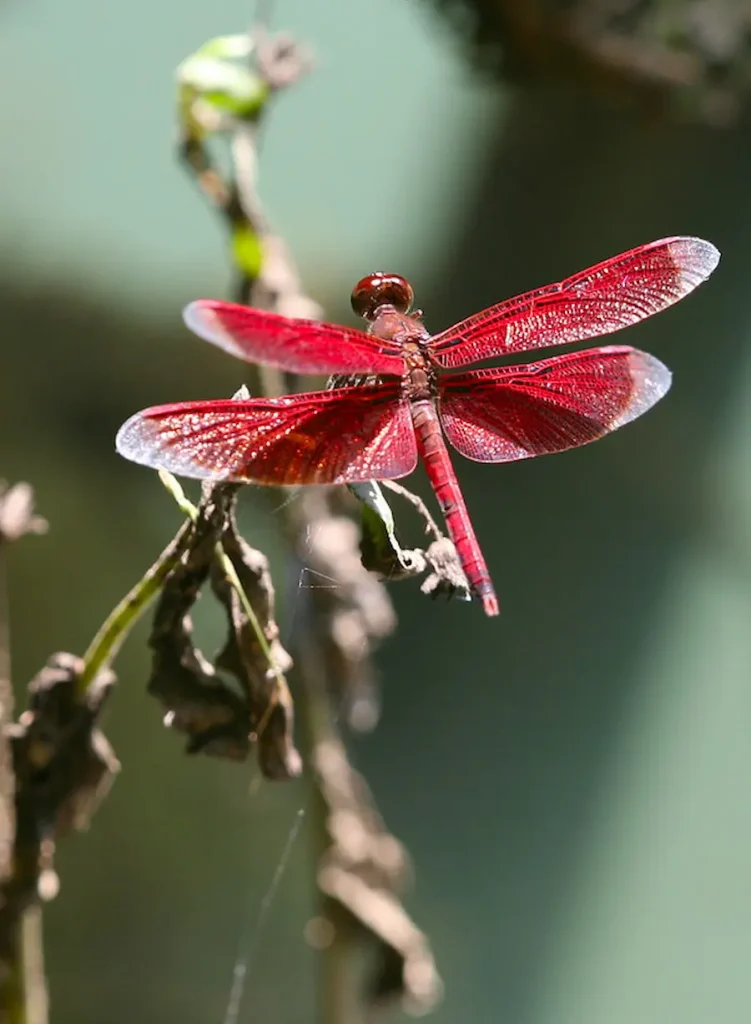
The globe skimmer dragonfly (Pantala flavescens) makes what may be the longest insect migration on Earth. These tiny creatures — with wingspans of just 3 inches — travel from India to East Africa and back, crossing the open Indian Ocean along the way. The journey spans multiple generations, with each dragonfly living only long enough to complete one leg.

They follow the weather, riding seasonal rain fronts that provide the temporary pools they need to breed. Their route takes them over the Himalayas and across hundreds of miles of open ocean — an astonishing feat for an insect that weighs less than a gram.

Best time to visit: September to November in the Maldives or East Africa; May to July in southern India.

Why you should visit: While harder to witness than some other migrations, seeing globe skimmers in action — especially in places like the Maldives, where they appear in vast swarms — is a reminder that migration happens at every scale in nature.

11. Zebra — Botswana’s Overlooked Migration

Distance: ~360 miles (round trip)
Location: Okavango Delta to Makgadikgadi Pans, Botswana

While the wildebeest migration in East Africa gets most of the attention, Botswana hosts its own spectacular zebra migration. Around 25,000 zebras travel between the Okavango Delta and the Makgadikgadi Pans — the longest migration of any large mammal in southern Africa.

The zebras move in response to water and grass availability. During the wet season, they spread across the Okavango Delta. When the dry season arrives, they trek south to the Makgadikgadi Pans, where mineral-rich grasses provide essential nutrients. The journey takes them across open grasslands and through areas with lions, hyenas, and wild dogs.

Best time to visit: December to March for the return to the Okavango; July to October for the dry season in Makgadikgadi.

Why you should visit: Botswana’s zebra migration is far less crowded than the Serengeti, offering a more intimate and exclusive wildlife experience. The Makgadikgadi Pans themselves are one of Africa’s most surreal landscapes.

12. Bar-Tailed Godwit — The Non-Stop Champion

Distance: ~7,000 miles (non-stop)
Location: Alaska to New Zealand

The bar-tailed godwit holds the record for the longest non-stop flight of any bird. Every autumn, these shorebirds fly from their breeding grounds in Alaska directly to New Zealand — a journey of over 7,000 miles across the Pacific Ocean that takes about 8 to 11 days without a single stop for food or rest.

To prepare, godwits nearly double their body weight in fat, and their organs actually shrink to make room for the extra fuel. They navigate using the Earth’s magnetic field, wind patterns, and possibly even the stars. In spring, they take a different route back, stopping in China and Korea to refuel.

Best time to visit: March to May in Alaska for breeding; September to November in New Zealand for arrival.

Why you should visit: Seeing a bar-tailed godwit in New Zealand, knowing it just flew non-stop across the entire Pacific Ocean, gives you a whole new appreciation for what small birds are capable of. It’s one of nature’s most extreme endurance feats.

Comparison of the World’s Most Amazing Animal Migrations

Migration Species Distance Best Time to Witness
Wildebeest 1.5 million wildebeest ~1,800 miles July – October
Arctic Tern Seabird ~44,000 miles May – August
Monarch Butterfly Millions of butterflies ~3,000 miles October – March
Humpback Whale Marine mammal ~10,000 miles June – November
Caribou ~200,000 caribou ~3,000 miles June – July
Salmon Multiple species Up to 2,000 miles September – November
Leatherback Turtle Sea turtle ~10,000 miles March – July
Sandhill Crane ~500,000 cranes Varies March – April
Red Crab ~50 million crabs ~5 miles October – December
Globe Skimmer Dragonfly ~11,000 miles September – November
Zebra ~25,000 zebras ~360 miles December – March
Bar-Tailed Godwit Shorebird ~7,000 miles (non-stop) September – November

How Animals Navigate During Migration

One of the biggest mysteries in biology is how animals find their way across thousands of miles of unfamiliar terrain. Scientists have uncovered several remarkable navigation strategies:

Magnetic sense: Many migratory animals, including sea turtles, salmon, and some birds, can detect the Earth’s magnetic field. They use it like a built-in GPS to determine their position and direction. Research suggests that birds may actually “see” magnetic fields through special proteins in their eyes.

Celestial navigation: Birds like the bar-tailed godwit and Arctic tern use the position of the sun during the day and the stars at night to maintain their course. Some species can even compensate for the movement of the sun across the sky throughout the day.

Smell and memory: Salmon are famous for using their sense of smell to identify their home stream. They imprint on the unique chemical signature of their birth water as juveniles and use that memory to find their way back years later.

Ocean currents and wave patterns: Sea turtles and whales use ocean currents as highways, following familiar routes passed down through generations. Leatherback turtles have been shown to use wave direction to maintain their heading in the open ocean.

Inherited routes: Monarch butterflies that migrate to Mexico have never been there before. The route is encoded in their genes, passed down through generations. This means the knowledge of where to go survives even though no single butterfly makes the full round trip.

Threats to Animal Migrations

Many great migrations face serious threats today:

Habitat loss: When stopover sites, breeding grounds, or feeding areas are destroyed, animals can’t complete their journeys. Wetland drainage, deforestation, and urban development have eliminated critical habitat for migratory birds, fish, and mammals around the world.

Climate change: Shifting weather patterns are disrupting the timing of migrations. Birds may arrive at breeding grounds before insects have emerged, or caribou may calve after the peak of plant growth. Even small timing mismatches can have devastating effects on survival rates.

Barriers to movement: Roads, dams, fences, and other infrastructure can block migration routes. Dams are particularly devastating for salmon, which cannot reach their spawning grounds without fish ladders or other assistance. Fences and highways fragment the routes used by caribou, wildebeest, and other terrestrial migrants.

Overhunting: Hunting along migration routes devastates populations, especially at bottleneck points like river crossings and staging areas.

Light pollution: Artificial light disorients migratory birds and sea turtle hatchlings, killing millions annually through collisions with towers and buildings.

How You Can Help Protect Animal Migrations

You don’t have to be a scientist to make a difference for migratory species. Here are some practical steps you can take:

  • Support conservation organizations that protect migration corridors and stopover sites. Groups like the World Wildlife Fund, The Nature Conservancy, and Audubon Society work on migration conservation worldwide.
  • Reduce light pollution by turning off unnecessary outdoor lights during migration seasons (spring and fall). Use motion sensors and shielded fixtures to direct light downward.
  • Buy sustainable seafood to reduce pressure on migratory fish populations. Look for certifications like MSC (Marine Stewardship Council) when shopping.
  • Plant native flowers and shrubs that provide food for migratory birds and butterflies. Even a small garden can serve as a crucial refueling stop.
  • Visit responsibly when traveling to see migrations. Follow local guidelines, keep a safe distance from wildlife, and choose eco-friendly tour operators.
  • Speak up for policies that protect migration corridors, wetlands, and other critical habitat. Your voice matters more than you think.

Frequently Asked Questions

What is the longest animal migration in the world?

The Arctic tern makes the longest migration of any animal, traveling approximately 44,000 miles round trip from the Arctic to the Antarctic and back every year. Over its 30-year lifespan, a single Arctic tern may travel over 1.5 million miles — equivalent to three round trips to the Moon.

Why do animals migrate instead of staying in one place?

Animals migrate to access resources that aren’t available year-round in a single location. Food, breeding habitat, and favorable climates shift with the seasons. Migration allows animals to take advantage of abundant resources in different places at different times of year. Staying put would mean facing starvation, extreme weather, or failed reproduction.

How do animals know where to go during migration?

Animals use a variety of navigation tools, including the Earth’s magnetic field, the position of the sun and stars, ocean currents, landmarks, and even their sense of smell. Some species inherit their migration routes genetically, while others learn from experienced individuals in their group.

Can climate change stop animal migrations?

Climate change is already disrupting many migrations by altering the timing of seasons, shifting food availability, and changing habitat conditions. Some species are adapting by changing their routes or timing, but others — especially those with rigid migration patterns — are struggling. In some cases, migrations may shorten or disappear entirely if conditions change too rapidly.

Where is the best place to see animal migrations?

Some of the best migration-watching destinations include the Serengeti-Masai Mara (wildebeest), the Platte River in Nebraska (sandhill cranes), the Monarch Butterfly Biosphere Reserve in Mexico (monarchs), and Hervey Bay in Australia (humpback whales). The best destination depends on the season and what you want to see.

Do all animals that migrate travel in groups?

No. While some species like wildebeest, cranes, and whales migrate in massive groups, others travel alone or in small family units. Monarch butterflies migrate individually but converge on the same destinations. Salmon migrate in loose groups but each fish navigates independently. The social structure of migration varies widely across species.

How can I see animal migrations on a budget?

Many migration spectacles are surprisingly accessible. The sandhill crane migration in Nebraska can be viewed from public roads and viewing blinds at little to no cost. Monarch butterfly reserves in Mexico have modest entrance fees. National parks and wildlife refuges around the world offer affordable access to migration hotspots. The key is timing your visit right — check migration calendars and plan ahead.

Conclusion

Animal migrations are among the most extraordinary phenomena in the natural world. From the Arctic tern’s 44,000-mile journey to the red crab’s crimson tide on Christmas Island, these journeys remind us of the incredible resilience and determination of life on Earth. They connect ecosystems across continents and oceans, and they play vital roles in the health of our planet.

But these migrations are fragile. Climate change, habitat loss, and human development are putting increasing pressure on migratory species around the world. The good news is that when we protect migration corridors and critical habitat, we don’t just save one species — we protect entire ecosystems that depend on these ancient journeys.

Whether you’re planning a trip to witness the wildebeest crossing in Tanzania or simply turning off your porch lights during bird migration season, you can be part of the effort to keep these amazing migrations going for generations to come.

Share this post with your friends and fellow nature lovers — the more people who understand and appreciate animal migrations, the better chance we have of protecting them.

Continue Reading

Wildlife

Why Bees Are Disappearing and Why It Matters

Published

on

By

featured img 416

Why Bees Are Disappearing and Why It Matters

Bee populations are falling at alarming rates across the globe. In the United States alone, beekeepers lost an estimated 48% of their managed honeybee colonies between 2022 and 2023. Wild bee species are declining too, with some dropping by more than 90% in certain regions. This isn’t just a problem for beekeepers or farmers. It’s a problem for everyone who eats food, which is to say, everyone. Bees pollinate roughly one-third of the food you eat every single day. When bees disappear, our food systems, wild ecosystems, and natural landscapes all feel the impact.

Key Takeaways

  • Bee populations worldwide have declined by 30-40% in the last decade, with some wild species facing near-total collapse in certain regions.
  • About 87.5% of all flowering plants depend on animal pollinators, and bees are the most important group.
  • The main causes are pesticide exposure, habitat loss, climate change, disease, and invasive species — often working together.
  • Without bees, foods like apples, almonds, blueberries, coffee, and cocoa would become scarce and extremely expensive.
  • It’s not just honeybees at risk. Over 20,000 wild bee species, including bumblebees, mason bees, and leafcutter bees, are also declining.
  • There are real things you can do at home to help, from planting native flowers to reducing pesticide use in your garden.
  • Scientists and conservation groups are making progress, but the crisis is far from over.

What Exactly Is Happening to Bees

When people talk about bees disappearing, they’re usually referring to two related but different problems. The first is Colony Collapse Disorder (CCD), a phenomenon where the majority of worker bees in a honeybee colony suddenly vanish, leaving behind the queen and a few nurse bees. CCD made headlines in the mid-2000s and caused massive losses for beekeepers across North America and Europe.

The second problem is the steady, long-term decline of both managed and wild bee populations. This is less dramatic than CCD but arguably more dangerous. Wild bee species — the ones that don’t live in hives and aren’t managed by beekeepers — have been quietly disappearing from landscapes where they were once common. Some species, like the rusty patched bumblebee, have lost more than 90% of their historical range.

The numbers are sobering. According to the Center for Biological Diversity, more than 40% of insect pollinator species worldwide face extinction. In North America, at least one in four native bee species is at risk of disappearing forever. Europe has seen similar trends, with nearly one in ten wild bee species on the continent classified as threatened.

This isn’t a future problem. It’s happening right now, in your neighborhood, in your local park, and in the fields that grow your food.

Why Are Bees Disappearing

There is no single cause behind bee decline. Instead, several major threats are hitting bees at the same time, creating a combined pressure that populations can’t withstand. Here are the biggest factors.

Pesticides and Neonicotinoids

The most widely discussed cause is a class of insecticides called neonicotinoids. These chemicals are used on crops, in gardens, and even in lawn care products. They work by attacking the nervous systems of insects. The problem is that they don’t just kill pest insects. They also harm bees.

Neonicotinoids are systemic, meaning they get absorbed into every part of the plant — including the pollen and nectar that bees collect. Even at low doses, these chemicals can disorient bees, weaken their immune systems, and make it harder for them to find their way back to the hive. Research published in the journal Science has shown that neonicotinoid exposure significantly reduces the ability of both honeybees and wild bees to reproduce.

The European Union banned three major neonicotinoids for outdoor use in 2018, citing the risk to bees. Other countries have imposed partial restrictions. But in many parts of the world, including much of the United States, these chemicals are still widely used.

Habitat Loss and Fragmentation

Bees need flowers. That’s not a luxury — it’s a survival requirement. Every bee species depends on a steady supply of pollen and nectar from blooming plants. When wildflower meadows get converted to farmland, when forests get cleared, and when suburban lawns replace native plant communities, bees lose the food sources they depend on.

Modern industrial agriculture is a major driver of this loss. Vast fields of a single crop — like corn or soybeans — provide almost no nutrition for bees. Even when crops like almonds do bloom and attract bees, the bloom period is short, leaving bees with nothing to eat for the rest of the season. This is sometimes called a “food desert” for pollinators.

Urban development compounds the problem. Paved surfaces, manicured lawns, and ornamental plants that produce no pollen or nectar create landscapes that are essentially dead zones for bees.

Climate Change

Rising temperatures and shifting weather patterns are disrupting the delicate timing between bees and the flowers they depend on. When spring arrives earlier than it used to, flowers may bloom before bees are active. When droughts hit, plants produce less nectar. When extreme weather events become more frequent, bee nests and hives can be destroyed.

Climate change is also pushing some bee species out of their historical ranges. Bumblebees, in particular, have been unable to shift their territories northward as quickly as temperatures rise, leading to what researchers call a “climate vise” — shrinking habitat from the south and limited expansion to the north.

Disease and Parasites

The Varroa destructor mite is one of the most devastating threats to honeybee colonies worldwide. This tiny parasite attaches to bees and feeds on their body fluids, weakening them and spreading deadly viruses. A severe Varroa infestation can destroy an entire colony within a single season.

Other diseases, including fungal infections like Nosema and various bacterial illnesses, add to the pressure. When bees are already weakened by pesticides or poor nutrition, they’re far less able to fight off these infections.

Invasive Species

Non-native species can harm bees in several ways. The Asian hornet, which has spread through parts of Europe, is a voracious predator of honeybees. Invasive plants can crowd out native wildflowers that bees depend on. And imported bee diseases, sometimes spread through the global trade in managed bee colonies, can jump to wild populations.

What Happens If Bees Disappear

The consequences of losing bees would ripple through ecosystems and economies in ways that most people don’t fully appreciate.

Food Security

Bees are responsible for pollinating approximately 75% of the world’s leading food crops. That includes fruits like apples, cherries, blueberries, and strawberries. It includes vegetables like cucumbers, squash, and tomatoes. It includes nuts like almonds, which are almost entirely dependent on honeybee pollination. And it includes crops like coffee and cocoa that billions of people rely on every day.

Without bees, these foods wouldn’t vanish completely — some are wind-pollinated or self-pollinating — but yields would drop dramatically. Prices would skyrocket. The variety of foods available in grocery stores would shrink. Nutritional diversity, especially in developing countries, would decline.

The Food and Agriculture Organization of the United Nations has estimated that pollinators contribute directly to the production of between 235 and 577 billion US dollars worth of annual global food production. Losing bees wouldn’t just be an ecological tragedy. It would be an economic catastrophe.

Ecosystem Collapse

Beyond agriculture, bees pollinate wild plants that form the foundation of natural ecosystems. When wildflowers can’t reproduce, the animals that depend on those flowers for food and shelter suffer too. Birds, small mammals, and insects all rely on the fruits, seeds, and habitat that bee-pollinated plants provide.

This creates a cascade effect. Fewer wildflowers mean fewer seeds. Fewer seeds mean fewer birds. Fewer birds mean more pest insects. The whole system starts to unravel. Scientists call this a trophic cascade, and it’s one of the most serious consequences of pollinator decline.

Biodiversity Loss

Bees themselves are a remarkably diverse group. There are over 20,000 known bee species worldwide, ranging from tiny sweat bees less than a quarter inch long to large carpenter bees that can be over an inch. Each species plays a slightly different role in its ecosystem. Some specialize in certain flowers. Others are generalists. Losing bee diversity means losing the resilience that comes with having many different species filling many different roles.

Where Bee Decline Is Happening the Most

Region Key Stats Main Drivers
United States 48% colony loss (2022-2023); rusty patched bumblebee down 90% Pesticides, habitat loss, Varroa mites
Europe 1 in 10 wild bee species threatened; 30% decline in some regions Agricultural intensification, neonicotinoids, climate change
South America Native bee populations declining in Brazil’s Atlantic Forest and Cerrado Deforestation, pesticide use, invasive species
Asia Wild bee data limited; managed colonies under stress in China and India Pesticide use, habitat loss, climate change
Africa Relatively stable but emerging threats from land-use change Agricultural expansion, climate change

What Is Being Done

The good news is that bee decline has gotten serious attention from scientists, governments, and conservation organizations around the world. Real efforts are underway.

The European Union’s ban on outdoor neonicotinoid use was a landmark decision. Several other countries have followed with their own restrictions. In the United States, the Environmental Protection Agency has been reviewing neonicotinoid registrations, and some states have passed their own limits on these chemicals.

Conservation groups like the Xerces Society, the Bumblebee Conservation Trust, and the Pollinator Partnership are working to protect and restore pollinator habitat. They’re creating wildflower corridors along highways, restoring native meadows, and helping farmers plant pollinator-friendly buffer strips around their fields.

Researchers are also making progress on understanding and fighting Varroa mites, developing bee-friendly farming practices, and breeding bee stocks that are more resistant to disease and environmental stress.

Urban beekeeping has surged in popularity, raising public awareness even if managed honeybees are only part of the solution. Cities like London, Berlin, and San Francisco have launched pollinator action plans that include planting native flowers on public land, reducing pesticide use in parks, and creating protected habitat zones.

What You Can Do

You don’t need to be a scientist or a farmer to help bees. Here are practical steps that make a real difference, starting in your own backyard.

Plant native flowers. Native plants and native bees evolved together, so native wildflowers are the best food source for local bee species. Choose varieties that bloom at different times so bees have food from early spring through late fall. Good options include coneflowers, black-eyed Susans, goldenrod, asters, and native salvias.

Stop using pesticides. If you have a garden or lawn, avoid neonicotinoid insecticides entirely. Look for products that don’t contain imidacloprid, clothianidin, or thiamethoxam. Better yet, embrace a few weeds and let nature handle pest control. A garden with a few aphids is a garden that feeds ladybugs, lacewings, and the birds that eat them.

Leave some bare ground. About 70% of native bee species nest in the ground. They need patches of bare, undisturbed soil to dig their tunnels. If your yard is covered in mulch and lawn, consider leaving a small area of exposed earth in a sunny spot.

Provide water. Bees get thirsty. A shallow dish filled with pebbles and water gives bees a safe place to drink without drowning.

Support local beekeepers. Buying local honey supports people who care for bee colonies and maintain genetic diversity in their hives.

Speak up. Contact your local representatives and ask them to support pollinator-friendly policies. Vote for candidates who take environmental protection seriously. Share what you’ve learned with friends and neighbors.

Different Types of Bees You Should Know

When most people think of bees, they picture honeybees. But honeybees are just one species out of more than 20,000. Here are some of the other important bee groups that are also at risk.

Bumblebees are large, fuzzy, and incredibly important pollinators. They can “buzz pollinate” — vibrating their bodies at a specific frequency to shake pollen loose from flowers that other bees can’t access. Tomatoes, blueberries, and cranberries depend on this technique. Many bumblebee species are declining sharply.

Mason bees are solitary bees that nest in hollow stems or small holes in wood. They’re extraordinarily efficient pollinators — a single mason bee can do the pollination work of dozens of honeybees. They’re gentle, rarely sting, and easy to attract with a simple bee house.

Leafcutter bees are another solitary species. They cut neat circular pieces from leaves to line their nests. They’re important pollinators of alfalfa, carrots, and many wildflowers.

Mining bees are ground-nesting solitary bees that emerge in early spring. They’re among the first pollinators active each year and are crucial for early-blooming plants.

All of these bees are facing the same threats as honeybees. Protecting them requires the same actions: more flowers, fewer pesticides, and safe nesting habitat.

Frequently Asked Questions

Why are bees important to humans?

Bees pollinate about one-third of the food we eat, including fruits, vegetables, nuts, and crops like coffee and cocoa. Without bees, our diets would be far less varied and far more expensive. Beyond food, bees also pollinate wild plants that support entire ecosystems.

Are all bee species declining?

No, not all species are declining equally. Some species are holding steady or even expanding their ranges. But many of the most important pollinators — including several bumblebee species and many solitary bees — are in serious decline. The overall trend, however, is clearly downward.

Is honeybee decline the same as wild bee decline?

Not exactly. Managed honeybee colonies can be rebuilt by beekeepers, so total honeybee numbers don’t always reflect the full picture. Wild bee species, on the other hand, have no human caretakers. When their populations crash, there’s no one to rebuild them. Wild bee decline is often a more accurate indicator of overall pollinator health.

What is the biggest threat to bees?

There’s no single biggest threat. Pesticides, habitat loss, climate change, disease, and invasive species all interact and compound each other. A bee weakened by pesticide exposure is more vulnerable to disease. A bee stressed by habitat loss is less able to cope with climate change. It’s the combination that makes the situation so dangerous.

Can I really make a difference as an individual?

Absolutely. Every patch of native wildflowers, every garden managed without pesticides, and every patch of bare soil adds up. When thousands of people in a community make these changes, the cumulative effect can be enormous. Urban areas have become unexpected refuges for some bee species precisely because of individual actions like these.

Do bee hotels actually help?

Yes, but only if they’re well-designed and properly maintained. A good bee hotel uses hollow tubes or drilled wood blocks with holes between 5/16 and 3/8 inch in diameter, placed in a sunny, sheltered spot. Cheap, poorly designed bee hotels can actually harm bees by spreading disease. If you’re going to put one up, do your research first.

What would happen if all bees went extinct?

Total bee extinction would trigger a global food crisis. Many staple crops would fail or produce dramatically lower yields. Wild plant communities would collapse in many regions, leading to cascading effects throughout ecosystems. While some pollination would continue through wind and other insects, the scale of loss would be catastrophic for both nature and human civilization.

Conclusion

The disappearance of bees is one of the most urgent environmental challenges of our time, and it’s one that touches every person on the planet. The causes are complex, but they’re not mysterious. We know what’s killing bees, and we know what it takes to help them recover. The question is whether we’ll act fast enough.

The truth is that saving bees isn’t just about saving bees. It’s about protecting the web of life that sustains all of us — the wildflowers, the food crops, the birds, the soil, and the clean water that healthy ecosystems provide. When we help bees, we help ourselves.

You can start today. Plant some wildflowers. Put away the pesticides. Leave a patch of dirt in your garden. Tell a friend what you’ve learned. Small actions, multiplied across millions of people, can change the trajectory of this crisis.

Share this post with your friends and family. The more people understand what’s at stake, the better chance we have of turning things around for bees — and for all of us who depend on them.

Continue Reading

Wildlife

Why Sea Turtles Are in Danger and How to Help

Published

on

By

featured img 419

Why Sea Turtles Are in Danger and How to Help

Sea turtles have been swimming in our oceans for over 100 million years — they were around when dinosaurs still walked the Earth. But today, most sea turtle species are endangered or threatened. The main reasons? Plastic pollution, habitat loss, climate change, illegal poaching, and accidental capture in fishing gear. The good news is that there are real, practical things you can do to help protect them.

Key Takeaways

  • Six of the seven sea turtle species are classified as threatened or endangered.
  • Plastic pollution is one of the biggest killers — turtles mistake bags for jellyfish.
  • Coastal development destroys the beaches where turtles nest.
  • Rising temperatures from climate change affect the sex of baby turtles.
  • Bycatch in fishing nets kills tens of thousands of sea turtles every year.
  • You can help by reducing plastic use, supporting conservation groups, and being a responsible beach visitor.

Why Sea Turtles Matter More Than You Think

Sea turtles are not just beautiful creatures. They play a critical role in keeping ocean ecosystems healthy. Green sea turtles graze on seagrass beds, which keeps the seagrass productive and healthy — kind of like mowing a lawn. Healthy seagrass beds are nurseries for fish, shrimp, and shellfish that humans rely on for food. Hawksbill turtles eat sponges on coral reefs, which gives corals room to grow and keeps reefs diverse. Without sea turtles, entire ocean food webs would shift in ways that affect both marine life and people.

So when we talk about saving sea turtles, we are really talking about protecting the health of the entire ocean. And that matters to all of us, whether you live on the coast or thousands of miles inland.

The Biggest Threats Facing Sea Turtles Today

1. Plastic Pollution

This is probably the single most visible threat. Every year, an estimated 8 million tons of plastic enter the ocean. For sea turtles, plastic bags floating in the water look almost exactly like jellyfish — one of their favorite foods. When turtles eat plastic, it can block their digestive system, cause internal injuries, or make them feel full so they stop eating and slowly starve.

Microplastics are a growing concern too. These tiny plastic fragments have been found in the stomachs of sea turtles of all sizes, including hatchlings. Scientists are still studying the long-term effects, but early research suggests microplastics can affect turtle growth, reproduction, and immune systems.

What you can do: Reduce your single-use plastic. Bring reusable bags, bottles, and straws. Participate in beach cleanups. Every piece of plastic you keep out of the ocean is one less piece a turtle might eat.

2. Coastal Development and Habitat Loss

Sea turtles return to the same beaches where they were born to lay their eggs. But many of those beaches have been transformed by hotels, resorts, seawalls, and artificial lighting. Bright lights from buildings and streets confuse hatchlings — they navigate toward the ocean using the natural light of the horizon, and artificial lights lead them inland instead, where they die from dehydration, predators, or traffic.

Beach erosion caused by construction and rising sea levels also destroys nesting sites. In some places, sand is being replenished with sand that is too compact for turtles to dig nests in. Even beach furniture and umbrellas left overnight can block a female turtle from finding a good nesting spot.

What you can do: If you visit a beach where turtles nest, keep the area clean, remove furniture at night, and avoid using flashlights or phone lights near nesting areas. Support local regulations that protect nesting beaches.

3. Climate Change

Here is something most people do not know: the temperature of the sand where sea turtle eggs incubate determines whether the babies will be male or female. Warmer temperatures produce more females, while cooler temperatures produce more males. As global temperatures rise, many turtle populations are already producing almost entirely female hatchlings. Over time, this imbalance could make it harder for populations to reproduce.

Climate change also causes sea levels to rise, which floods low-lying nesting beaches. More intense storms can destroy nests and erode beaches. And warming ocean temperatures contribute to coral reef bleaching, which reduces habitat for hawksbill turtles that depend on reefs.

What you can do: Support efforts to reduce carbon emissions. Choose renewable energy when possible. Reduce your carbon footprint through transportation and consumption choices. These actions help not just sea turtles but the entire planet.

4. Bycatch in Fishing Gear

Bycatch — the accidental capture of non-target animals in fishing gear — kills an estimated 250,000 sea turtles every year worldwide. Longline fishing, trawling, and gill nets are the biggest culprits. Turtles that are caught underwater and cannot reach the surface often drown.

Some progress has been made. Turtle Excluder Devices (TEDs) are special grids fitted into shrimp trawl nets that allow turtles to escape while keeping the shrimp in the net. The United States requires TEDs in its shrimp fleets and has pushed for their use in other countries through trade policies. But enforcement is inconsistent, and many fisheries around the world still do not use them.

What you can do: Choose sustainably caught seafood. Look for certifications like the Marine Stewardship Council (MSC) label. Ask your local fish market how their seafood was caught. Consumer demand drives change in fishing practices.

3. Illegal Poaching and Egg Collection

In many parts of the world, sea turtle eggs are collected from beaches and sold as food or as a supposed aphrodisiac. Adult turtles are also killed for their shells, skin, and meat. Hawksbill turtles have been especially targeted for their beautiful shells, which are made into jewelry and ornaments.

International trade in sea turtles and their products is banned under CITES (the Convention on International Trade in Endangered Species), but illegal markets still operate in parts of Southeast Asia, Central America, and the Caribbean. Local enforcement is often weak, and poverty drives some communities to harvest eggs as a source of income.

What you can do: Never buy products made from turtle shell. Support organizations that provide alternative livelihoods for communities that depend on egg harvesting. When traveling, do not purchase turtle products as souvenirs.

Where Sea Turtles Nest and How to Visit Responsibly

If you want to see sea turtles in the wild, there are incredible places around the world where you can do it responsibly. Here are some of the best:

Place Name Location Best Time to Visit
Tortuguero National Park Costa Rica July to October
Raine Island Great Barrier Reef, Australia November to January
Zakynthos Island Greece June to August
Archie Carr National Wildlife Refuge Florida, USA May to October
Pulau Redang Malaysia April to September
Nosy Iranja Madagascar October to March

Tortuguero, Costa Rica is one of the most important green turtle nesting sites in the Atlantic. During peak season, you can join guided night walks to watch females come ashore to lay eggs. The guides are trained to keep groups quiet and at a safe distance so the turtles are not disturbed.

Raine Island, Australia is the largest green turtle nesting site in the world. Over 60,000 turtles have been recorded nesting there in a single season. Access is restricted, but you can visit the Great Barrier Reef region and join snorkeling tours where green turtles are commonly spotted in the water.

Zakynthos, Greece hosts loggerhead turtles in the Mediterranean. The National Marine Park of Zakynthos manages access to nesting beaches and offers educational programs. Boat tours in the bay let you see turtles swimming without disturbing them.

When visiting any turtle nesting beach, always follow the rules: keep your distance, do not use flash photography, do not touch the turtles or their eggs, and stay with your guide. These simple actions make a real difference.

How Conservation Efforts Are Making a Difference

There are many reasons to be hopeful. Sea turtle conservation has seen real successes over the past few decades.

In the United States, the loggerhead turtle population has shown signs of recovery thanks to beach protection programs, TED requirements, and lighting ordinances along nesting coasts. In Hawaii, the green turtle population has grown significantly since protections were put in place in the 1970s.

Costa Rica’s Ostional Beach has a unique program where local residents are legally allowed to harvest a small number of olive ridley eggs during the first 36 hours of a mass nesting event. The logic is that eggs laid later in the wave would be destroyed by subsequent waves anyway, and giving the community a legal, controlled source of income reduces illegal harvesting. It is a controversial approach, but it has helped protect the broader population while supporting the local economy.

Satellite tracking technology has also revolutionized our understanding of sea turtle migration. Scientists can now follow individual turtles across entire oceans, identifying critical habitats and migration corridors that need protection. This data has helped establish marine protected areas in places that might otherwise have been overlooked.

Community-based conservation programs in places like the Philippines, Indonesia, and Mexico have shown that when local people are involved as partners — not just bystanders — turtle populations can recover. These programs often combine nest protection with education, ecotourism, and alternative livelihoods.

What You Can Do Right Now

You do not have to live near the ocean to help sea turtles. Here are practical steps anyone can take:

  • Cut your plastic use. Say no to plastic bags, straws, and disposable cutlery. Choose products with less packaging.
  • Join a beach cleanup. Organizations like the Ocean Conservancy host International Coastal Cleanup events every September. Even cleaning up a local river helps — trash in rivers ends up in the ocean.
  • Support conservation organizations. Groups like the Sea Turtle Conservancy, SEE Turtles, and the World Wildlife Fund run programs that directly protect turtles and their habitats. Even small donations add up.
  • Be a responsible traveler. When visiting coastal areas, choose eco-friendly tour operators. Do not buy turtle shell products. Respect beach closures during nesting season.
  • Spread the word. Share what you have learned with friends and family. The more people understand the threats sea turtles face, the more support there will be for protection efforts.
  • Contact your representatives. Support legislation that protects marine habitats, reduces plastic pollution, and funds conservation programs.

Frequently Asked Questions

How many sea turtle species are there?

There are seven species of sea turtles: green, loggerhead, leatherback, hawksbill, olive ridley, Kemp’s ridley, and flatback. Six of these are found in the world’s oceans, while the flatback is found only in Australian waters.

How long do sea turtles live?

Sea turtles are long-lived animals. Most species live 50 to 80 years in the wild, and some may live even longer. They take a long time to reach maturity — some species do not start reproducing until they are 20 to 30 years old.

Why are sea turtles endangered?

The main threats are plastic pollution, habitat loss from coastal development, climate change, accidental capture in fishing gear (bycatch), and illegal poaching for eggs, meat, and shells. These combined pressures have pushed most species toward extinction.

Can I see sea turtles in the wild?

Yes. Many places around the world offer responsible turtle-watching experiences. Costa Rica, Greece, Australia, Florida, Malaysia, and Madagascar are some of the best destinations. Always go with a licensed, responsible guide and follow all guidelines to avoid disturbing the turtles.

What happens if sea turtles go extinct?

Losing sea turtles would disrupt ocean ecosystems in serious ways. Seagrass beds and coral reefs would suffer, fish populations that depend on those habitats would decline, and the entire marine food web would be affected. It would also mean the loss of a species that has survived for over 100 million years.

How does climate change affect sea turtles?

Rising sand temperatures change the sex ratio of hatchlings, producing mostly females. Sea level rise floods nesting beaches. Warmer oceans cause coral bleaching, which destroys habitat for reef-dependent species. More intense storms erode beaches and destroy nests.

What is bycatch and why is it so dangerous?

Bycatch is the accidental capture of non-target animals in fishing gear. Sea turtles get caught in longlines, trawls, and gill nets. Because they need to breathe air, turtles caught underwater often drown. Bycatch kills an estimated 250,000 sea turtles every year.

Conclusion

Sea turtles are ancient, remarkable creatures that connect us to a natural history stretching back millions of years. They keep our oceans healthy, support fisheries that feed millions of people, and inspire wonder in anyone lucky enough to see one gliding through clear water. But they are in trouble, and they need our help.

The threats are real, but so are the solutions. Reducing plastic waste, supporting sustainable fishing, protecting nesting beaches, and addressing climate change are all things we can work on — as individuals, communities, and nations. Every action counts. The fact that you are reading this and learning about sea turtles is already a step in the right direction.

Share this post with your friends and family. The more people who understand what is at stake, the better chance we have of making sure sea turtles are still swimming in our oceans for another 100 million years.

Continue Reading

Trending