
Nature
18 Best Swamp and Bayou Nature Destinations Worth Visiting


Swamps and Bayous Are Some of the Most Fascinating Ecosystems on Earth
When most people dream of a nature getaway, they picture mountains, beaches, or forests. But there is a whole other world hiding in the wetlands. Quiet waterways draped in Spanish moss, ancient cypress trees rising from dark water, and wildlife you will not find anywhere else on the planet. Swamps and bayous are among the most underrated nature destinations in the world, and they deserve a spot on your travel list.
Whether you are into kayaking, bird watching, photography, or just soaking in the strange beauty of a misty swamp at sunrise, these wetland destinations will surprise you. Let us dive into 18 of the best swamp and bayou nature destinations worth visiting.
Key Takeaways
- Swamps and bayous support some of the most biodiverse ecosystems on the planet
- These wetlands offer unique activities like airboat tours, swamp walks, and night kayaking
- Many swamp destinations are affordable and family-friendly
- The best time to visit most bayous is during the cooler months from October to March
- Swamps are critical habitats for alligators, rare birds, ancient trees, and rare plants
Why Visit a Swamp or Bayou?
You might be wondering. Why would anyone want to visit a swamp? Fair question. Most people grow up hearing that swamps are dangerous, buggy, and unpleasant. But the truth is, they are some of the most ecologically important and visually stunning places on Earth. A healthy swamp filters water, prevents flooding, stores carbon, and supports hundreds of species of animals and plants. Walking through a bayou at golden hour, with the light filtering through moss-covered cypress trees and the sounds of birds echoing across the water, is one of those experiences that stays with you.
Here are 18 incredible swamp and bayou destinations around the world that deserve your attention.
1. Atchafalaya Basin, Louisiana, USA
About
The Atchafalaya Basin is the largest river swamp in the United States, covering over a million acres of bottomland hardwoods, bayous, and lakes in south-central Louisiana. It is a wilderness area that feels like stepping back in time.
Highlights
Towering cypress-tupelo forests, dark tea-colored waterways, abundant alligator populations, and incredible bird life including herons, egrets, ibises, and bald eagles.
Experience
Take an airboat tour through the narrow bayou channels, go fishing for catfish and bass, paddle a kayak through the flooded forest, or join a guided swamp walk during the drier months. The basin is also a cultural treasure with deep Cajun roots.
Best Time to Visit
October through March when temperatures are milder and mosquitoes are less aggressive. Spring brings migratory birds but also more bugs.
Why You Should Visit
This is the quintessential American swamp experience. Vast, wild, and teeming with life. No other wetland in the country compares in scale.
Travel Tips
Stay in nearby Breaux Bridge, the crawfish capital of the world, for great food and affordable lodging. Bring strong insect repellent and wear long sleeves even in cooler months. Budget around $50-80 for guided tours.
2. Okefenokee Swamp, Georgia/Florida, USA
About
The Okefenokee is one of the largest intact freshwater ecosystems in the world, spanning over 438,000 acres across the Georgia-Florida border. Its name comes from a Native American word meaning land of the trembling earth.
Highlights
Prairies of floating vegetation, blackwater channels, over 200 species of birds, more than 40 types of mammals including black bears and river otters, and one of the largest alligator populations in the eastern United States.
Experience
Canoe or kayak through the swamp’s extensive water trail system, spot sandhill cranes on the prairies, take a guided boat tour, or simply stand on the boardwalk at the Richard S. Bolt Visitor Center and absorb the silence.
Best Time to Visit
February through May for birding and comfortable temperatures. Summer is hot and humid with intense mosquito activity.
Why You Should Visit
The Okefenokee is one of the wildest places left in the American South. It has a spiritual quality that is hard to put into words.
Travel Tips
Access points include Folkston in Georgia, Stephen C. Foster State Park, and the East Entrance near Crawford, Florida. Bring a waterproof bag for electronics. Primitive canoe camping is available for the adventurous.
3. Bayou Teche, Louisiana, USA
About
Bayou Teche is a 125-mile winding waterway that flows through the heart of Cajun Country in southern Louisiana, from Port Barrow to the Atchafalaya River. It is thick with history, culture, and Spanish moss.
Highlights
Steep clay banks lined with live oaks, historic plantations along the shore, small Cajun towns with incredible food, and calm, slow-moving water perfect for paddling.
Experience
Kayak or canoe the full length over several days, stopping in towns like New Iberia, Franklin, and St. Martinville. Visit the historic Shadows-on-the-Teche plantation and sample authentic Cajun cuisine along the way.
Best Time to Visit
October through April for pleasant weather and lower humidity. The spring wildflower bloom along the banks is particularly beautiful.
Why You Should Visit
Bayou Teche is swamp culture at its finest. A slow, beautiful journey through one of America’s most unique cultural landscapes.
Travel Tips
Several outfitters in New Iberia and St. Martinville rent kayaks and canoes. The bayou is calm enough for beginners. Budget-friendly motels are available in every small town along the route.
4. Pantanal, Brazil
About
The Pantanal is the world’s largest tropical wetland, covering roughly 70,000 square miles across Brazil, Bolivia, and Paraguay. It is South America’s answer to Africa’s Serengeti. But most people have never heard of it.
Highlights
Jaguars, giant river otters, capybaras, caimans, hyacinth macaws, jabiru storks, and an astonishing density of wildlife that is unmatched in the Western Hemisphere.
Experience
Go on boat safari tours along the Transpantaneira Highway to spot jaguars and giant otters, take horseback rides through the flooded plains, go sport fishing for piranha, or join a night safari to see caimans glowing in the flashlight.
Best Time to Visit
May through September is the dry season when animals congregate around shrinking water sources, making wildlife viewing at its peak.
Why You Should Visit
If you want to see the greatest concentration of wildlife in South America, skip the Amazon and head to the Pantanal. The animals are easier to spot here than in any other jungle on the continent.
Travel Tips
Fly into Campo Grande or Cuiaba and arrange tours through local pousadas, or eco-lodges. Bring binoculars and a good camera with a zoom lens. Pack lightweight, neutral-colored clothing and plenty of sunscreen.
5. Okavango Delta, Botswana
About
The Okavango Delta is a vast inland river delta in the Kalahari Desert of Botswana. Instead of flowing to the sea, the Okavango River spreads across the desert floor, creating one of Africa’s most extraordinary wetland ecosystems.
Highlights
Seasonal floodplains teeming with elephants, hippos, lions, leopards, wild dogs, and over 400 species of birds. The contrast between desert and water is surreal.
Experience
Glide through narrow channels in a traditional mokoro, a dugout canoe. Take guided walking safaris on the delta islands, camp under the stars on remote islands, or view wildlife from a helicopter at sunrise.
Best Time to Visit
June through October when floodwaters from Angola fill the delta, attracting thousands of animals. This is peak season but also the most expensive.
Why You Should Visit
The Okavango is like nowhere else on Earth. A river in the middle of a desert, packed with wildlife and accessible only by canoe or small plane. It is the ultimate African wilderness experience.
Travel Tips
This is a high-end destination. Budget at least $400-800 per night for lodges in the Moremi Game Reserve. Cheaper camping safaris are available outside the reserve. Book well in advance because availability fills up fast.
6. Camargue, France
About
The Camargue is a vast wetland delta where the Rhone River meets the Mediterranean Sea in southern France. It is one of Europe’s most important wetlands and looks nothing like the rest of France.
Highlights
Over 400 species of birds including flamingos, wild white horses called Camargues, black bulls, salt marshes, reed beds, and wide open landscapes that feel more like Africa than Europe.
Experience
Ride Camargue horses through the marshes, take guided birding tours to see flamingos, visit the town of Saintes-Maries-de-la-Mer, explore the Parc Ornithologique, and sample local Camargue rice and seafood.
Best Time to Visit
April through June for nesting birds and wildflowers. Autumn brings migrating flamingos. Summers can be hot and buggy near the water.
Why You Should Visit
It is hard to believe this place is in France. The Camargue offers a unique blend of Mediterranean charm, wild landscapes, and rare wildlife that you will not find anywhere else in Europe.
Travel Tips
Base yourself in Aigues-Mortes or Saintes-Maries-de-la-Mer. Car rental is highly recommended as public transport is limited. Many areas are accessible on foot or bicycle.
7. Sundarbans, India and Bangladesh
About
The Sundarbans is the largest mangrove forest in the world, stretching across the delta of the Ganges, Brahmaputra, and Meghna rivers in India and Bangladesh. It is a UNESCO World Heritage Site and one of the most mysterious wetlands on the planet.
Highlights
The Royal Bengal tiger, saltwater crocodiles, spotted deer, wild boar, river dolphins, and an incredible network of tidal waterways and mudflats.
Experience
Take multi-day boat expeditions through the mangrove channels, visit watch towers for tiger spotting, explore small island communities, and experience one of the most remote and wild landscapes in South Asia.
Best Time to Visit
November through February is the cool, dry season. The best time for boat trips and wildlife sightings. Cyclone season runs from May to October.
Why You Should Visit
The Sundarbans is one of the last truly wild places in India. Seeing a Bengal tiger swimming between mangrove islands is a bucket-list experience for nature lovers.
Travel Tips
Book through licensed tour operators out of Kolkata in India or Khulna in Bangladesh. Bring strong insect repellent and antimalarial medication. Dry bags are essential because everything gets wet on the boats.
8. Everglades National Park, Florida, USA
About
The Everglades is the largest subtropical wilderness in the United States, covering 1.5 million acres of sawgrass marshes, mangrove forests, and coastal lowlands in southern Florida. It is the most famous swamp in America, and for good reason.
Highlights
American alligators, American crocodiles (the only place where both exist together), Florida panthers, manatees, sea turtles, roseate spoonbills, and a mosaic of wetland habitats unlike anything else.
Experience
Walk the Anhinga Trail for guaranteed alligator sightings, paddle the 99-mile Wilderness Waterway, take an airboat tour at Shark Valley, snorkel in Florida Bay, and explore the Ten Thousand Islands by kayak.
Best Time to Visit
December through March, the dry season, when water levels are low and animals congregate. Summer is hot, wet, and extremely buggy.
Why You Should Visit
No swamp list is complete without the Everglades. It is a UNESCO World Heritage Site, an International Biosphere Reserve, and one of America’s greatest natural treasures.
Travel Tips
Three access points: Ernest Coe near Homestead, Shark Valley near Miami, and the Gulf Coast entrance west of Everglades City. Entrance is $30 per vehicle. Rent a kayak or canoe from outfitters near the main entrances.
9. Ibera Wetlands, Argentina
About
The Ibera Wetlands in northeastern Argentina cover over 3.2 million acres of marshes, lagoons, and floating islands. It is one of South America’s largest freshwater wetlands and a conservation success story.
Highlights
Giant anteaters, capybaras, caimans, marsh deer, over 350 bird species, and increasingly reintroduced jaguars. The landscape of floating vegetation is mesmerizing.
Experience
Stay at the Rewilding Argentina ecolodge, take boat safaris across the lagoons, spot giant anteaters on foot, and simply sit and watch one of the most vibrant wetland ecosystems in the Americas come alive.
Best Time to Visit
March through September for cooler temperatures and lower water levels that concentrate wildlife. The wetlands are beautiful year-round.
Why You Should Visit
Ibera is a hidden gem that most travelers to Argentina never see. The rewilding projects here are world-class, and the wetland scenery is breathtaking.
Travel Tips
The gateway town is Colonia Carlos Pellegrini. It is remote but accessible by bus from Posadas or Buenos Aires. Budget accommodations are available in town. Day trips into the reserve are affordable.
10. Mekong Delta, Vietnam
About
The Mekong Delta is a vast network of rivers, swamps, and islands in southwestern Vietnam where the Mekong River fans out and empties into the South China Sea. It is one of the most densely populated and productive wetlands in Asia.
Highlights
Floating markets lined with fruit boats, mangrove forests, rice paddies stretching to the horizon, traditional stilt houses, bird sanctuaries, and a pace of life that revolves entirely around the water.
Experience
Wake before dawn to visit the Cai Rang floating market, take a sampan ride through narrow mangrove canals, visit bird sanctuaries in Bac Lieu, stay in a homestay with a local family, and taste fresh tropical fruit picked from the trees.
Best Time to Visit
December through April is the dry season with pleasant temperatures. The wet season from May to November brings flooding that transforms the landscape dramatically.
Why You Should Visit
The Mekong Delta is not just a wetland. It is a way of life. The floating markets, the river culture, and the warmth of the local people make this an unforgettable destination.
Travel Tips
Can Tho is the main hub and easy to reach by bus from Ho Chi Minh City, about three to four hours. Budget hotels and guesthouses start at $10-15 per night. Rent a bicycle to explore the back roads and small villages.
11. Kakadu Wetlands, Australia
About
Kakadu National Park in Australia’s Northern Territory contains some of the most significant wetlands on the continent. It is a UNESCO World Heritage Site with landscapes that range from tidal mudflats to freshwater billabongs.
Highlights
Saltwater crocodiles, magpie geese, jabiru storks, frilled lizards, ancient Aboriginal rock art dating back 20,000 years, and the spectacular Yellow Water Billabong.
Experience
Take the Yellow Water Cruise at dawn for incredible bird and crocodile sightings, hike to ancient Aboriginal rock art sites at Ubirr and Nourlangie, swim at the base of Jim Jim Falls during the dry season, and watch the sunset over the floodplains.
Best Time to Visit
May through September, the dry season, when roads are accessible and wildlife concentrates around waterholes. The wet season makes many areas inaccessible.
Why You Should Visit
Kakadu combines extraordinary natural beauty with deep cultural significance. It is one of the few places on Earth where wildlife and human history have coexisted for tens of thousands of years.
Travel Tips
Kakadu is a three-hour drive from Darwin. You need a park pass at $40 AUD. Bring a hat, sunscreen, and lots of water. Swimming is only safe in designated areas. Saltwater crocodiles are real and present.
12. Danube Delta, Romania
About
The Danube Delta is Europe’s second-largest river delta and one of the best-preserved wetlands on the continent. It covers over 2,200 square miles where the Danube River flows into the Black Sea in Romania and Ukraine.
Highlights
Over 300 species of birds including pelicans, herons, egrets, glossy ibis, and cormorants. It is one of the best birding destinations in Europe. The floating reed islands are a unique geological feature.
Experience
Take boat tours through the narrow channels, go birding in the remote lakes, visit the ancient Letea Forest with its wild horses and sand dunes, and stay in the town of Tulcea or on board a floating hotel.
Best Time to Visit
April through June for nesting birds and spring flowers. August through October sees the great bird migration. Summers can be hot.
Why You Should Visit
The Danube Delta is Europe’s hidden wetland paradise. The birding is world-class, the landscapes are peaceful, and the whole area feels wonderfully untouched by mass tourism.
Travel Tips
Fly or take a train to Tulcea, the gateway town. Boat tours range from budget day trips to multi-day excursions on floating houseboats. Prices are very reasonable compared to Western Europe.
13. Llanos Wetlands, Colombia and Venezuela
About
The Llanos is a vast tropical grassland and wetland region that stretches across eastern Colombia and central Venezuela. During the rainy season, up to a third of the land floods, creating one of the most productive wetland habitats in the Americas.
Highlights
Anacondas, capybaras, caimans, giant anteaters, jaguars, scarlet ibis, and over 400 bird species. The wildlife density rivals the Pantanal.
Experience
Stay on a working hacienda turned eco-lodge, take horseback rides across the flooded plains, go on night safaris to spot caimans by spotlight, join birding excursions at dawn, and experience the cowboy culture of the llaneros.
Best Time to Visit
December through March, the dry season, when wildlife concentrates around remaining water sources. The wet season brings spectacular bird breeding displays but makes travel difficult.
Why You Should Visit
The Llanos is the Pantanal’s little-known cousin. Equally rich in wildlife, far less visited, and budget-friendly. This is one of South America’s best-kept secrets.
Travel Tips
Cali in Colombia and Barinas in Venezuela are the main gateway cities. Eco-lodges arrange transfers. Bring binoculars, neutral-colored clothes, and a strong insect repellent. Venezuela requires careful planning due to safety concerns.
14. Tonle Sap, Cambodia
About
Tonle Sap is the largest freshwater lake in Southeast Asia and one of the most productive inland fisheries in the world. During the monsoon season, the lake expands to five times its dry-season size, flooding the surrounding forests and villages.
Highlights
Floating villages where houses rise and fall with water levels, incredible bird colonies at Prek Toal, freshwater dolphins, macaques, water snakes, and a rhythm of life entirely dictated by the flood cycle.
Experience
Visit the floating villages of Chong Kneas and Kampong Luong, take a boat trip to the Prek Toal Bird Sanctuary during peak season, explore the flooded forest by kayak, and watch the daily life on the water unfold around you.
Best Time to Visit
November through February for pleasant weather and good water levels. May through October sees the dramatic flood expansion.
Why You Should Visit
Tonle Sap is more than a wetland. It is a living, breathing system that supports millions of Cambodians. The floating villages are unlike anything you have ever seen.
Travel Tips
Siem Reap, near Angkor Wat, is the gateway. Boat trips to floating villages start at $20. Prek Toal bird sanctuary requires a longer trip. Budget $30-50 including transport. Homestays in the floating villages offer a unique experience.
15. Okavango Panhandle, Botswana
About
While the main Okavango Delta gets most of the attention, the Panhandle, the northwestern section where the Okavango River first enters Botswana, is a swamp paradise that is more affordable and equally stunning.
Highlights
Papyrus-lined channels, hippo pools, Nile crocodiles, sitatunga antelope, malachite kingfishers, and incredible concentrations of bird and animal life in a lush green corridor.
Experience
Mokoro trips through papyrus channels, sport fishing for tiger fish and bream, birdwatching walks along the riverbanks, and cultural visits to the local Kavango communities.
Best Time to Visit
April through July for fishing and cooler weather. Birding is best from November through March when migrants arrive.
Why You Should Visit
The Panhandle offers the same magic as the main delta at a fraction of the cost. It is perfect for travelers who want an authentic wetland experience without the luxury price tag.
Travel Tips
The town of Shakawe is the main gateway. Several lodges and campsites line the riverbank. You can arrange mokoro trips directly with local polers, which supports the community and keeps costs low.
16. Sudd Wetland, South Sudan
About
The Sudd is one of the largest tropical wetlands in the world, located in South Sudan along the White Nile. It covers an area that varies from 30,000 to over 130,000 square kilometers depending on seasonal flooding. The name comes from the Arabic word for barrier or blockage.
Highlights
Shoebill storks, one of the most sought-after birds in the world, Nile lechwe antelope, sitatunga, elephants, vast floating mats of papyrus and water hyacinth, and a sense of wilderness that is almost impossible to find anywhere else on Earth.
Experience
Boat expeditions through the floating vegetation, birding trips focused on the elusive shoebill, visits to remote cattle camps of the Dinka and Nuer people, and the rare experience of being in one of the least-visited countries on the planet.
Best Time to Visit
December through March when water levels are slightly lower and travel is more feasible. South Sudan is a challenging destination that requires careful planning.
Why You Should Visit
The Sudd is one of the last great wildernesses. For the truly adventurous traveler, this is a once-in-a-lifetime experience of raw, untouched nature.
Travel Tips
Travel here requires specialized tour operators with experience in South Sudan. Security conditions change frequently. Check government travel advisories. This is not a destination for independent travel.
17. Vembanad Backwaters, Kerala, India
About
The Vembanad backwaters in Kerala, India, form one of the most beautiful and accessible wetland systems in Asia. A labyrinth of lagoons, canals, and lakes stretching across the tropical coastline, this is where India’s famous houseboats ply the calm waters.
Highlights
Houseboat cruises through palm-fringed waterways, kingfishers, cormorants, otters, traditional fishing villages, lush rice paddies, and the warm hospitality of Kerala’s backwater communities.
Experience
Spend a night on a traditional kettuvallam houseboat, watch fishermen cast their nets at sunset, visit the Kumarakom Bird Sanctuary, explore the small islands by canoe, and enjoy a traditional Kerala meal cooked fresh on board.
Best Time to Visit
September through March for pleasant weather and clear skies. The monsoon season from June to August brings dramatic rain but also lush green landscapes.
Why You Should Visit
The Vembanad backwaters are the most relaxing wetland experience in the world. There is no rush, no stress. Just the gentle sound of water lapping against the hull of your boat and the smell of coconut and spices in the air.
Travel Tips
Alleppey, also known as Alappuzha, is the main hub for houseboat cruises. Budget houseboats start at around $60 per night. Luxury options go up to $300. Book directly with operators for the best rates.
18. Bayou Sauvage National Wildlife Refuge, Louisiana, USA
About
Bayou Sauvage is the largest urban wildlife refuge in the United States, located entirely within the city limits of New Orleans, Louisiana. It is proof that wild places and cities can coexist, and it is a hidden gem that most visitors to New Orleans never know about.
Highlights
Over 340 species of birds, alligators, nutria, turtles, and a surprising variety of wetland habitats including fresh and brackish marshes, bottomland hardwood forests, and lagoons. All of this just minutes from the French Quarter.
Experience
Walk the boardwalk trails through the marshes, join guided birding walks, paddle a kayak through the quiet lagoons, and enjoy the surreal experience of watching herons fish with the New Orleans skyline in the background.
Best Time to Visit
October through April for the best birding and comfortable weather. Winter brings migrating waterfowl in impressive numbers.
Why You Should Visit
Bayou Sauvage is the perfect add-on to a New Orleans trip. After days of jazz, beignets, and Bourbon Street, spending a morning in the marsh is a breath of fresh air. Literally.
Travel Tips
The refuge is free to enter and easily accessible by car from downtown New Orleans. Bring binoculars and insect repellent. The boardwalk loop trail is about one mile and suitable for all fitness levels.
Swamp and Bayou Travel Table
| Destination | Location | Best Time to Visit |
|---|---|---|
| Atchafalaya Basin | Louisiana, USA | October to March |
| Okefenokee Swamp | Georgia/Florida, USA | February to May |
| Bayou Teche | Louisiana, USA | October to April |
| Pantanal | Brazil/Bolivia/Paraguay | May to September |
| Okavango Delta | Botswana | June to October |
| Camargue | France | April to June |
| Sundarbans | India/Bangladesh | November to February |
| Everglades National Park | Florida, USA | December to March |
| Ibera Wetlands | Argentina | March to September |
| Mekong Delta | Vietnam | December to April |
| Kakadu Wetlands | Australia | May to September |
| Danube Delta | Romania | April to June |
| Llanos Wetlands | Colombia/Venezuela | December to March |
| Tonle Sap | Cambodia | November to February |
| Okavango Panhandle | Botswana | April to July |
| Sudd Wetland | South Sudan | December to March |
| Vembanad Backwaters | Kerala, India | September to March |
| Bayou Sauvage NWR | Louisiana, USA | October to April |
Frequently Asked Questions
Are swamps and bayous safe to visit?
Yes, when you follow basic safety guidelines. Stay on marked trails, keep a safe distance from wildlife especially alligators and crocodides, use insect repellent, and travel with a guide in unfamiliar areas. Most swamp destinations have well-established tourism infrastructure that prioritizes visitor safety.
What should I pack for a swamp trip?
Lightweight long-sleeved clothing, strong insect repellent with DEET, waterproof bags for electronics, binoculars, a hat, sunscreen, and sturdy water shoes or boots. A dry bag for your phone and camera is essential if you are paddling.
What is the difference between a swamp and a bayou?
A swamp is a wetland dominated by trees and woody vegetation. A bayou is a slow-moving body of water, often found in flat lowland areas, particularly in the southern United States. Bayous are essentially the channels and waterways that flow through swamp landscapes.
Can I visit swamps on a budget?
Absolutely. Many of the best swamp destinations are free or very affordable to visit. The Atchafalaya Basin, Okefenokee Swamp, Bayou Sauvage, and Vembanad backwaters all offer incredible experiences without breaking the bank. Even the Pantanal and Okavango have budget-friendly camping options.
What wildlife can I expect to see in a swamp?
It depends on the region, but common sightings include alligators, crocodiles, herons, egrets, turtles, snakes, otters, and dozens of bird species. In the Pantanal and Okavango, you might spot jaguars, elephants, hippos, and giant otters. Every swamp has its own unique cast of characters.
Is it worth visiting a swamp if I do not like bugs?
Fair warning. Swamps have mosquitoes. There is no way around it. But visiting during the cooler dry season, using strong repellent, and wearing protective clothing makes it very manageable. The beauty and wildlife you will experience are well worth dealing with a few bugs.
Do I need a guide to explore a swamp?
For remote or wild swamps like the Pantanal, Okavango, Sundarbans, or Sudd, a guide is strongly recommended for both safety and wildlife spotting. For well-established parks like the Everglades or Okefenokee, you can explore independently on marked trails and waterways.
Conclusion
Swamps and bayous are not the first places most people think of when planning a nature trip. But that is exactly what makes them so special. These wetlands are teeming with life, rich in culture, and offer experiences you simply cannot get anywhere else. From the cypress swamps of Louisiana to the flooded plains of the Pantanal, from the floating villages of Cambodia to the bird-filled channels of the Danube Delta, the world’s wetlands are waiting to be explored.
So the next time you are planning an adventure, consider going off the beaten path. Trade the crowded trail for a quiet bayou. Swap the mountain view for a misty marsh at dawn. You might just find that the most beautiful places on Earth are the ones nobody talks about.
Start planning your swamp adventure today. Share this guide with your fellow nature lovers, and let us know in the comments which wetland destination is at the top of your list.

Nature has a way of surprising us, and these 25 destinations prove it. From hidden gems that few travelers know about to world-famous natural wonders that have inspired generations, this list covers the very best of best year round nature destinations for every traveler. Whether you are planning your next adventure or simply dreaming about faraway places, these destinations will ignite your wanderlust and remind you why our planet is worth exploring.
Key Takeaways
- This guide covers 25 incredible best year round nature destinations for every traveler
- Each destination includes location, highlights, and travel tips
- Best times to visit are included for optimal experiences
- Budget and practical advice provided for each location
Quick Reference Table
| Place Name | Location | Best Time to Visit |
|---|---|---|
| Iguazu Falls | Argentina/Brazil | March to May |
| Victoria Falls | Zambia/Zimbabwe | February to May |
| Niagara Falls | USA/Canada | June to August |
| Yosemite Falls | California, USA | April to June |
| Plitvice Lakes | Croatia | May to June |
| Angel Falls | Venezuela | June to December |
| Gullfoss | Iceland | June to August |
| Sutherland Falls | New Zealand | December to February |
| Lake Baikal | Siberia, Russia | Feb-Mar; Jun-Aug |
| Lake Tahoe | California/Nevada, USA | Dec-Mar; Jun-Aug |
| Lake Como | Lombardy, Italy | Apr-Jun; Sep-Oct |
| Lake Tekapo | South Island, New Zealand | Dec-Feb; Mar-Apr |
| Crater Lake | Oregon, USA | Jul-Sep |
| Lake Bled | Slovenia | May-Sep |
| Serengeti National Park | Tanzania | Jun-Oct |
| Galapagos Islands | Ecuador | Jun-Dec |
| Borneo Rainforest | Malaysia/Indonesia | Mar-Oct |
| Yellowstone National Park | Wyoming, USA | Apr-May; Sep-Oct |
| Okavango Delta | Botswana | Jun-Oct |
| Iguazu Falls | Argentina/Brazil | March to May |
| Victoria Falls | Zambia/Zimbabwe | February to May |
| Niagara Falls | USA/Canada | June to August |
| Yosemite Falls | California, USA | April to June |
| Plitvice Lakes | Croatia | May to June |
| Angel Falls | Venezuela | June to December |
1. Iguazu Falls
About Iguazu Falls
Iguazu Falls is one of the most remarkable natural destinations on Earth. Located in Argentina/Brazil, this incredible place offers visitors an unforgettable experience with stunning scenery, diverse wildlife, and landscapes that will take your breath away. Whether you are an avid photographer, a nature enthusiast, or simply someone who appreciates the beauty of the natural world, Iguazu Falls deserves a spot on your travel bucket list.
Highlights
Stunning natural scenery, diverse wildlife and ecosystems, excellent photography opportunities, hiking and exploration trails, local culture and cuisine, unique geological features, guided tours available, pristine natural environment.
Experience
One of the largest waterfall systems in the world with over 275 individual cascades stretching nearly two miles. The Devil’s Throat section plunges 269 feet into a narrow canyon. Surrounded by subtropical rainforest teeming with toucans, jaguars, and coatis. Walk the catwalks over thundering cascades and take boat rides through the mist. Take time to explore at your own pace and discover hidden corners that most visitors miss. Hire a local guide who knows the area intimately and can share stories and insights you will not find in any guidebook. Bring a quality camera and plenty of memory cards because every viewpoint offers a new perspective worth capturing.
Best Time to Visit: March to May
The best time to visit is March to May, when weather conditions are most favorable for outdoor activities and wildlife viewing. During this period, trails are accessible, skies are clear, and the natural beauty of the area is at its absolute peak.
Why You Should Visit
Iguazu Falls represents the kind of authentic natural experience that reminds us why exploring the world matters. The combination of breathtaking scenery, peaceful atmosphere, and sense of discovery make it a destination that stays with you long after you return home.
Travel Tips
Visit both Argentine and Brazilian sides. Wear waterproof clothing. Budget $25 per side entry. Respect the local environment and wildlife. Book accommodation and tours in advance for peak season. Bring appropriate gear for the local climate and activities.
2. Victoria Falls
About Victoria Falls
Victoria Falls is one of the most remarkable natural destinations on Earth. Located in Zambia/Zimbabwe, this incredible place offers visitors an unforgettable experience with stunning scenery, diverse wildlife, and landscapes that will take your breath away. Whether you are an avid photographer, a nature enthusiast, or simply someone who appreciates the beauty of the natural world, Victoria Falls deserves a spot on your travel bucket list.
Highlights
Stunning natural scenery, diverse wildlife and ecosystems, excellent photography opportunities, hiking and exploration trails, local culture and cuisine, unique geological features, guided tours available, pristine natural environment.
Experience
The largest single sheet of falling water on Earth at 355 feet tall and 5,600 feet wide. Known as Mosi-oa-Tunya, the Smoke That Thunders. The mist plume is visible from 30 miles away. Swim in Devil’s Pool at the very edge during dry season. Combine with safaris in nearby national parks. Take time to explore at your own pace and discover hidden corners that most visitors miss. Hire a local guide who knows the area intimately and can share stories and insights you will not find in any guidebook. Bring a quality camera and plenty of memory cards because every viewpoint offers a new perspective worth capturing.
Best Time to Visit: February to May
The best time to visit is February to May, when weather conditions are most favorable for outdoor activities and wildlife viewing. During this period, trails are accessible, skies are clear, and the natural beauty of the area is at its absolute peak.
Why You Should Visit
Victoria Falls represents the kind of authentic natural experience that reminds us why exploring the world matters. The combination of breathtaking scenery, peaceful atmosphere, and sense of discovery make it a destination that stays with you long after you return home.
Travel Tips
Bring a raincoat. Helicopter flights cost around $150. Park entry about $50-80. Respect the local environment and wildlife. Book accommodation and tours in advance for peak season. Bring appropriate gear for the local climate and activities.
3. Niagara Falls
About Niagara Falls
Niagara Falls is one of the most remarkable natural destinations on Earth. Located in USA/Canada, this incredible place offers visitors an unforgettable experience with stunning scenery, diverse wildlife, and landscapes that will take your breath away. Whether you are an avid photographer, a nature enthusiast, or simply someone who appreciates the beauty of the natural world, Niagara Falls deserves a spot on your travel bucket list.
Highlights
Stunning natural scenery, diverse wildlife and ecosystems, excellent photography opportunities, hiking and exploration trails, local culture and cuisine, unique geological features, guided tours available, pristine natural environment.
Experience
The most visited waterfall in the world with three massive falls moving over 3,160 tons of water per second. The Maid of the Mist boat tour brings you right into the mist. Journey Behind the Falls lets you feel the vibration of millions of gallons overhead. Nightly illumination in summer. Take time to explore at your own pace and discover hidden corners that most visitors miss. Hire a local guide who knows the area intimately and can share stories and insights you will not find in any guidebook. Bring a quality camera and plenty of memory cards because every viewpoint offers a new perspective worth capturing.
Best Time to Visit: June to August
The best time to visit is June to August, when weather conditions are most favorable for outdoor activities and wildlife viewing. During this period, trails are accessible, skies are clear, and the natural beauty of the area is at its absolute peak.
Why You Should Visit
Niagara Falls represents the kind of authentic natural experience that reminds us why exploring the world matters. The combination of breathtaking scenery, peaceful atmosphere, and sense of discovery make it a destination that stays with you long after you return home.
Travel Tips
Canadian side has better views. Book boat tours in advance. Budget $30-40 for tours. Respect the local environment and wildlife. Book accommodation and tours in advance for peak season. Bring appropriate gear for the local climate and activities.
4. Yosemite Falls
About Yosemite Falls
Yosemite Falls is one of the most remarkable natural destinations on Earth. Located in California, USA, this incredible place offers visitors an unforgettable experience with stunning scenery, diverse wildlife, and landscapes that will take your breath away. Whether you are an avid photographer, a nature enthusiast, or simply someone who appreciates the beauty of the natural world, Yosemite Falls deserves a spot on your travel bucket list.
Highlights
Stunning natural scenery, diverse wildlife and ecosystems, excellent photography opportunities, hiking and exploration trails, local culture and cuisine, unique geological features, guided tours available, pristine natural environment.
Experience
The tallest waterfall in North America at 2,425 feet total drop. Created by Sierra Nevada snowmelt, it is most spectacular in late spring. The one-mile trail to the base offers an up-close view of the powerful cascade. The strenuous trail to the top rewards with panoramic valley views. Take time to explore at your own pace and discover hidden corners that most visitors miss. Hire a local guide who knows the area intimately and can share stories and insights you will not find in any guidebook. Bring a quality camera and plenty of memory cards because every viewpoint offers a new perspective worth capturing.
Best Time to Visit: April to June
The best time to visit is April to June, when weather conditions are most favorable for outdoor activities and wildlife viewing. During this period, trails are accessible, skies are clear, and the natural beauty of the area is at its absolute peak.
Why You Should Visit
Yosemite Falls represents the kind of authentic natural experience that reminds us why exploring the world matters. The combination of breathtaking scenery, peaceful atmosphere, and sense of discovery make it a destination that stays with you long after you return home.
Travel Tips
Arrive early for parking. Park entry $35 per vehicle. Bring layers for temperature changes. Respect the local environment and wildlife. Book accommodation and tours in advance for peak season. Bring appropriate gear for the local climate and activities.
5. Plitvice Lakes
About Plitvice Lakes
Plitvice Lakes is one of the most remarkable natural destinations on Earth. Located in Croatia, this incredible place offers visitors an unforgettable experience with stunning scenery, diverse wildlife, and landscapes that will take your breath away. Whether you are an avid photographer, a nature enthusiast, or simply someone who appreciates the beauty of the natural world, Plitvice Lakes deserves a spot on your travel bucket list.
Highlights
Stunning natural scenery, diverse wildlife and ecosystems, excellent photography opportunities, hiking and exploration trails, local culture and cuisine, unique geological features, guided tours available, pristine natural environment.
Experience
A series of 16 terraced lakes connected by dozens of waterfalls cascading through lush forest. The lakes range in color from azure to green depending on minerals and sunlight. Boardwalk trails wind through the lakes and behind waterfalls. Often called Europe’s most beautiful waterfall system. Take time to explore at your own pace and discover hidden corners that most visitors miss. Hire a local guide who knows the area intimately and can share stories and insights you will not find in any guidebook. Bring a quality camera and plenty of memory cards because every viewpoint offers a new perspective worth capturing.
Best Time to Visit: May to June
The best time to visit is May to June, when weather conditions are most favorable for outdoor activities and wildlife viewing. During this period, trails are accessible, skies are clear, and the natural beauty of the area is at its absolute peak.
Why You Should Visit
Plitvice Lakes represents the kind of authentic natural experience that reminds us why exploring the world matters. The combination of breathtaking scenery, peaceful atmosphere, and sense of discovery make it a destination that stays with you long after you return home.
Travel Tips
Buy tickets online in advance. Waterproof shoes recommended. Entry $25-40. Respect the local environment and wildlife. Book accommodation and tours in advance for peak season. Bring appropriate gear for the local climate and activities.
6. Angel Falls
About Angel Falls
Angel Falls is one of the most remarkable natural destinations on Earth. Located in Venezuela, this incredible place offers visitors an unforgettable experience with stunning scenery, diverse wildlife, and landscapes that will take your breath away. Whether you are an avid photographer, a nature enthusiast, or simply someone who appreciates the beauty of the natural world, Angel Falls deserves a spot on your travel bucket list.
Highlights
Stunning natural scenery, diverse wildlife and ecosystems, excellent photography opportunities, hiking and exploration trails, local culture and cuisine, unique geological features, guided tours available, pristine natural environment.
Experience
The tallest uninterrupted waterfall on Earth at 3,212 feet. Plunges from the summit of Auyán-tepui in Canaima National Park. Named after aviator Jimmy Angel. The Pemón people call it Kerepakupai Merú. The remoteness means fewer visitors and a true wilderness experience. Take time to explore at your own pace and discover hidden corners that most visitors miss. Hire a local guide who knows the area intimately and can share stories and insights you will not find in any guidebook. Bring a quality camera and plenty of memory cards because every viewpoint offers a new perspective worth capturing.
Best Time to Visit: June to December
The best time to visit is June to December, when weather conditions are most favorable for outdoor activities and wildlife viewing. During this period, trails are accessible, skies are clear, and the natural beauty of the area is at its absolute peak.
Why You Should Visit
Angel Falls represents the kind of authentic natural experience that reminds us why exploring the world matters. The combination of breathtaking scenery, peaceful atmosphere, and sense of discovery make it a destination that stays with you long after you return home.
Travel Tips
Remote and expensive. Budget $1,500-2,500 for guided tours. Bring waterproof gear and insect repellent. Respect the local environment and wildlife. Book accommodation and tours in advance for peak season. Bring appropriate gear for the local climate and activities.
7. Gullfoss
About Gullfoss
Gullfoss is one of the most remarkable natural destinations on Earth. Located in Iceland, this incredible place offers visitors an unforgettable experience with stunning scenery, diverse wildlife, and landscapes that will take your breath away. Whether you are an avid photographer, a nature enthusiast, or simply someone who appreciates the beauty of the natural world, Gullfoss deserves a spot on your travel bucket list.
Highlights
Stunning natural scenery, diverse wildlife and ecosystems, excellent photography opportunities, hiking and exploration trails, local culture and cuisine, unique geological features, guided tours available, pristine natural environment.
Experience
A massive two-tiered waterfall on the Hvítá River dropping 105 feet across two dramatic steps. Part of the famous Golden Circle route. Rainbows frequently appear in the mist on sunny days. Combine with Geysir hot springs and Thingvellir National Park. Take time to explore at your own pace and discover hidden corners that most visitors miss. Hire a local guide who knows the area intimately and can share stories and insights you will not find in any guidebook. Bring a quality camera and plenty of memory cards because every viewpoint offers a new perspective worth capturing.
Best Time to Visit: June to August
The best time to visit is June to August, when weather conditions are most favorable for outdoor activities and wildlife viewing. During this period, trails are accessible, skies are clear, and the natural beauty of the area is at its absolute peak.
Why You Should Visit
Gullfoss represents the kind of authentic natural experience that reminds us why exploring the world matters. The combination of breathtaking scenery, peaceful atmosphere, and sense of discovery make it a destination that stays with you long after you return home.
Travel Tips
Day trip from Reykjavik (250 km round trip). Bring waterproof clothing. Budget $80-120 for guided tours. Respect the local environment and wildlife. Book accommodation and tours in advance for peak season. Bring appropriate gear for the local climate and activities.
8. Sutherland Falls
About Sutherland Falls
Sutherland Falls is one of the most remarkable natural destinations on Earth. Located in New Zealand, this incredible place offers visitors an unforgettable experience with stunning scenery, diverse wildlife, and landscapes that will take your breath away. Whether you are an avid photographer, a nature enthusiast, or simply someone who appreciates the beauty of the natural world, Sutherland Falls deserves a spot on your travel bucket list.
Highlights
Stunning natural scenery, diverse wildlife and ecosystems, excellent photography opportunities, hiking and exploration trails, local culture and cuisine, unique geological features, guided tours available, pristine natural environment.
Experience
New Zealand’s tallest waterfall at 1,904 feet in three dramatic leaps. Located along the famous Milford Track in Fiordland National Park. The mist creates a permanent rainbow on clear days. The four-day Milford Track hike is known as the finest walk in the world. Take time to explore at your own pace and discover hidden corners that most visitors miss. Hire a local guide who knows the area intimately and can share stories and insights you will not find in any guidebook. Bring a quality camera and plenty of memory cards because every viewpoint offers a new perspective worth capturing.
Best Time to Visit: December to February
The best time to visit is December to February, when weather conditions are most favorable for outdoor activities and wildlife viewing. During this period, trails are accessible, skies are clear, and the natural beauty of the area is at its absolute peak.
Why You Should Visit
Sutherland Falls represents the kind of authentic natural experience that reminds us why exploring the world matters. The combination of breathtaking scenery, peaceful atmosphere, and sense of discovery make it a destination that stays with you long after you return home.
Travel Tips
Book Milford Track huts months in advance. Bring serious rain gear. Budget $150 NZD for hut fees. Respect the local environment and wildlife. Book accommodation and tours in advance for peak season. Bring appropriate gear for the local climate and activities.
9. Lake Baikal
About Lake Baikal
Lake Baikal is one of the most remarkable natural destinations on Earth. Located in Siberia, Russia, this incredible place offers visitors an unforgettable experience with stunning scenery, diverse wildlife, and landscapes that will take your breath away. Whether you are an avid photographer, a nature enthusiast, or simply someone who appreciates the beauty of the natural world, Lake Baikal deserves a spot on your travel bucket list.
Highlights
Stunning natural scenery, diverse wildlife and ecosystems, excellent photography opportunities, hiking and exploration trails, local culture and cuisine, unique geological features, guided tours available, pristine natural environment.
Experience
The world’s deepest and oldest freshwater lake containing 20% of Earth’s unfrozen surface fresh water. Over 25 million years old with depths reaching 5,387 feet. Over 80% of its species exist nowhere else. In winter, walk across transparent ice and see fish swimming beneath. Take time to explore at your own pace and discover hidden corners that most visitors miss. Hire a local guide who knows the area intimately and can share stories and insights you will not find in any guidebook. Bring a quality camera and plenty of memory cards because every viewpoint offers a new perspective worth capturing.
Best Time to Visit: Feb-Mar; Jun-Aug
The best time to visit is Feb-Mar; Jun-Aug, when weather conditions are most favorable for outdoor activities and wildlife viewing. During this period, trails are accessible, skies are clear, and the natural beauty of the area is at its absolute peak.
Why You Should Visit
Lake Baikal represents the kind of authentic natural experience that reminds us why exploring the world matters. The combination of breathtaking scenery, peaceful atmosphere, and sense of discovery make it a destination that stays with you long after you return home.
Travel Tips
Trans-Siberian Railway passes by. Budget $30-50/day. Winter temps drop to -20C. Respect the local environment and wildlife. Book accommodation and tours in advance for peak season. Bring appropriate gear for the local climate and activities.
10. Lake Tahoe
About Lake Tahoe
Lake Tahoe is one of the most remarkable natural destinations on Earth. Located in California/Nevada, USA, this incredible place offers visitors an unforgettable experience with stunning scenery, diverse wildlife, and landscapes that will take your breath away. Whether you are an avid photographer, a nature enthusiast, or simply someone who appreciates the beauty of the natural world, Lake Tahoe deserves a spot on your travel bucket list.
Highlights
Stunning natural scenery, diverse wildlife and ecosystems, excellent photography opportunities, hiking and exploration trails, local culture and cuisine, unique geological features, guided tours available, pristine natural environment.
Experience
The largest alpine lake in North America at 6,225 feet elevation. Water clarity reaches 70 feet. Surrounded by pine forests, granite peaks, and world-class ski resorts. Drive the 72-mile scenic route around the entire lake. Take time to explore at your own pace and discover hidden corners that most visitors miss. Hire a local guide who knows the area intimately and can share stories and insights you will not find in any guidebook. Bring a quality camera and plenty of memory cards because every viewpoint offers a new perspective worth capturing.
Best Time to Visit: Dec-Mar; Jun-Aug
The best time to visit is Dec-Mar; Jun-Aug, when weather conditions are most favorable for outdoor activities and wildlife viewing. During this period, trails are accessible, skies are clear, and the natural beauty of the area is at its absolute peak.
Why You Should Visit
Lake Tahoe represents the kind of authentic natural experience that reminds us why exploring the world matters. The combination of breathtaking scenery, peaceful atmosphere, and sense of discovery make it a destination that stays with you long after you return home.
Travel Tips
Summer weekends get crowded. Winter road chains required. Budget $150-300/night. Respect the local environment and wildlife. Book accommodation and tours in advance for peak season. Bring appropriate gear for the local climate and activities.
11. Lake Como
About Lake Como
Lake Como is one of the most remarkable natural destinations on Earth. Located in Lombardy, Italy, this incredible place offers visitors an unforgettable experience with stunning scenery, diverse wildlife, and landscapes that will take your breath away. Whether you are an avid photographer, a nature enthusiast, or simply someone who appreciates the beauty of the natural world, Lake Como deserves a spot on your travel bucket list.
Highlights
Stunning natural scenery, diverse wildlife and ecosystems, excellent photography opportunities, hiking and exploration trails, local culture and cuisine, unique geological features, guided tours available, pristine natural environment.
Experience
A 30-mile Y-shaped lake through dramatic mountain scenery with elegant villas and colorful villages. George Clooney and Madonna are among famous residents. Take the public ferry between villages. Visit Villa del Balbianello and Villa Melzi gardens. Take time to explore at your own pace and discover hidden corners that most visitors miss. Hire a local guide who knows the area intimately and can share stories and insights you will not find in any guidebook. Bring a quality camera and plenty of memory cards because every viewpoint offers a new perspective worth capturing.
Best Time to Visit: Apr-Jun; Sep-Oct
The best time to visit is Apr-Jun; Sep-Oct, when weather conditions are most favorable for outdoor activities and wildlife viewing. During this period, trails are accessible, skies are clear, and the natural beauty of the area is at its absolute peak.
Why You Should Visit
Lake Como represents the kind of authentic natural experience that reminds us why exploring the world matters. The combination of breathtaking scenery, peaceful atmosphere, and sense of discovery make it a destination that stays with you long after you return home.
Travel Tips
Train from Milan in 1 hour. Day ferry pass around 25 euros. Budget $150-400/night. Respect the local environment and wildlife. Book accommodation and tours in advance for peak season. Bring appropriate gear for the local climate and activities.
12. Lake Tekapo
About Lake Tekapo
Lake Tekapo is one of the most remarkable natural destinations on Earth. Located in South Island, New Zealand, this incredible place offers visitors an unforgettable experience with stunning scenery, diverse wildlife, and landscapes that will take your breath away. Whether you are an avid photographer, a nature enthusiast, or simply someone who appreciates the beauty of the natural world, Lake Tekapo deserves a spot on your travel bucket list.
Highlights
Stunning natural scenery, diverse wildlife and ecosystems, excellent photography opportunities, hiking and exploration trails, local culture and cuisine, unique geological features, guided tours available, pristine natural environment.
Experience
Famous for milky turquoise water from glacial rock flour. Sits in one of the world’s largest dark sky reserves. Visit the Church of the Good Shepherd at sunset. Soak in Tekapo Springs hot pools. Lupin flowers bloom in November-December. Take time to explore at your own pace and discover hidden corners that most visitors miss. Hire a local guide who knows the area intimately and can share stories and insights you will not find in any guidebook. Bring a quality camera and plenty of memory cards because every viewpoint offers a new perspective worth capturing.
Best Time to Visit: Dec-Feb; Mar-Apr
The best time to visit is Dec-Feb; Mar-Apr, when weather conditions are most favorable for outdoor activities and wildlife viewing. During this period, trails are accessible, skies are clear, and the natural beauty of the area is at its absolute peak.
Why You Should Visit
Lake Tekapo represents the kind of authentic natural experience that reminds us why exploring the world matters. The combination of breathtaking scenery, peaceful atmosphere, and sense of discovery make it a destination that stays with you long after you return home.
Travel Tips
3-hour drive from Christchurch. Book stargazing tours in advance. Budget $100-250 NZD/night. Respect the local environment and wildlife. Book accommodation and tours in advance for peak season. Bring appropriate gear for the local climate and activities.
13. Crater Lake
About Crater Lake
Crater Lake is one of the most remarkable natural destinations on Earth. Located in Oregon, USA, this incredible place offers visitors an unforgettable experience with stunning scenery, diverse wildlife, and landscapes that will take your breath away. Whether you are an avid photographer, a nature enthusiast, or simply someone who appreciates the beauty of the natural world, Crater Lake deserves a spot on your travel bucket list.
Highlights
Stunning natural scenery, diverse wildlife and ecosystems, excellent photography opportunities, hiking and exploration trails, local culture and cuisine, unique geological features, guided tours available, pristine natural environment.
Experience
The deepest lake in the US at 1,943 feet. Formed 7,700 years ago when Mount Mazama collapsed. No inlet or outlet streams make it one of the purest bodies of water on Earth. Drive the 33-mile Rim Drive loop. Boat tours to Wizard Island available. Take time to explore at your own pace and discover hidden corners that most visitors miss. Hire a local guide who knows the area intimately and can share stories and insights you will not find in any guidebook. Bring a quality camera and plenty of memory cards because every viewpoint offers a new perspective worth capturing.
Best Time to Visit: Jul-Sep
The best time to visit is Jul-Sep, when weather conditions are most favorable for outdoor activities and wildlife viewing. During this period, trails are accessible, skies are clear, and the natural beauty of the area is at its absolute peak.
Why You Should Visit
Crater Lake represents the kind of authentic natural experience that reminds us why exploring the world matters. The combination of breathtaking scenery, peaceful atmosphere, and sense of discovery make it a destination that stays with you long after you return home.
Travel Tips
Book boat tours in advance. No gas inside park. Budget $150-250/night nearby. Respect the local environment and wildlife. Book accommodation and tours in advance for peak season. Bring appropriate gear for the local climate and activities.
14. Lake Bled
About Lake Bled
Lake Bled is one of the most remarkable natural destinations on Earth. Located in Slovenia, this incredible place offers visitors an unforgettable experience with stunning scenery, diverse wildlife, and landscapes that will take your breath away. Whether you are an avid photographer, a nature enthusiast, or simply someone who appreciates the beauty of the natural world, Lake Bled deserves a spot on your travel bucket list.
Highlights
Stunning natural scenery, diverse wildlife and ecosystems, excellent photography opportunities, hiking and exploration trails, local culture and cuisine, unique geological features, guided tours available, pristine natural environment.
Experience
A glacial lake with a tiny island topped by a medieval church, backed by the Julian Alps. Take a traditional pletna boat to the island. Climb Bled Castle for panoramic views. In winter, walk across the frozen lake. Take time to explore at your own pace and discover hidden corners that most visitors miss. Hire a local guide who knows the area intimately and can share stories and insights you will not find in any guidebook. Bring a quality camera and plenty of memory cards because every viewpoint offers a new perspective worth capturing.
Best Time to Visit: May-Sep
The best time to visit is May-Sep, when weather conditions are most favorable for outdoor activities and wildlife viewing. During this period, trails are accessible, skies are clear, and the natural beauty of the area is at its absolute peak.
Why You Should Visit
Lake Bled represents the kind of authentic natural experience that reminds us why exploring the world matters. The combination of breathtaking scenery, peaceful atmosphere, and sense of discovery make it a destination that stays with you long after you return home.
Travel Tips
45 minutes from Ljubljana by bus. Pletna rides around 15 euros. Budget $80-200/night. Respect the local environment and wildlife. Book accommodation and tours in advance for peak season. Bring appropriate gear for the local climate and activities.
15. Serengeti National Park
About Serengeti National Park
Serengeti National Park is one of the most remarkable natural destinations on Earth. Located in Tanzania, this incredible place offers visitors an unforgettable experience with stunning scenery, diverse wildlife, and landscapes that will take your breath away. Whether you are an avid photographer, a nature enthusiast, or simply someone who appreciates the beauty of the natural world, Serengeti National Park deserves a spot on your travel bucket list.
Highlights
Stunning natural scenery, diverse wildlife and ecosystems, excellent photography opportunities, hiking and exploration trails, local culture and cuisine, unique geological features, guided tours available, pristine natural environment.
Experience
Africa’s most famous wildlife destination spanning 5,700 square miles. Home to the Great Migration of 1.5 million wildebeest. The Big Five are all present. Hot air balloon safaris offer incredible aerial views of the migration. Take time to explore at your own pace and discover hidden corners that most visitors miss. Hire a local guide who knows the area intimately and can share stories and insights you will not find in any guidebook. Bring a quality camera and plenty of memory cards because every viewpoint offers a new perspective worth capturing.
Best Time to Visit: Jun-Oct
The best time to visit is Jun-Oct, when weather conditions are most favorable for outdoor activities and wildlife viewing. During this period, trails are accessible, skies are clear, and the natural beauty of the area is at its absolute peak.
Why You Should Visit
Serengeti National Park represents the kind of authentic natural experience that reminds us why exploring the world matters. The combination of breathtaking scenery, peaceful atmosphere, and sense of discovery make it a destination that stays with you long after you return home.
Travel Tips
Book through reputable operators. Budget $300-800/day. Bring binoculars and zoom lens. Respect the local environment and wildlife. Book accommodation and tours in advance for peak season. Bring appropriate gear for the local climate and activities.
16. Galapagos Islands
About Galapagos Islands
Galapagos Islands is one of the most remarkable natural destinations on Earth. Located in Ecuador, this incredible place offers visitors an unforgettable experience with stunning scenery, diverse wildlife, and landscapes that will take your breath away. Whether you are an avid photographer, a nature enthusiast, or simply someone who appreciates the beauty of the natural world, Galapagos Islands deserves a spot on your travel bucket list.
Highlights
Stunning natural scenery, diverse wildlife and ecosystems, excellent photography opportunities, hiking and exploration trails, local culture and cuisine, unique geological features, guided tours available, pristine natural environment.
Experience
A living laboratory of evolution with species found nowhere else. Giant tortoises, marine iguanas, blue-footed boobies, and Darwin’s finches. Animals have no fear of humans, allowing intimate encounters. Snorkel with playful sea lions. Take time to explore at your own pace and discover hidden corners that most visitors miss. Hire a local guide who knows the area intimately and can share stories and insights you will not find in any guidebook. Bring a quality camera and plenty of memory cards because every viewpoint offers a new perspective worth capturing.
Best Time to Visit: Jun-Dec
The best time to visit is Jun-Dec, when weather conditions are most favorable for outdoor activities and wildlife viewing. During this period, trails are accessible, skies are clear, and the natural beauty of the area is at its absolute peak.
Why You Should Visit
Galapagos Islands represents the kind of authentic natural experience that reminds us why exploring the world matters. The combination of breathtaking scenery, peaceful atmosphere, and sense of discovery make it a destination that stays with you long after you return home.
Travel Tips
Fly from Quito or Guayaquil. Budget $3,000-8,000 for week-long cruise. Bring waterproof camera. Respect the local environment and wildlife. Book accommodation and tours in advance for peak season. Bring appropriate gear for the local climate and activities.
17. Borneo Rainforest
About Borneo Rainforest
Borneo Rainforest is one of the most remarkable natural destinations on Earth. Located in Malaysia/Indonesia, this incredible place offers visitors an unforgettable experience with stunning scenery, diverse wildlife, and landscapes that will take your breath away. Whether you are an avid photographer, a nature enthusiast, or simply someone who appreciates the beauty of the natural world, Borneo Rainforest deserves a spot on your travel bucket list.
Highlights
Stunning natural scenery, diverse wildlife and ecosystems, excellent photography opportunities, hiking and exploration trails, local culture and cuisine, unique geological features, guided tours available, pristine natural environment.
Experience
Home to the world’s oldest rainforests at over 130 million years. Famous for orangutans, proboscis monkeys, and pygmy elephants. Visit Sepilok Orangutan Rehabilitation Centre. River cruises on the Kinabatangan spot incredible wildlife. Take time to explore at your own pace and discover hidden corners that most visitors miss. Hire a local guide who knows the area intimately and can share stories and insights you will not find in any guidebook. Bring a quality camera and plenty of memory cards because every viewpoint offers a new perspective worth capturing.
Best Time to Visit: Mar-Oct
The best time to visit is Mar-Oct, when weather conditions are most favorable for outdoor activities and wildlife viewing. During this period, trails are accessible, skies are clear, and the natural beauty of the area is at its absolute peak.
Why You Should Visit
Borneo Rainforest represents the kind of authentic natural experience that reminds us why exploring the world matters. The combination of breathtaking scenery, peaceful atmosphere, and sense of discovery make it a destination that stays with you long after you return home.
Travel Tips
Fly to Kota Kinabalu. Budget $50-150/day. Bring strong insect repellent. Respect the local environment and wildlife. Book accommodation and tours in advance for peak season. Bring appropriate gear for the local climate and activities.
18. Yellowstone National Park
About Yellowstone National Park
Yellowstone National Park is one of the most remarkable natural destinations on Earth. Located in Wyoming, USA, this incredible place offers visitors an unforgettable experience with stunning scenery, diverse wildlife, and landscapes that will take your breath away. Whether you are an avid photographer, a nature enthusiast, or simply someone who appreciates the beauty of the natural world, Yellowstone National Park deserves a spot on your travel bucket list.
Highlights
Stunning natural scenery, diverse wildlife and ecosystems, excellent photography opportunities, hiking and exploration trails, local culture and cuisine, unique geological features, guided tours available, pristine natural environment.
Experience
The world’s first national park, sitting atop a supervolcano. Home to 10,000 geothermal features including Old Faithful. Largest concentration of mammals in the lower 48 states including grizzly bears, wolves, bison, and elk. Take time to explore at your own pace and discover hidden corners that most visitors miss. Hire a local guide who knows the area intimately and can share stories and insights you will not find in any guidebook. Bring a quality camera and plenty of memory cards because every viewpoint offers a new perspective worth capturing.
Best Time to Visit: Apr-May; Sep-Oct
The best time to visit is Apr-May; Sep-Oct, when weather conditions are most favorable for outdoor activities and wildlife viewing. During this period, trails are accessible, skies are clear, and the natural beauty of the area is at its absolute peak.
Why You Should Visit
Yellowstone National Park represents the kind of authentic natural experience that reminds us why exploring the world matters. The combination of breathtaking scenery, peaceful atmosphere, and sense of discovery make it a destination that stays with you long after you return home.
Travel Tips
Book accommodation months in advance. Park entry $35/vehicle. Budget $150-400/night. Respect the local environment and wildlife. Book accommodation and tours in advance for peak season. Bring appropriate gear for the local climate and activities.
19. Okavango Delta
About Okavango Delta
Okavango Delta is one of the most remarkable natural destinations on Earth. Located in Botswana, this incredible place offers visitors an unforgettable experience with stunning scenery, diverse wildlife, and landscapes that will take your breath away. Whether you are an avid photographer, a nature enthusiast, or simply someone who appreciates the beauty of the natural world, Okavango Delta deserves a spot on your travel bucket list.
Highlights
Stunning natural scenery, diverse wildlife and ecosystems, excellent photography opportunities, hiking and exploration trails, local culture and cuisine, unique geological features, guided tours available, pristine natural environment.
Experience
The world’s largest inland delta where the Okavango River empties into the Kalahari Desert. A vast wetland oasis supporting extraordinary wildlife diversity. Mokoro canoe rides bring you within feet of elephants. Take time to explore at your own pace and discover hidden corners that most visitors miss. Hire a local guide who knows the area intimately and can share stories and insights you will not find in any guidebook. Bring a quality camera and plenty of memory cards because every viewpoint offers a new perspective worth capturing.
Best Time to Visit: Jun-Oct
The best time to visit is Jun-Oct, when weather conditions are most favorable for outdoor activities and wildlife viewing. During this period, trails are accessible, skies are clear, and the natural beauty of the area is at its absolute peak.
Why You Should Visit
Okavango Delta represents the kind of authentic natural experience that reminds us why exploring the world matters. The combination of breathtaking scenery, peaceful atmosphere, and sense of discovery make it a destination that stays with you long after you return home.
Travel Tips
Access by small plane from Maun. Budget $500-1,500/night. Book well in advance. Respect the local environment and wildlife. Book accommodation and tours in advance for peak season. Bring appropriate gear for the local climate and activities.
20. Iguazu Falls
About Iguazu Falls
Iguazu Falls is one of the most remarkable natural destinations on Earth. Located in Argentina/Brazil, this incredible place offers visitors an unforgettable experience with stunning scenery, diverse wildlife, and landscapes that will take your breath away. Whether you are an avid photographer, a nature enthusiast, or simply someone who appreciates the beauty of the natural world, Iguazu Falls deserves a spot on your travel bucket list.
Highlights
Stunning natural scenery, diverse wildlife and ecosystems, excellent photography opportunities, hiking and exploration trails, local culture and cuisine, unique geological features, guided tours available, pristine natural environment.
Experience
One of the largest waterfall systems in the world with over 275 individual cascades stretching nearly two miles. The Devil’s Throat section plunges 269 feet into a narrow canyon. Surrounded by subtropical rainforest teeming with toucans, jaguars, and coatis. Walk the catwalks over thundering cascades and take boat rides through the mist. Take time to explore at your own pace and discover hidden corners that most visitors miss. Hire a local guide who knows the area intimately and can share stories and insights you will not find in any guidebook. Bring a quality camera and plenty of memory cards because every viewpoint offers a new perspective worth capturing.
Best Time to Visit: March to May
The best time to visit is March to May, when weather conditions are most favorable for outdoor activities and wildlife viewing. During this period, trails are accessible, skies are clear, and the natural beauty of the area is at its absolute peak.
Why You Should Visit
Iguazu Falls represents the kind of authentic natural experience that reminds us why exploring the world matters. The combination of breathtaking scenery, peaceful atmosphere, and sense of discovery make it a destination that stays with you long after you return home.
Travel Tips
Visit both Argentine and Brazilian sides. Wear waterproof clothing. Budget $25 per side entry. Respect the local environment and wildlife. Book accommodation and tours in advance for peak season. Bring appropriate gear for the local climate and activities.
21. Victoria Falls
About Victoria Falls
Victoria Falls is one of the most remarkable natural destinations on Earth. Located in Zambia/Zimbabwe, this incredible place offers visitors an unforgettable experience with stunning scenery, diverse wildlife, and landscapes that will take your breath away. Whether you are an avid photographer, a nature enthusiast, or simply someone who appreciates the beauty of the natural world, Victoria Falls deserves a spot on your travel bucket list.
Highlights
Stunning natural scenery, diverse wildlife and ecosystems, excellent photography opportunities, hiking and exploration trails, local culture and cuisine, unique geological features, guided tours available, pristine natural environment.
Experience
The largest single sheet of falling water on Earth at 355 feet tall and 5,600 feet wide. Known as Mosi-oa-Tunya, the Smoke That Thunders. The mist plume is visible from 30 miles away. Swim in Devil’s Pool at the very edge during dry season. Combine with safaris in nearby national parks. Take time to explore at your own pace and discover hidden corners that most visitors miss. Hire a local guide who knows the area intimately and can share stories and insights you will not find in any guidebook. Bring a quality camera and plenty of memory cards because every viewpoint offers a new perspective worth capturing.
Best Time to Visit: February to May
The best time to visit is February to May, when weather conditions are most favorable for outdoor activities and wildlife viewing. During this period, trails are accessible, skies are clear, and the natural beauty of the area is at its absolute peak.
Why You Should Visit
Victoria Falls represents the kind of authentic natural experience that reminds us why exploring the world matters. The combination of breathtaking scenery, peaceful atmosphere, and sense of discovery make it a destination that stays with you long after you return home.
Travel Tips
Bring a raincoat. Helicopter flights cost around $150. Park entry about $50-80. Respect the local environment and wildlife. Book accommodation and tours in advance for peak season. Bring appropriate gear for the local climate and activities.
22. Niagara Falls
About Niagara Falls
Niagara Falls is one of the most remarkable natural destinations on Earth. Located in USA/Canada, this incredible place offers visitors an unforgettable experience with stunning scenery, diverse wildlife, and landscapes that will take your breath away. Whether you are an avid photographer, a nature enthusiast, or simply someone who appreciates the beauty of the natural world, Niagara Falls deserves a spot on your travel bucket list.
Highlights
Stunning natural scenery, diverse wildlife and ecosystems, excellent photography opportunities, hiking and exploration trails, local culture and cuisine, unique geological features, guided tours available, pristine natural environment.
Experience
The most visited waterfall in the world with three massive falls moving over 3,160 tons of water per second. The Maid of the Mist boat tour brings you right into the mist. Journey Behind the Falls lets you feel the vibration of millions of gallons overhead. Nightly illumination in summer. Take time to explore at your own pace and discover hidden corners that most visitors miss. Hire a local guide who knows the area intimately and can share stories and insights you will not find in any guidebook. Bring a quality camera and plenty of memory cards because every viewpoint offers a new perspective worth capturing.
Best Time to Visit: June to August
The best time to visit is June to August, when weather conditions are most favorable for outdoor activities and wildlife viewing. During this period, trails are accessible, skies are clear, and the natural beauty of the area is at its absolute peak.
Why You Should Visit
Niagara Falls represents the kind of authentic natural experience that reminds us why exploring the world matters. The combination of breathtaking scenery, peaceful atmosphere, and sense of discovery make it a destination that stays with you long after you return home.
Travel Tips
Canadian side has better views. Book boat tours in advance. Budget $30-40 for tours. Respect the local environment and wildlife. Book accommodation and tours in advance for peak season. Bring appropriate gear for the local climate and activities.
23. Yosemite Falls
About Yosemite Falls
Yosemite Falls is one of the most remarkable natural destinations on Earth. Located in California, USA, this incredible place offers visitors an unforgettable experience with stunning scenery, diverse wildlife, and landscapes that will take your breath away. Whether you are an avid photographer, a nature enthusiast, or simply someone who appreciates the beauty of the natural world, Yosemite Falls deserves a spot on your travel bucket list.
Highlights
Stunning natural scenery, diverse wildlife and ecosystems, excellent photography opportunities, hiking and exploration trails, local culture and cuisine, unique geological features, guided tours available, pristine natural environment.
Experience
The tallest waterfall in North America at 2,425 feet total drop. Created by Sierra Nevada snowmelt, it is most spectacular in late spring. The one-mile trail to the base offers an up-close view of the powerful cascade. The strenuous trail to the top rewards with panoramic valley views. Take time to explore at your own pace and discover hidden corners that most visitors miss. Hire a local guide who knows the area intimately and can share stories and insights you will not find in any guidebook. Bring a quality camera and plenty of memory cards because every viewpoint offers a new perspective worth capturing.
Best Time to Visit: April to June
The best time to visit is April to June, when weather conditions are most favorable for outdoor activities and wildlife viewing. During this period, trails are accessible, skies are clear, and the natural beauty of the area is at its absolute peak.
Why You Should Visit
Yosemite Falls represents the kind of authentic natural experience that reminds us why exploring the world matters. The combination of breathtaking scenery, peaceful atmosphere, and sense of discovery make it a destination that stays with you long after you return home.
Travel Tips
Arrive early for parking. Park entry $35 per vehicle. Bring layers for temperature changes. Respect the local environment and wildlife. Book accommodation and tours in advance for peak season. Bring appropriate gear for the local climate and activities.
24. Plitvice Lakes
About Plitvice Lakes
Plitvice Lakes is one of the most remarkable natural destinations on Earth. Located in Croatia, this incredible place offers visitors an unforgettable experience with stunning scenery, diverse wildlife, and landscapes that will take your breath away. Whether you are an avid photographer, a nature enthusiast, or simply someone who appreciates the beauty of the natural world, Plitvice Lakes deserves a spot on your travel bucket list.
Highlights
Stunning natural scenery, diverse wildlife and ecosystems, excellent photography opportunities, hiking and exploration trails, local culture and cuisine, unique geological features, guided tours available, pristine natural environment.
Experience
A series of 16 terraced lakes connected by dozens of waterfalls cascading through lush forest. The lakes range in color from azure to green depending on minerals and sunlight. Boardwalk trails wind through the lakes and behind waterfalls. Often called Europe’s most beautiful waterfall system. Take time to explore at your own pace and discover hidden corners that most visitors miss. Hire a local guide who knows the area intimately and can share stories and insights you will not find in any guidebook. Bring a quality camera and plenty of memory cards because every viewpoint offers a new perspective worth capturing.
Best Time to Visit: May to June
The best time to visit is May to June, when weather conditions are most favorable for outdoor activities and wildlife viewing. During this period, trails are accessible, skies are clear, and the natural beauty of the area is at its absolute peak.
Why You Should Visit
Plitvice Lakes represents the kind of authentic natural experience that reminds us why exploring the world matters. The combination of breathtaking scenery, peaceful atmosphere, and sense of discovery make it a destination that stays with you long after you return home.
Travel Tips
Buy tickets online in advance. Waterproof shoes recommended. Entry $25-40. Respect the local environment and wildlife. Book accommodation and tours in advance for peak season. Bring appropriate gear for the local climate and activities.
25. Angel Falls
About Angel Falls
Angel Falls is one of the most remarkable natural destinations on Earth. Located in Venezuela, this incredible place offers visitors an unforgettable experience with stunning scenery, diverse wildlife, and landscapes that will take your breath away. Whether you are an avid photographer, a nature enthusiast, or simply someone who appreciates the beauty of the natural world, Angel Falls deserves a spot on your travel bucket list.
Highlights
Stunning natural scenery, diverse wildlife and ecosystems, excellent photography opportunities, hiking and exploration trails, local culture and cuisine, unique geological features, guided tours available, pristine natural environment.
Experience
The tallest uninterrupted waterfall on Earth at 3,212 feet. Plunges from the summit of Auyán-tepui in Canaima National Park. Named after aviator Jimmy Angel. The Pemón people call it Kerepakupai Merú. The remoteness means fewer visitors and a true wilderness experience. Take time to explore at your own pace and discover hidden corners that most visitors miss. Hire a local guide who knows the area intimately and can share stories and insights you will not find in any guidebook. Bring a quality camera and plenty of memory cards because every viewpoint offers a new perspective worth capturing.
Best Time to Visit: June to December
The best time to visit is June to December, when weather conditions are most favorable for outdoor activities and wildlife viewing. During this period, trails are accessible, skies are clear, and the natural beauty of the area is at its absolute peak.
Why You Should Visit
Angel Falls represents the kind of authentic natural experience that reminds us why exploring the world matters. The combination of breathtaking scenery, peaceful atmosphere, and sense of discovery make it a destination that stays with you long after you return home.
Travel Tips
Remote and expensive. Budget $1,500-2,500 for guided tours. Bring waterproof gear and insect repellent. Respect the local environment and wildlife. Book accommodation and tours in advance for peak season. Bring appropriate gear for the local climate and activities.
Frequently Asked Questions
What is the best time to visit these destinations?
The best time varies by destination. Generally, spring and fall offer the most comfortable weather and fewest crowds. Research each specific location for optimal timing.
Are these destinations suitable for families?
Many nature destinations are family-friendly with easy trails and educational opportunities. However, some remote destinations may be better suited for older children and adults.
How much should I budget for these trips?
Costs vary widely. Budget for transportation, accommodation, park fees, guided tours, and meals. Some destinations are very affordable while others require significant investment.
What should I pack for nature travel?
Essential items include comfortable walking shoes, weather-appropriate clothing, sun protection, insect repellent, a reusable water bottle, and a camera.
How can I travel responsibly to natural destinations?
Follow Leave No Trace principles, stay on marked trails, respect wildlife, support local communities, and choose eco-friendly tour operators.
Conclusion
These 25 best year round nature destinations for every traveler represent some of the most incredible natural experiences available today. Whether you are a seasoned adventurer or just starting to explore the natural world, each destination offers something special. Start planning your trip, pack your camera, and get ready to witness nature at its absolute finest. Share this guide with fellow nature lovers and start dreaming about your next adventure today.
Nature has a way of surprising us, and these 22 destinations prove it. From hidden gems that few travelers know about to world-famous natural wonders that have inspired generations, this list covers the very best of best rainy season nature destinations worth exploring. Whether you are planning your next adventure or simply dreaming about faraway places, these destinations will ignite your wanderlust and remind you why our planet is worth exploring.
Key Takeaways
- This guide covers 22 incredible best rainy season nature destinations worth exploring
- Each destination includes location, highlights, and travel tips
- Best times to visit are included for optimal experiences
- Budget and practical advice provided for each location
Quick Reference Table
| Place Name | Location | Best Time to Visit |
|---|---|---|
| Iguazu Falls | Argentina/Brazil | March to May |
| Victoria Falls | Zambia/Zimbabwe | February to May |
| Niagara Falls | USA/Canada | June to August |
| Yosemite Falls | California, USA | April to June |
| Plitvice Lakes | Croatia | May to June |
| Angel Falls | Venezuela | June to December |
| Gullfoss | Iceland | June to August |
| Sutherland Falls | New Zealand | December to February |
| Lake Baikal | Siberia, Russia | Feb-Mar; Jun-Aug |
| Lake Tahoe | California/Nevada, USA | Dec-Mar; Jun-Aug |
| Lake Como | Lombardy, Italy | Apr-Jun; Sep-Oct |
| Lake Tekapo | South Island, New Zealand | Dec-Feb; Mar-Apr |
| Crater Lake | Oregon, USA | Jul-Sep |
| Lake Bled | Slovenia | May-Sep |
| Serengeti National Park | Tanzania | Jun-Oct |
| Galapagos Islands | Ecuador | Jun-Dec |
| Borneo Rainforest | Malaysia/Indonesia | Mar-Oct |
| Yellowstone National Park | Wyoming, USA | Apr-May; Sep-Oct |
| Okavango Delta | Botswana | Jun-Oct |
| Iguazu Falls | Argentina/Brazil | March to May |
| Victoria Falls | Zambia/Zimbabwe | February to May |
| Niagara Falls | USA/Canada | June to August |
1. Iguazu Falls
About Iguazu Falls
Iguazu Falls is one of the most remarkable natural destinations on Earth. Located in Argentina/Brazil, this incredible place offers visitors an unforgettable experience with stunning scenery, diverse wildlife, and landscapes that will take your breath away. Whether you are an avid photographer, a nature enthusiast, or simply someone who appreciates the beauty of the natural world, Iguazu Falls deserves a spot on your travel bucket list.
Highlights
Stunning natural scenery, diverse wildlife and ecosystems, excellent photography opportunities, hiking and exploration trails, local culture and cuisine, unique geological features, guided tours available, pristine natural environment.
Experience
One of the largest waterfall systems in the world with over 275 individual cascades stretching nearly two miles. The Devil’s Throat section plunges 269 feet into a narrow canyon. Surrounded by subtropical rainforest teeming with toucans, jaguars, and coatis. Walk the catwalks over thundering cascades and take boat rides through the mist. Take time to explore at your own pace and discover hidden corners that most visitors miss. Hire a local guide who knows the area intimately and can share stories and insights you will not find in any guidebook. Bring a quality camera and plenty of memory cards because every viewpoint offers a new perspective worth capturing.
Best Time to Visit: March to May
The best time to visit is March to May, when weather conditions are most favorable for outdoor activities and wildlife viewing. During this period, trails are accessible, skies are clear, and the natural beauty of the area is at its absolute peak.
Why You Should Visit
Iguazu Falls represents the kind of authentic natural experience that reminds us why exploring the world matters. The combination of breathtaking scenery, peaceful atmosphere, and sense of discovery make it a destination that stays with you long after you return home.
Travel Tips
Visit both Argentine and Brazilian sides. Wear waterproof clothing. Budget $25 per side entry. Respect the local environment and wildlife. Book accommodation and tours in advance for peak season. Bring appropriate gear for the local climate and activities.
2. Victoria Falls
About Victoria Falls
Victoria Falls is one of the most remarkable natural destinations on Earth. Located in Zambia/Zimbabwe, this incredible place offers visitors an unforgettable experience with stunning scenery, diverse wildlife, and landscapes that will take your breath away. Whether you are an avid photographer, a nature enthusiast, or simply someone who appreciates the beauty of the natural world, Victoria Falls deserves a spot on your travel bucket list.
Highlights
Stunning natural scenery, diverse wildlife and ecosystems, excellent photography opportunities, hiking and exploration trails, local culture and cuisine, unique geological features, guided tours available, pristine natural environment.
Experience
The largest single sheet of falling water on Earth at 355 feet tall and 5,600 feet wide. Known as Mosi-oa-Tunya, the Smoke That Thunders. The mist plume is visible from 30 miles away. Swim in Devil’s Pool at the very edge during dry season. Combine with safaris in nearby national parks. Take time to explore at your own pace and discover hidden corners that most visitors miss. Hire a local guide who knows the area intimately and can share stories and insights you will not find in any guidebook. Bring a quality camera and plenty of memory cards because every viewpoint offers a new perspective worth capturing.
Best Time to Visit: February to May
The best time to visit is February to May, when weather conditions are most favorable for outdoor activities and wildlife viewing. During this period, trails are accessible, skies are clear, and the natural beauty of the area is at its absolute peak.
Why You Should Visit
Victoria Falls represents the kind of authentic natural experience that reminds us why exploring the world matters. The combination of breathtaking scenery, peaceful atmosphere, and sense of discovery make it a destination that stays with you long after you return home.
Travel Tips
Bring a raincoat. Helicopter flights cost around $150. Park entry about $50-80. Respect the local environment and wildlife. Book accommodation and tours in advance for peak season. Bring appropriate gear for the local climate and activities.
3. Niagara Falls
About Niagara Falls
Niagara Falls is one of the most remarkable natural destinations on Earth. Located in USA/Canada, this incredible place offers visitors an unforgettable experience with stunning scenery, diverse wildlife, and landscapes that will take your breath away. Whether you are an avid photographer, a nature enthusiast, or simply someone who appreciates the beauty of the natural world, Niagara Falls deserves a spot on your travel bucket list.
Highlights
Stunning natural scenery, diverse wildlife and ecosystems, excellent photography opportunities, hiking and exploration trails, local culture and cuisine, unique geological features, guided tours available, pristine natural environment.
Experience
The most visited waterfall in the world with three massive falls moving over 3,160 tons of water per second. The Maid of the Mist boat tour brings you right into the mist. Journey Behind the Falls lets you feel the vibration of millions of gallons overhead. Nightly illumination in summer. Take time to explore at your own pace and discover hidden corners that most visitors miss. Hire a local guide who knows the area intimately and can share stories and insights you will not find in any guidebook. Bring a quality camera and plenty of memory cards because every viewpoint offers a new perspective worth capturing.
Best Time to Visit: June to August
The best time to visit is June to August, when weather conditions are most favorable for outdoor activities and wildlife viewing. During this period, trails are accessible, skies are clear, and the natural beauty of the area is at its absolute peak.
Why You Should Visit
Niagara Falls represents the kind of authentic natural experience that reminds us why exploring the world matters. The combination of breathtaking scenery, peaceful atmosphere, and sense of discovery make it a destination that stays with you long after you return home.
Travel Tips
Canadian side has better views. Book boat tours in advance. Budget $30-40 for tours. Respect the local environment and wildlife. Book accommodation and tours in advance for peak season. Bring appropriate gear for the local climate and activities.
4. Yosemite Falls
About Yosemite Falls
Yosemite Falls is one of the most remarkable natural destinations on Earth. Located in California, USA, this incredible place offers visitors an unforgettable experience with stunning scenery, diverse wildlife, and landscapes that will take your breath away. Whether you are an avid photographer, a nature enthusiast, or simply someone who appreciates the beauty of the natural world, Yosemite Falls deserves a spot on your travel bucket list.
Highlights
Stunning natural scenery, diverse wildlife and ecosystems, excellent photography opportunities, hiking and exploration trails, local culture and cuisine, unique geological features, guided tours available, pristine natural environment.
Experience
The tallest waterfall in North America at 2,425 feet total drop. Created by Sierra Nevada snowmelt, it is most spectacular in late spring. The one-mile trail to the base offers an up-close view of the powerful cascade. The strenuous trail to the top rewards with panoramic valley views. Take time to explore at your own pace and discover hidden corners that most visitors miss. Hire a local guide who knows the area intimately and can share stories and insights you will not find in any guidebook. Bring a quality camera and plenty of memory cards because every viewpoint offers a new perspective worth capturing.
Best Time to Visit: April to June
The best time to visit is April to June, when weather conditions are most favorable for outdoor activities and wildlife viewing. During this period, trails are accessible, skies are clear, and the natural beauty of the area is at its absolute peak.
Why You Should Visit
Yosemite Falls represents the kind of authentic natural experience that reminds us why exploring the world matters. The combination of breathtaking scenery, peaceful atmosphere, and sense of discovery make it a destination that stays with you long after you return home.
Travel Tips
Arrive early for parking. Park entry $35 per vehicle. Bring layers for temperature changes. Respect the local environment and wildlife. Book accommodation and tours in advance for peak season. Bring appropriate gear for the local climate and activities.
5. Plitvice Lakes
About Plitvice Lakes
Plitvice Lakes is one of the most remarkable natural destinations on Earth. Located in Croatia, this incredible place offers visitors an unforgettable experience with stunning scenery, diverse wildlife, and landscapes that will take your breath away. Whether you are an avid photographer, a nature enthusiast, or simply someone who appreciates the beauty of the natural world, Plitvice Lakes deserves a spot on your travel bucket list.
Highlights
Stunning natural scenery, diverse wildlife and ecosystems, excellent photography opportunities, hiking and exploration trails, local culture and cuisine, unique geological features, guided tours available, pristine natural environment.
Experience
A series of 16 terraced lakes connected by dozens of waterfalls cascading through lush forest. The lakes range in color from azure to green depending on minerals and sunlight. Boardwalk trails wind through the lakes and behind waterfalls. Often called Europe’s most beautiful waterfall system. Take time to explore at your own pace and discover hidden corners that most visitors miss. Hire a local guide who knows the area intimately and can share stories and insights you will not find in any guidebook. Bring a quality camera and plenty of memory cards because every viewpoint offers a new perspective worth capturing.
Best Time to Visit: May to June
The best time to visit is May to June, when weather conditions are most favorable for outdoor activities and wildlife viewing. During this period, trails are accessible, skies are clear, and the natural beauty of the area is at its absolute peak.
Why You Should Visit
Plitvice Lakes represents the kind of authentic natural experience that reminds us why exploring the world matters. The combination of breathtaking scenery, peaceful atmosphere, and sense of discovery make it a destination that stays with you long after you return home.
Travel Tips
Buy tickets online in advance. Waterproof shoes recommended. Entry $25-40. Respect the local environment and wildlife. Book accommodation and tours in advance for peak season. Bring appropriate gear for the local climate and activities.
6. Angel Falls
About Angel Falls
Angel Falls is one of the most remarkable natural destinations on Earth. Located in Venezuela, this incredible place offers visitors an unforgettable experience with stunning scenery, diverse wildlife, and landscapes that will take your breath away. Whether you are an avid photographer, a nature enthusiast, or simply someone who appreciates the beauty of the natural world, Angel Falls deserves a spot on your travel bucket list.
Highlights
Stunning natural scenery, diverse wildlife and ecosystems, excellent photography opportunities, hiking and exploration trails, local culture and cuisine, unique geological features, guided tours available, pristine natural environment.
Experience
The tallest uninterrupted waterfall on Earth at 3,212 feet. Plunges from the summit of Auyán-tepui in Canaima National Park. Named after aviator Jimmy Angel. The Pemón people call it Kerepakupai Merú. The remoteness means fewer visitors and a true wilderness experience. Take time to explore at your own pace and discover hidden corners that most visitors miss. Hire a local guide who knows the area intimately and can share stories and insights you will not find in any guidebook. Bring a quality camera and plenty of memory cards because every viewpoint offers a new perspective worth capturing.
Best Time to Visit: June to December
The best time to visit is June to December, when weather conditions are most favorable for outdoor activities and wildlife viewing. During this period, trails are accessible, skies are clear, and the natural beauty of the area is at its absolute peak.
Why You Should Visit
Angel Falls represents the kind of authentic natural experience that reminds us why exploring the world matters. The combination of breathtaking scenery, peaceful atmosphere, and sense of discovery make it a destination that stays with you long after you return home.
Travel Tips
Remote and expensive. Budget $1,500-2,500 for guided tours. Bring waterproof gear and insect repellent. Respect the local environment and wildlife. Book accommodation and tours in advance for peak season. Bring appropriate gear for the local climate and activities.
7. Gullfoss
About Gullfoss
Gullfoss is one of the most remarkable natural destinations on Earth. Located in Iceland, this incredible place offers visitors an unforgettable experience with stunning scenery, diverse wildlife, and landscapes that will take your breath away. Whether you are an avid photographer, a nature enthusiast, or simply someone who appreciates the beauty of the natural world, Gullfoss deserves a spot on your travel bucket list.
Highlights
Stunning natural scenery, diverse wildlife and ecosystems, excellent photography opportunities, hiking and exploration trails, local culture and cuisine, unique geological features, guided tours available, pristine natural environment.
Experience
A massive two-tiered waterfall on the Hvítá River dropping 105 feet across two dramatic steps. Part of the famous Golden Circle route. Rainbows frequently appear in the mist on sunny days. Combine with Geysir hot springs and Thingvellir National Park. Take time to explore at your own pace and discover hidden corners that most visitors miss. Hire a local guide who knows the area intimately and can share stories and insights you will not find in any guidebook. Bring a quality camera and plenty of memory cards because every viewpoint offers a new perspective worth capturing.
Best Time to Visit: June to August
The best time to visit is June to August, when weather conditions are most favorable for outdoor activities and wildlife viewing. During this period, trails are accessible, skies are clear, and the natural beauty of the area is at its absolute peak.
Why You Should Visit
Gullfoss represents the kind of authentic natural experience that reminds us why exploring the world matters. The combination of breathtaking scenery, peaceful atmosphere, and sense of discovery make it a destination that stays with you long after you return home.
Travel Tips
Day trip from Reykjavik (250 km round trip). Bring waterproof clothing. Budget $80-120 for guided tours. Respect the local environment and wildlife. Book accommodation and tours in advance for peak season. Bring appropriate gear for the local climate and activities.
8. Sutherland Falls
About Sutherland Falls
Sutherland Falls is one of the most remarkable natural destinations on Earth. Located in New Zealand, this incredible place offers visitors an unforgettable experience with stunning scenery, diverse wildlife, and landscapes that will take your breath away. Whether you are an avid photographer, a nature enthusiast, or simply someone who appreciates the beauty of the natural world, Sutherland Falls deserves a spot on your travel bucket list.
Highlights
Stunning natural scenery, diverse wildlife and ecosystems, excellent photography opportunities, hiking and exploration trails, local culture and cuisine, unique geological features, guided tours available, pristine natural environment.
Experience
New Zealand’s tallest waterfall at 1,904 feet in three dramatic leaps. Located along the famous Milford Track in Fiordland National Park. The mist creates a permanent rainbow on clear days. The four-day Milford Track hike is known as the finest walk in the world. Take time to explore at your own pace and discover hidden corners that most visitors miss. Hire a local guide who knows the area intimately and can share stories and insights you will not find in any guidebook. Bring a quality camera and plenty of memory cards because every viewpoint offers a new perspective worth capturing.
Best Time to Visit: December to February
The best time to visit is December to February, when weather conditions are most favorable for outdoor activities and wildlife viewing. During this period, trails are accessible, skies are clear, and the natural beauty of the area is at its absolute peak.
Why You Should Visit
Sutherland Falls represents the kind of authentic natural experience that reminds us why exploring the world matters. The combination of breathtaking scenery, peaceful atmosphere, and sense of discovery make it a destination that stays with you long after you return home.
Travel Tips
Book Milford Track huts months in advance. Bring serious rain gear. Budget $150 NZD for hut fees. Respect the local environment and wildlife. Book accommodation and tours in advance for peak season. Bring appropriate gear for the local climate and activities.
9. Lake Baikal
About Lake Baikal
Lake Baikal is one of the most remarkable natural destinations on Earth. Located in Siberia, Russia, this incredible place offers visitors an unforgettable experience with stunning scenery, diverse wildlife, and landscapes that will take your breath away. Whether you are an avid photographer, a nature enthusiast, or simply someone who appreciates the beauty of the natural world, Lake Baikal deserves a spot on your travel bucket list.
Highlights
Stunning natural scenery, diverse wildlife and ecosystems, excellent photography opportunities, hiking and exploration trails, local culture and cuisine, unique geological features, guided tours available, pristine natural environment.
Experience
The world’s deepest and oldest freshwater lake containing 20% of Earth’s unfrozen surface fresh water. Over 25 million years old with depths reaching 5,387 feet. Over 80% of its species exist nowhere else. In winter, walk across transparent ice and see fish swimming beneath. Take time to explore at your own pace and discover hidden corners that most visitors miss. Hire a local guide who knows the area intimately and can share stories and insights you will not find in any guidebook. Bring a quality camera and plenty of memory cards because every viewpoint offers a new perspective worth capturing.
Best Time to Visit: Feb-Mar; Jun-Aug
The best time to visit is Feb-Mar; Jun-Aug, when weather conditions are most favorable for outdoor activities and wildlife viewing. During this period, trails are accessible, skies are clear, and the natural beauty of the area is at its absolute peak.
Why You Should Visit
Lake Baikal represents the kind of authentic natural experience that reminds us why exploring the world matters. The combination of breathtaking scenery, peaceful atmosphere, and sense of discovery make it a destination that stays with you long after you return home.
Travel Tips
Trans-Siberian Railway passes by. Budget $30-50/day. Winter temps drop to -20C. Respect the local environment and wildlife. Book accommodation and tours in advance for peak season. Bring appropriate gear for the local climate and activities.
10. Lake Tahoe
About Lake Tahoe
Lake Tahoe is one of the most remarkable natural destinations on Earth. Located in California/Nevada, USA, this incredible place offers visitors an unforgettable experience with stunning scenery, diverse wildlife, and landscapes that will take your breath away. Whether you are an avid photographer, a nature enthusiast, or simply someone who appreciates the beauty of the natural world, Lake Tahoe deserves a spot on your travel bucket list.
Highlights
Stunning natural scenery, diverse wildlife and ecosystems, excellent photography opportunities, hiking and exploration trails, local culture and cuisine, unique geological features, guided tours available, pristine natural environment.
Experience
The largest alpine lake in North America at 6,225 feet elevation. Water clarity reaches 70 feet. Surrounded by pine forests, granite peaks, and world-class ski resorts. Drive the 72-mile scenic route around the entire lake. Take time to explore at your own pace and discover hidden corners that most visitors miss. Hire a local guide who knows the area intimately and can share stories and insights you will not find in any guidebook. Bring a quality camera and plenty of memory cards because every viewpoint offers a new perspective worth capturing.
Best Time to Visit: Dec-Mar; Jun-Aug
The best time to visit is Dec-Mar; Jun-Aug, when weather conditions are most favorable for outdoor activities and wildlife viewing. During this period, trails are accessible, skies are clear, and the natural beauty of the area is at its absolute peak.
Why You Should Visit
Lake Tahoe represents the kind of authentic natural experience that reminds us why exploring the world matters. The combination of breathtaking scenery, peaceful atmosphere, and sense of discovery make it a destination that stays with you long after you return home.
Travel Tips
Summer weekends get crowded. Winter road chains required. Budget $150-300/night. Respect the local environment and wildlife. Book accommodation and tours in advance for peak season. Bring appropriate gear for the local climate and activities.
11. Lake Como
About Lake Como
Lake Como is one of the most remarkable natural destinations on Earth. Located in Lombardy, Italy, this incredible place offers visitors an unforgettable experience with stunning scenery, diverse wildlife, and landscapes that will take your breath away. Whether you are an avid photographer, a nature enthusiast, or simply someone who appreciates the beauty of the natural world, Lake Como deserves a spot on your travel bucket list.
Highlights
Stunning natural scenery, diverse wildlife and ecosystems, excellent photography opportunities, hiking and exploration trails, local culture and cuisine, unique geological features, guided tours available, pristine natural environment.
Experience
A 30-mile Y-shaped lake through dramatic mountain scenery with elegant villas and colorful villages. George Clooney and Madonna are among famous residents. Take the public ferry between villages. Visit Villa del Balbianello and Villa Melzi gardens. Take time to explore at your own pace and discover hidden corners that most visitors miss. Hire a local guide who knows the area intimately and can share stories and insights you will not find in any guidebook. Bring a quality camera and plenty of memory cards because every viewpoint offers a new perspective worth capturing.
Best Time to Visit: Apr-Jun; Sep-Oct
The best time to visit is Apr-Jun; Sep-Oct, when weather conditions are most favorable for outdoor activities and wildlife viewing. During this period, trails are accessible, skies are clear, and the natural beauty of the area is at its absolute peak.
Why You Should Visit
Lake Como represents the kind of authentic natural experience that reminds us why exploring the world matters. The combination of breathtaking scenery, peaceful atmosphere, and sense of discovery make it a destination that stays with you long after you return home.
Travel Tips
Train from Milan in 1 hour. Day ferry pass around 25 euros. Budget $150-400/night. Respect the local environment and wildlife. Book accommodation and tours in advance for peak season. Bring appropriate gear for the local climate and activities.
12. Lake Tekapo
About Lake Tekapo
Lake Tekapo is one of the most remarkable natural destinations on Earth. Located in South Island, New Zealand, this incredible place offers visitors an unforgettable experience with stunning scenery, diverse wildlife, and landscapes that will take your breath away. Whether you are an avid photographer, a nature enthusiast, or simply someone who appreciates the beauty of the natural world, Lake Tekapo deserves a spot on your travel bucket list.
Highlights
Stunning natural scenery, diverse wildlife and ecosystems, excellent photography opportunities, hiking and exploration trails, local culture and cuisine, unique geological features, guided tours available, pristine natural environment.
Experience
Famous for milky turquoise water from glacial rock flour. Sits in one of the world’s largest dark sky reserves. Visit the Church of the Good Shepherd at sunset. Soak in Tekapo Springs hot pools. Lupin flowers bloom in November-December. Take time to explore at your own pace and discover hidden corners that most visitors miss. Hire a local guide who knows the area intimately and can share stories and insights you will not find in any guidebook. Bring a quality camera and plenty of memory cards because every viewpoint offers a new perspective worth capturing.
Best Time to Visit: Dec-Feb; Mar-Apr
The best time to visit is Dec-Feb; Mar-Apr, when weather conditions are most favorable for outdoor activities and wildlife viewing. During this period, trails are accessible, skies are clear, and the natural beauty of the area is at its absolute peak.
Why You Should Visit
Lake Tekapo represents the kind of authentic natural experience that reminds us why exploring the world matters. The combination of breathtaking scenery, peaceful atmosphere, and sense of discovery make it a destination that stays with you long after you return home.
Travel Tips
3-hour drive from Christchurch. Book stargazing tours in advance. Budget $100-250 NZD/night. Respect the local environment and wildlife. Book accommodation and tours in advance for peak season. Bring appropriate gear for the local climate and activities.
13. Crater Lake
About Crater Lake
Crater Lake is one of the most remarkable natural destinations on Earth. Located in Oregon, USA, this incredible place offers visitors an unforgettable experience with stunning scenery, diverse wildlife, and landscapes that will take your breath away. Whether you are an avid photographer, a nature enthusiast, or simply someone who appreciates the beauty of the natural world, Crater Lake deserves a spot on your travel bucket list.
Highlights
Stunning natural scenery, diverse wildlife and ecosystems, excellent photography opportunities, hiking and exploration trails, local culture and cuisine, unique geological features, guided tours available, pristine natural environment.
Experience
The deepest lake in the US at 1,943 feet. Formed 7,700 years ago when Mount Mazama collapsed. No inlet or outlet streams make it one of the purest bodies of water on Earth. Drive the 33-mile Rim Drive loop. Boat tours to Wizard Island available. Take time to explore at your own pace and discover hidden corners that most visitors miss. Hire a local guide who knows the area intimately and can share stories and insights you will not find in any guidebook. Bring a quality camera and plenty of memory cards because every viewpoint offers a new perspective worth capturing.
Best Time to Visit: Jul-Sep
The best time to visit is Jul-Sep, when weather conditions are most favorable for outdoor activities and wildlife viewing. During this period, trails are accessible, skies are clear, and the natural beauty of the area is at its absolute peak.
Why You Should Visit
Crater Lake represents the kind of authentic natural experience that reminds us why exploring the world matters. The combination of breathtaking scenery, peaceful atmosphere, and sense of discovery make it a destination that stays with you long after you return home.
Travel Tips
Book boat tours in advance. No gas inside park. Budget $150-250/night nearby. Respect the local environment and wildlife. Book accommodation and tours in advance for peak season. Bring appropriate gear for the local climate and activities.
14. Lake Bled
About Lake Bled
Lake Bled is one of the most remarkable natural destinations on Earth. Located in Slovenia, this incredible place offers visitors an unforgettable experience with stunning scenery, diverse wildlife, and landscapes that will take your breath away. Whether you are an avid photographer, a nature enthusiast, or simply someone who appreciates the beauty of the natural world, Lake Bled deserves a spot on your travel bucket list.
Highlights
Stunning natural scenery, diverse wildlife and ecosystems, excellent photography opportunities, hiking and exploration trails, local culture and cuisine, unique geological features, guided tours available, pristine natural environment.
Experience
A glacial lake with a tiny island topped by a medieval church, backed by the Julian Alps. Take a traditional pletna boat to the island. Climb Bled Castle for panoramic views. In winter, walk across the frozen lake. Take time to explore at your own pace and discover hidden corners that most visitors miss. Hire a local guide who knows the area intimately and can share stories and insights you will not find in any guidebook. Bring a quality camera and plenty of memory cards because every viewpoint offers a new perspective worth capturing.
Best Time to Visit: May-Sep
The best time to visit is May-Sep, when weather conditions are most favorable for outdoor activities and wildlife viewing. During this period, trails are accessible, skies are clear, and the natural beauty of the area is at its absolute peak.
Why You Should Visit
Lake Bled represents the kind of authentic natural experience that reminds us why exploring the world matters. The combination of breathtaking scenery, peaceful atmosphere, and sense of discovery make it a destination that stays with you long after you return home.
Travel Tips
45 minutes from Ljubljana by bus. Pletna rides around 15 euros. Budget $80-200/night. Respect the local environment and wildlife. Book accommodation and tours in advance for peak season. Bring appropriate gear for the local climate and activities.
15. Serengeti National Park
About Serengeti National Park
Serengeti National Park is one of the most remarkable natural destinations on Earth. Located in Tanzania, this incredible place offers visitors an unforgettable experience with stunning scenery, diverse wildlife, and landscapes that will take your breath away. Whether you are an avid photographer, a nature enthusiast, or simply someone who appreciates the beauty of the natural world, Serengeti National Park deserves a spot on your travel bucket list.
Highlights
Stunning natural scenery, diverse wildlife and ecosystems, excellent photography opportunities, hiking and exploration trails, local culture and cuisine, unique geological features, guided tours available, pristine natural environment.
Experience
Africa’s most famous wildlife destination spanning 5,700 square miles. Home to the Great Migration of 1.5 million wildebeest. The Big Five are all present. Hot air balloon safaris offer incredible aerial views of the migration. Take time to explore at your own pace and discover hidden corners that most visitors miss. Hire a local guide who knows the area intimately and can share stories and insights you will not find in any guidebook. Bring a quality camera and plenty of memory cards because every viewpoint offers a new perspective worth capturing.
Best Time to Visit: Jun-Oct
The best time to visit is Jun-Oct, when weather conditions are most favorable for outdoor activities and wildlife viewing. During this period, trails are accessible, skies are clear, and the natural beauty of the area is at its absolute peak.
Why You Should Visit
Serengeti National Park represents the kind of authentic natural experience that reminds us why exploring the world matters. The combination of breathtaking scenery, peaceful atmosphere, and sense of discovery make it a destination that stays with you long after you return home.
Travel Tips
Book through reputable operators. Budget $300-800/day. Bring binoculars and zoom lens. Respect the local environment and wildlife. Book accommodation and tours in advance for peak season. Bring appropriate gear for the local climate and activities.
16. Galapagos Islands
About Galapagos Islands
Galapagos Islands is one of the most remarkable natural destinations on Earth. Located in Ecuador, this incredible place offers visitors an unforgettable experience with stunning scenery, diverse wildlife, and landscapes that will take your breath away. Whether you are an avid photographer, a nature enthusiast, or simply someone who appreciates the beauty of the natural world, Galapagos Islands deserves a spot on your travel bucket list.
Highlights
Stunning natural scenery, diverse wildlife and ecosystems, excellent photography opportunities, hiking and exploration trails, local culture and cuisine, unique geological features, guided tours available, pristine natural environment.
Experience
A living laboratory of evolution with species found nowhere else. Giant tortoises, marine iguanas, blue-footed boobies, and Darwin’s finches. Animals have no fear of humans, allowing intimate encounters. Snorkel with playful sea lions. Take time to explore at your own pace and discover hidden corners that most visitors miss. Hire a local guide who knows the area intimately and can share stories and insights you will not find in any guidebook. Bring a quality camera and plenty of memory cards because every viewpoint offers a new perspective worth capturing.
Best Time to Visit: Jun-Dec
The best time to visit is Jun-Dec, when weather conditions are most favorable for outdoor activities and wildlife viewing. During this period, trails are accessible, skies are clear, and the natural beauty of the area is at its absolute peak.
Why You Should Visit
Galapagos Islands represents the kind of authentic natural experience that reminds us why exploring the world matters. The combination of breathtaking scenery, peaceful atmosphere, and sense of discovery make it a destination that stays with you long after you return home.
Travel Tips
Fly from Quito or Guayaquil. Budget $3,000-8,000 for week-long cruise. Bring waterproof camera. Respect the local environment and wildlife. Book accommodation and tours in advance for peak season. Bring appropriate gear for the local climate and activities.
17. Borneo Rainforest
About Borneo Rainforest
Borneo Rainforest is one of the most remarkable natural destinations on Earth. Located in Malaysia/Indonesia, this incredible place offers visitors an unforgettable experience with stunning scenery, diverse wildlife, and landscapes that will take your breath away. Whether you are an avid photographer, a nature enthusiast, or simply someone who appreciates the beauty of the natural world, Borneo Rainforest deserves a spot on your travel bucket list.
Highlights
Stunning natural scenery, diverse wildlife and ecosystems, excellent photography opportunities, hiking and exploration trails, local culture and cuisine, unique geological features, guided tours available, pristine natural environment.
Experience
Home to the world’s oldest rainforests at over 130 million years. Famous for orangutans, proboscis monkeys, and pygmy elephants. Visit Sepilok Orangutan Rehabilitation Centre. River cruises on the Kinabatangan spot incredible wildlife. Take time to explore at your own pace and discover hidden corners that most visitors miss. Hire a local guide who knows the area intimately and can share stories and insights you will not find in any guidebook. Bring a quality camera and plenty of memory cards because every viewpoint offers a new perspective worth capturing.
Best Time to Visit: Mar-Oct
The best time to visit is Mar-Oct, when weather conditions are most favorable for outdoor activities and wildlife viewing. During this period, trails are accessible, skies are clear, and the natural beauty of the area is at its absolute peak.
Why You Should Visit
Borneo Rainforest represents the kind of authentic natural experience that reminds us why exploring the world matters. The combination of breathtaking scenery, peaceful atmosphere, and sense of discovery make it a destination that stays with you long after you return home.
Travel Tips
Fly to Kota Kinabalu. Budget $50-150/day. Bring strong insect repellent. Respect the local environment and wildlife. Book accommodation and tours in advance for peak season. Bring appropriate gear for the local climate and activities.
18. Yellowstone National Park
About Yellowstone National Park
Yellowstone National Park is one of the most remarkable natural destinations on Earth. Located in Wyoming, USA, this incredible place offers visitors an unforgettable experience with stunning scenery, diverse wildlife, and landscapes that will take your breath away. Whether you are an avid photographer, a nature enthusiast, or simply someone who appreciates the beauty of the natural world, Yellowstone National Park deserves a spot on your travel bucket list.
Highlights
Stunning natural scenery, diverse wildlife and ecosystems, excellent photography opportunities, hiking and exploration trails, local culture and cuisine, unique geological features, guided tours available, pristine natural environment.
Experience
The world’s first national park, sitting atop a supervolcano. Home to 10,000 geothermal features including Old Faithful. Largest concentration of mammals in the lower 48 states including grizzly bears, wolves, bison, and elk. Take time to explore at your own pace and discover hidden corners that most visitors miss. Hire a local guide who knows the area intimately and can share stories and insights you will not find in any guidebook. Bring a quality camera and plenty of memory cards because every viewpoint offers a new perspective worth capturing.
Best Time to Visit: Apr-May; Sep-Oct
The best time to visit is Apr-May; Sep-Oct, when weather conditions are most favorable for outdoor activities and wildlife viewing. During this period, trails are accessible, skies are clear, and the natural beauty of the area is at its absolute peak.
Why You Should Visit
Yellowstone National Park represents the kind of authentic natural experience that reminds us why exploring the world matters. The combination of breathtaking scenery, peaceful atmosphere, and sense of discovery make it a destination that stays with you long after you return home.
Travel Tips
Book accommodation months in advance. Park entry $35/vehicle. Budget $150-400/night. Respect the local environment and wildlife. Book accommodation and tours in advance for peak season. Bring appropriate gear for the local climate and activities.
19. Okavango Delta
About Okavango Delta
Okavango Delta is one of the most remarkable natural destinations on Earth. Located in Botswana, this incredible place offers visitors an unforgettable experience with stunning scenery, diverse wildlife, and landscapes that will take your breath away. Whether you are an avid photographer, a nature enthusiast, or simply someone who appreciates the beauty of the natural world, Okavango Delta deserves a spot on your travel bucket list.
Highlights
Stunning natural scenery, diverse wildlife and ecosystems, excellent photography opportunities, hiking and exploration trails, local culture and cuisine, unique geological features, guided tours available, pristine natural environment.
Experience
The world’s largest inland delta where the Okavango River empties into the Kalahari Desert. A vast wetland oasis supporting extraordinary wildlife diversity. Mokoro canoe rides bring you within feet of elephants. Take time to explore at your own pace and discover hidden corners that most visitors miss. Hire a local guide who knows the area intimately and can share stories and insights you will not find in any guidebook. Bring a quality camera and plenty of memory cards because every viewpoint offers a new perspective worth capturing.
Best Time to Visit: Jun-Oct
The best time to visit is Jun-Oct, when weather conditions are most favorable for outdoor activities and wildlife viewing. During this period, trails are accessible, skies are clear, and the natural beauty of the area is at its absolute peak.
Why You Should Visit
Okavango Delta represents the kind of authentic natural experience that reminds us why exploring the world matters. The combination of breathtaking scenery, peaceful atmosphere, and sense of discovery make it a destination that stays with you long after you return home.
Travel Tips
Access by small plane from Maun. Budget $500-1,500/night. Book well in advance. Respect the local environment and wildlife. Book accommodation and tours in advance for peak season. Bring appropriate gear for the local climate and activities.
20. Iguazu Falls
About Iguazu Falls
Iguazu Falls is one of the most remarkable natural destinations on Earth. Located in Argentina/Brazil, this incredible place offers visitors an unforgettable experience with stunning scenery, diverse wildlife, and landscapes that will take your breath away. Whether you are an avid photographer, a nature enthusiast, or simply someone who appreciates the beauty of the natural world, Iguazu Falls deserves a spot on your travel bucket list.
Highlights
Stunning natural scenery, diverse wildlife and ecosystems, excellent photography opportunities, hiking and exploration trails, local culture and cuisine, unique geological features, guided tours available, pristine natural environment.
Experience
One of the largest waterfall systems in the world with over 275 individual cascades stretching nearly two miles. The Devil’s Throat section plunges 269 feet into a narrow canyon. Surrounded by subtropical rainforest teeming with toucans, jaguars, and coatis. Walk the catwalks over thundering cascades and take boat rides through the mist. Take time to explore at your own pace and discover hidden corners that most visitors miss. Hire a local guide who knows the area intimately and can share stories and insights you will not find in any guidebook. Bring a quality camera and plenty of memory cards because every viewpoint offers a new perspective worth capturing.
Best Time to Visit: March to May
The best time to visit is March to May, when weather conditions are most favorable for outdoor activities and wildlife viewing. During this period, trails are accessible, skies are clear, and the natural beauty of the area is at its absolute peak.
Why You Should Visit
Iguazu Falls represents the kind of authentic natural experience that reminds us why exploring the world matters. The combination of breathtaking scenery, peaceful atmosphere, and sense of discovery make it a destination that stays with you long after you return home.
Travel Tips
Visit both Argentine and Brazilian sides. Wear waterproof clothing. Budget $25 per side entry. Respect the local environment and wildlife. Book accommodation and tours in advance for peak season. Bring appropriate gear for the local climate and activities.
21. Victoria Falls
About Victoria Falls
Victoria Falls is one of the most remarkable natural destinations on Earth. Located in Zambia/Zimbabwe, this incredible place offers visitors an unforgettable experience with stunning scenery, diverse wildlife, and landscapes that will take your breath away. Whether you are an avid photographer, a nature enthusiast, or simply someone who appreciates the beauty of the natural world, Victoria Falls deserves a spot on your travel bucket list.
Highlights
Stunning natural scenery, diverse wildlife and ecosystems, excellent photography opportunities, hiking and exploration trails, local culture and cuisine, unique geological features, guided tours available, pristine natural environment.
Experience
The largest single sheet of falling water on Earth at 355 feet tall and 5,600 feet wide. Known as Mosi-oa-Tunya, the Smoke That Thunders. The mist plume is visible from 30 miles away. Swim in Devil’s Pool at the very edge during dry season. Combine with safaris in nearby national parks. Take time to explore at your own pace and discover hidden corners that most visitors miss. Hire a local guide who knows the area intimately and can share stories and insights you will not find in any guidebook. Bring a quality camera and plenty of memory cards because every viewpoint offers a new perspective worth capturing.
Best Time to Visit: February to May
The best time to visit is February to May, when weather conditions are most favorable for outdoor activities and wildlife viewing. During this period, trails are accessible, skies are clear, and the natural beauty of the area is at its absolute peak.
Why You Should Visit
Victoria Falls represents the kind of authentic natural experience that reminds us why exploring the world matters. The combination of breathtaking scenery, peaceful atmosphere, and sense of discovery make it a destination that stays with you long after you return home.
Travel Tips
Bring a raincoat. Helicopter flights cost around $150. Park entry about $50-80. Respect the local environment and wildlife. Book accommodation and tours in advance for peak season. Bring appropriate gear for the local climate and activities.
22. Niagara Falls
About Niagara Falls
Niagara Falls is one of the most remarkable natural destinations on Earth. Located in USA/Canada, this incredible place offers visitors an unforgettable experience with stunning scenery, diverse wildlife, and landscapes that will take your breath away. Whether you are an avid photographer, a nature enthusiast, or simply someone who appreciates the beauty of the natural world, Niagara Falls deserves a spot on your travel bucket list.
Highlights
Stunning natural scenery, diverse wildlife and ecosystems, excellent photography opportunities, hiking and exploration trails, local culture and cuisine, unique geological features, guided tours available, pristine natural environment.
Experience
The most visited waterfall in the world with three massive falls moving over 3,160 tons of water per second. The Maid of the Mist boat tour brings you right into the mist. Journey Behind the Falls lets you feel the vibration of millions of gallons overhead. Nightly illumination in summer. Take time to explore at your own pace and discover hidden corners that most visitors miss. Hire a local guide who knows the area intimately and can share stories and insights you will not find in any guidebook. Bring a quality camera and plenty of memory cards because every viewpoint offers a new perspective worth capturing.
Best Time to Visit: June to August
The best time to visit is June to August, when weather conditions are most favorable for outdoor activities and wildlife viewing. During this period, trails are accessible, skies are clear, and the natural beauty of the area is at its absolute peak.
Why You Should Visit
Niagara Falls represents the kind of authentic natural experience that reminds us why exploring the world matters. The combination of breathtaking scenery, peaceful atmosphere, and sense of discovery make it a destination that stays with you long after you return home.
Travel Tips
Canadian side has better views. Book boat tours in advance. Budget $30-40 for tours. Respect the local environment and wildlife. Book accommodation and tours in advance for peak season. Bring appropriate gear for the local climate and activities.
Frequently Asked Questions
What is the best time to visit these destinations?
The best time varies by destination. Generally, spring and fall offer the most comfortable weather and fewest crowds. Research each specific location for optimal timing.
Are these destinations suitable for families?
Many nature destinations are family-friendly with easy trails and educational opportunities. However, some remote destinations may be better suited for older children and adults.
How much should I budget for these trips?
Costs vary widely. Budget for transportation, accommodation, park fees, guided tours, and meals. Some destinations are very affordable while others require significant investment.
What should I pack for nature travel?
Essential items include comfortable walking shoes, weather-appropriate clothing, sun protection, insect repellent, a reusable water bottle, and a camera.
How can I travel responsibly to natural destinations?
Follow Leave No Trace principles, stay on marked trails, respect wildlife, support local communities, and choose eco-friendly tour operators.
Conclusion
These 22 best rainy season nature destinations worth exploring represent some of the most incredible natural experiences available today. Whether you are a seasoned adventurer or just starting to explore the natural world, each destination offers something special. Start planning your trip, pack your camera, and get ready to witness nature at its absolute finest. Share this guide with fellow nature lovers and start dreaming about your next adventure today.
Nature has a way of surprising us, and these 18 destinations prove it. From hidden gems that few travelers know about to world-famous natural wonders that have inspired generations, this list covers the very best of best dry season nature destinations for clear skies. Whether you are planning your next adventure or simply dreaming about faraway places, these destinations will ignite your wanderlust and remind you why our planet is worth exploring.
Key Takeaways
- This guide covers 18 incredible best dry season nature destinations for clear skies
- Each destination includes location, highlights, and travel tips
- Best times to visit are included for optimal experiences
- Budget and practical advice provided for each location
Quick Reference Table
| Place Name | Location | Best Time to Visit |
|---|---|---|
| Iguazu Falls | Argentina/Brazil | March to May |
| Victoria Falls | Zambia/Zimbabwe | February to May |
| Niagara Falls | USA/Canada | June to August |
| Yosemite Falls | California, USA | April to June |
| Plitvice Lakes | Croatia | May to June |
| Angel Falls | Venezuela | June to December |
| Gullfoss | Iceland | June to August |
| Sutherland Falls | New Zealand | December to February |
| Lake Baikal | Siberia, Russia | Feb-Mar; Jun-Aug |
| Lake Tahoe | California/Nevada, USA | Dec-Mar; Jun-Aug |
| Lake Como | Lombardy, Italy | Apr-Jun; Sep-Oct |
| Lake Tekapo | South Island, New Zealand | Dec-Feb; Mar-Apr |
| Crater Lake | Oregon, USA | Jul-Sep |
| Lake Bled | Slovenia | May-Sep |
| Serengeti National Park | Tanzania | Jun-Oct |
| Galapagos Islands | Ecuador | Jun-Dec |
| Borneo Rainforest | Malaysia/Indonesia | Mar-Oct |
| Yellowstone National Park | Wyoming, USA | Apr-May; Sep-Oct |
1. Iguazu Falls
About Iguazu Falls
Iguazu Falls is one of the most remarkable natural destinations on Earth. Located in Argentina/Brazil, this incredible place offers visitors an unforgettable experience with stunning scenery, diverse wildlife, and landscapes that will take your breath away. Whether you are an avid photographer, a nature enthusiast, or simply someone who appreciates the beauty of the natural world, Iguazu Falls deserves a spot on your travel bucket list.
Highlights
Stunning natural scenery, diverse wildlife and ecosystems, excellent photography opportunities, hiking and exploration trails, local culture and cuisine, unique geological features, guided tours available, pristine natural environment.
Experience
One of the largest waterfall systems in the world with over 275 individual cascades stretching nearly two miles. The Devil’s Throat section plunges 269 feet into a narrow canyon. Surrounded by subtropical rainforest teeming with toucans, jaguars, and coatis. Walk the catwalks over thundering cascades and take boat rides through the mist. Take time to explore at your own pace and discover hidden corners that most visitors miss. Hire a local guide who knows the area intimately and can share stories and insights you will not find in any guidebook. Bring a quality camera and plenty of memory cards because every viewpoint offers a new perspective worth capturing.
Best Time to Visit: March to May
The best time to visit is March to May, when weather conditions are most favorable for outdoor activities and wildlife viewing. During this period, trails are accessible, skies are clear, and the natural beauty of the area is at its absolute peak.
Why You Should Visit
Iguazu Falls represents the kind of authentic natural experience that reminds us why exploring the world matters. The combination of breathtaking scenery, peaceful atmosphere, and sense of discovery make it a destination that stays with you long after you return home.
Travel Tips
Visit both Argentine and Brazilian sides. Wear waterproof clothing. Budget $25 per side entry. Respect the local environment and wildlife. Book accommodation and tours in advance for peak season. Bring appropriate gear for the local climate and activities.
2. Victoria Falls
About Victoria Falls
Victoria Falls is one of the most remarkable natural destinations on Earth. Located in Zambia/Zimbabwe, this incredible place offers visitors an unforgettable experience with stunning scenery, diverse wildlife, and landscapes that will take your breath away. Whether you are an avid photographer, a nature enthusiast, or simply someone who appreciates the beauty of the natural world, Victoria Falls deserves a spot on your travel bucket list.
Highlights
Stunning natural scenery, diverse wildlife and ecosystems, excellent photography opportunities, hiking and exploration trails, local culture and cuisine, unique geological features, guided tours available, pristine natural environment.
Experience
The largest single sheet of falling water on Earth at 355 feet tall and 5,600 feet wide. Known as Mosi-oa-Tunya, the Smoke That Thunders. The mist plume is visible from 30 miles away. Swim in Devil’s Pool at the very edge during dry season. Combine with safaris in nearby national parks. Take time to explore at your own pace and discover hidden corners that most visitors miss. Hire a local guide who knows the area intimately and can share stories and insights you will not find in any guidebook. Bring a quality camera and plenty of memory cards because every viewpoint offers a new perspective worth capturing.
Best Time to Visit: February to May
The best time to visit is February to May, when weather conditions are most favorable for outdoor activities and wildlife viewing. During this period, trails are accessible, skies are clear, and the natural beauty of the area is at its absolute peak.
Why You Should Visit
Victoria Falls represents the kind of authentic natural experience that reminds us why exploring the world matters. The combination of breathtaking scenery, peaceful atmosphere, and sense of discovery make it a destination that stays with you long after you return home.
Travel Tips
Bring a raincoat. Helicopter flights cost around $150. Park entry about $50-80. Respect the local environment and wildlife. Book accommodation and tours in advance for peak season. Bring appropriate gear for the local climate and activities.
3. Niagara Falls
About Niagara Falls
Niagara Falls is one of the most remarkable natural destinations on Earth. Located in USA/Canada, this incredible place offers visitors an unforgettable experience with stunning scenery, diverse wildlife, and landscapes that will take your breath away. Whether you are an avid photographer, a nature enthusiast, or simply someone who appreciates the beauty of the natural world, Niagara Falls deserves a spot on your travel bucket list.
Highlights
Stunning natural scenery, diverse wildlife and ecosystems, excellent photography opportunities, hiking and exploration trails, local culture and cuisine, unique geological features, guided tours available, pristine natural environment.
Experience
The most visited waterfall in the world with three massive falls moving over 3,160 tons of water per second. The Maid of the Mist boat tour brings you right into the mist. Journey Behind the Falls lets you feel the vibration of millions of gallons overhead. Nightly illumination in summer. Take time to explore at your own pace and discover hidden corners that most visitors miss. Hire a local guide who knows the area intimately and can share stories and insights you will not find in any guidebook. Bring a quality camera and plenty of memory cards because every viewpoint offers a new perspective worth capturing.
Best Time to Visit: June to August
The best time to visit is June to August, when weather conditions are most favorable for outdoor activities and wildlife viewing. During this period, trails are accessible, skies are clear, and the natural beauty of the area is at its absolute peak.
Why You Should Visit
Niagara Falls represents the kind of authentic natural experience that reminds us why exploring the world matters. The combination of breathtaking scenery, peaceful atmosphere, and sense of discovery make it a destination that stays with you long after you return home.
Travel Tips
Canadian side has better views. Book boat tours in advance. Budget $30-40 for tours. Respect the local environment and wildlife. Book accommodation and tours in advance for peak season. Bring appropriate gear for the local climate and activities.
4. Yosemite Falls
About Yosemite Falls
Yosemite Falls is one of the most remarkable natural destinations on Earth. Located in California, USA, this incredible place offers visitors an unforgettable experience with stunning scenery, diverse wildlife, and landscapes that will take your breath away. Whether you are an avid photographer, a nature enthusiast, or simply someone who appreciates the beauty of the natural world, Yosemite Falls deserves a spot on your travel bucket list.
Highlights
Stunning natural scenery, diverse wildlife and ecosystems, excellent photography opportunities, hiking and exploration trails, local culture and cuisine, unique geological features, guided tours available, pristine natural environment.
Experience
The tallest waterfall in North America at 2,425 feet total drop. Created by Sierra Nevada snowmelt, it is most spectacular in late spring. The one-mile trail to the base offers an up-close view of the powerful cascade. The strenuous trail to the top rewards with panoramic valley views. Take time to explore at your own pace and discover hidden corners that most visitors miss. Hire a local guide who knows the area intimately and can share stories and insights you will not find in any guidebook. Bring a quality camera and plenty of memory cards because every viewpoint offers a new perspective worth capturing.
Best Time to Visit: April to June
The best time to visit is April to June, when weather conditions are most favorable for outdoor activities and wildlife viewing. During this period, trails are accessible, skies are clear, and the natural beauty of the area is at its absolute peak.
Why You Should Visit
Yosemite Falls represents the kind of authentic natural experience that reminds us why exploring the world matters. The combination of breathtaking scenery, peaceful atmosphere, and sense of discovery make it a destination that stays with you long after you return home.
Travel Tips
Arrive early for parking. Park entry $35 per vehicle. Bring layers for temperature changes. Respect the local environment and wildlife. Book accommodation and tours in advance for peak season. Bring appropriate gear for the local climate and activities.
5. Plitvice Lakes
About Plitvice Lakes
Plitvice Lakes is one of the most remarkable natural destinations on Earth. Located in Croatia, this incredible place offers visitors an unforgettable experience with stunning scenery, diverse wildlife, and landscapes that will take your breath away. Whether you are an avid photographer, a nature enthusiast, or simply someone who appreciates the beauty of the natural world, Plitvice Lakes deserves a spot on your travel bucket list.
Highlights
Stunning natural scenery, diverse wildlife and ecosystems, excellent photography opportunities, hiking and exploration trails, local culture and cuisine, unique geological features, guided tours available, pristine natural environment.
Experience
A series of 16 terraced lakes connected by dozens of waterfalls cascading through lush forest. The lakes range in color from azure to green depending on minerals and sunlight. Boardwalk trails wind through the lakes and behind waterfalls. Often called Europe’s most beautiful waterfall system. Take time to explore at your own pace and discover hidden corners that most visitors miss. Hire a local guide who knows the area intimately and can share stories and insights you will not find in any guidebook. Bring a quality camera and plenty of memory cards because every viewpoint offers a new perspective worth capturing.
Best Time to Visit: May to June
The best time to visit is May to June, when weather conditions are most favorable for outdoor activities and wildlife viewing. During this period, trails are accessible, skies are clear, and the natural beauty of the area is at its absolute peak.
Why You Should Visit
Plitvice Lakes represents the kind of authentic natural experience that reminds us why exploring the world matters. The combination of breathtaking scenery, peaceful atmosphere, and sense of discovery make it a destination that stays with you long after you return home.
Travel Tips
Buy tickets online in advance. Waterproof shoes recommended. Entry $25-40. Respect the local environment and wildlife. Book accommodation and tours in advance for peak season. Bring appropriate gear for the local climate and activities.
6. Angel Falls
About Angel Falls
Angel Falls is one of the most remarkable natural destinations on Earth. Located in Venezuela, this incredible place offers visitors an unforgettable experience with stunning scenery, diverse wildlife, and landscapes that will take your breath away. Whether you are an avid photographer, a nature enthusiast, or simply someone who appreciates the beauty of the natural world, Angel Falls deserves a spot on your travel bucket list.
Highlights
Stunning natural scenery, diverse wildlife and ecosystems, excellent photography opportunities, hiking and exploration trails, local culture and cuisine, unique geological features, guided tours available, pristine natural environment.
Experience
The tallest uninterrupted waterfall on Earth at 3,212 feet. Plunges from the summit of Auyán-tepui in Canaima National Park. Named after aviator Jimmy Angel. The Pemón people call it Kerepakupai Merú. The remoteness means fewer visitors and a true wilderness experience. Take time to explore at your own pace and discover hidden corners that most visitors miss. Hire a local guide who knows the area intimately and can share stories and insights you will not find in any guidebook. Bring a quality camera and plenty of memory cards because every viewpoint offers a new perspective worth capturing.
Best Time to Visit: June to December
The best time to visit is June to December, when weather conditions are most favorable for outdoor activities and wildlife viewing. During this period, trails are accessible, skies are clear, and the natural beauty of the area is at its absolute peak.
Why You Should Visit
Angel Falls represents the kind of authentic natural experience that reminds us why exploring the world matters. The combination of breathtaking scenery, peaceful atmosphere, and sense of discovery make it a destination that stays with you long after you return home.
Travel Tips
Remote and expensive. Budget $1,500-2,500 for guided tours. Bring waterproof gear and insect repellent. Respect the local environment and wildlife. Book accommodation and tours in advance for peak season. Bring appropriate gear for the local climate and activities.
7. Gullfoss
About Gullfoss
Gullfoss is one of the most remarkable natural destinations on Earth. Located in Iceland, this incredible place offers visitors an unforgettable experience with stunning scenery, diverse wildlife, and landscapes that will take your breath away. Whether you are an avid photographer, a nature enthusiast, or simply someone who appreciates the beauty of the natural world, Gullfoss deserves a spot on your travel bucket list.
Highlights
Stunning natural scenery, diverse wildlife and ecosystems, excellent photography opportunities, hiking and exploration trails, local culture and cuisine, unique geological features, guided tours available, pristine natural environment.
Experience
A massive two-tiered waterfall on the Hvítá River dropping 105 feet across two dramatic steps. Part of the famous Golden Circle route. Rainbows frequently appear in the mist on sunny days. Combine with Geysir hot springs and Thingvellir National Park. Take time to explore at your own pace and discover hidden corners that most visitors miss. Hire a local guide who knows the area intimately and can share stories and insights you will not find in any guidebook. Bring a quality camera and plenty of memory cards because every viewpoint offers a new perspective worth capturing.
Best Time to Visit: June to August
The best time to visit is June to August, when weather conditions are most favorable for outdoor activities and wildlife viewing. During this period, trails are accessible, skies are clear, and the natural beauty of the area is at its absolute peak.
Why You Should Visit
Gullfoss represents the kind of authentic natural experience that reminds us why exploring the world matters. The combination of breathtaking scenery, peaceful atmosphere, and sense of discovery make it a destination that stays with you long after you return home.
Travel Tips
Day trip from Reykjavik (250 km round trip). Bring waterproof clothing. Budget $80-120 for guided tours. Respect the local environment and wildlife. Book accommodation and tours in advance for peak season. Bring appropriate gear for the local climate and activities.
8. Sutherland Falls
About Sutherland Falls
Sutherland Falls is one of the most remarkable natural destinations on Earth. Located in New Zealand, this incredible place offers visitors an unforgettable experience with stunning scenery, diverse wildlife, and landscapes that will take your breath away. Whether you are an avid photographer, a nature enthusiast, or simply someone who appreciates the beauty of the natural world, Sutherland Falls deserves a spot on your travel bucket list.
Highlights
Stunning natural scenery, diverse wildlife and ecosystems, excellent photography opportunities, hiking and exploration trails, local culture and cuisine, unique geological features, guided tours available, pristine natural environment.
Experience
New Zealand’s tallest waterfall at 1,904 feet in three dramatic leaps. Located along the famous Milford Track in Fiordland National Park. The mist creates a permanent rainbow on clear days. The four-day Milford Track hike is known as the finest walk in the world. Take time to explore at your own pace and discover hidden corners that most visitors miss. Hire a local guide who knows the area intimately and can share stories and insights you will not find in any guidebook. Bring a quality camera and plenty of memory cards because every viewpoint offers a new perspective worth capturing.
Best Time to Visit: December to February
The best time to visit is December to February, when weather conditions are most favorable for outdoor activities and wildlife viewing. During this period, trails are accessible, skies are clear, and the natural beauty of the area is at its absolute peak.
Why You Should Visit
Sutherland Falls represents the kind of authentic natural experience that reminds us why exploring the world matters. The combination of breathtaking scenery, peaceful atmosphere, and sense of discovery make it a destination that stays with you long after you return home.
Travel Tips
Book Milford Track huts months in advance. Bring serious rain gear. Budget $150 NZD for hut fees. Respect the local environment and wildlife. Book accommodation and tours in advance for peak season. Bring appropriate gear for the local climate and activities.
9. Lake Baikal
About Lake Baikal
Lake Baikal is one of the most remarkable natural destinations on Earth. Located in Siberia, Russia, this incredible place offers visitors an unforgettable experience with stunning scenery, diverse wildlife, and landscapes that will take your breath away. Whether you are an avid photographer, a nature enthusiast, or simply someone who appreciates the beauty of the natural world, Lake Baikal deserves a spot on your travel bucket list.
Highlights
Stunning natural scenery, diverse wildlife and ecosystems, excellent photography opportunities, hiking and exploration trails, local culture and cuisine, unique geological features, guided tours available, pristine natural environment.
Experience
The world’s deepest and oldest freshwater lake containing 20% of Earth’s unfrozen surface fresh water. Over 25 million years old with depths reaching 5,387 feet. Over 80% of its species exist nowhere else. In winter, walk across transparent ice and see fish swimming beneath. Take time to explore at your own pace and discover hidden corners that most visitors miss. Hire a local guide who knows the area intimately and can share stories and insights you will not find in any guidebook. Bring a quality camera and plenty of memory cards because every viewpoint offers a new perspective worth capturing.
Best Time to Visit: Feb-Mar; Jun-Aug
The best time to visit is Feb-Mar; Jun-Aug, when weather conditions are most favorable for outdoor activities and wildlife viewing. During this period, trails are accessible, skies are clear, and the natural beauty of the area is at its absolute peak.
Why You Should Visit
Lake Baikal represents the kind of authentic natural experience that reminds us why exploring the world matters. The combination of breathtaking scenery, peaceful atmosphere, and sense of discovery make it a destination that stays with you long after you return home.
Travel Tips
Trans-Siberian Railway passes by. Budget $30-50/day. Winter temps drop to -20C. Respect the local environment and wildlife. Book accommodation and tours in advance for peak season. Bring appropriate gear for the local climate and activities.
10. Lake Tahoe
About Lake Tahoe
Lake Tahoe is one of the most remarkable natural destinations on Earth. Located in California/Nevada, USA, this incredible place offers visitors an unforgettable experience with stunning scenery, diverse wildlife, and landscapes that will take your breath away. Whether you are an avid photographer, a nature enthusiast, or simply someone who appreciates the beauty of the natural world, Lake Tahoe deserves a spot on your travel bucket list.
Highlights
Stunning natural scenery, diverse wildlife and ecosystems, excellent photography opportunities, hiking and exploration trails, local culture and cuisine, unique geological features, guided tours available, pristine natural environment.
Experience
The largest alpine lake in North America at 6,225 feet elevation. Water clarity reaches 70 feet. Surrounded by pine forests, granite peaks, and world-class ski resorts. Drive the 72-mile scenic route around the entire lake. Take time to explore at your own pace and discover hidden corners that most visitors miss. Hire a local guide who knows the area intimately and can share stories and insights you will not find in any guidebook. Bring a quality camera and plenty of memory cards because every viewpoint offers a new perspective worth capturing.
Best Time to Visit: Dec-Mar; Jun-Aug
The best time to visit is Dec-Mar; Jun-Aug, when weather conditions are most favorable for outdoor activities and wildlife viewing. During this period, trails are accessible, skies are clear, and the natural beauty of the area is at its absolute peak.
Why You Should Visit
Lake Tahoe represents the kind of authentic natural experience that reminds us why exploring the world matters. The combination of breathtaking scenery, peaceful atmosphere, and sense of discovery make it a destination that stays with you long after you return home.
Travel Tips
Summer weekends get crowded. Winter road chains required. Budget $150-300/night. Respect the local environment and wildlife. Book accommodation and tours in advance for peak season. Bring appropriate gear for the local climate and activities.
11. Lake Como
About Lake Como
Lake Como is one of the most remarkable natural destinations on Earth. Located in Lombardy, Italy, this incredible place offers visitors an unforgettable experience with stunning scenery, diverse wildlife, and landscapes that will take your breath away. Whether you are an avid photographer, a nature enthusiast, or simply someone who appreciates the beauty of the natural world, Lake Como deserves a spot on your travel bucket list.
Highlights
Stunning natural scenery, diverse wildlife and ecosystems, excellent photography opportunities, hiking and exploration trails, local culture and cuisine, unique geological features, guided tours available, pristine natural environment.
Experience
A 30-mile Y-shaped lake through dramatic mountain scenery with elegant villas and colorful villages. George Clooney and Madonna are among famous residents. Take the public ferry between villages. Visit Villa del Balbianello and Villa Melzi gardens. Take time to explore at your own pace and discover hidden corners that most visitors miss. Hire a local guide who knows the area intimately and can share stories and insights you will not find in any guidebook. Bring a quality camera and plenty of memory cards because every viewpoint offers a new perspective worth capturing.
Best Time to Visit: Apr-Jun; Sep-Oct
The best time to visit is Apr-Jun; Sep-Oct, when weather conditions are most favorable for outdoor activities and wildlife viewing. During this period, trails are accessible, skies are clear, and the natural beauty of the area is at its absolute peak.
Why You Should Visit
Lake Como represents the kind of authentic natural experience that reminds us why exploring the world matters. The combination of breathtaking scenery, peaceful atmosphere, and sense of discovery make it a destination that stays with you long after you return home.
Travel Tips
Train from Milan in 1 hour. Day ferry pass around 25 euros. Budget $150-400/night. Respect the local environment and wildlife. Book accommodation and tours in advance for peak season. Bring appropriate gear for the local climate and activities.
12. Lake Tekapo
About Lake Tekapo
Lake Tekapo is one of the most remarkable natural destinations on Earth. Located in South Island, New Zealand, this incredible place offers visitors an unforgettable experience with stunning scenery, diverse wildlife, and landscapes that will take your breath away. Whether you are an avid photographer, a nature enthusiast, or simply someone who appreciates the beauty of the natural world, Lake Tekapo deserves a spot on your travel bucket list.
Highlights
Stunning natural scenery, diverse wildlife and ecosystems, excellent photography opportunities, hiking and exploration trails, local culture and cuisine, unique geological features, guided tours available, pristine natural environment.
Experience
Famous for milky turquoise water from glacial rock flour. Sits in one of the world’s largest dark sky reserves. Visit the Church of the Good Shepherd at sunset. Soak in Tekapo Springs hot pools. Lupin flowers bloom in November-December. Take time to explore at your own pace and discover hidden corners that most visitors miss. Hire a local guide who knows the area intimately and can share stories and insights you will not find in any guidebook. Bring a quality camera and plenty of memory cards because every viewpoint offers a new perspective worth capturing.
Best Time to Visit: Dec-Feb; Mar-Apr
The best time to visit is Dec-Feb; Mar-Apr, when weather conditions are most favorable for outdoor activities and wildlife viewing. During this period, trails are accessible, skies are clear, and the natural beauty of the area is at its absolute peak.
Why You Should Visit
Lake Tekapo represents the kind of authentic natural experience that reminds us why exploring the world matters. The combination of breathtaking scenery, peaceful atmosphere, and sense of discovery make it a destination that stays with you long after you return home.
Travel Tips
3-hour drive from Christchurch. Book stargazing tours in advance. Budget $100-250 NZD/night. Respect the local environment and wildlife. Book accommodation and tours in advance for peak season. Bring appropriate gear for the local climate and activities.
13. Crater Lake
About Crater Lake
Crater Lake is one of the most remarkable natural destinations on Earth. Located in Oregon, USA, this incredible place offers visitors an unforgettable experience with stunning scenery, diverse wildlife, and landscapes that will take your breath away. Whether you are an avid photographer, a nature enthusiast, or simply someone who appreciates the beauty of the natural world, Crater Lake deserves a spot on your travel bucket list.
Highlights
Stunning natural scenery, diverse wildlife and ecosystems, excellent photography opportunities, hiking and exploration trails, local culture and cuisine, unique geological features, guided tours available, pristine natural environment.
Experience
The deepest lake in the US at 1,943 feet. Formed 7,700 years ago when Mount Mazama collapsed. No inlet or outlet streams make it one of the purest bodies of water on Earth. Drive the 33-mile Rim Drive loop. Boat tours to Wizard Island available. Take time to explore at your own pace and discover hidden corners that most visitors miss. Hire a local guide who knows the area intimately and can share stories and insights you will not find in any guidebook. Bring a quality camera and plenty of memory cards because every viewpoint offers a new perspective worth capturing.
Best Time to Visit: Jul-Sep
The best time to visit is Jul-Sep, when weather conditions are most favorable for outdoor activities and wildlife viewing. During this period, trails are accessible, skies are clear, and the natural beauty of the area is at its absolute peak.
Why You Should Visit
Crater Lake represents the kind of authentic natural experience that reminds us why exploring the world matters. The combination of breathtaking scenery, peaceful atmosphere, and sense of discovery make it a destination that stays with you long after you return home.
Travel Tips
Book boat tours in advance. No gas inside park. Budget $150-250/night nearby. Respect the local environment and wildlife. Book accommodation and tours in advance for peak season. Bring appropriate gear for the local climate and activities.
14. Lake Bled
About Lake Bled
Lake Bled is one of the most remarkable natural destinations on Earth. Located in Slovenia, this incredible place offers visitors an unforgettable experience with stunning scenery, diverse wildlife, and landscapes that will take your breath away. Whether you are an avid photographer, a nature enthusiast, or simply someone who appreciates the beauty of the natural world, Lake Bled deserves a spot on your travel bucket list.
Highlights
Stunning natural scenery, diverse wildlife and ecosystems, excellent photography opportunities, hiking and exploration trails, local culture and cuisine, unique geological features, guided tours available, pristine natural environment.
Experience
A glacial lake with a tiny island topped by a medieval church, backed by the Julian Alps. Take a traditional pletna boat to the island. Climb Bled Castle for panoramic views. In winter, walk across the frozen lake. Take time to explore at your own pace and discover hidden corners that most visitors miss. Hire a local guide who knows the area intimately and can share stories and insights you will not find in any guidebook. Bring a quality camera and plenty of memory cards because every viewpoint offers a new perspective worth capturing.
Best Time to Visit: May-Sep
The best time to visit is May-Sep, when weather conditions are most favorable for outdoor activities and wildlife viewing. During this period, trails are accessible, skies are clear, and the natural beauty of the area is at its absolute peak.
Why You Should Visit
Lake Bled represents the kind of authentic natural experience that reminds us why exploring the world matters. The combination of breathtaking scenery, peaceful atmosphere, and sense of discovery make it a destination that stays with you long after you return home.
Travel Tips
45 minutes from Ljubljana by bus. Pletna rides around 15 euros. Budget $80-200/night. Respect the local environment and wildlife. Book accommodation and tours in advance for peak season. Bring appropriate gear for the local climate and activities.
15. Serengeti National Park
About Serengeti National Park
Serengeti National Park is one of the most remarkable natural destinations on Earth. Located in Tanzania, this incredible place offers visitors an unforgettable experience with stunning scenery, diverse wildlife, and landscapes that will take your breath away. Whether you are an avid photographer, a nature enthusiast, or simply someone who appreciates the beauty of the natural world, Serengeti National Park deserves a spot on your travel bucket list.
Highlights
Stunning natural scenery, diverse wildlife and ecosystems, excellent photography opportunities, hiking and exploration trails, local culture and cuisine, unique geological features, guided tours available, pristine natural environment.
Experience
Africa’s most famous wildlife destination spanning 5,700 square miles. Home to the Great Migration of 1.5 million wildebeest. The Big Five are all present. Hot air balloon safaris offer incredible aerial views of the migration. Take time to explore at your own pace and discover hidden corners that most visitors miss. Hire a local guide who knows the area intimately and can share stories and insights you will not find in any guidebook. Bring a quality camera and plenty of memory cards because every viewpoint offers a new perspective worth capturing.
Best Time to Visit: Jun-Oct
The best time to visit is Jun-Oct, when weather conditions are most favorable for outdoor activities and wildlife viewing. During this period, trails are accessible, skies are clear, and the natural beauty of the area is at its absolute peak.
Why You Should Visit
Serengeti National Park represents the kind of authentic natural experience that reminds us why exploring the world matters. The combination of breathtaking scenery, peaceful atmosphere, and sense of discovery make it a destination that stays with you long after you return home.
Travel Tips
Book through reputable operators. Budget $300-800/day. Bring binoculars and zoom lens. Respect the local environment and wildlife. Book accommodation and tours in advance for peak season. Bring appropriate gear for the local climate and activities.
16. Galapagos Islands
About Galapagos Islands
Galapagos Islands is one of the most remarkable natural destinations on Earth. Located in Ecuador, this incredible place offers visitors an unforgettable experience with stunning scenery, diverse wildlife, and landscapes that will take your breath away. Whether you are an avid photographer, a nature enthusiast, or simply someone who appreciates the beauty of the natural world, Galapagos Islands deserves a spot on your travel bucket list.
Highlights
Stunning natural scenery, diverse wildlife and ecosystems, excellent photography opportunities, hiking and exploration trails, local culture and cuisine, unique geological features, guided tours available, pristine natural environment.
Experience
A living laboratory of evolution with species found nowhere else. Giant tortoises, marine iguanas, blue-footed boobies, and Darwin’s finches. Animals have no fear of humans, allowing intimate encounters. Snorkel with playful sea lions. Take time to explore at your own pace and discover hidden corners that most visitors miss. Hire a local guide who knows the area intimately and can share stories and insights you will not find in any guidebook. Bring a quality camera and plenty of memory cards because every viewpoint offers a new perspective worth capturing.
Best Time to Visit: Jun-Dec
The best time to visit is Jun-Dec, when weather conditions are most favorable for outdoor activities and wildlife viewing. During this period, trails are accessible, skies are clear, and the natural beauty of the area is at its absolute peak.
Why You Should Visit
Galapagos Islands represents the kind of authentic natural experience that reminds us why exploring the world matters. The combination of breathtaking scenery, peaceful atmosphere, and sense of discovery make it a destination that stays with you long after you return home.
Travel Tips
Fly from Quito or Guayaquil. Budget $3,000-8,000 for week-long cruise. Bring waterproof camera. Respect the local environment and wildlife. Book accommodation and tours in advance for peak season. Bring appropriate gear for the local climate and activities.
17. Borneo Rainforest
About Borneo Rainforest
Borneo Rainforest is one of the most remarkable natural destinations on Earth. Located in Malaysia/Indonesia, this incredible place offers visitors an unforgettable experience with stunning scenery, diverse wildlife, and landscapes that will take your breath away. Whether you are an avid photographer, a nature enthusiast, or simply someone who appreciates the beauty of the natural world, Borneo Rainforest deserves a spot on your travel bucket list.
Highlights
Stunning natural scenery, diverse wildlife and ecosystems, excellent photography opportunities, hiking and exploration trails, local culture and cuisine, unique geological features, guided tours available, pristine natural environment.
Experience
Home to the world’s oldest rainforests at over 130 million years. Famous for orangutans, proboscis monkeys, and pygmy elephants. Visit Sepilok Orangutan Rehabilitation Centre. River cruises on the Kinabatangan spot incredible wildlife. Take time to explore at your own pace and discover hidden corners that most visitors miss. Hire a local guide who knows the area intimately and can share stories and insights you will not find in any guidebook. Bring a quality camera and plenty of memory cards because every viewpoint offers a new perspective worth capturing.
Best Time to Visit: Mar-Oct
The best time to visit is Mar-Oct, when weather conditions are most favorable for outdoor activities and wildlife viewing. During this period, trails are accessible, skies are clear, and the natural beauty of the area is at its absolute peak.
Why You Should Visit
Borneo Rainforest represents the kind of authentic natural experience that reminds us why exploring the world matters. The combination of breathtaking scenery, peaceful atmosphere, and sense of discovery make it a destination that stays with you long after you return home.
Travel Tips
Fly to Kota Kinabalu. Budget $50-150/day. Bring strong insect repellent. Respect the local environment and wildlife. Book accommodation and tours in advance for peak season. Bring appropriate gear for the local climate and activities.
18. Yellowstone National Park
About Yellowstone National Park
Yellowstone National Park is one of the most remarkable natural destinations on Earth. Located in Wyoming, USA, this incredible place offers visitors an unforgettable experience with stunning scenery, diverse wildlife, and landscapes that will take your breath away. Whether you are an avid photographer, a nature enthusiast, or simply someone who appreciates the beauty of the natural world, Yellowstone National Park deserves a spot on your travel bucket list.
Highlights
Stunning natural scenery, diverse wildlife and ecosystems, excellent photography opportunities, hiking and exploration trails, local culture and cuisine, unique geological features, guided tours available, pristine natural environment.
Experience
The world’s first national park, sitting atop a supervolcano. Home to 10,000 geothermal features including Old Faithful. Largest concentration of mammals in the lower 48 states including grizzly bears, wolves, bison, and elk. Take time to explore at your own pace and discover hidden corners that most visitors miss. Hire a local guide who knows the area intimately and can share stories and insights you will not find in any guidebook. Bring a quality camera and plenty of memory cards because every viewpoint offers a new perspective worth capturing.
Best Time to Visit: Apr-May; Sep-Oct
The best time to visit is Apr-May; Sep-Oct, when weather conditions are most favorable for outdoor activities and wildlife viewing. During this period, trails are accessible, skies are clear, and the natural beauty of the area is at its absolute peak.
Why You Should Visit
Yellowstone National Park represents the kind of authentic natural experience that reminds us why exploring the world matters. The combination of breathtaking scenery, peaceful atmosphere, and sense of discovery make it a destination that stays with you long after you return home.
Travel Tips
Book accommodation months in advance. Park entry $35/vehicle. Budget $150-400/night. Respect the local environment and wildlife. Book accommodation and tours in advance for peak season. Bring appropriate gear for the local climate and activities.
Frequently Asked Questions
What is the best time to visit these destinations?
The best time varies by destination. Generally, spring and fall offer the most comfortable weather and fewest crowds. Research each specific location for optimal timing.
Are these destinations suitable for families?
Many nature destinations are family-friendly with easy trails and educational opportunities. However, some remote destinations may be better suited for older children and adults.
How much should I budget for these trips?
Costs vary widely. Budget for transportation, accommodation, park fees, guided tours, and meals. Some destinations are very affordable while others require significant investment.
What should I pack for nature travel?
Essential items include comfortable walking shoes, weather-appropriate clothing, sun protection, insect repellent, a reusable water bottle, and a camera.
How can I travel responsibly to natural destinations?
Follow Leave No Trace principles, stay on marked trails, respect wildlife, support local communities, and choose eco-friendly tour operators.
Conclusion
These 18 best dry season nature destinations for clear skies represent some of the most incredible natural experiences available today. Whether you are a seasoned adventurer or just starting to explore the natural world, each destination offers something special. Start planning your trip, pack your camera, and get ready to witness nature at its absolute finest. Share this guide with fellow nature lovers and start dreaming about your next adventure today.

22 Best Winter Mountain Nature Destinations for Snow Views
Nature has a way of surprising us, and these 22 destinations prove it. From hidden gems that few travelers know...
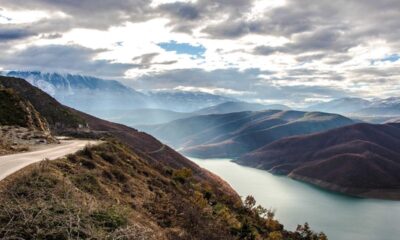

18 Best Autumn Lake and River Nature Destinations
Nature has a way of surprising us, and these 18 destinations prove it. From hidden gems that few travelers know...


15 Best Summer Forest Nature Destinations for Cool Shade
Nature has a way of surprising us, and these 15 destinations prove it. From hidden gems that few travelers know...
-
 World1 year ago
Types of Ants Living in the World and Information
-

 Forests1 year ago
The 10 Best Forests to Visit in the World
-

 Wildlife4 years ago
(10) Insects Are Animals in the world?
-
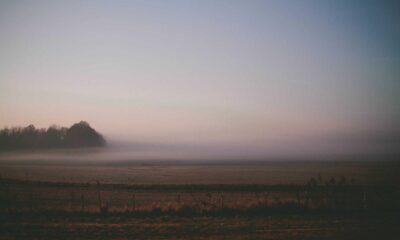
 Ocean1 year ago
Oceans in the World and Their Information & Locations
-

 Forests4 years ago
What Is The Biggest Rainforest In The World?
-

 Wildlife4 years ago
Most Popular Wild Animals in The World
-

 Forests1 year ago
The Main Factors That Contribute to Forest Destruction
-
 World1 year ago
The 10 Largest Farms in the World