
Wildlife
25 Best Desert Wildlife Destinations for Nature Lovers


Nature has a way of surprising us, and these 25 destinations prove it. From hidden gems that few travelers know about to world-famous natural wonders that have inspired generations, this list covers the very best of best desert wildlife destinations for nature lovers. Whether you are planning your next adventure or simply dreaming about faraway places, these destinations will ignite your wanderlust and remind you why our planet is worth exploring.
Key Takeaways
- This guide covers 25 incredible best desert wildlife destinations for nature lovers
- Each destination includes location, highlights, and travel tips
- Best times to visit are included for optimal experiences
- Budget and practical advice provided for each location
Quick Reference Table
| Place Name | Location | Best Time to Visit |
|---|---|---|
| Serengeti National Park | Tanzania | Jun-Oct |
| Galapagos Islands | Ecuador | Jun-Dec |
| Borneo Rainforest | Malaysia/Indonesia | Mar-Oct |
| Yellowstone National Park | Wyoming, USA | Apr-May; Sep-Oct |
| Okavango Delta | Botswana | Jun-Oct |
| Serengeti National Park | Tanzania | Jun-Oct |
| Galapagos Islands | Ecuador | Jun-Dec |
| Borneo Rainforest | Malaysia/Indonesia | Mar-Oct |
| Yellowstone National Park | Wyoming, USA | Apr-May; Sep-Oct |
| Okavango Delta | Botswana | Jun-Oct |
| Serengeti National Park | Tanzania | Jun-Oct |
| Galapagos Islands | Ecuador | Jun-Dec |
| Borneo Rainforest | Malaysia/Indonesia | Mar-Oct |
| Yellowstone National Park | Wyoming, USA | Apr-May; Sep-Oct |
| Okavango Delta | Botswana | Jun-Oct |
| Serengeti National Park | Tanzania | Jun-Oct |
| Galapagos Islands | Ecuador | Jun-Dec |
| Borneo Rainforest | Malaysia/Indonesia | Mar-Oct |
| Yellowstone National Park | Wyoming, USA | Apr-May; Sep-Oct |
| Okavango Delta | Botswana | Jun-Oct |
| Serengeti National Park | Tanzania | Jun-Oct |
| Galapagos Islands | Ecuador | Jun-Dec |
| Borneo Rainforest | Malaysia/Indonesia | Mar-Oct |
| Yellowstone National Park | Wyoming, USA | Apr-May; Sep-Oct |
| Okavango Delta | Botswana | Jun-Oct |
1. Serengeti National Park
About Serengeti National Park
Serengeti National Park is one of the most remarkable natural destinations on Earth. Located in Tanzania, this incredible place offers visitors an unforgettable experience with stunning scenery, diverse wildlife, and landscapes that will take your breath away. Whether you are an avid photographer, a nature enthusiast, or simply someone who appreciates the beauty of the natural world, Serengeti National Park deserves a spot on your travel bucket list.
Highlights
Stunning natural scenery, diverse wildlife and ecosystems, excellent photography opportunities, hiking and exploration trails, local culture and cuisine, unique geological features, guided tours available, pristine natural environment.
Experience
Africa’s most famous wildlife destination spanning 5,700 square miles. Home to the Great Migration of 1.5 million wildebeest. The Big Five are all present. Hot air balloon safaris offer incredible aerial views of the migration. Take time to explore at your own pace and discover hidden corners that most visitors miss. Hire a local guide who knows the area intimately and can share stories and insights you will not find in any guidebook. Bring a quality camera and plenty of memory cards because every viewpoint offers a new perspective worth capturing.
Best Time to Visit: Jun-Oct
The best time to visit is Jun-Oct, when weather conditions are most favorable for outdoor activities and wildlife viewing. During this period, trails are accessible, skies are clear, and the natural beauty of the area is at its absolute peak.
Why You Should Visit
Serengeti National Park represents the kind of authentic natural experience that reminds us why exploring the world matters. The combination of breathtaking scenery, peaceful atmosphere, and sense of discovery make it a destination that stays with you long after you return home.
Travel Tips
Book through reputable operators. Budget $300-800/day. Bring binoculars and zoom lens. Respect the local environment and wildlife. Book accommodation and tours in advance for peak season. Bring appropriate gear for the local climate and activities.
2. Galapagos Islands
About Galapagos Islands
Galapagos Islands is one of the most remarkable natural destinations on Earth. Located in Ecuador, this incredible place offers visitors an unforgettable experience with stunning scenery, diverse wildlife, and landscapes that will take your breath away. Whether you are an avid photographer, a nature enthusiast, or simply someone who appreciates the beauty of the natural world, Galapagos Islands deserves a spot on your travel bucket list.
Highlights
Stunning natural scenery, diverse wildlife and ecosystems, excellent photography opportunities, hiking and exploration trails, local culture and cuisine, unique geological features, guided tours available, pristine natural environment.
Experience
A living laboratory of evolution with species found nowhere else. Giant tortoises, marine iguanas, blue-footed boobies, and Darwin’s finches. Animals have no fear of humans, allowing intimate encounters. Snorkel with playful sea lions. Take time to explore at your own pace and discover hidden corners that most visitors miss. Hire a local guide who knows the area intimately and can share stories and insights you will not find in any guidebook. Bring a quality camera and plenty of memory cards because every viewpoint offers a new perspective worth capturing.
Best Time to Visit: Jun-Dec
The best time to visit is Jun-Dec, when weather conditions are most favorable for outdoor activities and wildlife viewing. During this period, trails are accessible, skies are clear, and the natural beauty of the area is at its absolute peak.
Why You Should Visit
Galapagos Islands represents the kind of authentic natural experience that reminds us why exploring the world matters. The combination of breathtaking scenery, peaceful atmosphere, and sense of discovery make it a destination that stays with you long after you return home.
Travel Tips
Fly from Quito or Guayaquil. Budget $3,000-8,000 for week-long cruise. Bring waterproof camera. Respect the local environment and wildlife. Book accommodation and tours in advance for peak season. Bring appropriate gear for the local climate and activities.
3. Borneo Rainforest
About Borneo Rainforest
Borneo Rainforest is one of the most remarkable natural destinations on Earth. Located in Malaysia/Indonesia, this incredible place offers visitors an unforgettable experience with stunning scenery, diverse wildlife, and landscapes that will take your breath away. Whether you are an avid photographer, a nature enthusiast, or simply someone who appreciates the beauty of the natural world, Borneo Rainforest deserves a spot on your travel bucket list.
Highlights
Stunning natural scenery, diverse wildlife and ecosystems, excellent photography opportunities, hiking and exploration trails, local culture and cuisine, unique geological features, guided tours available, pristine natural environment.
Experience
Home to the world’s oldest rainforests at over 130 million years. Famous for orangutans, proboscis monkeys, and pygmy elephants. Visit Sepilok Orangutan Rehabilitation Centre. River cruises on the Kinabatangan spot incredible wildlife. Take time to explore at your own pace and discover hidden corners that most visitors miss. Hire a local guide who knows the area intimately and can share stories and insights you will not find in any guidebook. Bring a quality camera and plenty of memory cards because every viewpoint offers a new perspective worth capturing.
Best Time to Visit: Mar-Oct
The best time to visit is Mar-Oct, when weather conditions are most favorable for outdoor activities and wildlife viewing. During this period, trails are accessible, skies are clear, and the natural beauty of the area is at its absolute peak.
Why You Should Visit
Borneo Rainforest represents the kind of authentic natural experience that reminds us why exploring the world matters. The combination of breathtaking scenery, peaceful atmosphere, and sense of discovery make it a destination that stays with you long after you return home.
Travel Tips
Fly to Kota Kinabalu. Budget $50-150/day. Bring strong insect repellent. Respect the local environment and wildlife. Book accommodation and tours in advance for peak season. Bring appropriate gear for the local climate and activities.
4. Yellowstone National Park
About Yellowstone National Park
Yellowstone National Park is one of the most remarkable natural destinations on Earth. Located in Wyoming, USA, this incredible place offers visitors an unforgettable experience with stunning scenery, diverse wildlife, and landscapes that will take your breath away. Whether you are an avid photographer, a nature enthusiast, or simply someone who appreciates the beauty of the natural world, Yellowstone National Park deserves a spot on your travel bucket list.
Highlights
Stunning natural scenery, diverse wildlife and ecosystems, excellent photography opportunities, hiking and exploration trails, local culture and cuisine, unique geological features, guided tours available, pristine natural environment.
Experience
The world’s first national park, sitting atop a supervolcano. Home to 10,000 geothermal features including Old Faithful. Largest concentration of mammals in the lower 48 states including grizzly bears, wolves, bison, and elk. Take time to explore at your own pace and discover hidden corners that most visitors miss. Hire a local guide who knows the area intimately and can share stories and insights you will not find in any guidebook. Bring a quality camera and plenty of memory cards because every viewpoint offers a new perspective worth capturing.
Best Time to Visit: Apr-May; Sep-Oct
The best time to visit is Apr-May; Sep-Oct, when weather conditions are most favorable for outdoor activities and wildlife viewing. During this period, trails are accessible, skies are clear, and the natural beauty of the area is at its absolute peak.
Why You Should Visit
Yellowstone National Park represents the kind of authentic natural experience that reminds us why exploring the world matters. The combination of breathtaking scenery, peaceful atmosphere, and sense of discovery make it a destination that stays with you long after you return home.
Travel Tips
Book accommodation months in advance. Park entry $35/vehicle. Budget $150-400/night. Respect the local environment and wildlife. Book accommodation and tours in advance for peak season. Bring appropriate gear for the local climate and activities.
5. Okavango Delta
About Okavango Delta
Okavango Delta is one of the most remarkable natural destinations on Earth. Located in Botswana, this incredible place offers visitors an unforgettable experience with stunning scenery, diverse wildlife, and landscapes that will take your breath away. Whether you are an avid photographer, a nature enthusiast, or simply someone who appreciates the beauty of the natural world, Okavango Delta deserves a spot on your travel bucket list.
Highlights
Stunning natural scenery, diverse wildlife and ecosystems, excellent photography opportunities, hiking and exploration trails, local culture and cuisine, unique geological features, guided tours available, pristine natural environment.
Experience
The world’s largest inland delta where the Okavango River empties into the Kalahari Desert. A vast wetland oasis supporting extraordinary wildlife diversity. Mokoro canoe rides bring you within feet of elephants. Take time to explore at your own pace and discover hidden corners that most visitors miss. Hire a local guide who knows the area intimately and can share stories and insights you will not find in any guidebook. Bring a quality camera and plenty of memory cards because every viewpoint offers a new perspective worth capturing.
Best Time to Visit: Jun-Oct
The best time to visit is Jun-Oct, when weather conditions are most favorable for outdoor activities and wildlife viewing. During this period, trails are accessible, skies are clear, and the natural beauty of the area is at its absolute peak.
Why You Should Visit
Okavango Delta represents the kind of authentic natural experience that reminds us why exploring the world matters. The combination of breathtaking scenery, peaceful atmosphere, and sense of discovery make it a destination that stays with you long after you return home.
Travel Tips
Access by small plane from Maun. Budget $500-1,500/night. Book well in advance. Respect the local environment and wildlife. Book accommodation and tours in advance for peak season. Bring appropriate gear for the local climate and activities.
6. Serengeti National Park
About Serengeti National Park
Serengeti National Park is one of the most remarkable natural destinations on Earth. Located in Tanzania, this incredible place offers visitors an unforgettable experience with stunning scenery, diverse wildlife, and landscapes that will take your breath away. Whether you are an avid photographer, a nature enthusiast, or simply someone who appreciates the beauty of the natural world, Serengeti National Park deserves a spot on your travel bucket list.
Highlights
Stunning natural scenery, diverse wildlife and ecosystems, excellent photography opportunities, hiking and exploration trails, local culture and cuisine, unique geological features, guided tours available, pristine natural environment.
Experience
Africa’s most famous wildlife destination spanning 5,700 square miles. Home to the Great Migration of 1.5 million wildebeest. The Big Five are all present. Hot air balloon safaris offer incredible aerial views of the migration. Take time to explore at your own pace and discover hidden corners that most visitors miss. Hire a local guide who knows the area intimately and can share stories and insights you will not find in any guidebook. Bring a quality camera and plenty of memory cards because every viewpoint offers a new perspective worth capturing.
Best Time to Visit: Jun-Oct
The best time to visit is Jun-Oct, when weather conditions are most favorable for outdoor activities and wildlife viewing. During this period, trails are accessible, skies are clear, and the natural beauty of the area is at its absolute peak.
Why You Should Visit
Serengeti National Park represents the kind of authentic natural experience that reminds us why exploring the world matters. The combination of breathtaking scenery, peaceful atmosphere, and sense of discovery make it a destination that stays with you long after you return home.
Travel Tips
Book through reputable operators. Budget $300-800/day. Bring binoculars and zoom lens. Respect the local environment and wildlife. Book accommodation and tours in advance for peak season. Bring appropriate gear for the local climate and activities.
7. Galapagos Islands
About Galapagos Islands
Galapagos Islands is one of the most remarkable natural destinations on Earth. Located in Ecuador, this incredible place offers visitors an unforgettable experience with stunning scenery, diverse wildlife, and landscapes that will take your breath away. Whether you are an avid photographer, a nature enthusiast, or simply someone who appreciates the beauty of the natural world, Galapagos Islands deserves a spot on your travel bucket list.
Highlights
Stunning natural scenery, diverse wildlife and ecosystems, excellent photography opportunities, hiking and exploration trails, local culture and cuisine, unique geological features, guided tours available, pristine natural environment.
Experience
A living laboratory of evolution with species found nowhere else. Giant tortoises, marine iguanas, blue-footed boobies, and Darwin’s finches. Animals have no fear of humans, allowing intimate encounters. Snorkel with playful sea lions. Take time to explore at your own pace and discover hidden corners that most visitors miss. Hire a local guide who knows the area intimately and can share stories and insights you will not find in any guidebook. Bring a quality camera and plenty of memory cards because every viewpoint offers a new perspective worth capturing.
Best Time to Visit: Jun-Dec
The best time to visit is Jun-Dec, when weather conditions are most favorable for outdoor activities and wildlife viewing. During this period, trails are accessible, skies are clear, and the natural beauty of the area is at its absolute peak.
Why You Should Visit
Galapagos Islands represents the kind of authentic natural experience that reminds us why exploring the world matters. The combination of breathtaking scenery, peaceful atmosphere, and sense of discovery make it a destination that stays with you long after you return home.
Travel Tips
Fly from Quito or Guayaquil. Budget $3,000-8,000 for week-long cruise. Bring waterproof camera. Respect the local environment and wildlife. Book accommodation and tours in advance for peak season. Bring appropriate gear for the local climate and activities.
8. Borneo Rainforest
About Borneo Rainforest
Borneo Rainforest is one of the most remarkable natural destinations on Earth. Located in Malaysia/Indonesia, this incredible place offers visitors an unforgettable experience with stunning scenery, diverse wildlife, and landscapes that will take your breath away. Whether you are an avid photographer, a nature enthusiast, or simply someone who appreciates the beauty of the natural world, Borneo Rainforest deserves a spot on your travel bucket list.
Highlights
Stunning natural scenery, diverse wildlife and ecosystems, excellent photography opportunities, hiking and exploration trails, local culture and cuisine, unique geological features, guided tours available, pristine natural environment.
Experience
Home to the world’s oldest rainforests at over 130 million years. Famous for orangutans, proboscis monkeys, and pygmy elephants. Visit Sepilok Orangutan Rehabilitation Centre. River cruises on the Kinabatangan spot incredible wildlife. Take time to explore at your own pace and discover hidden corners that most visitors miss. Hire a local guide who knows the area intimately and can share stories and insights you will not find in any guidebook. Bring a quality camera and plenty of memory cards because every viewpoint offers a new perspective worth capturing.
Best Time to Visit: Mar-Oct
The best time to visit is Mar-Oct, when weather conditions are most favorable for outdoor activities and wildlife viewing. During this period, trails are accessible, skies are clear, and the natural beauty of the area is at its absolute peak.
Why You Should Visit
Borneo Rainforest represents the kind of authentic natural experience that reminds us why exploring the world matters. The combination of breathtaking scenery, peaceful atmosphere, and sense of discovery make it a destination that stays with you long after you return home.
Travel Tips
Fly to Kota Kinabalu. Budget $50-150/day. Bring strong insect repellent. Respect the local environment and wildlife. Book accommodation and tours in advance for peak season. Bring appropriate gear for the local climate and activities.
9. Yellowstone National Park
About Yellowstone National Park
Yellowstone National Park is one of the most remarkable natural destinations on Earth. Located in Wyoming, USA, this incredible place offers visitors an unforgettable experience with stunning scenery, diverse wildlife, and landscapes that will take your breath away. Whether you are an avid photographer, a nature enthusiast, or simply someone who appreciates the beauty of the natural world, Yellowstone National Park deserves a spot on your travel bucket list.
Highlights
Stunning natural scenery, diverse wildlife and ecosystems, excellent photography opportunities, hiking and exploration trails, local culture and cuisine, unique geological features, guided tours available, pristine natural environment.
Experience
The world’s first national park, sitting atop a supervolcano. Home to 10,000 geothermal features including Old Faithful. Largest concentration of mammals in the lower 48 states including grizzly bears, wolves, bison, and elk. Take time to explore at your own pace and discover hidden corners that most visitors miss. Hire a local guide who knows the area intimately and can share stories and insights you will not find in any guidebook. Bring a quality camera and plenty of memory cards because every viewpoint offers a new perspective worth capturing.
Best Time to Visit: Apr-May; Sep-Oct
The best time to visit is Apr-May; Sep-Oct, when weather conditions are most favorable for outdoor activities and wildlife viewing. During this period, trails are accessible, skies are clear, and the natural beauty of the area is at its absolute peak.
Why You Should Visit
Yellowstone National Park represents the kind of authentic natural experience that reminds us why exploring the world matters. The combination of breathtaking scenery, peaceful atmosphere, and sense of discovery make it a destination that stays with you long after you return home.
Travel Tips
Book accommodation months in advance. Park entry $35/vehicle. Budget $150-400/night. Respect the local environment and wildlife. Book accommodation and tours in advance for peak season. Bring appropriate gear for the local climate and activities.
10. Okavango Delta
About Okavango Delta
Okavango Delta is one of the most remarkable natural destinations on Earth. Located in Botswana, this incredible place offers visitors an unforgettable experience with stunning scenery, diverse wildlife, and landscapes that will take your breath away. Whether you are an avid photographer, a nature enthusiast, or simply someone who appreciates the beauty of the natural world, Okavango Delta deserves a spot on your travel bucket list.
Highlights
Stunning natural scenery, diverse wildlife and ecosystems, excellent photography opportunities, hiking and exploration trails, local culture and cuisine, unique geological features, guided tours available, pristine natural environment.
Experience
The world’s largest inland delta where the Okavango River empties into the Kalahari Desert. A vast wetland oasis supporting extraordinary wildlife diversity. Mokoro canoe rides bring you within feet of elephants. Take time to explore at your own pace and discover hidden corners that most visitors miss. Hire a local guide who knows the area intimately and can share stories and insights you will not find in any guidebook. Bring a quality camera and plenty of memory cards because every viewpoint offers a new perspective worth capturing.
Best Time to Visit: Jun-Oct
The best time to visit is Jun-Oct, when weather conditions are most favorable for outdoor activities and wildlife viewing. During this period, trails are accessible, skies are clear, and the natural beauty of the area is at its absolute peak.
Why You Should Visit
Okavango Delta represents the kind of authentic natural experience that reminds us why exploring the world matters. The combination of breathtaking scenery, peaceful atmosphere, and sense of discovery make it a destination that stays with you long after you return home.
Travel Tips
Access by small plane from Maun. Budget $500-1,500/night. Book well in advance. Respect the local environment and wildlife. Book accommodation and tours in advance for peak season. Bring appropriate gear for the local climate and activities.
11. Serengeti National Park
About Serengeti National Park
Serengeti National Park is one of the most remarkable natural destinations on Earth. Located in Tanzania, this incredible place offers visitors an unforgettable experience with stunning scenery, diverse wildlife, and landscapes that will take your breath away. Whether you are an avid photographer, a nature enthusiast, or simply someone who appreciates the beauty of the natural world, Serengeti National Park deserves a spot on your travel bucket list.
Highlights
Stunning natural scenery, diverse wildlife and ecosystems, excellent photography opportunities, hiking and exploration trails, local culture and cuisine, unique geological features, guided tours available, pristine natural environment.
Experience
Africa’s most famous wildlife destination spanning 5,700 square miles. Home to the Great Migration of 1.5 million wildebeest. The Big Five are all present. Hot air balloon safaris offer incredible aerial views of the migration. Take time to explore at your own pace and discover hidden corners that most visitors miss. Hire a local guide who knows the area intimately and can share stories and insights you will not find in any guidebook. Bring a quality camera and plenty of memory cards because every viewpoint offers a new perspective worth capturing.
Best Time to Visit: Jun-Oct
The best time to visit is Jun-Oct, when weather conditions are most favorable for outdoor activities and wildlife viewing. During this period, trails are accessible, skies are clear, and the natural beauty of the area is at its absolute peak.
Why You Should Visit
Serengeti National Park represents the kind of authentic natural experience that reminds us why exploring the world matters. The combination of breathtaking scenery, peaceful atmosphere, and sense of discovery make it a destination that stays with you long after you return home.
Travel Tips
Book through reputable operators. Budget $300-800/day. Bring binoculars and zoom lens. Respect the local environment and wildlife. Book accommodation and tours in advance for peak season. Bring appropriate gear for the local climate and activities.
12. Galapagos Islands
About Galapagos Islands
Galapagos Islands is one of the most remarkable natural destinations on Earth. Located in Ecuador, this incredible place offers visitors an unforgettable experience with stunning scenery, diverse wildlife, and landscapes that will take your breath away. Whether you are an avid photographer, a nature enthusiast, or simply someone who appreciates the beauty of the natural world, Galapagos Islands deserves a spot on your travel bucket list.
Highlights
Stunning natural scenery, diverse wildlife and ecosystems, excellent photography opportunities, hiking and exploration trails, local culture and cuisine, unique geological features, guided tours available, pristine natural environment.
Experience
A living laboratory of evolution with species found nowhere else. Giant tortoises, marine iguanas, blue-footed boobies, and Darwin’s finches. Animals have no fear of humans, allowing intimate encounters. Snorkel with playful sea lions. Take time to explore at your own pace and discover hidden corners that most visitors miss. Hire a local guide who knows the area intimately and can share stories and insights you will not find in any guidebook. Bring a quality camera and plenty of memory cards because every viewpoint offers a new perspective worth capturing.
Best Time to Visit: Jun-Dec
The best time to visit is Jun-Dec, when weather conditions are most favorable for outdoor activities and wildlife viewing. During this period, trails are accessible, skies are clear, and the natural beauty of the area is at its absolute peak.
Why You Should Visit
Galapagos Islands represents the kind of authentic natural experience that reminds us why exploring the world matters. The combination of breathtaking scenery, peaceful atmosphere, and sense of discovery make it a destination that stays with you long after you return home.
Travel Tips
Fly from Quito or Guayaquil. Budget $3,000-8,000 for week-long cruise. Bring waterproof camera. Respect the local environment and wildlife. Book accommodation and tours in advance for peak season. Bring appropriate gear for the local climate and activities.
13. Borneo Rainforest
About Borneo Rainforest
Borneo Rainforest is one of the most remarkable natural destinations on Earth. Located in Malaysia/Indonesia, this incredible place offers visitors an unforgettable experience with stunning scenery, diverse wildlife, and landscapes that will take your breath away. Whether you are an avid photographer, a nature enthusiast, or simply someone who appreciates the beauty of the natural world, Borneo Rainforest deserves a spot on your travel bucket list.
Highlights
Stunning natural scenery, diverse wildlife and ecosystems, excellent photography opportunities, hiking and exploration trails, local culture and cuisine, unique geological features, guided tours available, pristine natural environment.
Experience
Home to the world’s oldest rainforests at over 130 million years. Famous for orangutans, proboscis monkeys, and pygmy elephants. Visit Sepilok Orangutan Rehabilitation Centre. River cruises on the Kinabatangan spot incredible wildlife. Take time to explore at your own pace and discover hidden corners that most visitors miss. Hire a local guide who knows the area intimately and can share stories and insights you will not find in any guidebook. Bring a quality camera and plenty of memory cards because every viewpoint offers a new perspective worth capturing.
Best Time to Visit: Mar-Oct
The best time to visit is Mar-Oct, when weather conditions are most favorable for outdoor activities and wildlife viewing. During this period, trails are accessible, skies are clear, and the natural beauty of the area is at its absolute peak.
Why You Should Visit
Borneo Rainforest represents the kind of authentic natural experience that reminds us why exploring the world matters. The combination of breathtaking scenery, peaceful atmosphere, and sense of discovery make it a destination that stays with you long after you return home.
Travel Tips
Fly to Kota Kinabalu. Budget $50-150/day. Bring strong insect repellent. Respect the local environment and wildlife. Book accommodation and tours in advance for peak season. Bring appropriate gear for the local climate and activities.
14. Yellowstone National Park
About Yellowstone National Park
Yellowstone National Park is one of the most remarkable natural destinations on Earth. Located in Wyoming, USA, this incredible place offers visitors an unforgettable experience with stunning scenery, diverse wildlife, and landscapes that will take your breath away. Whether you are an avid photographer, a nature enthusiast, or simply someone who appreciates the beauty of the natural world, Yellowstone National Park deserves a spot on your travel bucket list.
Highlights
Stunning natural scenery, diverse wildlife and ecosystems, excellent photography opportunities, hiking and exploration trails, local culture and cuisine, unique geological features, guided tours available, pristine natural environment.
Experience
The world’s first national park, sitting atop a supervolcano. Home to 10,000 geothermal features including Old Faithful. Largest concentration of mammals in the lower 48 states including grizzly bears, wolves, bison, and elk. Take time to explore at your own pace and discover hidden corners that most visitors miss. Hire a local guide who knows the area intimately and can share stories and insights you will not find in any guidebook. Bring a quality camera and plenty of memory cards because every viewpoint offers a new perspective worth capturing.
Best Time to Visit: Apr-May; Sep-Oct
The best time to visit is Apr-May; Sep-Oct, when weather conditions are most favorable for outdoor activities and wildlife viewing. During this period, trails are accessible, skies are clear, and the natural beauty of the area is at its absolute peak.
Why You Should Visit
Yellowstone National Park represents the kind of authentic natural experience that reminds us why exploring the world matters. The combination of breathtaking scenery, peaceful atmosphere, and sense of discovery make it a destination that stays with you long after you return home.
Travel Tips
Book accommodation months in advance. Park entry $35/vehicle. Budget $150-400/night. Respect the local environment and wildlife. Book accommodation and tours in advance for peak season. Bring appropriate gear for the local climate and activities.
15. Okavango Delta
About Okavango Delta
Okavango Delta is one of the most remarkable natural destinations on Earth. Located in Botswana, this incredible place offers visitors an unforgettable experience with stunning scenery, diverse wildlife, and landscapes that will take your breath away. Whether you are an avid photographer, a nature enthusiast, or simply someone who appreciates the beauty of the natural world, Okavango Delta deserves a spot on your travel bucket list.
Highlights
Stunning natural scenery, diverse wildlife and ecosystems, excellent photography opportunities, hiking and exploration trails, local culture and cuisine, unique geological features, guided tours available, pristine natural environment.
Experience
The world’s largest inland delta where the Okavango River empties into the Kalahari Desert. A vast wetland oasis supporting extraordinary wildlife diversity. Mokoro canoe rides bring you within feet of elephants. Take time to explore at your own pace and discover hidden corners that most visitors miss. Hire a local guide who knows the area intimately and can share stories and insights you will not find in any guidebook. Bring a quality camera and plenty of memory cards because every viewpoint offers a new perspective worth capturing.
Best Time to Visit: Jun-Oct
The best time to visit is Jun-Oct, when weather conditions are most favorable for outdoor activities and wildlife viewing. During this period, trails are accessible, skies are clear, and the natural beauty of the area is at its absolute peak.
Why You Should Visit
Okavango Delta represents the kind of authentic natural experience that reminds us why exploring the world matters. The combination of breathtaking scenery, peaceful atmosphere, and sense of discovery make it a destination that stays with you long after you return home.
Travel Tips
Access by small plane from Maun. Budget $500-1,500/night. Book well in advance. Respect the local environment and wildlife. Book accommodation and tours in advance for peak season. Bring appropriate gear for the local climate and activities.
16. Serengeti National Park
About Serengeti National Park
Serengeti National Park is one of the most remarkable natural destinations on Earth. Located in Tanzania, this incredible place offers visitors an unforgettable experience with stunning scenery, diverse wildlife, and landscapes that will take your breath away. Whether you are an avid photographer, a nature enthusiast, or simply someone who appreciates the beauty of the natural world, Serengeti National Park deserves a spot on your travel bucket list.
Highlights
Stunning natural scenery, diverse wildlife and ecosystems, excellent photography opportunities, hiking and exploration trails, local culture and cuisine, unique geological features, guided tours available, pristine natural environment.
Experience
Africa’s most famous wildlife destination spanning 5,700 square miles. Home to the Great Migration of 1.5 million wildebeest. The Big Five are all present. Hot air balloon safaris offer incredible aerial views of the migration. Take time to explore at your own pace and discover hidden corners that most visitors miss. Hire a local guide who knows the area intimately and can share stories and insights you will not find in any guidebook. Bring a quality camera and plenty of memory cards because every viewpoint offers a new perspective worth capturing.
Best Time to Visit: Jun-Oct
The best time to visit is Jun-Oct, when weather conditions are most favorable for outdoor activities and wildlife viewing. During this period, trails are accessible, skies are clear, and the natural beauty of the area is at its absolute peak.
Why You Should Visit
Serengeti National Park represents the kind of authentic natural experience that reminds us why exploring the world matters. The combination of breathtaking scenery, peaceful atmosphere, and sense of discovery make it a destination that stays with you long after you return home.
Travel Tips
Book through reputable operators. Budget $300-800/day. Bring binoculars and zoom lens. Respect the local environment and wildlife. Book accommodation and tours in advance for peak season. Bring appropriate gear for the local climate and activities.
17. Galapagos Islands
About Galapagos Islands
Galapagos Islands is one of the most remarkable natural destinations on Earth. Located in Ecuador, this incredible place offers visitors an unforgettable experience with stunning scenery, diverse wildlife, and landscapes that will take your breath away. Whether you are an avid photographer, a nature enthusiast, or simply someone who appreciates the beauty of the natural world, Galapagos Islands deserves a spot on your travel bucket list.
Highlights
Stunning natural scenery, diverse wildlife and ecosystems, excellent photography opportunities, hiking and exploration trails, local culture and cuisine, unique geological features, guided tours available, pristine natural environment.
Experience
A living laboratory of evolution with species found nowhere else. Giant tortoises, marine iguanas, blue-footed boobies, and Darwin’s finches. Animals have no fear of humans, allowing intimate encounters. Snorkel with playful sea lions. Take time to explore at your own pace and discover hidden corners that most visitors miss. Hire a local guide who knows the area intimately and can share stories and insights you will not find in any guidebook. Bring a quality camera and plenty of memory cards because every viewpoint offers a new perspective worth capturing.
Best Time to Visit: Jun-Dec
The best time to visit is Jun-Dec, when weather conditions are most favorable for outdoor activities and wildlife viewing. During this period, trails are accessible, skies are clear, and the natural beauty of the area is at its absolute peak.
Why You Should Visit
Galapagos Islands represents the kind of authentic natural experience that reminds us why exploring the world matters. The combination of breathtaking scenery, peaceful atmosphere, and sense of discovery make it a destination that stays with you long after you return home.
Travel Tips
Fly from Quito or Guayaquil. Budget $3,000-8,000 for week-long cruise. Bring waterproof camera. Respect the local environment and wildlife. Book accommodation and tours in advance for peak season. Bring appropriate gear for the local climate and activities.
18. Borneo Rainforest
About Borneo Rainforest
Borneo Rainforest is one of the most remarkable natural destinations on Earth. Located in Malaysia/Indonesia, this incredible place offers visitors an unforgettable experience with stunning scenery, diverse wildlife, and landscapes that will take your breath away. Whether you are an avid photographer, a nature enthusiast, or simply someone who appreciates the beauty of the natural world, Borneo Rainforest deserves a spot on your travel bucket list.
Highlights
Stunning natural scenery, diverse wildlife and ecosystems, excellent photography opportunities, hiking and exploration trails, local culture and cuisine, unique geological features, guided tours available, pristine natural environment.
Experience
Home to the world’s oldest rainforests at over 130 million years. Famous for orangutans, proboscis monkeys, and pygmy elephants. Visit Sepilok Orangutan Rehabilitation Centre. River cruises on the Kinabatangan spot incredible wildlife. Take time to explore at your own pace and discover hidden corners that most visitors miss. Hire a local guide who knows the area intimately and can share stories and insights you will not find in any guidebook. Bring a quality camera and plenty of memory cards because every viewpoint offers a new perspective worth capturing.
Best Time to Visit: Mar-Oct
The best time to visit is Mar-Oct, when weather conditions are most favorable for outdoor activities and wildlife viewing. During this period, trails are accessible, skies are clear, and the natural beauty of the area is at its absolute peak.
Why You Should Visit
Borneo Rainforest represents the kind of authentic natural experience that reminds us why exploring the world matters. The combination of breathtaking scenery, peaceful atmosphere, and sense of discovery make it a destination that stays with you long after you return home.
Travel Tips
Fly to Kota Kinabalu. Budget $50-150/day. Bring strong insect repellent. Respect the local environment and wildlife. Book accommodation and tours in advance for peak season. Bring appropriate gear for the local climate and activities.
19. Yellowstone National Park
About Yellowstone National Park
Yellowstone National Park is one of the most remarkable natural destinations on Earth. Located in Wyoming, USA, this incredible place offers visitors an unforgettable experience with stunning scenery, diverse wildlife, and landscapes that will take your breath away. Whether you are an avid photographer, a nature enthusiast, or simply someone who appreciates the beauty of the natural world, Yellowstone National Park deserves a spot on your travel bucket list.
Highlights
Stunning natural scenery, diverse wildlife and ecosystems, excellent photography opportunities, hiking and exploration trails, local culture and cuisine, unique geological features, guided tours available, pristine natural environment.
Experience
The world’s first national park, sitting atop a supervolcano. Home to 10,000 geothermal features including Old Faithful. Largest concentration of mammals in the lower 48 states including grizzly bears, wolves, bison, and elk. Take time to explore at your own pace and discover hidden corners that most visitors miss. Hire a local guide who knows the area intimately and can share stories and insights you will not find in any guidebook. Bring a quality camera and plenty of memory cards because every viewpoint offers a new perspective worth capturing.
Best Time to Visit: Apr-May; Sep-Oct
The best time to visit is Apr-May; Sep-Oct, when weather conditions are most favorable for outdoor activities and wildlife viewing. During this period, trails are accessible, skies are clear, and the natural beauty of the area is at its absolute peak.
Why You Should Visit
Yellowstone National Park represents the kind of authentic natural experience that reminds us why exploring the world matters. The combination of breathtaking scenery, peaceful atmosphere, and sense of discovery make it a destination that stays with you long after you return home.
Travel Tips
Book accommodation months in advance. Park entry $35/vehicle. Budget $150-400/night. Respect the local environment and wildlife. Book accommodation and tours in advance for peak season. Bring appropriate gear for the local climate and activities.
20. Okavango Delta
About Okavango Delta
Okavango Delta is one of the most remarkable natural destinations on Earth. Located in Botswana, this incredible place offers visitors an unforgettable experience with stunning scenery, diverse wildlife, and landscapes that will take your breath away. Whether you are an avid photographer, a nature enthusiast, or simply someone who appreciates the beauty of the natural world, Okavango Delta deserves a spot on your travel bucket list.
Highlights
Stunning natural scenery, diverse wildlife and ecosystems, excellent photography opportunities, hiking and exploration trails, local culture and cuisine, unique geological features, guided tours available, pristine natural environment.
Experience
The world’s largest inland delta where the Okavango River empties into the Kalahari Desert. A vast wetland oasis supporting extraordinary wildlife diversity. Mokoro canoe rides bring you within feet of elephants. Take time to explore at your own pace and discover hidden corners that most visitors miss. Hire a local guide who knows the area intimately and can share stories and insights you will not find in any guidebook. Bring a quality camera and plenty of memory cards because every viewpoint offers a new perspective worth capturing.
Best Time to Visit: Jun-Oct
The best time to visit is Jun-Oct, when weather conditions are most favorable for outdoor activities and wildlife viewing. During this period, trails are accessible, skies are clear, and the natural beauty of the area is at its absolute peak.
Why You Should Visit
Okavango Delta represents the kind of authentic natural experience that reminds us why exploring the world matters. The combination of breathtaking scenery, peaceful atmosphere, and sense of discovery make it a destination that stays with you long after you return home.
Travel Tips
Access by small plane from Maun. Budget $500-1,500/night. Book well in advance. Respect the local environment and wildlife. Book accommodation and tours in advance for peak season. Bring appropriate gear for the local climate and activities.
21. Serengeti National Park
About Serengeti National Park
Serengeti National Park is one of the most remarkable natural destinations on Earth. Located in Tanzania, this incredible place offers visitors an unforgettable experience with stunning scenery, diverse wildlife, and landscapes that will take your breath away. Whether you are an avid photographer, a nature enthusiast, or simply someone who appreciates the beauty of the natural world, Serengeti National Park deserves a spot on your travel bucket list.
Highlights
Stunning natural scenery, diverse wildlife and ecosystems, excellent photography opportunities, hiking and exploration trails, local culture and cuisine, unique geological features, guided tours available, pristine natural environment.
Experience
Africa’s most famous wildlife destination spanning 5,700 square miles. Home to the Great Migration of 1.5 million wildebeest. The Big Five are all present. Hot air balloon safaris offer incredible aerial views of the migration. Take time to explore at your own pace and discover hidden corners that most visitors miss. Hire a local guide who knows the area intimately and can share stories and insights you will not find in any guidebook. Bring a quality camera and plenty of memory cards because every viewpoint offers a new perspective worth capturing.
Best Time to Visit: Jun-Oct
The best time to visit is Jun-Oct, when weather conditions are most favorable for outdoor activities and wildlife viewing. During this period, trails are accessible, skies are clear, and the natural beauty of the area is at its absolute peak.
Why You Should Visit
Serengeti National Park represents the kind of authentic natural experience that reminds us why exploring the world matters. The combination of breathtaking scenery, peaceful atmosphere, and sense of discovery make it a destination that stays with you long after you return home.
Travel Tips
Book through reputable operators. Budget $300-800/day. Bring binoculars and zoom lens. Respect the local environment and wildlife. Book accommodation and tours in advance for peak season. Bring appropriate gear for the local climate and activities.
22. Galapagos Islands
About Galapagos Islands
Galapagos Islands is one of the most remarkable natural destinations on Earth. Located in Ecuador, this incredible place offers visitors an unforgettable experience with stunning scenery, diverse wildlife, and landscapes that will take your breath away. Whether you are an avid photographer, a nature enthusiast, or simply someone who appreciates the beauty of the natural world, Galapagos Islands deserves a spot on your travel bucket list.
Highlights
Stunning natural scenery, diverse wildlife and ecosystems, excellent photography opportunities, hiking and exploration trails, local culture and cuisine, unique geological features, guided tours available, pristine natural environment.
Experience
A living laboratory of evolution with species found nowhere else. Giant tortoises, marine iguanas, blue-footed boobies, and Darwin’s finches. Animals have no fear of humans, allowing intimate encounters. Snorkel with playful sea lions. Take time to explore at your own pace and discover hidden corners that most visitors miss. Hire a local guide who knows the area intimately and can share stories and insights you will not find in any guidebook. Bring a quality camera and plenty of memory cards because every viewpoint offers a new perspective worth capturing.
Best Time to Visit: Jun-Dec
The best time to visit is Jun-Dec, when weather conditions are most favorable for outdoor activities and wildlife viewing. During this period, trails are accessible, skies are clear, and the natural beauty of the area is at its absolute peak.
Why You Should Visit
Galapagos Islands represents the kind of authentic natural experience that reminds us why exploring the world matters. The combination of breathtaking scenery, peaceful atmosphere, and sense of discovery make it a destination that stays with you long after you return home.
Travel Tips
Fly from Quito or Guayaquil. Budget $3,000-8,000 for week-long cruise. Bring waterproof camera. Respect the local environment and wildlife. Book accommodation and tours in advance for peak season. Bring appropriate gear for the local climate and activities.
23. Borneo Rainforest
About Borneo Rainforest
Borneo Rainforest is one of the most remarkable natural destinations on Earth. Located in Malaysia/Indonesia, this incredible place offers visitors an unforgettable experience with stunning scenery, diverse wildlife, and landscapes that will take your breath away. Whether you are an avid photographer, a nature enthusiast, or simply someone who appreciates the beauty of the natural world, Borneo Rainforest deserves a spot on your travel bucket list.
Highlights
Stunning natural scenery, diverse wildlife and ecosystems, excellent photography opportunities, hiking and exploration trails, local culture and cuisine, unique geological features, guided tours available, pristine natural environment.
Experience
Home to the world’s oldest rainforests at over 130 million years. Famous for orangutans, proboscis monkeys, and pygmy elephants. Visit Sepilok Orangutan Rehabilitation Centre. River cruises on the Kinabatangan spot incredible wildlife. Take time to explore at your own pace and discover hidden corners that most visitors miss. Hire a local guide who knows the area intimately and can share stories and insights you will not find in any guidebook. Bring a quality camera and plenty of memory cards because every viewpoint offers a new perspective worth capturing.
Best Time to Visit: Mar-Oct
The best time to visit is Mar-Oct, when weather conditions are most favorable for outdoor activities and wildlife viewing. During this period, trails are accessible, skies are clear, and the natural beauty of the area is at its absolute peak.
Why You Should Visit
Borneo Rainforest represents the kind of authentic natural experience that reminds us why exploring the world matters. The combination of breathtaking scenery, peaceful atmosphere, and sense of discovery make it a destination that stays with you long after you return home.
Travel Tips
Fly to Kota Kinabalu. Budget $50-150/day. Bring strong insect repellent. Respect the local environment and wildlife. Book accommodation and tours in advance for peak season. Bring appropriate gear for the local climate and activities.
24. Yellowstone National Park
About Yellowstone National Park
Yellowstone National Park is one of the most remarkable natural destinations on Earth. Located in Wyoming, USA, this incredible place offers visitors an unforgettable experience with stunning scenery, diverse wildlife, and landscapes that will take your breath away. Whether you are an avid photographer, a nature enthusiast, or simply someone who appreciates the beauty of the natural world, Yellowstone National Park deserves a spot on your travel bucket list.
Highlights
Stunning natural scenery, diverse wildlife and ecosystems, excellent photography opportunities, hiking and exploration trails, local culture and cuisine, unique geological features, guided tours available, pristine natural environment.
Experience
The world’s first national park, sitting atop a supervolcano. Home to 10,000 geothermal features including Old Faithful. Largest concentration of mammals in the lower 48 states including grizzly bears, wolves, bison, and elk. Take time to explore at your own pace and discover hidden corners that most visitors miss. Hire a local guide who knows the area intimately and can share stories and insights you will not find in any guidebook. Bring a quality camera and plenty of memory cards because every viewpoint offers a new perspective worth capturing.
Best Time to Visit: Apr-May; Sep-Oct
The best time to visit is Apr-May; Sep-Oct, when weather conditions are most favorable for outdoor activities and wildlife viewing. During this period, trails are accessible, skies are clear, and the natural beauty of the area is at its absolute peak.
Why You Should Visit
Yellowstone National Park represents the kind of authentic natural experience that reminds us why exploring the world matters. The combination of breathtaking scenery, peaceful atmosphere, and sense of discovery make it a destination that stays with you long after you return home.
Travel Tips
Book accommodation months in advance. Park entry $35/vehicle. Budget $150-400/night. Respect the local environment and wildlife. Book accommodation and tours in advance for peak season. Bring appropriate gear for the local climate and activities.
25. Okavango Delta
About Okavango Delta
Okavango Delta is one of the most remarkable natural destinations on Earth. Located in Botswana, this incredible place offers visitors an unforgettable experience with stunning scenery, diverse wildlife, and landscapes that will take your breath away. Whether you are an avid photographer, a nature enthusiast, or simply someone who appreciates the beauty of the natural world, Okavango Delta deserves a spot on your travel bucket list.
Highlights
Stunning natural scenery, diverse wildlife and ecosystems, excellent photography opportunities, hiking and exploration trails, local culture and cuisine, unique geological features, guided tours available, pristine natural environment.
Experience
The world’s largest inland delta where the Okavango River empties into the Kalahari Desert. A vast wetland oasis supporting extraordinary wildlife diversity. Mokoro canoe rides bring you within feet of elephants. Take time to explore at your own pace and discover hidden corners that most visitors miss. Hire a local guide who knows the area intimately and can share stories and insights you will not find in any guidebook. Bring a quality camera and plenty of memory cards because every viewpoint offers a new perspective worth capturing.
Best Time to Visit: Jun-Oct
The best time to visit is Jun-Oct, when weather conditions are most favorable for outdoor activities and wildlife viewing. During this period, trails are accessible, skies are clear, and the natural beauty of the area is at its absolute peak.
Why You Should Visit
Okavango Delta represents the kind of authentic natural experience that reminds us why exploring the world matters. The combination of breathtaking scenery, peaceful atmosphere, and sense of discovery make it a destination that stays with you long after you return home.
Travel Tips
Access by small plane from Maun. Budget $500-1,500/night. Book well in advance. Respect the local environment and wildlife. Book accommodation and tours in advance for peak season. Bring appropriate gear for the local climate and activities.
Frequently Asked Questions
What is the best time to visit these destinations?
The best time varies by destination. Generally, spring and fall offer the most comfortable weather and fewest crowds. Research each specific location for optimal timing.
Are these destinations suitable for families?
Many nature destinations are family-friendly with easy trails and educational opportunities. However, some remote destinations may be better suited for older children and adults.
How much should I budget for these trips?
Costs vary widely. Budget for transportation, accommodation, park fees, guided tours, and meals. Some destinations are very affordable while others require significant investment.
What should I pack for nature travel?
Essential items include comfortable walking shoes, weather-appropriate clothing, sun protection, insect repellent, a reusable water bottle, and a camera.
How can I travel responsibly to natural destinations?
Follow Leave No Trace principles, stay on marked trails, respect wildlife, support local communities, and choose eco-friendly tour operators.
Conclusion
These 25 best desert wildlife destinations for nature lovers represent some of the most incredible natural experiences available today. Whether you are a seasoned adventurer or just starting to explore the natural world, each destination offers something special. Start planning your trip, pack your camera, and get ready to witness nature at its absolute finest. Share this guide with fellow nature lovers and start dreaming about your next adventure today.

Nature has a way of surprising us, and these 12 destinations prove it. From hidden gems that few travelers know about to world-famous natural wonders that have inspired generations, this list covers the very best of best winter wildlife watching nature destinations. Whether you are planning your next adventure or simply dreaming about faraway places, these destinations will ignite your wanderlust and remind you why our planet is worth exploring.
Key Takeaways
- This guide covers 12 incredible best winter wildlife watching nature destinations
- Each destination includes location, highlights, and travel tips
- Best times to visit are included for optimal experiences
- Budget and practical advice provided for each location
Quick Reference Table
| Place Name | Location | Best Time to Visit |
|---|---|---|
| Serengeti National Park | Tanzania | Jun-Oct |
| Galapagos Islands | Ecuador | Jun-Dec |
| Borneo Rainforest | Malaysia/Indonesia | Mar-Oct |
| Yellowstone National Park | Wyoming, USA | Apr-May; Sep-Oct |
| Okavango Delta | Botswana | Jun-Oct |
| Serengeti National Park | Tanzania | Jun-Oct |
| Galapagos Islands | Ecuador | Jun-Dec |
| Borneo Rainforest | Malaysia/Indonesia | Mar-Oct |
| Yellowstone National Park | Wyoming, USA | Apr-May; Sep-Oct |
| Okavango Delta | Botswana | Jun-Oct |
| Serengeti National Park | Tanzania | Jun-Oct |
| Galapagos Islands | Ecuador | Jun-Dec |
1. Serengeti National Park
About Serengeti National Park
Serengeti National Park is one of the most remarkable natural destinations on Earth. Located in Tanzania, this incredible place offers visitors an unforgettable experience with stunning scenery, diverse wildlife, and landscapes that will take your breath away. Whether you are an avid photographer, a nature enthusiast, or simply someone who appreciates the beauty of the natural world, Serengeti National Park deserves a spot on your travel bucket list.
Highlights
Stunning natural scenery, diverse wildlife and ecosystems, excellent photography opportunities, hiking and exploration trails, local culture and cuisine, unique geological features, guided tours available, pristine natural environment.
Experience
Africa’s most famous wildlife destination spanning 5,700 square miles. Home to the Great Migration of 1.5 million wildebeest. The Big Five are all present. Hot air balloon safaris offer incredible aerial views of the migration. Take time to explore at your own pace and discover hidden corners that most visitors miss. Hire a local guide who knows the area intimately and can share stories and insights you will not find in any guidebook. Bring a quality camera and plenty of memory cards because every viewpoint offers a new perspective worth capturing.
Best Time to Visit: Jun-Oct
The best time to visit is Jun-Oct, when weather conditions are most favorable for outdoor activities and wildlife viewing. During this period, trails are accessible, skies are clear, and the natural beauty of the area is at its absolute peak.
Why You Should Visit
Serengeti National Park represents the kind of authentic natural experience that reminds us why exploring the world matters. The combination of breathtaking scenery, peaceful atmosphere, and sense of discovery make it a destination that stays with you long after you return home.
Travel Tips
Book through reputable operators. Budget $300-800/day. Bring binoculars and zoom lens. Respect the local environment and wildlife. Book accommodation and tours in advance for peak season. Bring appropriate gear for the local climate and activities.
2. Galapagos Islands
About Galapagos Islands
Galapagos Islands is one of the most remarkable natural destinations on Earth. Located in Ecuador, this incredible place offers visitors an unforgettable experience with stunning scenery, diverse wildlife, and landscapes that will take your breath away. Whether you are an avid photographer, a nature enthusiast, or simply someone who appreciates the beauty of the natural world, Galapagos Islands deserves a spot on your travel bucket list.
Highlights
Stunning natural scenery, diverse wildlife and ecosystems, excellent photography opportunities, hiking and exploration trails, local culture and cuisine, unique geological features, guided tours available, pristine natural environment.
Experience
A living laboratory of evolution with species found nowhere else. Giant tortoises, marine iguanas, blue-footed boobies, and Darwin’s finches. Animals have no fear of humans, allowing intimate encounters. Snorkel with playful sea lions. Take time to explore at your own pace and discover hidden corners that most visitors miss. Hire a local guide who knows the area intimately and can share stories and insights you will not find in any guidebook. Bring a quality camera and plenty of memory cards because every viewpoint offers a new perspective worth capturing.
Best Time to Visit: Jun-Dec
The best time to visit is Jun-Dec, when weather conditions are most favorable for outdoor activities and wildlife viewing. During this period, trails are accessible, skies are clear, and the natural beauty of the area is at its absolute peak.
Why You Should Visit
Galapagos Islands represents the kind of authentic natural experience that reminds us why exploring the world matters. The combination of breathtaking scenery, peaceful atmosphere, and sense of discovery make it a destination that stays with you long after you return home.
Travel Tips
Fly from Quito or Guayaquil. Budget $3,000-8,000 for week-long cruise. Bring waterproof camera. Respect the local environment and wildlife. Book accommodation and tours in advance for peak season. Bring appropriate gear for the local climate and activities.
3. Borneo Rainforest
About Borneo Rainforest
Borneo Rainforest is one of the most remarkable natural destinations on Earth. Located in Malaysia/Indonesia, this incredible place offers visitors an unforgettable experience with stunning scenery, diverse wildlife, and landscapes that will take your breath away. Whether you are an avid photographer, a nature enthusiast, or simply someone who appreciates the beauty of the natural world, Borneo Rainforest deserves a spot on your travel bucket list.
Highlights
Stunning natural scenery, diverse wildlife and ecosystems, excellent photography opportunities, hiking and exploration trails, local culture and cuisine, unique geological features, guided tours available, pristine natural environment.
Experience
Home to the world’s oldest rainforests at over 130 million years. Famous for orangutans, proboscis monkeys, and pygmy elephants. Visit Sepilok Orangutan Rehabilitation Centre. River cruises on the Kinabatangan spot incredible wildlife. Take time to explore at your own pace and discover hidden corners that most visitors miss. Hire a local guide who knows the area intimately and can share stories and insights you will not find in any guidebook. Bring a quality camera and plenty of memory cards because every viewpoint offers a new perspective worth capturing.
Best Time to Visit: Mar-Oct
The best time to visit is Mar-Oct, when weather conditions are most favorable for outdoor activities and wildlife viewing. During this period, trails are accessible, skies are clear, and the natural beauty of the area is at its absolute peak.
Why You Should Visit
Borneo Rainforest represents the kind of authentic natural experience that reminds us why exploring the world matters. The combination of breathtaking scenery, peaceful atmosphere, and sense of discovery make it a destination that stays with you long after you return home.
Travel Tips
Fly to Kota Kinabalu. Budget $50-150/day. Bring strong insect repellent. Respect the local environment and wildlife. Book accommodation and tours in advance for peak season. Bring appropriate gear for the local climate and activities.
4. Yellowstone National Park
About Yellowstone National Park
Yellowstone National Park is one of the most remarkable natural destinations on Earth. Located in Wyoming, USA, this incredible place offers visitors an unforgettable experience with stunning scenery, diverse wildlife, and landscapes that will take your breath away. Whether you are an avid photographer, a nature enthusiast, or simply someone who appreciates the beauty of the natural world, Yellowstone National Park deserves a spot on your travel bucket list.
Highlights
Stunning natural scenery, diverse wildlife and ecosystems, excellent photography opportunities, hiking and exploration trails, local culture and cuisine, unique geological features, guided tours available, pristine natural environment.
Experience
The world’s first national park, sitting atop a supervolcano. Home to 10,000 geothermal features including Old Faithful. Largest concentration of mammals in the lower 48 states including grizzly bears, wolves, bison, and elk. Take time to explore at your own pace and discover hidden corners that most visitors miss. Hire a local guide who knows the area intimately and can share stories and insights you will not find in any guidebook. Bring a quality camera and plenty of memory cards because every viewpoint offers a new perspective worth capturing.
Best Time to Visit: Apr-May; Sep-Oct
The best time to visit is Apr-May; Sep-Oct, when weather conditions are most favorable for outdoor activities and wildlife viewing. During this period, trails are accessible, skies are clear, and the natural beauty of the area is at its absolute peak.
Why You Should Visit
Yellowstone National Park represents the kind of authentic natural experience that reminds us why exploring the world matters. The combination of breathtaking scenery, peaceful atmosphere, and sense of discovery make it a destination that stays with you long after you return home.
Travel Tips
Book accommodation months in advance. Park entry $35/vehicle. Budget $150-400/night. Respect the local environment and wildlife. Book accommodation and tours in advance for peak season. Bring appropriate gear for the local climate and activities.
5. Okavango Delta
About Okavango Delta
Okavango Delta is one of the most remarkable natural destinations on Earth. Located in Botswana, this incredible place offers visitors an unforgettable experience with stunning scenery, diverse wildlife, and landscapes that will take your breath away. Whether you are an avid photographer, a nature enthusiast, or simply someone who appreciates the beauty of the natural world, Okavango Delta deserves a spot on your travel bucket list.
Highlights
Stunning natural scenery, diverse wildlife and ecosystems, excellent photography opportunities, hiking and exploration trails, local culture and cuisine, unique geological features, guided tours available, pristine natural environment.
Experience
The world’s largest inland delta where the Okavango River empties into the Kalahari Desert. A vast wetland oasis supporting extraordinary wildlife diversity. Mokoro canoe rides bring you within feet of elephants. Take time to explore at your own pace and discover hidden corners that most visitors miss. Hire a local guide who knows the area intimately and can share stories and insights you will not find in any guidebook. Bring a quality camera and plenty of memory cards because every viewpoint offers a new perspective worth capturing.
Best Time to Visit: Jun-Oct
The best time to visit is Jun-Oct, when weather conditions are most favorable for outdoor activities and wildlife viewing. During this period, trails are accessible, skies are clear, and the natural beauty of the area is at its absolute peak.
Why You Should Visit
Okavango Delta represents the kind of authentic natural experience that reminds us why exploring the world matters. The combination of breathtaking scenery, peaceful atmosphere, and sense of discovery make it a destination that stays with you long after you return home.
Travel Tips
Access by small plane from Maun. Budget $500-1,500/night. Book well in advance. Respect the local environment and wildlife. Book accommodation and tours in advance for peak season. Bring appropriate gear for the local climate and activities.
6. Serengeti National Park
About Serengeti National Park
Serengeti National Park is one of the most remarkable natural destinations on Earth. Located in Tanzania, this incredible place offers visitors an unforgettable experience with stunning scenery, diverse wildlife, and landscapes that will take your breath away. Whether you are an avid photographer, a nature enthusiast, or simply someone who appreciates the beauty of the natural world, Serengeti National Park deserves a spot on your travel bucket list.
Highlights
Stunning natural scenery, diverse wildlife and ecosystems, excellent photography opportunities, hiking and exploration trails, local culture and cuisine, unique geological features, guided tours available, pristine natural environment.
Experience
Africa’s most famous wildlife destination spanning 5,700 square miles. Home to the Great Migration of 1.5 million wildebeest. The Big Five are all present. Hot air balloon safaris offer incredible aerial views of the migration. Take time to explore at your own pace and discover hidden corners that most visitors miss. Hire a local guide who knows the area intimately and can share stories and insights you will not find in any guidebook. Bring a quality camera and plenty of memory cards because every viewpoint offers a new perspective worth capturing.
Best Time to Visit: Jun-Oct
The best time to visit is Jun-Oct, when weather conditions are most favorable for outdoor activities and wildlife viewing. During this period, trails are accessible, skies are clear, and the natural beauty of the area is at its absolute peak.
Why You Should Visit
Serengeti National Park represents the kind of authentic natural experience that reminds us why exploring the world matters. The combination of breathtaking scenery, peaceful atmosphere, and sense of discovery make it a destination that stays with you long after you return home.
Travel Tips
Book through reputable operators. Budget $300-800/day. Bring binoculars and zoom lens. Respect the local environment and wildlife. Book accommodation and tours in advance for peak season. Bring appropriate gear for the local climate and activities.
7. Galapagos Islands
About Galapagos Islands
Galapagos Islands is one of the most remarkable natural destinations on Earth. Located in Ecuador, this incredible place offers visitors an unforgettable experience with stunning scenery, diverse wildlife, and landscapes that will take your breath away. Whether you are an avid photographer, a nature enthusiast, or simply someone who appreciates the beauty of the natural world, Galapagos Islands deserves a spot on your travel bucket list.
Highlights
Stunning natural scenery, diverse wildlife and ecosystems, excellent photography opportunities, hiking and exploration trails, local culture and cuisine, unique geological features, guided tours available, pristine natural environment.
Experience
A living laboratory of evolution with species found nowhere else. Giant tortoises, marine iguanas, blue-footed boobies, and Darwin’s finches. Animals have no fear of humans, allowing intimate encounters. Snorkel with playful sea lions. Take time to explore at your own pace and discover hidden corners that most visitors miss. Hire a local guide who knows the area intimately and can share stories and insights you will not find in any guidebook. Bring a quality camera and plenty of memory cards because every viewpoint offers a new perspective worth capturing.
Best Time to Visit: Jun-Dec
The best time to visit is Jun-Dec, when weather conditions are most favorable for outdoor activities and wildlife viewing. During this period, trails are accessible, skies are clear, and the natural beauty of the area is at its absolute peak.
Why You Should Visit
Galapagos Islands represents the kind of authentic natural experience that reminds us why exploring the world matters. The combination of breathtaking scenery, peaceful atmosphere, and sense of discovery make it a destination that stays with you long after you return home.
Travel Tips
Fly from Quito or Guayaquil. Budget $3,000-8,000 for week-long cruise. Bring waterproof camera. Respect the local environment and wildlife. Book accommodation and tours in advance for peak season. Bring appropriate gear for the local climate and activities.
8. Borneo Rainforest
About Borneo Rainforest
Borneo Rainforest is one of the most remarkable natural destinations on Earth. Located in Malaysia/Indonesia, this incredible place offers visitors an unforgettable experience with stunning scenery, diverse wildlife, and landscapes that will take your breath away. Whether you are an avid photographer, a nature enthusiast, or simply someone who appreciates the beauty of the natural world, Borneo Rainforest deserves a spot on your travel bucket list.
Highlights
Stunning natural scenery, diverse wildlife and ecosystems, excellent photography opportunities, hiking and exploration trails, local culture and cuisine, unique geological features, guided tours available, pristine natural environment.
Experience
Home to the world’s oldest rainforests at over 130 million years. Famous for orangutans, proboscis monkeys, and pygmy elephants. Visit Sepilok Orangutan Rehabilitation Centre. River cruises on the Kinabatangan spot incredible wildlife. Take time to explore at your own pace and discover hidden corners that most visitors miss. Hire a local guide who knows the area intimately and can share stories and insights you will not find in any guidebook. Bring a quality camera and plenty of memory cards because every viewpoint offers a new perspective worth capturing.
Best Time to Visit: Mar-Oct
The best time to visit is Mar-Oct, when weather conditions are most favorable for outdoor activities and wildlife viewing. During this period, trails are accessible, skies are clear, and the natural beauty of the area is at its absolute peak.
Why You Should Visit
Borneo Rainforest represents the kind of authentic natural experience that reminds us why exploring the world matters. The combination of breathtaking scenery, peaceful atmosphere, and sense of discovery make it a destination that stays with you long after you return home.
Travel Tips
Fly to Kota Kinabalu. Budget $50-150/day. Bring strong insect repellent. Respect the local environment and wildlife. Book accommodation and tours in advance for peak season. Bring appropriate gear for the local climate and activities.
9. Yellowstone National Park
About Yellowstone National Park
Yellowstone National Park is one of the most remarkable natural destinations on Earth. Located in Wyoming, USA, this incredible place offers visitors an unforgettable experience with stunning scenery, diverse wildlife, and landscapes that will take your breath away. Whether you are an avid photographer, a nature enthusiast, or simply someone who appreciates the beauty of the natural world, Yellowstone National Park deserves a spot on your travel bucket list.
Highlights
Stunning natural scenery, diverse wildlife and ecosystems, excellent photography opportunities, hiking and exploration trails, local culture and cuisine, unique geological features, guided tours available, pristine natural environment.
Experience
The world’s first national park, sitting atop a supervolcano. Home to 10,000 geothermal features including Old Faithful. Largest concentration of mammals in the lower 48 states including grizzly bears, wolves, bison, and elk. Take time to explore at your own pace and discover hidden corners that most visitors miss. Hire a local guide who knows the area intimately and can share stories and insights you will not find in any guidebook. Bring a quality camera and plenty of memory cards because every viewpoint offers a new perspective worth capturing.
Best Time to Visit: Apr-May; Sep-Oct
The best time to visit is Apr-May; Sep-Oct, when weather conditions are most favorable for outdoor activities and wildlife viewing. During this period, trails are accessible, skies are clear, and the natural beauty of the area is at its absolute peak.
Why You Should Visit
Yellowstone National Park represents the kind of authentic natural experience that reminds us why exploring the world matters. The combination of breathtaking scenery, peaceful atmosphere, and sense of discovery make it a destination that stays with you long after you return home.
Travel Tips
Book accommodation months in advance. Park entry $35/vehicle. Budget $150-400/night. Respect the local environment and wildlife. Book accommodation and tours in advance for peak season. Bring appropriate gear for the local climate and activities.
10. Okavango Delta
About Okavango Delta
Okavango Delta is one of the most remarkable natural destinations on Earth. Located in Botswana, this incredible place offers visitors an unforgettable experience with stunning scenery, diverse wildlife, and landscapes that will take your breath away. Whether you are an avid photographer, a nature enthusiast, or simply someone who appreciates the beauty of the natural world, Okavango Delta deserves a spot on your travel bucket list.
Highlights
Stunning natural scenery, diverse wildlife and ecosystems, excellent photography opportunities, hiking and exploration trails, local culture and cuisine, unique geological features, guided tours available, pristine natural environment.
Experience
The world’s largest inland delta where the Okavango River empties into the Kalahari Desert. A vast wetland oasis supporting extraordinary wildlife diversity. Mokoro canoe rides bring you within feet of elephants. Take time to explore at your own pace and discover hidden corners that most visitors miss. Hire a local guide who knows the area intimately and can share stories and insights you will not find in any guidebook. Bring a quality camera and plenty of memory cards because every viewpoint offers a new perspective worth capturing.
Best Time to Visit: Jun-Oct
The best time to visit is Jun-Oct, when weather conditions are most favorable for outdoor activities and wildlife viewing. During this period, trails are accessible, skies are clear, and the natural beauty of the area is at its absolute peak.
Why You Should Visit
Okavango Delta represents the kind of authentic natural experience that reminds us why exploring the world matters. The combination of breathtaking scenery, peaceful atmosphere, and sense of discovery make it a destination that stays with you long after you return home.
Travel Tips
Access by small plane from Maun. Budget $500-1,500/night. Book well in advance. Respect the local environment and wildlife. Book accommodation and tours in advance for peak season. Bring appropriate gear for the local climate and activities.
11. Serengeti National Park
About Serengeti National Park
Serengeti National Park is one of the most remarkable natural destinations on Earth. Located in Tanzania, this incredible place offers visitors an unforgettable experience with stunning scenery, diverse wildlife, and landscapes that will take your breath away. Whether you are an avid photographer, a nature enthusiast, or simply someone who appreciates the beauty of the natural world, Serengeti National Park deserves a spot on your travel bucket list.
Highlights
Stunning natural scenery, diverse wildlife and ecosystems, excellent photography opportunities, hiking and exploration trails, local culture and cuisine, unique geological features, guided tours available, pristine natural environment.
Experience
Africa’s most famous wildlife destination spanning 5,700 square miles. Home to the Great Migration of 1.5 million wildebeest. The Big Five are all present. Hot air balloon safaris offer incredible aerial views of the migration. Take time to explore at your own pace and discover hidden corners that most visitors miss. Hire a local guide who knows the area intimately and can share stories and insights you will not find in any guidebook. Bring a quality camera and plenty of memory cards because every viewpoint offers a new perspective worth capturing.
Best Time to Visit: Jun-Oct
The best time to visit is Jun-Oct, when weather conditions are most favorable for outdoor activities and wildlife viewing. During this period, trails are accessible, skies are clear, and the natural beauty of the area is at its absolute peak.
Why You Should Visit
Serengeti National Park represents the kind of authentic natural experience that reminds us why exploring the world matters. The combination of breathtaking scenery, peaceful atmosphere, and sense of discovery make it a destination that stays with you long after you return home.
Travel Tips
Book through reputable operators. Budget $300-800/day. Bring binoculars and zoom lens. Respect the local environment and wildlife. Book accommodation and tours in advance for peak season. Bring appropriate gear for the local climate and activities.
12. Galapagos Islands
About Galapagos Islands
Galapagos Islands is one of the most remarkable natural destinations on Earth. Located in Ecuador, this incredible place offers visitors an unforgettable experience with stunning scenery, diverse wildlife, and landscapes that will take your breath away. Whether you are an avid photographer, a nature enthusiast, or simply someone who appreciates the beauty of the natural world, Galapagos Islands deserves a spot on your travel bucket list.
Highlights
Stunning natural scenery, diverse wildlife and ecosystems, excellent photography opportunities, hiking and exploration trails, local culture and cuisine, unique geological features, guided tours available, pristine natural environment.
Experience
A living laboratory of evolution with species found nowhere else. Giant tortoises, marine iguanas, blue-footed boobies, and Darwin’s finches. Animals have no fear of humans, allowing intimate encounters. Snorkel with playful sea lions. Take time to explore at your own pace and discover hidden corners that most visitors miss. Hire a local guide who knows the area intimately and can share stories and insights you will not find in any guidebook. Bring a quality camera and plenty of memory cards because every viewpoint offers a new perspective worth capturing.
Best Time to Visit: Jun-Dec
The best time to visit is Jun-Dec, when weather conditions are most favorable for outdoor activities and wildlife viewing. During this period, trails are accessible, skies are clear, and the natural beauty of the area is at its absolute peak.
Why You Should Visit
Galapagos Islands represents the kind of authentic natural experience that reminds us why exploring the world matters. The combination of breathtaking scenery, peaceful atmosphere, and sense of discovery make it a destination that stays with you long after you return home.
Travel Tips
Fly from Quito or Guayaquil. Budget $3,000-8,000 for week-long cruise. Bring waterproof camera. Respect the local environment and wildlife. Book accommodation and tours in advance for peak season. Bring appropriate gear for the local climate and activities.
Frequently Asked Questions
What is the best time to visit these destinations?
The best time varies by destination. Generally, spring and fall offer the most comfortable weather and fewest crowds. Research each specific location for optimal timing.
Are these destinations suitable for families?
Many nature destinations are family-friendly with easy trails and educational opportunities. However, some remote destinations may be better suited for older children and adults.
How much should I budget for these trips?
Costs vary widely. Budget for transportation, accommodation, park fees, guided tours, and meals. Some destinations are very affordable while others require significant investment.
What should I pack for nature travel?
Essential items include comfortable walking shoes, weather-appropriate clothing, sun protection, insect repellent, a reusable water bottle, and a camera.
How can I travel responsibly to natural destinations?
Follow Leave No Trace principles, stay on marked trails, respect wildlife, support local communities, and choose eco-friendly tour operators.
Conclusion
These 12 best winter wildlife watching nature destinations represent some of the most incredible natural experiences available today. Whether you are a seasoned adventurer or just starting to explore the natural world, each destination offers something special. Start planning your trip, pack your camera, and get ready to witness nature at its absolute finest. Share this guide with fellow nature lovers and start dreaming about your next adventure today.

Nature has a way of surprising us, and these 18 destinations prove it. From hidden gems that few travelers know about to world-famous natural wonders that have inspired generations, this list covers the very best of best autumn wildlife nature destinations worldwide. Whether you are planning your next adventure or simply dreaming about faraway places, these destinations will ignite your wanderlust and remind you why our planet is worth exploring.
Key Takeaways
- This guide covers 18 incredible best autumn wildlife nature destinations worldwide
- Each destination includes location, highlights, and travel tips
- Best times to visit are included for optimal experiences
- Budget and practical advice provided for each location
Quick Reference Table
| Place Name | Location | Best Time to Visit |
|---|---|---|
| Serengeti National Park | Tanzania | Jun-Oct |
| Galapagos Islands | Ecuador | Jun-Dec |
| Borneo Rainforest | Malaysia/Indonesia | Mar-Oct |
| Yellowstone National Park | Wyoming, USA | Apr-May; Sep-Oct |
| Okavango Delta | Botswana | Jun-Oct |
| Serengeti National Park | Tanzania | Jun-Oct |
| Galapagos Islands | Ecuador | Jun-Dec |
| Borneo Rainforest | Malaysia/Indonesia | Mar-Oct |
| Yellowstone National Park | Wyoming, USA | Apr-May; Sep-Oct |
| Okavango Delta | Botswana | Jun-Oct |
| Serengeti National Park | Tanzania | Jun-Oct |
| Galapagos Islands | Ecuador | Jun-Dec |
| Borneo Rainforest | Malaysia/Indonesia | Mar-Oct |
| Yellowstone National Park | Wyoming, USA | Apr-May; Sep-Oct |
| Okavango Delta | Botswana | Jun-Oct |
| Serengeti National Park | Tanzania | Jun-Oct |
| Galapagos Islands | Ecuador | Jun-Dec |
| Borneo Rainforest | Malaysia/Indonesia | Mar-Oct |
1. Serengeti National Park
About Serengeti National Park
Serengeti National Park is one of the most remarkable natural destinations on Earth. Located in Tanzania, this incredible place offers visitors an unforgettable experience with stunning scenery, diverse wildlife, and landscapes that will take your breath away. Whether you are an avid photographer, a nature enthusiast, or simply someone who appreciates the beauty of the natural world, Serengeti National Park deserves a spot on your travel bucket list.
Highlights
Stunning natural scenery, diverse wildlife and ecosystems, excellent photography opportunities, hiking and exploration trails, local culture and cuisine, unique geological features, guided tours available, pristine natural environment.
Experience
Africa’s most famous wildlife destination spanning 5,700 square miles. Home to the Great Migration of 1.5 million wildebeest. The Big Five are all present. Hot air balloon safaris offer incredible aerial views of the migration. Take time to explore at your own pace and discover hidden corners that most visitors miss. Hire a local guide who knows the area intimately and can share stories and insights you will not find in any guidebook. Bring a quality camera and plenty of memory cards because every viewpoint offers a new perspective worth capturing.
Best Time to Visit: Jun-Oct
The best time to visit is Jun-Oct, when weather conditions are most favorable for outdoor activities and wildlife viewing. During this period, trails are accessible, skies are clear, and the natural beauty of the area is at its absolute peak.
Why You Should Visit
Serengeti National Park represents the kind of authentic natural experience that reminds us why exploring the world matters. The combination of breathtaking scenery, peaceful atmosphere, and sense of discovery make it a destination that stays with you long after you return home.
Travel Tips
Book through reputable operators. Budget $300-800/day. Bring binoculars and zoom lens. Respect the local environment and wildlife. Book accommodation and tours in advance for peak season. Bring appropriate gear for the local climate and activities.
2. Galapagos Islands
About Galapagos Islands
Galapagos Islands is one of the most remarkable natural destinations on Earth. Located in Ecuador, this incredible place offers visitors an unforgettable experience with stunning scenery, diverse wildlife, and landscapes that will take your breath away. Whether you are an avid photographer, a nature enthusiast, or simply someone who appreciates the beauty of the natural world, Galapagos Islands deserves a spot on your travel bucket list.
Highlights
Stunning natural scenery, diverse wildlife and ecosystems, excellent photography opportunities, hiking and exploration trails, local culture and cuisine, unique geological features, guided tours available, pristine natural environment.
Experience
A living laboratory of evolution with species found nowhere else. Giant tortoises, marine iguanas, blue-footed boobies, and Darwin’s finches. Animals have no fear of humans, allowing intimate encounters. Snorkel with playful sea lions. Take time to explore at your own pace and discover hidden corners that most visitors miss. Hire a local guide who knows the area intimately and can share stories and insights you will not find in any guidebook. Bring a quality camera and plenty of memory cards because every viewpoint offers a new perspective worth capturing.
Best Time to Visit: Jun-Dec
The best time to visit is Jun-Dec, when weather conditions are most favorable for outdoor activities and wildlife viewing. During this period, trails are accessible, skies are clear, and the natural beauty of the area is at its absolute peak.
Why You Should Visit
Galapagos Islands represents the kind of authentic natural experience that reminds us why exploring the world matters. The combination of breathtaking scenery, peaceful atmosphere, and sense of discovery make it a destination that stays with you long after you return home.
Travel Tips
Fly from Quito or Guayaquil. Budget $3,000-8,000 for week-long cruise. Bring waterproof camera. Respect the local environment and wildlife. Book accommodation and tours in advance for peak season. Bring appropriate gear for the local climate and activities.
3. Borneo Rainforest
About Borneo Rainforest
Borneo Rainforest is one of the most remarkable natural destinations on Earth. Located in Malaysia/Indonesia, this incredible place offers visitors an unforgettable experience with stunning scenery, diverse wildlife, and landscapes that will take your breath away. Whether you are an avid photographer, a nature enthusiast, or simply someone who appreciates the beauty of the natural world, Borneo Rainforest deserves a spot on your travel bucket list.
Highlights
Stunning natural scenery, diverse wildlife and ecosystems, excellent photography opportunities, hiking and exploration trails, local culture and cuisine, unique geological features, guided tours available, pristine natural environment.
Experience
Home to the world’s oldest rainforests at over 130 million years. Famous for orangutans, proboscis monkeys, and pygmy elephants. Visit Sepilok Orangutan Rehabilitation Centre. River cruises on the Kinabatangan spot incredible wildlife. Take time to explore at your own pace and discover hidden corners that most visitors miss. Hire a local guide who knows the area intimately and can share stories and insights you will not find in any guidebook. Bring a quality camera and plenty of memory cards because every viewpoint offers a new perspective worth capturing.
Best Time to Visit: Mar-Oct
The best time to visit is Mar-Oct, when weather conditions are most favorable for outdoor activities and wildlife viewing. During this period, trails are accessible, skies are clear, and the natural beauty of the area is at its absolute peak.
Why You Should Visit
Borneo Rainforest represents the kind of authentic natural experience that reminds us why exploring the world matters. The combination of breathtaking scenery, peaceful atmosphere, and sense of discovery make it a destination that stays with you long after you return home.
Travel Tips
Fly to Kota Kinabalu. Budget $50-150/day. Bring strong insect repellent. Respect the local environment and wildlife. Book accommodation and tours in advance for peak season. Bring appropriate gear for the local climate and activities.
4. Yellowstone National Park
About Yellowstone National Park
Yellowstone National Park is one of the most remarkable natural destinations on Earth. Located in Wyoming, USA, this incredible place offers visitors an unforgettable experience with stunning scenery, diverse wildlife, and landscapes that will take your breath away. Whether you are an avid photographer, a nature enthusiast, or simply someone who appreciates the beauty of the natural world, Yellowstone National Park deserves a spot on your travel bucket list.
Highlights
Stunning natural scenery, diverse wildlife and ecosystems, excellent photography opportunities, hiking and exploration trails, local culture and cuisine, unique geological features, guided tours available, pristine natural environment.
Experience
The world’s first national park, sitting atop a supervolcano. Home to 10,000 geothermal features including Old Faithful. Largest concentration of mammals in the lower 48 states including grizzly bears, wolves, bison, and elk. Take time to explore at your own pace and discover hidden corners that most visitors miss. Hire a local guide who knows the area intimately and can share stories and insights you will not find in any guidebook. Bring a quality camera and plenty of memory cards because every viewpoint offers a new perspective worth capturing.
Best Time to Visit: Apr-May; Sep-Oct
The best time to visit is Apr-May; Sep-Oct, when weather conditions are most favorable for outdoor activities and wildlife viewing. During this period, trails are accessible, skies are clear, and the natural beauty of the area is at its absolute peak.
Why You Should Visit
Yellowstone National Park represents the kind of authentic natural experience that reminds us why exploring the world matters. The combination of breathtaking scenery, peaceful atmosphere, and sense of discovery make it a destination that stays with you long after you return home.
Travel Tips
Book accommodation months in advance. Park entry $35/vehicle. Budget $150-400/night. Respect the local environment and wildlife. Book accommodation and tours in advance for peak season. Bring appropriate gear for the local climate and activities.
5. Okavango Delta
About Okavango Delta
Okavango Delta is one of the most remarkable natural destinations on Earth. Located in Botswana, this incredible place offers visitors an unforgettable experience with stunning scenery, diverse wildlife, and landscapes that will take your breath away. Whether you are an avid photographer, a nature enthusiast, or simply someone who appreciates the beauty of the natural world, Okavango Delta deserves a spot on your travel bucket list.
Highlights
Stunning natural scenery, diverse wildlife and ecosystems, excellent photography opportunities, hiking and exploration trails, local culture and cuisine, unique geological features, guided tours available, pristine natural environment.
Experience
The world’s largest inland delta where the Okavango River empties into the Kalahari Desert. A vast wetland oasis supporting extraordinary wildlife diversity. Mokoro canoe rides bring you within feet of elephants. Take time to explore at your own pace and discover hidden corners that most visitors miss. Hire a local guide who knows the area intimately and can share stories and insights you will not find in any guidebook. Bring a quality camera and plenty of memory cards because every viewpoint offers a new perspective worth capturing.
Best Time to Visit: Jun-Oct
The best time to visit is Jun-Oct, when weather conditions are most favorable for outdoor activities and wildlife viewing. During this period, trails are accessible, skies are clear, and the natural beauty of the area is at its absolute peak.
Why You Should Visit
Okavango Delta represents the kind of authentic natural experience that reminds us why exploring the world matters. The combination of breathtaking scenery, peaceful atmosphere, and sense of discovery make it a destination that stays with you long after you return home.
Travel Tips
Access by small plane from Maun. Budget $500-1,500/night. Book well in advance. Respect the local environment and wildlife. Book accommodation and tours in advance for peak season. Bring appropriate gear for the local climate and activities.
6. Serengeti National Park
About Serengeti National Park
Serengeti National Park is one of the most remarkable natural destinations on Earth. Located in Tanzania, this incredible place offers visitors an unforgettable experience with stunning scenery, diverse wildlife, and landscapes that will take your breath away. Whether you are an avid photographer, a nature enthusiast, or simply someone who appreciates the beauty of the natural world, Serengeti National Park deserves a spot on your travel bucket list.
Highlights
Stunning natural scenery, diverse wildlife and ecosystems, excellent photography opportunities, hiking and exploration trails, local culture and cuisine, unique geological features, guided tours available, pristine natural environment.
Experience
Africa’s most famous wildlife destination spanning 5,700 square miles. Home to the Great Migration of 1.5 million wildebeest. The Big Five are all present. Hot air balloon safaris offer incredible aerial views of the migration. Take time to explore at your own pace and discover hidden corners that most visitors miss. Hire a local guide who knows the area intimately and can share stories and insights you will not find in any guidebook. Bring a quality camera and plenty of memory cards because every viewpoint offers a new perspective worth capturing.
Best Time to Visit: Jun-Oct
The best time to visit is Jun-Oct, when weather conditions are most favorable for outdoor activities and wildlife viewing. During this period, trails are accessible, skies are clear, and the natural beauty of the area is at its absolute peak.
Why You Should Visit
Serengeti National Park represents the kind of authentic natural experience that reminds us why exploring the world matters. The combination of breathtaking scenery, peaceful atmosphere, and sense of discovery make it a destination that stays with you long after you return home.
Travel Tips
Book through reputable operators. Budget $300-800/day. Bring binoculars and zoom lens. Respect the local environment and wildlife. Book accommodation and tours in advance for peak season. Bring appropriate gear for the local climate and activities.
7. Galapagos Islands
About Galapagos Islands
Galapagos Islands is one of the most remarkable natural destinations on Earth. Located in Ecuador, this incredible place offers visitors an unforgettable experience with stunning scenery, diverse wildlife, and landscapes that will take your breath away. Whether you are an avid photographer, a nature enthusiast, or simply someone who appreciates the beauty of the natural world, Galapagos Islands deserves a spot on your travel bucket list.
Highlights
Stunning natural scenery, diverse wildlife and ecosystems, excellent photography opportunities, hiking and exploration trails, local culture and cuisine, unique geological features, guided tours available, pristine natural environment.
Experience
A living laboratory of evolution with species found nowhere else. Giant tortoises, marine iguanas, blue-footed boobies, and Darwin’s finches. Animals have no fear of humans, allowing intimate encounters. Snorkel with playful sea lions. Take time to explore at your own pace and discover hidden corners that most visitors miss. Hire a local guide who knows the area intimately and can share stories and insights you will not find in any guidebook. Bring a quality camera and plenty of memory cards because every viewpoint offers a new perspective worth capturing.
Best Time to Visit: Jun-Dec
The best time to visit is Jun-Dec, when weather conditions are most favorable for outdoor activities and wildlife viewing. During this period, trails are accessible, skies are clear, and the natural beauty of the area is at its absolute peak.
Why You Should Visit
Galapagos Islands represents the kind of authentic natural experience that reminds us why exploring the world matters. The combination of breathtaking scenery, peaceful atmosphere, and sense of discovery make it a destination that stays with you long after you return home.
Travel Tips
Fly from Quito or Guayaquil. Budget $3,000-8,000 for week-long cruise. Bring waterproof camera. Respect the local environment and wildlife. Book accommodation and tours in advance for peak season. Bring appropriate gear for the local climate and activities.
8. Borneo Rainforest
About Borneo Rainforest
Borneo Rainforest is one of the most remarkable natural destinations on Earth. Located in Malaysia/Indonesia, this incredible place offers visitors an unforgettable experience with stunning scenery, diverse wildlife, and landscapes that will take your breath away. Whether you are an avid photographer, a nature enthusiast, or simply someone who appreciates the beauty of the natural world, Borneo Rainforest deserves a spot on your travel bucket list.
Highlights
Stunning natural scenery, diverse wildlife and ecosystems, excellent photography opportunities, hiking and exploration trails, local culture and cuisine, unique geological features, guided tours available, pristine natural environment.
Experience
Home to the world’s oldest rainforests at over 130 million years. Famous for orangutans, proboscis monkeys, and pygmy elephants. Visit Sepilok Orangutan Rehabilitation Centre. River cruises on the Kinabatangan spot incredible wildlife. Take time to explore at your own pace and discover hidden corners that most visitors miss. Hire a local guide who knows the area intimately and can share stories and insights you will not find in any guidebook. Bring a quality camera and plenty of memory cards because every viewpoint offers a new perspective worth capturing.
Best Time to Visit: Mar-Oct
The best time to visit is Mar-Oct, when weather conditions are most favorable for outdoor activities and wildlife viewing. During this period, trails are accessible, skies are clear, and the natural beauty of the area is at its absolute peak.
Why You Should Visit
Borneo Rainforest represents the kind of authentic natural experience that reminds us why exploring the world matters. The combination of breathtaking scenery, peaceful atmosphere, and sense of discovery make it a destination that stays with you long after you return home.
Travel Tips
Fly to Kota Kinabalu. Budget $50-150/day. Bring strong insect repellent. Respect the local environment and wildlife. Book accommodation and tours in advance for peak season. Bring appropriate gear for the local climate and activities.
9. Yellowstone National Park
About Yellowstone National Park
Yellowstone National Park is one of the most remarkable natural destinations on Earth. Located in Wyoming, USA, this incredible place offers visitors an unforgettable experience with stunning scenery, diverse wildlife, and landscapes that will take your breath away. Whether you are an avid photographer, a nature enthusiast, or simply someone who appreciates the beauty of the natural world, Yellowstone National Park deserves a spot on your travel bucket list.
Highlights
Stunning natural scenery, diverse wildlife and ecosystems, excellent photography opportunities, hiking and exploration trails, local culture and cuisine, unique geological features, guided tours available, pristine natural environment.
Experience
The world’s first national park, sitting atop a supervolcano. Home to 10,000 geothermal features including Old Faithful. Largest concentration of mammals in the lower 48 states including grizzly bears, wolves, bison, and elk. Take time to explore at your own pace and discover hidden corners that most visitors miss. Hire a local guide who knows the area intimately and can share stories and insights you will not find in any guidebook. Bring a quality camera and plenty of memory cards because every viewpoint offers a new perspective worth capturing.
Best Time to Visit: Apr-May; Sep-Oct
The best time to visit is Apr-May; Sep-Oct, when weather conditions are most favorable for outdoor activities and wildlife viewing. During this period, trails are accessible, skies are clear, and the natural beauty of the area is at its absolute peak.
Why You Should Visit
Yellowstone National Park represents the kind of authentic natural experience that reminds us why exploring the world matters. The combination of breathtaking scenery, peaceful atmosphere, and sense of discovery make it a destination that stays with you long after you return home.
Travel Tips
Book accommodation months in advance. Park entry $35/vehicle. Budget $150-400/night. Respect the local environment and wildlife. Book accommodation and tours in advance for peak season. Bring appropriate gear for the local climate and activities.
10. Okavango Delta
About Okavango Delta
Okavango Delta is one of the most remarkable natural destinations on Earth. Located in Botswana, this incredible place offers visitors an unforgettable experience with stunning scenery, diverse wildlife, and landscapes that will take your breath away. Whether you are an avid photographer, a nature enthusiast, or simply someone who appreciates the beauty of the natural world, Okavango Delta deserves a spot on your travel bucket list.
Highlights
Stunning natural scenery, diverse wildlife and ecosystems, excellent photography opportunities, hiking and exploration trails, local culture and cuisine, unique geological features, guided tours available, pristine natural environment.
Experience
The world’s largest inland delta where the Okavango River empties into the Kalahari Desert. A vast wetland oasis supporting extraordinary wildlife diversity. Mokoro canoe rides bring you within feet of elephants. Take time to explore at your own pace and discover hidden corners that most visitors miss. Hire a local guide who knows the area intimately and can share stories and insights you will not find in any guidebook. Bring a quality camera and plenty of memory cards because every viewpoint offers a new perspective worth capturing.
Best Time to Visit: Jun-Oct
The best time to visit is Jun-Oct, when weather conditions are most favorable for outdoor activities and wildlife viewing. During this period, trails are accessible, skies are clear, and the natural beauty of the area is at its absolute peak.
Why You Should Visit
Okavango Delta represents the kind of authentic natural experience that reminds us why exploring the world matters. The combination of breathtaking scenery, peaceful atmosphere, and sense of discovery make it a destination that stays with you long after you return home.
Travel Tips
Access by small plane from Maun. Budget $500-1,500/night. Book well in advance. Respect the local environment and wildlife. Book accommodation and tours in advance for peak season. Bring appropriate gear for the local climate and activities.
11. Serengeti National Park
About Serengeti National Park
Serengeti National Park is one of the most remarkable natural destinations on Earth. Located in Tanzania, this incredible place offers visitors an unforgettable experience with stunning scenery, diverse wildlife, and landscapes that will take your breath away. Whether you are an avid photographer, a nature enthusiast, or simply someone who appreciates the beauty of the natural world, Serengeti National Park deserves a spot on your travel bucket list.
Highlights
Stunning natural scenery, diverse wildlife and ecosystems, excellent photography opportunities, hiking and exploration trails, local culture and cuisine, unique geological features, guided tours available, pristine natural environment.
Experience
Africa’s most famous wildlife destination spanning 5,700 square miles. Home to the Great Migration of 1.5 million wildebeest. The Big Five are all present. Hot air balloon safaris offer incredible aerial views of the migration. Take time to explore at your own pace and discover hidden corners that most visitors miss. Hire a local guide who knows the area intimately and can share stories and insights you will not find in any guidebook. Bring a quality camera and plenty of memory cards because every viewpoint offers a new perspective worth capturing.
Best Time to Visit: Jun-Oct
The best time to visit is Jun-Oct, when weather conditions are most favorable for outdoor activities and wildlife viewing. During this period, trails are accessible, skies are clear, and the natural beauty of the area is at its absolute peak.
Why You Should Visit
Serengeti National Park represents the kind of authentic natural experience that reminds us why exploring the world matters. The combination of breathtaking scenery, peaceful atmosphere, and sense of discovery make it a destination that stays with you long after you return home.
Travel Tips
Book through reputable operators. Budget $300-800/day. Bring binoculars and zoom lens. Respect the local environment and wildlife. Book accommodation and tours in advance for peak season. Bring appropriate gear for the local climate and activities.
12. Galapagos Islands
About Galapagos Islands
Galapagos Islands is one of the most remarkable natural destinations on Earth. Located in Ecuador, this incredible place offers visitors an unforgettable experience with stunning scenery, diverse wildlife, and landscapes that will take your breath away. Whether you are an avid photographer, a nature enthusiast, or simply someone who appreciates the beauty of the natural world, Galapagos Islands deserves a spot on your travel bucket list.
Highlights
Stunning natural scenery, diverse wildlife and ecosystems, excellent photography opportunities, hiking and exploration trails, local culture and cuisine, unique geological features, guided tours available, pristine natural environment.
Experience
A living laboratory of evolution with species found nowhere else. Giant tortoises, marine iguanas, blue-footed boobies, and Darwin’s finches. Animals have no fear of humans, allowing intimate encounters. Snorkel with playful sea lions. Take time to explore at your own pace and discover hidden corners that most visitors miss. Hire a local guide who knows the area intimately and can share stories and insights you will not find in any guidebook. Bring a quality camera and plenty of memory cards because every viewpoint offers a new perspective worth capturing.
Best Time to Visit: Jun-Dec
The best time to visit is Jun-Dec, when weather conditions are most favorable for outdoor activities and wildlife viewing. During this period, trails are accessible, skies are clear, and the natural beauty of the area is at its absolute peak.
Why You Should Visit
Galapagos Islands represents the kind of authentic natural experience that reminds us why exploring the world matters. The combination of breathtaking scenery, peaceful atmosphere, and sense of discovery make it a destination that stays with you long after you return home.
Travel Tips
Fly from Quito or Guayaquil. Budget $3,000-8,000 for week-long cruise. Bring waterproof camera. Respect the local environment and wildlife. Book accommodation and tours in advance for peak season. Bring appropriate gear for the local climate and activities.
13. Borneo Rainforest
About Borneo Rainforest
Borneo Rainforest is one of the most remarkable natural destinations on Earth. Located in Malaysia/Indonesia, this incredible place offers visitors an unforgettable experience with stunning scenery, diverse wildlife, and landscapes that will take your breath away. Whether you are an avid photographer, a nature enthusiast, or simply someone who appreciates the beauty of the natural world, Borneo Rainforest deserves a spot on your travel bucket list.
Highlights
Stunning natural scenery, diverse wildlife and ecosystems, excellent photography opportunities, hiking and exploration trails, local culture and cuisine, unique geological features, guided tours available, pristine natural environment.
Experience
Home to the world’s oldest rainforests at over 130 million years. Famous for orangutans, proboscis monkeys, and pygmy elephants. Visit Sepilok Orangutan Rehabilitation Centre. River cruises on the Kinabatangan spot incredible wildlife. Take time to explore at your own pace and discover hidden corners that most visitors miss. Hire a local guide who knows the area intimately and can share stories and insights you will not find in any guidebook. Bring a quality camera and plenty of memory cards because every viewpoint offers a new perspective worth capturing.
Best Time to Visit: Mar-Oct
The best time to visit is Mar-Oct, when weather conditions are most favorable for outdoor activities and wildlife viewing. During this period, trails are accessible, skies are clear, and the natural beauty of the area is at its absolute peak.
Why You Should Visit
Borneo Rainforest represents the kind of authentic natural experience that reminds us why exploring the world matters. The combination of breathtaking scenery, peaceful atmosphere, and sense of discovery make it a destination that stays with you long after you return home.
Travel Tips
Fly to Kota Kinabalu. Budget $50-150/day. Bring strong insect repellent. Respect the local environment and wildlife. Book accommodation and tours in advance for peak season. Bring appropriate gear for the local climate and activities.
14. Yellowstone National Park
About Yellowstone National Park
Yellowstone National Park is one of the most remarkable natural destinations on Earth. Located in Wyoming, USA, this incredible place offers visitors an unforgettable experience with stunning scenery, diverse wildlife, and landscapes that will take your breath away. Whether you are an avid photographer, a nature enthusiast, or simply someone who appreciates the beauty of the natural world, Yellowstone National Park deserves a spot on your travel bucket list.
Highlights
Stunning natural scenery, diverse wildlife and ecosystems, excellent photography opportunities, hiking and exploration trails, local culture and cuisine, unique geological features, guided tours available, pristine natural environment.
Experience
The world’s first national park, sitting atop a supervolcano. Home to 10,000 geothermal features including Old Faithful. Largest concentration of mammals in the lower 48 states including grizzly bears, wolves, bison, and elk. Take time to explore at your own pace and discover hidden corners that most visitors miss. Hire a local guide who knows the area intimately and can share stories and insights you will not find in any guidebook. Bring a quality camera and plenty of memory cards because every viewpoint offers a new perspective worth capturing.
Best Time to Visit: Apr-May; Sep-Oct
The best time to visit is Apr-May; Sep-Oct, when weather conditions are most favorable for outdoor activities and wildlife viewing. During this period, trails are accessible, skies are clear, and the natural beauty of the area is at its absolute peak.
Why You Should Visit
Yellowstone National Park represents the kind of authentic natural experience that reminds us why exploring the world matters. The combination of breathtaking scenery, peaceful atmosphere, and sense of discovery make it a destination that stays with you long after you return home.
Travel Tips
Book accommodation months in advance. Park entry $35/vehicle. Budget $150-400/night. Respect the local environment and wildlife. Book accommodation and tours in advance for peak season. Bring appropriate gear for the local climate and activities.
15. Okavango Delta
About Okavango Delta
Okavango Delta is one of the most remarkable natural destinations on Earth. Located in Botswana, this incredible place offers visitors an unforgettable experience with stunning scenery, diverse wildlife, and landscapes that will take your breath away. Whether you are an avid photographer, a nature enthusiast, or simply someone who appreciates the beauty of the natural world, Okavango Delta deserves a spot on your travel bucket list.
Highlights
Stunning natural scenery, diverse wildlife and ecosystems, excellent photography opportunities, hiking and exploration trails, local culture and cuisine, unique geological features, guided tours available, pristine natural environment.
Experience
The world’s largest inland delta where the Okavango River empties into the Kalahari Desert. A vast wetland oasis supporting extraordinary wildlife diversity. Mokoro canoe rides bring you within feet of elephants. Take time to explore at your own pace and discover hidden corners that most visitors miss. Hire a local guide who knows the area intimately and can share stories and insights you will not find in any guidebook. Bring a quality camera and plenty of memory cards because every viewpoint offers a new perspective worth capturing.
Best Time to Visit: Jun-Oct
The best time to visit is Jun-Oct, when weather conditions are most favorable for outdoor activities and wildlife viewing. During this period, trails are accessible, skies are clear, and the natural beauty of the area is at its absolute peak.
Why You Should Visit
Okavango Delta represents the kind of authentic natural experience that reminds us why exploring the world matters. The combination of breathtaking scenery, peaceful atmosphere, and sense of discovery make it a destination that stays with you long after you return home.
Travel Tips
Access by small plane from Maun. Budget $500-1,500/night. Book well in advance. Respect the local environment and wildlife. Book accommodation and tours in advance for peak season. Bring appropriate gear for the local climate and activities.
16. Serengeti National Park
About Serengeti National Park
Serengeti National Park is one of the most remarkable natural destinations on Earth. Located in Tanzania, this incredible place offers visitors an unforgettable experience with stunning scenery, diverse wildlife, and landscapes that will take your breath away. Whether you are an avid photographer, a nature enthusiast, or simply someone who appreciates the beauty of the natural world, Serengeti National Park deserves a spot on your travel bucket list.
Highlights
Stunning natural scenery, diverse wildlife and ecosystems, excellent photography opportunities, hiking and exploration trails, local culture and cuisine, unique geological features, guided tours available, pristine natural environment.
Experience
Africa’s most famous wildlife destination spanning 5,700 square miles. Home to the Great Migration of 1.5 million wildebeest. The Big Five are all present. Hot air balloon safaris offer incredible aerial views of the migration. Take time to explore at your own pace and discover hidden corners that most visitors miss. Hire a local guide who knows the area intimately and can share stories and insights you will not find in any guidebook. Bring a quality camera and plenty of memory cards because every viewpoint offers a new perspective worth capturing.
Best Time to Visit: Jun-Oct
The best time to visit is Jun-Oct, when weather conditions are most favorable for outdoor activities and wildlife viewing. During this period, trails are accessible, skies are clear, and the natural beauty of the area is at its absolute peak.
Why You Should Visit
Serengeti National Park represents the kind of authentic natural experience that reminds us why exploring the world matters. The combination of breathtaking scenery, peaceful atmosphere, and sense of discovery make it a destination that stays with you long after you return home.
Travel Tips
Book through reputable operators. Budget $300-800/day. Bring binoculars and zoom lens. Respect the local environment and wildlife. Book accommodation and tours in advance for peak season. Bring appropriate gear for the local climate and activities.
17. Galapagos Islands
About Galapagos Islands
Galapagos Islands is one of the most remarkable natural destinations on Earth. Located in Ecuador, this incredible place offers visitors an unforgettable experience with stunning scenery, diverse wildlife, and landscapes that will take your breath away. Whether you are an avid photographer, a nature enthusiast, or simply someone who appreciates the beauty of the natural world, Galapagos Islands deserves a spot on your travel bucket list.
Highlights
Stunning natural scenery, diverse wildlife and ecosystems, excellent photography opportunities, hiking and exploration trails, local culture and cuisine, unique geological features, guided tours available, pristine natural environment.
Experience
A living laboratory of evolution with species found nowhere else. Giant tortoises, marine iguanas, blue-footed boobies, and Darwin’s finches. Animals have no fear of humans, allowing intimate encounters. Snorkel with playful sea lions. Take time to explore at your own pace and discover hidden corners that most visitors miss. Hire a local guide who knows the area intimately and can share stories and insights you will not find in any guidebook. Bring a quality camera and plenty of memory cards because every viewpoint offers a new perspective worth capturing.
Best Time to Visit: Jun-Dec
The best time to visit is Jun-Dec, when weather conditions are most favorable for outdoor activities and wildlife viewing. During this period, trails are accessible, skies are clear, and the natural beauty of the area is at its absolute peak.
Why You Should Visit
Galapagos Islands represents the kind of authentic natural experience that reminds us why exploring the world matters. The combination of breathtaking scenery, peaceful atmosphere, and sense of discovery make it a destination that stays with you long after you return home.
Travel Tips
Fly from Quito or Guayaquil. Budget $3,000-8,000 for week-long cruise. Bring waterproof camera. Respect the local environment and wildlife. Book accommodation and tours in advance for peak season. Bring appropriate gear for the local climate and activities.
18. Borneo Rainforest
About Borneo Rainforest
Borneo Rainforest is one of the most remarkable natural destinations on Earth. Located in Malaysia/Indonesia, this incredible place offers visitors an unforgettable experience with stunning scenery, diverse wildlife, and landscapes that will take your breath away. Whether you are an avid photographer, a nature enthusiast, or simply someone who appreciates the beauty of the natural world, Borneo Rainforest deserves a spot on your travel bucket list.
Highlights
Stunning natural scenery, diverse wildlife and ecosystems, excellent photography opportunities, hiking and exploration trails, local culture and cuisine, unique geological features, guided tours available, pristine natural environment.
Experience
Home to the world’s oldest rainforests at over 130 million years. Famous for orangutans, proboscis monkeys, and pygmy elephants. Visit Sepilok Orangutan Rehabilitation Centre. River cruises on the Kinabatangan spot incredible wildlife. Take time to explore at your own pace and discover hidden corners that most visitors miss. Hire a local guide who knows the area intimately and can share stories and insights you will not find in any guidebook. Bring a quality camera and plenty of memory cards because every viewpoint offers a new perspective worth capturing.
Best Time to Visit: Mar-Oct
The best time to visit is Mar-Oct, when weather conditions are most favorable for outdoor activities and wildlife viewing. During this period, trails are accessible, skies are clear, and the natural beauty of the area is at its absolute peak.
Why You Should Visit
Borneo Rainforest represents the kind of authentic natural experience that reminds us why exploring the world matters. The combination of breathtaking scenery, peaceful atmosphere, and sense of discovery make it a destination that stays with you long after you return home.
Travel Tips
Fly to Kota Kinabalu. Budget $50-150/day. Bring strong insect repellent. Respect the local environment and wildlife. Book accommodation and tours in advance for peak season. Bring appropriate gear for the local climate and activities.
Frequently Asked Questions
What is the best time to visit these destinations?
The best time varies by destination. Generally, spring and fall offer the most comfortable weather and fewest crowds. Research each specific location for optimal timing.
Are these destinations suitable for families?
Many nature destinations are family-friendly with easy trails and educational opportunities. However, some remote destinations may be better suited for older children and adults.
How much should I budget for these trips?
Costs vary widely. Budget for transportation, accommodation, park fees, guided tours, and meals. Some destinations are very affordable while others require significant investment.
What should I pack for nature travel?
Essential items include comfortable walking shoes, weather-appropriate clothing, sun protection, insect repellent, a reusable water bottle, and a camera.
How can I travel responsibly to natural destinations?
Follow Leave No Trace principles, stay on marked trails, respect wildlife, support local communities, and choose eco-friendly tour operators.
Conclusion
These 18 best autumn wildlife nature destinations worldwide represent some of the most incredible natural experiences available today. Whether you are a seasoned adventurer or just starting to explore the natural world, each destination offers something special. Start planning your trip, pack your camera, and get ready to witness nature at its absolute finest. Share this guide with fellow nature lovers and start dreaming about your next adventure today.
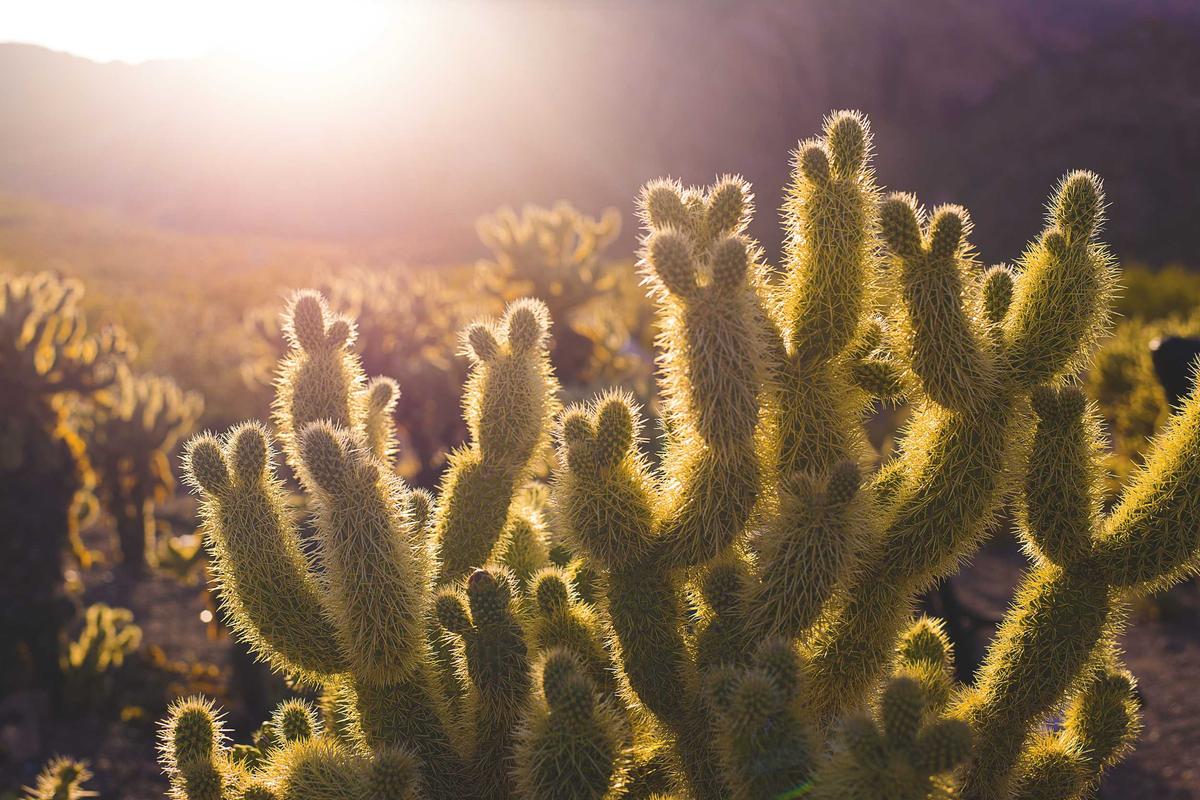
Nature has a way of surprising us, and these 20 destinations prove it. From hidden gems that few travelers know about to world-famous natural wonders that have inspired generations, this list covers the very best of best polar bear watching destinations in the wild. Whether you are planning your next adventure or simply dreaming about faraway places, these destinations will ignite your wanderlust and remind you why our planet is worth exploring.
Key Takeaways
- This guide covers 20 incredible best polar bear watching destinations in the wild
- Each destination includes location, highlights, and travel tips
- Best times to visit are included for optimal experiences
- Budget and practical advice provided for each location
Quick Reference Table
| Place Name | Location | Best Time to Visit |
|---|---|---|
| Iguazu Falls | Argentina/Brazil | March to May |
| Victoria Falls | Zambia/Zimbabwe | February to May |
| Niagara Falls | USA/Canada | June to August |
| Yosemite Falls | California, USA | April to June |
| Plitvice Lakes | Croatia | May to June |
| Angel Falls | Venezuela | June to December |
| Gullfoss | Iceland | June to August |
| Sutherland Falls | New Zealand | December to February |
| Lake Baikal | Siberia, Russia | Feb-Mar; Jun-Aug |
| Lake Tahoe | California/Nevada, USA | Dec-Mar; Jun-Aug |
| Lake Como | Lombardy, Italy | Apr-Jun; Sep-Oct |
| Lake Tekapo | South Island, New Zealand | Dec-Feb; Mar-Apr |
| Crater Lake | Oregon, USA | Jul-Sep |
| Lake Bled | Slovenia | May-Sep |
| Serengeti National Park | Tanzania | Jun-Oct |
| Galapagos Islands | Ecuador | Jun-Dec |
| Borneo Rainforest | Malaysia/Indonesia | Mar-Oct |
| Yellowstone National Park | Wyoming, USA | Apr-May; Sep-Oct |
| Okavango Delta | Botswana | Jun-Oct |
| Iguazu Falls | Argentina/Brazil | March to May |
1. Iguazu Falls
About Iguazu Falls
Iguazu Falls is one of the most remarkable natural destinations on Earth. Located in Argentina/Brazil, this incredible place offers visitors an unforgettable experience with stunning scenery, diverse wildlife, and landscapes that will take your breath away. Whether you are an avid photographer, a nature enthusiast, or simply someone who appreciates the beauty of the natural world, Iguazu Falls deserves a spot on your travel bucket list.
Highlights
Stunning natural scenery, diverse wildlife and ecosystems, excellent photography opportunities, hiking and exploration trails, local culture and cuisine, unique geological features, guided tours available, pristine natural environment.
Experience
One of the largest waterfall systems in the world with over 275 individual cascades stretching nearly two miles. The Devil’s Throat section plunges 269 feet into a narrow canyon. Surrounded by subtropical rainforest teeming with toucans, jaguars, and coatis. Walk the catwalks over thundering cascades and take boat rides through the mist. Take time to explore at your own pace and discover hidden corners that most visitors miss. Hire a local guide who knows the area intimately and can share stories and insights you will not find in any guidebook. Bring a quality camera and plenty of memory cards because every viewpoint offers a new perspective worth capturing.
Best Time to Visit: March to May
The best time to visit is March to May, when weather conditions are most favorable for outdoor activities and wildlife viewing. During this period, trails are accessible, skies are clear, and the natural beauty of the area is at its absolute peak.
Why You Should Visit
Iguazu Falls represents the kind of authentic natural experience that reminds us why exploring the world matters. The combination of breathtaking scenery, peaceful atmosphere, and sense of discovery make it a destination that stays with you long after you return home.
Travel Tips
Visit both Argentine and Brazilian sides. Wear waterproof clothing. Budget $25 per side entry. Respect the local environment and wildlife. Book accommodation and tours in advance for peak season. Bring appropriate gear for the local climate and activities.
2. Victoria Falls
About Victoria Falls
Victoria Falls is one of the most remarkable natural destinations on Earth. Located in Zambia/Zimbabwe, this incredible place offers visitors an unforgettable experience with stunning scenery, diverse wildlife, and landscapes that will take your breath away. Whether you are an avid photographer, a nature enthusiast, or simply someone who appreciates the beauty of the natural world, Victoria Falls deserves a spot on your travel bucket list.
Highlights
Stunning natural scenery, diverse wildlife and ecosystems, excellent photography opportunities, hiking and exploration trails, local culture and cuisine, unique geological features, guided tours available, pristine natural environment.
Experience
The largest single sheet of falling water on Earth at 355 feet tall and 5,600 feet wide. Known as Mosi-oa-Tunya, the Smoke That Thunders. The mist plume is visible from 30 miles away. Swim in Devil’s Pool at the very edge during dry season. Combine with safaris in nearby national parks. Take time to explore at your own pace and discover hidden corners that most visitors miss. Hire a local guide who knows the area intimately and can share stories and insights you will not find in any guidebook. Bring a quality camera and plenty of memory cards because every viewpoint offers a new perspective worth capturing.
Best Time to Visit: February to May
The best time to visit is February to May, when weather conditions are most favorable for outdoor activities and wildlife viewing. During this period, trails are accessible, skies are clear, and the natural beauty of the area is at its absolute peak.
Why You Should Visit
Victoria Falls represents the kind of authentic natural experience that reminds us why exploring the world matters. The combination of breathtaking scenery, peaceful atmosphere, and sense of discovery make it a destination that stays with you long after you return home.
Travel Tips
Bring a raincoat. Helicopter flights cost around $150. Park entry about $50-80. Respect the local environment and wildlife. Book accommodation and tours in advance for peak season. Bring appropriate gear for the local climate and activities.
3. Niagara Falls
About Niagara Falls
Niagara Falls is one of the most remarkable natural destinations on Earth. Located in USA/Canada, this incredible place offers visitors an unforgettable experience with stunning scenery, diverse wildlife, and landscapes that will take your breath away. Whether you are an avid photographer, a nature enthusiast, or simply someone who appreciates the beauty of the natural world, Niagara Falls deserves a spot on your travel bucket list.
Highlights
Stunning natural scenery, diverse wildlife and ecosystems, excellent photography opportunities, hiking and exploration trails, local culture and cuisine, unique geological features, guided tours available, pristine natural environment.
Experience
The most visited waterfall in the world with three massive falls moving over 3,160 tons of water per second. The Maid of the Mist boat tour brings you right into the mist. Journey Behind the Falls lets you feel the vibration of millions of gallons overhead. Nightly illumination in summer. Take time to explore at your own pace and discover hidden corners that most visitors miss. Hire a local guide who knows the area intimately and can share stories and insights you will not find in any guidebook. Bring a quality camera and plenty of memory cards because every viewpoint offers a new perspective worth capturing.
Best Time to Visit: June to August
The best time to visit is June to August, when weather conditions are most favorable for outdoor activities and wildlife viewing. During this period, trails are accessible, skies are clear, and the natural beauty of the area is at its absolute peak.
Why You Should Visit
Niagara Falls represents the kind of authentic natural experience that reminds us why exploring the world matters. The combination of breathtaking scenery, peaceful atmosphere, and sense of discovery make it a destination that stays with you long after you return home.
Travel Tips
Canadian side has better views. Book boat tours in advance. Budget $30-40 for tours. Respect the local environment and wildlife. Book accommodation and tours in advance for peak season. Bring appropriate gear for the local climate and activities.
4. Yosemite Falls
About Yosemite Falls
Yosemite Falls is one of the most remarkable natural destinations on Earth. Located in California, USA, this incredible place offers visitors an unforgettable experience with stunning scenery, diverse wildlife, and landscapes that will take your breath away. Whether you are an avid photographer, a nature enthusiast, or simply someone who appreciates the beauty of the natural world, Yosemite Falls deserves a spot on your travel bucket list.
Highlights
Stunning natural scenery, diverse wildlife and ecosystems, excellent photography opportunities, hiking and exploration trails, local culture and cuisine, unique geological features, guided tours available, pristine natural environment.
Experience
The tallest waterfall in North America at 2,425 feet total drop. Created by Sierra Nevada snowmelt, it is most spectacular in late spring. The one-mile trail to the base offers an up-close view of the powerful cascade. The strenuous trail to the top rewards with panoramic valley views. Take time to explore at your own pace and discover hidden corners that most visitors miss. Hire a local guide who knows the area intimately and can share stories and insights you will not find in any guidebook. Bring a quality camera and plenty of memory cards because every viewpoint offers a new perspective worth capturing.
Best Time to Visit: April to June
The best time to visit is April to June, when weather conditions are most favorable for outdoor activities and wildlife viewing. During this period, trails are accessible, skies are clear, and the natural beauty of the area is at its absolute peak.
Why You Should Visit
Yosemite Falls represents the kind of authentic natural experience that reminds us why exploring the world matters. The combination of breathtaking scenery, peaceful atmosphere, and sense of discovery make it a destination that stays with you long after you return home.
Travel Tips
Arrive early for parking. Park entry $35 per vehicle. Bring layers for temperature changes. Respect the local environment and wildlife. Book accommodation and tours in advance for peak season. Bring appropriate gear for the local climate and activities.
5. Plitvice Lakes
About Plitvice Lakes
Plitvice Lakes is one of the most remarkable natural destinations on Earth. Located in Croatia, this incredible place offers visitors an unforgettable experience with stunning scenery, diverse wildlife, and landscapes that will take your breath away. Whether you are an avid photographer, a nature enthusiast, or simply someone who appreciates the beauty of the natural world, Plitvice Lakes deserves a spot on your travel bucket list.
Highlights
Stunning natural scenery, diverse wildlife and ecosystems, excellent photography opportunities, hiking and exploration trails, local culture and cuisine, unique geological features, guided tours available, pristine natural environment.
Experience
A series of 16 terraced lakes connected by dozens of waterfalls cascading through lush forest. The lakes range in color from azure to green depending on minerals and sunlight. Boardwalk trails wind through the lakes and behind waterfalls. Often called Europe’s most beautiful waterfall system. Take time to explore at your own pace and discover hidden corners that most visitors miss. Hire a local guide who knows the area intimately and can share stories and insights you will not find in any guidebook. Bring a quality camera and plenty of memory cards because every viewpoint offers a new perspective worth capturing.
Best Time to Visit: May to June
The best time to visit is May to June, when weather conditions are most favorable for outdoor activities and wildlife viewing. During this period, trails are accessible, skies are clear, and the natural beauty of the area is at its absolute peak.
Why You Should Visit
Plitvice Lakes represents the kind of authentic natural experience that reminds us why exploring the world matters. The combination of breathtaking scenery, peaceful atmosphere, and sense of discovery make it a destination that stays with you long after you return home.
Travel Tips
Buy tickets online in advance. Waterproof shoes recommended. Entry $25-40. Respect the local environment and wildlife. Book accommodation and tours in advance for peak season. Bring appropriate gear for the local climate and activities.
6. Angel Falls
About Angel Falls
Angel Falls is one of the most remarkable natural destinations on Earth. Located in Venezuela, this incredible place offers visitors an unforgettable experience with stunning scenery, diverse wildlife, and landscapes that will take your breath away. Whether you are an avid photographer, a nature enthusiast, or simply someone who appreciates the beauty of the natural world, Angel Falls deserves a spot on your travel bucket list.
Highlights
Stunning natural scenery, diverse wildlife and ecosystems, excellent photography opportunities, hiking and exploration trails, local culture and cuisine, unique geological features, guided tours available, pristine natural environment.
Experience
The tallest uninterrupted waterfall on Earth at 3,212 feet. Plunges from the summit of Auyán-tepui in Canaima National Park. Named after aviator Jimmy Angel. The Pemón people call it Kerepakupai Merú. The remoteness means fewer visitors and a true wilderness experience. Take time to explore at your own pace and discover hidden corners that most visitors miss. Hire a local guide who knows the area intimately and can share stories and insights you will not find in any guidebook. Bring a quality camera and plenty of memory cards because every viewpoint offers a new perspective worth capturing.
Best Time to Visit: June to December
The best time to visit is June to December, when weather conditions are most favorable for outdoor activities and wildlife viewing. During this period, trails are accessible, skies are clear, and the natural beauty of the area is at its absolute peak.
Why You Should Visit
Angel Falls represents the kind of authentic natural experience that reminds us why exploring the world matters. The combination of breathtaking scenery, peaceful atmosphere, and sense of discovery make it a destination that stays with you long after you return home.
Travel Tips
Remote and expensive. Budget $1,500-2,500 for guided tours. Bring waterproof gear and insect repellent. Respect the local environment and wildlife. Book accommodation and tours in advance for peak season. Bring appropriate gear for the local climate and activities.
7. Gullfoss
About Gullfoss
Gullfoss is one of the most remarkable natural destinations on Earth. Located in Iceland, this incredible place offers visitors an unforgettable experience with stunning scenery, diverse wildlife, and landscapes that will take your breath away. Whether you are an avid photographer, a nature enthusiast, or simply someone who appreciates the beauty of the natural world, Gullfoss deserves a spot on your travel bucket list.
Highlights
Stunning natural scenery, diverse wildlife and ecosystems, excellent photography opportunities, hiking and exploration trails, local culture and cuisine, unique geological features, guided tours available, pristine natural environment.
Experience
A massive two-tiered waterfall on the Hvítá River dropping 105 feet across two dramatic steps. Part of the famous Golden Circle route. Rainbows frequently appear in the mist on sunny days. Combine with Geysir hot springs and Thingvellir National Park. Take time to explore at your own pace and discover hidden corners that most visitors miss. Hire a local guide who knows the area intimately and can share stories and insights you will not find in any guidebook. Bring a quality camera and plenty of memory cards because every viewpoint offers a new perspective worth capturing.
Best Time to Visit: June to August
The best time to visit is June to August, when weather conditions are most favorable for outdoor activities and wildlife viewing. During this period, trails are accessible, skies are clear, and the natural beauty of the area is at its absolute peak.
Why You Should Visit
Gullfoss represents the kind of authentic natural experience that reminds us why exploring the world matters. The combination of breathtaking scenery, peaceful atmosphere, and sense of discovery make it a destination that stays with you long after you return home.
Travel Tips
Day trip from Reykjavik (250 km round trip). Bring waterproof clothing. Budget $80-120 for guided tours. Respect the local environment and wildlife. Book accommodation and tours in advance for peak season. Bring appropriate gear for the local climate and activities.
8. Sutherland Falls
About Sutherland Falls
Sutherland Falls is one of the most remarkable natural destinations on Earth. Located in New Zealand, this incredible place offers visitors an unforgettable experience with stunning scenery, diverse wildlife, and landscapes that will take your breath away. Whether you are an avid photographer, a nature enthusiast, or simply someone who appreciates the beauty of the natural world, Sutherland Falls deserves a spot on your travel bucket list.
Highlights
Stunning natural scenery, diverse wildlife and ecosystems, excellent photography opportunities, hiking and exploration trails, local culture and cuisine, unique geological features, guided tours available, pristine natural environment.
Experience
New Zealand’s tallest waterfall at 1,904 feet in three dramatic leaps. Located along the famous Milford Track in Fiordland National Park. The mist creates a permanent rainbow on clear days. The four-day Milford Track hike is known as the finest walk in the world. Take time to explore at your own pace and discover hidden corners that most visitors miss. Hire a local guide who knows the area intimately and can share stories and insights you will not find in any guidebook. Bring a quality camera and plenty of memory cards because every viewpoint offers a new perspective worth capturing.
Best Time to Visit: December to February
The best time to visit is December to February, when weather conditions are most favorable for outdoor activities and wildlife viewing. During this period, trails are accessible, skies are clear, and the natural beauty of the area is at its absolute peak.
Why You Should Visit
Sutherland Falls represents the kind of authentic natural experience that reminds us why exploring the world matters. The combination of breathtaking scenery, peaceful atmosphere, and sense of discovery make it a destination that stays with you long after you return home.
Travel Tips
Book Milford Track huts months in advance. Bring serious rain gear. Budget $150 NZD for hut fees. Respect the local environment and wildlife. Book accommodation and tours in advance for peak season. Bring appropriate gear for the local climate and activities.
9. Lake Baikal
About Lake Baikal
Lake Baikal is one of the most remarkable natural destinations on Earth. Located in Siberia, Russia, this incredible place offers visitors an unforgettable experience with stunning scenery, diverse wildlife, and landscapes that will take your breath away. Whether you are an avid photographer, a nature enthusiast, or simply someone who appreciates the beauty of the natural world, Lake Baikal deserves a spot on your travel bucket list.
Highlights
Stunning natural scenery, diverse wildlife and ecosystems, excellent photography opportunities, hiking and exploration trails, local culture and cuisine, unique geological features, guided tours available, pristine natural environment.
Experience
The world’s deepest and oldest freshwater lake containing 20% of Earth’s unfrozen surface fresh water. Over 25 million years old with depths reaching 5,387 feet. Over 80% of its species exist nowhere else. In winter, walk across transparent ice and see fish swimming beneath. Take time to explore at your own pace and discover hidden corners that most visitors miss. Hire a local guide who knows the area intimately and can share stories and insights you will not find in any guidebook. Bring a quality camera and plenty of memory cards because every viewpoint offers a new perspective worth capturing.
Best Time to Visit: Feb-Mar; Jun-Aug
The best time to visit is Feb-Mar; Jun-Aug, when weather conditions are most favorable for outdoor activities and wildlife viewing. During this period, trails are accessible, skies are clear, and the natural beauty of the area is at its absolute peak.
Why You Should Visit
Lake Baikal represents the kind of authentic natural experience that reminds us why exploring the world matters. The combination of breathtaking scenery, peaceful atmosphere, and sense of discovery make it a destination that stays with you long after you return home.
Travel Tips
Trans-Siberian Railway passes by. Budget $30-50/day. Winter temps drop to -20C. Respect the local environment and wildlife. Book accommodation and tours in advance for peak season. Bring appropriate gear for the local climate and activities.
10. Lake Tahoe
About Lake Tahoe
Lake Tahoe is one of the most remarkable natural destinations on Earth. Located in California/Nevada, USA, this incredible place offers visitors an unforgettable experience with stunning scenery, diverse wildlife, and landscapes that will take your breath away. Whether you are an avid photographer, a nature enthusiast, or simply someone who appreciates the beauty of the natural world, Lake Tahoe deserves a spot on your travel bucket list.
Highlights
Stunning natural scenery, diverse wildlife and ecosystems, excellent photography opportunities, hiking and exploration trails, local culture and cuisine, unique geological features, guided tours available, pristine natural environment.
Experience
The largest alpine lake in North America at 6,225 feet elevation. Water clarity reaches 70 feet. Surrounded by pine forests, granite peaks, and world-class ski resorts. Drive the 72-mile scenic route around the entire lake. Take time to explore at your own pace and discover hidden corners that most visitors miss. Hire a local guide who knows the area intimately and can share stories and insights you will not find in any guidebook. Bring a quality camera and plenty of memory cards because every viewpoint offers a new perspective worth capturing.
Best Time to Visit: Dec-Mar; Jun-Aug
The best time to visit is Dec-Mar; Jun-Aug, when weather conditions are most favorable for outdoor activities and wildlife viewing. During this period, trails are accessible, skies are clear, and the natural beauty of the area is at its absolute peak.
Why You Should Visit
Lake Tahoe represents the kind of authentic natural experience that reminds us why exploring the world matters. The combination of breathtaking scenery, peaceful atmosphere, and sense of discovery make it a destination that stays with you long after you return home.
Travel Tips
Summer weekends get crowded. Winter road chains required. Budget $150-300/night. Respect the local environment and wildlife. Book accommodation and tours in advance for peak season. Bring appropriate gear for the local climate and activities.
11. Lake Como
About Lake Como
Lake Como is one of the most remarkable natural destinations on Earth. Located in Lombardy, Italy, this incredible place offers visitors an unforgettable experience with stunning scenery, diverse wildlife, and landscapes that will take your breath away. Whether you are an avid photographer, a nature enthusiast, or simply someone who appreciates the beauty of the natural world, Lake Como deserves a spot on your travel bucket list.
Highlights
Stunning natural scenery, diverse wildlife and ecosystems, excellent photography opportunities, hiking and exploration trails, local culture and cuisine, unique geological features, guided tours available, pristine natural environment.
Experience
A 30-mile Y-shaped lake through dramatic mountain scenery with elegant villas and colorful villages. George Clooney and Madonna are among famous residents. Take the public ferry between villages. Visit Villa del Balbianello and Villa Melzi gardens. Take time to explore at your own pace and discover hidden corners that most visitors miss. Hire a local guide who knows the area intimately and can share stories and insights you will not find in any guidebook. Bring a quality camera and plenty of memory cards because every viewpoint offers a new perspective worth capturing.
Best Time to Visit: Apr-Jun; Sep-Oct
The best time to visit is Apr-Jun; Sep-Oct, when weather conditions are most favorable for outdoor activities and wildlife viewing. During this period, trails are accessible, skies are clear, and the natural beauty of the area is at its absolute peak.
Why You Should Visit
Lake Como represents the kind of authentic natural experience that reminds us why exploring the world matters. The combination of breathtaking scenery, peaceful atmosphere, and sense of discovery make it a destination that stays with you long after you return home.
Travel Tips
Train from Milan in 1 hour. Day ferry pass around 25 euros. Budget $150-400/night. Respect the local environment and wildlife. Book accommodation and tours in advance for peak season. Bring appropriate gear for the local climate and activities.
12. Lake Tekapo
About Lake Tekapo
Lake Tekapo is one of the most remarkable natural destinations on Earth. Located in South Island, New Zealand, this incredible place offers visitors an unforgettable experience with stunning scenery, diverse wildlife, and landscapes that will take your breath away. Whether you are an avid photographer, a nature enthusiast, or simply someone who appreciates the beauty of the natural world, Lake Tekapo deserves a spot on your travel bucket list.
Highlights
Stunning natural scenery, diverse wildlife and ecosystems, excellent photography opportunities, hiking and exploration trails, local culture and cuisine, unique geological features, guided tours available, pristine natural environment.
Experience
Famous for milky turquoise water from glacial rock flour. Sits in one of the world’s largest dark sky reserves. Visit the Church of the Good Shepherd at sunset. Soak in Tekapo Springs hot pools. Lupin flowers bloom in November-December. Take time to explore at your own pace and discover hidden corners that most visitors miss. Hire a local guide who knows the area intimately and can share stories and insights you will not find in any guidebook. Bring a quality camera and plenty of memory cards because every viewpoint offers a new perspective worth capturing.
Best Time to Visit: Dec-Feb; Mar-Apr
The best time to visit is Dec-Feb; Mar-Apr, when weather conditions are most favorable for outdoor activities and wildlife viewing. During this period, trails are accessible, skies are clear, and the natural beauty of the area is at its absolute peak.
Why You Should Visit
Lake Tekapo represents the kind of authentic natural experience that reminds us why exploring the world matters. The combination of breathtaking scenery, peaceful atmosphere, and sense of discovery make it a destination that stays with you long after you return home.
Travel Tips
3-hour drive from Christchurch. Book stargazing tours in advance. Budget $100-250 NZD/night. Respect the local environment and wildlife. Book accommodation and tours in advance for peak season. Bring appropriate gear for the local climate and activities.
13. Crater Lake
About Crater Lake
Crater Lake is one of the most remarkable natural destinations on Earth. Located in Oregon, USA, this incredible place offers visitors an unforgettable experience with stunning scenery, diverse wildlife, and landscapes that will take your breath away. Whether you are an avid photographer, a nature enthusiast, or simply someone who appreciates the beauty of the natural world, Crater Lake deserves a spot on your travel bucket list.
Highlights
Stunning natural scenery, diverse wildlife and ecosystems, excellent photography opportunities, hiking and exploration trails, local culture and cuisine, unique geological features, guided tours available, pristine natural environment.
Experience
The deepest lake in the US at 1,943 feet. Formed 7,700 years ago when Mount Mazama collapsed. No inlet or outlet streams make it one of the purest bodies of water on Earth. Drive the 33-mile Rim Drive loop. Boat tours to Wizard Island available. Take time to explore at your own pace and discover hidden corners that most visitors miss. Hire a local guide who knows the area intimately and can share stories and insights you will not find in any guidebook. Bring a quality camera and plenty of memory cards because every viewpoint offers a new perspective worth capturing.
Best Time to Visit: Jul-Sep
The best time to visit is Jul-Sep, when weather conditions are most favorable for outdoor activities and wildlife viewing. During this period, trails are accessible, skies are clear, and the natural beauty of the area is at its absolute peak.
Why You Should Visit
Crater Lake represents the kind of authentic natural experience that reminds us why exploring the world matters. The combination of breathtaking scenery, peaceful atmosphere, and sense of discovery make it a destination that stays with you long after you return home.
Travel Tips
Book boat tours in advance. No gas inside park. Budget $150-250/night nearby. Respect the local environment and wildlife. Book accommodation and tours in advance for peak season. Bring appropriate gear for the local climate and activities.
14. Lake Bled
About Lake Bled
Lake Bled is one of the most remarkable natural destinations on Earth. Located in Slovenia, this incredible place offers visitors an unforgettable experience with stunning scenery, diverse wildlife, and landscapes that will take your breath away. Whether you are an avid photographer, a nature enthusiast, or simply someone who appreciates the beauty of the natural world, Lake Bled deserves a spot on your travel bucket list.
Highlights
Stunning natural scenery, diverse wildlife and ecosystems, excellent photography opportunities, hiking and exploration trails, local culture and cuisine, unique geological features, guided tours available, pristine natural environment.
Experience
A glacial lake with a tiny island topped by a medieval church, backed by the Julian Alps. Take a traditional pletna boat to the island. Climb Bled Castle for panoramic views. In winter, walk across the frozen lake. Take time to explore at your own pace and discover hidden corners that most visitors miss. Hire a local guide who knows the area intimately and can share stories and insights you will not find in any guidebook. Bring a quality camera and plenty of memory cards because every viewpoint offers a new perspective worth capturing.
Best Time to Visit: May-Sep
The best time to visit is May-Sep, when weather conditions are most favorable for outdoor activities and wildlife viewing. During this period, trails are accessible, skies are clear, and the natural beauty of the area is at its absolute peak.
Why You Should Visit
Lake Bled represents the kind of authentic natural experience that reminds us why exploring the world matters. The combination of breathtaking scenery, peaceful atmosphere, and sense of discovery make it a destination that stays with you long after you return home.
Travel Tips
45 minutes from Ljubljana by bus. Pletna rides around 15 euros. Budget $80-200/night. Respect the local environment and wildlife. Book accommodation and tours in advance for peak season. Bring appropriate gear for the local climate and activities.
15. Serengeti National Park
About Serengeti National Park
Serengeti National Park is one of the most remarkable natural destinations on Earth. Located in Tanzania, this incredible place offers visitors an unforgettable experience with stunning scenery, diverse wildlife, and landscapes that will take your breath away. Whether you are an avid photographer, a nature enthusiast, or simply someone who appreciates the beauty of the natural world, Serengeti National Park deserves a spot on your travel bucket list.
Highlights
Stunning natural scenery, diverse wildlife and ecosystems, excellent photography opportunities, hiking and exploration trails, local culture and cuisine, unique geological features, guided tours available, pristine natural environment.
Experience
Africa’s most famous wildlife destination spanning 5,700 square miles. Home to the Great Migration of 1.5 million wildebeest. The Big Five are all present. Hot air balloon safaris offer incredible aerial views of the migration. Take time to explore at your own pace and discover hidden corners that most visitors miss. Hire a local guide who knows the area intimately and can share stories and insights you will not find in any guidebook. Bring a quality camera and plenty of memory cards because every viewpoint offers a new perspective worth capturing.
Best Time to Visit: Jun-Oct
The best time to visit is Jun-Oct, when weather conditions are most favorable for outdoor activities and wildlife viewing. During this period, trails are accessible, skies are clear, and the natural beauty of the area is at its absolute peak.
Why You Should Visit
Serengeti National Park represents the kind of authentic natural experience that reminds us why exploring the world matters. The combination of breathtaking scenery, peaceful atmosphere, and sense of discovery make it a destination that stays with you long after you return home.
Travel Tips
Book through reputable operators. Budget $300-800/day. Bring binoculars and zoom lens. Respect the local environment and wildlife. Book accommodation and tours in advance for peak season. Bring appropriate gear for the local climate and activities.
16. Galapagos Islands
About Galapagos Islands
Galapagos Islands is one of the most remarkable natural destinations on Earth. Located in Ecuador, this incredible place offers visitors an unforgettable experience with stunning scenery, diverse wildlife, and landscapes that will take your breath away. Whether you are an avid photographer, a nature enthusiast, or simply someone who appreciates the beauty of the natural world, Galapagos Islands deserves a spot on your travel bucket list.
Highlights
Stunning natural scenery, diverse wildlife and ecosystems, excellent photography opportunities, hiking and exploration trails, local culture and cuisine, unique geological features, guided tours available, pristine natural environment.
Experience
A living laboratory of evolution with species found nowhere else. Giant tortoises, marine iguanas, blue-footed boobies, and Darwin’s finches. Animals have no fear of humans, allowing intimate encounters. Snorkel with playful sea lions. Take time to explore at your own pace and discover hidden corners that most visitors miss. Hire a local guide who knows the area intimately and can share stories and insights you will not find in any guidebook. Bring a quality camera and plenty of memory cards because every viewpoint offers a new perspective worth capturing.
Best Time to Visit: Jun-Dec
The best time to visit is Jun-Dec, when weather conditions are most favorable for outdoor activities and wildlife viewing. During this period, trails are accessible, skies are clear, and the natural beauty of the area is at its absolute peak.
Why You Should Visit
Galapagos Islands represents the kind of authentic natural experience that reminds us why exploring the world matters. The combination of breathtaking scenery, peaceful atmosphere, and sense of discovery make it a destination that stays with you long after you return home.
Travel Tips
Fly from Quito or Guayaquil. Budget $3,000-8,000 for week-long cruise. Bring waterproof camera. Respect the local environment and wildlife. Book accommodation and tours in advance for peak season. Bring appropriate gear for the local climate and activities.
17. Borneo Rainforest
About Borneo Rainforest
Borneo Rainforest is one of the most remarkable natural destinations on Earth. Located in Malaysia/Indonesia, this incredible place offers visitors an unforgettable experience with stunning scenery, diverse wildlife, and landscapes that will take your breath away. Whether you are an avid photographer, a nature enthusiast, or simply someone who appreciates the beauty of the natural world, Borneo Rainforest deserves a spot on your travel bucket list.
Highlights
Stunning natural scenery, diverse wildlife and ecosystems, excellent photography opportunities, hiking and exploration trails, local culture and cuisine, unique geological features, guided tours available, pristine natural environment.
Experience
Home to the world’s oldest rainforests at over 130 million years. Famous for orangutans, proboscis monkeys, and pygmy elephants. Visit Sepilok Orangutan Rehabilitation Centre. River cruises on the Kinabatangan spot incredible wildlife. Take time to explore at your own pace and discover hidden corners that most visitors miss. Hire a local guide who knows the area intimately and can share stories and insights you will not find in any guidebook. Bring a quality camera and plenty of memory cards because every viewpoint offers a new perspective worth capturing.
Best Time to Visit: Mar-Oct
The best time to visit is Mar-Oct, when weather conditions are most favorable for outdoor activities and wildlife viewing. During this period, trails are accessible, skies are clear, and the natural beauty of the area is at its absolute peak.
Why You Should Visit
Borneo Rainforest represents the kind of authentic natural experience that reminds us why exploring the world matters. The combination of breathtaking scenery, peaceful atmosphere, and sense of discovery make it a destination that stays with you long after you return home.
Travel Tips
Fly to Kota Kinabalu. Budget $50-150/day. Bring strong insect repellent. Respect the local environment and wildlife. Book accommodation and tours in advance for peak season. Bring appropriate gear for the local climate and activities.
18. Yellowstone National Park
About Yellowstone National Park
Yellowstone National Park is one of the most remarkable natural destinations on Earth. Located in Wyoming, USA, this incredible place offers visitors an unforgettable experience with stunning scenery, diverse wildlife, and landscapes that will take your breath away. Whether you are an avid photographer, a nature enthusiast, or simply someone who appreciates the beauty of the natural world, Yellowstone National Park deserves a spot on your travel bucket list.
Highlights
Stunning natural scenery, diverse wildlife and ecosystems, excellent photography opportunities, hiking and exploration trails, local culture and cuisine, unique geological features, guided tours available, pristine natural environment.
Experience
The world’s first national park, sitting atop a supervolcano. Home to 10,000 geothermal features including Old Faithful. Largest concentration of mammals in the lower 48 states including grizzly bears, wolves, bison, and elk. Take time to explore at your own pace and discover hidden corners that most visitors miss. Hire a local guide who knows the area intimately and can share stories and insights you will not find in any guidebook. Bring a quality camera and plenty of memory cards because every viewpoint offers a new perspective worth capturing.
Best Time to Visit: Apr-May; Sep-Oct
The best time to visit is Apr-May; Sep-Oct, when weather conditions are most favorable for outdoor activities and wildlife viewing. During this period, trails are accessible, skies are clear, and the natural beauty of the area is at its absolute peak.
Why You Should Visit
Yellowstone National Park represents the kind of authentic natural experience that reminds us why exploring the world matters. The combination of breathtaking scenery, peaceful atmosphere, and sense of discovery make it a destination that stays with you long after you return home.
Travel Tips
Book accommodation months in advance. Park entry $35/vehicle. Budget $150-400/night. Respect the local environment and wildlife. Book accommodation and tours in advance for peak season. Bring appropriate gear for the local climate and activities.
19. Okavango Delta
About Okavango Delta
Okavango Delta is one of the most remarkable natural destinations on Earth. Located in Botswana, this incredible place offers visitors an unforgettable experience with stunning scenery, diverse wildlife, and landscapes that will take your breath away. Whether you are an avid photographer, a nature enthusiast, or simply someone who appreciates the beauty of the natural world, Okavango Delta deserves a spot on your travel bucket list.
Highlights
Stunning natural scenery, diverse wildlife and ecosystems, excellent photography opportunities, hiking and exploration trails, local culture and cuisine, unique geological features, guided tours available, pristine natural environment.
Experience
The world’s largest inland delta where the Okavango River empties into the Kalahari Desert. A vast wetland oasis supporting extraordinary wildlife diversity. Mokoro canoe rides bring you within feet of elephants. Take time to explore at your own pace and discover hidden corners that most visitors miss. Hire a local guide who knows the area intimately and can share stories and insights you will not find in any guidebook. Bring a quality camera and plenty of memory cards because every viewpoint offers a new perspective worth capturing.
Best Time to Visit: Jun-Oct
The best time to visit is Jun-Oct, when weather conditions are most favorable for outdoor activities and wildlife viewing. During this period, trails are accessible, skies are clear, and the natural beauty of the area is at its absolute peak.
Why You Should Visit
Okavango Delta represents the kind of authentic natural experience that reminds us why exploring the world matters. The combination of breathtaking scenery, peaceful atmosphere, and sense of discovery make it a destination that stays with you long after you return home.
Travel Tips
Access by small plane from Maun. Budget $500-1,500/night. Book well in advance. Respect the local environment and wildlife. Book accommodation and tours in advance for peak season. Bring appropriate gear for the local climate and activities.
20. Iguazu Falls
About Iguazu Falls
Iguazu Falls is one of the most remarkable natural destinations on Earth. Located in Argentina/Brazil, this incredible place offers visitors an unforgettable experience with stunning scenery, diverse wildlife, and landscapes that will take your breath away. Whether you are an avid photographer, a nature enthusiast, or simply someone who appreciates the beauty of the natural world, Iguazu Falls deserves a spot on your travel bucket list.
Highlights
Stunning natural scenery, diverse wildlife and ecosystems, excellent photography opportunities, hiking and exploration trails, local culture and cuisine, unique geological features, guided tours available, pristine natural environment.
Experience
One of the largest waterfall systems in the world with over 275 individual cascades stretching nearly two miles. The Devil’s Throat section plunges 269 feet into a narrow canyon. Surrounded by subtropical rainforest teeming with toucans, jaguars, and coatis. Walk the catwalks over thundering cascades and take boat rides through the mist. Take time to explore at your own pace and discover hidden corners that most visitors miss. Hire a local guide who knows the area intimately and can share stories and insights you will not find in any guidebook. Bring a quality camera and plenty of memory cards because every viewpoint offers a new perspective worth capturing.
Best Time to Visit: March to May
The best time to visit is March to May, when weather conditions are most favorable for outdoor activities and wildlife viewing. During this period, trails are accessible, skies are clear, and the natural beauty of the area is at its absolute peak.
Why You Should Visit
Iguazu Falls represents the kind of authentic natural experience that reminds us why exploring the world matters. The combination of breathtaking scenery, peaceful atmosphere, and sense of discovery make it a destination that stays with you long after you return home.
Travel Tips
Visit both Argentine and Brazilian sides. Wear waterproof clothing. Budget $25 per side entry. Respect the local environment and wildlife. Book accommodation and tours in advance for peak season. Bring appropriate gear for the local climate and activities.
Frequently Asked Questions
What is the best time to visit these destinations?
The best time varies by destination. Generally, spring and fall offer the most comfortable weather and fewest crowds. Research each specific location for optimal timing.
Are these destinations suitable for families?
Many nature destinations are family-friendly with easy trails and educational opportunities. However, some remote destinations may be better suited for older children and adults.
How much should I budget for these trips?
Costs vary widely. Budget for transportation, accommodation, park fees, guided tours, and meals. Some destinations are very affordable while others require significant investment.
What should I pack for nature travel?
Essential items include comfortable walking shoes, weather-appropriate clothing, sun protection, insect repellent, a reusable water bottle, and a camera.
How can I travel responsibly to natural destinations?
Follow Leave No Trace principles, stay on marked trails, respect wildlife, support local communities, and choose eco-friendly tour operators.
Conclusion
These 20 best polar bear watching destinations in the wild represent some of the most incredible natural experiences available today. Whether you are a seasoned adventurer or just starting to explore the natural world, each destination offers something special. Start planning your trip, pack your camera, and get ready to witness nature at its absolute finest. Share this guide with fellow nature lovers and start dreaming about your next adventure today.


22 Best Winter Mountain Nature Destinations for Snow Views
Nature has a way of surprising us, and these 22 destinations prove it. From hidden gems that few travelers know...

18 Best Autumn Lake and River Nature Destinations
Nature has a way of surprising us, and these 18 destinations prove it. From hidden gems that few travelers know...


15 Best Summer Forest Nature Destinations for Cool Shade
Nature has a way of surprising us, and these 15 destinations prove it. From hidden gems that few travelers know...
-

 World1 year ago
Types of Ants Living in the World and Information
-

 Forests1 year ago
The 10 Best Forests to Visit in the World
-

 Wildlife4 years ago
(10) Insects Are Animals in the world?
-

 Ocean1 year ago
Oceans in the World and Their Information & Locations
-

 Forests4 years ago
What Is The Biggest Rainforest In The World?
-

 Wildlife4 years ago
Most Popular Wild Animals in The World
-

 Forests1 year ago
The Main Factors That Contribute to Forest Destruction
-

 World1 year ago
The 10 Largest Farms in the World