
World
7 Day Arizona Road Trip Itinerary


7 Day Arizona Road Trip Itinerary
Looking for the ultimate Arizona adventure? This 7 day Arizona road trip itinerary takes you through the state’s most breathtaking landscapes, from the iconic Grand Canyon to the stunning red rocks of Sedona, the towering saguaros of Tucson, and the otherworldly beauty of Monument Valley. Whether you’re a first-time visitor or a seasoned traveler, this route covers the very best of the Grand Canyon State.
Key Takeaways
- Covers 7 days of scenic driving across Arizona’s most famous landscapes
- Includes the Grand Canyon, Sedona, Monument Valley, Tucson, and more
- Best experienced between October and April for comfortable weather
- Features iconic stops like Horseshoe Bend, Antelope Canyon, and Saguaro National Park
- Perfect for nature lovers, photographers, and road trip enthusiasts
- Combines desert scenery, red rock formations, and mountain views in one epic journey
Introduction
Arizona road trip is one of those bucket list experiences that lives up to every bit of the hype. The state packs an incredible variety of landscapes into its borders, from the deep red rocks of Sedona to the vast Sonoran Desert, from the rim of the Grand Canyon to the towering sandstone buttes of Monument Valley. A week gives you just enough time to hit the highlights without feeling rushed, and this itinerary is designed to balance driving time with plenty of opportunities to explore, hike, and soak in the scenery.
What makes Arizona special is the sheer scale of everything. The Grand Canyon is over a mile deep and 277 miles long. Sedona’s red rock formations glow like they’re on fire at sunset. Monument Valley has been the backdrop for countless Western films. And the Sonoran Desert around Tucson is home to the iconic saguaro cactus, the largest cactus in the United States. This 7 day route connects all of these iconic destinations in a logical loop that starts and ends in Phoenix, making it easy to plan around flight schedules.
We’ve got something for every nature lover on this route. Whether you want to hike into the Grand Canyon, photograph the slot canyons near Page, or simply sit and watch the sunset paint Sedona’s rocks in shades of orange and red, this itinerary delivers. Let’s hit the road.
Day 1: Phoenix to Sedona
About
Your journey begins in Phoenix, the fifth largest city in the United States and the perfect starting point for an Arizona road trip. Pick up your rental car and head north on Interstate 17. The drive to Sedona takes about two hours and takes you through a dramatic transition from the flat Sonoran Desert to the forested hills of the Mogollon Rim. Sedona sits at the southern end of Oak Creek Canyon, surrounded by towering red sandstone formations that have made it one of the most popular destinations in the Southwest.
Highlights
Sedona’s red rock formations are the main draw, and you’ll see them everywhere you look. Cathedral Rock, Bell Rock, and Courthouse Butte are the most iconic, and they’re visible from almost anywhere in town. The area is also known for its vortex sites, which many visitors believe have spiritual energy. Oak Creek Canyon, just north of town, offers a lush contrast to the desert below, with towering ponderosa pines and a cool creek running through it. The Chapel of the Holy Cross, built directly into a red rock butte, is one of the most photographed buildings in Arizona.
Experience
Spend the afternoon exploring Sedona’s hiking trails. The Bell Rock Pathway is a moderate 3.6-mile round trip with stunning views of the surrounding formations. For something easier, the Airport Mesa Loop is a short hike with panoramic views of the entire Sedona area, especially beautiful at sunset. If you’re up for a challenge, the Devil’s Bridge Trail leads to the largest natural sandstone arch in the area, a 4.2-mile round trip that rewards you with an incredible photo opportunity. After your hike, drive through the Tlaquepaque Arts and Crafts Village, a charming shopping area designed to look like a traditional Mexican village.
Best Time to Visit
Spring (March through May) and fall (September through November) are the best times to visit Sedona. Temperatures are mild, typically in the 60s and 70s during the day, and the light is perfect for photography. Summer can be very hot, with temperatures exceeding 100 degrees in the lower elevations, though Sedona’s higher altitude keeps it slightly cooler than Phoenix. Winter brings occasional snow to the red rocks, creating a stunning contrast of white on red.
Why You Should Visit
Sedona is one of those places that looks photogenic in photos but is absolutely jaw-dropping in person. The red rock formations are on a scale that’s hard to appreciate until you’re standing at their base, looking up at cliffs that tower a thousand feet above you. The combination of red rock, blue sky, and green vegetation creates a color palette that seems almost unreal. Beyond the scenery, Sedona has a vibrant arts community, excellent restaurants, and a welcoming atmosphere that makes it easy to spend an extra day or two.
Travel Tips
Book your Sedona accommodation well in advance, especially during spring and fall when the town fills up quickly. The Sedona Shuttle runs during peak season and can take you to popular trailheads without worrying about parking. Bring plenty of water for hikes, even in cooler months, as the dry desert air dehydrates you faster than you’d expect. For the best sunset views, head to Airport Mesa or the Crescent Moon Picnic Area, which offers a classic view of Cathedral Rock reflected in Oak Creek.
Day 2: Sedona to the Grand Canyon
About
Today you’ll drive from Sedona to the Grand Canyon’s South Rim, a journey of about two hours via State Route 89A and then north through the beautiful Oak Creek Canyon. The drive itself is one of the most scenic in Arizona, winding through the canyon with its colorful rock walls and crossing the San Francisco Peaks near Flagstaff. The Grand Canyon’s South Rim sits at an elevation of about 7,000 feet and offers the most accessible and iconic views of the canyon. This is the section most people picture when they think of the Grand Canyon, and it’s every bit as impressive as the photos suggest.
Highlights
The South Rim offers dozens of viewpoints along the 13-mile Hermit Road, each with a slightly different perspective on the canyon. Mather Point is the most popular and gives you that classic first view of the canyon stretching to the horizon. Yavapai Point and the Geology Museum provide excellent interpretive displays that help you understand the canyon’s 2-billion-year history. The Desert View Watchtower, designed by architect Mary Colter in the 1930s, offers a stunning view of the Colorado River from its 70-foot height. The canyon itself is over a mile deep, up to 18 miles wide, and 277 miles long, making it one of the largest canyons on Earth.
Experience
Start your day early to catch the sunrise at Mather Point or Yavapai Point. The morning light creates dramatic shadows and brings out the canyon’s incredible colors. Spend the morning walking the Rim Trail, a mostly paved path that runs from the South Kaibab Trailhead to Hermit’s Rest. For a more immersive experience, hike a portion of the Bright Angel Trail, which descends into the canyon. Even going just 1.5 miles down to the first resthouse gives you a completely different perspective. In the afternoon, take the free shuttle along Hermit Road, stopping at viewpoints like Hopi Point and Pima Point for sunset-worthy views.
Best Time to Visit
The South Rim is open year-round, but the best times to visit are spring and fall when temperatures are comfortable for hiking. Summer brings large crowds and afternoon thunderstorms, while winter can bring snow and ice to the rim. October is particularly beautiful, with cooler temperatures, smaller crowds, and cottonwood trees turning gold along the Colorado River. If you want to avoid crowds, visit during the week and arrive early in the morning.
Why You Should Visit
The Grand Canyon is one of the natural wonders of the world, and no photograph or video can capture the experience of standing at its rim. The sheer scale of the canyon is humbling, and the layers of rock tell a story that spans nearly half the age of the Earth. It’s a place that makes you feel small in the best possible way, and it’s one of those destinations that stays with you long after you’ve left. The South Rim is the most accessible way to experience the canyon, with well-maintained trails, interpretive programs, and stunning viewpoints around every corner.
Travel Tips
Stay inside the park if possible, as accommodations fill up months in advance. The El Tovar Hotel and Bright Angel Lodge are historic properties right on the rim. Bring layers, as temperatures at the rim can be 20 to 30 degrees cooler than at the canyon floor. The park’s free shuttle system is the best way to get around during peak season. If you plan to hike below the rim, start early, carry plenty of water, and remember that going down is optional but coming back up is mandatory.
Day 3: Grand Canyon to Page
About
Today you’ll leave the Grand Canyon and drive east to the small town of Page, Arizona, a journey of about 2.5 hours. Page sits on the shores of Lake Powell and serves as the gateway to some of the most photographed locations in the Southwest. The town was built in the 1950s to house workers constructing the Glen Canyon Dam, and today it’s a hub for exploring the region’s natural wonders. The drive takes you through the Navajo Nation, with wide-open desert landscapes and distant mesas creating a sense of vastness that’s hard to find anywhere else.
Highlights
Page is home to several bucket-list destinations. Horseshoe Bend, just 5 miles downstream from the Glen Canyon Dam, is a dramatic meander of the Colorado River that’s become one of the most Instagrammed spots in the country. Antelope Canyon, a slot canyon on Navajo land, features flowing sandstone walls that glow with ethereal light when the sun beams shine through. Lake Powell itself is a massive reservoir with 1,960 miles of shoreline, perfect for kayaking, swimming, and exploring hidden coves. The Glen Canyon National Recreation Area surrounds the lake and offers countless opportunities for outdoor adventure.
Experience
Start your morning with a visit to Horseshoe Bend. The hike from the parking area to the overlook is about 1.5 miles round trip and relatively easy, though there’s no shade so bring water and sun protection. The view from the edge is spectacular, with the Colorado River making a 270-degree turn 1,000 feet below. In the afternoon, book a tour of Antelope Canyon. Both Upper and Lower Antelope Canyon are accessible only with Navajo-guided tours, and the light beams that shine through the narrow canyon openings are most common between 10 a.m. and 1 p.m. during summer months. End the day with a sunset cruise on Lake Powell, where the reflected colors of the canyon walls create a mirror-like surface.
Best Time to Visit
Spring and fall are ideal for visiting Page, with mild temperatures and good conditions for outdoor activities. Summer is the peak season for Antelope Canyon light beams, but temperatures can exceed 100 degrees. Winter is the quietest season, with cooler temperatures and fewer crowds, though some tour operators may reduce their schedules. If you want to see the light beams in Antelope Canyon, plan your visit between late March and early October, with the best conditions in June, July, and August.
Why You Should Visit
Page packs an incredible amount of natural beauty into a small area. Horseshoe Bend is one of those places that takes your breath away the first time you see it, and Antelope Canyon is like walking through a cathedral carved by water and time. Lake Powell offers a completely different experience, with its blue waters contrasting against the red and orange canyon walls. The combination of these three destinations in one area makes Page a must-stop on any Arizona road trip, and the Navajo-guided tours provide a cultural dimension that enriches the experience.
Travel Tips
Book Antelope Canyon tours well in advance, especially during summer when they sell out quickly. The Upper Canyon is easier to access with a shorter walk, while the Lower Canyon involves ladders and narrower passages. Wear shoes you don’t mind getting sandy, as the canyon floor is fine sand. For Horseshoe Bend, arrive early or late in the day to avoid the midday crowds. The parking area is large but fills up fast during peak season. Bring a wide-angle lens for photography, as the canyon’s narrow passages make it difficult to capture the full scope of the formations.
Day 4: Page to Monument Valley
About
Today you’ll drive from Page to Monument Valley Navajo Tribal Park, a journey of about 2 hours through the heart of the Navajo Nation. Monument Valley straddles the Arizona-Utah border and is one of the most iconic landscapes in the American West. The valley is home to towering sandstone buttes, some reaching heights of 1,000 feet, that rise dramatically from the flat desert floor. These formations have been featured in countless movies, television shows, and advertisements, making Monument Valley one of the most recognizable places on Earth. The park is operated by the Navajo Nation and is a sovereign territory, which gives visitors a unique opportunity to experience Navajo culture alongside the stunning scenery.
Highlights
The Mittens and Merrick Butte are the most famous formations, three towering buttes that dominate the western end of the valley. The View Hotel, located right on the rim of the valley, offers rooms with direct views of the Mittens, and its restaurant serves traditional Navajo dishes. The Artist’s Point overlook provides a panoramic view of the entire valley, and the John Ford’s Point overlook offers a classic Western movie vista. The 17-mile Valley Drive is a dirt road loop that takes you past the major formations, with interpretive signs explaining the Navajo names and stories associated with each one. The Three Sisters, Elephant Butte, and Camel Butte are among the other notable formations you’ll see along the drive.
Experience
Start your visit with the Valley Drive, a 17-mile loop that takes about 2 to 3 hours to complete. The road is unpaved and can be rough in places, but most standard vehicles can handle it in dry weather. Stop at the major overlooks for photos and take time to appreciate the scale of the formations. In the afternoon, consider booking a Navajo-guided tour, which takes you to areas not accessible by the public road, including arches, petroglyphs, and ancient cliff dwellings. These tours also provide insight into the Navajo people’s deep connection to this land. End your day with sunset from The View Hotel’s terrace, where the buttes turn deep red and purple as the sun drops below the horizon.
Best Time to Visit
Spring and fall offer the most comfortable temperatures for exploring Monument Valley. Summer can be extremely hot, with temperatures regularly exceeding 100 degrees, though the dry heat is more bearable than humid heat. Winter brings cold temperatures and occasional snow, which creates a stunning contrast against the red rock. The light is most dramatic during the golden hours of sunrise and sunset, when the buttes seem to glow from within. If you want to stay overnight, book well in advance as accommodations are limited.
Why You Should Visit
Monument Valley is more than just a pretty landscape. It’s a place where the Earth’s history is written in stone, with layers of sandstone deposited over hundreds of millions of years and then carved by wind and water into the formations we see today. The valley holds deep cultural significance for the Navajo people, and visiting with a Navajo guide adds a layer of understanding that transforms the experience from sightseeing to genuine connection. The scale and beauty of the buttes are awe-inspiring, and the wide-open spaces give you a sense of freedom that’s increasingly rare in our modern world.
Travel Tips
The Valley Drive is a dirt road that can become impassable after rain, so check conditions before heading out. A high-clearance vehicle is recommended but not always necessary in dry weather. Bring plenty of water and snacks, as there are no services within the park. Photography is allowed everywhere, but photographing Navajo people or their property requires permission. The View Hotel and The View Restaurant are the only accommodations and dining options within the park. Respect the land and follow all park rules, as this is a sacred place for the Navajo people.
Day 5: Monument Valley to Tucson
About
Today is your longest driving day, covering about 5 hours from Monument Valley to Tucson. The route takes you through the Navajo Nation, past the Petrified Forest National Park, and across the vast Sonoran Desert. Tucson sits in a valley surrounded by mountain ranges, including the Santa Catalina Mountains to the north and the Tucson Mountains to the west. The city is known for its desert landscape, its rich cultural heritage, and its proximity to Saguaro National Park, which protects the largest cactus in the United States. Tucson offers a completely different side of Arizona, one defined by the iconic saguaro cactus and the unique ecosystem of the Sonoran Desert.
Highlights
Saguaro National Park is divided into two districts, one on each side of Tucson. The Tucson Mountain District to the west has the highest concentration of saguaro cacti in the world, while the Rincon Mountain District to the east offers a wider range of desert and mountain habitats. The Arizona-Sonora Desert Museum is one of the top-rated museums in the country, combining a zoo, botanical garden, and natural history museum all in one. The San Xavier del Bac Mission, a historic Spanish mission south of town, is one of the finest examples of Spanish colonial architecture in the United States. The Tucson Mountains offer excellent hiking, with trails winding through forests of saguaro, prickly pear, and cholla cacti.
Experience
Spend the morning at Saguaro National Park’s Tucson Mountain District. The Bajada Loop Drive is a 6-mile graded road that takes you through a dense forest of saguaro cacti, with several short hiking trails along the way. The Valley View Overlook Trail is a short 1-mile round trip that gives you a panoramic view of the valley and the surrounding mountains. In the afternoon, visit the Arizona-Sonora Desert Museum, which showcases the plants and animals of the Sonoran Desert in beautifully designed exhibits. The museum’s hummingbird aviary and mountain lion habitat are particular highlights. End the day with a drive up to Gates Pass in the Tucson Mountains for sunset, where you can watch the sun set over the desert with silhouettes of saguaro cacti in the foreground.
Best Time to Visit
Winter and early spring are the best times to visit Tucson, with daytime temperatures in the 60s and 70s and cool, crisp nights. Summer is extremely hot, with temperatures regularly exceeding 100 degrees, making outdoor activities challenging. Spring brings wildflowers to the desert, and the saguaro cacti bloom in May and June, producing beautiful white flowers. Fall is also pleasant, with warm days and cool evenings. If you’re visiting in summer, plan outdoor activities for early morning and late afternoon.
Why You Should Visit
Tucson offers a completely different Arizona experience from the red rocks of Sedona or the grandeur of the Grand Canyon. Here, the landscape is defined by the saguaro cactus, which grows only in the Sonoran Desert and can reach heights of 40 feet and live for over 150 years. The desert itself is surprisingly lush, with a diversity of plant and animal life that’s easy to overlook if you don’t know what to look for. Tucson’s cultural heritage, from the ancient Hohokam people to the Spanish missionaries to the Mexican and American settlers, adds depth to the natural beauty. The city’s food scene, particularly its Sonoran-style Mexican cuisine, is another reason to visit.
Travel Tips
Stay hydrated, especially if you’re hiking in the desert. The dry air and intense sun can dehydrate you quickly. Wear sturdy shoes with good traction, as desert trails can be rocky and uneven. Bring binoculars for wildlife watching, as the desert is home to roadrunners, Gila monsters, javelinas, and dozens of bird species. If you’re visiting Saguaro National Park, the two districts are about 30 minutes apart, so plan accordingly. The Arizona-Sonora Desert Museum is large and takes at least 3 to 4 hours to explore properly, so give yourself plenty of time.
Day 6: Tucson to Phoenix via Apache Trail
About
Today you’ll make your way back toward Phoenix, but not before taking one of the most scenic drives in Arizona. The Apache Trail, officially State Route 88, is a historic road that winds through the Superstition Mountains east of Phoenix. The trail was originally built as a stagecoach route in the late 1800s and today offers a rugged, unpaved journey through some of the most dramatic desert scenery in the state. Along the way, you’ll pass Canyon Lake and Apache Lake, two reservoirs that provide a stunning contrast of blue water against the rugged desert landscape. The drive ends in Apache Junction, from where it’s a short drive back to Phoenix.
Highlights
The Apache Trail offers a completely different Arizona experience from the interstate highways. The road winds through narrow canyons, crosses washes, and climbs over ridges with views of the Superstition Mountains at every turn. Canyon Lake, the first of four reservoirs along the Salt River, is a popular spot for boating and fishing, with red rock cliffs rising directly from the water. Apache Lake is larger and more remote, with fewer visitors and excellent opportunities for wildlife sightings. Goldfield Ghost Town, near the end of the trail, is a restored mining town from the 1890s that gives you a taste of Arizona’s gold rush history. The Superstition Mountain Museum nearby houses exhibits on the Lost Dutchman’s gold mine, one of the most famous legends in the American West.
Experience
Start early to make the most of the Apache Trail. The drive from Apache Junction to Roosevelt Lake takes about 2 to 3 hours, depending on how often you stop for photos and short hikes. The road is unpaved for much of its length and can be rough, so drive carefully. Stop at Canyon Lake for a short walk along the shore and enjoy the contrast of blue water against the desert cliffs. If you’re feeling adventurous, take a detour to Tortilla Flat, a tiny settlement of just six residents that’s the only remaining stagecoach stop on the Apache Trail. The Superstition Mountains themselves offer excellent hiking, with trails ranging from easy nature walks to challenging summit routes. End your day with dinner at a restaurant in Apache Junction or back in Phoenix.
Best Time to Visit
Fall, winter, and spring are the best times for the Apache Trail, as summer temperatures can make the unpaved road uncomfortable and potentially dangerous. The trail can be impassable after heavy rains, so check conditions before heading out. Spring is particularly beautiful, with wildflowers blooming along the road and the desert coming alive with color. Winter offers cool, comfortable temperatures and clear skies, making it ideal for photography. The trail is less crowded during the week, so plan your drive accordingly if you want a more peaceful experience.
Why You Should Visit
The Apache Trail is a reminder that Arizona isn’t just about the famous national parks. It’s a state of hidden gems and unexpected beauty, where a winding desert road can lead to stunning lakes, ghost towns, and mountain vistas. The trail offers a sense of adventure that you won’t find on the interstate, and the Superstition Mountains have a mystique that’s hard to shake. Whether you’re drawn by the history, the scenery, or simply the thrill of driving a classic American road, the Apache Trail delivers an experience that’s uniquely Arizonan.
Travel Tips
A high-clearance vehicle is recommended for the Apache Trail, especially after rain. The road can be rough and narrow in places, with steep drop-offs and no guardrails in some sections. Bring plenty of water, snacks, and a full tank of gas, as there are no services along the trail. Cell phone service is spotty, so download maps before you go. Check road conditions with the Tonto National Forest before heading out, as the trail can close after storms. If you’re towing a trailer, be aware that the road is not recommended for large RVs or trailers.
Day 7: Phoenix
About
Your final day brings you back to Phoenix, where you can spend the morning exploring the city’s natural attractions before heading to the airport. Phoenix is surrounded by mountain ranges and desert preserves that offer excellent hiking right within the city limits. Camelback Mountain, Piestewa Peak, and South Mountain Park are all within a short drive of downtown and offer some of the best urban hiking in the country. The Desert Botanical Garden showcases the incredible diversity of desert plant life from around the world, and the Papago Park area is home to the Phoenix Zoo and the iconic Hole-in-the-Rock formation.
Highlights
Camelback Mountain is Phoenix’s most famous hike, with two trails leading to the summit. The Echo Canyon Trail is steep and challenging, gaining 1,400 feet in just 1.2 miles, but the views from the top are worth every step. Piestewa Peak is another popular summit hike, slightly easier than Camelback but still offering panoramic views of the valley. The Desert Botanical Garden is a 140-acre living museum with over 50,000 plants, including an incredible collection of cacti and succulents from the Sonoran Desert and beyond. South Mountain Park is one of the largest municipal parks in the country, with over 50 miles of trails through pristine desert landscape.
Experience
Start your morning with a sunrise hike up Piestewa Peak or Camelback Mountain. Both trails are popular, so arriving early helps you beat the crowds and the heat. The summit views are spectacular, with the entire Phoenix valley spread out below you and mountain ranges visible in every direction. After your hike, visit the Desert Botanical Garden, where you can walk through themed gardens showcasing desert plants from around the world. The garden’s butterfly pavilion and seasonal exhibits are particularly enjoyable. If you have time, drive to Hole-in-the-Rock in Papago Park, a natural sandstone formation with a window that frames the sky perfectly. End your trip with a meal at one of Phoenix’s excellent restaurants, reflecting on an incredible week of Arizona adventure.
Best Time to Visit
Winter is the best time for hiking in Phoenix, with temperatures in the 60s and 70s making even strenuous hikes comfortable. Spring brings wildflowers and warmer temperatures, but by May, the heat starts to become a factor for outdoor activities. Summer is extremely hot, with temperatures regularly exceeding 110 degrees, making early morning the only viable time for hiking. Fall is pleasant, with warm days and cool evenings. If you’re hiking Camelback or Piestewa Peak, start before sunrise to avoid the heat and catch the morning light over the valley.
Why You Should Visit
Phoenix is often overlooked as a nature destination, but the city is surrounded by some of the most beautiful desert landscapes in the Southwest. The mountain preserves within the city limits offer world-class hiking with stunning views, and the Desert Botanical Garden is one of the finest botanical institutions in the country. The city’s location makes it the perfect starting and ending point for an Arizona road trip, with easy access to Sedona, the Grand Canyon, and the other destinations on this itinerary. Phoenix itself has a vibrant food scene, excellent museums, and a welcoming atmosphere that makes it a great place to spend a day or two.
Travel Tips
If you’re hiking in Phoenix, start early to avoid the heat, especially from May through September. Bring more water than you think you need, as the dry desert air dehydrates you quickly. Wear sunscreen and a hat, as shade is limited on most Phoenix trails. For Camelback Mountain, the Cholla Trail on the east side is slightly less crowded than the Echo Canyon Trail on the west. Book your rental car return and airport shuttle in advance to avoid last-minute stress. If you have an evening flight, the Desert Botanical Garden is a great way to spend the afternoon before heading to the airport.
Comparison Table
| Destination | Location | Best Time to Visit |
|---|---|---|
| Sedona | Northern Arizona, south of Flagstaff | March to May, September to November |
| Grand Canyon South Rim | Northern Arizona, near Flagstaff | April to June, September to October |
| Page (Horseshoe Bend, Antelope Canyon) | Northern Arizona, near Utah border | March to May, September to November |
| Monument Valley | Northeastern Arizona, Navajo Nation | April to June, September to October |
| Tucson | Southern Arizona | November to March |
| Apache Trail | East of Phoenix, Superstition Mountains | November to April |
| Phoenix | Central Arizona | November to March |
Frequently Asked Questions
How many miles is a 7 day Arizona road trip?
This itinerary covers approximately 800 to 900 miles of driving over 7 days. The longest driving day is from Monument Valley to Tucson, at about 5 hours. Most other days involve 2 to 3 hours of driving, leaving plenty of time for hiking, sightseeing, and photography. A rental car is essential for this trip, and a high-clearance vehicle is recommended if you plan to drive the Apache Trail or the Valley Drive in Monument Valley.
What is the best month for an Arizona road trip?
October through April is the best time for an Arizona road trip. During these months, temperatures are comfortable for hiking and outdoor activities, and the light is beautiful for photography. Spring (March to May) brings wildflowers to the desert and pleasant temperatures throughout the state. Fall (September to November) offers similar conditions with fewer crowds. Summer is possible but requires careful planning, as temperatures in the lower elevations can exceed 110 degrees.
Do I need a 4WD vehicle for this Arizona road trip?
A standard car is sufficient for most of this itinerary, including the drive from Phoenix to Sedona, the Grand Canyon, Page, and Tucson. However, a high-clearance or 4WD vehicle is recommended for the Apache Trail, which is unpaved and can be rough in places. The Valley Drive in Monument Valley is also a dirt road that’s easier with higher clearance. If you plan to stick to the main paved roads, a standard rental car will work fine.
Can I do this Arizona road trip in reverse?
Absolutely. You can start in Tucson and end in Phoenix, or start in Page and work your way around in either direction. The itinerary is designed as a loop, so it works well in either direction. If you’re flying into Tucson instead of Phoenix, simply reverse the order and adjust the driving times accordingly. The only consideration is that the Apache Trail is east of Phoenix, so it makes sense to do it on the day you return to the Phoenix area.
How much does a 7 day Arizona road trip cost?
Budget varies widely depending on your travel style. A budget traveler can expect to spend around $1,000 to $1,500 per person for the week, including a rental car, gas, budget accommodations, and park entrance fees. Mid-range travelers should budget $2,000 to $3,000 per person, with nicer hotels and restaurant meals. The Grand Canyon entrance fee is $35 per vehicle for 7 days, and Monument Valley charges $8 per person. Antelope Canyon tours range from $40 to $80 per person depending on the time of day and tour type.
What should I pack for an Arizona road trip?
Pack layers, as temperatures can vary dramatically between day and night, especially at higher elevations like the Grand Canyon. Bring sturdy hiking shoes, a wide-brimmed hat, sunglasses, and plenty of sunscreen. A reusable water bottle is essential, as you’ll need to stay hydrated in the dry desert air. A camera with a wide-angle lens is recommended for capturing the vast landscapes. If you’re visiting in winter, bring a warm jacket for the Grand Canyon and Monument Valley, where temperatures can drop below freezing at night.
Is it safe to hike in the Grand Canyon during summer?
Hiking in the Grand Canyon during summer is possible but requires careful planning and preparation. Temperatures at the canyon floor can exceed 110 degrees, and heat-related illnesses are a serious risk. If you plan to hike below the rim in summer, start before sunrise, carry at least 3 liters of water per person, and turn around at the first sign of fatigue or dizziness. The park service recommends not hiking from the rim to the river and back in a single day during summer. Stick to shorter hikes to the first resthouse on the Bright Angel Trail, and always let someone know your plans before you start.
Conclusion
This 7 day Arizona road trip itinerary covers the very best of the Grand Canyon State, from the red rocks of Sedona to the vastness of the Grand Canyon, from the slot canyons of Page to the iconic buttes of Monument Valley, and from the saguaro-studded deserts of Tucson to the rugged beauty of the Apache Trail. It’s a journey that showcases the incredible diversity of Arizona’s landscapes and the deep cultural heritage of the people who have called this land home for thousands of years.
What makes this trip special is the variety. In a single week, you’ll experience towering red rock formations, deep canyons, vast deserts, mountain lakes, and ancient cultural sites. Each destination has its own character and its own story, and together they paint a picture of a state that’s far more than just a pretty landscape. Arizona is a place of wonder, of history, and of natural beauty on a scale that’s hard to find anywhere else on Earth.
Start planning your trip today. Book your accommodations and rental car early, especially if you’re traveling during peak season. Check road conditions before heading out on unpaved routes, and always carry plenty of water. Arizona is waiting for you, and it’s every bit as amazing as you’ve imagined.
Share this post with your friends. Start planning your trip today. Save this guide for your next adventure.

A First Time Visitor Guide to The Canadian Rockies
The Canadian Rockies are one of the most jaw-dropping mountain destinations on the planet. Stretching across Alberta and British Columbia, this massive range includes world-famous national parks like Banff, Jasper, Yoho, and Kootenay. If you’re planning your first trip, you’re in for an adventure filled with turquoise glacial lakes, snow-capped peaks, endless hiking trails, and wildlife around every corner. This guide covers everything you need to know — from the best time to visit and how to get there, to the top areas you should explore and practical tips to make your trip unforgettable.
Key Takeaways
- The Canadian Rockies span four major national parks: Banff, Jasper, Yoho, and Kootenay
- Best time to visit is June through September for warm weather and open roads
- Lake Louise and Moraine Lake are the most iconic spots — arrive early to beat the crowds
- A Parks Canada Discovery Pass is required and covers all national parks for the duration of your visit
- Wildlife is abundant — expect to see elk, bighorn sheep, bears, and possibly wolves
- The Icefields Parkway between Lake Louise and Jasper is one of the most scenic drives in the world
- Book accommodations months in advance, especially for July and August
Why the Canadian Rockies Are So Special
There’s something almost unreal about the Canadian Rockies. The mountains here aren’t just tall — they’re dramatic, with jagged peaks that shoot straight up from valley floors covered in dense evergreen forest. The glaciers that carved these valleys thousands of years ago left behind lakes so blue and so clear that they look photoshopped. But they’re completely real.
What makes this region truly special is the sheer concentration of natural wonders packed into one area. Within a few hours’ drive, you can visit emerald-green lakes, massive glaciers, thundering waterfalls, alpine meadows bursting with wildflowers, and some of the best hiking trails in North America. The Canadian Rockies aren’t just a destination — they’re a full-on nature experience that stays with you long after you leave.
The region also has deep cultural significance. Indigenous peoples, including the Stoney Nakoda, Ktunaxa, and Secwépemc nations, have lived in and traveled through these mountains for thousands of years. Their connection to the land adds a rich layer of history that makes visiting feel even more meaningful. Today, the national parks work alongside Indigenous communities to share this heritage with visitors through interpretive programs and cultural sites.
Best Time to Visit the Canadian Rockies
The short answer: summer. June through September is when the Canadian Rockies truly come alive. The snow melts, the lakes open up, hiking trails become accessible, and the long daylight hours give you plenty of time to explore. July and August are the warmest months, with daytime temperatures in the valleys ranging from 65 to 80 degrees Fahrenheit. Evenings can still drop into the 40s, so layers are essential.
That said, each season has its own charm. Late June and early July bring wildflower season to the alpine meadows — entire hillsides turn purple, yellow, and white. August tends to be the busiest month, with peak tourist crowds at popular spots like Lake Louise and Moraine Lake. If you prefer fewer people, September is a fantastic choice. The summer crowds thin out, the aspen trees start turning gold, and the weather is still mild enough for hiking.
Winter transforms the Rockies into a snowy wonderland, perfect for skiing, snowshoeing, and ice skating. But many roads and facilities close or operate on reduced schedules from November through April. For a first-time visit, summer gives you the most options and the easiest access to everything the region has to offer.
Getting There and Entry Information
The gateway city to the Canadian Rockies is Calgary, Alberta. Calgary International Airport (YYC) is well-connected with direct flights from most major North American cities and many international destinations. From Calgary, it’s about a 90-minute drive west to Banff National Park and roughly two hours to Lake Louise.
If you’re continuing north to Jasper, the Icefields Parkway (Highway 93 North) is the route to take. This 143-mile stretch between Lake Louise and Jasper is consistently ranked as one of the most scenic drives on Earth. Plan at least half a day for the journey, not because of the distance, but because you’ll want to stop at every viewpoint along the way.
You’ll need a Parks Canada Discovery Pass to enter any of the national parks. For adults, a day pass costs about 10.50 CAD, while a group/family day pass runs about 21 CAD. If you’re spending more than a few days in the parks, the annual Discovery Pass at 72.25 CAD per adult is the best value. You can purchase passes online at the Parks Canada website or at park gates and visitor centers.
Banff National Park
About Banff
Banff is the oldest national park in Canada and the most visited. Established in 1885, it covers over 2,500 square miles of mountains, glaciers, forests, and valleys. The town of Banff sits at an elevation of about 4,500 feet and serves as the main hub for visitors. It’s got restaurants, shops, galleries, and all the amenities you’d expect from a mountain resort town — but with elk casually walking down the main street.
Highlights
The crown jewel of Banff is Lake Louise, a glacial lake famous for its stunning turquoise water surrounded by Victoria Glacier and towering peaks. Just up the road, Moraine Lake is equally spectacular — many people actually prefer it. The Valley of the Ten Peaks provides a dramatic backdrop that’s hard to beat anywhere in the world. Don’t miss the Banff Gondola, which takes you to the summit of Sulphur Mountain for panoramic views of six mountain ranges. Johnston Canyon is another must-see, with a well-maintained trail leading to a beautiful waterfall that you can actually walk behind.
Experience
Banff offers something for every level of adventurer. Easy walks around the town and along the Bow River are perfect for families and casual visitors. Moderate hikes like the Plain of Six Glaciers trail from Lake Louise reward you with close-up glacier views and a historic tea house. For experienced hikers, the scramble up Mount Rundle or the long trek to Sentinel Pass will test your legs and fill your camera with incredible shots. In winter, the Lake Louise Ski Resort and Sunshine Village offer world-class skiing and snowboarding.
Best Time to Visit
July through September is ideal for Banff. The gondola operates year-round, but most hiking trails are snow-free from late June onward. September offers golden larches and thinner crowds. Winter visitors will find excellent skiing from December through March.
Why You Should Visit
Banff is the heart of the Canadian Rockies for good reason. It combines accessibility with raw natural beauty in a way that few places can match. Whether you’re sipping coffee with a view of the Three Sisters peaks, paddling across Lake Louise in a canoe, or standing at the edge of a glacier, Banff delivers moment after moment of pure mountain magic.
Travel Tips
Parking at Lake Louise and Moraine Lake fills up extremely early in summer — often by 7 AM. Use the Parks Canada shuttle bus from the Lake Louise overflow lot instead. Book your gondola tickets online in advance to skip the line. The town of Banff can be expensive, so consider staying in Canmore, just 20 minutes east, for more affordable accommodations.
Jasper National Park
About Jasper
Jasper is the largest national park in the Canadian Rockies, covering over 4,200 square miles of wilderness. It’s less developed than Banff, which is part of its appeal. The town of Jasper is smaller and quieter, with a laid-back mountain vibe that feels more authentic. If Banff is the polished resort, Jasper is the rugged backcountry cousin — and many travelers end up preferring it.
Highlights
Maligne Lake is Jasper’s answer to Lake Louise — a pristine glacial lake with a tiny island (Spirit Island) that’s one of the most photographed spots in Canada. The Maligne Canyon trail takes you deep into a narrow limestone gorge where water has carved the rock into smooth, sculptural shapes. Mount Edith Cavell features a glacier you can actually walk up to, and the Columbia Icefield — the largest icefield in the Rocky Mountains — is accessible via the Icefields Parkway. The Jasper SkyTram whisks you to the top of Whistlers Mountain for sweeping views.
Experience
Jasper is a paradise for those who love the backcountry. The park has over 600 miles of hiking trails, ranging from easy lakeside strolls to multi-day backpacking routes. Canoeing on Maligne Lake is a bucket-list experience — you can paddle all the way to Spirit Island if you’re up for the 14-mile round trip. Wildlife viewing is exceptional here. Elk, moose, bighorn sheep, black bears, and grizzly bears are all commonly spotted, especially along the Maligne Lake Road in the early morning or evening.
Best Time to Visit
July through September for hiking and lake activities. Jasper sees fewer crowds than Banff even in peak season, making it a great choice if you want a more peaceful mountain experience. The Jasper Dark Sky Festival in October is a unique event for stargazers — Jasper is one of the largest dark sky preserves in the world.
Why You Should Visit
Jasper offers the same jaw-dropping scenery as Banff but with a fraction of the crowds. The wilderness here feels genuinely wild — you’re more likely to encounter a bear on the trail than a tour bus. For travelers who want to experience the Canadian Rockies at their most raw and unspoiled, Jasper is the place.
Travel Tips
Gas up before driving the Icefields Parkway — there are no services between Lake Louise and Jasper. Bring bear spray on any backcountry hike and know how to use it. The Maligne Lake Road is a wildlife corridor, so drive slowly at dawn and dusk. Jasper town has good restaurants and a friendly local brewery — the Jasper Brewing Company is worth a visit after a long day of hiking.
Yoho National Park
About Yoho
Yoho National Park sits on the western side of the Continental Divide in British Columbia, just west of Lake Louise. It’s smaller than Banff and Jasper but packs an incredible punch for its size. The name “Yoho” comes from a Cree expression of awe and wonder — and it’s perfectly fitting. This park is home to some of the most dramatic waterfalls, tallest rock faces, and oldest fossils in the Rockies.
Highlights
Emerald Lake is Yoho’s showstopper — a vivid green lake surrounded by the President Range mountains. It’s less crowded than Lake Louise and arguably just as beautiful. Takakkaw Falls is one of the tallest waterfalls in Canada, dropping over 1,200 feet in a thundering cascade. The Burgess Shale fossil beds, a UNESCO World Heritage Site, contain some of the most important fossils on Earth — perfectly preserved creatures from over 500 million years ago. Lake O’Hara is a backcountry alpine paradise accessible only by reservation bus or a long hike, making it one of the most exclusive and pristine spots in the Rockies.
Experience
Yoho is perfect for day trips from Lake Louise or as a stop along the Trans-Canada Highway. The Emerald Lake loop trail is an easy, flat walk around the entire lake — great for families and photographers. The trail to the base of Takakkaw Falls is short but rewarding, with mist from the falls cooling you down on hot days. For a real adventure, the Lake O’Hara area offers some of the best alpine hiking in the Rockies, with trails that traverse meadows, cross streams, and climb to panoramic viewpoints above the treeline.
Best Time to Visit
July through September. Takakkaw Falls is at its peak flow in July when glacier melt is strongest. Emerald Lake is typically ice-free from late June through September. The Burgess Shale guided hikes run from July to September and must be booked well in advance.
Why You Should Visit
Yoho is the hidden gem of the Canadian Rockies. Most visitors rush past it on their way between Banff and the west coast, but those who stop are rewarded with some of the most spectacular scenery in the region. The combination of emerald lakes, massive waterfalls, and ancient fossils makes Yoho a park that appeals to both casual visitors and serious nature enthusiasts.
Travel Tips
The road to Takakkaw Falls is steep and winding with sharp switchbacks — not recommended for large RVs or trailers. Book Lake O’Hara reservations months in advance; they sell out almost immediately when they go on sale in spring. The town of Field, just inside the park boundary, has limited services, so bring snacks and water.
Kootenay National Park
About Kootenay
Kootenay National Park is the least visited of the four Rocky Mountain national parks, which is exactly what makes it special. Located south of Yoho along Highway 93, it offers a different side of the Rockies — one defined by hot springs, dramatic canyon walls, and the unique Paint Pots. The park stretches along the Kootenay River valley, with the Continental Divide forming its eastern boundary.
Highlights
The Radium Hot Springs are Kootenay’s biggest draw — a natural hot spring pool nestled in a steep canyon, maintained as a public swimming facility. Soaking in the warm mineral water while looking up at towering canyon walls is an experience you won’t forget. The Paint Pots are a series of iron-rich mineral springs that stain the earth in shades of orange and red — an otherworldly sight. Marble Canyon is a narrow, deep gorge carved by Tokumm Creek, with a trail that takes you along the rim and down into the canyon. The Fireweed Trail offers excellent views of the Vermilion River valley and the surrounding peaks.
Experience
Kootenay is ideal for a relaxing day between more intense hiking in Banff or Yoho. Start with a soak at Radium Hot Springs, then drive the scenic highway stopping at the Paint Pots and Marble Canyon. The park has several good hiking trails ranging from easy to moderate, and the wildlife viewing is excellent — bighorn sheep are frequently spotted on the cliffs around the hot springs. The drive through Kootenay is also part of the Banff-Windermere Parkway, one of the most beautiful drives in British Columbia.
Best Time to Visit
June through September. The hot springs pool is open year-round, but the surrounding trails and facilities operate on a summer schedule. July and August offer the warmest weather for hiking. September brings beautiful fall colors to the valley.
Why You Should Visit
Kootenay is the park most visitors skip — and that’s a mistake. The hot springs alone are worth the stop, but the Paint Pots and Marble Canyon add layers of geological wonder that you won’t find in the other parks. It’s the perfect place to slow down, soak in natural hot water, and appreciate a quieter side of the Canadian Rockies.
Travel Tips
Bring your own towel and swimsuit for the hot springs — rentals are available but limited. The Radium Hot Springs pool gets busy in summer afternoons; arrive early or visit in the evening for a more peaceful experience. The Paint Pots trail is short and easy, making it accessible for all fitness levels.
Wildlife You Might See
The Canadian Rockies are one of the best places in North America for wildlife viewing. Elk are the most commonly spotted large mammal — you’ll see them grazing in meadows, on golf courses, and sometimes wandering through town. Bighorn sheep cling to rocky slopes and are often visible from the highway. Black bears and grizzly bears are present throughout the region, especially in Jasper and the backcountry. Moose prefer wetland areas and are most active at dawn and dusk. Keep an eye out for mountain goats on high cliff faces, wolves in remote valleys, and bald eagles soaring above rivers and lakes.
Always maintain a safe distance from wildlife — at least 100 meters from bears and wolves, and 30 meters from elk and bighorn sheep. Never feed wild animals, and store food properly when camping. Carry bear spray on backcountry hikes and make noise on the trail to avoid surprising animals. The parks offer excellent wildlife viewing programs led by park interpreters, which are a great way to learn about animal behavior while staying safe.
Where to Stay
Accommodations in the Canadian Rockies range from luxury hotels to rustic campgrounds. In Banff, the Fairmont Banff Springs and Fairmont Chateau Lake Louise are iconic luxury options with stunning mountain views. Mid-range hotels and motels are available in both Banff and Jasper towns. Canmore, just outside Banff National Park, offers more affordable options with easy park access.
Camping is incredibly popular in the Rockies. Banff and Jasper both have multiple campgrounds with varying levels of amenities. Tunnel Mountain campground in Banff is the most convenient for first-timers, with full hookups and easy access to town. Wapiti Campground in Jasper is open year-round and offers a great base for exploring the northern Rockies. Book campsites as early as possible — Parks Canada’s reservation system opens in January and popular sites fill up within hours.
For a unique experience, consider staying at one of the backcountry cabins or the Skoki Lodge near Lake Louise — a historic backcountry lodge accessible only by hiking or skiing. Reservations are essential and should be made months in advance.
Essential Travel Tips
Layers are everything. Mountain weather changes fast. You might start a hike in sunshine and end up in rain or even snow, especially at higher elevations. Pack a waterproof jacket, warm fleece, and moisture-wicking base layers no matter what the forecast says.
Stay hydrated. The dry mountain air and high altitude can dehydrate you faster than you expect. Carry at least two liters of water per person on any hike, and drink regularly even if you don’t feel thirsty.
Book early. Accommodations, campsites, and popular activities like the Banff Gondola and Lake O’Hara bus should be booked weeks or months in advance for summer travel. The earlier you book, the more options you’ll have.
Respect the parks. Stay on marked trails, pack out all trash, and follow Leave No Trace principles. The Canadian Rockies are a shared treasure — help keep them pristine for future visitors.
Get the Parks Canada app. It has offline maps, trail conditions, and real-time alerts for road closures and wildlife activity. It’s an invaluable tool for navigating the parks.
Comparison Table: Main Areas of the Canadian Rockies
| Area | Location | Best Time to Visit | Highlights |
|---|---|---|---|
| Lake Louise | Banff NP, Alberta | July – September | Turquoise glacial lake, canoeing, Plain of Six Glaciers hike |
| Moraine Lake | Banff NP, Alberta | June – September | Valley of the Ten Peaks, Rockpile Trail, iconic photography spot |
| Town of Banff | Banff NP, Alberta | Year-round | Banff Gondola, Johnston Canyon, restaurants, shopping |
| Maligne Lake | Jasper NP, Alberta | July – September | Spirit Island, canoeing, Maligne Canyon |
| Columbia Icefield | Jasper NP, Alberta | June – September | Athabasca Glacier, Icefields Parkway, Skywalk |
| Emerald Lake | Yoho NP, British Columbia | July – September | Emerald-green water, easy loop trail, mountain reflections |
| Takakkaw Falls | Yoho NP, British Columbia | June – August | 1,200+ foot waterfall, short hike to base |
| Radium Hot Springs | Kootenay NP, British Columbia | Year-round | Natural hot springs pool, canyon setting |
Frequently Asked Questions
Do I need a reservation to visit the Canadian Rockies national parks?
You need a Parks Canada pass to enter any of the national parks, but you don’t need a timed reservation to enter the parks themselves (with the exception of Lake O’Hara in Yoho). However, parking at popular spots like Moraine Lake now requires a reservation through the Parks Canada shuttle system. Book your shuttle and parking reservations as early as possible — they sell out quickly in summer.
Is it safe to hike in bear country?
Yes, as long as you take proper precautions. Carry bear spray and know how to use it. Make noise on the trail by talking or clapping, especially near streams or in dense vegetation. Hike in groups when possible. Never approach or feed bears. Store all food in bear-proof containers or hang it properly when camping. Bear encounters are common but attacks are rare when people follow safety guidelines.
How many days do I need for the Canadian Rockies?
For a first visit, plan at least five to seven days. This gives you time to explore Banff, drive the Icefields Parkway, spend a day or two in Jasper, and fit in Yoho and Kootenay along the way. If you want to do serious backcountry hiking or visit Lake O’Hara, add a few more days. Rushing through the Rockies in just two or three days means you’ll miss the best parts.
Can I drive the Icefields Parkway in winter?
The Icefields Parkway is open year-round, but winter driving conditions can be challenging. Snow, ice, and reduced visibility are common from November through April. You’ll need winter tires (which are legally required in British Columbia from October through March) and should carry an emergency kit with blankets, food, and a shovel. Check road conditions before you go, and be prepared for closures during heavy snowfall.
What should I pack for a summer trip to the Canadian Rockies?
Pack layers — a waterproof shell, warm fleece, hiking pants, sturdy hiking boots, a sun hat, sunglasses, and sunscreen. Bring a daypack with water, snacks, bear spray (for backcountry hikes), a first aid kit, and a map. Don’t forget your camera — you’ll want it constantly. If you’re camping, bring a warm sleeping bag rated for near-freezing temperatures, even in summer.
Are the Canadian Rockies expensive to visit?
They can be. Accommodation in Banff and Lake Louise is pricey, especially in summer. Dining and activities add up quickly. To save money, stay in Canmore or outside the parks, cook your own meals, and take advantage of free activities like hiking and wildlife viewing. The Parks Canada pass is excellent value, and many of the best experiences — like driving the Icefields Parkway and hiking to waterfalls — are completely free.
Is the Canadian Rockies suitable for families with kids?
Absolutely. The parks offer plenty of easy, family-friendly trails like the Johnston Canyon walk, Emerald Lake loop, and Bow River pathway. The Banff Gondola and Jasper SkyTram are hits with kids of all ages. Wildlife viewing is exciting for children, and the visitor centers have excellent interpretive programs designed for young learners. Just keep a close eye on kids near water and cliff edges, and make sure everyone stays on marked trails.
Conclusion
The Canadian Rockies are the kind of place that changes the way you see mountains forever. From the impossibly blue waters of Lake Louise and Moraine Lake to the wild backcountry of Jasper, from the thundering Takakkaw Falls to the soothing warmth of Radium Hot Springs — this region delivers an experience that’s hard to match anywhere else on Earth. Whether you’re a first-time visitor or a seasoned mountain traveler, the Canadian Rockies will leave you planning your return trip before you’ve even left. Start planning your adventure today, book those campsites early, and get ready for the trip of a lifetime.
Share this guide with your friends and start planning your Canadian Rockies adventure today.
Exploring The Olympic Peninsula: A First Time Visitor Guide
The Olympic Peninsula is one of those places that feels like it was made for people who love the outdoors. Tucked into the northwest corner of Washington State, this massive stretch of land packs in wild Pacific coastlines, ancient rainforests, snow-capped peaks, and natural hot springs — all within a few hours’ drive from Seattle. If you’ve been looking for a destination that has a little bit of everything, this is it. This guide will walk you through the best areas to explore, when to go, where to stay, and everything else you need to plan an unforgettable trip.
Key Takeaways
- The Olympic Peninsula covers over 3,600 square miles of diverse terrain across Washington’s northwest corner
- Olympic National Park alone has four distinct regions: Pacific Coast, Hoh Rainforest, Hurricane Ridge, and the Eastern Side
- Best time to visit is July through September for the most accessible roads and trails
- You can see temperate rainforests, alpine meadows, rugged beaches, and wildlife like elk, black bears, and bald eagles
- No reservation is needed to enter Olympic National Park, but some campgrounds fill up fast in summer
- The peninsula is about 2.5 to 3.5 hours from Seattle depending on which area you’re visiting
- Pack layers and rain gear — weather changes fast, especially near the coast and at higher elevations
Why the Olympic Peninsula Is So Special
There are not many places on Earth where you can walk through a dripping rainforest in the morning, stand on a wild ocean beach at lunch, and look out over snow-covered mountains by evening. The Olympic Peninsula makes all of that possible in a single day. The reason for this incredible diversity is simple — the Olympic Mountains sit right in the path of moisture-laden storms coming off the Pacific Ocean. The western slopes get drenched with over 140 inches of rain per year, creating one of the few temperate rainforests in North America. Meanwhile, the eastern side of the peninsula sits in a rain shadow, with drier, sunnier conditions that feel like a completely different world.
Olympic National Park, which covers most of the peninsula’s interior, was designated a UNESCO World Heritage Site in 1981. It protects over 922,000 acres of pristine wilderness, including 73 miles of wild Pacific coastline that you can only reach on foot. The park is home to Roosevelt elk, black-tailed deer, mountain goats, black bears, and more than 300 species of birds. The old-growth forests here have trees that were already centuries old when the first European explorers arrived. Walking among these giants is a humbling experience that stays with you long after you leave.
Best Time to Visit the Olympic Peninsula
The Olympic Peninsula is a year-round destination, but the experience changes dramatically with the seasons. Summer, from July through September, is the most popular time to visit. This is when you’ll find the clearest skies, the warmest temperatures, and the most accessible roads and trails. Hurricane Ridge Road is usually open from late May through October, and the higher elevation trails are typically snow-free by mid-July. Daytime temperatures in summer range from the mid-60s to mid-70s Fahrenheit in the lowlands, though it’s cooler at higher elevations and right on the coast.
Spring, from April through June, is a beautiful time to visit if you don’t mind some rain. The waterfalls are at their peak flow, the wildflowers start blooming in the meadows, and the forests are incredibly green. The downside is that some roads and trails may still be closed due to snow, especially at higher elevations. Hurricane Ridge Road often doesn’t open fully until late May or early June, depending on snowpack.
Fall, from October through November, offers fewer crowds and stunning foliage colors, especially in the deciduous forests on the eastern side of the peninsula. The weather can be unpredictable, with rain arriving more frequently, but you can get some spectacular clear days. Winter is the quietest season. The lowland areas remain accessible, but many high-elevation roads close. The coast is dramatic in winter storms, and the rainforests take on a moody, atmospheric quality that photographers love. If you’re planning a winter visit, stick to the coastal areas and low-elevation forests.
Getting There and Entry Information
The most common starting point for an Olympic Peninsula trip is Seattle. From Seattle, you can take the Bainbridge Island ferry to the eastern side of the peninsula, or drive south through Tacoma and around the southern end of Puget Sound. The ferry ride from Seattle to Bainbridge Island takes about 35 minutes and is a beautiful introduction to the region. From Bainbridge, it’s roughly 1.5 to 2.5 hours to most of the major park areas.
Olympic National Park charges a $30 per vehicle entrance fee, which is valid for seven consecutive days. If you plan to visit multiple national parks in a year, the America the Beautiful annual pass costs $80 and covers all of them. There are several entrance stations around the park, including the main ones at Port Angeles (for Hurricane Ridge), the Hoh Rainforest, and the Staircase area on the southeast side. You do not need a timed entry reservation to visit Olympic National Park, which makes spontaneous trips much easier to plan.
Once you’re on the peninsula, a car is essential. Public transportation is very limited, and the main attractions are spread out across a large area. The main road that loops around the peninsula is US-101, which connects most of the major destinations. Be aware that this is a two-lane highway for most of its length, so travel times can be longer than you might expect based on distance alone.
Pacific Coast: Rugged Beaches and Sea Stacks
The Pacific Coast of the Olympic Peninsula is one of the most dramatic and unspoiled shorelines in the continental United States. Stretching for 73 miles within the national park, this coast is characterized by massive sea stacks, tide pools teeming with life, driftwood-strewn beaches, and a sense of wild isolation that’s hard to find anywhere else.
About: The coastal strip of Olympic National Park runs from the Quillayute River in the north to the Hoh River in the south. Most of this coastline is only accessible by hiking, which is part of what keeps it so pristine.
Highlights: Ruby Beach is famous for its sea stacks and is one of the most photographed spots on the peninsula. The short trail from the parking area leads down to a beach scattered with massive driftwood logs and framed by towering rock formations.
Experience: Hiking the coastal strip is one of the most rewarding experiences on the Olympic Peninsula.
Best Time to Visit: Summer and early fall offer the most pleasant beach weather, with temperatures in the 50s and 60s and the best chance of clear skies.
Travel Tips: Wear sturdy shoes with good grip — the rocks near the tide pools can be very slippery. Bring layers, as the coast is often windy and cooler than inland areas.
Hoh Rainforest: Walking Among Ancient Giants
The Hoh Rainforest is the crown jewel of the Olympic Peninsula and one of the most visited areas in Olympic National Park. This is a temperate rainforest, a rare ecosystem found in only a few places on Earth, and the Hoh is one of the best-preserved examples anywhere.
About: The Hoh Rainforest is located on the western side of the Olympic Mountains, about 90 minutes from Port Angeles via US-101 and the Hoh River Road. The rainforest receives an average of 140 inches of rain per year, making it one of the wettest places in the continental United States.
Highlights: The Hall of Mosses Trail is the most popular walk in the Hoh, and for good reason. This short 0.8-mile loop takes you through a grove of bigleaf maples draped in thick curtains of club moss that hang from every branch like green beards.
Experience: The Hoh Rainforest is best experienced slowly.
Best Time to Visit: The Hoh Rainforest is beautiful year-round, but summer offers the driest conditions and the most comfortable hiking weather.
Travel Tips: Bring rain gear no matter what season you visit — it can rain at any time in the Hoh. Waterproof hiking boots are recommended, as the trails can be muddy.
Hurricane Ridge: Alpine Views and Wildflower Meadows
If the Hoh Rainforest represents the lush, green heart of the Olympic Peninsula, Hurricane Ridge is its wild, windswept crown. Sitting at 5,242 feet, Hurricane Ridge offers some of the most spectacular alpine views in the Pacific Northwest.
About: Hurricane Ridge is located about 17 miles south of Port Angeles via Hurricane Ridge Road, a paved but steep and winding mountain road. The road is typically open from late May through October, though the exact dates depend on snow conditions.
Highlights: The Hurricane Hill Trail is the most popular hike in the area, and it’s easy to see why. This 3.2-mile round-trip trail climbs about 700 feet through alpine meadows to the summit of Hurricane Hill, where the 360-degree views are absolutely breathtaking.
Experience: Visiting Hurricane Ridge feels like going to the top of the world.
Best Time to Visit: July through September is the prime time for Hurricane Ridge.
Travel Tips: Bring warm layers even in summer — it’s typically 15 to 20 degrees cooler at Hurricane Ridge than at sea level, and the wind can make it feel even colder. Sunscreen is essential at this elevation, as the UV exposure is significantly stronger than in the lowlands.
Lake Crescent and the Eastern Side
While most visitors to the Olympic Peninsula focus on the coast, rainforest, and Hurricane Ridge, the eastern side of the peninsula has its own quiet charm. Lake Crescent is the centerpiece of this area — a stunningly beautiful glacial lake known for its remarkably clear, deep blue water.
About: Lake Crescent is located along US-101, about 20 miles west of Port Angeles. The lake is about 624 feet deep, making it the deepest lake in Olympic National Park.
Highlights: The Marymere Falls Trail is a short, family-friendly hike that leads to a beautiful 90-foot waterfall. The trail is only 1.8 miles round trip and is mostly flat, making it accessible for hikers of all ages.
Experience: Lake Crescent is the perfect place to slow down and enjoy the simple pleasures of being outdoors.
Best Time to Visit: Summer is the best time for water activities at Lake Crescent, as the water is at its warmest (though still cold by most standards).
Travel Tips: If you’re planning to kayak on Lake Crescent, bring or rent a kayak in Port Angeles, as there are no rental facilities at the lake itself. The water temperature rarely exceeds 50 degrees Fahrenheit, so a wetsuit is recommended for water activities.
Sol Duc Valley: Hot Springs and Waterfalls
The Sol Duc Valley is one of the most unique areas on the Olympic Peninsula, combining the beauty of an old-growth forest with the luxury of natural hot springs. The Sol Duc Hot Springs Resort has been a destination since the early 1900s, and soaking in the mineral-rich pools after a day of hiking is one of the most relaxing experiences you can have in the Pacific Northwest.
About: The Sol Duc Valley is located in the northwestern part of Olympic National Park, accessible via the Sol Duc Hot Springs Road off US-101. The road is about 14 miles long and ends at the hot springs resort and campground.
Highlights: The Sol Duc Falls Trail is the star attraction in the valley. This easy 1.6-mile round-trip hike follows the river through beautiful old-growth forest to a stunning waterfall where the river splits into three channels before plunging into a narrow canyon.
Experience: A visit to the Sol Duc Valley is all about relaxation and natural beauty.
Best Time to Visit: Summer is the most popular time to visit the Sol Duc Valley, as the hot springs road is open and the weather is pleasant for hiking.
Travel Tips: The hot springs resort charges a fee for pool access, which is separate from the national park entrance fee. Bring your own towel or rent one at the resort.
Wildlife You Might See on the Olympic Peninsula
The Olympic Peninsula is one of the best places in the Pacific Northwest for wildlife viewing. The diversity of habitats — from coastal tide pools to alpine meadows to old-growth forests — supports an impressive array of animal species. Roosevelt elk are perhaps the most iconic animals on the peninsula. These massive elk, which can weigh up to 1,100 pounds, are commonly seen in the Hoh Rainforest and in the meadows around Hurricane Ridge. They’re most active in the early morning and late evening, so plan your wildlife viewing accordingly.
Black bears are found throughout the peninsula, particularly in the forested areas. While bear encounters are relatively uncommon, it’s important to practice proper food storage when camping and to make noise on the trails to avoid surprising a bear. Mountain goats were introduced to the Olympic Mountains in the 1920s and can sometimes be seen on the higher ridges, particularly around Hurricane Ridge. Olympic marmots, which are found only in the Olympic Mountains, are a favorite of visitors — these large, friendly rodents are often seen sunning themselves on rocks in the alpine meadows.
Where to Stay on the Olympic Peninsula
The Olympic Peninsula offers a wide range of lodging options, from rustic campgrounds to historic lodges to comfortable hotels in the gateway towns. Port Angeles is the largest town on the peninsula and serves as the main base for visitors exploring Hurricane Ridge and the northern areas. The town has a good selection of hotels, motels, and vacation rentals, as well as restaurants and shops. Sequim, about 30 minutes east of Port Angeles, is another popular base with a drier climate and a growing number of accommodations.
For a more immersive experience, consider staying at one of the lodges inside Olympic National Park. The Lake Crescent Lodge is a historic property right on the shore of Lake Crescent, with cozy cabins and a beautiful dining room. The Sol Duc Hot Springs Resort offers cabins and a motel-style lodge near the hot springs. The Kalaloch Lodge, perched on a bluff overlooking the Pacific Ocean, is the only coastal lodging in the park and offers stunning sunset views. All of these lodges should be booked well in advance, especially for summer visits.
Essential Travel Tips for First-Time Visitors
The Olympic Peninsula rewards careful planning. Here are some tips to make your first visit as smooth and enjoyable as possible. First, pack for all types of weather, even in summer. The peninsula’s diverse terrain means you might experience sunshine, rain, wind, and cool temperatures all in a single day. Layering is key — bring a waterproof jacket, warm fleece, and moisture-wicking base layers. Sturdy hiking boots with good ankle support are essential for the trails.
Second, give yourself enough time. The Olympic Peninsula is larger than it looks on a map, and the winding roads mean travel times can be longer than expected. A minimum of three to four days is recommended to see the major highlights, and a week or more if you want to explore the more remote areas. Trying to see everything in a day or two will leave you feeling rushed and exhausted.
Third, respect the wilderness. The Olympic Peninsula is a fragile ecosystem, and it’s up to all of us to keep it that way. Stay on designated trails, pack out all your trash, and follow Leave No Trace principles. If you’re camping, use bear canisters or food lockers to store your food, and never feed wildlife. The animals here are wild, and feeding them harms both the animals and the people who come after you.
Comparison Table: Main Areas of the Olympic Peninsula
| Area | Location | Best Time to Visit | Highlights |
|---|---|---|---|
| Ruby Beach | Pacific Coast, south of Forks | June to September | Sea stacks, tide pools, driftwood, sunset views |
| Rialto Beach | Pacific Coast, near La Push | June to September | Hole-in-the-Wall, coastal hiking, wave watching |
| Hoh Rainforest | Western peninsula, off US-101 | July to September | Hall of Mosses, old-growth forest, Roosevelt elk |
| Hurricane Ridge | North-central, 17 miles from Port Angeles | July to September | Alpine wildflowers, 360-degree views, marmot sightings |
| Lake Crescent | Northern peninsula, along US-101 | June to September | Kayaking, Marymere Falls, crystal-clear water |
| Sol Duc Valley | Northwestern peninsula | June to October | Hot springs, Sol Duc Falls, salmon runs in fall |
| Dungeness Spit | Near Sequim, eastern peninsula | Year-round | Longest natural sand spit, birdwatching, lighthouse |
Frequently Asked Questions
Do I need a reservation to visit Olympic National Park?
No, Olympic National Park does not require a timed entry reservation. You can simply drive in and pay the $30 per vehicle entrance fee at the gate. However, if you plan to camp in the park, reservations are strongly recommended for the popular campgrounds, especially during the summer months. Some campgrounds like Kalaloch and Sol Duc accept reservations through Recreation.gov, while others are first-come, first-served.
How many days do I need to explore the Olympic Peninsula?
A minimum of three to four days is recommended to see the major highlights — the coast, the rainforest, and Hurricane Ridge. If you want to explore the more remote areas, do longer hikes, or simply enjoy a more relaxed pace, plan for a week or more. The peninsula is larger than most people expect, and the winding roads mean travel between areas takes time. Rushing through will diminish the experience, so give yourself plenty of time to soak it all in.
Is the Olympic Peninsula safe for solo travelers and families?
Yes, the Olympic Peninsula is very safe for both solo travelers and families. The trails are well-maintained, the visitor areas are staffed by knowledgeable rangers, and the gateway towns are welcoming and tourist-friendly. That said, standard wilderness safety precautions apply — let someone know your plans, carry the ten essentials, stay on marked trails, and be aware of wildlife. The coastal areas require extra caution due to powerful waves and sneaker waves, so always keep a safe distance from the water’s edge.
What should I pack for a trip to the Olympic Peninsula?
The most important items are layers and rain gear. Even in summer, temperatures can vary widely depending on elevation and location. Pack a waterproof jacket, warm fleece, moisture-wicking base layers, and sturdy hiking boots. Other essentials include a daypack, water bottles, sunscreen, insect repellent, a headlamp or flashlight, and a basic first aid kit. If you’re camping, bring a warm sleeping bag rated for the season, a tent with a good rainfly, and a camp stove. Binoculars are great for wildlife viewing, and a camera is a must — you’ll want to capture the incredible scenery.
Can I drive to all the major attractions?
Most of the major attractions on the Olympic Peninsula are accessible by car, including the Hoh Rainforest, Hurricane Ridge, Lake Crescent, and the coastal beaches. However, some areas require driving on narrow, winding roads, and a few remote coastal areas are only accessible by hiking. The road to Hurricane Ridge is paved but steep, and the Hoh River Road is 19 miles of paved but winding forest road. A standard passenger car is sufficient for all the main roads, but take your time and drive carefully, especially if you’re not used to mountain or forest driving.
What wildlife should I be aware of?
The most common large animals you might encounter are Roosevelt elk, black-tailed deer, black bears, and mountain goats. Elk are generally peaceful but should be given plenty of space, especially during the fall rutting season when bulls can be aggressive. Black bears are shy and usually avoid people, but proper food storage is essential when camping. Mountain goats can be encountered on the higher trails around Hurricane Ridge — admire them from a distance. On the coast, be aware of tide conditions and never turn your back on the ocean. In the forests, ticks can be present in spring and summer, so check yourself after hiking.
Is there cell phone service on the Olympic Peninsula?
Cell phone service is available in the gateway towns like Port Angeles, Sequim, and Forks, but it is very limited or nonexistent in most of the national park areas. Don’t count on having service for navigation or communication when you’re on the trails or at remote beaches. Download offline maps before you go, and let someone know your itinerary and expected return time. The visitor centers have landline phones in case of emergency, and rangers patrol the main areas during the summer months.
Conclusion
The Olympic Peninsula is one of the most remarkable destinations in the United States, and possibly the entire world. Nowhere else can you find such a stunning variety of landscapes packed into a single, accessible region. From the wild beauty of the Pacific Coast to the ancient stillness of the Hoh Rainflower, from the alpine grandeur of Hurricane Ridge to the peaceful waters of Lake Crescent, this place has something for every kind of nature lover. Whether you’re a first-time visitor or a seasoned traveler, the Olympic Peninsula will surprise you, inspire you, and leave you planning your return trip before you’ve even left. Start planning your adventure today — this is one destination that truly lives up to the hype.
Share this guide with your friends and start planning your Olympic Peninsula adventure today. The rainforest is waiting.
The Pacific Northwest: 1st Time Visitor Guide
The Pacific Northwest is one of the most breathtaking regions in North America. Stretching from Oregon’s rugged coastline to Washington’s volcanic peaks and British Columbia’s ancient rainforests, this corner of the world packs an incredible variety of landscapes into one trip. Whether you want to hike through old-growth forests, explore wild beaches, or stand at the edge of a glacier, the Pacific Northwest has something for you. This guide covers everything you need to plan your first visit, from the best time to go to the top destinations and practical tips for making the most of your time.
Key Takeaways
- The Pacific Northwest covers Washington, Oregon, and parts of British Columbia and Idaho
- Best time to visit is July through September for warm, dry weather
- Must-see highlights include Olympic National Park, the Oregon Coast, Mount Rainier, and Seattle
- The region is famous for its rainforests, volcanic mountains, rugged coastline, and craft food scene
- You will need a car to explore beyond major cities — public transit is limited in rural areas
- Layers and rain gear are essential, even in summer, due to unpredictable weather
- National Park passes and some state park permits are required for entry
Why the Pacific Northwest Is So Special
The Pacific Northwest is unlike anywhere else in the United States. This region sits at the edge of the continent where the Pacific Ocean crashes against rocky shores, ancient forests grow taller than skyscrapers, and volcanoes tower over everything around them. The mix of ecosystems here is staggering. You can walk through a temperate rainforest in the morning and stand on a volcanic ridge by afternoon. The diversity of wildlife is just as impressive. Black bears, bald eagles, gray whales, Roosevelt elk, and salmon all call this region home, and opportunities for wildlife viewing are everywhere.
What really sets the Pacific Northwest apart is how accessible all of this nature is. You do not need to be a hardcore backpacker to experience the best of this region. Many of the most spectacular viewpoints are just a short walk from a parking lot, and well-maintained trails make even remote areas reachable for casual hikers. The region also has a deep cultural history. Indigenous peoples like the Coast Salish, Chinook, and Makah have lived here for thousands of years, and their connection to the land is still visible in the art, place names, and traditions throughout the area. Visiting tribal cultural centers and museums is a meaningful way to deepen your understanding of the region.
The food and culture scene is another major reason to visit. Seattle and Portland are world-class cities with incredible coffee, craft beer, farm-to-table restaurants, and vibrant arts communities. Smaller towns like Astoria, Bellingham, and Bend offer their own charm with local breweries, farmers markets, and friendly communities. Farmers markets are a highlight in cities and towns alike — the growing season produces amazing berries, mushrooms, cheeses, and fresh seafood. The Pacific Northwest has a relaxed, welcoming vibe that makes it easy to slow down and enjoy the moment.
Best Time to Visit the Pacific Northwest
The best time to visit the Pacific Northwest depends entirely on what you want to do. Summer, from July through September, is the most popular season for good reason. You will find the warmest temperatures, the least rainfall, and the longest daylight hours. Highs in Seattle and Portland typically reach the mid-70s to low 80s Fahrenheit during these months, making it perfect for hiking, camping, and coastal exploration. Mountain passes are snow-free, wildflowers are blooming in the alpine meadows, and the coastal areas are at their most pleasant.
Spring, from April through June, is a beautiful time to visit if you do not mind some rain. The waterfalls are at their peak flow from snowmelt, the forests are lush and green, and the crowds are thinner than in summer. Temperatures range from the 50s to the 60s, and you will likely see a mix of sunshine and rain on any given day. Spring is also prime time for wildflower blooms at lower elevations and for birdwatching as migratory species return. Fall, from October through November, brings stunning foliage colors, especially in the Columbia River Gorge and the Cascade foothills, and fewer tourists, but the weather turns cooler and wetter.
Winter is the quietest season and has its own unique appeal. It is a great time for storm watching on the coast, when massive waves crash against the rocks in a spectacular display of nature’s power. Skiing and snowshoeing are excellent in the Cascades, with resorts like Crystal Mountain, Mount Hood Meadows, and Whistler Blackcomb offering world-class slopes. The cities are also wonderful in winter, with cozy coffee shops, excellent museums, and holiday events that give the region a warm, festive atmosphere despite the cold and rain.
Getting There and Getting Around
The main gateway cities for the Pacific Northwest are Seattle and Portland. Seattle-Tacoma International Airport (SEA) and Portland International Airport (PDX) are both well-connected with direct flights from most major cities across the country. If you are visiting the British Columbia side, Vancouver International Airport (YVR) is another excellent option with extensive connections. All three airports have rental car counters, and booking in advance usually gets you the best rates.
A rental car is essential for exploring the Pacific Northwest beyond the cities. The region is spread out, and many of the best destinations are hours apart by car. The good news is that the drives themselves are incredibly scenic. Highway 101 along the Oregon Coast, Interstate 5 between Seattle and Portland, and the Cascade Loop in Washington are all routes worth taking slowly and stopping often. If you are on a budget, consider flying into one city and out of the other to avoid backtracking and save time.
One important thing to know is that traffic in Seattle and Portland can be heavy, especially during rush hour. Try to plan your driving outside of peak hours if possible. Parking in both cities can also be expensive, with downtown rates often exceeding $30 per day. Many hotels charge extra for parking, so factor that into your budget. If you are staying in a city for a few days, consider picking up your rental car on the day you leave to explore the countryside rather than paying for parking you do not need.
Top Areas to Explore
Olympic National Park and the Olympic Peninsula
About: Olympic National Park is the crown jewel of the Pacific Northwest. Located on the Olympic Peninsula in Washington State, this park covers nearly one million acres and includes three distinct ecosystems: rugged Pacific coastline, temperate rainforest, and alpine mountains. It is also a UNESCO World Heritage Site and an International Biosphere Reserve, which tells you just how special this place is. The park is easily accessible from Seattle, about a two-hour drive plus a short ferry ride or drive around via Tacoma.
Highlights: The Hoh Rainforest is one of the largest temperate rainforests in the United States, with trees draped in thick green moss and ferns covering every surface. The Hall of Mosses trail is an easy loop that takes you through the heart of this magical forest. Hurricane Ridge offers panoramic views of the Olympic Mountains and on clear days you can see all the way to Canada. The coastal areas feature dramatic sea stacks, tide pools teeming with starfish and anemones, and driftwood-strewn beaches that stretch for miles. Rialto Beach and Second Beach are two of the most photogenic coastal spots.
Best Time to Visit: July through September is the best time for Olympic National Park. The weather is driest, the roads are fully open, and wildflowers are blooming in the alpine areas. The Hoh Rainforest is worth visiting in any season though — it gets over 12 feet of rain per year, which is what makes it so incredibly green. Winter snow closes many of the park’s roads, but the coastal areas and low-elevation forests remain accessible year-round.
Travel Tips: Hurricane Ridge Road requires a timed entry reservation during peak season from the National Park Service website, so plan at least a few days ahead. The park charges $30 per vehicle for a seven-day pass, or you can use an America the Beautiful pass. Bring layers when visiting Hurricane Ridge — the temperature at 5,242 feet can be 20 degrees cooler than at sea level, even in midsummer. Cell service is very limited in the park, so download maps and directions before you arrive.
The Oregon Coast
About: The Oregon Coast stretches for over 360 miles from the Columbia River in the north to the California border in the south. Unlike many coastal areas in the United States, nearly all of Oregon’s coastline is publicly owned and accessible thanks to the Oregon Beach Bill of 1967. This means you can walk for miles along sandy beaches, explore dramatic sea caves, and watch for migrating whales without running into private property or restricted areas. The coast is divided into three regions: the North Coast, Central Coast, and South Coast, each with its own character.
Highlights: Cannon Beach is one of the most iconic spots on the entire Pacific Coast, with the massive Haystack Rock rising 235 feet from the sand and tide pools at its base full of colorful sea life. Further south, the Samuel H. Boardman Scenic Corridor offers some of the most dramatic coastal views in the entire state, with hidden beaches, natural bridges, and towering cliffs that plunge straight into the ocean. The Oregon Dunes National Recreation Area near Florence features massive sand dunes that stretch for miles and are perfect for hiking, photography, or just running down like a kid again. Haystack Rock at Cannon Beach, Thor’s Well at Cape Perpetua, and the sea stacks at Bandon are all must-see natural features.
Best Time to Visit: Summer offers the best weather, but the Oregon Coast is truly a year-round destination. Fall and winter bring massive storms that are thrilling to watch from a cozy spot with a cup of coffee. Spring brings wildflowers and migrating gray whales heading north. For the best whale watching, visit between March and May or November and January. The coast is least crowded in the spring and fall shoulder seasons, making these ideal times for a quieter experience with lower lodging prices.
Travel Tips: Highway 101 runs the entire length of the coast and is one of the most scenic drives in the country, so take your time and stop at every viewpoint that catches your eye. Many coastal towns have limited services like gas stations and grocery stores, so fill up when you can and keep snacks in the car. Tide pools are best explored at low tide — check tide charts before you go and always watch your step on slippery rocks. Never turn your back on the ocean, as sneaker waves can appear without warning and sweep people off rocks.
Mount Rainier and the Cascade Range
About: Mount Rainier is the most iconic mountain in the Pacific Northwest and the most glaciated peak in the contiguous United States. Standing at 14,411 feet, this active volcano dominates the skyline of western Washington and can be seen from as far away as Portland on clear days. Mount Rainier National Park surrounds the mountain and protects over 236,000 acres of old-growth forest, alpine meadows, and glacial rivers. The park is about two and a half hours from Seattle and makes an excellent day trip or multi-day destination.
Highlights: The Paradise area on the south side of the mountain is the most popular destination, with wildflower meadows that explode with color from late July through August. The Skyline Trail from Paradise is the park’s premier hike, offering stunning views of the mountain, surrounding peaks, and fields of lupine, paintbrush, and avalanche lilies. The Sunrise area, at 6,400 feet, is the highest point you can drive to in the park and offers 360-degree views of the surrounding Cascades, including Mount Adams and Mount Baker on clear days. The Grove of the Patriarchs trail takes you through a grove of ancient Douglas firs and western red cedars that are over 1,000 years old.
Best Time to Visit: July through September is the prime season for Mount Rainier. The wildflowers typically peak in late July and early August, and the roads to Paradise and Sunrise are fully open. The road to Sunrise usually does not open until early July due to heavy snow pack, so check road conditions before planning a visit. Winter visitors can enjoy snowshoeing and cross-country skiing at Paradise, which is the only area of the park that remains accessible by car in winter, though the road closes during heavy snowstorms.
Travel Tips: Mount Rainier National Park requires a $30 per vehicle entrance fee or an America the Beautiful pass. Paradise gets extremely crowded on summer weekends — arrive before 9 AM or visit on a weekday for a more peaceful experience. The weather can change fast at high elevations, so bring warm layers even in summer and be prepared for rain, wind, or snow at any time. Paradise and Sunrise have visitor centers with ranger programs, educational exhibits, and updated trail conditions that are worth stopping at.
Seattle, Portland, and the Cities
About: No visit to the Pacific Northwest is complete without spending time in its cities. Seattle and Portland are the two major urban centers, each with its own distinct personality. Seattle is the larger of the two, known for its tech industry, the Space Needle, Pike Place Market, and its proximity to both mountains and water. It has a cosmopolitan energy with world-class museums, a thriving music scene, and a deep connection to the outdoors. Portland is smaller and quirkier, famous for its food carts, craft breweries, independent bookstores, and laid-back culture that embraces creativity and individuality.
Highlights: In Seattle, visit the Chihuly Garden and Glass for stunning glass art installations, explore the Ballard Locks where you can watch salmon climb the fish ladder during spawning season, and take a ferry to Bainbridge Island for views of the Seattle skyline from the water. Pike Place Market is a must-see, with vendors selling fresh seafood, flowers, handmade crafts, and local produce. The Museum of Pop Culture and the Seattle Art Museum are both world-class. In Portland, the International Rose Test Garden has over 10,000 rose bushes and is free to visit with a stunning view of Mount Hood in the background. Powell’s City of Books is the largest independent bookstore in the world with over a million volumes and could easily consume an entire afternoon.
Best Time to Visit: The cities are year-round destinations with distinct seasonal charms. Summer offers outdoor festivals, farmers markets, and the best weather for exploring on foot, with events like the Seattle International Film Festival and Portland’s numerous food and music festivals. Winter is quieter and less expensive, and the cities have excellent indoor attractions like museums, restaurants, and coffee shops. Fall brings beautiful foliage to city parks, and spring sees cherry blossoms and blooming gardens throughout both cities.
Travel Tips: Seattle has a light rail system that connects the airport to downtown, so you can get by without a car for a few days if you stay in the city center. Portland’s public transit is also good, with a streetcar system and light rail connecting major neighborhoods. Both cities are very walkable in their downtown cores, and biking is a popular and practical way to get around. If you are visiting national parks, pick up your rental car when you leave the city to avoid paying for expensive parking. Both cities have excellent food scenes — Seattle is known for seafood and Asian cuisine, while Portland is famous for food carts and farm-to-table dining.
Wildlife You Might See
The Pacific Northwest is one of the best regions in North America for wildlife viewing, with an incredible diversity of species across its varied landscapes. In the national parks and forests, you can spot black bears, mountain goats, mule deer, coyotes, and river otters. The rivers and streams are home to bald eagles, osprey, and great blue herons that hunt for fish in clear mountain waters. Along the coast, harbor seals and sea lions are common sights on rocky outcroppings, and gray whales migrate past the Oregon Coast twice a year in one of the longest migrations of any mammal on Earth.
One of the most iconic wildlife experiences in the Pacific Northwest is watching salmon spawn in the fall. Rivers like the Sol Duc in Olympic National Park and the Cedar River near Seattle see thousands of salmon returning to their birthplace to spawn, turning the water red with fish. Roosevelt elk are another highlight — these massive animals, which can weigh over 1,000 pounds, can often be seen grazing in the Hoh Rainforest and in the meadows around Mount Rainier, especially in the early morning and late evening hours.
Birdwatchers will love the Pacific Northwest. The region is home to over 500 species of birds, including the threatened northern spotted owl, pileated woodpeckers, and marbled murrelets that nest in old-growth forests. The Grays Harbor National Wildlife Refuge on the Washington coast is one of the best shorebird viewing spots in the country, with thousands of sandpipers and plovers stopping during their migration. Whale watching tours from Friday Harbor in the San Juan Islands or from Anacortes offer excellent chances to see orcas, humpback whales, and minke whales in their natural habitat.
Where to Stay
The Pacific Northwest offers a wide range of lodging options to suit every budget and style. Inside the national parks, you will find historic lodges like the Lake Quinault Lodge on the Olympic Peninsula, a charming retreat surrounded by rainforest, and the Paradise Inn at Mount Rainier, a grand stone-and-wood lodge built in 1916 that sits right at the edge of the alpine meadows. These lodges book up months in advance, so reserve early if you want the experience of staying inside a national park.
In the cities, you will find everything from budget hostels to luxury hotels. Seattle’s downtown has major hotel chains as well as boutique properties in neighborhoods like Capitol Hill and Ballard. Portland’s accommodation scene is more eclectic, with converted warehouses, historic hotels, and unique Airbnb options in walkable neighborhoods. Outside the cities, small coastal towns like Cannon Beach, Astoria, and Port Townsend have charming bed-and-breakfasts and boutique motels with ocean views and local character.
If you are visiting in summer, book your lodging as early as possible. The Pacific Northwest is an incredibly popular destination, and the best places fill up months in advance. For a more affordable option, consider visiting in the shoulder season when prices drop and availability improves. Camping is another excellent option throughout the region, with developed campgrounds in national parks and thousands of sites in national forests and state parks that offer a more immersive outdoor experience at a fraction of the cost of a hotel.
Essential Travel Tips
Packing for the Pacific Northwest requires preparation for all types of weather, sometimes all in the same day. Even in summer, you should bring a waterproof jacket, warm layers, and sturdy hiking shoes. The weather can change quickly, especially in the mountains, so being prepared is the key to enjoying your trip no matter what nature throws at you. A good pair of rain pants can make the difference between a miserable hike and a comfortable one — experienced hikers in the region swear by the mantra “cotton kills” and opt for moisture-wicking synthetic or wool layers.
If you plan to visit multiple national parks during your trip, buy an America the Beautiful annual pass for $80. It covers entrance fees at all national parks and many other federal lands, and it pays for itself after just three visits. Washington state parks require a Discover Pass, which costs $10 for a day or $30 for an annual pass. Oregon state parks have a $5 day-use fee at many developed trailheads and day-use areas. Many trailheads in national forests require a Northwest Forest Pass, which costs $5 per day or $30 per year.
Cell service is limited in many parts of the Pacific Northwest, especially in the mountains and along the coast. Download offline maps before you head out on any hike and let someone know your plans if you are exploring remote areas. The Pacific Northwest is generally very safe, but it is always smart to carry basic supplies like water, snacks, a first aid kit, and extra layers. Bear spray is worth carrying if you are hiking in areas with active bear populations, particularly on the Olympic Peninsula and in the North Cascades — rangers can give you advice on current bear activity when you arrive.
Comparison of Top Destinations
| Destination | Location | Best Time to Visit | Highlights |
|---|---|---|---|
| Olympic National Park | Washington | July – September | Rainforest, coastline, alpine meadows |
| Oregon Coast | Oregon | June – September | Beaches, sea stacks, tide pools |
| Mount Rainier National Park | Washington | July – September | Wildflowers, glaciers, old-growth forest |
| Seattle | Washington | June – September | City culture, Pike Place, ferries |
| Portland | Oregon | June – September | Food scene, gardens, bookstores |
| San Juan Islands | Washington | June – September | Kayaking, orcas, small-town charm |
| Columbia River Gorge | Oregon/Washington | April – October | Waterfalls, hiking, windsurfing |
| Crater Lake National Park | Oregon | July – September | Deepest lake in the US, stunning blue water |
Frequently Asked Questions
Do I need a car to explore the Pacific Northwest?
Yes, a car is highly recommended for exploring the Pacific Northwest beyond the major cities. While Seattle and Portland have decent public transit systems including light rail, buses, and streetcars, the national parks, coast, and mountain areas are spread out and difficult to reach without a vehicle. The drives themselves are a core part of the experience — some of the most scenic roads in the country wind through the Cascades and along the coast. If you are on a tight budget, consider renting a car only for the days you spend outside the cities and using public transit or ride-sharing in Seattle and Portland to save on rental and parking costs.
How many days do I need for the Pacific Northwest?
For a first visit, plan at least 7 to 10 days to see the highlights without feeling rushed. A solid one-week itinerary might include two days in Seattle, one day at Mount Rainier, two days exploring the Oregon Coast, and one day in Portland. Ten days gives you time to add Olympic National Park, the Columbia River Gorge, and the San Juan Islands to your route. If you want to see everything on this list at a relaxed pace, plan for two weeks or more. The region is larger than it looks on a map, and driving times between destinations can be three to five hours, so building in extra time for spontaneous stops and detours is always a good idea.
Is the Pacific Northwest always rainy?
No, this is one of the biggest misconceptions about the region. The western side of the Cascades does get significant rainfall, especially from October through May, which is what creates the famously lush green forests. But summer is surprisingly dry and sunny, particularly in July and August, when many areas go weeks without rain. The eastern side of the Cascades is much drier year-round, with a semi-arid climate. Even on the wettest days, the rain is often a light drizzle rather than a downpour. The rain is what makes the region so spectacularly green and beautiful, so pack a rain jacket and embrace it rather than letting it scare you away.
Can I see whales from the coast?
Absolutely, and this is one of the most thrilling wildlife experiences you can have in the Pacific Northwest. Gray whales migrate along the coast from March to May heading north and again from November to January heading south. You can spot them from many viewpoints along the Oregon Coast, especially at Cape Perpetua, Cape Lookout, and Depoe Bay, which is known as the whale watching capital of the Oregon Coast. For a closer look, book a whale watching tour from towns like Newport, Depoe Bay, or Anacortes in Washington. The San Juan Islands are the best place to see orcas, with resident pods that hunt in the channels between the islands throughout the summer months.
Are the national parks crowded?
Some areas of the national parks can be very crowded, especially during summer weekends and holidays. Mount Rainier’s Paradise area and Olympic’s Hoh Rainforest are the busiest spots, with parking lots often filling up by mid-morning on peak days. However, the Pacific Northwest has plenty of room to spread out. To avoid crowds, visit on weekdays, arrive early in the morning before 9 AM, or explore less-visited areas of the parks. The eastern side of Olympic National Park, the Sunrise area at Mount Rainier, and the north district of Olympic are all significantly less crowded alternatives that offer equally stunning scenery and a more peaceful, backcountry experience.
What should I pack for a Pacific Northwest trip?
The most important items are a waterproof rain jacket with a hood, warm insulating layers like fleece or wool, and sturdy hiking shoes or boots with good traction. Even in summer, temperatures can drop quickly at higher elevations or near the coast, and weather can shift from sunshine to rain in minutes. A warm hat and lightweight gloves are worth packing for any mountain hikes. Sunscreen and sunglasses are important too — the sun can be surprisingly strong on clear days at elevation. If you are camping, bring a quality sleeping bag rated for cold weather and a tent with good rain protection. Binoculars are excellent for wildlife viewing, and a reusable water bottle helps you stay hydrated on long hikes.
Is the Pacific Northwest expensive?
The Pacific Northwest can be expensive, especially in major cities and during peak summer season. Hotel rates in Seattle and Portland are above the national average, and rental cars can cost $50 to $100 per day or more during busy months. However, there are many ways to keep costs down. Camping is affordable and widely available, with sites in national forests costing $15 to $30 per night. One of the best things about the region is that many of the most memorable experiences — hiking through a rainforest, walking on a wild beach, driving a scenic highway — are completely free. Eating at food carts in Portland, shopping at farmers markets, and cooking your own meals can help manage food costs. Visiting in the shoulder season of spring or fall often means lower prices on lodging and rental cars with fewer crowds.
Conclusion
The Pacific Northwest is a region that rewards slow, thoughtful exploration and a willingness to embrace whatever weather comes your way. From the moss-draped ancient trees of the Hoh Rainforest to the volcanic summit of Mount Rainier, from the wild driftwood-strewn beaches of the Oregon Coast to the vibrant, creative streets of Seattle and Portland, there is an almost endless variety of experiences waiting for every type of traveler. The key to a great Pacific Northwest trip is to pack layers, take your time on the scenic drives, and be ready to stop at that unmarked trailhead or roadside viewpoint that catches your eye. Some of the best travel memories come from the unexpected moments — a whale breaching just offshore, a mountain goat crossing your path, or a perfect cup of coffee in a small coastal town. Start planning your Pacific Northwest adventure today and discover why so many visitors fall in love with this incredible, wild, and welcoming corner of the world.
Share this post with your friends and start planning your Pacific Northwest trip today. This is a destination that stays with you long after you leave.


Crater Lake National Park: A First Time Visitor Guide
Crater Lake National Park: A First Time Visitor Guide If you’re planning your first trip to one of America’s most...


A First Time Visitor Guide to The Canadian Rockies
A First Time Visitor Guide to The Canadian Rockies The Canadian Rockies are one of the most jaw-dropping mountain destinations...

Exploring The Olympic Peninsula: A First Time Visitor Guide
Exploring The Olympic Peninsula: A First Time Visitor Guide The Olympic Peninsula is one of those places that feels like...
-
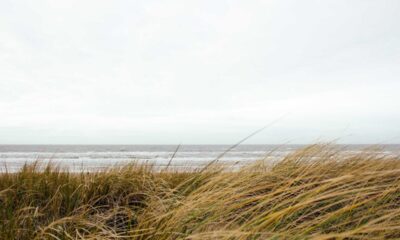
 World1 year ago
Types of Ants Living in the World and Information
-

 Forests1 year ago
The 10 Best Forests to Visit in the World
-

 Wildlife4 years ago
(10) Insects Are Animals in the world?
-
 Ocean2 years ago
Oceans in the World and Their Information & Locations
-

 Forests4 years ago
What Is The Biggest Rainforest In The World?
-

 Wildlife4 years ago
Most Popular Wild Animals in The World
-

 Forests2 years ago
The Main Factors That Contribute to Forest Destruction
-
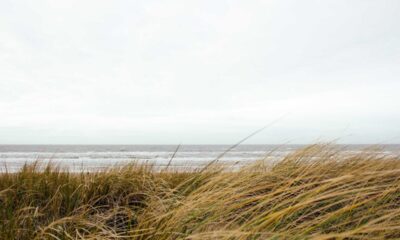
 World1 year ago
The 10 Largest Farms in the World