Ocean
Coral Reefs in the Sea: A Vital Underwater World
If you are looking for incredible ocean destinations, you have come to the right place. This guide covers 20 amazing spots that every nature lover should experience. From hidden gems to world-famous landmarks, each destination offers something truly special.
Key Takeaways
- 20 incredible ocean destinations spanning multiple continents
- Detailed travel tips and best times to visit
- Comprehensive information about highlights and activities
- A mix of popular spots and hidden gems
- Family-friendly options for all ages
Nature has a profound way of grounding us. Whether you are an experienced traveler or just beginning to explore, these 20 destinations will leave you amazed and inspired.
1. Yellowstone National Park
About: Yellowstone National Park is one of the most remarkable ocean destinations in Wyoming, USA. This incredible natural wonder draws visitors from around the world who are looking for an unforgettable experience that combines breathtaking scenery with rich biodiversity. The landscape here is truly spectacular, offering a unique combination of natural beauty, ecological diversity, and cultural significance that you simply will not find anywhere else on Earth. Whether you are a seasoned traveler who has explored dozens of countries or someone who is just beginning to discover the wonders of the natural world, Yellowstone National Park has something truly special to offer you. The area has been carefully preserved to maintain its natural state, ensuring that future generations can enjoy the same pristine beauty that visitors experience today.
Highlights: World first national park with geysers and wildlife The scenery changes dramatically with the seasons, giving you a completely different experience depending on when you choose to visit. Photographers will find endless opportunities to capture stunning images in every direction, while nature lovers can spend hours exploring the diverse ecosystems that thrive in this unique environment. The area is home to a wide variety of wildlife, and if you are lucky, you might spot some rare and endangered species during your visit. The combination of dramatic landscapes, crystal-clear waters, and abundant wildlife makes this destination a true paradise for anyone who appreciates the natural world.
Experience: When you arrive at Yellowstone National Park, you will immediately feel a sense of peace and connection with nature that is hard to find in our modern world. The air is fresh and clean, the views are absolutely spectacular, and the atmosphere is perfect for both relaxation and adventure. There are plenty of activities to enjoy during your visit, from hiking through pristine wilderness and capturing stunning photographs to bird watching and guided nature tours led by knowledgeable local experts. The local guides can help you discover hidden gems that most tourists never see, and they will share fascinating stories about the history, ecology, and cultural significance of the area. Make sure to bring your camera, comfortable walking shoes, plenty of water, and a sense of wonder that will make your visit truly memorable.
Best Time to Visit: Summer The weather during this period is generally favorable, making it ideal for outdoor activities, sightseeing, and photography. However, it is worth noting that each season has its own unique charm and attractions, so do not be afraid to visit during the off-season if you prefer fewer crowds and a more peaceful, intimate experience with nature.
Why You Should Visit: Yellowstone National Park stands out among ocean destinations for its unique combination of natural beauty, ecological importance, accessibility, and the sheer quality of experience it offers every visitor. It is a place where you can truly disconnect from the stresses of everyday life, put your phone away, and reconnect with the natural world in a meaningful way. The memories you create here will last a lifetime, and you will find yourself planning your return visit before you even leave.
Travel Tips: Visit Old Faithful and Grand Prismatic Spring It is also a very good idea to book your accommodations well in advance, especially during peak season. Bring layers of clothing, sunscreen, insect repellent, a hat, and a reusable water bottle. Respect the natural environment by staying on marked trails and following local guidelines. Consider hiring a local guide for at least one day of your visit.
2. Yosemite National Park
About: Yosemite National Park is one of the most remarkable ocean destinations in California, USA. This incredible natural wonder draws visitors from around the world who are looking for an unforgettable experience that combines breathtaking scenery with rich biodiversity. The landscape here is truly spectacular, offering a unique combination of natural beauty, ecological diversity, and cultural significance that you simply will not find anywhere else on Earth. Whether you are a seasoned traveler who has explored dozens of countries or someone who is just beginning to discover the wonders of the natural world, Yosemite National Park has something truly special to offer you. The area has been carefully preserved to maintain its natural state, ensuring that future generations can enjoy the same pristine beauty that visitors experience today.
Highlights: Iconic granite cliffs and waterfalls The scenery changes dramatically with the seasons, giving you a completely different experience depending on when you choose to visit. Photographers will find endless opportunities to capture stunning images in every direction, while nature lovers can spend hours exploring the diverse ecosystems that thrive in this unique environment. The area is home to a wide variety of wildlife, and if you are lucky, you might spot some rare and endangered species during your visit. The combination of dramatic landscapes, crystal-clear waters, and abundant wildlife makes this destination a true paradise for anyone who appreciates the natural world.
Experience: When you arrive at Yosemite National Park, you will immediately feel a sense of peace and connection with nature that is hard to find in our modern world. The air is fresh and clean, the views are absolutely spectacular, and the atmosphere is perfect for both relaxation and adventure. There are plenty of activities to enjoy during your visit, from hiking through pristine wilderness and capturing stunning photographs to bird watching and guided nature tours led by knowledgeable local experts. The local guides can help you discover hidden gems that most tourists never see, and they will share fascinating stories about the history, ecology, and cultural significance of the area. Make sure to bring your camera, comfortable walking shoes, plenty of water, and a sense of wonder that will make your visit truly memorable.
Best Time to Visit: Late spring The weather during this period is generally favorable, making it ideal for outdoor activities, sightseeing, and photography. However, it is worth noting that each season has its own unique charm and attractions, so do not be afraid to visit during the off-season if you prefer fewer crowds and a more peaceful, intimate experience with nature.
Why You Should Visit: Yosemite National Park stands out among ocean destinations for its unique combination of natural beauty, ecological importance, accessibility, and the sheer quality of experience it offers every visitor. It is a place where you can truly disconnect from the stresses of everyday life, put your phone away, and reconnect with the natural world in a meaningful way. The memories you create here will last a lifetime, and you will find yourself planning your return visit before you even leave.
Travel Tips: Hike to Half Dome or Yosemite Falls It is also a very good idea to book your accommodations well in advance, especially during peak season. Bring layers of clothing, sunscreen, insect repellent, a hat, and a reusable water bottle. Respect the natural environment by staying on marked trails and following local guidelines. Consider hiring a local guide for at least one day of your visit.
3. Grand Canyon
About: Grand Canyon is one of the most remarkable ocean destinations in Arizona, USA. This incredible natural wonder draws visitors from around the world who are looking for an unforgettable experience that combines breathtaking scenery with rich biodiversity. The landscape here is truly spectacular, offering a unique combination of natural beauty, ecological diversity, and cultural significance that you simply will not find anywhere else on Earth. Whether you are a seasoned traveler who has explored dozens of countries or someone who is just beginning to discover the wonders of the natural world, Grand Canyon has something truly special to offer you. The area has been carefully preserved to maintain its natural state, ensuring that future generations can enjoy the same pristine beauty that visitors experience today.
Highlights: One of the most spectacular canyons on Earth The scenery changes dramatically with the seasons, giving you a completely different experience depending on when you choose to visit. Photographers will find endless opportunities to capture stunning images in every direction, while nature lovers can spend hours exploring the diverse ecosystems that thrive in this unique environment. The area is home to a wide variety of wildlife, and if you are lucky, you might spot some rare and endangered species during your visit. The combination of dramatic landscapes, crystal-clear waters, and abundant wildlife makes this destination a true paradise for anyone who appreciates the natural world.
Experience: When you arrive at Grand Canyon, you will immediately feel a sense of peace and connection with nature that is hard to find in our modern world. The air is fresh and clean, the views are absolutely spectacular, and the atmosphere is perfect for both relaxation and adventure. There are plenty of activities to enjoy during your visit, from hiking through pristine wilderness and capturing stunning photographs to bird watching and guided nature tours led by knowledgeable local experts. The local guides can help you discover hidden gems that most tourists never see, and they will share fascinating stories about the history, ecology, and cultural significance of the area. Make sure to bring your camera, comfortable walking shoes, plenty of water, and a sense of wonder that will make your visit truly memorable.
Best Time to Visit: Spring and autumn The weather during this period is generally favorable, making it ideal for outdoor activities, sightseeing, and photography. However, it is worth noting that each season has its own unique charm and attractions, so do not be afraid to visit during the off-season if you prefer fewer crowds and a more peaceful, intimate experience with nature.
Why You Should Visit: Grand Canyon stands out among ocean destinations for its unique combination of natural beauty, ecological importance, accessibility, and the sheer quality of experience it offers every visitor. It is a place where you can truly disconnect from the stresses of everyday life, put your phone away, and reconnect with the natural world in a meaningful way. The memories you create here will last a lifetime, and you will find yourself planning your return visit before you even leave.
Travel Tips: Hike the South Kaibab trail It is also a very good idea to book your accommodations well in advance, especially during peak season. Bring layers of clothing, sunscreen, insect repellent, a hat, and a reusable water bottle. Respect the natural environment by staying on marked trails and following local guidelines. Consider hiring a local guide for at least one day of your visit.
4. Zion National Park
About: Zion National Park is one of the most remarkable ocean destinations in Utah, USA. This incredible natural wonder draws visitors from around the world who are looking for an unforgettable experience that combines breathtaking scenery with rich biodiversity. The landscape here is truly spectacular, offering a unique combination of natural beauty, ecological diversity, and cultural significance that you simply will not find anywhere else on Earth. Whether you are a seasoned traveler who has explored dozens of countries or someone who is just beginning to discover the wonders of the natural world, Zion National Park has something truly special to offer you. The area has been carefully preserved to maintain its natural state, ensuring that future generations can enjoy the same pristine beauty that visitors experience today.
Highlights: Red rock canyons and narrow slot canyons The scenery changes dramatically with the seasons, giving you a completely different experience depending on when you choose to visit. Photographers will find endless opportunities to capture stunning images in every direction, while nature lovers can spend hours exploring the diverse ecosystems that thrive in this unique environment. The area is home to a wide variety of wildlife, and if you are lucky, you might spot some rare and endangered species during your visit. The combination of dramatic landscapes, crystal-clear waters, and abundant wildlife makes this destination a true paradise for anyone who appreciates the natural world.
Experience: When you arrive at Zion National Park, you will immediately feel a sense of peace and connection with nature that is hard to find in our modern world. The air is fresh and clean, the views are absolutely spectacular, and the atmosphere is perfect for both relaxation and adventure. There are plenty of activities to enjoy during your visit, from hiking through pristine wilderness and capturing stunning photographs to bird watching and guided nature tours led by knowledgeable local experts. The local guides can help you discover hidden gems that most tourists never see, and they will share fascinating stories about the history, ecology, and cultural significance of the area. Make sure to bring your camera, comfortable walking shoes, plenty of water, and a sense of wonder that will make your visit truly memorable.
Best Time to Visit: Spring and autumn The weather during this period is generally favorable, making it ideal for outdoor activities, sightseeing, and photography. However, it is worth noting that each season has its own unique charm and attractions, so do not be afraid to visit during the off-season if you prefer fewer crowds and a more peaceful, intimate experience with nature.
Why You Should Visit: Zion National Park stands out among ocean destinations for its unique combination of natural beauty, ecological importance, accessibility, and the sheer quality of experience it offers every visitor. It is a place where you can truly disconnect from the stresses of everyday life, put your phone away, and reconnect with the natural world in a meaningful way. The memories you create here will last a lifetime, and you will find yourself planning your return visit before you even leave.
Travel Tips: Hike The Narrows It is also a very good idea to book your accommodations well in advance, especially during peak season. Bring layers of clothing, sunscreen, insect repellent, a hat, and a reusable water bottle. Respect the natural environment by staying on marked trails and following local guidelines. Consider hiring a local guide for at least one day of your visit.
5. Banff National Park
About: Banff National Park is one of the most remarkable ocean destinations in Canada. This incredible natural wonder draws visitors from around the world who are looking for an unforgettable experience that combines breathtaking scenery with rich biodiversity. The landscape here is truly spectacular, offering a unique combination of natural beauty, ecological diversity, and cultural significance that you simply will not find anywhere else on Earth. Whether you are a seasoned traveler who has explored dozens of countries or someone who is just beginning to discover the wonders of the natural world, Banff National Park has something truly special to offer you. The area has been carefully preserved to maintain its natural state, ensuring that future generations can enjoy the same pristine beauty that visitors experience today.
Highlights: Turquoise lakes and mountain peaks The scenery changes dramatically with the seasons, giving you a completely different experience depending on when you choose to visit. Photographers will find endless opportunities to capture stunning images in every direction, while nature lovers can spend hours exploring the diverse ecosystems that thrive in this unique environment. The area is home to a wide variety of wildlife, and if you are lucky, you might spot some rare and endangered species during your visit. The combination of dramatic landscapes, crystal-clear waters, and abundant wildlife makes this destination a true paradise for anyone who appreciates the natural world.
Experience: When you arrive at Banff National Park, you will immediately feel a sense of peace and connection with nature that is hard to find in our modern world. The air is fresh and clean, the views are absolutely spectacular, and the atmosphere is perfect for both relaxation and adventure. There are plenty of activities to enjoy during your visit, from hiking through pristine wilderness and capturing stunning photographs to bird watching and guided nature tours led by knowledgeable local experts. The local guides can help you discover hidden gems that most tourists never see, and they will share fascinating stories about the history, ecology, and cultural significance of the area. Make sure to bring your camera, comfortable walking shoes, plenty of water, and a sense of wonder that will make your visit truly memorable.
Best Time to Visit: Summer The weather during this period is generally favorable, making it ideal for outdoor activities, sightseeing, and photography. However, it is worth noting that each season has its own unique charm and attractions, so do not be afraid to visit during the off-season if you prefer fewer crowds and a more peaceful, intimate experience with nature.
Why You Should Visit: Banff National Park stands out among ocean destinations for its unique combination of natural beauty, ecological importance, accessibility, and the sheer quality of experience it offers every visitor. It is a place where you can truly disconnect from the stresses of everyday life, put your phone away, and reconnect with the natural world in a meaningful way. The memories you create here will last a lifetime, and you will find yourself planning your return visit before you even leave.
Travel Tips: Canoe on Lake Louise It is also a very good idea to book your accommodations well in advance, especially during peak season. Bring layers of clothing, sunscreen, insect repellent, a hat, and a reusable water bottle. Respect the natural environment by staying on marked trails and following local guidelines. Consider hiring a local guide for at least one day of your visit.
6. Torres del Paine
About: Torres del Paine is one of the most remarkable ocean destinations in Chile. This incredible natural wonder draws visitors from around the world who are looking for an unforgettable experience that combines breathtaking scenery with rich biodiversity. The landscape here is truly spectacular, offering a unique combination of natural beauty, ecological diversity, and cultural significance that you simply will not find anywhere else on Earth. Whether you are a seasoned traveler who has explored dozens of countries or someone who is just beginning to discover the wonders of the natural world, Torres del Paine has something truly special to offer you. The area has been carefully preserved to maintain its natural state, ensuring that future generations can enjoy the same pristine beauty that visitors experience today.
Highlights: Patagonian mountains and glaciers The scenery changes dramatically with the seasons, giving you a completely different experience depending on when you choose to visit. Photographers will find endless opportunities to capture stunning images in every direction, while nature lovers can spend hours exploring the diverse ecosystems that thrive in this unique environment. The area is home to a wide variety of wildlife, and if you are lucky, you might spot some rare and endangered species during your visit. The combination of dramatic landscapes, crystal-clear waters, and abundant wildlife makes this destination a true paradise for anyone who appreciates the natural world.
Experience: When you arrive at Torres del Paine, you will immediately feel a sense of peace and connection with nature that is hard to find in our modern world. The air is fresh and clean, the views are absolutely spectacular, and the atmosphere is perfect for both relaxation and adventure. There are plenty of activities to enjoy during your visit, from hiking through pristine wilderness and capturing stunning photographs to bird watching and guided nature tours led by knowledgeable local experts. The local guides can help you discover hidden gems that most tourists never see, and they will share fascinating stories about the history, ecology, and cultural significance of the area. Make sure to bring your camera, comfortable walking shoes, plenty of water, and a sense of wonder that will make your visit truly memorable.
Best Time to Visit: November to March The weather during this period is generally favorable, making it ideal for outdoor activities, sightseeing, and photography. However, it is worth noting that each season has its own unique charm and attractions, so do not be afraid to visit during the off-season if you prefer fewer crowds and a more peaceful, intimate experience with nature.
Why You Should Visit: Torres del Paine stands out among ocean destinations for its unique combination of natural beauty, ecological importance, accessibility, and the sheer quality of experience it offers every visitor. It is a place where you can truly disconnect from the stresses of everyday life, put your phone away, and reconnect with the natural world in a meaningful way. The memories you create here will last a lifetime, and you will find yourself planning your return visit before you even leave.
Travel Tips: Hike the W trek It is also a very good idea to book your accommodations well in advance, especially during peak season. Bring layers of clothing, sunscreen, insect repellent, a hat, and a reusable water bottle. Respect the natural environment by staying on marked trails and following local guidelines. Consider hiring a local guide for at least one day of your visit.
7. Serengeti National Park
About: Serengeti National Park is one of the most remarkable ocean destinations in Tanzania. This incredible natural wonder draws visitors from around the world who are looking for an unforgettable experience that combines breathtaking scenery with rich biodiversity. The landscape here is truly spectacular, offering a unique combination of natural beauty, ecological diversity, and cultural significance that you simply will not find anywhere else on Earth. Whether you are a seasoned traveler who has explored dozens of countries or someone who is just beginning to discover the wonders of the natural world, Serengeti National Park has something truly special to offer you. The area has been carefully preserved to maintain its natural state, ensuring that future generations can enjoy the same pristine beauty that visitors experience today.
Highlights: Great Migration and Big Five wildlife The scenery changes dramatically with the seasons, giving you a completely different experience depending on when you choose to visit. Photographers will find endless opportunities to capture stunning images in every direction, while nature lovers can spend hours exploring the diverse ecosystems that thrive in this unique environment. The area is home to a wide variety of wildlife, and if you are lucky, you might spot some rare and endangered species during your visit. The combination of dramatic landscapes, crystal-clear waters, and abundant wildlife makes this destination a true paradise for anyone who appreciates the natural world.
Experience: When you arrive at Serengeti National Park, you will immediately feel a sense of peace and connection with nature that is hard to find in our modern world. The air is fresh and clean, the views are absolutely spectacular, and the atmosphere is perfect for both relaxation and adventure. There are plenty of activities to enjoy during your visit, from hiking through pristine wilderness and capturing stunning photographs to bird watching and guided nature tours led by knowledgeable local experts. The local guides can help you discover hidden gems that most tourists never see, and they will share fascinating stories about the history, ecology, and cultural significance of the area. Make sure to bring your camera, comfortable walking shoes, plenty of water, and a sense of wonder that will make your visit truly memorable.
Best Time to Visit: June to October The weather during this period is generally favorable, making it ideal for outdoor activities, sightseeing, and photography. However, it is worth noting that each season has its own unique charm and attractions, so do not be afraid to visit during the off-season if you prefer fewer crowds and a more peaceful, intimate experience with nature.
Why You Should Visit: Serengeti National Park stands out among ocean destinations for its unique combination of natural beauty, ecological importance, accessibility, and the sheer quality of experience it offers every visitor. It is a place where you can truly disconnect from the stresses of everyday life, put your phone away, and reconnect with the natural world in a meaningful way. The memories you create here will last a lifetime, and you will find yourself planning your return visit before you even leave.
Travel Tips: Book a safari tour It is also a very good idea to book your accommodations well in advance, especially during peak season. Bring layers of clothing, sunscreen, insect repellent, a hat, and a reusable water bottle. Respect the natural environment by staying on marked trails and following local guidelines. Consider hiring a local guide for at least one day of your visit.
8. Kruger National Park
About: Kruger National Park is one of the most remarkable ocean destinations in South Africa. This incredible natural wonder draws visitors from around the world who are looking for an unforgettable experience that combines breathtaking scenery with rich biodiversity. The landscape here is truly spectacular, offering a unique combination of natural beauty, ecological diversity, and cultural significance that you simply will not find anywhere else on Earth. Whether you are a seasoned traveler who has explored dozens of countries or someone who is just beginning to discover the wonders of the natural world, Kruger National Park has something truly special to offer you. The area has been carefully preserved to maintain its natural state, ensuring that future generations can enjoy the same pristine beauty that visitors experience today.
Highlights: Incredible wildlife viewing The scenery changes dramatically with the seasons, giving you a completely different experience depending on when you choose to visit. Photographers will find endless opportunities to capture stunning images in every direction, while nature lovers can spend hours exploring the diverse ecosystems that thrive in this unique environment. The area is home to a wide variety of wildlife, and if you are lucky, you might spot some rare and endangered species during your visit. The combination of dramatic landscapes, crystal-clear waters, and abundant wildlife makes this destination a true paradise for anyone who appreciates the natural world.
Experience: When you arrive at Kruger National Park, you will immediately feel a sense of peace and connection with nature that is hard to find in our modern world. The air is fresh and clean, the views are absolutely spectacular, and the atmosphere is perfect for both relaxation and adventure. There are plenty of activities to enjoy during your visit, from hiking through pristine wilderness and capturing stunning photographs to bird watching and guided nature tours led by knowledgeable local experts. The local guides can help you discover hidden gems that most tourists never see, and they will share fascinating stories about the history, ecology, and cultural significance of the area. Make sure to bring your camera, comfortable walking shoes, plenty of water, and a sense of wonder that will make your visit truly memorable.
Best Time to Visit: May to September The weather during this period is generally favorable, making it ideal for outdoor activities, sightseeing, and photography. However, it is worth noting that each season has its own unique charm and attractions, so do not be afraid to visit during the off-season if you prefer fewer crowds and a more peaceful, intimate experience with nature.
Why You Should Visit: Kruger National Park stands out among ocean destinations for its unique combination of natural beauty, ecological importance, accessibility, and the sheer quality of experience it offers every visitor. It is a place where you can truly disconnect from the stresses of everyday life, put your phone away, and reconnect with the natural world in a meaningful way. The memories you create here will last a lifetime, and you will find yourself planning your return visit before you even leave.
Travel Tips: Self-drive or guided safari It is also a very good idea to book your accommodations well in advance, especially during peak season. Bring layers of clothing, sunscreen, insect repellent, a hat, and a reusable water bottle. Respect the natural environment by staying on marked trails and following local guidelines. Consider hiring a local guide for at least one day of your visit.
9. Great Barrier Reef
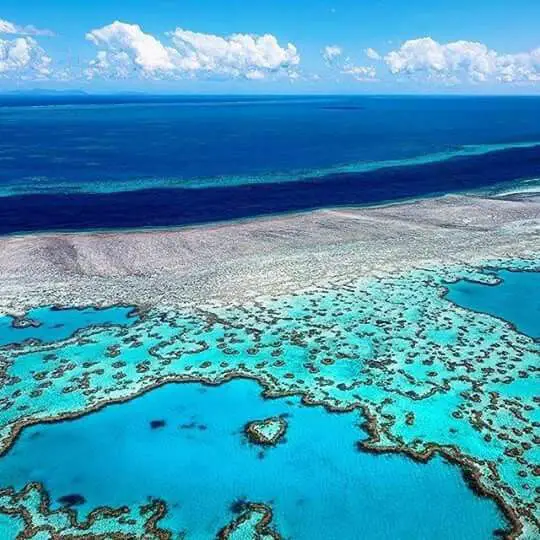
About: Great Barrier Reef is one of the most remarkable ocean destinations in Australia. This incredible natural wonder draws visitors from around the world who are looking for an unforgettable experience that combines breathtaking scenery with rich biodiversity. The landscape here is truly spectacular, offering a unique combination of natural beauty, ecological diversity, and cultural significance that you simply will not find anywhere else on Earth. Whether you are a seasoned traveler who has explored dozens of countries or someone who is just beginning to discover the wonders of the natural world, Great Barrier Reef has something truly special to offer you. The area has been carefully preserved to maintain its natural state, ensuring that future generations can enjoy the same pristine beauty that visitors experience today.
Highlights: World largest coral reef system The scenery changes dramatically with the seasons, giving you a completely different experience depending on when you choose to visit. Photographers will find endless opportunities to capture stunning images in every direction, while nature lovers can spend hours exploring the diverse ecosystems that thrive in this unique environment. The area is home to a wide variety of wildlife, and if you are lucky, you might spot some rare and endangered species during your visit. The combination of dramatic landscapes, crystal-clear waters, and abundant wildlife makes this destination a true paradise for anyone who appreciates the natural world.
Experience: When you arrive at Great Barrier Reef, you will immediately feel a sense of peace and connection with nature that is hard to find in our modern world. The air is fresh and clean, the views are absolutely spectacular, and the atmosphere is perfect for both relaxation and adventure. There are plenty of activities to enjoy during your visit, from hiking through pristine wilderness and capturing stunning photographs to bird watching and guided nature tours led by knowledgeable local experts. The local guides can help you discover hidden gems that most tourists never see, and they will share fascinating stories about the history, ecology, and cultural significance of the area. Make sure to bring your camera, comfortable walking shoes, plenty of water, and a sense of wonder that will make your visit truly memorable.
Best Time to Visit: June to October The weather during this period is generally favorable, making it ideal for outdoor activities, sightseeing, and photography. However, it is worth noting that each season has its own unique charm and attractions, so do not be afraid to visit during the off-season if you prefer fewer crowds and a more peaceful, intimate experience with nature.
Why You Should Visit: Great Barrier Reef stands out among ocean destinations for its unique combination of natural beauty, ecological importance, accessibility, and the sheer quality of experience it offers every visitor. It is a place where you can truly disconnect from the stresses of everyday life, put your phone away, and reconnect with the natural world in a meaningful way. The memories you create here will last a lifetime, and you will find yourself planning your return visit before you even leave.
Travel Tips: Snorkel or dive the outer reef It is also a very good idea to book your accommodations well in advance, especially during peak season. Bring layers of clothing, sunscreen, insect repellent, a hat, and a reusable water bottle. Respect the natural environment by staying on marked trails and following local guidelines. Consider hiring a local guide for at least one day of your visit.
10. Machu Picchu
About: Machu Picchu is one of the most remarkable ocean destinations in Peru. This incredible natural wonder draws visitors from around the world who are looking for an unforgettable experience that combines breathtaking scenery with rich biodiversity. The landscape here is truly spectacular, offering a unique combination of natural beauty, ecological diversity, and cultural significance that you simply will not find anywhere else on Earth. Whether you are a seasoned traveler who has explored dozens of countries or someone who is just beginning to discover the wonders of the natural world, Machu Picchu has something truly special to offer you. The area has been carefully preserved to maintain its natural state, ensuring that future generations can enjoy the same pristine beauty that visitors experience today.
Highlights: Ancient Incan citadel in the mountains The scenery changes dramatically with the seasons, giving you a completely different experience depending on when you choose to visit. Photographers will find endless opportunities to capture stunning images in every direction, while nature lovers can spend hours exploring the diverse ecosystems that thrive in this unique environment. The area is home to a wide variety of wildlife, and if you are lucky, you might spot some rare and endangered species during your visit. The combination of dramatic landscapes, crystal-clear waters, and abundant wildlife makes this destination a true paradise for anyone who appreciates the natural world.
Experience: When you arrive at Machu Picchu, you will immediately feel a sense of peace and connection with nature that is hard to find in our modern world. The air is fresh and clean, the views are absolutely spectacular, and the atmosphere is perfect for both relaxation and adventure. There are plenty of activities to enjoy during your visit, from hiking through pristine wilderness and capturing stunning photographs to bird watching and guided nature tours led by knowledgeable local experts. The local guides can help you discover hidden gems that most tourists never see, and they will share fascinating stories about the history, ecology, and cultural significance of the area. Make sure to bring your camera, comfortable walking shoes, plenty of water, and a sense of wonder that will make your visit truly memorable.
Best Time to Visit: May to September The weather during this period is generally favorable, making it ideal for outdoor activities, sightseeing, and photography. However, it is worth noting that each season has its own unique charm and attractions, so do not be afraid to visit during the off-season if you prefer fewer crowds and a more peaceful, intimate experience with nature.
Why You Should Visit: Machu Picchu stands out among ocean destinations for its unique combination of natural beauty, ecological importance, accessibility, and the sheer quality of experience it offers every visitor. It is a place where you can truly disconnect from the stresses of everyday life, put your phone away, and reconnect with the natural world in a meaningful way. The memories you create here will last a lifetime, and you will find yourself planning your return visit before you even leave.
Travel Tips: Hike the Inca Trail It is also a very good idea to book your accommodations well in advance, especially during peak season. Bring layers of clothing, sunscreen, insect repellent, a hat, and a reusable water bottle. Respect the natural environment by staying on marked trails and following local guidelines. Consider hiring a local guide for at least one day of your visit.
11. Amazon Rainforest
About: Amazon Rainforest is one of the most remarkable ocean destinations in Brazil. This incredible natural wonder draws visitors from around the world who are looking for an unforgettable experience that combines breathtaking scenery with rich biodiversity. The landscape here is truly spectacular, offering a unique combination of natural beauty, ecological diversity, and cultural significance that you simply will not find anywhere else on Earth. Whether you are a seasoned traveler who has explored dozens of countries or someone who is just beginning to discover the wonders of the natural world, Amazon Rainforest has something truly special to offer you. The area has been carefully preserved to maintain its natural state, ensuring that future generations can enjoy the same pristine beauty that visitors experience today.
Highlights: Largest tropical rainforest on Earth The scenery changes dramatically with the seasons, giving you a completely different experience depending on when you choose to visit. Photographers will find endless opportunities to capture stunning images in every direction, while nature lovers can spend hours exploring the diverse ecosystems that thrive in this unique environment. The area is home to a wide variety of wildlife, and if you are lucky, you might spot some rare and endangered species during your visit. The combination of dramatic landscapes, crystal-clear waters, and abundant wildlife makes this destination a true paradise for anyone who appreciates the natural world.
Experience: When you arrive at Amazon Rainforest, you will immediately feel a sense of peace and connection with nature that is hard to find in our modern world. The air is fresh and clean, the views are absolutely spectacular, and the atmosphere is perfect for both relaxation and adventure. There are plenty of activities to enjoy during your visit, from hiking through pristine wilderness and capturing stunning photographs to bird watching and guided nature tours led by knowledgeable local experts. The local guides can help you discover hidden gems that most tourists never see, and they will share fascinating stories about the history, ecology, and cultural significance of the area. Make sure to bring your camera, comfortable walking shoes, plenty of water, and a sense of wonder that will make your visit truly memorable.
Best Time to Visit: June to November The weather during this period is generally favorable, making it ideal for outdoor activities, sightseeing, and photography. However, it is worth noting that each season has its own unique charm and attractions, so do not be afraid to visit during the off-season if you prefer fewer crowds and a more peaceful, intimate experience with nature.
Why You Should Visit: Amazon Rainforest stands out among ocean destinations for its unique combination of natural beauty, ecological importance, accessibility, and the sheer quality of experience it offers every visitor. It is a place where you can truly disconnect from the stresses of everyday life, put your phone away, and reconnect with the natural world in a meaningful way. The memories you create here will last a lifetime, and you will find yourself planning your return visit before you even leave.
Travel Tips: Stay in a jungle lodge It is also a very good idea to book your accommodations well in advance, especially during peak season. Bring layers of clothing, sunscreen, insect repellent, a hat, and a reusable water bottle. Respect the natural environment by staying on marked trails and following local guidelines. Consider hiring a local guide for at least one day of your visit.
12. Iceland
About: Iceland is one of the most remarkable ocean destinations in Iceland. This incredible natural wonder draws visitors from around the world who are looking for an unforgettable experience that combines breathtaking scenery with rich biodiversity. The landscape here is truly spectacular, offering a unique combination of natural beauty, ecological diversity, and cultural significance that you simply will not find anywhere else on Earth. Whether you are a seasoned traveler who has explored dozens of countries or someone who is just beginning to discover the wonders of the natural world, Iceland has something truly special to offer you. The area has been carefully preserved to maintain its natural state, ensuring that future generations can enjoy the same pristine beauty that visitors experience today.
Highlights: Volcanic landscapes and northern lights The scenery changes dramatically with the seasons, giving you a completely different experience depending on when you choose to visit. Photographers will find endless opportunities to capture stunning images in every direction, while nature lovers can spend hours exploring the diverse ecosystems that thrive in this unique environment. The area is home to a wide variety of wildlife, and if you are lucky, you might spot some rare and endangered species during your visit. The combination of dramatic landscapes, crystal-clear waters, and abundant wildlife makes this destination a true paradise for anyone who appreciates the natural world.
Experience: When you arrive at Iceland, you will immediately feel a sense of peace and connection with nature that is hard to find in our modern world. The air is fresh and clean, the views are absolutely spectacular, and the atmosphere is perfect for both relaxation and adventure. There are plenty of activities to enjoy during your visit, from hiking through pristine wilderness and capturing stunning photographs to bird watching and guided nature tours led by knowledgeable local experts. The local guides can help you discover hidden gems that most tourists never see, and they will share fascinating stories about the history, ecology, and cultural significance of the area. Make sure to bring your camera, comfortable walking shoes, plenty of water, and a sense of wonder that will make your visit truly memorable.
Best Time to Visit: Year-round The weather during this period is generally favorable, making it ideal for outdoor activities, sightseeing, and photography. However, it is worth noting that each season has its own unique charm and attractions, so do not be afraid to visit during the off-season if you prefer fewer crowds and a more peaceful, intimate experience with nature.
Why You Should Visit: Iceland stands out among ocean destinations for its unique combination of natural beauty, ecological importance, accessibility, and the sheer quality of experience it offers every visitor. It is a place where you can truly disconnect from the stresses of everyday life, put your phone away, and reconnect with the natural world in a meaningful way. The memories you create here will last a lifetime, and you will find yourself planning your return visit before you even leave.
Travel Tips: Drive the Ring Road It is also a very good idea to book your accommodations well in advance, especially during peak season. Bring layers of clothing, sunscreen, insect repellent, a hat, and a reusable water bottle. Respect the natural environment by staying on marked trails and following local guidelines. Consider hiring a local guide for at least one day of your visit.
13. New Zealand
About: New Zealand is one of the most remarkable ocean destinations in New Zealand. This incredible natural wonder draws visitors from around the world who are looking for an unforgettable experience that combines breathtaking scenery with rich biodiversity. The landscape here is truly spectacular, offering a unique combination of natural beauty, ecological diversity, and cultural significance that you simply will not find anywhere else on Earth. Whether you are a seasoned traveler who has explored dozens of countries or someone who is just beginning to discover the wonders of the natural world, New Zealand has something truly special to offer you. The area has been carefully preserved to maintain its natural state, ensuring that future generations can enjoy the same pristine beauty that visitors experience today.
Highlights: Diverse landscapes from fjords to glaciers The scenery changes dramatically with the seasons, giving you a completely different experience depending on when you choose to visit. Photographers will find endless opportunities to capture stunning images in every direction, while nature lovers can spend hours exploring the diverse ecosystems that thrive in this unique environment. The area is home to a wide variety of wildlife, and if you are lucky, you might spot some rare and endangered species during your visit. The combination of dramatic landscapes, crystal-clear waters, and abundant wildlife makes this destination a true paradise for anyone who appreciates the natural world.
Experience: When you arrive at New Zealand, you will immediately feel a sense of peace and connection with nature that is hard to find in our modern world. The air is fresh and clean, the views are absolutely spectacular, and the atmosphere is perfect for both relaxation and adventure. There are plenty of activities to enjoy during your visit, from hiking through pristine wilderness and capturing stunning photographs to bird watching and guided nature tours led by knowledgeable local experts. The local guides can help you discover hidden gems that most tourists never see, and they will share fascinating stories about the history, ecology, and cultural significance of the area. Make sure to bring your camera, comfortable walking shoes, plenty of water, and a sense of wonder that will make your visit truly memorable.
Best Time to Visit: December to March The weather during this period is generally favorable, making it ideal for outdoor activities, sightseeing, and photography. However, it is worth noting that each season has its own unique charm and attractions, so do not be afraid to visit during the off-season if you prefer fewer crowds and a more peaceful, intimate experience with nature.
Why You Should Visit: New Zealand stands out among ocean destinations for its unique combination of natural beauty, ecological importance, accessibility, and the sheer quality of experience it offers every visitor. It is a place where you can truly disconnect from the stresses of everyday life, put your phone away, and reconnect with the natural world in a meaningful way. The memories you create here will last a lifetime, and you will find yourself planning your return visit before you even leave.
Travel Tips: Self-drive both islands It is also a very good idea to book your accommodations well in advance, especially during peak season. Bring layers of clothing, sunscreen, insect repellent, a hat, and a reusable water bottle. Respect the natural environment by staying on marked trails and following local guidelines. Consider hiring a local guide for at least one day of your visit.
14. Norway
About: Norway is one of the most remarkable ocean destinations in Norway. This incredible natural wonder draws visitors from around the world who are looking for an unforgettable experience that combines breathtaking scenery with rich biodiversity. The landscape here is truly spectacular, offering a unique combination of natural beauty, ecological diversity, and cultural significance that you simply will not find anywhere else on Earth. Whether you are a seasoned traveler who has explored dozens of countries or someone who is just beginning to discover the wonders of the natural world, Norway has something truly special to offer you. The area has been carefully preserved to maintain its natural state, ensuring that future generations can enjoy the same pristine beauty that visitors experience today.
Highlights: Dramatic fjords and midnight sun The scenery changes dramatically with the seasons, giving you a completely different experience depending on when you choose to visit. Photographers will find endless opportunities to capture stunning images in every direction, while nature lovers can spend hours exploring the diverse ecosystems that thrive in this unique environment. The area is home to a wide variety of wildlife, and if you are lucky, you might spot some rare and endangered species during your visit. The combination of dramatic landscapes, crystal-clear waters, and abundant wildlife makes this destination a true paradise for anyone who appreciates the natural world.
Experience: When you arrive at Norway, you will immediately feel a sense of peace and connection with nature that is hard to find in our modern world. The air is fresh and clean, the views are absolutely spectacular, and the atmosphere is perfect for both relaxation and adventure. There are plenty of activities to enjoy during your visit, from hiking through pristine wilderness and capturing stunning photographs to bird watching and guided nature tours led by knowledgeable local experts. The local guides can help you discover hidden gems that most tourists never see, and they will share fascinating stories about the history, ecology, and cultural significance of the area. Make sure to bring your camera, comfortable walking shoes, plenty of water, and a sense of wonder that will make your visit truly memorable.
Best Time to Visit: May to September The weather during this period is generally favorable, making it ideal for outdoor activities, sightseeing, and photography. However, it is worth noting that each season has its own unique charm and attractions, so do not be afraid to visit during the off-season if you prefer fewer crowds and a more peaceful, intimate experience with nature.
Why You Should Visit: Norway stands out among ocean destinations for its unique combination of natural beauty, ecological importance, accessibility, and the sheer quality of experience it offers every visitor. It is a place where you can truly disconnect from the stresses of everyday life, put your phone away, and reconnect with the natural world in a meaningful way. The memories you create here will last a lifetime, and you will find yourself planning your return visit before you even leave.
Travel Tips: Drive the scenic routes It is also a very good idea to book your accommodations well in advance, especially during peak season. Bring layers of clothing, sunscreen, insect repellent, a hat, and a reusable water bottle. Respect the natural environment by staying on marked trails and following local guidelines. Consider hiring a local guide for at least one day of your visit.
15. Switzerland
About: Switzerland is one of the most remarkable ocean destinations in Switzerland. This incredible natural wonder draws visitors from around the world who are looking for an unforgettable experience that combines breathtaking scenery with rich biodiversity. The landscape here is truly spectacular, offering a unique combination of natural beauty, ecological diversity, and cultural significance that you simply will not find anywhere else on Earth. Whether you are a seasoned traveler who has explored dozens of countries or someone who is just beginning to discover the wonders of the natural world, Switzerland has something truly special to offer you. The area has been carefully preserved to maintain its natural state, ensuring that future generations can enjoy the same pristine beauty that visitors experience today.
Highlights: Alpine lakes and mountain peaks The scenery changes dramatically with the seasons, giving you a completely different experience depending on when you choose to visit. Photographers will find endless opportunities to capture stunning images in every direction, while nature lovers can spend hours exploring the diverse ecosystems that thrive in this unique environment. The area is home to a wide variety of wildlife, and if you are lucky, you might spot some rare and endangered species during your visit. The combination of dramatic landscapes, crystal-clear waters, and abundant wildlife makes this destination a true paradise for anyone who appreciates the natural world.
Experience: When you arrive at Switzerland, you will immediately feel a sense of peace and connection with nature that is hard to find in our modern world. The air is fresh and clean, the views are absolutely spectacular, and the atmosphere is perfect for both relaxation and adventure. There are plenty of activities to enjoy during your visit, from hiking through pristine wilderness and capturing stunning photographs to bird watching and guided nature tours led by knowledgeable local experts. The local guides can help you discover hidden gems that most tourists never see, and they will share fascinating stories about the history, ecology, and cultural significance of the area. Make sure to bring your camera, comfortable walking shoes, plenty of water, and a sense of wonder that will make your visit truly memorable.
Best Time to Visit: Summer The weather during this period is generally favorable, making it ideal for outdoor activities, sightseeing, and photography. However, it is worth noting that each season has its own unique charm and attractions, so do not be afraid to visit during the off-season if you prefer fewer crowds and a more peaceful, intimate experience with nature.
Why You Should Visit: Switzerland stands out among ocean destinations for its unique combination of natural beauty, ecological importance, accessibility, and the sheer quality of experience it offers every visitor. It is a place where you can truly disconnect from the stresses of everyday life, put your phone away, and reconnect with the natural world in a meaningful way. The memories you create here will last a lifetime, and you will find yourself planning your return visit before you even leave.
Travel Tips: Ride the scenic trains It is also a very good idea to book your accommodations well in advance, especially during peak season. Bring layers of clothing, sunscreen, insect repellent, a hat, and a reusable water bottle. Respect the natural environment by staying on marked trails and following local guidelines. Consider hiring a local guide for at least one day of your visit.
16. Patagonia
About: Patagonia is one of the most remarkable ocean destinations in Argentina/Chile. This incredible natural wonder draws visitors from around the world who are looking for an unforgettable experience that combines breathtaking scenery with rich biodiversity. The landscape here is truly spectacular, offering a unique combination of natural beauty, ecological diversity, and cultural significance that you simply will not find anywhere else on Earth. Whether you are a seasoned traveler who has explored dozens of countries or someone who is just beginning to discover the wonders of the natural world, Patagonia has something truly special to offer you. The area has been carefully preserved to maintain its natural state, ensuring that future generations can enjoy the same pristine beauty that visitors experience today.
Highlights: Remote wilderness and glaciers The scenery changes dramatically with the seasons, giving you a completely different experience depending on when you choose to visit. Photographers will find endless opportunities to capture stunning images in every direction, while nature lovers can spend hours exploring the diverse ecosystems that thrive in this unique environment. The area is home to a wide variety of wildlife, and if you are lucky, you might spot some rare and endangered species during your visit. The combination of dramatic landscapes, crystal-clear waters, and abundant wildlife makes this destination a true paradise for anyone who appreciates the natural world.
Experience: When you arrive at Patagonia, you will immediately feel a sense of peace and connection with nature that is hard to find in our modern world. The air is fresh and clean, the views are absolutely spectacular, and the atmosphere is perfect for both relaxation and adventure. There are plenty of activities to enjoy during your visit, from hiking through pristine wilderness and capturing stunning photographs to bird watching and guided nature tours led by knowledgeable local experts. The local guides can help you discover hidden gems that most tourists never see, and they will share fascinating stories about the history, ecology, and cultural significance of the area. Make sure to bring your camera, comfortable walking shoes, plenty of water, and a sense of wonder that will make your visit truly memorable.
Best Time to Visit: November to March The weather during this period is generally favorable, making it ideal for outdoor activities, sightseeing, and photography. However, it is worth noting that each season has its own unique charm and attractions, so do not be afraid to visit during the off-season if you prefer fewer crowds and a more peaceful, intimate experience with nature.
Why You Should Visit: Patagonia stands out among ocean destinations for its unique combination of natural beauty, ecological importance, accessibility, and the sheer quality of experience it offers every visitor. It is a place where you can truly disconnect from the stresses of everyday life, put your phone away, and reconnect with the natural world in a meaningful way. The memories you create here will last a lifetime, and you will find yourself planning your return visit before you even leave.
Travel Tips: Hike in Torres del Paine It is also a very good idea to book your accommodations well in advance, especially during peak season. Bring layers of clothing, sunscreen, insect repellent, a hat, and a reusable water bottle. Respect the natural environment by staying on marked trails and following local guidelines. Consider hiring a local guide for at least one day of your visit.
17. Borneo
About: Borneo is one of the most remarkable ocean destinations in Malaysia/Indonesia. This incredible natural wonder draws visitors from around the world who are looking for an unforgettable experience that combines breathtaking scenery with rich biodiversity. The landscape here is truly spectacular, offering a unique combination of natural beauty, ecological diversity, and cultural significance that you simply will not find anywhere else on Earth. Whether you are a seasoned traveler who has explored dozens of countries or someone who is just beginning to discover the wonders of the natural world, Borneo has something truly special to offer you. The area has been carefully preserved to maintain its natural state, ensuring that future generations can enjoy the same pristine beauty that visitors experience today.
Highlights: Orangutans and tropical rainforest The scenery changes dramatically with the seasons, giving you a completely different experience depending on when you choose to visit. Photographers will find endless opportunities to capture stunning images in every direction, while nature lovers can spend hours exploring the diverse ecosystems that thrive in this unique environment. The area is home to a wide variety of wildlife, and if you are lucky, you might spot some rare and endangered species during your visit. The combination of dramatic landscapes, crystal-clear waters, and abundant wildlife makes this destination a true paradise for anyone who appreciates the natural world.
Experience: When you arrive at Borneo, you will immediately feel a sense of peace and connection with nature that is hard to find in our modern world. The air is fresh and clean, the views are absolutely spectacular, and the atmosphere is perfect for both relaxation and adventure. There are plenty of activities to enjoy during your visit, from hiking through pristine wilderness and capturing stunning photographs to bird watching and guided nature tours led by knowledgeable local experts. The local guides can help you discover hidden gems that most tourists never see, and they will share fascinating stories about the history, ecology, and cultural significance of the area. Make sure to bring your camera, comfortable walking shoes, plenty of water, and a sense of wonder that will make your visit truly memorable.
Best Time to Visit: March to October The weather during this period is generally favorable, making it ideal for outdoor activities, sightseeing, and photography. However, it is worth noting that each season has its own unique charm and attractions, so do not be afraid to visit during the off-season if you prefer fewer crowds and a more peaceful, intimate experience with nature.
Why You Should Visit: Borneo stands out among ocean destinations for its unique combination of natural beauty, ecological importance, accessibility, and the sheer quality of experience it offers every visitor. It is a place where you can truly disconnect from the stresses of everyday life, put your phone away, and reconnect with the natural world in a meaningful way. The memories you create here will last a lifetime, and you will find yourself planning your return visit before you even leave.
Travel Tips: Visit Sepilok sanctuary It is also a very good idea to book your accommodations well in advance, especially during peak season. Bring layers of clothing, sunscreen, insect repellent, a hat, and a reusable water bottle. Respect the natural environment by staying on marked trails and following local guidelines. Consider hiring a local guide for at least one day of your visit.
18. Madagascar
About: Madagascar is one of the most remarkable ocean destinations in Madagascar. This incredible natural wonder draws visitors from around the world who are looking for an unforgettable experience that combines breathtaking scenery with rich biodiversity. The landscape here is truly spectacular, offering a unique combination of natural beauty, ecological diversity, and cultural significance that you simply will not find anywhere else on Earth. Whether you are a seasoned traveler who has explored dozens of countries or someone who is just beginning to discover the wonders of the natural world, Madagascar has something truly special to offer you. The area has been carefully preserved to maintain its natural state, ensuring that future generations can enjoy the same pristine beauty that visitors experience today.
Highlights: Unique wildlife found nowhere else The scenery changes dramatically with the seasons, giving you a completely different experience depending on when you choose to visit. Photographers will find endless opportunities to capture stunning images in every direction, while nature lovers can spend hours exploring the diverse ecosystems that thrive in this unique environment. The area is home to a wide variety of wildlife, and if you are lucky, you might spot some rare and endangered species during your visit. The combination of dramatic landscapes, crystal-clear waters, and abundant wildlife makes this destination a true paradise for anyone who appreciates the natural world.
Experience: When you arrive at Madagascar, you will immediately feel a sense of peace and connection with nature that is hard to find in our modern world. The air is fresh and clean, the views are absolutely spectacular, and the atmosphere is perfect for both relaxation and adventure. There are plenty of activities to enjoy during your visit, from hiking through pristine wilderness and capturing stunning photographs to bird watching and guided nature tours led by knowledgeable local experts. The local guides can help you discover hidden gems that most tourists never see, and they will share fascinating stories about the history, ecology, and cultural significance of the area. Make sure to bring your camera, comfortable walking shoes, plenty of water, and a sense of wonder that will make your visit truly memorable.
Best Time to Visit: April to November The weather during this period is generally favorable, making it ideal for outdoor activities, sightseeing, and photography. However, it is worth noting that each season has its own unique charm and attractions, so do not be afraid to visit during the off-season if you prefer fewer crowds and a more peaceful, intimate experience with nature.
Why You Should Visit: Madagascar stands out among ocean destinations for its unique combination of natural beauty, ecological importance, accessibility, and the sheer quality of experience it offers every visitor. It is a place where you can truly disconnect from the stresses of everyday life, put your phone away, and reconnect with the natural world in a meaningful way. The memories you create here will last a lifetime, and you will find yourself planning your return visit before you even leave.
Travel Tips: Visit multiple national parks It is also a very good idea to book your accommodations well in advance, especially during peak season. Bring layers of clothing, sunscreen, insect repellent, a hat, and a reusable water bottle. Respect the natural environment by staying on marked trails and following local guidelines. Consider hiring a local guide for at least one day of your visit.
19. Galapagos Islands
About: Galapagos Islands is one of the most remarkable ocean destinations in Ecuador. This incredible natural wonder draws visitors from around the world who are looking for an unforgettable experience that combines breathtaking scenery with rich biodiversity. The landscape here is truly spectacular, offering a unique combination of natural beauty, ecological diversity, and cultural significance that you simply will not find anywhere else on Earth. Whether you are a seasoned traveler who has explored dozens of countries or someone who is just beginning to discover the wonders of the natural world, Galapagos Islands has something truly special to offer you. The area has been carefully preserved to maintain its natural state, ensuring that future generations can enjoy the same pristine beauty that visitors experience today.
Highlights: Unique wildlife and pristine ecosystems The scenery changes dramatically with the seasons, giving you a completely different experience depending on when you choose to visit. Photographers will find endless opportunities to capture stunning images in every direction, while nature lovers can spend hours exploring the diverse ecosystems that thrive in this unique environment. The area is home to a wide variety of wildlife, and if you are lucky, you might spot some rare and endangered species during your visit. The combination of dramatic landscapes, crystal-clear waters, and abundant wildlife makes this destination a true paradise for anyone who appreciates the natural world.
Experience: When you arrive at Galapagos Islands, you will immediately feel a sense of peace and connection with nature that is hard to find in our modern world. The air is fresh and clean, the views are absolutely spectacular, and the atmosphere is perfect for both relaxation and adventure. There are plenty of activities to enjoy during your visit, from hiking through pristine wilderness and capturing stunning photographs to bird watching and guided nature tours led by knowledgeable local experts. The local guides can help you discover hidden gems that most tourists never see, and they will share fascinating stories about the history, ecology, and cultural significance of the area. Make sure to bring your camera, comfortable walking shoes, plenty of water, and a sense of wonder that will make your visit truly memorable.
Best Time to Visit: June to December The weather during this period is generally favorable, making it ideal for outdoor activities, sightseeing, and photography. However, it is worth noting that each season has its own unique charm and attractions, so do not be afraid to visit during the off-season if you prefer fewer crowds and a more peaceful, intimate experience with nature.
Why You Should Visit: Galapagos Islands stands out among ocean destinations for its unique combination of natural beauty, ecological importance, accessibility, and the sheer quality of experience it offers every visitor. It is a place where you can truly disconnect from the stresses of everyday life, put your phone away, and reconnect with the natural world in a meaningful way. The memories you create here will last a lifetime, and you will find yourself planning your return visit before you even leave.
Travel Tips: Book a cruise It is also a very good idea to book your accommodations well in advance, especially during peak season. Bring layers of clothing, sunscreen, insect repellent, a hat, and a reusable water bottle. Respect the natural environment by staying on marked trails and following local guidelines. Consider hiring a local guide for at least one day of your visit.
20. Hawaii
About: Hawaii is one of the most remarkable ocean destinations in Hawaii, USA. This incredible natural wonder draws visitors from around the world who are looking for an unforgettable experience that combines breathtaking scenery with rich biodiversity. The landscape here is truly spectacular, offering a unique combination of natural beauty, ecological diversity, and cultural significance that you simply will not find anywhere else on Earth. Whether you are a seasoned traveler who has explored dozens of countries or someone who is just beginning to discover the wonders of the natural world, Hawaii has something truly special to offer you. The area has been carefully preserved to maintain its natural state, ensuring that future generations can enjoy the same pristine beauty that visitors experience today.
Highlights: Volcanic islands with diverse ecosystems The scenery changes dramatically with the seasons, giving you a completely different experience depending on when you choose to visit. Photographers will find endless opportunities to capture stunning images in every direction, while nature lovers can spend hours exploring the diverse ecosystems that thrive in this unique environment. The area is home to a wide variety of wildlife, and if you are lucky, you might spot some rare and endangered species during your visit. The combination of dramatic landscapes, crystal-clear waters, and abundant wildlife makes this destination a true paradise for anyone who appreciates the natural world.
Experience: When you arrive at Hawaii, you will immediately feel a sense of peace and connection with nature that is hard to find in our modern world. The air is fresh and clean, the views are absolutely spectacular, and the atmosphere is perfect for both relaxation and adventure. There are plenty of activities to enjoy during your visit, from hiking through pristine wilderness and capturing stunning photographs to bird watching and guided nature tours led by knowledgeable local experts. The local guides can help you discover hidden gems that most tourists never see, and they will share fascinating stories about the history, ecology, and cultural significance of the area. Make sure to bring your camera, comfortable walking shoes, plenty of water, and a sense of wonder that will make your visit truly memorable.
Best Time to Visit: Year-round The weather during this period is generally favorable, making it ideal for outdoor activities, sightseeing, and photography. However, it is worth noting that each season has its own unique charm and attractions, so do not be afraid to visit during the off-season if you prefer fewer crowds and a more peaceful, intimate experience with nature.
Why You Should Visit: Hawaii stands out among ocean destinations for its unique combination of natural beauty, ecological importance, accessibility, and the sheer quality of experience it offers every visitor. It is a place where you can truly disconnect from the stresses of everyday life, put your phone away, and reconnect with the natural world in a meaningful way. The memories you create here will last a lifetime, and you will find yourself planning your return visit before you even leave.
Travel Tips: Island hop for variety It is also a very good idea to book your accommodations well in advance, especially during peak season. Bring layers of clothing, sunscreen, insect repellent, a hat, and a reusable water bottle. Respect the natural environment by staying on marked trails and following local guidelines. Consider hiring a local guide for at least one day of your visit.
Quick Comparison
| Place Name | Location | Best Time to Visit |
|---|---|---|
| Yellowstone National Park | Wyoming, USA | Summer |
| Yosemite National Park | California, USA | Late spring |
| Grand Canyon | Arizona, USA | Spring and autumn |
| Zion National Park | Utah, USA | Spring and autumn |
| Banff National Park | Canada | Summer |
| Torres del Paine | Chile | November to March |
| Serengeti National Park | Tanzania | June to October |
| Kruger National Park | South Africa | May to September |
| Great Barrier Reef | Australia | June to October |
| Machu Picchu | Peru | May to September |
| Amazon Rainforest | Brazil | June to November |
| Iceland | Iceland | Year-round |
| New Zealand | New Zealand | December to March |
| Norway | Norway | May to September |
| Switzerland | Switzerland | Summer |
| Patagonia | Argentina/Chile | November to March |
| Borneo | Malaysia/Indonesia | March to October |
| Madagascar | Madagascar | April to November |
| Galapagos Islands | Ecuador | June to December |
| Hawaii | Hawaii, USA | Year-round |
Frequently Asked Questions
What is the best time to visit?
Each destination has its own ideal season. Generally, spring and autumn offer the best conditions.
How do I plan a trip?
Pick one or two destinations, research transportation, book accommodations in advance, and create a flexible itinerary.
Are these suitable for beginners?
Yes, most spots are accessible to all experience levels with proper planning.
What should I pack?
Comfortable shoes, weather-appropriate clothing, camera, sunscreen, insect repellent, hat, binoculars, and water bottle.
Can I visit with family?
Absolutely. Many destinations offer family-friendly activities and educational programs.
How much does it cost?
Costs vary widely. Budget for transportation, accommodations, food, and activities.
What makes these special?
Each has been selected for its unique natural beauty, ecological importance, and quality of experience.
Conclusion
These 20 ocean destinations represent some of the most beautiful places on our planet. Start planning your next adventure today.
Save this guide and share it with your fellow nature lovers.
Ocean
How Whales Navigate Across Entire Oceans
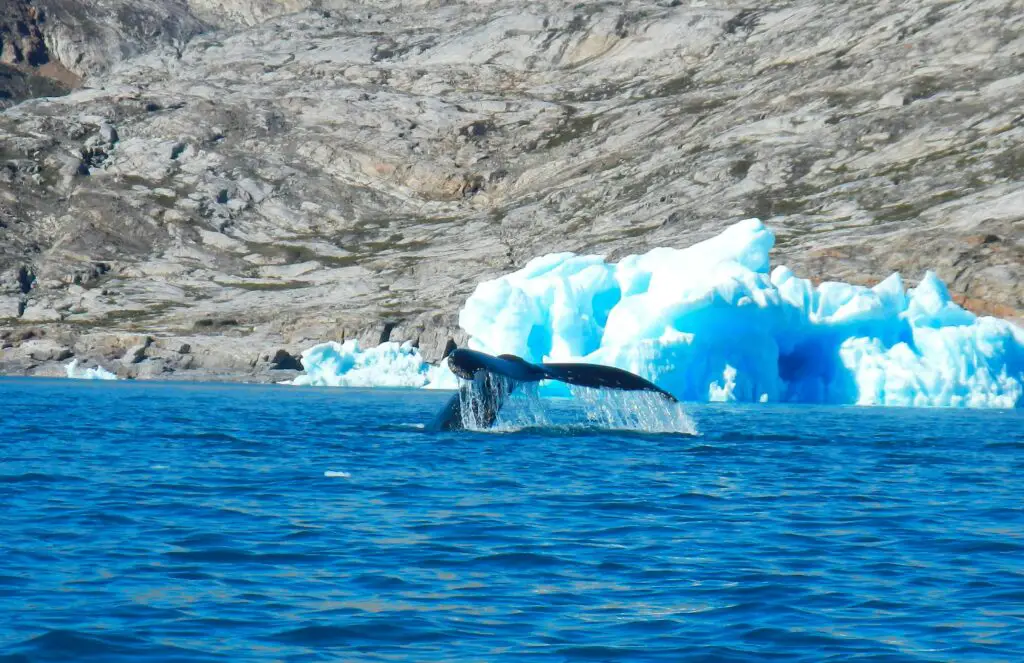
Whales are some of the greatest travelers on Earth. Every year, many species swim thousands of miles across vast, featureless oceans to reach feeding grounds, breeding areas, and calving sites. But how do these massive animals find their way across dark, open water where there are no roads, no signs, and no landmarks? Scientists have been studying whale navigation for decades, and the answers are as fascinating as the journeys themselves.
Key Takeaways
- Whales use a combination of Earth’s magnetic field, ocean currents, star positions, and sound to navigate across entire oceans.
- Some whale species, like humpbacks and gray whales, migrate over 10,000 miles round trip every year.
- Whales can detect the Earth’s magnetic field through tiny particles of magnetite in their brains.
- Echolocation and underwater sound travel help whales map their surroundings in complete darkness.
- Young whales often learn migration routes from their mothers, passing knowledge across generations.
- Climate change and human noise pollution are disrupting whale navigation in alarming ways.
The Greatest Migration on the Planet
Imagine swimming from Alaska to Mexico and back every single year. That is exactly what gray whales do. Their annual migration covers roughly 10,000 to 14,000 miles round trip, making it one of the longest migrations of any mammal on Earth. They spend their summers feeding in the rich, cold waters of the Bering and Chukchi Seas, then travel south to the warm, shallow lagoons of Baja California to give birth and nurse their calves. When spring comes, they head north again.
Humpback whales are just as impressive. Some populations travel from Antarctic feeding grounds near the ice edge all the way to tropical waters near Hawaii, Australia, or Tonga. That is a journey of over 5,000 miles one way. Blue whales, the largest animals ever to live on Earth, also migrate long distances, often traveling between high-latitude feeding areas in summer and low-latitude breeding grounds in winter.
These are not random wanderings. Whales follow specific routes with remarkable precision. Researchers who track individual whales using satellite tags often find that the same whale follows almost the exact same path year after year. This raises a big question: how do they do it?
Before you read further, you might also enjoy learning about why coral reefs are dying, since healthy oceans are essential for whales to survive their long journeys.
Sensing the Earth’s Magnetic Field
One of the most compelling theories about whale navigation involves the Earth’s magnetic field. Our planet generates a magnetic field that extends far into space, and many animals can detect it. Birds, sea turtles, salmon, and even some bacteria use magnetoreception to find their way. Whales appear to do the same thing.
Inside the brains of many whale species, scientists have found tiny crystals of a mineral called magnetite. Magnetite is magnetic, meaning it aligns with the Earth’s magnetic field the same way a compass needle does. These crystals are believed to act like a built-in compass, giving whales a sense of direction even when they cannot see the surface.
But it goes deeper than just knowing which way is north. The Earth’s magnetic field is not uniform. It has variations in strength and inclination depending on where you are on the planet. Some researchers believe that whales can detect these subtle differences, creating a kind of magnetic map in their minds. This would allow them to know approximately where they are based on the magnetic signature of the area.
There is real evidence for this. Dr. Simon Bundy and other researchers have studied stranding events and found correlations between whales washing ashore and local magnetic anomalies. When the Earth’s magnetic field is disturbed by solar storms or geological features, some whale populations appear to have more difficulty navigating.
Following Sound Across the Ocean
Sound travels incredibly well in water. In fact, low-frequency sounds can travel thousands of miles through the ocean, especially through a layer called the SOFAR channel (Sound Fixing and Ranging channel). Whales are masters of underwater acoustics, and sound plays a crucial role in how they navigate.
Baleen whales, including blue whales, fin whales, and humpbacks, produce very low-frequency calls that can travel enormous distances. These sounds bounce off underwater features like seamounts, ridges, and continental shelves. By listening to how the echoes return, whales may be able to build a mental picture of the underwater landscape around them, even when they cannot see it.
Toothed whales like sperm whales and orcas use echolocation in a more focused way. They produce clicks and listen for the echoes bouncing back from objects in the water. This helps them detect prey, avoid obstacles, and map their surroundings in total darkness. When navigating across open ocean, these acoustic abilities help whales identify underwater landmarks that are invisible to human eyes.
There is also the phenomenon of cultural song transmission. Humpback whale songs evolve and spread across entire ocean basins over time, moving from population to population. These songs are not just for mating. They may serve as acoustic markers that help other whales orient themselves across vast distances.
Celestial Navigation: Reading the Stars and Sun
Whales surface regularly to breathe, and when they do, they are exposed to the open sky. Some scientists believe that whales use the position of the sun during the day and the stars at night as navigation aids, much like ancient human sailors did.
At the equator, the sun is almost directly overhead at noon, while at higher latitudes, it stays lower in the sky. A whale that can sense the angle of the sun relative to the horizon would have a rough idea of its latitude. This would not give pinpoint accuracy on its own, but combined with other cues, it could help whales stay on course during long voyages.
Underwater, light penetrates to different depths depending on the time of day and the angle of the sun. Some researchers suggest that whales may use changes in light intensity and color as depth and time references, particularly near the surface where they spend time breathing and resting.
At night, the stars provide additional reference points. Many migratory animals, including birds and sea turtles, use star patterns for navigation. There is growing evidence that whales may do the same, especially on clear nights when they are near the surface.
Ocean Currents as Underwater Highways
The ocean is not still. Massive currents flow through it like rivers within rivers, and many whale species use these currents to their advantage during migration.
Warm currents like the Gulf Stream flow from the tropics toward the poles, while cold currents like the California Current flow from the poles toward the equator. Whales traveling along these routes can save enormous amounts of energy by riding with the flow rather than swimming against it.
Gray whales, for example, tend to hug the North American coastline during their southward migration, staying close to shore where they can follow the shape of the continental shelf. On their northward journey, they often move further offshore, using different currents and possibly taking advantage of the Earth’s magnetic signatures in open water.
Understanding whale migration routes also helps explain why some species are found in specific areas at certain times of year. If you are interested in ocean life, you might also want to read about the Great Barrier Reef, one of the most incredible marine ecosystems on the planet.
Learning Routes From Mother Whales
Not all whale navigation is purely instinctive. A significant part of it appears to be learned behavior passed down from one generation to the next.
Baby whales, called calves, stay close to their mothers for many months or even years. During this time, they follow the mother on her migratory routes, learning the journey step by step. Researchers have tracked mother-calf pairs and found that the calves follow almost exactly in the mother’s path, suggesting that the route itself is being taught through experience.
This has important consequences. If a mother whale dies before her calf has learned the migration route, the young whale may struggle to find its way. Similarly, if environmental changes force whales to alter their traditional routes, it may take several generations for the new route to become established in the population.
This cultural transmission of knowledge is one reason why whale populations can be so slow to recover from whaling and other threats. When experienced adults are lost, the collective knowledge of the group is diminished, and younger whales may not have the skills they need to navigate successfully.
Comparison: Major Whale Migration Routes
| Whale Species | Migration Route | Distance (Round Trip) | Best Time to Observe |
|---|---|---|---|
| Gray Whale | Bering Sea to Baja California, Mexico | 10,000-14,000 miles | December to April (south), March to June (north) |
| Humpback Whale | Antarctica to Hawaii, Tonga, or Australia | 5,000-6,000 miles (one way) | June to October (breeding), December to March (feeding) |
| Blue Whale | Southern Ocean to tropical Pacific | 4,000-6,000 miles (one way) | Varies by population; generally summer at poles, winter at tropics |
| Sperm Whale | Deep ocean foraging near poles to equatorial breeding | 3,000-5,000 miles | Year-round in deep waters; breeding peaks vary by region |
| Southern Right Whale | Southern Ocean to South Africa, Australia, Argentina | 3,000-5,000 miles | June to November at breeding grounds |
| Bowhead Whale | Arctic seas between Alaska, Canada, and Russia | 2,000-4,000 miles | March to June during spring migration |
The Gray Whale: Ocean Travel Champion
No discussion of whale navigation is complete without a closer look at the gray whale. These medium-sized baleen whales undertake the longest known migration of any mammal, and their journey along the Pacific coast of North America is one of the great wildlife spectacles on Earth.
About the Gray Whale: Gray whales can grow up to 49 feet long and weigh up to 40 tons. They are bottom feeders, scooping up sediment from the ocean floor and filtering out tiny crustaceans called amphipods. Their mottled gray skin is often covered in barnacles and whale lice, giving them a rough, weathered appearance that tells the story of a life spent in the open ocean.
Highlights: Watching a gray whale migration is one of the most accessible whale watching experiences in the world. These whales often pass within a few hundred yards of the coast, making them visible from shore. Lagoons in Baja California like San Ignacio, Magdalena Bay, and Ojo de Liebre serve as nurseries where mothers give birth to their calves in warm, protected waters. Visitors can even take small boat tours to see mothers and calves up close.
Best Time to See Them: Southbound migration runs from December through February. Northbound migration, when mothers and calves travel together, runs from March through June. The best viewing spots include the coast of California (especially around Monterey, San Diego, and Point Reyes), Oregon, and Washington State.
Why You Should Visit: Gray whales are one of the few whale species that seem genuinely curious about humans. They approach boats voluntarily, a behavior known as “friendly” or “mugging,” and will sometimes linger near kayaks and small vessels. Seeing a 40-ton whale surface just a few feet away is a life-changing experience.
Travel Tips: Bring binoculars and a camera with a zoom lens. Dress in layers because it can be cold on the water even in sunny weather. Book whale watching tours in advance during peak season. Consider visiting the calving lagoons in Baja California for a truly unique experience. For more amazing wildlife encounters, check out our guide to the Galapagos Islands.
The Humpback Whale: Singer of the Deep
Humpback whales are famous for their complex songs, which can last for hours and be heard from many miles away. These songs play a role not just in mating, but possibly in navigation as well.
About the Humpback: Humpbacks grow up to 52 feet long and weigh up to 40 tons. They are known for their acrobatic breaches, where they launch their massive bodies almost completely out of the water. Their long pectoral fins, which can be up to 15 feet long, are distinctive and make them easy to identify.
Highlights: Humpback whale watching is available in many parts of the world. Popular destinations include Hawaii (December to April), Alaska (May to September), the coast of Massachusetts (April to October), Tonga (July to November), and the Great Barrier Reef in Australia (June to November). Each location offers a different experience, from calm tropical lagoons to dramatic icy fjords.
Best Time to See Them: The best time depends entirely on where you go. In Hawaii, humpbacks arrive from Alaska between December and April. In Alaska, they come to feed between May and September. In Tonga, they breed between July and November.
Why You Should Visit: Humpback whales are among the most active and entertaining whales to watch. They breach, tail slap, spy hop (lifting their heads vertically out of the water to look around), and pectoral fin slap. If you have ever wanted to feel the raw power and beauty of the ocean, watching a humpback whale deliver a full-body breach will give you that feeling.
Travel Tips: For Hawaii, book tours out of Maui or the Big Island. For Alaska, Juneau and Seward are great starting points. For Tonga, several operators offer in-water whale watching experiences where you can snorkel near these gentle giants. If you love ocean wildlife, you may also enjoy reading about how sea turtles navigate back to their birth beaches.
How Human Activity Disrupts Whale Navigation
Whales have been navigating the oceans for millions of years, but human activity is making it harder for them. Two major threats stand out: ocean noise pollution and climate change.
The modern ocean is incredibly loud. Ship engines, sonar systems, underwater construction, and oil and gas exploration all produce noise that can interfere with whale communication and navigation. In some areas, background noise levels have increased dramatically over the past few decades. For whales that rely on sound to find their way, this is like trying to navigate a busy highway while someone is blasting a car horn next to your ear.
Climate change is altering ocean temperatures, currents, and the distribution of prey species. As the water warms, some whale populations are shifting their ranges, moving to new areas in search of food. This means they may need to learn new migration routes, which takes time and can be dangerous. Changes in sea ice coverage are particularly concerning for Arctic species like bowhead whales and narwhals, which depend on ice edges for feeding.
Ship strikes are another serious problem. As shipping traffic increases, so does the risk of collisions with whales, especially in busy shipping lanes that overlap with migration routes. Several whale species, including the critically endangered North Atlantic right whale, are killed by ship strikes every year.
Conservation efforts are underway to address these threats. Speed restrictions in whale habitats, rerouting of shipping lanes, and the development of quieter ship technologies are all helping. Marine protected areas along migration corridors give whales safe passage through some of the most dangerous stretches of ocean.
Frequently Asked Questions
How far do whales travel during migration?
Different species travel different distances. Gray whales cover 10,000 to 14,000 miles round trip, making them the champions of whale migration. Humpback whales travel 5,000 to 6,000 miles one way. Even smaller species like minke whales can travel several thousand miles between feeding and breeding grounds.
Do whales get lost during migration?
Yes, whales do occasionally get lost. Strandings sometimes occur when whales follow unusual routes or become disoriented by magnetic anomalies, storms, or human-made noise. Young whales that have not yet learned the migration route from their mothers are particularly vulnerable to getting lost.
How do whales navigate in the dark ocean depths?
Whales use echolocation, the Earth’s magnetic field, underwater sound, and possibly celestial cues to navigate. Toothed whales like sperm whales produce clicks and listen for echoes to map their surroundings. Baleen whales may rely more on magnetic sensing and low-frequency sound that travels long distances through the ocean.
Can whales sense the Earth’s magnetic field?
Yes, there is strong evidence that whales can detect the Earth’s magnetic field. Tiny crystals of magnetite found in whale brains are believed to act like a built-in compass. This ability, called magnetoreception, helps whales maintain direction during long ocean crossings.
Why do whales migrate such long distances?
Whales migrate to take advantage of seasonal changes in food availability and water temperature. Cold polar waters are rich in the krill and small fish that baleen whales eat, but they are too cold for newborn calves. Warm tropical waters are safer for raising young but have less food. By migrating between these areas, whales get the best of both worlds.
How long does a whale migration take?
It depends on the species and distance. Gray whales take about two to three months to travel from Alaska to Baja California, swimming at an average speed of about 3 to 5 miles per hour. Humpback whales may take one to two months to travel from Antarctica to tropical breeding grounds. The entire round trip, including time spent at feeding and breeding grounds, typically takes a full year.
Are whale populations recovering from whaling?
Some species are recovering well. Humpback whale populations in many parts of the world have rebounded significantly since commercial whaling was banned in 1986. Gray whales in the eastern Pacific have also recovered to near pre-whaling numbers. However, some species, like the North Atlantic right whale, remain critically endangered with fewer than 350 individuals left. Continued conservation efforts are essential.
Conclusion
Whale navigation is one of the most remarkable feats in the animal kingdom. These animals cross entire oceans using a sophisticated combination of magnetic sensing, acoustic mapping, celestial observation, and learned cultural knowledge. Every migration is a testament to millions of years of evolution and the deep connection between whales and the ocean environment they call home.
As we learn more about how whales navigate, we also learn how fragile that navigation system can be. Noise pollution, climate change, and ship traffic are all making it harder for whales to complete their ancient journeys. Protecting the oceans and reducing our impact on marine life is not just about saving whales. It is about preserving one of the most extraordinary natural phenomena on our planet.
The next time you stand at the edge of the ocean, think about the whales passing silently beneath the surface, navigating by forces we are only beginning to understand. They have been making these journeys for millions of years, and with our help, they will continue to do so for millions more.
Share this post with your friends and family who love the ocean. And if you have ever been lucky enough to see a whale in the wild, we would love to hear about your experience in the comments below.
Ocean
The Most Beautiful Lighthouses by the Sea
There is something about a lighthouse standing against the ocean that just grabs your attention. Maybe it is the isolation, the wild coastline, or the idea that this tower has been guiding ships safely home for hundreds of years. Lighthouses are more than just pretty buildings — they are pieces of history, engineering marvels, and some of the most photogenic spots on the planet.
If you have ever wanted to visit a stunning lighthouse right by the sea, this guide covers the most beautiful ones around the world. From dramatic cliffs in Portugal to peaceful shores in Japan, these lighthouses are worth adding to your travel list.
Key Takeaways
- Lighthouses have guided sailors for thousands of years, and many are still active today.
- The most beautiful lighthouses are often found on dramatic coastlines with crashing waves and steep cliffs.
- Some lighthouses you can actually stay in, climb up, or visit as museums.
- The best time to visit most coastal lighthouses is during spring or summer for calmer weather and better light.
- Many of these lighthouses are accessible by car, but a few require a hike or a boat ride.
- Photographers love lighthouses because of the incredible sunrises and sunsets along the coast.
Why Lighthouses Are Worth Visiting
Before diving into the list, let me explain why lighthouses deserve a spot on your travel plans. Most people think of lighthouses as just old towers by the water, but they are so much more than that.
Many lighthouses sit on the most dramatic stretches of coastline you will ever see. We are talking about rocky cliffs, pounding waves, and wide-open ocean views that go on forever. They were built in these exact spots because these are the most dangerous areas for ships — which also happen to be the most beautiful places for us to visit.
A lot of lighthouses also have fascinating stories. Keepers lived in total isolation for months, battling storms and keeping the light burning every single night. Some lighthouses have been standing for over 2,000 years. When you visit one, you are walking through real maritime history.
And honestly, they are just incredibly peaceful places to be. Standing at the edge of the land with nothing but ocean in front of you — it is the kind of experience that stays with you.
The Most Beautiful Lighthouses by the Sea
1. Tower of Hercules — A Coruna, Spain
About: The Tower of Hercules is the oldest known lighthouse still in use today. It was built by the Romans in the 1st century and stands 55 meters tall on a rocky headland in northwestern Spain. That makes it nearly 2,000 years old — and it is still guiding ships.
Highlights: UNESCO World Heritage status, ancient Roman architecture, panoramic views of the Atlantic Ocean from the top.
Experience: You can climb to the top of the tower for sweeping views of the coastline. The surrounding park is perfect for a walk, and there are several viewpoints where you can see the full structure against the ocean. It is especially beautiful at sunset when the light turns golden.
Best Time to Visit: May through September for the best weather and longest days.
Why You Should Visit: Where else can you say you have been inside a 2,000-year-old lighthouse that still works? It is a piece of living history.
Travel Tips: Entry is affordable and there is a small museum inside. Wear comfortable shoes for the climb — the stairs are steep and narrow.
2. Peggy’s Cove Lighthouse — Nova Scotia, Canada
About: Peggy’s Cove is probably the most photographed lighthouse in all of North America. Perched on a massive granite ledge on the Atlantic coast of Nova Scotia, this red-and-white lighthouse has become an icon of Canadian maritime culture.
Highlights: Stunning granite landscape, classic red-and-white lighthouse design, charming fishing village nearby.
Experience: The lighthouse sits on smooth, rounded granite rocks that stretch out into the Atlantic. You can walk right out to the base of the lighthouse and explore the rock formations. The village of Peggy’s Cove is a working fishing community with small shops and seafood restaurants.
Best Time to Visit: June through October. Summer brings warm weather, and fall adds beautiful color to the landscape.
Why You Should Visit: It is one of those places that looks even more impressive in person than in photos. The combination of the bright white lighthouse, dark granite, and deep blue ocean is unforgettable.
Travel Tips: Be very careful on the rocks — waves can sweep in without warning. Never turn your back on the ocean here. It is about a 45-minute drive from Halifax.
3. Fanad Head Lighthouse — County Donegal, Ireland
About: Sitting on a wild headland in the northwest of Ireland, Fanad Head Lighthouse is surrounded by some of the most dramatic coastal scenery in Europe. The lighthouse was built in 1817 after a naval shipwreck claimed dozens of lives.
Highlights: Rugged Irish coastline, whale and dolphin sightings from the headland, option to stay overnight in the keeper’s cottage.
Experience: The drive out to Fanad Head is an adventure in itself, with narrow roads winding through green hills and along cliff edges. Once there, you can tour the lighthouse, learn about its history, and enjoy views that stretch for miles. On a clear day, you can see across to the northern coast of Ireland.
Best Time to Visit: May through September. The weather is milder and the days are long.
Why You Should Visit: Ireland’s Atlantic coast is wild and beautiful, and Fanad Head captures that perfectly. Plus, you can actually stay the night in the restored keeper’s cottage — how many lighthouses let you do that?
Travel Tips: Book accommodation well in advance if you want to stay overnight. Bring warm layers even in summer — it can get windy on the headland.
4. Lindesnes Lighthouse — Norway
About: Lindesnes is the southernmost point of mainland Norway and home to the country’s first lighthouse, established in 1656. The current tower dates from 1915 and sits right where the North Sea meets the Baltic Sea.
Highlights: Underground museum, dramatic meeting point of two seas, modern visitor center with exhibits on Norwegian maritime history.
Experience: The lighthouse itself is open for tours, and there is an excellent underground museum that tells the story of Norwegian lighthouses and coastal life. The surrounding area has walking trails along the rocky shore, and in winter you can sometimes see massive waves crashing against the rocks during storms.
Best Time to Visit: June through August for the best weather. Winter visits offer dramatic storm watching.
Why You Should Visit: The combination of history, modern exhibits, and raw coastal beauty makes Lindesnes one of the best lighthouse experiences in Scandinavia.
Travel Tips: The visitor center has a good cafe. Combine your visit with a drive along the southern Norwegian coast, which is beautiful in its own right.
5. Cape Byron Lighthouse — New South Wales, Australia
About: Standing on the easternmost point of the Australian mainland, Cape Byron Lighthouse has been watching over the Pacific Ocean since 1901. It is one of the most powerful lighthouses in Australia and sits within a protected nature reserve.
Highlights: Whale watching from the headland (especially June to November), sunrise views over the Pacific, coastal walking trails through subtropical forest.
Experience: The walk up to the lighthouse from the parking area takes about 15 minutes and offers increasingly spectacular views. From the top of the headland, you can see for miles along the coast. During whale migration season, humpbacks pass close enough to shore that you can watch them from land.
Best Time to Visit: September to November for whale watching and pleasant weather. Early morning for the best sunrise views.
Why You Should Visit: It is not every day you can watch whales from a lighthouse. The combination of wildlife, ocean views, and a beautifully preserved historic lighthouse makes this a must-visit.
Travel Tips: Arrive early — the parking lot fills up quickly, especially during whale season. Bring binoculars for whale watching.
6. Hook Lighthouse — County Wexford, Ireland
About: Hook Lighthouse claims to be one of the oldest operational lighthouses in the world. A beacon has stood on this spot since the 5th century, and the current stone tower was built by monks in the 13th century. That is over 800 years of continuous operation.
Highlights: Medieval stone tower, guided tours with costumed characters, views of the Waterford coastline.
Experience: Guided tours take you through the thick stone walls of the lighthouse and up to the top. The guides bring the history to life with stories of medieval monks keeping the beacon burning and the lighthouse keepers who followed them. The views from the top stretch across the Irish Sea.
Best Time to Visit: April through October when tours are running regularly.
Why You Should Visit: The history here is incredible. Standing inside a tower that monks built 800 years ago and looking out at the same ocean they watched — it is a powerful experience.
Travel Tips: Tours run regularly but check the schedule before you go. The nearby Hook Peninsula has beautiful coastal walks and beaches worth exploring.
7. Hokkaido Lighthouses — Japan
About: Japan has many beautiful lighthouses, but the ones along the coast of Hokkaido are particularly special. The cliffs of the Shakotan Peninsula and the shores of the Okhotsk Sea feature lighthouses surrounded by wild, rugged coastline that feels a world away from the busy cities most people associate with Japan.
Highlights: Dramatic volcanic coastline, clear blue water, peaceful and uncrowded setting, drift ice in winter along the Okhotsk coast.
Experience: Visiting a lighthouse in Hokkaido feels like stepping into a different Japan. The coast is rocky and dramatic, with deep blue water and very few people around. The lighthouses here are often simple white towers that stand out beautifully against the dark volcanic rock and green hills.
Best Time to Visit: July through September for warm weather. Winter visits offer snow-covered landscapes and drift ice along the Okhotsk coast.
Why You Should Visit: If you want to see a side of Japan that most tourists miss, the lighthouses of Hokkaido are a perfect starting point. The coastline is stunning and the experience is peaceful.
Travel Tips: Renting a car is the best way to explore Hokkaido’s coastline. Some lighthouses are remote, so plan your route carefully and fill up on gas before heading out.
8. Cape Hatteras Lighthouse — North Carolina, USA
About: The Cape Hatteras Lighthouse is the tallest brick lighthouse in the United States, standing 63 meters high with its distinctive black-and-white spiral stripe pattern. It guards the Outer Banks, one of the most dangerous stretches of coastline in the world, known as the “Graveyard of the Atlantic.”
Highlights: Climb to the top of the tallest US lighthouse, museum of the sea, beautiful barrier island beaches.
Experience: You can climb the 268 steps to the top of the lighthouse — it is a workout, but the views from the top are worth every step. The visitor center has excellent exhibits about the history of the Outer Banks and the hundreds of ships that have wrecked along this coast. The beaches nearby are some of the best on the East Coast.
Best Time to Visit: April through June and September through October for pleasant weather and fewer crowds.
Why You Should Visit: The climb alone is an experience, but the whole area is beautiful. The Outer Banks are perfect for a beach vacation with a side of history.
Travel Tips: The climb is not recommended for people with heart or breathing problems. Bring water and wear sunscreen — the beach gets hot in summer.
9. La Corbiere Lighthouse — Jersey, Channel Islands
About: La Corbiere Lighthouse sits on a rocky tidal island off the southwest coast of Jersey. At high tide, the lighthouse is completely surrounded by water. At low tide, you can walk out to it along a narrow causeway. It is one of the most unique lighthouse settings in the world.
Highlights: Tidal island setting, dramatic wave action, beautiful sunsets over the Channel.
Experience: Timing your visit with low tide lets you walk out to the lighthouse and explore the rocky island. The waves crash against the rocks on all sides, and the views back toward the Jersey coast are spectacular. Sunsets here are legendary — the lighthouse silhouetted against a golden sky is one of the most photographed scenes in the Channel Islands.
Best Time to Visit: May through September. Check tide times before you go.
Why You Should Visit: The tidal island setting makes this lighthouse completely different from any other on this list. Walking out to a lighthouse surrounded by ocean is an experience you will not forget.
Travel Tips: Check tide tables carefully and do not attempt to cross if the tide is coming in. The causeway floods quickly and has been the site of accidents. Wear shoes with good grip.
10. Kullaberg Lighthouse — Sweden
About: Kullaberg is a dramatic nature reserve on the northwest coast of Sweden, with steep limestone cliffs that drop 60 meters into the sea. The lighthouse sits on the edge of these cliffs, surrounded by rare plants, seabirds, and some of the most dramatic coastal scenery in Scandinavia.
Highlights: Dramatic cliff landscape, rare flora and fauna, excellent hiking trails, seal sightings along the coast.
Experience: The hike to Kullaberg Lighthouse takes you through a landscape that feels almost prehistoric. The cliffs are made of limestone and are home to rare plants found nowhere else in Sweden. Seabirds nest on the cliff faces, and if you are lucky, you might spot seals swimming in the water below. The lighthouse itself is a simple white tower, but the setting makes it extraordinary.
Best Time to Visit: May through August for the best weather and longest days.
Why You Should Visit: Kullaberg is not just a lighthouse visit — it is a full nature experience. The combination of dramatic cliffs, rare wildlife, and a lonely lighthouse on the edge of the world is hard to beat.
Travel Tips: The area has well-marked hiking trails of varying difficulty. Bring binoculars for bird and seal watching. The nearest town is Mölle, which has restaurants and accommodation.
Comparison Table: Beautiful Lighthouses by the Sea
| Lighthouse | Location | Best Time to Visit |
|---|---|---|
| Tower of Hercules | A Coruna, Spain | May – September |
| Peggy’s Cove Lighthouse | Nova Scotia, Canada | June – October |
| Fanad Head Lighthouse | County Donegal, Ireland | May – September |
| Lindesnes Lighthouse | Norway | June – August |
| Cape Byron Lighthouse | New South Wales, Australia | September – November |
| Hook Lighthouse | County Wexford, Ireland | April – October |
| Hokkaido Lighthouses | Hokkaido, Japan | July – September |
| Cape Hatteras Lighthouse | North Carolina, USA | April – June, Sept – Oct |
| La Corbiere Lighthouse | Jersey, Channel Islands | May – September |
| Kullaberg Lighthouse | Sweden | May – August |
Tips for Visiting Lighthouses
Before you head out to visit any of these beautiful lighthouses, here are a few tips to make the most of your trip.
Check opening hours. Not all lighthouses are open to the public year-round. Some only operate tours during summer months, and others require you to book in advance. A quick check online before you go can save you a wasted trip.
Watch the weather. Coastal weather can change fast. What starts as a clear morning can turn into heavy fog or rain by afternoon. Bring layers and a waterproof jacket, even in summer.
Respect the environment. Many lighthouses sit in protected natural areas. Stay on marked paths, do not disturb wildlife, and take all your trash with you. These places are beautiful because they have been preserved — let’s keep them that way.
Bring a camera. Lighthouses are some of the most photogenic structures on Earth. Golden hour — the hour after sunrise and before sunset — gives you the best light for photos. If you are visiting a west-facing lighthouse, sunset is your best bet.
Be careful near the water. This is especially true for lighthouses on rocky coastlines. Waves can be unpredictable and rocks can be slippery. Never turn your back on the ocean, and always keep a safe distance from the water’s edge.
Frequently Asked Questions
What is the most beautiful lighthouse in the world?
Beauty is subjective, but some of the most frequently cited beautiful lighthouses include Peggy’s Cove in Canada, Fanad Head in Ireland, and La Corbiere in Jersey. Each offers a unique combination of architecture, coastal scenery, and atmosphere. The “most beautiful” one really depends on what you love — dramatic cliffs, peaceful beaches, or historic architecture.
Can you stay inside a lighthouse?
Yes, many lighthouses around the world offer overnight accommodation. Fanad Head in Ireland, several lighthouses along the Great Lakes in the US, and some in Scotland and New Zealand have been converted into unique places to stay. It is a wonderful experience — falling asleep in a lighthouse with the sound of waves outside your window.
What is the oldest lighthouse still in operation?
The Tower of Hercules in A Coruna, Spain, is widely considered the oldest lighthouse still in use. It was built by the Romans in the 1st century AD, making it nearly 2,000 years old. Hook Lighthouse in Ireland is another contender, with over 800 years of continuous operation.
Are lighthouses still used for navigation?
Yes, many lighthouses are still active aids to navigation, although modern GPS has reduced their importance. Most lighthouses today are automated and do not require a full-time keeper. However, they still serve as important backup navigation tools and are maintained by coast guards and maritime authorities around the world.
What should I bring when visiting a lighthouse?
Bring comfortable walking shoes, a camera, layers of clothing (coastal areas can be windy and cool), sunscreen, and water. If you plan to climb a lighthouse, be prepared for steep, narrow staircases. Binoculars are also great for enjoying the coastal views and spotting wildlife.
When is the best time of day to photograph a lighthouse?
Golden hour — the period just after sunrise or just before sunset — provides the warmest, most dramatic light for lighthouse photography. Overcast days can also produce moody, atmospheric shots. If you want to capture the lighthouse beam, visit after dark on a night when the light is active.
Are lighthouse visits safe for children?
Most lighthouse visits are family-friendly, but there are some safety considerations. Climbing tall lighthouses involves steep stairs that may not be suitable for very young children. Rocky coastlines can be dangerous for kids who run ahead. Always supervise children closely near cliffs and water, and follow all posted safety guidelines.
Conclusion
Lighthouses are some of the most beautiful and meaningful structures along the world’s coastlines. They represent centuries of human effort to make the seas a little safer, and they sit in some of the most stunning natural settings you will ever see. Whether you are drawn to the 2,000-year-old Tower of Hercules in Spain, the wild cliffs of Fanad Head in Ireland, or the tidal island setting of La Corbiere in Jersey, each lighthouse on this list offers something special.
The best part is that visiting a lighthouse does not require any special skills or equipment. You just need a sense of adventure and a love for the ocean. Pack your bag, check the weather, and go find your favorite lighthouse by the sea.
If you found this guide helpful, share it with your friends and fellow travelers. And start planning your next coastal adventure today — there is a whole world of beautiful lighthouses waiting for you.
Ocean
What Causes Tsunamis and How to Stay Safe
A tsunami is a series of massive ocean waves caused by sudden disturbances beneath or near the ocean floor. Unlike regular waves created by wind, tsunamis carry enormous energy across entire ocean basins and can devastate coastal communities within minutes. Understanding what causes them and how to respond could save your life.
Key Takeaways
- Tsunamis are most commonly caused by underwater earthquakes, but volcanic eruptions, landslides, and even meteorite impacts can trigger them.
- A tsunami wave can travel at speeds up to 500 miles per hour in deep water, crossing an entire ocean in less than a day.
- The first wave is rarely the largest — subsequent waves can be bigger and arrive minutes to hours later.
- Natural warning signs include a strong earthquake near the coast, a sudden rise or fall in sea level, and a loud roaring sound from the ocean.
- If you feel a strong earthquake near the coast, move to higher ground immediately — do not wait for an official warning.
- Tsunami warning systems can provide advance notice, but in some cases you may have only minutes to react.
What Exactly Is a Tsunami?
The word “tsunami” comes from Japanese and means “harbor wave.” That name is a bit misleading because tsunamis have nothing to do with harbors specifically. They are ocean waves with extremely long wavelengths — sometimes over 100 miles from crest to crest. In the open ocean, a tsunami might pass beneath a ship with barely a ripple on the surface. But as the wave approaches shallow coastal water, it slows down and the energy compresses, building into a wall of water that can reach heights of 100 feet or more.
What makes tsunamis so dangerous is not just their height. It is the sheer volume of water they push inland. A tsunami doesn’t just crash and retreat like a normal wave. It surges, flooding everything in its path and dragging debris, vehicles, and structures back out to sea. The 2004 Indian Ocean tsunami, one of the deadliest natural disasters in recorded history, killed over 230,000 people across 14 countries. The 2011 Tohoku tsunami in Japan caused the Fukushima nuclear disaster and claimed nearly 20,000 lives. These events remind us that tsunamis are not rare anomalies — they are real threats that demand real preparation.
What Causes Tsunamis
Tsunamis are triggered by any event that displaces a large volume of water suddenly. Here are the main causes, ranked from most common to least common.
Underwater Earthquakes
The most common cause of tsunamis is a large undersea earthquake, specifically one that involves vertical movement of the ocean floor. When tectonic plates beneath the ocean suddenly shift and one plate thrusts upward, it pushes the entire column of water above it. That displaced water radiates outward in all directions, forming a tsunami.
Not every underwater earthquake creates a tsunami. The earthquake typically needs to be magnitude 7.0 or higher and involve vertical displacement of the seafloor. Strike-slip earthquakes, where plates slide horizontally past each other, rarely generate tsunamis because they don’t push water upward.
The Pacific Ring of Fire — the belt of seismic activity that circles the Pacific Ocean — is responsible for the majority of the world’s tsunamis. Countries like Japan, Indonesia, Chile, and the Philippines sit along this zone and face regular tsunami risk.
Volcanic Eruptions
Volcanic eruptions near or under the ocean can also trigger tsunamis. When a volcano erupts violently, it can displace massive amounts of water through explosive force, pyroclastic flows entering the sea, or the collapse of the volcanic structure itself.
The 1883 eruption of Krakatoa in Indonesia generated tsunamis up to 100 feet high, killing over 36,000 people. More recently, the 2022 eruption of Hunga Tonga-Hunga Ha’apai in the South Pacific sent tsunami waves across the entire Pacific basin. That event was a reminder that volcanic tsunamis can affect coastlines thousands of miles from the source.
Landslides
Both underwater landslides and coastal landslides that plunge into the ocean can generate tsunamis. Underwater landslides occur when sediment on the ocean floor becomes unstable and slides downhill, displacing the water above it. Coastal landslides happen when cliffs, glaciers, or mountainsides collapse into the sea.
One of the most dramatic examples occurred in 1958 in Lituya Bay, Alaska. A massive earthquake triggered a landslide that dropped 90 million tons of rock into a narrow fjord, generating a wave that reached an astonishing 1,720 feet up the opposite mountainside. That is taller than the Empire State Building. While that was an extreme case, even smaller landslides can produce dangerous local tsunamis.
Meteorite Impacts
In rare cases, a large meteorite or asteroid striking the ocean could generate a tsunami. Scientists believe that the asteroid impact that contributed to the extinction of the dinosaurs 66 million years ago likely produced tsunamis hundreds of feet tall. While the probability of such an event in our lifetime is extremely low, it remains a theoretical cause that scientists study.
How Tsunamis Travel Across the Ocean
One of the most surprising things about tsunamis is how fast they move. In deep open water, a tsunami can travel at speeds of 500 to 600 miles per hour — about the speed of a commercial jet aircraft. The deeper the water, the faster the wave travels. This is why a tsunami generated off the coast of Japan can reach Hawaii in about 7 hours and the coast of California in about 10 hours.
Despite their speed, tsunamis in deep water are almost impossible to detect from the surface. The wave height in the open ocean might be only one to three feet, and the wavelength is so long that ships at sea rarely notice them passing underneath. It is only when the wave reaches shallow coastal waters that the energy compresses and the wave grows to devastating height.
Tsunami waves also bend as they encounter different water depths, a process called refraction. This means a tsunami doesn’t always travel in a straight line from its source. It can focus energy on certain coastlines while sparing others, depending on the shape of the ocean floor.
Tsunami Warning Systems
After the devastating 1946 tsunami that struck Hawaii, the United States established the Pacific Tsunami Warning Center (PTWC) in Ewa Beach, Hawaii. Today, the PTWC and the National Tsunami Warning Center (NTWC) in Palmer, Alaska, monitor seismic activity and sea level data around the clock to detect potential tsunamis.
When a large earthquake occurs, seismologists first determine its location, depth, and magnitude. If the earthquake meets the criteria for a potential tsunami, a tsunami watch or warning is issued. Deep-ocean assessment and reporting of tsunamis (DART) buoys stationed throughout the ocean can detect the passage of a tsunami wave in open water, confirming whether a tsunami has actually been generated.
Other countries have their own warning systems. Japan’s Meteorological Agency can issue tsunami warnings within three minutes of a major earthquake. The Indian Ocean Tsunami Warning System was established after the 2004 disaster to protect countries bordering the Indian Ocean.
However, warning systems have limitations. If you are very close to the earthquake’s epicenter, the tsunami could arrive before any official warning is issued. In the 2011 Tohoku tsunami, some coastal communities in Japan had less than 30 minutes between the earthquake and the first wave. That is why recognizing natural warning signs is so critical.
Natural Warning Signs You Should Never Ignore
Nature often gives you clues before a tsunami arrives. If you are near the coast and experience any of the following, move to higher ground immediately:
- A strong or long-lasting earthquake. If you feel an earthquake that makes it difficult to stand, or if the shaking lasts more than 20 seconds, a tsunami could be on its way.
- A sudden rise or fall in sea level. If the ocean suddenly recedes, exposing the seafloor, or if water rushes inland unusually fast, a tsunami may be approaching. Never go out to see exposed fish or seafloor — the wave could arrive within minutes.
- A loud roaring sound. Many tsunami survivors describe hearing a loud roar, similar to a freight train or jet engine, coming from the ocean.
The most important rule is this: if you feel a strong earthquake near the coast, do not wait for an official warning. Move inland or to high ground immediately. Your instincts could save your life.
How to Stay Safe During a Tsunami
Preparation is your best defense. Here is what you should do before, during, and after a tsunami threat.
Before a Tsunami
- Learn whether your home, workplace, or school is in a tsunami hazard zone. Many coastal communities have tsunami evacuation maps available online or at local emergency management offices.
- Plan your evacuation route. Identify the nearest high ground or inland area that is at least 100 feet above sea level or one mile inland. Practice walking the route so you know how long it takes.
- Prepare an emergency kit with water, food, medications, a flashlight, batteries, a radio, and important documents. Keep it somewhere you can grab it quickly.
- Sign up for local emergency alerts so you receive tsunami warnings on your phone.
- Talk to your family about what to do. Make sure everyone knows the evacuation plan and where to meet if you get separated.
During a Tsunami
- If you feel a strong earthquake and are near the coast, move to higher ground immediately. Do not wait for an official warning.
- Move on foot if possible. Roads may become jammed with traffic, and you can move faster on foot than in a car during an evacuation.
- Go as far inland and as high as you can. If you cannot get to high ground, go to the upper floors of a strong concrete building.
- Do not go to the beach to watch. Tsunamis are not like regular waves — they are powerful, fast, and deadly.
- Stay away from the coast until officials give the all-clear. The first wave is often not the largest, and waves can continue for hours.
After a Tsunami
- Stay tuned to emergency broadcasts for updates and instructions.
- Do not return to coastal areas until officials say it is safe. Aftershocks can trigger additional waves.
- Be cautious of debris, contaminated water, and damaged structures. Floodwater can carry hazardous materials and hide dangerous debris.
- Check on neighbors and family members, especially the elderly and those with disabilities.
- Document any damage to your property for insurance purposes, but only after you are safe.
Famous Tsunamis in History
Throughout history, tsunamis have shaped coastlines and communities around the world. Here are some of the most significant events that changed how we understand and prepare for these powerful waves.
| Event | Location | Year | Cause | Estimated Deaths |
|---|---|---|---|---|
| Indian Ocean Tsunami | Indian Ocean (14 countries) | 2004 | Magnitude 9.1 earthquake | ~230,000 |
| Tohoku Tsunami | Japan | 2011 | Magnitude 9.0 earthquake | ~19,759 |
| Krakatoa Eruption | Indonesia | 1883 | Volcanic eruption | ~36,000 |
| Lisbon Earthquake Tsunami | Portugal | 1755 | Magnitude 8.5–9.0 earthquake | ~50,000+ |
| Hunga Tonga Eruption | Tonga / Pacific Ocean | 2022 | Volcanic eruption | 6 |
| Lituya Bay Megatsunami | Alaska, USA | 1958 | Landslide triggered by earthquake | 5 |
The 2004 Indian Ocean tsunami was a turning point in global tsunami preparedness. Before that disaster, there was no tsunami warning system in the Indian Ocean. The massive loss of life — many victims had no warning at all — led to the creation of new warning systems, better international cooperation, and greater public awareness about tsunami risks.
Tsunami Risk Around the World
While tsunamis can occur in any ocean, some regions face higher risk than others. The Pacific Ocean is the most active, thanks to the Ring of Fire. Countries like Japan, Chile, Indonesia, the Philippines, and the western coast of the United States all face significant tsunami threats.
The Atlantic Ocean sees fewer tsunamis, but they do happen. The 1755 Lisbon earthquake generated a tsunami that struck Portugal, Spain, and Morocco. The Caribbean also faces risk from underwater earthquakes and volcanic activity, particularly near the Lesser Antilles subduction zone.
The Indian Ocean gained tragic awareness after 2004, but the risk was always there. Countries like Indonesia, Sri Lanka, India, and Thailand remain vulnerable to future events.
Even the Mediterranean Sea, which many people think of as calm, has a history of tsunamis. Ancient records describe tsunamis that struck Greece and the eastern Mediterranean, and scientists believe the region remains at risk today.
If you live in or are visiting a coastal area, take a few minutes to learn about local tsunami risks. Check whether there are evacuation routes posted, know where the nearest high ground is, and pay attention to any warning sirens or alerts. A little knowledge goes a long way.
Frequently Asked Questions
What is the difference between a tsunami and a regular wave?
Regular ocean waves are caused by wind and only affect the surface of the water. A tsunami involves the entire column of water from the surface to the ocean floor. This is why tsunamis carry so much more energy and can push water far inland. A regular wave might be 10 feet tall at the beach, but a tsunami can be 30, 50, or even 100 feet tall and keep coming for hours.
Can you surf a tsunami?
No. Tsunamis are not surfable waves. They are not a single breaking wave like you see at a beach. A tsunami is more like a massive, fast-rising flood that pushes inland with incredible force. The water is full of debris — cars, trees, pieces of buildings — and the currents are powerful enough to sweep away anything in their path. No surfboard or skill could save you.
How much warning do you get before a tsunami?
It depends on your distance from the source. If you are far away — across the ocean — you might have several hours of warning. Tsunami warning centers can detect earthquakes and confirm tsunami waves using ocean buoys, giving distant coastlines time to evacuate. But if you are close to the earthquake that caused the tsunami, you might have only minutes or even seconds. That is why recognizing natural warning signs is so important.
Do tsunamis happen in lakes?
Yes, although they are much rarer. Large lakes can experience tsunami-like waves called “meteotsunamis” caused by sudden changes in air pressure, or “limnic tsunamis” caused by landslides into the lake. Lake Geneva in Switzerland has a historical record of a tsunami-like wave caused by a rockslide in 563 AD. While lake tsunamis are generally smaller than ocean tsunamis, they can still be dangerous for people near the shore.
Is climate change making tsunamis worse?
Climate change does not directly cause tsunamis, since tsunamis are triggered by geological events like earthquakes and volcanic eruptions. However, rising sea levels mean that when a tsunami does occur, it can push further inland than it would have in the past. Coastal erosion and the loss of natural barriers like coral reefs and mangroves also reduce the natural protection that some coastlines have against tsunami waves.
What should I put in a tsunami emergency kit?
Your emergency kit should include at least three days of water (one gallon per person per day), non-perishable food, a first aid kit, medications, a flashlight, extra batteries, a battery-powered or hand-crank radio, a whistle, copies of important documents in a waterproof bag, cash, a phone charger, and sturdy shoes. Keep the kit in an easy-to-reach location so you can grab it quickly during an evacuation.
Can animals sense tsunamis before they happen?
There are many accounts of animals behaving strangely before tsunamis and other natural disasters. Before the 204 Indian Ocean tsunami, there were reports of elephants moving to higher ground, dogs refusing to go outside, and flamingos abandoning low-lying areas. Scientists believe animals may be able to detect subtle ground vibrations, changes in air pressure, or electromagnetic signals that humans cannot sense. While this is not fully understood, it is another reminder to pay attention to unusual animal behavior if you live in a tsunami-prone area.
Conclusion
Tsunamis are among the most powerful and destructive forces in nature. They can cross entire oceans in hours and strike coastlines with little warning. But they are not mysterious or unpredictable. We know what causes them, we have systems to detect them, and we know how to protect ourselves.
The key is preparation. Know whether you live in or are visiting a tsunami hazard zone. Learn the evacuation routes. Recognize the natural warning signs — a strong earthquake, a sudden change in sea level, a roaring sound from the ocean. And most importantly, act quickly. When it comes to tsunamis, every minute counts.
Share this post with your friends and family, especially if you live near the coast. The more people who understand tsunamis and know how to respond, the more lives we can stay safe. Start planning your evacuation route today — because when the ground shakes, you won’t have time to figure it out.
-
World1 year agoTypes of Ants Living in the World and Information
-

Forests1 year agoThe 10 Best Forests to Visit in the World
-
Wildlife4 years ago(10) Insects Are Animals in the world?
-
Ocean2 years agoOceans in the World and Their Information & Locations
-
Forests4 years agoWhat Is The Biggest Rainforest In The World?
-

Wildlife4 years agoMost Popular Wild Animals in The World
-

Forests1 year agoThe Main Factors That Contribute to Forest Destruction
-
World1 year agoThe 10 Largest Farms in the World