
Plants and Trees
The Bamboo Forests of Japan and China

The Bamboo Forests of Japan and China — A Complete Guide
If you have ever dreamed of walking through a green tunnel where sunlight filters down in soft golden streaks and the air smells fresh and earthy, you are already imagining a bamboo forest. These magical places are some of the most peaceful and beautiful natural destinations on the planet. In this guide, you will discover the best bamboo forests to visit in Japan and China, what makes them so special, and how to plan your own trip.
Key Takeaways
- Bamboo forests are among the fastest growing ecosystems on Earth, with some species growing up to 91 centimeters in a single day.
- Japan and China are home to the most famous and accessible bamboo forests in the world.
- Kyoto’s Arashiyama Bamboo Grove is the most visited bamboo forest in Japan, drawing millions of travelers every year.
- China’s Anji Bamboo Forest inspired the Oscar winning movie Crouching Tiger, Hidden Dragon.
- The best time to visit bamboo forests is spring (March to May) or autumn (October to November) for mild weather and stunning light.
- Bamboo forests play a vital role in fighting climate change because they absorb more carbon dioxide than many hardwood trees.
Why Bamboo Forests Deserve a Spot on Your Travel List
There is something almost otherworldly about standing inside a bamboo forest. The stalks rise high above you, sometimes reaching 30 meters or more, and they sway and creak gently in the wind. The sound is unlike anything else in nature. It is calming, rhythmic, and deeply relaxing.
Bamboo forests are not just beautiful. They are also incredibly important for the environment. Bamboo is a grass, not a tree, and it grows faster than almost any other plant on the planet. A single bamboo plant can sequester up to 400 kilograms of carbon dioxide per year, making bamboo forests one of nature’s most effective tools against climate change. They also prevent soil erosion, provide habitat for wildlife, and support local communities through sustainable harvesting.
For travelers, bamboo forests offer a unique experience that you simply cannot find anywhere else. Whether you are a nature lover, a photographer, or someone who just wants to escape the noise of city life, these forests deliver something unforgettable.
The Most Beautiful Bamboo Forests to Visit
Below is a guide to the top bamboo forests in Japan and China. Each one has its own personality and charm, and all of them are worth adding to your bucket list.
1. Arashiyama Bamboo Grove — Kyoto, Japan
About
Located in the western outskirts of Kyoto, the Arashiyama Bamboo Grove is without a doubt the most famous bamboo forest in the world. It stretches for about 500 meters along a peaceful path that runs right next to the Tenryu-ji Temple, one of Japan’s most important Zen Buddhist temples.
Highlights
The towering green stalks create a natural canopy that makes you feel like you have stepped into another dimension. In the early morning, before the crowds arrive, the light comes through the bamboo in soft beams that photographers dream about. There are also small shrines, traditional tea houses, and the beautiful Katsura River nearby.
Experience
Walking through the grove is free and easy. The path is well maintained and flat, so anyone can enjoy it regardless of fitness level. You can combine your visit with a trip to the Tenryu-ji Temple garden, which is a UNESCO World Heritage Site, or take a ride on the Sagano Romantic Train for stunning views of the surrounding hills.
Best Time to Visit
Early morning between 7 and 9 am offers the best light and the fewest visitors. Spring (March to May) and autumn (October to November) are the most pleasant seasons for walking around Arashiyama.
Why You Should Visit
This is the quintessential bamboo forest experience. No photograph or video can truly capture what it feels like to stand here in person. The scale, the sound, the light — it all comes together in a way that is deeply moving.
Travel Tips
Arrive by 7 am to beat the crowds. The grove gets extremely busy by 10 am, especially during cherry blossom season in late March and early April. Take the JR Sagano Line from Kyoto Station to Saga-Arashiyama Station, then walk about 10 minutes to the entrance.
2. Fushimi Inari Shrine Bamboo Path — Kyoto, Japan
About
Most people know Fushimi Inari for its thousands of red torii gates, but fewer visitors realize there is a quiet bamboo path that leads up the mountain behind the main shrine. This lesser known trail offers a completely different experience from the busy gates below.
Highlights
The bamboo path is shaded, cool, and incredibly peaceful. As you climb higher, the crowds thin out and you are surrounded by nothing but bamboo, moss, and the occasional small shrine. The views of Kyoto from the upper sections are spectacular.
Experience
The full loop to the top of Mount Inari and back takes about 2 to 3 hours. The bamboo section is near the beginning of the trail, so even if you do not want to do the full hike, you can walk through the bamboo and turn back whenever you like.
Best Time to Visit
Early morning or late afternoon works best. The trail is open 24 hours a day, so you can even visit at night when the torii gates are lit up and the atmosphere is truly magical.
Why You Should Visit
It combines two of Kyoto’s most iconic experiences — the famous torii gates and a serene bamboo forest — in one hike. It is also completely free to visit.
Travel Tips
Wear comfortable shoes because the trail has many steps. Bring water if you plan to hike to the top. The JR Nara Line from Kyoto Station takes you directly to Inari Station, which is right at the entrance.
3. Anji Bamboo Forest — Zhejiang Province, China
About
Anji County in Zhejiang Province is home to one of the largest bamboo forests in China, covering over 60,000 hectares of rolling green hills. This is the forest that was featured in Ang Lee’s legendary film Crouching Tiger, Hidden Dragon, and it is every bit as breathtaking as it looked on screen.
Did you know? Anji produces over 12 million bamboo poles every year and is known as the “Town of Bamboo” in China.
Highlights
The forest is vast and immersive. You can walk along elevated boardwalks that take you right through the canopy, or hike up to viewpoints that look out over an endless sea of green. There are also bamboo museums, local villages where you can see traditional bamboo crafts being made, and hot springs in the surrounding area.
Experience
Anji is a full day trip or even a weekend destination. You can stay in a local guesthouse, eat bamboo shoots fresh from the forest, and learn about how bamboo has been used in Chinese culture for thousands of years — from paper and food to musical instruments and building materials.
Best Time to Visit
Spring (April to May) is the best time because the new bamboo shoots are emerging and the forest is at its greenest. Autumn (September to October) is also wonderful, with cooler temperatures and golden light filtering through the stalks.
Why You Should Visit
Anji offers a much more immersive and less touristy experience than the famous groves in Kyoto. It is the place to go if you want to truly understand the scale and beauty of a bamboo forest ecosystem.
Travel Tips
Anji is about 2.5 hours by car from Hangzhou and 3.5 hours from Shanghai. You can take a bus from Hangzhou North Bus Station to Anji, then hire a local taxi to reach the forest entrance. Comfortable walking shoes are a must.
4. Sagano Bamboo Forest and the Surrounding Area — Kyoto, Japan
About
While Arashiyama gets most of the attention, the broader Sagano area has several smaller bamboo groves that are just as beautiful and far less crowded. These include the bamboo paths near Adashino Nenbutsu-ji Temple and the quiet groves along the Hozu River.
Highlights
The lesser known groves offer a more intimate bamboo experience. You might have entire sections to yourself, especially on weekday mornings. The combination of bamboo, river views, and traditional Japanese architecture makes this area one of the most photogenic places in all of Japan.
Experience
Rent a bicycle in Arashiyama and explore the back paths that wind through the bamboo groves and along the river. Stop at small temples and shrines that most tourists never see. Have lunch at a local restaurant that overlooks the Katsura River.
Best Time to Visit
Weekday mornings in spring or autumn are ideal. Avoid Japanese holiday periods like Golden Week (late April to early May) and Obon (mid August) when domestic tourism peaks.
Why You Should Visit
If you want the beauty of a bamboo forest without the crowds of Arashiyama, the Sagano area is your answer. It is peaceful, authentic, and endlessly photogenic.
Travel Tips
Rent a bike from one of the many rental shops near Arashiyama Station. A typical rental costs about 1,000 yen per day. Bring a map or use your phone GPS because some of the paths are not well signed in English.
5. Tianmushan Bamboo Forest — Zhejiang Province, China
About
Tianmushan is a national nature reserve in Zhejiang Province that protects one of the most biodiverse bamboo forest ecosystems in Asia. It is less well known than Anji but equally stunning, with ancient trees, rare wildlife, and crystal clear mountain streams running through the bamboo.
Highlights
The reserve is home to over 2,000 species of plants and animals, including the endangered Chinese giant salamander. The bamboo here grows alongside towering fir trees and broadleaf species, creating a layered forest that feels primeval. There are waterfalls, rock formations, and misty mountain trails that seem straight out of a Chinese landscape painting.
Experience
Tianmushan is a hiker’s paradise. There are well marked trails ranging from easy 2 hour walks to challenging full day treks. The bamboo forest sections are cool and shaded, making them comfortable even in summer. You can also visit the ancient temples scattered throughout the reserve.
Best Time to Visit
April to June and September to November are the best months. Summer can be hot and humid, while winter brings cold temperatures and occasional snow at higher elevations.
Why You Should Visit
Tianmushan combines bamboo forest beauty with genuine wilderness. If you want to experience a bamboo forest that feels untouched and wild, this is the place.
Travel Tips
The reserve is about 3 hours by car from Hangzhou. There are basic guesthouses inside the reserve for overnight stays. Bring rain gear because mountain weather can change quickly. Entry tickets cost about 80 yuan.
6. Jukkokutoge Bamboo Forest — Kanagawa, Japan
About
Located in the Hakone region of Kanagawa Prefecture, the Jukkokutoge Bamboo Forest is a hidden gem that most international visitors never find. It sits along an old section of the historic Tokaido Road that once connected Tokyo and Kyoto.
Highlights
The bamboo here grows along a stone paved path lined with ancient pine trees. The combination of dark stone, green bamboo, and tall pines creates a moody and atmospheric scene that is perfect for photography. On clear days, you can see Mount Fuji in the distance.
Experience
This is a short but memorable walk. The bamboo section takes about 15 to 20 minutes to pass through, but you will want to stop frequently to take photos and soak in the atmosphere. The surrounding area has hot springs, museums, and beautiful views of Lake Ashi.
Best Time to Visit
Autumn is the best season because the surrounding trees turn brilliant shades of red and orange, creating a stunning contrast with the evergreen bamboo. Spring is also lovely with fresh green growth everywhere.
Why You Should Visit
It is one of the most atmospheric bamboo experiences in Japan, and it is easy to combine with a visit to Hakone, one of Japan’s most popular hot spring destinations.
Travel Tips
Take the Hakone Tozan Railway from Odawara Station to Moto-Hakone, then walk about 20 minutes along the old Tokaido Road to reach the bamboo section. The Hakone Free Pass covers most transportation in the area and is a great value.
Comparison of Top Bamboo Forests
| Forest Name | Location | Best Time to Visit |
|---|---|---|
| Arashiyama Bamboo Grove | Kyoto, Japan | March to May, October to November |
| Fushimi Inari Bamboo Path | Kyoto, Japan | Year round (early morning best) |
| Anji Bamboo Forest | Zhejiang, China | April to May, September to October |
| Sagano Area Groves | Kyoto, Japan | March to May, October to November |
| Tianmushan Bamboo Forest | Zhejiang, China | April to June, September to November |
| Jukkokutoge Bamboo Forest | Kanagawa, Japan | October to November, March to May |
How Bamboo Forests Help the Planet
Bamboo forests are not just beautiful travel destinations. They are also one of the most important ecosystems on Earth when it comes to fighting climate change. Here is why.
Bamboo is the fastest growing plant in the world. Some species can grow up to 91 centimeters in just 24 hours. This rapid growth means bamboo absorbs carbon dioxide at an incredible rate — up to five times more than an equivalent area of hardwood trees. A single hectare of bamboo forest can absorb about 12 tons of carbon dioxide per year.
Bamboo also helps prevent soil erosion because its root systems are dense and interconnected. In countries like China and Japan, bamboo has been used for centuries to stabilize hillsides and riverbanks. When forests are cleared for agriculture, bamboo is often one of the first plants to return, helping to restore damaged land.
Another remarkable fact about bamboo is that it produces 35 percent more oxygen than an equivalent stand of trees. This makes bamboo forests important not just locally but globally, contributing to the air quality of the entire planet.
Practical Tips for Visiting Bamboo Forests
Here are some things to keep in mind when planning your bamboo forest trip.
- Arrive early. The most popular bamboo forests, especially Arashiyama in Kyoto, get extremely crowded by mid morning. Arriving before 8 am makes a huge difference in your experience.
- Wear comfortable shoes. Most bamboo forest paths are flat and easy, but some trails in China involve hills and uneven terrain. Good walking shoes will make your visit much more enjoyable.
- Bring a camera. The light inside a bamboo forest is unique and changes throughout the morning. A camera with manual settings will help you capture the best shots, but even a smartphone can take beautiful photos.
- Respect the environment. Stay on marked paths, do not carve your name into bamboo stalks, and take all trash with you. These forests are fragile ecosystems that need our protection.
- Learn a few local phrases. In Japan, a simple “arigato gozaimasu” (thank you very much) goes a long way. In China, “xiexie” (thank you) is equally appreciated by locals.
Frequently Asked Questions
What is the best month to visit bamboo forests in Japan?
March to May (spring) and October to November (autumn) are the best months. Spring offers mild weather and cherry blossoms in the surrounding areas, while autumn brings comfortable temperatures and beautiful fall foliage that contrasts wonderfully with the green bamboo.
Are bamboo forests free to visit?
Most bamboo forests in Japan, including Arashiyama and Fushimi Inari, are free to enter. In China, nature reserves like Tianmushan and Anji usually charge an entrance fee ranging from 50 to 100 yuan. These fees help fund conservation efforts.
How long does it take to walk through a bamboo forest?
The Arashiyama Bamboo Grove takes about 10 to 15 minutes to walk through at a leisurely pace. However, you will want to spend at least an hour in the surrounding area visiting temples and viewpoints. In China, the Anji Bamboo Forest has trails that range from 1 hour to a full day.
Is bamboo a tree or a grass?
Bamboo is actually a grass, not a tree. It belongs to the family Poaceae, which includes wheat, rice, and corn. Some bamboo species are the tallest grasses in the world, reaching heights of over 30 meters.
Can you eat bamboo?
Yes, bamboo shoots are a popular ingredient in Asian cuisine. They are low in calories, high in fiber, and rich in potassium. In Japan and China, fresh bamboo shoots are harvested in spring and used in soups, stir fries, and rice dishes. Just make sure to cook them properly, as raw bamboo shoots contain natural toxins that are removed by boiling.
What wildlife can you see in bamboo forests?
Bamboo forests are home to a surprising variety of wildlife. In Japan, you might spot Japanese macaques, various bird species, and colorful beetles. In China, bamboo forests provide habitat for giant pandas (in some regions), Asiatic black bears, and many rare bird species. The dense undergrowth also supports countless insects and amphibians.
How do bamboo forests help fight climate change?
Bamboo absorbs carbon dioxide up to five times faster than hardwood trees and produces 35 percent more oxygen. Its extensive root system prevents soil erosion and helps restore degraded land. Because bamboo regrows quickly after harvesting without needing replanting, it is also a highly sustainable material for construction, textiles, and food.
Conclusion
Bamboo forests are some of the most enchanting natural places on Earth. Whether you choose the famous Arashiyama grove in Kyoto, the vast Anji forest in China, or a quiet hidden trail in Hakone, you are in for an experience that will stay with you long after you leave. These forests remind us of the incredible power of nature — a single grass species that can grow taller than a building in just a few months, create entire ecosystems, and help heal our planet.
So start planning your trip today. Book that flight to Japan or China, pack your walking shoes, and get ready to stand in a green cathedral that has been growing for centuries. The bamboo forests are waiting for you.
Share this post with your friends who love nature and travel. And if you have already visited a bamboo forest, tell us about your experience in the comments below.

Garden of The Gods Colorado: 1st Time Visitor Guide
If you’re planning your first trip to Colorado Springs, Garden of the Gods should be at the very top of your list. This public park is home to some of the most jaw-dropping red rock formations in the entire United States, and the best part? It’s completely free to visit. Whether you’re a hiker, a photographer, or just someone who loves being surrounded by incredible natural beauty, this place will leave you speechless.
In this guide, we’ll walk you through everything you need to know for your first visit — from the best trails and viewpoints to when to go, where to stay, and what to pack. Let’s get started.
Key Takeaways
- Garden of the Gods is a free public park in Colorado Springs, open year-round
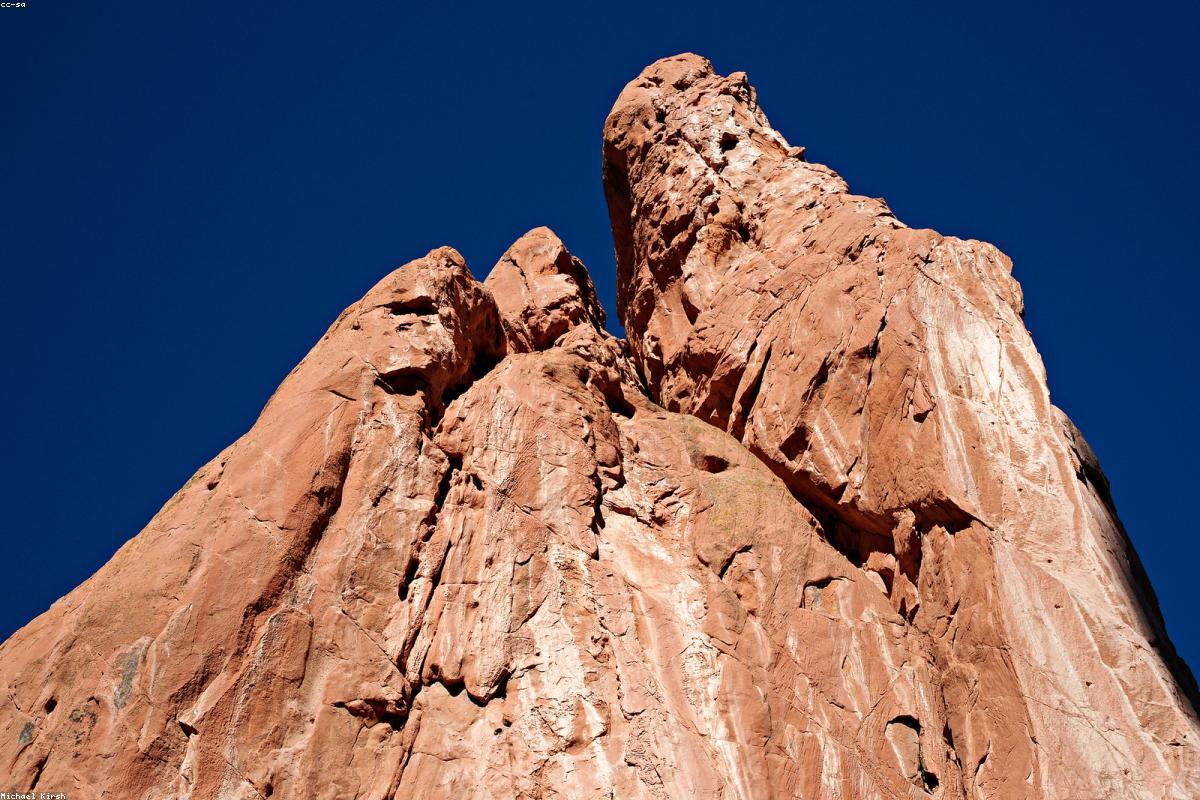
- The park features towering 100-foot red sandstone rock formations, some over 300 million years old
- There are 21 miles of trails ranging from easy paved paths to moderate rocky hikes
- Rock climbing is permitted in designated areas with a free permit
- The best times to visit are spring (April–May) and fall (September–October) for mild weather
- Wildlife includes mule deer, foxes, rabbits, and over 130 bird species
- The park gets crowded on summer weekends — arrive early for parking and quiet trails
Why Garden of the Gods Is So Special
There’s something almost otherworldly about Garden of the Gods. You’re driving through a regular Colorado Springs neighborhood, and then suddenly these massive red sandstone towers rise up out of the earth like something from another planet. The contrast between the urban surroundings and the ancient rock formations makes the experience even more surreal.
The rocks here are ancient. We’re talking about formations that date back over 300 million years to the Pennsylvanian and Permian periods. What you see today — the towering spires, balanced rocks, and dramatic fins — were created by millions of years of erosion, uplift, and geological forces that tilted these once-horizontal layers of sandstone, limestone, and conglomerate into the vertical positions you see today. The distinctive red color comes from iron oxide, essentially rust, embedded in the rock layers.
The park covers 1,367 acres and was designated a National Natural Landmark in 1971. It’s also one of the few major public parks in the country that charges absolutely no admission fee. That’s because the land was gifted to the city by the Perkins family in 1909 with the specific condition that it remain free and open to the public forever. Over 2 million visitors come here every year, and once you see it, you’ll understand why.
What really sets Garden of the Gods apart from other red rock destinations is the accessibility. You don’t need to be an experienced hiker or a rock climber to enjoy this place. The main paved trail is wheelchair accessible and stroller-friendly, so everyone can experience the beauty up close. But if you want more adventure, there are plenty of moderate trails that take you deeper into the formations.
Best Time to Visit Garden of the Gods
Garden of the Gods is open 365 days a year, but the experience varies dramatically depending on when you go. Colorado Springs sits at about 6,000 feet in elevation, so the weather can be unpredictable, but there are definitely better and worse times to plan your visit.
Spring (April–May) is one of the best times to visit. Temperatures are mild, usually in the 50s and 60s during the day, and the park is less crowded than in summer. Wildflowers start blooming in late April, adding splashes of color to the red rock landscape. Occasional spring rain showers can make the rocks look even more vibrant — wet sandstone has a deeper, richer red color.
Summer (June–August) is peak season, and for good reason. The days are long, the skies are usually clear, and everything is green. But it’s also the busiest time, especially on weekends. Parking lots fill up fast, and the main trails can feel crowded. If you visit in summer, try to arrive before 9 AM or after 4 PM to avoid the biggest crowds. Afternoon thunderstorms are common in July and August, so plan your hike for the morning and be prepared to take shelter if clouds roll in.
Fall (September–October) is arguably the most beautiful time to visit. The aspen trees in the surrounding areas turn golden yellow, creating a stunning contrast with the red rocks. Temperatures are comfortable, crowds thin out after Labor Day, and the light in the early morning and late afternoon is absolutely perfect for photography. This is the sweet spot for many visitors.
Winter (November–March) is the quietest time, and it has its own kind of magic. Snow dusting the red rock formations creates incredible photo opportunities. Temperatures can be cold, often in the 20s and 30s, but on a sunny winter day, the park is peaceful and beautiful. Just be aware that some trails can be icy, so bring traction devices for your shoes if you plan to hike.
Getting There and Entry
Garden of the Gods is located in Colorado Springs, about 70 miles south of Denver. If you’re driving from Denver, take Interstate 25 south for about an hour and exit at Garden of the Gods Road (Exit 146). The park is well-signed from the highway.
There are multiple parking areas throughout the park. The main parking lot is at the Visitor & Nature Center on 1805 N 30th Street. This lot fills up quickly on summer weekends, so arrive early. There are also smaller parking areas near the Balanced Rock, the Central Garden Trailhead, and the Ridge Trail access point. All parking is free.
The park is open from 5:00 AM to 10:00 PM in summer (May through October) and 5:00 AM to 9:00 PM in winter (November through April). The Visitor & Nature Center is open from 9:00 AM to 5:00 PM. Admission is completely free — no tickets, no reservations, no entrance fees.
If you’re flying in, Colorado Springs Airport (COS) is the closest, about 15 minutes from the park. Denver International Airport (DEN) is about 75 minutes north and usually has more flight options and better prices.
Main Areas to Explore
Central Garden Trail
About: The Central Garden Trail is the park’s most popular path, and for good reason. This 1.5-mile paved loop takes you right through the heart of the most dramatic rock formations, including the famous Steamboat Rock, the Three Graces, and the Tower of Babel. The trail is flat, paved, and accessible for wheelchairs and strollers.
Highlights: The up-close views of the 100-foot sandstone towers are absolutely breathtaking. You’ll walk between massive rock walls that seem to lean over you, creating natural corridors of red stone. The Three Graces formation — three elegant spires standing side by side — is one of the most photographed spots in the park. Early morning light makes the rocks glow a deep, warm red that’s hard to capture in photos but impossible to forget.
Experience: Take your time on this trail. It’s not about the distance — it’s about stopping at every viewpoint, looking up at the towering formations, and just soaking it all in. There are interpretive signs along the way that explain the geology and history. If you’re visiting with kids, they’ll love ducking through the narrow passages between rocks and spotting the various named formations.
Best Time to Visit: Early morning (before 9 AM) for the best light and fewest people. Late afternoon (after 4 PM) is also great for photography as the setting sun illuminates the rocks from the west.
Travel Tips: This trail gets very crowded on summer weekends. If you want a more peaceful experience, visit on a weekday or during the off-season. Bring water even though it’s a short trail — the dry Colorado air dehydrates you faster than you’d expect.
Perkins Central Garden Trail and Rock Ledge Ranch
About: Just south of the main Central Garden area, the Perkins Central Garden Trail connects to the historic Rock Ledge Ranch, a living history museum that shows what life was like in the Pikes Peak region from the 1770s to the 1910s. This area offers a different perspective on the park, combining natural beauty with cultural history.
Highlights: The ranch features historic buildings, heritage gardens, and costumed interpreters during summer months. You can see the rock formations from a different angle here, with the historic homestead in the foreground and the towering red rocks behind it. It’s a unique combination of natural and human history that you won’t find at most parks.
Experience: The walk from the main park to Rock Ledge Ranch is easy and pleasant. Once at the ranch, you can tour the historic buildings, learn about early settlers, and see how people lived alongside these incredible geological features. The ranch charges a small admission fee for guided tours, but you can walk the grounds for free.
Best Time to Visit: Summer months (June–August) when the ranch has full programming and costumed interpreters. The gardens are in full bloom during July and August.
Travel Tips: Check the Rock Ledge Ranch website before visiting to confirm tour times and programming. The ranch is a separate entity from the park, so their hours may differ.
Ridge Trail and Foothills Trail Loop
About: For visitors who want a bit more of a workout, the Ridge Trail and Foothills Trail loop offers a moderate 4-mile hike that takes you along the northern and western edges of the park. This trail provides panoramic views of the rock formations from above, as well as sweeping views of Pikes Peak to the west.
Highlights: The elevated perspective from the Ridge Trail gives you a completely different view of the park. From up here, you can see how the formations are arranged across the landscape, and the views of Pikes Peak towering in the background are spectacular. The Foothills Trail section winds through scrub oak and juniper, offering a taste of the natural Colorado foothills ecosystem.
Experience: This is a real hike, not a stroll. There are some rocky sections and moderate elevation gain, so wear proper hiking shoes and bring water. The trail is well-marked but can be confusing at a few intersections, so grab a trail map at the Visitor Center or download one to your phone before you start. The loop takes about 1.5 to 2 hours at a moderate pace.
Best Time to Visit: Spring and fall for the most comfortable hiking temperatures. Early morning in summer to avoid afternoon heat and thunderstorms.
Travel Tips: This trail is less crowded than the Central Garden, so it’s a good option if you want more solitude. Watch for mountain bike traffic on shared trail sections. Bring sun protection — there’s very little shade on the upper portions of the Ridge Trail.
Siamese Twins and Balanced Rock
About: The Siamese Twins and Balanced Rock are two of the most iconic formations in Garden of the Gods, and they’re located in the southern section of the park. A short, easy trail connects these two features, making this a great stop for visitors who want to see the most famous rocks without a long hike.
Highlights: The Siamese Twins formation consists of two towers that share a common base, creating a window-like opening that frames Pikes Peak perfectly. It’s one of the most photographed spots in the park, and for good reason — the framing of the mountain through the rock window is stunning. Balanced Rock is exactly what it sounds like — a massive boulder perched impossibly on a narrow pedestal of rock. It defies gravity and looks like it could topple any second, though it’s been standing this way for thousands of years.
Experience: The walk to both formations from the parking area is less than half a mile and mostly flat. You can see both formations in about 30 minutes, but most people linger longer because the photo opportunities are incredible. The Siamese Twins are best photographed in the morning when the light comes through the window opening.
Best Time to Visit: Early morning for the best light through the Siamese Twins window. Late afternoon for warm light on Balanced Rock.
Travel Tips: This area has its own small parking lot, which is usually less crowded than the main lot. If the main parking area is full, start here and walk into the park from the south.
Rock Climbing at Garden of the Gods
Garden of the Gods is one of the most popular rock climbing areas in Colorado, and climbing is permitted with a free permit from the Visitor Center. The park offers over 50 established routes ranging from beginner-friendly 5.4 climbs to challenging 5.12 routes. The sandstone provides excellent friction, and the variety of formations means there’s something for every skill level.
All climbers must register at the Visitor Center and obtain a free climbing permit. This helps the park manage climbing activity and ensures everyone follows the rules. Some formations are closed seasonally to protect nesting raptors, so check the current closures before you go. Lead climbing and top-rope climbing are both permitted, but bouldering is not allowed in the park.
If you’re new to climbing, several outfitters in Colorado Springs offer guided climbs at Garden of the Gods. This is a great way to experience the formations from a completely different perspective — there’s nothing quite like standing on top of a sandstone tower and looking out over the entire park.
Wildlife You Might See
While Garden of the Gods is famous for its rocks, the park also supports a surprising variety of wildlife. Mule deer are commonly seen grazing in the open areas, especially in the early morning and evening. Red foxes, rabbits, and squirrels are abundant, and if you’re quiet, you might spot a scrub jay or a magpie hopping along the trail.
The park is home to over 130 species of birds, making it a popular spot for birdwatching. Look for white-throated swifts darting around the cliff faces, canyon wrens singing from the rock ledges, and red-tailed hawks soaring overhead. During spring migration, the park sees a variety of warblers, sparrows, and other songbirds passing through.
Reptiles are also present — western fence lizards sun themselves on warm rocks, and occasionally you might spot a bull snake or garter snake. While there are no venomous snakes commonly found within the park boundaries, it’s always wise to watch where you step and place your hands when climbing on rocks.
One of the more unique wildlife experiences at Garden of the Gods is the resident population of introduced bighorn sheep. A small herd lives in the park year-round, and they’re often seen on the rocky slopes near the northern boundary. Keep your distance and never approach or feed any wildlife in the park.
Where to Stay
Colorado Springs offers a wide range of accommodation options for every budget. If you want to stay close to the park, there are several hotels within a 10-minute drive along Garden of the Gods Road and Cheyenne Boulevard. Chain hotels like Hilton, Marriott, and Holiday Inn all have properties in the area, and there are also charming bed and breakfasts and vacation rentals.
For a more unique experience, consider staying at one of the campgrounds in the Pikes Peak region. Cheyenne Mountain State Park, about 15 minutes south of Garden of the Gods, offers full-hookup RV sites and tent camping with stunning views of the mountains. Mueller State Park, about 40 minutes west, is a quieter option with excellent hiking and dark skies for stargazing.
If you’re visiting in summer, book your accommodation well in advance. Colorado Springs is a popular summer destination, and hotels fill up quickly, especially on weekends. Vacation rentals through Airbnb and VRBO are a good alternative, and many offer more space and kitchen facilities for families.
Essential Travel Tips
Bring layers. Colorado weather can change fast, even in summer. Mornings can be cool in the 50s, warming up to the 80s by afternoon, then dropping again at sunset. A light jacket or fleece is essential, especially if you plan to stay for sunset.
Stay hydrated. Colorado Springs sits at 6,000 feet, and the air is very dry. You’ll dehydrate faster than you realize, even on easy walks. Bring at least a liter of water per person for a short visit, and more if you’re hiking.
Wear proper shoes. The paved trails are fine in sneakers, but if you plan to hike the Ridge Trail or explore off the main paths, wear hiking shoes with good grip. The sandstone can be slippery when wet, and some trails have loose gravel.
Protect yourself from the sun. At 6,000 feet, UV exposure is significantly stronger than at sea level. Wear sunscreen, a hat, and sunglasses, even on cloudy days. Sunburn can happen in as little as 15 minutes at this altitude.
Respect the formations. Climbing on the rocks outside of designated climbing areas is prohibited. Stay on marked trails to protect the fragile soil and plant life. The formations have been here for 300 million years — let’s keep them intact for millions more.
Arrive early. The main parking lot fills up by 10 AM on summer weekends. Arriving before 9 AM guarantees parking and gives you the best light for photography. Weekday mornings are even better.
Comparison Table
| Area | Type | Distance | Difficulty | Best Time to Visit |
|---|---|---|---|---|
| Central Garden Trail | Paved loop | 1.5 miles | Easy | Early morning, any season |
| Siamese Twins | Short walk | 0.3 miles | Easy | Morning for best light |
| Balanced Rock | Short walk | 0.2 miles | Easy | Late afternoon |
| Ridge Trail Loop | Hiking trail | 4 miles | Moderate | Spring and fall |
| Rock Ledge Ranch | Historic site | 0.5 miles | Easy | Summer (Jun–Aug) |
| Foothills Trail | Hiking trail | 3 miles | Moderate | Spring and fall |
Nearby Attractions
If you have extra time in Colorado Springs, there’s plenty more to explore nearby. Pikes Peak is just 20 minutes west — you can drive to the summit on the Pikes Peak Highway or take the historic cog railway. The views from the top at 14,115 feet are absolutely incredible.
Cheyenne Canyon is a beautiful area just south of Garden of the Gods with hiking trails, waterfalls, and picnic areas. It’s less crowded than the garden and offers a nice complement to your visit.
The Broadmoor Seven Falls is a series of seven cascading waterfalls in a granite canyon, about 10 minutes from Garden of the Gods. There’s an admission fee, but the scenery is spectacular, especially after recent renovations.
For a longer day trip, Royal Gorge Bridge and Park is about an hour southwest. The bridge spans the Arkansas River at 955 feet above the water — it’s not for the faint of heart, but the views are unforgettable.
Frequently Asked Questions
Is Garden of the Gods really free?
Yes, absolutely. There is no admission fee, no parking fee, and no reservation required to visit Garden of the Gods. The land was donated to the city of Colorado Springs in 1909 with the condition that it remain free and open to the public forever. This is one of the few major natural attractions in the United States that charges nothing to visit.
How much time do I need for a visit?
For a basic visit to see the main formations on the Central Garden Trail, plan for 1 to 2 hours. If you want to hike the Ridge Trail, explore multiple areas, and take your time with photography, budget 3 to 4 hours. Rock climbers should plan for a full day. Many visitors find themselves staying longer than expected because the formations are so captivating.
Is Garden of the Gods accessible for wheelchairs and strollers?
Yes. The Central Garden Trail is fully paved and wheelchair accessible. The main parking areas have accessible spaces, and the Visitor & Nature Center is also accessible. Some of the more remote trails are not suitable for wheelchairs due to rocky terrain and elevation changes, but the most spectacular formations can all be seen from the paved paths.
Can I bring my dog to Garden of the Gods?
Yes, dogs are welcome in the park but must be kept on a leash no longer than 6 feet at all times. Please clean up after your dog and bring water for them — the dry Colorado air affects pets too. Dogs are not allowed on the rock formations or in the climbing areas.
Is it safe to visit in winter?
Yes, the park is open year-round and winter visits can be magical. However, some trails may be icy, so bring traction devices like microspikes or YakTrax for your shoes. Dress in layers and be prepared for cold temperatures. The Visitor Center may have reduced hours in winter, so check ahead if you plan to stop in.
Do I need a reservation or permit?
No reservation is needed for general park visitation. If you plan to rock climb, you do need a free climbing permit from the Visitor Center. Some special events or guided activities may require advance registration, but for a regular visit, you can just show up.
What should I wear and pack for a visit?
Wear comfortable walking shoes with good grip, layers for changing weather, and sun protection including sunscreen, sunglasses, and a hat. Bring plenty of water — at least one liter per person for a short visit. A camera or smartphone is essential because you’ll want to photograph everything. If you’re hiking, bring snacks, a small first aid kit, and a trail map.
Conclusion
Garden of the Gods is one of those places that truly lives up to the hype. The combination of ancient geology, stunning natural beauty, and complete accessibility makes it a must-visit destination for anyone traveling to Colorado. Whether you spend an hour strolling the Central Garden Trail or a full day hiking and climbing, this park will leave you with memories — and photos — that last a lifetime.
The fact that it’s free and open to everyone makes it even more special. So pack your water bottle, lace up your hiking shoes, and get ready to be amazed. Garden of the Gods is waiting for you.
Start planning your trip today. Share this guide with your friends and family — everyone deserves to experience the magic of these ancient red rock formations at least once.
Nature has a way of surprising us, and these 15 destinations prove it. From hidden gems that few travelers know about to world-famous natural wonders that have inspired generations, this list covers the very best of best places to experience cherry blossom season. Whether you are planning your next adventure or simply dreaming about faraway places, these destinations will ignite your wanderlust and remind you why our planet is worth exploring.
Key Takeaways
- This guide covers 15 incredible best places to experience cherry blossom season
- Each destination includes location, highlights, and travel tips
- Best times to visit are included for optimal experiences
- Budget and practical advice provided for each location
Quick Reference Table
| Place Name | Location | Best Time to Visit |
|---|---|---|
| Iguazu Falls | Argentina/Brazil | March to May |
| Victoria Falls | Zambia/Zimbabwe | February to May |
| Niagara Falls | USA/Canada | June to August |
| Yosemite Falls | California, USA | April to June |
| Plitvice Lakes | Croatia | May to June |
| Angel Falls | Venezuela | June to December |
| Gullfoss | Iceland | June to August |
| Sutherland Falls | New Zealand | December to February |
| Lake Baikal | Siberia, Russia | Feb-Mar; Jun-Aug |
| Lake Tahoe | California/Nevada, USA | Dec-Mar; Jun-Aug |
| Lake Como | Lombardy, Italy | Apr-Jun; Sep-Oct |
| Lake Tekapo | South Island, New Zealand | Dec-Feb; Mar-Apr |
| Crater Lake | Oregon, USA | Jul-Sep |
| Lake Bled | Slovenia | May-Sep |
| Serengeti National Park | Tanzania | Jun-Oct |
1. Iguazu Falls
About Iguazu Falls
Iguazu Falls is one of the most remarkable natural destinations on Earth. Located in Argentina/Brazil, this incredible place offers visitors an unforgettable experience with stunning scenery, diverse wildlife, and landscapes that will take your breath away. Whether you are an avid photographer, a nature enthusiast, or simply someone who appreciates the beauty of the natural world, Iguazu Falls deserves a spot on your travel bucket list.
Highlights
Stunning natural scenery, diverse wildlife and ecosystems, excellent photography opportunities, hiking and exploration trails, local culture and cuisine, unique geological features, guided tours available, pristine natural environment.
Experience
One of the largest waterfall systems in the world with over 275 individual cascades stretching nearly two miles. The Devil’s Throat section plunges 269 feet into a narrow canyon. Surrounded by subtropical rainforest teeming with toucans, jaguars, and coatis. Walk the catwalks over thundering cascades and take boat rides through the mist. Take time to explore at your own pace and discover hidden corners that most visitors miss. Hire a local guide who knows the area intimately and can share stories and insights you will not find in any guidebook. Bring a quality camera and plenty of memory cards because every viewpoint offers a new perspective worth capturing.
Best Time to Visit: March to May
The best time to visit is March to May, when weather conditions are most favorable for outdoor activities and wildlife viewing. During this period, trails are accessible, skies are clear, and the natural beauty of the area is at its absolute peak.
Why You Should Visit
Iguazu Falls represents the kind of authentic natural experience that reminds us why exploring the world matters. The combination of breathtaking scenery, peaceful atmosphere, and sense of discovery make it a destination that stays with you long after you return home.
Travel Tips
Visit both Argentine and Brazilian sides. Wear waterproof clothing. Budget $25 per side entry. Respect the local environment and wildlife. Book accommodation and tours in advance for peak season. Bring appropriate gear for the local climate and activities.
2. Victoria Falls
About Victoria Falls
Victoria Falls is one of the most remarkable natural destinations on Earth. Located in Zambia/Zimbabwe, this incredible place offers visitors an unforgettable experience with stunning scenery, diverse wildlife, and landscapes that will take your breath away. Whether you are an avid photographer, a nature enthusiast, or simply someone who appreciates the beauty of the natural world, Victoria Falls deserves a spot on your travel bucket list.
Highlights
Stunning natural scenery, diverse wildlife and ecosystems, excellent photography opportunities, hiking and exploration trails, local culture and cuisine, unique geological features, guided tours available, pristine natural environment.
Experience
The largest single sheet of falling water on Earth at 355 feet tall and 5,600 feet wide. Known as Mosi-oa-Tunya, the Smoke That Thunders. The mist plume is visible from 30 miles away. Swim in Devil’s Pool at the very edge during dry season. Combine with safaris in nearby national parks. Take time to explore at your own pace and discover hidden corners that most visitors miss. Hire a local guide who knows the area intimately and can share stories and insights you will not find in any guidebook. Bring a quality camera and plenty of memory cards because every viewpoint offers a new perspective worth capturing.
Best Time to Visit: February to May
The best time to visit is February to May, when weather conditions are most favorable for outdoor activities and wildlife viewing. During this period, trails are accessible, skies are clear, and the natural beauty of the area is at its absolute peak.
Why You Should Visit
Victoria Falls represents the kind of authentic natural experience that reminds us why exploring the world matters. The combination of breathtaking scenery, peaceful atmosphere, and sense of discovery make it a destination that stays with you long after you return home.
Travel Tips
Bring a raincoat. Helicopter flights cost around $150. Park entry about $50-80. Respect the local environment and wildlife. Book accommodation and tours in advance for peak season. Bring appropriate gear for the local climate and activities.
3. Niagara Falls
About Niagara Falls
Niagara Falls is one of the most remarkable natural destinations on Earth. Located in USA/Canada, this incredible place offers visitors an unforgettable experience with stunning scenery, diverse wildlife, and landscapes that will take your breath away. Whether you are an avid photographer, a nature enthusiast, or simply someone who appreciates the beauty of the natural world, Niagara Falls deserves a spot on your travel bucket list.
Highlights
Stunning natural scenery, diverse wildlife and ecosystems, excellent photography opportunities, hiking and exploration trails, local culture and cuisine, unique geological features, guided tours available, pristine natural environment.
Experience
The most visited waterfall in the world with three massive falls moving over 3,160 tons of water per second. The Maid of the Mist boat tour brings you right into the mist. Journey Behind the Falls lets you feel the vibration of millions of gallons overhead. Nightly illumination in summer. Take time to explore at your own pace and discover hidden corners that most visitors miss. Hire a local guide who knows the area intimately and can share stories and insights you will not find in any guidebook. Bring a quality camera and plenty of memory cards because every viewpoint offers a new perspective worth capturing.
Best Time to Visit: June to August
The best time to visit is June to August, when weather conditions are most favorable for outdoor activities and wildlife viewing. During this period, trails are accessible, skies are clear, and the natural beauty of the area is at its absolute peak.
Why You Should Visit
Niagara Falls represents the kind of authentic natural experience that reminds us why exploring the world matters. The combination of breathtaking scenery, peaceful atmosphere, and sense of discovery make it a destination that stays with you long after you return home.
Travel Tips
Canadian side has better views. Book boat tours in advance. Budget $30-40 for tours. Respect the local environment and wildlife. Book accommodation and tours in advance for peak season. Bring appropriate gear for the local climate and activities.
4. Yosemite Falls
About Yosemite Falls
Yosemite Falls is one of the most remarkable natural destinations on Earth. Located in California, USA, this incredible place offers visitors an unforgettable experience with stunning scenery, diverse wildlife, and landscapes that will take your breath away. Whether you are an avid photographer, a nature enthusiast, or simply someone who appreciates the beauty of the natural world, Yosemite Falls deserves a spot on your travel bucket list.
Highlights
Stunning natural scenery, diverse wildlife and ecosystems, excellent photography opportunities, hiking and exploration trails, local culture and cuisine, unique geological features, guided tours available, pristine natural environment.
Experience
The tallest waterfall in North America at 2,425 feet total drop. Created by Sierra Nevada snowmelt, it is most spectacular in late spring. The one-mile trail to the base offers an up-close view of the powerful cascade. The strenuous trail to the top rewards with panoramic valley views. Take time to explore at your own pace and discover hidden corners that most visitors miss. Hire a local guide who knows the area intimately and can share stories and insights you will not find in any guidebook. Bring a quality camera and plenty of memory cards because every viewpoint offers a new perspective worth capturing.
Best Time to Visit: April to June
The best time to visit is April to June, when weather conditions are most favorable for outdoor activities and wildlife viewing. During this period, trails are accessible, skies are clear, and the natural beauty of the area is at its absolute peak.
Why You Should Visit
Yosemite Falls represents the kind of authentic natural experience that reminds us why exploring the world matters. The combination of breathtaking scenery, peaceful atmosphere, and sense of discovery make it a destination that stays with you long after you return home.
Travel Tips
Arrive early for parking. Park entry $35 per vehicle. Bring layers for temperature changes. Respect the local environment and wildlife. Book accommodation and tours in advance for peak season. Bring appropriate gear for the local climate and activities.
5. Plitvice Lakes
About Plitvice Lakes
Plitvice Lakes is one of the most remarkable natural destinations on Earth. Located in Croatia, this incredible place offers visitors an unforgettable experience with stunning scenery, diverse wildlife, and landscapes that will take your breath away. Whether you are an avid photographer, a nature enthusiast, or simply someone who appreciates the beauty of the natural world, Plitvice Lakes deserves a spot on your travel bucket list.
Highlights
Stunning natural scenery, diverse wildlife and ecosystems, excellent photography opportunities, hiking and exploration trails, local culture and cuisine, unique geological features, guided tours available, pristine natural environment.
Experience
A series of 16 terraced lakes connected by dozens of waterfalls cascading through lush forest. The lakes range in color from azure to green depending on minerals and sunlight. Boardwalk trails wind through the lakes and behind waterfalls. Often called Europe’s most beautiful waterfall system. Take time to explore at your own pace and discover hidden corners that most visitors miss. Hire a local guide who knows the area intimately and can share stories and insights you will not find in any guidebook. Bring a quality camera and plenty of memory cards because every viewpoint offers a new perspective worth capturing.
Best Time to Visit: May to June
The best time to visit is May to June, when weather conditions are most favorable for outdoor activities and wildlife viewing. During this period, trails are accessible, skies are clear, and the natural beauty of the area is at its absolute peak.
Why You Should Visit
Plitvice Lakes represents the kind of authentic natural experience that reminds us why exploring the world matters. The combination of breathtaking scenery, peaceful atmosphere, and sense of discovery make it a destination that stays with you long after you return home.
Travel Tips
Buy tickets online in advance. Waterproof shoes recommended. Entry $25-40. Respect the local environment and wildlife. Book accommodation and tours in advance for peak season. Bring appropriate gear for the local climate and activities.
6. Angel Falls
About Angel Falls
Angel Falls is one of the most remarkable natural destinations on Earth. Located in Venezuela, this incredible place offers visitors an unforgettable experience with stunning scenery, diverse wildlife, and landscapes that will take your breath away. Whether you are an avid photographer, a nature enthusiast, or simply someone who appreciates the beauty of the natural world, Angel Falls deserves a spot on your travel bucket list.
Highlights
Stunning natural scenery, diverse wildlife and ecosystems, excellent photography opportunities, hiking and exploration trails, local culture and cuisine, unique geological features, guided tours available, pristine natural environment.
Experience
The tallest uninterrupted waterfall on Earth at 3,212 feet. Plunges from the summit of Auyán-tepui in Canaima National Park. Named after aviator Jimmy Angel. The Pemón people call it Kerepakupai Merú. The remoteness means fewer visitors and a true wilderness experience. Take time to explore at your own pace and discover hidden corners that most visitors miss. Hire a local guide who knows the area intimately and can share stories and insights you will not find in any guidebook. Bring a quality camera and plenty of memory cards because every viewpoint offers a new perspective worth capturing.
Best Time to Visit: June to December
The best time to visit is June to December, when weather conditions are most favorable for outdoor activities and wildlife viewing. During this period, trails are accessible, skies are clear, and the natural beauty of the area is at its absolute peak.
Why You Should Visit
Angel Falls represents the kind of authentic natural experience that reminds us why exploring the world matters. The combination of breathtaking scenery, peaceful atmosphere, and sense of discovery make it a destination that stays with you long after you return home.
Travel Tips
Remote and expensive. Budget $1,500-2,500 for guided tours. Bring waterproof gear and insect repellent. Respect the local environment and wildlife. Book accommodation and tours in advance for peak season. Bring appropriate gear for the local climate and activities.
7. Gullfoss
About Gullfoss
Gullfoss is one of the most remarkable natural destinations on Earth. Located in Iceland, this incredible place offers visitors an unforgettable experience with stunning scenery, diverse wildlife, and landscapes that will take your breath away. Whether you are an avid photographer, a nature enthusiast, or simply someone who appreciates the beauty of the natural world, Gullfoss deserves a spot on your travel bucket list.
Highlights
Stunning natural scenery, diverse wildlife and ecosystems, excellent photography opportunities, hiking and exploration trails, local culture and cuisine, unique geological features, guided tours available, pristine natural environment.
Experience
A massive two-tiered waterfall on the Hvítá River dropping 105 feet across two dramatic steps. Part of the famous Golden Circle route. Rainbows frequently appear in the mist on sunny days. Combine with Geysir hot springs and Thingvellir National Park. Take time to explore at your own pace and discover hidden corners that most visitors miss. Hire a local guide who knows the area intimately and can share stories and insights you will not find in any guidebook. Bring a quality camera and plenty of memory cards because every viewpoint offers a new perspective worth capturing.
Best Time to Visit: June to August
The best time to visit is June to August, when weather conditions are most favorable for outdoor activities and wildlife viewing. During this period, trails are accessible, skies are clear, and the natural beauty of the area is at its absolute peak.
Why You Should Visit
Gullfoss represents the kind of authentic natural experience that reminds us why exploring the world matters. The combination of breathtaking scenery, peaceful atmosphere, and sense of discovery make it a destination that stays with you long after you return home.
Travel Tips
Day trip from Reykjavik (250 km round trip). Bring waterproof clothing. Budget $80-120 for guided tours. Respect the local environment and wildlife. Book accommodation and tours in advance for peak season. Bring appropriate gear for the local climate and activities.
8. Sutherland Falls
About Sutherland Falls
Sutherland Falls is one of the most remarkable natural destinations on Earth. Located in New Zealand, this incredible place offers visitors an unforgettable experience with stunning scenery, diverse wildlife, and landscapes that will take your breath away. Whether you are an avid photographer, a nature enthusiast, or simply someone who appreciates the beauty of the natural world, Sutherland Falls deserves a spot on your travel bucket list.
Highlights
Stunning natural scenery, diverse wildlife and ecosystems, excellent photography opportunities, hiking and exploration trails, local culture and cuisine, unique geological features, guided tours available, pristine natural environment.
Experience
New Zealand’s tallest waterfall at 1,904 feet in three dramatic leaps. Located along the famous Milford Track in Fiordland National Park. The mist creates a permanent rainbow on clear days. The four-day Milford Track hike is known as the finest walk in the world. Take time to explore at your own pace and discover hidden corners that most visitors miss. Hire a local guide who knows the area intimately and can share stories and insights you will not find in any guidebook. Bring a quality camera and plenty of memory cards because every viewpoint offers a new perspective worth capturing.
Best Time to Visit: December to February
The best time to visit is December to February, when weather conditions are most favorable for outdoor activities and wildlife viewing. During this period, trails are accessible, skies are clear, and the natural beauty of the area is at its absolute peak.
Why You Should Visit
Sutherland Falls represents the kind of authentic natural experience that reminds us why exploring the world matters. The combination of breathtaking scenery, peaceful atmosphere, and sense of discovery make it a destination that stays with you long after you return home.
Travel Tips
Book Milford Track huts months in advance. Bring serious rain gear. Budget $150 NZD for hut fees. Respect the local environment and wildlife. Book accommodation and tours in advance for peak season. Bring appropriate gear for the local climate and activities.
9. Lake Baikal
About Lake Baikal
Lake Baikal is one of the most remarkable natural destinations on Earth. Located in Siberia, Russia, this incredible place offers visitors an unforgettable experience with stunning scenery, diverse wildlife, and landscapes that will take your breath away. Whether you are an avid photographer, a nature enthusiast, or simply someone who appreciates the beauty of the natural world, Lake Baikal deserves a spot on your travel bucket list.
Highlights
Stunning natural scenery, diverse wildlife and ecosystems, excellent photography opportunities, hiking and exploration trails, local culture and cuisine, unique geological features, guided tours available, pristine natural environment.
Experience
The world’s deepest and oldest freshwater lake containing 20% of Earth’s unfrozen surface fresh water. Over 25 million years old with depths reaching 5,387 feet. Over 80% of its species exist nowhere else. In winter, walk across transparent ice and see fish swimming beneath. Take time to explore at your own pace and discover hidden corners that most visitors miss. Hire a local guide who knows the area intimately and can share stories and insights you will not find in any guidebook. Bring a quality camera and plenty of memory cards because every viewpoint offers a new perspective worth capturing.
Best Time to Visit: Feb-Mar; Jun-Aug
The best time to visit is Feb-Mar; Jun-Aug, when weather conditions are most favorable for outdoor activities and wildlife viewing. During this period, trails are accessible, skies are clear, and the natural beauty of the area is at its absolute peak.
Why You Should Visit
Lake Baikal represents the kind of authentic natural experience that reminds us why exploring the world matters. The combination of breathtaking scenery, peaceful atmosphere, and sense of discovery make it a destination that stays with you long after you return home.
Travel Tips
Trans-Siberian Railway passes by. Budget $30-50/day. Winter temps drop to -20C. Respect the local environment and wildlife. Book accommodation and tours in advance for peak season. Bring appropriate gear for the local climate and activities.
10. Lake Tahoe
About Lake Tahoe
Lake Tahoe is one of the most remarkable natural destinations on Earth. Located in California/Nevada, USA, this incredible place offers visitors an unforgettable experience with stunning scenery, diverse wildlife, and landscapes that will take your breath away. Whether you are an avid photographer, a nature enthusiast, or simply someone who appreciates the beauty of the natural world, Lake Tahoe deserves a spot on your travel bucket list.
Highlights
Stunning natural scenery, diverse wildlife and ecosystems, excellent photography opportunities, hiking and exploration trails, local culture and cuisine, unique geological features, guided tours available, pristine natural environment.
Experience
The largest alpine lake in North America at 6,225 feet elevation. Water clarity reaches 70 feet. Surrounded by pine forests, granite peaks, and world-class ski resorts. Drive the 72-mile scenic route around the entire lake. Take time to explore at your own pace and discover hidden corners that most visitors miss. Hire a local guide who knows the area intimately and can share stories and insights you will not find in any guidebook. Bring a quality camera and plenty of memory cards because every viewpoint offers a new perspective worth capturing.
Best Time to Visit: Dec-Mar; Jun-Aug
The best time to visit is Dec-Mar; Jun-Aug, when weather conditions are most favorable for outdoor activities and wildlife viewing. During this period, trails are accessible, skies are clear, and the natural beauty of the area is at its absolute peak.
Why You Should Visit
Lake Tahoe represents the kind of authentic natural experience that reminds us why exploring the world matters. The combination of breathtaking scenery, peaceful atmosphere, and sense of discovery make it a destination that stays with you long after you return home.
Travel Tips
Summer weekends get crowded. Winter road chains required. Budget $150-300/night. Respect the local environment and wildlife. Book accommodation and tours in advance for peak season. Bring appropriate gear for the local climate and activities.
11. Lake Como
About Lake Como
Lake Como is one of the most remarkable natural destinations on Earth. Located in Lombardy, Italy, this incredible place offers visitors an unforgettable experience with stunning scenery, diverse wildlife, and landscapes that will take your breath away. Whether you are an avid photographer, a nature enthusiast, or simply someone who appreciates the beauty of the natural world, Lake Como deserves a spot on your travel bucket list.
Highlights
Stunning natural scenery, diverse wildlife and ecosystems, excellent photography opportunities, hiking and exploration trails, local culture and cuisine, unique geological features, guided tours available, pristine natural environment.
Experience
A 30-mile Y-shaped lake through dramatic mountain scenery with elegant villas and colorful villages. George Clooney and Madonna are among famous residents. Take the public ferry between villages. Visit Villa del Balbianello and Villa Melzi gardens. Take time to explore at your own pace and discover hidden corners that most visitors miss. Hire a local guide who knows the area intimately and can share stories and insights you will not find in any guidebook. Bring a quality camera and plenty of memory cards because every viewpoint offers a new perspective worth capturing.
Best Time to Visit: Apr-Jun; Sep-Oct
The best time to visit is Apr-Jun; Sep-Oct, when weather conditions are most favorable for outdoor activities and wildlife viewing. During this period, trails are accessible, skies are clear, and the natural beauty of the area is at its absolute peak.
Why You Should Visit
Lake Como represents the kind of authentic natural experience that reminds us why exploring the world matters. The combination of breathtaking scenery, peaceful atmosphere, and sense of discovery make it a destination that stays with you long after you return home.
Travel Tips
Train from Milan in 1 hour. Day ferry pass around 25 euros. Budget $150-400/night. Respect the local environment and wildlife. Book accommodation and tours in advance for peak season. Bring appropriate gear for the local climate and activities.
12. Lake Tekapo
About Lake Tekapo
Lake Tekapo is one of the most remarkable natural destinations on Earth. Located in South Island, New Zealand, this incredible place offers visitors an unforgettable experience with stunning scenery, diverse wildlife, and landscapes that will take your breath away. Whether you are an avid photographer, a nature enthusiast, or simply someone who appreciates the beauty of the natural world, Lake Tekapo deserves a spot on your travel bucket list.
Highlights
Stunning natural scenery, diverse wildlife and ecosystems, excellent photography opportunities, hiking and exploration trails, local culture and cuisine, unique geological features, guided tours available, pristine natural environment.
Experience
Famous for milky turquoise water from glacial rock flour. Sits in one of the world’s largest dark sky reserves. Visit the Church of the Good Shepherd at sunset. Soak in Tekapo Springs hot pools. Lupin flowers bloom in November-December. Take time to explore at your own pace and discover hidden corners that most visitors miss. Hire a local guide who knows the area intimately and can share stories and insights you will not find in any guidebook. Bring a quality camera and plenty of memory cards because every viewpoint offers a new perspective worth capturing.
Best Time to Visit: Dec-Feb; Mar-Apr
The best time to visit is Dec-Feb; Mar-Apr, when weather conditions are most favorable for outdoor activities and wildlife viewing. During this period, trails are accessible, skies are clear, and the natural beauty of the area is at its absolute peak.
Why You Should Visit
Lake Tekapo represents the kind of authentic natural experience that reminds us why exploring the world matters. The combination of breathtaking scenery, peaceful atmosphere, and sense of discovery make it a destination that stays with you long after you return home.
Travel Tips
3-hour drive from Christchurch. Book stargazing tours in advance. Budget $100-250 NZD/night. Respect the local environment and wildlife. Book accommodation and tours in advance for peak season. Bring appropriate gear for the local climate and activities.
13. Crater Lake
About Crater Lake
Crater Lake is one of the most remarkable natural destinations on Earth. Located in Oregon, USA, this incredible place offers visitors an unforgettable experience with stunning scenery, diverse wildlife, and landscapes that will take your breath away. Whether you are an avid photographer, a nature enthusiast, or simply someone who appreciates the beauty of the natural world, Crater Lake deserves a spot on your travel bucket list.
Highlights
Stunning natural scenery, diverse wildlife and ecosystems, excellent photography opportunities, hiking and exploration trails, local culture and cuisine, unique geological features, guided tours available, pristine natural environment.
Experience
The deepest lake in the US at 1,943 feet. Formed 7,700 years ago when Mount Mazama collapsed. No inlet or outlet streams make it one of the purest bodies of water on Earth. Drive the 33-mile Rim Drive loop. Boat tours to Wizard Island available. Take time to explore at your own pace and discover hidden corners that most visitors miss. Hire a local guide who knows the area intimately and can share stories and insights you will not find in any guidebook. Bring a quality camera and plenty of memory cards because every viewpoint offers a new perspective worth capturing.
Best Time to Visit: Jul-Sep
The best time to visit is Jul-Sep, when weather conditions are most favorable for outdoor activities and wildlife viewing. During this period, trails are accessible, skies are clear, and the natural beauty of the area is at its absolute peak.
Why You Should Visit
Crater Lake represents the kind of authentic natural experience that reminds us why exploring the world matters. The combination of breathtaking scenery, peaceful atmosphere, and sense of discovery make it a destination that stays with you long after you return home.
Travel Tips
Book boat tours in advance. No gas inside park. Budget $150-250/night nearby. Respect the local environment and wildlife. Book accommodation and tours in advance for peak season. Bring appropriate gear for the local climate and activities.
14. Lake Bled
About Lake Bled
Lake Bled is one of the most remarkable natural destinations on Earth. Located in Slovenia, this incredible place offers visitors an unforgettable experience with stunning scenery, diverse wildlife, and landscapes that will take your breath away. Whether you are an avid photographer, a nature enthusiast, or simply someone who appreciates the beauty of the natural world, Lake Bled deserves a spot on your travel bucket list.
Highlights
Stunning natural scenery, diverse wildlife and ecosystems, excellent photography opportunities, hiking and exploration trails, local culture and cuisine, unique geological features, guided tours available, pristine natural environment.
Experience
A glacial lake with a tiny island topped by a medieval church, backed by the Julian Alps. Take a traditional pletna boat to the island. Climb Bled Castle for panoramic views. In winter, walk across the frozen lake. Take time to explore at your own pace and discover hidden corners that most visitors miss. Hire a local guide who knows the area intimately and can share stories and insights you will not find in any guidebook. Bring a quality camera and plenty of memory cards because every viewpoint offers a new perspective worth capturing.
Best Time to Visit: May-Sep
The best time to visit is May-Sep, when weather conditions are most favorable for outdoor activities and wildlife viewing. During this period, trails are accessible, skies are clear, and the natural beauty of the area is at its absolute peak.
Why You Should Visit
Lake Bled represents the kind of authentic natural experience that reminds us why exploring the world matters. The combination of breathtaking scenery, peaceful atmosphere, and sense of discovery make it a destination that stays with you long after you return home.
Travel Tips
45 minutes from Ljubljana by bus. Pletna rides around 15 euros. Budget $80-200/night. Respect the local environment and wildlife. Book accommodation and tours in advance for peak season. Bring appropriate gear for the local climate and activities.
15. Serengeti National Park
About Serengeti National Park
Serengeti National Park is one of the most remarkable natural destinations on Earth. Located in Tanzania, this incredible place offers visitors an unforgettable experience with stunning scenery, diverse wildlife, and landscapes that will take your breath away. Whether you are an avid photographer, a nature enthusiast, or simply someone who appreciates the beauty of the natural world, Serengeti National Park deserves a spot on your travel bucket list.
Highlights
Stunning natural scenery, diverse wildlife and ecosystems, excellent photography opportunities, hiking and exploration trails, local culture and cuisine, unique geological features, guided tours available, pristine natural environment.
Experience
Africa’s most famous wildlife destination spanning 5,700 square miles. Home to the Great Migration of 1.5 million wildebeest. The Big Five are all present. Hot air balloon safaris offer incredible aerial views of the migration. Take time to explore at your own pace and discover hidden corners that most visitors miss. Hire a local guide who knows the area intimately and can share stories and insights you will not find in any guidebook. Bring a quality camera and plenty of memory cards because every viewpoint offers a new perspective worth capturing.
Best Time to Visit: Jun-Oct
The best time to visit is Jun-Oct, when weather conditions are most favorable for outdoor activities and wildlife viewing. During this period, trails are accessible, skies are clear, and the natural beauty of the area is at its absolute peak.
Why You Should Visit
Serengeti National Park represents the kind of authentic natural experience that reminds us why exploring the world matters. The combination of breathtaking scenery, peaceful atmosphere, and sense of discovery make it a destination that stays with you long after you return home.
Travel Tips
Book through reputable operators. Budget $300-800/day. Bring binoculars and zoom lens. Respect the local environment and wildlife. Book accommodation and tours in advance for peak season. Bring appropriate gear for the local climate and activities.
Frequently Asked Questions
What is the best time to visit these destinations?
The best time varies by destination. Generally, spring and fall offer the most comfortable weather and fewest crowds. Research each specific location for optimal timing.
Are these destinations suitable for families?
Many nature destinations are family-friendly with easy trails and educational opportunities. However, some remote destinations may be better suited for older children and adults.
How much should I budget for these trips?
Costs vary widely. Budget for transportation, accommodation, park fees, guided tours, and meals. Some destinations are very affordable while others require significant investment.
What should I pack for nature travel?
Essential items include comfortable walking shoes, weather-appropriate clothing, sun protection, insect repellent, a reusable water bottle, and a camera.
How can I travel responsibly to natural destinations?
Follow Leave No Trace principles, stay on marked trails, respect wildlife, support local communities, and choose eco-friendly tour operators.
Conclusion
These 15 best places to experience cherry blossom season represent some of the most incredible natural experiences available today. Whether you are a seasoned adventurer or just starting to explore the natural world, each destination offers something special. Start planning your trip, pack your camera, and get ready to witness nature at its absolute finest. Share this guide with fellow nature lovers and start dreaming about your next adventure today.

Nature has a way of surprising us, and these 18 destinations prove it. From hidden gems that few travelers know about to world-famous natural wonders that have inspired generations, this list covers the very best of most beautiful cactus desert nature destinations. Whether you are planning your next adventure or simply dreaming about faraway places, these destinations will ignite your wanderlust and remind you why our planet is worth exploring.
Key Takeaways
- This guide covers 18 incredible most beautiful cactus desert nature destinations
- Each destination includes location, highlights, and travel tips
- Best times to visit are included for optimal experiences
- Budget and practical advice provided for each location
Quick Reference Table
| Place Name | Location | Best Time to Visit |
|---|---|---|
| Iguazu Falls | Argentina/Brazil | March to May |
| Victoria Falls | Zambia/Zimbabwe | February to May |
| Niagara Falls | USA/Canada | June to August |
| Yosemite Falls | California, USA | April to June |
| Plitvice Lakes | Croatia | May to June |
| Angel Falls | Venezuela | June to December |
| Gullfoss | Iceland | June to August |
| Sutherland Falls | New Zealand | December to February |
| Lake Baikal | Siberia, Russia | Feb-Mar; Jun-Aug |
| Lake Tahoe | California/Nevada, USA | Dec-Mar; Jun-Aug |
| Lake Como | Lombardy, Italy | Apr-Jun; Sep-Oct |
| Lake Tekapo | South Island, New Zealand | Dec-Feb; Mar-Apr |
| Crater Lake | Oregon, USA | Jul-Sep |
| Lake Bled | Slovenia | May-Sep |
| Serengeti National Park | Tanzania | Jun-Oct |
| Galapagos Islands | Ecuador | Jun-Dec |
| Borneo Rainforest | Malaysia/Indonesia | Mar-Oct |
| Yellowstone National Park | Wyoming, USA | Apr-May; Sep-Oct |
1. Iguazu Falls
About Iguazu Falls
Iguazu Falls is one of the most remarkable natural destinations on Earth. Located in Argentina/Brazil, this incredible place offers visitors an unforgettable experience with stunning scenery, diverse wildlife, and landscapes that will take your breath away. Whether you are an avid photographer, a nature enthusiast, or simply someone who appreciates the beauty of the natural world, Iguazu Falls deserves a spot on your travel bucket list.
Highlights
Stunning natural scenery, diverse wildlife and ecosystems, excellent photography opportunities, hiking and exploration trails, local culture and cuisine, unique geological features, guided tours available, pristine natural environment.
Experience
One of the largest waterfall systems in the world with over 275 individual cascades stretching nearly two miles. The Devil’s Throat section plunges 269 feet into a narrow canyon. Surrounded by subtropical rainforest teeming with toucans, jaguars, and coatis. Walk the catwalks over thundering cascades and take boat rides through the mist. Take time to explore at your own pace and discover hidden corners that most visitors miss. Hire a local guide who knows the area intimately and can share stories and insights you will not find in any guidebook. Bring a quality camera and plenty of memory cards because every viewpoint offers a new perspective worth capturing.
Best Time to Visit: March to May
The best time to visit is March to May, when weather conditions are most favorable for outdoor activities and wildlife viewing. During this period, trails are accessible, skies are clear, and the natural beauty of the area is at its absolute peak.
Why You Should Visit
Iguazu Falls represents the kind of authentic natural experience that reminds us why exploring the world matters. The combination of breathtaking scenery, peaceful atmosphere, and sense of discovery make it a destination that stays with you long after you return home.
Travel Tips
Visit both Argentine and Brazilian sides. Wear waterproof clothing. Budget $25 per side entry. Respect the local environment and wildlife. Book accommodation and tours in advance for peak season. Bring appropriate gear for the local climate and activities.
2. Victoria Falls
About Victoria Falls
Victoria Falls is one of the most remarkable natural destinations on Earth. Located in Zambia/Zimbabwe, this incredible place offers visitors an unforgettable experience with stunning scenery, diverse wildlife, and landscapes that will take your breath away. Whether you are an avid photographer, a nature enthusiast, or simply someone who appreciates the beauty of the natural world, Victoria Falls deserves a spot on your travel bucket list.
Highlights
Stunning natural scenery, diverse wildlife and ecosystems, excellent photography opportunities, hiking and exploration trails, local culture and cuisine, unique geological features, guided tours available, pristine natural environment.
Experience
The largest single sheet of falling water on Earth at 355 feet tall and 5,600 feet wide. Known as Mosi-oa-Tunya, the Smoke That Thunders. The mist plume is visible from 30 miles away. Swim in Devil’s Pool at the very edge during dry season. Combine with safaris in nearby national parks. Take time to explore at your own pace and discover hidden corners that most visitors miss. Hire a local guide who knows the area intimately and can share stories and insights you will not find in any guidebook. Bring a quality camera and plenty of memory cards because every viewpoint offers a new perspective worth capturing.
Best Time to Visit: February to May
The best time to visit is February to May, when weather conditions are most favorable for outdoor activities and wildlife viewing. During this period, trails are accessible, skies are clear, and the natural beauty of the area is at its absolute peak.
Why You Should Visit
Victoria Falls represents the kind of authentic natural experience that reminds us why exploring the world matters. The combination of breathtaking scenery, peaceful atmosphere, and sense of discovery make it a destination that stays with you long after you return home.
Travel Tips
Bring a raincoat. Helicopter flights cost around $150. Park entry about $50-80. Respect the local environment and wildlife. Book accommodation and tours in advance for peak season. Bring appropriate gear for the local climate and activities.
3. Niagara Falls
About Niagara Falls
Niagara Falls is one of the most remarkable natural destinations on Earth. Located in USA/Canada, this incredible place offers visitors an unforgettable experience with stunning scenery, diverse wildlife, and landscapes that will take your breath away. Whether you are an avid photographer, a nature enthusiast, or simply someone who appreciates the beauty of the natural world, Niagara Falls deserves a spot on your travel bucket list.
Highlights
Stunning natural scenery, diverse wildlife and ecosystems, excellent photography opportunities, hiking and exploration trails, local culture and cuisine, unique geological features, guided tours available, pristine natural environment.
Experience
The most visited waterfall in the world with three massive falls moving over 3,160 tons of water per second. The Maid of the Mist boat tour brings you right into the mist. Journey Behind the Falls lets you feel the vibration of millions of gallons overhead. Nightly illumination in summer. Take time to explore at your own pace and discover hidden corners that most visitors miss. Hire a local guide who knows the area intimately and can share stories and insights you will not find in any guidebook. Bring a quality camera and plenty of memory cards because every viewpoint offers a new perspective worth capturing.
Best Time to Visit: June to August
The best time to visit is June to August, when weather conditions are most favorable for outdoor activities and wildlife viewing. During this period, trails are accessible, skies are clear, and the natural beauty of the area is at its absolute peak.
Why You Should Visit
Niagara Falls represents the kind of authentic natural experience that reminds us why exploring the world matters. The combination of breathtaking scenery, peaceful atmosphere, and sense of discovery make it a destination that stays with you long after you return home.
Travel Tips
Canadian side has better views. Book boat tours in advance. Budget $30-40 for tours. Respect the local environment and wildlife. Book accommodation and tours in advance for peak season. Bring appropriate gear for the local climate and activities.
4. Yosemite Falls
About Yosemite Falls
Yosemite Falls is one of the most remarkable natural destinations on Earth. Located in California, USA, this incredible place offers visitors an unforgettable experience with stunning scenery, diverse wildlife, and landscapes that will take your breath away. Whether you are an avid photographer, a nature enthusiast, or simply someone who appreciates the beauty of the natural world, Yosemite Falls deserves a spot on your travel bucket list.
Highlights
Stunning natural scenery, diverse wildlife and ecosystems, excellent photography opportunities, hiking and exploration trails, local culture and cuisine, unique geological features, guided tours available, pristine natural environment.
Experience
The tallest waterfall in North America at 2,425 feet total drop. Created by Sierra Nevada snowmelt, it is most spectacular in late spring. The one-mile trail to the base offers an up-close view of the powerful cascade. The strenuous trail to the top rewards with panoramic valley views. Take time to explore at your own pace and discover hidden corners that most visitors miss. Hire a local guide who knows the area intimately and can share stories and insights you will not find in any guidebook. Bring a quality camera and plenty of memory cards because every viewpoint offers a new perspective worth capturing.
Best Time to Visit: April to June
The best time to visit is April to June, when weather conditions are most favorable for outdoor activities and wildlife viewing. During this period, trails are accessible, skies are clear, and the natural beauty of the area is at its absolute peak.
Why You Should Visit
Yosemite Falls represents the kind of authentic natural experience that reminds us why exploring the world matters. The combination of breathtaking scenery, peaceful atmosphere, and sense of discovery make it a destination that stays with you long after you return home.
Travel Tips
Arrive early for parking. Park entry $35 per vehicle. Bring layers for temperature changes. Respect the local environment and wildlife. Book accommodation and tours in advance for peak season. Bring appropriate gear for the local climate and activities.
5. Plitvice Lakes
About Plitvice Lakes
Plitvice Lakes is one of the most remarkable natural destinations on Earth. Located in Croatia, this incredible place offers visitors an unforgettable experience with stunning scenery, diverse wildlife, and landscapes that will take your breath away. Whether you are an avid photographer, a nature enthusiast, or simply someone who appreciates the beauty of the natural world, Plitvice Lakes deserves a spot on your travel bucket list.
Highlights
Stunning natural scenery, diverse wildlife and ecosystems, excellent photography opportunities, hiking and exploration trails, local culture and cuisine, unique geological features, guided tours available, pristine natural environment.
Experience
A series of 16 terraced lakes connected by dozens of waterfalls cascading through lush forest. The lakes range in color from azure to green depending on minerals and sunlight. Boardwalk trails wind through the lakes and behind waterfalls. Often called Europe’s most beautiful waterfall system. Take time to explore at your own pace and discover hidden corners that most visitors miss. Hire a local guide who knows the area intimately and can share stories and insights you will not find in any guidebook. Bring a quality camera and plenty of memory cards because every viewpoint offers a new perspective worth capturing.
Best Time to Visit: May to June
The best time to visit is May to June, when weather conditions are most favorable for outdoor activities and wildlife viewing. During this period, trails are accessible, skies are clear, and the natural beauty of the area is at its absolute peak.
Why You Should Visit
Plitvice Lakes represents the kind of authentic natural experience that reminds us why exploring the world matters. The combination of breathtaking scenery, peaceful atmosphere, and sense of discovery make it a destination that stays with you long after you return home.
Travel Tips
Buy tickets online in advance. Waterproof shoes recommended. Entry $25-40. Respect the local environment and wildlife. Book accommodation and tours in advance for peak season. Bring appropriate gear for the local climate and activities.
6. Angel Falls
About Angel Falls
Angel Falls is one of the most remarkable natural destinations on Earth. Located in Venezuela, this incredible place offers visitors an unforgettable experience with stunning scenery, diverse wildlife, and landscapes that will take your breath away. Whether you are an avid photographer, a nature enthusiast, or simply someone who appreciates the beauty of the natural world, Angel Falls deserves a spot on your travel bucket list.
Highlights
Stunning natural scenery, diverse wildlife and ecosystems, excellent photography opportunities, hiking and exploration trails, local culture and cuisine, unique geological features, guided tours available, pristine natural environment.
Experience
The tallest uninterrupted waterfall on Earth at 3,212 feet. Plunges from the summit of Auyán-tepui in Canaima National Park. Named after aviator Jimmy Angel. The Pemón people call it Kerepakupai Merú. The remoteness means fewer visitors and a true wilderness experience. Take time to explore at your own pace and discover hidden corners that most visitors miss. Hire a local guide who knows the area intimately and can share stories and insights you will not find in any guidebook. Bring a quality camera and plenty of memory cards because every viewpoint offers a new perspective worth capturing.
Best Time to Visit: June to December
The best time to visit is June to December, when weather conditions are most favorable for outdoor activities and wildlife viewing. During this period, trails are accessible, skies are clear, and the natural beauty of the area is at its absolute peak.
Why You Should Visit
Angel Falls represents the kind of authentic natural experience that reminds us why exploring the world matters. The combination of breathtaking scenery, peaceful atmosphere, and sense of discovery make it a destination that stays with you long after you return home.
Travel Tips
Remote and expensive. Budget $1,500-2,500 for guided tours. Bring waterproof gear and insect repellent. Respect the local environment and wildlife. Book accommodation and tours in advance for peak season. Bring appropriate gear for the local climate and activities.
7. Gullfoss
About Gullfoss
Gullfoss is one of the most remarkable natural destinations on Earth. Located in Iceland, this incredible place offers visitors an unforgettable experience with stunning scenery, diverse wildlife, and landscapes that will take your breath away. Whether you are an avid photographer, a nature enthusiast, or simply someone who appreciates the beauty of the natural world, Gullfoss deserves a spot on your travel bucket list.
Highlights
Stunning natural scenery, diverse wildlife and ecosystems, excellent photography opportunities, hiking and exploration trails, local culture and cuisine, unique geological features, guided tours available, pristine natural environment.
Experience
A massive two-tiered waterfall on the Hvítá River dropping 105 feet across two dramatic steps. Part of the famous Golden Circle route. Rainbows frequently appear in the mist on sunny days. Combine with Geysir hot springs and Thingvellir National Park. Take time to explore at your own pace and discover hidden corners that most visitors miss. Hire a local guide who knows the area intimately and can share stories and insights you will not find in any guidebook. Bring a quality camera and plenty of memory cards because every viewpoint offers a new perspective worth capturing.
Best Time to Visit: June to August
The best time to visit is June to August, when weather conditions are most favorable for outdoor activities and wildlife viewing. During this period, trails are accessible, skies are clear, and the natural beauty of the area is at its absolute peak.
Why You Should Visit
Gullfoss represents the kind of authentic natural experience that reminds us why exploring the world matters. The combination of breathtaking scenery, peaceful atmosphere, and sense of discovery make it a destination that stays with you long after you return home.
Travel Tips
Day trip from Reykjavik (250 km round trip). Bring waterproof clothing. Budget $80-120 for guided tours. Respect the local environment and wildlife. Book accommodation and tours in advance for peak season. Bring appropriate gear for the local climate and activities.
8. Sutherland Falls
About Sutherland Falls
Sutherland Falls is one of the most remarkable natural destinations on Earth. Located in New Zealand, this incredible place offers visitors an unforgettable experience with stunning scenery, diverse wildlife, and landscapes that will take your breath away. Whether you are an avid photographer, a nature enthusiast, or simply someone who appreciates the beauty of the natural world, Sutherland Falls deserves a spot on your travel bucket list.
Highlights
Stunning natural scenery, diverse wildlife and ecosystems, excellent photography opportunities, hiking and exploration trails, local culture and cuisine, unique geological features, guided tours available, pristine natural environment.
Experience
New Zealand’s tallest waterfall at 1,904 feet in three dramatic leaps. Located along the famous Milford Track in Fiordland National Park. The mist creates a permanent rainbow on clear days. The four-day Milford Track hike is known as the finest walk in the world. Take time to explore at your own pace and discover hidden corners that most visitors miss. Hire a local guide who knows the area intimately and can share stories and insights you will not find in any guidebook. Bring a quality camera and plenty of memory cards because every viewpoint offers a new perspective worth capturing.
Best Time to Visit: December to February
The best time to visit is December to February, when weather conditions are most favorable for outdoor activities and wildlife viewing. During this period, trails are accessible, skies are clear, and the natural beauty of the area is at its absolute peak.
Why You Should Visit
Sutherland Falls represents the kind of authentic natural experience that reminds us why exploring the world matters. The combination of breathtaking scenery, peaceful atmosphere, and sense of discovery make it a destination that stays with you long after you return home.
Travel Tips
Book Milford Track huts months in advance. Bring serious rain gear. Budget $150 NZD for hut fees. Respect the local environment and wildlife. Book accommodation and tours in advance for peak season. Bring appropriate gear for the local climate and activities.
9. Lake Baikal
About Lake Baikal
Lake Baikal is one of the most remarkable natural destinations on Earth. Located in Siberia, Russia, this incredible place offers visitors an unforgettable experience with stunning scenery, diverse wildlife, and landscapes that will take your breath away. Whether you are an avid photographer, a nature enthusiast, or simply someone who appreciates the beauty of the natural world, Lake Baikal deserves a spot on your travel bucket list.
Highlights
Stunning natural scenery, diverse wildlife and ecosystems, excellent photography opportunities, hiking and exploration trails, local culture and cuisine, unique geological features, guided tours available, pristine natural environment.
Experience
The world’s deepest and oldest freshwater lake containing 20% of Earth’s unfrozen surface fresh water. Over 25 million years old with depths reaching 5,387 feet. Over 80% of its species exist nowhere else. In winter, walk across transparent ice and see fish swimming beneath. Take time to explore at your own pace and discover hidden corners that most visitors miss. Hire a local guide who knows the area intimately and can share stories and insights you will not find in any guidebook. Bring a quality camera and plenty of memory cards because every viewpoint offers a new perspective worth capturing.
Best Time to Visit: Feb-Mar; Jun-Aug
The best time to visit is Feb-Mar; Jun-Aug, when weather conditions are most favorable for outdoor activities and wildlife viewing. During this period, trails are accessible, skies are clear, and the natural beauty of the area is at its absolute peak.
Why You Should Visit
Lake Baikal represents the kind of authentic natural experience that reminds us why exploring the world matters. The combination of breathtaking scenery, peaceful atmosphere, and sense of discovery make it a destination that stays with you long after you return home.
Travel Tips
Trans-Siberian Railway passes by. Budget $30-50/day. Winter temps drop to -20C. Respect the local environment and wildlife. Book accommodation and tours in advance for peak season. Bring appropriate gear for the local climate and activities.
10. Lake Tahoe
About Lake Tahoe
Lake Tahoe is one of the most remarkable natural destinations on Earth. Located in California/Nevada, USA, this incredible place offers visitors an unforgettable experience with stunning scenery, diverse wildlife, and landscapes that will take your breath away. Whether you are an avid photographer, a nature enthusiast, or simply someone who appreciates the beauty of the natural world, Lake Tahoe deserves a spot on your travel bucket list.
Highlights
Stunning natural scenery, diverse wildlife and ecosystems, excellent photography opportunities, hiking and exploration trails, local culture and cuisine, unique geological features, guided tours available, pristine natural environment.
Experience
The largest alpine lake in North America at 6,225 feet elevation. Water clarity reaches 70 feet. Surrounded by pine forests, granite peaks, and world-class ski resorts. Drive the 72-mile scenic route around the entire lake. Take time to explore at your own pace and discover hidden corners that most visitors miss. Hire a local guide who knows the area intimately and can share stories and insights you will not find in any guidebook. Bring a quality camera and plenty of memory cards because every viewpoint offers a new perspective worth capturing.
Best Time to Visit: Dec-Mar; Jun-Aug
The best time to visit is Dec-Mar; Jun-Aug, when weather conditions are most favorable for outdoor activities and wildlife viewing. During this period, trails are accessible, skies are clear, and the natural beauty of the area is at its absolute peak.
Why You Should Visit
Lake Tahoe represents the kind of authentic natural experience that reminds us why exploring the world matters. The combination of breathtaking scenery, peaceful atmosphere, and sense of discovery make it a destination that stays with you long after you return home.
Travel Tips
Summer weekends get crowded. Winter road chains required. Budget $150-300/night. Respect the local environment and wildlife. Book accommodation and tours in advance for peak season. Bring appropriate gear for the local climate and activities.
11. Lake Como
About Lake Como
Lake Como is one of the most remarkable natural destinations on Earth. Located in Lombardy, Italy, this incredible place offers visitors an unforgettable experience with stunning scenery, diverse wildlife, and landscapes that will take your breath away. Whether you are an avid photographer, a nature enthusiast, or simply someone who appreciates the beauty of the natural world, Lake Como deserves a spot on your travel bucket list.
Highlights
Stunning natural scenery, diverse wildlife and ecosystems, excellent photography opportunities, hiking and exploration trails, local culture and cuisine, unique geological features, guided tours available, pristine natural environment.
Experience
A 30-mile Y-shaped lake through dramatic mountain scenery with elegant villas and colorful villages. George Clooney and Madonna are among famous residents. Take the public ferry between villages. Visit Villa del Balbianello and Villa Melzi gardens. Take time to explore at your own pace and discover hidden corners that most visitors miss. Hire a local guide who knows the area intimately and can share stories and insights you will not find in any guidebook. Bring a quality camera and plenty of memory cards because every viewpoint offers a new perspective worth capturing.
Best Time to Visit: Apr-Jun; Sep-Oct
The best time to visit is Apr-Jun; Sep-Oct, when weather conditions are most favorable for outdoor activities and wildlife viewing. During this period, trails are accessible, skies are clear, and the natural beauty of the area is at its absolute peak.
Why You Should Visit
Lake Como represents the kind of authentic natural experience that reminds us why exploring the world matters. The combination of breathtaking scenery, peaceful atmosphere, and sense of discovery make it a destination that stays with you long after you return home.
Travel Tips
Train from Milan in 1 hour. Day ferry pass around 25 euros. Budget $150-400/night. Respect the local environment and wildlife. Book accommodation and tours in advance for peak season. Bring appropriate gear for the local climate and activities.
12. Lake Tekapo
About Lake Tekapo
Lake Tekapo is one of the most remarkable natural destinations on Earth. Located in South Island, New Zealand, this incredible place offers visitors an unforgettable experience with stunning scenery, diverse wildlife, and landscapes that will take your breath away. Whether you are an avid photographer, a nature enthusiast, or simply someone who appreciates the beauty of the natural world, Lake Tekapo deserves a spot on your travel bucket list.
Highlights
Stunning natural scenery, diverse wildlife and ecosystems, excellent photography opportunities, hiking and exploration trails, local culture and cuisine, unique geological features, guided tours available, pristine natural environment.
Experience
Famous for milky turquoise water from glacial rock flour. Sits in one of the world’s largest dark sky reserves. Visit the Church of the Good Shepherd at sunset. Soak in Tekapo Springs hot pools. Lupin flowers bloom in November-December. Take time to explore at your own pace and discover hidden corners that most visitors miss. Hire a local guide who knows the area intimately and can share stories and insights you will not find in any guidebook. Bring a quality camera and plenty of memory cards because every viewpoint offers a new perspective worth capturing.
Best Time to Visit: Dec-Feb; Mar-Apr
The best time to visit is Dec-Feb; Mar-Apr, when weather conditions are most favorable for outdoor activities and wildlife viewing. During this period, trails are accessible, skies are clear, and the natural beauty of the area is at its absolute peak.
Why You Should Visit
Lake Tekapo represents the kind of authentic natural experience that reminds us why exploring the world matters. The combination of breathtaking scenery, peaceful atmosphere, and sense of discovery make it a destination that stays with you long after you return home.
Travel Tips
3-hour drive from Christchurch. Book stargazing tours in advance. Budget $100-250 NZD/night. Respect the local environment and wildlife. Book accommodation and tours in advance for peak season. Bring appropriate gear for the local climate and activities.
13. Crater Lake
About Crater Lake
Crater Lake is one of the most remarkable natural destinations on Earth. Located in Oregon, USA, this incredible place offers visitors an unforgettable experience with stunning scenery, diverse wildlife, and landscapes that will take your breath away. Whether you are an avid photographer, a nature enthusiast, or simply someone who appreciates the beauty of the natural world, Crater Lake deserves a spot on your travel bucket list.
Highlights
Stunning natural scenery, diverse wildlife and ecosystems, excellent photography opportunities, hiking and exploration trails, local culture and cuisine, unique geological features, guided tours available, pristine natural environment.
Experience
The deepest lake in the US at 1,943 feet. Formed 7,700 years ago when Mount Mazama collapsed. No inlet or outlet streams make it one of the purest bodies of water on Earth. Drive the 33-mile Rim Drive loop. Boat tours to Wizard Island available. Take time to explore at your own pace and discover hidden corners that most visitors miss. Hire a local guide who knows the area intimately and can share stories and insights you will not find in any guidebook. Bring a quality camera and plenty of memory cards because every viewpoint offers a new perspective worth capturing.
Best Time to Visit: Jul-Sep
The best time to visit is Jul-Sep, when weather conditions are most favorable for outdoor activities and wildlife viewing. During this period, trails are accessible, skies are clear, and the natural beauty of the area is at its absolute peak.
Why You Should Visit
Crater Lake represents the kind of authentic natural experience that reminds us why exploring the world matters. The combination of breathtaking scenery, peaceful atmosphere, and sense of discovery make it a destination that stays with you long after you return home.
Travel Tips
Book boat tours in advance. No gas inside park. Budget $150-250/night nearby. Respect the local environment and wildlife. Book accommodation and tours in advance for peak season. Bring appropriate gear for the local climate and activities.
14. Lake Bled
About Lake Bled
Lake Bled is one of the most remarkable natural destinations on Earth. Located in Slovenia, this incredible place offers visitors an unforgettable experience with stunning scenery, diverse wildlife, and landscapes that will take your breath away. Whether you are an avid photographer, a nature enthusiast, or simply someone who appreciates the beauty of the natural world, Lake Bled deserves a spot on your travel bucket list.
Highlights
Stunning natural scenery, diverse wildlife and ecosystems, excellent photography opportunities, hiking and exploration trails, local culture and cuisine, unique geological features, guided tours available, pristine natural environment.
Experience
A glacial lake with a tiny island topped by a medieval church, backed by the Julian Alps. Take a traditional pletna boat to the island. Climb Bled Castle for panoramic views. In winter, walk across the frozen lake. Take time to explore at your own pace and discover hidden corners that most visitors miss. Hire a local guide who knows the area intimately and can share stories and insights you will not find in any guidebook. Bring a quality camera and plenty of memory cards because every viewpoint offers a new perspective worth capturing.
Best Time to Visit: May-Sep
The best time to visit is May-Sep, when weather conditions are most favorable for outdoor activities and wildlife viewing. During this period, trails are accessible, skies are clear, and the natural beauty of the area is at its absolute peak.
Why You Should Visit
Lake Bled represents the kind of authentic natural experience that reminds us why exploring the world matters. The combination of breathtaking scenery, peaceful atmosphere, and sense of discovery make it a destination that stays with you long after you return home.
Travel Tips
45 minutes from Ljubljana by bus. Pletna rides around 15 euros. Budget $80-200/night. Respect the local environment and wildlife. Book accommodation and tours in advance for peak season. Bring appropriate gear for the local climate and activities.
15. Serengeti National Park
About Serengeti National Park
Serengeti National Park is one of the most remarkable natural destinations on Earth. Located in Tanzania, this incredible place offers visitors an unforgettable experience with stunning scenery, diverse wildlife, and landscapes that will take your breath away. Whether you are an avid photographer, a nature enthusiast, or simply someone who appreciates the beauty of the natural world, Serengeti National Park deserves a spot on your travel bucket list.
Highlights
Stunning natural scenery, diverse wildlife and ecosystems, excellent photography opportunities, hiking and exploration trails, local culture and cuisine, unique geological features, guided tours available, pristine natural environment.
Experience
Africa’s most famous wildlife destination spanning 5,700 square miles. Home to the Great Migration of 1.5 million wildebeest. The Big Five are all present. Hot air balloon safaris offer incredible aerial views of the migration. Take time to explore at your own pace and discover hidden corners that most visitors miss. Hire a local guide who knows the area intimately and can share stories and insights you will not find in any guidebook. Bring a quality camera and plenty of memory cards because every viewpoint offers a new perspective worth capturing.
Best Time to Visit: Jun-Oct
The best time to visit is Jun-Oct, when weather conditions are most favorable for outdoor activities and wildlife viewing. During this period, trails are accessible, skies are clear, and the natural beauty of the area is at its absolute peak.
Why You Should Visit
Serengeti National Park represents the kind of authentic natural experience that reminds us why exploring the world matters. The combination of breathtaking scenery, peaceful atmosphere, and sense of discovery make it a destination that stays with you long after you return home.
Travel Tips
Book through reputable operators. Budget $300-800/day. Bring binoculars and zoom lens. Respect the local environment and wildlife. Book accommodation and tours in advance for peak season. Bring appropriate gear for the local climate and activities.
16. Galapagos Islands
About Galapagos Islands
Galapagos Islands is one of the most remarkable natural destinations on Earth. Located in Ecuador, this incredible place offers visitors an unforgettable experience with stunning scenery, diverse wildlife, and landscapes that will take your breath away. Whether you are an avid photographer, a nature enthusiast, or simply someone who appreciates the beauty of the natural world, Galapagos Islands deserves a spot on your travel bucket list.
Highlights
Stunning natural scenery, diverse wildlife and ecosystems, excellent photography opportunities, hiking and exploration trails, local culture and cuisine, unique geological features, guided tours available, pristine natural environment.
Experience
A living laboratory of evolution with species found nowhere else. Giant tortoises, marine iguanas, blue-footed boobies, and Darwin’s finches. Animals have no fear of humans, allowing intimate encounters. Snorkel with playful sea lions. Take time to explore at your own pace and discover hidden corners that most visitors miss. Hire a local guide who knows the area intimately and can share stories and insights you will not find in any guidebook. Bring a quality camera and plenty of memory cards because every viewpoint offers a new perspective worth capturing.
Best Time to Visit: Jun-Dec
The best time to visit is Jun-Dec, when weather conditions are most favorable for outdoor activities and wildlife viewing. During this period, trails are accessible, skies are clear, and the natural beauty of the area is at its absolute peak.
Why You Should Visit
Galapagos Islands represents the kind of authentic natural experience that reminds us why exploring the world matters. The combination of breathtaking scenery, peaceful atmosphere, and sense of discovery make it a destination that stays with you long after you return home.
Travel Tips
Fly from Quito or Guayaquil. Budget $3,000-8,000 for week-long cruise. Bring waterproof camera. Respect the local environment and wildlife. Book accommodation and tours in advance for peak season. Bring appropriate gear for the local climate and activities.
17. Borneo Rainforest
About Borneo Rainforest
Borneo Rainforest is one of the most remarkable natural destinations on Earth. Located in Malaysia/Indonesia, this incredible place offers visitors an unforgettable experience with stunning scenery, diverse wildlife, and landscapes that will take your breath away. Whether you are an avid photographer, a nature enthusiast, or simply someone who appreciates the beauty of the natural world, Borneo Rainforest deserves a spot on your travel bucket list.
Highlights
Stunning natural scenery, diverse wildlife and ecosystems, excellent photography opportunities, hiking and exploration trails, local culture and cuisine, unique geological features, guided tours available, pristine natural environment.
Experience
Home to the world’s oldest rainforests at over 130 million years. Famous for orangutans, proboscis monkeys, and pygmy elephants. Visit Sepilok Orangutan Rehabilitation Centre. River cruises on the Kinabatangan spot incredible wildlife. Take time to explore at your own pace and discover hidden corners that most visitors miss. Hire a local guide who knows the area intimately and can share stories and insights you will not find in any guidebook. Bring a quality camera and plenty of memory cards because every viewpoint offers a new perspective worth capturing.
Best Time to Visit: Mar-Oct
The best time to visit is Mar-Oct, when weather conditions are most favorable for outdoor activities and wildlife viewing. During this period, trails are accessible, skies are clear, and the natural beauty of the area is at its absolute peak.
Why You Should Visit
Borneo Rainforest represents the kind of authentic natural experience that reminds us why exploring the world matters. The combination of breathtaking scenery, peaceful atmosphere, and sense of discovery make it a destination that stays with you long after you return home.
Travel Tips
Fly to Kota Kinabalu. Budget $50-150/day. Bring strong insect repellent. Respect the local environment and wildlife. Book accommodation and tours in advance for peak season. Bring appropriate gear for the local climate and activities.
18. Yellowstone National Park
About Yellowstone National Park
Yellowstone National Park is one of the most remarkable natural destinations on Earth. Located in Wyoming, USA, this incredible place offers visitors an unforgettable experience with stunning scenery, diverse wildlife, and landscapes that will take your breath away. Whether you are an avid photographer, a nature enthusiast, or simply someone who appreciates the beauty of the natural world, Yellowstone National Park deserves a spot on your travel bucket list.
Highlights
Stunning natural scenery, diverse wildlife and ecosystems, excellent photography opportunities, hiking and exploration trails, local culture and cuisine, unique geological features, guided tours available, pristine natural environment.
Experience
The world’s first national park, sitting atop a supervolcano. Home to 10,000 geothermal features including Old Faithful. Largest concentration of mammals in the lower 48 states including grizzly bears, wolves, bison, and elk. Take time to explore at your own pace and discover hidden corners that most visitors miss. Hire a local guide who knows the area intimately and can share stories and insights you will not find in any guidebook. Bring a quality camera and plenty of memory cards because every viewpoint offers a new perspective worth capturing.
Best Time to Visit: Apr-May; Sep-Oct
The best time to visit is Apr-May; Sep-Oct, when weather conditions are most favorable for outdoor activities and wildlife viewing. During this period, trails are accessible, skies are clear, and the natural beauty of the area is at its absolute peak.
Why You Should Visit
Yellowstone National Park represents the kind of authentic natural experience that reminds us why exploring the world matters. The combination of breathtaking scenery, peaceful atmosphere, and sense of discovery make it a destination that stays with you long after you return home.
Travel Tips
Book accommodation months in advance. Park entry $35/vehicle. Budget $150-400/night. Respect the local environment and wildlife. Book accommodation and tours in advance for peak season. Bring appropriate gear for the local climate and activities.
Frequently Asked Questions
What is the best time to visit these destinations?
The best time varies by destination. Generally, spring and fall offer the most comfortable weather and fewest crowds. Research each specific location for optimal timing.
Are these destinations suitable for families?
Many nature destinations are family-friendly with easy trails and educational opportunities. However, some remote destinations may be better suited for older children and adults.
How much should I budget for these trips?
Costs vary widely. Budget for transportation, accommodation, park fees, guided tours, and meals. Some destinations are very affordable while others require significant investment.
What should I pack for nature travel?
Essential items include comfortable walking shoes, weather-appropriate clothing, sun protection, insect repellent, a reusable water bottle, and a camera.
How can I travel responsibly to natural destinations?
Follow Leave No Trace principles, stay on marked trails, respect wildlife, support local communities, and choose eco-friendly tour operators.
Conclusion
These 18 most beautiful cactus desert nature destinations represent some of the most incredible natural experiences available today. Whether you are a seasoned adventurer or just starting to explore the natural world, each destination offers something special. Start planning your trip, pack your camera, and get ready to witness nature at its absolute finest. Share this guide with fellow nature lovers and start dreaming about your next adventure today.


How Sharks Keep the Ocean Healthy
How Sharks Keep the Ocean Healthy Sharks are far more than the scary predators you see in movies. They are...


How to Read a Topographic Map for Mountain Hiking
How to Read a Topographic Map for Mountain Hiking A topographic map shows you the shape of the land using...

Why Sea Turtles Are in Danger and How to Help
Why Sea Turtles Are in Danger and How to Help Sea turtles have been swimming in our oceans for over...
-

 World2 years ago
Types of Ants Living in the World and Information
-

 Wildlife4 years ago
(10) Insects Are Animals in the world?
-

 Forests2 years ago
The 10 Best Forests to Visit in the World
-

 Ocean2 years ago
Oceans in the World and Their Information & Locations
-

 Forests4 years ago
What Is The Biggest Rainforest In The World?
-

 Wildlife4 years ago
Most Popular Wild Animals in The World
-

 Forests2 years ago
The Main Factors That Contribute to Forest Destruction
-

 World1 year ago
The 10 Largest Farms in the World