
Mountain
18 Most Beautiful Mesa and Butte Desert Mountain Destinations

Key Takeaways
- Mesas and buttes are stunning flat-topped landforms found across desert regions worldwide, shaped by millions of years of erosion.
- The American Southwest holds the highest concentration of iconic mesa and butte destinations, but incredible formations exist on nearly every continent.
- Most of these destinations are best visited during spring or fall when temperatures are mild and the light is perfect for photography.
- Many mesa and butte locations sit within national parks or protected areas, making them accessible for hiking, camping, and stargazing.
- These geological wonders offer some of the most dramatic and photogenic landscapes on the planet.
Introduction
There is something about a mesa or a butte that stops you in your tracks. Maybe it is the way these flat-topped giants rise from the desert floor like ancient fortresses, or maybe it is the sheer scale of them against an endless sky. Whatever it is, these landforms have a way of making you feel small in the best possible way.
Mesas and buttes are among the most recognizable features of desert landscapes. A mesa, which means “table” in Spanish, is a flat-topped mountain with steep sides. A butte is similar but smaller, often standing alone like a solitary sentinel. Both are formed over millions of years as wind and water wear away softer rock, leaving behind a hard caprock that protects the layers beneath.
If you have ever dreamed of standing beneath a towering red rock formation at golden hour, or watching the sun set behind a row of buttes that stretch to the horizon, this list is for you. These eighteen destinations represent some of the most beautiful mesa and butte landscapes on Earth, from the famous monuments of the American Southwest to hidden gems in Africa, Australia, and beyond.
Quick Reference Table
| Place Name | Location | Best Time to Visit |
|---|---|---|
| Monument Valley | Arizona/Utah, USA | March to May, September to November |
| Mesa Verde National Park | Colorado, USA | April to June, September to October |
| Valley of the Gods | Utah, USA | March to May, September to November |
| Canyonlands National Park | Utah, USA | March to May, September to November |
| Capitol Reef National Park | Utah, USA | April to June, September to October |
| Grand Staircase-Escalante | Utah, USA | April to June, September to October |
| Chiricahua National Monument | Arizona, USA | March to May, September to November |
| Pinnacles National Park | California, USA | March to May, September to November |
| Devils Tower | Wyoming, USA | May to September |
| Shiprock | New Mexico, USA | April to June, September to October |
| Table Mountain | Cape Town, South Africa | March to May, September to November |
| Uluru (Ayers Rock) | Northern Territory, Australia | May to September |
| Kata Tjuta (The Olgas) | Northern Territory, Australia | May to September |
| Zhangye Danxia Landform | Gansu, China | June to September |
| Bardenas Reales | Navarre, Spain | March to May, September to November |
| Tassili n’Ajjer | Sahara Desert, Algeria | October to April |
| Drakensberg Amphitheatre | KwaZulu-Natal, South Africa | March to May, August to October |
| Wadi Rum | Jordan | March to May, September to November |
1. Monument Valley
About
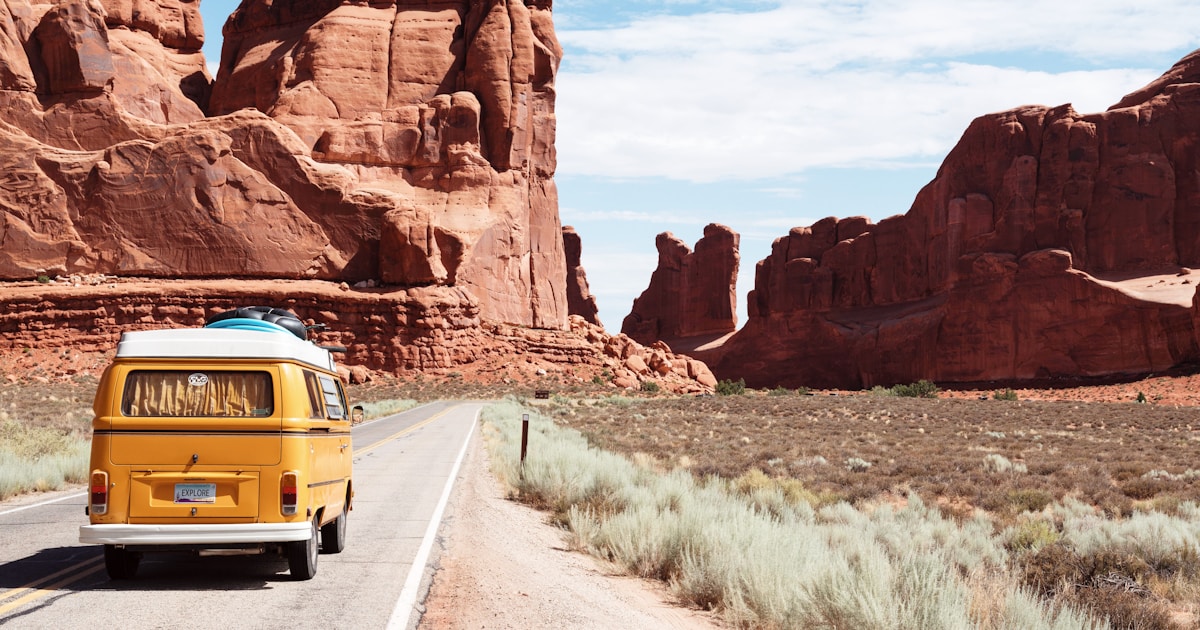
Monument Valley is probably the first place that comes to mind when you think of mesas and buttes. Located on the Arizona-Utah border within the Navajo Nation, this iconic landscape features massive sandstone formations that rise up to 1,000 feet above the valley floor. It has been featured in countless films, commercials, and photographs, and seeing it in person is every bit as breathtaking as you would expect.
Highlights
The park is home to famous formations like the Mittens, Merrick Butte, and the Totem Pole. The red sandstone glows brilliantly at sunrise and sunset, and the vast open desert surrounding the formations creates a sense of isolation that is hard to find anywhere else.
Experience
Take the 17-mile Valley Drive, a self-guided dirt road loop that winds between the most photogenic formations. Guided tours led by Navajo guides offer access to areas beyond the main road and provide cultural context that makes the experience even deeper. Photography here is world-class, especially during golden hour.
Best Time to Visit
Spring and fall offer the most comfortable temperatures and the best light for photography. Summer can be extremely hot, and winter brings cold winds, though the snow-dusted formations are spectacular.
Why You Should Visit
Monument Valley is not just a scenic destination. It is a place of deep cultural significance to the Navajo people, and visiting with respect and curiosity adds a layer of meaning that goes beyond the visual spectacle.
Travel Tips
The park is remote, so fill up on gas before you arrive. Bring plenty of water, sunscreen, and layers for changing temperatures. Respect Navajo land and follow all park guidelines.
2. Mesa Verde National Park
About
Mesa Verde in southwestern Colorado is a UNESCO World Heritage Site that combines stunning mesa landscapes with some of the best-preserved Ancestral Puebloan cliff dwellings in North America. The park sits atop a large mesa that drops off into deep canyons, and the views from the rim are absolutely stunning.
Highlights
The Cliff Palace is the largest cliff dwelling in North America, with over 150 rooms carved into a massive alcove. The Balcony House tour is an adventurous climb through narrow passages and up wooden ladders. The park also offers incredible overlooks where you can see for miles across the mesa and canyon landscape.
Experience
Spend at least two days here. Drive the Mesa Top Loop Road to see surface dwellings and overlooks, then book a ranger-guided tour of the cliff dwellings. The Petroglyph Point Trail offers a moderate hike with ancient rock art along the way.
Best Time to Visit
Late spring through early fall is ideal. Some cliff dwelling tours do not operate in winter, so check ahead if you are visiting during the colder months.
Why You Should Visit
Mesa Verde offers something you will not find at most other mesa destinations: a direct connection to the people who lived on these mesas over 700 years ago. The combination of natural beauty and human history is powerful.
Travel Tips
Book cliff dwelling tours well in advance, especially during summer. The park sits at over 7,000 feet in elevation, so take it easy if you are not used to the altitude.
3. Valley of the Gods
About
Think of Valley of the Gods as Monument Valley’s quieter, less crowded cousin. Located in southeastern Utah near the town of Mexican Hat, this scenic valley is filled with towering sandstone buttes, mesas, and spires spread across a wide open landscape. The best part? It is free to visit and far less touristy.
Highlights
The 17-mile gravel road through the valley passes dozens of dramatic formations, including Seven Sailors, Lady in the Bathtub, and Rooster Butte. The formations are made of red and white Navajo sandstone, and the contrast against the blue sky is striking.
Experience
Drive the loop road slowly and stop at every pullout. The road is passable for most vehicles in dry conditions, but a high-clearance vehicle is recommended after rain. Camping is allowed anywhere in the valley, making it a fantastic spot for stargazing under some of the darkest skies in the country.
Best Time to Visit
Spring and fall are perfect. Summer heat can be intense, and the road can become impassable after heavy rain.
Why You Should Visit
If you want the Monument Valley experience without the crowds and entrance fees, Valley of the Gods delivers. It is raw, peaceful, and endlessly photogenic.
Travel Tips
There are no services in the valley, so bring everything you need. Pack out all trash and respect the land. A GPS or offline map is helpful since cell service is nonexistent.
4. Canyonlands National Park
About
Canyonlands in southeastern Utah is a vast wilderness of canyons, mesas, and buttes carved by the Colorado and Green Rivers. The park is divided into four districts, and the Island in the Sky district is where you will find the most dramatic mesa-top views, with sheer drops of over 1,000 feet to the rivers below.
Highlights
Mesa Arch is a must-see, especially at sunrise when the light shines through the arch and illuminates the canyon below. Grand View Point offers one of the most expansive panoramas in the American West. Upheaval Dome is a mysterious geological feature that scientists still debate the origin of.
Experience
The Island in the Sky district is the most accessible and can be explored in a day. For a more remote experience, head to The Needles district, where colorful spires and narrow canyons create a maze-like landscape. The Maze district is for experienced backcountry travelers only.
Best Time to Visit
Spring and fall are best. Summer temperatures can exceed 100 degrees Fahrenheit, and winter can bring snow and icy roads.
Why You Should Visit
Canyonlands gives you the mesa experience on a massive scale. Standing on the edge of Island in the Sky and looking out over hundreds of miles of carved desert is a humbling experience that stays with you.
Travel Tips
Bring more water than you think you need. There is very little shade, and dehydration is a real risk. Fill your gas tank before entering the park.
5. Capitol Reef National Park
About
Capitol Reef is one of Utah’s least visited national parks, which is a shame because it is absolutely stunning. The park is named for its white sandstone domes that resemble the United States Capitol, and the “reef” refers to the rocky ridges that early travelers compared to ocean reefs. The Waterpocket Fold, a 100-mile-long wrinkle in the Earth’s crust, runs through the park and creates a landscape of mesas, canyons, and domes.
Highlights
The Hickman Bridge Trail leads to a massive natural bridge with panoramic views of the surrounding mesas. The Scenic Drive takes you through narrow canyons and past towering rock walls. The Fruita Historic District, with its old orchards, is a unique feature you will not find in most desert parks.
Experience
Hike the Capitol Gorge Trail to see petroglyphs and pioneer inscriptions carved into the canyon walls. Pick fresh fruit from the historic orchards when in season. Drive the Burr Trail Road for one of the most scenic backcountry drives in Utah, with views of mesas, buttes, and the Henry Mountains.
Best Time to Visit
Spring and fall offer the best weather. Summer is hot but manageable, and winter is quiet with occasional snow that makes the red rocks even more photogenic.
Why You Should Visit
Capitol Reef feels like a hidden gem even though it is a national park. The combination of geological wonders, pioneer history, and working orchards makes it a uniquely rewarding destination.
Travel Tips
The Burr Trail Road is partially unpaved and may require high-clearance vehicles after rain. Check road conditions at the visitor center before heading out.
6. Grand Staircase-Escalante National Monument
About
Grand Staircase-Escalante is one of the largest national monuments in the United States, covering nearly 1.9 million acres of southern Utah. The landscape is a layered staircase of cliffs, mesas, and plateaus that step upward from the Grand Canyon to the high plateaus of Bryce Canyon. It is a place of incredible geological diversity and raw beauty.
Highlights
The slot canyons of Escalante, including Peek-a-Boo and Spooky Gulch, are narrow enough to touch both walls at once. The Hole-in-the-Rock Road is a historic pioneer route that leads to some of the most remote and beautiful scenery in the state. Calf Creek Falls offers a refreshing waterfall hike through a desert canyon.
Experience
This is a place for exploration. Drive the Burr Trail or the Hole-in-the-Rock Road, hike into slot canyons, and camp under the stars. The Escalante Canyons area offers some of the best backpacking in Utah, with routes that wind through narrow gorges and open onto expansive mesa tops.
Best Time to Visit
Spring and fall are ideal. Summer flash floods can be dangerous in slot canyons, so always check the weather before hiking.
Why You Should Visit
Grand Staircase-Escalante is for the adventurous traveler who wants to get off the beaten path. The scale of the landscape is overwhelming in the best way, and the sense of discovery is real.
Travel Tips
Many roads are unpaved and require high-clearance vehicles. Carry extra water, food, and a spare tire. Let someone know your plans before heading into the backcountry.
7. Chiricahua National Monument
About
Located in southeastern Arizona, Chiricahua National Monument is often called the “Wonderland of Rocks.” The park features a forest of balanced rocks, towering spires, and massive stone columns that were formed by a volcanic eruption over 25 million years ago. While not traditional mesas and buttes, the formations here are equally dramatic and far less crowded than the more famous parks.
Highlights
The Heart of Rocks Trail takes you through the most concentrated collection of balanced rocks and spires. Echo Canyon is a narrow passage surrounded by towering rock walls. The overlook at Massive Point offers views of the surrounding Chiricahua Mountains and the desert valleys below.
Experience
Hike the 7.3-mile Heart of Rocks loop for the full experience. The Bonita Canyon Scenic Drive offers pullouts with views of the formations from the road. Birdwatchers will love this area, as the Chiricahuas are home to over 200 species, including some found nowhere else in the United States.
Best Time to Visit
Spring and fall are best. Summer monsoon season brings dramatic thunderstorms but also the risk of flash floods.
Why You Should Visit
Chiricahua is one of the most underrated parks in Arizona. The rock formations are unlike anything else, and the lack of crowds means you can often have entire trails to yourself.
Travel Tips
The park is remote, about 120 miles from Tucson. Bring plenty of water and snacks, as there are no services inside the park.
8. Pinnacles National Park
About
Pinnacles National Park in central California is the newest national park in the United States, designated in 2013. The park is named for the towering rock spires and talus caves that were formed by the erosion of an ancient volcano. The landscape features dramatic rock formations rising from chaparral-covered hills, with views of the surrounding Salinas Valley and the Gabilan Mountains.
Highlights
The High Peaks Trail takes you through narrow rock passages and up steep staircases to the highest points in the park. The Bear Gulch Cave Trail leads through talus caves that are home to colonies of bats. The Balconies Cliffs Trail offers panoramic views of the surrounding landscape.
Experience
Pinnacles is a hiker’s park. The trail system connects caves, rock formations, and ridge-top views in a way that keeps you engaged the entire time. Rock climbing is popular here, and the park is one of the best places in California to see wild California condors soaring overhead.
Best Time to Visit
Spring is the best time, when wildflowers bloom and temperatures are mild. Fall is also excellent. Summer can be very hot, and some trails may close during extreme heat.
Why You Should Visit
Pinnacles offers a different kind of desert rock experience. The combination of caves, spires, and wildlife in a relatively compact park makes it easy to explore in a day or two.
Travel Tips
The park has two entrances that are not connected by road, so choose your side based on what you want to see. Bring a headlamp if you plan to explore the caves.
9. Devils Tower
About
Devils Tower in northeastern Wyoming is one of the most distinctive landforms in the world. This massive butte of igneous rock rises 867 feet above the surrounding prairie, with a flat top that covers about 1.5 acres. It was the first national monument in the United States, designated by Theodore Roosevelt in 1906, and it holds deep spiritual significance for many Native American tribes.
Highlights
The tower’s columnar jointing creates a pattern of vertical columns that is unlike anything else on Earth. The surrounding Belle Fourche River valley offers beautiful views of the tower from multiple angles. The prairie landscape around the base is home to deer, prairie dogs, and a variety of bird species.
Experience
Walk the 1.3-mile Tower Trail that circles the base of the formation for close-up views of the columns. Rock climbing is a major draw here, with hundreds of established routes. The visitor center provides excellent information about the geology and cultural history of the tower.
Best Time to Visit
Summer is the most popular time, though it can be crowded. Late spring and early fall offer pleasant weather with fewer visitors.
Why You Should Visit
Devils Tower is a geological marvel and a cultural landmark. Standing at the base of this massive column of rock and looking up is an experience that puts the power of nature into perspective.
Travel Tips
The park is about a two-hour drive from Rapid City, South Dakota. Arrive early in the morning to avoid crowds and catch the best light on the tower.
10. Shiprock
About
Shiprock is a dramatic butte rising nearly 1,583 feet above the high desert of northwestern New Mexico. This volcanic remnant is the hardened core of an ancient volcano, and its radiating dikes extend outward like the spokes of a wheel. It is one of the most photographed landforms in the American Southwest and holds deep spiritual importance for the Navajo people.
Highlights
The butte’s jagged profile against the sky is striking from every angle. The surrounding desert landscape is wide open and sparsely populated, giving Shiprock a sense of isolation and grandeur. The radiating dikes, some stretching for miles, are visible from the highway and add to the dramatic scenery.
Experience
Shiprock can be viewed from Highway 49 and the surrounding roads. Climbing the formation is prohibited out of respect for Navajo cultural beliefs. The best experience is to find a quiet spot along the highway, pull over, and take in the view. Photography here is exceptional, especially at sunrise and sunset.
Best Time to Visit
Spring and fall offer the best conditions. The light during these seasons brings out the textures and colors of the rock.
Why You Should Visit
Shiprock is one of those places that looks almost unreal in photographs, and seeing it in person is even more impressive. It is a powerful reminder of the volcanic forces that shaped the Southwest.
Travel Tips
Do not attempt to climb Shiprock. It is sacred to the Navajo people, and climbing is both illegal and disrespectful. Bring a telephoto lens for the best photos from the highway.
11. Table Mountain
About
Table Mountain in Cape Town, South Africa, is one of the most recognizable flat-topped mountains in the world. Rising over 3,500 feet above the city, its flat summit plateau stretches for miles and offers panoramic views of Cape Town, the Atlantic Ocean, and the surrounding mountains. It is part of the Table Mountain National Park and is one of the New7Wonders of Nature.
Highlights
The flat summit plateau is covered in unique fynbos vegetation, a type of shrubland found only in the Western Cape. The views from the top include Robben Island, the Cape of Good Hope, and the Twelve Apostles mountain range. The cable car ride to the top is an experience in itself, with rotating cars that give you 360-degree views on the way up.
Experience
Take the cable car to the top for an easy and scenic ascent, or hike up via one of several trails, including the popular Platteklip Gorge route. Once at the top, walk the plateau trails to enjoy the views and spot wildlife like rock hyraxes and dassies. The sunset views from the top are legendary.
Best Time to Visit
Summer, from November to March, offers the best weather. Winter can bring clouds and rain, though the mountain is beautiful in all seasons.
Why You Should Visit
Table Mountain is a world-class destination that combines easy access with jaw-dropping views. The fact that you can stand on a flat-topped mesa and look out over an ocean is something you will not forget.
Travel Tips
Weather on the mountain can change rapidly, so bring layers even on warm days. Book cable car tickets online in advance during peak season to avoid long lines.
12. Uluru (Ayers Rock)
About
Uluru, also known as Ayers Rock, is a massive sandstone monolith in the heart of Australia’s Northern Territory. Rising 1,142 feet above the surrounding desert, it is one of the most iconic landforms on the planet. Uluru is sacred to the Anangu, the traditional owners of the land, and climbing it is no longer permitted out of respect for their beliefs.
Highlights
Uluru changes color throughout the day, from deep red at sunrise to glowing orange at sunset. The surface of the rock is textured with grooves, caves, and waterholes that tell the story of millions of years of geological and cultural history. The surrounding desert landscape is home to unique wildlife and ancient rock art sites.
Experience
Walk the 6.6-mile base trail around Uluru to see the rock from every angle. Visit the cultural center to learn about Anangu culture and the Tjukurpa (creation stories) associated with the rock. The Sounds of Silence dinner experience offers a gourmet meal under the stars with views of Uluru and the nearby Kata Tjuta formations.
Best Time to Visit
The cooler months from May to September are best. Summer temperatures can exceed 110 degrees Fahrenheit, and some trails may close during extreme heat.
Why You Should Visit
Uluru is more than a geological wonder. It is a living cultural landscape that has been home to the Anangu people for over 30,000 years. Visiting with respect and an open mind makes this one of the most meaningful travel experiences you can have.
Travel Tips
Stay in the nearby town of Yulara for accommodations. Bring a hat, sunscreen, and plenty of water. Do not climb Uluru, and be respectful of cultural sites and photography restrictions.
13. Kata Tjuta (The Olgas)
About
Kata Tjuta, also known as The Olgas, is a group of 36 domed rock formations located about 30 miles west of Uluru in Australia’s Northern Territory. The name means “many heads” in the local Anangu language, and the highest dome rises over 1,700 feet above the surrounding desert. Like Uluru, Kata Tjuta is sacred to the Anangu people.
Highlights
The domes are made of conglomerate rock, a mixture of cobbles and boulders cemented together, which gives them a unique texture and color. The Valley of the Winds walk takes you between the domes through a landscape that feels otherworldly. The Walpa Gorge walk is shorter but equally impressive, with towering walls that create a cool, shaded passage.
Experience
Hike the Valley of the Winds trail for the full experience, but be prepared for steep sections and bring plenty of water. The shorter Walpa Gorge walk is a great option if you are short on time or prefer an easier hike. Sunrise and sunset are the best times to see the domes change color.
Best Time to Visit
May to September, during the Australian winter, offers the most comfortable temperatures for hiking.
Why You Should Visit
Kata Tjuta is often overshadowed by Uluru, but many travelers find it even more impressive. The scale and number of the domes create a landscape that feels almost alien.
Travel Tips
Combine your visit with Uluru, as they are part of the same national park. The entry fee covers both sites for three days.
14. Zhangye Danxia Landform
About
The Zhangye Danxia Landform in Gansu Province, China, is one of the most colorful geological wonders on Earth. Often called the “Rainbow Mountains,” this landscape features layers of red, yellow, orange, green, and blue sandstone and minerals that have been sculpted by erosion into rolling hills, towers, and mesas. The result looks like a painting come to life.
Highlights
The colors are most vivid after rain, when the mineral layers glow in the sunlight. The viewing platforms offer panoramic views of the rainbow-striped hills stretching to the horizon. The landscape changes appearance depending on the time of day and the angle of the light, so visiting at different times reveals new details.
Experience
The park has several viewing platforms connected by shuttle buses. Platform 4 is generally considered the best for sunset views. The boardwalks and staircases make it easy to access the viewpoints without strenuous hiking. Photography here is a dream, with endless compositions of color and form.
Best Time to Visit
June to September offers the best weather and the most vivid colors. Early morning and late afternoon light bring out the best in the landscape.
Why You Should Visit
Zhangye Danxia is unlike any other mesa or butte destination on this list. The combination of dramatic landforms and surreal colors creates a landscape that feels like it belongs on another planet.
Travel Tips
The park is about 30 miles from Zhangye city. Bring a polarizing filter for your camera to enhance the colors. Be prepared for crowds at the most popular platforms during peak season.
15. Bardenas Reales
About
Bardenas Reales is a semi-desert region in southeastern Navarre, Spain, that looks like it was transplanted from the American Southwest. The landscape features dramatic mesas, buttes, badlands, and plateaus carved by wind and water erosion over millions of years. It is a UNESCO Biosphere Reserve and one of the most unique landscapes in Europe.
Highlights
Castildetierra is the most famous formation, a towering butte that rises from the flat desert floor like a castle. The Plain of the Black and White Bardenas features contrasting light and dark soils that create a striking visual effect. The cliffs and canyons of the White Bardenas are carved into chalky white rock that glows in the sunlight.
Experience
Drive the 34-mile loop road that winds through the heart of the Bardenas for the best overview of the landscape. Hiking trails lead to the base of Castildetierra and through the canyons. Mountain biking is popular here, and the open terrain makes for excellent off-road cycling. The area has been used as a filming location for movies and television shows, including Game of Thrones.
Best Time to Visit
Spring and fall are ideal. Summer can be extremely hot, and winter can be cold and windy.
Why You Should Visit
Bardenas Reales proves that you do not need to travel to the American Southwest to experience dramatic mesa and butte landscapes. It is a hidden gem in Europe that deserves far more attention than it gets.
Travel Tips
The loop road is unpaved but passable for regular cars in dry conditions. Bring plenty of water and sun protection. There are no services inside the park, so come prepared.
16. Tassili n’Ajjer
About
Tassili n’Ajjer is a vast plateau in the Sahara Desert of southeastern Algeria, known for its dramatic sandstone rock formations, deep canyons, and ancient rock art. The plateau rises over 5,000 feet above the surrounding desert, and its eroded sandstone has been sculpted into forests of rock pillars, arches, and mesas that are unlike anything else on Earth.
Highlights
The rock art at Tassili n’Ajjer is some of the oldest and most extensive in the world, with paintings and engravings dating back over 10,000 years. The “Forest of Cypresses” features ancient rock formations that resemble trees. The views from the plateau edge drop dramatically into the Sahara below, creating a sense of being on top of the world.
Experience
Visiting Tassili n’Ajjer requires a guided tour, as the area is remote and access is controlled. Multi-day treks take you through the most spectacular rock formations and to the best rock art sites. Camping on the plateau under the stars is an unforgettable experience, with some of the darkest skies on the planet.
Best Time to Visit
October to April, during the cooler months. Summer temperatures in the Sahara are extreme and dangerous for extended outdoor activity.
Why You Should Visit
Tassili n’Ajjer is one of the most remote and awe-inspiring mesa and butte destinations in the world. The combination of geological wonders and ancient human history makes it a place of profound significance.
Travel Tips
This is a serious adventure destination. You will need to arrange a guided tour through a reputable operator, and you should be in good physical condition for the treks. Bring all necessary supplies, as there are no facilities on the plateau.
17. Drakensberg Amphitheatre
About
The Drakensberg Amphitheatre is a massive cliff face in the Drakensberg Mountains of KwaZulu-Natal, South Africa. Stretching for over 3 miles and rising over 3,000 feet from the valley floor, it is one of the most impressive cliff faces in the world. The flat-topped plateau above the amphitheatre is a high-altitude grassland with dramatic views in every direction.
Highlights
The Tugela Falls, the second-tallest waterfall in the world, plunges over the edge of the amphitheatre in a series of dramatic drops. The Sentinel Peak hike takes you to the top of the plateau for views that stretch for hundreds of miles. The rock art sites in the surrounding caves and overhangs are some of the best-preserved San rock art in southern Africa.
Experience
The hike to the top of the Amphitheatre via the Chain Ladders is a challenging but rewarding day hike. For a more relaxed experience, drive to the top via the Sani Pass and explore the plateau from above. The Royal Natal National Park offers excellent trails for all fitness levels, from easy valley walks to strenuous mountain climbs.
Best Time to Visit
Autumn and spring offer the best weather. Summer brings afternoon thunderstorms, and winter can be cold with occasional snow on the high peaks.
Why You Should Visit
The Drakensberg Amphitheatre combines the drama of a massive mesa with the beauty of waterfalls, alpine meadows, and ancient rock art. It is one of South Africa’s greatest natural treasures.
Travel Tips
The Chain Ladders hike requires a good level of fitness and a head for heights. Check weather conditions before attempting the hike, as the ladders can be dangerous in wet or windy conditions.
18. Wadi Rum
About
Wadi Rum, also known as the Valley of the Moon, is a vast desert valley in southern Jordan characterized by towering sandstone and granite mountains, natural arches, narrow gorges, and sweeping sand dunes. The landscape is so otherworldly that it has been used as a filming location for movies like The Martian, Lawrence of Arabia, and Dune.
Highlights
Jebel Um Adami is the highest point in Jordan, offering panoramic views of the entire valley. The Burdah Rock Bridge is one of the highest natural arches in the world. The red sand dunes at Khazali Canyon are a photographer’s dream, especially at sunrise. The ancient Thamudic inscriptions carved into the rock faces add a layer of human history to the dramatic landscape.
Experience
Stay in a Bedouin camp for the full Wadi Rum experience. Take a jeep tour to cover the major sites, or hike and climb for a more intimate experience. Camel treks offer a traditional way to explore the desert. The stargazing here is extraordinary, with virtually no light pollution.
Best Time to Visit
Spring and fall offer the best weather. Summer is extremely hot, and winter nights can be very cold, though the days are pleasant.
Why You Should Visit
Wadi Rum is one of the most beautiful desert landscapes on Earth. The combination of towering rock formations, red sand, and deep cultural roots makes it a destination that appeals to adventurers, photographers, and anyone who loves wide open spaces.
Travel Tips
Arrange your visit through the Wadi Rum Visitor Center at the entrance to the protected area. Bring warm layers for the desert nights, even in spring and fall. Respect the Bedouin communities and their land.
Frequently Asked Questions
What is the difference between a mesa and a butte?
A mesa is a flat-topped mountain or hill with steep sides, and it is wider than it is tall. A butte is similar but smaller, typically taller than it is wide. Both are formed by erosion, where softer rock wears away and a harder caprock protects the top layer. Over time, a mesa may erode into a butte as it gets smaller.
Where are the best mesas and buttes in the United States?
The American Southwest has the highest concentration of iconic mesa and butte destinations. Utah, Arizona, Colorado, and New Mexico are the top states, with parks like Monument Valley, Mesa Verde, Canyonlands, and Capitol Reef offering some of the most dramatic formations in the world.
Are mesa and butte destinations safe for beginners?
Most of the destinations on this list are accessible to beginners, especially the national parks and monuments that have well-maintained roads, visitor centers, and marked trails. However, some locations like Tassili n’Ajjer and parts of Grand Staircase-Escalante require more experience and preparation. Always research your destination and come prepared with water, sun protection, and appropriate gear.
What is the best time of year to visit desert mesa destinations?
Spring and fall are generally the best times to visit desert mesa and butte destinations. Temperatures are milder, the light is better for photography, and the risk of extreme weather is lower. Summer can be dangerously hot in many desert regions, and winter can bring cold temperatures and snow, though some destinations are beautiful in winter.
Can you camp at mesa and butte destinations?
Many of these destinations offer camping options, from developed campgrounds with facilities to primitive backcountry camping. Valley of the Gods, Wadi Rum, and Grand Staircase-Escalante are particularly known for their camping experiences. Always check regulations and obtain any necessary permits before camping.
Do I need a special vehicle to visit these places?
Most of the destinations on this list can be reached with a standard vehicle, though some backcountry roads require high-clearance or four-wheel-drive vehicles. Valley of the Gods, parts of Grand Staircase-Escalante, and Bardenas Reales have unpaved roads that may be challenging for low-clearance cars, especially after rain. Check road conditions before you go.
What should I pack for a mesa and butte adventure?
Bring plenty of water, at least one gallon per person per day in desert environments. Sunscreen, a wide-brimmed hat, and sunglasses are essential. Wear sturdy hiking shoes with good ankle support. Pack layers for changing temperatures, a first aid kit, a map or GPS, and a fully charged phone. A camera with extra batteries is a must for these photogenic landscapes.
Conclusion
Mesas and buttes are some of the most awe-inspiring landforms on the planet. From the red rock cathedrals of the American Southwest to the rainbow mountains of China and the ancient plateaus of the Sahara, these destinations offer a window into the incredible power of geological time. Each one has its own character, its own story, and its own way of making you feel connected to something much larger than yourself.
Whether you are planning your first desert adventure or you have been chasing these landscapes for years, the eighteen destinations on this list represent some of the most beautiful and accessible mesa and butte experiences available. Start planning your trip, pack your bags, and get ready to stand in the shadow of giants.
Share this guide with your friends and start planning your next adventure today. These landscapes are waiting for you.

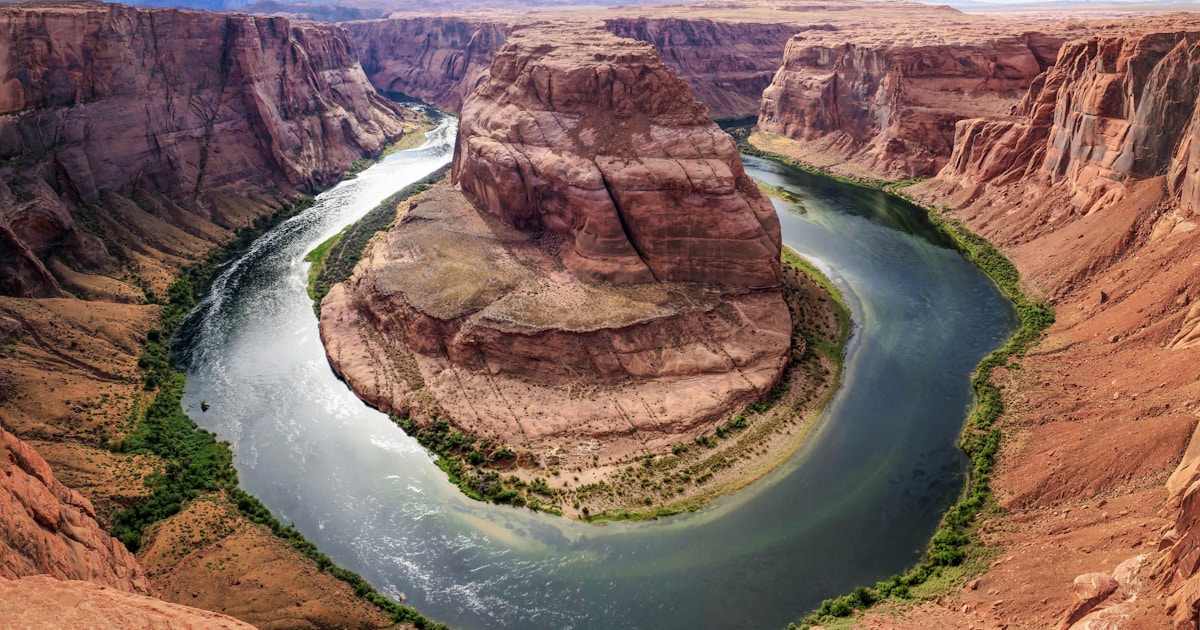
If you’re searching for the most dramatic cliff and escarpment nature destinations on Earth, this guide covers 18 jaw-dropping locations that will leave you speechless. From towering sea cliffs to ancient escarpments carved by millions of years of erosion, these places showcase the raw power of nature at its most vertical.
Key Takeaways
- The Cliffs of Moher in Ireland are among the highest sea cliffs in Europe, rising 214 meters above the Atlantic Ocean.
- Table Mountain in South Africa features a flat-topped summit that has become one of the most recognizable escarpments on the planet.
- Many of these destinations offer well-maintained hiking trails, making them accessible to beginners and experienced adventurers alike.
- The best time to visit most cliff destinations is during spring or fall when weather conditions are mild and crowds are smaller.
- Safety is paramount — always stay on marked trails and keep a safe distance from cliff edges, especially in wet or windy conditions.
Introduction
There is something deeply humbling about standing at the edge of a massive cliff and looking down at the world far below. Cliffs and escarpments are among the most dramatic landforms on our planet, shaped over millions of years by tectonic forces, wind, water, and ice. They offer some of the most breathtaking views you will ever witness, and they attract millions of visitors every year who come to experience that heart-pounding moment of looking over the edge.
Whether you are a seasoned hiker, a photography enthusiast, or simply someone who loves the beauty of the natural world, this list of 18 dramatic cliff and escarpment destinations has something for you. These locations span six continents and range from famous icons to hidden gems that most travelers have never heard of. So let us dive in and explore the most spectacular vertical landscapes on Earth.
The 18 Most Dramatic Cliff and Escarpment Destinations
| # | Place Name | Location | Best Time to Visit |
|---|---|---|---|
| 1 | Cliffs of Moher | Ireland | May – September |
| 2 | Table Mountain | South Africa | October – April |
| 3 | Preikestolen (Pulpit Rock) | Norway | June – August |
| 4 | White Cliffs of Dover | England, UK | April – June |
| 5 | Cliffs of Etretat | France | May – September |
| 6 | Grand Canyon South Rim | Arizona, USA | March – May, September – November |
| 7 | Havasu Falls Cliffs | Arizona, USA | May – September |
| 8 | Drakensberg Escarpment | South Africa / Lesotho | March – May |
| 9 | Zhangjiajie National Forest | China | April – June, September – November |
| 10 | Cliffs of Gigante | Philippines | December – May |
| 11 | Kalaupapa Cliffs | Hawaii, USA | Year-round (April – October best) |
| 12 | Mount Thor | Nunavut, Canada | July – August |
| 13 | Sutherland Falls Cliffs | New Zealand | October – April |
| 14 | Ronda Gorge | Spain | March – June, September – November |
| 15 | Vixía Herbeira | Spain (Galicia) | May – September |
| 16 | Watamu Sea Cliffs | Kenya | October – March |
| 17 | Trolltunga (Troll’s Tongue) | Norway | June – August |
| 18 | Dettifoss Canyon Cliffs | Iceland | June – August |
1. Cliffs of Moher, Ireland
About
The Cliffs of Moher stretch for 14 kilometers along Ireland’s western coast in County Clare. Rising 214 meters above the Atlantic, they are among Europe’s highest sea cliffs and draw over 1.5 million visitors annually.
Highlights
The cliffs offer panoramic views of the Aran Islands, the Maumturks, and Galway Bay. The area is a designated seabird sanctuary home to over 30,000 nesting pairs including puffins, razorbills, and guillemots.
Best Time to Visit
The best time to visit is from May through September when daylight hours are long and weather conditions are most favorable. Summer months offer the warmest temperatures, though rain is always possible on the Irish coast. Visiting at sunrise or sunset provides the most dramatic lighting for photography.
2. Table Mountain, South Africa
About
Table Mountain overlooks Cape Town, South Africa, with a distinctive plateau stretching 3 kilometers and sheer cliffs rising about 1,000 meters. It is one of the New7Wonders of Nature.
Highlights
The summit offers 360-degree views of Cape Town and the Atlantic Ocean. The mountain hosts over 2,200 plant species, many endemic. A cable car and hiking trails lead to the top, and the Twelve Apostles cliffs on the eastern face are especially dramatic.
Best Time to Visit
The best time to visit is from October to April during the Southern Hemisphere summer. Clear skies are more common during these months, and the cable car operates more reliably. Early morning hikes help avoid afternoon clouds that frequently cover the summit, known locally as the “tablecloth.”
3. Preikestolen (Pulpit Rock), Norway
About
Preikestolen, known in English as Pulpit Rock, is a massive cliff plateau rising 604 meters above the Lysefjord in Rogaland county, Norway. The top of the cliff is remarkably flat, measuring approximately 25 by 25 meters, and has become one of Norway’s most iconic natural landmarks.
Highlights
The sheer drop to the fjord below is dizzying, with no railings at the top. The 8-kilometer round-trip hike is moderately challenging, and the surrounding Ryfylke landscape features rolling hills and dramatic fjord scenery.
Best Time to Visit
June through August is the ideal window, with long daylight hours and the most stable weather. The trail can be slippery and dangerous in rain or snow, so always check conditions before starting. Aim to arrive early in the morning to avoid the heaviest crowds during peak summer season.
4. White Cliffs of Dover, England
About
The White Cliffs of Dover are iconic chalk cliffs along England’s southeastern coast, rising up to 110 meters. They have served as a symbol of Britain for centuries.
Highlights
The chalk face is composed of tiny marine organisms dating back millions of years. National Trust trails offer stunning Channel views, and on clear days France is visible just 34 kilometers away. WWII tunnels and fortifications add historical interest.
Best Time to Visit
April through June offers the best combination of mild weather, blooming wildflowers on the cliff tops, and fewer tourists. The chalk cliffs are striking in any season, but spring brings the added bonus of colorful flora along the coastal path. Be cautious of cliff erosion, which is an ongoing natural process in this area.
5. Cliffs of Etretat, France
About
The Cliffs of Etretat on France’s Normandy coast are famous for their natural arches and needle-like rock formation. They inspired artists including Claude Monet.
Highlights
The three main arches — Porte d’Aval, Porte d’Amont, and the Manneporte — are carved by centuries of wave action. The Falaise d’Aval with its needle rock formation is especially photogenic. Clifftop trails and the beach below offer stunning perspectives.
Best Time to Visit
May through September provides the warmest weather and longest days for exploring. Sunset is an especially magical time when the chalk cliffs glow in shades of gold and pink. The area can be windy year-round, so bring a light jacket even in summer.
6. Grand Canyon South Rim, Arizona, USA
About
The Grand Canyon South Rim in Arizona is one of the world’s most famous escarpment viewpoints. The canyon stretches 446 kilometers long and over 1.8 kilometers deep, exposing nearly two billion years of geological history.
Highlights
The South Rim offers numerous overlooks including Mather Point and Desert View Watchtower. The Rim Trail provides easy walking with changing canyon perspectives, while the Bright Angel Trail descends for a more immersive experience.
Best Time to Visit
March through May and September through November are the best times, with comfortable temperatures and smaller crowds. Summer months bring extreme heat at the canyon floor and heavy visitor traffic at the rim. Winter offers solitude and occasional snow dusting that transforms the landscape, though some facilities may have reduced hours.
7. Havasu Falls Cliffs, Arizona, USA
About
Havasu Falls lies within the Havasupai Indian Reservation in a Grand Canyon side canyon. The red rock cliffs are famous for vibrant blue-green waterfalls and travertine pools.
Highlights
Havasu Falls plunges 30 meters into a stunning turquoise pool. Mineral-rich water creates glowing travertine terraces in brilliant blue and green. Nearby Mooney Falls drops 65 meters, accessed via chains and ladders bolted into the cliff face.
Best Time to Visit
May through September is the best time to visit, when temperatures are warm enough for swimming and the water flow is reliable. Permits are required and sell out months in advance, so plan ahead. Flash flooding can occur, so always check weather forecasts before hiking in the canyon.
8. Drakensberg Escarpment, South Africa and Lesotho
About
The Drakensberg is southern Africa’s highest mountain range, forming a dramatic escarpment on the South Africa-Lesotho border. The highest peak reaches 3,482 meters, and the escarpment stretches over 1,000 kilometers.
Highlights
The range features towering basalt cliffs and the famous Amphitheatre — a cliff face 5 kilometers long and up to 1,200 meters high. Thousands of San rock art paintings date back over 3,000 years, and the Tugela Falls cascades down the escarpment in nine leaps.
Best Time to Visit
March through May during autumn offers the most stable weather, clear skies, and comfortable hiking temperatures. Summer brings afternoon thunderstorms that can be dangerous at high elevations, while winter can bring snow and freezing conditions to the upper reaches of the range.
9. Zhangjiajie National Forest, China
About
Zhangjiajie National Forest Park in Hunan Province, China, features thousands of towering quartzite sandstone pillars rising over 200 meters. These formations inspired the floating mountains in Avatar.
Highlights
The Southern Sky Column was renamed “Avatar Hallelujah Mountain” after the film. Cliffside walkways and observation platforms perch on sheer edges, while a glass skywalk and the world’s tallest outdoor elevator add thrilling perspectives.
Best Time to Visit
April through June and September through November are the ideal windows. Spring brings misty conditions that create an ethereal atmosphere among the pillars, while fall offers clear skies and comfortable temperatures. Summer can be hot and crowded, and winter may bring icy conditions to the higher trails.
10. Cliffs of Gigante, Philippines
About
The Gigantes Islands in Iloilo, Philippines, feature dramatic limestone cliffs rising from the turquoise Visayan Sea. These remote islands remain relatively untouched by mass tourism.
Highlights
The cliffs feature caves, hidden lagoons, and secluded beaches accessible only by boat. The Tangke Saltwater Lagoon between towering limestone walls feels like a secret world. Kayaking along the base reveals dramatic rock formations and vibrant marine life.
Best Time to Visit
December through May during the dry season offers the calmest seas and best visibility for island hopping. The wet season from June to November brings rough waters that can make boat travel difficult and sometimes dangerous. Plan for at least a two-day stay to fully explore the islands.
11. Kalaupapa Cliffs, Hawaii, USA
About
The Kalaupapa Cliffs on Molokai, Hawaii, are the world’s tallest sea cliffs at approximately 1,010 meters. They are accessible only by mule trail, small aircraft, or a strenuous hike.
Highlights
The area’s isolation has preserved pristine valleys, waterfalls, and untouched coastal scenery. The mule ride down 26 switchbacks is a bucket-list experience. Humpback whales, spinner dolphins, and monk seals inhabit the surrounding waters.
Best Time to Visit
Year-round visitation is possible, but April through October offers the driest weather and calmest ocean conditions. Access to the Kalaupapa settlement is limited and requires a permit, so arrangements must be made well in advance. The area’s remote nature means facilities are basic, adding to the sense of adventure.
12. Mount Thor, Nunavut, Canada
About
Mount Thor, located in Auyuittuq National Park on Baffin Island, Nunavut, features the world’s greatest vertical drop of 1,250 meters at an angle of 105 degrees. This means the cliff face actually overhangs at the bottom, making it a legendary destination for extreme rock climbers from around the world.
Highlights
The sheer granite face attracts elite climbers worldwide. The surrounding Akshayuk Pass offers spectacular hiking through a glacial valley. Located above the Arctic Circle, summer brings 24-hour daylight and wildlife including Arctic foxes and snowy owls.
Best Time to Visit
July through August is the only practical window for visiting, as the park is inaccessible during the long Arctic winter. Even in summer, temperatures can drop below freezing, and weather conditions change rapidly. Proper Arctic gear and experience with remote wilderness travel are essential for anyone planning a trip to Auyuittuq National Park.
13. Sutherland Falls Cliffs, New Zealand
About
Sutherland Falls in Fiordland National Park, New Zealand, plunges 580 meters over three dramatic cliff drops. The falls lie along the famous Milford Track.
Highlights
The falls drop in three tiers, with the longest single drop measuring 248 meters. The surrounding Fiordland landscape features glacier-carved valleys and dense beech forests. The Milford Track takes four days, but day hikers can reach the falls via a shorter route.
Best Time to Visit
October through April during the New Zealand summer and early autumn is the best time to visit. The Milford Track hiking season runs from late October to mid-April, and booking well in advance is essential as spots fill up quickly. Rain is common in Fiordland year-round, so waterproof gear is a must.
14. Ronda Gorge, Spain
About
Ronda in southern Spain sits atop the dramatic El Tajo gorge, over 100 meters deep, spanned by the iconic Puente Nuevo bridge. The escarpment divides the old Moorish quarter from the newer town.
Highlights
The Puente Nuevo, completed in 1793, is one of Spain’s most photographed bridges. Walking paths along the gorge offer stunning views of the Andalusian countryside. The cliff walls reveal geological layers telling the story of an ancient seabed.
Best Time to Visit
March through June and September through November offer the most pleasant weather for exploring Ronda on foot. Summer months can be extremely hot, with temperatures regularly exceeding 38 degrees Celsius. Spring brings wildflowers to the surrounding hillsides, while fall offers golden light that enhances the dramatic gorge scenery.
15. Vixía Herbeira, Spain (Galicia)
About
Vixía Herbeira in Galicia, northwestern Spain, rises approximately 620 meters above the Atlantic, making it among Europe’s highest sea cliffs. It remains relatively unknown and uncrowded.
Highlights
The cliff edge provides sweeping views of the rugged Galician coastline and the Cantabrian Sea below. The Ermita de Santa Marta hermitage adds history, and the nearby Santo Andre de Teixido pilgrimage site adds a mystical element.
Best Time to Visit
May through September offers the best weather for visiting, with warmer temperatures and a lower chance of rain. Galicia’s climate is milder than much of Spain, but the cliff tops can be very windy, so dress accordingly. Visiting during the shoulder seasons of May or September provides the best balance of good weather and fewer visitors.
16. Watamu Sea Cliffs, Kenya
About
The Watamu coast in Kenya features dramatic coral rock cliffs dropping into the Indian Ocean. Part of Malindi-Watamu National Park, the area is known for pristine beaches and marine biodiversity.
Highlights
The ancient coral limestone layers reveal the geological history of the East African coast. Watamu Marine National Park offers world-class snorkeling with sea turtles and reef fish. Mida Creek mangrove forest is a birdwatcher’s haven with over 60 species.
Best Time to Visit
October through March is the best time to visit, with warm temperatures, calm seas, and excellent underwater visibility for snorkeling and diving. The long rains from April to May and short rains in November can make some coastal paths slippery and less enjoyable. This period also coincides with sea turtle nesting season on Watamu’s beaches.
17. Trolltunga (Troll’s Tongue), Norway
About
Trolltunga, meaning “Troll’s Tongue,” is a dramatic rock ledge jutting from a cliff 700 meters above Lake Ringedalsvatnet in Norway. It is one of Scandinavia’s most photographed spots.
Highlights
The tongue-shaped ledge extends 23 meters from the cliff, and standing on its edge is an unforgettable adrenaline rush. The 27-kilometer round-trip hike is a full-day challenge through high mountain terrain with panoramic Hardangerfjord views.
Best Time to Visit
June through August is the primary hiking season, when the trail is mostly free of snow and mountain cabins are open. The weather can change rapidly in the Norwegian highlands, so proper hiking gear and layers are essential. Start early in the day to allow enough time for the return hike before darkness falls.
18. Dettifoss Canyon Cliffs, Iceland
About
Dettifoss in Vatnajokull National Park, Iceland, is Europe’s most powerful waterfall by volume. The Jokulsa a Fjollum river plunges 44 meters over dramatic basalt cliffs into a churning canyon below.
Highlights
The canyon features striking columnar basalt formations. Nearby Selfoss and Hafragilsfoss waterfalls make this a triple threat for enthusiasts. The stark volcanic landscape was used as a filming location for Prometheus.
Best Time to Visit
June through August offers the best access, as the highland roads leading to Dettifoss are only open during summer months. The midnight sun provides extended daylight for exploration, and temperatures are mild by Icelandic standards. Winter visits are possible via the western approach road, but conditions are harsh and require a capable vehicle and experienced winter driver.
Frequently Asked Questions
What is the difference between a cliff and an escarpment?
A cliff is a steep rock face, typically vertical or near-vertical, that can form along coastlines, river valleys, or mountain sides. An escarpment is a longer, more extensive slope or cliff that separates two relatively level areas of different elevations. Essentially, all escarpments include cliff-like features, but not all cliffs are escarpments. Escarpments are usually formed by tectonic activity or erosion over vast timescales.
Are cliff destinations safe for families with children?
Many cliff destinations have well-maintained viewing areas, safety barriers, and marked trails that are perfectly safe for families. However, some locations like Preikestolen and Trolltunga have unprotected edges and require caution. Always supervise children closely, stay on designated paths, and avoid cliff edges in wet or windy conditions. Research the specific destination beforehand to ensure it matches your family’s comfort level.
What should I pack for a cliff hiking trip?
Essential items include sturdy hiking boots with good ankle support, layered clothing for changing weather, plenty of water, sunscreen, a hat, and a basic first aid kit. A camera with a strap is important for capturing views safely. For more remote destinations, bring a map, compass or GPS device, and emergency supplies. Always check weather forecasts before heading out and let someone know your planned route.
Which cliff destination is best for beginners?
The White Cliffs of Dover and the Cliffs of Moher are excellent choices for beginners, with well-maintained paths, visitor facilities, and relatively easy walking conditions. Ronda Gorge in Spain is another great option, as the viewpoints are easily accessible from the city. For those seeking a gentle introduction to dramatic cliff scenery without a strenuous hike, these destinations deliver spectacular views with minimal physical challenge.
How were most cliffs and escarpments formed?
Cliffs and escarpments form through a combination of tectonic uplift, erosion, and weathering. Coastal cliffs are shaped by wave action constantly wearing away the base of rock formations. River canyons like the Grand Canyon are carved by flowing water over millions of years. Tectonic escarpments like the Drakensberg are created when sections of the Earth’s crust are pushed upward along fault lines. Glacial activity also plays a major role, carving steep valley walls in places like Fiordland, New Zealand.
Conclusion
The world’s most dramatic cliffs and escarpments remind us of the incredible geological forces that have shaped our planet over billions of years. From the towering sea cliffs of Ireland and Norway to the ancient rock pillars of China and the thundering waterfalls of Iceland, each destination on this list offers a unique and awe-inspiring experience. Whether you prefer a gentle walk along a clifftop path or a challenging hike to a remote viewpoint, these 18 destinations prove that sometimes the most beautiful views come from the most vertical places on Earth.
Start Planning Your Adventure
Which of these dramatic cliff destinations is at the top of your travel list? Share this guide with your friends and start planning your next adventure today. The world’s most spectacular vertical landscapes are waiting for you to explore them.
Europe’s mountain landscapes offer some of the most breathtaking scenery on the planet. From the jagged peaks of the Alps to the volcanic ridges of the Canary Islands, there’s a mountain destination for every type of traveler. Whether you’re into serious hiking, scenic photography, or just soaking in panoramic views, this guide covers 25 incredible spots you need to explore.
Key Takeaways
- Europe has over 25 stunning mountain destinations spanning 15+ countries, each with unique landscapes and outdoor experiences.
- The Alps alone host 8 of the destinations on this list, making Western and Central Europe a mountain lover’s paradise.
- Best visiting times vary — summer (June–September) is ideal for most hiking, while winter (December–March) is perfect for snow sports.
- Many of these destinations are accessible by public transport, making them budget-friendly for solo travelers and families.
- From beginner-friendly trails to expert-level climbs, there’s something for every fitness level across these mountain ranges.
Quick Reference: 25 Best Mountain Nature Destinations in Europe
| # | Destination | Country | Best Time to Visit |
|---|---|---|---|
| 1 | The Matterhorn | Switzerland | July – September |
| 2 | Dolomites | Italy | June – September |
| 3 | Mont Blanc | France | June – August |
| 4 | Jotunheimen | Norway | June – August |
| 5 | Mount Olympus | Greece | May – October |
| 6 | Tatras Mountains | Poland/Slovakia | June – September |
| 7 | Picos de Europa | Spain | May – October |
| 8 | Mount Etna | Italy | April – June, September – October |
| 9 | Swiss National Park | Switzerland | June – September |
| 10 | Rila Mountains | Bulgaria | June – September |
| 11 | Ordesa Valley | Spain | May – October |
| 12 | Lake District Fells | United Kingdom | May – September |
| 13 | Mount Elbrus | Russia | June – August |
| 14 | Saxon Switzerland | Germany | April – October |
| 15 | Julian Alps | Slovenia | June – September |
| 16 | Retezat National Park | Romania | June – September |
| 17 | Mount Teide | Spain (Canary Islands) | April – May, October – November |
| 18 | Durmitor National Park | Montenegro | June – September |
| 19 | Sierra de Guadarrama | Spain | May – October |
| 20 | Bieszczady Mountains | Poland | June – September |
| 21 | Mount Triglav | Slovenia | July – September |
| 22 | Cairngorms | Scotland | May – September |
| 23 | Pindus Mountains | Greece | May – October |
| 24 | High Tatras | Slovakia | June – September |
| 25 | Wilder Kaiser | Austria | June – September |
1. The Matterhorn, Switzerland
About
The Matterhorn is arguably the most iconic mountain in the world. Standing at 4,478 meters on the Swiss-Italian border, this pyramid-shaped peak draws climbers and photographers from every corner of the globe. The charming village of Zermatt sits at its base, offering car-free streets and stunning views.
Highlights
The Gornergrat railway takes you to one of the best panoramic viewpoints in the Alps. The Matterhorn Glacier Paradise is the highest cable car station in Europe. You’ll also find pristine alpine meadows, glacial lakes, and wildlife like ibex and chamois.
Best Time to Visit
July through September offers the clearest skies and warmest temperatures for hiking and sightseeing. Winter brings excellent skiing from November to April.
2. Dolomites, Italy
About
The Dolomites are a UNESCO World Heritage Site in northeastern Italy, known for their dramatic pale limestone peaks. This range stretches across South Tyrol, Trentino, and Belluno provinces, offering some of the most photogenic mountain scenery in Europe.
Highlights
Tre Cime di Lavaredo is the most famous viewpoint, accessible via a moderate hike. The Seceda ridgeline offers jaw-dropping sunrise views. In winter, the Dolomiti Superski area provides over 1,200 kilometers of ski slopes.
Best Time to Visit
June to September is perfect for hiking and via ferrata routes. December to March is ideal for skiing and snowboarding.
3. Mont Blanc, France
About
Mont Blanc is the highest peak in the Alps at 4,808 meters, straddling the border between France and Italy. The French town of Chamonix serves as the gateway and has been a mountaineering hub since the first ascent in 1786.
Highlights
The Aiguille du Midi cable car lifts you to 3,842 meters for spectacular views of the Mont Blanc massif. The Tour du Mont Blanc is one of Europe’s most famous long-distance hikes, circling the entire massif over 170 kilometers.
Best Time to Visit
June through August is the prime hiking and climbing season. Chamonix is also a world-class ski destination from December to March.
4. Jotunheimen, Norway
About
Jotunheimen means “Home of the Giants” in Norwegian, and it lives up to the name. This national park in southern Norway contains the 25 highest peaks in Northern Europe, including Galdhøpiggen at 2,469 meters.
Highlights
The Besseggen Ridge hike is one of the most spectacular day hikes in Europe, with views over emerald-green glacial lakes. The park also offers glacier walks, wild camping, and excellent chances to spot reindeer and wolverines.
Best Time to Visit
June to August is the only practical window, as snow covers most trails outside this period. July offers the longest days and warmest weather.
5. Mount Olympus, Greece
About
Mount Olympus, the legendary home of the Greek gods, rises to 2,917 meters in northern Greece. It’s the country’s first national park and offers a unique blend of Mediterranean and alpine ecosystems.
Highlights
The summit trail from Prionia is a challenging but rewarding day hike through dense forests and alpine meadows. The Enipeas Gorge provides a scenic approach route. Over 1,700 plant species grow here, including several endemic varieties.
Best Time to Visit
May through October offers the best conditions. June and September are ideal — warm enough for comfortable hiking without the intense summer heat.
6. Tatras Mountains, Poland/Slovakia
About
The Tatras are the highest range in the Carpathian Mountains, forming a natural border between Poland and Slovakia. Rysy, at 2,503 meters, is the highest peak in Poland and a popular two-country summit hike.
Highlights
Morskie Oko is a stunning glacial lake accessible by a scenic forest trail on the Polish side. The Slovak side offers dramatic granite peaks and the charming town of Zakopane is a cultural hub for mountain culture.
Best Time to Visit
June through September for hiking. The winter season from December to March brings excellent skiing in both countries.
7. Picos de Europa, Spain
About
The Picos de Europa are a dramatic limestone massif in northern Spain’s Asturias, Cantabria, and Castile and León regions. Despite being relatively unknown internationally, they’re considered some of the most spectacular mountain scenery in the country.
Highlights
The Cares Gorge trail, known as the “Divine Gorge,” is a spectacular walkway carved into sheer canyon walls. The Naranjo de Bulnes is an iconic limestone tower that’s a mecca for Spanish climbers. Brown bears and wolves still roam these mountains.
Best Time to Visit
May through October provides the best weather. July and August are the warmest but also the busiest months.
8. Mount Etna, Italy
About
Mount Etna on Sicily is Europe’s tallest active volcano at approximately 3,350 meters. It’s one of the most active volcanoes in the world and a UNESCO World Heritage Site. The fertile volcanic slopes support vineyards and orchards.
Highlights
Guided tours take you to the summit craters for an otherworldly volcanic landscape. The Etna Park offers hiking trails through lava fields and ancient forests. In winter, you can ski on a volcano — a truly unique experience.
Best Time to Visit
April to June and September to October offer the most comfortable temperatures. Summer can be extremely hot at lower elevations.
9. Swiss National Park, Switzerland
About
Switzerland’s only national park, established in 1914, covers 170 square kilometers in the Engadin Valley near the Italian border. It’s one of the most strictly protected natural areas in the Alps, with no camping and no trails off the marked paths.
Highlights
Over 500 kilometers of well-marked hiking trails wind through alpine meadows, forests, and high peaks. Wildlife spotting is exceptional — ibex, marmots, golden eagles, and chamois are commonly seen. The park is a model for conservation in Europe.
Best Time to Visit
June through September when all trails are snow-free. The park is closed in winter to protect wildlife during the harsh alpine season.
10. Rila Mountains, Bulgaria
About
The Rila Mountains in southwestern Bulgaria are home to Musala, the highest peak in the Balkans at 2,925 meters. The range is known for its glacial lakes, dense conifer forests, and the famous Rila Monastery at its foothills.
Highlights
The Seven Rila Lakes are a chain of glacial lakes at different elevations, connected by hiking trails with stunning views. The hike to Musala summit is a moderate day trip from Borovets. The region offers excellent value compared to Western European mountain destinations.
Best Time to Visit
June through September for hiking. Borovets and nearby resorts offer good skiing from December to March.
11. Ordesa Valley, Spain
About
Ordesa y Monte Perdido National Park in the Spanish Pyrenees is a UNESCO World Heritage Site centered around the spectacular Ordesa Valley. The canyon walls rise over 1,000 meters from the valley floor, creating one of the most dramatic landscapes in Europe.
Highlights
The Faja de Pelay trail loops through the valley along cliff faces with breathtaking views. The Cola de Caballo waterfall is a highlight, and the Monte Perdido summit (3,355 meters) is a challenging but rewarding climb. Lammergeiers and griffon vultures soar above the cliffs.
Best Time to Visit
May through October. July and August are peak season — arrive early to avoid crowds on popular trails.
12. Lake District Fells, United Kingdom
About
The Lake District in Cumbria, England, is a UNESCO World Heritage Site famous for its combination of lakes and mountains. Scafell Pike, at 978 meters, is England’s highest peak, and the fells offer some of the best hillwalking in Britain.
Highlights
The Lake District has over 2,000 kilometers of footpaths. Helvellyn’s Striding Edge is one of the most thrilling ridge walks in England. Wordsworth and Beatrix Potter drew inspiration from these landscapes, and the cultural heritage adds depth to every walk.
Best Time to Visit
May through September offers the best weather, though the Lake District is beautiful year-round. Spring brings wildflowers, and autumn colors are spectacular.
13. Mount Elbrus, Russia
About
Mount Elbrus, at 5,642 meters, is the highest peak in Europe. Located in the Caucasus Mountains near the Georgian border, this dormant volcano has two summits and is one of the Seven Summits — the highest mountains on each continent.
Highlights
The standard route is non-technical but requires good fitness and acclimatization. A cable car system takes climbers to 3,800 meters, making the summit more accessible than most 5,000-meter peaks. The surrounding Caucasus scenery is wild and dramatic.
Best Time to Visit
June through August offers the most stable weather. Winter ascents are possible but extremely challenging and only for experienced mountaineers.
14. Saxon Switzerland, Germany
About
Saxon Switzerland is a sandstone climbing region along the Elbe River near Dresden. Despite its name, it’s entirely within Germany and has been a rock climbing destination since the early 1900s. The bizarre rock formations create a landscape unlike anywhere else in Central Europe.
Highlights
The Bastei Bridge is an iconic stone bridge perched between rock towers with views over the Elbe Valley. The region has over 1,100 rock towers and 20,000 climbing routes. Königstein Fortress, built on a massive table mountain, is a fascinating historical site.
Best Time to Visit
April through October. The climbing season peaks in late spring and early autumn when temperatures are moderate.
15. Julian Alps, Slovenia
About
The Julian Alps in northwestern Slovenia are a compact but stunning mountain range that packs incredible scenery into a small area. Triglav National Park protects the heart of the range, and Slovenia’s reputation as Europe’s greenest country is well earned here.
Highlights
Lake Bled and Lake Bohinj are the most famous sights, but the Soča Valley with its emerald river is equally spectacular. The Vršič Pass road is one of the most scenic drives in the Alps. The region is also known for excellent local cuisine and wine.
Best Time to Visit
June through September for hiking. Winter offers skiing at Vogel and Kranjska Gora resorts.
16. Retezat National Park, Romania
About
Retezat is Romania’s oldest national park and one of the wildest mountain areas in Europe. The Carpathian range here features over 80 glacial lakes, rugged peaks, and some of the last remaining old-growth beech forests on the continent.
Highlights
Peleaga Peak at 2,509 meters is the highest in the range. The glacial lakes, especially Bucura Lake, are incredibly scenic. Brown bears, wolves, and lynx roam freely — this is one of the best places in Europe to experience truly wild nature.
Best Time to Visit
June through September. Trails can be muddy in early summer, so August and September are often the best months.
17. Mount Teide, Spain (Canary Islands)
About
Mount Teide on Tenerife is Spain’s highest peak at 3,718 meters and the tallest volcano in the Atlantic. The surrounding Teide National Park is a UNESCO World Heritage Site with a lunar-like landscape that has been used to test Mars rovers.
Highlights
A cable car takes you to 3,555 meters, and a free permit gets you to the summit. The volcanic landscape of Las Cañadas caldera is otherworldly. The Canary Islands’ subtropical climate means you can visit year-round, and the stargazing from the summit is world-class.
Best Time to Visit
April to May and October to November offer the clearest skies and most comfortable temperatures. Summer can be hot at the base, and winter sometimes brings snow that blocks the summit trail.
18. Durmitor National Park, Montenegro
About
Durmitor is a UNESCO World Heritage Site in northern Montenegro, centered around a dramatic massif with 48 peaks above 2,000 meters. The park includes the spectacular Tara River Canyon, the deepest canyon in Europe at 1,300 meters.
Highlights
Bobotov Kuk at 2,523 meters is the highest peak and a challenging day hike. The park has 18 glacial lakes, called “mountain eyes,” with Black Lake being the most accessible and popular. White-water rafting through the Tara Canyon is an unforgettable experience.
Best Time to Visit
June through September for hiking. Žabljak, the main base town, also offers skiing in winter from December to March.
19. Sierra de Guadarrama, Spain
About
The Sierra de Guadarrama is a mountain range just north of Madrid, making it one of the most accessible mountain destinations in Europe. Peñalara, at 2,428 meters, is the highest peak and the centerpiece of a national park established in 2013.
Highlights
The Peñalara glacial cirque and its alpine lakes are the main attraction. The range is easily reached by train from Madrid in under an hour. La Pedriza is a unique granite landscape popular for bouldering and rock climbing. Wildlife includes Spanish ibex and imperial eagles.
Best Time to Visit
May through October. Spring brings wildflowers to the lower slopes, and autumn colors are beautiful in the beech forests.
20. Bieszczady Mountains, Poland
About
The Bieszczady Mountains in southeastern Poland are among the most remote and least populated areas in Central Europe. The “Połoniny” — treeless alpine meadows at the summits — create a unique landscape that feels more like Mongolia than Europe.
Highlights
Tarnica at 1,346 meters is the highest peak in the Polish Bieszczady and offers panoramic views across three countries. The region is a stronghold for European bison, wolves, and bears. The Solina Lake reservoir adds a water element to the mountain scenery.
Best Time to Visit
June through September. The meadows are at their greenest in June and July, with wildflowers blooming across the summits.
21. Mount Triglav, Slovenia
About
Mount Triglav, at 2,864 meters, is Slovenia’s highest peak and a national symbol that appears on the country’s flag and coat of arms. Climbing Triglav is practically a rite of passage for Slovenians, and the mountain holds deep cultural significance.
Highlights
The ascent from the Krma Valley is the easiest route, while the north face offers serious climbing challenges. The Triglav Lakes Valley is a beautiful high-altitude area with a chain of alpine lakes. The Aljaž Tower on the summit is a distinctive landmark and shelter.
Best Time to Visit
July through September when the snow has melted and the via ferrata sections are safe. Guided climbs are available for less experienced mountaineers.
22. Cairngorms, Scotland
About
The Cairngorms National Park is the largest national park in the UK, covering 4,528 square kilometers of Scottish Highlands. The arctic-alpine plateau is one of the harshest environments in Britain and supports unique wildlife found nowhere else in the country.
Highlights
Ben Macdui at 1,309 meters is the second-highest peak in Britain. The Cairngorms are home to reindeer herds, golden eagles, and ptarmigan. The Speyside whisky trail runs through the park, combining mountain scenery with Scotland’s finest distilleries.
Best Time to Visit
May through September for hillwalking. The Cairngorms are also one of the most reliable ski areas in Scotland from December to March.
23. Pindus Mountains, Greece
About
The Pindus Mountains form the backbone of mainland Greece, running from the Albanian border down to the Peloponnese. Known as the “spine of Greece,” this range includes deep gorges, traditional stone villages, and some of the most remote terrain in southern Europe.
Highlights
The Vikos Gorge is one of the deepest gorges in the world relative to its width. The Meteora rock pillars with their perched monasteries are a UNESCO World Heritage Site. The stone bridges of Zagorochoria villages are architectural gems set in stunning mountain scenery.
Best Time to Visit
May through October. Spring brings waterfalls and wildflowers, while autumn offers golden beech forests and comfortable hiking temperatures.
24. High Tatras, Slovakia
About
The High Tatras on the Slovak side offer a more rugged and less developed experience than their Polish neighbors. Gerlachovský štít at 2,655 meters is the highest peak in Slovakia and the entire Carpathian range.
Highlights
The Tatra Mountain Rescue Service maintains excellent trail markings. Štrbské Pleso is a beautiful glacial lake and popular base for hikes. The Belianske Tatras are a protected area with caves and rare flora accessible only with a guide. Chamois are commonly spotted on the higher ridges.
Best Time to Visit
June through September for hiking. The Slovak Tatras have reliable snow cover for skiing from December to April.
25. Wilder Kaiser, Austria
About
The Wilder Kaiser is a compact limestone range in Austria’s Tyrol region, famous for its dramatic north faces that tower over the Kaisertal valley. Ellmauer Halt at 2,344 meters is the highest peak and a classic Alpine summit.
Highlights
The Kaiserstieg trail offers a multi-day trek along the base of the famous north faces. The region is a world-renowned rock climbing destination with routes for all levels. Kufstein at the base is a charming town with a medieval fortress overlooking the Inn Valley.
Best Time to Visit
June through September for climbing and hiking. The nearby SkiWelt area is one of Austria’s largest ski resorts in winter.
Frequently Asked Questions
What is the best mountain destination in Europe for beginners?
The Lake District in England and the Dolomites in Italy are excellent for beginners. Both offer well-marked trails, good infrastructure, and plenty of moderate huts-to-huts options. The Lake District has gentle fells perfect for first-time hikers, while the Dolomites have an extensive network of rifugios (mountain huts) along easy trails.
Do I need a guide to climb Europe’s major peaks?
For most peaks on this list, you don’t need a guide if you have proper experience and equipment. However, Mont Blanc, Mount Elbrus, and the Matterhorn summit all require technical skills or a certified guide. Many guided options are available for those without mountaineering experience.
What gear do I need for mountain hiking in Europe?
Essential gear includes sturdy hiking boots, layered clothing, a waterproof jacket, a map or GPS device, plenty of water, and sun protection. For higher peaks, add crampons, an ice axe, and a helmet. Most mountain huts in the Alps provide bedding and meals, so you can carry a lighter pack on multi-day hikes.
Are European mountain destinations expensive?
Costs vary widely. Switzerland and Norway are among the most expensive, while Bulgaria, Romania, and Poland offer incredible mountain experiences at a fraction of the price. Eastern European destinations like the Rila Mountains and Retezat National Park are particularly budget-friendly.
Can I visit European mountains without a car?
Absolutely. Many destinations on this list are accessible by train, bus, or cable car. Zermatt, Chamonix, and the Dolomites all have excellent public transport. The Lake District is reachable by train from London, and the Sierra de Guadarrama is just a short train ride from Madrid.
Conclusion
Europe’s mountain landscapes are as diverse as the continent itself. From the volcanic slopes of Mount Teide to the arctic plateaus of the Cairngorms, every destination on this list offers something unique. Whether you’re planning a summer hiking trip or a winter ski adventure, these 25 mountain destinations will inspire your next escape into nature. Start with one that matches your fitness level and budget, and you’ll quickly understand why mountain lovers keep coming back to Europe year after year.
Save this guide for your next adventure and share it with your fellow nature enthusiasts. Europe’s mountains are waiting.
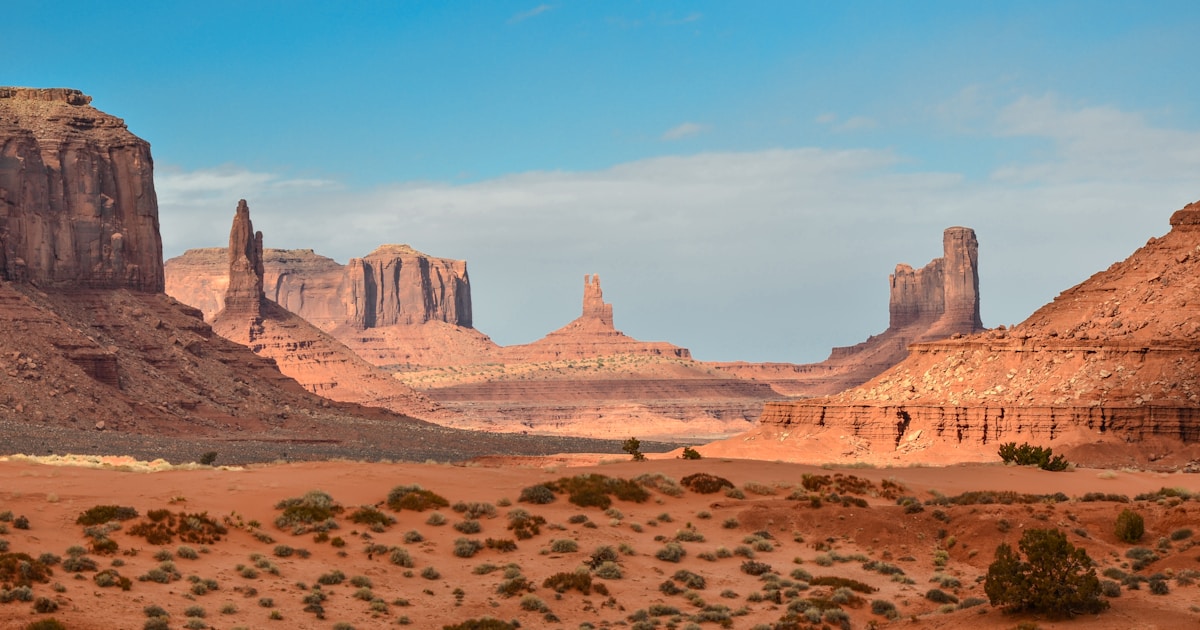
If you have ever seen a flat-topped mountain rising from a desert floor, you already know the magic of mesas and buttes. Carved by millions of years of erosion, these landforms are among the most breathtaking sights on Earth. Here are 18 of the most beautiful mesa and butte desert mountain destinations you should add to your travel list.
Key Takeaways
- Mesas and buttes are formed by millions of years of erosion, creating flat-topped and steep-sided landforms found across deserts worldwide.
- The American Southwest is the world’s top destination for mesa and butte landscapes, with Utah and Arizona leading the way.
- Many of these destinations are located within national parks and protected areas, making them accessible for hiking, photography, and camping.
- The best time to visit most mesa and butte destinations is during spring and fall when temperatures are moderate and light conditions are ideal.
- These landscapes hold deep cultural significance for Indigenous peoples and offer a window into Earth’s geological history.
Overview of the 18 Most Beautiful Mesa and Butte Destinations
| Place Name | Location | Best Time to Visit |
|---|---|---|
| Monument Valley | Arizona/Utah, USA | March – May, September – November |
| Mesa Verde National Park | Colorado, USA | April – June, September – October |
| Capitol Reef National Park | Utah, USA | April – May, September – October |
| Valley of the Gods | Utah, USA | March – May, September – November |
| Grand Staircase-Escalante | Utah, USA | April – June, September – October |
| Chiricahua National Monument | Arizona, USA | March – May, October – November |
| Canyon de Chelly | Arizona, USA | April – June, September – October |
| Goblin Valley State Park | Utah, USA | March – May, September – November |
| Natural Bridges National Monument | Utah, USA | April – June, September – October |
| Book Cliffs | Utah/Colorado, USA | May – September |
| Comb Ridge | Utah, USA | March – May, September – November |
| Kodachrome Basin State Park | Utah, USA | April – June, September – October |
| Devils Tower | Wyoming, USA | May – September |
| Uluru (Ayers Rock) | Northern Territory, Australia | May – September |
| Mount Conner (Attila) | Northern Territory, Australia | May – September |
| Tepui Mountains | Venezuela/Brazil/Guyana | December – March |
| Jebel Uweinat | Libya/Egypt/Sudan border | November – February |
| Bardenas Reales | Navarra, Spain | March – May, September – November |
1. Monument Valley, Arizona/Utah, USA
About
Monument Valley is arguably the most iconic mesa and butte landscape on Earth. Located within the Navajo Nation on the Arizona-Utah border, this vast valley is defined by towering sandstone buttes that rise up to 1,000 feet above the desert floor. It has been featured in countless films and photographs, making it a bucket-list destination for travelers worldwide.
Highlights
The park’s most famous formations include the East and West Mitten Buttes and Merrick Butte. The 17-mile Valley Drive loop offers jaw-dropping views at every turn, with legendary golden hour light.
Best Time to Visit
Spring and fall offer the best temperatures and light. Summer is extremely hot, while winter snow creates stunning red rock contrasts.
2. Mesa Verde National Park, Colorado, USA
About
Mesa Verde, Spanish for “green table,” is a UNESCO World Heritage Site famous for its well-preserved Ancestral Puebloan cliff dwellings. The park sits on a broad mesa overlooking the Montezuma Valley in southwestern Colorado, and it protects nearly 5,000 archaeological sites.
Highlights
Cliff Palace is the largest cliff dwelling in North America with over 150 rooms. Balcony House offers thrilling ladder-climbing, and the Petroglyph Point Trail leads to ancient rock art.
Best Time to Visit
April through June and September through October are ideal. The park’s elevation means cooler temperatures than the surrounding desert, and wildflowers bloom beautifully in late spring.
3. Capitol Reef National Park, Utah, USA
About
Capitol Reef protects the Waterpocket Fold, a 100-mile-long monocline creating dramatic formations. The park’s name comes from its white Navajo sandstone domes that resemble the United States Capitol.
Highlights
The Hickman Bridge Trail leads to a stunning 133-foot natural bridge. Cathedral Valley features towering monoliths that feel like another planet, while the Fruita orchards offer a unique desert contrast.
Best Time to Visit
April through May and September through October provide the best weather. Summer temperatures can soar above 100 degrees Fahrenheit in the lower elevations.
4. Valley of the Gods, Utah, USA
About
Often called Monument Valley’s quieter cousin, the Valley of the Gods is a free, undeveloped area in southeastern Utah filled with dramatic sandstone mesas and buttes.
Highlights
The 17-mile unpaved loop winds between towering formations like Lady in the Bathtub and Rooster Butte. No entrance fees and no crowds make it a peaceful alternative to Monument Valley.
Best Time to Visit
Spring and fall are best. The dirt road can become impassable after heavy rain, so check conditions before visiting during the monsoon season in late summer.
5. Grand Staircase-Escalante National Monument, Utah, USA
About
This vast monument covers nearly 1.9 million acres of remote southern Utah desert. It is named for the colorful cliff layers that step upward like a giant staircase.
Highlights
The Escalante Canyons offer incredible slot canyon hiking including Peek-a-Boo and Spooky Gulch. Hole-in-the-Rock Road leads to Devils Garden and other remote formations.
Best Time to Visit
April through June and September through October are the most comfortable months. Flash flooding is a real danger in slot canyons during summer monsoons.
6. Chiricahua National Monument, Arizona, USA
About
Known as the “Wonderland of Rocks,” Chiricahua National Monument protects a forest of balanced rocks, stone columns, and hoodoos formed from volcanic ash deposits. Located in the Chiricahua Mountains of southeastern Arizona, this park sits at the intersection of four ecological regions.
Highlights
The Heart of Rocks Loop features Big Balanced Rock and Pinnacle Peak. Massai Point offers panoramic views, and the area is a world-class birding destination.
Best Time to Visit
March through May brings wildflowers and mild weather. October and November are also excellent, with comfortable temperatures and clear skies.
7. Canyon de Chelly, Arizona, USA
About
Canyon de Chelly is unique among national monuments because it is located entirely within the Navajo Nation and is still home to Navajo families who farm and raise livestock in the canyon. The canyon’s sheer sandstone walls rise up to 1,000 feet and contain some of the most important archaeological sites in the Southwest.
Highlights
White House Ruin descends 600 feet to a stunning cliff dwelling. Spider Rock, an 800-foot sandstone spire, is one of Arizona’s most photographed formations.
Best Time to Visit
April through June and September through October provide the best conditions. Summer can be hot in the canyon bottom, and winter occasionally brings snow to the rims.
8. Goblin Valley State Park, Utah, USA
About
Goblin Valley is a surreal landscape of thousands of mushroom-shaped rock formations in central Utah’s San Rafael Desert. This small state park packs an incredible visual punch.
Highlights
The Valley of the Goblins lets you wander freely among bizarre formations. The park’s remote location means some of Utah’s darkest skies, perfect for astrophotography.
Best Time to Visit
March through May and September through November are ideal. Summer temperatures regularly exceed 100 degrees, and the park offers little shade.
9. Natural Bridges National Monument, Utah, USA
About
Natural Bridges was the first International Dark Sky Park. Located on a mesa in southeastern Utah, it protects three stunning natural bridges carved through sandstone over millennia.
Highlights
Sipapu, Kachina, and Owachomo bridges are accessible via a scenic loop trail. Sipapu spans 268 feet, making it one of the largest natural bridges in the world.
Best Time to Visit
April through June and September through October offer the best weather. The park’s high elevation means cooler temperatures than the desert below.
10. Book Cliffs, Utah/Colorado, USA
About
The Book Cliffs stretch over 200 miles across Utah and Colorado. Named for their resemblance to a shelf of books, these dramatic cliffs are a paradise for geology enthusiasts.
Highlights
The cliffs reveal millions of years of geological history in their layered faces. The area is rich in wildlife, including mule deer, elk, and golden eagles. The remote nature of the Book Cliffs means you can often have the landscape entirely to yourself, a rare experience in the modern world.
Best Time to Visit
May through September is the best window, as some access roads may be impassable in winter and early spring due to snow and mud.
11. Comb Ridge, Utah, USA
About
Comb Ridge is a dramatic 80-mile monocline of Navajo sandstone in southeastern Utah. This razor-backed ridge is one of the most striking linear landforms in the American Southwest.
Highlights
The House on Fire ruin is one of Utah’s most photographed archaeological sites. The ridge is stunning from Highway 163 at sunrise and sunset.
Best Time to Visit
Spring and fall offer the best temperatures and light conditions. Summer heat can be intense along the exposed ridge.
12. Kodachrome Basin State Park, Utah, USA
About
Named by National Geographic in 1948 for its vivid colors, Kodachrome Basin features 67 sandstone pipes found nowhere else on Earth.
Highlights
Towering sandstone chimneys reaching 170 feet create an otherworldly landscape. The Panorama Trail offers excellent hiking, and dark skies make it a stargazer favorite.
Best Time to Visit
April through June and September through October provide the most pleasant weather for hiking and photography.
13. Devils Tower, Wyoming, USA
About
Devils Tower is a massive igneous intrusion that rises 867 feet above the surrounding terrain in northeastern Wyoming. While technically a laccolith rather than a mesa or butte, its dramatic columnar structure and flat top make it one of the most recognizable desert mountain formations in the world. It was designated as the first United States national monument in 1906.
Highlights
The Tower’s columnar jointing creates hexagonal columns visible from miles away. The 1.3-mile Tower Trail circles the base with close-up views. The area is sacred to many Indigenous nations.
Best Time to Visit
May through September offers the warmest weather and the best access to climbing and hiking routes.
14. Uluru (Ayers Rock), Northern Territory, Australia
About
Uluru is one of the most famous monoliths on the planet, a massive sandstone formation that rises 1,142 feet above the flat desert of central Australia. Located within Uluru-Kata Tjuta National Park, it is a UNESCO World Heritage Site and a deeply sacred place for the Anangu people, the traditional owners of the land.
Highlights
Uluru’s color shifts from deep red at sunrise to glowing orange at sunset. The 6-mile base walk passes ancient rock art sites and waterholes through classic central Australian desert.
Best Time to Visit
May through September (the Australian winter) offers the coolest and most comfortable temperatures. Summer temperatures can exceed 110 degrees Fahrenheit.
15. Mount Conner (Attila), Northern Territory, Australia
About
Often mistaken for Uluru by passing tourists, Mount Conner is a flat-topped mesa located about 30 miles southeast of its more famous neighbor. Known as Attila by the local Indigenous people, this massive mesa rises from the desert floor with steep sides and a perfectly flat summit, making it a textbook example of a mesa landform.
Highlights
Mount Conner’s flat top makes it a striking sight against the vast desert sky. Nearby Lake Amadeus creates surreal salt lake reflections on calm days.
Best Time to Visit
May through September provides the best weather for exploring the central Australian desert.
16. Tepui Mountains, Venezuela/Brazil/Guyana
About
The tepuis are ancient table-top mountains in South America’s Guiana Highlands. Some over 1.6 billion years old, they are among the oldest geological formations on Earth. Auyán-tepui is home to Angel Falls, the world’s tallest waterfall.
Highlights
Mount Roraima sits at the Venezuela-Brazil-Guyana border. Its summit features unique ecosystems including carnivorous plants and endemic species. The sheer cliffs inspired Conan Doyle’s “The Lost World.”
Best Time to Visit
The dry season from December to March offers the best conditions for trekking. During the wet season, the summit is often shrouded in clouds and trails become treacherous.
17. Jebel Uweinat, Libya/Egypt/Sudan Border
About
Jebel Uweinat is a massive mountain range at the Libya-Egypt-Sudan border in the heart of the Sahara. This remote area contains rock art dating back over 10,000 years.
Highlights
The mountain’s rock art depicts a time when the Sahara was green, showing cattle, giraffes, and human figures in vivid detail. The landscape itself is dramatic, with massive boulders, natural arches, and isolated buttes rising from endless sand seas. The area’s extreme remoteness means very few travelers ever see it in person.
Best Time to Visit
November through February offers the most bearable temperatures. Summer in the central Sahara is among the most extreme environments on Earth.
18. Bardenas Reales, Navarra, Spain
About
Bardenas Reales is a semi-desert badlands in northeastern Spain that looks like the American Southwest. This UNESCO Biosphere Reserve covers 100,000 acres of eroded clay, chalk, and sandstone formations.
Highlights
Castildetierra is the park’s most iconic formation, resembling a medieval castle. The area has been used as a filming location for Game of Thrones and other productions.
Best Time to Visit
March through May and September through November offer the best weather. Summer temperatures can be scorching, and the landscape offers very little shade.
Frequently Asked Questions
What is the difference between a mesa and a butte?
A mesa is wider than it is tall, while a butte is taller than it is wide. Both form through erosion, where softer rock wears away leaving a harder caprock on top. Over time, mesas erode into buttes, and buttes eventually become spires.
Where are the best mesas and buttes in the world?
The American Southwest is the premier destination, with Utah, Arizona, Colorado, and New Mexico leading the way. International highlights include Uluru, the Tepui Mountains, and Bardenas Reales.
Are mesa and butte destinations safe for beginners?
Many destinations are accessible with well-maintained roads and visitor centers. National parks like Monument Valley and Mesa Verde are great for beginners. Remote areas require extra water, sun protection, and navigation tools.
What should I pack for a desert mesa trip?
Bring plenty of water (at least one gallon per person per day), sun protection including a wide-brimmed hat and sunscreen, sturdy hiking shoes, layers for temperature changes, and a camera. A GPS device or offline maps are essential for remote areas where cell service is unavailable.
Why do mesas and buttes have different colors?
Colors come from minerals in rock layers. Red and orange come from iron oxide, white from limestone or sandstone. Black streaks known as desert varnish are manganese and iron deposits.
Conclusion
From Monument Valley’s legendary buttes to South America’s ancient tepuis, mesa and butte landscapes offer some of Earth’s most awe-inspiring scenery. Whether you are a photographer, hiker, or nature lover, these 18 destinations deserve a spot on your travel list. Start planning your adventure and discover these flat-topped giants for yourself.
Share this guide with your friends and start planning your next desert adventure today. These breathtaking mesa and butte destinations are waiting for you.
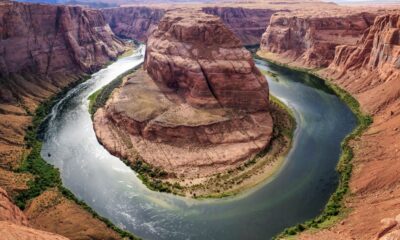

18 Most Dramatic Cliff and Escarpment Nature Destinations
If you’re searching for the most dramatic cliff and escarpment nature destinations on Earth, this guide covers 18 jaw-dropping locations...

25 Best Mountain Nature Destinations in Europe to Explore
Europe’s mountain landscapes offer some of the most breathtaking scenery on the planet. From the jagged peaks of the Alps...
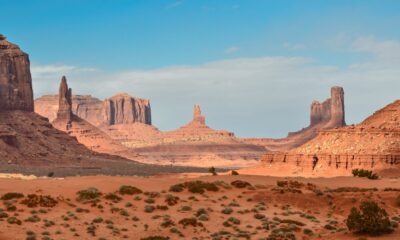

18 Most Beautiful Mesa and Butte Desert Mountain Destinations
If you have ever seen a flat-topped mountain rising from a desert floor, you already know the magic of mesas...
-

 Animals1 year ago
Types of Ants Living in the World and Information
-
 Forests1 year ago
The 10 Best Forests to Visit in the World
-

 Ocean1 year ago
Oceans in the World and Their Information & Locations
-
 Animals4 years ago
(10) Insects Are Animals in the world?
-
 Animals4 years ago
Most Popular Wild Animals in The World
-
 Forests4 years ago
What Is The Biggest Rainforest In The World?
-
 Forests1 year ago
The Main Factors That Contribute to Forest Destruction
-

 Nature1 year ago
The 10 Largest Farms in the World