
Mountain
12 Most Beautiful Patagonia Nature Spots to Explore

Discover the Raw Beauty of Patagonia
Patagonia is one of those places that stays with you long after you leave. Stretching across the southern tips of Argentina and Chile, this vast wilderness delivers some of the most dramatic landscapes on Earth — towering granite peaks, massive glaciers, turquoise lakes, and endless stretches of untouched nature. If you have been dreaming of a trip that combines adventure with pure natural beauty, these Patagonia nature spots should be at the top of your list.
Key Takeaways
- Patagonia spans southern Argentina and Chile, offering diverse landscapes from glaciers to deserts
- The best time to visit most Patagonia destinations is between November and March (austral summer)
- You will find world-class hiking, wildlife watching, and photography opportunities throughout the region
- Patagonia suits all types of travelers, from hardcore trekkers to casual nature lovers
- Planning ahead is essential — some spots require permits or advance bookings
Why Patagonia Deserves a Spot on Your Bucket List
You have probably seen photos of Patagonia before — the jagged peaks of Fitz Roy, the cracking blue ice of Perito Moreno, the vast open steppe. But nothing quite prepares you for standing in front of these landscapes in person. The scale is humbling. The air feels cleaner. The silence is something you did not know you needed.
What makes Patagonia special is its sheer variety. Within a single trip, you can walk on glaciers, trek through ancient forests, spot penguins and condors, and camp under some of the darkest skies in the world. It is a region that rewards curiosity and a willingness to embrace the unpredictable. Weather changes fast here, but that is part of the charm.
Whether you are an experienced hiker or someone who just wants to soak in beautiful views, Patagonia has something for you. Here are twelve of the most beautiful Patagonia nature spots to explore.
1. Torres del Paine National Park, Chile
About: Torres del Paine is the crown jewel of Chilean Patagonia and one of the most famous national parks in South America. Located in the southern part of Chile, it covers over 180,000 hectares of glaciers, lakes, rivers, and granite mountains.
Highlights: The iconic Torres del Paine towers — three massive granite spires that rise dramatically above the surrounding landscape. The park also features the Grey Glacier, the French Valley, and the stunning Lake Pehoe with its vivid turquoise waters.
Experience: The W Trek and the Full Circuit are two of the most popular multi-day hikes in the world. You can also do day hikes to the base of the towers, go kayaking on the glaciers, or take boat tours across the lakes. Wildlife watching is excellent — look for guanacos, condors, and even pumas.
Best Time to Visit: November to March, with December through February offering the longest days and warmest temperatures.
Why You Should Visit: Torres del Paine delivers the full Patagonian experience in one concentrated area. The combination of mountains, glaciers, and wildlife is hard to beat anywhere else on the planet.
Travel Tips: Book refugios (mountain huts) or campsites well in advance, especially during peak season. Bring layers — wind is constant and temperatures can shift quickly. Entrance fees apply, so budget accordingly.
2. Perito Moreno Glacier, Argentina
About: Located in Los Glaciares National Park in Argentine Patagonia, the Perito Moreno Glacier is one of the few advancing glaciers in the world. It stretches about 30 kilometers long and rises roughly 70 meters above the surface of Lago Argentino.
Highlights: The sheer wall of blue-white ice is breathtaking. Watching massive chunks of ice calve into the lake below is an unforgettable experience. The glacier’s surface features deep crevasses and milky-blue ice formations.
Experience: Walk along the extensive network of viewing platforms that give you different perspectives of the glacier. For something more adventurous, you can book a mini-trekking tour that takes you walking on the glacier itself with crampons.
Best Time to Visit: October through April offers the best access and viewing conditions.
Why You Should Visit: Perito Moreno is one of the most accessible large glaciers in the world, and the calving events are genuinely thrilling to witness. It is a living, moving wall of ice that reminds you how powerful nature really is.
Travel Tips: The nearest town is El Calafate, which has good accommodation and dining options. Arrive early in the day to avoid crowds at the viewing platforms. Bring sunglasses — the glare off the ice is intense.
3. Mount Fitz Roy, Argentina
About: Mount Fitz Roy (also known as Cerro Chaltén) stands at 3,405 meters near the small trekking village of El Chaltén in Argentine Patagonia. It is one of the most challenging and iconic peaks in the world.
Highlights: The jagged granite summit is often shrouded in clouds, creating dramatic and moody scenery. Laguna de los Tres, a glacial lake at the base of the mountain, offers one of the most photographed views in all of Patagonia.
Experience: The day hike to Laguna de los Tres is about 25 kilometers round trip with a steep final ascent, but the reward is extraordinary. El Chaltén also offers shorter trails to Laguna Capri and the Condor and Eagle lookouts for easier options.
Best Time to Visit: December through February for the most stable weather, though November and March can also work well.
Why You Should Visit: Fitz Roy is a bucket-list destination for hikers and photographers. The landscape around El Chaltén feels wild and remote, and the sense of accomplishment after reaching the lake is hard to describe.
Travel Tips: El Chaltén is a small, walkable town with free camping options and basic services. Pack for all weather conditions — even in summer, wind and rain are common. Start your hikes early to avoid afternoon weather changes.
4. Valdes Peninsula, Argentina
About: The Valdes Peninsula is a UNESCO World Heritage Site on the Atlantic coast of Argentine Patagonia. It is one of the best wildlife viewing destinations in the entire region.
Highlights: Southern right whales (June to December), orcas, Magellanic penguins, elephant seals, sea lions, and a huge variety of seabirds. The peninsula is also home to guanacos and rheas on its arid interior plains.
Experience: Take a whale-watching boat tour from Puerto Piramides, visit the penguin colonies at Estancia San Lorenzo, and drive the peninsula’s dirt roads to spot wildlife from your car. The orcas here are famous for their unique beaching technique to catch elephant seal pups.
Best Time to Visit: June to December for whales, October to March for penguins and orcas. Each season offers different wildlife spectacles.
Why You Should Visit: If you love animals, Valdes Peninsula is a dream. Nowhere else in Patagonia offers this density and variety of marine wildlife in such an accessible setting.
Travel Tips: The nearest city is Puerto Madryn, about 200 kilometers away. Bring binoculars and a good camera with a zoom layer. Book whale-watching tours in advance during peak season.
5. Tierra del Fuego National Park, Argentina
About: Located just outside Ushuaia — the southernmost city in the world — Tierra del Fuego National Park protects a unique landscape where the Andes meet the sea. It is the southernmost national park in Argentina.
Highlights: Sub-Antarctic forests of lenga and guindo trees, pristine lakes like Lago Roca, rugged coastline along the Beagle Channel, and the famous End of the World Train.
Experience: Hike the coastal trail along the Beagle Channel for stunning views and birdwatching. Take the historic End of the World Train for a unique perspective on the park’s history. Kayaking on the Beagle Channel gets you close to cormorant colonies and sea lions.
Best Time to Visit: November through March, with the warmest weather from December to February.
Why You Should Visit: There is something magical about being at the literal end of the world. The combination of forests, coastline, and mountains creates a landscape that feels both peaceful and adventurous.
Travel Tips: Ushuaia has plenty of accommodation and serves as a base for Antarctic cruises as well. Bring warm, waterproof clothing regardless of the season. The park is easily reached by car or shuttle from town.
6. Queulat National Park, Chile
About: Queulat National Park is a hidden gem in the Aysén region of Chilean Patagonia. It is less visited than Torres del Paine but equally stunning, with hanging glaciers, dense temperate rainforests, and dramatic fjords.
Highlights: The Queulat Hanging Glacier is the park’s star attraction — a massive glacier suspended above a valley that periodically calves ice into the river below. The park also features the beautiful Lake Risopatron and lush Valdivian rainforest.
Experience: The hanging glacier viewpoint is accessible via a moderate hike through ancient forest. The Carretera Austral highway runs along the park’s edge, offering spectacular views of the Ventisquero Colgante (hanging glacier) from the road.
Best Time to Visit: December through March for the best hiking conditions.
Why You Should Visit: Queulat offers a more intimate, less crowded Patagonian experience. The combination of glacier and rainforest is rare and beautiful, and the sense of discovery here is real.
Travel Tips: The Carretera Austral is partially unpaved, so a sturdy vehicle is recommended. Bring rain gear — this is one of the wettest parts of Patagonia. Accommodation options are limited, so plan ahead.
7. Marble Caves, Chile
About: The Marble Caves (Capillas de Marmol) are a series of stunning caverns and tunnels carved into marble rock by the waters of General Carrera Lake in Chilean Patagonia. They are located near the small town of Puerto Rio Tranquilo.
Highlights: The swirling blue and white patterns on the cave walls, created by millennia of lake water erosion, are mesmerizing. The turquoise water of the lake reflects onto the cave ceilings, creating an otherworldly glow.
Experience: Take a boat tour or kayak to explore the caves up close. The water level and light conditions change throughout the day, so early morning and late afternoon visits offer the most dramatic colors.
Best Time to Visit: December through February when water levels are lower and boat tours operate most reliably.
Why You Should Visit: The Marble Caves are unlike anything else in Patagonia — or anywhere else in the world. The natural artistry of the swirling marble patterns is something you will want to photograph from every angle.
Travel Tips: Puerto Rio Tranquilo is a small, charming town on the Carretera Austral. Boat tours are affordable and run frequently in summer. Bring a waterproof camera or phone case.
8. Los Alerces National Park, Argentina
About: Los Alerces National Park is a UNESCO World Heritage Site in Chubut Province, Argentine Patagonia. It protects one of the largest alerce forest ecosystems in the world. The alerce tree is a long-lived conifer that can reach over 3,000 years old.
Highlights: Ancient alerce forests, crystal-clear lakes like Lago Futalaufquen and Lago Rivadavia, and the stunning Arrayanes River. The park’s largest alerce tree is over 2,600 years old and can be reached by boat.
Experience: Take a boat tour across the lakes to see the ancient alerce trees. Hiking trails range from easy lakeside walks to more challenging mountain routes. The Arrayanes River walk is particularly beautiful, with its emerald-green water and lush surroundings.
Best Time to Visit: November through April, with the warmest weather from December to March.
Why You Should Visit: Walking among trees that were already ancient when the Roman Empire fell is a humbling experience. The forests here are peaceful, pristine, and deeply beautiful.
Travel Tips: The nearest town is Esquel, which has good services and is also home to the historic La Trochita narrow-gauge railway. The park is large, so allow at least two days to explore properly.
9. Punta Tombo, Argentina
About: Punta Tombo is a narrow peninsula extending into the Atlantic Ocean in Chubut Province, Argentine Patagonia. It hosts the largest colony of Magellanic penguins in the world, with over a million birds during peak season.
Highlights: Hundreds of thousands of Magellanic penguins nesting, waddling, and swimming right alongside the walking trails. You can also spot guanacos, rheas, and cormorants on the peninsula.
Experience: Walk the designated trails that wind through the penguin colony. The penguins are accustomed to humans and often come quite close. It is one of the most accessible and intimate wildlife encounters in South America.
Best Time to Visit: September through April, with peak penguin numbers from October to February.
Why You Should Visit: If you have ever wanted to walk among penguins in the wild, Punta Tombo is the place. The sheer number of birds and their charming behavior make this an unforgettable stop.
Travel Tips: The nearest town is Trelew, about 180 kilometers away. Bring sun protection — the peninsula is exposed and can be hot. Stay on the marked trails to protect the nesting birds.
10. San Rafael Lagoon, Chile
About: San Rafael Lagoon is a stunning glacial lagoon in the Aysén region of Chilean Patagonia, accessible only by boat or helicopter. It is part of the larger Laguna San Rafael National Park, a UNESCO Biosphere Reserve.
Highlights: The San Rafael Glacier calves massive icebergs directly into the lagoon. The surrounding scenery includes steep fjords, dense rainforest, and snow-capped mountains. The blue ice floating in the water is mesmerizing.
Experience: Take a boat tour from Puerto Chacabuco or Puerto Montt that navigates through narrow fjords to reach the lagoon. Watching the glacier calve while surrounded by pristine wilderness is a once-in-a-lifetime experience.
Best Time to Visit: October through March, when boat tours operate regularly.
Why You Should Visit: San Rafael feels like the edge of the world. The journey through the fjords is as spectacular as the destination, and the glacier calving displays are genuinely awe-inspiring.
Travel Tips: The boat journey takes several hours each way, so be prepared for a full-day excursion. Seasickness medication is recommended if you are prone to it. Book tours in advance during summer.
11. Cerro Castillo National Park, Chile
About: Cerro Castillo is a dramatically jagged mountain in the Aysén region of Chilean Patagonia, surrounded by a national park of the same name. It is often called the “Torres del Paine of the north” but with a fraction of the visitors.
Highlights: The jagged basalt spires of Cerro Castillo, the turquoise waters of Lago Cerro Castillo, and the beautiful forests of lenga and coigue trees. The park also features the stunning Las Horquetas trail.
Experience: The Cerro Castillo trek is a challenging but rewarding multi-day hike that passes through forests, over mountain passes, and alongside glacial rivers. Day hikes to the base of the mountain are also available for those who prefer shorter outings.
Best Time to Visit: December through March for the best hiking conditions.
Why You Should Visit: If you want the dramatic mountain scenery of Torres del Paine without the crowds, Cerro Castillo is your answer. The landscapes are raw, wild, and deeply rewarding.
Travel Tips: The nearest town is Coyhaique, which serves as the gateway to the Aysén region. The Carretera Austral provides access. Bring full hiking gear and be prepared for variable weather.
12. Laguna de los Tres and Fitz Roy Massif, Argentina
About: While Mount Fitz Roy was already mentioned, the broader Fitz Roy massif and its surrounding glacial lakes deserve their own spotlight. The area around El Chaltén contains a network of trails leading to some of the most spectacular alpine scenery in the world.
Highlights: Beyond Laguna de los Tres, the area offers Laguna Torre (home to the granite spire of Cerro Torre), the Viedma Glacier, and countless viewpoints along the Rio de las Vueltas valley. The entire massif is a photographer’s paradise.
Experience: Spend several days in El Chaltén exploring different trails. The Laguna Torre day hike offers views of another iconic Patagonian peak. For the truly ambitious, multi-day treks connect several of these destinations into an epic adventure.
Best Time to Visit: November through March, with the most reliable weather from December to February.
Why You Should Visit: The Fitz Roy area is arguably the most beautiful mountain landscape in all of South America. Every trail leads to another jaw-dropping view, and the sense of wilderness here is profound.
Travel Tips: El Chaltén is a free-entry trekking paradise — no park fees required. The town has a range of accommodation from hostels to hotels. Bring cash, as ATMs can be unreliable. Start hikes at dawn for the best light and clearest views of the peaks.
Complete Patagonia Spots Overview
| Place Name | Location | Best Time to Visit |
|---|---|---|
| Torres del Paine National Park | Chilean Patagonia | November – March |
| Perito Moreno Glacier | Argentine Patagonia (Los Glaciares NP) | October – April |
| Mount Fitz Roy | Argentine Patagonia (El Chaltén) | December – February |
| Valdes Peninsula | Argentine Patagonia (Atlantic Coast) | June – December |
| Tierra del Fuego National Park | Argentine Patagonia (Ushuaia) | November – March |
| Queulat National Park | Chilean Patagonia (Aysén Region) | December – March |
| Marble Caves | Chilean Patagonia (Puerto Rio Tranquilo) | December – February |
| Los Alerces National Park | Argentine Patagonia (Chubut Province) | November – April |
| Punta Tombo | Argentine Patagonia (Chubut Province) | September – April |
| San Rafael Lagoon | Chilean Patagonia (Aysén Region) | October – March |
| Cerro Castillo National Park | Chilean Patagonia (Aysén Region) | December – March |
| Fitz Roy Massif and Glacial Lakes | Argentine Patagonia (El Chaltén) | November – March |
Frequently Asked Questions
What is the best time to visit Patagonia?
The austral summer from November to March is the best time for most Patagonia destinations. December through February offers the warmest weather and longest days, but also the largest crowds. Shoulder months like November and March can be excellent with fewer tourists and still-decent weather.
Is Patagonia safe for solo travelers?
Yes, Patagonia is generally very safe for solo travelers. The main risks are related to weather and outdoor activities rather than crime. Always let someone know your hiking plans, carry proper gear, and check weather forecasts before heading out on trails.
How much does a trip to Patagonia cost?
Patagonia can be expensive, especially in peak season. Budget travelers can get by on around $50-80 USD per day by camping, cooking their own food, and using public transport. Mid-range travelers should budget $150-250 per day. Park fees, tours, and transportation between destinations add up, so plan your budget carefully.
Do I need to book accommodations in advance?
For popular destinations like Torres del Paine and El Calafate during peak season (December to February), booking accommodations and campsites several months in advance is essential. For less visited areas, you can often find availability on shorter notice, but it is still wise to book ahead.
What should I pack for Patagonia?
Layering is key. Bring a waterproof and warm outer layer, warm mid-layers, moisture-wicking base layers, sturdy hiking boots, a warm hat, gloves, sunglasses, and sunscreen. The wind is often the biggest challenge, so a good windbreaker is essential. Do not underestimate how cold it can get, even in summer.
Can I visit both Chilean and Argentine Patagonia in one trip?
Absolutely. Many travelers combine destinations in both countries. Overland border crossings are possible at several points, and bus services connect major towns. Just make sure to check visa requirements for both countries and allow extra time for border crossings.
Is Patagonia suitable for beginners?
Yes, many Patagonia destinations are perfect for beginners. Places like Perito Moreno Glacier, the Marble Caves, and Punta Tombo require no technical hiking skills. Even Torres del Paine has day hikes suitable for people with basic fitness. Start with easier destinations and work your way up to more challenging treks.
Start Planning Your Patagonia Adventure
Patagonia is one of those rare destinations that lives up to the hype — and then exceeds it. From the thundering glaciers of Perito Moreno to the ancient forests of Los Alerces, from the penguin colonies of Punta Tombo to the towering peaks of Fitz Roy, this region offers an incredible diversity of natural wonders.
The best part is that Patagonia works for every type of traveler. You do not need to be an experienced mountaineer to fall in love with this place. A short walk to a viewpoint, a boat ride across a glacial lake, or a quiet moment watching wildlife can be just as powerful as a multi-day trek.
Start by picking one or two destinations from this list that speak to you, and build your trip from there. Whether you choose the well-known highlights or venture off the beaten path to places like Queulat or Cerro Castillo, you are in for an experience that will stay with you forever.
Save this guide for your next adventure, and start planning your Patagonia trip today. The mountains, glaciers, and wildlife are waiting.


15 Best High Altitude Nature Destinations Around the World
If you have ever dreamed of standing above the clouds, breathing crisp mountain air, and gazing at landscapes that look almost otherworldly, high altitude destinations are calling your name. From the towering peaks of the Himalayas to the sweeping plateaus of the Andes, these places offer some of the most breathtaking nature experiences on the planet. Whether you are a seasoned trekker or simply someone who loves stunning views, this guide will walk you through 15 incredible high altitude destinations that deserve a spot on your travel list.
Key Takeaways
- High altitude destinations offer unique landscapes, from snow-capped peaks to alpine meadows and ancient ruins above the clouds.
- This guide covers 15 destinations across six continents, including the Himalayas, the Andes, the Alps, and the Ethiopian Highlands.
- Each destination includes practical travel tips, best times to visit, and what makes it special.
- Altitude sickness is a real concern — we cover how to prepare and stay safe at elevation.
- Some of these places are accessible to beginners, while others are best suited for experienced adventurers.
Quick Reference Table
| Place Name | Location | Best Time to Visit |
|---|---|---|
| Lhasa | Tibet, China | April – October |
| La Paz | Bolivia | May – October |
| Cusco and Machu Picchu | Peru | May – September |
| Quito | Ecuador | June – September |
| Leh-Ladakh | India | June – September |
| Addis Ababa and Simien Mountains | Ethiopia | October – March |
| Kathmandu Valley | Nepal | March – May, September – November |
| Jungfraujoch | Switzerland | June – September |
| Denali National Park | Alaska, USA | May – September |
| Tibetan Plateau | China / Tibet | May – October |
| Mount Kilimanjaro | Tanzania | January – March, June – October |
| Potosi | Bolivia | May – October |
| Sichuan Highlands | China | April – June, September – November |
| Lake Titicaca | Bolivia / Peru | May – October |
| Sagarmatha National Park | Nepal | March – May, October – November |
1. Lhasa, Tibet, China
About
Lhasa, the capital of Tibet, sits at a staggering 3,650 meters (11,975 feet) above sea level. Known as the “Place of the Gods,” it is one of the highest cities in the world and serves as the gateway to the Tibetan Plateau. The city blends ancient Buddhist culture with dramatic mountain scenery.
Highlights
- The iconic Potala Palace, a UNESCO World Heritage Site and former winter residence of the Dalai Lama
- Jokhang Temple, the spiritual heart of Tibetan Buddhism
- Stunning views of the Himalayan range surrounding the city
- Traditional Tibetan markets and monasteries at every turn
Best Time to Visit
April through October offers the mildest weather and clearest skies. Winters are extremely cold and many roads close due to snow.
Why You Should Visit
Lhasa is not just a destination — it is a spiritual experience. The combination of ancient culture, towering mountains, and the thin, pure air at this elevation creates an atmosphere unlike anywhere else on Earth.
Travel Tips
You will need a special Tibet Travel Permit in addition to a Chinese visa, so arrange this well in advance. Spend at least two days acclimatizing. Budget around $80–120 per day. Bring warm layers even in summer — temperatures drop sharply at night.
2. La Paz, Bolivia
About
La Paz is the highest administrative capital in the world, sitting at roughly 3,640 meters (11,942 feet). Built in a dramatic canyon carved by the Choqueyapu River, the city is colorful, chaotic, and utterly fascinating. The surrounding Altiplano stretches out in every direction.
Highlights
- The Witches’ Market (Mercado de las Brujas), where you can find traditional Bolivian remedies and curiosities
- Moon Valley (Valle de la Luna), a surreal landscape of eroded clay formations
- The Teleferico cable car system — the highest and longest urban cable car network in the world
- El Alto viewpoint, offering a panoramic look at the sprawling city below
Best Time to Visit
The dry season from May to October brings sunny days and cooler nights — ideal for clear views and comfortable trekking.
Why You Should Visit
La Paz offers a rare combination of indigenous culture, colonial history, and jaw-dropping natural beauty. The altitude gives the light a unique quality, and the surrounding Andean landscape is endlessly photogenic.
Travel Tips
Altitude sickness is common — take it easy for the first day and drink coca tea. Budget travelers can get by on $30–50 per day. Use the Transporte for a scenic way around.
3. Cusco and Machu Picchu, Peru
About
Cusco, the ancient Inca capital, sits at 3,400 meters (11,152 feet) in the Peruvian Andes. It is the gateway to Machu Picchu, one of the New Seven Wonders of the World. The city blends Inca stone walls with colonial Spanish architecture.
Highlights
- Machu Picchu, the iconic 15th-century Inca citadel perched on a mountain ridge
- The Sacred Valley, with terraced hillsides, traditional villages, and Inca ruins
- Cusco’s Plaza de Armas, surrounded by churches and restaurants
- The colorful San Pedro Market, a feast for the senses
Best Time to Visit
May through September is the dry season. June and July are peak months, so book accommodations and Machu Picchu tickets well in advance.
Why You Should Visit
The combination of ancient history, mountain scenery, and the sheer engineering brilliance of the Incas is awe-inspiring. Cusco itself is a vibrant city with incredible food and energy.
Travel Tips
Spend at least two days in Cusco to acclimatize before heading to Machu Picchu. Book your entrance tickets months in advance. Budget $50–100 per day for a comfortable trip.
4. Quito, Ecuador
About
Quito, the capital of Ecuador, sits at 2,850 meters (9,350 feet) in a valley surrounded by Andean volcanoes. It boasts one of the best-preserved historic centers in Latin America and was one of the first cities designated a UNESCO World Heritage Site.
Highlights
- The historic Old Town, with ornate churches, cobblestone streets, and colonial plazas
- Teleferico, a cable car that takes you up the slopes of Pichincha volcano to over 4,000 meters
- The Mitad del Mundo monument, marking the equator line
- Nearby cloud forests and the Otavalo indigenous market
Best Time to Visit
June through September is the dry season with the best weather. However, Quito’s equatorial location means temperatures stay mild year-round.
Why You Should Visit
Quito is an underrated gem. The combination of colonial architecture, indigenous culture, and dramatic volcanic scenery makes it one of the most interesting capital cities in South America. It is also the perfect launchpad for the Galapagos Islands.
Travel Tips
Ecuador uses the US dollar, which makes budgeting straightforward. The altitude is noticeable but manageable. Budget around $40–70 per day for a comfortable stay. Use official taxis or ride-sharing apps for safety.
5. Leh-Ladakh, India
About
Leh, the capital of Ladakh in northern India, sits at 3,500 meters (11,483 feet) in a high desert valley surrounded by the Himalayas and Karakoram range. This remote region is often called “Little Tibet” for its Buddhist monasteries and stark, moon-like landscapes.
Highlights
- Pangong Lake, a stunning high-altitude lake that shifts from blue to turquoise
- Hemis Monastery, one of the largest and most famous Buddhist monasteries in Ladakh
- Khardung La pass, one of the highest motorable roads in the world at 5,359 meters
- Nubra Valley, with its sand dunes and double-humped Bactrian camels
Best Time to Visit
June through September, when mountain passes are open and the weather is pleasant. Winters are brutally cold and roads become inaccessible.
Why You Should Visit
Ladakh is one of the most remote and beautiful places on Earth. The landscape is vast, empty, and overwhelmingly dramatic. The Buddhist culture adds a layer of peace that makes the whole experience feel transformative.
Travel Tips
Fly into Leh from Delhi or take the epic road from Manali. Acclimatize for two days before high-altitude activities. Inner Line Permits are required for certain areas. Budget $30–60 per day.
6. Addis Ababa and the Simien Mountains, Ethiopia
About
Addis Ababa, Ethiopia’s capital, sits at 2,355 meters (7,726 feet). Just north, the Simien Mountains National Park offers dramatic highland scenery found nowhere else in Africa.
Highlights
- The Simien Mountains, a UNESCO World Heritage Site with jagged peaks and deep valleys
- Wildlife including the Gelada baboon, Walia ibex, and Ethiopian wolf
- Traditional Ethiopian coffee ceremonies and vibrant food culture
- The panoramic views from the rim of the escarpment
Best Time to Visit
October through March, after the rainy season, when trails are dry and views are clear. The landscape turns lush green during this period.
Why You Should Visit
The Simien Mountains are often called the “Roof of Africa,” and trekking here feels like stepping into another world. The wildlife is unique, the culture is ancient, and the hospitality is unmatched.
Travel Tips
A local guide is mandatory for trekking in the Simien Mountains. Budget $40–80 per day including trekking costs. Bring warm sleeping gear — nights at altitude get cold.
7. Kathmandu Valley, Nepal
About
The Kathmandu Valley sits at approximately 1,400 meters (4,600 feet) but serves as the gateway to the highest mountains on Earth. From here, trekkers set off for Everest, Annapurna, and dozens of other legendary peaks. The valley itself is rich with ancient temples and bustling markets.
Highlights
- UNESCO World Heritage Sites including Durbar Squares, Boudhanath Stupa, and Pashupatinath Temple
- Trekking to Everest Base Camp or the Annapurna Circuit
- Mountain flights offering close-up views of Everest and other 8,000-meter peaks
- The hilltop viewpoint of Nagarkot, with panoramic Himalayan views at sunrise
Best Time to Visit
March to May and September to November offer clear skies and comfortable temperatures for both sightseeing and trekking.
Why You Should Visit
Nepal is the ultimate high-altitude destination. Even if you never set foot on a mountain trail, the views from the valley are extraordinary. The culture is warm and welcoming, and the sense of adventure in the air is contagious.
Travel Tips
Trekking permits are required for most routes. Budget $30–60 per day in the city, more for guided treks. Stay hydrated and take altitude seriously if trekking. Kathmandu’s traffic is chaotic — allow extra time.
8. Jungfraujoch, Switzerland
About
The Jungfraujoch, known as the “Top of Europe,” is a railway station at 3,454 meters (11,332 feet) in the Bernese Alps. It is the highest railway station in Europe and offers some of the most accessible high-altitude scenery on the continent. You can literally take a train to the top.
Highlights
- The Sphinx Observation Hall, with 360-degree views of the Aletsch Glacier and surrounding peaks
- The Ice Palace, carved into the glacier itself
- The Aletsch Glacier, the longest glacier in the Alps at 23 kilometers
- Views of the Eiger, Monch, and Jungfrau peaks
Best Time to Visit
June through September offers the best weather and clearest views. The railway operates year-round, but winter means shorter days and colder conditions.
Why You Should Visit
The Jungfraujoch proves you do not need to be a mountaineer to experience the high Alps. The train ride itself is spectacular, and the views from the top are genuinely world-class.
Travel Tips
Book train tickets online in advance. The round-trip from Interlaken costs around $200–230. Dress warmly — it is freezing at the top even in summer.
9. Denali National Park, Alaska, USA
About
Denali National Park is home to Denali, North America’s highest peak at 6,190 meters (20,310 feet). The park covers six million acres of wilderness, with taiga forests, tundra, and abundant wildlife.
Highlights
- Denali peak, visible from miles away on clear days
- Wildlife including grizzly bears, moose, caribou, Dall sheep, and wolves
- The Denali Park Road, a 92-mile route deep into the wilderness
- Backcountry hiking and mountaineering opportunities
Best Time to Visit
May through September, with June and July being peak months. The park road is only fully open during this period.
Why You Should Visit
Denali is raw, untamed wilderness at its finest. The scale of the landscape is humbling, and the wildlife viewing is among the best in North America. If you want to experience true remoteness, this is the place.
Travel Tips
Private vehicles cannot go past mile 15 on the Park Road — take a shuttle bus and book well in advance. Camping in the backcountry requires a permit. Budget $100–200 per day including transport and accommodation.
10. The Tibetan Plateau, China
About
The Tibetan Plateau is the highest and largest plateau on Earth, averaging 4,500 meters (14,764 feet). Often called the “Roof of the World,” it covers an area roughly the size of Western Europe and is the source of many of Asia’s greatest rivers.
Highlights
- Vast, open landscapes that stretch to the horizon in every direction
- Mount Everest’s North Base Camp, accessible from the Tibetan side
- Namtso Lake, one of the most beautiful high-altitude lakes in the world
- Nomadic yak herders and traditional Tibetan culture
Best Time to Visit
May through October, when temperatures are milder and roads are passable. The plateau is extremely cold in winter.
Why You Should Visit
The Tibetan Plateau is one of the last truly wild places on Earth. The sheer scale of the landscape, the silence, and the sense of being on top of the world is something you will never forget.
Travel Tips
You will need a Tibet Travel Permit and must travel with a registered tour operator. The altitude is extreme — acclimatize properly. Budget $100–150 per day for guided tours. Bring the warmest clothing you own.
11. Mount Kilimanjaro, Tanzania
About
Mount Kilimanjaro is Africa’s highest peak at 5,895 meters (19,341 feet) and the tallest free-standing mountain in the world. Located in northeastern Tanzania, it is one of the most climbed high-altitude peaks on the planet, attracting tens of thousands of trekkers every year.
Highlights
- Summiting Uhuru Peak, the highest point in Africa
- Five distinct ecological zones, from rainforest to arctic summit
- Incredible sunrise views from the crater rim
- The Shira Plateau, a high-altitude moorland with otherworldly vegetation
Best Time to Visit
January through March and June through October. Avoid the rainy months of April, May, and November.
Why You Should Visit
Kilimanjaro is one of the few high-altitude peaks that non-climbers can realistically attempt. No technical climbing skills are required, just determination and good fitness. Standing on the roof of Africa is a life-changing experience.
Travel Tips
The Machame and Lemosho routes offer the best acclimatization. Budget $2,000–4,000 for a guided trek. Train for two months beforehand and take it slow to avoid altitude sickness.
12. Potosi, Bolivia
About
Potosi is one of the highest cities in the world at 4,090 meters (13,420 feet). A former Spanish colonial silver mining center, it is now a UNESCO World Heritage Site with a stark, haunting landscape.
Highlights
- Cerro Rico (“Rich Mountain”), the silver mine that once funded the Spanish Empire
- Colonial architecture and churches throughout the historic center
- The National Mint (Casa de la Moneda), now a museum
- A gateway to the nearby Uyuni Salt Flats, the largest in the world
Best Time to Visit
May through October during the dry season, when roads to Uyuni are most reliable.
Why You Should Visit
Potosi is a hidden gem. The history is fascinating, the altitude is extreme, and the connection to the Uyuni Salt Flats makes it a perfect stop on a Bolivian high-altitude adventure.
Travel Tips
The altitude here is serious — Potosi is higher than most mountains in Europe. Take it very easy on arrival. Mine tours are available but physically demanding. Budget $25–50 per day.
13. The Sichuan Highlands, China
About
Western Sichuan Province is a high-altitude wonderland where the Tibetan Plateau meets the mountains of southwestern China. This region features dramatic gorges, alpine lakes, snow-capped peaks, and some of the most beautiful national parks in Asia.
Highlights
- Jiuzhaigou Valley, a UNESCO World Heritage Site famous for its multi-colored lakes and waterfalls
- Huanglong National Park, with travertine pools and snow peaks
- Mount Siguniang, the “Queen of Sichuan Mountains” at 6,250 meters
- Tibetan and Qiang minority communities with rich traditions
Best Time to Visit
April through June and September through November. Autumn turns the forests gold and crimson — it is spectacular.
Why You Should Visit
The Sichuan Highlands offer some of the most photogenic landscapes in Asia. Jiuzhaigou alone is worth the trip — the colors of the lakes are almost unbelievable.
Travel Tips
Fly into Chengdu and travel overland or take domestic flights to Jiuzhaigou. Some areas require permits. Budget $50–100 per day. Bring warm clothing for cold nights.
14. Lake Titicaca, Bolivia and Peru
About
Lake Titicaca sits at 3,812 meters (12,507 feet), making it the highest navigable lake in the world. Straddling the border between Bolivia and Peru, it is a place of deep cultural significance — the Incas believed it was the birthplace of the sun.
Highlights
- The Uros Floating Islands, man-made islands constructed from totora reeds
- The island of Taquile, known for traditional textiles and community-based tourism
- Copacabana on the Bolivian side, a pilgrimage site with beautiful lakeside views
- Stunning sunrises and sunsets over the lake
Best Time to Visit
May through October during the dry season. Days are sunny and pleasant, though nights are cold at this altitude.
Why You Should Visit
Lake Titicaca feels timeless. Indigenous communities have maintained their traditions for centuries, and the lake itself has a spiritual quality that is hard to put into words.
Travel Tips
Visit from both the Peruvian side (Puno) and Bolivian side (Copacabana). Boat tours are inexpensive. Budget $30–60 per day and bring warm layers.
15. Sagarmatha National Park, Nepal
About
Sagarmatha National Park is home to Mount Everest, the highest mountain on Earth at 8,849 meters (29,032 feet). It encompasses the Khumbu region and is the starting point for the classic Everest Base Camp trek.
Highlights
- Everest Base Camp trek, one of the most famous treks in the world
- Tengboche Monastery, the largest in the Khumbu region, with Everest as its backdrop
- Kala Patthar viewpoint, offering the closest most people will get to Everest’s summit
- Sherpa culture and hospitality in villages like Namche Bazaar
Best Time to Visit
March through May and October through November offer the clearest skies and most stable weather for trekking.
Why You Should Visit
Standing in the shadow of Everest is a humbling, exhilarating experience. The trek takes you through Sherpa villages, rhododendron forests, and high-altitude deserts before arriving at the foot of the world’s highest mountain.
Travel Tips
The Everest Base Camp trek takes about 12–14 days round trip from Lukla. Fly into Lukla from Kathmandu. Budget $1,500–3,000 for a guided trek. Acclimatization days are built into most itineraries — do not skip them. Travel insurance covering high-altitude trekking is essential.
Frequently Asked Questions
What is altitude sickness and how can I avoid it?
Altitude sickness occurs when your body cannot get enough oxygen from thin air at high elevations. Symptoms include headache, nausea, dizziness, and fatigue. To avoid it, ascend gradually, stay hydrated, avoid alcohol, and consider medication like acetazolamide after consulting a doctor. If symptoms worsen, descend immediately.
How high is considered “high altitude”?
High altitude is generally defined as 2,400 meters (8,000 feet) and above. Very high altitude starts at 3,658 meters (12,000 feet), and extreme altitude begins at 5,486 meters (18,000 feet). Most destinations on this list fall into the high to very high categories.
Do I need to be super fit to visit high altitude destinations?
Not necessarily. Many destinations like Lhasa, Quito, and Lake Titicaca are accessible to people of average fitness. Trekking destinations like Everest Base Camp or Kilimanjaro require good physical preparation. Always consult your doctor before traveling to high altitudes.
What should I pack for a high altitude trip?
Layered clothing is essential — temperatures swing dramatically between day and night. Bring a warm jacket, thermal base layers, a hat, gloves, sunscreen (SPF 50+), sunglasses, lip balm, and sturdy footwear. A reusable water bottle and basic first aid kit are also important.
Is it safe to travel to high altitude destinations?
Yes, for most healthy travelers. The main risk is altitude sickness, which can be managed with proper acclimatization. Some destinations are in remote areas, so research conditions and travel with reputable operators. Travel insurance is strongly recommended.
Which high altitude destination is best for beginners?
Quito, Ecuador and Lake Titicaca are excellent starting points — high enough for stunning scenery but manageable for first-time visitors. The Jungfraujoch in Switzerland is another great option since you reach it by train without any physical exertion.
Conclusion
High altitude destinations offer some of the most extraordinary experiences in the world of travel. From the spiritual monasteries of Tibet to the towering peaks of the Andes, from the serene waters of Lake Titicaca to the raw wilderness of Denali, these 15 destinations represent the very best of what the world’s high places have to offer. Each one has its own character, its own challenges, and its own rewards. Whether you seek adventure, culture, wildlife, or a new perspective, these places will not disappoint. Start planning your high altitude adventure today — the mountains are waiting.
Save this guide for your next adventure and share it with your fellow travelers. The best views come after the hardest climbs.
Discover the World’s Most Stunning Mountain Valleys
If you have ever dreamed of standing between towering peaks with a river winding through a green valley below, you are in the right place. This guide covers 20 of the best mountain valley destinations on the planet — places where fresh air, breathtaking scenery, and peaceful surroundings come together in the most unforgettable way.
Key Takeaways
- Mountain valleys offer some of the most spectacular scenery in the world
- This list covers destinations across six continents for every type of traveler
- Each valley includes details on highlights, best times to visit, and practical travel tips
- From beginner-friendly walks to challenging hikes, there is something for everyone
- Budget options and luxury experiences are both represented here
Why Mountain Valleys Are Every Nature Lover’s Dream
There is something about a mountain valley that just hits different. Maybe it is the way the morning mist settles low while the peaks above catch the first light. Maybe it is the sound of a river that has been carving its path for thousands of years. Whatever it is, mountain valleys have a way of making the rest of the world feel very far away.
Whether you are an experienced hiker looking for your next big adventure or someone who just wants to sit on a cabin porch and breathe in clean mountain air, this list has a valley with your name on it. These 20 destinations span the globe, from the Himalayas to the Andes, from the Alps to the Rockies, and each one offers something truly special.
Let us dive in.
1. Yosemite Valley, California, USA
About: Yosemite Valley is the crown jewel of America’s national park system. Nestled in the Sierra Nevada mountains of California, this seven-mile-long valley draws over four million visitors every year — and for good reason.
Highlights: Towering granite cliffs like El Capitan and Half Dome, thundering waterfalls including Yosemite Falls and Bridalveil Fall, ancient giant sequoia meadows, and abundant wildlife including black bears and mule deer.
Experience: Hiking trails range from easy valley floor walks to the challenging Half Dome summit. Rock climbing, photography, camping, and stargazing are all world-class here.
Best Time to Visit: May through September for full access; spring for peak waterfall flow.
Why You Should Visit: Few places on Earth combine dramatic geology, accessible trails, and raw natural beauty the way Yosemite does. It is a bucket-list destination for a reason.
Travel Tips: Reserve accommodations months in advance. Use the free valley shuttle to get around. Bring layers — temperatures swing widely between day and night.
2. Lauterbrunnen Valley, Switzerland
About: Lauterbrunnen is a narrow U-shaped valley in the Bernese Oberland region of Switzerland, flanked by sheer limestone cliffs and no fewer than 72 waterfalls.
Highlights: The iconic Staubbach Falls plunging 300 meters, access to the Jungfrau region, alpine meadows bursting with wildflowers, and the car-free village of Murren perched on a cliff ledge.
Experience: Hiking, paragliding, skiing in winter, and riding the Jungfraujoch railway to the “Top of Europe.” The valley is also a gateway to the Schilthorn, famous from a James Bond film.
Best Time to Visit: June through September for hiking; December through March for skiing.
Why You Should Visit: It looks like something out of a fairy tale. The combination of waterfalls, alpine peaks, and charming Swiss villages is hard to beat anywhere in the world.
Travel Tips: The Swiss Travel Pass saves money on trains and cable cars. Stay in Interlaken for more budget-friendly options. Pack a rain jacket — weather changes fast in the mountains.
3. Kathmandu Valley, Nepal
About: Surrounded by the Himalayan foothills, Kathmandu Valley is a cultural and natural treasure. It is home to seven UNESCO World Heritage Sites and serves as the gateway to the world’s greatest mountain range.
Highlights: Ancient temples and durbar squares, terraced hillsides, views of the Langtang and Ganesh Himal ranges, and rich Newari culture and cuisine.
Experience: Explore the historic cities of Kathmandu, Patan, and Bhaktapur. Take day hikes to viewpoints like Nagarkot for sunrise over the Himalayas. Visit the sacred Swayambhunath temple, also known as the Monkey Temple.
Best Time to Visit: October through November and March through April for clear mountain views and comfortable temperatures.
Why You Should Visit: Where else can you experience ancient culture and Himalayan grandeur in a single valley? It is a place that engages every sense.
Travel Tips: Hire local guides for treks. Drink only bottled or purified water. Respect local customs at temples — remove shoes and dress modestly.
4. Colca Valley, Peru
About: Located in southern Peru, Colca Valley is one of the deepest canyons in the world — twice as deep as the Grand Canyon — and one of the best places on Earth to see Andean condors soaring on thermal updrafts.
Highlights: Andean condor sightings at Cruz del Condor, pre-Inca agricultural terraces, natural hot springs, traditional villages, and dramatic volcanic peaks.
Experience: Canyon viewpoints, hiking into the canyon floor, soaking in natural hot springs, and visiting traditional weaving cooperatives in the town of Chivay.
Best Time to Visit: May through September (dry season) for the best weather and clearest skies.
Why You Should Visit: Watching a condor with a three-meter wingspan glide silently past you at eye level is a moment you will never forget.
Travel Tips: Acclimatize in Arequipa first — the valley rim sits at over 3,000 meters. Bring warm nights clothing. Book a guided tour for the best condor viewing experience.
5. Jiuzhaigou Valley, China
About: Jiuzhaigou, meaning “Nine Village Valley,” is a UNESCO World Heritage Site in Sichuan Province, China. It is famous for its multi-colored lakes, cascading waterfalls, and snow-capped peaks.
Highlights: Turquoise and emerald lakes like Five Flower Lake and Panda Lake, Nuorilang Falls (one of China’s widest waterfalls), Tibetan and Qiang minority villages, and dense forests that turn golden in autumn.
Experience: Boardwalk trails wind through the valley, making it accessible for most fitness levels. Photography is extraordinary here, especially in October when fall colors reflect in the lakes.
Best Time to Visit: October for autumn colors; April through June for spring blooms and fewer crowds.
Why You Should Visit: The water in Jiuzhaigou’s lakes is so vividly colored it almost looks unreal. It is one of the most photogenic valleys in all of Asia.
Travel Tips: The park has a shuttle bus system — use it. Altitude is high (2,000–3,100 meters), so take it easy on your first day. Fly into Jiuzhai Huanglong Airport to save time.
6. Valley of the Gods, Utah, USA
About: Tucked between Mexican Hat and Goulding’s Trading Post in southeastern Utah, the Valley of the Gods is a quieter, free alternative to nearby Monument Valley — with equally dramatic scenery.
Highlights: Towering sandstone buttes and mesas, vast desert panoramas, solitude, and stunning sunrise and sunset light that turns the rock formations into shades of red, orange, and gold.
Experience: A 17-mile dirt road loops through the valley, perfect for a scenic drive or mountain biking. Camping is free and dispersed — you can sleep surrounded by these ancient formations.
Best Time to Visit: March through May and September through November for mild temperatures.
Why You Should Visit: If you want Monument Valley’s magic without the crowds and entrance fees, this is your place. The silence out here is profound.
Travel Tips: The dirt road is passable in a regular car in dry conditions but a high-clearance vehicle is better. Bring all your own water and supplies — there are no services.
7. Ordesa Valley, Spain
About: Located in the Spanish Pyrenees within Ordesa y Monte Perdido National Park, this glacial valley is a UNESCO Biosphere Reserve and one of Europe’s most beautiful hiking destinations.
Highlights: The dramatic Cola de Caballo (Horse Tail) waterfall, Monte Perdido (the third-highest peak in the Pyrenees), deep limestone canyons, and wildlife including chamois, griffon vultures, and even brown bears.
Experience: The popular Ruta de las Cascadas trail follows a river past multiple waterfalls. The more challenging Faja de Pelay circuit offers jaw-dropping cliff-edge views.
Best Time to Visit: June through September for hiking; July and August are busiest.
Why You Should Visit: Ordesa combines the grandeur of the Alps with the warmth of Spain. The hiking is world-class, and the valley feels wonderfully wild and unspoiled.
Travel Tips: In peak season, access to the valley by private vehicle is restricted — use the shuttle bus from Torla. Book refugios (mountain huts) well in advance for multi-day hikes.
8. Barun Valley, Nepal
About: Barun Valley is a hidden gem in eastern Nepal, lying in the shadow of Makalu — the world’s fifth-highest mountain. It is one of the most pristine and least-visited valleys in the Himalayas.
Highlights: Views of Makalu and surrounding peaks, rare wildlife including red pandas and snow leopards, pristine alpine lakes, subtropical forests at lower elevations, and unique Sherpa and Limbu cultures.
Experience: The valley is accessed via the Makalu Base Camp trek, a challenging but incredibly rewarding route through rhododendron forests, high pastures, and glacial moraines.
Best Time to Visit: October through November and March through April.
Why You Should Visit: If you want a true wilderness experience far from the crowded Everest trails, Barun Valley delivers. It is raw, remote, and absolutely magnificent.
Travel Tips: This is a serious trek — you need a guide, permits, and proper gear. Fitness preparation is essential. Bring altitude sickness medication as a precaution.
9. Kamikochi Valley, Japan
About: Kamikochi is a highland valley in the Japanese Alps, often called “Japan’s Yosemite.” It sits at about 1,500 meters elevation and is completely closed to private vehicles, preserving its pristine character.
Highlights: The crystal-clear Azusa River, views of the Hotaka mountain range, the iconic Kappa Bridge, serene marshes like Taisho Pond, and Japanese macaques and serow (goat-antelope) wildlife.
Experience: Day hikes along the river, multi-day alpine traverses, photography, and simply soaking in the peaceful atmosphere. The valley has a spiritual quality that many visitors find deeply moving.
Best Time to Visit: Late April through mid-November; autumn colors in October are spectacular.
Why You Should Visit: Kamikochi offers Japanese precision and natural beauty in perfect balance. The trails are immaculately maintained, and the scenery rivals anything in the North American or European Alps.
Travel Tips: Take a bus from Matsumoto or Takayama — no private cars allowed. Accommodation books out months ahead for peak seasons. Bring cash, as many places do not accept cards.
10. Fjaðrárgljúfur Valley, Iceland
About: Fjaðrárgljúfur is a stunning canyon-valley in southeast Iceland, carved by glacial meltwater over two million years. It stretches about two kilometers and plunges up to 100 meters deep.
Highlights: Winding river at the canyon base, moss-covered canyon walls, waterfalls along the rim, and a walking trail along the edge with multiple viewpoints.
Experience: A relatively easy hike along the rim offers spectacular views into the canyon. The valley is part of the larger Vatnajökull National Park area and pairs well with visits to nearby Skaftafell and Jökulsárlón glacier lagoon.
Best Time to Visit: June through August for accessibility; winter visits are possible but trails may be icy.
Why You Should Visit: Iceland’s landscapes feel otherworldly, and Fjaðrárgljúfur is one of the most dramatic examples. The scale and beauty of this valley are humbling.
Travel Tips: The canyon was closed for a period due to erosion from foot traffic — stay on marked trails to protect the fragile moss. Rent a car for flexibility; it is about 250 km from Reykjavik.
11. Kaghan Valley, Pakistan
About: The Kaghan Valley in Pakistan’s Khyber Pakhtunkhwa province is a lush, green corridor running through the Himalayan foothills, connecting the plains of Pakistan to the high mountains near Naran and Babusar Pass.
Highlights: Saif-ul-Malook Lake (famous for its fairy-tale beauty), Lalazar meadows, Shogran hill station, dense pine and deodar forests, and views of the Nanga Parbat massif.
Experience: Road trips through the valley, trekking to high-altitude lakes, camping in alpine meadows, and experiencing warm Pakistani hospitality in small mountain villages.
Best Time to Visit: May through September; the road is closed in winter due to snow.
Why You Should Visit: Pakistan’s mountain valleys are among the most underrated in the world. Kaghan offers incredible beauty at a fraction of the cost of comparable destinations elsewhere.
Travel Tips: Hire a local driver familiar with mountain roads. Check security conditions before traveling. Bring warm clothing even in summer — nights get cold at altitude.
12. Val d’Orcia, Italy
About: Val d’Orcia in Tuscany is a UNESCO World Heritage Site known for its rolling hills, cypress-lined roads, and picture-perfect medieval towns. It is a gentler kind of valley experience — more about beauty and culture than adrenaline.
Highlights: Iconic Tuscan landscapes, the towns of Pienza and Montalcino, thermal baths at Bagno Vignoni, vineyards producing Brunello wine, and golden wheat fields that stretch to the horizon.
Experience: Wine tasting, cycling through the valley, visiting cheese farms for pecorino, soaking in natural hot springs, and photographing some of Italy’s most beloved scenery.
Best Time to Visit: May through June and September through October for pleasant weather and fewer tourists.
Why You Should Visit: Not all mountain valleys require hiking boots. Val d’Orcia proves that a valley can be a feast for the soul through food, wine, art, and landscape alone.
Travel Tips: Rent a car to explore at your own pace. Book agriturismo (farm stay) accommodations for an authentic experience. Visit Pienza at sunset for the best light.
13. Annapurna Sanctuary, Nepal
About: The Annapurna Sanctuary is a high glacial basin surrounded by the Annapurna mountain range in central Nepal. It is reached via one of the world’s most popular treks and offers a 360-degree panorama of towering peaks.
Highlights: Views of Annapurna I (8,091m), Machapuchare (the iconic “Fishtail” peak), Hiunchuli, and Annapurna South. Rhododendron forests, terraced hillsides, and traditional Gurung villages line the route.
Experience: The Annapurna Base Camp trek takes 7–12 days and passes through diverse ecosystems from subtropical forest to alpine meadow. Tea-house trekking means you do not need to carry camping gear.
Best Time to Visit: October through November and March through April.
Why You Should Visit: Standing in the sanctuary, ringed by some of the highest peaks on Earth, is a humbling and exhilarating experience. The trek is accessible to fit beginners with no technical climbing required.
Travel Tips: Book through a registered trekking agency. Travel insurance covering high-altitude trekking is essential. Pack layers — you will experience multiple climate zones in a single day.
14. Teton Valley, Wyoming, USA
About: Teton Valley sits just west of the Teton Range in Wyoming, offering a quieter alternative to nearby Jackson Hole with equally spectacular mountain scenery.
Highlights: The jagged Teton peaks, Grand Teton National Park, the Snake River, wildflower meadows, and wildlife including moose, elk, bison, and bald eagles.
Experience: Hiking, kayaking and rafting on the Snake River, wildlife photography, mountain biking, and skiing at Grand Targhee Resort in winter.
Best Time to Visit: June through September for summer activities; December through March for skiing.
Why You Should Visit: The Tetons are among the most photogenic mountains in North America, and the valley offers a more relaxed, less commercialized experience than many famous mountain destinations.
Travel Tips: Stay in Driggs or Victor for lower prices than Jackson. Bear spray is recommended for hiking. Book campsites up to six months in advance through Recreation.gov.
15. Swat Valley, Pakistan
About: Often called the “Switzerland of Pakistan,” Swat Valley in the country’s northern region is a lush, green valley surrounded by snow-capped peaks, dotted with rivers, waterfalls, and alpine lakes.
Highlights: Mahodand Lake, Udegram Buddhist ruins, Malam Jabba ski resort, the Swat River, and dense forests of pine, cedar, and juniper.
Experience: Trekking to high-altitude lakes, skiing at Malam Jabba, exploring ancient archaeological sites, and experiencing the legendary hospitality of the local Pashtun and Kohistani communities.
Best Time to Visit: May through October for trekking and sightseeing; December through February for skiing.
Why You Should Visit: Swat Valley combines natural beauty with deep historical significance. It is a place where ancient Buddhist heritage meets stunning mountain scenery.
Travel Tips: Check current travel advisories before planning. Hire local guides for treks. The road from Mingora to Kalam is scenic but winding — motion-sickness medication helps.
16. Zermatt Valley, Switzerland
About: Zermatt is a car-free village at the foot of the Matterhorn, one of the most recognizable mountains on Earth. The valley offers year-round alpine adventure in a charming, traditional Swiss setting.
Highlights: The Matterhorn, the Gornergrat railway (Europe’s highest open-air railway), the Matterhorn Glacier Paradise (Europe’s highest cable car station), and over 400 kilometers of hiking trails.
Experience: Skiing and snowboarding on glaciers year-round, hiking the famous Five Lakes Walk, riding the Gornergrat railway for panoramic views, and dining at mountain restaurants with Matterhorn views.
Best Time to Visit: July through September for hiking; December through April for skiing.
Why You Should Visit: The Matterhorn alone is worth the trip, but Zermatt offers so much more — world-class skiing, incredible hiking, and a car-free village atmosphere that feels like stepping back in time.
Travel Tips: Park your car in Täsch and take the shuttle train. Zermatt is expensive — consider staying in Täsch for budget options. Book the Gornergrat railway early in the morning for the clearest Matterhorn views.
17. Parvati Valley, India
About: Parvati Valley in Himachal Pradesh, India, runs from the town of Bhuntar to the Pin Parvati Pass at over 5,300 meters. It is one of India’s most beautiful and spiritually significant valleys.
Highlights: The turquoise Parvati River, the hot springs of Manikaran and Kheerganga, the village of Kasol (called “Mini Israel of India” for its popularity with Israeli travelers), pine forests, and views of the Pir Panjal range.
Experience: Trekking to Kheerganga (famous for its natural hot springs and camping), visiting the gurdwara and temples at Manikaran, exploring the village of Tosh, and simply relaxing by the river.
Best Time to Visit: April through June and September through November.
Why You Should Visit: Parvati Valley has a unique blend of natural beauty, spiritual energy, and backpacker culture. It is the kind of place where you arrive for a week and stay for a month.
Travel Tips: Buses run from Bhuntar to Kasol regularly. Carry cash — ATMs are unreliable. Respect local customs, especially at religious sites. Be prepared for basic facilities in remote areas.
18. Ubari Valley (Sand Sea), Libya
About: The Ubari Sand Sea in southwestern Libya contains a series of stunning desert lakes set among massive sand dunes — a surreal mountain-of-sand valley experience in the heart of the Sahara.
Highlights: Lake Mandra, Lake Gaberoun, and Umm al-Maa (Mother of Water) — vivid blue-green lakes surrounded by towering dunes. Ancient rock art sites and the dramatic transition from desert to oasis.
Experience: 4×4 desert expeditions, swimming in warm desert lakes, camping under the stars, and exploring prehistoric rock art at Tadrart Acacus (a UNESCO World Heritage Site).
Best Time to Visit: October through March for cooler temperatures.
Why You Should Visit: This is one of the most surreal landscapes on Earth. Finding a warm, blue lake surrounded by nothing but sand dunes and sky is an experience that defies description.
Travel Tips: Libya has complex security conditions — research thoroughly and travel only with experienced local guides. This is a serious expedition, not a casual trip. Bring all supplies including fuel and water.
19. Waipi’o Valley, Hawaii, USA
About: Waipi’o Valley, known as the “Valley of the Kings,” is a lush, remote valley on the Big Island of Hawaii. Steep cliffs, tropical vegetation, and a black sand beach make it one of Hawaii’s most dramatic landscapes.
Highlights: Hi’ilawe Falls (one of Hawaii’s tallest waterfalls), taro farms, wild horses, a black sand beach, and towering valley walls draped in green vegetation and smaller cascading waterfalls.
Experience: The steep trail down into the valley is a workout, but the reward is a tropical paradise. Guided tours are available for those who prefer not to hike. The valley has deep cultural significance to Native Hawaiians.
Best Time to Visit: Year-round, though winter (November through March) brings more rain and higher waterfall flow.
Why You Should Visit: Waipi’o feels like stepping into a lost world. The combination of Hawaiian culture, tropical beauty, and dramatic geology makes it unlike anywhere else on this list.
Travel Tips: The trail is steep and slippery — wear proper shoes and bring water. Respect the valley’s cultural significance. Access may be restricted — check current conditions before visiting.
20. Yarlung Tsangpo Valley, Tibet
About: The Yarlung Tsangpo Grand Canyon is the deepest canyon in the world, and the valley it carves through southern Tibet is one of the most remote and awe-inspiring places on the planet.
Highlights: The Yarlung Tsangpo River (Brahmaputra), views of Namcha Barwa (7,782m) and Gyala Peri (7,294m), subtropical forests at the canyon floor giving way to alpine peaks, and Tibetan Buddhist monasteries.
Experience: This is expedition-level travel. The full canyon trek takes weeks and crosses some of the most challenging terrain on Earth. Even visiting the region’s gateway towns offers a glimpse into traditional Tibetan life.
Best Time to Visit: April through May and September through October.
Why You Should Visit: For the adventurous traveler, the Yarlung Tsangpo represents the ultimate mountain valley experience — vast, wild, and largely untouched by modern tourism.
Travel Tips: Tibet travel requires special permits arranged through a tour operator. Altitude is extreme — proper acclimatization is critical. This is not a destination for casual travelers.
Complete Overview Table
| Place Name | Location | Best Time to Visit |
|---|---|---|
| Yosemite Valley | California, USA | May – September |
| Lauterbrunnen Valley | Switzerland | June – September |
| Kathmandu Valley | Nepal | October – November, March – April |
| Colca Valley | Peru | May – September |
| Jiuzhaigou Valley | Sichuan, China | October, April – June |
| Valley of the Gods | Utah, USA | March – May, September – November |
| Ordesa Valley | Spanish Pyrenees, Spain | June – September |
| Barun Valley | Eastern Nepal | October – November, March – April |
| Kamikochi Valley | Japanese Alps, Japan | Late April – mid-November |
| Fjaðrárgljúfur Valley | Southeast Iceland | June – August |
| Kaghan Valley | Khyber Pakhtunkhwa, Pakistan | May – September |
| Val d’Orcia | Tuscany, Italy | May – June, September – October |
| Annapurna Sanctuary | Central Nepal | October – November, March – April |
| Teton Valley | Wyoming, USA | June – September (summer), December – March (skiing) |
| Swat Valley | Northern Pakistan | May – October |
| Zermatt Valley | Switzerland | July – September (hiking), December – April (skiing) |
| Parvati Valley | Himachal Pradesh, India | April – June, September – November |
| Ubari Sand Sea | Southwestern Libya | October – March |
| Waipi’o Valley | Big Island, Hawaii, USA | Year-round |
| Yarlung Tsangpo Valley | Tibet, China | April – May, September – October |
Frequently Asked Questions
What makes a mountain valley different from a regular valley?
Mountain valleys are typically formed by glacial or river erosion between mountain peaks, creating dramatic elevation changes, unique microclimates, and concentrated biodiversity. The surrounding peaks create a sense of enclosure and grandeur that lowland valleys rarely match.
Do I need to be an experienced hiker to visit mountain valleys?
Not at all. Many valleys on this list, like Yosemite, Kamikochi, and Val d’Orcia, offer accessible trails and viewpoints suitable for beginners and families. Others, like Barun Valley and Yarlung Tsangpo, require serious trekking experience. There is something for every fitness level.
What is the best season for mountain valley travel?
It depends on the destination. Generally, late spring through early autumn offers the best weather and trail access in the Northern Hemisphere. In the Himalayas, the post-monsoon months of October and November provide the clearest mountain views. Always research your specific destination before booking.
How do I prepare for high-altitude valley destinations?
Acclimatize gradually — spend a day or two at moderate altitude before going higher. Stay hydrated, avoid alcohol on your first day, and consider consulting a doctor about altitude sickness medication. Listen to your body and descend if you feel seriously unwell.
Are mountain valley destinations safe for solo travelers?
Many are. Destinations like Yosemite, Lauterbrunnen, Kamikochi, and Zermatt are very popular with solo travelers and have excellent infrastructure. More remote valleys like Barun and Yarlung Tsangpo should only be attempted with experienced guides. Always share your itinerary with someone back home.
What should I pack for a mountain valley trip?
Layered clothing is essential — mountain weather changes rapidly. Sturdy footwear, rain protection, sun protection, a reusable water bottle, and a basic first-aid kit are must-haves. For higher-altitude destinations, add thermal layers, a warm hat, and gloves even in summer.
How can I visit mountain valleys on a budget?
Destinations in Pakistan, India, and Nepal offer incredible mountain valley experiences at a fraction of the cost of European or North American destinations. Camping, public transportation, and eating local food all help keep costs down. Even in expensive countries like Switzerland, staying in nearby towns rather than resort villages saves significantly.
Final Thoughts
Mountain valleys are among the most powerful reminders of how beautiful our planet is. Whether you are gazing into the depths of Colca Canyon, walking through the lavender fields above Val d’Orcia, or watching a condor ride the thermals above a Peruvian valley, these places have a way of putting everything into perspective.
The 20 destinations on this list span the full spectrum of mountain valley experiences — from easy day trips to multi-day expeditions, from tropical paradises to glacial wilderness. No matter your budget, fitness level, or travel style, there is a valley here waiting for you.
Start planning your next adventure today. Pick a valley that speaks to you, do your research, and go. The mountains are calling, and you should definitely answer.
Share this guide with your fellow nature lovers and start dreaming about your next mountain getaway.
The Swiss Alps are calling — and you should answer.
If you have ever dreamed of standing on a mountain peak with nothing but crisp air and endless views, the Swiss Alps belong on your bucket list. From glacier-fed lakes to wildflower meadows and charming alpine villages, this region delivers some of the most breathtaking nature experiences in all of Europe.
Whether you are a seasoned hiker, a casual traveler, or someone who just wants to breathe in the mountain air, there is a corner of the Swiss Alps waiting for you. Here are 25 destinations that showcase the very best of this legendary mountain range.
Key Takeaways
- The Swiss Alps span multiple cantons, each with its own distinct character and landscapes.
- Best visited between June and September for hiking, and December to March for winter sports.
- Many destinations are accessible by Switzerland’s world-class public transportation system.
- From iconic peaks to hidden valleys, there is something for every type of nature lover.
- Switzerland’s commitment to conservation means these landscapes remain pristine and well-maintained.
1. The Matterhorn
About: The Matterhorn is arguably the most recognizable mountain in the world. Standing at 4,478 meters on the border between Switzerland and Italy, this pyramid-shaped peak near the village of Zermatt has captivated climbers and photographers for generations.
Highlights: Dramatic pyramid silhouette, the Gornergrat railway viewpoint, alpine glaciers, and the pristine Zmutt Valley.
Experience: Take the Gornergrat Bahn for panoramic views, hike the Five Lakes Walk, or simply admire the peak from Zermatt’s car-free streets. Photography here is extraordinary at sunrise and sunset.
Best Time to Visit: June to September for hiking; December to March for skiing.
Why You Should Visit: No other mountain in the world has this shape. Seeing the Matterhorn in person is one of those travel moments you never forget.
Travel Tips: Zermatt is car-free, so park in Täsch and take the train. Book accommodation early during peak season. A Swiss Travel Pass covers most transport.
2. Jungfraujoch — Top of Europe
About: At 3,454 meters, Jungfraujoch is Europe’s highest railway station. The train journey from Interlaken takes you through the Eiger’s north face to a world of ice and snow.
Highlights: The Sphinx Observation Deck, the Ice Palace carved into the glacier, the Aletsch Glacier (the longest in the Alps), and views of the Eiger, Mönch, and Jungfrau peaks.
Experience: Walk through the Ice Palace, step onto the snow plateau, and take in views that stretch across four countries on a clear day. The Alpine Sensation exhibit tells the story of the railway’s construction.
Best Time to Visit: Year-round. Summer offers clearer skies; winter brings a true snow wonderland.
Why You Should Visit: It is not every day you stand on top of Europe. The engineering feat alone is worth the trip.
Travel Tips: The train ride is expensive, so check for early-bird discounts. Dress warmly even in summer. Arrive early to avoid crowds.
3. Lake Oeschinen
About: Tucked into the Bernese Alps near Kandersteg, Lake Oeschinen is often called the most beautiful lake in Switzerland. Its turquoise waters reflect the surrounding 3,000-meter peaks like a mirror.
Highlights: Stunning turquoise water, dramatic cliff backdrop, waterfalls cascading into the lake, and excellent hiking trails for all levels.
Experience: Take the gondola from Kandersteg, then hike down to the lake in about 30 minutes. In summer, you can rent rowboats. The trail around the lake offers constantly changing perspectives.
Best Time to Visit: June to October. The lake is often frozen from November to May.
Why You Should Visit: The color of the water is almost unreal. It is the kind of place that makes you put down your phone and just stare.
Travel Tips: Bring layers — the weather changes fast at altitude. Pack a picnic and enjoy it by the shore.
4. Lauterbrunnen Valley
About: This deep U-shaped valley in the Bernese Oberland is flanked by sheer rock walls and dotted with 72 waterfalls. It is the real-life inspiration for Rivendell from Tolkien’s Middle-earth.
Highlights: Staubbach Falls (one of the highest free-falling waterfalls in Europe), the Trümmelbach Falls (inside the mountain), and access to Mürren and Wengen villages.
Experience: Hike the valley floor trail, take the cable car to Mürren for jaw-dropping views, or visit the Trümmelbach Falls where ten glacier-fed waterfalls thunder through the rock inside the mountain.
Best Time to Visit: May to September for hiking; the waterfalls are most impressive in early summer when snowmelt is at its peak.
Why You Should Visit: Nowhere else in the Alps packs this much drama into a single valley. Every turn reveals another waterfall or cliff face.
Travel Tips: Stay in Lauterbrunnen, Mürren, or Wengen for the full experience. The valley bus connects key points affordably.
5. Aletsch Glacier
About: The Aletsch Glacier is the largest glacier in the Alps, stretching 23 kilometers through the UNESCO World Heritage site of the Swiss Alps Jungfrau-Aletsch.
Highlights: Massive ice fields, the Aletsch Forest (a larch forest growing on the moraine), panoramic viewpoints like Bettmerhorn and Eggishorn, and rare alpine wildlife.
Experience: Hike to the Bettmerhorn or Eggishorn viewpoints for the best perspective on the glacier. The Aletsch Trail is a full-day hike that takes you along the glacier’s edge.
Why You Should Visit: Seeing a glacier of this scale in person puts the natural world into perspective. It is humbling and awe-inspiring.
Travel Tips: Wear proper hiking boots and bring sun protection — the glare off the ice is intense. Start early to avoid afternoon clouds.
6. Lake Geneva (Lac Léman)
About: The largest lake in the Alps, Lake Geneva sits at the foot of the mountains along the Swiss-French border. Its shores are lined with vineyards, castles, and elegant towns.
Highlights: Chillon Castle (a medieval fortress on the water’s edge), the Lavaux Vineyard Terraces (UNESCO World Heritage), the Jet d’Eau fountain in Geneva, and views of Mont Blanc on clear days.
Experience: Take a boat cruise across the lake, cycle the lakeside path, explore Chillon Castle, or wander through the Lavaux vineyards with a glass of local Chasselas wine.
Best Time to Visit: May to September for warm weather and boat services.
Why You Should Visit: It combines natural beauty with cultural richness in a way few places can match.
Travel Tips: The Swiss Travel Pass covers CGN boat services. The Lavaux Vineyard Trail from Lutry to St-Saphorin is a must-do walk.
7. Appenzell
About: Appenzell is Switzerland at its most storybook. Rolling green hills, traditional villages with painted facades, and the dramatic Alpstein massif make this region feel like stepping back in time.
Highlights: The Seealpsee lake, the Wildkirchli caves, the Ebenalp cliff walk, and the Aescher Guesthouse built into the rock face.
Experience: Hike from Wasserauen to Seealpsee for one of the most photogenic lake views in Switzerland. The cliff walk to the Aescher Guesthouse is thrilling and not for the faint of heart.
Best Time to Visit: June to October.
Why You Should Visit: Appenzell offers the quintessential Swiss alpine experience without the crowds of more famous destinations.
Travel Tips: Try the local Appenzeller cheese and Biberli (a traditional gingerbread). The region is less touristy, so English may be less widely spoken — a few German phrases go a long way.
8. Zermatt and the Gornergrat
About: While the Matterhorn gets all the attention, the Gornergrat ridge above Zermatt offers some of the most spectacular panoramic views in the entire Alps.
Highlights: Views of 29 peaks over 4,000 meters, the Gorner Glacier, Monte Rosa (the highest peak in Switzerland), and the Matterhorn from a unique angle.
Experience: Ride the Gornergrat Bahn to the summit station at 3,089 meters. The observatory and hotel at the top are perfect for a warm drink with a view.
Best Time to Visit: Year-round. Summer for hiking, winter for skiing.
Why You Should Visit: The 360-degree panorama from Gornergrat is unmatched. You can see deep into Italy and France on a clear day.
Travel Tips: The Swiss Travel Pass gives a 25% discount on the Gornergrat railway. Bring binoculars for spotting wildlife.
9. Oeschinensee and the Blüemlisalp
About: The Blüemlisalp massif towers above Lake Oeschinen, creating one of the most dramatic mountain-and-lake combinations in the Alps.
Highlights: The Blüemlisalp glacier, alpine meadows bursting with wildflowers in July, and the Felskinn cable car for high-altitude access.
Experience: Combine a visit to Lake Oeschinen with a longer hike into the Blüemlisalp area. The trails range from easy lakeside walks to challenging alpine routes.
Best Time to Visit: June to September.
Why You Should Visit: The combination of turquoise lake, green meadows, and white peaks is pure alpine perfection.
Travel Tips: Kandersteg is a charming base with good accommodation options. The village has a lovely swimming lake for cooling off after a hike.
10. St. Moritz and the Engadin Valley
About: St. Moritz is the birthplace of alpine winter tourism and sits in the sun-drenched Engadin Valley at 1,800 meters. The valley is known for its dry climate, sparkling lakes, and the unique Engadin pine architecture.
Highlights: Lake St. Moritz, the Muottas Muragl panoramic trail, the Corviglia ski area, and the Bernina Express railway route.
Experience: In summer, hike the Muottas Muragl trail for views across the entire Engadin. In winter, enjoy world-class skiing and the famous Cresta Run. The Segantini Museum showcases alpine art.
Best Time to Visit: December to March for winter sports; June to September for hiking.
Why You Should Visit: St. Moritz blends luxury with raw natural beauty. The Engadin Valley has a light and atmosphere that photographers love.
Travel Tips: The Bernina Express from St. Moritz to Tirano (Italy) is one of the most scenic train rides in the world. Book seats in advance.
11. Grindelwald and the Eiger North Face
About: Grindelwald sits in a green valley directly beneath the infamous north face of the Eiger. It is a base for some of the best hiking and climbing in the Bernese Oberland.
Highlights: The Eiger North Face, the First Cliff Walk, the Bachalpsee lake, and the Kleine Scheidegg viewpoint.
Experience: Hike from the First cable car station to Bachalpsee — the reflection of the Eiger in the lake is iconic. The First Cliff Walk is a suspended walkway with glass floors and stunning exposure.
Best Time to Visit: June to September.
Why You Should Visit: Standing at the base of the Eiger’s north face is a humbling experience. The scale of the rock wall is almost incomprehensible.
Travel Tips: The Jungfrau Travel Pass offers excellent value for exploring this region. Grindelwald has a lively village center with good restaurants.
12. Lake Brienz
About: Lake Brienz sits just east of Interlaken and is known for its intense turquoise color, caused by fine glacial particles in the water. It is quieter and less developed than its neighbor, Lake Thun.
Highlights: The Giessbach Falls (a dramatic waterfall with a historic grand hotel at the top), the lakeside town of Brienz (famous for woodcarving), and the Brunig Pass views.
Experience: Take the historic Giessbach Funicular to the falls, then walk down through the forest. A boat ride on the lake offers peaceful views of the surrounding peaks.
Best Time to Visit: May to September.
Why You Should Visit: Lake Brienz is the quieter, more authentic alternative to the busier lakes around Interlaken. The Giessbach Falls alone are worth the trip.
Travel Tips: The BLS boat service connects Brienz with Interlaken. The town of Brienz has excellent woodcarving workshops you can visit.
13. Saas-Fee
About: Known as the “Pearl of the Alps,” Saas-Fee is a car-free village surrounded by 13 peaks over 4,000 meters. It sits in a high valley in the canton of Valais and offers year-round glacier skiing.
Highlights: The Fee Glacier, the Saas-Fee glacier paradise (the world’s highest underground funicular), the Hannig panoramic trail, and the Feeglacier ice pavilion.
Experience: Visit the ice pavilion carved into the Fee Glacier — it features ice sculptures and tunnels. The Hannig panorama trail is a gentle walk with views of all 13 four-thousanders.
Best Time to Visit: Year-round. Summer for hiking, winter for skiing on the glacier.
Why You Should Visit: Saas-Fee has the intimacy of a small village with the grandeur of a major alpine destination. The concentration of high peaks is remarkable.
Travel Tips: The village is car-free, so you will arrive by taxi or bus from the parking areas. The Saastal Card offers free transport and discounts.
14. The Via Ferrata of Mürren
About: Mürren is a tiny car-free village perched on a cliff above the Lauterbrunnen Valley. Its via ferrata (iron path) is one of the most accessible and scenic in the Alps.
Highlights: The via ferrata route from Mürren to Gimmelwald, views down into the Lauterbrunnen Valley, and the Schilthorn (famous from the James Bond film “On Her Majesty’s Secret Service”).
Experience: The via ferrata is suitable for beginners with a guide. The route follows a cliff face with cable protection and offers heart-pounding views. The Schilthorn summit restaurant Piz Gloria rotates 360 degrees.
Best Time to Visit: June to September.
Why You Should Visit: It is an adrenaline rush with a view. The via ferrata gives you a taste of mountaineering without technical climbing skills.
Travel Tips: Rent via ferrata equipment in Mürren. If you are nervous, hire a local guide for your first route.
15. Val Verzasca, Ticino
About: In the Italian-speaking canton of Ticino, the Val Verzasca offers a completely different side of the Swiss Alps. Think Mediterranean vegetation, turquoise river pools, and stone villages.
Highlights: The Verzasca Dam (famous from the James Bond film “GoldenEye”), the crystal-clear river pools at Lavertezzo and Brione Verzasca, and the stone bridge at Ponte dei Salti.
Experience: Swim in the natural rock pools fed by the Verzasca River — the water is cold but incredibly clear. Hike the valley trail between villages, and visit the dam for bungee jumping if you are brave.
Best Time to Visit: June to September for swimming; April to October for hiking.
Why You Should Visit: It proves the Swiss Alps are not just about snow and glaciers. Ticino feels like the Mediterranean crashed into the mountains.
Travel Tips: Bring water shoes for the rocky riverbeds. The valley is best reached by car or bus from Locarno or Lugano.
16. Creux du Van
About: This massive natural rock amphitheater in the Jura Mountains (the range north of the Alps) is one of Switzerland’s most dramatic geological formations. The cliff walls rise 200 meters in a perfect semi-circle.
Highlights: The amphitheater itself, wild ibex that roam the cliff edges, panoramic views across the Jura, and the dense forest floor below.
Experience: Hike to the rim from Noiraigue (about 1.5 hours) and walk along the edge. With patience, you can spot ibex grazing near the cliff top. The sunset from the rim is unforgettable.
Best Time to Visit: April to October.
Why You Should Visit: It is a geological wonder that most tourists overlook. The scale of the amphitheater is staggering when you stand at the edge.
Travel Tips: The trail is steep in places — wear good shoes. Bring binoculars for ibex spotting. The nearby town of Noiraigue has a small train station.
17. The Swiss National Park
About: Switzerland’s only national park, located in the Engadin near the Italian border, protects 170 square kilometers of pristine alpine wilderness. It has been strictly protected since 1914.
Highlights: Pristine alpine meadows, marmots, ibex, golden eagles, and over 80 kilometers of well-marked hiking trails. No camping, no dogs, no leaving the trails — this is nature at its most protected.
Experience: Hike the Val Trupchun trail for the best chance of spotting ibex and marmots. The park’s visitor center in Zernez provides maps and information about the local wildlife.
Best Time to Visit: June to October. Some trails are closed in early summer due to snow.
Why You Should Visit: It is the closest you can get to true wilderness in Switzerland. The strict rules mean the ecosystem is remarkably intact.
Travel Tips: Stay on marked trails — it is the law. Bring plenty of water and snacks, as there are no facilities inside the park. Zernez is the gateway town.
18. Ovronnaz and the Bagnes Valley
About: The Bagnes Valley in Valais is one of the wildest and least-visited valleys in the Swiss Alps. Ovronnaz sits on a sunny plateau above the Rhône Valley, known for its thermal baths and mountain views.
Highlights: The Ovronnaz thermal baths (outdoor pools with mountain views), the Mauvoisin Dam (one of the highest arch dams in the world), and the Fionnay valley head.
Experience: Soak in the thermal baths after a day of hiking. The drive up to the Mauvoisin Dam is an adventure in itself, with views of the Combin massif.
Best Time to Visit: Year-round. Thermal baths are especially magical in winter with snow falling.
Why You Should Visit: It is a hidden gem that most international tourists skip entirely. The combination of thermal baths and raw mountain scenery is hard to beat.
Travel Tips: The thermal baths are open daily. The road to Mauvoisin is narrow but well-maintained. Bring a swimsuit and towel.
19. Soglio and the Val Bregaglia
About: Soglio is a tiny stone village perched on a sunny terrace above the Val Bregaglia, near the Italian border. It offers views of the Sciora group and Piz Badile that will take your breath away.
Highlights: The village’s photogenic church and palm trees (yes, palm trees at 1,000 meters), views of Piz Badile and the Sciora peaks, and the Grand Hotel Vieta (a historic hotel with a legendary garden).
Experience: Walk through the village, sit in the hotel garden with a coffee and stare at the mountains, and hike the valley trail toward the Italian border. The light here in the late afternoon is golden and warm.
Best Time to Visit: May to October.
Why You Should Visit: Soglio is one of the most beautiful villages in Switzerland, and almost nobody knows about it. The contrast of palm trees and granite peaks is surreal.
Travel Tips: The drive from the Engadin over the Maloja Pass is spectacular. Soglio is small — an afternoon is enough to explore, but you may want to stay longer.
20. The Grimsel Pass
About: The Grimsel Pass connects the Bernese Oberland with the canton of Valais at 2,164 meters. The landscape here is raw, rocky, and otherworldly — more Arctic than Alpine.
Highlights: The Grimsel reservoir and dam, the Handeck waterfall, the Rhône Glacier ice grotto (nearby), and the stark, treeless terrain that feels like the moon.
Experience: Drive or cycle over the pass road (one of the most scenic in Switzerland), stop at the Handeck waterfall, and walk around the turquoise reservoir. The Gelmerbahn funicular nearby is one of the steepest in Europe.
Best Time to Visit: June to October. The pass is usually closed from November to May.
Why You Should Visit: The Grimsel Pass shows a side of the Alps that most people do not expect — barren, dramatic, and strangely beautiful.
Travel Tips: Check road conditions before driving. The pass road is narrow and winding. Bring warm clothes — it is always cold up there.
21. Wengen
About: Wengen is a car-free village perched on a sunny terrace above the Lauterbrunnen Valley, directly facing the Jungfrau. It has been a mountain resort since the 19th century and retains a charming, old-world atmosphere.
Highlights: Views of the Jungfrau, Mönch, and Eiger, the Wengernalp railway (one of the longest cog railways in the world), and access to excellent hiking and skiing.
Experience: Take the train up to Wengernalp for a classic alpine panorama. In summer, the flower trail from Wengen to Kleine Scheidegg is a gentle walk through meadows. In winter, the ski area is extensive and uncrowded.
Best Time to Visit: June to September for hiking; December to March for skiing.
Why You Should Visit: Wengen offers the classic Swiss mountain village experience without the commercialization of larger resorts. The views of the Jungfrau are postcard-perfect.
Travel Tips: The train from Lauterbrunnen takes about 15 minutes. Wengen is quieter than Grindelwald — perfect for a peaceful stay.
22. The San Bernardino Pass and Valley
About: The San Bernardino Pass connects the German-speaking and Italian-speaking parts of Graubünden. The valley below is lush, green, and dotted with small villages and lakes.
Highlights: The San Bernardino tunnel (one of the first major alpine road tunnels), the Lago di Luzzone (a stunning reservoir with a famous arch bridge), and the wild, forested valley scenery.
Experience: Drive the old pass road (parallel to the tunnel) for views you miss underground. Stop at Lago di Luzzone for photos of the bridge and turquoise water. The village of San Bernardino has a lovely church and hiking trails.
Best Time to Visit: May to October.
Why You Should Visit: The San Bernardino Valley is one of the greenest and most peaceful corners of the Swiss Alps. The reservoir is an unexpected highlight.
Travel Tips: The old pass road is only open in summer. The area is best explored by car. Bring a picnic — the valley has many quiet spots.
23. Leysin and the Vaud Alps
About: Leysin is a sunny village in the Vaud Alps, above Aigle and the Rhône Valley. It is known for its international schools, but also for excellent hiking and a laid-back atmosphere.
Highlights: Views of the Dents du Midi (a dramatic seven-toothed ridge), the Berneuse (accessible by cable car, with a rooftop terrace), and the Tour d’Aï hiking trail.
Experience: Take the cable car to the Berneuse and walk on the rooftop terrace — on a clear day, you can see Mont Blanc. The hike around the Tour d’Aï is a classic Vaud Alps route.
Best Time to Visit: June to September for hiking; December to March for skiing.
Why You Should Visit: The Vaud Alps are the quiet, western end of the range — less famous but equally beautiful. The Dents du Midi are as dramatic as any peak in Switzerland.
Travel Tips: Leysin is easily reached by train from Lausanne or Montreux. The village has a youthful energy thanks to its student population.
24. The Val d’Anniviers
About: The Val d’Anniviers is one of the wildest and most traditional valleys in the Valais. It stretches from the Rhône Valley up to glaciers and 4,000-meter peaks, passing through ancient villages along the way.
Highlights: The villages of Grimentz and Zinal (both remarkably well-preserved), the Moiry Glacier, the Couronne de Bréona (a high alpine plateau), and the wildlife including chamois and marmots.
Experience: Visit Grimentz for its traditional Valaisian raccard houses (granaries on stilts). Hike from Zinal to the Moiry Glacier for a full-day alpine adventure. The Couronne de Bréona is a high-level traverse for experienced hikers.
Best Time to Visit: June to September.
Why You Should Visit: The Val d’Anniviers feels like Switzerland before mass tourism. The villages are authentic, the mountains are massive, and the crowds are thin.
Travel Tips: The valley is best reached by car or post bus from Sierre. Zinal has good mountain huts for multi-day hikes. Bring cash — some villages have limited card facilities.
25. The Rhine Gorge (Swiss Grand Canyon)
About: The Rhine Gorge near Flims in Graubünden is often called the “Swiss Grand Canyon.” The river has carved a deep, narrow gorge through white limestone, creating a landscape that looks more like Utah than Switzerland.
Highlights: The Il Spir viewing platform (perched on the cliff edge), the turquoise river pools below, the Conn viewpoint over the gorge, and the surrounding forest trails.
Experience: Walk to the Il Spir platform for vertigo-inducing views into the gorge. In summer, you can hike down to the river and wade in the clear pools. The “Tectonic Arena Sardona” here is a UNESCO World Heritage site.
Best Time to Visit: May to October.
Why You Should Visit: It is one of the most surprising landscapes in Switzerland. The contrast between the white rock, green forest, and turquoise water is extraordinary.
Travel Tips: The gorge is easily reached from Flims, a popular ski resort in winter. The Il Spir platform is a short walk from the parking area. Wear sturdy shoes for the gorge trail.
Overview Table: 25 Best Swiss Alps Nature Destinations
| Place Name | Location | Best Time to Visit |
|---|---|---|
| The Matterhorn | Zermatt, Valais | Jun–Sep / Dec–Mar |
| Jungfraujoch | Bernese Oberland | Year-round |
| Lake Oeschinen | Kandersteg, Bern | Jun–Oct |
| Lauterbrunnen Valley | Bernese Oberland | May–Sep |
| Aletsch Glacier | Valais (UNESCO) | Jul–Sep |
| Lake Geneva | Geneva / Vaud / Valais | May–Sep |
| Appenzell | Appenzell | Jun–Oct |
| Gornergrat | Zermatt, Valais | Year-round |
| Blüemlisalp Massif | Kandersteg, Bern | Jun–Sep |
| St. Moritz / Engadin | Graubünden | Dec–Mar / Jun–Sep |
| Grindelwald / Eiger | Bernese Oberland | Jun–Sep |
| Lake Brienz | Interlaken, Bern | May–Sep |
| Saas-Fee | Valais | Year-round |
| Mürren Via Ferrata | Bernese Oberland | Jun–Sep |
| Val Verzasca | Ticino | Jun–Sep |
| Creux du Van | Jura, Neuchâtel | Apr–Oct |
| Swiss National Park | Graubünden | Jun–Oct |
| Ovronnaz / Bagnes | Valais | Year-round |
| Soglio / Val Bregaglia | Graubünden | May–Oct |
| Grimsel Pass | Bern / Valais border | Jun–Oct |
| Wengen | Bernese Oberland | Jun–Sep / Dec–Mar |
| San Bernardino Pass | Graubünden | May–Oct |
| Leysin / Vaud Alps | Vaud | Jun–Sep / Dec–Mar |
| Val d’Anniviers | Valais | Jun–Sep |
| Rhine Gorge | Flims, Graubünden | May–Oct |
Frequently Asked Questions
What is the best time to visit the Swiss Alps?
The best time depends on what you want to do. For hiking and nature exploration, June through September offers the warmest weather, open trails, and blooming wildflowers. For winter sports, December to March is ideal. Many high-altitude destinations like Jungfraujoch and Saas-Fee are accessible year-round.
Do I need a car to explore the Swiss Alps?
Not at all. Switzerland has one of the best public transportation systems in the world. Trains, cable cars, buses, and boats connect virtually every alpine destination. The Swiss Travel Pass offers unlimited travel and is excellent value for visitors.
Are the Swiss Alps suitable for beginner hikers?
Absolutely. Many of the destinations on this list offer trails for all fitness levels. Lake Oeschinen, the Lauterbrunnen Valley floor, and the Berneuse above Leysin are all accessible to beginners. Always check trail difficulty ratings before setting out.
How expensive is it to visit the Swiss Alps?
Switzerland is not a budget destination, but there are ways to save. The Swiss Travel Pass reduces transport costs significantly. Staying in smaller villages rather than resort towns saves on accommodation. Many hiking trails and natural attractions are free. Cooking your own meals or eating at mountain hut restaurants also helps.
What should I pack for a trip to the Swiss Alps?
Layered clothing is essential — temperatures can swing dramatically between valley and peak. Bring a waterproof jacket, sturdy hiking boots, sunscreen, sunglasses, a reusable water bottle, and a daypack. Even in summer, bring a warm layer for high-altitude destinations.
Can I see wildlife in the Swiss Alps?
Yes. Ibex, chamois, marmots, and golden eagles are among the species you might encounter. The Swiss National Park and the Val d’Anniviers are particularly good for wildlife spotting. Dawn and dusk are the best times to see animals.
Is it safe to hike alone in the Swiss Alps?
Well-marked trails are generally safe for solo hikers with good preparation. Always check the weather forecast, tell someone your plans, and carry a charged phone. For more remote routes or via ferratas, going with a guide or partner is recommended.
Conclusion
The Swiss Alps are not just a destination — they are an experience that stays with you. From the iconic Matterhorn to the hidden pools of Val Verzasca, from the vast Aletsch Glacier to the intimate village of Soglio, these 25 destinations represent the very best of what the Alps have to offer.
Whether you come for the hiking, the photography, the wildlife, or simply the chance to stand in a landscape that takes your breath away, the Swiss Alps will not disappoint. Start planning your trip today, and discover why this mountain range has captured the hearts of travelers for centuries.
Save this guide for your next adventure, and share it with anyone who dreams of the mountains.
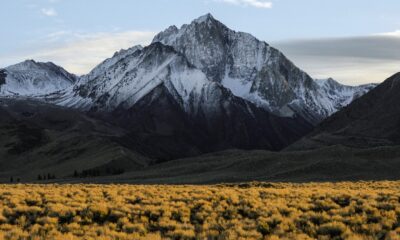

15 Best High Altitude Nature Destinations Around the World
15 Best High Altitude Nature Destinations Around the World If you have ever dreamed of standing above the clouds, breathing...
20 Best Mountain Valley Destinations for Nature Lovers
Discover the World’s Most Stunning Mountain Valleys If you have ever dreamed of standing between towering peaks with a river...
12 Most Beautiful Patagonia Nature Spots to Explore
Discover the Raw Beauty of Patagonia Patagonia is one of those places that stays with you long after you leave....
-

 Animals1 year ago
Types of Ants Living in the World and Information
-
 Forests1 year ago
The 10 Best Forests to Visit in the World
-
 Ocean1 year ago
Oceans in the World and Their Information & Locations
-
 Animals4 years ago
(10) Insects Are Animals in the world?
-
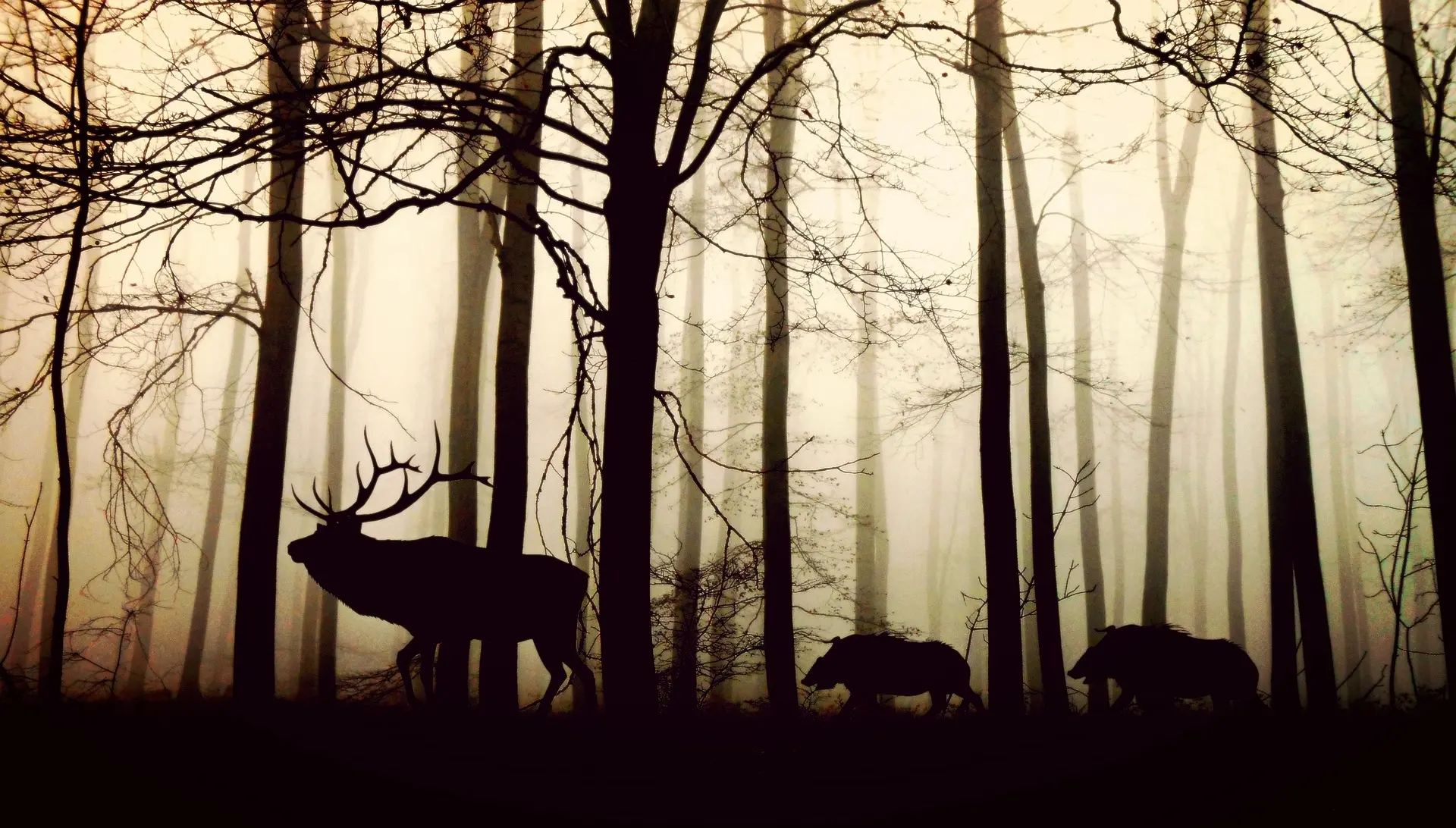 Animals4 years ago
Most Popular Wild Animals in The World
-
 Forests4 years ago
What Is The Biggest Rainforest In The World?
-
 Forests1 year ago
The Main Factors That Contribute to Forest Destruction
-
 Nature1 year ago
The 10 Largest Farms in the World