
Mountain
12 Most Amazing Volcano and Lava Nature Destinations


There’s something primal about standing near an active volcano — the ground beneath your feet, the steam rising from the earth, the raw power of nature on full display. Volcano and lava destinations offer some of the most dramatic and unforgettable landscapes on the planet. From glowing lava lakes to towering volcanic peaks, these places remind us just how alive our world really is.
If you’ve ever dreamed of witnessing molten rock flowing down a mountainside or hiking across otherworldly volcanic terrain, this guide is for you. We’ve rounded up twelve of the most amazing volcano and lava nature destinations around the globe, each one offering a unique and awe-inspiring experience.
Key Takeaways
- Volcano destinations combine adventure, natural beauty, and geological wonder in one trip
- Twelve incredible volcanic sites span six continents, from Iceland to Tanzania to Hawaii
- Best times to visit vary — some volcanoes are year-round destinations, others have narrow windows
- Safety is paramount: always check local conditions and follow official guidance
- Many volcanic areas offer hiking, photography, hot springs, and cultural experiences
1. Kilauea Volcano, Hawaii, USA
About
Kilauea is one of the most active volcanoes on Earth and sits on the Big Island of Hawaii within Hawaii Volcanoes National Park. It’s been erupting on and off for decades, and its lava flows have literally reshaped the island’s coastline. This is the volcano that most people picture when they think of flowing lava, and it lives up to the hype.
Highlights
The park encompasses over 300,000 acres of diverse terrain, from lush rainforest to barren lava fields. You’ll find steaming vents, lava tubes, petroglyphs, and sweeping coastal views. The Halema’uma’u Crater at the summit is a sight to behold, especially at night when the glow from the lava lake reflects off the gas plume.
Experience
Hiking is the main draw here. The Kilauea Iki Trail lets you walk across a solidified lava lake — you’re literally standing inside a crater. The Thurston Lava Tube takes you through a natural tunnel formed by flowing lava thousands of years ago. For photographers, sunrise and sunset at the crater rim are pure magic.
Best Time to Visit
Year-round, though April through October tends to be drier. Winter months bring more rain, which can actually enhance the steam vents and create dramatic atmospheric conditions.
Why You Should Visit
Kilauea offers a rare chance to witness the Earth in the act of creation. Few places on the planet let you see active volcanism this accessible and this well-managed. It’s a humbling, unforgettable experience.
Travel Tips
Bring layers — the summit sits at 4,000 feet and can be cool and windy. Sturdy hiking shoes are a must on lava rock. Check the National Park Service website for current volcanic activity and trail closures before you go.
2. Mount Etna, Sicily, Italy
About
Mount Etna is Europe’s tallest and most active volcano, rising over 10,900 feet above the eastern coast of Sicily. It’s been erupting for over 500,000 years, and it shows no signs of slowing down. The volcano is a UNESCO World Heritage Site and one of Italy’s most iconic natural landmarks.
Highlights
Etna’s landscape is a study in contrasts. Snow-capped peaks sit above vineyards and orchards that thrive in the mineral-rich volcanic soil. The Valle del Bove, a massive depression on the eastern flank, offers jaw-dropping views into the volcano’s violent past. Lava caves dot the slopes, and the surrounding towns have a charm all their own.
Experience
You can take guided jeunty tours to the upper craters, or hike the lower slopes independently. The Etna Cable Car (Funivia dell’Etna) takes you up to about 8,200 feet, where guided walks continue to the summit area. In winter, you can even ski on the volcano’s lower slopes — skiing on an active volcano is a bucket-list experience.
Best Time to Visit
May through October for hiking and crater tours. December through March for skiing and snowshoeing. Avoid the peak summer heat of July and August if you plan to hike.
Why You Should Visit
Etna combines natural drama with Sicilian culture in a way no other volcano can. After a day on the slopes, you can enjoy world-class pasta, local wine from volcanic vineyards, and the warm hospitality of Sicilian towns like Taormina and Zafferana Etnea.
Travel Tips
Always use a licensed guide for summit excursions — conditions change rapidly. Wear proper hiking boots and bring windproof layers. The altitude gain is significant, so pace yourself.
3. Eyjafjallajokull, Iceland
About
Most people know Eyjafjallajokull as the volcano that shut down European air travel in 2010. But beyond the headlines, this glacier-capped volcano in southern Iceland is a stunning destination in its own right. The name literally means “island-mountain glacier,” and the landscape is as dramatic as the name suggests.
Highlights
The volcano sits beneath a massive ice cap, creating a surreal blend of fire and ice. The surrounding area features black sand plains, dramatic waterfalls like Seljalandsfoss and Skogafoss, and the rugged coastline of Iceland’s south shore. The 2010 eruption site itself is accessible via guided hikes.
Experience
The Fimmvorduhals trail between Skogafoss and Thorsmork is one of Iceland’s most famous hikes, passing right through the 2010 eruption site. You’ll walk across fresh lava fields with steam still rising from the ground. Helicopter tours offer aerial views of the glacier and crater for those who prefer to stay above the terrain.
Best Time to Visit
June through August for hiking. The Fimmvorduhals trail is typically snow-free from late June onward. Winter visits are possible but require specialized gear and guides.
Why You Should Visit
Iceland’s volcanic landscapes are unlike anything else on Earth. Eyjafjallajokull sits in the heart of the south coast’s greatest hits, making it easy to combine with other incredible natural attractions.
Travel Tips
Icelandic weather is unpredictable — pack waterproof layers regardless of the season. Book glacier hikes with certified operators. The Icelandic Meteorological Office provides real-time volcanic monitoring updates.
4. Mount Bromo, Indonesia
About
Mount Bromo is an active volcano in East Java, Indonesia, sitting in the middle of a vast volcanic plain called the Sea of Sand. It’s one of the most photographed volcanoes in the world, and once you see it at sunrise, you’ll understand why. The landscape looks like another planet.
Highlights
The view from Mount Penanjakan at dawn is legendary — Bromo’s cone rising from a sea of mist, with the larger Mount Semeru smoking in the background. The Sea of Sand itself is a hauntingly beautiful expanse of volcanic ash. The Hindu temple at the base, Pura Luhur Poten, adds a spiritual dimension to the landscape.
Experience
The classic experience is the pre-dawn jeep ride to Mount Penanjakan for sunrise, followed by a descent into the caldera. You can hike or ride a horse across the Sea of Sand to the base of Bromo, then climb 250 steps to the crater rim. The sulfurous smoke swirling from the crater is both eerie and mesmerizing.
Best Time to Visit
April through October, during the dry season. The wet season (November through March) brings heavy rain that can obscure views and make trails slippery.
Why You Should Visit
Bromo delivers one of the most visually spectacular volcanic experiences on Earth. The combination of the misty caldera, the smoking cone, and the surrounding peaks creates a scene that feels almost mythical.
Travel Tips
It gets cold at the viewpoint before dawn — bring a warm jacket. A scarf or mask helps with the sulfuric fumes near the crater. Stay in the nearby village of Cemoro Lawang for the easiest early-morning access.
5. Mount Kilimanjaro, Tanzania
About
Mount Kilimanjaro is Africa’s highest peak at 19,341 feet, and while it’s technically a dormant volcano, its volcanic origins are written all over the landscape. Three volcanic cones — Shira, Mawenzi, and Kibo — make up the massif, and the mountain’s glaciers, alpine deserts, and crater rim are a testament to its fiery past.
Highlights
The journey to the summit takes you through five distinct climate zones, from tropical rainforest to arctic summit. The Kibo crater at the top contains the Reusch Crater and the remnants of ancient volcanic activity. On a clear day, the views stretch across the Kenyan border and the vast plains of the Serengeti.
Experience
Climbing Kilimanjaro is a multi-day trek, typically taking five to nine days depending on the route. The Machame and Lemosho routes are the most scenic, while Marangu offers hut accommodation. Reaching Uhuru Peak at sunrise, with the curvature of the Earth visible on the horizon, is a life-changing moment.
Best Time to Visit
January through March and June through October offer the best weather. April and May are the wettest months, and November sees short rains.
Why You Should Visit
Kilimanjaro is the world’s highest free-standing mountain and one of the Seven Summits. You don’t need technical climbing skills to reach the top — just determination and good preparation. It’s the ultimate high-altitude adventure.
Travel Tips
Choose a reputable tour operator with fair porter practices. Acclimatization is critical — don’t rush the ascent. Budget for at least seven days on the mountain for the best chance of success. The Tanzania National Parks Authority has official information on permits and routes.
6. Pacaya Volcano, Guatemala
About
Pacaya is one of Guatemala’s most active volcanoes, located just 20 miles south of Guatemala City near the colonial town of Antigua. It’s been erupting frequently since 1961, and the relatively easy hike to the active crater makes it one of the most accessible volcano experiences in Central America.
Highlights
The hike takes you through cloud forest and up loose volcanic terrain to the smoking summit area. On a good day, you can see lava flows and fumaroles up close. The views of the surrounding volcanoes — Agua, Fuego, and Acatenango — are spectacular. The nearby town of Antigua, a UNESCO World Heritage Site, is worth a visit on its own.
Experience
The hike to the crater takes about two to three hours and is moderately challenging. Some tours offer the option to roast marshmallows over volcanic heat vents — a quirky but memorable experience. The lava fields near the base are otherworldly, with twisted formations and steam vents scattered across the landscape.
Best Time to Visit
November through April, the dry season, offers the clearest views. The wet season can bring afternoon clouds that obscure the summit.
Why You Should Visit
Pacaya is one of the easiest active volcanoes in the world to visit. You can be standing near flowing lava just a few hours after leaving the charming streets of Antigua. It’s an incredible day trip that packs a serious punch.
Travel Tips
Hire a local guide — it’s required by the park and adds safety. Wear long pants to protect against sharp lava rock. Bring plenty of water and sun protection.
7. Stromboli, Sicily, Italy
About
Stromboli is a small volcanic island off the northern coast of Sicily, and it’s been erupting almost continuously for over 2,000 years. That remarkable consistency has earned it the nickname “Lighthouse of the Mediterranean.” Watching explosions of molten rock light up the night sky is one of nature’s greatest shows.
Highlights
The island itself is stunning — black sand beaches, whitewashed villages, and dramatic cliffs rising from the Tyrrhenian Sea. The Sciara del Fuoco, or “Stream of Fire,” is the steep northern slope where lava flows descend to the sea. At night, the glowing trails of ejected material are visible from the summit and from boats offshore.
Experience
Guided hikes to the summit take about three hours up and two hours down. The best time to start is late afternoon so you arrive at the crater in time for sunset and the first eruptions of the evening. Boat tours around the island offer a different perspective, especially at night when the eruptions light up the sky.
Best Time to Visit
April through June and September through October offer the best balance of good weather and manageable crowds. Summer is hot and busy, but the eruptions are just as impressive.
Why You Should Visit
Stromboli offers the rare combination of a Mediterranean island getaway and front-row seats to continuous volcanic activity. It’s romantic, dramatic, and utterly unique.
Travel Tips
Summit hikes require a certified guide. Bring a headlamp for the descent in the dark. Book accommodation in advance during peak season — the island is small and fills up quickly.
8. Yellowstone Caldera, Wyoming, USA
About
Beneath the surface of Yellowstone National Park lies one of the largest active volcanic systems in the world. The Yellowstone Caldera, often called a supervolcano, last erupted about 640,000 years ago. While another eruption isn’t expected anytime soon, the volcanic activity powers the park’s famous geysers, hot springs, and mud pots.
Highlights
Old Faithful is the star attraction, but Yellowstone’s geothermal features go far beyond one geyser. The Grand Prismatic Spring is a rainbow-colored hot spring that looks like something from a dream. Mammoth Hot Springs features terraced limestone formations, and the Norris Geyser Basin is the park’s hottest and most dynamic thermal area.
Experience
Beyond the geothermal features, Yellowstone offers world-class wildlife viewing — bison, elk, bears, and wolves roam freely. Hiking trails wind through alpine meadows, along canyon rims, and past waterfalls. The Grand Canyon of the Yellowstone, with its thundering Lower Falls, is one of the most spectacular canyon views in North America.
Best Time to Visit
May through October for full park access. Some roads close in winter, though the geothermal features are even more dramatic in the cold. July and August are the busiest months.
Why You Should Visit
Yellowstone is the world’s first national park, and it remains one of the most extraordinary places on Earth. The volcanic forces beneath your feet create a landscape that’s constantly changing, bubbling, and erupting.
Travel Tips
Stay at least three days to see the highlights. Book lodging well in advance — park accommodations fill up months ahead. Keep a safe distance from all thermal features and wildlife. The Yellowstone National Park website has essential planning information.
9. Mount Yasur, Vanuatu
About
Mount Yasur is a continuously erupting stratovolcano on the island of Tanna in Vanuatu, in the South Pacific. It’s been erupting for centuries, and its accessibility makes it one of the best places on Earth to witness volcanic explosions up close. This is raw, unfiltered volcanic power.
Highlights
The volcano sits in a barren, moon-like landscape that contrasts sharply with the lush tropical forest surrounding it. The crater rim is accessible by vehicle, and from there you peer directly into the churning, exploding crater below. At night, the eruptions paint the sky with glowing bombs of lava — it’s absolutely mesmerizing.
Experience
Most visitors arrive in the late afternoon and watch the eruptions through sunset and into the darkness. The volcano is rated on a scale of 0 to 5, and activity levels determine how close you can get. On quieter days, you can approach the crater rim itself. The surrounding island of Tanna offers cultural experiences with traditional villages and kava ceremonies.
Best Time to Visit
April through October, during the drier season. The wet season can make access roads difficult and reduce visibility.
Why You Should Visit
Mount Yasur is one of the most accessible active volcanoes in the world. You don’t need to hike for hours — you can drive to the crater rim and watch eruptions from a viewing platform. It’s volcanic tourism at its most thrilling.
Travel Tips
Bring a flashlight and wear closed-toe shoes. Volcanic ash can be heavy — a bandana or mask helps. Check the current alert level before visiting, and always follow the guidance of local rangers.
10. Mount Rinjani, Lombok, Indonesia
About
Mount Rinjani is the second-highest volcano in Indonesia, standing at 12,224 feet on the island of Lombok. Inside its massive caldera lies the stunning Segara Anak, a crater lake considered sacred by the local Sasak people. The trek to the summit and the lake is one of Southeast Asia’s greatest adventures.
Highlights
The caldera lake is a vivid turquoise blue, set against the walls of the crater and the newer volcanic cone of Gunung Barujari, which occasionally erupts. Hot springs near the lake provide a welcome soak after days of trekking. The surrounding Rinjani National Park is home to tropical forest, waterfalls, and diverse wildlife including ebony leaf monkeys.
Experience
The standard trek takes two to three days, starting from either Senaru or Sembalun Lawang. The summit push begins in the pre-dawn hours, and reaching the top at sunrise — with Bali’s Mount Agung visible across the Strait — is an incredible reward. Descending into the caldera to the lake and hot springs is the perfect way to recover.
Best Time to Visit
April through November, during the dry season. The trek is closed during the wet season (December through March) due to dangerous trail conditions.
Why You Should Visit
Rinjani offers a complete volcanic adventure — summit views, a sacred crater lake, hot springs, and pristine rainforest. It’s less crowded than many Indonesian treks, and the sense of wilderness is profound.
Travel Tips
Use a licensed trekking operator — independent treks are not permitted. The summit climb is strenuous and requires good fitness. Bring warm layers for the summit; it gets cold at altitude. Proper rain gear is essential even in the dry season.
11. Erta Ale, Ethiopia
About
Erta Ale is a remote basaltic shield volcano in the Danakil Depression of northeastern Ethiopia, one of the hottest and most inhospitable places on Earth. It’s one of only a handful of volcanoes in the world with a persistent lava lake, and seeing that glowing pool of molten rock in the middle of the desert is a sight few people ever forget.
Highlights
The lava lake at Erta Ale’s summit is the main attraction — a churning, glowing cauldron of molten rock that’s been active for over a century. The surrounding Danakil Depression is a surreal landscape of salt flats, sulfur springs, and colorful hydrothermal fields. The Dallol area nearby features neon-yellow and green mineral deposits that look like they belong on another planet.
Experience
The trek to the summit takes about three to four hours and is best done in the late afternoon so you arrive at the crater after dark, when the lava lake glow is most visible. You’ll spend the night at the crater rim — camping under the stars with a glowing lava lake just meters away is an experience that’s hard to top. The descent happens at dawn.
Best Time to Visit
November through February, when temperatures are slightly more bearable. The Danakil Depression is one of the hottest places on Earth year-round, with summer temperatures exceeding 120°F.
Why You Should Visit
Erta Ale is for the adventurous traveler who wants to go off the beaten path. The combination of the lava lake, the alien landscape of the Danakil Depression, and the cultural experience of traveling through this remote region of Ethiopia makes it a once-in-a-lifetime journey.
Travel Tips
This is a serious expedition. You must travel with an armed escort and a licensed tour operator due to the remote and sometimes unstable region. Bring more water than you think you need, sun protection, and a headlamp. The heat is extreme — plan accordingly.
12. Arenal Volcano, Costa Rica
About
Arenal Volcano was one of Costa Rica’s most active volcanoes for decades, with regular eruptions from 1968 until 2010. While it’s currently in a resting phase, the volcano remains an iconic landmark, and the surrounding area is one of Costa Rica’s top nature destinations. The perfectly conical peak rises above lush rainforest and thermal springs.
Highlights
The Arenal area is a nature lover’s paradise. Lava flows from the active years have created fascinating rock formations now covered in regenerating forest. Lake Arenal, a massive reservoir at the volcano’s base, offers kayaking, windsurfing, and stunning views. The Tabacon Hot Springs, heated by volcanic activity, are among the best in Central America.
Experience
Hiking the Arenal 1968 Trail takes you through lava fields and regenerating forest with excellent views of the volcano. The Arenal Hanging Bridges let you walk through the rainforest canopy. Zip-lining, white-water rafting, and wildlife spotting — including toucans, sloths, and howler monkeys — round out the adventure. Soaking in natural hot springs after a day of exploring is the perfect way to unwind.
Best Time to Visit
December through April for the driest weather. The green season (May through November) brings afternoon rain but fewer crowds and lush vegetation.
Why You Should Visit
Arenal combines volcanic landscapes with Costa Rica’s incredible biodiversity. Even without active eruptions, the volcano is a stunning backdrop for adventure activities, wildlife watching, and relaxation in natural hot springs.
Travel Tips
Stay in La Fortuna, the gateway town to Arenal, for the best access. Book hot springs in advance — Tabacon is the most luxurious, while Baldi and EcoTermales offer more budget-friendly options. Bring binoculars for wildlife spotting.
Volcano Destinations at a Glance
| Place Name | Location | Best Time to Visit |
|---|---|---|
| Kilauea Volcano | Hawaii, USA | Year-round (Apr–Oct drier) |
| Mount Etna | Sicily, Italy | May–Oct (hiking), Dec–Mar (skiing) |
| Eyjafjallajokull | Iceland | Jun–Aug |
| Mount Bromo | East Java, Indonesia | Apr–Oct |
| Mount Kilimanjaro | Tanzania | Jan–Mar, Jun–Oct |
| Pacaya Volcano | Guatemala | Nov–Apr |
| Stromboli | Sicily, Italy | Apr–Jun, Sep–Oct |
| Yellowstone Caldera | Wyoming, USA | May–Oct |
| Mount Yasur | Tanna, Vanuatu | Apr–Oct |
| Mount Rinjani | Lombok, Indonesia | Apr–Nov |
| Erta Ale | Ethiopia | Nov–Feb |
| Arenal Volcano | Costa Rica | Dec–Apr |
Frequently Asked Questions
Is it safe to visit active volcanoes?
Visiting active volcanoes carries inherent risks, but many volcanic sites are well-managed with established safety protocols. Always check current volcanic conditions through official sources, follow local guidance, and use licensed guides where required. Volcanic activity can change rapidly, so flexibility and caution are essential.
What should I pack for a volcano trip?
Sturdy hiking boots with good ankle support are the most important item. Bring layers for changing temperatures, a headlamp for dawn or dusk hikes, sun protection, plenty of water, and a bandana or mask for volcanic fumes. For high-altitude volcanoes, add warm layers and rain gear.
Do I need to be fit to hike a volcano?
It depends on the volcano. Some, like Pacaya and Mount Yasur, require only moderate fitness. Others, like Kilimanjano and Rinjani, demand excellent cardiovascular fitness and multi-day trekking experience. Research the specific requirements for your chosen destination and train accordingly.
Can you see flowing lava?
At some volcanoes, yes. Kilauea, Erta Ale, and Stromboli offer the best chances of seeing active lava. However, volcanic activity is unpredictable — there’s never a guarantee. Check recent reports before your trip for the best chance of witnessing eruptions.
What’s the best volcano for beginners?
Pacaya in Guatemala and Mount Yasur in Vanuatu are excellent beginner-friendly options. Both are relatively easy to access, don’t require multi-day treks, and offer dramatic volcanic experiences without extreme physical demands.
Are volcano tours expensive?
Costs vary widely. A day trip to Pacaya might cost $30–50, while a guided Kilimanjaro expedition can run $2,000–6,000. Budget for permits, guides, gear, and transportation. Many volcanic sites in national parks have modest entrance fees.
What causes volcanoes to erupt?
Volcanic eruptions occur when magma — molten rock from deep within the Earth — rises to the surface. This happens at tectonic plate boundaries and hotspots where the Earth’s crust is thinner. The type of eruption depends on the magma’s composition, gas content, and the volcano’s structure.
Conclusion
Volcano and lava destinations offer some of the most extraordinary travel experiences on the planet. Whether you’re watching Stromboli’s nightly fireworks from a boat in the Mediterranean, standing at the rim of Erta Ale’s lava lake in the Ethiopian desert, or soaking in hot springs beneath the perfect cone of Arenal in Costa Rica, these places connect you to the raw, creative power of the Earth in a way that few other destinations can.
Each of these twelve volcano destinations has its own personality, its own challenges, and its own rewards. Some are easy day trips, others are multi-day expeditions. Some offer gentle walks through geothermal wonderlands, others demand grueling summit pushes. But they all share one thing in common — they’ll leave you with a deeper appreciation for the incredible planet we call home.
Start planning your volcano adventure today. Pick the destination that speaks to you, do your research, respect the power of these natural wonders, and get ready for the trip of a lifetime.
Share this guide with your fellow adventurers and start planning your next volcano trip today!

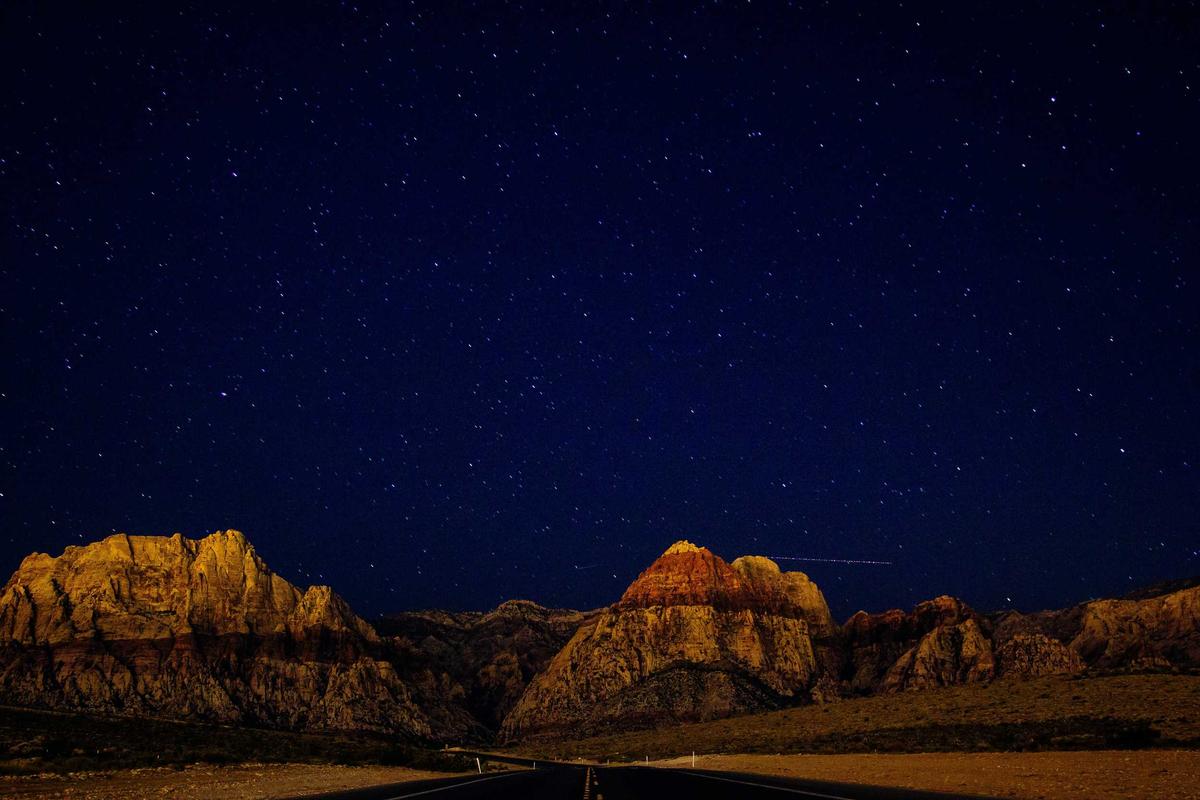
The Sierra Nevada — California’s Mountain Treasure
The Sierra Nevada is one of the most spectacular mountain ranges in North America, stretching 400 miles through eastern California and into Nevada. If you are looking for a destination that combines dramatic peaks, crystal-clear lakes, ancient forests, and some of the best hiking in the United States, this is it. From the granite walls of Yosemite to the summit of Mount Whitney, the Sierra Nevada delivers an experience that stays with you for life.
Key Takeaways
- The Sierra Nevada spans roughly 400 miles along California edge, with peaks reaching over 14,000 feet.
- Yosemite, Sequoia, and Kings Canyon National Parks all sit within the range, offering world-class hiking, camping, and wildlife viewing.
- The range is home to giant sequoia trees, the largest living organisms on Earth by volume.
- Best time to visit is late June through September for hiking, and December through March for winter sports.
- Over 400 miles of trails cater to everyone from casual day hikers to serious backpackers.
What Makes the Sierra Nevada Special
There is something about the Sierra Nevada that hits different from other mountain ranges. Maybe it is the way the granite catches the light at sunset, turning entire cliff faces gold and pink. Maybe it is the sheer scale of the landscape — valleys carved by glaciers millions of years ago, now filled with rivers and meadows so green they look photoshopped. Or maybe it is the fact that you can stand at the summit of the highest peak in the contiguous United States and see wilderness stretching in every direction.
The range runs north to south along California eastern side, forming a natural wall between the Central Valley and the Great Basin. Its name means snowy range in Spanish, and for good reason — winter storms dump massive amounts of snow here, feeding rivers that supply much of California water. The snowpack is so important that scientists measure it every year to predict water availability for the entire state.
But the Sierra Nevada is not just about snow and water. It is a place of incredible biodiversity. You will find ecosystems ranging from oak woodlands at lower elevations to alpine tundra above the tree line. Black bears, mule deer, coyotes, and mountain lions all call these mountains home. And if you are lucky, you might spot a Sierra Nevada bighorn sheep — one of the rarest mammals in North America.
The Iconic Parks and Destinations
Yosemite National Park
No conversation about the Sierra Nevada is complete without Yosemite. This is the crown jewel, the place that made people realize mountains were worth protecting. El Capitan rises 3,000 feet from the valley floor, a sheer granite wall that draws rock climbers from around the world. Half Dome, with its distinctive sliced profile, is one of the most recognizable landmarks on the planet.
But Yosemite is not just about the big names. Walk the Mist Trail to Vernal Fall on a spring morning and you will feel the spray on your face as thousands of gallons of water crash over the edge. Drive up to Glacier Point for a view that will make your jaw drop. Or simply sit by the Merced River in Yosemite Valley and watch the light change on the cliffs as the day goes by.
Best time to visit: May through October. Spring brings the waterfalls at peak flow. Summer offers warm days and access to high-country trails. Fall is quieter, with fewer crowds and beautiful color in the valley.
Sequoia and Kings Canyon National Parks
Head south and you will find Sequoia and Kings Canyon, two parks that share a border and a common claim to fame: giant sequoia trees. These are the largest trees on Earth by volume, and standing next to one is a humbling experience. The General Sherman Tree, located in the Giant Forest, is the biggest of them all — 275 feet tall and over 36 feet in diameter at the base.
Kings Canyon itself is one of the deepest canyons in North America, deeper than the Grand Canyon in some measurements. The Kings River has carved a dramatic gorge through the granite, and the drive down into the canyon is one of the most scenic in California.
Best time to visit: June through September. The road to Cedar Grove in Kings Canyon typically opens in late April or May and closes after the first significant snowfall, usually in November.
Lake Tahoe
Straddling the California-Nevada border, Lake Tahoe is the largest alpine lake in North America. The water is famously clear — on a calm day, you can see down 70 feet or more. The lake sits at 6,225 feet elevation, surrounded by peaks that rise another 3,000 to 4,000 feet above the shoreline.
In summer, Tahoe is a paradise for swimming, kayaking, and paddleboarding. The water is cold — it rarely gets above 68 degrees even in August — but that is part of the appeal. In winter, the area transforms into one of the premier ski destinations in the country, with resorts like Palisades Tahoe, Heavenly, and Northstar drawing millions of visitors.
Best time to visit: Year-round. Summer for water activities and hiking, winter for skiing and snowboarding, fall for fewer crowds and beautiful aspen color.
Mount Whitney
At 14,505 feet, Mount Whitney is the highest peak in the contiguous United States. The summit is accessible via a 22-mile round-trip trail that starts at Whitney Portal, elevation 8,360 feet. It is a serious hike — most people take two to three days — but you do not need technical climbing skills to reach the top. You do need a permit, and they are competitive. Apply early through the Inyo National Forest lottery system.
The view from the summit is extraordinary. On a clear day, you can see the Central Valley to the west and the Great Basin to the east. It is a reminder of just how vast and wild the Sierra Nevada really is.
Best time to visit: July through September, when most of the snow has melted and the trail is clear.
Devils Postpile National Monument
This is one of the Sierra Nevada hidden gems. Devils Postpile is a formation of columnar basalt — tall, hexagonal columns of cooled lava that look like they were carved by human hands. They are actually a natural phenomenon, formed when lava cooled slowly and evenly about 100,000 years ago.
The monument is located near Mammoth Lakes and is accessible via a short hike. Combine it with a visit to Rainbow Falls, a 101-foot waterfall on the Middle Fork of the San Joaquin River, for a perfect day trip.
Best time to visit: Mid-June through October. Access is typically limited to summer months due to snow.
Comparison of Top Sierra Nevada Destinations
| Place Name | Location | Best Time to Visit |
|---|---|---|
| Yosemite National Park | Central Sierra Nevada, CA | May – October |
| Sequoia and Kings Canyon | Southern Sierra Nevada, CA | June – September |
| Lake Tahoe | Northern Sierra, CA/NV border | Year-round |
| Mount Whitney | Eastern Sierra, CA | July – September |
| Devils Postpile | Near Mammoth Lakes, CA | Mid-June – October |
Wildlife You Might Encounter
The Sierra Nevada supports a rich variety of wildlife, and encountering animals in their natural habitat is one of the highlights of any visit. Black bears are common throughout the range — they are generally not aggressive, but you should always store food properly and keep your distance. Mule deer graze in meadows at dawn and dusk. Coyotes are heard more than seen, their calls echoing through canyons at night.
At higher elevations, you might spot a yellow-bellied marmot sunning itself on a rock, or a pika gathering grass for winter in a talus field. The pika is particularly interesting — it is considered an indicator species for climate change because it is extremely sensitive to warm temperatures. As the Sierra Nevada warms, pika populations are being pushed higher and higher.
Birdwatchers will find plenty to keep them busy. Steller jays are bold and colorful, often visiting campgrounds looking for handouts (please do not feed them). Red-tailed hawks soar over open meadows. And if you are very lucky, you might spot a great gray owl — one of the largest owls in North America and a rare resident of the Sierra Nevada.
Tips for Planning Your Trip
The Sierra Nevada is a big place, and a little planning goes a long way. Here are some tips to help you make the most of your visit.
Book accommodations early. Campsites in Yosemite and other popular parks fill up months in advance, especially for summer weekends. If you cannot get a campsite, look for lodging in gateway communities like Mariposa, El Portal, or Groveland near Yosemite, or Three Rivers near Sequoia.
Prepare for altitude. Many destinations in the Sierra Nevada sit above 6,000 feet, and some trailheads start above 8,000. If you are coming from sea level, give yourself a day or two to acclimate before attempting strenuous hikes. Drink plenty of water, and do not push yourself too hard on the first day.
Check road conditions. Several major roads through the Sierra Nevada close in winter. Tioga Road (Highway 120 through Yosemite) and Glacier Point Road are typically closed from November through May, depending on snowfall. Always check current conditions before you go.
Pack layers. Mountain weather changes fast. It can be 85 degrees in the valley and 45 degrees at the summit, sometimes on the same day. Bring a warm layer, rain gear, and sun protection no matter when you visit.
Respect the wilderness. The Sierra Nevada is a fragile environment. Stay on established trails, pack out all your trash, and follow Leave No Trace principles. These mountains belong to everyone, and it is up to all of us to keep them wild.
Why the Sierra Nevada Matters
Beyond its beauty, the Sierra Nevada plays a critical role in California ecosystem and economy. The range snowpack provides roughly 30 percent of the state water supply. Its forests store massive amounts of carbon. Its rivers support fisheries, agriculture, and hydroelectric power generation.
The Sierra Nevada is also a living laboratory for scientists studying climate change. Glaciers that have existed for thousands of years are shrinking. Wildfires are becoming more frequent and intense. Species are shifting their ranges upward in elevation as temperatures rise. What happens in the Sierra Nevada in the coming decades will have implications far beyond California.
But perhaps the most important thing about the Sierra Nevada is what it offers each of us personally. It is a place to disconnect from the noise of daily life and reconnect with something bigger. Standing on a granite summit with nothing but wilderness in every direction, you remember what it feels like to be small — and how good that feeling can be.
Frequently Asked Questions
What is the best time of year to visit the Sierra Nevada?
The best time depends on what you want to do. For hiking and backpacking, July through September offers the most accessible trails and the warmest weather. For waterfall viewing, May and June are ideal when snowmelt is at its peak. Winter visitors will find excellent skiing and snowboarding from December through March.
Do I need a permit to hike in the Sierra Nevada?
Day hikes generally do not require permits, though you may need to pay an entrance fee at national parks. Overnight backpacking trips in wilderness areas do require permits, and popular trails like the John Muir Trail and Mount Whitney have competitive permit systems. Apply as early as possible — some permits are distributed by lottery months in advance.
Are there bears in the Sierra Nevada?
Yes, black bears are common throughout the range. They are generally not aggressive toward people, but they are attracted to food. Always use bear-proof food storage containers when camping, and never leave food unattended at your campsite. In Yosemite and other developed areas, bear boxes are provided at campsites and trailheads.
How difficult is the hike to the summit of Mount Whitney?
The Mount Whitney Trail is 22 miles round trip with about 6,100 feet of elevation gain. It is strenuous but does not require technical climbing skills. Most fit hikers complete it in 12 to 14 hours as a long day hike, though many prefer to camp at Trail Camp or Outpost Camp and summit over two days. A wilderness permit is required.
Can I visit the Sierra Nevada on a budget?
Absolutely. Dispersed camping is available throughout the Sierra National Forest and Inyo National Forest at no cost. Many trailheads offer free or low-cost parking. If you prefer developed campsites, they typically run 5 to 5 per night. The America the Beautiful Pass, at 0 per year, covers entrance fees at all national parks and federal recreation areas.
What should I pack for a trip to the Sierra Nevada?
Essentials include sturdy hiking boots, layers for changing weather, a rain jacket, sunscreen, a hat, plenty of water (or a water filter for refilling from streams), a map and compass or GPS, and a first aid kit. If you are camping, add a warm sleeping bag (temperatures drop below freezing at elevation even in summer), a headlamp, and a bear canister for food storage.
Is the Sierra Nevada safe for beginner hikers?
Yes, there are plenty of trails suitable for beginners. Yosemite Valley has several flat, well-maintained trails with stunning views. The Mist Trail to the foot of Vernal Fall is moderate and very popular. Around Lake Tahoe, the Eagle Falls Trail and Vikingsholm Trail are great options for those new to hiking. Start with shorter hikes at lower elevation and work your way up as your fitness improves.
Conclusion
The Sierra Nevada is more than a mountain range — it is a destination that rewards every kind of traveler. Whether you are a hardcore backpacker looking to tackle the John Muir Trail, a family wanting to see giant sequoias for the first time, or someone who just needs a weekend away from the city, these mountains have something for you. The granite peaks, the alpine lakes, the ancient forests, and the wild open spaces are waiting. All you have to do is show up.
Start planning your trip today. Pick a trail, book a campsite, or just point your car toward the mountains and see where the road takes you. The Sierra Nevada has been here for millions of years, and it is not going anywhere. But the experience of discovering it for yourself — that is something you create. And once you do, you will understand why people have been falling in love with these mountains for generations.
Share this post with your friends and start planning your Sierra Nevada adventure today.
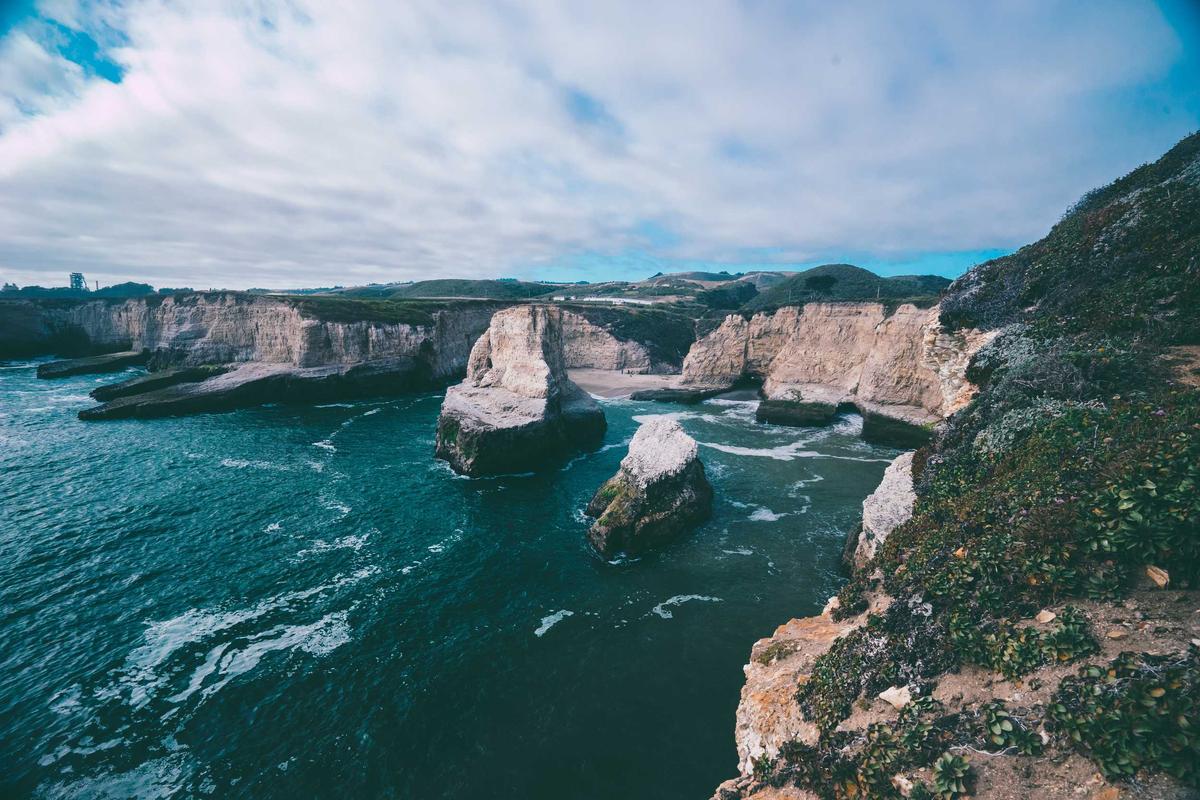
The Incredible Migration of Wildebeest in Africa
Every year, over 1.5 million wildebeest march across the plains of East Africa in one of the most spectacular wildlife events on Earth. This journey spans roughly 1,800 kilometers through Tanzania and Kenya, and it doesn’t just involve wildebeest — hundreds of thousands of zebras, gazelles, and other animals join in. It is the largest terrestrial mammal migration in the world, and witnessing it in person is one of those life-changing experiences that stays with you forever.
If you have ever dreamed of seeing Africa’s wildlife at its most raw and dramatic, this is the trip to plan for. Here is everything you need to know about the great wildebeest migration — when it happens, where to go, and how to make the most of it.
Key Takeaways
- The wildebeest migration involves over 1.5 million animals moving in a circular route between Tanzania’s Serengeti and Kenya’s Maasai Mara.
- The migration follows seasonal rainfall patterns and happens year-round — there’s always something going on.
- The best times to witness major river crossings are roughly July through October.
- The migration passes through some of Africa’s most iconic national parks and reserves.
- Planning your trip around the right season and location dramatically increases your chances of seeing dramatic action.
What Exactly Is the Wildebeest Migration?
The great wildebeest migration is a continuous, year-round movement of animals following the rains in search of fresh grass and water. Unlike a migration with a clear start and end point, this one is a loop — the herds travel clockwise through the Serengeti ecosystem in Tanzania and the Maasai Mara in Kenya, covering about 1,800 kilometers in total.
While wildebeest are the main characters — making up the vast majority of the migrating herd — they don’t travel alone. Around 200,000 zebras, 500,000 Thomson’s gazelles, and 18,000 elands join the procession. Predators like lions, cheetahs, leopards, and hyenas follow closely behind, which means predator-prey interactions are common and often dramatic to watch.
This isn’t a staged event. It’s a raw, natural process driven by survival. The wildebeest are following instinct, chasing the youngest, most nutritious grass that only appears after seasonal rains. Nature has been running this show for tens of thousands of years.
What Is a Plunge Pool and How Does It Form
Along the migration route, several major rivers cross the path of the herds — and these river crossings are what most travelers come to see. When wildebeest gather at a riverbank, the tension is incredible. They know there are Nile crocodiles lurking in the water. Sometimes they wait for hours. Sometimes they don’t wait at all.
The crossings at the Grumeti River (in Tanzania) and the Mara River (on the Kenya-Tanzania border) are the most famous. Hundreds or thousands of wildebeest may plunge into the water at once, Stampeding across in massive groups. The noise, the splashing, the crocodiles — it is genuinely one of the most intense things you will ever see as a traveler.
Important to note: River crossings don’t happen on a schedule. Patience is essential. You might sit at a river for an entire day and see nothing. Or you might arrive just as the first brave wildebeest takes the leap and triggers a massive crossing. That unpredictability is part of what makes it so special.
Month-by-Month Breakdown of the Migration
Since the migration moves continuously, the best place to be depends entirely on when you visit. Here is a month-by-month guide to where the herds typically are:
January to March — Southern Serengeti Calving Season
The herds gather on the short-grass plains of the southern Serengeti (in Tanzania) for the calving season. In just a few weeks, around 500,000 wildebeest calves are born. This is an extraordinary time to visit because the newborn calves make easy pickings for predators. You will see lions, cheetahs, and hyenas hunting constantly. The landscape is open and flat, which makes for excellent photography.
April to May — Moving Northwest Toward the Western Corridor
As the rains end, the herds begin moving northwest through the central and western Serengeti. The columns of wildebeest can stretch for kilometers across the landscape. This is the least touristy time to follow the migration, partly because the long rains can make roads muddy and access tricky.
June — Reaching the Grumeti River
The herds arrive at the Grumeti River in western Serengeti. The first major river crossings happen here. The crocodiles in the Grumeti are large, and crossings can be dramatic, though this location receives fewer tourists than the Mara.
July to October — The Mara River Crossings (Peak Season)
This is the headline act. The herds push north into Kenya’s Maasai Mara, and the Mara River crossings are what most nature documentaries show. The river is deep, the currents are strong, and the crocodiles are massive. Crossings happen repeatedly during this window, and the Mara’s open grasslands offer superb visibility.
August and September are widely considered the absolute best months for seeing crossings, but July and October can also deliver incredible action. If you only have one chance to see the migration, aim for this window.
November to December — Returning South
As the short rains begin in Tanzania, the herds start their long trek back south toward the Serengeti plains. By December, they are typically arriving back in the southern Serengeti, ready to do it all again.
Where to Stay During the Migration
The Serengeti and Maasai Mara offer a range of accommodation options, from luxury safari lodges to mobile tented camps that move with the migration. Mobile camps are especially popular during migration season because they position themselves close to where the herds are at any given time.
For the calving season in January and March, look at camps in the southern Serengeti near Kusini, Ndutu, or the Ngorongoro Conservation Area. For the Mara crossings between July and October, focus on camps along the Mara River in the Maasai Mara or the northern Serengeti.
A tip that experienced safari-goers know: Book well in advance, especially for July through October. The best migration camps fill up months ahead of time — sometimes a year in advance for the most sought-after spots.
The Spectacular Wildlife Beyond Wildebeest
While the wildebeest are the stars, the migration puts you in one of the richest wildlife areas on the planet. During a migration safari, you are very likely to see the Big Five (lion, leopard, elephant, buffalo, and rhino) along with hippos, giraffes, warthogs, jackals, and dozens of bird species.
The Maasai Mara alone is home to one of the highest densities of lions in Africa. Cheetahs hunt openly on the grasslands. Even elephants in the area become part of the backdrop of an already unforgettable experience.
For bird enthusiasts, the Serengeti and Mara host over 450 and 470 bird species respectively — from lilac-breasted rollers to martial eagles. Bring binoculars even if birds aren’t your primary interest; the variety is remarkable.
Practical Tips for Planning Your Migration Safari
1. Choose the right operator. A good safari company makes all the difference. Look for operators with experienced guides who understand migration patterns, and who work with conservation-minded lodges. Ask about group size — smaller vehicles mean better views and more flexibility.
2. Budget realistically. Migration safaris in Kenya and Tanzania aren’t cheap. Expect to pay anywhere from $300 to $1,000+ per person per day for accommodation and game drives, depending on the level of luxury. That usually includes meals, park fees, and guided drives, but confirm what’s included.
3. Pack for early mornings. Game drives start at dawn, when animals are most active. Mornings in the Serengeti and Mara can be surprisingly cold — bring a warm layer, a windbreaker, and a hat. Midday heat is intense, so breathable clothing and sun protection are equally important.
4. Bring good optics. While your guide will get you close to the action, a quality pair of binoculars (8×42 or 10×42) will dramatically improve your experience. If you’re into photography, a telephoto lens of at least 200mm (ideally 300mm or more) is essential.
5. Be patient. Wildlife doesn’t perform on command. The best migration viewing often comes down to waiting — sometimes at a river crossing for hours. Let go of your schedule and let the wilderness set the pace.
Why You Should Visit
There is a reason the wildebeest migration is on almost every serious wildlife traveler’s bucket list. It isn’t just about the animals, though the sheer numbers are mind-blowing. It is about witnessing a process that has shaped the African landscape for millennia. It is about standing on the edge of a river and feeling the ground shake as thousands of wildebeest charge toward the water. It is about watching a cheetah teach her cubs to hunt on grasslands that seem to go on forever.
Modern life rarely offers moments this pure. The migration is the opposite of controlled, predictable, and convenient — and that is exactly what makes it worth the effort.
Comparison of Key Migration Locations
| Location | Country | Best Time to Visit |
|---|---|---|
| Southern Serengeti (Ndutu / Kusini) | Tanzania | January – March (calving season) |
| Western Serengeti (Grumeti River) | Tanzania | May – June (river crossings) |
| Northern Serengeti | Tanzania | July – October (Mara crossings) |
| Maasai Mara National Reserve | Kenya | July – October (peak crossings) |
Frequently Asked Questions
Q: How long does the wildebeest migration last?
The migration is year-round — it never stops. The herds are always moving. The timing of dramatic events like river crossings and calving is seasonal, so plan your trip around those windows.
Q: Is it better to see the migration in Kenya or Tanzania?
Both are extraordinary. The Maasai Mara in Kenya offers more concentrated wildlife during July to October and is generally easier to access. The Serengeti in Tanzania gives you access to the full migration cycle across a much larger area, including the incredible calving season. Many travelers do both.
Q: What is the cheapest month to see the migration?
The green season (March to May) tends to have lower rates, but road conditions can be challenging. November and early December also offer good value as the herds are moving south.
Q: How close can you get to the animals during a crossing?
Your guide will position the vehicle at a safe distance that doesn’t disturb the wildlife. In the Mara, you can sometimes get within 50 to 100 meters of river crossings. Telephoto lenses are very helpful.
Q: Do I need vaccinations or malaria medication for Tanzania or Kenya?
Yes. Talk to a travel health clinic at least 6 weeks before your trip. Yellow fever vaccination is often required. Malaria prophylaxis is strongly recommended for both countries. Your doctor will advise based on your travel dates and itinerary.
Q: Can I see the migration on a budget?
It’s possible, though not easy. Budget camping safari options exist in both Kenya and Tanzania. Sharing vehicle costs with other travelers also helps. Expect to spend a minimum of $200-300 per day for a basic but functional safari experience.
Q: What is the difference between the Serengeti and the Maasai Mara?
They are actually one continuous ecosystem split by a national border. The Serengeti is in Tanzania and is much larger — about 14,750 square kilometers. The Maasai Mara in Kenya is smaller at about 1,510 square kilometers, but has higher wildlife density. Together, they form the stage for the entire migration.
Conclusion
The great wildebeest migration is one of those rare natural events that lives up to the hype — and then exceeds it. Whether you time it for the drama of a Mara River crossing, the vulnerability of the calving season, or the sheer spectacle of a million animals moving across an ancient landscape, this is a journey that reshapes what you think nature is capable of.
Start planning now. Talk to a reputable safari operator, pick your season, and commit. The migration waits for no one, but if you get your timing right, you will witness something that a lifetime of nature documentaries cannot come close to capturing.
Share this post with your friends who love wildlife and adventure — someone in your circle deserves to see this.
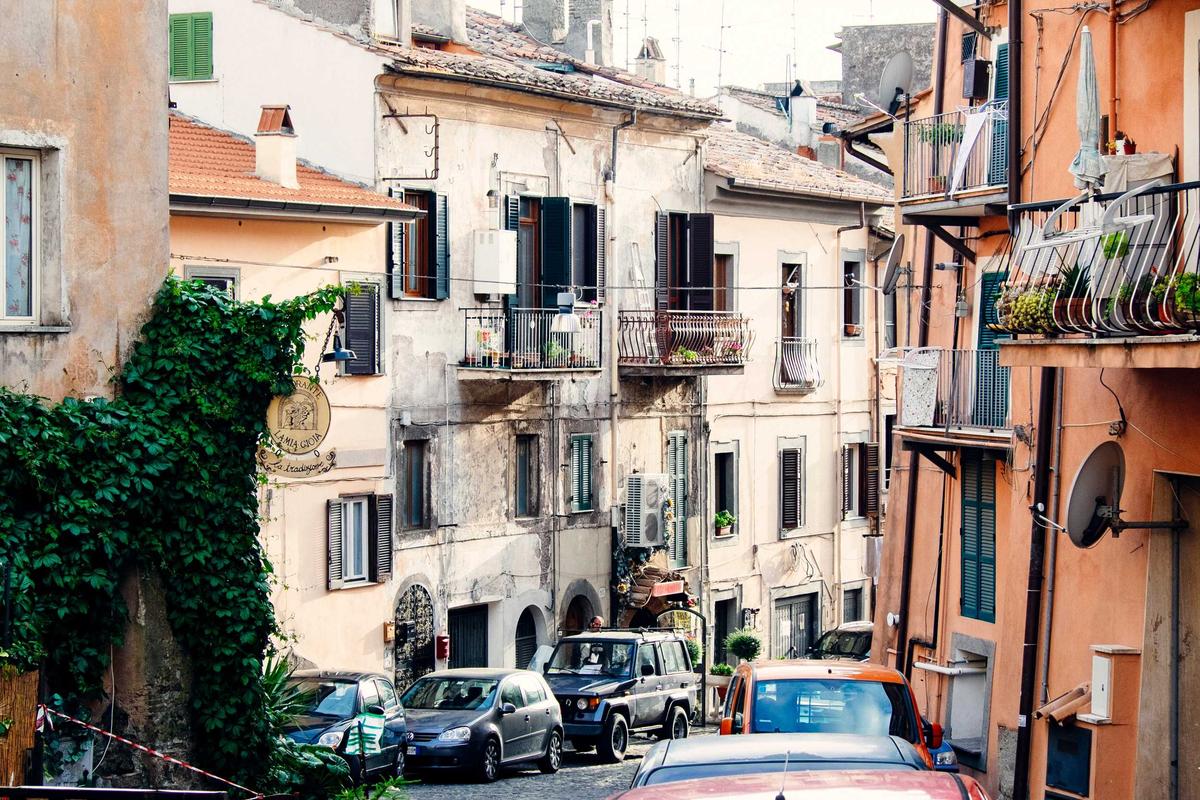
The Most Beautiful Hill Stations in Asia You Need to Visit
If you have ever dreamed of escaping the heat and chaos of a busy city and waking up surrounded by misty mountains, cool air, and breathtaking views, then hill stations in Asia should be on your travel list. These highland retreats have been popular for centuries, and for good reason. They offer some of the most stunning mountain scenery on the planet, along with unique cultures, delicious food, and plenty of opportunities for adventure and relaxation.
In this guide, we will take you through 15 of the most beautiful hill stations across Asia. Whether you are a first-time traveler, a nature lover, or someone looking for a peaceful getaway, this list has something for everyone.
Key Takeaways
- Asia is home to some of the most spectacular hill stations in the world, from the Himalayas to the Western Ghats.
- Each hill station offers a unique blend of natural beauty, local culture, and outdoor activities.
- The best time to visit most hill stations is during spring (March to May) or autumn (September to November).
- Many hill stations are accessible by train, bus, or car, making them easy to reach even for beginner travelers.
- Hill stations are perfect for hiking, photography, bird watching, and simply enjoying the mountain air.
Introduction to Asia’s Hill Stations
Hill stations are towns built at high elevations, usually in mountainous regions. Many of them were originally established during the colonial era as retreats for officials and travelers escaping the heat of the lowlands. Today, they are beloved destinations for tourists from all over the world.
Asia has an incredible variety of hill stations. Some sit high in the Himalayas with views of snow-capped peaks. Others are nestled in lush tropical forests filled with tea plantations and waterfalls. No matter which one you choose, you will find fresh air, stunning landscapes, and a slower pace of life that is hard to find anywhere else.
This article covers 15 of the best hill stations across Asia. We will tell you what makes each one special, when to go, and what you can do there. Let us get started.
1. Darjeeling, India
About: Darjeeling sits at an elevation of about 2,000 meters in the northern part of West Bengal, India. It is famous for its tea gardens, stunning views of the Kanchenjunga mountain range, and its charming colonial-era architecture.
Highlights: The sunrise view from Tiger Hill is one of the most photographed moments in all of India. On a clear day, you can see Mount Everest in the distance. The Darjeeling Himalayan Railway, a UNESCO World Heritage Site, is a narrow-gauge toy train that winds through the mountains and is an experience in itself.
Experience: Walk through the tea estates and learn how Darjeeling tea is made. Visit the Happy Valley Tea Estate for a guided tour. Stroll along Mall Road, which is lined with shops, cafes, and viewpoints. The town has a wonderful mix of Nepali, Tibetan, and Bengali cultures.
Best Time to Visit: March to May and October to December. The weather is clear and pleasant during these months.
Why You Should Visit: Darjeeling offers a perfect combination of natural beauty, cultural richness, and adventure. The tea gardens alone are worth the trip, and the mountain views are simply unforgettable.
Travel Tips: Book your accommodation in advance during peak season. The nearest airport is Bagdogra, about 80 kilometers away. Shared jeeps and taxis are the most common way to reach Darjeeling from there.
2. Shimla, India
About: Shimla is the capital of Himachal Pradesh in northern India. Built along a ridge in the Himalayan foothills at about 2,200 meters, it was once the summer capital of British India and still carries that colonial charm.
Highlights: The Ridge is the heart of Shimla, offering panoramic views of the surrounding mountains. The Mall Road is a bustling pedestrian street with shops, restaurants, and old-world buildings. The Kalka-Shimla Railway, another UNESCO World Heritage Site, is one of the most scenic train rides in the world.
Experience: Walk along the Ridge at sunset when the mountains turn golden. Visit the Jakhoo Temple, dedicated to the Hindu god Hanuman, which sits at the highest point in town. Take a day trip to nearby Kufri for snow activities in winter or horse riding in summer.
Best Time to Visit: March to June for pleasant weather. December to February if you want to see snow.
Why You Should Visit: Shimla is one of the most accessible hill stations in Asia. The toy train ride alone is worth the journey, and the town has a lively atmosphere that appeals to families, couples, and solo travelers alike.
Travel Tips: Shimla gets very crowded in summer. Visit in the shoulder season (March or October) for a quieter experience. The nearest airport is Shimla Airport, about 23 kilometers from the city center.
3. Munnar, India
About: Munnar is a hill station in the Western Ghats of Kerala, southern India. At around 1,600 meters, it is surrounded by rolling hills covered in tea plantations, spice gardens, and dense forests.
Highlights: The tea gardens are the main attraction. The Tata Tea Museum tells the story of Munnar’s tea industry. Eravikulam National Park, home to the endangered Nilgiri tahr, is nearby. The Mattupetty Dam and Echo Point are popular spots for picnics and boating.
Experience: Take a guided walk through a tea plantation and learn about the different varieties of tea. Visit a spice garden to see how cardamom, pepper, and cinnamon are grown. Go trekking in the hills around Munnar for incredible views of the Western Ghats.
Best Time to Visit: September to May. The monsoon season (June to August) brings heavy rain, which makes the landscape incredibly green but can disrupt travel plans.
Why You Should Visit: Munnar is one of the most peaceful hill stations in Asia. The combination of tea gardens, wildlife, and mountain scenery makes it a nature lover’s paradise.
Travel Tips: Rent a bicycle or scooter to explore the tea estates at your own pace. The nearest major city is Kochi, about 130 kilometers away.
4. Ooty, India
About: Ooty, short for Ootacamund, is a hill station in the Nilgiri Hills of Tamil Nadu, southern India. At 2,240 meters, it is one of the highest hill stations in South India and is known as the “Queen of the Nilgiris.”
Highlights: The Nilgiri Mountain Railway is a UNESCO World Heritage Site that connects Ooty to the town of Mettupalayam. The Ooty Botanical Gardens, established in 1848, are home to thousands of plant species. Ooty Lake is a popular spot for boating and picnicking.
Experience: Ride the Nilgiri Mountain Railway through forests, tunnels, and tea estates. Visit the Toda tribal villages to learn about the indigenous people of the Nilgiris. Go trekking to Doddabetta Peak, the highest point in the Nilgiris at 2,637 meters.
Best Time to Visit: October to June. The summer months (March to May) are the most popular, but autumn and winter are also lovely.
Why You Should Visit: Ooty has a unique charm that comes from its mix of colonial history, tribal culture, and stunning mountain scenery. It is also one of the most affordable hill stations in Asia.
Travel Tips: The nearest airport is Coimbatore, about 85 kilometers away. Book train tickets for the Nilgiri Mountain Railway well in advance, as they sell out quickly.
5. Gangtok, India
About: Gangtok is the capital of Sikkim, a small state in northeastern India nestled in the Himalayas. At about 1,650 meters, it offers incredible views of Kanchenjunga, the third-highest mountain in the world.
Highlights: The Rumtek Monastery is one of the most important Buddhist monasteries outside Tibet. The Nathula Pass, at 4,310 meters, is a high-altitude mountain pass on the border with China. MG Marg is a clean, pedestrian-only street in the center of town with shops and restaurants.
Best Time to Visit: March to May and September to December. Winter can be very cold, and the monsoon brings heavy rain and landslides.
Why You Should Visit: Gangtok is unlike any other hill station in Asia. The combination of Himalayan scenery, Buddhist culture, and Tibetan influence makes it a truly unique destination.
Travel Tips: You will need a special permit to visit Nathula Pass. The nearest airport is Bagdogra in West Bengal, about 125 kilometers away. Shared jeeps and buses run regularly from Bagdogra to Gangtok.
6. Kandy, Sri Lanka
About: Kandy is a city in the central highlands of Sri Lanka, at about 500 meters above sea level. It is the cultural capital of the island and is home to the Temple of the Sacred Tooth Relic, one of the most important Buddhist sites in the world.
Highlights: The Temple of the Sacred Tooth Relic houses a tooth of the Buddha and is a UNESCO World Heritage Site. Kandy Lake, built in 1807, is a peaceful spot for a walk in the city center. The Royal Botanical Gardens in Peradeniya are among the finest botanical gardens in Asia.
Experience: Attend a traditional Kandyan dance performance. Walk through the Royal Botanical Gardens, which span 147 acres and feature over 4,000 species of plants. Visit the Kandy Market to buy local spices, tea, and handicrafts.
Best Time to Visit: December to April. The Esala Perahera festival, held in July or August, is one of the most spectacular cultural events in Asia and is worth planning your trip around.
Why You Should Visit: Kandy offers a wonderful mix of culture, history, and nature. The city is surrounded by lush green hills and tea plantations, and the cultural sites are truly world-class.
Travel Tips: Kandy is well connected by train and bus from Colombo. The train ride from Colombo to Kandy is considered one of the most scenic rail journeys in the world.
7. Cameron Highlands, Malaysia
About: The Cameron Highlands is a hill station in the Titiwangsa Mountains of Peninsular Malaysia. At about 1,500 meters, it is the highest point in Peninsular Malaysia that you can reach by car.
Highlights: The tea estates are the main attraction. The Boh Tea Plantation offers tours and some of the best tea you will ever taste. The Mossy Forest is a mysterious, mist-covered forest filled with moss, ferns, and orchids. The Butterfly Farm and Honey Bee Farm are fun stops for families.
Experience: Take a tour of a tea plantation and enjoy a fresh cup of tea with a view. Walk through the Mossy Forest on a boardwalk trail. Visit the local vegetable farms, which produce some of the freshest produce in Malaysia. Pick your own strawberries at one of the many strawberry farms.
Best Time to Visit: Year-round. The temperature is always cool, between 15 and 25 degrees Celsius. The rainy season is from November to February, but even then, the rain usually comes in short bursts.
Why You Should Visit: The Cameron Highlands is one of the most relaxing hill stations in Asia. The cool weather, fresh food, and beautiful scenery make it a perfect escape from the heat of the lowlands.
Travel Tips: The roads to the Cameron Highlands are winding and narrow. If you are prone to motion sickness, take medication before the drive. The nearest major city is Kuala Lumpur, about 200 kilometers away.
8. Baguio, Philippines
About: Baguio is a city in the Cordillera Mountains of Luzon in the Philippines. At about 1,500 meters, it is known as the “Summer Capital of the Philippines” because of its cool climate.
Highlights: Burnham Park is a large park in the center of the city with a lake, gardens, and sports facilities. Mines View Park offers panoramic views of the surrounding mountains and valleys. The Baguio Cathedral, also known as Our Lady of the Atonement Cathedral, is a landmark with a distinctive pink exterior.
Experience: Rent a boat on the lake at Burnham Park. Visit the local market to buy fresh vegetables, strawberries, and the famous Baguio longganisa (sausage). Explore the woodcarving village at the Baguio Convention Center, where you can watch artisans at work and buy handmade souvenirs.
Best Time to Visit: November to February is the coolest and most pleasant time. The Panagbenga Festival, held in February, is a month-long flower festival that transforms the city into a garden of colors.
Why You Should Visit: Baguio is one of the most vibrant hill stations in Asia. The combination of cool weather, fresh produce, and a lively cultural scene makes it a great destination for all types of travelers.
Travel Tips: Baguio is about 250 kilometers from Manila. The bus journey takes about 5 to 6 hours. Book accommodation early during the Panagbenga Festival.
9. Sapa, Vietnam
About: Sapa is a town in the Hoang Lien Son Mountains of northern Vietnam, near the border with China. At about 1,600 meters, it is surrounded by terraced rice fields, bamboo forests, and the highest peak in Indochina, Fansipan.
Highlights: The terraced rice fields of Muong Hoa Valley are some of the most beautiful in all of Southeast Asia. The villages of the Hmong, Dao, and Tay ethnic minorities offer a glimpse into traditional mountain life. Fansipan, at 3,143 meters, can be reached by a two-day trek or a cable car that opened in 2016.
Experience: Go trekking through the rice terraces and visit remote villages. Stay in a homestay with a local family and learn about their way of life. Ride the Fansipan cable car for stunning views of the surrounding mountains. Visit the Sapa Market on weekends, where people from different ethnic groups come to trade goods.
Best Time to Visit: September to November and March to May. The rice fields are at their greenest in spring and turn golden in autumn before harvest.
Why You Should Visit: Sapa is one of the most culturally rich hill stations in Asia. The combination of stunning landscapes and diverse ethnic cultures makes it a destination you will never forget.
Travel Tips: The overnight train from Hanoi to Lao Cai (the nearest city to Sapa) is a popular and scenic option. From Lao Cai, it is about an hour by bus to Sapa. Bring warm clothes, as temperatures can drop below 10 degrees Celsius at night.
10. Da Lat, Vietnam
About: Da Lat is a city in the Central Highlands of Vietnam at about 1,500 meters. It was built by the French in the early 20th century and still has a distinctly European feel, with villas, churches, and tree-lined boulevards.
Highlights: The Da Lat Railway Station is a beautifully restored Art Deco building. Xuan Huong Lake is a peaceful lake in the center of the city surrounded by pine trees. The Valley of Love is a romantic park with lakes, gardens, and waterfalls. The Langbiang Mountain offers panoramic views of the city and surrounding countryside.
Experience: Visit the Crazy House, a surreal building designed by architect Dang Viet Nga that looks like something out of a fairy tale. Go canyoning at Datanla Waterfall. Explore the local flower farms, as Da Lat is known as the “City of Eternal Spring” for its year-round flower production.
Best Time to Visit: December to March is the dry season and the best time to visit. The weather is cool and pleasant, with temperatures between 15 and 25 degrees Celsius.
Why You Should Visit: Da Lat is one of the most romantic hill stations in Asia. The French colonial architecture, cool climate, and beautiful gardens make it a popular destination for couples and honeymooners.
Travel Tips: Da Lat is about 300 kilometers from Ho Chi Minh City. You can fly to Lien Khuong Airport or take a bus. The city is small enough to explore by bicycle or on foot.
11. Pyin Oo Lwin, Myanmar
About: Pyin Oo Lwin, also known as Maymyo, is a hill station in the Shan Hills of central Myanmar. At about 1,070 meters, it was a popular retreat for British colonial officials and still has a charming colonial character.
Highlights: The National Kandawgyi Gardens is a large botanical garden with a collection of plants from around the world. The Peik Chin Myaung Cave is a limestone cave filled with stalactites and stalagmites. The town is known for its flower markets, where you can buy fresh flowers at very low prices.
Experience: Walk through the botanical gardens and enjoy the cool mountain air. Visit the cave and see the impressive limestone formations. Explore the town by horse-drawn carriage, which is still a common form of transportation. Try the local strawberries, which are famous throughout Myanmar.
Best Time to Visit: October to February. The weather is cool and dry, and the flowers are in full bloom.
Why You Should Visit: Pyin Oo Lwin is one of the least-visited hill stations in Asia, which means you will have a more authentic and peaceful experience. The colonial architecture and botanical gardens are truly charming.
Travel Tips: Pyin Oo Lwin is about 70 kilometers from Mandalay. The journey by car takes about 1.5 hours. Bring warm clothes for the evenings, as temperatures can drop significantly.
12. Ella, Sri Lanka
About: Ella is a small town in the Badulla District of Sri Lanka at about 1,041 meters. It is surrounded by lush green hills, tea plantations, and waterfalls, and has become one of the most popular hill stations in Sri Lanka.
Highlights: The Nine Arches Bridge is a colonial-era railway bridge surrounded by tea gardens and forest. Little Adam’s Peak is a small mountain that offers panoramic views of the surrounding hills. Ella Rock is a more challenging hike with even better views. The Ravana Falls is a beautiful waterfall just outside of town.
Experience: Hike to the top of Little Adam’s Peak for sunrise. Walk to the Nine Arches Bridge and watch the train pass through. Take a cooking class and learn how to make traditional Sri Lankan food. Visit a tea factory to see how Ceylon tea is produced.
Best Time to Visit: October to February. The weather is dry and pleasant, making it ideal for hiking and outdoor activities.
Why You Should Visit: Ella is a paradise for hikers and nature lovers. The combination of tea gardens, waterfalls, and mountain trails makes it one of the most beautiful hill stations in Asia.
Travel Tips: The train from Kandy to Ella is one of the most scenic train rides in the world. Book a first-class ticket for the best views. Ella is a small town, so you can walk or rent a tuk-tuk to get around.
13. Tawang, India
About: Tawang is a town in the Tawang district of Arunachal Pradesh, northeastern India. At about 3,048 meters, it is one of the highest hill stations in Asia and is home to the Tawang Monastery, the largest Buddhist monastery in India.
Highlights: The Tawang Monastery, founded in 1680, is a stunning complex of buildings perched on a mountainside. The Sela Pass, at 4,170 meters, is a high-altitude pass on the way to Tawang that offers breathtaking views. The Nuranang Falls is a beautiful waterfall near the town.
Experience: Visit the Tawang Monastery and learn about Tibetan Buddhist culture. Drive through the Sela Pass and stop at the Sela Lake. Visit the War Memorial, which commemorates the soldiers who fought in the 1962 Sino-Indian War. Explore the local markets and try traditional Monpa food.
Best Time to Visit: March to October. The roads are usually closed in winter due to heavy snow.
Why You Should Visit: Tawang is one of the most remote and beautiful hill stations in Asia. The combination of high-altitude scenery, Buddhist culture, and pristine nature makes it a destination for adventurous travelers.
Travel Tips: You will need an Inner Line Permit to visit Tawang. The nearest airport is Tezpur in Assam, about 350 kilometers away. The journey from Tezpur to Tawang takes about 10 hours by road.
14. Tagaytay, Philippines
About: Tagaytay is a city in the province of Cavite in the Philippines, about 60 kilometers south of Manila. At about 610 meters, it offers stunning views of Taal Volcano, one of the most active volcanoes in the Philippines.
Highlights: The view of Taal Volcano and Taal Lake from Tagaytay is one of the most iconic sights in the Philippines. The Picnic Grove is a popular park with horseback riding, zip lines, and gardens. Sky Ranch is an amusement park with a Ferris wheel that offers panoramic views of the volcano.
Experience: Enjoy a meal at one of the many restaurants overlooking Taal Volcano. Visit the Sky Ranch amusement park for fun rides and activities. Explore the Picnic Grove and enjoy a picnic with a view. Visit the Sonya’s Garden, a beautiful garden restaurant with a peaceful atmosphere.
Best Time to Visit: November to February. The weather is cool and dry, and the views of Taal Volcano are clearest during these months.
Why You Should Visit: Tagaytay is the most accessible hill station in the Philippines. It is close to Manila, making it a perfect weekend getaway. The views of Taal Volcano are truly spectacular.
Travel Tips: Tagaytay is about 1.5 hours from Manila by car. Traffic can be heavy on weekends, so try to visit on a weekday if possible. Bring a light jacket, as the weather is cooler than in Manila.
15. Khao Sok, Thailand
About: Khao Sok is a national park and hill station area in southern Thailand. At about 229 meters, it may not be the highest hill station on this list, but its ancient rainforest, limestone cliffs, and Cheow Lan Lake make it one of the most spectacular natural areas in Asia.
Highlights: Cheow Lan Lake is a stunning man-made lake surrounded by towering limestone karsts and dense rainforest. The Khao Sok National Park is home to gibbons, hornbills, and Asian elephants. The lake offers opportunities for kayaking, canoeing, and overnight stays in floating bungalows.
Experience: Take a longtail boat tour of Cheow Lan Lake. Go jungle trekking in the national park with a local guide. Stay overnight in a floating bungalow on the lake and wake up to the sounds of the rainforest. Spot wildlife such as hornbills, monkeys, and if you are very lucky, a wild elephant.
Best Time to Visit: December to April. The weather is dry and the lake is calm, making it ideal for boat trips and outdoor activities.
Why You Should Visit: Khao Sok is one of the most unique hill stations in Asia. The combination of ancient rainforest, dramatic limestone cliffs, and a serene lake makes it a nature lover’s dream.
Travel Tips: Khao Sok is about 150 kilometers from Phuket and 200 kilometers from Krabi. You can reach it by bus, car, or organized tour. Bring insect repellent and waterproof bags for your electronics.
Comparison of Asia’s Most Beautiful Hill Stations
| Place Name | Location | Best Time to Visit |
|---|---|---|
| Darjeeling | West Bengal, India | March to May, October to December |
| Shimla | Himachal Pradesh, India | March to June, December to February |
| Munnar | Kerala, India | September to May |
| Ooty | Tamil Nadu, India | October to June |
| Gangtok | Sikkim, India | March to May, September to December |
| Kandy | Central Province, Sri Lanka | December to April |
| Cameron Highlands | Pahang, Malaysia | Year-round |
| Baguio | Luzon, Philippines | November to February |
| Sapa | Lao Cai Province, Vietnam | September to November, March to May |
| Da Lam | Lam Dong Province, Vietnam | December to March |
| Pyin Oo Lwin | Mandalay Region, Myanmar | October to February |
| Ella | Badulla District, Sri Lanka | October to February |
| Tawang | Arunachal Pradesh, India | March to October |
| Tagaytay | Cavite, Philippines | November to February |
| Khao Sok | Surat Thani, Thailand | December to April |
Frequently Asked Questions
What is a hill station?
A hill station is a town or settlement located at a high elevation in a mountainous region. Many hill stations were originally built as retreats for colonial officials seeking relief from the heat of the lowlands. Today, they are popular tourist destinations known for their cool climate, scenic views, and outdoor activities.
Which is the best hill station in Asia for beginners?
For first-time travelers, Cameron Highlands in Malaysia and Tagaytay in the Philippines are excellent choices. Both are easy to reach, have good infrastructure, and offer a range of activities suitable for all ages. Kandy in Sri Lanka is also a great option, with its cultural sites and scenic train journey.
What should I pack for a trip to a hill station?
Pack layers, as temperatures can vary significantly between day and night. A light jacket or sweater is essential, even in tropical hill stations. Comfortable walking shoes are a must if you plan to hike. Also bring sunscreen, a hat, and insect repellent. If you are visiting during the monsoon season, bring a rain jacket and waterproof bags for your electronics.
Are hill stations in Asia safe for solo travelers?
Yes, most hill stations in Asia are very safe for solo travelers. India, Sri Lanka, Malaysia, Vietnam, and the Philippines all have well-established tourist infrastructure in their hill station areas. As always, take standard precautions such as keeping your valuables secure, avoiding isolated areas at night, and letting someone know your travel plans.
How do I get to a hill station in Asia?
Most hill stations are accessible by road, and many can also be reached by train. Some of the most scenic train rides in the world, such as the Darjeeling Himalayan Railway and the Kalka-Shimmla Railway in India, connect to hill stations. In some cases, you may need to fly to a nearby airport and then take a bus or taxi to your destination.
What is the best time of year to visit hill stations in Asia?
The best time to visit most hill stations in Asia is during the dry season, which typically runs from October to May. Spring (March to May) and autumn (September to November) are generally the most pleasant months, with clear skies and comfortable temperatures. Winter can be very cold at higher elevations, and the monsoon season (June to September) brings heavy rain.
Can I visit hill stations in Asia on a budget?
Absolutely. Many hill stations in Asia are very affordable, especially in India, Vietnam, and Sri Lanka. You can find budget accommodation, local food, and affordable transportation options in most hill station areas. Sapa in Vietnam and Ella in Sri Lanka are particularly good for budget travelers.
Conclusion
Asia’s hill stations are some of the most beautiful and diverse destinations in the world. From the tea gardens of Darjeeling and Munnar to the terraced rice fields of Sapa and the ancient rainforests of Khao Sok, each hill station offers something unique and unforgettable.
Whether you are looking for adventure, relaxation, culture, or simply a break from the heat, there is a hill station in Asia that is perfect for you. The 15 destinations in this guide are just the beginning. Asia has hundreds of hill stations waiting to be explored, each with its own story to tell.
So start planning your trip today. Pack your bags, book your tickets, and get ready to discover the most beautiful hill stations in Asia. The mountains are calling, and you should go.
Share this post with your friends and start planning your next hill station adventure today.

The Most Dangerous Rip Currents and How to Escape Them
The Most Dangerous Rip Currents and How to Escape Them Rip currents are powerful, narrow channels of fast-moving water that...


What Is Ocean Acidification and Why It Matters
What Is Ocean Acidification and Why It Matters You have probably heard that the oceans are getting warmer. But there...

Why Wolves Were Reintroduced to Yellowstone
Why Wolves Were Reintroduced to Yellowstone In 1995, after an absence of nearly 70 years, gray wolves were brought back...
-

 World2 years ago
Types of Ants Living in the World and Information
-

 Wildlife4 years ago
(10) Insects Are Animals in the world?
-

 Forests2 years ago
The 10 Best Forests to Visit in the World
-

 Ocean2 years ago
Oceans in the World and Their Information & Locations
-

 Forests4 years ago
What Is The Biggest Rainforest In The World?
-

 Wildlife4 years ago
Most Popular Wild Animals in The World
-

 Forests2 years ago
The Main Factors That Contribute to Forest Destruction
-

 World1 year ago
The 10 Largest Farms in the World