
Mountain
18 Best Mountain Hot Spring Destinations for Relaxation

If you are looking for the ultimate way to unwind, mountain hot springs are hard to beat. Picture yourself soaking in naturally heated mineral water while surrounded by towering peaks, crisp alpine air, and the quiet hum of nature. Whether you are into rugged backcountry adventures or prefer a more polished resort experience, there is a mountain hot spring out there with your name on it.
In this guide, we have rounded up 18 of the best mountain hot spring destinations around the world. From hidden gems tucked deep into remote valleys to well-known resorts with centuries of history, each spot offers something unique. So grab your swimsuit, pack a towel, and let us dive in.
Key Takeaways
– Mountain hot springs combine the therapeutic benefits of mineral-rich water with breathtaking alpine scenery.
– Destinations range from wild, undeveloped pools to luxury spa resorts with full amenities.
– The best time to visit varies by location, but shoulder seasons often offer the ideal balance of weather and crowd levels.
– Many mountain hot springs are located near hiking trails, ski towns, or national parks, making them perfect additions to a larger trip.
– Always check accessibility and water temperatures before visiting, as conditions can change with the seasons.
1. Banff Upper Hot Springs, Canada
About
Nestled in the heart of Banff National Park in the Canadian Rockies, Banff Upper Hot Springs has been welcoming visitors since the late 1880s. Sitting at an elevation of 1,585 meters (5,200 feet), it is one of the highest hot springs in Canada and offers a truly spectacular mountain backdrop.
Highlights
The water here emerges from the earth at temperatures around 37 to 40 degrees Celsius (98 to 104 degrees Fahrenheit), making it perfect for a long, relaxing soak. The pool is surrounded by views of Sulphur Mountain and the surrounding peaks of the Rockies. The facility is well-maintained and includes a cafe, gift shop, and rental towels.
Experience
Visitors consistently describe the experience as both invigorating and deeply calming. The mineral-rich water, which contains calcium, magnesium, and bicarbonate, is said to ease muscle tension and improve circulation. On a clear day, you can gaze up at snow-dusted mountains while the warm water works its magic on your body. In winter, the contrast between the hot pool and the cold mountain air is unforgettable.
Best Time to Visit
Banff Upper Hot Springs is open year-round, but the shoulder seasons of late spring (May to June) and early fall (September to October) tend to be less crowded. Winter visits offer a magical snowy atmosphere, though temperatures outside the pool can be brutally cold.
Why Visit
This is one of the most accessible and iconic mountain hot spring experiences in North America. Its location within Banff National Park means you can combine your soak with world-class hiking, wildlife viewing, and sightseeing along the Icefields Parkway.
Travel Tips
Arrive early in the morning or later in the evening to avoid peak crowds. Parking can be limited during summer months, so consider using the Roam public transit system from downtown Banff. Bring your own swimsuit and towel to save on rental fees.
2. Blue Lagoon, Iceland
About
While not a traditional mountain hot spring, the Blue Lagoon in Iceland sits in a dramatic lava field on the Reykjanes Peninsula, surrounded by volcanic peaks and otherworldly landscapes. The water is fed by the nearby Svartsengi geothermal power plant and is rich in silica and sulfur.
Highlights
The milky-blue water maintains a temperature of about 37 to 39 degrees Celsius (98 to 102 degrees Fahrenheit) year-round. The silica-rich water is known for its skin-healing properties, and visitors are encouraged to smear white silica mud on their faces. The facility includes a swim-up bar, steam rooms, and a luxury spa.
Experience
Soaking in the Blue Lagoon feels like stepping into another world. Steam rises off the milky-blue water against a backdrop of dark lava rocks and distant volcanic hills. The experience is both surreal and deeply relaxing. Many visitors report that their skin feels noticeably softer after just one soak.
Best Time to Visit
Iceland’s long summer days (June to August) offer extended soaking hours, but the shoulder months of May and September provide fewer crowds and lower prices. Winter visits (November to March) give you a chance to soak while snow falls around you and, if you are lucky, catch the Northern Lights.
Why Visit
The Blue Lagoon is one of the most famous geothermal spas in the world, and for good reason. Its unique setting, combined with the therapeutic benefits of the mineral-rich water, makes it a bucket-list destination for travelers seeking relaxation in a dramatic landscape.
Travel Tips
Book tickets well in advance, as the Blue Lagoon frequently sells out. Remove all jewelry before entering the water, as sulfur can tarnish metal. Condition your hair thoroughly before soaking, as the silica can leave hair feeling stiff.
3. Pamukkale Thermal Pools, Turkey
About
Pamukkale, meaning “cotton castle” in Turkish, is a UNESCO World Heritage Site located in southwestern Turkey. The site features cascading white travertine terraces filled with turquoise thermal water, set against the backdrop of the Anatolian mountains.
Highlights
The thermal water here is rich in calcium carbonate and has been used for its therapeutic properties since ancient times. The nearby ruins of the Roman city of Hierapolis add a fascinating historical dimension to the visit. Visitors can wade through the warm, shallow pools that cascade down the white terraces.
Experience
Walking barefoot along the warm, mineral-rich pools as they flow down the terraces is a one-of-a-kind experience. The water temperature hovers around 36 degrees Celsius (97 degrees Fahrenheit). The combination of natural beauty, ancient history, and the soothing warmth of the water makes Pamukkale a truly special destination.
Best Time to Visit
Spring (April to May) and fall (September to October) offer the most comfortable temperatures and fewer tourists. Summer can be extremely hot and crowded, while winter may bring rain and cooler temperatures that make the experience less enjoyable.
Why Visit
Pamukkale is one of the most visually stunning hot spring destinations on the planet. The white terraces and blue water create a landscape that looks almost unreal, and the historical significance of the site adds depth to the experience.
Travel Tips
Visit early in the morning to beat the crowds and the heat. Wear water shoes or be prepared to walk barefoot on the travertine, which can be slippery. Bring a change of clothes and a towel, as there are limited facilities on the terraces.
4. Glenwood Hot Springs, Colorado, USA
About
Located in Glenwood Canyon along the Colorado River, Glenwood Hot Springs is home to one of the largest hot springs pools in the world. The resort sits at the base of the Rocky Mountains and has been a popular destination since 1888.
Highlights
The main pool stretches over two city blocks and holds more than a million gallons of mineral-rich water, maintained at a comfortable 90 to 93 degrees Fahrenheit (32 to 34 degrees Celsius). A smaller therapy pool is kept at 104 degrees Fahrenheit (40 degrees Celsius). The resort also features a full-service spa, lodge, and restaurant.
Experience
There is something deeply satisfying about floating in a massive warm pool while gazing up at the steep canyon walls and surrounding mountain peaks. The mineral content of the water, which includes sulfate, calcium, and chloride, is known for its soothing properties. Families, couples, and solo travelers all find something to love here.
Best Time to Visit
Summer (June to August) is the busiest season, but the pool is enjoyable year-round. Winter visits offer a cozy experience with steam rising off the warm water against a snowy canyon backdrop. Spring and fall provide pleasant weather and thinner crowds.
Why Visit
Glenwood Hot Springs combines the relaxation of a massive natural hot springs pool with the convenience of a full-service resort. Its location in Glenwood Canyon, one of the most scenic stretches of the Colorado River, makes it an ideal stop on a Rocky Mountain road trip.
Travel Tips
If you are staying overnight, book the lodge well in advance during peak season. Day passes are available for those just wanting to soak. The nearby town of Glenwood Springs offers additional attractions, including hiking trails and the famous Fairy Caves.
5. Jigokudani Monkey Park Hot Springs, Japan
About
Located in the Joshinetsu Kogen National Park in Nagano Prefecture, Jigokudani (meaning “Hell Valley”) is famous for its wild Japanese macaques that bathe in natural hot springs during the winter months. The area is surrounded by steep mountain forests and dramatic volcanic terrain.
Highlights
The hot springs here are naturally heated by volcanic activity and maintain temperatures around 40 to 50 degrees Celsius (104 to 122 degrees Fahrenheit) at the source. While the macaques have their own dedicated pools, nearby Shibu Onsen town offers traditional Japanese hot spring baths (onsen) for human visitors.
Experience
Watching snow monkeys lounge in the steaming hot springs while snow falls around them is one of Japan’s most iconic wildlife experiences. After observing the macaques, visitors can head to Shibu Onsen to soak in traditional ryokan baths. The combination of wildlife, mountain scenery, and authentic Japanese onsen culture is truly special.
Best Time to Visit
Winter (December to March) is the best time to see the monkeys bathing in the hot springs. The surrounding mountains are blanketed in snow, creating a magical atmosphere. Spring and fall offer pleasant hiking conditions in the national park.
Why Visit
Jigokudani offers a unique blend of wildlife observation and hot spring relaxation that you will not find anywhere else in the world. The cultural experience of visiting a traditional Japanese onsen town adds another layer of authenticity.
Travel Tips
Wear waterproof boots with good traction, as the trail to the monkey park can be icy and muddy in winter. Book a stay at a ryokan in Shibu Onsen for the full cultural experience. Be respectful of the monkeys and maintain a safe distance.
6. Churche’s Grotto Hot Springs, New Zealand
About
Hidden in the Southern Alps of New Zealand’s South Island, Churche’s Grotto is a lesser-known hot spring that rewards those willing to make the trek. The spring emerges from a cave-like grotto and flows into a series of natural pools surrounded by alpine meadows and mountain peaks.
Highlights
The water temperature varies between 35 and 42 degrees Celsius (95 to 108 degrees Fahrenheit) depending on the pool. The remote location means you will often have the springs entirely to yourself. The surrounding landscape features rugged peaks, native beech forests, and crystal-clear mountain streams.
Experience
Reaching Churche’s Grotto requires a moderate hike through stunning alpine terrain, which only adds to the sense of adventure and reward. Once you arrive, soaking in the warm mineral water while surrounded by the raw beauty of the Southern Alps is an experience that feels almost sacred. The silence is broken only by the sound of wind and water.
Best Time to Visit
Summer (December to February in the Southern Hemisphere) offers the best hiking conditions and warmest weather. Early autumn (March to April) can also be pleasant, with fewer hikers on the trails and beautiful fall foliage.
Why Visit
For travelers who prefer off-the-beaten-path experiences, Churche’s Grotto delivers. The combination of a scenic hike and a secluded hot spring soak in one of the most beautiful mountain ranges in the world is hard to beat.
Travel Tips
Check trail conditions before heading out, as weather in the Southern Alps can change rapidly. Bring all necessary supplies, including water, food, and warm layers. Practice Leave No Trace principles to preserve the pristine environment.
7. Termas de Chillan, Chile
About
Set in the Andes Mountains of central Chile, Termas de Chillan is a hot spring resort complex located at the foot of the Chillan Volcano. The area is known for its thermal waters, which have been used by the indigenous Mapuche people for centuries.
Highlights
The resort features multiple outdoor and indoor pools with temperatures ranging from 28 to 40 degrees Celsius (82 to 104 degrees Fahrenheit). The surrounding landscape includes volcanic peaks, native forests, and the Chillan ski resort, which operates during the Southern Hemisphere winter.
Experience
Soaking in the outdoor pools while snow-capped volcanic peaks tower above you is an experience that engages all the senses. The mineral-rich water, which contains sulfur, calcium, and magnesium, is known for its therapeutic properties. The resort also offers spa treatments, mud baths, and hydrotherapy sessions.
Best Time to Visit
The hot springs are enjoyable year-round, but the best balance of weather and crowd levels comes during the shoulder seasons of March to May and September to November. Winter (June to August) is ideal if you want to combine soaking with skiing.
Why Visit
Termas de Chillan offers a unique combination of volcanic hot springs, Andean mountain scenery, and the option to ski or snowboard during winter months. It is one of the most versatile mountain hot spring destinations in South America.
Travel Tips
The resort is accessible by road from the city of Chillan, about a two-hour drive. Book accommodations in advance during ski season. Consider visiting the nearby Chillan Volcano for a day hike if you are up for an adventure.
8. Saturnia Hot Springs, Italy
About
Located in the Tuscan countryside of central Italy, the Terme di Saturnia are a series of cascading thermal pools formed by limestone deposits over thousands of years. While not strictly in the mountains, the springs are set against the backdrop of the Tuscan hills and the nearby Mount Amiata.
Highlights
The water flows at a constant temperature of 37 degrees Celsius (99 degrees Fahrenheit) and is rich in sulfur, carbon, sulfate, and bicarbonate minerals. The most famous spots are the Cascate del Mulino (Mill Falls) and the Gorello natural pools, both of which are free and open to the public.
Experience
Soaking in the warm, sulfur-rich water as it cascades over the natural limestone terraces is a deeply relaxing and almost meditative experience. The warm water, combined with the gentle sound of flowing water and the scent of the Tuscan countryside, creates a sensory experience that is hard to replicate anywhere else.
Best Time to Visit
Spring (April to June) and fall (September to October) offer the most pleasant weather and fewer crowds. Summer can be very busy, especially at the free public pools. Winter visits are quieter but can be chilly when you step out of the water.
Why Visit
Saturnia offers one of the most beautiful and accessible free hot spring experiences in Europe. The combination of natural beauty, therapeutic waters, and the charm of the Tuscan countryside makes it a must-visit destination.
Travel Tips
The free public pools can get crowded, so arrive early in the morning or visit during the off-season. The nearby luxury spa resort, Terme di Saturnia, offers a more private experience for those willing to pay. Bring water shoes, as the limestone can be uneven underfoot.
9. Chena Hot Springs, Alaska, USA
About
Located about 60 miles northeast of Fairbanks, Chena Hot Springs is a remote geothermal resort set in the heart of the Alaskan interior. The springs are surrounded by boreal forest and rolling hills, offering a true wilderness hot spring experience.
Highlights
The resort features a natural hot spring lake and several rock pools with temperatures ranging from 38 to 43 degrees Celsius (100 to 110 degrees Fahrenheit). The on-site geothermal power plant is a fascinating attraction, and the resort also houses the Aurora Ice Museum, which features ice sculptures and ice martini glasses.
Experience
Soaking in the hot springs during the depths of an Alaskan winter, with temperatures well below freezing outside, is an experience that borders on the surreal. The contrast between the warm water and the frigid air is exhilarating, and on clear nights, the Northern Lights often put on a show overhead. In summer, the midnight sun provides endless soaking opportunities.
Best Time to Visit
Winter (November to March) is the prime time for Northern Lights viewing from the hot springs. Summer (June to August) offers warm weather and the phenomenon of the midnight sun. Shoulder seasons provide a balance of both.
Why Visit
Chena Hot Springs offers a truly unique Alaskan experience that combines geothermal relaxation with the chance to see the Northern Lights. The remote location and wilderness setting make it feel like a world apart.
Travel Tips
Dress in layers and bring warm clothing for when you exit the pool. The drive from Fairbanks takes about 90 minutes on a well-maintained road. Book accommodations in advance, as the resort is popular year-round. Do not miss the Aurora Ice Museum.
10. Grutas de Tolantongo, Mexico
About
Tucked into a dramatic box canyon in the Mezquital Valley of Hidalgo state, Grutas de Tolantongo is a unique hot spring destination featuring thermal river water, cave grottos, and natural pools carved into the canyon walls. The surrounding mountains rise steeply on all sides.
Highlights
The thermal water emerges from caves within the canyon walls at a temperature of about 37 degrees Celsius (98 degrees Fahrenheit). Visitors can swim in the warm river, explore the steam-filled grottos, and relax in natural pools perched on the canyon rim. The canyon itself is a stunning geological formation with walls rising over 500 meters.
Experience
Swimming in the warm river at the bottom of the canyon, with towering walls on all sides and steam rising from hidden grottos, feels like discovering a secret world. The grottoes, with their warm water cascading from the ceilings, are particularly magical. The whole experience is raw, natural, and deeply immersive.
Best Time to Visit
The dry season (November to April) offers the best weather and safest conditions. The rainy season (May to October) can make the canyon trails slippery and the river levels unpredictable. March and April are particularly pleasant with warm temperatures and clear skies.
Why Visit
Tolantongo is one of the most unique and visually dramatic hot spring destinations in the world. The combination of thermal water, cave grottos, and a stunning box canyon setting creates an experience that is unlike anything else.
Travel Tips
The road into the canyon is steep and winding, so drive carefully. Wear sturdy water shoes for navigating the rocky riverbed and canyon trails. The site is managed by a local cooperative, and entrance fees are very affordable. Bring sunscreen and plenty of water.
11. Beppu Hot Springs, Japan
About
Located on the island of Kyushu, Beppu is one of Japan’s most famous hot spring cities. While the city itself is coastal, the surrounding area is mountainous, and many of the best onsen are nestled in the hills and valleys around Mount Tsurumi and the Kuju mountain range.
Highlights
Beppu produces more hot spring water than any other location in Japan, with over 2,000 individual springs. The area is known for its “jigoku” (hells), which are spectacular hot spring pools and geysers that are too hot for bathing but are visually stunning. Nearby, the sand baths of Takegawara Onsen offer a unique experience where visitors are buried in naturally heated sand.
Experience
The variety of bathing experiences in Beppu is unmatched. From traditional ryokan onsen with mountain views to public bathhouses and unique sand baths, there is something for everyone. The surrounding mountains offer excellent hiking, and the views from the summit of Mount Tsurumi are spectacular.
Best Time to Visit
Spring (March to May) and fall (October to November) offer the most pleasant weather. Cherry blossoms in spring and autumn foliage add extra beauty to the experience. Winter is also enjoyable, as soaking in hot water while the air is cool is particularly satisfying.
Why Visit
Beppu offers the most diverse hot spring experience in Japan, with a wide range of bathing styles, settings, and water types. The combination of mountain scenery, traditional Japanese culture, and world-class onsen makes it a top destination.
Travel Tips
Purchase a “meguri” pass that grants access to multiple bathhouses. Try the sand bath experience at Takegawara Onsen at least once. If you are visiting Mount Tsurumi, take the cable car to the summit for panoramic views.
12. Dunton Hot Springs, Colorado, USA
About
Perched at 9,600 feet in the San Juan Mountains of southwestern Colorado, Dunton Hot Springs is a restored 1800s ghost town turned luxury hot spring resort. The remote location, accessible only by a rugged mountain road, adds to its exclusive and adventurous appeal.
Highlights
The hot spring water emerges from the ground at 108 degrees Fahrenheit (42 degrees Celsius) and is channeled into a series of pools at varying temperatures. The resort features beautifully restored historic cabins, a saloon, and gourmet dining. The surrounding wilderness is pristine and offers excellent hiking and wildlife viewing.
Experience
Soaking in the warm pools while surrounded by the rugged peaks of the San Juan Mountains is an experience that blends luxury with wilderness. The water is rich in minerals, and the high altitude adds a sense of remoteness and tranquility. At night, the lack of light pollution makes for incredible stargazing.
Best Time to Visit
Summer (June to September) offers the best weather and easiest access. The road to Dunton can be impassable in winter due to heavy snowfall. Fall (September to October) brings beautiful aspen foliage and cooler temperatures.
Why Visit
Dunton Hot Springs offers a one-of-a-kind combination of history, luxury, and wilderness. The restored ghost town setting, combined with world-class hot springs and stunning mountain scenery, makes it a truly special destination.
Travel Tips
A high-clearance vehicle is recommended for the access road, especially in wet conditions. Book well in advance, as the resort has limited accommodations and is very popular. Pack layers, as temperatures can drop significantly at night, even in summer.
13. El Tatio Geysers and Hot Springs, Chile
About
Located at an elevation of over 4,300 meters (14,100 feet) in the Atacama Desert of northern Chile, El Tatio is one of the highest geyser fields in the world. The geysers are most active at dawn, and visitors can soak in natural hot spring pools nearby as the sun rises over the Andes.
Highlights
El Tatio features over 80 active geysers that shoot steam and water up to 6 meters (20 feet) into the air. The surrounding landscape is otherworldly, with volcanic peaks, salt flats, and the vast Atacama Desert stretching in all directions. The hot spring pools near the geyser field offer a warm refuge from the cold morning air.
Experience
Watching the geysers erupt at dawn, with steam columns rising against a backdrop of snow-capped Andean peaks, is one of the most spectacular natural displays on earth. After the show, slipping into a nearby warm pool as the sun rises and the desert comes alive is pure magic. The high altitude adds an element of adventure.
Best Time to Visit
The dry season (April to November) offers the clearest skies and best conditions. The geysers are most active in the early morning, so plan to arrive before dawn. Winter (June to August) brings the coldest temperatures, which actually makes the geyser displays more dramatic.
Why Visit
El Tatio offers a combination of geothermal spectacle and hot spring relaxation at extreme altitude in one of the most dramatic landscapes on earth. It is a once-in-a-lifetime experience for adventure travelers.
Travel Tips
Dress very warmly, as temperatures at dawn can drop well below freezing. The high altitude can cause altitude sickness, so acclimatize in San Pedro de Atacama (at 2,400 meters) for a day or two before visiting. Bring a headlamp for the pre-dawn walk to the geyser field.
14. Vals Thermal Baths, Switzerland
About
Nestled in a narrow valley in the canton of Graubunden, the Vals Thermal Baths (Therme Vals) are housed in a stunning architectural masterpiece designed by Peter Zumthor. The baths are fed by the natural thermal springs of Vals, which emerge from the mountain at 30 degrees Celsius (86 degrees Fahrenheit) and are heated further for bathing.
Highlights
The building itself is a work of art, constructed from locally quarried Valser quartzite. The baths feature a series of indoor and outdoor pools, each with a different character and temperature. The surrounding mountains rise steeply on all sides, creating a sense of being cradled by the earth.
Experience
Bathing at Therme Vals is as much an architectural and sensory experience as it is a thermal one. The interplay of light, stone, water, and mountain views creates an atmosphere of profound calm. The water is rich in minerals, and the various pools offer temperatures ranging from cool to hot, allowing visitors to customize their experience.
Best Time to Visit
The baths are open year-round, but winter (December to March) offers the most dramatic experience, with snow-covered mountains visible from the outdoor pool. Summer (June to September) provides pleasant weather for exploring the surrounding hiking trails.
Why Visit
Therme Vals is widely regarded as one of the most beautiful bathhouses in the world. The combination of world-class architecture, natural thermal water, and stunning Alpine scenery makes it a destination that appeals to design enthusiasts and relaxation seekers alike.
Therme Vals is widely regarded as one of the most beautiful bathhouses in the world. The combination of world-class architecture, natural thermal water, and stunning Alpine scenery makes it a destination that appeals to design enthusiasts and relaxation seekers alike.
Travel Tips
Book tickets in advance, as daily visitor numbers are limited. The baths are open from early morning to late evening, and a late-afternoon visit can be particularly peaceful. Combine your visit with a hike in the surrounding Vals Valley, which offers excellent trails for all levels.
15. Rotorua Hot Springs, New Zealand
About
Located on New Zealand’s North Island, Rotorua sits on a geothermal hotspot surrounded by volcanic mountains and pristine lakes. The area has been a center of Maori culture and geothermal activity for centuries, and the hot springs here are among the most accessible and diverse in the world.
Highlights
Rotorua offers a wide range of geothermal experiences, from commercial spa complexes with multiple pools to natural hot springs hidden in the surrounding forests. The Polynesian Spa, located on the shores of Lake Rotorua, offers lakeside hot pools with views of the surrounding volcanic landscape. Nearby, Kuirau Park features free public hot pools and bubbling mud pools.
Experience
The geothermal activity in Rotorua is intense and ever-present. Steam rises from cracks in the ground, mud pools bubble and hiss, and the smell of sulfur is a constant companion. Soaking in the hot pools while surrounded by this volcanic activity is both thrilling and relaxing. The Maori cultural dimension adds depth and meaning to the experience.
Best Time to Visit
Rotorua is enjoyable year-round, but spring (September to November) and fall (March to May) offer the most pleasant weather. Summer (December to February) is the busiest season, while winter (June to August) offers fewer crowds and a cozy atmosphere.
Why Visit
Rotorua offers the most concentrated and diverse geothermal experience in New Zealand. The combination of hot springs, volcanic landscapes, Maori culture, and easy accessibility makes it a top destination for travelers of all interests.
Travel Tips
Visit both the commercial spa complexes and the free public pools for a full range of experiences. Do not miss the nearby Wai-O-Tapu Thermal Wonderland for a spectacular display of geothermal features. Be aware of the strong sulfur smell, which can take some getting used to.
16. Hot Springs of the Pyrenees, France/Spain
About
The Pyrenees mountain range, forming the natural border between France and Spain, is home to numerous hot spring destinations. From the French side, towns like Ax-les-Thermes and Bagnères-de-Luchon offer historic thermal baths, while the Spanish side features natural pools in dramatic mountain settings.
Highlights
Ax-les-Thermes features the Bassin du Ladre, a large outdoor hot spring pool in the town center where locals and visitors soak alongside each other. The water is rich in sulfur and silicate minerals. On the Spanish side, the Balneario de Panticosa offers a stunning mountain setting with multiple thermal pools at an altitude of 1,636 meters.
Experience
Soaking in the Pyrenees hot springs feels like stepping back in time. Many of the bathhouses date back to Roman times, and the tradition of thermal bathing runs deep in the local culture. The mountain scenery is spectacular, with snow-capped peaks, deep valleys, and rushing rivers providing a dramatic backdrop.
Best Time to Visit
Summer (June to September) offers the best weather for combining hot spring soaks with hiking and outdoor activities. Winter (December to March) is ideal for those who want to combine soaking with skiing at nearby resorts. Spring and fall provide pleasant conditions with fewer visitors.
Why Visit
The Pyrenees offer a rich combination of thermal bathing tradition, stunning mountain scenery, and cultural heritage. The variety of hot spring experiences, from historic bathhouses to natural mountain pools, ensures there is something for every type of traveler.
Travel Tips
Many of the French thermal baths offer therapeutic treatments prescribed by doctors, which may be covered by health insurance. On the Spanish side, the Balneario de Panticosa requires advance booking during peak season. Bring hiking boots to explore the surrounding mountain trails.
17. Huangshan Hot Springs, China
About
Located at the base of the Huangshan (Yellow Mountain) range in Anhui Province, the Huangshan Hot Springs have been a destination for relaxation and healing for over 1,000 years. The mountains themselves are a UNESCO World Heritage Site and are famous for their granite peaks, ancient pine trees, and sea of clouds.
Highlights
The hot springs at Huangshan emerge from the earth at around 42 degrees Celsius (108 degrees Fahrenheit) and are rich in minerals including calcium, magnesium, and radon. The resort area features multiple pools, including outdoor pools with direct views of the Huangshan peaks. The surrounding area offers some of the most spectacular mountain scenery in China.
Experience
Soaking in the warm mineral water while gazing up at the iconic granite peaks of Huangshan is an experience steeped in history and natural beauty. The Chinese tradition of hot spring bathing (wenquan) is deeply rooted in the culture, and the springs at Huangshan are considered among the finest in the country. After a day of hiking the mountain trails, the hot springs provide the perfect reward.
Best Time to Visit
Spring (April to May) and fall (September to November) offer the most pleasant weather and clearest views of the mountains. Summer (June to August) can be hot and humid, while winter (December to February) brings cold temperatures but the possibility of snow-covered peaks and fewer crowds.
Why Visit
Huangshan combines world-class mountain scenery with a centuries-old hot spring tradition. The cultural significance of the area, combined with the natural beauty and therapeutic waters, makes it a destination of exceptional depth.
Travel Tips
Book accommodations early, especially during Chinese holiday periods. The mountain trails can be steep and challenging, so allow plenty of time for hiking. The hot springs are located at the base of the mountain, so plan your itinerary to end the day with a relaxing soak.
18. Kinosaki Onsen, Japan
About
Kinosaki Onsen is a charming hot spring town in Hyogo Prefecture, nestled between mountains and the Sea of Japan coast. The town has over 1,300 years of history and is famous for its seven public bathhouses (sotoyu), each with its own unique character and water properties.
Highlights
The seven public bathhouses are the heart of the Kinosaki experience. Visitors traditionally stroll through the town in yukata (light cotton robes) and wooden geta sandals, hopping from one bathhouse to the next. The town itself is beautifully preserved, with willow-lined canals, traditional inns, and a peaceful atmosphere that feels frozen in time.
Experience
The ritual of “yumeguri” (bath-hopping) is the quintessential Kinosaki experience. Wearing a yukata and carrying a small towel, you wander from bathhouse to bathhouse, soaking in each one’s unique waters. The mountain backdrop and the gentle sound of the river running through town create an atmosphere of timeless tranquility. Staying at a traditional ryokan, where you are served elaborate multi-course kaiseki meals, completes the experience.
Best Time to Visit
Kinosaki is beautiful in every season. Spring (March to May) brings cherry blossoms along the canal. Summer (June to August) features fireworks festivals and warm evenings. Fall (October to November) offers stunning autumn foliage. Winter (December to February) is the peak season for crab lovers, as the area is famous for its snow crab.
Why Visit
Kinosaki Onsen offers the most authentic and immersive traditional Japanese onsen experience available. The combination of historic bathhouses, mountain scenery, traditional ryokan hospitality, and the charming town atmosphere makes it a destination that captures the essence of Japanese hot spring culture.
Travel Tips
Purchase a yumeguri pass for unlimited access to all seven public bathhouses during your stay. Book a ryokan with kaiseki dining for the full experience. The town is compact and walkable, so leave your car behind. Visit the ropeway up Mount Daishi for panoramic views of the town and coast.
Summary Table
| # | Destination | Country | Best Time to Visit | Type |
|—|————|———|——————-|——|
| 1 | Banff Upper Hot Springs | Canada | May-Jun, Sep-Oct | Developed pool |
| 2 | Blue Lagoon | Iceland | May, Sep | Geothermal spa |
| 3 | Pamukkale Thermal Pools | Turkey | Apr-May, Sep-Oct | Natural terraces |
| 4 | Glenwood Hot Springs | USA (Colorado) | Year-round | Large resort pool |
| 5 | Jigokudani Monkey Park | Japan | Dec-Mar | Wildlife + onsen |
| 6 | Churche’s Grotto | New Zealand | Dec-Feb | Remote natural |
| 7 | Termas de Chillan | Chile | Mar-May, Sep-Nov | Volcanic resort |
| 8 | Saturnia Hot Springs | Italy | Apr-Jun, Sep-Oct | Free natural pools |
| 9 | Chena Hot Springs | USA (Alaska) | Nov-Mar, Jun-Aug | Wilderness resort |
| 10 | Grutas de Tolantongo | Mexico | Nov-Apr | Canyon grottos |
| 11 | Beppu Hot Springs | Japan | Mar-May, Oct-Nov | Onsen city |
| 12 | Dunton Hot Springs | USA (Colorado) | Jun-Sep | Luxury ghost town |
| 13 | El Tatio Geysers | Chile | Apr-Nov | High-altitude geysers |
| 14 | Vals Thermal Baths | Switzerland | Year-round | Architectural spa |
| 15 | Rotorua Hot Springs | New Zealand | Sep-Nov, Mar-May | Geothermal area |
| 16 | Pyrenees Hot Springs | France/Spain | Jun-Sep | Historic baths |
| 17 | Huangshan Hot Springs | China | Apr-May, Sep-Nov | Mountain resort |
| 18 | Kinosaki Onsen | Japan | Year-round | Traditional onsen town |
Frequently Asked Questions
Are mountain hot springs safe for everyone?
Most mountain hot springs are safe for healthy adults, but there are some important considerations. People with heart conditions, high blood pressure, or who are pregnant should consult a doctor before soaking in hot water. The high mineral content of some springs can also irritate sensitive skin. Always test the water temperature before fully submerging, and limit your soak to 15 to 20 minutes at a time to avoid overheating. Stay hydrated by drinking plenty of water before and after your soak.
What should I bring to a mountain hot spring?
The essentials include a swimsuit, a towel, water shoes or sandals with good grip, and a change of dry clothes. For remote or undeveloped springs, bring plenty of drinking water, snacks, sunscreen, and a headlamp if you will be hiking in low light. A small waterproof bag for your valuables is also a good idea. If you are visiting a developed resort, check their website beforehand to see if towels and swimsuits are available for rent.
How hot are mountain hot springs?
Temperatures vary widely depending on the source. Some springs emerge from the ground at temperatures above 50 degrees Celsius (122 degrees Fahrenheit) and are cooled naturally or artificially before reaching bathing pools. Most developed hot spring pools maintain temperatures between 35 and 42 degrees Celsius (95 to 108 degrees Fahrenheit). Natural pools can vary significantly, so always check the temperature with your hand before getting in.
Can I visit mountain hot springs in winter?
Absolutely. In fact, many travelers consider winter the best time to visit mountain hot springs. The contrast between the warm water and the cold mountain air is incredibly invigorating, and snow-covered landscapes add a magical quality to the experience. Just be sure to dress warmly for the trip to and from the pool, and be cautious of icy paths and roads. Some remote springs may be inaccessible in heavy snow, so check conditions before heading out.
Do I need to make reservations for mountain hot springs?
It depends on the destination. Developed resorts and spa facilities like the Blue Lagoon, Vals Thermal Baths, and Dunton Hot Springs often require advance reservations, especially during peak seasons. Free natural springs like Saturnia and Tolantongo do not require reservations but can get crowded. Traditional onsen towns like Kinosaki and Beppu benefit from advance booking for accommodations. When in doubt, check the official website or contact the venue directly before your visit.
Are there any health benefits to soaking in hot springs?
Hot springs have been used for their therapeutic properties for thousands of years. The mineral-rich water can help ease muscle and joint pain, improve circulation, reduce stress, and promote better sleep. Specific minerals like sulfur are known to benefit skin conditions such as eczema and psoriasis. The heat of the water also helps relax tight muscles and can provide relief from conditions like arthritis. While hot springs are not a substitute for medical treatment, they can be a valuable complement to a healthy lifestyle.
How do I find lesser-known mountain hot springs?
The best way to discover hidden hot spring gems is through a combination of online research and local knowledge. Websites dedicated to hot springs, travel forums, and social media groups are great starting points. Once you are in the area, ask locals, hotel staff, and fellow travelers for recommendations. Guidebooks focused on outdoor adventure or wellness travel often include off-the-beaten-path hot spring locations. Always research accessibility and safety before venturing to remote springs.
Conclusion
Mountain hot springs offer something truly special: a chance to slow down, connect with nature, and let the warmth of the earth work its magic on your body and mind. Whether you are watching snow monkeys bathe in the Japanese Alps, soaking in a luxury pool carved into a Swiss mountainside, or discovering a hidden grotto in the New Zealand wilderness, each of these 18 destinations promises an experience you will not soon forget.
The beauty of mountain hot springs lies in their diversity. There are options for every budget, every comfort level, and every type of traveler. From free natural pools to world-class spa resorts, from easily accessible roadside stops to remote backcountry treasures, the world of mountain hot springs is vast and varied.
So the next time you are planning a trip and need a reason to visit the mountains, let the hot springs be your guide. Your muscles will thank you, your stress will melt away, and you will come away with memories that last a lifetime.
Ready to start planning your mountain hot spring adventure? Bookmark this guide, share it with your travel buddies, and start checking these incredible destinations off your bucket list. And if you have a favorite mountain hot spring that did not make our list, we would love to hear about it in the comments below. Happy soaking!

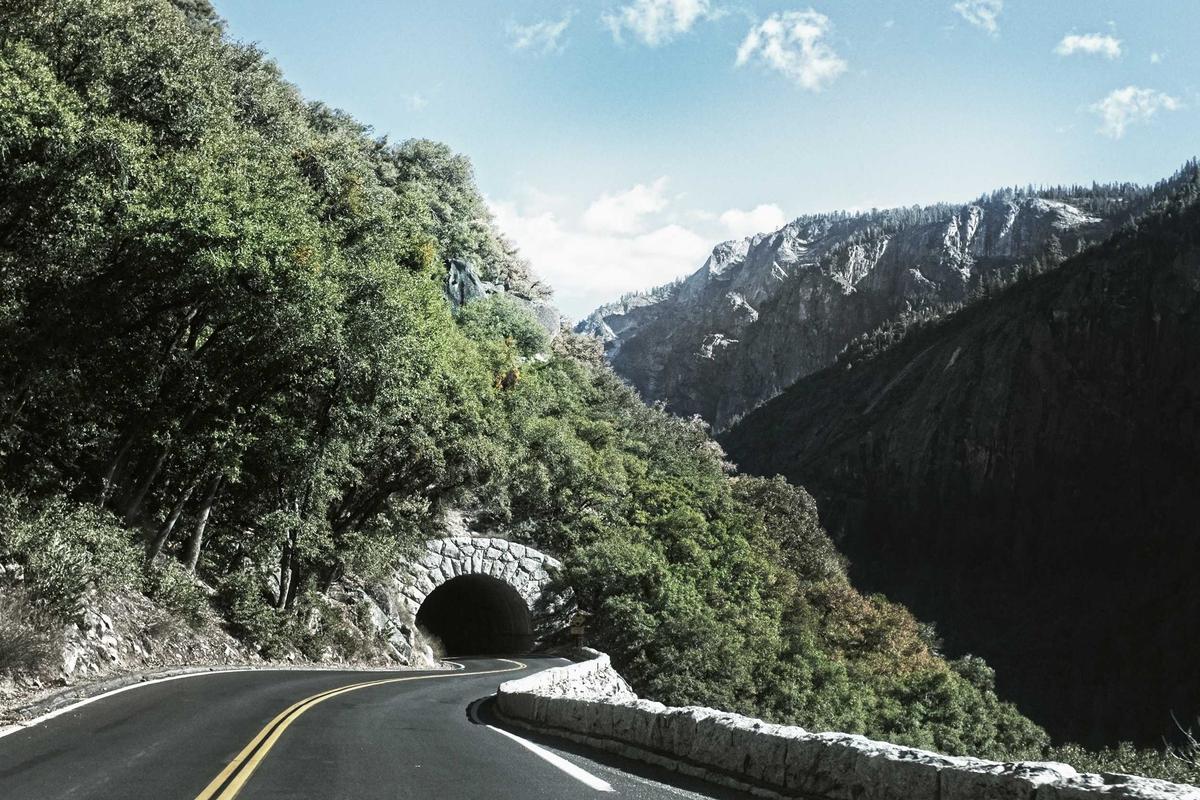
Dreaming of standing at the base of a towering peak blanketed in pristine white snow? You are not alone. Snow capped mountains have a way of stopping you in your tracks and making you feel wonderfully small. From the mighty Himalayas to the dramatic Andes, these frozen giants offer some of the most jaw-dropping scenery on the planet. Here are 15 of the most beautiful snow capped mountain destinations worth adding to your travel bucket list.
Key Takeaways
- Snow capped mountains on every continent deliver unforgettable views and adventures
- From trekking in Nepal to scenic drives in Canada, there is a mountain experience for every traveler
- The best visits typically fall between late spring and early fall for most destinations
- Many of these peaks are accessible to beginners while still challenging seasoned mountaineers
- Planning ahead with proper gear and local guides makes all the difference
1. Mount Everest, Nepal and Tibet
About
Standing at a staggering 8,849 meters above sea level, Mount Everest is the tallest mountain on Earth. Straddling the border between Nepal and Tibet, this legendary peak has captured the imagination of adventurers for over a century. It is not just a mountain; it is a symbol of human ambition and the raw power of nature.
Highlights
The Khumbu Icefall, the South Col route, and the Everest Base Camp trek are among the most famous highlights. The views from Kala Patthar at sunrise are widely considered some of the most spectacular on the planet. The surrounding Sagarmatha National Park is a UNESCO World Heritage Site packed with glaciers, deep valleys, and unique Sherpa culture.
Best Time to Visit
The ideal months are March through May and September through November. These windows offer the clearest skies and most stable weather. The monsoon season from June to August brings heavy rain to the lower elevations while winter months bring extreme cold and high winds.
Why Visit
Everest is the ultimate bucket list destination. Even if you never attempt the summit, trekking to base camp places you in the heart of the Himalayas with views that are simply unmatched anywhere else on Earth.
Travel Tips
Book with a reputable trekking agency that provides experienced guides and acclimatization days. Invest in quality cold weather gear and broken in hiking boots. Travel insurance that covers high altitude trekking is absolutely essential.
2. The Matterhorn, Switzerland
About
The Matterhorn is arguably the most recognizable mountain in the world. Its distinct pyramid shaped peak rises to 4,478 meters on the border between Switzerland and Italy. This iconic summit has become a symbol of the Swiss Alps and draws visitors from every corner of the globe.
Highlights
The views from Zermatt, the car free village at the mountain’s base, are absolutely stunning. The Gornergrat railway takes you up to a panoramic viewpoint offering sweeping vistas of the Matterhorn and surrounding glaciers. In winter, the ski slopes here are among the best in Europe.
Experience
Zermatt offers year round activities from world class skiing and snowboarding in winter to hiking and mountaineering in summer. The Matterhorn Glacier Paradise is the highest cable car station in Europe at 3,883 meters and offers 360 degree views of the Alps. The five lake walk is a gentle trail with incredible Matterhorn reflections.
Best Time to Visit
December through March is perfect for skiing and winter sports. June through September offers the best hiking conditions with wildflower meadows and clear mountain air. The shoulder seasons can be quieter but some trails and lifts may be closed.
Why Visit
The Matterhorn combines accessibility with world class scenery. You do not need to be a mountaineer to enjoy this peak. The infrastructure in Zermatt makes it easy to get close to the mountain and soak in the views.
Travel Tips
Zermatt is car free so you will take a train from Täsch or Visp. Book accommodation well in advance during peak ski season. The Swiss Travel Pass can help save on transportation costs throughout the region.
3. Mount Fuji, Japan
About
Mount Fuji stands at 3,776 meters and is Japan’s tallest and most sacred mountain. This near perfect volcanic cone is a UNESCO World Heritage Site and has been a source of artistic inspiration and spiritual significance for centuries. It is one of the most photographed mountains in the world.
Highlights
The five lakes region at the northern base of Fuji offers some of the most iconic views of the mountain. The Chureito Pagoda with Fuji in the background is one of Japan’s most famous photo spots. The Yoshida trail is the most popular climbing route and passes through beautiful alpine terrain.
Experience
Climbing Mount Fuji is a bucket list experience for many visitors to Japan. The official climbing season runs from early July to mid September. Most climbers start in the afternoon, rest at a mountain hut, and then summit in time for sunrise, which is called Goraiko or the arrival of light.
Best Time to Visit
The climbing season is July through mid September. For viewing and photography, the winter months from November to February offer the clearest views with snow covered slopes. Autumn provides beautiful foliage contrasts against the white peak.
Why Visit
Mount Fuji offers a unique blend of natural beauty and cultural significance. The experience of watching sunrise from the summit is deeply moving and connects you to centuries of Japanese tradition.
Travel Tips
During climbing season there is a mandatory trail fee of 2,000 yen. Bring layers as temperatures at the summit can drop below freezing even in summer. The Fuji Hakone Pass offers unlimited travel on designated transport in the area.
4. Denali, Alaska, USA
About
Denali, formerly known as Mount McKinley, is the highest peak in North America at 6,190 meters. Located in the heart of Alaska’s Denali National Park, this massive mountain rises dramatically from the surrounding tundra. On a clear day, Denali creates its own weather systems and dominates the horizon.
Highlights
Denali National Park spans over six million acres of wilderness and is home to grizzly bears, moose, caribou, and Dall sheep. The park road offers stunning views of the Alaska Range and the mountain itself. Flightseeing tours provide a perspective of Denali that few ever get to experience.
Experience
Most visitors explore the park via the park bus system which travels along the 92 mile park road. Wildlife viewing is exceptional along the route. For the truly adventurous, mountaineering expeditions to the summit are possible but require significant experience and preparation.
Best Time to Visit
Mid May through mid September is the main visitor season. June offers the longest daylight hours with nearly 24 hours of sun. September brings beautiful fall colors to the tundra. Winter visits are possible but extremely challenging.
Why Visit
Denali offers a true wilderness experience that is increasingly rare in the modern world. The combination of massive peaks, abundant wildlife, and vast untouched landscapes makes it one of the most powerful natural destinations in North America.
Travel Tips
Denali is only visible about 30 percent of the time so plan for multiple days to increase your chances. Reserve bus tickets well in advance as they sell out quickly in peak season. Bring binoculars and a good camera with a telephoto lens for wildlife viewing.
5. Mont Blanc, France and Italy
About
Mont Blanc is the highest peak in the Western Alps at 4,808 meters and the tallest mountain in Western Europe. Straddling the border between France and Italy, with a small portion possibly extending into Switzerland, this massive glaciated peak has been a mountaineering mecca since the first ascent in 1786.
Highlights
The Aiguille du Midi cable car in Chamonix takes you to 3,842 meters for breathtaking views of Mont Blanc and the surrounding peaks. The Mer de Glace, the largest glacier in France, is accessible by a charming cog railway. The Tour du Mont Blanc hiking trail circles the entire massif over approximately 170 kilometers.
Experience
Chamonix is the adventure capital of the Alps and offers everything from gentle valley hikes to extreme mountaineering. The Mont Blanc Tunnel connects Chamonix to Courmayeur in Italy, offering a unique cross border experience. In winter, the ski terrain here is legendary with some of the most challenging runs in the world.
Best Time to Visit
June through September is ideal for hiking and mountaineering. December through March is peak ski season. July and August are the busiest months so consider June or September for fewer crowds.
Why Visit
Mont Blanc combines world class mountain scenery with excellent infrastructure and charming alpine towns. Whether you are an expert climber or a casual hiker, the Chamonix valley has something extraordinary to offer.
Travel Tips
The Chamonix Guest Card provides free public transport in the valley when you stay at local accommodation. Book the Aiguille du Midi cable car early in the morning for the clearest views. The Mont Blanc Multipass gives access to all the lifts and attractions in the area.
6. Table Mountain and the Drakensberg, South Africa
About
While Table Mountain itself is not typically snow capped, the Drakensberg mountain range in South Africa receives regular snowfall during the Southern Hemisphere winter. The Drakensberg, meaning Dragon Mountains, is the highest mountain range in Southern Africa with peaks reaching over 3,000 meters. The contrast of snow against the dramatic basalt cliffs is stunning.
Highlights
The Amphitheatre in the Royal Natal National Park is one of the most dramatic cliff faces in the world. The Tugela Falls, the second tallest waterfall in the world, cascades down the Amphitheatre face. San rock art sites throughout the range offer a glimpse into thousands of years of human history.
Experience
Hiking in the Drakensberg ranges from gentle day walks to multi day traverses. The chain ladders hike to the top of the Amphitheatre is a thrilling experience. In winter, the peaks are dusted with snow creating a surreal landscape in a country better known for its beaches and savannas.
Best Time to Visit
June through August is winter and the best chance for snow. March through May offers mild weather and fewer crowds. Summer months from November to February can be wet and stormy at higher elevations.
Why Visit
The Drakensberg offers a unique combination of dramatic mountain scenery, ancient rock art, and the novelty of snow in Africa. It is a destination that surprises visitors who do not expect such rugged beauty on the continent.
Travel Tips
Weather in the mountains can change rapidly so always carry warm layers and rain gear. Several areas require permits or guides so check in advance. The Northern Drakensberg is more developed for tourism while the Southern sections offer more solitude.
7. The Canadian Rockies, Canada
About
The Canadian Rockies stretch across British Columbia and Alberta, offering some of the most spectacular mountain scenery in North America. Banff and Jasper National Parks are the crown jewels of this region, featuring turquoise glacial lakes, massive ice fields, and peaks that pierce the sky.
Highlights
Lake Louise with its famous turquoise waters and the Victoria Glacier backdrop is one of the most photographed locations in Canada. The Icefields Parkway connecting Banff to Jasper is often called the most beautiful drive in the world. The Columbia Icefield is one of the largest ice fields in the Rocky Mountains.
Experience
The Canadian Rockies offer endless outdoor adventures from hiking and canoeing in summer to skiing and snowshoeing in winter. The Banff Gondola takes you to the summit of Sulphur Mountain for panoramic views. Wildlife spotting opportunities include elk, bighorn sheep, black bears, and grizzly bears.
Best Time to Visit
June through September is the peak summer season with warm weather and open trails. December through March is ideal for skiing and winter sports. September and October offer fewer crowds and beautiful fall colors.
Why Visit
The Canadian Rockies deliver a perfect combination of accessibility and wild beauty. The infrastructure in Banff and Jasper makes it easy to explore while still feeling like you are deep in the wilderness.
Travel Tips
A Parks Canada Discovery Pass is required for all national parks. Book accommodation months in advance for summer visits. Bear spray is recommended for backcountry hiking and can be purchased locally.
8. Mount Kilimanjaro, Tanzania
About
Mount Kilimanjaro is Africa’s highest peak at 5,895 meters and the tallest free standing mountain in the world. Located in Tanzania near the Kenyan border, this massive volcanic mountain rises from the surrounding plains and is crowned by glaciers that are sadly retreating. It is one of the most accessible high peaks in the world.
Highlights
Kilimanjaro passes through five distinct ecological zones from tropical rainforest at the base to arctic conditions at the summit. The Barranco Wall is a dramatic section of the climb that offers thrilling scrambling. Uhuru Peak at the summit provides views across the African plains that stretch to the horizon.
Experience
Climbing Kilimanjaro does not require technical mountaineering skills but demands good physical fitness and mental determination. Most routes take between five and nine days. The Machame and Lemosho routes are considered the most scenic while the Marangu route offers hut accommodation.
Best Time to Visit
January through March and June through October are the best climbing months. The rainy seasons in April and November make trails slippery and visibility poor. January and February are generally considered the optimal months.
Why Visit
Kilimanjaro is one of the Seven Summits and reaching the roof of Africa is a life changing accomplishment. The journey through diverse ecosystems and the sense of standing on top of the continent make this an unforgettable experience.
Travel Tips
Choose a tour operator that pays fair wages to porters and follows ethical practices. Take altitude sickness seriously and choose a longer route for better acclimatization. Bring a wide range of clothing layers as temperatures can swing from tropical to well below freezing.
9. The Dolomites, Italy
About
The Dolomites are a dramatic mountain range in northeastern Italy and a UNESCO World Heritage Site. These pale limestone peaks rise sharply from green alpine meadows creating one of the most distinctive mountain landscapes in the world. The highest peak, Marmolada, reaches 3,343 meters and is known as the Queen of the Dolomites.
Highlights
The Tre Cime di Lavaredo are three distinctive battlement like peaks that are the symbol of the Dolomites. The Seceda ridgeline offers one of the most photographed views in the Alps. The Great Dolomite Road connects stunning viewpoints across the entire range. In winter, the Dolomiti Superski area offers over 1,200 kilometers of slopes.
Experience
The Dolomites are a paradise for outdoor enthusiasts. Via ferrata routes allow climbers to traverse dramatic cliff faces with fixed cables and ladders. In summer, the hiking is world class with an extensive network of rifugios or mountain huts providing food and accommodation along the trails.
Best Time to Visit
June through September is the prime hiking season. Mid December through April is excellent for skiing. The shoulder months of May and October can be quiet and beautiful though some facilities may be closed.
Why Visit
The Dolomites offer a unique combination of Italian culture and alpine beauty. The food is incredible, the scenery is otherworldly, and the range of activities suits every level of adventurer.
Travel Tips
The Dolomiti Bus network makes it easy to get around without a car. Rifugio reservations are essential during summer weekends. The region straddles Italian and German speaking areas so you will see bilingual signage everywhere.
10. Aoraki Mount Cook, New Zealand
About
Aoraki Mount Cook is the highest mountain in New Zealand at 3,724 meters. Located in the heart of the Southern Alps on New Zealand’s South Island, this majestic peak is part of a UNESCO Dark Sky Reserve. The Maori name Aoraki means Cloud Piercer, which is a fitting description for a peak that often disappears into the clouds.
Highlights
The Hooker Valley track is one of the finest day hikes in New Zealand, leading to a glacial lake with floating icebergs and views of the mountain. The Tasman Glacier, New Zealand’s longest glacier, is accessible by boat tours on the glacier lake. The Mount Cook village sits in a valley surrounded by snow covered peaks.
Experience
The area offers everything from gentle valley walks to serious alpine climbing. Scenic flights provide aerial views of the Southern Alps and the Tasman Glacier. Stargazing here is world class thanks to the Dark Sky Reserve designation with minimal light pollution.
Best Time to Visit
November through March is the Southern Hemisphere summer and offers the best weather. December through February is peak season with the warmest temperatures. Winter from June to August brings snow and colder conditions but fewer tourists.
Why Visit
Aoraki Mount Cook offers a pristine alpine experience in one of the most beautiful countries on Earth. The combination of glaciers, star filled skies, and dramatic peaks creates an atmosphere of pure wonder.
Travel Tips
The drive from Lake Pukaki to Mount Cook village along State Highway 80 offers increasingly dramatic views. Book helicopter tours in advance as weather cancellations are common. The Hermitage Hotel is the main accommodation and has an excellent alpine museum.
11. The Andes, Patagonia, Argentina and Chile
About
The Andes mountain range stretches along the entire western edge of South America and Patagonia contains some of its most spectacular sections. The granite towers of Torres del Paine and the jagged peaks of Mount Fitz Roy represent some of the most dramatic mountain scenery on the planet. This is wild, windswept, and utterly magnificent.
Highlights
The Torres del Paine W Trek is one of the most famous hikes in the world, taking you past the iconic granite towers, glacial lakes, and the Grey Glacier. Mount Fitz Roy near El Chalten offers equally stunning scenery with its distinctive jagged silhouette. The Perito Moreno Glacier in Los Glaciares National Park is one of the few advancing glaciers in the world.
Experience
Patagonia is a destination for those who love raw, untamed nature. The W Trek takes about five days and passes through some of the most varied and dramatic landscapes imaginable. El Chalten is known as the trekking capital of Argentina and offers day hikes with extraordinary mountain views.
Best Time to Visit
November through March is the Patagonian summer and the best time to visit. December through February offers the longest days and warmest weather. The shoulder months of November and March have fewer crowds and lower prices.
Why Visit
Patagonia is one of the last great wilderness areas on Earth. The combination of towering granite peaks, massive glaciers, and vast open steppe creates a landscape that feels almost otherworldly.
Travel Tips
Patagonian weather is notoriously unpredictable so pack for all conditions. Book refugios and campsites well in advance for the W Trek as they fill up months ahead. Windproof outer layers are absolutely essential as winds can exceed 100 kilometers per hour.
12. Mount Rainier, Washington, USA
About
Mount Rainier is an active stratovolcano and the tallest peak in the Cascade Range at 4,392 meters. Located in Washington State, this massive glaciated volcano dominates the skyline of the Seattle Tacoma area. It holds the title for the most glaciated peak in the contiguous United States with 25 named glaciers.
Highlights
The Paradise area on the south side is famous for its wildflower meadows that bloom in spectacular fashion each summer. The Sunrise area on the northeast side is the highest point accessible by vehicle and offers 360 degree views. The Wonderland Trail circumnavigates the entire mountain over approximately 150 kilometers.
Experience
Mount Rainier National Park offers over 400 kilometers of hiking trails ranging from easy nature walks to challenging summit attempts. Climbing to the summit requires glacier travel skills and is typically done with guided groups. In winter, snowshoeing and cross country skiing are popular activities.
Best Time to Visit
July through September offers the best weather and open trails. Late July through August is peak wildflower season at Paradise. Winter visits offer a completely different experience with snow covered landscapes and fewer visitors.
Why Visit
Mount Rainier is one of the most iconic peaks in the United States and offers an incredible range of experiences from gentle meadow walks to serious mountaineering. Its proximity to Seattle makes it surprisingly accessible.
Travel Tips
America the Beautiful Pass covers entry to Mount Rainier and all other national parks. Reservations may be required during peak summer weekends so check the NPS website. The road to Paradise is one of the most scenic drives in the Pacific Northwest.
13. The Himalayas, Bhutan
About
Bhutan is a small Himalayan kingdom that has preserved its culture and environment with remarkable dedication. The mountains here are among the most pristine in the world, with peaks like Gangkhar Puensum, the highest unclimbed mountain on Earth at 7,570 meters. Bhutan measures success through Gross National Happiness rather than GDP.
Highlights
The Tiger’s Nest Monastery or Paro Taktsang clings to a cliff face 900 meters above the Paro Valley and is one of the most iconic sights in all of Asia. The Snowman Trek is considered one of the most difficult and rewarding treks in the world, crossing high passes above 5,000 meters. The Phobjikha Valley is a beautiful glacial valley and winter home to endangered black necked cranes.
Experience
Bhutan requires visitors to book through a licensed tour operator and pays a daily sustainable tourism fee that covers accommodation, food, and guides. This model ensures tourism benefits local communities while preserving the environment. Trekking here takes you through ancient forests, high mountain passes, and traditional villages.
Best Time to Visit
March through May and September through November are the best months. Spring brings rhododendron blooms while autumn offers the clearest mountain views. The monsoon season from June to August makes trekking difficult and some roads impassable.
Why Visit
Bhutan offers a mountain experience unlike anywhere else. The combination of pristine Himalayan scenery, deeply preserved Buddhist culture, and a tourism model that prioritizes sustainability makes this a truly special destination.
Travel Tips
All tourists except those from India, Bangladesh, and the Maldives must pay a Sustainable Development Fee. Book your trip well in advance as flight options are limited. Pack layers as temperatures vary dramatically between valleys and high passes.
14. The Caucasus Mountains, Georgia
About
The Caucasus Mountains form a dramatic border between Europe and Asia, stretching between the Black Sea and the Caspian Sea. Georgia sits at the heart of this range and offers some of the most spectacular and least crowded mountain scenery in the world. Mount Shkhara at 5,193 meters is the highest peak in Georgia.
Highlights
The town of Mestia in Svaneti is surrounded by towering snow capped peaks and medieval defensive towers. The trek from Mestia to Ushguli is one of the most scenic multi day hikes in Europe, passing through traditional Svan villages. Kazbek at 5,047 meters with the iconic Gergeti Trinity Church at its base is one of the most photographed scenes in the Caucasus.
Experience
Georgia offers incredible value for mountain lovers. The food and wine are outstanding, the hospitality is legendary, and the mountain scenery rivals anything in the Alps or Himalayas at a fraction of the cost. Hiking, horseback riding, and skiing are all popular activities in the region.
Best Time to Visit
June through September is the best time for trekking and high mountain activities. December through March is ski season with several developing resorts. May and October can be beautiful but weather at higher elevations is less predictable.
Why Visit
The Caucasus Mountains offer an adventure that feels genuinely off the beaten path. Georgia in particular combines stunning mountain scenery with incredible food, wine, and culture for an experience that is hard to beat anywhere in the world.
Travel Tips
Georgia offers visa free travel for citizens of many countries. The road to Mestia has been improved but a 4WD vehicle is still recommended. Learning a few words of Georgian goes a long way as the locals are incredibly welcoming to visitors.
15. Mount Elbrus, Russia
About
Mount Elbrus is the highest peak in Europe at 5,642 meters and one of the famous Seven Summits. This dormant twin volcano is located in the Caucasus Mountains of southern Russia near the border with Georgia. Despite its impressive height, Elbrus is considered one of the more accessible of the Seven Summits.
Highlights
The summit of Elbrus offers views across the entire Caucasus range and on exceptionally clear days you can see both the Black Sea and the Caspian Sea. The cable car system takes climbers to around 3,800 meters, significantly reducing the amount of climbing required. The surrounding area features hot springs, alpine meadows, and dramatic volcanic landscapes.
Experience
Climbing Elbrus is a serious undertaking despite being considered one of the easier Seven Summits. The altitude and weather make it a genuine challenge. Most climbers use the standard south side route which is well established with hut accommodation at higher elevations. Guided climbs are available and recommended for less experienced mountaineers.
Best Time to Visit
June through September is the climbing season with July and August being the most popular months. Weather windows during these months offer the best chance of a successful summit. Winter climbing is possible but extremely challenging and only for experienced alpinists.
Why Visit
Mount Elbrus offers the chance to stand on the highest point in Europe without the extreme technical difficulty of peaks like the Matterhorn or Mont Blanc. It is an excellent stepping stone for those working toward the Seven Summits.
Travel Tips
Visa requirements for Russia vary by nationality so check well in advance. The town of Terskol is the main base for Elbrus climbs and offers basic accommodation. Acclimatization hikes on the lower slopes are essential before attempting the summit.
Summary Table
| # | Destination | Country | Elevation (m) | Best Time to Visit |
|---|---|---|---|---|
| 1 | Mount Everest | Nepal/Tibet | 8,849 | Mar to May, Sep to Nov |
| 2 | The Matterhorn | Switzerland/Italy | 4,478 | Dec to Mar, Jun to Sep |
| 3 | Mount Fuji | Japan | 3,776 | Jul to Sep |
| 4 | Denali | USA (Alaska) | 6,190 | May to Sep |
| 5 | Mont Blanc | France/Italy | 4,808 | Jun to Sep |
| 6 | Drakensberg | South Africa | 3,482 | Jun to Aug |
| 7 | Canadian Rockies | Canada | 3,954 | Jun to Sep |
| 8 | Mount Kilimanjaro | Tanzania | 5,895 | Jan to Mar, Jun to Oct |
| 9 | The Dolomites | Italy | 3,343 | Jun to Sep |
| 10 | Aoraki Mount Cook | New Zealand | 3,724 | Nov to Mar |
| 11 | Patagonian Andes | Argentina/Chile | 3,405 | Nov to Mar |
| 12 | Mount Rainier | USA (Washington) | 4,392 | Jul to Sep |
| 13 | Himalayas | Bhutan | 7,570 | Mar to May, Sep to Nov |
| 14 | Caucasus Mountains | Georgia | 5,193 | Jun to Sep |
| 15 | Mount Elbrus | Russia | 5,642 | Jun to Sep |
Frequently Asked Questions
What is the best time of year to visit snow capped mountains?
The best time depends on the destination and what you want to do. For trekking and hiking, most mountain destinations are best visited during their dry season which typically falls in late spring through early fall. For skiing and winter sports, obviously you want to visit during winter months. Always research the specific climate patterns of your chosen destination before booking.
Do I need to be an experienced climber to enjoy snow capped mountains?
Absolutely not. Many of the destinations on this list offer incredible experiences for people of all fitness levels. Scenic drives, cable cars, gentle walking trails, and guided tours allow anyone to enjoy mountain scenery. You do not need to summit a peak to have a life changing mountain experience.
What gear do I need for a mountain trip?
The essentials include layered clothing for temperature changes, waterproof outer layers, sturdy hiking boots, sun protection including sunglasses and sunscreen, a good backpack, and plenty of water. For higher altitude destinations you may also need thermal base layers, a warm hat, gloves, and trekking poles. Always check specific requirements for your destination.
How do I prepare for high altitude destinations?
Give yourself time to acclimatize by ascending gradually and including rest days in your itinerary. Stay well hydrated, avoid alcohol in the first few days, and eat light meals. Learn the signs of altitude sickness which include headache, nausea, and dizziness. If symptoms worsen, descend immediately. Consulting a doctor before your trip is always a good idea.
Are snow capped mountains safe for families with children?
Many mountain destinations are very family friendly. Places like Zermatt, Banff, and the Canadian Rockies have excellent infrastructure and activities designed for families. However, high altitude treks and technical climbs are not suitable for young children. Always choose activities appropriate for your family’s fitness level and experience.
How much does a mountain destination trip typically cost?
Costs vary enormously depending on the destination. A trip to the Canadian Rockies or the Dolomites might cost a few thousand dollars per person for a week including flights and accommodation. An Everest Base Camp trek can cost several thousand dollars just for the trek itself. Budget destinations like Georgia and Bhutan offer incredible value while Switzerland and Japan tend to be more expensive.
What is the most accessible snow capped mountain for beginners?
The Matterhorn area in Zermatt and the Canadian Rockies are among the most accessible for beginners. Both offer excellent infrastructure, a range of difficulty levels, and the ability to enjoy stunning mountain scenery without technical climbing. Cable cars and well maintained trails make these destinations perfect for first time mountain visitors.
Conclusion
Snow capped mountains have an almost magical ability to put things into perspective. Standing before these towering giants of rock and ice reminds you just how beautiful and powerful our planet truly is. Whether you dream of trekking to Everest Base Camp, skiing beneath the Matterhorn, or simply watching the sunrise paint Mount Fuji in shades of pink and gold, these 15 destinations offer experiences that will stay with you for a lifetime.
The best part is that mountain adventures come in all shapes and sizes. You do not need to be a world class mountaineer to appreciate these incredible landscapes. From scenic cable car rides to multi day treks, there is a mountain experience waiting for every type of traveler. So start planning, lace up your boots, and get ready to discover the most beautiful snow capped peaks on Earth.
Ready to Explore?
We hope this guide inspires your next mountain adventure. Have you visited any of these incredible snow capped destinations? Drop a comment below and share your experience with our community. And if you are looking for more travel inspiration, check out our other guides to the world’s most beautiful natural destinations right here at DisplayNature.com. Happy exploring.
If you are looking for the best mountain nature trails in the world, here are 22 incredible hikes that deliver jaw-dropping scenery, unforgettable experiences, and a serious dose of adventure. From the Himalayas to the Andes, the Alps to the Rockies, these trails represent the absolute pinnacle of mountain hiking.
**Key Takeaways:**
– This list covers 22 of the world’s most stunning mountain trails across six continents
– Trails range from easy day hikes to multi-day treks requiring serious preparation
– Each entry includes practical details: best time to visit, difficulty, and insider tips
– Featured trails include iconic routes like the Inca Trail, Everest Base Camp, and Tour du Mont Blanc
– A summary table at the end lets you compare all 22 trails at a glance
There is something about standing on a mountain trail, lungs burning, legs aching, and looking out at a view that stretches to the edge of the world. Mountain hiking is not just exercise. It is a full-body, full-soul experience that changes the way you see the planet and your place on it.
The problem is that there are thousands of mountain trails out there, and picking the right one can feel overwhelming. That is exactly why we put together this list. We have researched, compared, and curated 22 of the absolute best mountain nature trails on Earth. Whether you are a seasoned thru-hiker or someone who just wants a solid day hike with a killer view, there is something here for you.
Let us get into it.
—
## 1. Inca Trail to Machu Picchu, Peru
**About:**
The Inca Trail is a 26-mile (42 km) trek through the Andes that ends at the legendary lost city of Machu Picchu. This ancient pathway was built by the Inca civilization and has been a bucket-list hike for decades. The trail passes through cloud forests, high mountain passes, and several Inca ruins along the way.
**Highlights:**
– Walking through the Sun Gate at sunrise with Machu Picchu spread out below
– The stunning Dead Woman’s Pass at 13,828 feet (4,215 meters)
– Cloud forest sections bursting with orchids and bromeliads
– Ancient Inca ruins like Wiñay Wayna that most tourists never see
**Experience:**
This is a moderate-to-strenuous trek that takes four days and three nights. You will camp under some of the clearest skies in South America. The altitude is real, and the final push to the Sun Gate at dawn is one of those moments you will replay in your memory for the rest of your life.
**Best Time to Visit:**
May to September (dry season). June and July are peak months, so book well in advance.
**Why Visit:**
It combines world-class hiking with one of the most important archaeological sites on Earth. Very few trails on the planet offer this kind of historical and natural combination.
**Travel Tips:**
Permits are required and sell out months ahead, especially for peak season. Book through a licensed tour operator. Spend at least two days in Cusco before the trek to acclimatize.
—
## 2. Everest Base Camp Trek, Nepal
**About:**
The Everest Base Camp trek is a 80-mile (130 km) round trip through the Khumbu region of the Himalayas. It takes you to the foot of the world’s highest mountain at 17,598 feet (5,364 meters) above sea level. This is the trek that put Himalayan hiking on the map.
**Highlights:**
– The view of Everest from Kala Patthar at sunrise
– The bustling Sherpa village of Namche Bazaar
– Tengboche Monastery with its panoramic mountain backdrop
– The Khumbu Icefall, one of the most dramatic glacial features on Earth
**Experience:**
This is a challenging 12-to-14-day trek that demands solid fitness and mental toughness. The altitude is the biggest factor here. The trail follows ancient Sherpa trading routes and passes through rhododendron forests, high alpine meadows, and glacial moraines.
**Best Time to Visit:**
March to May and September to November. October offers the clearest skies.
**Why Visit:**
Standing at the base of the tallest mountain on Earth is a humbling, life-altering experience. The Sherpa culture along the route adds a rich human dimension to the raw natural beauty.
**Travel Tips:**
Hire a local guide or porter. The investment is worth it and supports the local economy. Bring layers, temperatures swing wildly between sun and shade. Diamox for altitude sickness is worth discussing with your doctor before the trip.
—
## 3. Tour du Mont Blanc, France/Italy/Switzerland
**About:**
The Tour du Mont Blanc (TMB) is a 105-mile (170 km) circular trek around the Mont Blanc massif, crossing through three countries: France, Italy, and Switzerland. It is widely considered the greatest long-distance hike in Europe.
**Highlights:**
– Panoramic views of Mont Blanc from multiple angles
– Crossing high mountain passes like the Col de la Seigne
– Sleeping in remote mountain refuges with home-cooked meals
– The stunning Mer de Glace glacier
**Experience:**
The TMB typically takes 10 to 12 days and is rated moderate to strenuous. The trail is well-marked and well-supported, with refuges, gites, and hotels along the route. You will pass through alpine meadows, glacial valleys, and charming European villages.
**Best Time to Visit:**
Late June through September. July and August are busiest but have the best weather.
**Why Visit:**
It is the perfect blend of serious mountain hiking and European culture. You can have a croissant and coffee in a French village in the morning and end the day with pasta in an Italian hamlet.
**Travel Tips:**
Book refuges ahead in peak season. Consider using a luggage transfer service so you only carry a daypack. The trail can be hiked clockwise or counterclockwise; most people go counterclockwise.
—
## 4. Torres del Paine “W” Trek, Chile
**About:**
The W Trek is a 50-mile (80 km) route through Torres del Paine National Park in Chilean Patagonia. It gets its name from the W-shaped path it traces through the park’s most iconic landscapes. This is Patagonia at its absolute finest.
**Highlights:**
– The granite towers of Torres del Paine at sunrise
– The massive Grey Glacier calving into its lake
– The French Valley with its hanging glaciers
– Guanaco sightings and Andean condors overhead
**Experience:**
The W Trek takes four to five days and is moderate in difficulty. The weather in Patagonia is notoriously unpredictable, with wind being the main challenge. The trail is well-maintained, and there are refuges and campsites at regular intervals.
**Best Time to Visit:**
November to March (Patagonian summer). December through February offers the longest days.
**Why Visit:**
Patagonia is one of the last truly wild places on Earth. The combination of granite towers, turquoise lakes, and massive glaciers is unlike anything else in the world.
**Travel Tips:**
Book campsites and refuges far in advance, especially for January and February. Bring windproof and waterproof layers. The park entrance fee is steep but worth every penny.
—
## 5. Annapurna Circuit, Nepal
**About:**
The Annapurna Circuit is a 100-to-145-mile (160-to-230 km) trek around the Annapurna massif in central Nepal. It is often called the greatest trek in the world, and for good reason. The route crosses the Thorong La pass at 17,769 feet (5,416 meters).
**Highlights:**
– Crossing the Thorong La pass, one of the highest trekking passes on Earth
– The dramatic shift from subtropical jungle to high-altitude desert
– Hot springs at Tatopani
– Views of Annapurna, Dhaulagiri, and Machapuchare
**Experience:**
This is a challenging 15-to-20-day trek that takes you through an incredible range of landscapes and cultures. The route follows ancient trade paths and passes through villages of Gurung, Tibetan, and Thakali people.
**Best Time to Visit:**
March to May and October to November. October is the most popular month.
**Why Visit:**
The diversity of landscapes on this single trek is unmatched. You go from rice paddies to alpine meadows to barren high-altitude desert, all in two to three weeks.
**Travel Tips:**
The road construction on the lower sections has changed the experience. Consider the Annapurna Base Camp trek as an alternative for a more wilderness-focused experience. Hire a guide for the Thorong La crossing.
—
## 6. John Muir Trail, California, USA
**About:**
The John Muir Trail (JMT) is a 211-mile (340 km) long-distance trail through the Sierra Nevada mountain range in California. It runs from Yosemite Valley to the summit of Mount Whitney, the highest peak in the contiguous United States.
**Highlights:**
– Passing through Yosemite, Kings Canyon, and Sequoia National Parks
– The Evolution Basin, often called the most beautiful stretch of trail in the Sierra
– Crossing Forester Pass at 13,153 feet (4,009 meters)
– Ending on the summit of Mount Whitney at 14,505 feet (4,421 meters)
**Experience:**
The JMT is a serious commitment, typically taking 21 to 28 days to complete. It is strenuous, with significant elevation changes and high-altitude sections. The trail passes through some of the most pristine wilderness in the lower 48 states.
**Best Time to Visit:**
July through September. Snow can linger into early July in heavy snow years.
**Why Visit:**
The Sierra Nevada is one of the most beautiful mountain ranges in North America, and the JMT hits every highlight. If you can only do one long-distance trail in your life, this is a strong contender.
**Travel Tips:**
Permits are extremely competitive. Apply early through the Yosemite or Inyo National Forest permit systems. Bear canisters are required for food storage. Resupply points are limited, so plan carefully.
—
## 7. Milford Track, New Zealand
**About:**
The Milford Track is a 33-mile (53 km) trail through Fiordland National Park on New Zealand’s South Island. It is often called “the finest walk in the world,” and after seeing the scenery, you will understand why.
**Highlights:**
– The view from Mackinnon Pass
– Sutherland Falls, one of the tallest waterfalls in the world
– Walking through ancient beech forest
– Ending at Milford Sound, one of New Zealand’s most iconic natural wonders
**Experience:**
The Milford Track is a four-day, three-night guided or independent walk. The trail is well-maintained with huts along the route. The weather is wet (this is a rainforest, after all), but that is what makes the waterfalls so spectacular.
**Best Time to Visit:**
Late October to April (summer season). The track is only open for independent walking during this period.
**Why Visit:**
The combination of rainforest, alpine passes, waterfalls, and fiords is unique on Earth. New Zealand’s commitment to conservation means the trail is in pristine condition.
**Travel Tips:**
Book well in advance. The Department of Conservation limits the number of walkers per day. Bring quality rain gear. Sandflies are relentless, so pack insect repellent.
—
## 8. Kalalau Trail, Hawaii, USA
**About:**
The Kalalau Trail is an 11-mile (18 km) trail along the Na Pali Coast of Kauai, Hawaii. It is one of the most beautiful and dangerous coastal mountain trails in the United States, with dramatic cliffs, lush valleys, and pristine beaches.
**Highlights:**
– The towering sea cliffs of the Na Pali Coast
– Hanakapiai Beach and its waterfall
– Kalalau Valley, accessible only by trail or boat
– Swimming in remote jungle pools
**Experience:**
The full trail to Kalalau Beach is a two-day backpacking trip (or a very long day hike for the extremely fit). The trail is narrow, steep, and exposed in sections. Flash floods are a real danger. The reward is access to one of the most remote and beautiful valleys in Hawaii.
**Best Time to Visit:**
May to September (dry season). Winter months bring heavy rain and dangerous trail conditions.
**Why Visit:**
Where else can you hike along 4,000-foot sea cliffs above the Pacific Ocean and camp on a white sand beach in a tropical valley? Nowhere else on Earth.
**Travel Tips:**
A permit is required for camping beyond Hanakapiai. The trail is not for beginners. Bring water purification, as stream water is your only source. Do not turn your back on the ocean at beach camps.
—
## 9. Tour of the Matterhorn, Switzerland
**About:**
The Tour of the Matterhorn is a 100-mile (160 km) circular trek around the most iconic mountain in the Alps. The route passes through the Swiss canton of Valais and the Italian Aosta Valley, offering views of the Matterhorn from every angle.
**Highlights:**
– The view of the Matterhorn from the Stellisee lake at sunrise
– Crossing the Theodul Pass near the Klein Matterhorn
– Traditional Swiss alpine villages like Zermatt and Breuil-Cervinia
– The Matterhorn Glacier Paradise, the highest cable car station in Europe
**Experience:**
This is a moderate-to-strenuous trek that takes about 10 days. The trail is well-marked and passes through a mix of alpine meadows, glacial valleys, and charming villages. Cable cars and mountain railways can be used to skip sections if needed.
**Best Time to Visit:**
July through September. Some passes may have snow into early July.
**Why Visit:**
The Matterhorn is the mountain that defines mountains. Walking around it and seeing it from every perspective is a pilgrimage every mountain lover should make.
**Travel Tips:**
Switzerland is expensive. Budget accordingly. The Swiss Travel Pass can help with transportation. Mountain huts should be booked in advance during August.
—
## 10. Laugavegur Trail, Iceland
**About:**
The Laugavegur Trail is a 34-mile (55 km) trek from Landmannalaugar to Thorsmork in the Icelandic highlands. It is one of the most otherworldly hikes on Earth, passing through landscapes that look like they belong on another planet.
**Highlights:**
– The rhyolite mountains of Landmannalaugar in every shade of pink, green, and gold
– The black volcanic desert of Mælifellssandur
– The steaming hot springs along the route
– Thorsmork valley, a lush oasis between glaciers
**Experience:**
The Laugavegur takes four days and is moderate in difficulty. The weather is the main challenge, with rain, wind, and even snow possible in summer. The trail is well-marked with huts operated by the Icelandic Touring Association.
**Best Time to Visit:**
Late June through mid-September. The highland roads are only open during this window.
**Why Visit:**
Iceland’s interior is one of the most surreal landscapes on Earth. The combination of colorful mountains, glaciers, volcanic deserts, and hot springs is completely unique.
**Travel Tips:**
Book huts early, they fill up fast. Bring a warm sleeping bag even in summer. River crossings can be tricky, so bring water shoes or sandals. The F-roads to access the trail require a 4×4 vehicle.
—
## 11. K2 Base Camp Trek, Pakistan
**About:**
The K2 Base Camp trek is a 90-mile (145 km) round trip through the Karakoram range in northern Pakistan. It takes you to the foot of K2, the world’s second-highest mountain and widely considered the most difficult and dangerous peak to climb.
**Highlights:**
– The Baltoro Glacier, one of the longest glaciers outside the polar regions
– The “Throne Room of the Mountain Gods” at Concordia
– Views of K2, Broad Peak, Gasherbrum I and II, and Masherbrum
– The stunning turquoise waters of the Hushe Valley
**Experience:**
This is a challenging 14-to-18-day trek that requires excellent fitness and preparation. The trail follows the Baltoro Glacier for much of the route, and the scenery is relentlessly dramatic. This is remote, wild trekking at its finest.
**Best Time to Visit:**
June to August. July is generally considered the best month.
**Why Visit:**
The Karakoram has the highest concentration of 8,000-meter peaks on Earth. The scenery on this trek makes the Himalayas look gentle by comparison. It is raw, dramatic, and utterly unforgettable.
**Travel Tips:**
You must go with a licensed trekking agency in Pakistan. The government requires this. Budget for porter support. The flight to Skardu can be weather-dependent, so build in buffer days.
—
## 12. Overland Track, Tasmania, Australia
**About:**
The Overland Track is a 40-mile (65 km) trail through the heart of the Tasmanian Wilderness World Heritage Area. It runs from Cradle Mountain to Lake St Clair, Australia’s deepest freshwater lake.
**Highlights:**
– Cradle Mountain and its iconic dolerite peaks
– The ancient pandani forests, found nowhere else on Earth
– Barn Bluff, one of the best viewpoints in Tasmania
– Waterfalls, alpine moorland, and myrtle beech rainforest
**Experience:**
The Overland Track takes five to seven days and is moderate in difficulty. The trail is well-maintained with hut accommodations. Tasmania’s weather is changeable, but the variety of landscapes keeps every day interesting.
**Best Time to Visit:**
November to April (summer). December to February is peak season.
**Why Visit:**
Tasmania is one of the last great wilderness areas in the Southern Hemisphere. The Overland Track showcases its diversity in a single, manageable trek.
**Travel Tips:**
A permit is required during peak season (November to April). Book early. Bring warm, waterproof gear regardless of the season. The trail can be hiked north to south or south to north.
—
## 13. GR20, Corsica, France
**About:**
The GR20 is a 112-mile (180 km) long-distance trail that crosses the island of Corsica from north to south. It is widely considered the most difficult long-distance hike in Europe, with rugged terrain, significant elevation changes, and exposed sections.
**Highlights:**
– The Cirque de la Solitude, a dramatic glacial cirque
– Monte Cinto, the highest peak in Corsica at 8,878 feet (2,706 meters)
– The forests of Valdu Niellu
– Stunning views of the Mediterranean from high ridges
**Experience:**
The GR20 takes 15 to 17 days and is strenuous. The trail is marked but challenging, with scrambling sections and exposed ridges. Refuges are spaced along the route, but conditions are basic. This is a trail for experienced hikers who thrive on challenge.
**Best Time to Visit:**
June through September. July and August are hottest but have the most stable weather.
**Why Visit:**
If you want to test yourself on the toughest trail in Europe while surrounded by Mediterranean beauty, the GR20 is your mountain. The sense of accomplishment at the finish is unmatched.
**Travel Tips:**
This is not a beginner trail. Train with a loaded pack before you go. Book refuges in advance. Carry plenty of water, as sources can be scarce in summer. The northern section is harder than the southern section.
—
## 14. Kilimanjaro, Tanzania
**About:**
Mount Kilimanjaro is the highest peak in Africa at 19,341 feet (5,895 meters) and the highest free-standing mountain in the world. Several routes lead to the summit, with the Machame and Lemosho routes being the most popular.
**Highlights:**
– Standing on Uhuru Roof, the highest point in Africa
– The Barranco Wall, a dramatic scramble on the Machame route
– The alpine desert zone with its alien-like vegetation
– Sunrise from Stella Point with the plains of Africa stretching to the horizon
**Experience:**
Climbing Kilimanjaro takes five to nine days depending on the route. It is a trek, not a technical climb, but the altitude makes it extremely challenging. Most people experience some altitude-related symptoms. The sense of achievement at the summit is extraordinary.
**Best Time to Visit:**
January to March and June to October. These are the driest months.
**Why Visit:**
Kilimanjaro is one of the Seven Summits and one of the most accessible high peaks in the world. You do not need technical climbing skills, just determination and decent fitness.
**Travel Tips:**
Choose your route carefully. Longer routes have higher success rates because of better acclimatization. Go with a reputable operator that pays fair wages to porters. Bring layers for extreme temperature swings.
—
## 15. West Coast Trail, British Columbia, Canada
**About:**
The West Coast Trail is a 47-mile (75 km) trail along the southwestern coast of Vancouver Island. Originally built as a rescue route for shipwreck survivors, it is now one of the most famous backpacking trails in North America.
**Highlights:**
– Walking along pristine Pacific coastline
– Crossing surge channels on cable cars
– The Nitinat Narrows, a tidal crossing by boat
– Ancient coastal rainforest with massive cedar trees
**Experience:**
The West Coast Trail takes five to eight days and is moderate to strenuous. The trail involves ladders, mud, cable cars, and river crossings. It is as much an obstacle course as a hike. The coastal scenery is spectacular, and wildlife sightings (whales, sea lions, bears) are common.
**Best Time to Visit:**
May to September. July and August are the driest months.
**Why Visit:**
This trail combines the best of coastal and mountain hiking in one of the most beautiful stretches of coastline in North America. The challenge of the trail makes the experience even more rewarding.
**Travel Tips:**
A reservation is required and spots fill up fast. Be prepared for mud, lots of it. Tide tables are essential for safe passage through certain sections. Bear hangs or canisters are required.
—
## 16. Mount Roraima, Venezuela/Brazil/Guyana
**About:**
Mount Roraima is a massive tepui (tabletop mountain) at the triple border of Venezuela, Brazil, and Guyana. It inspired Arthur Conan Doyle’s “The Lost World” and remains one of the most remote and mysterious places on Earth.
**Highlights:**
– The sheer 1,300-foot (400-meter) cliffs that ring the summit
– Unique endemic species found nowhere else on Earth
– The “Maverick Stone” at the triple border point
– Crystal valleys with natural quartz formations
**Experience:**
The trek to the summit of Roraima takes five to six days round trip. The approach is through savanna and lowland forest, and the final ascent is steep and challenging. The summit plateau is a surreal landscape of black rock, crystal pools, and strange rock formations.
**Best Time to Visit:**
December to April (dry season). Even during the dry season, rain is common on the summit.
**Why Visit:**
Roraima is one of the oldest geological formations on Earth, dating back two billion years. The summit ecosystem is like nothing else on the planet, with plants and animals that evolved in complete isolation.
**Travel Tips:**
The trek must be organized through an agency in Santa Elena de Uaireen, Venezuela. Porters carry most of your gear. The summit is cold and wet, bring proper gear. This is a remote expedition, not a casual hike.
—
## 17. Alta Via 1, Dolomites, Italy
**About:**
The Alta Via 1 is a 75-mile (120 km) long-distance trail through the Italian Dolomites, running from Lake Braies to Belluno. It is the classic Dolomites trek and one of the most scenic mountain hikes in Europe.
**Highlights:**
– The dramatic limestone peaks of the Dolomites
– World War I trenches and fortifications along the trail
– Stunning rifugios serving incredible Italian food
– The Tre Cime di Lavaredo, the most iconic peaks in the Dolomites
**Experience:**
The Alta Via 1 takes seven to 10 days and is moderate in difficulty. The trail is well-marked and well-supported, with rifugios (mountain huts) offering meals and accommodation at regular intervals. Via ferrata sections add excitement but are optional.
**Best Time to Visit:**
Late June through September. Some rifugios open as early as mid-June.
**Why Visit:**
The Dolomites are a UNESCO World Heritage Site for good reason. The combination of dramatic peaks, green meadows, and excellent food makes this one of the most enjoyable mountain treks in the world.
**Travel Tips:**
Book rifugios in advance during July and August. A via ferrata set is recommended for some sections. The trail can be shortened using cable cars and buses if needed.
—
## 18. Drakensberg Grand Traverse, South Africa
**About:**
The Drakensberg Grand Traverse is a 125-mile (200 km) unmarked route along the escarpment of the Drakensberg mountains in South Africa and Lesotho. It is one of the most challenging and remote treks in Africa.
**Highlights:**
– The Amphitheatre, a 3-mile-long cliff face rising 3,600 feet (1,100 meters)
– San rock art in caves along the route
– The Sentinel Peak at over 9,800 feet (3,000 meters)
– Remote Basotho villages in the highlands of Lesotho
**Experience:**
The Grand Traverse takes 10 to 14 days and is strenuous. The route is unmarked and requires navigation skills. There are no huts or resupply points, this is true wilderness trekking. The scenery is vast, dramatic, and deeply peaceful.
**Best Time to Visit:**
March to May and September to November. Avoid the summer thunderstorms and winter snow.
**Why Visit:**
The Drakensberg is one of the most underrated mountain ranges in the world. The combination of dramatic cliffs, ancient art, and remote wilderness makes this a trek for the truly adventurous.
**Travel Tips:**
This is not a trail for beginners. Hire a local guide or join an organized group. Navigation skills and a GPS are essential. Weather can change rapidly at altitude.
—
## 19. Mount Fuji, Japan
**About:**
Mount Fuji is Japan’s highest peak at 12,389 feet (3,776 meters) and one of the most recognizable mountains in the world. Several trails lead to the summit, with the Yoshida Trail being the most popular.
**Highlights:**
– Sunrise from the summit (Goraiko in Japanese)
– The perfectly conical volcanic profile
– Mountain huts serving hot meals on the trail
– The volcanic crater at the summit
**Experience:**
Climbing Mount Fuji is a one-to-two-day endeavor. Most hikers start in the afternoon, sleep in a mountain hut, and then summit for sunrise. The trail is well-maintained but steep, and the altitude can cause mild altitude sickness.
**Best Time to Visit:**
July to mid-September (official climbing season). The mountain huts are only open during this period.
**Why Visit:**
Mount Fuji is a cultural icon as much as a natural one. Standing on the summit at sunrise, watching the shadow of Fuji stretch across the clouds below, is a deeply moving experience.
**Travel Tips:**
Book mountain hut accommodation in advance for weekends. Bring cash, there are no ATMs on the mountain. A climbing fee of 2,000 yen is required. Start early to avoid crowds on weekends.
—
## 20. Pico Du Midi, French Pyrenees
**About:**
The Pico du Midi area in the French Pyrenees offers some of the most spectacular mountain hiking in France outside of the Alps. The trails around the Pic du Midi de Bigorre and the Neouvielle Reserve are world-class.
**Highlights:**
– The Pic du Midi observatory, accessible by cable car
– The Neouvielle Reserve with its crystal-clear alpine lakes
– The Cirque de Gavarnie, a UNESCO World Heritage Site
– Wildflower meadows in June and July
**Experience:**
This area offers everything from easy day hikes to multi-day treks. The GR10 long-distance trail passes through the region. The scenery is dramatic, with cirques, waterfalls, and high peaks at every turn.
**Best Time to Visit:**
June through September. July and August are the warmest months.
**Why Visit:**
The Pyrenees are the Alps’ quieter, wilder sibling. The scenery is just as dramatic, but the trails are far less crowded. The Neouvielle Reserve is one of the most beautiful alpine areas in Europe.
**Travel Tips:**
The Pyrenees are less touristy than the Alps, so plan for fewer services. Bring a map and compass for off-trail exploration. The GR10 is well-marked but remote in sections.
—
## 21. Mount Kinabalu, Borneo, Malaysia
**About:**
Mount Kinabalu is the highest peak in Southeast Asia at 13,435 feet (4,095 meters). It is located in Kinabalu National Park in Sabah, Malaysian Borneo, and is one of the most accessible high peaks in the world.
**Highlights:**
– The summit plateau with its surreal granite rock faces
– Incredible biodiversity, including the famous Rafflesia flower
– The Low’s Gully, one of the deepest gorges in Southeast Asia
– Sunrise from the summit with views to the Philippines on clear days
**Experience:**
The climb takes two days and one night. The trail is well-maintained but steep, with ropes and ladders on the upper sections. A guide is required. The summit push starts at 2:30 AM to catch sunrise.
**Best Time to Visit:**
March to September (dry season). The mountain can be climbed year-round, but wet conditions make the trail slippery.
**Why Visit:**
Mount Kinabalu combines a serious mountain climb with the biodiversity of tropical Borneo. The variety of ecosystems you pass through, from lowland rainforest to alpine scrub, is extraordinary.
**Travel Tips:**
Book through a licensed operator. Permits are limited and sell out during peak season. The mountain is close to Kota Kinabalu, making it easy to combine with other Borneo adventures.
—
## 22. Trolltunga, Norway
**About:**
Trolltunga (Troll’s Tongue) is a dramatic rock ledge jutting out 2,300 feet (700 meters) above Lake Ringedalsvatnet in southern Norway. The hike to reach it is one of the most popular and scenic day hikes in Scandinavia.
**Highlights:**
– The iconic Trolltunga rock formation
– Views across the Hardangerfjord region
– Alpine lakes and tundra along the trail
– The midnight sun in summer or northern lights in autumn
**Experience:**
The round-trip hike is 17 miles (27 km) and takes 8 to 12 hours. It is strenuous, with significant elevation gain and a long, steady climb. The trail is marked with red “T” signs. The final approach to the ledge is the payoff for all that effort.
**Best Time to Visit:**
June to September. The trail is snow-covered outside this window. July and August are the most popular months.
**Why Visit:**
Trolltunga is one of the most photographed natural features in Norway, and seeing it in person is even more impressive than the photos suggest. The surrounding Hardangervidda plateau is beautiful in its own right.
**Travel Tips:**
Start early to avoid crowds and afternoon weather changes. Bring plenty of food and water, there are no services on the trail. Wear sturdy hiking boots. A new parking fee and shuttle system are in place to manage crowds.
—
## Summary Table
| # | Trail | Country | Distance | Duration | Difficulty | Best Season |
|—|——-|———|———-|———-|————|————-|
| 1 | Inca Trail | Peru | 26 mi / 42 km | 4 days | Moderate-Strenuous | May-Sep |
| 2 | Everest Base Camp | Nepal | 80 mi / 130 km | 12-14 days | Strenuous | Mar-May, Sep-Nov |
| 3 | Tour du Mont Blanc | France/Italy/Switzerland | 105 mi / 170 km | 10-12 days | Moderate-Strenuous | Jun-Sep |
| 4 | Torres del Paine W Trek | Chile | 50 mi / 80 km | 4-5 days | Moderate | Nov-Mar |
| 5 | Annapurna Circuit | Nepal | 100-145 mi / 160-230 km | 15-20 days | Strenuous | Mar-May, Oct-Nov |
| 6 | John Muir Trail | USA (California) | 211 mi / 340 km | 21-28 days | Strenuous | Jul-Sep |
| 7 | Milford Track | New Zealand | 33 mi / 53 km | 4 days | Moderate | Oct-Apr |
| 8 | Kalalau Trail | USA (Hawaii) | 11 mi / 18 km | 1-2 days | Strenuous | May-Sep |
| 9 | Tour of the Matterhorn | Switzerland/Italy | 100 mi / 160 km | 10 days | Moderate-Strenuous | Jul-Sep |
| 10 | Laugavegur Trail | Iceland | 34 mi / 55 km | 4 days | Moderate | Jun-Sep |
| 11 | K2 Base Camp | Pakistan | 90 mi / 145 km | 14-18 days | Strenuous | Jun-Aug |
| 12 | Overland Track | Australia (Tasmania) | 40 mi / 65 km | 5-7 days | Moderate | Nov-Apr |
| 13 | GR20 | Corsica (France) | 112 mi / 180 km | 15-17 days | Very Strenuous | Jun-Sep |
| 14 | Kilimanjaro | Tanzania | Varies by route | 5-9 days | Strenuous | Jan-Mar, Jun-Oct |
| 15 | West Coast Trail | Canada (BC) | 47 mi / 75 km | 5-8 days | Moderate-Strenuous | May-Sep |
| 16 | Mount Roraima | Venezuela/Brazil/Guyana | ~50 mi / 80 km | 5-6 days | Strenuous | Dec-Apr |
| 17 | Alta Via 1 | Italy (Dolomites) | 75 mi / 120 km | 7-10 days | Moderate | Jun-Sep |
| 18 | Drakensberg Grand Traverse | South Africa/Lesotho | 125 mi / 200 km | 10-14 days | Very Strenuous | Mar-May, Sep-Nov |
| 19 | Mount Fuji | Japan | Varies by route | 1-2 days | Moderate | Jul-Sep |
| 20 | Pico du Midi Area | France (Pyrenees) | Varies | 1-7 days | Easy-Strenuous | Jun-Sep |
| 21 | Mount Kinabalu | Malaysia (Borneo) | ~12 mi / 20 km | 2 days | Moderate-Strenuous | Mar-Sep |
| 22 | Trolltunga | Norway | 17 mi / 27 km | 1 day (8-12 hrs) | Strenuous | Jun-Sep |
—
## Frequently Asked Questions
**What is the best mountain trail for beginners?**
For beginners, the Milford Track in New Zealand and the Alta Via 1 in the Dolomites are excellent choices. Both trails are well-maintained, well-supported with huts and services, and offer stunning scenery without extreme technical difficulty. Mount Fuji is also a great option if you want a summit experience without technical climbing.
**How do I prepare for a high-altitude mountain trek?**
Start training at least two to three months before your trek. Focus on cardiovascular fitness, leg strength, and hiking with a weighted pack. If possible, do practice hikes at elevation. For treks above 10,000 feet, spend time acclimatizing before the main trek. Stay hydrated, eat well, and consider discussing altitude medication with your doctor.
**What gear do I need for a multi-day mountain trek?**
The essentials include: sturdy broken-in hiking boots, moisture-wicking layers, a waterproof shell jacket, a warm insulating layer (down or synthetic), a quality backpack (50-70 liters for multi-day trips), a sleeping bag rated for the conditions, a headlamp, water purification, a first aid kit, and navigation tools (map, compass, GPS). Trekking poles are highly recommended for mountain trails.
**Are mountain trails safe for solo hiking?**
Many mountain trails are safe for experienced solo hikers, but some are not. Trails like the Alta Via 1, Milford Track, and Tour du Mont Blanc are popular and well-traveled, making them reasonable for solo hiking. Remote or technical routes like the Drakensberg Grand Traverse, K2 Base Camp, and Mount Roraima should not be attempted alone. Always inform someone of your plans and expected return.
**How much does it cost to hike these mountain trails?**
Costs vary enormously. A day hike like Trolltunga might cost $50 to $100 in transportation and fees. A guided Kilimanjaro climb can cost $2,000 to $6,000. The Inca Trail runs $600 to $1,200 for a guided trek. Budget treks in Nepal like the Annapurna Circuit can be done for $500 to $1,500 including permits, food, and accommodation. Always budget extra for gear, travel insurance, and unexpected expenses.
**What is the most beautiful mountain trail in the world?**
Beauty is subjective, but the Inca Trail, Tour du Mont Blanc, and Torres del Paine W Trek consistently rank among the most beautiful. For raw drama, K2 Base Camp and the Drakensberg Grand Traverse are hard to beat. For accessibility and iconic scenery, nothing beats the Milford Track or Trolltunga.
**When is the best time of year to go mountain hiking?**
It depends entirely on the region. In the Northern Hemisphere, the prime mountain hiking season is generally June through September. In the Southern Hemisphere, it is November to March. The Himalaya has two trekking windows: spring (March-May) and autumn (September-November). Always research the specific trail and region before planning your trip.
—
## Conclusion
Mountain trails have a way of putting everything into perspective. Standing on a ridge with nothing but rock, sky, and silence around you, the noise of daily life fades away. These 22 trails represent the very best of what mountain hiking has to offer, from the ancient paths of the Inca to the volcanic landscapes of Iceland, from the roof of Africa to the lost world of Roraima.
You do not have to tackle all 22. Even one of these trails will give you stories, memories, and a connection to the natural world that lasts a lifetime. The mountains are calling, and honestly, you should go.
—
**Ready to start planning your next mountain adventure? Browse our complete collection of trail guides, gear reviews, and travel tips at DisplayNature.com. Share this article with your hiking crew and start dreaming up your next big trek. The trails are waiting.**
Short Answer
New Zealand is one of the most spectacular mountain destinations on the planet. From the glacial peaks of Aoraki/Mount Cook to the volcanic summits of Tongariro National Park, from the fiords of Fiordland to the rugged ranges of the South Island’s backcountry, this small island nation packs an extraordinary amount of mountain scenery into a relatively compact area. Whether you are a seasoned mountaineer, a casual day hiker, or someone who simply loves standing on a lookout point and staring in wonder, these 20 mountain nature spots represent the very best that New Zealand has to offer.
Key Takeaways
- New Zealand’s mountain landscapes are incredibly diverse, spanning volcanic peaks, glacial valleys, alpine meadows, coastal mountain ranges, and ancient beech forest-covered hills.
- The South Island is home to the Southern Alps, the country’s most dramatic mountain range, while the North Island features volcanic peaks and rolling hill country.
- Summer (December through February) is the peak hiking season, but autumn (March through May) offers stunning foliage and fewer crowds.
- Many of these destinations are accessible as day trips from major towns and cities, making them perfect for travelers of all fitness levels.
- New Zealand’s Department of Conservation (DOC) maintains an excellent network of huts, campsites, and well-marked trails throughout the country’s mountain areas.
- Weather in New Zealand’s mountains can change rapidly, so always carry warm layers, rain gear, and sufficient food and water regardless of the forecast.
- Booking accommodations and hut passes in advance is essential during the busy summer months, especially on popular tracks like the Great Walks.
Introduction
New Zealand and mountains go together like coffee and mornings. This is a country that was literally built by tectonic forces, where the collision of two massive plates of the Earth’s crust has pushed up some of the most dramatic peaks in the Southern Hemisphere. The Maori have lived among these mountains for centuries, weaving them into their stories, their identity, and their sense of place. European explorers arrived later and were equally awestruck, naming peaks after their own heroes and legends.
Today, roughly one-third of New Zealand is protected in national parks, conservation areas, and reserves, much of it in mountainous terrain. The country has 13 national parks, and mountains feature prominently in most of them. From the volcanic plateau of the North Island to the glacier-carved valleys of the South Island, from the subtropical hills of the Coromandel to the sub-Alpine wilderness of Fiordland, New Zealand’s mountain landscapes are as varied as they are beautiful.
This list covers 20 of the very best mountain nature spots across both islands. Some are world-famous icons that draw visitors from every corner of the globe. Others are quieter, lesser-known places where you might have an entire valley to yourself. All of them are worth your time.
1. Aoraki/Mount Cook National Park
About
Aoraki/Mount Cook National Park is home to New Zealand’s highest peak, Aoraki/Mount Cook, which stands at 3,724 meters. Located in the heart of the South Island’s Southern Alps, the park covers approximately 707 square kilometers of some of the most dramatic alpine scenery in the Southern Hemisphere. The mountain holds deep spiritual significance for the Ngai Tahu Maori tribe, who consider Aoraki an ancestor. The park was established in 1953 and has been a UNESCO World Heritage Site (as part of Te Wahipounamu) since 1990.
Highlights
The summit of Aoraki/Mount Cook is visible from the village on clear days, a massive pyramid of rock, ice, and snow that dominates the skyline. The Hooker Valley Track is one of New Zealand’s finest day hikes, leading to a glacial lake with floating icebergs and a direct view of the mountain’s summit. The Tasman Glacier, New Zealand’s longest at 23 kilometers, offers boat tours among icebergs. The Sir Edmund Hillary Alpine Centre provides fascinating exhibits on mountaineering history and alpine ecology.
Experience
The Hooker Valley Track is a gentle three-hour return walk that is suitable for families and casual walkers, crossing swing bridges over glacial rivers and ending at Hooker Lake. For something more challenging, the Mueller Hut route is a strenuous full-day climb to a red hut perched at 1,800 meters with panoramic views of the surrounding peaks. Scenic flights and heli-skiing are popular for those who want to experience the mountains from above. Stargazing is exceptional here, as the park is part of the Aoraki Mackenzie International Dark Sky Reserve.
Best Time to Visit
November through March offers the best weather for hiking and clear views. December through February is peak summer with the warmest temperatures. Winter (June through August) brings snow and shorter days but offers a stark, beautiful landscape for experienced mountaineers and photographers.
Why Visit
This is the big one. Aoraki/Mount Cook is the mountain that defines New Zealand’s alpine identity, and seeing it in person is a genuinely humbling experience. The combination of accessibility (you can drive right to the base) and sheer scale makes it a must-visit for anyone traveling through the South Island.
Travel Tips
Mount Cook Village is the only accommodation in the book, so book well in advance during summer. The drive from Lake Tekapo takes about 1.5 hours and is one of the most scenic roads in New Zealand. Bring warm layers even in summer, as temperatures at altitude can drop quickly. The Hermitage Hotel has a restaurant with floor-to-ceiling windows facing the mountain.
2. Tongariro National Park
About
Tongariro National Park is New Zealand’s oldest national park, established in 1887 when the Maori chief Te Heuheu Tukino IV gifted the sacred peaks of Tongariro, Ngauruhoe, and Ruapehu to the nation. Located in the central North Island, the park covers 796 square kilometers of volcanic terrain and is a UNESCO World Heritage Site for both its natural and cultural significance. The park’s three active volcanoes, Mount Ruapehu (2,797 meters), Mount Ngauruhoe (2,291 meters), and Mount Tongariro (1,968 meters), form the southern end of the Pacific Ring of Fire.
Highlights
The Tongariro Alpine Crossing is widely regarded as the best one-day hike in New Zealand, covering 19.4 kilometers of volcanic terrain including the Emerald Lakes, the Blue Lake, and the Red Crater. Mount Ngauruhoe gained international fame as Mount Doom in the Lord of the Rings films. The Whanganui River, which flows through the park, is one of New Zealand’s most important waterways. In winter, the ski fields on Mount Ruapehu offer the only commercial skiing in the North Island.
Experience
The Tongariro Alpine Crossing is a full-day hike that takes you through an otherworldly landscape of steaming vents, colorful mineral lakes, and vast volcanic deserts. It is a point-to-point track, so you will need to arrange transport between the start and end. The hike is moderately challenging with some steep sections, but no technical climbing is required. In winter, skiing and snowboarding on Mount Ruapehu are popular, with two ski fields (Whakapapa and Turoa) offering a range of terrain.
Best Time to Visit
December through March for the Alpine Crossing (the track is most stable and the weather most reliable). June through October for skiing. Avoid the crossing during winter unless you have alpine experience and proper equipment, as conditions can be treacherous.
Why Visit
The Tongariro Alpine Crossing is one of those hikes that changes the way you think about landscapes. The volcanic terrain is unlike anything else in New Zealand, with colors and formations that look more like another planet than a Pacific island. The cultural significance of the mountains adds another layer of meaning to the experience.
Travel Tips
Book shuttle transport to and from the crossing in advance, as parking at either end is limited. Start early (by 7 or 8 AM) to allow plenty of time and avoid afternoon weather changes. Carry more water than you think you need, as there are no reliable water sources along the track. National Park Village and Ohakuri are the nearest towns with accommodation.
3. Fiordland National Park
About
Fiordland National Park is the largest national park in New Zealand, covering a massive 12,607 square kilometers in the southwestern corner of the South Island. It is part of the Te Wahipounamu UNESCO World Heritage Site and contains some of the most dramatic mountain and fiord scenery anywhere in the world. The park’s landscape was carved by glaciers over millions of years, leaving deep U-shaped valleys, sheer granite walls, and narrow fiords that plunge into the Tasman Sea.
Highlights
Milford Sound is the park’s most famous attraction, a fiord flanked by sheer rock walls rising over 1,200 meters, with the iconic Mitre Peak standing at 1,692 meters. Doubtful Sound is larger and more remote, offering a wilder, less crowded experience. The Kepler Track, Milford Track, and Routeburn Track are three of New Zealand’s Great Walks, all passing through spectacular mountain terrain. The Te Anau Glowworm Caves offer a unique underground experience at the edge of the park.
Experience
Milford Sound is best experienced by boat cruise or kayak, both of which allow you to get close to the towering rock walls and waterfalls. The Milford Track is a four-day, 53-kilometer guided or independent hike that follows the Clinton and Arthur valleys to the fiord. The Kepler Track is a challenging three-to-four-day loop that crosses the Luxmore Saddle with panoramic views of Lake Te Anau and the surrounding mountains. Scenic flights over Fiordland reveal the full scale of the landscape.
Best Time to Visit
January through March for the best weather and longest days. October through November for fewer crowds and spring wildflowers. Fiordland receives enormous rainfall (up to 8,000mm per year in some areas), so rain gear is essential regardless of when you visit.
Why Visit
Fiordland is one of the last truly wild places on Earth. The scale of the mountains, the depth of the fiords, and the sheer remoteness of the landscape create an experience that is hard to put into words. If you only visit one mountain destination in New Zealand, this should be on your shortlist.
Travel Tips
Te Anau is the gateway town and the best base for exploring the park. Book Milford Track permits well in advance (they sell out months ahead). The road to Milford Sound is spectacular but can be closed by avalanches in winter. Bring insect repellent, as sandflies are abundant near the water.
4. Abel Tasman National Park
About
Abel Tasman National Park is New Zealand’s smallest national park at just 225 square kilometers, but what it lacks in size it makes up for in beauty. Located at the top of the South Island near the town of Motueka, the park features a stunning coastline backed by forested hills and granite peaks. The park is named after the Dutch explorer Abel Tasman, who became the first European to sight New Zealand in 1642.
Highlights
The Abel Tasman Coast Track is one of New Zealand’s Great Walks, a 60-kilometer trail that follows the coastline through lush native forest, past golden sand beaches, and over granite headlands. The park’s highest point is Mount Evans at 1,109 meters, which offers panoramic views of the coastline and the interior. Split Apple Rock, a distinctive granite boulder split in two, sits just offshore and is one of New Zealand’s most photographed natural features. The park’s tidal inlets and estuaries are home to abundant birdlife.
Experience
The Coast Track can be walked in three to five days, or you can combine walking with kayaking for a varied experience. Water taxis operate along the coast, allowing you to hike sections of the track without committing to the full distance. Kayaking in the sheltered waters of the coast is excellent for spotting seals, penguins, and native birds. The park’s beaches are perfect for swimming in summer, with water temperatures reaching around 20 degrees Celsius.
Best Time to Visit
December through March for the warmest weather and best swimming conditions. October through November and March through May for fewer crowds and pleasant hiking weather. The park is beautiful year-round, but winter days are shorter and cooler.
Why Visit
Abel Tasman offers a different kind of mountain experience, where forested hills meet a spectacular coastline. The combination of hiking, kayaking, and beach time makes it one of the most versatile and enjoyable parks in New Zealand. It is also one of the most accessible Great Walks, with relatively gentle terrain.
Travel Tips
Marahau and Kaiteriteri are the main access points. Book hut and campsite permits in advance during summer. Water taxis run regularly but can be affected by weather. Pack light if you are doing the Coast Track, as you will be carrying everything. Sunscreen is essential, as the coastal sun can be intense.
5. Mount Aspiring National Park
About
Mount Aspiring National Park covers 3,562 square kilometers of the Southern Alps in the southwestern South Island. The park is named after its highest peak, Mount Aspiring (Tititea), which stands at 3,033 meters and is often described as the “Matterhorn of the Southern Alps” for its distinctive pyramidal shape. The park is part of the Te Wahipounamu UNESCO World Heritage Site and features a landscape of glaciers, alpine meadows, deep valleys, and pristine rivers.
Highlights
Mount Aspiring itself is a stunning peak that dominates the northern end of the park. The Matukituki Valley provides access to some of the park’s best hiking, with views of both Mount Aspiring and Mount Aspiring’s neighbor, Mount Rob Roy. The Dart River valley offers jet boat rides through spectacular mountain scenery. The park is home to the famous Routeburn Track (shared with Fiordland National Park), one of New Zealand’s Great Walks. The Blue Pools, where the Makarora and Blue Rivers meet, are a short walk from the road and feature impossibly clear water.
Experience
The Matukituki Valley offers day hikes ranging from easy riverside walks to challenging alpine routes. The Rob Roy Glacier Track is a popular day hike that takes you through beech forest to a viewpoint overlooking the glacier. The Routeburn Track is a three-day Great Walk that crosses the Harris Saddle at 1,255 meters with views of the Humboldt Mountains. Jet boating on the Dart River is a thrilling way to experience the park’s remote valleys.
Best Time to Visit
November through March for hiking and the best weather. December through February is peak season. The Routeburn Track is a Great Walk and requires booking during the summer season (late October through April).
Why Visit
Mount Aspiring National Park offers some of the most dramatic alpine scenery in New Zealand without the crowds of more accessible parks. The combination of glaciers, peaks, rivers, and forests creates a landscape of extraordinary beauty, and the range of activities from gentle walks to serious mountaineering means there is something for everyone.
Travel Tips
Wanaka is the best base town, about an hour’s drive from the Matukituki Valley entrance. The road into the Matukituki Valley is unsealed for the last few kilometers but is suitable for standard cars. Book Routeburn Track huts well in advance. The park is remote, so carry emergency supplies and let someone know your plans.
6. Mount Taranaki/Egmont
About
Mount Taranaki (also known as Mount Egmont) is a near-perfect volcanic cone standing at 2,518 meters on the west coast of the North Island. It is the second-highest peak in the North Island and is often compared to Japan’s Mount Fuji for its symmetrical shape. The mountain is surrounded by Egmont National Park, which covers 342 square kilometers of native forest and alpine terrain. Mount Taranaki holds deep significance for the local Maori iwi and is considered a living ancestor.
Highlights
The mountain’s perfect cone shape is visible from enormous distances on clear days. The Pouakai Crossing is a popular day hike that circles the mountain’s lower slopes through alpine meadows and cloud forest. The Stratford Plateau provides vehicle access to a ski field and the starting point for the summit climb. The Dawson Falls area in the lower park features beautiful short walks through lush rainforest. The mountain was used as a filming location for the movie The Last Samurai, standing in for Mount Fuji.
Experience
The summit climb is a challenging full-day endeavor that requires good fitness and proper gear, as conditions near the top can be cold and windy even in summer. The Pouakai Crossing is a more accessible option, a 14-kilometer loop that takes in alpine tarns, mossy cloud forest, and panoramic views. The Around the Mountain Circuit is a multi-day tramp that circles the entire base of the volcano. In winter, the Stratford Mountain Club operates a small ski field on the eastern slopes.
Best Time to Visit
January through March for the best chance of clear weather for summit attempts. December through February for general hiking. The mountain is notorious for cloud cover, so flexibility in your schedule increases your chances of good views. Winter offers snow-covered slopes and dramatic photography conditions.
Why Visit
Mount Taranaki is one of the most photogenic mountains in the world, and seeing its perfect cone rising above the surrounding farmland is an unforgettable experience. The surrounding national park is lush and green, with a network of trails that offer a different kind of mountain experience compared to the alpine peaks of the South Island.
Travel Tips
New Plymouth is the nearest city and a good base for exploring the park. Check the weather forecast carefully before attempting the summit, and turn back if conditions deteriorate. The park has three main access points: North Egmont, Stratford Plateau, and Dawson Falls. Accommodation is available in nearby Egmont Village and Stratford.
7. Arthur’s Pass National Park
About
Arthur’s Pass National Park covers 1,185 square kilometers of the Southern Alps in central South Island. It was established in 1929 and is one of the oldest national parks in the country. The park straddles the main divide of the Southern Alps, with the western side receiving heavy rainfall and supporting lush rainforest, while the eastern side is drier and more open. The park is named after Arthur Dudley Dobson, who discovered the pass in 1864 as a route across the Alps from Christchurch to the West Coast.
Highlights
The park’s highest peak is Mount Rolleston at 2,271 meters, which offers a challenging but rewarding day climb with views of the Waimakariri River valley. The Devil’s Punchbowl Falls is a spectacular 131-meter waterfall accessible via a short walk from the village. The Otira Viaduct is an impressive engineering feat that carries the highway across a steep, unstable slope. The park is home to the kea, the world’s only alpine parrot, which is notorious for its curiosity and love of stealing food from hikers’ packs.
Experience
The park offers a wide range of hiking options, from short walks to multi-day tramps. The Avalanche Peak route is a steep but rewarding day hike with 360-degree views from the summit. The Bealey Spur track offers a gentler option with views over the Waimakariri River. The park’s backcountry huts provide accommodation for multi-day trips into the remote valleys. In winter, the Temple Basin ski area offers club skiing with a more intimate, less commercial experience than the major resorts.
Best Time to Visit
December through March for hiking and the best weather. June through August for skiing and winter scenery. The pass can receive heavy snow in winter, so check road conditions if driving.
Why Visit
Arthur’s Pass offers a convenient mountain experience that is easily accessible from Christchurch (about a two-hour drive). The contrast between the wet western slopes and the dry eastern side creates a fascinating variety of landscapes within a small area. The kea encounters alone are worth the trip.
Travel Tips
Arthur’s Pass Village has a small store, a DOC visitor center, and limited accommodation. The TranzAlpine train passes through the park and is one of the most scenic rail journeys in the world. Carry warm layers and rain gear, as weather at the pass can change rapidly. Keep your food secured, as kea are expert thieves.
8. Lake Tekapo and the Mackenzie Basin
About
Lake Tekapo sits at the northern end of the Mackenzie Basin, a vast intermontane basin surrounded by the Southern Alps to the west and the Two Thumb Range to the east. The lake sits at an elevation of 710 meters and is famous for its striking turquoise color, which is caused by fine rock flour suspended in the water from glacial erosion. The surrounding landscape is a mix of tussock grasslands, alpine meadows, and snow-capped peaks that create one of the most photographed scenes in New Zealand.
Highlights
The Church of the Good Shepherd, a small stone church on the lakeshore with a window framing the lake and mountains behind it, is one of New Zealand’s most iconic landmarks. The Mount John Observatory, perched on a hill above the lake, offers stargazing tours in the Aoraki Mackenzie International Dark Sky Reserve, one of the best places on Earth for astronomy. The surrounding hills offer excellent hiking, including the Mount John Summit Track and the Cowans Hill Walkway. In summer, the lupins along the lakeshore create a spectacular display of purple, pink, and white flowers.
Experience
The area is best explored by combining a visit to the church and observatory with a hike into the surrounding hills. The Mount John circuit takes about two hours and offers panoramic views of the lake, the basin, and the Southern Alps. Hot soaking at the Tekapo Hot Springs, with views of the surrounding mountains, is a perfect way to end a day of hiking. Scenic flights from Tekapo offer aerial views of the basin and the Southern Alps. In winter, the nearby Roundhill Ski Area offers skiing with spectacular views.
Best Time to Visit
December through February for lupin season and warm weather. March through May for autumn colors and clear skies. September through November for spring wildflowers. The area is beautiful year-round, and stargazing is best during the long winter nights.
Why Visit
Lake Tekapo combines mountain scenery with accessibility in a way that few places can match. The turquoise lake, the stone church, the surrounding peaks, and the incredible night sky create a destination that appeals to photographers, hikers, stargazers, and anyone who appreciates natural beauty.
Travel Tips
Tekapo is about three hours’ drive from Christchurch and 2.5 hours from Queenstown. Book stargazing tours at the observatory in advance, as they are popular and weather-dependent. Accommodation fills up quickly during lupin season (late November through January). The Tekapo Hot Springs are open year-round and are especially enjoyable on cold evenings.
9. The Remarkables and Queenstown
About
The Remarkables are a dramatic mountain range that forms the eastern skyline of Queenstown, one of New Zealand’s most popular tourist towns. The range runs for about 20 kilometers and includes several peaks above 2,000 meters, with the highest being Single Cone at 2,319 meters. The range gets its name from the distinctive jagged skyline, which early gold miners thought looked remarkable. The area is part of the larger Wakatipu Basin, which is surrounded by mountains on all sides.
Highlights
The Remarkables Ski Area is one of New Zealand’s premier ski resorts, offering terrain for all levels with spectacular views over Lake Wakatipu. The Queenstown Hill Track is a popular day hike that climbs to a viewpoint at 907 meters with panoramic views of the lake, the Remarkables, and the surrounding mountains. The Ben Lomond Track is a more challenging option that climbs to the summit at 1,748 meters. The Tiki Trail from Queenstown provides a forested walk with increasingly impressive views as you climb.
Experience
Queenstown is the adventure capital of the world, and the Remarkables provide a stunning backdrop for everything from bungee jumping to paragliding to jet boating. Hiking in the range offers everything from gentle lakeside walks to serious alpine climbs. In winter, the ski area is busy but well-organized, with excellent facilities and reliable snow. The drive up to the ski area offers increasingly dramatic views with every switchback.
Best Time to Visit
December through March for hiking and outdoor activities. June through September for skiing. Queenstown is a year-round destination with something to offer in every season.
Why Visit
The combination of world-class mountain scenery and a vibrant town with excellent restaurants, bars, and activities makes the Queenstown/Remarkables area one of the most appealing destinations in New Zealand. You can hike in the morning, ski in the afternoon, and enjoy a world-class dinner in the evening.
Travel Tips
Queenstown is extremely popular, so book accommodation and activities well in advance. The town can be expensive, so consider staying in nearby Arrowtown for better value. The Queenstown Trail network offers excellent cycling and walking options around the lake. Parking in Queenstown can be challenging during peak season.
10. Mount Ruapehu and Whakapapa
About
Mount Ruapehu is the highest peak in the North Island at 2,797 meters and is the southernmost active volcano in the country. Located in the Tongariro National Park, Ruapehu is a massive stratovolcano with a crater lake at its summit that periodically erupts with dramatic force. The mountain is home to the Whakapapa Ski Area on its northwestern slopes, one of the largest ski fields in New Zealand. The mountain holds deep cultural significance for the Maori people and is considered a living ancestor.
Highlights
The Whakapapa Ski Area offers over 550 hectares of skiable terrain with views of the surrounding volcanic landscape. The Sky Waka gondola takes visitors to 2,300 meters for panoramic views of the volcanic plateau and the surrounding peaks. The Crater Lake at the summit is a striking turquoise pool that can be seen from the air. The Turoa Ski Area on the mountain’s southwestern slopes offers an alternative skiing experience with equally spectacular views. The mountain’s lower slopes feature unique volcanic terrain and alpine herb fields.
Experience
Skiing and snowboarding are the main winter activities, with Whakapapa offering a good mix of beginner, intermediate, and advanced terrain. In summer, the Sky Waka gondola provides access to high-altitude walking trails with views of the crater lake and the surrounding volcanic landscape. The mountain can be climbed in a long day during summer, but conditions near the summit can be cold and exposed. The nearby town of National Park Village offers accommodation and dining options.
Best Time to Visit
July through September for the best skiing conditions. December through March for summer hiking and gondola rides. The ski season typically runs from late June to late October, depending on snow conditions.
Why Visit
Mount Ruapehu offers a unique combination of volcanic drama and alpine recreation. The skiing is excellent, the views are spectacular, and the volcanic landscape adds an element of otherworldly beauty that you will not find at other ski areas. The Sky Waka gondola is an experience in itself.
Travel Tips
National Park Village and Ohakuri are the nearest towns with accommodation. The access road to Whakapapa can be affected by snow and ice in winter, so carry chains or use a shuttle service. Book ski passes and rental equipment in advance during school holidays. The mountain’s weather can change rapidly, so check conditions before heading up.
11. The Coromandel Peninsula
About
The Coromandel Peninsula is a rugged, forested mountain range that extends northward from the central North Island into the Hauraki Gulf. The peninsula’s highest point is Mount Moehau at 892 meters, but the entire range is characterized by steep, bush-covered hills, dramatic coastal cliffs, and hidden valleys. The area has a rich history of Maori settlement, gold mining, and kauri logging, and today it is one of the most popular holiday destinations in the North Island.
Highlights
The Coromandel Coastal Walkway offers stunning views of the coastline from the hills above the sea. The Pinnacles Walk is a challenging day hike that climbs to the summit of a volcanic plug at 759 meters with 360-degree views of the peninsula and the Hauraki Gulf. Hot Water Beach, where hot springs bubble up through the sand, is one of New Zealand’s most unique natural attractions. Cathedral Cove, accessible by foot at low tide, features a massive limestone arch and pristine beach. The Driving Creek Railway offers a charming narrow-gauge train ride through regenerating bush on the hills above Coromandel Town.
Experience
The Coromandel offers a mix of coastal and mountain experiences, with hiking trails that range from easy beach walks to challenging hill climbs. The Pinnacles Walk is the standout hike, a full-day endeavor that rewards with spectacular views. Kayaking along the coast, exploring the old gold mining towns, and relaxing on the peninsula’s many beaches round out the experience. The area has a laid-back, bohemian atmosphere that is a refreshing change from the more commercialized tourist spots.
Best Time to Visit
December through March for the warmest weather and best beach conditions. October through November and March through April for fewer crowds and pleasant hiking weather. The peninsula can be very busy during the Christmas and New Year period.
Why Visit
The Coromandel offers a different kind of mountain experience, where forested hills meet a spectacular coastline. The combination of hiking, beach time, and a relaxed atmosphere makes it a perfect destination for those who want to enjoy New Zealand’s natural beauty without the crowds of the more famous South Island destinations.
Travel Tips
Whitianga, Coromandel Town, and Thames are the main towns. The drive from Auckland takes about two hours. Book accommodation well in advance during the summer holidays. The Pinnacles Walk requires good fitness and proper footwear. Bring a spade to Hot Water Beach if you want to dig your own hot pool.
12. Nelson Lakes National Park
About
Nelson Lakes National Park covers 1,018 square kilometers of mountainous terrain at the northern end of the South Island’s Southern Alps. The park is centered around two glacial lakes, Lake Rotoiti and Lake Rotoroa, which sit in valleys surrounded by forested mountains rising to over 2,000 meters. The park is one of the least visited of New Zealand’s national parks, offering a peaceful, uncrowded mountain experience that is increasingly rare in the more popular parks.
Highlights
Lake Rotoiti is the larger of the two lakes and offers kayaking, swimming, and boat cruises through pristine mountain scenery. The Mt. Robert Circuit is a popular day hike that climbs through beech forest to alpine tussock lands with views of the lake and surrounding peaks. The Travers-Sabine Circuit is a challenging five-to-seven-day tramp that crosses the park’s mountainous interior. The park is home to a rich variety of native birds, including the kaka, bellbird, and tomtit. The St. Arnaud village at the northern end of Lake Rotoiti is the park’s main gateway.
Experience
The park offers excellent hiking at all levels, from short lakeside walks to multi-day alpine tramps. Kayaking on Lake Rotoiti is a peaceful way to experience the mountain scenery, with the option to be dropped off at the lake’s remote southern end and paddle back. Fishing for brown and rainbow trout in the lakes and rivers is popular. In winter, the park receives snow at higher elevations, creating a beautiful alpine landscape for experienced trampers.
Best Time to Visit
November through March for hiking and water activities. December through February is peak season. The park is quiet and beautiful in autumn (March through May) when the beech forest turns golden.
Why Visit
Nelson Lakes National Park is a hidden gem that offers the same quality of mountain scenery as the more famous parks but with a fraction of the visitors. The combination of glacial lakes, forested mountains, and abundant birdlife creates a peaceful, restorative experience that is hard to find elsewhere.
Travel Tips
St. Arnaud is the gateway village with a DOC visitor center, accommodation, and a small store. The park is about two hours’ drive from Nelson and three hours from Blenheim. Book hut passes in advance for multi-day tramps. The park’s trails can be muddy after rain, so waterproof boots are recommended.
13. The Catlins
About
The Catlins is a rugged, forested coastal area in the southeastern corner of the South Island, where low mountain ranges meet the wild Southern Ocean. The area’s highest point is Mount Pye at 720 meters, but the landscape is characterized by rolling, bush-covered hills, dramatic sea cliffs, waterfalls, and sheltered bays. The Catlins is one of the most remote and least populated areas in the South Island, offering a sense of wilderness that is increasingly rare.
Highlights
The Catlins is famous for its waterfalls, including the spectacular Purakaunui Falls, a three-tiered cascade that is one of the most photographed waterfalls in New Zealand. Cathedral Caves, accessible at low tide, are a series of sea caves with towering rock walls. The Nugget Point lighthouse sits on a headland with views of dramatic rock formations and abundant wildlife including fur seals, sea lions, and yellow-eyed penguins. The Petrified Forest at Curio Bay is a fossilized forest dating back 180 million years, visible at low tide.
Experience
The Catlins is best explored by car, with a network of scenic roads connecting the various attractions. Short walks lead to waterfalls, beaches, and lookout points throughout the area. Wildlife watching is excellent, with opportunities to see yellow-eyed penguins, Hector’s dolphins, fur seals, and sea lions. The area has a quiet, contemplative atmosphere that is perfect for those who want to escape the crowds and experience a more remote side of New Zealand.
Best Time to Visit
December through March for the warmest weather and longest days. October through November for spring wildflowers and wildlife activity. The area is beautiful year-round but can be cold and wet in winter.
Why Visit
The Catlins offers a unique combination of mountain, forest, and coastal scenery in a remote, uncrowded setting. The wildlife, the waterfalls, and the sense of isolation make it a special place that rewards those who make the effort to visit.
Travel Tips
The Catlins is about 90 minutes’ drive from Dunedin and two hours from Invercargill. Accommodation is limited, so book in advance. Fuel up before entering the area, as there are few gas stations. Check tide times before visiting Cathedral Caves and Curio Bay. Bring warm, waterproof clothing regardless of the season.
14. Mount Hutt
About
Mount Hutt is a 2,185-meter peak located in the Canterbury high country of the South Island, about 90 minutes’ drive from Christchurch. The mountain is home to one of New Zealand’s premier ski resorts, which sits above the treeline and offers reliable snow conditions and spectacular views across the Canterbury Plains to the Pacific Ocean. The ski area is operated by NZ Ski and is known for its excellent groomed runs and challenging off-piste terrain.
Highlights
The ski area offers over 365 hectares of terrain with a good mix of beginner, intermediate, and expert runs. The summit provides 360-degree views that stretch from the Southern Alps to the Pacific Ocean, a perspective that is unique among New Zealand ski areas. The mountain’s high elevation (the base is at 1,380 meters) means it often receives snow when lower areas do not. The nearby town of Methven is a charming base with a range of accommodation and dining options.
Experience
Skiing and snowboarding are the main activities, with the ski area offering excellent groomed runs and challenging off-piste terrain for advanced riders. The mountain is known for its consistent snow conditions and is a favorite among Canterbury locals. In summer, the area offers hiking and mountain biking, with trails that climb through alpine tussock lands to the summit. The drive from Christchurch is straightforward and scenic, passing through the Canterbury Plains and into the foothills.
Best Time to Visit
June through September for skiing. December through March for summer hiking. The ski season typically runs from mid-June to late October.
Why Visit
Mount Hutt offers some of the best skiing in the South Island with the convenience of being close to Christchurch. The views from the summit are extraordinary, and the mountain’s reliable snow conditions make it a dependable choice for a ski holiday.
Travel Tips
Methven is the gateway town, about 40 minutes from the ski area. Shuttle buses run from Methven and Christchurch during the ski season. Book ski passes and rental equipment in advance during school holidays. The access road can be icy in winter, so carry chains.
15. Wanaka and the Matukituki Valley
About
The town of Wanaka sits on the southern shore of Lake Wanaka, surrounded by mountains on all sides. The lake is New Zealand’s fourth-largest, and the surrounding landscape includes the Southern Alps to the west, the Crown Range to the north, and the Criffel Range to the south. The Matukituki Valley, which leads west from Wanaka into Mount Aspiring National Park, is one of the most scenic drives in the South Island and provides access to some of the best hiking in the region.
Highlights
The famous Wanaka Tree, a willow tree that grows in the lake just offshore, is one of the most photographed trees in the world. The Roy’s Peak Track is a strenuous but rewarding day hike that climbs to a ridge with panoramic views of Lake Wanaka, Mount Aspiring, and the surrounding mountains. The Diamond Lake and Rocky Hill walk offers a shorter, easier option with beautiful lake and mountain views. The Matukituki Valley provides access to the Rob Roy Glacier Track and other walks into Mount Aspiring National Park. In winter, the Treble Cone and Cardrona ski areas are nearby.
Experience
Wanaka offers a more relaxed alternative to nearby Queenstown, with excellent hiking, water sports on the lake, and a thriving food and wine scene. The Roy’s Peak Track is a must-do for fit hikers, offering one of the most spectacular viewpoints in the South Island. The Matukituki Valley is perfect for day trips into the national park, with several excellent walks accessible from the road end. Kayaking, paddleboarding, and fishing on Lake Wanaka are popular summer activities.
Best Time to Visit
December through March for hiking and water activities. June through September for skiing. Wanaka is a year-round destination with something to offer in every season.
Why Visit
Wanaka combines stunning mountain scenery with a laid-back atmosphere and excellent facilities. The town has grown in recent years but has managed to retain its small-town charm, and the surrounding mountains offer some of the best hiking and skiing in the South Island.
Travel Tips
Wanaka is about an hour’s drive from Queenstown via the Crown Range Road, one of the highest sealed roads in New Zealand. Book accommodation in advance during summer and ski season. The Roy’s Peak Track is very popular, so start early to avoid crowds. The town has excellent restaurants and cafes, so allow time for dining.
16. Kaikoura Ranges
About
The Kaikoura Ranges are a dramatic mountain range that rises directly from the Pacific Ocean on the northeastern coast of the South Island. The Seaward Kaikoura Range reaches 2,608 meters at Mount Manakau, and the peaks are often snow-capped, creating a stunning contrast with the blue ocean below. The town of Kaikoura sits at the base of these mountains and is famous for its marine wildlife, but the mountain scenery is equally impressive and often overlooked.
Highlights
The Kaikoura Peninsula Walkway offers coastal views with the mountains as a dramatic backdrop. The Mount Fyffe Track is a challenging day hike that climbs to the summit at 1,602 meters with panoramic views of the coastline, the mountains, and on clear days, the North Island. The 2016 Kaikoura earthquake dramatically altered the landscape, uplifting parts of the coastline by several meters, and the geological changes are still visible. The combination of snow-capped peaks and ocean views is unique in New Zealand.
Experience
The Mount Fyffe Track is the standout hike, a full-day endeavor that climbs through regenerating bush to the summit ridge with spectacular views. The Kaikoura Peninsula Walkway is a more accessible option that combines coastal scenery with mountain views. Whale watching, dolphin encounters, and seal colony visits are popular marine activities that complement the mountain experience. The town of Kaikoura has excellent seafood, particularly crayfish (lobster), which is a local specialty.
Best Time to Visit
November through March for the best hiking weather. December through February is peak season. The area is beautiful year-round, but winter can be cold and wet at higher elevations.
Why Visit
The Kaikoura Ranges offer a unique combination of mountain and ocean scenery that you will not find anywhere else in New Zealand. The contrast between snow-capped peaks and the deep blue Pacific is breathtaking, and the town of Kaikoura provides excellent food and accommodation as a base for exploration.
Travel Tips
Kaikoura is about two hours’ drive north of Christchurch. The Mount Fyffe Track starts from a car park about 15 minutes from town. Book whale watching and dolphin encounter tours in advance. The town has a good range of accommodation options. Try the local crayfish from one of the roadside stalls.
17. The Southern Alps (Main Divide)
About
The Southern Alps are the dominant mountain range of New Zealand, stretching 500 kilometers along the length of the South Island from the Marlborough Sounds in the north to Fiordland in the south. The range includes 18 peaks above 3,000 meters, with Aoraki/Mount Cook being the highest. The main divide of the Southern Alps marks the boundary between the wet West Coast and the drier eastern side, and the range plays a crucial role in New Zealand’s climate, catching moisture from the prevailing westerly winds.
Highlights
The main divide offers some of the most dramatic alpine scenery in the Southern Hemisphere, with massive glaciers, deep valleys, and towering peaks. The Haast Pass, Arthur’s Pass, and Lewis Pass are the three main road crossings, each offering spectacular mountain views. The Fox and Franz Josef Glaciers on the western side are among the most accessible glaciers in the world. The range is home to unique alpine wildlife including the kea, the rock wren (New Zealand’s only true alpine bird), and the rare Powelliphanta snail.
Experience
Experiencing the Southern Alps can range from scenic drives through the passes to serious mountaineering expeditions. The road crossings offer accessible mountain scenery with numerous short walks and lookout points. Guided glacier walks and heli-hikes on the Fox and Franz Josef Glaciers are popular activities. For the more adventurous, the main divide offers world-class mountaineering and alpine tramping. Scenic flights over the range reveal the full scale of the landscape.
Best Time to Visit
November through March for the best weather and longest days. December through February is peak season. The range is beautiful in every season, but winter brings snow and shorter days that limit access to some areas.
Why Visit
The Southern Alps are the backbone of New Zealand and the source of much of the country’s most spectacular scenery. Whether you are driving through a pass, walking on a glacier, or simply admiring the peaks from a distance, the Southern Alps are an essential part of any New Zealand mountain experience.
Travel Tips
The range is accessible from multiple points along the South Island’s east and west coasts. The West Coast road (State Highway 6) offers the most dramatic mountain scenery. Book glacier walks and scenic flights in advance. Carry warm layers and rain gear at all times. Check road conditions in winter, as passes can be affected by snow and ice.
18. Stewart Island/Rakiura
About
Stewart Island (Rakiura in Maori) is New Zealand’s third-largest island, located 30 kilometers south of the South Island across Foveaux Strait. The island is dominated by a series of rugged hills and low mountains, with the highest point being Mount Anglem at 979 meters. Approximately 85% of the island is protected as Rakiura National Park, making it one of the most pristine and least developed areas in New Zealand. The island’s Maori name, Rakiura, means “glowing skies,” a reference to the spectacular sunsets and the Southern Lights.
Highlights
The Rakiura Track is one of New Zealand’s Great Walks, a 32-kilometer loop that takes three days and passes through coastal forest, mudflats, and sandy beaches with views of the surrounding hills. Mount Anglem is a challenging day hike that climbs through dense forest to a summit with views of the entire island. The island is one of the best places in New Zealand to see kiwi birds in the wild, particularly at Mason Bay. The remote Port William and Doughboy Bay offer true wilderness experiences. The island’s night skies are among the darkest in the world, making it an excellent location for stargazing and viewing the Southern Lights.
Experience
Stewart Island offers a remote, off-the-grid mountain experience that is unlike anything else in New Zealand. The Rakiura Track is the main attraction, a relatively easy three-day walk through beautiful coastal and forest scenery. Mount Anglem is a more challenging option for experienced hikers. Birdwatching is exceptional, with opportunities to see kiwi, weka, kaka, and a variety of seabirds. The island’s small settlement of Oban has basic accommodation and supplies, but visitors should be self-sufficient.
Best Time to Visit
November through March for the best weather and longest days. December through February is peak season. The Rakiura Track is a Great Walk and requires booking during the summer season.
Why Visit
Stewart Island offers a true wilderness experience that is increasingly rare in New Zealand. The combination of rugged hills, pristine forest, abundant wildlife, and incredibly dark skies creates a destination that feels like stepping back in time. For those who want to experience New Zealand’s mountains in their most natural state, Stewart Island is hard to beat.
Travel Tips
Access is by ferry from Bluff (about one hour) or by light aircraft from Invercargill. Book ferry tickets in advance during summer. The island has limited supplies, so bring everything you need. The weather can be cold and wet even in summer, so pack accordingly. There is no cell phone coverage in most of the park.
19. The Ranges of Central Otago
About
Central Otago is a vast, dry, mountainous region in the interior of the South Island that is characterized by dramatic schist rock formations, tussock-covered hills, and wide valleys. The region’s mountains are not as high as the Southern Alps, but their stark, golden-brown beauty is uniquely photogenic. The Dunstan Mountains, the Pisa Range, and the Rock and Pillar Range are among the most prominent, and the region is also famous for its gold mining history and its world-class Pinot Noir wine.
Highlights
The Otago Central Rail Trail is a 152-kilometer cycling and walking trail that follows the old railway line through some of Central Otago’s most spectacular mountain scenery. The Poolburn Gorge, with its two tunnels and a viaduct, is the trail’s most dramatic section. The Pisa Range, which rises to 1,963 meters, dominates the landscape around Cromwell and the Kawarau Gorge. The historic gold mining towns of Clyde, Alexandra, and Cromwell offer fascinating insights into the region’s past. The Kawarau Bridge is the world’s first commercial bungee jumping site.
Experience
The Otago Central Rail Trail is the best way to experience Central Otago’s mountain scenery, with the option to walk or cycle the entire trail over three to five days. The trail passes through tunnels, over viaducts, and across wide-open mountain valleys. Wine tasting at the region’s many vineyards is a perfect complement to the outdoor activities. The region’s small towns offer excellent cafes and restaurants, and the local stone fruit (cherries, apricots, peaches) is legendary in summer.
Best Time to Visit
March through May for autumn colors, which are spectacular in Central Otago. September through November for spring wildflowers and mild weather. December through February for warm weather and stone fruit season. The Rail Trail is open year-round but can be cold in winter.
Why Visit
Central Otago offers a completely different mountain experience from the rest of New Zealand. The dry, golden landscape, the dramatic rock formations, and the wide-open valleys create a landscape that feels more like the American West than the Pacific. The combination of outdoor activities, wine, and history makes it a uniquely appealing destination.
Travel Tips
Cromwell, Alexandra, and Clyde are the main towns along the Rail Trail. Bike hire and shuttle services are available in multiple towns. Book accommodation in advance during autumn, which is the most popular season. The region can be very hot in summer, so carry plenty of water. The trail is well-maintained and suitable for all fitness levels.
20. The Tararua Range
About
The Tararua Range is a rugged mountain range in the southern part of the North Island, stretching 80 kilometers from the Hutt Valley to the Manawatu Gorge. The range’s highest peak is Mitre at 1,571 meters, and the mountains are covered in dense native forest, including beech, rimu, and rata. The Tararua Range is one of the most accessible mountain areas in the North Island, being just a short drive from Wellington, and it offers a range of hiking experiences from short day walks to challenging multi-day tramps.
Highlights
The Southern Crossing is a classic two-to-three-day tramp that crosses the range from east to west, passing through alpine tussock lands, dense forest, and exposed ridgelines. The Mount Holdsworth area offers excellent day hiking, including the popular Mount Holdsworth Track that climbs to a viewpoint at 1,470 meters. The Gable End Ridge is a challenging route with spectacular views but requires good navigation skills and experience. The range is home to a variety of native birds, including the North Island robin, tomtit, and kaka. The Putere area in the northern part of the range offers hot springs and remote hut experiences.
Experience
The Tararua Range offers some of the best tramping in the North Island, with a network of well-maintained tracks and huts. The Southern Crossing is the classic multi-day route, offering a challenging but rewarding journey through diverse landscapes. Day hikes from Mount Holdsworth provide accessible mountain experiences with excellent views. The range is popular with Wellington locals for weekend trips, and the proximity to the capital makes it easy to combine a mountain visit with city sightseeing.
Best Time to Visit
November through March for the best weather and longest days. December through February is peak season. The range can be very wet and cold in winter, and some routes become hazardous in poor weather.
Why Visit
The Tararua Range offers a convenient mountain escape for Wellington residents and visitors, with a range of hiking options that rival anything in the more famous South Island parks. The dense native forest, the alpine ridgelines, and the sense of wilderness so close to a major city make it a special place.
Travel Tips
The main access points are from the west (Mount Holdsworth Road end near Masterton) and from the east (Pahiatua Track or the Kaitoke end for the Southern Crossing). Book hut passes in advance during summer. The range receives heavy rainfall, so waterproof gear is essential. Check weather forecasts carefully before heading into the backcountry, as conditions can deteriorate rapidly.
Summary Table
| # | Mountain Spot | Island | Best For | Best Time to Visit | Difficulty |
|---|---|---|---|---|---|
| 1 | Aoraki/Mount Cook National Park | South | Alpine hiking, stargazing | Nov – Mar | Easy to Challenging |
| 2 | Tongariro National Park | North | Volcanic hiking, skiing | Dec – Mar (hiking) | Moderate to Challenging |
| 3 | Fiordland National Park | South | Fiords, Great Walks | Jan – Mar | Easy to Challenging |
| 4 | Abel Tasman National Park | South | Coastal hiking, kayaking | Dec – Mar | Easy to Moderate |
| 5 | Mount Aspiring National Park | South | Glaciers, alpine tramping | Nov – Mar | Moderate to Challenging |
| 6 | Mount Taranaki/Egmont | North | Volcanic cone, photography | Jan – Mar | Moderate to Challenging |
| 7 | Arthur’s Pass National Park | South | Alpine hiking, kea spotting | Dec – Mar | Easy to Challenging |
| 8 | Lake Tekapo and Mackenzie Basin | South | Stargazing, scenic drives | Dec – Feb | Easy |
| 9 | The Remarkables and Queenstown | South | Skiing, adventure sports | Dec – Mar / Jun – Sep | Easy to Challenging |
| 10 | Mount Ruapehu and Whakapapa | North | Skiing, volcanic scenery | Jul – Sep (skiing) | Moderate to Challenging |
| 11 | The Coromandel Peninsula | North | Coastal hiking, beaches | Dec – Mar | Easy to Moderate |
| 12 | Nelson Lakes National Park | South | Lakes, quiet hiking | Nov – Mar | Easy to Challenging |
| 13 | The Catlins | South | Waterfalls, wildlife | Dec – Mar | Easy to Moderate |
| 14 | Mount Hutt | South | Skiing, high-country views | Jun – Sep | Easy to Challenging |
| 15 | Wanaka and Matukituki Valley | South | Hiking, lake activities | Dec – Mar | Easy to Challenging |
| 16 | Kaikoura Ranges | South | Mountain-ocean combo, wildlife | Nov – Mar | Moderate to Challenging |
| 17 | The Southern Alps (Main Divide) | South | Mountaineering, glaciers | Nov – Mar | Moderate to Expert |
| 18 | Stewart Island/Rakiura | Stewart | Wilderness, kiwi spotting | Nov – Mar | Easy to Challenging |
| 19 | Central Otago Ranges | South | Cycling, wine, autumn colors | Mar – May | Easy to Moderate |
| 20 | The Tararua Range | North | Tramping, day hikes | Nov – Mar | Easy to Challenging |
Frequently Asked Questions
1. What is the best time of year to visit New Zealand’s mountains?
The best time depends on what you want to do. For hiking and outdoor activities, the summer months of December through February offer the warmest weather and longest days. However, autumn (March through May) can be equally beautiful with fewer crowds and stunning foliage, particularly in Central Otago. For skiing and snowboarding, the winter months of July through September are ideal. Spring (September through November) brings wildflowers and newborn lambs but can be unpredictable weather-wise.
2. Do I need to be an experienced hiker to enjoy New Zealand’s mountain spots?
Not at all. New Zealand’s mountain destinations offer experiences for all fitness levels. Many of the spots on this list, such as Lake Tekapo, the Hooker Valley Track at Mount Cook, and the Abel Tasman Coast Track, have well-maintained trails that are suitable for families and casual walkers. That said, some destinations like the Tongariro Alpine Crossing and the Mount Aspiring summit routes require good fitness and preparation. Always choose trails that match your experience level and carry appropriate gear.
3. Are New Zealand’s mountains safe to visit?
New Zealand’s mountains are generally safe for visitors who take reasonable precautions. The main risks are rapidly changing weather, river crossings, and exposure at high altitude. Always check weather forecasts before heading out, carry appropriate clothing and equipment, and let someone know your plans. The Department of Conservation (DOC) provides excellent information on trail conditions and safety. If you are attempting more challenging routes, consider hiring a guide or joining a group.
4. What should I pack for a mountain trip in New Zealand?
The essentials include sturdy hiking boots, warm layers (including a fleece or down jacket), waterproof rain gear, a hat and gloves, sunscreen, sunglasses, a headlamp, a first aid kit, plenty of water, and high-energy snacks. For multi-day tramps, you will also need a sleeping bag, cooking equipment, and food. The key principle is to be prepared for all conditions, as New Zealand’s mountain weather can change from sunshine to rain and cold within minutes.
5. Can I visit New Zealand’s mountains on a budget?
Yes, absolutely. New Zealand has an excellent network of Department of Conservation (DOC) campsites that cost as little as NZ$10-15 per night, and basic backcountry huts are available for around NZ$5-15 with a hut pass. Many of the best day hikes are free, and scenic drives through mountain passes cost nothing but fuel. Cooking your own meals and staying in budget accommodations can make a mountain trip in New Zealand very affordable compared to similar destinations in Europe or North America.
6. Do I need a car to visit these mountain destinations?
While having a car gives you the most flexibility, it is not essential for all destinations. Many of the spots on this list, such as Queenstown, Wanaka, Lake Tekapo, and Tongariro National Park, are accessible by bus or shuttle from major cities. Organized tours can take you to more remote locations like Milford Sound and the Fox Glacier. However, for destinations like the Catlins, the Coromandel, and the Otago Central Rail Trail, a car is highly recommended.
7. Are there any special permits or fees required?
Most of New Zealand’s national parks and conservation areas are free to enter. However, the Great Walks (including the Milford Track, Routeburn Track, Kepler Track, Abel Tasman Coast Track, and Rakiura Track) require hut and campsite bookings during the summer season, and these can sell out months in advance. Some specific activities, such as hunting or fishing, require permits. Always check the DOC website for the latest information on fees and bookings before your trip.
Conclusion
New Zealand’s mountain landscapes are among the most diverse and beautiful on Earth. From the volcanic peaks of the North Island to the glacial valleys of the South Island, from the coastal ranges of Kaikoura to the remote wilderness of Stewart Island, this small country offers an astonishing variety of mountain experiences. Whether you are looking for a challenging multi-day tramp, a gentle day hike with spectacular views, or simply a scenic drive through stunning alpine scenery, New Zealand has something for you.
The 20 spots on this list represent the very best of what New Zealand’s mountains have to offer, but they are just the beginning. Every valley, every ridge, and every peak has its own story to tell, and the best way to discover them is to get out there and explore. Pack your boots, check the weather, and go find your own piece of mountain magic.
Ready to Explore New Zealand’s Mountains?
If this list has inspired you to start planning your New Zealand mountain adventure, we would love to hear about it. Share your favorite mountain spots in the comments below, or head over to our Mountain category page for more guides, tips, and inspiration. And if you have already visited any of these destinations, tell us about your experience. We are always looking for new recommendations from our community of nature lovers. Happy trails.


12 Best Cenote Nature Destinations in the World
Nature is full of incredible wonders that continue to amaze and inspire us. In this comprehensive guide, we will explore...


22 Most Stunning Niagara Style Waterfall Destinations
If you are looking for incredible waterfall destinations, you have come to the right place. This guide covers 20 amazing...


18 Best Wetland and Marsh Nature Reserves to Explore
Nature is full of incredible wonders that continue to amaze and inspire us. In this comprehensive guide, we will explore...
-
 World1 year ago
Types of Ants Living in the World and Information
-

 Forests1 year ago
The 10 Best Forests to Visit in the World
-

 Wildlife4 years ago
(10) Insects Are Animals in the world?
-
 Ocean1 year ago
Oceans in the World and Their Information & Locations
-

 Wildlife4 years ago
Most Popular Wild Animals in The World
-

 Forests4 years ago
What Is The Biggest Rainforest In The World?
-

 Forests1 year ago
The Main Factors That Contribute to Forest Destruction
-
 World1 year ago
The 10 Largest Farms in the World