
Ocean
12 Most Beautiful Rocky Shore Nature Destinations

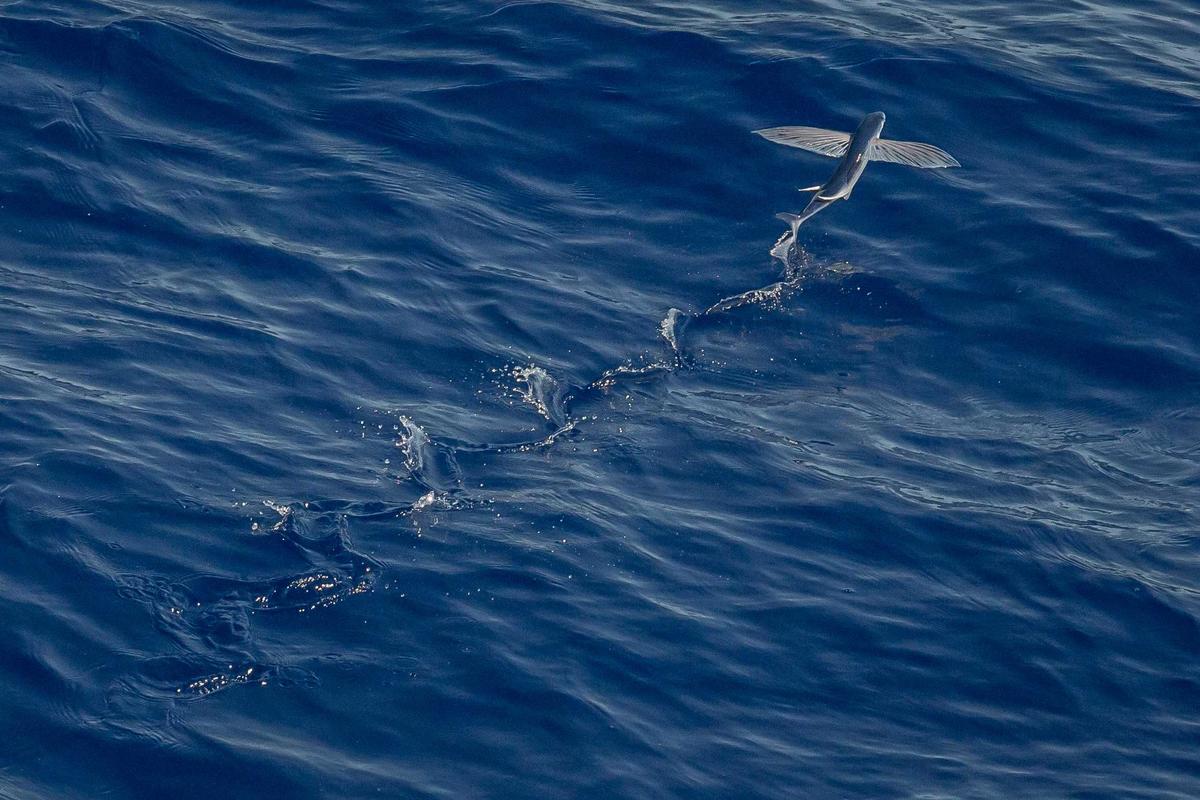
Nature is full of incredible wonders that continue to amaze and inspire us. In this comprehensive guide, we will explore 12 most beautiful rocky shore nature destinations in detail, covering everything you need to know to understand and appreciate this fascinating topic. Whether you are a nature enthusiast, a student, or simply someone who loves learning about the world around us, this article will provide you with valuable insights and practical information that will deepen your understanding and appreciation of the natural world. We have compiled extensive research and expert knowledge to bring you the most complete and accurate information available on this subject.
Key Takeaways
- Comprehensive overview of 12 most beautiful rocky shore nature destinations
- Detailed explanations and practical insights from experts in the field
- Expert tips, recommendations, and best practices
- Frequently asked questions answered in detail
- Current research findings and scientific perspectives
- Practical advice for experiencing this topic firsthand
Introduction
The natural world is full of remarkable phenomena that shape our planet and sustain life in all its forms. Understanding these natural processes and features is not only fascinating but also essential for appreciating the delicate balance of our ecosystem. In this article, we will take an in-depth look at 12 most beautiful rocky shore nature destinations, exploring its significance, characteristics, and the role it plays in the broader natural world. Our goal is to provide you with a thorough understanding that goes beyond surface-level knowledge, giving you the kind of detailed insight that will deepen your appreciation for nature and inspire you to learn more about the incredible world around us. This guide is designed to be a comprehensive resource that you can return to again and again as you continue your journey of discovery and learning.
Background and Context
To fully appreciate the significance of this topic, it is important to understand the broader context in which it exists. The natural world is a complex and interconnected system where every element plays a vital role in maintaining the overall balance. From the smallest microorganisms that cycle nutrients in the soil to the largest ecosystems that regulate our climate, every component is essential. Understanding these connections helps us appreciate why topics like this matter so much, not just for the environment but for our own well-being and survival. Scientists and researchers around the world continue to study these natural processes, uncovering new insights that deepen our understanding and inform conservation efforts. The more we learn about the natural world, the better equipped we are to make decisions that benefit both the environment and humanity.
The Joy of Nature Travel
Traveling to natural destinations is one of the most rewarding experiences life has to offer, providing benefits that go far beyond simple recreation. Whether you are exploring a remote wilderness area, visiting a national park, or simply spending time in a local nature reserve, the benefits of nature travel are profound. Studies have shown that spending time in nature reduces stress, improves mental health, enhances creativity, and strengthens the immune system. Nature travel also fosters a deeper appreciation for the natural world and a stronger commitment to environmental conservation. It provides opportunities to learn about different cultures, ecosystems, and ways of life, broadening our perspectives and deepening our understanding of the world we share.
Furthermore, it is worth noting that this aspect of the natural world has far-reaching implications that extend beyond what we might initially expect. The interconnectedness of natural systems means that changes in one area can have cascading effects throughout the entire ecosystem. Understanding these relationships is crucial for making informed decisions about conservation, resource management, and environmental policy. By deepening our knowledge of these topics, we become better stewards of the natural world and more effective advocates for its protection.
Planning Your Adventure
Successful nature travel requires careful planning and preparation to ensure a safe and enjoyable experience. Start by researching your destination thoroughly, including the best times to visit, what to expect in terms of weather and wildlife, and any permits or reservations that may be required. Create a flexible itinerary that allows you to explore at your own pace and take advantage of unexpected opportunities. Pack appropriately for the conditions you will encounter, including clothing, gear, and supplies. It is also important to research local customs and regulations, particularly when visiting protected areas or indigenous lands. Proper planning will help you make the most of your nature travel experience while minimizing your impact on the environment.
Furthermore, it is worth noting that this aspect of the natural world has far-reaching implications that extend beyond what we might initially expect. The interconnectedness of natural systems means that changes in one area can have cascading effects throughout the entire ecosystem. Understanding these relationships is crucial for making informed decisions about conservation, resource management, and environmental policy. By deepening our knowledge of these topics, we become better stewards of the natural world and more effective advocates for its protection.
Making the Most of Your Experience
To get the most out of your nature travel experience, take the time to truly observe and appreciate the world around you. Put away your phone and immerse yourself in the sights, sounds, and smells of nature. Take guided tours led by knowledgeable local experts who can share insights and stories that you would never discover on your own. Keep a journal to record your observations and reflections. Try new activities like bird watching, wildlife photography, or stargazing. And most importantly, be present in the moment and allow yourself to be amazed by the beauty and complexity of the natural world. These are the experiences that will stay with you long after your trip is over.
Furthermore, it is worth noting that this aspect of the natural world has far-reaching implications that extend beyond what we might initially expect. The interconnectedness of natural systems means that changes in one area can have cascading effects throughout the entire ecosystem. Understanding these relationships is crucial for making informed decisions about conservation, resource management, and environmental policy. By deepening our knowledge of these topics, we become better stewards of the natural world and more effective advocates for its protection.
Responsible Travel
As nature tourism continues to grow, it is important to ensure that our travels have a minimal impact on the environments we visit. Follow Leave No Trace principles, respect wildlife and their habitats, and support local communities by choosing locally owned businesses and services. Consider offsetting the carbon footprint of your travel by supporting reforestation or renewable energy projects. Be mindful of your water and energy consumption, particularly in areas where resources are scarce. By being a responsible traveler, you can help protect these incredible places for future generations while also having a more meaningful and authentic travel experience.
Furthermore, it is worth noting that this aspect of the natural world has far-reaching implications that extend beyond what we might initially expect. The interconnectedness of natural systems means that changes in one area can have cascading effects throughout the entire ecosystem. Understanding these relationships is crucial for making informed decisions about conservation, resource management, and environmental policy. By deepening our knowledge of these topics, we become better stewards of the natural world and more effective advocates for its protection.
Current Research and Developments
Scientific research continues to reveal new and exciting information about the natural world, and this topic is no exception. Recent studies have provided fresh insights into the processes and phenomena that shape our understanding of this subject. Researchers are using advanced technologies, from satellite imaging to DNA analysis, to uncover details that were previously beyond our reach. These discoveries not only expand our knowledge but also have practical applications for conservation, education, and sustainable management of natural resources. Staying informed about the latest research helps us appreciate the dynamic and ever-evolving nature of the world around us.
Historical Perspective
Throughout human history, our relationship with the natural world has evolved dramatically. Early humans lived in close harmony with nature, depending on it for food, shelter, and medicine. As civilizations developed, our impact on the natural world grew, sometimes in ways that were sustainable and sometimes in ways that caused lasting damage. The industrial revolution marked a turning point, as new technologies allowed us to extract resources and transform landscapes at an unprecedented scale. Today, we are beginning to understand the full consequences of our actions and the urgent need to find a more sustainable path forward.
Global Impact and Significance
The topic we are exploring has implications that extend far beyond any single location or ecosystem. In our interconnected world, changes in one part of the globe can have ripple effects that are felt thousands of miles away. Understanding these global connections is essential for addressing the environmental challenges we face today. From climate change and biodiversity loss to pollution and resource depletion, the issues are complex and interconnected. Solving them requires a global perspective and a willingness to work together across borders, cultures, and disciplines.
Practical Applications
The knowledge we gain about the natural world has many practical applications that benefit society in tangible ways. From developing new medicines based on natural compounds to designing more sustainable agricultural practices, the insights we gain from studying nature have real-world value. Understanding topics like this also helps us make better decisions about how we interact with our environment, from choosing sustainable products to supporting conservation initiatives. By applying what we learn, we can contribute to a more sustainable and harmonious relationship with the natural world.
Future Outlook
Looking ahead, the future of this topic will be shaped by the choices we make today. Scientific advances are opening new possibilities for understanding and protecting the natural world, from genetic tools that can help save endangered species to satellite technologies that monitor environmental changes in real time. At the same time, growing awareness of environmental issues is driving changes in policy, business practices, and individual behavior. Young people around the world are increasingly engaged in environmental activism, demanding action from leaders and holding corporations accountable. While the challenges are significant, there are many reasons for optimism.
Expert Perspectives and Insights
Leading scientists, conservationists, and naturalists have shared valuable insights about this topic that can help us better understand its significance and the actions needed to protect it. Dr. Jane Goodall, the renowned primatologist, has emphasized the importance of individual action in conservation, noting that every person has a role to play in protecting the natural world. Similarly, marine biologist Sylvia Earle has highlighted the critical importance of ocean conservation, describing the ocean as the life support system of our planet. These expert perspectives remind us that the challenges we face are significant but not insurmountable, and that the knowledge and tools we need to make a difference are available to us right now.
Case Studies and Real-World Examples
To better understand the practical implications of this topic, it is helpful to examine real-world examples and case studies from around the globe. These examples illustrate both the challenges and the successes of conservation and management efforts, providing valuable lessons for future action. From community-led conservation initiatives in developing countries to cutting-edge research programs in universities and laboratories, the range of approaches being employed is as diverse as the natural world itself. These case studies demonstrate that meaningful progress is possible when people work together toward a common goal, and they offer hope and inspiration for those who want to make a difference.
Frequently Asked Questions
What makes this topic so important?
This topic is important because it helps us understand the natural processes that shape our planet and sustain life. By learning about these processes, we can better appreciate the complexity and beauty of the natural world and make more informed decisions about how we interact with it. The knowledge we gain has practical applications for conservation, education, and sustainable living.
How can I learn more about this topic?
There are many ways to learn more, including reading books and scientific articles, watching documentaries, visiting natural sites, and participating in educational programs and guided tours led by knowledgeable experts. Online resources, university courses, and local nature groups are also excellent ways to deepen your understanding.
What are the best ways to experience this firsthand?
The best way to experience this topic firsthand is to visit natural sites where you can observe and appreciate the features in person. Make sure to plan your visit carefully, bring appropriate gear, and follow all local guidelines and regulations. Consider hiring a local guide who can share insights and knowledge that you would never discover on your own.
How does this relate to environmental conservation?
Understanding this topic is closely related to environmental conservation because it helps us appreciate the importance of preserving natural features and processes. The more we understand about the natural world, the better equipped we are to protect it for future generations. Conservation efforts depend on public awareness and support, which starts with education and understanding.
What should I bring when visiting natural sites?
Essential items include comfortable walking shoes, weather-appropriate clothing, a camera, sunscreen, insect repellent, a hat, binoculars, a reusable water bottle, and a field guide. A first aid kit and emergency supplies are also recommended for remote locations.
Are these sites suitable for families with children?
Yes, many natural sites are family-friendly and offer educational programs and activities designed specifically for children. These experiences can be incredibly valuable for young people, helping them develop a lifelong appreciation for the natural world and a commitment to environmental stewardship.
How can I contribute to conservation efforts?
There are many ways to contribute, including volunteering with conservation organizations, donating to environmental causes, reducing your environmental footprint, and spreading awareness about the importance of protecting our natural heritage. Even small actions, like choosing sustainable products and reducing waste, can make a meaningful difference when multiplied across millions of people. Consider joining local conservation groups, participating in citizen science projects, or advocating for stronger environmental policies in your community.
What are the biggest threats to the natural world today?
The natural world faces numerous interconnected threats, including climate change, habitat destruction, pollution, overexploitation of resources, and invasive species. Climate change is perhaps the most far-reaching threat, affecting ecosystems and species around the world through rising temperatures, changing precipitation patterns, and more frequent extreme weather events. Addressing these threats requires coordinated action at all levels, from individual choices to international policy agreements. The good news is that awareness is growing, and more people than ever are taking action to protect our planet.
Conclusion
The natural world is an endless source of wonder and inspiration, and topics like this remind us of the incredible diversity and complexity of life on Earth. By taking the time to learn about and appreciate these natural features, we enrich our lives and deepen our connection to the planet we call home. Whether you are exploring this topic through reading, travel, or direct observation, the knowledge and appreciation you gain will stay with you for a lifetime. We encourage you to continue exploring, learning, and advocating for the protection of our incredible natural world. Every step we take toward understanding and appreciating nature brings us closer to living in harmony with our planet and ensuring a healthy, vibrant future for all living things. The time to act is now, and every one of us has the power to make a difference.
Share this guide with fellow nature enthusiasts and help spread the wonder of the natural world. Together, we can make a difference.


Why Bioluminescence Makes Some Oceans Glow at Night
Have you ever seen the ocean glow an electric blue at night, as if someone poured liquid starlight into the waves? This isn’t CGI or a trick of the light. It’s bioluminescence — one of nature’s most breathtaking phenomena, created by living organisms that produce their own light. And it’s happening in oceans around the world, from the warm waters of the Caribbean to the shores of Japan.
In this guide, you’ll learn exactly what bioluminescence is, which creatures cause it, where you can see it in person, and why it matters more than you might think.
Key Takeaways
- Bioluminescence is light produced by living organisms through a chemical reaction — no electricity or sunlight required.
- Dinoflagellates (tiny plankton) are the most common cause of glowing ocean waves, but jellyfish, squid, and deep-sea fish can also produce light.
- The best places to see bioluminescence include Puerto Rico’s Mosquito Bay, the Maldives, Toyama Bay in Japan, and parts of Australia.
- Bioluminescence serves real survival purposes — attracting prey, confusing predators, and finding mates.
- Light pollution and climate change are threatening some of the world’s most famous bioluminescent bays.
What Exactly Is Bioluminescence?
Bioluminescence is the production and emission of light by a living organism. It happens when two chemicals — luciferin and luciferase — interact inside the creature’s body. When luciferin is oxidized by luciferase, energy is released in the form of visible light. Think of it like a natural glow stick, except the creature makes both chemicals itself.
This isn’t the same as fluorescence or phosphorescence, where an organism absorbs light and re-emits it. Bioluminescence generates light from scratch through chemistry. The process is incredibly efficient — nearly 100% of the energy becomes light, with almost no heat wasted. By comparison, an incandescent light bulb wastes about 90% of its energy as heat.
The color of bioluminescence in the ocean is almost always blue or green. That’s because blue light travels farthest through seawater. Red light gets absorbed quickly, so most marine bioluminescent organisms evolved to produce wavelengths between 440 and 479 nanometers — the blue-green part of the spectrum.
What Causes the Ocean to Glow at Night?
Several types of marine organisms can make the ocean glow, but the most common culprit is a type of single-celled plankton called dinoflagellates. The species most responsible for visible bioluminescence in coastal waters is Noctiluca scintillans, sometimes called “sea sparkle.” When these tiny organisms are disturbed — by a wave, a swimming fish, or your hand trailing through the water — they flash blue-green light for about a second.
A single dinoflagellate flash is invisible to the naked eye. But when billions of them concentrate in warm, calm water, the effect is extraordinary. Every wave crest glows. Every footprint in the wet sand lights up. Fish streak through the water like blue comets.
Other bioluminescent ocean creatures include:
- Jellyfish: Many species, including the crystal jelly (Aequorea victoria), produce green bioluminescence. Some deep-sea jellyfish glow in multiple colors.
- Comb jellies (ctenophores): These gelatinous creatures produce shimmering rainbow-like light along their comb rows.
- Deep-sea squid: The Hawaiian bobtail squid carries bioluminescent bacteria in a special light organ, which it uses to camouflage itself against moonlight from below.
- Anglerfish: Perhaps the most famous deep-sea bioluminescent animal, the female anglerfish dangles a glowing lure from her head to attract prey in total darkness.
- Ostracods (seed shrimp):strong> These tiny crustaceans produce spectacular light displays, and some species even release glowing mucus into the water to confuse predators.
Why Do Marine Creatures Produce Light?
Bioluminescence isn’t just for show — it’s a survival tool that evolved independently at least 40 times across different species. Here are the main reasons ocean creatures glow:
Defending against predators. When a small plankton flashes brightly, it can startle or confuse a predator just long enough to escape. Some squid and shrimp release clouds of bioluminescent fluid — essentially a glowing smoke screen — to distract attackers while they flee.
Attracting prey. The anglerfish is the classic example. Its glowing lure dangles in front of its mouth, drawing curious fish close enough to eat. Some species of dragonfish even produce red bioluminescence, which most deep-sea creatures can’t see — giving them an invisible flashlight to hunt with.
Finding mates. Certain species of ostracods produce elaborate light patterns — spirals, pulses, trails — to attract females during mating displays. Each species has its own unique pattern, like a secret code written in light.
Counter-illumination camouflage. Some squid and fish on the ocean’s surface produce light on their undersides that matches the faint light filtering down from above. This erases their silhouette when viewed from below, making them nearly invisible to predators lurking deeper.
Best Places in the World to See Ocean Bioluminescence
If you want to witness bioluminescence in person, timing and location matter. You need warm, dark water with minimal light pollution, ideally during a new moon. Here are the top destinations:
| Place Name | Location | Best Time to Visit |
|---|---|---|
| Mosquito Bay (Puerto Rico) | Vieques, Puerto Rico | Year-round, best December–March |
| Luminous Lagoon | Falmouth, Jamaica | Year-round, best on dark moonless nights |
| Toyama Bay | Toyama Prefecture, Japan | March–June (firefly squid season) |
| Jervis Bay | New South Wales, Australia | October–March (warmer months) |
| Mudhdhoo Island | Baa Atoll, Maldives | Year-round, peak October–November |
| San Diego | California, USA | During red tide events (unpredictable, usually spring–summer) |
Mosquito Bay, Puerto Rico
Mosquito Bay on the island of Vieques holds the Guinness World Record as the brightest bioluminescent bay on Earth. The concentration of dinoflagellates here — primarily Pyrodinium bahamense — is estimated at 724,000 per gallon of water. That’s roughly 10 times the concentration found in most other bioluminescent bays.
Highlights: Every movement in the water triggers brilliant blue-green light. Kayaking through the bay on a dark night feels like paddling through liquid neon. The nearby mangroves filter nutrients into the bay, creating ideal conditions for the dinoflagellates.
Best time to visit: December through March offers the darkest skies and calmest water. Avoid full moon nights — the moonlight washes out the glow.
Travel tips: Book a guided kayak tour from Vieques. Swimming is no longer permitted in Mosquito Bay to protect the ecosystem. Bring a waterproof camera, but know that most phone cameras struggle to capture bioluminescence — your eyes will see far better than any lens.
Luminous Lagoon, Jamaica
Located where the Martha Brae River meets the sea near Falmouth, Jamaica’s Luminous Lagoon glows year-round thanks to a mix of dinoflagellates thriving in the brackish water. The blend of fresh river water and saltwater creates a unique environment where these organisms flourish.
Highlights: You can actually swim here — one of the few bioluminescent bays where it’s allowed. Swimmers are surrounded by a halo of blue light with every stroke. Boat tours run nightly from the small dock in Falmouth.
Best time to visit: Any time of year works, but the darkest nights (new moon phases) give the most dramatic displays. The dry season (December–April) tends to have calmer water.
Travel tips: Tours last about 40 minutes and cost around $25 USD per person. Combine a visit with a trip to nearby Dunn’s River Falls for a full day of Jamaican nature.
Toyama Bay, Japan
Toyama Bay offers a completely different bioluminescent experience. Every spring, millions of firefly squid (Watasenia scintillans) rise from the deep ocean floor to the surface to spawn. These three-inch squid are covered in photophores that glow an intense blue, turning the entire bay into a shimmering light show.
Highlights: The firefly squid are the only squid species that can emit blue light. During peak season, the water’s surface appears to sparkle with thousands of tiny blue stars. There’s even a dedicated Firefly Squid Museum in Toyama city.
Best time to visit: March through June, with peak activity in April and May. The squid typically surface in the early morning hours before dawn.
Travel tips: Take an early morning boat tour from Namerikawa or Toyama port. The tours depart around 3:00–4:00 AM, so be prepared for an early start. It’s worth it.
Jervis Bay, Australia
On the south coast of New South Wales, Jervis Bay is famous for its white sand beaches and clear water — but on certain nights, the bay puts on a bioluminescent display that rivals anywhere in the world. Dinoflagellate blooms here are seasonal and somewhat unpredictable, but when they happen, the effect is stunning.
Highlights: The bioluminescence here often appears as glowing blue waves breaking on the beach. You can see it just by walking along the shore at night. Hyams Beach and Bherwerre Beach are particularly good spots.
Best time to visit: The warmer months from October through March offer the best chances. Local Facebook groups and tourism boards often post real-time updates when bioluminescence is spotted.
Travel tips: Check local conditions before making the trip — bioluminescence here is not guaranteed year-round. Combine with a visit to Booderee National Park for excellent bushwalking and wildlife spotting.
Mudhdhoo Island, Maldives
The Maldives is known for overwater bungalows and turquoise lagoons, but many visitors don’t realize that the islands’ beaches often glow at night. The phenomenon is sometimes called “the sea of stars” — a name that’s not an exaggeration.
Highlights: The bioluminescent plankton here washes up along the shoreline, creating a starfield effect on the wet sand. Walking along the beach at night, every step leaves a glowing footprint. It’s one of the most photogenic bioluminescence displays in the world.
Best time to visit: Year-round, but October through November tends to have the most consistent displays. The Maldives’ warm tropical waters (around 28–30°C) are ideal for dinoflagellates.
Travel tips: Mudhdhoo Island in Baa Atoll (a UNESCO Biosphere Reserve) is the most reliable spot, but nearby Maafushi and Vaadhoo Island also see regular displays. Stay at a beachfront guesthouse for easy nighttime access.
San Diego, California
San Diego’s bioluminescence is tied to “red tide” events — blooms of the dinoflagellate Lingulodinium polyedra. These blooms turn the daytime water a reddish-brown color (hence “red tide”), but at night, the same organisms produce brilliant blue light when disturbed by waves.
Highlights: During strong red tide events, the bioluminescence is visible along miles of coastline. Torrey Pines State Beach, Blacks Beach, and the pier at Ocean Beach are popular viewing spots. The contrast between the dark Pacific waves and the electric blue glow is unforgettable.
Best time to visit: Red tides are unpredictable and can occur any time, but they’re most common from late spring through early fall. Follow local surf reports and social media for real-time sightings.
Travel tips: Red tides can sometimes cause respiratory irritation from sea spray — if you have asthma, bring your inhaler. The bioluminescence is best seen on calm nights when waves are small but consistent enough to trigger the glow.
How to See Bioluminescence: Practical Tips
Seeing bioluminescence in person requires a bit of planning. Here’s how to maximize your chances:
- Go during a new moon. Moonlight is the biggest enemy of bioluminescence viewing. Check a moon calendar and plan your trip around the new moon phase.
- Avoid light pollution. Get away from city lights, piers, and beachfront hotels. The darker your surroundings, the more vivid the glow will appear.
- Give your eyes time to adjust. It takes about 20–30 minutes for your eyes to fully adapt to darkness. Avoid looking at your phone screen during this time.
- Be patient. Bioluminescence can be intermittent. Some nights the water glows brilliantly; other nights it’s subtle. Stay for at least an hour before giving up.
- Disturb the water. Splash, trail your hand, or throw a small stone to trigger the dinoflagellates. They glow in response to movement.
- Don’t expect photos to match your eyes. Bioluminescence is extremely difficult to photograph without professional camera equipment and long exposure settings. Enjoy the moment instead.
Why Bioluminescence Matters Beyond the Beauty
Bioluminescence isn’t just a pretty light show — it plays a real role in ocean ecosystems. Dinoflagellates and other bioluminescent plankton form the base of the marine food web. When their populations decline, the effects ripple upward through the entire ecosystem.
Unfortunately, some of the world’s most famous bioluminescent bays are under threat. Mosquito Bay has dimmed measurably in recent years due to light pollution from development, changes in water temperature, and boat traffic. In Jamaica, coastal development and agricultural runoff are affecting water quality in the Luminous Lagoon.
Scientists are also studying bioluminescence for medical and environmental applications. The green fluorescent protein (GFP) originally discovered in the crystal jellyfish is now used in biomedical research to track cancer cells, map neural circuits, and detect pollutants. The 2008 Nobel Prize in Chemistry was awarded for the discovery and development of GFP.
Protecting bioluminescent ecosystems isn’t just about preserving a tourist attraction — it’s about maintaining the health of coastal waters that support fisheries, protect shorelines, and sustain local communities.
Frequently Asked Questions
Is bioluminescence dangerous to humans?
In most cases, no. The dinoflagellates that cause ocean bioluminescence are harmless to humans. However, some bioluminescent algal blooms (red tides) can produce toxins that irritate the respiratory system. If you notice a strong smell or experience coughing near a glowing red tide, it’s best to move upwind.
Can you see bioluminescence from the beach?
Yes, in many locations you can see bioluminescence just by standing on the shore and watching the waves. Jervis Bay in Australia and the Maldives are particularly good for beachside viewing. You don’t always need a boat.
What is the best month to see bioluminescence?
It depends on the location. In Puerto Rico and Jamaica, December through March offers the darkest skies. In Japan, April and May are peak firefly squid season. In Australia, October through March is best. Always check the moon calendar and aim for the new moon phase.
Why does the ocean glow blue and not other colors?
Blue light travels farthest through seawater. Most marine bioluminescent organisms evolved to produce blue-green wavelengths (440–479 nanometers) because these colors are visible over the greatest distance underwater. Red light gets absorbed within a few meters, so it’s rarely used in ocean bioluminescence.
Is bioluminescence the same as a red tide?
Not exactly. Red tide refers to a bloom of algae that discolors the water, usually reddish-brown. Some red tide species are bioluminescent, but not all. And not all bioluminescence is caused by red tides — the glowing bays in Puerto Rico and Jamaica are caused by dinoflagellate concentrations that don’t always discolor the water.
Can bioluminescence be predicted?
Not reliably. While some locations have seasonal patterns (like Toyama Bay’s firefly squid), most bioluminescence depends on water temperature, nutrient levels, and weather conditions that are hard to forecast. Local tourism offices and social media groups are often the best source for real-time sighting reports.
Where is the brightest bioluminescent bay in the world?
Mosquito Bay on Vieques, Puerto Rico, is recognized by Guinness World Records as the brightest bioluminescent bay on Earth, with dinoflagellate concentrations reaching approximately 724,000 organisms per gallon of water.
Conclusion
Bioluminescence is one of those rare natural phenomena that actually lives up to the hype. Standing on a dark beach while the waves glow electric blue beneath your feet is the kind of experience that stays with you for years. It’s a reminder that the ocean is far more alive — and far more mysterious — than we often give it credit for.
Whether you travel halfway around the world to Puerto Rico’s Mosquito Bay or stumble upon a glowing wave at your local beach during a red tide, bioluminescence connects you to something ancient and extraordinary. These tiny organisms have been lighting up the oceans for hundreds of millions of years — long before humans ever walked the Earth.
So the next time you’re near the coast on a dark, moonless night, take a moment to look at the water. You might just catch the ocean glowing back at you.
Share this post with your friends who love the ocean — and start planning your next nighttime beach adventure today.

The Mariana Trench — Journey to the Deepest Point
Imagine descending into total darkness, where the pressure would crush a human body in seconds, and creatures glow with their own light. The Mariana Trench is the deepest known point on Earth, and it is one of the most extreme and fascinating places on our planet. If you have ever wondered what lies at the bottom of the ocean, this is where the answer hides.
Key Takeaways
- The Mariana Trench reaches a depth of nearly 36,000 feet (about 10,994 meters) at its lowest point, called the Challenger Deep.
- It is located in the western Pacific Ocean, near the Mariana Islands, east of the Philippines.
- Only a handful of people have ever reached the bottom, fewer than those who have walked on the Moon.
- Despite extreme pressure and total darkness, life thrives there — including fish, shrimp, and microscopic organisms.
- The trench was formed by the collision of two tectonic plates, a process that is still shaping it today.
- Plastic waste has been found at the bottom, proving that human pollution reaches every corner of the ocean.
What Is the Mariana Trench?
The Mariana Trench is a crescent-shaped trench in the floor of the western Pacific Ocean. It stretches for about 1,580 miles (2,550 kilometers) and is roughly 43 miles (69 kilometers) wide on average. But what makes it famous is its depth. At its lowest point, known as the Challenger Deep, the seafloor sits approximately 36,000 feet — nearly 7 miles — below the surface.
To put that in perspective, if you placed Mount Everest at the bottom of the Challenger Deep, the peak would still be more than a mile underwater. The pressure at the bottom is over 1,000 times the atmospheric pressure at sea level. That is roughly equivalent to 50 jumbo jets stacked on top of a single person. The water temperature at the bottom hovers just above freezing, between 34 and 39 degrees Fahrenheit (1 to 4 degrees Celsius). There is no sunlight whatsoever. The environment is as close to alien as anything on our own planet.
The trench gets its name from the Mariana Islands, which sit nearby. These islands are part of a chain formed by volcanic activity related to the same tectonic forces that created the trench itself. The entire region is geologically active, with frequent earthquakes and volcanic eruptions shaping both the islands and the seafloor.
How the Mariana Trench Formed
The Mariana Trench exists because of plate tectonics. The Pacific Plate, one of the largest tectonic plates on Earth, is slowly diving beneath the smaller Mariana Plate in a process called subduction. As the heavier Pacific Plate sinks into the Earth’s mantle, it pulls the seafloor downward, creating the deep trench.
This process has been going on for millions of years, and it is still active today. The Pacific Plate moves only a few centimeters per year, but over geological time, that slow motion has carved out one of the most dramatic features on the planet. The subduction also causes volcanic activity, which is why the Mariana Islands — many of them volcanic in origin — sit so close to the trench.
The Mariana Trench is part of the Pacific Ring of Fire, a massive arc of seismic and volcanic activity that stretches from New Zealand, through Japan and the Aleutian Islands, and down the west coast of the Americas. This ring is responsible for about 90 percent of the world’s earthquakes and 75 percent of its active volcanoes. The trench sits at one of the most active sections of this ring.
Comparison of the World’s Deepest Ocean Trenches
| Trench Name | Location | Maximum Depth (feet) | Maximum Depth (meters) |
|---|---|---|---|
| Mariana Trench | Western Pacific Ocean | ~36,000 | ~10,994 |
| Tonga Trench | South Pacific Ocean | ~35,700 | ~10,882 |
| Philippine Trench | Philippine Sea | ~34,580 | ~10,540 |
| Kuril-Kamchatka Trench | North Pacific Ocean | ~34,580 | ~10,540 |
| Kermadec Trench | South Pacific Ocean | ~32,960 | ~10,047 |
| Japan Trench | Northwest Pacific Ocean | ~29,500 | ~8,990 |
The Mariana Trench is the deepest by a significant margin. The Tonga Trench comes in a close second, but the Challenger Deep still holds the record as the deepest known point on Earth.
What Lives at the Bottom of the Mariana Trench?
You might think that nothing could survive at such extreme depths, but you would be wrong. Life in the Mariana Trench has adapted in remarkable ways to handle the crushing pressure, near-freezing temperatures, and total absence of sunlight.
Mariana snailfish — This small, translucent fish is one of the deepest-living fish ever discovered. It has been found at depths of around 26,000 feet. Its body is adapted to handle pressure that would kill most other fish, with a gelatinous body and special proteins that keep its cells functioning under extreme conditions.
Amphipods — These are shrimp-like crustaceans that thrive in the trench. Some species grow to enormous sizes compared to their shallow-water relatives, a phenomenon called abyssal gigantism. They feed on organic material that drifts down from the surface.
Foraminifera — These are single-celled organisms that are among the most abundant life forms in the deep trench. They have hard shells and play an important role in the deep-sea carbon cycle.
Xenophyophores — These giant single-celled organisms, some as large as 4 inches across, have been found on the floor of the Challenger Deep. They are among the largest individual cells in existence.
All of these creatures survive without sunlight. Instead of relying on photosynthesis, the deep-sea ecosystem depends on “marine snow” — a constant shower of dead organisms, fecal matter, and organic debris that drifts down from the upper ocean. Some bacteria near the trench also use chemosynthesis, deriving energy from chemical reactions rather than sunlight.
Human Expeditions to the Challenger Deep
Only a few missions have ever reached the bottom of the Mariana Trench, making it one of the least-visited places on Earth.
1960 — Trieste: The first and for decades the only crewed descent was made by Swiss engineer Jacques Piccard and US Navy Lieutenant Don Walsh in the bathyscaphe Trieste. They reached the bottom on January 23, 1960, and spent about 20 minutes on the seafloor. They reported seeing a flatfish and a shrimp, though some scientists have since questioned whether a flatfish could survive at that depth.
2012 — Deepsea Challenger: Film director James Cameron made a solo dive to the Challenger Deep in the Deepsea Challenger submersible. He spent about three hours on the bottom, collecting samples and filming. His dive brought renewed public attention to the trench and demonstrated that modern technology could make such missions more practical.
2019 — DSV Limiting Factor: Victor Vescovo, a private explorer, made multiple dives to the Challenger Deep in the submersible DSV Limiting Factor. His expeditions set new records for the deepest solo dives and discovered new species. He also found plastic waste at the bottom, a sobering reminder of how far human pollution reaches.
These expeditions are extraordinarily expensive and technically challenging. The submersibles must be built to withstand pressures that would destroy conventional vehicles. The window of a deep-sea submersible, for example, is typically made of thick acrylic or sapphire and is designed as a cone shape to distribute the enormous force evenly.
How Deep-Sea Exploration Technology Works
Reaching the bottom of the Mariana Trench requires technology that pushes the boundaries of engineering. Here is how scientists and explorers make these impossible journeys possible.
Submersibles — Crewed submersibles like the Trieste, Deepsea Challenger, and DSV Limiting Factor are built with thick pressure hulls, usually made of titanium or specially engineered ceramics. The crew compartment is a small sphere designed to distribute pressure evenly. Windows are made from thick acrylic or sapphire, shaped as cones to prevent cracking under force. These vehicles carry life support systems, cameras, lights, and robotic arms for collecting samples.
Remotely operated vehicles (ROVs) — These are unmanned robots connected to a surface ship by a long cable. They can dive to extreme depths without risking human lives. ROVs like the Nereus, which explored the Challenger Deep in 2009, carry cameras, sensors, and sampling tools. They are controlled by operators on the surface who watch through live video feeds.
Landers — These are free-falling platforms that sink to the seafloor on their own, carrying instruments and bait to attract deep-sea creatures. They record video and collect samples, then release their weights and float back to the surface. Landers are simpler than submersibles but can still reach the deepest parts of the ocean.
Sonar mapping — Before anyone dives, scientists use multibeam sonar systems mounted on ships to map the seafloor in detail. These systems send sound waves to the bottom and measure how long they take to return, creating a three-dimensional map of the trench. Modern sonar can resolve features as small as a few meters across, even at extreme depths.
Why the Mariana Trench Matters
The Mariana Trench is not just a curiosity. It plays a role in our understanding of Earth’s geology, the limits of life, and even climate science.
Understanding plate tectonics — The trench is one of the best examples of subduction on Earth. Studying it helps scientists understand how tectonic plates move, how earthquakes are generated, and how new crust is formed.
Discovering new species — Every expedition to the deep trench has found organisms that were previously unknown to science. These discoveries expand our understanding of what life can endure and how it adapts.
Climate research — The deep ocean plays a major role in regulating Earth’s climate by absorbing heat and carbon dioxide. Understanding the deep-sea environment helps climate scientists build better models of how the planet is changing.
Human impact — The discovery of plastic at the bottom of the Mariana Trench was a wake-up call. It showed that no part of the ocean is untouched by human activity, and it has fueled efforts to reduce plastic pollution worldwide. Scientists have also found chemical pollutants like PCBs in the bodies of deep-sea organisms, chemicals that were banned decades ago but persist in the environment. The trench acts as a sink for pollutants that enter the ocean from rivers, coastlines, and ships thousands of miles away.
Medical and industrial applications — Studying how deep-sea organisms survive extreme pressure has led to discoveries with practical applications. Proteins and enzymes from deep-sea bacteria are being researched for use in pharmaceuticals, industrial processes, and even food production. Understanding how these creatures build strong, flexible bodies without traditional skeletons could inspire new materials science.
How to Learn More About the Deep Ocean
Most of us will never visit the Mariana Trench in person, but there are plenty of ways to explore it from home.
Documentaries — James Cameron’s “Deepsea Challenge” film documents his 2012 dive. The BBC’s “Blue Planet II” series also features stunning footage of deep-sea environments. These films bring the alien world of the deep ocean to your screen.
Virtual exploration — The National Oceanic and Atmospheric Administration (NOAA) offers virtual tours and live streams from deep-sea expeditions. You can follow along as scientists explore the ocean floor in real time.
Museums and aquariums — Many natural history museums have deep-sea exhibits that explain the geology and biology of ocean trenches. Some aquariums also feature deep-sea creatures in specially designed tanks that replicate the cold, high-pressure environment.
Books and articles — For a deeper dive, books like “The Deep” by James Nestor explore the science and adventure of deep-sea exploration in an accessible way.
Frequently Asked Questions
How deep is the Mariana Trench exactly?
The deepest point, the Challenger Deep, is approximately 36,000 feet (10,994 meters) deep. Exact measurements vary slightly depending on the method used, but it is the deepest known point in any ocean on Earth.
Has anyone been to the bottom of the Mariana Trench?
Yes, but only a handful of times. The first crewed descent was in 1960 by Jacques Piccard and Don Walsh in the Trieste. James Cameron made a solo dive in 2012, and Victor Vescovo completed multiple dives in 2019. In total, fewer than 20 people have ever reached the bottom.
What is the pressure at the bottom of the Mariana Trench?
The pressure is about 1,086 bars, which is more than 1,000 times the air pressure at sea level. That is roughly 15,750 pounds per square inch — enough to crush an unprotected human body instantly.
Can fish live at the bottom of the Mariana Trench?
Yes. The Mariana snailfish has been found at depths of around 26,000 feet, and other organisms like amphipods and xenophyophores live even deeper. These creatures have special adaptations that allow their cells and proteins to function under extreme pressure.
Is the Mariana Trench getting deeper?
The trench is still being shaped by tectonic activity. The Pacific Plate continues to subduct beneath the Mariana Plate, and the trench slowly evolves over millions of years. Earthquakes in the region also occasionally shift the seafloor.
Why is it called the Challenger Deep?
The deepest point is named after HMS Challenger, the British Royal Navy ship whose expedition in the 1870s first discovered the trench using sounding equipment. The expedition was one of the first major scientific surveys of the ocean floor.
Is there pollution in the Mariana Trench?
Unfortunately, yes. Victor Vescovo’s 2019 expedition found plastic bags and candy wrappers at the bottom of the Challenger Deep. Chemical pollutants have also been found in the bodies of deep-sea organisms, showing that even the most remote places on Earth are affected by human activity.
Conclusion
The Mariana Trench is one of the last true frontiers on our planet. It is a place of crushing pressure, total darkness, and surprising life. Every expedition there teaches us something new — about the limits of biology, the mechanics of our planet, and the reach of human impact. You do not need to be a scientist or an explorer to appreciate what the trench represents. It is a reminder that Earth still holds mysteries, even in an age when we have mapped nearly every surface. The deep ocean is vast, largely unexplored, and full of wonders we have only begun to understand.
If this article sparked your curiosity, share it with your friends and start a conversation about the deep ocean. The more people who care about these incredible places, the better chance we have of protecting them for future generations.

The Secret Social Lives of Dolphins
Dolphins are some of the most social animals on the planet. They form lifelong friendships, cooperate to solve problems, and even have unique names for each other. If you have ever wondered what goes on beneath the surface when dolphins gather in groups, the answer is far more complex and fascinating than most people imagine.
Key Takeaways
- Dolphins live in complex social groups called pods, with membership that can change depending on activity and season.
- Each dolphin has a unique whistle that functions like a name, allowing individuals to call out to specific friends.
- Dolphins cooperate to hunt, protect each other, and even babysit each other’s young.
- They display behaviors that suggest genuine friendship, grief, and social learning.
- Different dolphin populations have distinct cultures, passed down through generations.
What Makes Dolphins So Social?
Most people know dolphins are intelligent. But what really sets them apart from many other animals is how deeply social they are. Dolphins don’t just live near each other — they actively maintain relationships, form alliances, and build communities that can last for decades.
Bottlenose dolphins, the most well-studied species, live in what researchers call a “fission-fusion” society. This means the size and makeup of their group changes throughout the day. A pod might split up in the morning to forage separately, then merge back together in the afternoon to socialize, rest, or travel. Think of it like a group of friends who go to different jobs during the day but meet up for dinner every evening.
This kind of social flexibility is rare in the animal kingdom. It requires a lot of brainpower. Dolphins need to remember who they know, track relationships, and navigate a constantly changing social landscape. Their large, complex brains are partly what makes this possible.
How Dolphins Call Each Other by Name
One of the most remarkable discoveries in dolphin research is that each dolphin develops a unique signature whistle early in life. This whistle is essentially their name. Other dolphins in the pod learn to recognize it and can copy it to get that individual’s attention.
Here is how it works. When a mother dolphin wants to find her calf, she whistles her calf’s signature whistle. The calf recognizes it and responds. When two dolphins are swimming apart and want to reunite, they exchange signature whistles. Researchers have found that dolphins will even call out the whistle of a close friend or family member when that individual is missing — similar to how you might call out a friend’s name when you arrive at a gathering and they are not there yet.
This naming system is one of the few examples of true referential communication in non-human animals. The whistle doesn’t just signal emotion or urgency — it refers to a specific individual. That is a big deal in animal behavior research.
Dolphin Friendships and Alliances
Dolphins form some of the most intricate social bonds in the animal world. Male bottlenose dolphins, in particular, form long-term alliances with other males. In some populations, groups of two or three males will team up to cooperate in finding and guarding females during mating season. These alliances can last for over 20 years.
But it goes even deeper. In Shark Bay, Western Australia, researchers have documented a three-tier alliance system. First-order alliances are pairs of males that work together. Second-order alliances involve two first-order teams cooperating. Third-order alliances are when second-order teams join forces for specific situations. This kind of nested cooperation was once thought to be unique to humans.
Female dolphins also form strong social bonds, especially mothers with their calves. A calf typically stays with its mother for three to six years, learning everything from hunting techniques to social skills. During this time, the mother forms close associations with other mothers, creating a kind of nursery group where calves play and learn together while the adults rest and socialize.
Cooperative Hunting and Problem Solving
Dolphins are famous for their coordinated hunting strategies, and for good reason. Different populations have developed unique techniques that are passed down through social learning — essentially, culture.
In Florida, some dolphins use a technique called “mud ring feeding.” One dolphin swims in a tight circle while beating its tail against the seafloor, creating a ring of muddy water around a school of fish. The fish panic and try to jump over the muddy barrier, and the dolphins are there to catch them mid-air. This requires precise timing and coordination between multiple individuals.
In Brazil, dolphins work with local fishermen in a remarkable partnership. The dolphins drive schools of mullet toward the fishermen’s nets, then signal — with a specific dive or tail slap — when the fishermen should cast their nets. The dolphins catch the fish that escape the nets. This cooperation has been going on for generations, and both the dolphins and the fishermen benefit.
Some dolphins in Shark Bay use marine sponges as tools, carrying them on their rostrums (snouts) to protect themselves while foraging on the seafloor. This behavior, called “sponging,” is passed almost exclusively from mother to daughter and represents one of the clearest examples of tool use and cultural transmission in marine mammals.
Play, Grief, and Emotion
Dolphins spend a surprising amount of time playing, even as adults. They surf waves, play with seaweed, chase each other, and interact with other species — including humans, sea turtles, and even dogs on the beach. Play serves important social functions: it strengthens bonds, practices skills, and helps resolve conflicts.
There is also growing evidence that dolphins experience complex emotions. Dolphins have been observed carrying dead calves on their backs for days, appearing to grieve. They show excitement when reunited with close companions. They display what looks like empathy, helping injured pod members to the surface to breathe.
Whether dolphins experience emotions the same way humans do is still debated. But their behavior strongly suggests that their social lives are driven by something more than simple instinct. They seem to genuinely care about the other individuals in their pod.
Dolphin Communication Beyond Whistles
Signature whistles are just one part of the dolphin communication toolkit. Dolphins also use a wide range of clicks, burst-pulse sounds, body postures, and physical contact to communicate.
Clicks are primarily used for echolocation — navigating and finding food — but they may also carry social information. Burst-pulse sounds, which are rapid series of clicks, are often used during social interactions like aggression, courtship, or excitement.
Physical communication is equally important. Dolphins touch each other frequently, using their pectoral fins, rostrums, and bodies. Gentle rubbing and petting between close companions reinforces social bonds. Synchronized swimming — when two or more dolphins move in perfect unison — is another way dolphins express social connection.
Leaping, tail slapping, and breaching (launching out of the water) also serve communicative purposes. A loud tail slap can signal annoyance or warn others. Breaching might be a way to communicate over long distances, as the sound carries both above and below the water.
How Different Pods Have Different Cultures
One of the most fascinating aspects of dolphin social life is that different populations have distinct cultures. These cultural differences show up in hunting techniques, vocal dialects, social structures, and even tool use.
For example, dolphins in different parts of the world have different whistle patterns, almost like regional accents. Calves learn these patterns from their mothers and peers, so the vocal culture of a pod is passed down through generations.
In some areas, dolphins are comfortable around humans and actively seek interaction. In others, they are shy and avoid boats. These behavioral differences are not genetic — they are learned. A dolphin transplanted from a shy population to a friendly one would gradually adopt the local social norms.
Threats to Dolphin Social Structures
Human activities pose serious threats to dolphin social lives. Noise pollution from ships, sonar, and construction can interfere with dolphin communication. Since dolphins rely heavily on sound to maintain social bonds, find each other, and coordinate activities, excessive noise can disrupt their social networks.
Overfishing reduces the availability of prey, forcing dolphins to spend more time foraging and less time socializing. Habitat degradation destroys the environments where dolphins feed, rest, and raise their young. Chemical pollutants accumulate in dolphin bodies, affecting their health and reproductive success.
Perhaps most directly, the capture of dolphins for aquariums and marine parks tears individuals apart from their social groups. For an animal as deeply social as a dolphin, separation from family and friends is profoundly stressful. Wild dolphin populations can also be disrupted when key individuals are removed.
Where to See Dolphins in the Wild
If you want to witness dolphin social behavior firsthand, there are many places around the world where you can observe them in their natural habitat. Here are some of the best locations:
| Location | Country | Best Time to Visit |
|---|---|---|
| Shark Bay | Australia | April to October |
| Florida Keys | United States | Year-round (best May to September) |
| Azores | Portugal | May to October |
| Baja California | Mexico | December to April |
| Red Sea | Egypt | April to November |
When watching dolphins in the wild, always choose responsible tour operators who follow guidelines for approaching marine mammals. Keep a respectful distance, never chase or corner dolphins, and avoid feeding them. The goal is to observe their natural behavior without causing stress or disruption.
Frequently Asked Questions
Do dolphins really have names for each other?
Yes. Each bottlenose dolphin develops a unique signature whistle that functions like a name. Other dolphins learn to recognize and copy this whistle to call that specific individual. It is one of the few known examples of referential naming in non-human animals.
How long do dolphins live in the wild?
Most bottlenose dolphins live between 40 and 60 years in the wild. Females tend to live longer than males. Their long lifespans give them plenty of time to build and maintain complex social relationships.
Do dolphins stay with the same pod their whole lives?
It depends on the species and sex. Female bottlenose dolphins often stay in the same general area as their mother for life, forming stable social groups. Males tend to be more mobile, sometimes forming bachelor groups that travel between female pods. But even males maintain long-term alliances with specific individuals.
Can dolphins recognize each other after being apart?
Yes. Research has shown that dolphins can remember the signature whistles of former pod members even after being separated for more than 20 years. This remarkable social memory helps explain how dolphins maintain complex networks of relationships over their long lives.
Do dolphins help each other when one is injured?
They do. Dolphins have been observed supporting injured or sick pod members at the water’s surface so they can breathe. They will also defend each other from predators like sharks. This cooperative behavior is one of the hallmarks of their social nature.
Are all dolphin species equally social?
No. Social behavior varies widely among the over 40 species of dolphins. Bottlenose dolphins and spinner dolphins are among the most social, living in large, complex groups. Some river dolphin species, like the Amazon river dolphin, are much more solitary. Social structure depends on habitat, food availability, and evolutionary history.
How do scientists study dolphin social lives?
Researchers use a combination of photo-identification (recognizing individuals by their dorsal fins), acoustic recording (analyzing whistles and clicks), behavioral observation, and genetic analysis. Long-term studies, like the one in Shark Bay that has been running for over 30 years, have been especially valuable for understanding how dolphin social networks change over time.
Conclusion
The social lives of dolphins are far richer and more complex than most people realize. From unique signature whistles that function as names, to multi-level male alliances, to cultural traditions passed down through generations, dolphins have built a social world that rivals our own in many ways. They form deep friendships, cooperate to solve problems, and appear to genuinely care about the individuals in their communities.
Understanding dolphin social behavior is not just fascinating — it is also important for conservation. When we disrupt dolphin populations through noise pollution, overfishing, or habitat destruction, we are not just affecting individual animals. We are tearing apart intricate social networks that have taken generations to build.
The next time you see dolphins swimming together, remember: there is a lot more going on beneath the surface than meets the eye. Each of those animals has a name, a history, and a web of relationships that shapes every aspect of its life.
Share this post with your friends who love dolphins, and start planning your next ocean adventure to see these incredible animals in the wild.


Why Bioluminescence Makes Some Oceans Glow at Night
Why Bioluminescence Makes Some Oceans Glow at Night Have you ever seen the ocean glow an electric blue at night,...


The Most Beautiful Forests in the World to Visit
The Most Beautiful Forests in the World to Visit If you have ever stood among ancient trees with sunlight filtering...


How Ant Colonies Work Like Superorganisms
How Ant Colonies Work Like Superorganisms Ant colonies function as single living entities called superorganisms. Every ant, from the queen...
-

 World2 years ago
Types of Ants Living in the World and Information
-

 Wildlife4 years ago
(10) Insects Are Animals in the world?
-

 Forests2 years ago
The 10 Best Forests to Visit in the World
-

 Ocean2 years ago
Oceans in the World and Their Information & Locations
-

 Forests4 years ago
What Is The Biggest Rainforest In The World?
-

 Wildlife4 years ago
Most Popular Wild Animals in The World
-

 Forests2 years ago
The Main Factors That Contribute to Forest Destruction
-

 World1 year ago
The 10 Largest Farms in the World