
World
10 Kentucky Road Trip Ideas With Hidden Gems

10 Kentucky Road Trip Ideas With Hidden Gems
Kentucky is one of those states that catches most people off guard. You might know it for bourbon and horse farms, but there is so much more hiding in its backroads and hollows. From sandstone arches that rival anything in Utah to underground rivers and misty mountain ridges, Kentucky delivers real adventure without the crowds. This guide covers ten road trip stops that show you the best of the Bluegrass State.
Key Takeaways
- Kentucky has over 70 state parks, natural areas, and recreation spots worth exploring
- The Red River Gorge is one of the best rock climbing destinations in the eastern US
- Mammoth Cave is the longest known cave system on Earth, with over 400 miles mapped
- Kentucky’s scenic byways wind through horse country, Appalachian foothills, and river valleys
- Spring and fall offer the best weather for road tripping with mild temps and stunning foliage
- Many of Kentucky’s best natural spots are free or very affordable to visit
- The state’s small towns offer incredible local food, bourbon distilleries, and warm hospitality
Introduction
There is something about Kentucky that just hits different. Maybe it is the way the morning fog settles in the valleys, or how the backroads seem to lead you to one surprise after another. This is a state that rewards slow travel — the kind where you pull over at a roadside stand and end up discovering a swimming hole that does not show up on any map.
Whether you are into hiking, kayaking, or just driving with the windows down through rolling green hills, Kentucky has something for you. The state sits at a perfect crossroads of Appalachian wilderness and Southern charm. We have put together ten of our favorite stops — a mix of iconic must-sees and off-the-radar gems — to help you plan an unforgettable Kentucky adventure.
1. Red River Gorge Geological Area
About
The Red River Gorge sits in the Daniel Boone National Forest in eastern Kentucky, about an hour southeast of Lexington. This 29,000-acre canyon system features over 100 natural sandstone arches, towering clifflines, and thick forested trails that feel genuinely wild.
Highlights
The Gorge is world-famous for rock climbing, with thousands of bolted routes. Hikers will love the Natural Bridge Trail leading to a massive arch you can walk across, and Sky Bridge offers some of the best panoramic views in the state. The area is also home to rare plant species, wild turkeys, and the occasional black bear.
Best Time to Visit
April through May and September through October are ideal. Summer can be hot and humid with crowded weekends. Winter visits are possible but icy conditions make hiking dangerous on exposed rock.
Why You Should Visit
The Red River Gorge offers a wilderness experience that rivals national parks without the entrance fees or massive crowds. The combination of natural arches, deep canyons, and old-growth forest creates a landscape that feels ancient and untouched.
Travel Tips
Stop at the Gladie Visitor Center for maps and trail recommendations. Bring sturdy hiking boots — sandstone gets slippery when wet. Cell service is spotgy in the canyon, so download offline maps before you go.
2. Mammoth Cave National Park
About
Mammoth Cave in south-central Kentucky is home to the longest known cave system in the world. Over 400 miles of underground passages have been mapped, and explorers are still finding new sections. It became a UNESCO World Heritage Site in 1981.
Highlights
Cave tours range from easy, well-lit walks to challenging crawls through narrow passages. The Frozen Niagara Tour is perfect for beginners, while the Wild Cave Tour lets you explore helmet-and-headlamp style. Above ground, 80 miles of hiking trails wind through rolling hills along the Green River, and kayaking is popular too.
Best Time to Visit
The cave stays 54°F year-round, so any season works underground. Spring and fall are best for above-ground activities. Book tours well ahead for summer — they sell out fast. Winter offers the fewest crowds.
Why You Should Visit
Walking through massive underground chambers and seeing formations that took millions of years to develop is genuinely humbling. The cave’s human history — from Native American explorers to enslaved tour guides — adds depth that makes this more than just a geological wonder.
Travel Tips
Reserve cave tours online before you arrive, especially in summer. Bring a light jacket for the 54°F cave. If you only have time for one tour, the Historic Tour gives the best overview of the cave’s most impressive features.
3. Cumberland Falls State Resort Park
About
Cumberland Falls State Resort Park sits in the Daniel Boone National Forest in southern Kentucky. The falls drop 68 feet over a sandstone ledge and are famous for producing moonbows — lunar rainbows that appear in the mist on clear, full-moon nights. It is one of the few places in the Western Hemisphere where this happens regularly.
Highlights
The viewing platforms offer stunning perspectives, especially after heavy rain. The Eagle Falls Trail is a steep but rewarding hike to a more secluded waterfall. The Sheltowee Trace National Recreation Trail runs through the park for serious hikers, and white water rafting on the Cumberland River is thrilling in spring.
Best Time to Visit
Spring brings the best water flow and wildflowers. Fall foliage frames the waterfall beautifully. For moonbow viewing, check the park’s calendar and plan around a clear full moon. Summer weekends can be crowded.
Why You Should Visit
Seeing a moonbow in person is a genuinely magical experience. The combination of powerful water, surrounding old-growth forest, and the chance to witness a rare optical phenomenon makes this park a standout stop on any Kentucky road trip.
Travel Tips
The park has a lodge, cottages, and a campground. Arrive early at the falls on weekends to avoid crowds. Bring a tripod and fast lens for moonbow photography. The Eagle Falls Trail is steep and can be slippery — wear proper footwear.
4. Bernheim Arboretum and Research Forest
About
Bernheim Arboretum is a 16,000-acre nature preserve about 30 minutes south of Louisville in Clermont. Founded in 1929, it is free to visit and features over 40 miles of trails, a sculpture garden, and one of the most diverse tree collections in the region.
Highlights
The canopy walk extends out over the forest floor for a bird’s-eye view of the treetops. The “Forest Giants” — three massive sculptures by Danish artist Thomas Dambo — are scattered throughout the woods and make for a fun treasure hunt. Birdwatchers will find over 200 species recorded on the property, and the native plant gardens showcase Kentucky’s botanical diversity.
Best Time to Visit
Spring brings wildflowers and blooming trees. Fall delivers spectacular color. Each season offers something different, so you really cannot go wrong. Weekdays are quieter than weekends.
Why You Should Visit
Bernheim is peaceful, beautifully maintained, and completely free. The combination of art installations and pristine forest creates an experience that is both inspiring and relaxing. It is an easy detour from the interstate and a wonderful way to break up a long drive.
Travel Tips
Admission is free but donations are appreciated. The arboretum is open daily from 7 a.m. to sunset. Pick up a trail map at the visitor center. The Forest Giants sculptures are a hit with kids — give yourself extra time to find all three.
5. Natural Bridge State Resort Park
About
Natural Bridge State Resort Park sits adjacent to the Red River Gorge in Powell County. Its centerpiece is a massive sandstone arch spanning 78 feet and 65 feet thick, formed over millions of years by wind and water erosion. The park covers about 2,300 acres of forested hills and rocky outcrops.
Highlights
The main trail to Natural Bridge is a moderate 0.75-mile hike with stunning views from the top of the arch. The Balanced Rock Trail leads to a gravity-defying sandstone boulder perched on a narrow base. Over 20 miles of hiking trails crisscross the park, and the skylift offers an alternative way up for those who prefer not to hike.
Best Time to Visit
Spring and fall are best for comfortable hiking and beautiful scenery. Summer mornings are pleasant but afternoons get hot on exposed rock. Early morning visits provide the best light for photography.
Why You Should Visit
Standing on top of a 78-foot sandstone arch with views of the surrounding Appalachian foothills is genuinely awe-inspiring. The park is less crowded than the nearby Red River Gorge, making it a great alternative for similar scenery with fewer people.
Travel Tips
The park has a lodge, cottages, and a campground. The skylift operates seasonally. Bring water and snacks for the hike up. Combine this stop with the Red River Gorge since they are only minutes apart.
6. Land Between the Lakes National Recreation Area
About
Land Between the Lakes is a 170,000-acre recreation area between Kentucky Lake and Lake Barkley in western Kentucky. Created in the 1960s when two rivers were dammed, the peninsula between the lakes became one of the largest inland recreation areas in the United States.
Highlights
The Elk and Bison Prairie lets you drive through a 700-acre enclosure where elk and bison roam restored native grassland. The Homeplace is a living history farm recreating 1850s life with heritage breed animals and costumed interpreters. Over 300 miles of trails offer hiking, biking, and horseback riding, and the planetarium hosts regular star-gazing programs.
Best Time to Visit
Spring and fall offer the best weather. Summer is peak season for boating and water sports. Winter is quiet but excellent for bald eagle viewing along the lakeshores. Elk are most active during the fall rut from September through October.
Why You Should Visit
Where else can you watch bison graze, tour a 19th-century farm, hike through old-growth forest, and go stargazing all in one weekend? It is a hidden gem that many road trippers overlook, and it deserves a spot on your Kentucky itinerary.
Travel Tips
Multiple campgrounds, cabins, and lodges are available. The Elk and Bison Prairie drive-through is free and takes about an hour. Bring binoculars for wildlife viewing. Fishing licenses are required and available at local outfitters.
7. Breaks Interstate Park
About
Breaks Interstate Park straddles the Kentucky-Virginia border and is called the “Grand Canyon of the South.” The park encompasses a five-mile-long, 1,600-foot-deep canyon carved by the Russell Fork River. At 4,600 acres, it is one of the largest interstate parks in the US, jointly managed by both states.
Highlights
The canyon rim overlook trails offer jaw-dropping views into the gorge below. The Russell Fork River is famous for Class V whitewater rafting during spring releases. Over 25 miles of hiking trails include the challenging Laurel Lake Trail. Rock climbing, fishing, and mountain biking are all popular here, and the visitor center has excellent geology exhibits.
Best Time to Visit
Spring is best for whitewater rafting and wildflowers. Fall foliage transforms the canyon walls into a canvas of red, orange, and gold. Summer is great for camping. Winter overlooks remain accessible with stark, beautiful views.
Why You Should Visit
Standing on the canyon rim and looking down 1,600 feet to the river below is humbling. This is one of the most dramatic landscapes in the eastern US, yet it remains surprisingly under-visited. The rugged wilderness and thrilling whitewater make it a true hidden gem.
Travel Tips
The park has a lodge, cabins, and a campground with RV hookups. The Canyon Rim Trail is an easy walk with multiple overlooks. Book whitewater rafting with a licensed outfitter — the Russell Fork is not for beginners. The park is remote, so fill up on gas before you arrive.
8. Big South Fork National River and Recreation Area
About
Big South Fork spans the Kentucky-Tennessee border and protects 125,000 acres of the Cumberland Plateau. The Big South Fork of the Cumberland River and its tributaries have carved a dramatic landscape of gorges, bluffs, and natural arches through one of the most geologically diverse areas in the Appalachians.
Highlights
The Twin Arches — two massive arches side by side — are among the largest in the eastern US. The Angel Falls Trail leads to a beautiful waterfall flowing over a sandstone ledge into a clear pool. Over 300 miles of trails serve hikers, bikers, and equestrians. White water paddling on the Big South Fork is thrilling in spring when water levels are high.
Best Time to Visit
Spring brings wildflowers, rushing waterfalls, and ideal paddling. Fall foliage is spectacular. Summer is good for camping but hot on exposed trails. Winter offers solitude and dramatic views of bare rock formations.
Why You Should Visit
Big South Fork is a place where you can truly get lost in nature. Deep gorges, towering bluffs, natural arches, and wild rivers create a landscape that feels untouched. It is significantly less crowded than most national parks, giving you a sense of solitude that is increasingly rare.
Travel Tips
Bandy Creek campground has hot showers. The Charit Creek Lodge is a backcountry lodge accessible only by trail — a unique overnight option. Bring a detailed trail map and plenty of water. Cell service is very limited throughout the park.
9. Carter Caves State Resort Park
About
Carter Caves State Resort Park in northeastern Kentucky encompasses over 2,000 acres along Tygarts Creek. With more than 20 explorable caves ranging from large passages to tight crawlways, it is one of the best cave destinations in Kentucky outside of Mammoth Cave — and offers a more intimate, less commercialized experience.
Highlights
Cascade Cave is the largest tour, featuring an underground lake and impressive formations. Bat Cave and Saltpetre Cave offer more adventurous experiences — Saltpetre Cave was mined for gunpowder during the War of 1812. Above ground, over 30 miles of hiking trails wind through the forest, and Smokey Valley Lake offers fishing and boating.
Best Time to Visit
Spring and fall offer the best hiking weather. Summer caves provide a cool escape from heat. Check the park’s schedule for special lantern tours, which offer a more atmospheric experience. Winter is quiet with caves open year-round.
Why You Should Visit
Carter Caves gives you the underground adventure of Mammoth Cave with a fraction of the crowds. The cave tours feel more personal and exploratory, and the above-ground trails are peaceful and beautiful. It is a well-rounded stop that appeals to a wide range of interests.
Travel Tips
The park has a lodge, cottages, and a campground. Wear closed-toe shoes with good grip for cave tours. Bring a light jacket for the 55°F caves. The X-Trail is a favorite among hikers for its varied terrain and scenic overlooks.
10. Louisville Waterfront Park and the Falls of the Ohio
About
The Falls of the Ohio in Louisville is one of the largest exposed fossil beds in the world. The 386-million-year-old Devonian-era limestone formations are revealed when the river level is low, creating a surreal landscape of ancient coral and marine fossils. Adjacent Waterfront Park stretches along the riverbank with green space and walking paths.
Highlights
You can walk across the exposed limestone and see ancient coral, trilobites, and brachiopods preserved in stone. The interpretive center has excellent exhibits on the geology and natural history of the falls. The Big Four Bridge is a pedestrian crossing into Indiana with panoramic views. The nearby Louisville Mega Cavern offers underground zip-lining and tram tours.
Best Time to Visit
Late summer and early fall offer the best chance of low water levels that expose the fossil beds. Spring is pleasant for waterfront walking but higher water may cover the fossils. Check the Army Corps of Engineers website for river levels before you visit.
Why You Should Visit
Walking across a 386-million-year-old ocean floor and holding fossils in your hands connects you to deep time in a way few places can. Combined with the vibrant waterfront park and Louisville’s excellent food scene, this makes for a perfect final stop on your Kentucky road trip.
Travel Tips
Check river levels before you visit — fossils are only visible when water is low. The interpretive center charges a small admission fee. Waterfront Park is free and open daily. Combine your visit with a meal at one of Louisville’s restaurants along Bardstown Road.
Kentucky Road Trip Comparison Table
| Destination | Location | Best Time to Visit |
|---|---|---|
| Red River Gorge | Eastern Kentucky, near Slade | Spring and Fall |
| Mammoth Cave National Park | South-central Kentucky, near Cave City | Year-round (book tours ahead) |
| Cumberland Falls | Southern Kentucky, near Corbin | Spring and Fall |
| Bernheim Arboretum | Central Kentucky, near Clermont | Spring and Fall |
| Natural Bridge | Eastern Kentucky, near Slade | Spring and Fall |
| Land Between the Lakes | Western Kentucky | Spring and Fall |
| Breaks Interstate Park | Eastern Kentucky, near Elkhorn City | Spring and Fall |
| Big South Fork | Southeastern Kentucky, near Oneida | Spring and Fall |
| Carter Caves | Northeastern Kentucky, near Olive Hill | Spring and Fall |
| Falls of the Ohio | Louisville, along the Ohio River | Late Summer and Fall |
Frequently Asked Questions
How long do I need for a Kentucky road trip?
A solid Kentucky road trip covering the major highlights needs at least five to seven days. If you want to include all ten stops on this list with time for hiking, cave tours, and exploring small towns, plan for ten days. You could do a shorter version focusing on just the eastern or western half of the state in three to four days.
What is the best time of year to visit Kentucky?
Fall, from September through November, is widely considered the best time for a Kentucky road trip. The weather is mild, the foliage is spectacular, and summer humidity has passed. Spring, from April through May, is a close second with wildflowers, rushing waterfalls, and comfortable temperatures. Summer is fine but can be hot and humid in the western part of the state.
Is Kentucky good for outdoor activities?
Absolutely. Kentucky is one of the most underrated outdoor destinations in the eastern US. The state offers world-class rock climbing, extensive cave systems, whitewater rafting, hundreds of miles of hiking trails, excellent fishing and kayaking, and beautiful state and national parks. The variety of landscapes means there is something for every type of outdoor enthusiast.
Do I need to book cave tours in advance?
For Mammoth Cave, yes — definitely book ahead, especially during summer, spring break, and holiday weekends. Tours can sell out days in advance during peak season. For smaller cave parks like Carter Caves, you can usually show up and join a tour, but booking ahead is still recommended on weekends.
Are there good camping options along the route?
Kentucky has excellent camping options. Most parks on this list have their own campgrounds with tent and RV sites. State resort parks like Natural Bridge, Cumberland Falls, and Carter Caves offer everything from primitive campsites to cabins and lodges. For backcountry experiences, Red River Gorge and Big South Fork offer primitive camping along trails.
What should I pack for a Kentucky road trip?
Bring layers — Kentucky weather changes quickly, especially in the mountains. Pack sturdy hiking boots, rain gear, a light jacket for caves (they stay around 55°F year-round), sunscreen, insect repellent, a reusable water bottle, and a good camera. If you plan on caving, bring clothes you do not mind getting dirty.
Is Kentucky safe for road trippers?
Kentucky is generally very safe for travelers. Parks and recreation areas are well-maintained and patrolled. As with any outdoor adventure, use common sense — let someone know your hiking plans, stay on marked trails, be cautious around cliff edges and cave entrances, and check weather forecasts before heading into remote areas. Cell service can be limited in mountainous regions.
Conclusion
Kentucky is a road trip destination that truly surprises you. It is a state of hidden waterfalls and ancient caves, of sandstone arches and misty mountain ridges, of small-town charm and world-class outdoor adventure. Whether you spend your days hiking through the Red River Gorge, exploring the depths of Mammoth Cave, or watching a moonbow form at Cumberland Falls, you will come away with memories that last a lifetime.
The beauty of a Kentucky road trip is that it does not require a huge budget or weeks of planning. The parks are affordable, the people are friendly, and the scenery is as good as anywhere in the country. So pick a few stops from this list, map out your route, and get out there. The Bluegrass State is waiting for you.
Share this post with your friends and start planning your Kentucky road trip today.

10 Alabama Road Trip Ideas With Hidden Gems
Alabama catches most people off guard. They expect cotton fields and small towns, and they find that too — but they also discover Gulf Coast beaches with water so clear it looks fake, mountain overlooks that rival anything in Tennessee, and caves that stretch for miles underground. This state packs a serious punch for road trippers who know where to look. These ten stops take you from the Tennessee border to the Gulf, hitting the best of Alabama along with places most travelers never find.
Key Takeaways
- Alabama’s Gulf Coast beaches rival Florida’s with a fraction of the crowds.
- Little River Canyon is the deepest gorge east of the Mississippi.
- Dismals Canyon hosts bioluminescent insects found almost nowhere else on Earth.
- Bankhead National Forest contains one of the largest roadless wilderness areas in the eastern US.
- Cathedral Caverns has the widest commercial cave entrance in the world.
- The best time to road trip Alabama is March through May or September through November.
- Mobile Bay’s Jubilee events let you harvest fresh seafood right off the shore.
Introduction
Alabama doesn’t usually top anyone’s road trip list. Most people blow through it on I-65 without a second thought, heading for New Orleans or Florida. That’s a mistake. The state hiding between Mississippi and Georgia is one of the most underrated road trip destinations in the country.
Where else can you watch the sunrise from a 2,407-foot mountain, explore a cave with a 45-foot stalagmite, and fall asleep to Gulf waves — all in one day? Alabama does all of that without the traffic, tourist traps, or inflated prices you’ll find in neighboring states.
This road trip covers ten destinations that show the real Alabama. From Appalachian foothills to white sand beaches, every stop has something worth pulling over for. Some are well-known. Others are the kind of places you only find when a local says, “You gotta check this out.” Let’s hit the road.
1. Little River Canyon National Preserve
About
Little River Canyon sits on Lookout Mountain in northeastern Alabama, about 30 minutes from Fort Payne. It’s the deepest gorge east of the Mississippi, carved over millions of years by the Little River. The preserve covers 15,288 acres of rugged wilderness.
Highlights
The canyon plunges 600 feet deep with waterfalls cascading down its walls. Eberhart Point offers a stunning overlook from your car, and Little River Falls drops 45 feet into a turquoise pool. The Canyon Rim Trail is an easy 8-mile round trip with multiple waterfall viewpoints.
Best Time to Visit
Spring brings the heaviest water flow to the waterfalls. Fall offers comfortable hiking temperatures and beautiful foliage along the rim.
Why You Should Visit
Most people have never heard of Little River Canyon, which means you’ll have the overlooks mostly to yourself. It’s a world-class natural attraction that flies completely under the radar.
Travel Tips
The Canyon Rim Road is paved and there’s no entrance fee. Arrive early for the best light. The trail to the canyon bottom is steep — only attempt it if you’re in good shape.
2. Gulf State Park
About
Gulf State Park sits on the Alabama Gulf Coast near Gulf Shores, covering 6,150 acres of beaches, marshes, and coastal forest. The park has over two miles of white sand beaches, a Gulf fishing pier stretching 1,540 feet, and 25 miles of hiking and biking trails.
Highlights
The beach is the star — powdery white sand and clear turquoise water that rivals Destin or Pensacola Beach. The fishing pier is the longest on the Gulf Coast. The Hugh S. Branyon Backcountry Trail winds through nine distinct ecosystems, from coastal dunes to freshwater marshes.
Best Time to Visit
September and October are ideal — summer crowds have thinned, the water is still warm, and humidity drops. Spring is excellent too, though March and April bring spring break crowds.
Why You Should Visit
Gulf State Park gives you the Florida beach experience without the Florida price tag. The trails offer a side of the Gulf Coast that most beach visitors never see.
Travel Tips
Park entry is around $6 per vehicle. The campground books up fast in summer — reserve months in advance. For a quieter beach, park at Lake Shelby and walk the trail to the eastern section.
3. Cathedral Caverns State Park
About
Cathedral Caverns in Woodville, Alabama, has the widest commercial cave entrance in the world at 126 feet across. Inside you’ll find “Goliath,” one of the largest stalagmites on Earth, standing 45 feet tall with a 243-foot circumference.
Highlights
The guided tour covers 3,500 feet of passageway in about 90 minutes. Beyond Goliath, you’ll see a 32-foot “Frozen Waterfall” flowstone formation, an underground river, and hundreds of delicate soda straw stalactites. The cave stays 60 degrees year-round.
Best Time to Visit
The cave is great any time since the temperature never changes. Summer visits are especially appealing because the cave feels wonderfully cool after the Alabama heat.
Why You Should Visit
Cathedral Caverns is one of the most impressive caves in the eastern US, yet it gets a fraction of the visitors that Mammoth Cave receives. The formations are spectacular and the experience feels intimate.
Travel Tips
Tours can sell out on weekends — check the schedule. Wear shoes with good grip; paths can be slippery. Admission is around $20 for adults. Bring a light jacket even in summer.
4. Bankhead National Forest
About
Bankhead National Forest covers 181,230 acres in northwestern Alabama. It’s home to the Sipsey Wilderness, a 25,000-acre roadless area called the “Land of 1,000 Waterfalls.” Dense hardwood forests, sandstone bluffs, and clear streams define this rugged landscape.
Highlights
The Sipsey Fork is Alabama’s only wild and scenic river. The Sipsey Wilderness Trail passes through old-growth hemlock forests and past dozens of waterfalls. Kinlock Shelter is a massive rock overhang used by Native Americans for thousands of years. Over 200 bird species have been recorded here.
Best Time to Visit
Spring is best for waterfalls and wildflowers. Fall brings spectacular color. Summer swimming holes along the Sipsey Fork provide relief from the heat.
Why You Should Visit
The Sipsey Wilderness is one of the last truly wild places in the Southeast. Hiking through it gives you a sense of remoteness that’s hard to find east of the Mississippi.
Travel Tips
Forest roads are mostly gravel and passable by regular cars. Cell service is spotty — bring a map. Pack out all trash. Do thorough tick checks after summer hikes.
5. Dismals Canyon
About
Dismals Canyon is an 86-acre private nature preserve in Phil Campbell, Alabama. It’s a National Natural Landmark and one of the only places in the world to see dismalites — rare bioluminescent insects that glow blue-green on canyon walls. The gorge features 60-foot sandstone walls, two waterfalls, and six natural bridges.
Highlights
The night tour is the main event. After dark, thousands of dismalites light up the canyon walls like a living starfield. During the day, the canyon hike passes moss-covered boulders, narrow rock passages, and a swimming hole fed by a waterfall. The whole place feels like a fantasy novel.
Best Time to Visit
Dismalite season runs from late April through September, with peak activity in May and June. Night tours during this period are magical.
Why You Should Visit
This is the only place in the United States where you can see bioluminescent insects in a canyon setting. The small-group tours make it feel special and personal.
Travel Tips
Reservations are required for night tours and fill up fast. Wear long pants and closed-toe shoes. Avoid white light near the dismalites — it diminishes the effect. The preserve is about two hours from Birmingham.
6. Cheaha State Park
About
Cheaha State Park sits at Alabama’s highest point — 2,407 feet above sea level. Located in the Talladega National Forest, the park covers 2,799 acres of rugged mountain terrain. The name comes from the Creek word for “high place.”
Highlights
The Bunker Tower observation deck offers 360-degree views of the Appalachian foothills. The Pinhoti Trail runs through the park, connecting to the Appalachian Trail in Georgia. Rock Garden features massive boulders arranged by nature into almost architectural formations.
Best Time to Visit
October is best for fall foliage views. Spring brings wildflowers. Winter offers the clearest visibility — on a good day you can see 50 miles.
Why You Should Visit
Standing on Alabama’s highest point delivers big views with minimal effort. The mountain feels surprisingly wild for being so accessible, and the boulder formations are unlike anything else in the state.
Travel Tips
The park has a lodge, cabins, and a campground. The summit road is paved for any vehicle. Bring layers — it’s noticeably cooler at the top. Entrance fee is around $5.
7. Mobile Bay
About
Mobile Bay is a large estuary where the Mobile and Tensaw Rivers meet the Gulf of Mexico, creating one of the most biologically diverse waterways in North America. The city of Mobile sits on the western shore, with Fairhope and Daphne on the eastern shore.
Highlights
The Jubilee phenomenon is unique — on summer nights, crabs, shrimp, and fish swarm the shoreline and locals wade in with nets. The USS Alabama Battleship Memorial Park features a WWII battleship and submarine. The Mobile-Tensaw River Delta is the second-largest river delta in the US and offers world-class kayaking through cypress swamps.
Best Time to Visit
Summer is Jubilee season (June–September), though Jubilees are unpredictable. Spring and fall offer the most comfortable weather. Mobile’s Mardi Gras in February or March is the oldest in America.
Why You Should Visit
Where else can you walk into the Gulf and come out with a cooler of fresh shrimp? The delta kayaking is world-class, and the cultural history runs deep from Civil War forts to Civil Rights landmarks.
Travel Tips
Check local forums for Jubilee alerts. Rent kayaks from a local outfitter who knows the delta waterways. Fairhope’s downtown is perfect for an evening stroll and dinner.
8. Noccalula Falls Park
About
Noccalula Falls Park is a 250-acre public park in Gadsden, Alabama. The centerpiece is a 90-foot waterfall plunging into Black Creek, surrounded by gardens, hiking trails, and a historic pioneer village. The park is named after a Cherokee legend about a young woman who chose to leap from the falls.
Highlights
The waterfall is accessible via a paved path and photographs well from multiple angles. Over 25,000 azaleas bloom spectacularly in spring. The pioneer village includes nine restored 19th-century buildings including a schoolhouse, blacksmith shop, and covered bridge.
Best Time to Visit
March and April are best when azaleas bloom and the waterfall flows strong. Fall brings nice color to the surrounding hardwoods. The waterfall flows year-round.
Why You Should Visit
Noccalula Falls reminds you why small-town America is worth exploring. The combination of a dramatic waterfall, historic buildings, and seasonal gardens makes it more interesting than you’d expect from a city park.
Travel Tips
Admission is around $8. The gorge trail behind the waterfall is rugged but rewarding. The park is very family-friendly with playgrounds and picnic areas. It can get crowded on spring weekends.
9. Wheeler National Wildlife Refuge
About
Wheeler National Wildlife Refuge spans 35,000 acres along the Tennessee River near Decatur. Established in 1938, it’s one of the oldest refuges in the country and a critical wintering ground for thousands of sandhill cranes and waterfowl. The refuge includes bottomland hardwood forests and cypress swamps.
Highlights
Winter brings up to 12,000 sandhill cranes and 20,000 ducks and geese. The observation building offers elevated views over the impoundments. The Atwood Drive Auto Tour Route passes through prime habitat, and hiking trails wind through old-growth forest. Bald eagles nest here year-round.
Best Time to Visit
Winter (November–February) is prime, especially January and February when crane numbers peak. Spring migration brings warblers. The annual Festival of the Cranes in January is a highlight.
Why You Should Visit
Watching thousands of sandhill cranes lift off at sunrise is one of Alabama’s most unforgettable wildlife experiences. It’s completely free and one of the best birding destinations in the Southeast.
Travel Tips
Bring binoculars or a spotting scope. The visitor staff can point you to the best viewing spots. Arrive early for the best bird activity. The Festival of the Cranes requires advance registration.
10. Horseshoe Bend National Military Park
About
Horseshoe Bend preserves the site of the 1814 battle that ended the Creek War and opened Alabama to American settlement. The 2,040-acre park sits on a horseshoe bend of the Tallapoosa River near Daviston, where Andrew Jackson’s forces defeated the Creek Red Sticks.
Highlights
A 2.8-mile nature trail follows the river through bottomland forest, passing battlefield sites. A driving tour covers key army positions with interpretive signs. The visitor center has exhibits on Creek culture and the battle’s impact. River views from the bluffs are peaceful and scenic.
Best Time to Visit
Spring and fall offer comfortable hiking temperatures. Wildflowers bloom along the trail in March and April. Fall foliage along the river is beautiful in October and November.
Why You Should Visit
This battle reshaped the map of the American South and led to the Indian Removal Act. The park tells this story honestly, and the riverside setting makes it a peaceful place to reflect on a difficult chapter of history.
Travel Tips
Admission is free. The nature trail has some uneven terrain — wear sturdy shoes. The park is remote with no nearby services, so bring water. Allow at least two hours for the driving tour and trail.
Comparison Table
| Destination | Location | Best Time to Visit |
|---|---|---|
| Little River Canyon | Northeast Alabama (Fort Payne) | Spring for waterfalls, Fall for foliage |
| Gulf State Park | Gulf Coast (Gulf Shores) | September–October, Spring |
| Cathedral Caverns | Northeast Alabama (Woodville) | Year-round (constant 60°F inside) |
| Bankhead National Forest | Northwestern Alabama | Spring for waterfalls, Fall for color |
| Dismals Canyon | Northwestern Alabama (Phil Campbell) | May–September for dismalites |
| Cheaha State Park | East-central Alabama (Talladega NF) | October for views, Spring for wildflowers |
| Mobile Bay | Gulf Coast (Mobile) | Summer for Jubilee, Spring/Fall for weather |
| Noccalula Falls Park | Northeast Alabama (Gadsden) | March–April for azaleas |
| Wheeler NWR | Northern Alabama (Decatur) | January–February for cranes |
| Horseshoe Bend | East-central Alabama (Daviston) | Spring and Fall |
Frequently Asked Questions
How long does it take to road trip all of Alabama?
You can drive from the Tennessee border to the Gulf in about five hours on the interstate, but that defeats the purpose. To properly experience these ten destinations, plan for seven to ten days. That gives you time to hike, explore, and enjoy each stop. Two weeks is even better for spontaneous detours.
What is the best time of year for an Alabama road trip?
Spring (March through May) and fall (September through November) are the sweet spots. Weather is comfortable, waterfalls are flowing, and bugs are manageable. Summer works for caves and beaches, but heat and humidity can be intense. Winter is fine for southern Alabama but cold in the northern mountains.
Is Alabama safe for road trippers?
Absolutely. These destinations are in well-traveled areas, state parks, and national forests. Use common sense — lock your car and don’t leave valuables visible. The biggest safety concerns are weather-related: summer thunderstorms pop up quickly, and fog is common in mountain areas during fall and spring mornings.
Are there good camping options along this route?
Alabama has excellent camping. Gulf State Park’s campground is top-tier with full hookups and beach access. Cheaha State Park has cabins and a campground at the summit. Bankhead offers free dispersed camping throughout the wilderness. Cathedral Caverns State Park also has a campground. Alternate between developed campgrounds and forest service sites for variety.
What should I pack for an Alabama road trip?
Layers are key — mountains can be 15-20 degrees cooler than the coast. Bring hiking shoes with good traction for caves and trails, a light jacket for cave tours, rain gear for afternoon thunderstorms, and bug spray for summer. A good camera and binoculars are essential for wildlife refuges and scenic overlooks.
Can I do this road trip in an RV?
Most of this route is RV-friendly. State parks have RV campgrounds, and the roads between destinations handle any size RV. The exception is Bankhead’s backcountry roads, which are gravel and sometimes rough — smaller RVs and trailers are fine, but large motorhomes might struggle on the forest roads.
What makes Alabama different from neighboring states?
Alabama’s biggest advantage is that it’s undiscovered. You’ll pay half what you’d pay for comparable experiences in Tennessee, Georgia, or Florida. The Gulf beaches rival Florida’s Panhandle with less development. The mountain scenery matches the Smokies without the traffic. And the caves, canyons, and wilderness areas offer genuine solitude that’s increasingly rare in the Southeast.
Conclusion
Alabama is the Southeast’s best-kept secret, and this road trip proves it. From the bioluminescent glow of Dismals Canyon to the thundering waterfalls of Little River Canyon, from white sand beaches to ancient battlefields, this state delivers experiences that rival anything in the region. The best part? You’ll have most of it to yourself.
These ten stops barely scratch the surface. Every back road leads to another overlook, another swimming hole, another small-town diner with incredible pie. That’s the magic of an Alabama road trip — the journey between destinations is just as rewarding as the destinations themselves. Fill up the tank and hit the road. Alabama is waiting, and it’s better than you think.
Share this post with your friends and start planning your Alabama adventure today!
10 Ohio Road Trip Ideas With Hidden Gems
Ohio might not be the first state that comes to mind for an epic road trip, but that’s exactly what makes it so rewarding. This Midwest gem packs stunning state parks, charming small towns, rugged gorges, and lakeside escapes into one surprisingly diverse package. Whether you’re chasing waterfalls in the Hocking Hills or exploring the wild shores of Lake Erie’s islands, Ohio delivers experiences that rival destinations twice the price. Pack your bags and get ready to discover why the Buckeye State deserves a spot on every road trip lover’s list.
Key Takeaways
- Ohio offers 10 incredible road trip destinations ranging from dramatic gorges to serene lakeshores
- The best time to visit most Ohio destinations is late spring through fall, from May to October
- Hocking Hills State Park is the crown jewel, featuring waterfalls, caves, and lush forest trails
- Lake Erie’s islands offer a coastal escape without ever leaving the Midwest
- Ohio’s Amish Country provides a unique cultural experience along scenic backroads
- Many of Ohio’s hidden gems are free or low-cost, making it a budget-friendly road trip
- Fall foliage in Ohio rivals New England, especially in the southeastern hill country
Introduction
When most people think of epic road trips, they picture the Pacific Coast Highway or Route 66. But here’s a secret seasoned travelers have been whispering about for years: Ohio is one of the most underrated road trip destinations in the entire country.
This state catches you off guard. One minute you’re driving through rolling Amish farmland with horse-drawn buggies clip-clopping along the shoulder, and the next you’re standing at the edge of a 150-foot gorge surrounded by ancient hemlock trees. Ohio packs an incredible range of landscapes into its borders, from the rugged Appalachian foothills in the south to the sandy beaches of Lake Erie in the north.
Everything in Ohio is within a few hours’ drive. You can hit world-class hiking trails, explore quirky small towns, sample incredible local food, and watch a sunset over a pristine lake all in a single weekend. The state’s network of scenic byways makes getting between destinations easy, and the cost of traveling here is a fraction of what you’d spend in more famous spots. Whether you’re chasing waterfalls, exploring ancient history, or just loving the freedom of the open road, Ohio has something waiting for you.
1. Hocking Hills State Park
About
Hocking Hills State Park is the star of Ohio’s outdoor scene, located about an hour southeast of Columbus. The park spans over 2,300 acres of stunning gorge country, featuring towering sandstone cliffs, cascading waterfalls, and deep caves carved by millions of years of erosion.
Highlights
Old Man’s Cave is the most iconic spot, a dramatic gorge with waterfalls tumbling over massive rock formations. Ash Cave features the largest recess cave in Ohio with a stunning 90-foot waterfall, while Cedar Falls offers a quieter, more intimate experience surrounded by lush greenery.
Best Time to Visit
Spring brings the most dramatic waterfalls thanks to snowmelt and spring rains. Fall transforms the gorge walls into a canvas of red, orange, and gold. Summer is popular but crowded on weekends.
Why You Should Visit
Hocking Hills is the one destination in Ohio that rivals national park-level scenery. The combination of waterfalls, caves, and old-growth forest creates an atmosphere that feels ancient and untouched.
Travel Tips
Arrive early on weekends — parking lots fill up fast by mid-morning. Book accommodations months in advance for peak seasons. The region has excellent cabin rentals if you want to stay close to the action.
2. Put-in-Bay, South Bass Island
About
Put-in-Bay is a lively island village on South Bass Island in Lake Erie, accessible by ferry from Port Clinton. This tiny island packs a big punch, offering a Caribbean-like atmosphere right in the middle of the Midwest, with Perry’s Victory and International Peace Memorial towering over the town.
Highlights
Rent a golf cart and cruise along scenic roads with lake views at every turn. Perry’s Monument offers panoramic views of Lake Erie from its observation deck. The island also features kayaking opportunities and some of the best sunsets in Ohio over the water.
Best Time to Visit
Summer is peak season when the island is fully alive with events and activities. Late spring and early fall offer a quieter experience with pleasant weather. The ferry typically runs from April through October.
Why You Should Visit
Put-in-Bay offers something you simply can’t find anywhere else in Ohio — a genuine island getaway. The combination of lake breezes, waterfront dining, and a laid-back vacation atmosphere makes it feel like you’ve traveled hundreds of miles from the mainland.
Travel Tips
Book ferry tickets in advance during summer weekends. Bring a light jacket — the lake breeze can be surprisingly cool. Reserve golf cart rentals ahead or plan to explore by bike.
3. Cuyahoga Valley National Park
About
Cuyahoga Valley National Park is Ohio’s only national park, nestled between Cleveland and Akron. Spanning 32,572 acres, this unexpected gem features rolling hills, deep forests, the winding Cuyahoga River, and the stunning Brandywine Falls — a 65-foot waterfall that’s one of the most photographed spots in the state.
Highlights
Brandywine Falls is the showstopper, accessible via a beautiful boardwalk trail through a hemlock forest. The Ohio and Erie Canal Towpath Trail is perfect for biking, with rentals available at several points. Historic villages like Peninsula and charming stops with local shops and eateries dot the route.
Best Time to Visit
Fall is spectacular for foliage, but the park is beautiful year-round. Spring brings wildflowers and rushing waterfalls, while summer is ideal for biking the Towpath. Winter offers peaceful, uncrowded trails.
Why You Should Visit
Having a full national park between two major Ohio cities is remarkable, and Cuyahoga Valley delivers an experience that rivals parks ten times its size. Plus, admission is completely free.
Travel Tips
The park’s scenic train is a unique way to experience the valley, stopping at trailheads and historic sites. Bring bug spray in summer, especially near the river. The Towpath Trail is paved and flat, making it accessible for all fitness levels.
4. Ohio’s Amish Country
About
Ohio’s Amish Country, centered around Holmes County, is the largest Amish settlement in the world. Rolling hills dotted with white farmhouses, horse-drawn buggies sharing the road, and handmade goods at every turn create a landscape that feels frozen in time across a sprawling area of scenic backroads and family-run shops.
Highlights
The towns of Berlin and Walnut Creek are the main hubs, featuring Amish-owned restaurants serving hearty family-style meals and artisan studios. Scenic drives along County Road 70 wind through some of the most picturesque farmland in Ohio. The Amish & Mennonite Heritage Center offers fascinating insight into the community’s history.
Best Time to Visit
Spring through fall offers the best driving weather and the most open shops. Fall is especially beautiful with harvest season activity and stunning foliage. Many businesses close on Sundays, so plan visits for Monday through Saturday.
Why You Should Visit
Amish Country offers a cultural experience you can’t find anywhere else in the United States at this scale. The combination of scenic beauty, incredible food, and a genuinely different way of life makes it a road trip destination that engages all your senses.
Travel Tips
Drive slowly and watch for buggies — they share the road and have right-of-way. Respect the Amish community’s preference for privacy. Come hungry — the family-style restaurants serve enormous portions of home-cooked food.
5. Kelleys Island, Lake Erie
About
Kelleys Island is a quiet, rugged island in Lake Erie offering a more laid-back alternative to nearby Put-in-Bay. Located about four miles off the coast of Marblehead, this 2,500-acre island is a nature lover’s paradise with glacial grooves carved into limestone, pristine beaches, and dense forests.
Highlights
The Glacial Grooves State Memorial features massive grooves carved into bedrock by ancient glaciers, some of the best-preserved in the world. The island’s rocky shoreline is perfect for exploring tide pools and searching for fossils. Kelleys Island State Park offers hiking trails through old-growth forest.
Best Time to Visit
Summer is the best time to visit, with warm weather perfect for swimming, kayaking, and exploring. Early fall offers pleasant weather with far fewer visitors. The ferry runs from April through November.
Why You Should Visit
Kelleys Island maintains a peaceful, almost wild character while other Lake Erie destinations get crowded. The glacial grooves alone are worth the ferry ride — they’re a geological wonder that connects you to forces that shaped the entire Great Lakes region.
Travel Tips
Bring everything you need — the island has limited supplies and no car rental service. Bikes and golf carts are available for rent on the island. Pack a picnic and spend the day exploring the shoreline and trails.
6. Serpent Mound
About
Serpent Mound is one of the most mysterious ancient sites in North America, located in Adams County in southern Ohio. This 1,348-foot-long effigy mound is shaped like a serpent with a coiled tail and an oval shape in its open mouth, built into the landscape with remarkable precision nearly a thousand years ago.
Highlights
The serpent shape is best appreciated from the observation tower, which provides an elevated view of the entire effigy. Walking along the mound’s edge gives you an up-close sense of the engineering skill required. The on-site museum provides context about the mound’s history and the astronomical alignments that may have guided its design.
Best Time to Visit
Spring and fall offer the best light for photography. The mound is particularly striking at sunrise and sunset when long shadows accentuate its shape. Summer is pleasant but can be hot on the exposed ridge.
Why You Should Visit
Serpent Mound is a reminder that Ohio’s history stretches back thousands of years before European settlement. Standing on that ridge looking at a creation that has endured for nearly a millennium is a humbling experience that most road trippers drive right past without knowing it exists.
Travel Tips
The site is free to visit, though donations are appreciated. Bring binoculars for a better view of the serpent’s details. Combine with a visit to nearby Brush Creek State Forest for a full day of exploring southern Ohio’s ancient and natural history.
7. Mohican State Park
About
Mohican State Park is a 5,000-acre outdoor playground located halfway between Columbus and Cleveland. The park centers around the Clear Fork and Mohican Rivers, which merge to create a stunning gorge lined with towering hemlock trees and sandstone cliffs. It offers a completely different landscape from the Hocking Hills.
Highlights
The Fire Tower Trail leads to a historic lookout tower with panoramic views of the surrounding forest. The Gorge Overlook provides a dramatic view of the river gorge below, especially stunning in fall. The park offers excellent mountain biking trails, canoeing on the river, and some of the best trout fishing in Ohio.
Best Time to Visit
Fall is the most popular time when the Mohican Valley turns into a sea of color. Spring offers wildflowers and rushing rivers, while summer is perfect for water activities. Winter brings quiet beauty with fewer crowds.
Why You Should Visit
Mohican State Park offers the perfect blend of adventure and relaxation. Whether you’re paddling down the river or sitting on a rock watching the water flow through the gorge, there’s a rhythm here that helps you reconnect with the outdoors. It’s less crowded than Hocking Hills but equally rewarding.
Travel Tips
The park has a great campground — book well in advance for fall weekends. Canoe and kayak rentals are available near the park entrance. The fire tower climb is steep but short and absolutely worth the effort.
8. Marblehead Peninsula and Lighthouse
About
The Marblehead Peninsula juts into Lake Erie from Ohio’s north-central coast, offering a classic Great Lakes experience with sandy beaches and a historic lighthouse. The Marblehead Lighthouse, built in 1821, is the oldest continuously operating lighthouse on the American side of the Great Lakes. The area also features stunning limestone quarries mined for over 200 years.
Highlights
Climb to the top of the 50-foot lighthouse tower for sweeping views of Lake Erie and nearby islands. The peninsula’s rocky shoreline is a world-class scuba diving destination with clear waters revealing shipwrecks. The old limestone quarries, now filled with crystal-clear water, create an otherworldly landscape perfect for photography.
Best Time to Visit
Summer is best for swimming, diving, and enjoying the lakeside atmosphere. Fall offers beautiful light and fewer crowds. The lighthouse is open for tours from Memorial Day through Labor Day.
Why You Should Visit
Standing at the base of a 200-year-old lighthouse with Lake Erie stretching to the horizon connects you to centuries of maritime history. The combination of natural beauty, outdoor adventure, and small-town charm makes it an essential stop on any Ohio road trip.
Travel Tips
Bring a jacket — it’s always cooler near the water. The lighthouse tour is free but donations are welcome. Stop at a local fish shack for fresh Lake Erie perch, a regional specialty you won’t want to miss.
9. Wayne National Forest
About
Wayne National Forest is Ohio’s only national forest, covering over 245,000 acres across three units in the Appalachian foothills of southeastern Ohio. This vast, often-overlooked wilderness offers hundreds of miles of hiking, mountain biking, and horseback riding trails through rolling hills, deep hollows, and mixed hardwood forests.
Highlights
The North Country Trail passes through the forest, offering some of the most scenic long-distance hiking in Ohio. The Wildcat Hollow Trail is a challenging route through a deep hollow with towering rock walls. The Monday Creek Trail system offers over 50 miles of mountain biking singletrack through the forest.
Best Time to Visit
Spring brings wildflowers and migrating birds, while fall offers spectacular foliage throughout the hills. Summer is great for mountain biking but can be humid. Winter offers solitude and stark beauty on the trails.
Why You Should Visit
Wayne National Forest is Ohio’s best-kept secret for serious outdoor enthusiasts. The forest’s vast size means you can find genuine solitude — something increasingly rare in the eastern United States. It offers a wild, untamed contrast to the state’s more polished attractions.
Travel Tips
Bring a good map or GPS — the trail system is extensive and some trails are poorly marked. Cell service is spotty in many areas. Pack plenty of water and snacks, as there are few services within the forest.
10. Hocking Hills Canopy Tours
About
For road trip travelers who want to experience Hocking Hills from a completely different perspective, Hocking Hills Canopy Tours offers zipline adventures through the forest canopy near Rockbridge. This adventure course sends you soaring over gorges, through treetops, and across the Hocking River on ziplines ranging from 150 to over 1,000 feet long.
Highlights
The SuperZip is the star — a 1,100-foot zipline that sends you flying over a 200-foot gorge at speeds up to 40 miles per hour. The Dragonfly course is perfect for beginners and families, featuring shorter ziplines through the forest canopy. Guides are knowledgeable and entertaining, sharing the area’s natural history throughout the experience.
Best Time to Visit
Spring through fall offers the best ziplining conditions. Fall is particularly spectacular as you soar over a canopy of red and gold leaves. Summer mornings are ideal for beating the heat. The course operates rain or shine, though thunderstorms cause cancellations.
Why You Should Visit
Ziplining through the Hocking Hills canopy adds an adrenaline rush to your nature-focused road trip. Suddenly you’re seeing the forest from the perspective of a bird with the gorge stretching out below you. It pairs perfectly with a day of hiking in the nearby state park.
Travel Tips
Book online in advance, especially for summer and fall weekends. Wear closed-toe shoes and comfortable clothing. Weight restrictions apply, so check before booking. Combine with a visit to nearby Rockbridge State Nature Preserve for a full day of adventure.
Comparison Table
| Destination | Location | Best Time to Visit |
|---|---|---|
| Hocking Hills State Park | Southeast of Columbus | Spring and Fall |
| Put-in-Bay, South Bass Island | Lake Erie (ferry from Port Clinton) | Summer |
| Cuyahoga Valley National Park | Between Cleveland and Akron | Fall |
| Ohio’s Amish Country | Holmes County, east-central Ohio | Spring through Fall |
| Kelleys Island | Lake Erie (ferry from Marblehead) | Summer |
| Serpent Mound | Adams County, southern Ohio | Spring and Fall |
| Mohican State Park | Between Columbus and Cleveland | Fall |
| Marblehead Peninsula | North-central Lake Erie coast | Summer |
| Wayne National Forest | Southeastern Ohio | Spring and Fall |
| Hocking Hills Canopy Tours | Near Rockbridge, Hocking County | Spring through Fall |
Frequently Asked Questions
How long do I need for an Ohio road trip?
A solid Ohio road trip covering the major highlights needs at least five to seven days. If you want to explore all 10 destinations on this list, plan for a full week to ten days. The good news is that Ohio is compact enough that most destinations are within a two- to three-hour drive of each other. A weekend trip can easily cover two or three destinations if you focus on one region.
What is the best season for an Ohio road trip?
Fall is widely considered the best season, particularly from late September through mid-October. The foliage throughout southern and eastern Ohio rivals anything in New England, and the weather is cool and comfortable for hiking. Spring is a close second, with wildflowers, rushing waterfalls, and fewer crowds. Summer is great for Lake Erie destinations but can be hot in the southern part of the state.
Is Ohio expensive to visit?
One of Ohio’s biggest advantages is affordability. Most state parks charge no admission fee or a minimal vehicle fee of five to ten dollars. Accommodations range from budget motels to charming bed-and-breakfasts, with many options under $100 per night. Dining is reasonably priced, and many of Ohio’s best attractions — scenic drives, hiking trails, beaches, and historic sites — are completely free.
Can I do an Ohio road trip without a car?
While it’s technically possible to reach some Ohio destinations via public transportation, a car is strongly recommended for a proper road trip. Many of the best hidden gems — including Serpent Mound, Wayne National Forest, and the backroads of Amish Country — are only accessible by car. Rental cars are available at Cleveland, Columbus, and Cincinnati airports if you’re flying in from out of state.
Are Ohio’s state parks crowded?
It depends on the season and the day of the week. Hocking Hills can be extremely crowded on fall weekends, with parking lots filling up by 10 a.m. The best strategy is to arrive early, visit on weekdays, and explore lesser-known trails. Destinations like Wayne National Forest and Mohican State Park are significantly less crowded than Hocking Hills, even during peak season.
What should I pack for an Ohio road trip?
Pack layers — Ohio weather can change quickly, especially in spring and fall. Bring sturdy hiking shoes for the state parks and gorges, a rain jacket, sunscreen, and bug spray. If you’re visiting Lake Erie islands, pack a warm layer for the ferry ride and evenings by the water. A good camera is essential — Ohio’s landscapes are surprisingly photogenic during fall foliage season.
Is Ohio safe for road trippers?
Ohio is generally very safe for road trippers. The state’s highways are well-maintained, and the rural areas are typically quiet and low-crime. As with any road trip, use common sense: lock your car, don’t leave valuables visible, and let someone know your itinerary if you’re heading into remote areas. Cell service can be spotty in southeastern Ohio, so download offline maps before you go.
Conclusion
Ohio is the road trip destination that nobody talks about, and that’s exactly what makes it so special. While everyone else fights crowds at overpriced tourist traps, you’ll be standing alone at the edge of a 200-foot gorge watching a waterfall tumble over ancient sandstone. You’ll cruise past Amish farms on a backroad with nothing but open sky and the clip-clop of horse hooves for company. You’ll watch the sun set over Lake Erie from the deck of a 200-year-old lighthouse.
The beauty of an Ohio road trip is that it surprises you at every turn. This is a state that doesn’t advertise itself and doesn’t need to. The landscapes speak for themselves — from the rugged gorges of Hocking Hills to the quiet wilderness of Wayne National Forest, from the ancient mystery of Serpent Mound to the island magic of Lake Erie. Every destination on this list offers something genuine and real that no Instagram filter can improve upon.
Plot your route, pick your season, and hit the road. Ohio is ready to show you what it’s got, and trust us, it’s got a lot more than you’d ever expect. Share this post with your friends and start planning your Ohio adventure today!
10 Wisconsin Road Trip Ideas With Hidden Gems
Wisconsin surprises you at every turn. Beyond the cheese and Packers lore, you’ll find pristine lakeshores, dramatic quartzite bluffs, hidden waterfalls, and small towns full of character. This road trip guide covers 10 incredible destinations across the Badger State that most travelers drive right past.
Key Takeaways
- Door County’s 300 miles of shoreline make it the Midwest’s answer to coastal New England
- Apostle Islands sea caves are among the most unique natural features in the upper Midwest
- Devil’s Lake State Park showcases billion-year-old quartzite bluffs above a crystal-clear lake
- Manitou Falls near Superior is a powerful 90-foot cascade that few visitors know about
- Cedarburg’s 19th-century downtown is one of the best-preserved historic districts in Wisconsin
- Stoughton celebrates Norwegian heritage with one of America’s biggest Syttende Mai festivals
Introduction
Most people treat Wisconsin as a drive-through state. That’s their loss. The Badger State packs an incredible range of scenery into a space you can cross in five hours, from the rocky shores of Lake Superior to the river bluffs of the Mississippi. Whether you’re into kayaking through sea caves, hiking billion-year-old rock formations, or exploring small towns with deep roots and great food, Wisconsin delivers. Here are 10 road trip destinations that show you what you’ve been missing.
1. Door County
About
Door County is a 75-mile peninsula reaching into Lake Michigan, packed with cherry orchards, coastal villages, and 300 miles of shoreline. Its Scandinavian and Belgian heritage shows up in the architecture, the food, and the warm small-town atmosphere at every stop along the way.
Highlights
Peninsula State Park anchors the northern end, with an 80-foot limestone bluff, a historic lighthouse, and miles of shoreline trails. Fish Creek, Ephraim, and Sister Bay each offer galleries, waterfront parks, and spectacular sunsets over Green Bay. The local cherry pie alone is worth the drive.
Best Time to Visit
Late May through October. Cherry harvest peaks in mid-July, and fall colors arrive late September through mid-October. Weekday visits beat summer crowds.
Why You Should Visit
Door County feels like nowhere else in the Midwest — part New England fishing village, part Scandinavian countryside, all charm. It’s the kind of place where you slow down without trying.
Travel Tips
Drive from Gills Rock south to Sturgeon Bay to save the best scenery for last. Rent a bike for the Eagle Harbor Trail, and book a fish boil at the White Gull Inn — it’s been a tradition since 1979.
2. Apostle Islands National Lakeshore
About
Twenty-one islands off the northern Wisconsin coast make up the Apostle Islands archipelago. Reachable only by boat from Bayfield, the islands feature red sandstone sea caves, old-growth forests, and historic lighthouses against the vast backdrop of Lake Superior.
Highlights
The Meyers Beach sea caves are the star — cathedral-like passages carved into red sandstone cliffs, best explored by kayak in summer. In winter, frozen lake conditions let you walk across the ice to see the caves filled with towering ice formations. Devils Island’s lighthouse and bluff-top swings offer unforgettable views.
Best Time to Visit
June through September for kayaking and boat tours. Ice caves typically form between late January and mid-March, but only when conditions are safe. Check the National Park Service site before any winter trip.
Why You Should Visit
The sea caves rival anything on the Pacific coast. The isolation on the islands is profound, and the scale of Lake Superior puts everything in perspective. It’s a bucket-list destination hiding in plain sight.
Travel Tips
Book Apostle Island Cruises tours well ahead — summer weekends sell out. Non-paddlers should take the scenic cruise boat. In Bayfield, the Wild Rice Restaurant serves excellent locally sourced Lake Superior fish.
3. Devil’s Lake State Park
About
Devil’s Lake is Wisconsin’s most popular state park for good reason. A 360-acre lake sits surrounded by 500-foot quartzite bluffs that are over 1.6 billion years old. Glacial moraines blocked both ends of the valley to create the lake, and the result is one of the most dramatic landscapes in the Midwest.
Highlights
The East and South Shore trails lead to bluff-top views of the lake and the gravity-defying Balanced Rock formation. Over 29 miles of trails range from flat lakeside paths to steep rock scrambles. The quartzite faces attract climbers, and the lake is a popular (unguarded) swimming spot in summer.
Best Time to Visit
April through October. Spring wildflowers, summer swimming, and fall foliage against red bluffs are all worth planning around. Arrive before 9 AM on summer weekends — parking fills fast.
Why You Should Visit
The contrast between deep blue lake and rust-colored ancient bluffs is stunning. It’s Wisconsin’s best all-around hiking park, and the geology alone tells a nearly 2-billion-year story.
Travel Tips
Wear sturdy shoes for the bluff trails — scrambling over quartzite is slippery when wet. Pack a picnic for the East Bluff overlook, one of Wisconsin’s finest viewpoints. The Wisconsin Dells water parks are only 30 minutes south if you need to cool off afterward.
4. Wisconsin Dells
About
Forget the water parks for a moment. The Wisconsin Dells’ real attraction is the natural sandstone gorge carved by the Wisconsin River — a 5-mile stretch of narrow canyons, towering cliff walls, and unusual rock formations that have been drawing visitors since the 1850s.
Highlights
Original Dells Boat Tours, running since 1856, takes you through the gorge on flat-bottomed boats. Stand-up paddleboarding through the side canyons lets you explore the formations up close. Chapel Gorge and Rocky Arbor State Park offer quieter hiking away from the tourist strip.
Best Time to Visit
May through October. The Upper Dells stretch is more scenic than the Lower Dells. July and August bring crowds, but the gorge is big enough to absorb them if you get off the main road.
Why You Should Visit
The sandstone canyon landscape is genuinely unique in the upper Midwest. Seeing it from a quiet boat on the river, hemlocks overhead and eagles circling above, is a far cry from the water park reputation.
Travel Tips
Book the Upper Dells boat tour for the best scenery. Skip the main drag and head straight for the river and natural areas. Try a traditional Wisconsin supper club for dinner — prime rib and Brandy Old Fashioneds are standard.
5. Cedarburg
About
Cedarburg is a 20-mile hop from Milwaukee but feels like a different century. Its entire downtown is on the National Register of Historic Places, with over 200 preserved mid-19th-century buildings, an 1855 woolen mill along Cedar Creek, and one of Wisconsin’s last remaining covered bridges.
Highlights
The Cedar Creek Winery operates out of the old woolen mill and offers tastings year-round. The 1936 Rivioli Theatre still shows films in its original Art Deco interior. The Ozaukee Interurban Trail follows an old railroad line through town, perfect for biking between stops. Washington Avenue is lined with independent shops and galleries.
Best Time to Visit
Year-round. September’s Wine and Harvest Festival is a highlight, and December brings candlelight walks and carriage rides. The Winter Festival in February is a beloved local tradition.
Why You Should Visit
Cedarburg is small-town Wisconsin at its best — genuinely independent businesses, beautifully maintained architecture, and a covered bridge that belongs on a postcard. It’s a perfect half-day stop.
Travel Tips
Park near Washington Avenue and explore on foot. Combine with nearby Harrington Beach State Park on Lake Michigan for a history-and-nature day trip. Try the local wine and pick up some Wisconsin cheese from the shops on Main Street.
6. Wyalusing State Park
About
Wyalusing sits on high bluffs where the Wisconsin and Mississippi Rivers meet in the state’s far southwest corner. Part of the unglaciated Driftless Area, the park features steep valleys, limestone outcrops, and some of the most dramatic river views in Wisconsin across its 2,600 acres.
Highlights
The Bluff Trail overlook gives a panoramic view of the two rivers converging below — one of the most photographed spots in the state. Over 14 miles of trails wind through hardwood forests and along bluff edges. Bald eagles soar above the bluffs year-round, with peak numbers in winter near the open water below the dam.
Best Time to Visit
May through October for hiking. Winter is prime eagle-watching season. Spring wildflowers bloom in April and May, and mid-October brings spectacular fall color to the bluffs.
Why You Should Visit
The river confluence views are genuinely awe-inspiring, and the Driftless Area terrain is the most rugged hiking in southern Wisconsin. It’s far less crowded than parks near Madison or Milwaukee.
Travel Tips
The bluff-top campground is worth reserving early for fall weekends. Bring binoculars for eagle watching. Nearby Potosi is home to the Potosi Brewing Company in a restored 1852 brewery, with a restaurant and the National Brewery Museum.
7. Governor Dodge State Park
About
Governor Dodge is a 5,270-acre wilderness in the heart of Wisconsin’s Driftless Area, about an hour west of Madison. Two man-made lakes, steep forested valleys, and rugged terrain that looks more like Appalachia than the Midwest make this one of the state’s most underrated parks.
Highlights
Stephen’s Falls is a beautiful cascading waterfall reachable by an easy trail from the main parking area. Cox Hollow and Twin Valley Lakes offer swimming beaches, fishing, and canoe rentals. Over 15 miles of hiking trails climb through oak-hickory forests and along ridge-top views into the valleys below.
Best Time to Visit
Late April through October. Spring wildflowers and rushing waterfalls give way to summer swimming and camping. Fall colors in the Driftless Area are among Wisconsin’s best. The park is quiet but open in winter for cross-country skiing.
Why You Should Visit
Governor Dodge feels wild and remote despite its proximity to Madison. The waterfall, lakes, and rugged terrain make it a perfect weekend of hiking and camping. It’s one of Wisconsin’s best-kept secrets.
Travel Tips
Over 250 campsites are available, including walk-in lakeside spots. Both lakes are stocked with bass, panfish, and trout. The nearby town of Dodgeville has the historic Iowa County Courthouse, and the House on the Rock is 20 minutes south for something completely different.
8. Manitou Falls
About
Manitou Falls drops about 90 feet through a rocky gorge on the Wisconsin River in Douglas County, near Superior. Surrounded by old-growth hemlock and white pine, it’s one of the most powerful waterfalls in the state — and one of the least visited.
Highlights
The main cascade is spectacular in spring when snowmelt swells the river. A short, steep trail leads to the base where mist fills the air and the sound echoes through the gorge. The surrounding forest is dense and quiet, with a northern Minnesota feel that’s rare in Wisconsin.
Best Time to Visit
Late April through June for peak water flow. The falls remain beautiful in summer and fall with lower volume. Winter access is difficult but rewarding if you can make the trek — the frozen cascade is dramatic.
Why You Should Visit
Manitou Falls is the kind of hidden gem that makes a road trip worthwhile. Powerful, beautiful, and largely unknown, it’s a 90-foot reminder that Wisconsin still has secrets to share.
Travel Tips
The trail is short but steep and slippery when wet — wear grippy shoes. No facilities at the site, so bring everything you need. Combine with Pattison State Park, 30 minutes south, to see Big Manitu Falls — Wisconsin’s tallest at 165 feet.
9. Marinette and the Swing Bridge
About
Marinette sits on the Menominee River at Wisconsin’s northeastern border with Michigan. The 1929 Swing Bridge connecting Marinette to Menominee, Michigan rotates horizontally to let ships through — one of the last operating swing bridges in the region, and a piece of living industrial history.
Highlights
Walking the bridge puts you in Wisconsin on one side and Michigan on the other. The Menominee River waterfront has parks, walking paths, and public art. The Menominee River State Recreation Area offers hiking, fishing, and kayaking along a wild stretch of river. The Marinette Marine shipyard, building U.S. Navy vessels, adds an unexpected industrial element to the scenery.
Best Time to Visit
May through October. Fall colors along the river peak in early July’s Logging and Heritage Festival celebrates the region’s timber history. The bridge is accessible year-round.
Why You Should Visit
This is a road trip stop about the journey. The swing bridge is a rare piece of engineering, the river views are gorgeous, and the small-town atmosphere is refreshingly real. It rewards the traveler who takes the road less followed.
Travel Tips
Park on either side and walk across — it’s free and takes five minutes. Paddle the Menominee from Stephenson Island at the confluence with Green Bay for a gentle, scenic float. The Menominee waterfront has good restaurants for a post-walk meal.
10. Stoughton
About
Stoughton, 20 miles south of Madison, was founded by Norwegian immigrants in 1847 and still celebrates that heritage with genuine pride. The Syttende Mai (Norwegian Constitution Day) festival every May is one of the largest in the United States, and Norwegian krumkake and lefse are available year-round.
Highlights
The Stoughton Norwegian Museum and Mandt Viking Center tell the story of the town’s Scandinavian roots. The historic downtown has brick buildings from the 1860s along Main Street. A 2-mile paved trail along the Yahara River is perfect for walking or biking. December’s Victorian Holiday Weekend brings carriage rides and candlelight tours.
Best Time to Visit
Mid-May for Syttende Mai — the parade, traditional dancing, and Viking reenactments draw visitors from across the country. December is magical for holiday events. Summer is pleasant for the river trail and outdoor dining.
Why You Should Visit
Stoughton is a delightful surprise. The Norwegian heritage is celebrated with warmth, the food is excellent, and the small-town atmosphere is the real deal. It’s the kind of place where people wave from their porches.
Travel Tips
Book accommodations early for Syttende Mai weekend. The Stoughton Cafe has served Norwegian pancakes since 1948 — don’t miss them. Combine with Lake Kegonsa State Park for a lakeside picnic, or drive 20 minutes north to Madison’s famous Capitol Square farmers’ market on Saturday mornings.
Comparison Table
| Destination | Location | Best Time to Visit |
|---|---|---|
| Door County | Northeastern Wisconsin, Lake Michigan | Late May – October |
| Apostle Islands | Northern Wisconsin, Lake Superior | June – September |
| Devil’s Lake State Park | Baraboo, south-central Wisconsin | April – October |
| Wisconsin Dells | South-central Wisconsin | May – October |
| Cedarburg | Near Milwaukee, southeastern Wisconsin | Year-round |
| Wyalusing State Park | Southwestern Wisconsin, Mississippi River | May – October |
| Governor Dodge State Park | Iowa County, Driftless Area | April – October |
| Manitou Falls | Douglas County, near Superior | April – June |
| Marinette Swing Bridge | Northeastern Wisconsin, Michigan border | May – October |
| Stoughton | South of Madison, south-central Wisconsin | May (Syttende Mai) or December |
Frequently Asked Questions
How long does it take to drive across Wisconsin?
From the Illinois border to Minnesota, Wisconsin spans about 300 miles — roughly 5 hours without stops. A full road trip covering all 10 destinations on this list needs at least 4 to 5 days, though a week lets you explore each spot properly and enjoy the drives between them.
What is the best season for a Wisconsin road trip?
Summer offers the warmest weather and the most activities, but fall is arguably the most beautiful time. Foliage in northern Wisconsin and the Driftless Area peaks in late September and early October, and temperatures are ideal for hiking. Spring can be muddy, and winter limits access to some northern destinations.
Do I need a car to explore Wisconsin?
Yes. Public transportation between small towns and state parks is very limited, and many of the best spots — like Manitou Falls and Wyalusing State Park — are only accessible by car. Renting a vehicle in Madison or Milwaukee is straightforward if you’re flying in.
Are Wisconsin state parks free to visit?
State parks require a vehicle admission sticker — $28 annually or $8 daily for Wisconsin residents, $35 annually or $11 daily for non-residents. The pass covers all state parks, so it pays for itself quickly on a multi-park trip. Apostle Islands National Lakeshore is free, though boat tours cost extra.
What should I pack for a Wisconsin road trip?
Layers are essential — weather changes quickly near the Great Lakes. Bring a rain jacket, sturdy hiking shoes, swimwear for lake swimming, and bug spray for summer evenings. A cooler is handy for picnics and for carrying local cheese and cherries home.
What food should I try in Wisconsin?
Fresh cheese curds are the must-try — get them squeaky from a local dairy. Friday night fish fries are a Wisconsin tradition. Bratwurst, butter burgers, and kringle (a Danish pastry from Racine) are all local staples. In Door County, try the cherry everything — pie, jam, wine, and cherry-stuffed French toast.
Is Wisconsin good for families with kids?
Absolutely. State parks have easy trails and swimming beaches, small towns are safe and welcoming, and there’s no shortage of ice cream shops and family restaurants. Door County and the Wisconsin Dells are especially popular with families, but even the remote spots on this list are great for kids who love the outdoors.
Conclusion
Wisconsin is a road trip state in the truest sense. Every back road leads to something worth stopping for — a waterfall hidden in the woods, a bluff-top view that makes you forget the drive, a small-town bakery with a line out the door. These 10 destinations showcase the incredible range of the Badger State, from the sea caves of Lake Superior to the Norwegian heritage of Stoughton. Whether you tackle them all in one trip or spread them out over several weekends, you’ll come away with a deep appreciation for a state that far too many people overlook. Start planning — Wisconsin is waiting.
Share this post with your friends and start planning your Wisconsin road trip today.


10 Alabama Road Trip Ideas With Hidden Gems
10 Alabama Road Trip Ideas With Hidden Gems Alabama catches most people off guard. They expect cotton fields and small...


10 Kentucky Road Trip Ideas With Hidden Gems
10 Kentucky Road Trip Ideas With Hidden Gems Kentucky is one of those states that catches most people off guard....
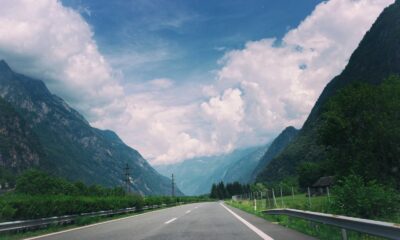

10 Ohio Road Trip Ideas With Hidden Gems
10 Ohio Road Trip Ideas With Hidden Gems Ohio might not be the first state that comes to mind for...
-

 World1 year ago
Types of Ants Living in the World and Information
-

 Forests1 year ago
The 10 Best Forests to Visit in the World
-

 Wildlife4 years ago
(10) Insects Are Animals in the world?
-

 Ocean2 years ago
Oceans in the World and Their Information & Locations
-

 Forests4 years ago
What Is The Biggest Rainforest In The World?
-

 Wildlife4 years ago
Most Popular Wild Animals in The World
-

 Forests1 year ago
The Main Factors That Contribute to Forest Destruction
-

 World1 year ago
The 10 Largest Farms in the World