
Forests
White Mountain National Forest: Your First Time Visitor Guide


White Mountain National Forest: Your First Time Visitor Guide
Looking for a mountain escape that feels like it goes on forever? White Mountain National Forest stretches across 750,000 acres of New Hampshire and a slice of western Maine, offering some of the most dramatic scenery in the entire Northeast. Whether you’re here for the fall foliage, the alpine summits, or just a quiet walk among the pines, this forest delivers. Here’s everything you need to know before you go.
Key Takeaways
- White Mountain National Forest covers 750,000 acres across New Hampshire and Maine
- The forest includes Mount Washington, the highest peak in the Northeast at 6,288 feet
- Best time to visit is June through October, with peak foliage in late September to early October
- Over 1,200 miles of hiking trails range from easy walks to serious alpine climbs
- Scenic drives like the Kancamagus Highway offer world-class views without leaving your car
- Camping is available at developed campgrounds and backcountry sites
- Winter brings world-class skiing and snowshoeing opportunities
What Makes White Mountain National Forest Special
There’s something about the White Mountains that hits different from other mountain ranges in the East. Maybe it’s the way the peaks rise sharply from the valleys, or how the weather can change from sunshine to full-blown storm in under an hour. This is a place that commands respect, and that’s exactly what draws people back year after year.
White Mountain National Forest was established in 1918 after decades of unregulated logging threatened to destroy the landscape entirely. Thanks to the Weeks Act of 1911, the federal government purchased the land and began the long process of restoration. Today, the forest is a thriving ecosystem of northern hardwoods, spruce-fir forests, and alpine zones that support an incredible diversity of wildlife.
The forest is managed by the U.S. Forest Service and offers a rare combination of accessibility and wilderness. You can drive to within a stone’s throw of the highest peaks, or you can disappear into the backcountry for days without seeing another person. That range of experiences is what makes it perfect for first-time visitors.
Getting There and Getting Around
The main gateway towns are North Conway and Lincoln on the eastern side, and Littleton and Bethlehem on the western side. If you’re flying in, Portland International Jetport in Maine is about two hours away, and Manchester-Boston Regional Airport is about two and a half hours to the south.
The Kancamagus Highway (Route 112) is the most famous drive in the forest. This 34.5-mile stretch runs from Lincoln to Conway and passes through some of the most spectacular scenery in New England. There are numerous pullouts, trailheads, and scenic overlooks along the way. Don’t rush it — plan at least two hours for the drive, and longer if you want to stop for photos or short walks.
Route 302 through Crawford Notch and Route 2 through Dolly Copp Gap are also excellent drives that give you a feel for the forest’s western side. The Presidential Range Scenic Byway (Route 2) takes you right past the Mount Washington Auto Road if you want to drive to the summit.
Best Hiking Trails for First Timers
With over 1,200 miles of trails, choosing where to start can feel overwhelming. Here are some recommendations based on difficulty level.
Easy Hikes
Sabbaday Falls is a short, family-friendly walk off the Kancamagus Highway that leads to a beautiful three-tiered waterfall. The loop is less than half a mile and is paved in sections, making it accessible for most visitors.
Rocky Gorge is another quick stop along the Kanc featuring a dramatic gorge with a suspension bridge. It’s an easy walk that gives you a real sense of the power of water in these mountains.
Diana’s Baths in the Bartlett area is a series of gentle cascades and pools that are perfect for a warm day. The trail is about 0.6 miles each way on relatively flat terrain.
Moderate Hikes
Arethusa Falls is one of the tallest waterfalls in New Hampshire at about 160 feet. The trail is roughly 1.5 miles each way with some rocky sections, but the payoff at the top is absolutely worth it.
Mount Willard is a 3.2-mile round trip that delivers one of the best views in the entire forest for relatively little effort. The summit overlooks Crawford Notch and the surrounding peaks, and it’s a fantastic spot for sunset.
Lonesome Lake is a 3-mile round trip that takes you to a beautiful alpine lake with a hut operated by the Appalachian Mountain Club. You can grab a snack at the hut and enjoy the views before heading back down.
Challenging Hikes
Mount Washington via Tuckerman Ravine is the classic White Mountains challenge. The trail is about 8.5 miles round trip with over 4,000 feet of elevation gain. The weather at the summit can be extreme even in summer, so come prepared with layers and check the forecast at mountwashington.org before you go.
The Presidential Traverse is a bucket-list hike that crosses the entire Presidential Range from Mount Madison to Mount Pierce. It’s roughly 23 miles with over 9,000 feet of elevation gain, and most people do it as a two-day trip with an overnight at a hut or tent site. This is not a first-day hike — work up to it.
Scenic Drives and Overlooks
If hiking isn’t your thing, or if you just want to see as much as possible in a short amount of time, the White Mountains have some of the best scenic drives in the country.
The Kancamagus Highway is the crown jewel. In fall, this road becomes one of the most photographed stretches of pavement in America. The sugar maples, birches, and beeches turn brilliant shades of red, orange, and gold, and the views from places like Hancock Overlook and Pemigewasset Overlook are jaw-dropping.
The Mount Washington Auto Road lets you drive to the highest point in the Northeast. It’s a narrow, winding road with some steep sections, but it’s well-maintained and suitable for most vehicles. At the summit, you’ll find the Mount Washington Observatory’s weather station and views that can stretch into five states and Canada on a clear day. Note that there’s a toll, and the road is typically open from mid-May to mid-October.
Crawford Notch (Route 302) is a dramatic mountain pass that feels like driving through a cathedral of stone. The cliffs rise steeply on both sides, and there are several spots to pull over and take in the views. The Willey House historic site is worth a quick stop.
Where to Stay
The towns surrounding the forest offer a wide range of accommodations. North Conway is the most popular base, with everything from outlet shopping to fine dining. It’s also close to some of the best hiking trailheads on the eastern side.
Lincoln is a quieter option on the Kancamagus Highway, with easy access to Loon Mountain and the eastern part of the forest. Glen is home to Story Land if you’re traveling with kids.
For a more rustic experience, the forest has several developed campgrounds including Dolly Copp, Passaconaway, and Jigger Johnson. These campgrounds have tent sites, some RV sites, and basic amenities like restrooms and fire rings. Reservations are strongly recommended for summer weekends.
Backcountry camping is also allowed in most of the forest outside of designated areas. The Appalachian Mountain Club operates a series of huts along the Appalachian Trail that provide bunk-style lodging and meals. These huts are incredibly popular and need to be booked months in advance for summer stays.
Wildlife You Might See
White Mountain National Forest is home to moose, black bears, white-tailed deer, red foxes, porcupines, and a variety of bird species including peregrine falcons, boreal chickadees, and black-backed woodpeckers. Moose are particularly common in the early morning and evening hours, especially in wetland areas along the roads.
If you’re hoping to see a moose, your best bet is to drive slowly through the forest at dawn or dusk, particularly along Route 16 north of Glen and in the areas around Pontook Reservoir. Keep a safe distance — moose are wild animals and can be unpredictable, especially cows with calves.
Black bears are present but generally shy. Store your food properly when camping, and you’ll likely never have an encounter. The bigger wildlife concern for most visitors is actually the black flies and mosquitoes that can be fierce from late May through mid-June. Bring bug spray.
Best Time to Visit
Summer (June through August) is the most popular season. Trails are clear, the huts are open, and the long days give you plenty of time to explore. Expect warm days in the valleys (70s and 80s) and cooler temperatures at elevation. Afternoon thunderstorms are common, so plan to be off the summits by early afternoon.
Fall (September through October) is when the White Mountains truly shine. Peak foliage typically occurs in late September to early October, starting at the higher elevations and working its way down. The Kancamagus Highway during peak color is an experience you won’t forget. Book accommodations well in advance — fall weekends fill up fast.
Winter (November through March) transforms the forest into a snowy wonderland. Skiing and snowboarding at resorts like Loon Mountain, Cannon Mountain, and Wildcat Mountain draw crowds from across the region. Backcountry skiing and snowshoeing are also popular for those who prefer a quieter experience. Be aware that many roads and facilities close for the winter.
Spring (April through May) is mud season. Trails at higher elevations may still be snow-covered, and the melting snow turns many lower trails into muddy messes. That said, spring is a beautiful time to visit the waterfalls, which are at their peak flow. Just wear waterproof boots and be prepared for variable conditions.
Tips for Your First Visit
Check the weather before you hike. The White Mountains are famous for extreme weather, especially at elevation. Mount Washington holds the record for the highest wind speed ever recorded at the surface of the Earth (231 mph). Conditions at the summit can be radically different from the trailhead. Always carry extra layers, rain gear, and more food and water than you think you’ll need.
Start early. Parking at popular trailheads fills up fast, especially on summer and fall weekends. Getting to the trailhead by 7 or 8 a.m. can mean the difference between a parking spot and a long walk from the road.
Leave no trace. Pack out everything you pack in, stay on marked trails, and respect wildlife. The White Mountains get a lot of visitors, and it’s up to all of us to keep them beautiful.
Bring a map and compass. Cell service is unreliable in the forest, and GPS batteries die. The AMC White Mountains Trail Map set is the gold standard and covers every trail in the forest.
Respect the alpine zone. Above treeline, the vegetation is incredibly fragile. Arctic plants that grow just a few inches tall can be decades old. Stay on the trail and avoid stepping on alpine vegetation.
Comparison Table: Top Destinations in White Mountain National Forest
| Destination | Location | Best Time to Visit | Difficulty |
|---|---|---|---|
| Mount Washington Summit | Northern NH, Presidential Range | June to October | Strenuous |
| Kancamagus Highway | Lincoln to Conway, NH | September to October | Easy (drive) |
| Sabbaday Falls | Kancamagus Highway, NH | May to October | Easy |
| Arethusa Falls | Crawford Notch, NH | May to October | Moderate |
| Lonesome Lake | Franconia Notch, NH | June to October | Moderate |
| Diana’s Baths | Bartlett, NH | May to September | Easy |
| Crawford Notch | Route 302, central NH | June to October | Easy (drive) |
Frequently Asked Questions
Do I need a permit to hike in White Mountain National Forest?
No permit is required for day hiking. However, if you plan to camp overnight in the backcountry, you need to follow the forest’s dispersed camping guidelines. Developed campgrounds may require reservations and charge fees. The White Mountain National Forest does have a recreation pass program for certain parking areas — the America the Beautiful Pass works here.
Is White Mountain National Forest dog-friendly?
Yes, dogs are allowed on most trails in the forest. They must be on a leash in developed areas like campgrounds and trailheads. On the trail, well-behaved dogs can be off-leash but under voice control. Keep in mind that some of the rockier trails above treeline can be tough on dog paws, so consider bringing booties for your pup on alpine routes.
Can I see fall colors without hiking?
Absolutely. The Kancamagus Highway is one of the best fall foliage drives in the country, and you can see incredible color without ever leaving your car. The Mount Washington Auto Road and Crawford Notch are also excellent options. For the best experience, visit during the last week of September or the first week of October.
How cold does it get on Mount Washington?
Even in summer, temperatures at the summit can be 20 to 30 degrees colder than at the base. Wind chill can push the “feels like” temperature below freezing in any month. In winter, the summit regularly sees temperatures of -20°F to -40°F with hurricane-force winds. Always bring warm layers regardless of the season.
Are there bears in the White Mountains?
Yes, black bears live throughout the forest. They are generally shy and avoid people, but it’s important to practice proper food storage when camping. Use bear canisters or hang your food from a tree at least 10 feet off the ground and 4 feet from the trunk. Never feed bears or leave food unattended at your campsite.
What’s the best town to stay in?
It depends on what you want to do. North Conway is the most convenient base for hiking on the eastern side and has the most restaurants and shops. Lincoln is better for accessing the Kancamagus Highway and Loon Mountain. On the western side, Littleton is a charming small town with easy access to the less-crowded trails. For a true mountain experience, consider staying at one of the AMC huts.
Is the forest open year-round?
The forest itself is open year-round, but access varies by season. Most roads are plowed in winter, but some secondary roads close. The Kancamagus Highway is not plowed in winter and is typically closed from late December through mid-April. Many campgrounds and visitor centers operate seasonally from May to October. Always check the White Mountain National Forest website for current conditions before your visit.
Conclusion
White Mountain National Forest is one of those places that stays with you long after you leave. Whether you’re standing on the summit of Mount Washington with clouds rolling beneath your feet, watching a moose wade through a misty pond at sunrise, or simply driving the Kanc with the windows down and the maples blazing, this forest has a way of resetting your sense of what matters. It’s big enough to get lost in and accessible enough that your first visit won’t be your last.
Start planning your trip today. Pick a trail, book a campsite, or just point your car toward the mountains and see where the road takes you. The White Mountains are waiting.
Share this post with your friends — everyone deserves to experience the White Mountains at least once. And if you’ve already been, drop a comment below with your favorite trail or memory. We’d love to hear about it.


What Lives in the Forest Canopy That We Never See
When you walk through a forest, you’re only seeing half the story. The real action happens tens or even hundreds of feet above your head, in a world most people never get to visit. The forest canopy is one of the most biodiverse habitats on the planet, home to millions of species that rarely, if ever, touch the ground. Scientists estimate that up to 70 percent of forest life exists in the canopy layer, making it the beating heart of any healthy forest ecosystem.
Key Takeaways
- The forest canopy hosts up to 70 percent of all forest species, from insects to mammals to epiphytes.
- Canopy research was nearly impossible before the 1980s, meaning scientists are still discovering new species.
- Animals like tree kangaroos, flying frogs, orchids, and clouded leopards call the canopy home.
- The canopy plays a critical role in regulating climate, storing carbon, and producing oxygen.
- Deforestation and habitat loss are threatening canopy ecosystems before we even fully understand them.
What Makes the Forest Canopy So Special?
The forest canopy is the dense, ceiling-like layer formed by the crowns of tall trees. In tropical rainforests, this layer can be 60 to 120 feet above the forest floor. Temperate forests have lower canopies, usually between 30 and 60 feet high. Either way, it’s a world completely separated from what most of us experience on the ground.
Here’s the thing about the canopy: it’s not just empty space between branches. It’s a fully functioning ecosystem with its own microclimate. Light is abundant up there, temperatures shift more dramatically, wind moves freely, and humidity fluctuates. These conditions create a unique set of opportunities for life that you simply won’t find at ground level.
Research into canopy ecosystems really only began in earnest after scientists started using rope climbing techniques, cranes, and canopy walkways in the 1980s. Before that, scientists studying forests had to make do with fallen specimens and guesswork. The result? We’re still in the early days of understanding what lives above our heads, and new species are described every year.
Hidden Animals of the Forest Canopy
Primates That Rarely Touch the Ground
Many primate species spend their entire lives in the upper reaches of forests. Spider monkeys in Central and South America, for example, almost never descend to the forest floor. Their prehensile tails act like a fifth hand, letting them hang and swing through the treetops with incredible speed. In Southeast Asia, orangutans build sleeping nests in the canopy every single night, rarely venturing below except when forced to by habitat loss.
Gibbons, sometimes called the lesser apes, are perhaps the most acrobatic canopy dwellers of all. They brachiate, swinging arm over arm through the treetops at speeds up to 35 miles per hour, crossing gaps of 30 feet or more in a single swing. Watching a gibbon move through the canopy is one of nature’s most impressive displays of athleticism.
Flying and Gliding Creatures
Since many canopy animals never need to come down to earth, several species have evolved incredible ways to travel between trees without ever touching the ground. Flying squirrels in North American forests glide using a membrane of skin between their limbs, covering distances of over 150 feet between trees. They can steer by adjusting their tail and limb position, making precise landings on tree trunks with remarkable accuracy.
In Southeast Asia, flying snakes of the genus Chrysopelea flatten their bodies and slaunch from tree to tree, gliding up to 100 feet. Flying lizards in the same region use extended ribs that unfurl like wings. Even frogs have gotten in on the action: Wallace’s flying frog from Malaysia uses enormous webbed feet to parachute safely between trees, controlling its descent with surprising precision.
These aren’t true flights, but the effect is the same. These animals have complete access to the canopy without ever needing to visit the dangerous forest floor, where predators are far more abundant.
Epiphytes: The Plants That Live in the Sky
Maybe the most overlooked canopy residents are the plants themselves. Epiphytes are plants that grow on other plants without being parasites. Orchids, bromeliads, ferns, and mosses all thrive in the canopy, anchored to tree branches and drawing moisture and nutrients from the air and rain rather than from the soil below.
A single large tree in a tropical rainforest can host dozens of epiphyte species, each one adding to the overall weight of the canopy. Some tank bromeliads hold several liters of water in their leaf bases, creating tiny aerial ponds that serve as breeding grounds for frogs, insects, and even crabs. These miniature ecosystems within ecosystems are one of the most remarkable features of canopy life.
The weight of epiphytes on a large tree can be enormous. Scientists have estimated that epiphytes can account for up to a quarter of the total leaf biomass in a tropical forest canopy. They’re not trivial additions. They’re a fundamental part of how the forest works.
Birds That Define the Canopy
Birds are perhaps the most visible canopy residents, and many species are found almost exclusively in the upper layers of forests. Toucans in South America use their oversized beaks to reach fruit at the tips of thin branches that can’t support heavier animals. Hornbills in Africa and Asia serve as critical seed dispersers, carrying fruit away from the parent tree and dropping seeds across wide areas of forest canopy.
Raptors like the harpy eagle patrol the canopy from above, hunting monkeys and sloths with powerful talons and sharp eyesight. The harpy eagle has talons as large as a grizzly bear’s claws, and it can strike with incredible speed through gaps in the trees. Below the canopy, smaller birds like woodcreepers, antbirds, and tanagers fill specific layers of the forest, each occupying a slightly different niche to avoid competition.
Insects: The Biggest Canopy Community
And then there are the insects. Arthropods make up the vast majority of canopy species by number. Scientists have estimated that a single hectare of tropical forest canopy can contain more than 41,000 insect species. Ants alone can represent up to 25 percent of the total animal biomass in tropical forests. Leafcutter ants are among the most industrious canopy dwellers, cutting leaves not to eat but to farm fungus underground, creating the most sophisticated non-human agriculture on the planet.
Beetles are another canopy powerhouse. There are more species of beetles on Earth than any other group of organisms, and many of them live exclusively in the canopy. Scientists occasionally fog the canopy with a mild insecticide and collect what falls, a technique called canopy fogging. The results are often staggering: a single tree can yield thousands of insect specimens, many of them belonging to species completely unknown to science.
How Canopy Ecosystems Are Threatened
The sad reality is that canopy ecosystems are under threat, and in many cases, they’re being destroyed before we even understand what’s up there. Tropical deforestation removes not just trees but entire canopy habitats that took centuries to develop. When a primary forest is cleared, the complex web of epiphytes, insects, birds, and mammals that depended on the canopy vanishes almost overnight.
Selective logging is particularly damaging because it removes the tallest, most valuable trees, which are often the ones with the richest canopy communities. The gaps created by logging change the microclimate of the forest, reducing humidity and increasing wind exposure, which can kill off epiphytes and the animals that depend on them.
Climate change is another growing threat. As temperatures rise and rainfall patterns shift, some canopy species may find their habitat becoming unsuitable. Mountain-dwelling cloud forest species are especially vulnerable because they live in a narrow band of altitude where conditions are just right for them. Move that band upward, and there’s nowhere left to go.
How to Experience the Canopy Yourself
If you want to see the forest canopy up close, you have more options than you might think. Many tropical rainforests now offer canopy walkways, suspended bridges that take you from the forest floor up into the treetops. Some of the best include the Danum Valley in Borneo, the Amazon Research Center canopy walkway in Peru, and Kakum National Park in Ghana, where a series of rope bridges carry you more than 100 feet above the ground.
Closer to home, temperate forests in the Pacific Northwest of the United States, the Białowieża Forest in Poland, and the Black Forest in Germany all have canopy trails or platforms where you can look down on the forest instead of up. It changes your entire perspective.
You don’t need to travel far, either. Even in your local woodland, slowing down and looking up at the branches above you can reveal a surprising amount of life. Birds, insects, lichens, and small mammals are all active in the canopy, even in urban parks. Binoculars are your best friend here.
Top Canopy Destinations Around the World
If you’re planning a trip specifically to experience the forest canopy, here are some of the best places to visit, along with practical details to help you plan.
| Destination | Location | Best Time to Visit |
|---|---|---|
| Danum Valley Conservation Area | Sabah, Borneo, Malaysia | March to October |
| Kakum National Park | Central Region, Ghana | November to March |
| Amazon Research Center Canopy Walkway | Iquitos region, Peru | May to September |
| Valdivian Temperate Rainforest | Los Rios Region, Chile | December to March |
| Daintree Rainforest | Queensland, Australia | May to October |
| Olympic National Forest | Washington State, USA | June to September |
| Białowieża Forest | Podlaskie Voivodeship, Poland | May to September |
Each of these destinations offers a different canopy experience. The Danum Valley is one of the oldest and most biodiverse forests in the world, with a 100-foot observation tower that puts you right in the middle of the canopy. Kakum National Park’s canopy walkway is one of only a few in Africa, giving you a rare perspective on West African rainforest life. The Amazon walkway in Peru is one of the longest in the world, stretching over 500 feet through the treetops.
The Daintree Rainforest in Australia is particularly special because it’s one of the oldest rainforests on Earth, dating back over 180 million years. Its canopy has been evolving for so long that it contains species found nowhere else on the planet. The Valdivian Temperate Rainforest in Chile is similarly unique, a rare example of a temperate rainforest with a canopy dominated by ancient southern beech trees and dense undergrowth of ferns and mosses.
For those who prefer to stay closer to home, the Olympic National Forest in Washington State offers old-growth temperate rainforest with trees over 1,000 years old. The Hoh Rain Forest, in particular, has a canopy so dense that sunlight barely reaches the forest floor, creating an otherworldly green world above your head.
Frequently Asked Questions
Q: What exactly is the forest canopy?
A: The forest canopy is the uppermost layer of a forest, formed by the crowns and branches of the tallest trees. It acts as a ceiling over the forest floor and creates a unique habitat with its own microclimate, light levels, and species community.
Q: Why is the forest canopy so important?
A: The canopy produces the majority of a forest’s food through photosynthesis, stores massive amounts of carbon, regulates local and global climate, and supports the vast majority of forest biodiversity. Without the canopy, a forest ecosystem collapses.
Q: How do scientists study the forest canopy?
A: Researchers use rope-climbing techniques, canopy cranes, tree platforms, walkways, drones, and canopy fogging to access and study life above the forest floor. Each method reveals different aspects of canopy ecology.
Q: What animals live exclusively in the forest canopy?
A: Many primates like spider monkeys, orangutans, and gibbons live almost entirely in the canopy, along with flying squirrels, tree kangaroos, countless insect species, toucans, hornbills, and canopy-dwelling frogs and lizards.
Q: Are there unknown species still living in the canopy?
A: Absolutely. New species are described from canopy habitats every year, including insects, frogs, and even small mammals. Scientists believe the canopy is one of the least explored habitats on Earth.
Q: How does deforestation affect the canopy?
A: Deforestation destroys the canopy entirely, eliminating habitat for millions of species. Even selective logging disrupts canopy structure and microclimate, leading to cascading losses throughout the ecosystem.
Conclusion
The forest canopy is one of Earth’s greatest biological treasures, yet it remains one of the least understood. From the tiny mites living on orchid roots to the mighty harpy eagle ruling the upper branches, an entire world exists above the forest floor that we rarely think about. Every time trees are cut down or a forest shrinks, we lose species and ecological relationships that took millennia to develop, many of which we haven’t even discovered yet.
The next time you walk through a forest, take a moment to look up. The canopy is where the real magic happens, and understanding it is the first step toward protecting it for future generations.
Share this post with your friends who love nature. The forest canopy deserves more attention, and the more people know about it, the better our chances of preserving it.
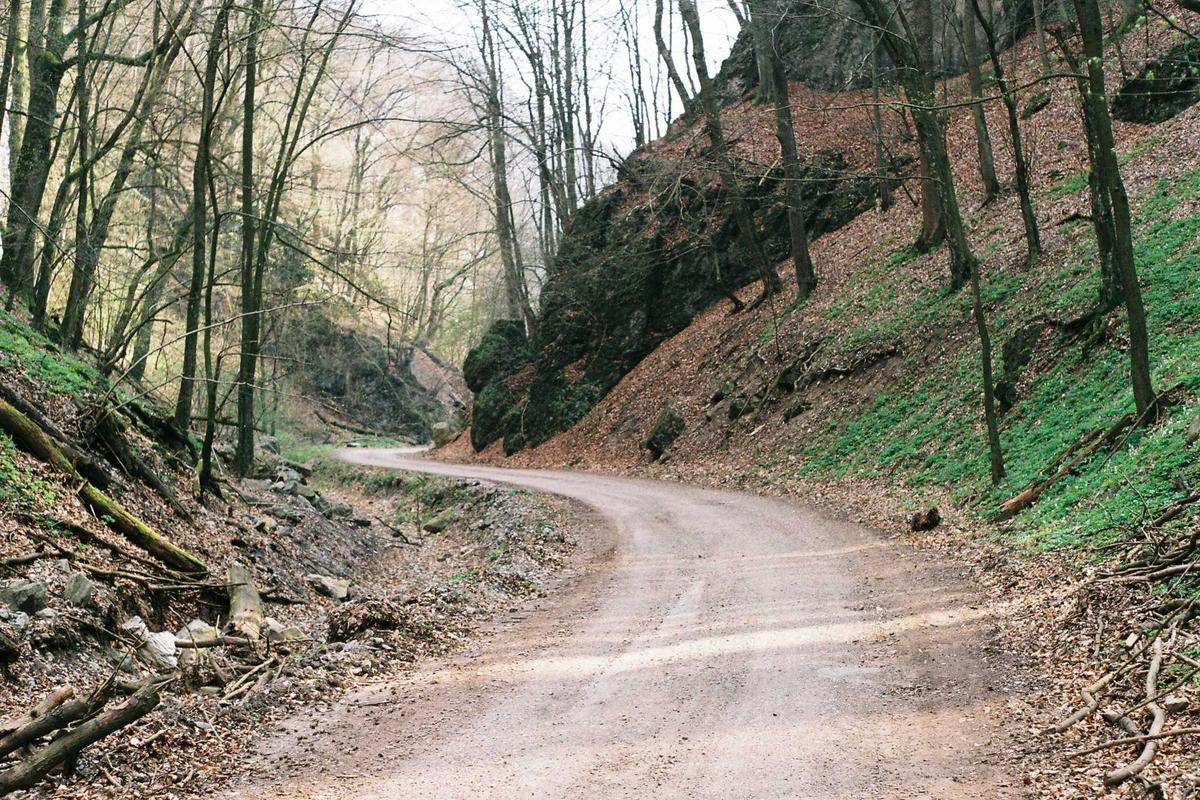
How to Identify Trees by Their Leaves and Bark
Ever walked through a forest and wondered what kind of trees surround you? Learning to identify trees by their leaves and bark is one of the most rewarding skills you can pick up as a nature lover. It turns every walk in the woods into a richer, more connected experience. The good news is, you do not need a degree in botany to get started. With a few simple observation techniques, you can begin recognizing trees right away.
Key Takeaways
- Leaf shape, arrangement, and margins are the fastest ways to narrow down a tree species.
- Bark texture changes as a tree ages, so check both young branches and the main trunk.
- Simple field guides and free apps can confirm your guesses in seconds.
- Learning just 10 common trees in your area builds confidence fast.
- Combining leaf and bark clues gives you a much more accurate identification than using either alone.
Why Learning to Identify Trees Matters
There is something deeply satisfying about knowing the names of the trees around you. It changes the way you see a forest. Instead of a wall of green, you start noticing the difference between the smooth white bark of a birch and the deep ridges of an oak. You begin to understand which trees attract certain birds, which ones produce edible nuts, and which are the first to change color in autumn.
For beginners, tree identification does not have to be overwhelming. You do not need to memorize hundreds of species overnight. Start with the most common trees in your region. Learn their leaves, their bark, and their general shape. Once you can confidently name five or ten trees, you will be surprised how quickly the skill grows.
Whether you are a hiker, a gardener, a parent who wants to teach your kids about nature, or simply someone who enjoys being outdoors, knowing how to identify trees adds a whole new layer to your experience.
Start With the Leaves: Shape, Arrangement, and Margins
Leaves are usually the easiest place to start when you are trying to identify a tree. They are visible for most of the year in deciduous trees, and even evergreens have needles or scales that tell you a lot. There are three main things to look at: the overall shape of the leaf, how it is arranged on the branch, and what the edge of the leaf looks like.
Leaf Shape
The most basic distinction is between simple leaves and compound leaves. A simple leaf has a single blade attached to a stem, like the heart-shaped leaf of a linden or the lobed leaf of an oak. A compound leaf is made up of multiple leaflets attached to a single stem, like the leaves of an ash or a walnut tree.
Within simple leaves, there are many shapes to notice. Some leaves are oval, some are heart-shaped, some are star-shaped, and some are long and narrow like a lance. Maple leaves are palmate, meaning their lobes spread out like fingers on a hand. Oak leaves have deep, rounded or pointed lobes. Birch leaves are small, triangular, and serrated along the edges.
Leaf Arrangement
How leaves are arranged on the branch is another powerful clue. There are three main patterns. Opposite arrangement means two leaves grow directly across from each other on the stem. Maple, ash, and dogwood trees all have opposite leaves. Alternate arrangement means leaves are staggered along the stem, one at a time. Oak, birch, and beech trees have alternate leaves. Whorled arrangement, which is rarer, means three or more leaves grow from the same point on the stem. Catalpa trees are a good example.
A simple trick to remember: “MAD Cap” trees have opposite leaves. That stands for Maple, Ash, Dogwood, and Caprifoliaceae (a family that includes honeysuckle and viburnum). Most other trees have alternate arrangements.
Leaf Margins
The edge of the leaf, called the margin, is another key identifier. Smooth margins with no teeth or lobes are called entire margins. Trees like magnolia and dogwood have entire margins. Serrated margins have small, sharp teeth along the edge, like birch and cherry leaves. Lobed margins have deep indentations, like oak and maple leaves. Wavy margins curve gently in and out, like some species of holly.
Paying attention to these three features, shape, arrangement, and margin, will help you narrow down most common trees very quickly.
Reading the Bark: Texture, Color, and Patterns
Once you have looked at the leaves, the bark is your best second clue. Bark is especially useful in winter when deciduous trees have dropped their leaves. Every tree species has a characteristic bark pattern, though it changes as the tree grows older.
Young vs. Mature Bark
One thing that trips up beginners is that bark looks very different on a young tree compared to a mature one. A young birch tree has smooth, papery white bark that peels in thin strips. An older birch still has white bark, but it becomes rougher and darker at the base. A young beech tree has smooth, gray bark that looks almost like elephant skin. As the beech matures, that smooth bark develops slight horizontal markings but stays relatively smooth compared to other trees.
Oak trees start with relatively smooth, gray-brown bark when young. As they age, the bark develops deep furrows and ridges. A mature white oak has bark that forms long, vertical ridges with flat tops. A mature red oak has ridges with flat tops too, but the furrows tend to be shallower and the bark has a slightly reddish tint inside the grooves.
Common Bark Types
Here are some of the most common bark types you will encounter:
Smooth bark: Birch, beech, aspen, and young maple trees have smooth bark. Birch is the easiest to recognize because of its white color and horizontal lines called lenticels. Aspen bark is smooth and pale greenish-white.
Peeling or papery bark: Paper birch, sycamore, and river birch all have bark that peels away in thin layers. Sycamore bark is especially striking because the outer layer flakes off to reveal creamy white and pale green patches underneath.
Furrowed bark: Oak, ash, hickory, and most mature trees have furrowed bark with deep ridges. Hickory bark forms a distinctive pattern of vertical strips that curve outward at the top and bottom, almost like shingles on a roof.
Scaly bark: Pine, spruce, and some cherry trees have bark that breaks into small plates or scales. Pine bark often has a reddish-brown color and forms irregular plates. Cherry bark is famous for its horizontal lenticels, which look like small, dark lines running around the trunk.
Plated bark: Black cherry, some pines, and sweetgum trees have bark that forms flat, irregular plates. Sweetgum bark is deeply furrowed with narrow ridges that look almost like they were carved with a chisel.
Combining Leaf and Bark Clues for Accurate Identification
The most reliable way to identify a tree is to use both leaf and bark clues together. For example, if you find a tree with opposite, compound leaves and gray bark with shallow furrows, you are likely looking at an ash tree. If you find a tree with alternate, simple, lobed leaves and deeply furrowed bark, it is probably an oak.
Here is a quick reference table of some common trees and their key features:
| Tree Name | Leaf Type | Leaf Arrangement | Bark Description |
|---|---|---|---|
| White Oak | Simple, rounded lobes | Alternate | Light gray, shallow furrows |
| Red Oak | Simple, pointed lobes | Alternate | Dark gray-brown, reddish in furrows |
| Sugar Maple | Simple, 5 palmate lobes | Opposite | Gray, flaky on mature trees |
| Paper Birch | Simple, serrated, triangular | Alternate | White, peels in papery strips |
| American Beech | Simple, oval, serrated | Alternate | Smooth, gray, stays smooth with age |
| White Ash | Compound, 5-9 leaflets | Opposite | Gray, diamond-shaped ridges |
| Eastern Pine | Needles in clusters of 3 | N/A | Reddish-brown, scaly plates |
| Sycamore | Simple, 3-5 lobes | Alternate | Mottled, flakes to reveal white-green |
| Black Cherry | Simple, oval, fine serration | Alternate | Dark, burnt cornflake appearance |
| Sweetgum | Simple, star-shaped lobes | Alternate | Deeply furrowed, narrow ridges |
Seasonal Changes to Watch For
Trees change throughout the year, and understanding those changes helps with identification in every season. In spring, new leaves emerge in characteristic shapes and colors. Some trees, like redbud and dogwood, produce flowers before their leaves fully develop, making them easy to spot.
In summer, leaves are at their fullest and most distinctive. This is the best time to study leaf shape and arrangement. In autumn, many trees put on a spectacular show of color before dropping their leaves. Sugar maples turn brilliant orange and red. Aspens turn golden yellow. Oaks often turn russet or deep brown.
Winter is when bark becomes your primary tool. Without leaves to guide you, you rely on bark texture, color, and the overall shape of the tree. The branching pattern, called the tree’s architecture, is also more visible in winter. Elms have a distinctive vase-shaped form. Poplars grow in tall, narrow columns. Willows often have drooping, weeping branches.
Tools and Resources to Help You Learn
You do not have to figure this out alone. There are excellent resources available for tree identification at every level. A simple field guide for your region is a great starting point. Look for guides that include both leaf and bark photos, since you will need both for confident identification.
Free apps have made tree identification more accessible than ever. Apps like iNaturalist, PictureThis, and Leafsnap let you take a photo of a leaf or bark and get an instant suggestion. These are not always perfect, but they are surprisingly accurate for common species and can confirm what you have already guessed based on your observations.
Local nature centers, parks, and botanical gardens often offer guided tree walks. These are fantastic for beginners because an experienced guide can point out details you might miss on your own. Many arboretums also have labeled tree collections, which let you practice matching leaves and bark to species names.
Common Mistakes Beginners Make
One of the most common mistakes is relying on a single feature. A tree might have leaves that look similar to another species, but the bark tells a different story. Always check multiple characteristics before making an identification.
Another mistake is ignoring the environment. Some trees prefer wet soils, while others thrive on dry, rocky hillsides. Knowing the habitat can help narrow your options. Willows and red maples are almost always found near water. Pines and scrub oaks prefer dry, sandy soils.
Finally, do not get discouraged if you cannot identify every tree right away. Even experienced botanists sometimes need to consult a reference guide. The goal is not perfection. The goal is to start noticing the trees around you and to build your knowledge one species at a time.
Start With These 10 Easy Trees
If you are not sure where to begin, here are ten common North American trees that are relatively easy to identify. Learning these will give you a strong foundation:
- Paper Birch: White, peeling bark and small triangular leaves with serrated edges.
- Sugar Maple: Five-lobed palmate leaves arranged oppositely, gray flaky bark.
- White Oak: Rounded leaf lobes, light gray bark with shallow furrows.
- American Beech: Smooth gray bark, oval leaves with serrated margins.
- Eastern White Pine: Needles in clusters of 5, soft and flexible, scaly brown bark.
- Quaking Aspen: Smooth pale greenish-white bark, round leaves that flutter in the wind.
- Red Maple: Three-lobed leaves with serrated edges, opposite arrangement, smooth gray bark when young.
- Sycamore: Mottled bark that flakes to reveal white patches, large lobed leaves.
- Black Cherry: Dark, rough bark that looks like burnt cornflakes, fine-toothed oval leaves.
- White Ash: Compound leaves with 5-9 leaflets, opposite arrangement, diamond-patterned bark.
Frequently Asked Questions
What is the easiest way to identify a tree?
Start with the leaves. Look at the shape, arrangement on the stem, and the edge of the leaf. These three features alone can narrow down most common tree species quickly. Then confirm your guess by checking the bark.
Can I identify trees in winter without leaves?
Yes. Bark texture, color, and the overall shape of the tree become your main clues in winter. Look for distinctive features like the white peeling bark of birch, the smooth gray bark of beech, or the diamond-patterned bark of ash. Buds on the branches also help with identification.
What is the difference between a simple leaf and a compound leaf?
A simple leaf has a single blade attached to a small stem called a petiolule. A compound leaf is divided into multiple leaflets that share a single main stem. Maple and oak have simple leaves. Ash, walnut, and hickory have compound leaves.
How does bark change as a tree ages?
Most trees start with smooth bark when they are young. As the trunk grows wider, the outer bark cracks and forms ridges, furrows, or plates. That is why it is helpful to look at bark on both young branches near the top and the lower trunk to get the full picture.
Are there apps that can identify trees from photos?
Yes. iNaturalist, PictureThis, and Leafsnap are popular free or low-cost apps that can identify trees from leaf or bark photos. They work best for common species and are a great way to confirm your own observations.
Why do some trees have peeling bark?
Peeling bark is a natural growth process. As the trunk expands, the rigid outer bark cracks and flakes off. In species like paper birch and sycamore, the bark peels in thin, papery layers. This helps the tree shed moss, lichens, and parasites.
How long does it take to get good at identifying trees?
Most people can learn to identify 10 to 20 common trees in their area within a few weeks of regular practice. The key is to go outside often and actively look at leaves and bark. Each walk in the woods reinforces what you have learned.
Conclusion
Learning how to identify trees by their leaves and bark is one of the most accessible and rewarding nature skills you can develop. It does not require expensive equipment or years of study. All it takes is curiosity and a willingness to look closely at the trees around you.
Start with the basics. Learn to tell the difference between simple and compound leaves. Notice whether leaves are arranged opposite or alternate. Run your fingers over the bark and feel whether it is smooth, furrowed, or peeling. Each observation builds your knowledge and deepens your connection to the natural world.
Before long, you will find yourself recognizing trees on road trips, in city parks, and on hiking trails without even thinking about it. And that is when the real magic happens. The forest stops being a blur of green and becomes a community of individual species, each with its own story to tell.
Share this post with your friends who love nature. The next time you are out on a walk together, see how many trees you can name.
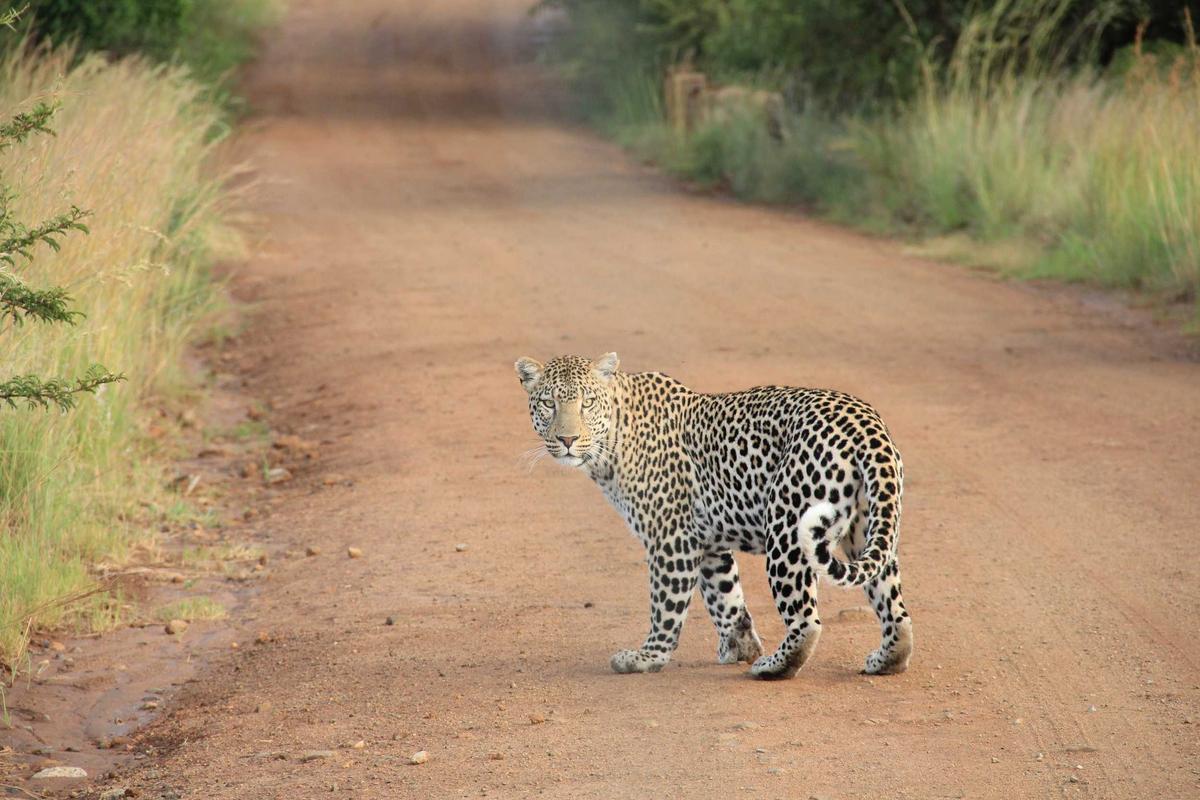
The Most Beautiful Forests in the World to Visit
If you have ever stood among ancient trees with sunlight filtering through the canopy above, you already know there is something almost spiritual about a forest. Whether it is the towering redwoods of California, the misty cloud forests of Costa Rica, or the moss-draped woodlands of Japan, the world is full of forests that will take your breath away. In this guide, we will walk you through 12 of the most beautiful forests on the planet, give you the details you need to plan your visit, and explain why each one deserves a spot on your travel bucket list.
Key Takeaways
- This guide covers 12 of the most beautiful forests across six continents, from tropical rainforest jungles to ancient temperate woodlands.
- Each forest entry includes location, best time to visit, highlights, and practical travel tips.
- You will find a comparison table at the bottom to help you plan your trip based on season, budget, and interests.
- Many of these forests offer more than just pretty views. Some are UNESCO World Heritage Sites, others are home to rare wildlife you cannot see anywhere else.
- Whether you are a seasoned hiker or just looking for a peaceful weekend escape, there is something here for every kind of nature lover.
Introduction
Forests cover about 31 percent of the global land area, but most of us only ever see a tiny fraction of that. We might walk through a local park or drive past rows of planted trees on the highway. That is not the same thing. The forests on this list are something else entirely. They are places where nature has been left mostly undisturbed for centuries, in some cases millennia. They are places where the air smells different, where the sounds of the modern world fade away, and where you can genuinely feel small in the best possible way.
Maybe you are planning your first big international trip. Maybe you just need a reason to get outside this weekend. Either way, this list of the world’s most beautiful forests will give you plenty of inspiration.
1. The Amazon Rainforest, South America
About: The Amazon is the largest tropical rainforest on Earth, covering roughly 5.5 million square kilometers across nine countries. Brazil holds about 60 percent of it, but you can also enter through Peru, Colombia, Ecuador, and Bolivia.
Highlights: The biodiversity here is unmatched. One in ten known species on Earth lives in the Amazon. You will find pink river dolphins, jaguars, harpy eagles, and thousands of plant species that have not even been catalogued yet. The river itself is a world of its own, and taking a boat trip through the flooded forest is an experience you will never forget.
Experience: Most visitors start from Manaus in Brazil or Iquitos in Peru. Multi-day jungle lodges are the best way to experience the forest deeply. You will wake up to the sound of howler monkeys, go on guided walks with local guides who can spot animals you would walk right past, and at night the jungle comes alive with sounds that are equal parts thrilling and humbling.
Best Time to Visit: June to November is the dry season, when trails are more accessible and wildlife gathers around shrinking water sources. The wet season (December to May) means better river access by boat and a completely different, lush experience.
Why You Should Visit: The Amazon is not just a forest. It is the lungs of the planet. Seeing it with your own eyes gives you a connection to the natural world that no documentary can match.
Travel Tips: Bring strong mosquito repellent with DEET, wear long sleeves and lightweight pants, and book with eco-lodges that support local communities. Yellow fever vaccination is strongly recommended. Read more about why the Amazon Rainforest matters to understand its importance.
2. The Black Forest, Germany
About: The Schwarzwald, or Black Forest, covers about 6,000 square kilometers in southwest Germany. Despite the dark name, which comes from the dense canopy that blocks out much of the sunlight, it is one of the most charming and welcoming forests in Europe.
Highlights: Picture-perfect villages with half-timbered houses, serene mountain lakes like Titisee and Mummelsee, and a network of hiking and cycling trails that stretch for over 24,000 kilometers. The region is also famous for its cuckoo clocks, Black Forest cake, and traditional craftsmanship.
Experience: You do not need to hike for days here, though you certainly can. Many visitors enjoy day trips from Freiburg or Baden-Baden, walking forest trails that wind through spruce and fir trees, and stopping at small villages for local food and coffee. In winter, the forest transforms into a snowy wonderland perfect for cross-country skiing.
Best Time to Visit: May to October is ideal for hiking. The weather is mild and the trails are dry. December brings Christmas markets in nearby towns, which are magical in their own right.
Why You Should Visit: The Black Forest is proof that you do not need to travel to the other side of the world to find forest beauty. It is accessible, well-organized, and deeply relaxing. It is also one of the most famous forests in the world, and for good reason.
Travel Tips: Get the Schwarzwaldcard for free or discounted entry to over 200 attractions. Rent a car for flexibility, but the train network in the region is also excellent. Bring layers, as mountain weather can change quickly.
3. Daintree Rainforest, Australia
About: At roughly 180 million years old, the Daintree in northeastern Queensland is considered the oldest tropical rainforest on the planet. It is older than the Amazon by a staggering margin, and walking through it feels like stepping back in time.
Highlights: Where else can you see a rainforest that meets the Great Barrier Reef at the coastline? The Daintree region is one of the only places on Earth where two UNESCO World Heritage Sites sit side by side. Cassowaries, ancient ferns, and trees that have been growing since the age of dinosaurs are just part of the scenery.
Experience: Drive north from Cairns (about two hours) and you will cross the Daintree River on a small cable ferry, which sets the tone immediately. Once inside, you can walk boardwalks through dense canopy, swim in crystal-clear swimming holes, and take guided night walks to spot tree frogs, possums, and the famous southern cassowary.
Best Time to Visit: May to October offers the driest and most comfortable weather. The wet season (November to April) brings heavy rains and some road closures, but the forest is incredibly lush and green.
Why You Should Visit: The Daintree is a living museum. Some of the plant species here have barely changed in tens of millions of years. If you care about ancient ecosystems, this is the place.
Travel Tips: Book accommodation in advance during peak season (July to September). Use reef-safe sunscreen to protect the marine environment where the forest meets the coast. Learn more about the Daintree in our complete guide to the Daintree Rainforest.
4. Arashiyama Bamboo Grove, Japan
About: Technically a bamboo grove rather than a traditional forest, the Arashiyama Bamboo Grove in Kyoto is one of the most photographed natural sites in the world. The towering bamboo stalks reach up to 20 meters high, and when the wind blows through them, they make a sound so peaceful the Japanese government designated it as one of the “100 Soundscapes of Japan.”
Highlights: The bamboo path stretches for about 500 meters and is surrounded by traditional temples and gardens. Nearby, you will find the Togetsukyo Bridge, the Iwatayama Monkey Park, and the beautiful Tenryu-ji Temple with its Zen garden.
Experience: Visit early in the morning, ideally before 7 am, to avoid the crowds. The soft light filtering through the bamboo is something you will carry in your memory for a long time. Walk slowly. Listen. This is one of those places where rushing defeats the purpose.
Best Time to Visit: Late March to early April for cherry blossoms, or November for autumn colors. Winter mornings are cold but incredibly quiet and atmospheric. Avoid weekends and Japanese holidays if possible.
Why You Should Visit: The Arashiyama Bamboo Grove shows you that beauty does not have to be vast to be overwhelming. A single path, a single type of plant, and the right atmosphere can create something unforgettable.
Travel Tips: Take the JR Sagano Line from Kyoto Station to Saga-Arashiyama Station. Wear comfortable shoes and bring a light jacket even in summer, as the grove stays cool. Check out our guide to the Bamboo Forests of Japan and China for more bamboo destinations.
5. Redwood National and State Parks, California, USA
About: Home to the tallest trees on Earth, the redwoods of northern California are humbling in a way that photographs simply cannot capture. Some of these coast redwoods (Sequoia sempervirens) exceed 115 meters in height and are over 2,000 years old.
Highlights: The Tall Trees Grove, Lady Bird Johnson Grove, and the avenue of the giants along Howland Hill Road are all must-visits. The parks also protect prairies, oak woodlands, wild rivers, and nearly 60 kilometers of pristine coastline.
Experience: Stand at the base of a redwood and look up. Trees this tall change light itself, creating a cathedral-like atmosphere on the forest floor. Hiking here is easy to moderate, with well-maintained trails for all levels. The forest floor is lush with ferns and sorrel, and in the quiet moments you might spot a Roosevelt elk or a banana slug.
Best Time to Visit: June through October offers the driest weather and clearest skies. September and October are particularly lovely with fewer visitors. Summer mornings are often foggy, which actually adds to the atmosphere.
Why You Should Visit: These trees were alive when the Roman Empire fell. Standing beneath them puts your life, your problems, and your daily routine into perspective in a way that nothing else can.
Travel Tips: The parks are along Highway 101 in northern California, about a five-hour drive from San Francisco. There is no entrance fee for some areas, but the main park units have a day-use fee. Camping is available but fills up fast in summer. Learn more in our Redwood Forests of California guide.
6. Jiuzhaigou Valley, China
About: Jiuzhaigou, meaning “Nine Village Valley,” is a nature reserve in the Sichuan province of China. It is famous for its multi-colored lakes, waterfalls, and snow-capped peaks, but the forests here are just as spectacular. The area is a UNESCO World Heritage Site and a UNESCO Biosphere Reserve.
Highlights: The valley sits at elevations between 2,000 and 4,300 meters and is covered in virgin mixed forests of birch, spruce, and bamboo. In autumn, the forests turn into a patchwork of gold, red, and green that is reflected in the valley’s famous turquoise and blue lakes. It is one of the most visually stunning places in all of Asia.
Experience: The park has a well-organized shuttle bus system that drops you at different scenic spots, from which you walk along boardwalks and forest trails. The Nuorilang and Pearl Shoal waterfalls are highlights, as are Five Flower Lake and Long Lake.
Best Time to Visit: October for autumn colors is the most popular time, but also the most crowded. April to June brings spring flowers and fewer tourists. July and August are rainy but lush.
Why You Should Visit: Jiuzhaigou offers forest beauty combined with geological wonder in a way few places on Earth can match. If you love photography, this is a dream destination.
Travel Tips: Fly into Jiuzhai Huanglong Airport from Chengdu. Book tickets online in advance as daily visitor numbers are limited. Dress in layers and be prepared for altitude if you are coming from sea level.
7. Hallerbos, Belgium
About: The Hallerbos, or “Blue Forest,” is a small but magical woodland in central Belgium. Every spring, the forest floor erupts in a carpet of bluebells so thick and vivid it looks artificial. It covers only about 550 hectares, but what it lacks in size, it makes up for in sheer seasonal impact.
Highlights: The bluebell bloom is the main event, typically peaking in late April to early May. The forest also has beautiful walking and cycling trails that wind through beech and oak trees, and it is small enough to explore fully in a half-day visit.
Experience: Walk the marked trails on a sunny spring morning when the light hits the bluebells just right. It is one of those experiences that feels almost unreal. Families, photographers, and couples all find something special here. The trails are easy and well-signed, making it accessible for all ages.
Best Time to Visit: Late April to early May for bluebells. October for autumn colors is also lovely, though less famous.
Why You Should Visit: Hallerbos is a reminder that you do not have to travel far to find nature that moves you. A two-hour drive from Brussels, it makes an easy and rewarding day trip.
Travel Tips: Access is free. Arrive early on weekends during bluebell season, as parking fills up fast. Check the official Hallerbos website for bloom updates before you go. If you love this, you may also enjoy our article on where to see bluebells bloom in spring.
8. Tongass National Forest, Alaska, USA
About: The Tongass is the largest national forest in the United States, covering nearly 68,000 square kilometers of Southeast Alaska. It is also the largest intact temperate rainforest in North America, and it is dominated by Sitka spruce, western hemlock, and cedar trees draped in moss and lichen.
Highlights: This is wilderness on a massive scale. Brown bears catching salmon, bald eagles soaring above the canopy, and old-growth trees that have never been logged. The Misty Fjords National Monument, accessible from Ketchikan, is one of the most dramatic landscapes in the entire national forest system.
Experience: Most visitors explore the Tongass from the Alaska Marine Highway ferry system or from cruises that pass through the Inside Passage. From towns like Juneau, Ketchikan, and Sitka, you can access short hikes, kayaking tours, and guided wildlife trips that get you into the forest quickly.
Best Time to Visit: May through September offers the best weather and longest days. July and August are peak season for wildlife and salmon runs.
Why You Should Visit: The Tongass is what much of North America used to look like before logging and development. If you want to experience true temperate rainforest wilderness, this is the place to do it.
Travel Tips: Bring rain gear, even in summer. Alaska weather is unpredictable. Book guided tours through the US Forest Service or certified local operators. Explore more in our guide to the Tongass National Forest.
9. Crooked Forest, Poland
About: The Crooked Forest (Krzywy Las) in west Poland is one of the most mysterious and unusual forests on this list. It contains about 400 pine trees that all bend sharply to the north at their base, then curve back up. No one knows exactly why they grew this way.
Highlights: The trees were planted around 1930, and their strange shape is believed to be caused by some human intervention, possibly involving mechanical bending when the trees were young. Whatever the cause, the result is eerie and beautiful, and it draws visitors from all over the world.
Experience: The Crooked Forest is small and can be explored in under an hour, but it is worth the trip for its sheer uniqueness. It is often combined with a visit to nearby Szczecin or a day trip from Warsaw. The atmosphere is quiet and contemplative, and photographers love it.
Best Time to Visit: April to October offers pleasant weather. Winter visits are possible but the forest can be muddy or snowy.
Why You Should Visit: Not all beauty has to be ancient or vast. Sometimes the most interesting places are the ones that make you wonder. The Crooked Forest is a reminder that nature still keeps secrets.
Travel Tips: The forest is near the town of Gryfino, about a 30-minute drive from Szczecin. There is no entrance fee. Come on a weekday to avoid small weekend crowds.
10. The Great Bear Rainforest, Canada
About: The Great Bear Rainforest stretches along the central and northern coast of British Columbia, covering about 6.4 million hectares. It is one of the largest remaining tracts of temperate rainforest on Earth and home to the famous Spirit Bear, a white-coated black bear found nowhere else in the world.
Highlights: Grizzly bears, coastal wolves, humpback whales, and the elusive Kermode (Spirit Bear) are the wildlife stars here. The forest itself is ancient, with Western red cedar trees over 1,000 years old, all draped in thick mats of moss and licorice fern. The Great Bear Rainforest was formally protected through one of the most successful conservation agreements in Canadian history.
Experience: Access is by boat or floatplane from communities like Bella Coola, Prince Rupert, or Klemtu. Most visitors join guided wildlife tours or stay at small eco-lodges. Kayaking through the fjords, hiking coastal trails, and watching bears fish for salmon are the primary activities.
Best Time to Visit: August to October for bear viewing during salmon runs. June to August for whale watching and general exploration.
Why You Should Visit: The Great Bear Rainforest is wilderness in its truest sense. It is remote, raw, and real. Seeing a Spirit Bear in the wild is one of the rarest wildlife experiences on the planet.
Travel Tips: This is not a drive-up destination. Plan your logistics carefully and use experienced local guides. Bring serious rain gear and dress in layers. Read more in our Great Bear Rainforest guide.
11. Taman Negara, Malaysia
About: Taman Negara is one of the oldest rainforests in the world, estimated to be over 130 million years old. It spans across three Malaysian states and covers about 4,343 square kilometers of protected primary rainforest.
Highlights: The world’s longest canopy walkway, stretching 530 meters between towers high above the forest floor, is the signature experience. You will also find tigers, Asian elephants, and Malayan tapirs, though they are shy. The forest is home to an incredible range of bird species, from hornbills to broadbills, making it a paradise for bird watchers.
Experience: Base yourself in the small village of Kuala Tahan, which sits at the park entrance. From there, you can do day hikes, boat trips to Lata Berkoh rapids, night safaris by boat, and the canopy walkway. The Jungle Railway from Gemas through the heart of Peninsular Malaysia is a scenic way to arrive.
Best Time to Visit: February to September is the driest period. The park is open year-round but boat services may be limited during heavy rains (October to January).
Why You Should Visit: Taman Negara combines easy access with genuine primary rainforest. You do not need a lot of experience or budget to enjoy it, but it still feels like a real adventure.
Travel Tips: Bring leech socks for jungle treks, waterproof bags for electronics, and a headlamp for night activities. Accommodation ranges from basic guesthouses to resorts in Kuala Tahan.
12. Tarkine Forest, Tasmania, Australia
About: The Tarkine in northwestern Tasmania is the largest area of temperate rainforest in Australia and one of the last great wild places in the Southern Hemisphere. It encompasses rainforest, eucalypt forest, buttongrass moorland, and a wild coastline, all protecting Aboriginal heritage sites that date back over 40,000 years.
Highlights: Ancient myrtle beech trees, vast stands of sassafras and leatherwood, wild rivers, and a coast dotted with orange lichen-covered boulders. The area is also home to Tasmanian devils, wedge-tailed eagles, and the Tasmanian giant freshwater crayfish.
Experience: The Tarkine is best experienced through a combination of driving the Tarkine Wilderness Loop, short walks through the forest, and guided rafting or kayaking on the Pieman River. The Arthur River “Edge of the World” lookout, named by Brian Inder in 1992, is dramatic and windswept. This is not a tourist-developed area, and that is exactly the appeal.
Best Time to Visit: November to April for the warmest weather. Summer in Tasmania is mild by mainland Australia standards, with temperatures usually between 15 and 25 Celsius.
Why You Should Visit: The Tarkine is for people who want to experience a landscape that is still largely untouched. It is not polished, it is not crowded, and it is not easy to access. That is what makes it special.
Travel Tips: A rental car is essential as there is no public transport in the region. Some roads are unsealed, so check conditions before you go. Pack for all weather conditions regardless of the season.
Comparison Table
| Forest Name | Location | Best Time to Visit |
|---|---|---|
| Amazon Rainforest | Brazil, Peru, Colombia | June to November |
| Black Forest | Germany | May to October |
| Daintree Rainforest | Australia (Queensland) | May to October |
| Arashiyama Bamboo Grove | Japan (Kyoto) | March to April, November |
| Redwood National Park | USA (California) | June to October |
| Jiuzhaigou Valley | China (Sichuan) | October |
| Hallerbos | Belgium | Late April to early May |
| Tongass National Forest | USA (Alaska) | May to September |
| Crooked Forest | Poland | April to October |
| Great Bear Rainforest | Canada (British Columbia) | August to October |
| Taman Negara | Malaysia | February to September |
| Tarkine Forest | Australia (Tasmania) | November to April |
Frequently Asked Questions
1. What is the most beautiful forest in the world?
Beauty is subjective, but if you want a combination of scale, biodiversity, and emotional impact, the Amazon Rainforest is hard to beat. For something more intimate and accessible, the Black Forest in Germany and the Arashiyama Bamboo Grove in Japan are both extraordinary in their own ways.
2. Which forests are best for beginners or families?
The Black Forest in Germany and Hallerbos in Belgium are excellent for beginners and families because they are easily accessible, have well-marked trails, and do not require specialized gear. Taman Negara in Malaysia is also beginner-friendly with its canopy walkway and river-based activities.
3. Do I need a guide to visit these forests?
For some forests, yes. The Amazon and the Great Bear Rainforest really require a guide for both safety and for seeing wildlife. For others like the Black Forest, Hallerbos, or the Crooked Forest, you can easily explore independently.
4. What should I pack for a forest trip?
The essentials are comfortable walking shoes with good grip, layers of clothing (forest temperatures can vary), rain gear, insect repellent, a water bottle, snacks, and a simple first aid kit. For tropical forests, add leech socks, quick-dry clothing, and a waterproof bag for electronics.
5. Are these forests safe to visit?
Most of the forests on this list are popular tourist destinations and perfectly safe when you follow local guidelines. The Amazon does require extra precautions around wildlife and insects, and remote forests like the Tarkine require proper preparation for weather and terrain. Always check local conditions before you go.
6. How do forests benefit the planet?
Forests absorb carbon dioxide, produce oxygen, regulate water cycles, prevent soil erosion, and provide habitat for the majority of the world’s terrestrial species. Protecting forests is one of the most important things we can do for the health of the planet. If you want to learn more about this, check out our article on deforestation and why it matters.
7. When is the best time of year to visit forests in general?
It depends on what you want to see. If you love spring flowers, visit in March to May. For the most comfortable hiking conditions and clearest skies, late spring to early autumn is ideal for most temperate forests. If you are chasing autumn colors, plan for September to November in the Northern Hemisphere and March to May in the Southern Hemisphere.
Conclusion
The world’s most beautiful forests are not just pretty backdrops for Instagram photos. They are complex, ancient ecosystems that support life in ways we are still learning to understand. They clean our air, regulate our climate, and give us a sense of perspective that is hard to find anywhere else.
Whether you choose to walk among the towering redwoods of California, wander the mysterious Crooked Forest in Poland, or take a boat through the Amazon’s flooded jungle, each of these forests will leave you a little different than you were before. That is the gift of nature. It changes you, quietly and without asking for anything in return.
Start planning your trip today. Pick one forest from this list, check the best time to visit, and just go. You will not regret it.
Share this post with your friends who love nature. And if you have visited any of these forests, we would love to hear about your experience in the comments below.

The Most Amazing Animal Migrations on Earth
The Most Amazing Animal Migrations on Earth Every year, billions of animals across the planet embark on incredible journeys that...


Why Bees Are Disappearing and Why It Matters
Why Bees Are Disappearing and Why It Matters Bee populations are falling at alarming rates across the globe. In the...


How Sharks Keep the Ocean Healthy
How Sharks Keep the Ocean Healthy Sharks are far more than the scary predators you see in movies. They are...
-

 World2 years ago
Types of Ants Living in the World and Information
-

 Wildlife4 years ago
(10) Insects Are Animals in the world?
-

 Forests2 years ago
The 10 Best Forests to Visit in the World
-

 Ocean2 years ago
Oceans in the World and Their Information & Locations
-

 Forests4 years ago
What Is The Biggest Rainforest In The World?
-

 Wildlife4 years ago
Most Popular Wild Animals in The World
-

 Forests2 years ago
The Main Factors That Contribute to Forest Destruction
-

 World1 year ago
The 10 Largest Farms in the World