
World
10 Best Places to See Colorado Fall Foliage

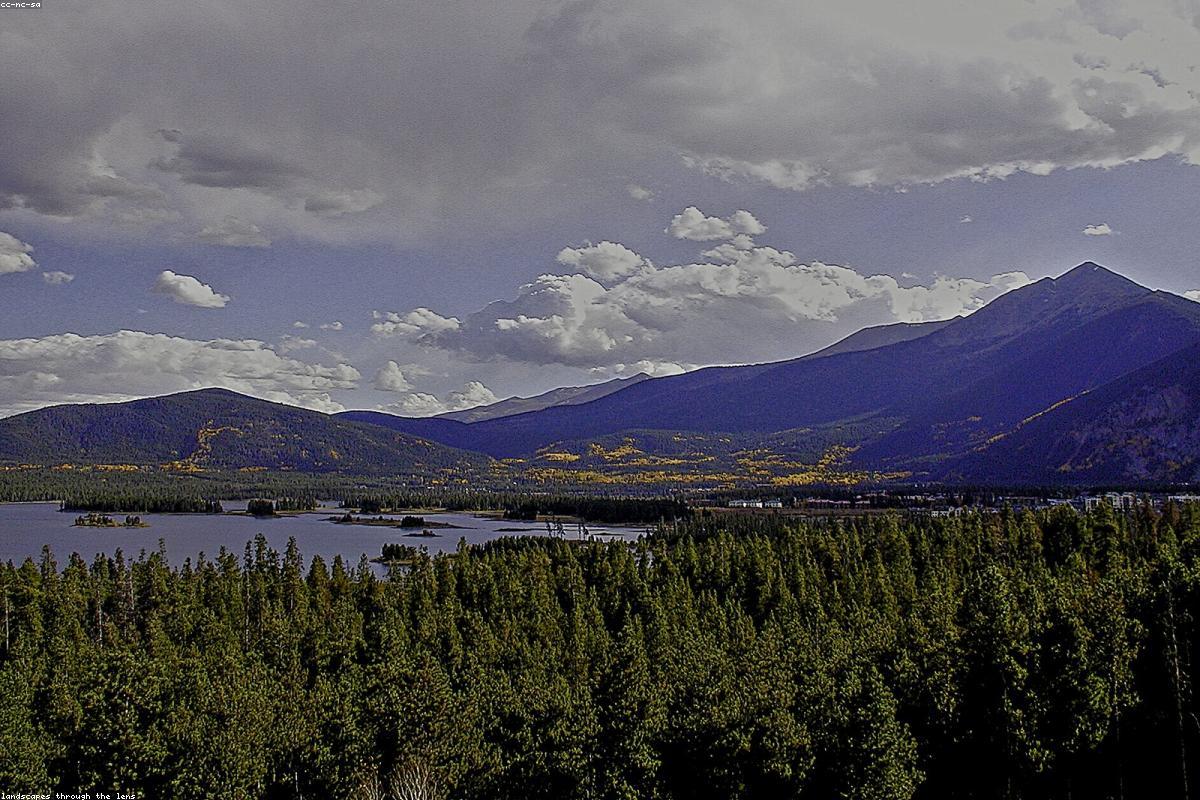
10 Best Places to See Colorado Fall Foliage
If you have ever dreamed of driving through a tunnel of golden aspen trees with mountains towering above you, Colorado in the fall is the place to be. The state is famous for its stunning autumn colors, and every year thousands of visitors flock here to witness one of the most spectacular natural shows in the United States. But with so many incredible spots to choose from, it can be hard to know where to start.
This guide covers the 10 best places to see Colorado fall foliage, from scenic drives and hidden valleys to iconic mountain towns. Whether you are a photographer chasing the perfect golden shot or a family looking for a peaceful weekend getaway, these destinations will take your breath away.
Key Takeaways
- Peak fall colors in Colorado typically occur from mid-September to early October, depending on elevation.
- The aspen trees are the star of the show, turning brilliant shades of gold, orange, and yellow.
- Scenic byways and mountain drives offer the most accessible ways to enjoy the foliage.
- Higher elevations change first, so plan your trip from north to south for the best experience.
- Weekdays are less crowded than weekends at popular leaf-peeping destinations.
- Bring layers — mountain weather in fall can change quickly from warm sunshine to cold wind.
- Many of these spots are free to visit, making fall foliage viewing one of the most affordable Colorado experiences.
Introduction
There is something magical about Colorado in the fall. The air gets crisp, the crowds thin out after summer, and the mountainsides transform into a patchwork of gold, amber, and crimson. Colorado is home to millions of acres of aspen forests, and when these trees change color, the entire landscape looks like it was painted by hand.
But here is the thing — timing is everything. The fall color window in Colorado is short, usually just two to three weeks at any given location. If you show up too early, the trees are still green. Too late, and the leaves have already fallen. That is why planning your trip around the right destinations and the right dates makes all the difference.
In this guide, we have rounded up the 10 best places to see Colorado fall foliage. From world-famous drives like the Million Dollar Highway to hidden gems most tourists never find, these spots deliver the kind of autumn beauty that will stay with you long after the leaves are gone. So grab your camera, pack a warm jacket, and let us hit the road.
1. Kebler Pass
About
Kebler Pass is widely considered one of the best places in all of Colorado to see fall foliage. Located near the town of Crested Butte in Gunnison County, this high-elevation pass sits at over 10,000 feet and is home to one of the largest aspen groves in the country. The dirt road that crosses the pass connects the towns of Crested Butte and Paonia, and the drive is nothing short of spectacular when the aspens turn gold.
Highlights
The standout feature of Kebler Pass is the sheer density of aspen trees. For miles in every direction, the hillsides are covered in shimmering gold. On a clear day, the contrast between the yellow leaves and the deep blue Colorado sky is almost unreal. The pass also offers views of the Raggeds Wilderness and the Anthracite Range, adding dramatic mountain backdrops to your photos.
Best Time to Visit
Peak colors at Kebler Pass typically occur from late September to early October. Because of the high elevation, the leaves here tend to change a bit earlier than in lower valleys, so plan accordingly.
Travel Tips
The road over Kebler Pass is unpaved but generally passable for regular cars in dry conditions. After rain or early snow, a high-clearance vehicle is recommended. There are no services on the pass, so fill up your gas tank and bring snacks and water before you go.
2. The Million Dollar Highway
About
The Million Dollar Highway is the name given to the stretch of US Route 550 that runs between Silverton and Ouray in southwestern Colorado. This 25-mile section of road is famous for its jaw-dropping mountain scenery, steep cliffs, and lack of guardrails. In the fall, the aspen groves along the route turn the entire corridor into a golden wonderland.
Highlights
What makes the Million Dollar Highway special is the combination of dramatic mountain terrain and brilliant fall color. The road climbs over Red Mountain Pass at 11,018 feet, and from the summit you can see layers of golden aspens stretching out in every direction. The old mining ruins scattered along the route add a touch of history and mystery to the landscape.
Best Time to Visit
Peak foliage along the Million Dollar Highway usually happens in late September. The high elevation means the colors can be short-lived, so check local reports before you make the drive.
Travel Tips
This drive is not for the faint of heart. The road is narrow, winding, and has steep drop-offs with no guardrails in many sections. Take your time, use pullouts to let faster traffic pass, and enjoy the views safely. Ouray and Silverton are both charming small towns worth exploring while you are in the area.
3. Maroon Bells
About
The Maroon Bells are two of the most photographed mountains in North America, and in the fall, they become even more iconic. Located just outside the town of Aspen, these twin peaks reflect in Maroon Lake, creating one of the most famous views in Colorado. When the surrounding aspen groves turn gold, the scene is absolutely unforgettable.
Highlights
The reflection of the Maroon Bells in Maroon Lake, framed by golden aspen trees, is the quintessential Colorado fall image. The contrast between the deep maroon-colored rock, the bright yellow leaves, and the still blue water is a photographer’s dream. There are several hiking trails around the lake that offer different vantage points and perspectives on the peaks.
Best Time to Visit
Peak colors at the Maroon Bells typically occur in mid to late September. The exact timing varies by year, so check with the Aspen tourism office for current conditions.
Travel Tips
Access to the Maroon Bells is restricted during peak season. From around June through October, you need to take a shuttle bus from Aspen Highlands to reach the lake. Reservations are required and can fill up quickly in fall, so book well in advance. Arriving early in the morning gives you the calmest water for reflections and the fewest crowds.
4. Guanella Pass
About
Guanella Pass is a scenic byway that connects the towns of Georgetown and Grant in central Colorado. The road climbs to an elevation of 11,669 feet and offers panoramic views of the surrounding mountains and valleys. In autumn, the slopes along the pass are blanketed in golden aspens, making it one of the most accessible and rewarding fall drives near Denver.
Highlights
The views from the summit of Guanella Pass are extraordinary. On a clear fall day, you can see Mount Bierstadt and Mount Evans to the east, with endless waves of golden aspens rolling down the hillsides below. The pass also provides access to the summit of Mount Bierstadt, one of Colorado’s most popular fourteeners, for those who want to combine leaf-peeping with a challenging hike.
Best Time to Visit
Peak foliage at Guanella Pass usually occurs in late September. The road is typically open through October, but early winter storms can close it, so check road conditions before heading out.
Travel Tips
Guanella Pass is easily accessible from Denver, making it a great day trip. The road is paved and suitable for all vehicles. Parking at the summit lot is limited and fills up fast on weekends, so try to visit on a weekday or arrive early. Bring warm clothing — it is always significantly colder at the summit than in the valleys below.
5. Telluride
About
Telluride is a charming mountain town nestled in a box canyon in southwestern Colorado. Surrounded by towering peaks and dense aspen forests, it is one of the most picturesque towns in the state. In the fall, the entire valley turns gold, and the combination of Victorian architecture and autumn color creates a scene that feels like something out of a storybook.
Highlights
The gondola ride from Telluride to Mountain Village offers a bird’s-eye view of the fall foliage blanketing the valley below. From up high, you can see the full scope of the color change — rivers of gold winding through green meadows and dark evergreen forests. The town itself is full of great restaurants, shops, and galleries, making it a perfect base for a fall getaway.
Best Time to Visit
Peak colors in Telluride typically occur in late September to early October. The town hosts several fall festivals during this period, adding to the festive atmosphere.
Travel Tips
Telluride is remote — the nearest major airport is in Montrose, about 90 minutes away. The free gondola runs until late October and is a must-do for panoramic views. Accommodation in Telluride can be expensive, so book early or consider staying in nearby Mountain Village or Ridgway for more affordable options.
6. Independence Pass
About
Independence Pass is the highest paved crossing of the Continental Divide in North America, sitting at 12,095 feet above sea level. The pass connects the towns of Twin Lakes and Aspen along Highway 82, and the drive is one of the most scenic in all of Colorado. In fall, the aspen groves along the upper portions of the pass put on a dazzling display of gold and amber.
Highlights
The views from the top of Independence Pass are staggering. You can see for miles in every direction, with layers of golden aspens giving way to rugged alpine peaks. The road itself is an adventure — narrow, winding, and with steep drop-offs that will get your heart pumping. Near the summit, you will find hiking trails that lead to alpine meadows and tarns surrounded by fall color.
Best Time to Visit
Peak foliage at Independence Pass usually occurs in mid to late September. The pass is typically closed from November through May due to snow, so fall is one of the last chances to drive it each year.
Travel Tips
The road is paved but very narrow in places, with sharp switchbacks and no guardrails. Large RVs and trailers are not recommended. The pass closes with the first significant snowfall, so check the Colorado DOT website for current road status before you go. Bring a jacket — temperatures at the summit can be 20 to 30 degrees cooler than in Aspen.
7. Vail
About
Vail is one of Colorado’s most famous ski resorts, but in the fall, it transforms into a leaf-peeper’s paradise. The entire Vail Valley is surrounded by national forest land thick with aspen trees, and when autumn arrives, the mountainsides glow with warm golden light. The village itself is modeled after a Bavarian alpine town, adding European charm to the Colorado mountain experience.
Highlights
One of the best ways to experience Vail’s fall foliage is to ride the Eagle Bahn Gondola to the top of Vail Mountain. From the summit, you can see the entire valley spread out below, with golden aspens stretching to the horizon. The hiking trails around the top of the mountain offer peaceful walks through groves of quaking aspens, and the mountain restaurants serve great food with incredible views.
Best Time to Visit
Peak colors in Vail typically occur in late September. The town hosts a fall festival with live music, food vendors, and family activities during peak foliage season.
Travel Tips
Vail is easily accessible via Interstate 70, about two hours from Denver. Gondola tickets can be purchased at the base, and combination passes that include mountain dining are available. If you want to avoid the resort crowds, the Gore Creek Trail and the Booth Falls Trail are excellent free alternatives for seeing fall color on foot.
8. Crested Butte
About
Crested Butte calls itself the “Wildflower Capital of Colorado,” but in the fall, the wildflowers give way to an equally stunning display of aspen gold. This small town in Gunnison County is surrounded by some of the most extensive aspen forests in the state, and the combination of colorful trees, rugged peaks, and a laid-back mountain town vibe makes it a perfect fall destination.
Highlights
The Kebler Pass road starts just outside of Crested Butte, making it easy to combine a visit to town with a drive through one of Colorado’s best aspen groves. Within town, the East River Trail offers a gentle walk through meadows and aspen groves with views of the surrounding peaks. The town itself has excellent restaurants, breweries, and a welcoming community feel that keeps visitors coming back year after year.
Best Time to Visit
Peak foliage in Crested Butte typically occurs in late September. The town’s elevation of nearly 9,000 feet means the colors can arrive a bit earlier than in lower towns.
Travel Tips
Crested Butte is about a four-hour drive from Denver, or you can fly into Gunnison-Crested Butte Regional Airport. The town is walkable, and many of the best fall hikes start right from the edge of town. If you are visiting for several days, consider renting a cabin for a more immersive mountain experience.
9. Rocky Mountain National Park
About
Rocky Mountain National Park is one of the most visited national parks in the United States, and for good reason. The park spans a huge range of elevations, from about 7,800 feet to over 14,000 feet, which means the fall color season lasts longer here than almost anywhere else in Colorado. While the park is famous for its elk and alpine tundra, the aspen groves in the lower elevations are equally spectacular in autumn.
Highlights
The Trail Ridge Road, the highest continuous paved road in North America, offers an incredible journey from golden aspen valleys up through the treeline and into the alpine tundra. The Kawuneeche Valley on the west side of the park is particularly beautiful in fall, with wide meadows framed by golden aspens and the Colorado River winding through the center. Elk are also very active during the fall rut, adding wildlife excitement to the visual spectacle.
Best Time to Visit
Because of the range of elevation, fall colors in Rocky Mountain National Park can be enjoyed from early September at the highest elevations through early October in the lower valleys. This extended season makes it a great choice if you missed peak color elsewhere.
Travel Tips
A timed entry reservation is required to enter the park during peak season, including fall. Book your reservation online well in advance, as slots fill up quickly. The park entrance fee is $35 per vehicle. For the best fall color experience, drive Trail Ridge Road early in the morning when the light is soft and the crowds are thin.
10. The San Juan Skyway
About
The San Juan Skyway is a 236-mile loop drive through the San Juan Mountains of southwestern Colorado. It passes through some of the most dramatic mountain scenery in the state, including the towns of Durango, Silverton, Ouray, Telluride, and Cortez. In the fall, the entire loop is lined with golden aspens, and the combination of mountain peaks, deep canyons, and historic mining towns makes this one of the best road trips in America.
Highlights
The variety of landscapes along the San Juan Skyway is what sets it apart. You will drive through alpine passes above treeline, descend into warm desert canyons, and pass through charming small towns that feel frozen in time. The section between Silverton and Ouray along the Million Dollar Highway is the most famous, but the entire loop is beautiful. Fall colors are at their peak in late September, and the crowds are much thinner than in summer.
Best Time to Visit
Peak foliage along the San Juan Skyway typically occurs in late September to early October. The loop can be driven in a single long day, but spending two to three days allows you to explore the towns and side roads along the way.
Travel Tips
The full loop is about 236 miles and takes at least seven to eight hours of driving time without stops. Plan for a full day minimum, or break it into two days with an overnight in Ouray or Telluride. Gas stations are sparse in some sections, so fill up when you can. The mountain passes along the route are steep and winding — take your time and enjoy the journey.
Colorado Fall Foliage Comparison Table
| Place | Location | Best Time to Visit |
|---|---|---|
| Kebler Pass | Near Crested Butte, Gunnison County | Late September to early October |
| Million Dollar Highway | Silverton to Ouray, SW Colorado | Late September |
| Maroon Bells | Near Aspen, Pitkin County | Mid to late September |
| Guanella Pass | Georgetown to Grant, central Colorado | Late September |
| Telluride | San Miguel County, SW Colorado | Late September to early October |
| Independence Pass | Twin Lakes to Aspen, Highway 82 | Mid to late September |
| Vail | Eagle County, central Colorado | Late September |
| Crested Butte | Gunnison County, central Colorado | Late September |
| Rocky Mountain National Park | Estes Park to Grand Lake | Early September to early October |
| San Juan Skyway | Durango to Silverton to Ouray loop | Late September to early October |
Frequently Asked Questions
When is the best time to see fall colors in Colorado?
The best time to see fall colors in Colorado depends on elevation and location. Generally, higher elevations above 9,000 feet start changing in early to mid-September, while lower valleys peak in late September to early October. The aspen trees are the main attraction, and their peak color window at any given location is usually just two to three weeks. Checking local foliage reports and social media updates from the areas you plan to visit is the best way to time your trip perfectly.
What causes the leaves to change color in Colorado?
Leaves change color because of chemical processes triggered by shorter daylight hours and cooler temperatures. As the green chlorophyll in the leaves breaks down, other pigments become visible — carotenoids produce yellow and orange colors, while anthocyanins create reds and purples. In Colorado, aspen trees are the dominant fall color species, and they turn brilliant shades of gold and yellow. The best color displays happen when warm sunny days are followed by cool but not freezing nights.
Do I need reservations to visit these fall foliage spots?
It depends on the location. Rocky Mountain National Park requires a timed entry reservation during peak season, including fall. The Maroon Bells shuttle also requires advance reservations. Most other locations on this list, including Kebler Pass, Guanella Pass, and the Million Dollar Highway, do not require reservations. However, parking at popular trailheads and viewpoints can fill up quickly on weekends, so arriving early is always a good idea.
Can I see Colorado fall foliage on a budget?
Absolutely. Most of the best fall foliage spots in Colorado are free to visit. Scenic drives like Kebler Pass, Guanella Pass, Independence Pass, and the San Juan Skyway cost nothing but gas money. Many of the hiking trails mentioned in this guide are on public land and free to access. If you camp instead of staying in hotels, you can experience Colorado’s fall beauty for very little cost. The most expensive part of a fall foliage trip is usually accommodation in popular towns like Aspen, Telluride, and Vail.
What should I pack for a Colorado fall foliage trip?
Layering is key for fall in Colorado. Mornings and evenings can be near freezing, even when afternoons are warm and sunny. Pack a warm fleece or down jacket, a waterproof shell, sturdy hiking shoes or boots, a hat, and gloves. Bring sunglasses and sunscreen — the sun is intense at high elevation. A thermos of hot coffee or tea makes a scenic overlook stop even more enjoyable. And do not forget your camera — you will want to capture these colors.
Are there guided fall foliage tours in Colorado?
Yes, several companies and local organizations offer guided fall foliage tours. In Aspen, you can book guided hikes and jeep tours that take you to the best color spots. The Durango and Silverton Narrow Gauge Railroad offers scenic train rides through the fall-colored canyons of the Animas River Valley. Many local outfitters in mountain towns offer guided hikes, photography workshops, and driving tours timed to peak color. These can be a great option if you want expert guidance and local knowledge.
Is Colorado fall foliage worth the trip?
Without a doubt. Colorado’s fall foliage is considered among the best in the United States, and for good reason. The combination of millions of acres of golden aspen trees, dramatic mountain scenery, and crisp autumn air creates an experience that is hard to match anywhere else. Whether you drive a scenic byway, hike a mountain trail, or simply sit by a lake and watch the leaves fall, Colorado in the fall is the kind of trip that stays with you forever. Start planning now — the colors wait for no one.
Conclusion
Colorado in the fall is one of those experiences that belongs on every nature lover’s bucket list. From the vast aspen groves of Kebler Pass to the dramatic cliffs of the Million Dollar Highway, from the iconic reflections at Maroon Bells to the sweeping vistas of the San Juan Skyway, this state delivers autumn beauty on a scale that is hard to believe until you see it with your own eyes.
The key to a great Colorado foliage trip is timing and flexibility. Peak color windows shift from year to year based on weather, so keep an eye on local reports and be ready to adjust your plans. Visit on weekdays when possible, arrive early at popular spots, and always bring warm layers for those chilly mountain mornings.
So start planning your Colorado fall adventure today. Pick a few destinations from this list, map out your route, and get ready to be amazed. The aspens are waiting, and they put on one heck of a show.
Share this post with your friends and start planning your Colorado fall foliage trip today.


The Petrified Forests of the American Southwest — A Complete Guide
Imagine walking through a forest where the trees turned to stone millions of years ago — still standing, still colorful, but made entirely of crystal. That’s exactly what you’ll find at the Petrified Forest National Park in Arizona. It’s one of the most surreal and underrated natural wonders in the United States, and if you haven’t added it to your road trip list yet, you’re missing out.
Key Takeaways
- The Petrified Forest in Arizona holds the world’s largest collection of petrified wood, dating back over 200 million years.
- The park spans more than 200,000 acres of painted desert landscapes, ancient fossils, and archaeological sites.
- Best time to visit is spring (March to May) or fall (September to November) for mild weather and fewer crowds.
- Entry is $25 per vehicle and the park is open year-round, though winter can bring snow.
- No camping is allowed inside the park, but nearby Holbrook and the Painted Desert Inn offer lodging options.
What Exactly Are Petrified Forests?
Petrified forests aren’t forests in the traditional sense. They’re ancient forests that got buried under volcanic ash and sediment millions of years ago. Over time, minerals like silica seeped into the wood and slowly replaced the organic material, turning each log into stone. The result is something that looks and feels like rock but still shows the original tree rings, bark texture, and even insect boreholes.
The process is called permineralization. Groundwater rich in dissolved minerals flows through the buried wood. As the water evaporates, it leaves behind deposits of quartz, calcite, and other minerals inside the wood cells. Bit by bit, the original plant material gets replaced by stone — but the structure stays exactly the same. It’s nature’s version of a perfect mold.
What makes the American Southwest special is that it holds some of the most extensive and best-preserved petrified forests on the planet. The combination of ancient volcanic activity, vast floodplains, and millions of years of geological pressure created perfect conditions for petrification on a massive scale.
The Petrified Forest National Park, Arizona
About the Park
Located in northeastern Arizona between Holbrook and Navajo, the Petrified Forest National Park covers about 221,000 acres. It was designated a national monument in 1906 and became a national park in 1962. Most visitors only see a fraction of it — the main park road runs about 28 miles north to south, connecting all the major viewpoints and hiking trails.
The park sits right on the edge of the Painted Desert, which means the landscape is a constantly shifting palette of red, orange, purple, and gray. It’s beautiful in a way that doesn’t look quite real.
Highlights You Can’t Miss
The Crystal Forest: This is probably the most popular stop, and for good reason. A short 0.75-mile loop trail takes you past some of the most colorful petrified wood specimens in the park. The logs here are scattered across the desert floor like debris from a giant’s campfire — deep reds, purples, yellows, and whites all mixed together.
Agate Bridge: A complete petrified log that stretches across a small gully, forming a natural bridge. It’s one of the most photographed features in the park, and standing next to it gives you a real sense of how massive these ancient trees were.
The Painted Desert Inn: This historic building right off Interstate 40 was originally built in the 1920s and restored by the Civilian Conservation Corps in the 1930s. It’s now a museum and bookstore, and the Hopi murals inside are worth the stop by itself. The views from the back porch stretch for miles across the painted desert.
Blue Mesa: A 3.5-mile loop drive takes you down into a landscape that looks like another planet. The blue, purple, and gray badlands formations here are made of bentonite clay, and the short one-mile trail drops you right into the middle of it. Petrified wood litters the hillsides.
Newspaper Rock: This rock face is covered with over 650 petroglyphs carved by ancestral Puebloan people between 650 and 2,000 years ago. It’s a powerful reminder that this landscape has been meaningful to humans for a very long time.
The Rainbow Forest Museum: Located at the south end of the park, this small museum has excellent displays on the geology of petrification and the Triassic period fossils found in the park. It’s a great place to start your visit to understand what you’re looking at.
The Experience
Most people drive through the park in about two to three hours, but that barely scratches the surface. If you really want to experience it, plan for at least half a day. Hike the Crystal Forest loop, walk down into Blue Mesa, and take the trail to Agate House — a small pueblo built entirely out of petrified wood, dating back about 700 years.
The desert silence here is something else. On a weekday in spring or fall, you can stand on a ridge overlooking the Painted Desert and hear absolutely nothing but wind. It’s the kind of quiet that makes you realize how noisy your normal life actually is.
Photographers will want to be there in the late afternoon. The low sun brings out the colors in the petrified wood and the painted desert in a way that midday light just can’t match. The blue and purple clays of Blue Mesa look almost neon when the light hits them at the right angle.
Best Time to Visit
Spring (March through May) and fall (September through November) are the sweet spots. Temperatures range from the 50s to the 80s Fahrenheit, and the light is gorgeous for photography. Summer is brutally hot — temperatures regularly exceed 100°F, and there’s almost no shade. Winter can be surprisingly cold, with occasional snow, but the park is rarely crowded and the snow on the painted desert is a sight you won’t forget.
Monsoon season runs from July through September. Afternoon thunderstorms can pop up fast, and flash flooding is a real danger in the washes and canyons. If you’re visiting in summer, do your hiking in the morning and be off the trails by early afternoon.
Why You Should Visit
The Petrified Forest is one of those places that changes how you think about time. You’re walking among trees that were alive when dinosaurs were just beginning to appear on Earth. The logs on the ground are over 200 million years old. That’s not a number most of us can really wrap our heads around, but standing next to a petrified log the size of a school bus helps put it in perspective.
It’s also one of the most accessible national parks in the Southwest. You can see the highlights in a few hours, and the main road is paved and easy to drive. It’s right off Interstate 40, so it fits naturally into a road trip that might also include the Grand Canyon, Monument Valley, or the Painted Desert.
Travel Tips
- Don’t take any petrified wood. It’s illegal to remove anything from the park, and rangers do enforce this. People who’ve taken pieces often mail them back with apology letters, claiming the wood brought them bad luck. Whether you believe in bad luck or not, just leave it where it is.
- Bring more water than you think you need. The desert is dry, the sun is intense, and there are very few water sources in the park. A gallon per person per day is a good rule of thumb.
- Wear sunscreen and a hat. There’s almost no shade on most of the trails. Sunburn happens fast at this altitude.
- Stay on marked trails. The clay hills are fragile, and walking off-trail damages the landscape in ways that take decades to heal.
- Fill up your gas tank in Holbrook. There’s no gas station in the park, and the nearest town is about 25 miles away.
Other Petrified Forests Worth Knowing About
While the Petrified Forest National Park in Arizona is the most famous, it’s not the only one in the American Southwest. Here are a few other notable sites:
Petrified Forest National Park, Arizona — The main attraction. Over 200,000 acres of petrified wood, painted desert, and Triassic fossils. Best for first-time visitors and families.
Escalante Petrified Forest State Park, Utah — Located near the Grand Staircase-Escalante National Monument, this smaller park has colorful petrified wood and a pleasant campground. The 1.5-mile Petrified Forest Trail climbs to a ridge covered with petrified logs.
Ginkgo Petrified Forest State Park, Washington — On the banks of the Columbia River, this park preserves petrified wood from trees that grew before the Cascade Mountains existed. Over 50 species of petrified wood have been identified here, which is unusual.
Florissant Fossil Beds National Monument, Colorado — Famous for its incredibly detailed fossilized insects and plants, this site also has massive petrified redwood stumps. The petrified forest here is from the Eocene epoch, about 34 million years ago.
Comparison Table: Petrified Forest Sites in the American Southwest
| Place Name | Location | Best Time to Visit |
|---|---|---|
| Petrified Forest National Park | Arizona (near Holbrook) | March – May, September – November |
| Escalante Petrified Forest State Park | Utah (near Escalante) | April – June, September – October |
| Ginkgo Petrified Forest State Park | Washington (near Vantage) | May – September |
| Florissant Fossil Beds National Monument | Colorado (near Florissant) | June – September |
How Petrified Wood Gets Its Colors
One of the first things visitors notice is how colorful the petrified wood is. The colors come from different minerals that were present during the petrification process:
- Red and orange — Iron oxide (essentially rust). This is the most common color and gives the Painted Desert its name.
- Purple and violet — Manganese oxide. The deep purple pieces are some of the most prized specimens.
- Yellow and brown — Also iron oxide, but in a different chemical form.
- White and gray — Pure silica or quartz. These pieces look the most like fresh wood.
- Blue and green — Chromium, copper, or cobalt minerals. These are rarer and harder to find.
The specific mix of minerals depends on the chemistry of the groundwater that flowed through the wood millions of years ago. That’s why you can find pieces of wildly different colors right next to each other — they were petrified under slightly different conditions.
The Ancient Forest That Used to Be Here
During the Late Triassic period, about 225 million years ago, the area that’s now northeastern Arizona looked nothing like a desert. It was a tropical floodplain with massive rivers, lush vegetation, and a warm, humid climate. The trees were mostly conifers — relatives of modern Araucaria trees — and some of them grew over 200 feet tall with trunks 10 feet in diameter.
When these trees died, they fell into the floodplain and were quickly buried by volcanic ash and river sediment. The burial was key — it sealed the wood off from oxygen, which slowed decay and gave the minerals time to do their work. Over millions of years, the wood was completely replaced by silica, preserving every detail of the original structure.
The same volcanic eruptions that buried the forest also left behind layers of ash that you can still see in the park’s rock formations today. In a very real sense, the destruction of the ancient forest is what made the petrified forest possible.
Frequently Asked Questions
How old is the petrified wood in Arizona?
Most of the petrified wood in the Petrified Forest National Park dates to the Late Triassic period, roughly 210 to 225 million years ago. That makes it older than most dinosaurs.
Can I take petrified wood home from the park?
No. Removing any natural or cultural material from a national park is illegal under federal law. Fines can be substantial. If you want a piece of petrified wood, there are rock shops outside the park that sell legally collected specimens.
Is the Petrified Forest worth visiting if I’ve seen the Grand Canyon?
Absolutely. The two parks offer completely different experiences. The Grand Canyon is about massive scale and depth. The Petrified Forest is about color, texture, and deep time. Many visitors say the Petrified Forest was the surprise highlight of their Southwest road trip.
How much time do I need at the Petrified Forest?
You can drive the main road and hit the major viewpoints in about two to three hours. But if you want to hike the trails and really explore, plan for a full day. The backcountry hiking opportunities are extensive if you’re up for it.
Is the park accessible for people with mobility issues?
Many of the main viewpoints and the Painted Desert Inn are wheelchair accessible. The Crystal Forest loop is paved but has some uneven sections. The Blue Mesa trail is not accessible due to steep, loose terrain. Check with the visitor center for the most current accessibility information.
Are there dinosaurs at the Petrified Forest?
Not exactly. The petrified wood is from the Triassic period, which is actually before the classic dinosaurs like T. rex and Triceratops. But the park does have fossils of early dinosaurs, giant amphibians, and other Triassic creatures. The Rainbow Forest Museum has excellent displays on these finds.
What should I bring when visiting?
Water (at least one gallon per person), sunscreen, a hat, sturdy walking shoes, and a camera. If you’re visiting in summer, bring electrolyte drinks and plan to be off the trails by early afternoon. In winter, bring warm layers — it gets cold.
Conclusion
The Petrified Forests of the American Southwest are one of those places that sound almost too strange to be real. Trees turned to stone. Colors that shouldn’t exist in nature. A landscape that’s been quietly sitting there for over 200 million years, waiting for you to come look at it.
Whether you’re a geology nerd, a photographer chasing the perfect light, a family looking for an easy and educational day trip, or just someone who wants to stand in a place that makes the rest of life feel a little less urgent — this park delivers. It’s not as famous as the Grand Canyon or as flashy as Zion, but it might just be the most thought-provoking place in the entire Southwest.
Start planning your trip today. The petrified wood has been waiting 225 million years — it can wait a little longer, but you shouldn’t put it off.
Share this post with your friends who love road trips and hidden natural wonders. And if you’ve already been to the Petrified Forest, tell us about your experience in the comments below.

Why Are Polar Bears Endangered and What Can We Do
Polar bears are the largest land carnivores on Earth, but their future is in serious danger. These magnificent Arctic predators face shrinking sea ice, rising temperatures, and a rapidly changing habitat. Understanding why polar bears are endangered is the first step toward protecting them before it is too late.
Key Takeaways
- Polar bears rely on sea ice to hunt seals, their primary food source
- Arctic sea ice is melting at an alarming rate due to climate change
- The current global population is estimated at 22,000 to 31,000 bears
- Polar bears are classified as Vulnerable on the IUCN Red List
- Reducing carbon emissions and supporting conservation efforts can help save them
The Arctic Home Polar Bears Depend On
Polar bears spend most of their lives on the frozen Arctic Ocean. Unlike other bears, they are built for the cold with thick layers of fat, black skin that absorbs heat, and white fur that camouflages them against the snow. They are powerful swimmers too, capable of covering dozens of miles in open water between ice floes.
But the Arctic these bears call home is changing fast. Temperatures in the Arctic are rising nearly four times faster than the global average. This rapid warming is causing sea ice to melt earlier in spring and form later in autumn. For polar bears, this means less time on the ice and more time on land where food is scarce.
Sea ice is not just a platform for polar bears to walk on. It is the foundation of their entire hunting strategy. They wait patiently by seal breathing holes or break through thin ice to catch their prey. Without solid ice, their ability to hunt effectively drops dramatically.
Why Are Polar Bears Losing Their Habitat
The single biggest threat to polar bears is the loss of their sea ice habitat. Scientists have documented a steady decline in Arctic sea ice extent over the past several decades. Satellite records show that the amount of summer sea ice today is roughly 40 percent less than it was in the late 1970s.
This loss is driven primarily by global warming caused by greenhouse gas emissions. When humans burn fossil fuels like coal, oil, and natural gas, carbon dioxide and other greenhouse gases are released into the atmosphere. These gases trap heat and warm the planet, with the Arctic feeling the effects more intensely than anywhere else.
As the ice melts, polar bears are forced to swim longer distances between remaining ice patches. Some bears have been tracked swimming over 400 miles in open water. These long swims are exhausting and dangerous, especially for young cubs that may not have the strength to complete the journey.
How Melting Ice Affects Polar Bear Survival
When sea ice retreats, polar bears are pushed onto land where they have limited access to their main prey. Seals are rich in fat and provide the energy polar bears need to survive and reproduce. On land, bears may scavenge for bird eggs, berries, or whale carcasses, but these food sources cannot replace the caloric density of a seal.
Research has shown that bears spending more time on land are thinner and have lower body condition scores. Female bears in poor condition are less likely to produce cubs, and those that do may have smaller litters with lower survival rates. A study published in Ecological Applications found that in the southern Beaufort Sea population, cub survival rates declined significantly during years with low sea ice.
The problem compounds over time. Less ice means shorter hunting seasons, which means bears enter the denning period in worse shape. Pregnant females need substantial fat reserves to produce milk for their cubs through the winter. Without enough food, the entire reproductive cycle is disrupted.
Other Threats Facing Polar Bears
While habitat loss is the primary concern, polar bears face additional pressures that make their situation even more precarious.
Pollution and Contaminants
Toxic chemicals from industrial activities around the world are carried to the Arctic by ocean currents and atmospheric patterns. These pollutants, including mercury, PCBs, and pesticides, accumulate in the fatty tissues of polar bears. High levels of these contaminants can affect the bears immune systems, hormone regulation, and reproductive health.
Human Encroachment
As the Arctic becomes more accessible due to melting ice, human activity in the region is increasing. Shipping routes are opening up, oil and gas exploration is expanding, and tourism is growing. These activities can disturb polar bears, destroy denning sites, and increase the risk of oil spills that could be devastating to Arctic ecosystems.
Overharvesting
In some regions, polar bears are hunted by Indigenous communities for subsistence. While this practice is legal and culturally important in certain areas, it adds additional pressure on populations already stressed by habitat loss. Most countries with polar bear populations have established management agreements to monitor and regulate hunting quotas.
Polar Bear Population Status Around the World
There are 19 recognized subpopulations of polar bears spread across five countries: Canada, the United States (Alaska), Russia, Norway (Svalbard), and Greenland (Denmark). The total global population is estimated at approximately 22,000 to 31,000 individuals.
The status of these subpopulations varies significantly. Some populations appear to be stable or even increasing, while others are showing clear signs of decline. The Western Hudson Bay population in Canada has decreased by roughly 30 percent since the 1980s, closely tracking the decline in sea ice duration in that region.
| Population | Region | Estimated Size | Trend |
|---|---|---|---|
| Western Hudson Bay | Canada | ~800 | Declining |
| Southern Beaufort Sea | Canada / US | ~900 | Declining |
| Baffin Bay | Canada / Greenland | ~2,800 | Stable |
| Kane Basin | Canada / Greenland | ~350 | Stable |
| Svalbard | Norway | ~2,600 | Stable |
| Chukchi Sea | US / Russia | ~3,000 | Unknown |
Scientists use a combination of aerial surveys, satellite tracking, and mark-recapture studies to monitor these populations. However, the remote and harsh conditions of the Arctic make comprehensive surveys extremely challenging and expensive.
What Happens If We Do Nothing
If greenhouse gas emissions continue at their current pace, climate models predict that the Arctic could be virtually ice-free during summer months by the 2040s or 2050s. For polar bears, this would be catastrophic. Without summer sea ice, many subpopulations would face starvation and rapid decline.
Some researchers estimate that two-thirds of the world polar bear population could disappear by mid-century if current trends continue. The species would likely be reclassified from Vulnerable to Endangered on the IUCN Red List, and some local populations could face extirpation entirely.
The loss of polar bears would also have cascading effects throughout the Arctic ecosystem. As apex predators, polar bears help regulate seal populations and influence the distribution of other species. Their disappearance would trigger changes that ripple through the entire food web.
What Can We Do to Help Polar Bears
The good news is that it is not too late to make a difference. While the situation is serious, there are meaningful actions that individuals, communities, and governments can take to protect polar bears and their habitat.
Reduce Your Carbon Footprint
The most important thing anyone can do is reduce their contribution to climate change. This means driving less, using energy-efficient appliances, choosing renewable energy sources when possible, and being mindful of consumption habits. Every ton of carbon dioxide that is not emitted helps slow the warming of the Arctic.
Support Conservation Organizations
Groups like Polar Bears International, the World Wildlife Fund, and the Arctic Council are working on research, policy, and direct conservation efforts. Donating to or volunteering with these organizations helps fund critical scientific research and advocacy work.
Advocate for Climate Policy
Individual actions matter, but systemic change is needed to address the scale of the problem. Contacting elected officials, supporting climate-friendly policies, and voting for leaders who prioritize environmental protection can drive the large-scale action that polar bears need.
Make Sustainable Consumer Choices
Choosing sustainable seafood, reducing plastic consumption, and supporting companies with strong environmental commitments all contribute to healthier oceans and a more stable climate. These choices may seem small, but they add up when millions of people make them.
Educate Others
Simply sharing what you have learned about polar bears and climate change with friends, family, and your community helps build awareness and support for conservation. The more people understand the connection between their daily choices and the fate of Arctic wildlife, the stronger the collective response will be.
Success Stories and Reasons for Hope
Despite the challenges, there are reasons to be cautiously optimistic. International agreements like the Paris Climate Accord have brought global attention to the need for emissions reductions. Renewable energy is growing rapidly and becoming more affordable every year.
In some regions, polar bear populations have remained stable thanks to effective management and conservation programs. The 1973 Agreement on the Conservation of Polar Bears, signed by all five range countries, was one of the first international treaties focused on protecting a single species and its habitat. This agreement continues to provide a framework for cooperation today.
New technologies are also helping scientists better understand polar bear behavior and population dynamics. Satellite collars, drone surveys, and genetic analysis are providing data that can guide more effective conservation strategies.
Frequently Asked Questions
How many polar bears are left in the world?
The current global population estimate is between 22,000 and 31,000 polar bears. This number is difficult to pin down precisely because of the remote and harsh conditions in which they live. Some subpopulations are stable while others are declining.
Are polar bears endangered or threatened?
Polar bears are currently classified as Vulnerable on the IUCN Red List of Threatened Species. They were listed as a threatened species under the US Endangered Species Act in 2008. Some scientists argue they should be reclassified to Endangered given the accelerating pace of Arctic warming.
What do polar bears eat?
Polar bears primarily eat ringed seals and bearded seals. They hunt by waiting near seal breathing holes or stalking seals resting on the ice. They also occasionally eat walruses, beluga whales, fish, and seabirds. On land, they may scavenge whale carcasses or eat berries and kelp, but these cannot sustain them long-term.
How long can polar bears survive without ice?
Polar bears can survive on land for extended periods, but their health and reproductive success decline significantly without access to their primary prey. Bears in Western Hudson Bay, for example, spend about 30 more days on land now than they did in the 1980s, and this has been linked to lower body condition and reduced cub survival.
Can polar bears adapt to life on land?
While polar bears are intelligent and adaptable, they are highly specialized for hunting seals on sea ice. Their large paws, powerful limbs, and hunting strategies are all optimized for the ice environment. A land-based diet simply cannot provide the calories they need to maintain their massive body size and support reproduction.
What is the biggest threat to polar bears?
The single biggest threat is the loss of Arctic sea ice due to climate change. Other threats include pollution, human disturbance, and overharvesting, but none of these compare to the fundamental challenge of losing the ice platform that polar bears depend on for survival.
How can kids help polar bears?
Kids can help by learning about climate change and sharing what they know with others. Simple actions like turning off lights, walking or biking instead of driving, and reducing waste all help. Kids can also participate in school projects, write letters to elected officials, and raise funds for conservation organizations.
Conclusion
Polar bears are facing an uncertain future, but their fate is not yet sealed. The choices we make today about energy, consumption, and conservation will determine whether these iconic Arctic predators continue to roam the frozen north or become a memory of a world we let slip away.
The connection between our daily lives and the survival of polar bears may seem distant, but it is real and direct. Every action that reduces greenhouse gas emissions, every dollar donated to conservation, and every conversation that raises awareness brings us one step closer to a future where polar bears thrive on healthy Arctic ice.
Start planning your trip today to see the Arctic and its wildlife, or simply share this post with your friends to spread the word. Together, we can make a difference for polar bears and for the planet we all share.

Why Beech Forests Turn Gold in Autumn
If you have ever walked through a forest in fall and felt like you stepped into a golden wonderland, chances are beech trees were the reason. Beech forests are some of the most spectacular sights in nature when autumn arrives, transforming entire landscapes into shades of gold, copper, and amber. But what exactly causes this magical change? And where can you see it for yourself?
The short answer: beech trees turn gold in autumn because of a combination of pigments inside their leaves, triggered by shorter days and cooler temperatures. As the green chlorophyll breaks down, golden-yellow carotenoid pigments are revealed, creating that famous autumn glow.
Key Takeaways
- Beech trees turn gold in autumn when chlorophyll breaks down and reveals yellow-orange pigments underneath.
- The best time to see golden beech forests is typically mid-October through early November in the Northern Hemisphere.
- Europe has some of the most famous beech forests in the world, including ancient UNESCO-protected stands.
- Weather conditions like cool nights and sunny days make the colors more intense.
- You do not need to be a scientist or a botanist to enjoy this spectacle. Just grab a jacket and head outside.
The Science Behind the Golden Color
During spring and summer, beech tree leaves are green because of chlorophyll. Chlorophyll is the pigment that helps the tree turn sunlight into food through photosynthesis. It is so dominant that it masks other pigments hiding in the leaves.
But as days get shorter and temperatures drop in autumn, beech trees start preparing for winter. They slow down and eventually stop producing chlorophyll. As the green pigment fades away, other pigments that were there all along finally get their moment in the spotlight.
The main pigments responsible for the golden color in beech leaves are carotenoids. These are the same pigments that make carrots orange and corn yellow. In beech trees, carotenoids produce warm golden and copper tones that are absolutely stunning when you see them across an entire hillside.
Beech trees do not produce much anthocyanin, which is the pigment responsible for red and purple colors in maples and oaks. That is why beech forests lean toward gold and amber rather than deep reds. The result is a softer, more uniform golden canopy that feels almost like sunlight is coming from within the forest itself.
What Makes Some Years More Spectacular Than Others
Not every autumn is equal when it comes to beech forest color. The intensity of the gold depends on several weather factors:
Cool nights and sunny days are the magic combination. Cool temperatures at night help break down chlorophyll faster, while sunny days allow the tree to produce sugars that get trapped in the leaves. This process enhances the golden tones.
Dull, rainy autumns tend to produce more muted colors. The leaves may turn brownish-yellow and fall before reaching their full golden potential.
An early frost can cut the show short. A hard freeze kills the leaves quickly, turning them brown before the color fully develops.
The best autumns for beech forest color usually come after a warm, dry summer followed by a cool but not freezing autumn. If you are planning a trip specifically to see golden beech forests, keep an eye on the weather forecasts in the weeks before your visit.
The Best Places to See Golden Beech Forests
Beech trees are native to temperate regions across Europe, North America, and parts of Asia. But some locations are truly world-class when it comes to autumn color. Here are the top destinations where beech forests put on their best golden show.
1. The Black Forest, Germany
The Black Forest in southwestern Germany is one of the most iconic beech forest destinations in Europe. Despite its name, the forest is far from dark in autumn. European beech trees dominate large sections, turning the rolling hills into a sea of gold every October. The region is well set up for visitors, with countless hiking trails, scenic drives, and charming villages nestled among the trees.
Best time to visit: Mid-October to early November
Why you should visit: It combines stunning autumn color with German culture, food, and wine festivals that happen at the same time of year.
2. Białowieża Forest, Poland and Belarus
This UNESCO World Heritage Site is one of the last remaining primeval forests in Europe. While it is famous for its European bison, the beech and hornbeam sections are breathtaking in autumn. Walking through a forest that has existed since the last ice age, surrounded by golden leaves, is a humbling experience.
Best time to visit: Late September to mid-October
Why you should visit: It offers a rare chance to see an ancient, untouched forest ecosystem at its most beautiful.
3. The Lake District, England
The Lake District in northern England has beautiful beech woodlands that turn gold every autumn. The combination of golden trees reflected in still lakes is one of the most photographed scenes in England. Places like Tarn Hows, Borrowdale Valley, and the woods around Derwentwater are particularly stunning.
Best time to visit: Mid-October to early November
Why you should visit: The reflections of golden beech trees in the lakes create a double dose of autumn beauty.
4. The Ardennes, Belgium and France
The Ardennes region is covered in dense beech and oak forests that put on an incredible autumn display. The hilly terrain means you can often look out over a rolling landscape of gold, orange, and green all at once. It is less crowded than some of the more famous European destinations, which makes it perfect for a peaceful autumn getaway.
Best time to visit: Mid-October to early November
Why you should visit: Fewer tourists, affordable accommodations, and some of the best hiking trails in Western Europe.
5. Great Smoky Mountains, United States
While North American beech trees are different from their European cousins, they still put on a golden show every autumn. The Great Smoky Mountains National Park in Tennessee and North Carolina has extensive beech forests, especially at higher elevations. The combination of golden beeches with red maples and orange oaks creates one of the most diverse autumn palettes in the world.
Best time to visit: Mid-October (higher elevations) to late October (lower elevations)
Why you should visit: The Smokies are one of the most visited national parks in the US for a reason. The autumn color is world-class and the park is free to enter.
6. The Cotswolds, England
The beech woodlands of the Cotswolds are some of the most beautiful in England. The famous Cotswolds beech avenues, where rows of beech trees line country roads, turn into golden tunnels in autumn. It is a sight that feels almost too perfect to be real.
Best time to visit: Late October to early November
Why you should visit: The combination of golden beech avenues, honey-colored stone villages, and rolling hills is quintessentially English.
7. Teide National Park, Tenerife, Spain
This might surprise you, but the laurel forests of the Canary Islands, including areas near Teide, contain beech-related species that show autumn color even in a subtropical climate. While not as dramatic as mainland Europe, the contrast of golden leaves against volcanic landscapes is unique.
Best time to visit: Late October to November
Why you should visit: It offers a completely different setting for autumn color, combining golden foliage with volcanic terrain.
8. Shirakami-Sanchi, Japan
This UNESCO World Heritage Site in northern Japan contains one of the last virgin beech forests in East Asia. The Japanese beech, known as buna, turns brilliant shades of yellow and gold every autumn. The forest is remote and largely untouched, offering a wild and authentic nature experience.
Why you should visit: It is one of the most pristine beech forests left on Earth, and the autumn color against Japanese mountain scenery is unforgettable.
Comparison of Top Golden Beech Forest Destinations
| Place Name | Location | Best Time to Visit |
|---|---|---|
| The Black Forest | Germany | Mid-October to early November |
| Białowieża Forest | Poland and Belarus | Late September to mid-October |
| The Lake District | England | Mid-October to early November |
| The Ardennes | Belgium and France | Mid-October to early November |
| Great Smoky Mountains | United States | Mid-October to late October |
| The Cotswolds | England | Late October to early November |
| Teide National Park | Tenerife, Spain | Late October to November |
| Shirakami-Sanchi | Japan | Early to mid-October |
How Beech Trees Prepare for Winter
The color change is not just for our enjoyment. It is part of a survival strategy that beech trees have developed over millions of years.
As autumn progresses, beech trees form a layer of cells at the base of each leaf stem called the abscission layer. This layer slowly cuts off the flow of water and nutrients to the leaf. Without water, the leaf cannot produce new chlorophyll, and the green color fades.
At the same time, the tree is pulling valuable nutrients like nitrogen and phosphorus back from the leaves and storing them in the trunk and roots. This is the tree saving its resources for next spring. The golden color you see is essentially the tree taking apart its own solar panels and packing away the useful parts for winter.
Once the abscission layer is complete, the leaves fall to the ground. Beech leaves are slow to decompose compared to other species, so they form a thick carpet on the forest floor. This leaf litter actually helps the beech tree by suppressing competing plants and retaining moisture in the soil.
Why Beech Forests Feel Different From Other Autumn Forests
There is something special about walking through a beech forest in autumn that is hard to put into words. Part of it is the color itself. The uniform golden canopy creates a warm, glowing light inside the forest that photographers call “beech gold.”
Beech trees also have a unique structure that adds to the experience. Their smooth, silver-grey trunks stand in striking contrast to the golden leaves above. In a dense beech forest, the trunks seem to glow in the warm autumn light, creating an almost cathedral-like atmosphere.
Another reason beech forests feel different is the sound. Beech leaves are relatively small and dry when they fall, so walking through a beech forest in autumn means crunching through a thick layer of golden leaves. It is one of those simple pleasures that stays with you.
Finally, beech forests tend to be quieter and more peaceful than forests with more mixed species. The dense canopy blocks out a lot of sound, and the thick leaf litter absorbs what remains. It is the kind of silence that makes you want to stop walking and just stand there, looking up through the golden leaves at the sky above.
Tips for Visiting Beech Forests in Autumn
If you are planning a trip to see golden beech forests, here are some practical tips to make the most of your visit.
Check the foliage reports. Many national parks and tourism websites publish weekly or even daily foliage updates during autumn. These reports tell you exactly how far along the color change is, so you can time your visit for peak color.
Go early in the morning. The light in beech forests is most magical in the early morning when the low sun shines through the golden leaves. You will also have the forest to yourself before the crowds arrive.
Bring layers. Autumn mornings in beech forest regions can be cold, especially at higher elevations. Dress in layers so you can adjust as the day warms up.
Look for water reflections. If there is a lake, river, or pond nearby, the reflection of golden beech trees in still water doubles the visual impact. Some of the best autumn photographs are taken at the water’s edge.
Stay on marked trails. Beech forest floors can be slippery with wet leaves, and the root systems are sensitive to trampling. Stick to established paths to protect both yourself and the forest.
Consider a guided walk. Many forest parks offer guided autumn walks led by naturalists who can explain the science behind the color change and point out things you might miss on your own.
How Climate Change Is Affecting Beech Forests
Unfortunately, beech forests face growing threats from climate change. European beech trees are sensitive to drought, and hotter, drier summers are putting stress on beech populations across central and southern Europe.
Scientists have observed that beech trees are slowly shifting their range northward and to higher elevations as temperatures rise. In some southern parts of their range, beech forests are being replaced by more drought-tolerant species like oaks and pines.
Climate change is also affecting the timing of autumn color. Warmer autumns in recent years have delayed the color change in some regions by one to two weeks compared to historical averages. This means the peak golden period may shift later in the coming decades.
There is also concern about more extreme weather events. Late spring frosts can damage new beech leaves, and summer droughts can cause trees to drop their leaves early before the full color develops. Both of these reduce the quality of the autumn display.
Conservation efforts are underway in many countries to protect existing beech forests and plant new ones in areas where the climate will remain suitable. Supporting these efforts, even through small actions like donating to forest conservation organizations or choosing sustainable tourism options, can help ensure that future generations get to experience the magic of golden beech forests.
Frequently Asked Questions
Why do beech trees turn gold instead of red?
Beech trees contain mostly carotenoid pigments, which produce yellow and gold colors. They produce very little anthocyanin, the pigment responsible for red and purple tones in trees like maples. That is why beech forests turn gold rather than red in autumn.
When is the best time to see beech forests in autumn?
In most of Europe and North America, the peak time for beech forest color is mid-October through early November. In higher elevations and more northern locations, it can start in late September. In Japan, peak color typically arrives in early to mid-October.
Do beech trees lose all their leaves in winter?
Yes, European and American beech trees are deciduous, meaning they lose all their leaves in autumn. However, young beech trees and lower branches sometimes hold onto their dead, brown leaves through winter. This is called marcescence and is common in beech and oak species.
Where is the largest beech forest in the world?
The Białowieża Forest on the border of Poland and Belarus is one of the largest and best-preserved lowland beech forests in Europe. In Asia, the Shirakami-Sanchi forest in Japan protects one of the largest remaining virgin beech forests in East Asia.
Can I grow a beech tree in my garden?
Yes, European beech and American beech trees can be grown in gardens, but they need space. Beech trees can grow very large, with canopies spreading up to 50 feet or more. They prefer well-drained soil and do best in temperate climates. They are also popular as hedging plants because they hold onto their leaves when trimmed.
What is the difference between European and American beech trees?
European beech (Fagus sylvatica) and American beech (Fagus grandifolia) are closely related but different species. European beech tends to have slightly smaller, more oval leaves and a denser canopy. American beech has larger, more pointed leaves and distinctive smooth, grey bark that is often called “elephant skin.” Both turn gold in autumn.
Are beech forests good for wildlife?
Absolutely. Beech forests support a wide range of wildlife. The trees produce nuts called beechnuts that are an important food source for birds, squirrels, deer, and bears. The dense canopy provides shelter for many bird species, and the forest floor supports fungi, insects, and small mammals. Old-growth beech forests are particularly valuable for biodiversity.
Conclusion
There is a reason beech forests have inspired poets, painters, and nature lovers for centuries. The transformation from deep summer green to brilliant autumn gold is one of the most reliable and beautiful events in the natural world. It happens every year, it is free to witness, and it reminds us that change can be the most beautiful thing of all.
Whether you visit the ancient beech woods of Białowieża, hike through the golden hills of the Black Forest, or simply take a walk through a local beech grove in your own neighborhood, the experience of standing beneath a canopy of golden leaves is something everyone should enjoy at least once.
The science behind the color change is fascinating on its own. But you do not need to understand chlorophyll and carotenoids to appreciate what a beech forest looks like when it turns gold. Sometimes nature’s best moments are the ones that simply take your breath away.
So this autumn, make a plan. Pick a beech forest, check the foliage reports, and go see the gold for yourself. You will not regret it.
Share this post with your friends and start planning your autumn nature escape today.

How Owls Hunt in Complete Darkness
How Owls Hunt in Complete Darkness Owls can find and catch prey in total darkness — no light at all....


How Manta Rays Filter Feed in the Open Ocean
How Manta Rays Filter Feed in the Open Ocean Manta rays are some of the most graceful animals in the...

The Most Beautiful Mountain Railways in the World
The Most Beautiful Mountain Railways in the World Some train journeys are about getting from point A to point B....
-

 World2 years ago
Types of Ants Living in the World and Information
-

 Wildlife4 years ago
(10) Insects Are Animals in the world?
-

 Forests2 years ago
The 10 Best Forests to Visit in the World
-

 Ocean2 years ago
Oceans in the World and Their Information & Locations
-

 Forests4 years ago
What Is The Biggest Rainforest In The World?
-

 Wildlife4 years ago
Most Popular Wild Animals in The World
-

 Forests2 years ago
The Main Factors That Contribute to Forest Destruction
-

 World1 year ago
The 10 Largest Farms in the World