
Ocean
The Seychelles — Some of the Best Beaches on Earth

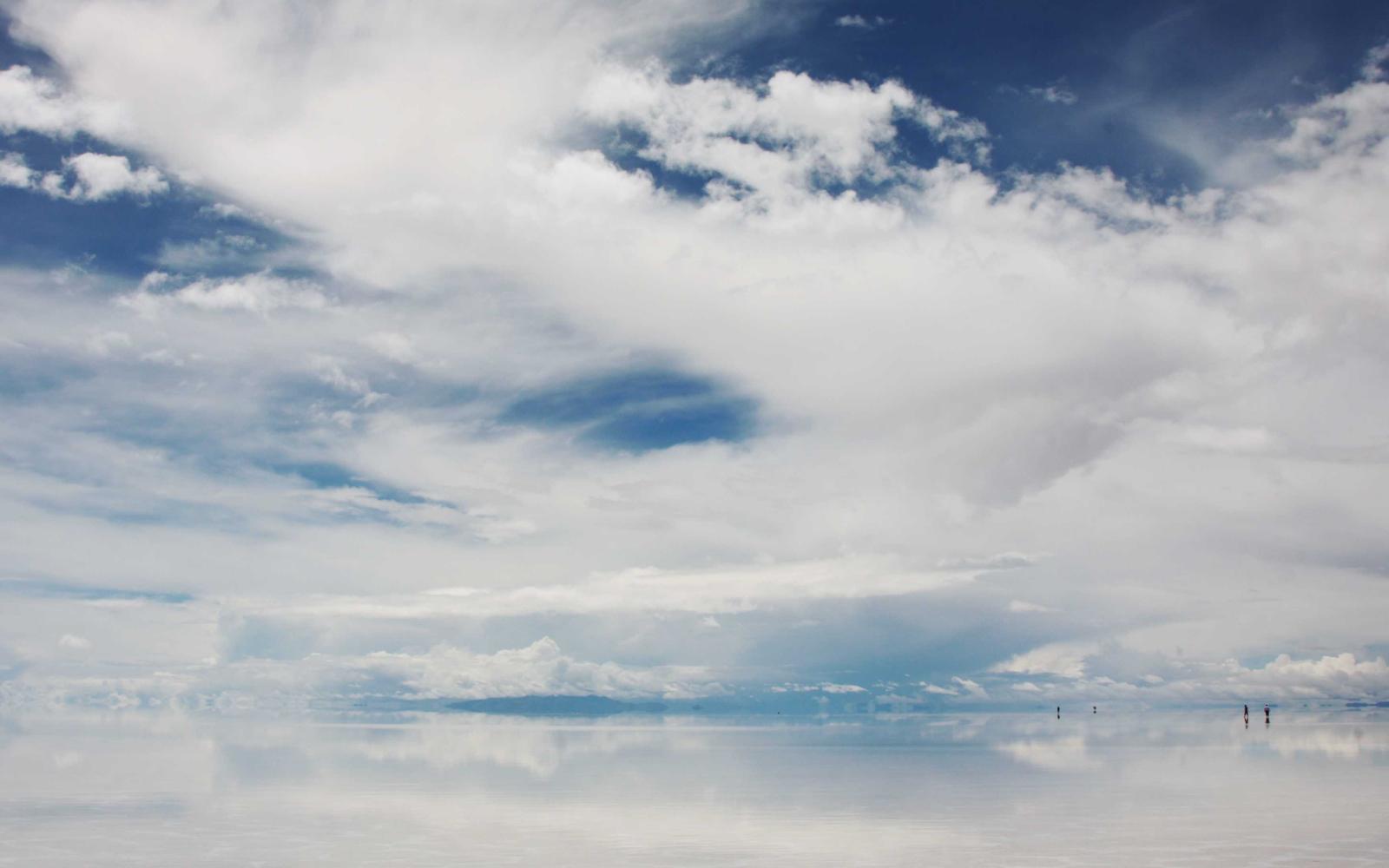
The Seychelles — Some of the Best Beaches on Earth
If you have ever dreamed of walking on powder-white sand while turquoise water laps at your feet under a warm tropical sun, the Seychelles should be at the top of your travel list. This archipelago of 115 islands in the Indian Ocean is home to some of the most stunning beaches on the planet, and once you visit, you will understand why travelers keep coming back.
Key Takeaways
- The Seychelles is an archipelago of 115 islands in the western Indian Ocean, northeast of Madagascar.
- It is famous for its granite and coral beaches, including Anse Source d’Argent, often called the most photographed beach in the world.
- The islands offer year-round warm weather, with the best beach conditions from April to May and October to November.
- Beyond beaches, the Seychelles is home to unique wildlife, giant tortoises, and UNESCO World Heritage nature reserves.
- It is a destination for all kinds of travelers, from honeymooners and families to solo adventurers and nature lovers.
Why the Seychelles Is a Beach Lover’s Paradise
There are beach destinations all over the world, but the Seychelles stands apart. Unlike many tropical islands that are flat and sandy, the Seychelles features dramatic granite boulders, lush green hills, and coral reefs that create a landscape you will not find anywhere else. The beaches here are not just beautiful — they feel otherworldly.
What makes the Seychelles truly special is the combination of natural beauty, biodiversity, and a sense of peaceful isolation. Even on the most popular islands, you can find a quiet cove where it feels like you have the entire beach to yourself. The water is warm, the sand is fine, and the scenery looks like it belongs on a postcard.
Whether you are looking for a romantic getaway, a family vacation, or a solo adventure in nature, the Seychelles delivers. And the best part? It is more accessible than you might think.
The Best Beaches in the Seychelles
1. Anse Source d’Argent, La Digue
If you have ever seen a photo of the Seychelles, chances are it was Anse Source d’Argent. This beach on the island of La Digue is famous for its massive granite boulders, crystal-clear shallow water, and soft white sand. It is regularly ranked as one of the most beautiful beaches in the world, and for good reason.
What to expect: The beach is part of the L’Union Estate, so there is a small entrance fee. Once inside, you will find a series of small coves framed by those iconic boulders. The water is calm and shallow, making it perfect for wading and photography.
Best time to visit: Early morning or late afternoon for the best light and fewer crowds.
Why you should visit: It is one of those places that actually lives up to the hype. No photo can capture the feeling of standing there in person.
Travel tip: Rent a bicycle on La Digue to reach the beach — it is the most popular way to get around the island.
2. Beau Vallon Beach, Mahe
Beau Vallon is the most popular beach on Mahe, the largest island in the Seychelles. It offers a long stretch of sand, clear water, and a lively atmosphere with restaurants and water sports operators nearby. If you want a beach with amenities and things to do, this is the place.
What to expect: A wide, curved bay with gentle waves. You can snorkel right from the beach and see colorful fish and coral not far from shore.
Best time to visit: May to September when the southeast trade winds bring calmer water.
Why you should visit: It is the best beach on Mahe for swimming, snorkeling, and enjoying the local food scene.
Travel tip: Visit the nearby market on Wednesday evenings for fresh produce, local crafts, and a taste of Seychellois culture.
3. Anse Lazio, Praslin
Anse Lazio on the island of Praslin is often compared to Anse Source d’Argent, but many travelers actually prefer it. The beach is longer, the sand is just as white, and the water shades from pale turquoise to deep blue. Tall palm trees and granite rocks frame the scene perfectly.
What to expect: A stunning beach with a more open feel than Anse Source d’Argent. The snorkeling on the left side of the beach is excellent, with plenty of marine life around the rocks.
Best time to visit: April to May or October to November for the calmest seas.
Why you should visit: It consistently ranks among the top ten beaches in the world, and it is less crowded than Anse Source d’Argent.
Travel tip: Bring water shoes — the coral near the edges of the beach can be sharp.
4. Anse Georgette, Praslin
If you want a beach that feels like a hidden paradise, Anse Georgette is it. This small, sheltered cove on Praslin is harder to reach than Anse Lazio, which keeps the crowds down. The water is incredibly clear, and the surrounding greenery makes it feel like a secret garden by the sea.
What to expect: A small, intimate beach with calm water and soft sand. Access is through the Constance Lemuria Resort, or you can hike there in about 15 minutes from Anse Lazio at low tide.
Best time to visit: Early morning for the most peaceful experience.
Why you should visit: It is one of the most unspoiled beaches in the Seychelles, and the effort to get there makes it even more rewarding.
Travel tip: Check tide times before hiking from Anse Lazio — the path is only passable at low tide.
5. Petite Anse, Mahe
Petite Anse is a small, hidden beach on the southwestern coast of Mahe. It is not well known to most tourists, which means you might have it all to yourself. The water is deep blue, the sand is soft, and the views across the ocean are breathtaking.
What to expect: A quiet, small beach surrounded by lush vegetation. The water is deeper here than at many other Seychelles beaches, so it is better for swimming than wading.
Best time to visit: During the dry season (May to September) for the clearest water.
Why you should visit: It is a perfect escape from the more touristy beaches, and the sense of discovery is part of the charm.
Travel tip: The road down to the beach is steep and rough — a 4WD vehicle is recommended.
6. Anse Cocos, La Digue
Anse Cocos is a hidden gem on La Digue that requires a bit of a hike to reach, but the reward is one of the most beautiful and secluded beaches in the entire Seychelles. Natural rock pools form at low tide, and the scenery is absolutely stunning.
What to expect: A 20-minute hike from the nearest road through lush vegetation leads to a series of small coves and natural pools. The beach is unspoiled and peaceful.
Best time to visit: Low tide, when the natural rock pools are at their best.
Why you should visit: It is the kind of beach that makes you feel like you have discovered something truly special.
Travel tip: Bring plenty of water and sunscreen for the hike, and wear sturdy shoes.
7. Grand Anse, La Digue
Grand Anse is one of the most dramatic beaches in the Seychelles. Unlike the calm, sheltered coves on the other side of La Digue, Grand Anse faces the open Indian Ocean, which means powerful waves and a wild, windswept beauty. It is not a swimming beach, but it is incredible to watch.
What to expect: A long, wide beach with crashing waves and golden sand. The scenery is raw and powerful, a different side of the Seychelles.
Best time to visit: May to September when the waves are at their most impressive.
Why you should visit: It shows you a completely different side of the islands — wild, untamed, and awe-inspiring.
Travel tip: Do not swim here — the currents are strong. Just enjoy the view and take photos.
Comparison of Top Seychelles Beaches
| Beach Name | Island | Best Time to Visit |
|---|---|---|
| Anse Source d’Argent | La Digue | April to May, October to November |
| Beau Vallon Beach | Mahe | May to September |
| Anse Lazio | Praslin | April to May, October to November |
| Anse Georgette | Praslin | April to May |
| Petite Anse | Mahe | May to September |
| Anse Cocos | La Digue | Low tide, any season |
| Grand Anse | La Digue | May to September |
Beyond the Beaches: What Else to Do in the Seychelles
While the beaches are the main draw, the Seychelles has so much more to offer. The islands are home to two UNESCO World Heritage Sites — the Vallée de Mai on Praslin, where you can see the legendary coco de mer palm, and Aldabra Atoll, one of the largest coral atolls in the world and home to over 100,000 giant tortoises.
Wildlife lovers will enjoy visiting the giant tortoise sanctuary on Curieuse Island, snorkeling or diving at Sainte Anne Marine National Park, and bird-watching on Aride Island, which is home to more breeding seabird species than any other island in the Indian Ocean.
For those who love the ocean, the Seychelles offers world-class diving and snorkeling. The coral reefs are healthy and full of life — you can see reef sharks, manta rays, sea turtles, and hundreds of species of tropical fish. The best diving is generally from March to May and October to November when visibility is at its peak.
How to Get to the Seychelles
The Seychelles International Airport on Mahe is the main gateway. There are direct flights from major hubs like Dubai, Doha, Istanbul, Addis Ababa, and Nairobi. From Mahe, you can take a ferry or a short domestic flight to Praslin and La Digue.
The ferry from Mahe to Praslin takes about one hour, and from Praslin to La Digue takes about 15 minutes. Domestic flights are operated by Air Seychelles and take just 15 to 20 minutes between islands.
Travel tip: Book your inter-island transport in advance, especially during peak season (December to January and July to August), as ferries and flights can fill up quickly.
Best Time to Visit the Seychelles
The Seychelles enjoys warm weather all year round, with temperatures averaging between 24 and 30 degrees Celsius (75 to 86 degrees Fahrenheit). However, there are two main seasons that affect beach conditions.
The northwest monsoon (December to March) brings warmer temperatures and occasional rain, but also calmer seas on the western sides of the islands. The southeast monsoon (May to September) brings cooler, drier weather and stronger winds, which can make some beaches rougher but is great for surfing and sailing.
The best overall months for beach visits are April to May and October to November — the transition periods between monsoons when the weather is calm, the water is clear, and the islands are less crowded.
Travel Tips for First-Time Visitors
Budget considerations: The Seychelles is not a budget destination, but there are ways to save. Guesthouses and self-catering apartments are more affordable than resorts, and eating at local cafes and takeaway shops can significantly reduce your food costs.
Getting around: On Mahe and Praslin, renting a car gives you the most freedom. On La Digue, bicycles are the preferred mode of transport. Taxis are available but can be expensive.
Currency: The Seychellois rupee (SCR) is the local currency, but euros and US dollars are widely accepted at hotels and tourist establishments.
Safety: The Seychelles is a very safe destination for tourists. Petty crime is rare, but it is always wise to keep an eye on your belongings on the beach.
What to pack: Sunscreen (reef-safe is best), a hat, water shoes, snorkeling gear (or rent locally), light clothing, and a waterproof bag for beach trips.
Frequently Asked Questions
Is the Seychelles good for families?
Absolutely. The calm, shallow waters at beaches like Anse Source d’Argent and Beau Vallon are perfect for children. Many resorts offer kids’ clubs and family-friendly activities, and the islands are safe and easy to explore together.
Do I need a visa to visit the Seychelles?
No visa is required for any nationality. Visitors receive a free entry permit on arrival, valid for up to three months. You will need a valid passport, proof of accommodation, and a return or onward ticket.
Is the Seychelles expensive?
It can be, but it does not have to be. Luxury resorts charge premium prices, but guesthouses, local eateries, and public beaches make it possible to enjoy the Seychelles on a moderate budget. Expect to spend less if you avoid the high season and eat where locals eat.
What language do they speak in the Seychelles?
The three official languages are Seychellois Creole, English, and French. English is widely spoken, especially in tourist areas, so communication is not a problem for most visitors.
Can I snorkel in the Seychelles without experience?
Yes. Many beaches, including Beau Vallon and Anse Lazio, have calm, shallow areas perfect for beginner snorkelers. You can rent gear from local shops or join a guided snorkeling tour if you want some extra guidance.
How many days do I need in the Seychelles?
A week is a good amount of time to explore two or three islands. If you want to visit Mahe, Praslin, and La Digue, plan for at least seven to ten days to really enjoy the beaches and nature without feeling rushed.
What makes Seychelles beaches different from other tropical beaches?
The granite boulders are the most distinctive feature — no other tropical destination has quite the same combination of dramatic rock formations, fine white sand, and clear turquoise water. The Seychelles also has an incredible diversity of marine life and some of the healthiest coral reefs in the Indian Ocean.
Conclusion
The Seychelles is one of those rare destinations that truly lives up to its reputation. The beaches are as beautiful as the photos suggest — maybe even more so when you see them in person. From the iconic boulders of Anse Source d’Argent to the hidden coves of Anse Cocos, every beach has its own character and charm.
But the Seychelles is more than just beaches. It is a place where nature is protected and celebrated, where giant tortoises roam free, where rare birds nest on remote islands, and where the ocean is full of life. Whether you are planning a honeymoon, a family holiday, or a solo adventure, the Seychelles offers an experience that stays with you long after you leave.
Start planning your trip today. The beaches are waiting.
Share this post with your friends and start planning your Seychelles adventure together!

The Most Dangerous Rip Currents and How to Escape Them
Rip currents are powerful, narrow channels of fast-moving water that flow from the shore back out to sea. They are the leading cause of rescues at beaches worldwide, and understanding how to spot and escape them can literally save your life.
Key Takeaways
- Rip currents kill over 100 people in the United States every year.
- They can move faster than an Olympic swimmer — up to 8 feet per second.
- Most rip currents are narrow, typically 10 to 30 feet wide.
- You can survive a rip current by staying calm and swimming parallel to the shore.
- Never try to swim directly back to shore against the current.
What Exactly Is a Rip Current?
If you have ever been swimming at the beach and suddenly felt the water pulling you away from shore, you have probably experienced a rip current. These powerful channels of water form when waves push water toward the shore, and that water needs somewhere to go. It finds the path of least resistance — usually through a gap in a sandbar or near a pier, jetty, or other structure — and rushes back out to sea in a narrow, fast-moving stream.
Rip currents are not the same as “rip tides” or “undertow,” terms you might have heard. A rip current is a surface current that pulls you away from the beach, not underwater. They are surprisingly common and can appear on any beach with breaking waves, including the Great Lakes.
What makes rip currents so dangerous is that they often look deceptively calm. While the water around them is churning with waves, the rip current itself can appear as a flat, dark gap between the breaking waves. Many swimmers see this calm-looking water and think it is the safest place to swim. That is exactly the wrong instinct.
How Rip Currents Form
To understand rip currents, you need to understand how waves interact with the shoreline. When waves approach the beach, they push water upward and forward. This water accumulates near the shore and creates a slight rise in water level. Gravity pulls that excess water back toward the ocean, and it escapes through the weakest point — often a break or low spot in an offshore sandbar.
The result is a fast-moving river of water flowing perpendicular to the shore. Rip currents can be temporary, forming and dissipating within minutes, or they can be permanent features near piers, jetties, and rocky points. They are most dangerous during high surf conditions, low tide, and when strong onshore winds push extra water toward the beach.
The Most Dangerous Rip Currents in the World
While rip currents can occur on virtually any surf beach, certain locations are notorious for their frequency and intensity. Here are some of the most dangerous rip current hotspots around the world.
1. Hanakapiai Beach, Hawaii, USA
About: Located along the Na Pali Coast on Kauai, Hanakapiai Beach is a stunning but deadly stretch of sand. The beach is only accessible by a challenging 2-mile hike, which keeps many casual tourists away. But those who make the trek often underestimate the powerful surf.
Highlights: Towering sea cliffs, turquoise water, and a remote wilderness setting.
Experience: The rip currents here are relentless, especially during winter swells. There is no lifeguard on duty, and the nearest rescue station is hours away. Multiple drownings have occurred here, and warning signs are posted along the trail.
Best Time to Visit: Summer months (May through September) when the surf is calmer, though rip currents can still form.
Why You Should Visit: The raw beauty of the Na Pali Coast is unmatched, but this beach demands respect. Visit for the hike and the views, not for swimming.
Travel Tips: Bring plenty of water, wear sturdy shoes, and do not swim unless conditions are flat and calm. Check the National Weather Service surf forecast before you go.
2. Bondi Beach, Sydney, Australia
About: Bondi is one of the most famous beaches in the world, attracting millions of visitors every year. Its powerful surf and strong rip currents make it one of the busiest beaches for lifeguard rescues in Australia.
Highlights: Golden sand, vibrant surf culture, and the iconic Bondi to Coogee coastal walk.
Experience: Bondi’s rips are so well known that lifeguards have names for them. The beach is patrolled year-round, and the flagged swimming area is the only safe place to enter the water. Even so, hundreds of rescues happen here every season.
Best Time to Visit: December through February (Australian summer) when lifeguards are fully staffed and water temperatures are warm.
Why You Should Visit: Bondi offers the full Australian beach experience — great waves, great food, and a lively atmosphere. Just stay between the flags.
Travel Tips: Always swim between the red and yellow flags. If you get caught in a rip, do not panic. Signal for help by raising one arm.
3. Playa Zipolite, Oaxaca, Mexico
About: Known as the “Beach of the Dead,” Playa Zipolite is a beautiful, bohemian stretch of Pacific coastline in southern Mexico. Its powerful undertows and rip currents have earned it a grim reputation.
Highlights: A laid-back, clothing-optional beach town with stunning sunsets and a free-spirited atmosphere.
Experience: The beach has no lifeguards for much of the year, and the surf can be deceptively strong. Rip currents are common, especially during the rainy season when swells increase. Several drownings occur here each year, mostly involving tourists who are not familiar with ocean safety.
Best Time to Visit: November through March for calmer seas, though caution is always needed.
Why You Should Visit: Zipolite has a unique charm you will not find at resort beaches. The sunsets are extraordinary, and the local culture is warm and welcoming.
Travel Tips: Swim only in designated areas when lifeguards are present. Avoid the far ends of the beach where rips are strongest. Never swim alone.
4. Cape Town Beaches, South Africa
About: The beaches around Cape Town — including Camps Bay, Llandudno, and Muizenberg — are world famous for their beauty and their danger. The cold Atlantic and warm Indian Ocean meet here, creating unpredictable surf conditions.
Highlights: Dramatic mountain backdrops, penguin colonies at Boulders Beach, and some of the best surfing in the world.
Experience: Rip currents along the Cape Peninsula are strong and can shift quickly. Water temperatures are cold year-round, which can lead to muscle fatigue and make it harder to swim even for experienced swimmers. Lifeguards patrol the main beaches during peak season, but many smaller beaches are unpatrolled.
Best Time to Visit: January through March for the warmest water and most consistent lifeguard coverage.
Why You Should Visit: Cape Town’s beaches are among the most scenic on Earth. The combination of mountains, wildlife, and ocean is unforgettable.
Travel Tips: Swim only at patrolled beaches. The NSRI (National Sea Rescue Institute) operates along the coast — look for their flags and stations. Avoid swimming at remote beaches without local knowledge.
5. New Smyrna Beach, Florida, USA
About: New Smyrna Beach in Florida holds the unfortunate title of the “shark bite capital of the world,” but its rip currents are equally dangerous. The beach sits on a narrow barrier island where the Atlantic Ocean meets the Indian River Lagoon.
Highlights: A relaxed surf town with consistent waves, great fishing, and a charming downtown.
Experience: The beach’s unique geography creates strong and unpredictable rip currents, especially near the inlet. Lifeguards are on duty daily, but the sheer number of visitors means incidents are common. The combination of strong rips, shifting sandbars, and heavy surf makes this one of the most dangerous beaches on the U.S. East Coast.
Best Time to Visit: Spring and fall for smaller crowds and manageable surf. Summer brings bigger crowds and stronger afternoon storms.
Why You Should Visit: New Smyrna is a genuine surf town with a friendly local vibe. It is also a great base for exploring the Kennedy Space Center and the Canaveral National Seashore.
Travel Tips: Swim near a lifeguard tower. Check the beach flag system — red flags mean dangerous conditions. If you are not a strong swimmer, stay in the shallow water near shore.
6. Tamarama Beach, Sydney, Australia
About: Just south of Bondi, Tamarama is a small, steep beach with some of the most powerful surf in Sydney. Locals call it “Glamarama” for its glamorous crowd, but the ocean here is no joke.
Highlights: Dramatic cliff scenery, powerful waves, and a tight-knit local surf community.
Experience: Tamarama’s steep beach gradient means waves break hard and close to shore. The rip currents are fierce and can pull even strong swimmers out in seconds. The beach is patrolled by lifeguards, but the conditions are considered too dangerous for inexperienced swimmers.
Best Time to Visit: Year-round for experienced surfers. Casual visitors should enjoy the view from the clifftop walk.
Why You Should Visit: Watching the surfers at Tamarama is a spectacle in itself. The beach also hosts Sculpture by the Sea, an outdoor art exhibition along the coastal walk.
Travel Tips: This is not a beginner beach. If you want to swim, head to nearby Bondi instead and stay between the flags.
7. Hanauma Bay, Oahu, Hawaii, USA
About: Hanauma Bay is a protected marine life conservation area and one of the most popular snorkeling spots in Hawaii. While the inner bay is generally calm, the outer reef and channel areas can have strong rip currents.
Highlights: Crystal-clear water, abundant coral reefs, and hundreds of species of tropical fish.
Experience: Most visitors stay in the calm inner bay, which is safe for snorkelers of all levels. However, the channel that connects the bay to the open ocean can develop strong currents, especially during high surf. Swimmers who venture beyond the reef without understanding the currents can find themselves in serious trouble.
Best Time to Visit: Early morning (the bay opens at 6:30 a.m.) for the calmest water and smallest crowds. Weekdays are less crowded than weekends.
Why You Should Visit: Snorkeling in Hanauma Bay is a bucket-list experience. The marine life is extraordinary, and the bay’s protected status means the reef is thriving.
Travel Tips: Watch the mandatory safety video before entering. Stay within the inner bay unless you are an experienced ocean swimmer. Check surf conditions at the entrance.
Rip Current Comparison Table
| Beach Name | Location | Best Time to Visit | Danger Level |
|---|---|---|---|
| Hanakapiai Beach | Kauai, Hawaii, USA | May – September | Extreme (no lifeguards) |
| Bondi Beach | Sydney, Australia | December – February | High (patrolled) |
| Playa Zipolite | Oaxaca, Mexico | November – March | High (limited patrols) |
| Cape Town Beaches | Cape Town, South Africa | January – March | High (patrolled main beaches) |
| New Smyrna Beach | Florida, USA | Spring and Fall | High (patrolled) |
| Tamarama Beach | Sydney, Australia | Year-round (experienced only) | Extreme (patrolled) |
| Hanauma Bay | Oahu, Hawaii, USA | Early morning, weekdays | Moderate (inner bay) |
How to Spot a Rip Current
Learning to identify a rip current before you enter the water is one of the most important beach safety skills you can develop. Here is what to look for:
- A channel of choppy, churning water — The rip current disturbs the surface, creating a rough, uneven texture compared to the calmer water on either side.
- A line of foam, seaweed, or debris moving steadily seaward — The current carries floating objects outward, creating a visible trail.
- A break in the wave pattern — Waves do not break as readily over the rip current because the outgoing flow opposes the incoming waves. This creates a flat, dark gap between the breaking waves.
- A difference in water color — The rip current may appear darker (because it is deeper) or murkier (because it is carrying sand) than the surrounding water.
Spend a few minutes watching the water from the shore before you go in. Look for these signs, and if you see them, choose a different spot to swim — or stay on the beach entirely.
How to Escape a Rip Current
If you get caught in a rip current, the most important thing is to stay calm. Panic is what kills people, not the current itself. Here is exactly what to do:
- Do not fight the current. A rip current can move at up to 8 feet per second — faster than any human can swim. Trying to swim directly back to shore will only exhaust you.
- Swim parallel to the shore. Most rip currents are narrow, typically 10 to 30 feet wide. By swimming parallel to the beach, you can escape the current’s pull and reach the calmer water on either side.
- If you cannot swim out of the rip, float or tread water. The rip current will eventually weaken once it is past the breakers. Conserve your energy, stay afloat, and wait for the current to release you. Then swim back to shore at an angle, not directly against where the rip was.
- Signal for help. If you are struggling, wave one arm above your head and shout. Lifeguards and other beachgoers will see you and respond.
- If you see someone else caught in a rip, do not go in after them. Untrained rescuers drown too. Call for help, throw a flotation device if one is available, and alert a lifeguard immediately.
Remember: a rip current will not pull you underwater. It pulls you away from shore. If you can stay afloat, you can survive.
Beach Safety Tips for Families
If you are visiting the beach with children, rip current safety becomes even more critical. Here are some practical tips to keep your family safe:
- Always swim at a beach with lifeguards on duty.
- Swim only between the flagged areas.
- Teach children what rip currents are and what to do if caught in one.
- Keep children within arm’s reach in the water, even in shallow areas.
- Check the beach flag system before entering the water. Green means low hazard, yellow means moderate, and red means dangerous conditions.
- Never turn your back on the ocean. Waves and currents can change quickly.
- Bring a flotation device (like a boogie board) but do not rely on it as a substitute for swimming ability.
For more on beach safety and ocean conditions, check out our guide on how waves form and why some beaches have bigger waves.
Frequently Asked Questions
What is the difference between a rip current and an undertow?
A rip current is a strong, narrow surface current that flows away from the shore. An undertow is a weaker subsurface current that pulls water (and sometimes swimmers) back toward the sea after a wave breaks. Rip currents are far more dangerous and are responsible for the vast majority of ocean drowning incidents.
Can rip currents happen on lakes?
Yes. Rip currents can form on any large body of water with breaking waves, including the Great Lakes in North America. The same rules apply: stay calm, swim parallel to shore, and signal for help if needed.
How long do rip currents last?
Some rip currents are temporary, lasting only a few minutes before the wave pattern shifts. Others are semi-permanent, especially near structures like piers and jetties. The strength of a rip current can also change with the tide — many are strongest around low tide.
What should I do if I see someone caught in a rip current?
Do not enter the water to rescue them unless you are a trained lifeguard. Instead, call for help immediately, alert a lifeguard, and throw the person a flotation device if one is within reach. Many double drownings occur when untrained rescuers enter the water and get caught in the same current.
Are rip currents more dangerous at certain times of day?
Rip currents are influenced by tides, wave height, and wind rather than time of day. However, they tend to be strongest around low tide when more water is flowing back out to sea. Always check local surf and tide reports before heading to the beach.
Can you drown in a rip current?
Yes, but drowning is almost always caused by exhaustion and panic, not by the current pulling you under. If you stay calm, conserve your energy, and follow the escape steps — swim parallel to shore or float until the current weakens — you will survive. This is why learning rip current safety before you go to the beach is so important.
What are the warning signs posted at beaches?
Most patrolled beaches use a flag system. Green flags mean conditions are generally safe. Yellow flags mean moderate hazards — use caution. Red flags mean dangerous conditions, and you should stay out of the water. Double red flags mean the beach is closed to swimming. Some beaches also post specific rip current warnings.
Conclusion
Rip currents are one of nature’s most powerful and misunderstood forces. They can appear on any surf beach, in any ocean, and they do not discriminate between strong swimmers and beginners. But here is the good news: if you know what to look for and how to respond, rip currents are entirely survivable.
The key is preparation. Before you visit any beach, check the local surf forecast and look for warning flags. When you arrive, spend a few minutes watching the water. Learn to spot the telltale signs of a rip current — the flat dark gap in the waves, the churning channel, the line of foam heading seaward. And if you do get caught, remember the golden rule: stay calm, swim parallel, and signal for help.
The ocean is one of the most beautiful and rewarding places to explore. With a little knowledge and respect for its power, you can enjoy it safely for a lifetime.
Share this post with your friends and family before your next beach trip. Knowing how to escape a rip current could save someone’s life.
What Is Ocean Acidification and Why It Matters
You have probably heard that the oceans are getting warmer. But there is another problem happening at the same time, and most people do not know about it. The ocean is slowly becoming more acidic. This process, called ocean acidification, is sometimes called “climate change’s equally evil twin.” And it is already affecting sea life in ways that could change the oceans forever.
So what exactly is ocean acidification? In simple terms, it means the ocean is becoming less alkaline and more acidic because it absorbs carbon dioxide from the air. The ocean soaks up about 30 percent of all the CO2 humans release into the atmosphere. When CO2 dissolves in seawater, it creates carbonic acid. Over time, this lowers the pH of the water. Since the Industrial Revolution, the ocean’s pH has dropped by about 0.1 units. That might not sound like much, but because the pH scale is logarithmic, it actually means the ocean is about 30 percent more acidic than it was 200 years ago.
Key Takeaways
- Ocean acidification happens when the ocean absorbs CO2 from the atmosphere, forming carbonic acid that lowers the water’s pH.
- The ocean has become about 30 percent more acidic since the Industrial Revolution.
- Acidification makes it harder for corals, shellfish, and plankton to build their calcium carbonate shells and skeletons.
- It threatens entire marine food webs, from tiny plankton to large fish and marine mammals.
- The best way to slow ocean acidification is to reduce carbon dioxide emissions globally.
- Some coastal areas are already seeing the effects, and scientists are working on solutions to protect vulnerable ecosystems.
How Does Ocean Acidification Actually Work?
Let me break this down in a way that makes sense. When you open a can of soda, the fizz you see is carbon dioxide gas escaping from the liquid. The CO2 dissolved in that drink is what makes it slightly acidic. The same thing happens in the ocean, just on a much larger scale.
Here is the basic chemistry. When carbon dioxide from the atmosphere dissolves in seawater, it reacts with water molecules to form carbonic acid. That carbonic acid then breaks down into hydrogen ions and bicarbonate. The extra hydrogen ions are what make the water more acidic. They also bind with carbonate ions in the water, which is a problem because many sea creatures need carbonate to build their shells and skeletons.
Before the Industrial Revolution, the ocean’s average pH was about 8.2. Today it is about 8.1. Remember, the pH scale runs from 0 to 14, with 7 being neutral. Anything above 7 is alkaline, and anything below 7 is acidic. The ocean is still alkaline, but it is moving in the wrong direction. Scientists predict that if CO2 emissions continue at the current rate, the ocean’s pH could drop to 7.8 or lower by the year 2100. That would be a change unlike anything the ocean has experienced in at least 300 million years.
The speed of this change is what worries scientists most. In the past, when the ocean’s pH changed, it happened over thousands or millions of years. That gave sea life time to adapt. Today, the change is happening over just a few generations for most species. Many organisms simply cannot evolve fast enough to keep up.
Why Should You Care About Ocean Acidification?
You might be thinking, “I do not live in the ocean. Why does this matter to me?” The answer is that ocean acidification affects almost everyone, even if you live far from the coast.
It threatens the food you eat. About 2 billion people around the world rely on seafood as their primary source of protein. Shellfish like oysters, clams, mussels, and crabs are especially vulnerable to acidification. So are the tiny organisms at the base of the marine food chain. If those small creatures struggle, the effects ripple upward to the fish, seabirds, and marine mammals that depend on them.
It puts jobs at risk. The global fishing and aquaculture industry employs hundreds of millions of people. In the United States alone, the seafood industry is worth over 200 billion dollars. When ocean acidification damages shellfish populations, it hits coastal communities hard. Oyster hatcheries in the Pacific Northwest have already experienced massive die-offs linked to acidic water.
It weakens coral reefs. Coral reefs are some of the most biodiverse ecosystems on the planet. They support about 25 percent of all marine species, even though they cover less than 1 percent of the ocean floor. Acidification makes it harder for corals to build their skeletons, which means reefs grow more slowly and erode more quickly. Combined with warming waters that cause coral bleaching, acidification is a serious threat to the future of these ecosystems.
It affects the air you breathe. Tiny ocean plants called phytoplankton produce about half of the world’s oxygen. Some types of phytoplankton are sensitive to changes in ocean chemistry. If acidification disrupts their populations, it could affect the ocean’s ability to produce oxygen and absorb carbon dioxide.
What Sea Life Is Most Affected?
Not all sea creatures are affected equally by ocean acidification. Some are more vulnerable than others. Here are the groups that scientists are most concerned about.
Corals
Corals build their hard skeletons from a form of calcium carbonate called aragonite. As the ocean becomes more acidic, there is less carbonate available in the water, which makes it harder for corals to grow. Some reefs are already dissolving faster than they can rebuild. The Great Barrier Reef, the largest coral system in the world, has lost more than half its coral cover since 1995 due to a combination of warming, acidification, and other stressors.
Shellfish
Oysters, clams, mussels, sea urchins, and starfish all depend on calcium carbonate to build their shells. In more acidic water, their shells can become thinner and weaker. Some young oysters in the Pacific Northwest have struggled to form their first shells at all when acidic water from the deep ocean upwells along the coast. This has cost the oyster industry millions of dollars.
Pteropods
These tiny sea snails, sometimes called “sea butterflies,” are a critical food source for salmon, herring, and other commercially important fish. Their thin shells are very sensitive to acidification. Scientists have already found pteropods in the Southern Ocean with shells that are dissolving. If pteropod populations decline, it could have a major impact on the entire food web.
Plankton
Plankton are the foundation of the ocean food chain. Some types of plankton, like coccolithophores, build tiny plates of calcium carbonate around their bodies. Acidification can interfere with their ability to form these plates. Other types of plankton may actually benefit from higher CO2 levels, which could shift the balance of species in unpredictable ways.
Where Is Ocean Acidification Happening Right Now?
Ocean acidification is a global problem, but some areas are being hit harder than others.
| Region | Location | Why It Is Vulnerable |
|---|---|---|
| Pacific Northwest (USA) | Oregon and Washington coast | Upwelling brings deep, acidic water to the surface. Oyster hatcheries have experienced major losses. |
| Southern Ocean | Around Antarctica | Cold water absorbs more CO2. Pteropods here already show shell damage. |
| Arctic Ocean | Northern polar waters | Melting ice dilutes carbonate concentrations. Acidification is happening faster here than anywhere else. |
| Great Barrier Reef | Northeast Australia | Combined stress from warming and acidification. Coral growth rates have slowed measurably. |
| Caribbean Sea | Caribbean islands and coasts | Coral reefs are under pressure from acidification, warming, and pollution at the same time. |
| Mediterranean Sea | Southern Europe and North Africa | Enclosed sea with limited water exchange. pH changes are amplified. |
The reason cold regions like the Arctic and Southern Ocean are hit hardest is simple. Cold water absorbs more CO2 than warm water. That means polar oceans are naturally becoming more acidic faster than tropical ones. On top of that, melting sea ice in the Arctic is releasing fresh water, which further reduces the ocean’s ability to buffer against pH changes.
In the Pacific Northwest, the problem is driven by upwelling. Deep ocean water is naturally more acidic because it has absorbed CO2 from decaying organic matter that sinks to the bottom. When winds push surface water away from the coast, this deep water rises to the surface. As the overall ocean becomes more acidic, this upwelled water becomes even more corrosive. That is what caused the oyster hatchery crisis in Oregon and Washington in the late 2000s.
What Can Be Done About Ocean Acidification?
The most important thing we can do to slow ocean acidification is reduce carbon dioxide emissions. This is the root cause, and without addressing it, other solutions will only buy time. The Paris Agreement and other international climate efforts are a step in the right direction, but scientists say current commitments are not enough to prevent significant further acidification.
Beyond cutting emissions, there are some local and regional strategies that can help.
Protecting and restoring seagrass beds. Seagrass and other marine plants absorb CO2 as they grow, which can locally raise the pH of surrounding water. Studies have shown that seagrass meadows can create “refuges” of less acidic water that benefit nearby shellfish and other organisms. Protecting these habitats is a practical way to buffer against acidification in coastal areas.
Seaweed farming. Like seagrass, seaweed absorbs CO2 during photosynthesis. Large-scale kelp farming has been proposed as a way to locally reduce acidification while also providing food and habitat for marine life. Some oyster farms in the Pacific Northwest have started growing kelp alongside their shellfish to take advantage of this effect.
Reducing local pollution. Nutrient runoff from farms and cities can make acidification worse in coastal waters. Excess nutrients fuel algal blooms, and when those algae die and decompose, they release CO2 and lower the pH even further. Better land management and water treatment can help reduce this additional stress.
Monitoring and research. Scientists are working to better understand how different species and ecosystems respond to acidification. Long-term monitoring programs track changes in ocean chemistry and help identify the most vulnerable areas. This research is essential for making smart decisions about where to focus conservation efforts.
What You Can Do to Help
Ocean acidification can feel like a problem too big for any one person to solve. But there are real things you can do to make a difference.
Reduce your carbon footprint. Drive less, use public transit, choose renewable energy if it is available where you live, and buy less stuff. Every ton of CO2 you do not emit is a ton the ocean does not have to absorb.
Support sustainable seafood. Choose fish and shellfish that are caught or farmed in ways that do not add extra stress to ocean ecosystems. Look for certifications like the Marine Stewardship Council label.
Spread the word. Most people have never heard of ocean acidification. Talk about it with your friends and family. Share articles about it. The more people understand the problem, the more pressure there is on leaders to act.
Support organizations working on ocean conservation. Groups like the Ocean Conservancy, Oceana, and the Coral Reef Alliance are doing important work to protect marine ecosystems and address acidification.
Frequently Asked Questions
Is the ocean becoming acidic or just less alkaline?
Technically, the ocean is still alkaline, with a pH above 7. But it is becoming less alkaline over time, which scientists describe as “acidification.” The direction of change is what matters. Even small shifts in pH can have big effects on marine chemistry and the organisms that depend on it.
How much more acidic is the ocean now compared to 200 years ago?
The ocean’s pH has dropped by about 0.1 units since the Industrial Revolution, from roughly 8.2 to 8.1. Because the pH scale is logarithmic, this represents about a 30 percent increase in acidity. If emissions continue unchecked, the pH could drop another 0.3 to 0.4 units by 2100.
Can ocean acidification be reversed?
Yes, but it takes time. If we significantly reduce CO2 emissions, the ocean will eventually reabsorb less carbon and its pH will stabilize. However, it could take thousands of years for the ocean to fully return to pre-industrial pH levels. The sooner we cut emissions, the less damage will be done.
Are fish directly affected by ocean acidification?
Adult fish are generally less directly affected than shellfish and corals because they do not build calcium carbonate shells. However, fish can still be impacted. Some studies show that acidified water can affect fish behavior, including their ability to detect predators. And because acidification disrupts the food web, fish populations can decline even if the fish themselves are not directly harmed.
Which countries are most responsible for ocean acidification?
The countries that emit the most CO2 are the biggest contributors. China, the United States, India, and the European Union are among the top emitters. However, ocean acidification is a global problem because CO2 mixes evenly throughout the atmosphere. The ocean absorbs CO2 from all countries, not just those with coastlines.
Is ocean acidification the same as ocean pollution?
No. Ocean pollution refers to chemicals, plastics, and other contaminants entering the water. Ocean acidification is a chemical change caused by the ocean absorbing CO2 from the air. They are different problems, but they often affect the same ecosystems and can make each other worse.
Can I see the effects of ocean acidification at the beach?
Not directly. You cannot see or taste the change in pH. But you might notice indirect effects, like fewer shellfish in an area where they used to be common, or coral reefs that look bleached and damaged. The changes are happening at a chemical level, but they show up in the health of marine life over time.
Conclusion
Ocean acidification is one of the most serious and least understood consequences of our carbon emissions. It is changing the chemistry of the entire ocean, and it is happening fast. The creatures most at risk, corals, shellfish, and tiny plankton, are the foundation of marine ecosystems that billions of people depend on for food, income, and livelihood.
The good news is that we know what causes it, and we know what to do about it. Cutting carbon emissions is the single most important step. Protecting coastal habitats like seagrass beds and kelp forests can help buffer vulnerable areas. And supporting research and monitoring will help us understand and respond to changes as they happen.
The ocean has been absorbing our carbon dioxide for over two centuries, and it has paid a price for it. The question now is whether we will act fast enough to prevent the worst outcomes. The answer depends on the choices we make today.
If you care about the ocean, the wildlife in it, and the people who depend on it, share this post with your friends and family. The more people who understand ocean acidification, the better chance we have of doing something about it. Start making changes in your own life, support organizations fighting for our oceans, and never underestimate the power of spreading awareness. The ocean does a lot for us. It is time we did something for it.

The World’s Most Endangered Marine Animals — And Why They Need Our Help
The ocean covers more than 70 percent of our planet, yet we’ve only explored about five percent of it. Beneath the surface lives a world of incredible creatures — many of which are on the brink of extinction. From tiny seahorses to massive blue whales, marine animals face threats they’ve never encountered before in their millions of years of evolution: plastic pollution, overfishing, habitat destruction, and climate change.
This guide will walk you through the most endangered marine animals on Earth, explain what’s putting them at risk, and show you what’s being done — and what you can do — to help protect them.
Key Takeaways
- Over one-third of marine mammal species are currently threatened with extinction.
- Bycatch from commercial fishing is the single biggest threat to marine animals worldwide.
- Plastic pollution kills an estimated 100,000 marine mammals and over one million seabirds every year.
- Climate change is warming ocean temperatures, destroying coral reefs, and disrupting food chains.
- Conservation efforts are making a difference — some species are slowly recovering thanks to protected areas and fishing regulations.
Why Marine Animals Are in Danger
The ocean might look vast and resilient, but marine ecosystems are surprisingly fragile. Every creature in the sea plays a role — from the smallest plankton to the largest whale. When one species disappears, it sends ripples throughout the entire food web.
The biggest threats facing marine animals today include:
- Overfishing and bycatch: Industrial fishing operations accidentally catch and kill dolphins, sea turtles, sharks, and seabirds in their nets and longlines. Bycatch accounts for roughly 10 percent of all marine catch globally.
- Plastic pollution: An estimated 8 million tons of plastic enter the ocean every year. Animals eat it, get tangled in it, or suffer from the toxic chemicals it releases.
- Climate change: Rising ocean temperatures are bleaching coral reefs, melting sea ice habitats, and shifting the ranges of prey species. Warmer water also holds less oxygen, creating dead zones.
- Habitat destruction: Coastal development, dredging, bottom trawling, and pollution are destroying the breeding and feeding grounds marine animals depend on.
- Ocean noise pollution: Ship traffic, sonar, and underwater construction create noise that disrupts whale communication, navigation, and feeding.
Now let’s look at some of the most endangered marine animals — the species that need our attention the most right now.
1. Vaquita
Status: Critically Endangered — fewer than 10 individuals remain
Location: Gulf of California, Mexico
The vaquita is the world’s rarest marine mammal, and it’s heartbreakingly close to extinction. These small porpoises — only about five feet long — were only discovered by scientists in 1958. Their population has crashed dramatically in recent decades, primarily because they get entangled in illegal gillnets set for totoaba fish. The totoaba’s swim bladder is highly valued in traditional Chinese medicine, driving a lucrative black market trade.
Despite efforts by the Mexican government to ban gillnet fishing in the vaquita’s habitat, enforcement has been difficult. Conservation groups like the World Wildlife Fund (WWF) and Sea Shepherd are working to remove illegal nets from the area, but time is running out.
2. North Atlantic Right Whale
Status: Critically Endangered — approximately 350 individuals remain
Location: Atlantic coast of North America
Right whales got their name because whalers considered them the “right” whale to hunt — they swim slowly, float when dead, and produced large quantities of oil. Centuries of whaling reduced their numbers drastically, and they’ve never fully recovered.
Today, the two biggest threats to right whales are ship strikes and entanglement in fishing gear. These whales migrate along the eastern coast of the United States and Canada — right through some of the busiest shipping lanes in the world. Conservation efforts include mandatory ship speed restrictions in key areas and the development of ropeless fishing gear that eliminates the vertical lines whales get caught in.
3. Hawksbill Sea Turtle
Status: Critically Endangered
Location: Tropical oceans worldwide, including the Caribbean, Indo-Pacific, and East Atlantic
Hawksbill sea turtles are among the most beautiful marine animals on Earth. Their gorgeous amber-and-brown shells have made them a target for the illegal tortoiseshell trade for centuries. Despite international bans, hawksbill shell products are still sold in some countries.
Beyond poaching, hawksbills face habitat loss as coral reefs — their primary feeding grounds — are destroyed by warming seas and acidification. They also suffer from plastic pollution, often mistaking bags and other debris for jellyfish. Protecting coral reefs and enforcing anti-poaching laws are critical to their survival.
4. Blue Whale
Status: Endangered — estimated 10,000–25,000 individuals
Location: All major oceans worldwide
The blue whale is the largest animal to have ever lived on Earth — bigger than any dinosaur that ever walked the land. A single blue whale can reach 100 feet long and weigh up to 200 tons. Their hearts alone are the size of a small car.
Commercial whaling in the 20th century reduced blue whale populations by an estimated 99 percent. While they’ve been protected from whaling since 1966, their recovery has been slow. Today, they face new threats from ship strikes, entanglement in fishing gear, and ocean noise pollution that disrupts their ability to communicate across vast distances. Blue whale songs can travel hundreds of miles underwater — but increasing noise from ships and industrial activity is making it harder for them to hear each other.
5. Whale Shark
Status: Endangered — population declining
Location: Tropical and warm temperate oceans worldwide
Whale sharks are the largest fish in the ocean, growing up to 40 feet long. Despite their enormous size, they’re gentle filter feeders that eat plankton, small fish, and fish eggs. They’re one of the most popular species for ecotourism, drawing divers and snorkelers to places like the Maldives, the Philippines, Mexico’s Yucatan Peninsula, and Western Australia’s Ningaloo Reef.
Whale sharks are threatened by bycatch, ship strikes, and the demand for their fins and meat in some Asian countries. Because they grow slowly and don’t reproduce until they’re around 30 years old, their populations can’t recover quickly from losses. Marine protected areas and responsible tourism guidelines are helping, but enforcement remains a challenge in many regions.
6. Hawaiian Monk Seal
Status: Endangered — approximately 1,500 individuals
Location: Hawaiian Islands, primarily the Northwestern Hawaiian Islands
The Hawaiian monk seal is one of the most endangered marine mammals in the world — and it’s found nowhere else on Earth. These seals have lived in Hawaiian waters for millions of years, but their population has declined by more than 60 percent since the 1950s.
Threats include entanglement in marine debris, predation by sharks (especially on pups), disease, and habitat loss as rising sea levels erode the low-lying islands where they breed. The NOAA Fisheries Hawaiian Monk Seal Research Program is actively working to monitor and protect the population, including relocating aggressive male seals and rehabilitating injured or malnourished seals.
7. Hammerhead Shark
Status: Critically Endangered (Great Hammerhead) / Endangered (Scalloped Hammerhead)
Location: Tropical and warm temperate oceans worldwide
With their distinctive T-shaped heads, hammerhead sharks are among the most recognizable sharks in the ocean. Their unique head shape — called a cephalofoil — gives them enhanced vision and the ability to detect electrical signals from prey hidden under the sand.
Hammerheads are heavily targeted for their fins, which are used in shark fin soup. They’re also frequently caught as bycatch in tuna and swordfish fisheries. Because they reproduce slowly — females don’t reach maturity until they’re about 15 years old — their populations are extremely vulnerable to overfishing. Several countries have banned shark finning, but illegal fishing continues to be a major problem.
8. Dugong
Status: Vulnerable (locally Endangered in many regions)
Location: Indian Ocean, Red Sea, and western Pacific Ocean
Dugongs are gentle, slow-moving marine mammals that feed exclusively on seagrass. They’re sometimes called “sea cows” because of their grazing habits and docile nature. Dugongs are the only surviving members of the family Dugongidae — their closest relative, Steller’s sea cow, was hunted to extinction in the 1700s.
Seagrass meadows — the dugong’s primary food source — are being destroyed by coastal development, pollution, and dredging. Dugongs are also hunted for their meat and oil in some parts of the world, and they frequently get caught in fishing nets. Protecting seagrass habitats is essential for their survival.
9. Kemp’s Ridley Sea Turtle
Status: Critically Endangered
Location: Gulf of Mexico and Atlantic coast of North America
The Kemp’s ridley is the smallest and most endangered sea turtle in the world. Almost all Kemp’s ridley females nest on a single stretch of beach in Rancho Nuevo, Mexico — making the entire species incredibly vulnerable to a single catastrophic event like an oil spill.
The 2010 Deepwater Horizon oil spill was devastating for Kemp’s ridleys, killing hundreds of turtles and contaminating their nesting habitat. Conservation efforts — including nest protection programs, turtle excluder devices (TEDs) in shrimp nets, and international cooperation between the US and Mexico — have helped the population slowly recover, but they remain critically endangered.
10. Fin Whale
Status: Vulnerable — estimated 50,000–90,000 individuals
Location: All major oceans worldwide
The fin whale is the second-largest animal on Earth, reaching lengths of up to 85 feet. They’re incredibly fast swimmers — earning them the nickname “greyhounds of the sea” — and can sprint at speeds of up to 23 miles per hour.
Like blue whales, fin whales were heavily hunted during the 20th century. While commercial whaling has largely stopped, they still face threats from ship strikes, entanglement in fishing gear, and noise pollution. In the Mediterranean, fin whales are particularly at risk due to heavy ship traffic in their feeding grounds.
Comparison of Endangered Marine Animals
| Animal | Status | Estimated Population | Primary Threat |
|---|---|---|---|
| Vaquita | Critically Endangered | Fewer than 10 | Gillnet bycatch |
| North Atlantic Right Whale | Critically Endangered | ~350 | Ship strikes, entanglement |
| Hawksbill Sea Turtle | Critically Endangered | Declining | Poaching, habitat loss |
| Blue Whale | Endangered | 10,000–25,000 | Ship strikes, noise pollution |
| Whale Shark | Endangered | Declining | Bycatch, fin trade |
| Hawaiian Monk Seal | Endangered | ~1,500 | Marine debris, habitat loss |
| Hammerhead Shark | Critically Endangered / Endangered | Declining | Finning, bycatch |
| Dugong | Vulnerable | Declining | Seagrass habitat loss |
| Kemp’s Ridley Sea Turtle | Critically Endangered | Slowly recovering | Oil spills, bycatch |
| Fin Whale | Vulnerable | 50,000–90,000 | Ship strikes, noise pollution |
What’s Being Done to Help
The good news is that conservation efforts are making a real difference for some marine species. Here are some of the most important initiatives happening right now:
- Marine Protected Areas (MPAs): Governments around the world are designating sections of ocean as protected zones where fishing, drilling, and other extractive activities are restricted or banned. The goal is to protect 30 percent of the world’s oceans by 2030 — a target known as “30×30.”
- Turtle Excluder Devices (TEDs): These simple metal grids are fitted into shrimp trawl nets and allow sea turtles to escape while keeping the shrimp catch. They’ve been credited with dramatically reducing sea turtle bycatch in US waters.
- Shark sanctuaries: Countries like the Maldives, Palau, the Bahamas, and Honduras have declared their entire territorial waters as shark sanctuaries, banning all commercial shark fishing.
- Whale-safe shipping lanes: In areas where whales and ships overlap, authorities are implementing speed restrictions and rerouting shipping lanes to reduce collisions.
- Beach monitoring and nest protection: Volunteer programs around the world monitor sea turtle nesting beaches, protect eggs from poachers and predators, and help hatchlings reach the ocean safely.
What You Can Do
You don’t have to be a marine biologist to help protect endangered marine animals. Here are some practical steps anyone can take:
- Reduce plastic use: Carry a reusable water bottle, bring your own shopping bags, and avoid single-use plastics. Every piece of plastic you don’t use is one less piece that could end up in the ocean.
- Choose sustainable seafood: Look for seafood certified by the Marine Stewardship Council (MSC) or check the Monterey Bay Aquarium’s Seafood Watch guide to make ocean-friendly choices.
- Support conservation organizations: Groups like the World Wildlife Fund, Ocean Conservancy, Sea Shepherd, and the Marine Conservation Institute are doing critical work to protect marine life.
- Participate in beach cleanups: Removing trash from beaches before it reaches the ocean is one of the most direct ways to help marine animals.
- Spread the word: Share what you’ve learned with friends and family. The more people understand the threats facing marine animals, the more support there will be for conservation efforts.
Frequently Asked Questions
What is the most endangered marine animal in the world?
The vaquita, a small porpoise found only in the Gulf of California, is the most endangered marine animal on Earth. Fewer than 10 individuals are believed to remain, making it the rarest marine mammal by far.
How many marine species are endangered?
According to the International Union for Conservation of Nature (IUCN), more than 1,500 marine species are currently listed as threatened or endangered. This includes fish, marine mammals, sea turtles, corals, and seabirds. Scientists believe the actual number is likely much higher, since many deep-sea species haven’t been studied enough to assess their status.
Why are sea turtles endangered?
Sea turtles face multiple threats including plastic pollution, loss of nesting beaches to coastal development, bycatch in fishing gear, poaching for their eggs and shells, and climate change. Rising temperatures are a particular concern because the temperature of the nest determines the sex of hatchlings — warmer sand produces more females, which could skew population ratios.
Do marine protected animals actually help?
Yes. Research consistently shows that well-managed marine protected areas lead to increases in fish populations, larger body sizes, and greater biodiversity. A 2020 study published in the journal Nature found that MPAs with strong enforcement had 670 percent more fish biomass than unprotected areas.
How does climate change affect marine animals?
Climate change affects marine animals in many ways. Warmer water temperatures cause coral bleaching, which destroys reef habitats. Melting sea ice reduces hunting platforms for polar bears and seals. Ocean acidification — caused by the ocean absorbing excess CO2 — weakens the shells of mollusks and the skeletons of corals. And shifting water temperatures force many species to migrate to new areas in search of food.
Is it safe to swim with whale sharks?
Swimming with whale sharks can be done responsibly, but it’s important to follow guidelines. Keep a respectful distance (at least 10 feet), don’t touch the animals, and avoid using flash photography. Choose tour operators that follow established codes of conduct. Irresponsible tourism can stress the animals and damage their habitat.
What happens if a marine species goes extinct?
When a marine species disappears, it can trigger a cascade of effects throughout the ecosystem. For example, when sea otters were hunted to near extinction, sea urchin populations exploded and destroyed kelp forests — which in turn eliminated habitat for hundreds of other species. Every species in the ocean plays a role, and losing one can destabilize the entire system.
Conclusion
The world’s oceans are home to some of the most extraordinary creatures on the planet — but many of them are running out of time. From the tiny vaquita to the massive blue whale, endangered marine animals face threats that are largely human-caused and, importantly, human-solvable.
The solutions exist. Marine protected areas work. Sustainable fishing practices work. Reducing plastic pollution works. What’s needed is the collective will to implement these solutions at scale — and that starts with awareness.
By learning about these incredible animals and sharing what you know, you’re already part of the solution. The ocean has given us so much — clean air, food, beauty, and wonder. It’s time we gave something back.
Share this post with your friends and family to help spread awareness about endangered marine animals. Together, we can make a difference.


The Most Dangerous Rip Currents and How to Escape Them
The Most Dangerous Rip Currents and How to Escape Them Rip currents are powerful, narrow channels of fast-moving water that...


What Is Ocean Acidification and Why It Matters
What Is Ocean Acidification and Why It Matters You have probably heard that the oceans are getting warmer. But there...


Why Wolves Were Reintroduced to Yellowstone
Why Wolves Were Reintroduced to Yellowstone In 1995, after an absence of nearly 70 years, gray wolves were brought back...
-

 World2 years ago
Types of Ants Living in the World and Information
-

 Wildlife4 years ago
(10) Insects Are Animals in the world?
-

 Forests2 years ago
The 10 Best Forests to Visit in the World
-

 Ocean2 years ago
Oceans in the World and Their Information & Locations
-

 Forests4 years ago
What Is The Biggest Rainforest In The World?
-

 Wildlife4 years ago
Most Popular Wild Animals in The World
-

 Forests2 years ago
The Main Factors That Contribute to Forest Destruction
-

 World1 year ago
The 10 Largest Farms in the World