Connect with us

Animals

The 10 Largest Living Birds in the World

Published

on

The 10 Largest Living Birds in the World 1
Key Takeaways

  • Discover the top 10 largest living birds by size and weight.
  • Learn about their unique habitats, behaviors, and adaptations.
  • Gain insight into how these birds survive and thrive in their environments.

Introduction

Birds are among the most fascinating creatures on Earth, and their incredible diversity never ceases to amaze us. From the small and colorful hummingbird to the towering ostrich, each species plays an important role in its ecosystem. But today, we’re going big—literally!

Have you ever wondered which birds hold the title of the largest living species in the world? This guide will take you on a journey to meet the giants of the bird kingdom. From massive flightless land birds to majestic fliers with astonishing wingspans, these species showcase just how remarkable nature can be.

Let’s dive into the top 10 largest living birds, exploring their size, habitats, and extraordinary traits that make them stand out.


The 10 Largest Living Birds

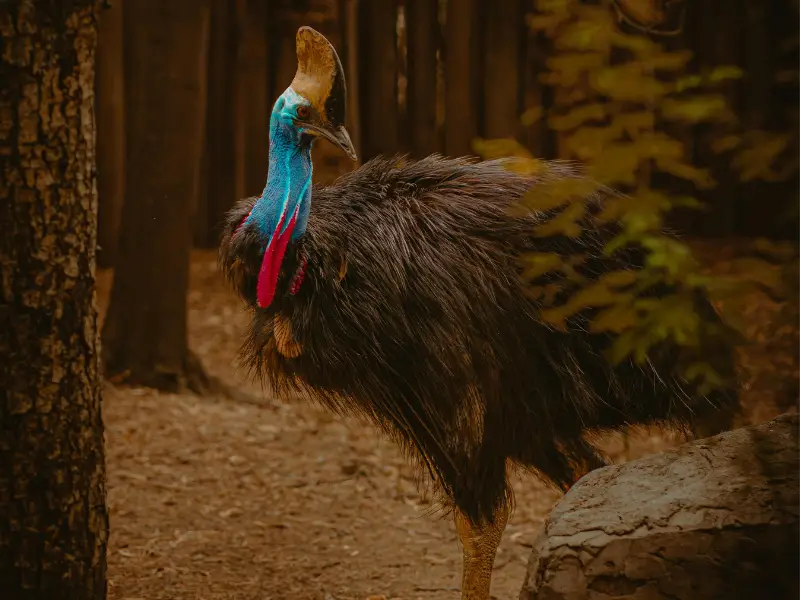
1. Ostrich – The Largest Living Bird

  • Average Height: 8–9 feet
  • Average Weight: 220–350 pounds
  • Habitat: African savannas and deserts
    The ostrich is not just the largest bird on the planet but also the fastest runner among birds, reaching speeds of up to 60 mph. They have powerful legs that allow them to cover up to 16 feet in a single stride. Being flightless, ostriches rely on their speed and size to evade predators.
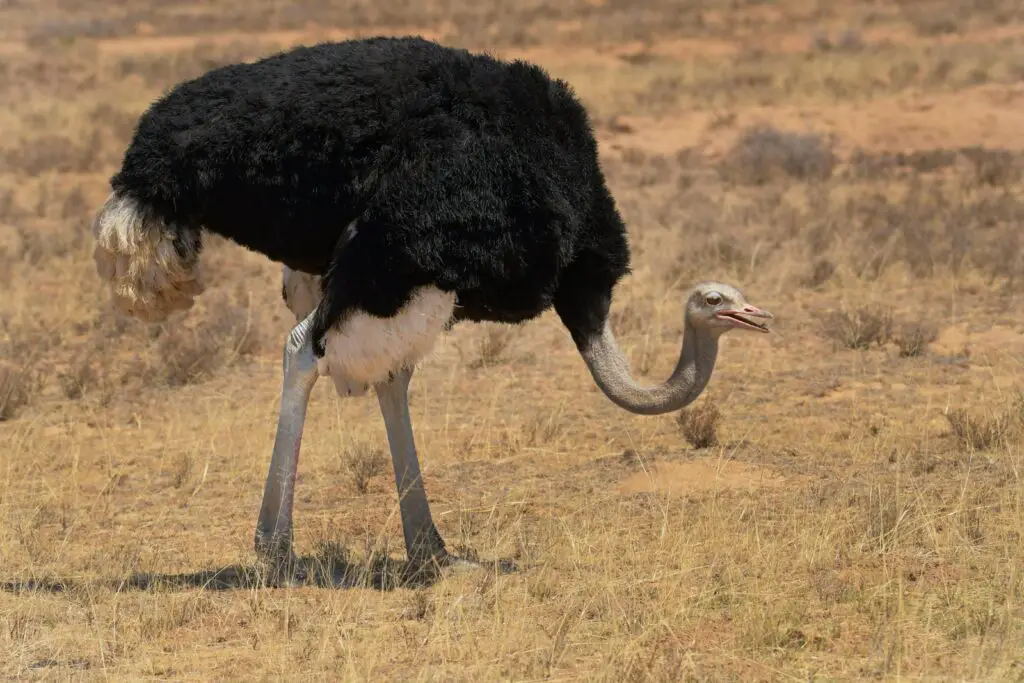
2. Southern Cassowary – The Forest Giant

  • Average Height: 5–6.6 feet
  • Average Weight: 110–160 pounds
  • Habitat: Tropical forests of Australia, New Guinea, and nearby islands
    Known for its striking blue neck and helmet-like casque, the southern cassowary is a solitary and territorial bird. While flightless, it’s an excellent swimmer and can navigate rivers with ease. Beware—this bird is known for its strong legs and sharp claws!
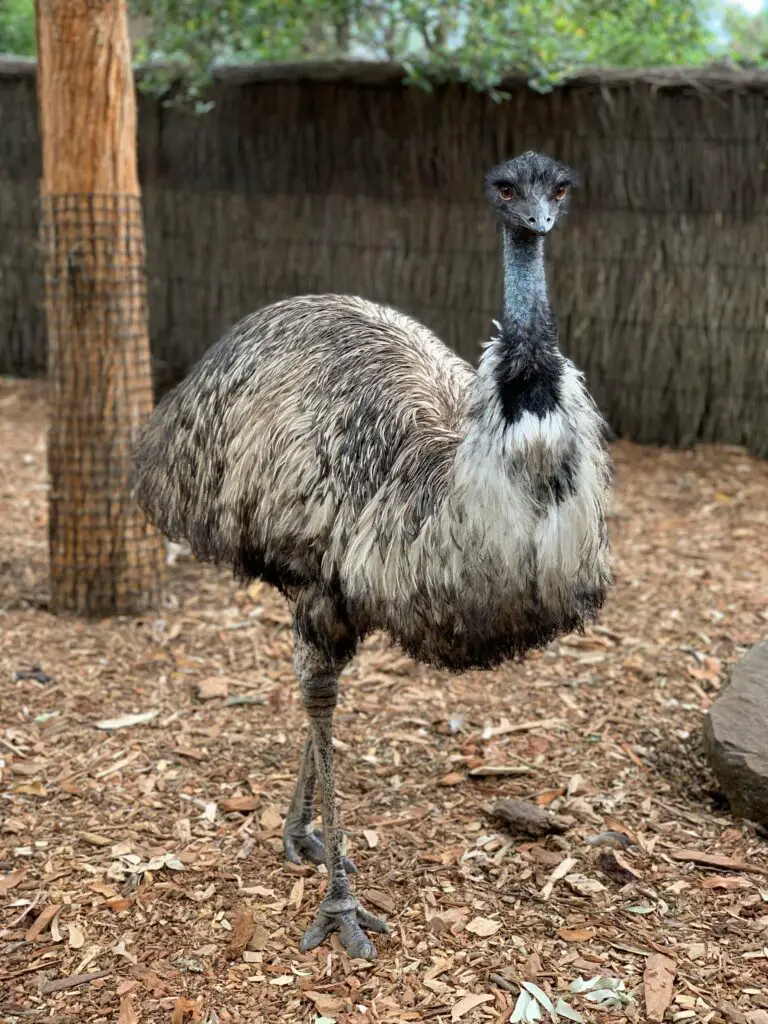
3. Emu – Australia’s Iconic Bird

  • Average Height: 5.7–6.2 feet
  • Average Weight: 100–130 pounds
  • Habitat: Grasslands, woodlands, and semi-arid regions of Australia
    The emu is a close cousin to the cassowary and shares its flightless nature. These curious birds are known for their inquisitive behavior and can travel long distances while searching for food.\
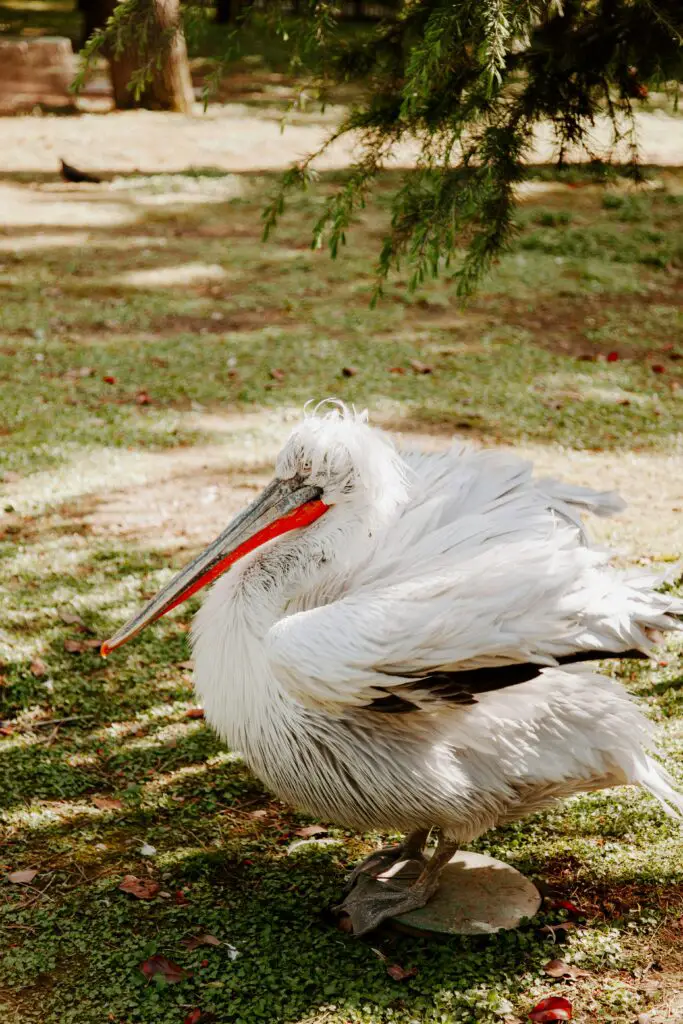
4. Dalmatian Pelican – The Largest Flying Bird by Weight

  • Wingspan: 9–11.5 feet
  • Average Weight: 22–33 pounds
  • Habitat: Wetlands across Europe and Asia
    This elegant bird is the heaviest flying bird in the world. Its enormous wingspan allows it to soar effortlessly, while its large pouch helps it catch fish. Dalmatian pelicans often live in colonies near lakes and rivers.
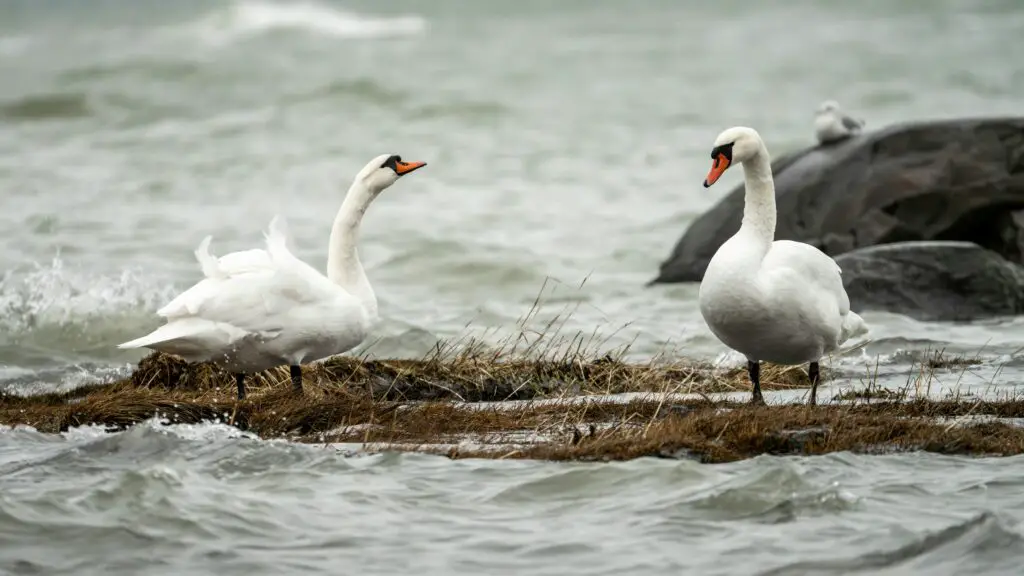
5. Mute Swan – Grace and Size Combined

  • Wingspan: 7–8 feet
  • Average Weight: 20–26 pounds
  • Habitat: Lakes and ponds in Europe, Asia, and North America
    Known for their elegant white feathers and curved necks, mute swans are among the largest waterfowl. Despite their serene appearance, they are highly territorial and can be aggressive when protecting their nests.
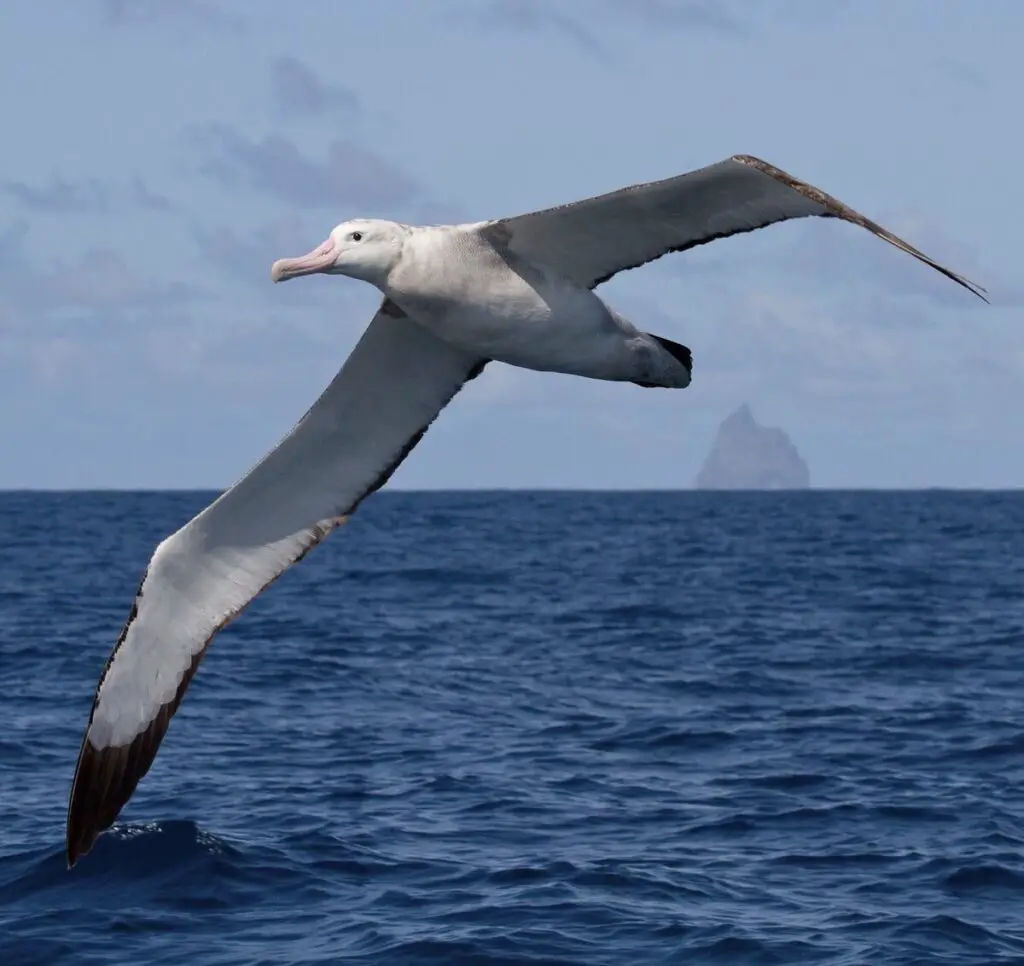
6. Wandering Albatross – The Bird with the Longest Wingspan

  • Wingspan: 11–12 feet
  • Average Weight: 15–25 pounds
  • Habitat: Southern Ocean and sub-Antarctic islands
    Famous for their incredible wingspan, wandering albatrosses can glide for hours without flapping their wings. They spend most of their lives at sea and are master navigators, traveling thousands of miles across the ocean.
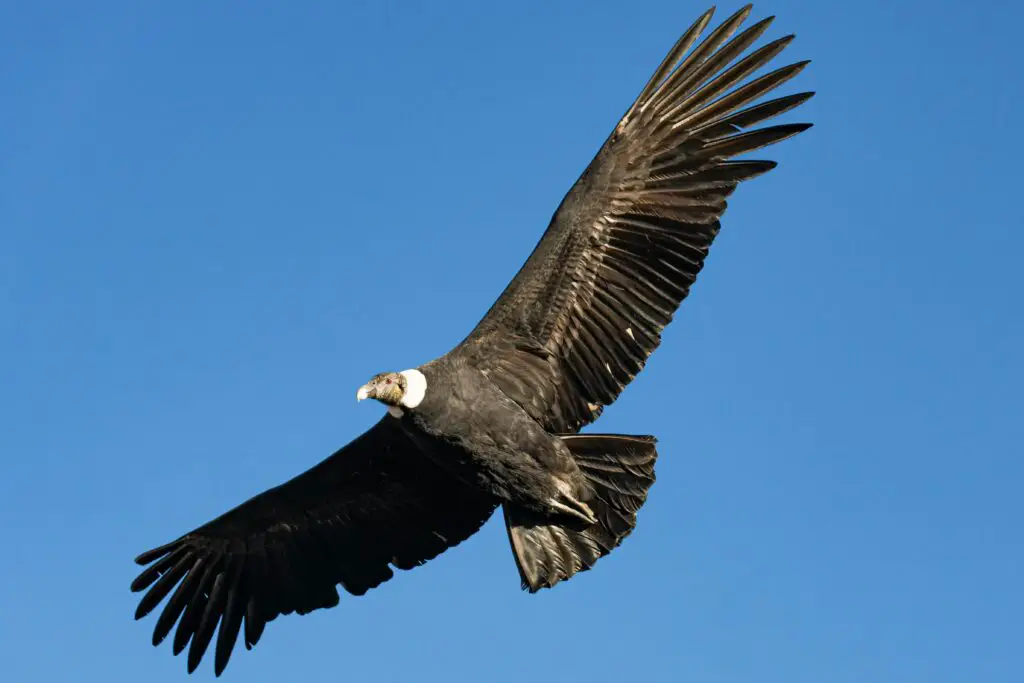
7. Andean Condor – The Largest Bird of Prey

  • Wingspan: 9–10.5 feet
  • Average Weight: 20–33 pounds
  • Habitat: Andes Mountains of South America
    This majestic scavenger is a symbol of the Andes. With its broad wings and impressive gliding ability, the Andean condor relies on thermals to soar high above the mountains in search of carrion.
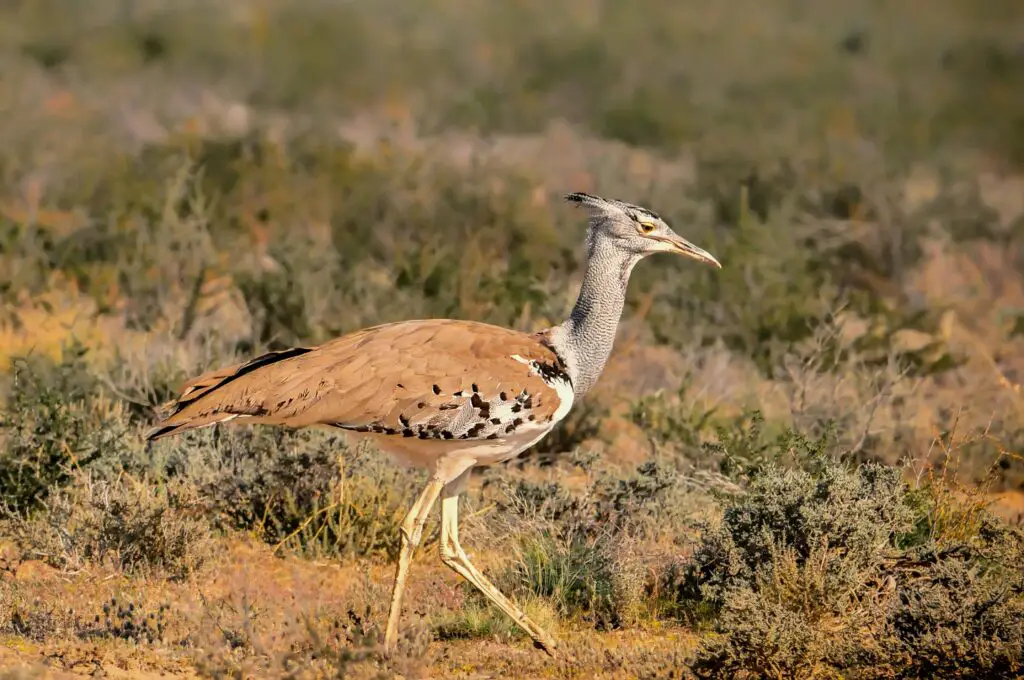
8. Kori Bustard – The Heaviest Flying Bird

  • Average Weight: 24–42 pounds
  • Habitat: African savannas and dry grasslands
    The kori bustard holds the record for being the heaviest bird capable of flight. While they prefer walking and are not strong fliers, these birds display fascinating courtship dances during the breeding season.
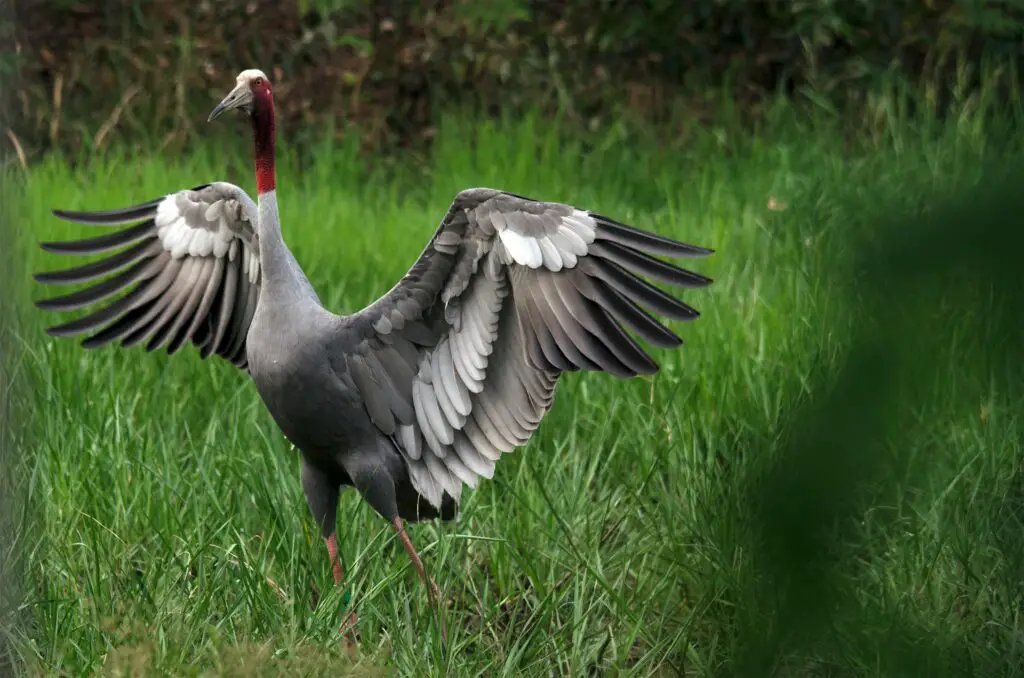
9. Sarus Crane – The World’s Tallest Flying Bird

  • Average Height: 5.9–6 feet
  • Average Weight: 15–26 pounds
  • Habitat: Wetlands in South Asia, Southeast Asia, and Australia
    With their long legs and graceful movements, Sarus cranes are known for their striking beauty and elaborate mating dances. These birds form lifelong bonds with their mates.
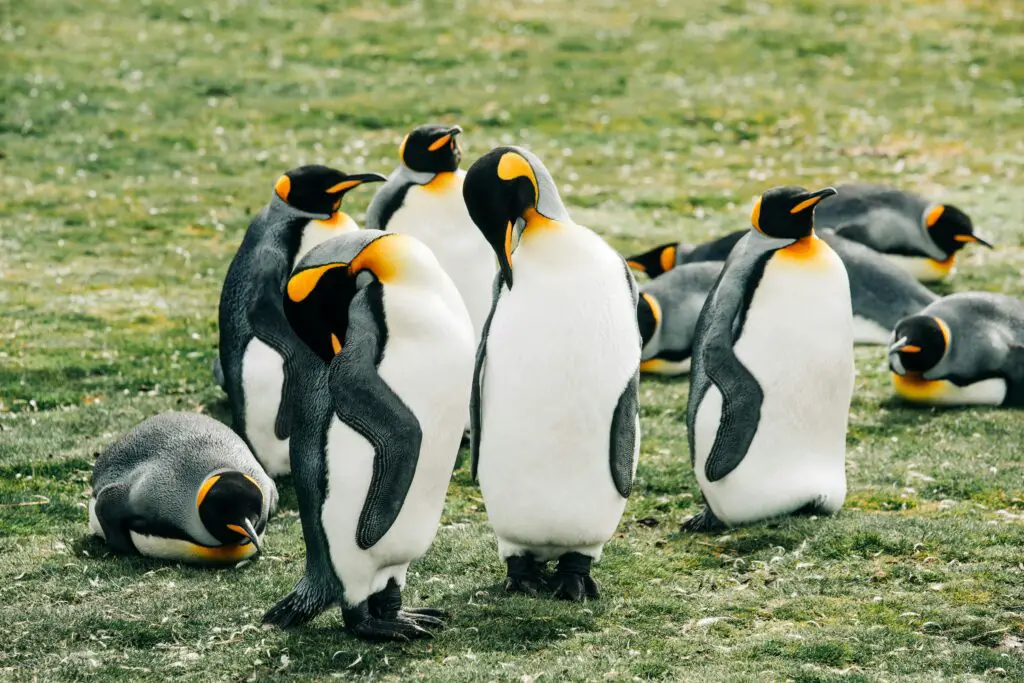
10. King Penguin – The Largest Penguin Species

  • Average Height: 3.1–3.3 feet
  • Average Weight: 25–35 pounds
  • Habitat: Sub-Antarctic islands
    King penguins are the second-largest penguin species after the emperor penguin. Their striking orange and yellow plumage make them one of the most recognizable birds in the world.
FAQs About Large Birds

What is the largest living bird?

The ostrich is the largest living bird, standing up to 9 feet tall and weighing up to 350 pounds.

Can the largest birds fly?

Most of the largest birds, like ostriches, cassowaries, and emus, are flightless. However, large flying birds like the wandering albatross and Dalmatian pelican excel at gliding or soaring.

Why are some birds flightless?

Flightless birds evolved in environments with fewer predators, prioritizing size and strength over the ability to fly.


Conclusion

The world of birds is full of surprises, and the largest ones truly stand out with their impressive size and unique adaptations. Whether it’s the sheer speed of an ostrich or the majestic flight of a wandering albatross, these birds remind us of nature’s incredible diversity.

If you ever get a chance to see one of these giants in the wild, take it—it’s an experience you won’t forget!

Click to comment

Leave a Reply

Your email address will not be published. Required fields are marked *

Animals

20 Poisonous Butterflies of the World

Published

on

By

20 Poisonous Butterflies of the World

Short Answer: Poisonous butterflies are beautiful insects that contain toxic chemicals in their bodies, making them dangerous to predators. They get these toxins from the plants they eat as caterpillars. These butterflies use bright colors to warn predators to stay away.

Key Takeaways

  • Poisonous butterflies get toxins from plants they eat during their caterpillar stage
  • Bright colors and patterns warn predators that they’re toxic
  • Most poisonous butterflies won’t harm humans unless eaten
  • These butterflies are found on every continent except Antarctica
  • Learning about them helps us understand nature’s defense mechanisms
  • Many harmless butterflies mimic poisonous ones for protection

Introduction

Have you ever wondered why some butterflies have such bright, bold colors? You might be surprised to learn that these beautiful creatures are actually sending a warning message. Nature has a fascinating way of protecting itself, and poisonous butterflies are a perfect example of this.

These stunning insects aren’t just beautiful to look at – they’re also masters of chemical warfare. From the rainforests of South America to the meadows of North America, poisonous butterflies have developed amazing ways to survive. Don’t worry though, they’re only dangerous if eaten, so you can safely observe and photograph them.

We’ve got something for every nature lover in this guide! Whether you’re a beginner butterfly watcher or an experienced nature enthusiast, you’ll discover amazing facts about these toxic beauties. Let’s explore 20 of the most poisonous butterflies found around the world.

Table: 20 Poisonous Butterflies at a Glance

Butterfly NameLocationBest Time to Observe
Monarch ButterflyNorth America, Central AmericaJune to September
Queen ButterflySouthern USA, Central AmericaYear-round in warm areas
Pipevine SwallowtailNorth AmericaApril to October
Postman ButterflyCentral and South AmericaYear-round
Zebra LongwingSouthern USA, Central AmericaMarch to November
Painted LadyWorldwide except AntarcticaSpring to Fall
Common Tiger ButterflyAsia, AustraliaYear-round
African MonarchAfricaYear-round
Glasswing ButterflyCentral AmericaYear-round
Blue Tiger ButterflySoutheast AsiaYear-round
Plain Tiger ButterflyAsia, AustraliaYear-round
Atala ButterflyFlorida, CaribbeanYear-round
Crimson RoseIndia, Southeast AsiaYear-round
Common RoseAsiaYear-round
Red HelenIndia, Southeast AsiaMarch to November
Scarlet MormonPhilippines, IndonesiaYear-round
Polydamas SwallowtailAmericasYear-round in tropics
Heliconius SaraCentral and South AmericaYear-round
Tiger Swallowtail (some populations)North AmericaMay to September
Battus philenorNorth AmericaSpring to Fall

1. Monarch Butterfly

About

The Monarch butterfly is probably the most famous poisonous butterfly in the world. You’ll find these orange and black beauties across North America, and they’re known for their incredible migration journey. They can travel up to 3,000 miles from Canada to Mexico.

Highlights

  • Bright orange wings with black veins and white spots
  • Contains toxic cardiac glycosides from milkweed plants
  • Can make predators very sick
  • Males have a black spot on each hind wing

Experience

When you spot a Monarch, you’re looking at a living chemical factory. These butterflies eat milkweed as caterpillars, which contains toxins that stay in their bodies even after they transform. Birds that try to eat them quickly learn their lesson and avoid orange butterflies in the future. You can safely observe them in gardens, meadows, and during their amazing migration.

Best Time to Visit

The best time to see Monarchs is from June to September in northern areas. If you want to witness their famous migration, visit sanctuaries in Mexico from November to March. This is truly a breath of fresh air for nature lovers.

Why You Should Know About It

Monarchs are a perfect example of how nature protects itself. They’re also important pollinators and a key species for environmental health. Sadly, their numbers are declining, making every sighting special.

Observation Tips

  • Look for them near milkweed plants
  • Don’t touch or disturb them during migration
  • Plant milkweed in your garden to help them
  • Bring a camera with a good zoom lens

2. Queen Butterfly

About

The Queen butterfly is the Monarch’s close cousin and looks very similar. You’ll find them in the southern United States, Central America, and South America. They’re a bit smaller than Monarchs but just as poisonous.

Highlights

  • Dark brown wings with white spots
  • Less orange than Monarchs
  • Also feeds on milkweed
  • Can survive in hotter, drier climates

Experience

Watching Queen butterflies is a wonderful experience, especially in desert gardens. They’re more heat-tolerant than Monarchs, so you might spot them when other butterflies are hiding from the sun. Their flight is graceful and slow, making them easy to photograph.

Best Time to Visit

In warm areas, you can see Queens year-round. In cooler regions, they’re most active from spring through fall.

Why You Should Know About It

Queens show us how species adapt to different environments. While Monarchs migrate to escape cold weather, Queens simply move to warmer areas nearby.

Observation Tips

  • Look in desert gardens and scrublands
  • They love butterfly bush and lantana flowers
  • Morning hours are best for photography
  • Respect their space – don’t get too close

3. Pipevine Swallowtail

About

The Pipevine Swallowtail is a stunning black butterfly with iridescent blue hind wings. Found throughout North America, it’s named after the pipevine plant that caterpillars eat. This plant makes them highly toxic.

Highlights

  • Metallic blue-green shine on wings
  • Long tails on hind wings
  • Contains aristolochic acid, a powerful toxin
  • Many harmless butterflies mimic its appearance

Experience

You’ll be amazed by how their wings shimmer in sunlight. This is nature’s way of advertising their toxicity. The iridescent blue is so beautiful that several harmless butterfly species have evolved to look just like them for protection.

Best Time to Visit

April to October is the best time to spot them, with peak activity in summer months.

Why You Should Know About It

This butterfly is a hidden gem in the world of mimicry. At least five other butterfly species copy its appearance to avoid being eaten.

Observation Tips

  • Look near pipevine plants in gardens and woodlands
  • The shimmer is strongest in direct sunlight
  • Watch for multiple species that look similar
  • Learn to identify the real thing from the mimics

4. Postman Butterfly

About

The Postman butterfly gets its name from its regular flight routes, like a mail carrier. Found in Central and South American rainforests, these butterflies are toxic and come in several color patterns.

Highlights

  • Red and black warning colors
  • Lives in rainforest habitats
  • Part of the Heliconius family
  • Can live up to 6 months (very long for a butterfly)

Experience

Watching Postman butterflies in their natural rainforest habitat is breathtaking. They fly along the same routes every day, visiting the same flowers. This makes them surprisingly easy to find once you know their path.

Best Time to Visit

In tropical rainforests, you can see them year-round. Morning hours are most active.

Why You Should Know About It

These butterflies are incredibly smart. They remember where good flowers are located and return to them daily. They also have one of the longest lifespans of any butterfly.

Observation Tips

  • Visit rainforest butterfly gardens
  • Watch for their repeated flight patterns
  • Early morning is feeding time
  • Bring rain gear – it’s a rainforest after all

5. Zebra Longwing

About

The Zebra Longwing is Florida’s state butterfly and for good reason. With its distinctive black and yellow stripes, it’s easy to identify. These butterflies are found in the southern United States and throughout Central America.

Highlights

  • Bold black and yellow striped pattern
  • Long, narrow wings
  • Eats pollen, not just nectar
  • Roosts in groups at night

Experience

You’re in for a treat when you find a Zebra Longwing roost. Unlike most butterflies that rest alone, these gather in groups of up to 60 individuals on the same branch every night. It’s an amazing sight that shows social behavior in insects.

Best Time to Visit

March to November in most areas, year-round in southern Florida.

Why You Should Know About It

This butterfly breaks the rules. While most butterflies only drink nectar, Zebra Longwings also eat pollen. This gives them extra protein and helps them live up to 6 months.

Observation Tips

  • Look for passionflower vines (their food plant)
  • Find their roosting spots for guaranteed sightings
  • They fly slowly, making photography easy
  • Visit butterfly gardens in Florida

6. Painted Lady

About

The Painted Lady is one of the most widespread butterflies in the world. You’ll find them on every continent except Antarctica and South America. While they’re less toxic than other butterflies on this list, they still contain defensive chemicals.

Highlights

  • Orange, black, and white pattern
  • Found almost everywhere
  • Migrates long distances
  • Can survive in many different habitats

Experience

Watching Painted Ladies is accessible to everyone because they’re so widespread. During migration years, you might see thousands passing through in a single day. Don’t miss out on these spectacular events.

Best Time to Visit

Spring to fall in most areas. Migration peaks in spring.

Why You Should Know About It

Painted Ladies prove that you don’t need to travel to exotic locations to see amazing nature. They might be in your own backyard right now.

Observation Tips

  • Check gardens, meadows, and even city parks
  • They love thistle flowers
  • Migration watching is best from hilltops
  • Easy to photograph – very approachable

7. Common Tiger Butterfly

About

The Common Tiger butterfly is found throughout Asia and Australia. It looks similar to the Monarch but is a different species. Like its American cousin, it feeds on toxic plants and stores the poisons.

Highlights

  • Orange wings with black stripes
  • Contains cardiac glycosides
  • Strong, steady flight
  • Males have scent glands for attracting females

Experience

In Asian gardens and parks, Common Tigers are a regular sight. They’re quite bold and will feed on flowers even when people are nearby. This makes them perfect for beginner butterfly watchers.

Best Time to Visit

Year-round in tropical areas, spring to fall in temperate regions.

Why You Should Know About It

This species shows how similar defense strategies evolved in different parts of the world. It’s like nature’s version of parallel evolution.

Observation Tips

  • Visit botanical gardens in Asia
  • Look for them near oleander plants
  • They’re active even in hot weather
  • Great for close-up photography

8. African Monarch

About

The African Monarch is found throughout Africa and looks very similar to the American Monarch. It’s proof that effective warning colors evolve independently in different parts of the world.

Highlights

  • Orange and black coloring
  • Slightly smaller than American Monarchs
  • Feeds on various toxic plants
  • Important pollinator in Africa

Experience

Seeing African Monarchs in their native savanna habitat is peaceful and beautiful. They often gather in groups near water sources, creating stunning photo opportunities.

Best Time to Visit

Year-round in most of Africa, but rainy season brings more flowers and butterflies.

Why You Should Know About It

This butterfly is a living example of convergent evolution – developing the same solution as Monarchs on a different continent.

Observation Tips

  • Visit during or after rainy season
  • Look near flowering trees
  • Safari lodges often have butterfly gardens
  • Respect local wildlife guidelines

9. Glasswing Butterfly

About

The Glasswing butterfly is one of the most unique butterflies in the world. Its wings are transparent like glass, but don’t let the delicate appearance fool you – it’s quite toxic.

Highlights

  • Clear, transparent wings
  • Orange borders on wings
  • Found in Central American rainforests
  • Feeds on toxic plants in the nightshade family

Experience

You might be wondering how a transparent butterfly warns predators. The answer is in the orange borders and the fact that birds learn through experience. Watching these amazing butterflies is like seeing flying glass in the forest.

Best Time to Visit

Year-round in rainforest habitats.

Why You Should Know About It

Glasswings show that being poisonous doesn’t always mean bright colors. Their transparency actually helps them hide while the toxins keep them safe once discovered.

Observation Tips

  • They’re hard to spot – look carefully
  • Rainforest butterfly exhibits are easiest
  • Early morning when dew is on wings shows them best
  • Slow movements to avoid scaring them

10. Blue Tiger Butterfly

About

The Blue Tiger butterfly is found in Southeast Asia and is known for its beautiful pale blue-gray coloring with black stripes. Despite its subtle colors, it’s quite toxic.

Highlights

  • Pale blue-gray wings with black veins
  • Contains pyrrolizidine alkaloids
  • Often found in forest clearings
  • Males gather in groups at wet spots

Experience

Watching male Blue Tigers gather at muddy puddles is relaxing and fascinating. They do this to collect minerals and toxins that they’ll use to create pheromones and stay poisonous.

Best Time to Visit

Year-round in tropical areas.

Why You Should Know About It

This butterfly actively seeks out additional toxins throughout its life, not just from its caterpillar food plant. It’s constantly reinforcing its defenses.

Observation Tips

  • Look for groups at wet spots on trails
  • Forest edges are best
  • They’re fairly calm and allow close approach
  • Bring macro lens for details

11. Plain Tiger Butterfly

About

The Plain Tiger is another member of the Monarch family, found throughout Asia and Australia. It’s one of the most common poisonous butterflies in its range.

Highlights

  • Orange-brown with black and white spots
  • Very common in gardens
  • Migrates short distances
  • Important model for mimicry

Experience

You should visit any garden in Asia, and you’ll likely spot Plain Tigers. They’re fearless around humans and will feed on flowers right in front of you. This confidence comes from their toxic protection.

Best Time to Visit

Year-round in most areas.

Why You Should Know About It

Plain Tigers are so common that they’ve become the standard that harmless butterflies copy. Several species have evolved to look exactly like them.

Observation Tips

  • Easy to find in parks and gardens
  • They love lantana and butterfly bush
  • Great for practicing photography skills
  • Watch for mimics mixed in

12. Atala Butterfly

About

The Atala butterfly is a small but stunning species found in Florida and the Caribbean. It was once thought extinct but made a remarkable comeback. Its caterpillars feed on coontie plants, which are highly toxic.

Highlights

  • Iridescent blue-green wings
  • Bright red abdomen
  • Small but colorful
  • Conservation success story

Experience

Finding an Atala is like discovering a hidden gem. Their metallic blue wings shimmer in the sun, and the bright red abdomen serves as a strong warning signal. They’re proof that conservation efforts can work.

Best Time to Visit

Year-round in South Florida.

Why You Should Know About It

This butterfly came back from the brink of extinction when people started planting coontie in their gardens. It shows how everyone can help wildlife.

Observation Tips

  • Look in gardens with coontie plants
  • They stay close to the ground
  • Small size makes them easy to miss
  • South Florida botanical gardens are best bets

13. Crimson Rose

About

The Crimson Rose is a spectacular swallowtail butterfly found in India and Southeast Asia. Its bright red and black coloring makes it one of the most striking poisonous butterflies in the world.

Highlights

  • Bright crimson red body
  • Black wings with white and red markings
  • Large size (up to 5 inches)
  • Contains aristolochic acid from pipevine plants

Experience

Watching a Crimson Rose fly is breathtaking. Their size and color make them visible from far away, and their slow, gliding flight makes them easy to follow. They’re a favorite in butterfly gardens throughout Asia.

Best Time to Visit

Year-round in tropical areas, March to November in seasonal areas.

Why You Should Know About It

This butterfly is so toxic that even a small taste can make a bird sick for hours. Its dramatic coloring ensures predators remember the lesson.

Observation Tips

  • Visit butterfly parks in India or Thailand
  • They prefer forest edges
  • Active in morning and late afternoon
  • Their size makes them easy to photograph

14. Common Rose

About

The Common Rose is found throughout Asia and is named for its rose-like pink and white markings. Like other swallowtails on pipevine, it’s highly toxic to predators.

Highlights

  • Black wings with pink and white spots
  • Medium-sized swallowtail
  • Variable patterns across its range
  • Strong, steady flight

Experience

Common Roses are fairly easy to spot in Asian gardens and forests. They visit flowers regularly and aren’t too shy around observers. Their pattern variation makes each sighting interesting.

Best Time to Visit

Year-round in most of their range.

Why You Should Know About It

This butterfly shows how one species can have many different looks. Scientists once thought these were different species until they studied them closely.

Observation Tips

  • Look in gardens and forest clearings
  • They love hibiscus flowers
  • Morning is most active time
  • Note pattern differences in different regions

15. Red Helen

About

The Red Helen is a large, impressive swallowtail found in India and Southeast Asia. Its combination of black and crimson creates a stunning warning pattern.

Highlights

  • Deep black wings with red spots
  • Large size
  • Fast, powerful flight
  • Prefers mountain forests

Experience

You might be wondering why it’s called Helen – it’s named after Helen of Troy because of its beauty. Watching these butterflies patrol forest trails is peaceful and exciting at the same time.

Best Time to Visit

March to November, most common during monsoon season.

Why You Should Know About It

Red Helens are indicators of healthy forest ecosystems. Seeing them means the forest is in good condition.

Observation Tips

  • Mountain forests are best
  • They fly high and fast
  • Catch them when feeding on flowers
  • Patience is needed for good photos

16. Scarlet Mormon

About

The Scarlet Mormon is found in the Philippines and Indonesia. The males are black with blue markings, while females are black with red markings – hence the scarlet name.

Highlights

  • Sexual dimorphism (males and females look different)
  • Females mimic other toxic butterflies
  • Found in lowland forests
  • Large and easy to spot

Experience

Watching both males and females together shows you nature’s amazing diversity. It’s fascinating that the same species can look so different based on gender.

Best Time to Visit

Year-round in tropical areas.

Why You Should Know About It

Female Scarlet Mormons can have different color forms, some mimicking other toxic species. It’s mimicry within an already toxic butterfly.

Observation Tips

  • Visit butterfly farms in the Philippines
  • Look for both color forms
  • Forest edges near flowers
  • They’re fairly approachable

17. Polydamas Swallowtail

About

The Polydamas Swallowtail is found throughout the Americas, from the southern United States to Argentina. It’s unique among swallowtails because it has no tail.

Highlights

  • No tails on hind wings (unusual for swallowtails)
  • Dark wings with yellow spots
  • Feeds on pipevine
  • Fast, erratic flight

Experience

Despite their quick flight, Polydamas Swallowtails are common in gardens. Their tailless profile makes them easy to identify. You’ll often see several flying together.

Best Time to Visit

Year-round in tropics, spring to fall elsewhere.

Why You Should Know About It

This butterfly proves that not all swallowtails need tails. The shape evolved differently but the toxicity remains.

Observation Tips

  • Look in gardens with pipevine or dutchman’s pipe
  • They love lantana and bougainvillea
  • Fast flight but regular flower visits
  • Common in urban gardens

18. Heliconius Sara

About

Heliconius sara is a beautiful blue and black butterfly found in Central and South American rainforests. It’s part of the diverse Heliconius group, all of which are toxic.

Highlights

  • Brilliant blue wings with black borders
  • Rainforest specialist
  • Part of mimicry complex
  • Feeds on pollen and nectar

Experience

The blue color of H. sara is absolutely stunning in the dappled rainforest light. They fly in the understory and have regular routes, making them predictable to observe.

Best Time to Visit

Year-round in rainforests.

Why You Should Know About It

This species is part of a group where multiple toxic butterflies share similar patterns to reinforce the warning to predators.

Observation Tips

  • Rainforest butterfly gardens are best
  • They prefer shaded areas
  • Slow, graceful flight
  • Look along forest trails

19. Tiger Swallowtail (Dark Form)

About

The Eastern Tiger Swallowtail has a dark form found only in females in the southern part of its range. This dark form mimics the toxic Pipevine Swallowtail and may contain low levels of toxins.

Highlights

  • Black wings (mimicking toxic species)
  • Only female form
  • Found in eastern North America
  • Yellow form exists in same population

Experience

Finding both yellow and dark forms in the same area is amazing. It shows evolution in action as females in southern areas are more likely to be dark where Pipevine Swallowtails are common.

Best Time to Visit

May to September.

Why You Should Know About It

This butterfly is slightly toxic and also a mimic – it uses both its own defenses and copies another species. That’s double protection.

Observation Tips

  • Look in forests and gardens
  • Southern populations have more dark forms
  • They love tall flowers like joe-pye weed
  • Compare yellow and dark forms

20. Battus philenor

About

Battus philenor, also called the Pipevine Swallowtail (we mentioned it earlier as #3, but it deserves a second look), is the model species that many other butterflies mimic. Found throughout North America, it’s extremely toxic.

Highlights

  • Iridescent blue-green shine
  • Most mimicked butterfly in North America
  • Contains aristolochic acid
  • Beautiful and dangerous

Experience

Understanding that this single species protects not just itself but also several harmless species makes watching it even more special. You’re looking at the foundation of a whole mimicry system.

Best Time to Visit

Spring to fall, peak in summer.

Why You Should Know About It

At least five other butterfly species have evolved to look like Battus philenor. It’s the most important toxic butterfly model in North America.

Observation Tips

  • Learn to identify it correctly from mimics
  • Look for pipevine plants
  • The blue iridescence is the key feature
  • Compare it to similar-looking species

Frequently Asked Questions

Can poisonous butterflies hurt humans?

No, poisonous butterflies won’t hurt you if you just look at or gently touch them. They’re only dangerous if eaten. The toxins in their bodies are a defense against predators like birds, not against humans. You can safely observe and photograph them.

How do butterflies become poisonous?

Butterflies become poisonous by eating toxic plants when they’re caterpillars. The toxins from these plants stay in their bodies even after they transform into butterflies. Some butterflies also continue to collect toxins as adults by feeding on specific plants.

Why are poisonous butterflies so colorful?

Bright colors are a warning signal called aposematism. The bold patterns tell predators “Don’t eat me – I’m toxic!” Once a bird gets sick from eating one bright butterfly, it learns to avoid all butterflies with similar colors.

What happens if a bird eats a poisonous butterfly?

The bird usually gets very sick. It might vomit, feel dizzy, or have other unpleasant symptoms. Most birds survive but remember the experience and avoid eating butterflies with those colors in the future.

Are all brightly colored butterflies poisonous?

No, many harmless butterflies have evolved to look like poisonous ones. This is called Batesian mimicry. The harmless butterflies get protection by looking dangerous, even though they’re not actually toxic.

Where can I safely observe poisonous butterflies?

Butterfly gardens, botanical gardens, and nature preserves are great places. You can also find them in your own garden if you plant the right flowers. Just remember not to disturb them or their habitat.

Do poisonous butterflies migrate like Monarchs?

Some do. Monarchs are famous for their migration, but other poisonous butterflies like Painted Ladies and some Tiger species also migrate. However, many poisonous butterflies stay in the same area year-round, especially in tropical regions.

Conclusion

Poisonous butterflies are amazing examples of nature’s creativity. From the famous Monarch to the transparent Glasswing, each species has developed unique ways to warn predators and stay safe. These beautiful insects remind us that nature is full of surprises – sometimes the most gorgeous creatures are also the most dangerous.

Learning about poisonous butterflies helps us appreciate the complex relationships in nature. It shows us how plants, insects, and predators are all connected. Whether you spot them in your backyard or during travels to exotic locations, these butterflies offer endless fascination for nature lovers.

The good news is that you don’t need special equipment or training to start observing these amazing creatures. Just step outside, keep your eyes open, and remember the patterns and colors you’ve learned about today. Every sighting is a chance to witness millions of years of evolution in action.

Start Your Butterfly Adventure Today

Don’t miss out on the chance to see these incredible insects in person. Start by planting native flowers in your garden to attract local butterflies. Visit a nearby butterfly garden or nature preserve. Share this post with your friends who love nature, and start planning your butterfly-watching adventures together.

Remember, the best way to help these beautiful creatures is to protect their habitats and food plants. Plant milkweed for Monarchs, pipevine for swallowtails, and passion flowers for longwings. Every garden can become a haven for these toxic beauties.

Share this post with your friends and start exploring the colorful world of poisonous butterflies today!

Continue Reading

Animals

20 Largest Butterfly Species and Wingspans

Published

on

By

Butterfly Species and Wingspans

Quick Answer: The largest butterfly in the world is the Queen Alexandra’s Birdwing, with a wingspan up to 12 inches. This article explores the 20 largest butterfly species on Earth, where they live, and what makes them so special.

Key Takeaways

  • The largest butterflies can have wingspans over 11 inches
  • Most giant butterflies live in tropical regions
  • Many large butterfly species are endangered
  • You can see some of these butterflies in wildlife sanctuaries
  • Size varies between males and females in many species
  • Tropical rainforests are home to the biggest butterfly species

Introduction

Have you ever seen a butterfly so big you thought it was a bird? These gentle giants exist, and they’re absolutely breathtaking. If you’re a nature lover, you’re in for a treat.

The world of butterflies is full of amazing surprises. While most butterflies fit in the palm of your hand, some are as large as dinner plates. These incredible insects don’t just impress with their size – they also show stunning colors and patterns that look like living art.

Whether you’re planning a nature trip, love wildlife photography, or simply want to learn about Earth’s most beautiful creatures, this guide has something for everyone. We’ve gathered the 20 largest butterfly species in the world, complete with details about where they live and how big they really get.

Don’t miss out on discovering these hidden gems of the insect world!


The 20 Largest Butterfly Species

Here’s a quick reference table of the world’s largest butterflies:

Species NameLocation/HabitatWingspan
Queen Alexandra’s BirdwingPapua New GuineaUp to 12 inches
Goliath BirdwingIndonesia, Papua New GuineaUp to 11 inches
African Giant SwallowtailCentral AfricaUp to 9.8 inches
Buru Opalescent BirdwingBuru Island, IndonesiaUp to 9.4 inches
Palawan BirdwingPhilippinesUp to 9 inches
Rippon’s BirdwingIndonesiaUp to 8.7 inches
Golden BirdwingSoutheast AsiaUp to 7.5 inches
Atlas Moth-ButterflySoutheast AsiaUp to 7.1 inches
Chimaera BirdwingPapua New GuineaUp to 7 inches
Giant Owl ButterflyCentral and South AmericaUp to 6.5 inches
Blue Mountain SwallowtailAustraliaUp to 6.3 inches
Thysania AgrippinaSouth AmericaUp to 6 inches
Madagascan Sunset MothMadagascarUp to 5.9 inches
Giant SwallowtailNorth AmericaUp to 5.9 inches
Tiger SwallowtailNorth AmericaUp to 5.5 inches
Birdwing SwallowtailSoutheast AsiaUp to 5.5 inches
Pipevine SwallowtailNorth AmericaUp to 5.1 inches
Rajah Brooke’s BirdwingMalaysia, IndonesiaUp to 5 inches
Common BirdwingSoutheast AsiaUp to 4.9 inches
Homerus SwallowtailJamaicaUp to 4.7 inches

1. Queen Alexandra’s Birdwing

About

The Queen Alexandra’s Birdwing holds the title as the world’s largest butterfly. This stunning creature lives only in the rainforests of Papua New Guinea. It was named after Queen Alexandra of Denmark and is critically endangered.

Highlights

  • Females can reach wingspans of 12 inches – about the size of a small plate
  • Males are smaller but more colorful, with bright blue and green patterns
  • Females are brown and cream-colored with larger, rounder wings
  • This species is protected by law due to habitat loss

Where to See

You can spot these butterflies in protected rainforest areas in Papua New Guinea. Wildlife sanctuaries and conservation areas sometimes have viewing programs. The butterfly lives in the canopy of lowland rainforests.

Best Time to Visit

The butterflies are active year-round in Papua New Guinea, but the best viewing is during the dry season from May to October.

Why It’s Special

This butterfly is special because it’s the largest in the world. It’s also one of the rarest. Seeing one in the wild is a once-in-a-lifetime experience that nature lovers dream about.

Identification Tips

Look for enormous size, females are much larger than males. Females have brown wings with white markings. Males are smaller with vibrant blue-green colors. If you’re traveling to Papua New Guinea, hire a local guide who knows where to find them.


2. Goliath Birdwing

About

The Goliath Birdwing is the second-largest butterfly species. It lives in the tropical rainforests of Indonesia and Papua New Guinea. Like its cousin, it’s named after a giant – Goliath from the Bible.

Highlights

  • Wingspan reaches up to 11 inches
  • Males have golden-yellow markings on black wings
  • Females are larger with brown and white patterns
  • One of the most sought-after butterflies by nature photographers

Where to See

You’ll find these butterflies in mountainous rainforests. They prefer higher elevations between 1,000 to 2,000 meters. Several butterfly houses in Indonesia display captive-bred specimens.

Best Time to Visit

Visit between May and September for the best chances of spotting them in their natural habitat.

Why It’s Special

The Goliath Birdwing represents the incredible biodiversity of Southeast Asian rainforests. Its size and beauty make it a hidden gem for butterfly enthusiasts.

Identification Tips

Watch for large butterflies flying slowly near the forest canopy. Males are bright yellow and black, while females are bigger and more subdued in color. Bring binoculars for better viewing.


3. African Giant Swallowtail

About

The African Giant Swallowtail is the largest butterfly in Africa. It lives in the forests of Central and West Africa, particularly in countries like Uganda, Cameroon, and the Democratic Republic of Congo.

Highlights

  • Wingspan measures up to 9.8 inches
  • Beautiful orange, black, and cream-colored wings
  • Long tail-like extensions on the hindwings
  • Strong, powerful fliers

Where to See

Look for them in tropical forests, especially near forest edges and clearings. National parks in Uganda and Rwanda offer good viewing opportunities.

Best Time to Visit

The best time is during the wet season from March to May and October to November when flowers are abundant.

Why It’s Special

This butterfly is a breath of fresh air for anyone exploring African wildlife beyond the typical safari animals. It shows that Africa’s biodiversity includes incredible insects too.

Identification Tips

Notice the distinctive tail streamers and orange patches on black wings. They fly high but often come down to feed on flowers. Early morning is the best time to photograph them.


4. Buru Opalescent Birdwing

About

This rare butterfly is found only on Buru Island in Indonesia. It’s one of the most beautiful birdwing species, with shimmering colors that change in the light.

Highlights

  • Wingspan reaches 9.4 inches
  • Males show opalescent green and blue colors
  • Females are larger with brown and white markings
  • Extremely rare and endangered

Where to See

Buru Island is the only place in the world where this butterfly lives. Access is limited, making it a true hidden gem. Conservation areas on the island offer the best viewing.

Best Time to Visit

Plan your trip between May and October for drier weather and better butterfly activity.

Why It’s Special

The Buru Opalescent Birdwing is special because it exists nowhere else on Earth. Its shimmering colors are like nothing you’ve seen before.

Identification Tips

Look for the opalescent sheen that reflects light like a pearl. Males are more colorful than females. This butterfly requires patience and luck to spot.


5. Palawan Birdwing

About

The Palawan Birdwing is endemic to the Philippines, specifically the island of Palawan. It’s the largest butterfly in the Philippines and a symbol of the island’s rich biodiversity.

Highlights

  • Wingspan up to 9 inches
  • Males have bright green markings on black wings
  • Females are larger with more subdued colors
  • Protected species in the Philippines

Where to See

Palawan’s forests, particularly in protected areas like the Puerto Princesa Subterranean River National Park, offer viewing opportunities.

Best Time to Visit

Visit during the dry season from December to May for the best weather and butterfly activity.

Why It’s Special

This butterfly represents the unique wildlife of the Philippines. It’s a reminder of why protecting tropical forests matters.

Identification Tips

Males are easier to spot due to their bright green colors. Females are larger but blend better with the forest. Look for them feeding on flowers in forest clearings.


6. Rippon’s Birdwing

About

Rippon’s Birdwing lives in the mountainous regions of Indonesia, particularly in Papua and surrounding islands. It’s named after the naturalist who first collected specimens.

Highlights

  • Wingspan reaches 8.7 inches
  • Shows variable color patterns depending on location
  • Males have green and gold markings
  • Lives at high elevations

Where to See

Mountain forests between 1,500 to 2,500 meters elevation. Trekking in Papua’s highlands offers the best chances.

Best Time to Visit

The dry season from May to October is ideal for mountain trekking and butterfly watching.

Why It’s Special

The variation in wing patterns across different populations makes each individual unique. It’s like nature’s fingerprint.

Identification Tips

Size and elevation help identify this species. If you’re hiking in the mountains of Papua and see a large birdwing, it’s likely Rippon’s. Hire experienced guides for safety.


7. Golden Birdwing

About

The Golden Birdwing is found across Southeast Asia, including Myanmar, Thailand, Malaysia, and Indonesia. It’s more widespread than many other large butterflies.

Highlights

  • Wingspan up to 7.5 inches
  • Males are bright golden-yellow and black
  • Females are larger with white and yellow patterns
  • One of the most commonly seen large butterflies in the region

Where to See

Tropical forests, gardens, and even urban parks in Southeast Asia. It’s more accessible than most species on this list.

Best Time to Visit

Year-round in tropical areas, but more active during warmer, sunny days.

Why It’s Special

The Golden Birdwing proves that you don’t need to travel to remote islands to see spectacular butterflies. You might even spot one in a city park.

Identification Tips

The bright golden color of males makes them easy to identify. They’re strong fliers and often seen gliding high above. Look for them feeding on flowering trees.


8. Atlas Moth-Butterfly

About

While technically not a butterfly (it’s a moth), the Atlas Moth deserves mention for its incredible size. It’s found across Southeast Asia, from India to China.

Highlights

  • Wingspan up to 7.1 inches (some sources say larger)
  • Brown and reddish colors with distinctive window-like patterns
  • One of the largest lepidopterans in the world
  • Wing tips look like snake heads as a defense mechanism

Where to See

Forests and even suburban areas across Southeast Asia. They’re attracted to lights at night.

Best Time to Visit

Active during the warmer months, typically March through September.

Why It’s Special

The Atlas Moth is amazing because of its size and unique wing patterns. The snake head mimicry is a clever survival trick.

Identification Tips

Look for the massive size and distinctive window patterns on the wings. They’re most active at night near lights. Handle with care if you find one.


9. Chimaera Birdwing

About

The Chimaera Birdwing is another Papua New Guinea specialist. It lives in mountainous forests and is named after the mythological creature due to its unique appearance.

Highlights

  • Wingspan reaches 7 inches
  • Males have yellow and green markings
  • Females are brown with cream markings
  • Less common than other birdwings

Where to See

Mountain forests in Papua New Guinea, typically between 1,000 to 2,000 meters elevation.

Best Time to Visit

May to October offers the best weather for mountain exploration.

Why It’s Special

The Chimaera Birdwing is special because it represents the incredible diversity of birdwing butterflies in Papua New Guinea. Each species has unique features.

Identification Tips

Medium-large size for a birdwing, with distinctive yellow patterns on males. Elevation and location help narrow down the identification.


10. Giant Owl Butterfly

About

The Giant Owl Butterfly lives in Central and South American rainforests. It’s famous for the large eye-spots on its wings that look like owl eyes.

Highlights

  • Wingspan up to 6.5 inches
  • Large eye-spots on the underside of wings
  • Upper wings are blue or purple in some species
  • Active during dawn and dusk

Where to See

Rainforests from Mexico to Brazil. Many butterfly gardens in Central America feature these butterflies.

Best Time to Visit

Year-round in tropical areas, but more active during rainy seasons when fruits are abundant.

Why It’s Special

The owl-like eye spots are a breath of fresh air in butterfly design. They’re used to scare predators, making this butterfly both beautiful and clever.

Identification Tips

The large eye-spots are unmistakable. Look for them feeding on rotting fruit on the forest floor. They rarely visit flowers.


11. Blue Mountain Swallowtail

About

Australia’s largest butterfly, the Blue Mountain Swallowtail, lives in eastern Australian rainforests. It’s a spectacular sight for any visitor to the region.

Highlights

  • Wingspan up to 6.3 inches
  • Metallic blue and black coloring
  • Long tail streamers
  • Strong, gliding flight

Where to See

Rainforests of Queensland and New South Wales. National parks like Lamington and the Blue Mountains offer good viewing.

Best Time to Visit

Spring and summer (September to March) when butterflies are most active.

Why It’s Special

This butterfly shows that Australia’s wildlife isn’t just about kangaroos and koalas. The insect life is equally amazing.

Identification Tips

Look for the metallic blue sheen and long tails. They fly high but often descend to feed on flowers. Coastal rainforests are your best bet.


12. Thysania Agrippina

About

Also known as the White Witch Moth, Thysania Agrippina is one of the largest lepidopterans by wingspan. It lives in South American forests.

Highlights

  • Wingspan can reach 6 inches (some specimens larger)
  • Pale gray or white coloring with intricate patterns
  • Nocturnal species
  • Delicate, papery wings

Where to See

Forests from Mexico to Brazil. They’re attracted to lights in forest areas.

Best Time to Visit

Warm, humid nights during the rainy season offer the best chances.

Why It’s Special

The White Witch has folklore significance in many cultures. Its ghostly appearance and massive size make it unforgettable.

Identification Tips

The pale coloring and enormous wingspan set it apart. Look near lights in forested areas at night. They’re gentle and won’t harm you.


13. Madagascan Sunset Moth

About

One of the most colorful large butterflies (though technically a moth), the Madagascan Sunset Moth is found only in Madagascar. It’s active during the day like a butterfly.

Highlights

  • Wingspan up to 5.9 inches
  • Rainbow colors including red, green, yellow, and blue
  • Considered one of the most beautiful lepidopterans
  • Day-flying moth

Where to See

Rainforests of eastern Madagascar. Several parks and reserves offer viewing opportunities.

Best Time to Visit

April to November during Madagascar’s dry season.

Why It’s Special

This moth is special because it’s more colorful than most butterflies. It shows that nature doesn’t follow rules – moths can be just as stunning.

Identification Tips

The rainbow colors make identification easy. No other large lepidopteran in Madagascar looks like this. Look for them flying in sunny forest clearings.


14. Giant Swallowtail

About

North America’s largest butterfly, the Giant Swallowtail, ranges from Canada to Central America. It’s the most accessible large butterfly for North American nature lovers.

Highlights

  • Wingspan up to 5.9 inches
  • Yellow and black coloring
  • Long tail streamers
  • Caterpillars look like bird droppings as camouflage

Where to See

Gardens, forests, and citrus groves throughout its range. Very common in Florida and other southern states.

Best Time to Visit

Spring through fall (April to October) in most areas.

Why It’s Special

You don’t need to travel to exotic locations to see impressive butterflies. The Giant Swallowtail proves that natural wonders exist in your backyard.

Identification Tips

Large size, yellow and black pattern, and long tails make identification straightforward. They love citrus flowers and are often found in orange groves.


15. Tiger Swallowtail

About

The Eastern Tiger Swallowtail is another common North American species. It’s beloved by gardeners and nature enthusiasts across the continent.

Highlights

  • Wingspan up to 5.5 inches
  • Bright yellow with black tiger stripes
  • Some females are dark-colored
  • State butterfly of several US states

Where to See

Gardens, parks, and woodlands throughout eastern North America.

Best Time to Visit

Late spring through summer (May to August).

Why It’s Special

The Tiger Swallowtail is special because it’s both common and beautiful. It reminds us that you don’t miss out on nature’s beauty just because something is familiar.

Identification Tips

The tiger stripe pattern is distinctive. They’re active fliers and love flowers like lilacs, butterfly bush, and coneflowers. Easy to attract to gardens.


16. Birdwing Swallowtail

About

This Southeast Asian species represents several related birdwing butterflies found across the region.

Highlights

  • Wingspan up to 5.5 inches
  • Variable colors depending on species
  • Strong, powerful fliers
  • Important pollinators in forest ecosystems

Where to See

Tropical forests in Thailand, Malaysia, Indonesia, and surrounding countries.

Best Time to Visit

Year-round, but more active during warmer months.

Why It’s Special

Birdwing butterflies are a breath of fresh air in tropical forests. Their size and grace make them a highlight of any nature walk.

Identification Tips

Large size and birdwing shape (long, pointed forewings). Specific identification requires noting location and color patterns. Local guides can help.


17. Pipevine Swallowtail

About

The Pipevine Swallowtail lives in North and Central America. It’s known for its beautiful iridescent blue color and toxic properties.

Highlights

  • Wingspan up to 5.1 inches
  • Black wings with iridescent blue or green sheen
  • Toxic to predators due to larval food plant
  • Other butterflies mimic its appearance for protection

Where to See

Gardens and natural areas with pipevine plants throughout its range.

Best Time to Visit

Spring through fall (March to October).

Why It’s Special

This butterfly is a hidden gem in the world of chemical ecology. Its toxicity protects not just itself, but other butterflies that mimic it.

Identification Tips

Look for the iridescent blue sheen on black wings. Single row of white or orange spots on hindwing edge. They fly quickly with strong wingbeats.


18. Rajah Brooke’s Birdwing

About

Named after James Brooke, the first White Rajah of Sarawak, this butterfly is found in Malaysia and Indonesia. It’s the national butterfly of Malaysia.

Highlights

  • Wingspan up to 5 inches
  • Brilliant green markings on black wings
  • Males are more colorful than females
  • Protected species

Where to See

Malaysian rainforests, particularly in Sarawak and Sabah. Many nature reserves protect them.

Best Time to Visit

Year-round, but March to October offers better weather for forest exploration.

Why It’s Special

As Malaysia’s national butterfly, it represents the country’s commitment to conservation. Seeing one is breathtaking.

Identification Tips

The bright electric green color is distinctive. Males are often seen “puddling” (drinking from wet soil) in groups. Females are larger but less often seen.


19. Common Birdwing

About

Despite its name, the Common Birdwing is still an impressive butterfly. It’s found across Southeast Asia and is more frequently encountered than rarer birdwings.

Highlights

  • Wingspan up to 4.9 inches
  • Males have golden-yellow markings
  • Females are larger with cream markings
  • More adaptable than other birdwings

Where to See

Forests and gardens throughout Southeast Asia, from India to Indonesia.

Best Time to Visit

Year-round in tropical areas.

Why It’s Special

The Common Birdwing proves that “common” doesn’t mean ordinary. It’s still a beautiful and impressive butterfly.

Identification Tips

Similar to other birdwings but slightly smaller. Yellow and black pattern on males. Location and size help with identification.


20. Homerus Swallowtail

About

The Homerus Swallowtail is Jamaica’s national butterfly and one of the largest swallowtails in the Western Hemisphere. It’s critically endangered.

Highlights

  • Wingspan up to 4.7 inches
  • Yellow and black with distinctive tail streamers
  • Found only in Jamaica
  • Protected by law

Where to See

Remaining forest patches in eastern Jamaica. Very rare and requires special permits to approach nesting areas.

Best Time to Visit

February to May when adults are most active.

Why It’s Special

This butterfly represents Jamaica’s unique biodiversity. Conservation efforts aim to save it from extinction, making every sighting precious.

Identification Tips

Large size for a Western Hemisphere butterfly. Yellow and black pattern with long tails. In Jamaica, the size alone usually confirms identification. Support local conservation efforts if you visit.


For more butterfly and nature content, check out these articles:

For scientific information about butterfly conservation, visit:


Frequently Asked Questions

What is the largest butterfly in the world?

The Queen Alexandra’s Birdwing is the largest butterfly, with females reaching wingspans of up to 12 inches. It lives only in Papua New Guinea and is critically endangered.

Where can I see large butterflies?

The largest butterflies live in tropical regions, especially Southeast Asia, Papua New Guinea, Central Africa, and Central/South America. Many butterfly houses and conservation centers offer viewing opportunities.

Are large butterflies dangerous?

No, large butterflies are completely harmless to humans. They don’t bite or sting. Some species are toxic if eaten, but they pose no threat to people who simply observe them.

Why are many large butterflies endangered?

Habitat loss is the main threat. Tropical deforestation destroys the forests these butterflies need. Climate change and illegal collecting also contribute to declining populations.

Can I attract large butterflies to my garden?

Most giant butterflies live in tropical forests and need specific host plants. However, if you live in their range, planting native flowers and avoiding pesticides can help. Species like the Giant Swallowtail readily visit gardens.

What’s the difference between birdwings and swallowtails?

Birdwings are a type of swallowtail butterfly, but they’re generally larger and have more rounded wings. True birdwings belong to the genus Ornithoptera and related groups, while swallowtails include many other genera.

How can I help protect large butterflies?

Support conservation organizations, avoid buying wild-caught specimens, choose sustainable products that don’t contribute to deforestation, and teach others about the importance of butterfly conservation.


Conclusion

The world’s largest butterflies are truly nature’s masterpieces. From the massive Queen Alexandra’s Birdwing in Papua New Guinea to the colorful Madagascan Sunset Moth and the accessible Giant Swallowtail in North America, these creatures remind us of the incredible diversity of life on Earth.

Whether you’re planning a trip to see these butterflies in the wild or simply learning about them for the first time, we hope this guide has inspired you. Remember, many of these species are endangered and need our protection. By supporting conservation and spreading awareness, we can ensure future generations get to experience these breathtaking insects.

Nature has given us these hidden gems – it’s up to us to protect them.

Continue Reading

Animals

10 Rare Colorful Butterflies You Must See Before They Disappear

Published

on

By

10 Rare Colorful Butterflies You Must See Before They Disappear

Quick Answer: Rare colorful butterflies like the Blue Morpho, Queen Alexandra’s Birdwing, and Glasswing Butterfly are some of nature’s most stunning creatures. Found in tropical rainforests, mountain regions, and protected reserves worldwide, these butterflies showcase incredible colors and patterns that inspire wonder in every nature lover.

Key Takeaways

  • Rare butterflies display breathtaking colors from electric blue to shimmering gold
  • Most rare species live in tropical rainforests and protected habitats
  • Climate change and habitat loss threaten many colorful butterfly populations
  • Best viewing times are during dry seasons when butterflies are most active
  • Responsible eco-tourism helps protect these delicate species
  • Butterfly watching requires patience, quiet observation, and minimal disturbance

Introduction

Have you ever seen a butterfly so beautiful it took your breath away? You’re not alone. Nature lovers around the world dream of spotting rare colorful butterflies in their natural habitat. These living jewels flutter through forests and gardens, displaying colors that seem almost impossible.

But here’s the thing: many of these stunning creatures are disappearing. Habitat loss, climate change, and human activity put these beautiful insects at risk every single day.

Whether you’re a beginner butterfly watcher or an experienced nature traveler, this guide will show you ten of the world’s most amazing rare butterflies. We’ve got something for every nature lover – from accessible butterfly conservatories to remote rainforest adventures. Don’t miss out on the chance to see these incredible creatures while you still can.


Summary Table: Rare Colorful Butterflies at a Glance

Butterfly NameLocationBest Time to Visit
Blue MorphoCentral and South AmericaJune to November
Queen Alexandra’s BirdwingPapua New GuineaMay to October
Glasswing ButterflyCentral AmericaDecember to April
Sunset MothMadagascarOctober to March
Bhutan GloryBhutan, Northeast IndiaApril to June
Wallace’s Golden BirdwingIndonesiaApril to September
Rajah Brooke’s BirdwingMalaysia, ThailandMarch to October
Apollo ButterflyEuropean AlpsJune to August
Birdwing SwallowtailNorthern AustraliaSeptember to December
Kaiser-i-HindHimalayasApril to July

1. Blue Morpho

About

The Blue Morpho is one of the world’s largest butterflies with a wingspan reaching up to 8 inches. Found in tropical rainforests from Mexico to South America, this butterfly is famous for its electric blue wings that shimmer in sunlight.

Highlights

  • Brilliant metallic blue upper wings
  • Brown underwings with eye spots for camouflage
  • Males are more vibrant than females
  • Wings reflect light to create changing blue shades

Experience

Watching a Blue Morpho in flight is truly breathtaking. You’ll see flashes of bright blue as it flies through the forest canopy. The butterfly often rests with wings closed, revealing brown camouflage patterns. Many butterfly gardens and conservatories keep Blue Morphos, but seeing them in wild rainforests is unforgettable.

Best Time to Visit

Visit during the dry season from June to November. Early morning hours offer the best viewing when butterflies are most active and feeding on rotting fruit.

Why You Should Visit

The Blue Morpho represents the magic of tropical rainforests. Its stunning color has inspired artists, photographers, and nature lovers for generations. Seeing this living jewel in person connects you to the incredible diversity of our planet.

Travel Tips

  • Bring a camera with good zoom capabilities
  • Wear neutral-colored clothing to avoid startling butterflies
  • Visit butterfly conservatories in Costa Rica or Ecuador for guaranteed sightings
  • Respect protected areas and stay on marked trails
  • Budget around $30-50 for guided rainforest tours

2. Queen Alexandra’s Birdwing

About

The Queen Alexandra’s Birdwing holds the title of world’s largest butterfly. Found only in the rainforests of Papua New Guinea, females can have wingspans exceeding 11 inches. This rare species is critically endangered due to habitat loss.

Highlights

  • Females are larger with brown and cream patterns
  • Males display brilliant blue and green colors
  • Golden body markings
  • Restricted to small areas of Papua New Guinea

Experience

Spotting this butterfly requires patience and often professional guides. The experience of seeing the world’s largest butterfly flying through pristine rainforest is worth the journey. Conservation efforts allow limited eco-tourism that supports local communities.

Best Time to Visit

The dry season from May to October provides the best conditions. Butterflies are more active during this period and forest trails are more accessible.

Why You Should Visit

This is a once-in-a-lifetime opportunity. The Queen Alexandra’s Birdwing exists nowhere else on Earth. Your visit supports conservation programs protecting this magnificent species and its habitat.

Travel Tips

  • Book eco-tours through certified conservation organizations
  • Expect remote locations with basic facilities
  • Bring insect repellent and rain gear
  • Hire local guides who know butterfly locations
  • Plan for a budget of $200-500 for specialized butterfly tours

3. Glasswing Butterfly

About

The Glasswing Butterfly has transparent wings that look like delicate glass. This unique adaptation makes it nearly invisible to predators. Found in Central America, particularly Costa Rica and Panama, this butterfly is a hidden gem of tropical forests.

Highlights

  • Transparent wings with minimal coloration
  • Orange borders on wing edges
  • See-through wings show background through them
  • One of nature’s most unusual adaptations

Experience

Watching Glasswing Butterflies is like seeing nature’s magic trick. They seem to disappear and reappear as they fly through dappled forest light. You might be wondering how wings can be transparent – tiny scales on their wings don’t reflect light like other butterflies.

Best Time to Visit

Visit during the dry season from December to April. Butterfly gardens in Costa Rica offer year-round viewing in controlled environments.

Why You Should Visit

The Glasswing shows you that beauty doesn’t always mean bright colors. Its delicate transparency demonstrates nature’s incredible creativity and adaptation strategies.

Travel Tips

  • Visit butterfly sanctuaries for easy viewing
  • Morning visits offer calmer butterfly activity
  • Bring macro photography equipment for stunning close-ups
  • Costa Rica offers affordable butterfly watching opportunities
  • Budget $20-40 for butterfly garden entrance fees

4. Sunset Moth

About

While technically a moth, the Sunset Moth of Madagascar displays colors rivaling any butterfly. Its wings show brilliant iridescent patterns in red, green, blue, and gold. This day-flying moth is one of Madagascar’s most spectacular insects.

Highlights

  • Rainbow iridescence across wings
  • Tail streamers on hindwings
  • Active during daytime unlike most moths
  • Colors change depending on viewing angle

Experience

Seeing a Sunset Moth in flight is like watching a flying rainbow. The colors shift from emerald green to ruby red as it moves. Madagascar’s unique ecosystem makes every nature encounter special, and this moth is the jewel in the crown.

Best Time to Visit

October to March during Madagascar’s wet season brings peak moth activity. They’re attracted to specific plant species that grow during this time.

Why You Should Visit

Madagascar is a biodiversity hotspot with species found nowhere else. The Sunset Moth represents the island’s unique evolutionary path and natural wonders waiting to be discovered.

Travel Tips

  • Work with local guides familiar with moth habitats
  • Madagascar requires careful trip planning
  • Respect protected areas and conservation rules
  • Bring currency for remote areas with limited ATM access
  • Budget $100-300 for guided nature tours

5. Bhutan Glory

About

The Bhutan Glory is one of the rarest swallowtail butterflies in the world. Found only in Bhutan and parts of Northeast India, this butterfly was once thought extinct before being rediscovered. Its black wings feature striking patterns in red, yellow, and white.

Highlights

  • Bold black wings with colorful markings
  • Multiple tail streamers on hindwings
  • Extremely rare with limited population
  • Protected by Bhutan’s environmental conservation policies

Experience

Finding a Bhutan Glory requires dedication and often multiple visits to remote mountain areas. The search itself becomes part of the adventure through Bhutan’s pristine forests and traditional villages.

Best Time to Visit

April to June offers the best chances during the butterfly’s active breeding season. Weather conditions in mountain regions are also most favorable during these months.

Why You Should Visit

Bhutan’s commitment to environmental protection makes it a paradise for nature lovers. The country measures success by Gross National Happiness rather than economic growth, creating ideal conditions for wildlife conservation.

Travel Tips

  • Bhutan requires tourists to book through registered tour operators
  • Daily tourist fees include guide, accommodation, and meals
  • Prepare for high-altitude hiking
  • Respect local customs and Buddhist traditions
  • Budget $250-300 per day for Bhutan tourism package

6. Wallace’s Golden Birdwing

About

Named after naturalist Alfred Russel Wallace, this magnificent butterfly inhabits Indonesian rainforests. Males display brilliant gold and black coloring, while females are larger with more subdued patterns. The species faces threats from habitat destruction and collectors.

Highlights

  • Males shine with golden-yellow wings
  • Large wingspan up to 7 inches
  • Fast, powerful flight pattern
  • Named after famous 19th-century naturalist

Experience

Watching these butterflies in Indonesian forests connects you to natural history. Wallace studied these very butterflies while developing evolution theories alongside Charles Darwin. The golden males stand out dramatically against green forest backgrounds.

Best Time to Visit

April to September during Indonesia’s dry season provides optimal viewing conditions. Butterflies are most active during morning hours when temperatures are moderate.

Why You Should Visit

Indonesia’s incredible biodiversity includes thousands of butterfly species. Wallace’s Golden Birdwing represents the country’s natural heritage and the importance of rainforest conservation.

Travel Tips

  • Visit Sulawesi or other Indonesian islands with butterfly populations
  • Hire local guides familiar with butterfly habitats
  • Support community-based conservation projects
  • Avoid purchasing butterfly specimens or products
  • Budget $50-150 for guided rainforest excursions

7. Rajah Brooke’s Birdwing

About

This stunning butterfly is Malaysia’s national butterfly. Males display electric green wings with black patterns, creating one of nature’s most beautiful contrasts. Found in Malaysian and Thai rainforests, this species remains relatively common compared to other birdwings.

Highlights

  • Brilliant emerald green on male wings
  • Black velvet base color
  • Red collar on body
  • Females are brown with white markings

Experience

Rajah Brooke’s Birdwing often gathers in groups near streams and mud puddles. Watching dozens of these green gems flying together is a breath of fresh air for any nature lover. Their size and color make them easy to spot and photograph.

Best Time to Visit

March to October offers consistent viewing opportunities. Visit early morning when butterflies gather at mineral-rich puddles to drink.

Why You Should Visit

Malaysia offers accessible rainforest experiences with excellent infrastructure for nature tourism. Seeing the national butterfly in its natural habitat provides insight into tropical ecosystem complexity.

Travel Tips

  • Visit Taman Negara National Park for easy butterfly watching
  • Stay in eco-lodges supporting conservation
  • Bring waterproof bags for camera equipment
  • Malaysia offers good value for budget travelers
  • Budget $30-80 for park entrance and guided walks

8. Apollo Butterfly

About

The Apollo Butterfly brings rare beauty to European mountain meadows. This white butterfly displays red and black spots on its wings and lives in alpine environments. Climate change threatens this species as warming temperatures push it to higher elevations.

Highlights

  • White wings with distinctive red eyespots
  • Black markings create striking patterns
  • Lives in mountain meadows above 1,500 meters
  • Fuzzy body adapted for cold temperatures

Experience

Hiking through Alpine meadows in summer reveals these beautiful butterflies sunbathing on flowers. The combination of mountain scenery and rare butterflies creates unforgettable nature experiences. You should visit during peak wildflower season for the best experience.

Best Time to Visit

June to August when alpine flowers bloom and butterflies are most active. Morning sunshine brings butterflies out to warm their wings.

Why You Should Visit

The Apollo Butterfly shows how species adapt to harsh mountain environments. Its presence indicates healthy alpine ecosystems that are becoming increasingly rare.

Travel Tips

  • Visit protected areas in the Alps, Pyrenees, or Scandinavian mountains
  • Hiking boots and weather-appropriate clothing essential
  • Respect fragile alpine environments
  • Stay on marked trails to protect butterfly habitat
  • Budget varies widely by region (generally $20-100 for park access)

9. Birdwing Swallowtail

About

Northern Australia’s tropical rainforests host this spectacular swallowtail butterfly. The Birdwing Swallowtail features golden-yellow wings with black markings. It’s one of Australia’s largest butterflies and an important pollinator in rainforest ecosystems.

Highlights

  • Bright yellow wings with black borders
  • Distinctive tail streamers
  • Fast, strong flight pattern
  • Important role in rainforest pollination

Experience

Queensland’s tropical rainforests provide perfect butterfly watching opportunities. The Birdwing Swallowtail often flies in sunlit clearings and along forest edges where flowers bloom. Australia’s unique wildlife makes every nature encounter special.

Best Time to Visit

September to December during Australia’s spring and early summer. This timing coincides with peak flowering of native plants.

Why You Should Visit

Australia’s rainforests contain species found nowhere else on Earth. The Birdwing Swallowtail represents the continent’s tropical diversity often overlooked in favor of famous mammals like koalas and kangaroos.

Travel Tips

  • Visit Daintree Rainforest or Kuranda region in Queensland
  • Combine butterfly watching with other rainforest activities
  • Book eco-certified tour operators
  • Protect yourself from tropical sun and insects
  • Budget $50-120 for guided rainforest experiences

10. Kaiser-i-Hind

About

The Kaiser-i-Hind, meaning “Emperor of India,” lives in Himalayan forests. This rare swallowtail butterfly displays brilliant green markings on black wings. Protected by law in India, Nepal, and Bhutan, this species remains endangered due to limited habitat.

Highlights

  • Metallic green spots on black wings
  • Large wingspan up to 5 inches
  • Found at elevations between 6,000-10,000 feet
  • Males more colorful than females

Experience

Trekking through Himalayan forests searching for the Kaiser-i-Hind combines adventure with nature observation. The butterfly’s name reflects its regal appearance and the excitement of spotting one during forest walks.

Best Time to Visit

April to July during pre-monsoon and early monsoon months. Butterflies are most active during warm, sunny periods between rain showers.

Why You Should Visit

The Himalayas offer some of the world’s most spectacular mountain scenery. Finding rare butterflies in this dramatic landscape creates memories lasting a lifetime.

Travel Tips

  • Visit Sikkim, Nepal, or Bhutan for best chances
  • Hire local guides knowledgeable about butterfly locations
  • Prepare for mountain trekking conditions
  • Respect local communities and customs
  • Budget $100-200 for guided butterfly treks

Understanding Butterfly Conservation

Rare colorful butterflies face serious threats worldwide. Habitat destruction remains the biggest danger. Rainforests disappear daily, taking butterfly populations with them. Climate change alters temperature and rainfall patterns that butterflies depend on for survival.

You can help protect these beautiful creatures:

  • Support conservation organizations working in butterfly habitats
  • Choose eco-tourism operators committed to sustainability
  • Never purchase butterfly specimens or products
  • Reduce your carbon footprint to fight climate change
  • Plant native flowers that support local butterfly populations
  • Share information about endangered butterflies with others

Remember, every action counts. When you visit butterfly habitats responsibly, you contribute to their protection. Your tourism dollars support local communities who become partners in conservation.


Photography Tips for Rare Butterflies

Capturing beautiful butterfly photos requires patience and the right approach:

  • Use macro lenses or zoom capabilities for close-up shots
  • Photograph during morning hours when butterflies are less active
  • Approach slowly without sudden movements
  • Never touch or disturb butterflies for photos
  • Natural light creates the best color reproduction
  • Focus on eyes for sharp, professional-looking images
  • Take many photos since butterflies move unpredictably
  • Respect butterfly space – don’t get too close

The best butterfly photographs come from patient observation, not forced encounters. You might spend hours waiting for the perfect shot, but the result will be worth it.


Butterfly Watching Equipment

You don’t need expensive equipment to enjoy butterfly watching, but a few items help:

Essential Items:

  • Binoculars for distant observation
  • Camera with zoom or macro capability
  • Field guide to local butterflies
  • Notebook for recording sightings
  • Comfortable walking shoes

Nice to Have:

  • Lightweight tripod for photography
  • Insect repellent (applied away from butterfly areas)
  • Sun protection (hat, sunscreen)
  • Water bottle
  • Small backpack

Keep your equipment simple, especially when starting out. The most important thing is your eyes and attention to the natural world around you.


Best Butterfly Destinations Worldwide

Beyond the specific butterflies mentioned, these destinations offer exceptional butterfly watching:

  • Costa Rica – Over 1,400 butterfly species in diverse habitats
  • Ecuador – Amazon and cloud forest butterflies
  • Malaysia – Tropical diversity in accessible parks
  • Peru – Manu National Park butterfly paradise
  • Taiwan – Unique Asian species in mountain forests
  • Colombia – World’s second-highest butterfly diversity
  • Madagascar – Endemic species found nowhere else
  • Mexico – Monarch butterfly migration spectacle

Related link: Best Budget Travel Destinations for Nature Lovers

External resources: Wikipedia: Butterfly Conservation


Frequently Asked Questions

What is the rarest butterfly in the world?

The Queen Alexandra’s Birdwing is considered the world’s rarest butterfly. Found only in a small area of Papua New Guinea, it’s critically endangered with fewer than 5,000 individuals remaining. Habitat destruction threatens its survival despite protection efforts.

Can you touch rare butterflies?

No, you should never touch butterflies, especially rare species. Butterfly wings are covered in delicate scales that damage easily. Even gentle touching can harm their ability to fly and regulate temperature. Always observe from a respectful distance.

Why are some butterflies so colorful?

Butterfly colors serve multiple purposes: attracting mates, warning predators of toxicity, and camouflage. The brilliant blues, greens, and golds often come from microscopic structures on wing scales that reflect light, creating iridescence.

How long do rare butterflies live?

Most adult butterflies live only 2-4 weeks, though some species live several months. The entire life cycle from egg to adult takes longer – typically 1-3 months depending on species and environmental conditions.

Are colorful butterflies endangered?

Many colorful tropical butterflies face threats from habitat loss, climate change, and collection. Species like the Queen Alexandra’s Birdwing and Bhutan Glory are critically endangered. However, some species like the Blue Morpho maintain stable populations in protected areas.

What time of day are butterflies most active?

Butterflies are most active during warm, sunny mornings from about 9 AM to noon. They need sunlight to warm their bodies before flying. Late afternoon also brings activity, but midday heat often sends them to shade.

How can I help protect rare butterflies?

Support habitat conservation, choose sustainable tourism, plant native flowers, reduce pesticide use, and educate others about butterfly importance. Even small actions like creating butterfly-friendly gardens help support local populations and raise awareness.


Conclusion

Rare colorful butterflies remind us why protecting nature matters. From the electric blue Morpho to the transparent Glasswing, each species shows nature’s incredible creativity. These living jewels face uncertain futures, but our actions can make a difference.

Whether you visit tropical rainforests or mountain meadows, butterfly watching connects you to the natural world in special ways. The patience required to spot rare species teaches mindfulness. The beauty you witness inspires wonder and appreciation.

Start planning your butterfly adventure today. Choose destinations committed to conservation. Respect the delicate creatures you encounter. Share your experiences to inspire others. Together, we can ensure these magnificent butterflies continue painting our world with color for generations to come.


Start Your Butterfly Journey Today

Don’t miss out on the chance to see these incredible creatures. Research destinations that interest you. Connect with conservation organizations. Book that trip to a tropical rainforest or mountain meadow.

Share this post with fellow nature lovers who dream of seeing rare butterflies. Leave a comment about which butterfly you most want to see. Your journey into the colorful world of rare butterflies begins now.

Pin this guide for your future butterfly watching adventures. Follow us for more nature travel inspiration and conservation updates.

Continue Reading

Trending