Ocean
Where Are the 10 Most Beautiful Beaches in the World?
If you are looking for incredible ocean destinations, you have come to the right place. This guide covers 20 amazing spots that every nature lover should experience. From hidden gems to world-famous landmarks, each destination offers something truly special.
Key Takeaways
- 20 incredible ocean destinations spanning multiple continents
- Detailed travel tips and best times to visit
- Comprehensive information about highlights and activities
- A mix of popular spots and hidden gems
- Family-friendly options for all ages
Nature has a profound way of grounding us. Whether you are an experienced traveler or just beginning to explore, these 20 destinations will leave you amazed and inspired.
1. Yellowstone National Park
About: Yellowstone National Park is one of the most remarkable ocean destinations in Wyoming, USA. This incredible natural wonder draws visitors from around the world who are looking for an unforgettable experience that combines breathtaking scenery with rich biodiversity. The landscape here is truly spectacular, offering a unique combination of natural beauty, ecological diversity, and cultural significance that you simply will not find anywhere else on Earth. Whether you are a seasoned traveler who has explored dozens of countries or someone who is just beginning to discover the wonders of the natural world, Yellowstone National Park has something truly special to offer you. The area has been carefully preserved to maintain its natural state, ensuring that future generations can enjoy the same pristine beauty that visitors experience today.
Highlights: World first national park with geysers and wildlife The scenery changes dramatically with the seasons, giving you a completely different experience depending on when you choose to visit. Photographers will find endless opportunities to capture stunning images in every direction, while nature lovers can spend hours exploring the diverse ecosystems that thrive in this unique environment. The area is home to a wide variety of wildlife, and if you are lucky, you might spot some rare and endangered species during your visit. The combination of dramatic landscapes, crystal-clear waters, and abundant wildlife makes this destination a true paradise for anyone who appreciates the natural world.
Experience: When you arrive at Yellowstone National Park, you will immediately feel a sense of peace and connection with nature that is hard to find in our modern world. The air is fresh and clean, the views are absolutely spectacular, and the atmosphere is perfect for both relaxation and adventure. There are plenty of activities to enjoy during your visit, from hiking through pristine wilderness and capturing stunning photographs to bird watching and guided nature tours led by knowledgeable local experts. The local guides can help you discover hidden gems that most tourists never see, and they will share fascinating stories about the history, ecology, and cultural significance of the area. Make sure to bring your camera, comfortable walking shoes, plenty of water, and a sense of wonder that will make your visit truly memorable.
Best Time to Visit: Summer The weather during this period is generally favorable, making it ideal for outdoor activities, sightseeing, and photography. However, it is worth noting that each season has its own unique charm and attractions, so do not be afraid to visit during the off-season if you prefer fewer crowds and a more peaceful, intimate experience with nature.
Why You Should Visit: Yellowstone National Park stands out among ocean destinations for its unique combination of natural beauty, ecological importance, accessibility, and the sheer quality of experience it offers every visitor. It is a place where you can truly disconnect from the stresses of everyday life, put your phone away, and reconnect with the natural world in a meaningful way. The memories you create here will last a lifetime, and you will find yourself planning your return visit before you even leave.
Travel Tips: Visit Old Faithful and Grand Prismatic Spring It is also a very good idea to book your accommodations well in advance, especially during peak season. Bring layers of clothing, sunscreen, insect repellent, a hat, and a reusable water bottle. Respect the natural environment by staying on marked trails and following local guidelines. Consider hiring a local guide for at least one day of your visit.
2. Yosemite National Park
About: Yosemite National Park is one of the most remarkable ocean destinations in California, USA. This incredible natural wonder draws visitors from around the world who are looking for an unforgettable experience that combines breathtaking scenery with rich biodiversity. The landscape here is truly spectacular, offering a unique combination of natural beauty, ecological diversity, and cultural significance that you simply will not find anywhere else on Earth. Whether you are a seasoned traveler who has explored dozens of countries or someone who is just beginning to discover the wonders of the natural world, Yosemite National Park has something truly special to offer you. The area has been carefully preserved to maintain its natural state, ensuring that future generations can enjoy the same pristine beauty that visitors experience today.
Highlights: Iconic granite cliffs and waterfalls The scenery changes dramatically with the seasons, giving you a completely different experience depending on when you choose to visit. Photographers will find endless opportunities to capture stunning images in every direction, while nature lovers can spend hours exploring the diverse ecosystems that thrive in this unique environment. The area is home to a wide variety of wildlife, and if you are lucky, you might spot some rare and endangered species during your visit. The combination of dramatic landscapes, crystal-clear waters, and abundant wildlife makes this destination a true paradise for anyone who appreciates the natural world.
Experience: When you arrive at Yosemite National Park, you will immediately feel a sense of peace and connection with nature that is hard to find in our modern world. The air is fresh and clean, the views are absolutely spectacular, and the atmosphere is perfect for both relaxation and adventure. There are plenty of activities to enjoy during your visit, from hiking through pristine wilderness and capturing stunning photographs to bird watching and guided nature tours led by knowledgeable local experts. The local guides can help you discover hidden gems that most tourists never see, and they will share fascinating stories about the history, ecology, and cultural significance of the area. Make sure to bring your camera, comfortable walking shoes, plenty of water, and a sense of wonder that will make your visit truly memorable.
Best Time to Visit: Late spring The weather during this period is generally favorable, making it ideal for outdoor activities, sightseeing, and photography. However, it is worth noting that each season has its own unique charm and attractions, so do not be afraid to visit during the off-season if you prefer fewer crowds and a more peaceful, intimate experience with nature.
Why You Should Visit: Yosemite National Park stands out among ocean destinations for its unique combination of natural beauty, ecological importance, accessibility, and the sheer quality of experience it offers every visitor. It is a place where you can truly disconnect from the stresses of everyday life, put your phone away, and reconnect with the natural world in a meaningful way. The memories you create here will last a lifetime, and you will find yourself planning your return visit before you even leave.
Travel Tips: Hike to Half Dome or Yosemite Falls It is also a very good idea to book your accommodations well in advance, especially during peak season. Bring layers of clothing, sunscreen, insect repellent, a hat, and a reusable water bottle. Respect the natural environment by staying on marked trails and following local guidelines. Consider hiring a local guide for at least one day of your visit.
3. Grand Canyon
About: Grand Canyon is one of the most remarkable ocean destinations in Arizona, USA. This incredible natural wonder draws visitors from around the world who are looking for an unforgettable experience that combines breathtaking scenery with rich biodiversity. The landscape here is truly spectacular, offering a unique combination of natural beauty, ecological diversity, and cultural significance that you simply will not find anywhere else on Earth. Whether you are a seasoned traveler who has explored dozens of countries or someone who is just beginning to discover the wonders of the natural world, Grand Canyon has something truly special to offer you. The area has been carefully preserved to maintain its natural state, ensuring that future generations can enjoy the same pristine beauty that visitors experience today.
Highlights: One of the most spectacular canyons on Earth The scenery changes dramatically with the seasons, giving you a completely different experience depending on when you choose to visit. Photographers will find endless opportunities to capture stunning images in every direction, while nature lovers can spend hours exploring the diverse ecosystems that thrive in this unique environment. The area is home to a wide variety of wildlife, and if you are lucky, you might spot some rare and endangered species during your visit. The combination of dramatic landscapes, crystal-clear waters, and abundant wildlife makes this destination a true paradise for anyone who appreciates the natural world.
Experience: When you arrive at Grand Canyon, you will immediately feel a sense of peace and connection with nature that is hard to find in our modern world. The air is fresh and clean, the views are absolutely spectacular, and the atmosphere is perfect for both relaxation and adventure. There are plenty of activities to enjoy during your visit, from hiking through pristine wilderness and capturing stunning photographs to bird watching and guided nature tours led by knowledgeable local experts. The local guides can help you discover hidden gems that most tourists never see, and they will share fascinating stories about the history, ecology, and cultural significance of the area. Make sure to bring your camera, comfortable walking shoes, plenty of water, and a sense of wonder that will make your visit truly memorable.
Best Time to Visit: Spring and autumn The weather during this period is generally favorable, making it ideal for outdoor activities, sightseeing, and photography. However, it is worth noting that each season has its own unique charm and attractions, so do not be afraid to visit during the off-season if you prefer fewer crowds and a more peaceful, intimate experience with nature.
Why You Should Visit: Grand Canyon stands out among ocean destinations for its unique combination of natural beauty, ecological importance, accessibility, and the sheer quality of experience it offers every visitor. It is a place where you can truly disconnect from the stresses of everyday life, put your phone away, and reconnect with the natural world in a meaningful way. The memories you create here will last a lifetime, and you will find yourself planning your return visit before you even leave.
Travel Tips: Hike the South Kaibab trail It is also a very good idea to book your accommodations well in advance, especially during peak season. Bring layers of clothing, sunscreen, insect repellent, a hat, and a reusable water bottle. Respect the natural environment by staying on marked trails and following local guidelines. Consider hiring a local guide for at least one day of your visit.
4. Zion National Park
About: Zion National Park is one of the most remarkable ocean destinations in Utah, USA. This incredible natural wonder draws visitors from around the world who are looking for an unforgettable experience that combines breathtaking scenery with rich biodiversity. The landscape here is truly spectacular, offering a unique combination of natural beauty, ecological diversity, and cultural significance that you simply will not find anywhere else on Earth. Whether you are a seasoned traveler who has explored dozens of countries or someone who is just beginning to discover the wonders of the natural world, Zion National Park has something truly special to offer you. The area has been carefully preserved to maintain its natural state, ensuring that future generations can enjoy the same pristine beauty that visitors experience today.
Highlights: Red rock canyons and narrow slot canyons The scenery changes dramatically with the seasons, giving you a completely different experience depending on when you choose to visit. Photographers will find endless opportunities to capture stunning images in every direction, while nature lovers can spend hours exploring the diverse ecosystems that thrive in this unique environment. The area is home to a wide variety of wildlife, and if you are lucky, you might spot some rare and endangered species during your visit. The combination of dramatic landscapes, crystal-clear waters, and abundant wildlife makes this destination a true paradise for anyone who appreciates the natural world.
Experience: When you arrive at Zion National Park, you will immediately feel a sense of peace and connection with nature that is hard to find in our modern world. The air is fresh and clean, the views are absolutely spectacular, and the atmosphere is perfect for both relaxation and adventure. There are plenty of activities to enjoy during your visit, from hiking through pristine wilderness and capturing stunning photographs to bird watching and guided nature tours led by knowledgeable local experts. The local guides can help you discover hidden gems that most tourists never see, and they will share fascinating stories about the history, ecology, and cultural significance of the area. Make sure to bring your camera, comfortable walking shoes, plenty of water, and a sense of wonder that will make your visit truly memorable.
Best Time to Visit: Spring and autumn The weather during this period is generally favorable, making it ideal for outdoor activities, sightseeing, and photography. However, it is worth noting that each season has its own unique charm and attractions, so do not be afraid to visit during the off-season if you prefer fewer crowds and a more peaceful, intimate experience with nature.
Why You Should Visit: Zion National Park stands out among ocean destinations for its unique combination of natural beauty, ecological importance, accessibility, and the sheer quality of experience it offers every visitor. It is a place where you can truly disconnect from the stresses of everyday life, put your phone away, and reconnect with the natural world in a meaningful way. The memories you create here will last a lifetime, and you will find yourself planning your return visit before you even leave.
Travel Tips: Hike The Narrows It is also a very good idea to book your accommodations well in advance, especially during peak season. Bring layers of clothing, sunscreen, insect repellent, a hat, and a reusable water bottle. Respect the natural environment by staying on marked trails and following local guidelines. Consider hiring a local guide for at least one day of your visit.
5. Banff National Park
About: Banff National Park is one of the most remarkable ocean destinations in Canada. This incredible natural wonder draws visitors from around the world who are looking for an unforgettable experience that combines breathtaking scenery with rich biodiversity. The landscape here is truly spectacular, offering a unique combination of natural beauty, ecological diversity, and cultural significance that you simply will not find anywhere else on Earth. Whether you are a seasoned traveler who has explored dozens of countries or someone who is just beginning to discover the wonders of the natural world, Banff National Park has something truly special to offer you. The area has been carefully preserved to maintain its natural state, ensuring that future generations can enjoy the same pristine beauty that visitors experience today.
Highlights: Turquoise lakes and mountain peaks The scenery changes dramatically with the seasons, giving you a completely different experience depending on when you choose to visit. Photographers will find endless opportunities to capture stunning images in every direction, while nature lovers can spend hours exploring the diverse ecosystems that thrive in this unique environment. The area is home to a wide variety of wildlife, and if you are lucky, you might spot some rare and endangered species during your visit. The combination of dramatic landscapes, crystal-clear waters, and abundant wildlife makes this destination a true paradise for anyone who appreciates the natural world.
Experience: When you arrive at Banff National Park, you will immediately feel a sense of peace and connection with nature that is hard to find in our modern world. The air is fresh and clean, the views are absolutely spectacular, and the atmosphere is perfect for both relaxation and adventure. There are plenty of activities to enjoy during your visit, from hiking through pristine wilderness and capturing stunning photographs to bird watching and guided nature tours led by knowledgeable local experts. The local guides can help you discover hidden gems that most tourists never see, and they will share fascinating stories about the history, ecology, and cultural significance of the area. Make sure to bring your camera, comfortable walking shoes, plenty of water, and a sense of wonder that will make your visit truly memorable.
Best Time to Visit: Summer The weather during this period is generally favorable, making it ideal for outdoor activities, sightseeing, and photography. However, it is worth noting that each season has its own unique charm and attractions, so do not be afraid to visit during the off-season if you prefer fewer crowds and a more peaceful, intimate experience with nature.
Why You Should Visit: Banff National Park stands out among ocean destinations for its unique combination of natural beauty, ecological importance, accessibility, and the sheer quality of experience it offers every visitor. It is a place where you can truly disconnect from the stresses of everyday life, put your phone away, and reconnect with the natural world in a meaningful way. The memories you create here will last a lifetime, and you will find yourself planning your return visit before you even leave.
Travel Tips: Canoe on Lake Louise It is also a very good idea to book your accommodations well in advance, especially during peak season. Bring layers of clothing, sunscreen, insect repellent, a hat, and a reusable water bottle. Respect the natural environment by staying on marked trails and following local guidelines. Consider hiring a local guide for at least one day of your visit.
6. Torres del Paine
About: Torres del Paine is one of the most remarkable ocean destinations in Chile. This incredible natural wonder draws visitors from around the world who are looking for an unforgettable experience that combines breathtaking scenery with rich biodiversity. The landscape here is truly spectacular, offering a unique combination of natural beauty, ecological diversity, and cultural significance that you simply will not find anywhere else on Earth. Whether you are a seasoned traveler who has explored dozens of countries or someone who is just beginning to discover the wonders of the natural world, Torres del Paine has something truly special to offer you. The area has been carefully preserved to maintain its natural state, ensuring that future generations can enjoy the same pristine beauty that visitors experience today.
Highlights: Patagonian mountains and glaciers The scenery changes dramatically with the seasons, giving you a completely different experience depending on when you choose to visit. Photographers will find endless opportunities to capture stunning images in every direction, while nature lovers can spend hours exploring the diverse ecosystems that thrive in this unique environment. The area is home to a wide variety of wildlife, and if you are lucky, you might spot some rare and endangered species during your visit. The combination of dramatic landscapes, crystal-clear waters, and abundant wildlife makes this destination a true paradise for anyone who appreciates the natural world.
Experience: When you arrive at Torres del Paine, you will immediately feel a sense of peace and connection with nature that is hard to find in our modern world. The air is fresh and clean, the views are absolutely spectacular, and the atmosphere is perfect for both relaxation and adventure. There are plenty of activities to enjoy during your visit, from hiking through pristine wilderness and capturing stunning photographs to bird watching and guided nature tours led by knowledgeable local experts. The local guides can help you discover hidden gems that most tourists never see, and they will share fascinating stories about the history, ecology, and cultural significance of the area. Make sure to bring your camera, comfortable walking shoes, plenty of water, and a sense of wonder that will make your visit truly memorable.
Best Time to Visit: November to March The weather during this period is generally favorable, making it ideal for outdoor activities, sightseeing, and photography. However, it is worth noting that each season has its own unique charm and attractions, so do not be afraid to visit during the off-season if you prefer fewer crowds and a more peaceful, intimate experience with nature.
Why You Should Visit: Torres del Paine stands out among ocean destinations for its unique combination of natural beauty, ecological importance, accessibility, and the sheer quality of experience it offers every visitor. It is a place where you can truly disconnect from the stresses of everyday life, put your phone away, and reconnect with the natural world in a meaningful way. The memories you create here will last a lifetime, and you will find yourself planning your return visit before you even leave.
Travel Tips: Hike the W trek It is also a very good idea to book your accommodations well in advance, especially during peak season. Bring layers of clothing, sunscreen, insect repellent, a hat, and a reusable water bottle. Respect the natural environment by staying on marked trails and following local guidelines. Consider hiring a local guide for at least one day of your visit.
7. Serengeti National Park
About: Serengeti National Park is one of the most remarkable ocean destinations in Tanzania. This incredible natural wonder draws visitors from around the world who are looking for an unforgettable experience that combines breathtaking scenery with rich biodiversity. The landscape here is truly spectacular, offering a unique combination of natural beauty, ecological diversity, and cultural significance that you simply will not find anywhere else on Earth. Whether you are a seasoned traveler who has explored dozens of countries or someone who is just beginning to discover the wonders of the natural world, Serengeti National Park has something truly special to offer you. The area has been carefully preserved to maintain its natural state, ensuring that future generations can enjoy the same pristine beauty that visitors experience today.
Highlights: Great Migration and Big Five wildlife The scenery changes dramatically with the seasons, giving you a completely different experience depending on when you choose to visit. Photographers will find endless opportunities to capture stunning images in every direction, while nature lovers can spend hours exploring the diverse ecosystems that thrive in this unique environment. The area is home to a wide variety of wildlife, and if you are lucky, you might spot some rare and endangered species during your visit. The combination of dramatic landscapes, crystal-clear waters, and abundant wildlife makes this destination a true paradise for anyone who appreciates the natural world.
Experience: When you arrive at Serengeti National Park, you will immediately feel a sense of peace and connection with nature that is hard to find in our modern world. The air is fresh and clean, the views are absolutely spectacular, and the atmosphere is perfect for both relaxation and adventure. There are plenty of activities to enjoy during your visit, from hiking through pristine wilderness and capturing stunning photographs to bird watching and guided nature tours led by knowledgeable local experts. The local guides can help you discover hidden gems that most tourists never see, and they will share fascinating stories about the history, ecology, and cultural significance of the area. Make sure to bring your camera, comfortable walking shoes, plenty of water, and a sense of wonder that will make your visit truly memorable.
Best Time to Visit: June to October The weather during this period is generally favorable, making it ideal for outdoor activities, sightseeing, and photography. However, it is worth noting that each season has its own unique charm and attractions, so do not be afraid to visit during the off-season if you prefer fewer crowds and a more peaceful, intimate experience with nature.
Why You Should Visit: Serengeti National Park stands out among ocean destinations for its unique combination of natural beauty, ecological importance, accessibility, and the sheer quality of experience it offers every visitor. It is a place where you can truly disconnect from the stresses of everyday life, put your phone away, and reconnect with the natural world in a meaningful way. The memories you create here will last a lifetime, and you will find yourself planning your return visit before you even leave.
Travel Tips: Book a safari tour It is also a very good idea to book your accommodations well in advance, especially during peak season. Bring layers of clothing, sunscreen, insect repellent, a hat, and a reusable water bottle. Respect the natural environment by staying on marked trails and following local guidelines. Consider hiring a local guide for at least one day of your visit.
8. Kruger National Park
About: Kruger National Park is one of the most remarkable ocean destinations in South Africa. This incredible natural wonder draws visitors from around the world who are looking for an unforgettable experience that combines breathtaking scenery with rich biodiversity. The landscape here is truly spectacular, offering a unique combination of natural beauty, ecological diversity, and cultural significance that you simply will not find anywhere else on Earth. Whether you are a seasoned traveler who has explored dozens of countries or someone who is just beginning to discover the wonders of the natural world, Kruger National Park has something truly special to offer you. The area has been carefully preserved to maintain its natural state, ensuring that future generations can enjoy the same pristine beauty that visitors experience today.
Highlights: Incredible wildlife viewing The scenery changes dramatically with the seasons, giving you a completely different experience depending on when you choose to visit. Photographers will find endless opportunities to capture stunning images in every direction, while nature lovers can spend hours exploring the diverse ecosystems that thrive in this unique environment. The area is home to a wide variety of wildlife, and if you are lucky, you might spot some rare and endangered species during your visit. The combination of dramatic landscapes, crystal-clear waters, and abundant wildlife makes this destination a true paradise for anyone who appreciates the natural world.
Experience: When you arrive at Kruger National Park, you will immediately feel a sense of peace and connection with nature that is hard to find in our modern world. The air is fresh and clean, the views are absolutely spectacular, and the atmosphere is perfect for both relaxation and adventure. There are plenty of activities to enjoy during your visit, from hiking through pristine wilderness and capturing stunning photographs to bird watching and guided nature tours led by knowledgeable local experts. The local guides can help you discover hidden gems that most tourists never see, and they will share fascinating stories about the history, ecology, and cultural significance of the area. Make sure to bring your camera, comfortable walking shoes, plenty of water, and a sense of wonder that will make your visit truly memorable.
Best Time to Visit: May to September The weather during this period is generally favorable, making it ideal for outdoor activities, sightseeing, and photography. However, it is worth noting that each season has its own unique charm and attractions, so do not be afraid to visit during the off-season if you prefer fewer crowds and a more peaceful, intimate experience with nature.
Why You Should Visit: Kruger National Park stands out among ocean destinations for its unique combination of natural beauty, ecological importance, accessibility, and the sheer quality of experience it offers every visitor. It is a place where you can truly disconnect from the stresses of everyday life, put your phone away, and reconnect with the natural world in a meaningful way. The memories you create here will last a lifetime, and you will find yourself planning your return visit before you even leave.
Travel Tips: Self-drive or guided safari It is also a very good idea to book your accommodations well in advance, especially during peak season. Bring layers of clothing, sunscreen, insect repellent, a hat, and a reusable water bottle. Respect the natural environment by staying on marked trails and following local guidelines. Consider hiring a local guide for at least one day of your visit.
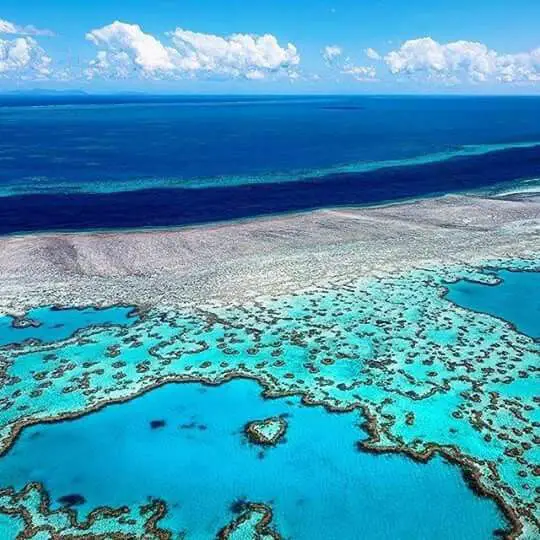
9. Great Barrier Reef
About: Great Barrier Reef is one of the most remarkable ocean destinations in Australia. This incredible natural wonder draws visitors from around the world who are looking for an unforgettable experience that combines breathtaking scenery with rich biodiversity. The landscape here is truly spectacular, offering a unique combination of natural beauty, ecological diversity, and cultural significance that you simply will not find anywhere else on Earth. Whether you are a seasoned traveler who has explored dozens of countries or someone who is just beginning to discover the wonders of the natural world, Great Barrier Reef has something truly special to offer you. The area has been carefully preserved to maintain its natural state, ensuring that future generations can enjoy the same pristine beauty that visitors experience today.
Highlights: World largest coral reef system The scenery changes dramatically with the seasons, giving you a completely different experience depending on when you choose to visit. Photographers will find endless opportunities to capture stunning images in every direction, while nature lovers can spend hours exploring the diverse ecosystems that thrive in this unique environment. The area is home to a wide variety of wildlife, and if you are lucky, you might spot some rare and endangered species during your visit. The combination of dramatic landscapes, crystal-clear waters, and abundant wildlife makes this destination a true paradise for anyone who appreciates the natural world.
Experience: When you arrive at Great Barrier Reef, you will immediately feel a sense of peace and connection with nature that is hard to find in our modern world. The air is fresh and clean, the views are absolutely spectacular, and the atmosphere is perfect for both relaxation and adventure. There are plenty of activities to enjoy during your visit, from hiking through pristine wilderness and capturing stunning photographs to bird watching and guided nature tours led by knowledgeable local experts. The local guides can help you discover hidden gems that most tourists never see, and they will share fascinating stories about the history, ecology, and cultural significance of the area. Make sure to bring your camera, comfortable walking shoes, plenty of water, and a sense of wonder that will make your visit truly memorable.
Best Time to Visit: June to October The weather during this period is generally favorable, making it ideal for outdoor activities, sightseeing, and photography. However, it is worth noting that each season has its own unique charm and attractions, so do not be afraid to visit during the off-season if you prefer fewer crowds and a more peaceful, intimate experience with nature.
Why You Should Visit: Great Barrier Reef stands out among ocean destinations for its unique combination of natural beauty, ecological importance, accessibility, and the sheer quality of experience it offers every visitor. It is a place where you can truly disconnect from the stresses of everyday life, put your phone away, and reconnect with the natural world in a meaningful way. The memories you create here will last a lifetime, and you will find yourself planning your return visit before you even leave.
Travel Tips: Snorkel or dive the outer reef It is also a very good idea to book your accommodations well in advance, especially during peak season. Bring layers of clothing, sunscreen, insect repellent, a hat, and a reusable water bottle. Respect the natural environment by staying on marked trails and following local guidelines. Consider hiring a local guide for at least one day of your visit.
10. Machu Picchu
About: Machu Picchu is one of the most remarkable ocean destinations in Peru. This incredible natural wonder draws visitors from around the world who are looking for an unforgettable experience that combines breathtaking scenery with rich biodiversity. The landscape here is truly spectacular, offering a unique combination of natural beauty, ecological diversity, and cultural significance that you simply will not find anywhere else on Earth. Whether you are a seasoned traveler who has explored dozens of countries or someone who is just beginning to discover the wonders of the natural world, Machu Picchu has something truly special to offer you. The area has been carefully preserved to maintain its natural state, ensuring that future generations can enjoy the same pristine beauty that visitors experience today.
Highlights: Ancient Incan citadel in the mountains The scenery changes dramatically with the seasons, giving you a completely different experience depending on when you choose to visit. Photographers will find endless opportunities to capture stunning images in every direction, while nature lovers can spend hours exploring the diverse ecosystems that thrive in this unique environment. The area is home to a wide variety of wildlife, and if you are lucky, you might spot some rare and endangered species during your visit. The combination of dramatic landscapes, crystal-clear waters, and abundant wildlife makes this destination a true paradise for anyone who appreciates the natural world.
Experience: When you arrive at Machu Picchu, you will immediately feel a sense of peace and connection with nature that is hard to find in our modern world. The air is fresh and clean, the views are absolutely spectacular, and the atmosphere is perfect for both relaxation and adventure. There are plenty of activities to enjoy during your visit, from hiking through pristine wilderness and capturing stunning photographs to bird watching and guided nature tours led by knowledgeable local experts. The local guides can help you discover hidden gems that most tourists never see, and they will share fascinating stories about the history, ecology, and cultural significance of the area. Make sure to bring your camera, comfortable walking shoes, plenty of water, and a sense of wonder that will make your visit truly memorable.
Best Time to Visit: May to September The weather during this period is generally favorable, making it ideal for outdoor activities, sightseeing, and photography. However, it is worth noting that each season has its own unique charm and attractions, so do not be afraid to visit during the off-season if you prefer fewer crowds and a more peaceful, intimate experience with nature.
Why You Should Visit: Machu Picchu stands out among ocean destinations for its unique combination of natural beauty, ecological importance, accessibility, and the sheer quality of experience it offers every visitor. It is a place where you can truly disconnect from the stresses of everyday life, put your phone away, and reconnect with the natural world in a meaningful way. The memories you create here will last a lifetime, and you will find yourself planning your return visit before you even leave.
Travel Tips: Hike the Inca Trail It is also a very good idea to book your accommodations well in advance, especially during peak season. Bring layers of clothing, sunscreen, insect repellent, a hat, and a reusable water bottle. Respect the natural environment by staying on marked trails and following local guidelines. Consider hiring a local guide for at least one day of your visit.
11. Amazon Rainforest
About: Amazon Rainforest is one of the most remarkable ocean destinations in Brazil. This incredible natural wonder draws visitors from around the world who are looking for an unforgettable experience that combines breathtaking scenery with rich biodiversity. The landscape here is truly spectacular, offering a unique combination of natural beauty, ecological diversity, and cultural significance that you simply will not find anywhere else on Earth. Whether you are a seasoned traveler who has explored dozens of countries or someone who is just beginning to discover the wonders of the natural world, Amazon Rainforest has something truly special to offer you. The area has been carefully preserved to maintain its natural state, ensuring that future generations can enjoy the same pristine beauty that visitors experience today.
Highlights: Largest tropical rainforest on Earth The scenery changes dramatically with the seasons, giving you a completely different experience depending on when you choose to visit. Photographers will find endless opportunities to capture stunning images in every direction, while nature lovers can spend hours exploring the diverse ecosystems that thrive in this unique environment. The area is home to a wide variety of wildlife, and if you are lucky, you might spot some rare and endangered species during your visit. The combination of dramatic landscapes, crystal-clear waters, and abundant wildlife makes this destination a true paradise for anyone who appreciates the natural world.
Experience: When you arrive at Amazon Rainforest, you will immediately feel a sense of peace and connection with nature that is hard to find in our modern world. The air is fresh and clean, the views are absolutely spectacular, and the atmosphere is perfect for both relaxation and adventure. There are plenty of activities to enjoy during your visit, from hiking through pristine wilderness and capturing stunning photographs to bird watching and guided nature tours led by knowledgeable local experts. The local guides can help you discover hidden gems that most tourists never see, and they will share fascinating stories about the history, ecology, and cultural significance of the area. Make sure to bring your camera, comfortable walking shoes, plenty of water, and a sense of wonder that will make your visit truly memorable.
Best Time to Visit: June to November The weather during this period is generally favorable, making it ideal for outdoor activities, sightseeing, and photography. However, it is worth noting that each season has its own unique charm and attractions, so do not be afraid to visit during the off-season if you prefer fewer crowds and a more peaceful, intimate experience with nature.
Why You Should Visit: Amazon Rainforest stands out among ocean destinations for its unique combination of natural beauty, ecological importance, accessibility, and the sheer quality of experience it offers every visitor. It is a place where you can truly disconnect from the stresses of everyday life, put your phone away, and reconnect with the natural world in a meaningful way. The memories you create here will last a lifetime, and you will find yourself planning your return visit before you even leave.
Travel Tips: Stay in a jungle lodge It is also a very good idea to book your accommodations well in advance, especially during peak season. Bring layers of clothing, sunscreen, insect repellent, a hat, and a reusable water bottle. Respect the natural environment by staying on marked trails and following local guidelines. Consider hiring a local guide for at least one day of your visit.
12. Iceland
About: Iceland is one of the most remarkable ocean destinations in Iceland. This incredible natural wonder draws visitors from around the world who are looking for an unforgettable experience that combines breathtaking scenery with rich biodiversity. The landscape here is truly spectacular, offering a unique combination of natural beauty, ecological diversity, and cultural significance that you simply will not find anywhere else on Earth. Whether you are a seasoned traveler who has explored dozens of countries or someone who is just beginning to discover the wonders of the natural world, Iceland has something truly special to offer you. The area has been carefully preserved to maintain its natural state, ensuring that future generations can enjoy the same pristine beauty that visitors experience today.
Highlights: Volcanic landscapes and northern lights The scenery changes dramatically with the seasons, giving you a completely different experience depending on when you choose to visit. Photographers will find endless opportunities to capture stunning images in every direction, while nature lovers can spend hours exploring the diverse ecosystems that thrive in this unique environment. The area is home to a wide variety of wildlife, and if you are lucky, you might spot some rare and endangered species during your visit. The combination of dramatic landscapes, crystal-clear waters, and abundant wildlife makes this destination a true paradise for anyone who appreciates the natural world.
Experience: When you arrive at Iceland, you will immediately feel a sense of peace and connection with nature that is hard to find in our modern world. The air is fresh and clean, the views are absolutely spectacular, and the atmosphere is perfect for both relaxation and adventure. There are plenty of activities to enjoy during your visit, from hiking through pristine wilderness and capturing stunning photographs to bird watching and guided nature tours led by knowledgeable local experts. The local guides can help you discover hidden gems that most tourists never see, and they will share fascinating stories about the history, ecology, and cultural significance of the area. Make sure to bring your camera, comfortable walking shoes, plenty of water, and a sense of wonder that will make your visit truly memorable.
Best Time to Visit: Year-round The weather during this period is generally favorable, making it ideal for outdoor activities, sightseeing, and photography. However, it is worth noting that each season has its own unique charm and attractions, so do not be afraid to visit during the off-season if you prefer fewer crowds and a more peaceful, intimate experience with nature.
Why You Should Visit: Iceland stands out among ocean destinations for its unique combination of natural beauty, ecological importance, accessibility, and the sheer quality of experience it offers every visitor. It is a place where you can truly disconnect from the stresses of everyday life, put your phone away, and reconnect with the natural world in a meaningful way. The memories you create here will last a lifetime, and you will find yourself planning your return visit before you even leave.
Travel Tips: Drive the Ring Road It is also a very good idea to book your accommodations well in advance, especially during peak season. Bring layers of clothing, sunscreen, insect repellent, a hat, and a reusable water bottle. Respect the natural environment by staying on marked trails and following local guidelines. Consider hiring a local guide for at least one day of your visit.
13. New Zealand
About: New Zealand is one of the most remarkable ocean destinations in New Zealand. This incredible natural wonder draws visitors from around the world who are looking for an unforgettable experience that combines breathtaking scenery with rich biodiversity. The landscape here is truly spectacular, offering a unique combination of natural beauty, ecological diversity, and cultural significance that you simply will not find anywhere else on Earth. Whether you are a seasoned traveler who has explored dozens of countries or someone who is just beginning to discover the wonders of the natural world, New Zealand has something truly special to offer you. The area has been carefully preserved to maintain its natural state, ensuring that future generations can enjoy the same pristine beauty that visitors experience today.
Highlights: Diverse landscapes from fjords to glaciers The scenery changes dramatically with the seasons, giving you a completely different experience depending on when you choose to visit. Photographers will find endless opportunities to capture stunning images in every direction, while nature lovers can spend hours exploring the diverse ecosystems that thrive in this unique environment. The area is home to a wide variety of wildlife, and if you are lucky, you might spot some rare and endangered species during your visit. The combination of dramatic landscapes, crystal-clear waters, and abundant wildlife makes this destination a true paradise for anyone who appreciates the natural world.
Experience: When you arrive at New Zealand, you will immediately feel a sense of peace and connection with nature that is hard to find in our modern world. The air is fresh and clean, the views are absolutely spectacular, and the atmosphere is perfect for both relaxation and adventure. There are plenty of activities to enjoy during your visit, from hiking through pristine wilderness and capturing stunning photographs to bird watching and guided nature tours led by knowledgeable local experts. The local guides can help you discover hidden gems that most tourists never see, and they will share fascinating stories about the history, ecology, and cultural significance of the area. Make sure to bring your camera, comfortable walking shoes, plenty of water, and a sense of wonder that will make your visit truly memorable.
Best Time to Visit: December to March The weather during this period is generally favorable, making it ideal for outdoor activities, sightseeing, and photography. However, it is worth noting that each season has its own unique charm and attractions, so do not be afraid to visit during the off-season if you prefer fewer crowds and a more peaceful, intimate experience with nature.
Why You Should Visit: New Zealand stands out among ocean destinations for its unique combination of natural beauty, ecological importance, accessibility, and the sheer quality of experience it offers every visitor. It is a place where you can truly disconnect from the stresses of everyday life, put your phone away, and reconnect with the natural world in a meaningful way. The memories you create here will last a lifetime, and you will find yourself planning your return visit before you even leave.
Travel Tips: Self-drive both islands It is also a very good idea to book your accommodations well in advance, especially during peak season. Bring layers of clothing, sunscreen, insect repellent, a hat, and a reusable water bottle. Respect the natural environment by staying on marked trails and following local guidelines. Consider hiring a local guide for at least one day of your visit.
14. Norway
About: Norway is one of the most remarkable ocean destinations in Norway. This incredible natural wonder draws visitors from around the world who are looking for an unforgettable experience that combines breathtaking scenery with rich biodiversity. The landscape here is truly spectacular, offering a unique combination of natural beauty, ecological diversity, and cultural significance that you simply will not find anywhere else on Earth. Whether you are a seasoned traveler who has explored dozens of countries or someone who is just beginning to discover the wonders of the natural world, Norway has something truly special to offer you. The area has been carefully preserved to maintain its natural state, ensuring that future generations can enjoy the same pristine beauty that visitors experience today.
Highlights: Dramatic fjords and midnight sun The scenery changes dramatically with the seasons, giving you a completely different experience depending on when you choose to visit. Photographers will find endless opportunities to capture stunning images in every direction, while nature lovers can spend hours exploring the diverse ecosystems that thrive in this unique environment. The area is home to a wide variety of wildlife, and if you are lucky, you might spot some rare and endangered species during your visit. The combination of dramatic landscapes, crystal-clear waters, and abundant wildlife makes this destination a true paradise for anyone who appreciates the natural world.
Experience: When you arrive at Norway, you will immediately feel a sense of peace and connection with nature that is hard to find in our modern world. The air is fresh and clean, the views are absolutely spectacular, and the atmosphere is perfect for both relaxation and adventure. There are plenty of activities to enjoy during your visit, from hiking through pristine wilderness and capturing stunning photographs to bird watching and guided nature tours led by knowledgeable local experts. The local guides can help you discover hidden gems that most tourists never see, and they will share fascinating stories about the history, ecology, and cultural significance of the area. Make sure to bring your camera, comfortable walking shoes, plenty of water, and a sense of wonder that will make your visit truly memorable.
Best Time to Visit: May to September The weather during this period is generally favorable, making it ideal for outdoor activities, sightseeing, and photography. However, it is worth noting that each season has its own unique charm and attractions, so do not be afraid to visit during the off-season if you prefer fewer crowds and a more peaceful, intimate experience with nature.
Why You Should Visit: Norway stands out among ocean destinations for its unique combination of natural beauty, ecological importance, accessibility, and the sheer quality of experience it offers every visitor. It is a place where you can truly disconnect from the stresses of everyday life, put your phone away, and reconnect with the natural world in a meaningful way. The memories you create here will last a lifetime, and you will find yourself planning your return visit before you even leave.
Travel Tips: Drive the scenic routes It is also a very good idea to book your accommodations well in advance, especially during peak season. Bring layers of clothing, sunscreen, insect repellent, a hat, and a reusable water bottle. Respect the natural environment by staying on marked trails and following local guidelines. Consider hiring a local guide for at least one day of your visit.
15. Switzerland
About: Switzerland is one of the most remarkable ocean destinations in Switzerland. This incredible natural wonder draws visitors from around the world who are looking for an unforgettable experience that combines breathtaking scenery with rich biodiversity. The landscape here is truly spectacular, offering a unique combination of natural beauty, ecological diversity, and cultural significance that you simply will not find anywhere else on Earth. Whether you are a seasoned traveler who has explored dozens of countries or someone who is just beginning to discover the wonders of the natural world, Switzerland has something truly special to offer you. The area has been carefully preserved to maintain its natural state, ensuring that future generations can enjoy the same pristine beauty that visitors experience today.
Highlights: Alpine lakes and mountain peaks The scenery changes dramatically with the seasons, giving you a completely different experience depending on when you choose to visit. Photographers will find endless opportunities to capture stunning images in every direction, while nature lovers can spend hours exploring the diverse ecosystems that thrive in this unique environment. The area is home to a wide variety of wildlife, and if you are lucky, you might spot some rare and endangered species during your visit. The combination of dramatic landscapes, crystal-clear waters, and abundant wildlife makes this destination a true paradise for anyone who appreciates the natural world.
Experience: When you arrive at Switzerland, you will immediately feel a sense of peace and connection with nature that is hard to find in our modern world. The air is fresh and clean, the views are absolutely spectacular, and the atmosphere is perfect for both relaxation and adventure. There are plenty of activities to enjoy during your visit, from hiking through pristine wilderness and capturing stunning photographs to bird watching and guided nature tours led by knowledgeable local experts. The local guides can help you discover hidden gems that most tourists never see, and they will share fascinating stories about the history, ecology, and cultural significance of the area. Make sure to bring your camera, comfortable walking shoes, plenty of water, and a sense of wonder that will make your visit truly memorable.
Best Time to Visit: Summer The weather during this period is generally favorable, making it ideal for outdoor activities, sightseeing, and photography. However, it is worth noting that each season has its own unique charm and attractions, so do not be afraid to visit during the off-season if you prefer fewer crowds and a more peaceful, intimate experience with nature.
Why You Should Visit: Switzerland stands out among ocean destinations for its unique combination of natural beauty, ecological importance, accessibility, and the sheer quality of experience it offers every visitor. It is a place where you can truly disconnect from the stresses of everyday life, put your phone away, and reconnect with the natural world in a meaningful way. The memories you create here will last a lifetime, and you will find yourself planning your return visit before you even leave.
Travel Tips: Ride the scenic trains It is also a very good idea to book your accommodations well in advance, especially during peak season. Bring layers of clothing, sunscreen, insect repellent, a hat, and a reusable water bottle. Respect the natural environment by staying on marked trails and following local guidelines. Consider hiring a local guide for at least one day of your visit.
16. Patagonia
About: Patagonia is one of the most remarkable ocean destinations in Argentina/Chile. This incredible natural wonder draws visitors from around the world who are looking for an unforgettable experience that combines breathtaking scenery with rich biodiversity. The landscape here is truly spectacular, offering a unique combination of natural beauty, ecological diversity, and cultural significance that you simply will not find anywhere else on Earth. Whether you are a seasoned traveler who has explored dozens of countries or someone who is just beginning to discover the wonders of the natural world, Patagonia has something truly special to offer you. The area has been carefully preserved to maintain its natural state, ensuring that future generations can enjoy the same pristine beauty that visitors experience today.
Highlights: Remote wilderness and glaciers The scenery changes dramatically with the seasons, giving you a completely different experience depending on when you choose to visit. Photographers will find endless opportunities to capture stunning images in every direction, while nature lovers can spend hours exploring the diverse ecosystems that thrive in this unique environment. The area is home to a wide variety of wildlife, and if you are lucky, you might spot some rare and endangered species during your visit. The combination of dramatic landscapes, crystal-clear waters, and abundant wildlife makes this destination a true paradise for anyone who appreciates the natural world.
Experience: When you arrive at Patagonia, you will immediately feel a sense of peace and connection with nature that is hard to find in our modern world. The air is fresh and clean, the views are absolutely spectacular, and the atmosphere is perfect for both relaxation and adventure. There are plenty of activities to enjoy during your visit, from hiking through pristine wilderness and capturing stunning photographs to bird watching and guided nature tours led by knowledgeable local experts. The local guides can help you discover hidden gems that most tourists never see, and they will share fascinating stories about the history, ecology, and cultural significance of the area. Make sure to bring your camera, comfortable walking shoes, plenty of water, and a sense of wonder that will make your visit truly memorable.
Best Time to Visit: November to March The weather during this period is generally favorable, making it ideal for outdoor activities, sightseeing, and photography. However, it is worth noting that each season has its own unique charm and attractions, so do not be afraid to visit during the off-season if you prefer fewer crowds and a more peaceful, intimate experience with nature.
Why You Should Visit: Patagonia stands out among ocean destinations for its unique combination of natural beauty, ecological importance, accessibility, and the sheer quality of experience it offers every visitor. It is a place where you can truly disconnect from the stresses of everyday life, put your phone away, and reconnect with the natural world in a meaningful way. The memories you create here will last a lifetime, and you will find yourself planning your return visit before you even leave.
Travel Tips: Hike in Torres del Paine It is also a very good idea to book your accommodations well in advance, especially during peak season. Bring layers of clothing, sunscreen, insect repellent, a hat, and a reusable water bottle. Respect the natural environment by staying on marked trails and following local guidelines. Consider hiring a local guide for at least one day of your visit.
17. Borneo
About: Borneo is one of the most remarkable ocean destinations in Malaysia/Indonesia. This incredible natural wonder draws visitors from around the world who are looking for an unforgettable experience that combines breathtaking scenery with rich biodiversity. The landscape here is truly spectacular, offering a unique combination of natural beauty, ecological diversity, and cultural significance that you simply will not find anywhere else on Earth. Whether you are a seasoned traveler who has explored dozens of countries or someone who is just beginning to discover the wonders of the natural world, Borneo has something truly special to offer you. The area has been carefully preserved to maintain its natural state, ensuring that future generations can enjoy the same pristine beauty that visitors experience today.
Highlights: Orangutans and tropical rainforest The scenery changes dramatically with the seasons, giving you a completely different experience depending on when you choose to visit. Photographers will find endless opportunities to capture stunning images in every direction, while nature lovers can spend hours exploring the diverse ecosystems that thrive in this unique environment. The area is home to a wide variety of wildlife, and if you are lucky, you might spot some rare and endangered species during your visit. The combination of dramatic landscapes, crystal-clear waters, and abundant wildlife makes this destination a true paradise for anyone who appreciates the natural world.
Experience: When you arrive at Borneo, you will immediately feel a sense of peace and connection with nature that is hard to find in our modern world. The air is fresh and clean, the views are absolutely spectacular, and the atmosphere is perfect for both relaxation and adventure. There are plenty of activities to enjoy during your visit, from hiking through pristine wilderness and capturing stunning photographs to bird watching and guided nature tours led by knowledgeable local experts. The local guides can help you discover hidden gems that most tourists never see, and they will share fascinating stories about the history, ecology, and cultural significance of the area. Make sure to bring your camera, comfortable walking shoes, plenty of water, and a sense of wonder that will make your visit truly memorable.
Best Time to Visit: March to October The weather during this period is generally favorable, making it ideal for outdoor activities, sightseeing, and photography. However, it is worth noting that each season has its own unique charm and attractions, so do not be afraid to visit during the off-season if you prefer fewer crowds and a more peaceful, intimate experience with nature.
Why You Should Visit: Borneo stands out among ocean destinations for its unique combination of natural beauty, ecological importance, accessibility, and the sheer quality of experience it offers every visitor. It is a place where you can truly disconnect from the stresses of everyday life, put your phone away, and reconnect with the natural world in a meaningful way. The memories you create here will last a lifetime, and you will find yourself planning your return visit before you even leave.
Travel Tips: Visit Sepilok sanctuary It is also a very good idea to book your accommodations well in advance, especially during peak season. Bring layers of clothing, sunscreen, insect repellent, a hat, and a reusable water bottle. Respect the natural environment by staying on marked trails and following local guidelines. Consider hiring a local guide for at least one day of your visit.
18. Madagascar
About: Madagascar is one of the most remarkable ocean destinations in Madagascar. This incredible natural wonder draws visitors from around the world who are looking for an unforgettable experience that combines breathtaking scenery with rich biodiversity. The landscape here is truly spectacular, offering a unique combination of natural beauty, ecological diversity, and cultural significance that you simply will not find anywhere else on Earth. Whether you are a seasoned traveler who has explored dozens of countries or someone who is just beginning to discover the wonders of the natural world, Madagascar has something truly special to offer you. The area has been carefully preserved to maintain its natural state, ensuring that future generations can enjoy the same pristine beauty that visitors experience today.
Highlights: Unique wildlife found nowhere else The scenery changes dramatically with the seasons, giving you a completely different experience depending on when you choose to visit. Photographers will find endless opportunities to capture stunning images in every direction, while nature lovers can spend hours exploring the diverse ecosystems that thrive in this unique environment. The area is home to a wide variety of wildlife, and if you are lucky, you might spot some rare and endangered species during your visit. The combination of dramatic landscapes, crystal-clear waters, and abundant wildlife makes this destination a true paradise for anyone who appreciates the natural world.
Experience: When you arrive at Madagascar, you will immediately feel a sense of peace and connection with nature that is hard to find in our modern world. The air is fresh and clean, the views are absolutely spectacular, and the atmosphere is perfect for both relaxation and adventure. There are plenty of activities to enjoy during your visit, from hiking through pristine wilderness and capturing stunning photographs to bird watching and guided nature tours led by knowledgeable local experts. The local guides can help you discover hidden gems that most tourists never see, and they will share fascinating stories about the history, ecology, and cultural significance of the area. Make sure to bring your camera, comfortable walking shoes, plenty of water, and a sense of wonder that will make your visit truly memorable.
Best Time to Visit: April to November The weather during this period is generally favorable, making it ideal for outdoor activities, sightseeing, and photography. However, it is worth noting that each season has its own unique charm and attractions, so do not be afraid to visit during the off-season if you prefer fewer crowds and a more peaceful, intimate experience with nature.
Why You Should Visit: Madagascar stands out among ocean destinations for its unique combination of natural beauty, ecological importance, accessibility, and the sheer quality of experience it offers every visitor. It is a place where you can truly disconnect from the stresses of everyday life, put your phone away, and reconnect with the natural world in a meaningful way. The memories you create here will last a lifetime, and you will find yourself planning your return visit before you even leave.
Travel Tips: Visit multiple national parks It is also a very good idea to book your accommodations well in advance, especially during peak season. Bring layers of clothing, sunscreen, insect repellent, a hat, and a reusable water bottle. Respect the natural environment by staying on marked trails and following local guidelines. Consider hiring a local guide for at least one day of your visit.
19. Galapagos Islands
About: Galapagos Islands is one of the most remarkable ocean destinations in Ecuador. This incredible natural wonder draws visitors from around the world who are looking for an unforgettable experience that combines breathtaking scenery with rich biodiversity. The landscape here is truly spectacular, offering a unique combination of natural beauty, ecological diversity, and cultural significance that you simply will not find anywhere else on Earth. Whether you are a seasoned traveler who has explored dozens of countries or someone who is just beginning to discover the wonders of the natural world, Galapagos Islands has something truly special to offer you. The area has been carefully preserved to maintain its natural state, ensuring that future generations can enjoy the same pristine beauty that visitors experience today.
Highlights: Unique wildlife and pristine ecosystems The scenery changes dramatically with the seasons, giving you a completely different experience depending on when you choose to visit. Photographers will find endless opportunities to capture stunning images in every direction, while nature lovers can spend hours exploring the diverse ecosystems that thrive in this unique environment. The area is home to a wide variety of wildlife, and if you are lucky, you might spot some rare and endangered species during your visit. The combination of dramatic landscapes, crystal-clear waters, and abundant wildlife makes this destination a true paradise for anyone who appreciates the natural world.
Experience: When you arrive at Galapagos Islands, you will immediately feel a sense of peace and connection with nature that is hard to find in our modern world. The air is fresh and clean, the views are absolutely spectacular, and the atmosphere is perfect for both relaxation and adventure. There are plenty of activities to enjoy during your visit, from hiking through pristine wilderness and capturing stunning photographs to bird watching and guided nature tours led by knowledgeable local experts. The local guides can help you discover hidden gems that most tourists never see, and they will share fascinating stories about the history, ecology, and cultural significance of the area. Make sure to bring your camera, comfortable walking shoes, plenty of water, and a sense of wonder that will make your visit truly memorable.
Best Time to Visit: June to December The weather during this period is generally favorable, making it ideal for outdoor activities, sightseeing, and photography. However, it is worth noting that each season has its own unique charm and attractions, so do not be afraid to visit during the off-season if you prefer fewer crowds and a more peaceful, intimate experience with nature.
Why You Should Visit: Galapagos Islands stands out among ocean destinations for its unique combination of natural beauty, ecological importance, accessibility, and the sheer quality of experience it offers every visitor. It is a place where you can truly disconnect from the stresses of everyday life, put your phone away, and reconnect with the natural world in a meaningful way. The memories you create here will last a lifetime, and you will find yourself planning your return visit before you even leave.
Travel Tips: Book a cruise It is also a very good idea to book your accommodations well in advance, especially during peak season. Bring layers of clothing, sunscreen, insect repellent, a hat, and a reusable water bottle. Respect the natural environment by staying on marked trails and following local guidelines. Consider hiring a local guide for at least one day of your visit.
20. Hawaii
About: Hawaii is one of the most remarkable ocean destinations in Hawaii, USA. This incredible natural wonder draws visitors from around the world who are looking for an unforgettable experience that combines breathtaking scenery with rich biodiversity. The landscape here is truly spectacular, offering a unique combination of natural beauty, ecological diversity, and cultural significance that you simply will not find anywhere else on Earth. Whether you are a seasoned traveler who has explored dozens of countries or someone who is just beginning to discover the wonders of the natural world, Hawaii has something truly special to offer you. The area has been carefully preserved to maintain its natural state, ensuring that future generations can enjoy the same pristine beauty that visitors experience today.
Highlights: Volcanic islands with diverse ecosystems The scenery changes dramatically with the seasons, giving you a completely different experience depending on when you choose to visit. Photographers will find endless opportunities to capture stunning images in every direction, while nature lovers can spend hours exploring the diverse ecosystems that thrive in this unique environment. The area is home to a wide variety of wildlife, and if you are lucky, you might spot some rare and endangered species during your visit. The combination of dramatic landscapes, crystal-clear waters, and abundant wildlife makes this destination a true paradise for anyone who appreciates the natural world.
Experience: When you arrive at Hawaii, you will immediately feel a sense of peace and connection with nature that is hard to find in our modern world. The air is fresh and clean, the views are absolutely spectacular, and the atmosphere is perfect for both relaxation and adventure. There are plenty of activities to enjoy during your visit, from hiking through pristine wilderness and capturing stunning photographs to bird watching and guided nature tours led by knowledgeable local experts. The local guides can help you discover hidden gems that most tourists never see, and they will share fascinating stories about the history, ecology, and cultural significance of the area. Make sure to bring your camera, comfortable walking shoes, plenty of water, and a sense of wonder that will make your visit truly memorable.
Best Time to Visit: Year-round The weather during this period is generally favorable, making it ideal for outdoor activities, sightseeing, and photography. However, it is worth noting that each season has its own unique charm and attractions, so do not be afraid to visit during the off-season if you prefer fewer crowds and a more peaceful, intimate experience with nature.
Why You Should Visit: Hawaii stands out among ocean destinations for its unique combination of natural beauty, ecological importance, accessibility, and the sheer quality of experience it offers every visitor. It is a place where you can truly disconnect from the stresses of everyday life, put your phone away, and reconnect with the natural world in a meaningful way. The memories you create here will last a lifetime, and you will find yourself planning your return visit before you even leave.
Travel Tips: Island hop for variety It is also a very good idea to book your accommodations well in advance, especially during peak season. Bring layers of clothing, sunscreen, insect repellent, a hat, and a reusable water bottle. Respect the natural environment by staying on marked trails and following local guidelines. Consider hiring a local guide for at least one day of your visit.
Quick Comparison
| Place Name | Location | Best Time to Visit |
|---|---|---|
| Yellowstone National Park | Wyoming, USA | Summer |
| Yosemite National Park | California, USA | Late spring |
| Grand Canyon | Arizona, USA | Spring and autumn |
| Zion National Park | Utah, USA | Spring and autumn |
| Banff National Park | Canada | Summer |
| Torres del Paine | Chile | November to March |
| Serengeti National Park | Tanzania | June to October |
| Kruger National Park | South Africa | May to September |
| Great Barrier Reef | Australia | June to October |
| Machu Picchu | Peru | May to September |
| Amazon Rainforest | Brazil | June to November |
| Iceland | Iceland | Year-round |
| New Zealand | New Zealand | December to March |
| Norway | Norway | May to September |
| Switzerland | Switzerland | Summer |
| Patagonia | Argentina/Chile | November to March |
| Borneo | Malaysia/Indonesia | March to October |
| Madagascar | Madagascar | April to November |
| Galapagos Islands | Ecuador | June to December |
| Hawaii | Hawaii, USA | Year-round |
Frequently Asked Questions
What is the best time to visit?
Each destination has its own ideal season. Generally, spring and autumn offer the best conditions.
How do I plan a trip?
Pick one or two destinations, research transportation, book accommodations in advance, and create a flexible itinerary.
Are these suitable for beginners?
Yes, most spots are accessible to all experience levels with proper planning.
What should I pack?
Comfortable shoes, weather-appropriate clothing, camera, sunscreen, insect repellent, hat, binoculars, and water bottle.
Can I visit with family?
Absolutely. Many destinations offer family-friendly activities and educational programs.
How much does it cost?
Costs vary widely. Budget for transportation, accommodations, food, and activities.
What makes these special?
Each has been selected for its unique natural beauty, ecological importance, and quality of experience.
Conclusion
These 20 ocean destinations represent some of the most beautiful places on our planet. Start planning your next adventure today.
Save this guide and share it with your fellow nature lovers.
Ocean
10 Best Things to Do in Mackinac Island Michigan
If you’re looking for a truly unique getaway in the Midwest, Mackinac Island Michigan should be at the top of your list. This small island sitting in Lake Huron between Michigan’s Upper and Lower Peninsulas is like stepping back in time. There are no cars allowed here. Instead, you’ll find horse-drawn carriages, bicycles, and your own two feet getting you around. The island is packed with history, natural beauty, and charm that keeps visitors coming back year after year. Whether you’re into hiking, history, fudge, or just relaxing by the water, Mackinac Island has something special waiting for you.
Key Takeaways
- Mackinac Island is car-free — transportation is by bike, horse, or foot
- The island sits in Lake Huron between Michigan’s Upper and Lower Peninsulas
- Fort Mackinac offers incredible history dating back to the Revolutionary War
- Arch Rock is a stunning natural limestone formation you can hike or bike to
- The island is famous for its handmade fudge shops along Main Street
- Biking the 8.2-mile perimeter road gives you breathtaking lake views
- Best time to visit is late May through early October
Why Mackinac Island Is So Special
Mackinac Island isn’t just another pretty spot on the Great Lakes. It’s a place where history, nature, and small-town charm come together in a way you won’t find anywhere else in the United States. The island covers only about 3.8 square miles, but every inch of it has a story to tell. Native Americans considered this island sacred long before European settlers arrived. The French, British, and Americans all fought over control of this strategic location in the Great Lakes. Today, you can walk the same grounds where soldiers stood guard over 200 years ago.
What really sets Mackinac apart is the car-free lifestyle. When you step off the ferry, the noise and rush of modern life just disappears. The clip-clop of horse hooves on pavement replaces car engines. Bicycles whiz past you on the tree-lined paths. The air smells like fresh lake water and homemade fudge. It’s the kind of place where you naturally slow down and start noticing the little things — the way the sunlight hits the water, the sound of birds in the forest, the friendly wave from a passing cyclist.
The island’s natural beauty is just as impressive as its history. Sheer limestone cliffs rise up from the shoreline. Dense forests cover the interior of the island. Wildflowers bloom along the trails in spring and summer. And everywhere you look, there’s the sparkling blue water of Lake Huron stretching out to the horizon. Whether you’re an outdoor enthusiast, a history buff, or just someone who wants to unplug for a few days, Mackinac Island delivers an experience that stays with you long after you leave.
1. Visit Fort Mackinac
About: Perched on a bluff 150 feet above the harbor, Fort Mackinac is one of the best-preserved military forts in the United States. The British originally built it during the American Revolutionary War in 1780, and it later played a key role in the War of 1812. Today, it’s a living history museum with 14 original buildings that take you straight back to the 1880s.
Highlights: The fort offers incredible panoramic views of the harbor, the Mackinac Bridge, and the surrounding islands. Inside, you’ll find costumed interpreters who demonstrate daily life from the 1880s — including rifle firings, cannon salutes, and period cooking. The exhibits cover everything from military history to the lives of soldiers’ families who lived here. The Officers’ Stone Quarters is the oldest building in Mackinac Island State Park, dating back to 1780.
Best Time to Visit: The fort is open from mid-May through mid-October. Visit in the morning when it first opens to beat the crowds and enjoy cooler temperatures. July and August offer the most programming and demonstrations.
Travel Tips: Admission is around $15 for adults and $9 for children. Plan to spend at least 2 hours here to see all the buildings and catch a demonstration. Wear comfortable shoes — the fort sits on a steep hill, and you’ll be walking uphill from the harbor. Bring water and sunscreen since much of the fort is exposed to the sun.
2. Bike the Perimeter Road
About: M-185 is the only state highway in the United States where motor vehicles are completely banned. This 8.2-mile road circles the entire island, hugging the shoreline of Lake Huron for most of the route. It’s flat, paved, and perfect for a leisurely bike ride with some of the most stunning views in all of Michigan.
Highlights: As you pedal along the perimeter road, you’ll pass by dramatic limestone bluffs, secluded beaches, and dense forests. The views of Lake Huron are absolutely breathtaking — on a clear day, the water stretches out like an ocean. You’ll ride past Arch Rock, Devil’s Kitchen, and several other natural landmarks. Keep your eyes open for bald eagles, great blue herons, and other wildlife along the shore. The road is mostly flat, making it accessible for riders of all fitness levels.
Best Time to Visit: Early morning is magical — the light on the water is soft and golden, and you’ll have the road mostly to yourself. Late afternoon offers beautiful golden hour light for photos. The road is open from late April through October, weather permitting.
Travel Tips: You can rent bikes right near the ferry dock — expect to pay around $10-15 per hour or $40-60 for a full day. Tandem bikes and tag-alongs are available if you’re riding with kids. Bring a water bottle and wear layers, since the lake breeze can be cool even on warm days. The road gets busy between 10 AM and 3 PM, so plan accordingly.
3. See Arch Rock
About: Arch Rock is Mackinac Island’s most iconic natural landmark — a massive limestone arch that rises 146 feet above the shoreline. This natural bridge was formed thousands of years ago by erosion from wind and water. It sits on the interior of the island, accessible by foot trails or by bike via the perimeter road.
Highlights: Standing beneath Arch Rock and looking up through the opening is a humbling experience. The arch spans about 40 feet across and frames the sky and forest in a way that photographers love. There are several viewing platforms that give you different perspectives of the formation. The surrounding forest is lush and peaceful, with wildflowers dotting the trail in spring. Native Americans considered this place sacred, and you can feel the spiritual energy when you stand beneath it.
Best Time to Visit: Late spring and early summer offer the best wildflower displays along the trail. Early morning or late afternoon provides the best lighting for photos. The trails to Arch Rock are open whenever the park is accessible, typically from late April through November.
Travel Tips: You can reach Arch Rock by hiking the interior trails (about a 20-minute walk from town) or by biking to the nearest point on the perimeter road and walking the rest. The trails can be uneven in spots, so wear sturdy shoes. Bring your camera — this is one of the most photographed spots on the island.
4. Explore Downtown and Shop for Fudge
About: The downtown area of Mackinac Island is centered around Main Street (also called Huron Street), a charming stretch of shops, restaurants, and fudge makers that feels like it belongs in another century. The island is world-famous for its handmade fudge, and watching the fudge makers at work is an experience in itself.
Highlights: The fudge shops along Main Street make their fudge right in front of you — you can watch them pour the hot fudge onto marble slabs, work it with wooden paddles, and cut it into pieces. The smell alone is worth the visit. Beyond fudge, downtown has boutique shops selling everything from handmade chocolates and candles to Mackinac Island-themed souvenirs and clothing. The architecture is beautifully preserved, with many buildings dating back to the 1800s.
Best Time to Visit: Downtown is lively from late morning through early evening during peak season (June through September). Visit in the late afternoon when the day-trippers have left and the island feels more peaceful. The shops are generally open from 9 AM to 9 PM in summer.
Travel Tips: Most shops accept credit cards, but it’s good to have some cash for small purchases. Fudge makes a great souvenir — it ships well if you buy vacuum-sealed packages. Try multiple shops before buying; each has slightly different flavors and styles. The island gets crowded with day-trippers between 11 AM and 3 PM, so plan your shopping outside those hours for a more relaxed experience.
5. Hike the Interior Trails
About: Mackinac Island has over 70 miles of trails winding through its forests, along its cliffs, and past its most beautiful natural features. While most visitors stick to the perimeter road, the interior trails offer a completely different experience — quiet, shaded, and full of surprises.
Highlights: The interior trails take you through dense hardwood forests filled with sugar maples, beech, and birch trees. You’ll discover hidden limestone formations, peaceful meadows, and overlooks with stunning views of the lake. The British Landing trail on the north side of the island is particularly beautiful, with views of the Mackinac Bridge in the distance. In spring, the forest floor is carpeted with trillium and other wildflowers. Fall brings spectacular color as the maples turn brilliant shades of red and orange.
Best Time to Visit: Spring (May through mid-June) is ideal for wildflowers and bird watching. Fall (September through mid-October) offers spectacular foliage. Summer mornings are best for beating the heat. The trails are generally accessible from late April through November.
Travel Tips: Bring bug spray — mosquitoes can be fierce in the interior during summer. Wear long pants to protect against ticks. Carry water and a snack, since the interior trails are away from any facilities. A trail map is available at the Mackinac Island State Park visitor center. Stick to marked trails to protect the fragile ecosystem.
6. Take a Horse-Drawn Carriage Tour
About: Since cars aren’t allowed on Mackinac Island, horse-drawn carriages have been the main form of transportation for well over a century. The Mackinac Island Carriage Tours company has been operating since 1869, and a carriage tour is one of the best ways to see the island while learning about its rich history from knowledgeable guides.
Highlights: The standard island tour covers about 3.5 miles and takes roughly 1 hour and 45 minutes. Your guide will share stories about the island’s Native American heritage, its role in the fur trade, and its military history. You’ll pass through the island’s interior, past historic homes, through quiet forest roads, and by scenic overlooks. The carriage ride itself is a relaxing and romantic experience — the gentle rocking of the carriage and the sound of horse hooves on the road create a peaceful atmosphere that’s hard to find anywhere else.
Best Time to Visit: Morning tours are cooler and less crowded. Late afternoon tours offer beautiful light and a more relaxed pace. Tours run from late April through October, with the most frequent departures in July and August.
Travel Tips: Tickets are around $20 for adults and $8 for children. Book in advance during peak summer weekends — tours do sell out. The carriages have a roof but no sides, so bring a light jacket for cooler days. The tour departs from the carriage house near the ferry dock. If you’re staying overnight on the island, your hotel can help arrange tickets.
7. Visit the Butterfly House and Insect World
About: Located near the airport on the island’s interior, the Mackinac Island Butterfly House is a tropical greenhouse filled with hundreds of free-flying butterflies from around the world. It’s a magical experience for visitors of all ages and a nice change of pace from the island’s outdoor attractions.
Highlights: Inside the greenhouse, you’ll be surrounded by hundreds of butterflies in every color imaginable — brilliant blue morphos, striking monarchs, and delicate swallowtails. If you stand still long enough, butterflies may even land on you. The environment is warm and humid, filled with tropical plants and flowers that serve as food sources for the butterflies. There’s also an insect exhibit featuring beetles, stick insects, and other fascinating creatures. It’s a wonderful spot for macro photography.
Best Time to Visit: The Butterfly House is open from late May through early September. Visit on a rainy day when outdoor activities are less appealing — the warm, tropical environment feels like a mini vacation within your vacation. Mornings tend to be less crowded.
Travel Tips: Admission is around $8 for adults and $5 for children. The greenhouse is warm, so dress in layers you can remove. Move slowly and avoid sudden movements to encourage butterflies to land near you. The facility is small — plan for about 30 to 45 minutes. It’s a short bike ride or a longer walk from downtown.
8. Relax at British Landing
About: British Landing is a peaceful cove on the north side of Mackinac Island where British troops came ashore during the War of 1812 to capture Fort Mackinac from the Americans. Today, it’s a quiet spot perfect for swimming, picnicking, and enjoying the natural beauty of Lake Huron away from the busier downtown area.
Highlights: The beach at British Landing is rocky but beautiful, with clear water and views of the Mackinac Bridge in the distance. It’s much quieter than the harbor area, making it a great spot to relax and unwind. The surrounding forest provides shade for picnics, and there are several grassy areas perfect for spreading out a blanket. The historical significance of the site adds depth to your visit — you can imagine the British soldiers rowing ashore here over 200 years ago. The sunsets from British Landing are absolutely spectacular.
Best Time to Visit: Summer months (June through August) offer the warmest water for swimming. Late afternoon and evening are the most peaceful times. Sunset at British Landing is one of the island’s best-kept secrets — the sky turns brilliant shades of orange and pink over the water.
Travel Tips: British Landing is about 2 miles from downtown by bike or foot. Bring a picnic lunch, water, and sunscreen. There are no food vendors here, so plan accordingly. Water shoes are helpful since the beach is rocky. The area has restroom facilities. If you’re biking, lock your bike at the rack provided near the beach area.
9. Tour the Historic Mission Church
About: The Mission Church on Mackinac Island is the oldest church building in the entire state of Michigan, dating back to 1829. This simple but beautiful structure was originally built to serve the Native American community on the island and later became a Protestant church. It’s a quiet, contemplative space that offers a glimpse into the island’s spiritual history.
Highlights: The church’s simple white clapboard exterior and modest interior reflect the practical building traditions of the early 19th century. Inside, you’ll find original wooden pews, a simple pulpit, and historic displays about the church’s role in the community. The peaceful atmosphere makes it a wonderful place to sit and reflect. The church is located on the east side of the island, just a short walk from the downtown area, and the surrounding grounds offer lovely views of the harbor.
Best Time to Visit: The church is typically open from June through September. Visit in the morning or late afternoon when it’s quietest. It’s a wonderful stop during a walking tour of the island’s historic district.
Travel Tips: Admission is free, though donations are appreciated. The church is small — plan for about 15 to 20 minutes. Photography is allowed inside. Combine your visit with a walk through the nearby historic cemetery, which has graves dating back to the early 1800s. The church is accessible on foot from downtown in about 5 minutes.
10. Watch the Sunset from Fort Mackinac Hill
About: While Fort Mackinac itself is a must-visit during the day, the hill where the fort sits offers one of the best sunset viewing spots on the entire island. As the sun drops toward the horizon, the sky over Lake Huron turns into a canvas of color that will take your breath away.
Highlights: From the top of the hill, you can see the Mackinac Bridge silhouetted against the colorful sky, the harbor below, and the vast expanse of Lake Huron stretching to the horizon. The changing light creates a different scene every evening — sometimes soft pastels, sometimes dramatic reds and purples. The fort’s walls and cannons make for dramatic foreground elements in photos. As the sun sets, the island gradually quiets down, and you can feel the peaceful transition from day to night. It’s the perfect way to end a day of exploring.
Best Time to Visit: Check the sunset time for your visit date — it varies from about 7:30 PM in late September to after 9:30 PM in late June. Arrive at least 30 minutes before sunset to find a good spot and enjoy the changing light. Clear or partly cloudy skies produce the most dramatic sunsets.
Travel Tips: The hill is accessible on foot from downtown — it’s a steep but manageable walk of about 10 to 15 minutes. Bring a light jacket, as the temperature can drop quickly once the sun starts setting. A blanket or portable chair makes the experience more comfortable. If you’ve already visited the fort during the day, you can watch the sunset from the public areas near the fort entrance without paying admission again.
Comparison of Top Activities on Mackinac Island
| Activity | Location/Area | Best Time to Visit |
|---|---|---|
| Fort Mackinac | Harbor Bluff (Downtown) | Mid-May to Mid-October |
| Bike Perimeter Road | M-185 (Full Loop) | Early Morning, May to October |
| Arch Rock | Island Interior | Spring for Wildflowers, Fall for Color |
| Downtown Fudge Shops | Main Street (Huron St) | June to September, Late Afternoon |
| Interior Hiking Trails | Island Interior | Spring and Fall |
| Horse-Drawn Carriage Tour | Departs from Ferry Dock | Morning or Late Afternoon |
| Butterfly House | Near Airport (Interior) | May to September, Rainy Days |
| British Landing Beach | North Side | Summer Afternoons, Sunset |
| Mission Church | East Side, Near Downtown | June to September, Morning |
| Sunset from Fort Hill | Harbor Bluff | 30 Min Before Sunset |
Best Time to Visit Mackinac Island
Mackinac Island is a seasonal destination, with most businesses and attractions operating from late April through October. The peak season runs from mid-June through Labor Day, when the island is bustling with visitors and the weather is warm and pleasant. July and August are the busiest months, with daily temperatures typically ranging from the mid-60s to mid-70s Fahrenheit.
If you prefer fewer crowds and don’t mind slightly cooler weather, late May through mid-June and September through mid-October are excellent times to visit. The spring brings wildflowers and migrating birds, while fall delivers spectacular foliage colors. Many shops and restaurants reduce their hours in the shoulder seasons, and some attractions may have limited schedules, but the trade-off is a more peaceful island experience.
Winter on Mackinac Island is a completely different world. The island’s year-round population drops to about 50 people, and the ferry service is limited. Most businesses close for the season. However, for the adventurous traveler, a winter visit offers a rare glimpse of the island in its most quiet and pristine state.
Getting Around Mackinac Island
Since motor vehicles are prohibited on Mackinac Island, getting around is part of the adventure. Walking is the simplest option — the downtown area is compact and easy to explore on foot. For longer distances, bicycles are the most popular choice. You can bring your own bike on the ferry (for an additional fee) or rent one from any of the several rental shops near the ferry dock.
Horse-drawn carriages are the traditional mode of transportation and are used for tours, taxi service, and even the island’s postal delivery. If you’re staying at one of the island’s hotels, a carriage will typically pick you up at the ferry dock and take you to your accommodation. For a truly unique experience, you can also explore the island on horseback — several stables offer guided trail rides through the island’s interior.
The ferry ride itself is an experience worth enjoying. Two ferry lines — Shepler’s and Mackinac Island Ferry Company — operate regular service from both Mackinaw City and St. Ignace. The crossing takes about 15 to 20 minutes and offers beautiful views of the Mackinac Bridge and the island as you approach. Book your ferry tickets in advance during peak season, as they can sell out on busy summer weekends.
Frequently Asked Questions
How do I get to Mackinac Island?
Mackinac Island is accessible only by ferry. Two companies — Shepler’s Mackinac Island Ferry and Mackinac Island Ferry Company (formerly Star Line) — operate regular service from Mackinaw City at the southern end of the Mackinac Bridge and St. Ignace at the northern end. The ferry ride takes about 15 to 20 minutes. Tickets cost approximately $30-35 for adults round trip. During peak summer season, it’s highly recommended to book your ferry tickets online in advance, as they frequently sell out on weekends and holidays.
Can I bring my car to Mackinac Island?
No. Motor vehicles are strictly prohibited on Mackinac Island, with very few exceptions for emergency vehicles and essential service equipment. This is one of the things that makes the island so special — the absence of cars creates a peaceful, quiet atmosphere that’s increasingly rare in the modern world. You can bring a bicycle on the ferry for a small additional fee, or rent one on the island. Horse-drawn carriages handle all transportation needs on the island.
How much time do I need on Mackinac Island?
You can see the highlights of Mackinac Island in a single day, but you’ll be rushing. A full day trip from the mainland allows you to bike the perimeter, visit the fort, explore downtown, and try some fudge. However, to truly appreciate the island’s charm and explore the interior trails, plan for at least one overnight stay. Two to three days gives you enough time to experience everything at a relaxed pace, including watching the sunset from the hill and enjoying the island’s peaceful evening atmosphere after the day-trippers have left.
Is Mackinac Island expensive to visit?
Mackinac Island is not a budget destination, but it doesn’t have to break the bank either. Ferry tickets cost around $30-35 per adult round trip. Bike rentals run about $10-15 per hour or $40-60 for a full day. Fort Mackinac admission is around $15 for adults. Meals on the island tend to be priced higher than on the mainland due to the cost of transporting everything by ferry. A reasonable daily budget for a visitor would be $75-150 per person, not including lodging. Look for package deals that combine ferry tickets with hotel stays or attraction admissions to save money.
What should I pack for Mackinac Island?
Pack comfortable walking shoes or hiking boots, as you’ll be on your feet a lot. Bring layers — the weather on the island can change quickly, and the lake breeze can make evenings cool even in summer. Sunscreen, sunglasses, and a hat are essential for outdoor activities. A small backpack is useful for carrying water, snacks, and a camera. If you plan to bike, padded cycling shorts make the ride more comfortable. Don’t forget a reusable water bottle — staying hydrated is important, especially during summer activities.
Is Mackinac Island good for families with kids?
Absolutely. Mackinac Island is one of the best family destinations in the Midwest. Kids love the car-free environment, the horse-drawn carriages, the fudge shops, and the sense of adventure that comes with exploring a real island. The bike ride around the perimeter is manageable for older children, and the fort offers engaging living history demonstrations. The Butterfly House is a hit with younger kids. The island is very safe, with no cars to worry about, and the community is welcoming to families. Many of the island’s hotels offer family-friendly accommodations and packages.
What is Mackinac Island famous for?
Mackinac Island is most famous for three things: its car-free environment, its handmade fudge, and its rich history. The island’s fudge shops produce thousands of pounds of handmade fudge every summer, and watching the fudge-making process has become a tourist attraction in itself. Historically, the island played a crucial role in the Great Lakes fur trade and military conflicts between the British and Americans. Fort Mackinac, which sits prominently above the harbor, is one of the best-preserved military forts in the country. The island’s natural beauty, including Arch Rock and its limestone cliffs, adds to its fame as one of Michigan’s most beloved destinations.
Conclusion
Mackinac Island is one of those rare places that lives up to the hype and then exceeds it. Where else can you bike a car-free highway around a pristine island, explore a 240-year-old military fort, watch butterflies land on your shoulder, and eat some of the best fudge you’ve ever tasted — all in a single day? The island’s unique combination of natural beauty, living history, and old-fashioned charm creates an experience that feels both timeless and refreshingly different from the everyday world.
Whether you’re planning a romantic weekend getaway, a family vacation, or a solo adventure, Mackinac Island delivers memories that last a lifetime. The pace is slower here. The air is cleaner. The views are stunning. And the people are genuinely friendly. It’s the kind of place that reminds you why you started traveling in the first place. So book that ferry ticket, pack your bags, and get ready to discover one of the Midwest’s greatest treasures. You won’t regret it.
Start planning your Mackinac Island adventure today. Share this guide with your friends and family — everyone deserves to experience the magic of this car-free island paradise at least once.
Ocean
Apostle Islands Wisconsin: 1st Time Visitor Guide
If you’re dreaming of a place where crystal-clear waters meet ancient sea caves, where lighthouses dot rugged shorelines, and where you can kayak through tunnels of red sandstone — the Apostle Islands should be at the top of your list. Located off the northern coast of Wisconsin in Lake Superior, this archipelago of 21 islands offers one of the most unique outdoor experiences in the Midwest. Whether you’re into kayaking, hiking, camping, or just soaking in stunning lake views, this guide will help you plan your first visit to the Apostle Islands.
Key Takeaways
- The Apostle Islands are a group of 21 islands in Lake Superior, off the coast of Bayfield, Wisconsin
- Sea caves along the mainland coast are the top attraction — best explored by kayak in summer or on foot in winter when the lake freezes
- Best time to visit is June through September for kayaking, with July and August being the warmest months
- You’ll need a boat or kayak to reach most islands — there are no bridges connecting them to the mainland
- The islands feature historic lighthouses, old-growth forests, pristine beaches, and excellent camping
- Lake Superior water stays cold year-round (even in summer), so pack layers and a wetsuit for kayaking
- No entrance fee to visit, but camping permits are required for overnight stays on the islands
Why the Apostle Islands Are So Special
There’s something almost magical about the Apostle Islands. Maybe it’s the way the red sandstone cliffs glow at sunset, or how the sea caves echo with the sound of waves crashing through ancient tunnels. This isn’t your typical Midwest destination — it feels more like a hidden corner of the Pacific Northwest or coastal Maine, except it’s sitting right in the middle of the country on the largest freshwater lake in the world.
The Apostle Islands National Lakeshore was established in 1970 to protect this unique landscape. The islands were shaped by thousands of years of wave action from Lake Superior, which carved out dramatic sea caves, natural arches, and towering cliffs along the shoreline. The red and gold sandstone formations are some of the most photogenic in all of the Great Lakes region, and they draw kayakers, photographers, and nature lovers from across the country.
What really sets the Apostle Islands apart is the combination of natural beauty and rich human history. Six of the islands have historic lighthouses that guided ships through these treacherous waters dating back to the 1800s. You can still visit several of these lighthouses today, and some even offer overnight stays. The islands also have a fascinating cultural history — Native American communities have lived in this area for thousands of years, and later settlers established fishing camps, logging operations, and berry farms on several of the islands.
Wildlife is abundant here too. Black bears roam several of the larger islands, bald eagles nest in the old-growth forests, and the waters around the islands are home to lake trout, salmon, and whitefish. Birdwatchers will love the diversity of species that pass through during spring and fall migrations. And if you’re lucky, you might spot a river otter playing along the shoreline or a white-tailed deer wading through the shallows.
Best Time to Visit the Apostle Islands
The Aposte Islands are a seasonal destination, and timing your visit right can make a huge difference in what you get to experience. The peak season runs from mid-June through early September, when the weather is warmest, the water is most accessible, and all services including ferry runs and kayak rentals are fully operational.
July and August are the busiest months, with average highs in the low 70s and water temperatures that might reach the upper 50s to low 60s on the warmest days. Don’t let those numbers fool you though — Lake Superior is notoriously cold, and even in August, the water can feel shockingly chilly if you fall in. These months offer the best conditions for kayaking, camping, and exploring the sea caves by boat.
June and September are shoulder season months that offer fewer crowds and still-decent weather. June can be buggy — the mosquitoes and black flies are at their peak in early to mid-June — so bring strong insect repellent if you visit then. September brings beautiful fall colors to the islands, and the summer crowds thin out significantly after Labor Day. Some services start winding down in late September, so check schedules before you go.
Winter is a completely different experience. When Lake Superior freezes sufficiently — usually between late January and mid-March — you can actually walk or snowmobile out to the sea caves along the mainland coast. The ice formations inside the caves are absolutely spectacular, with frozen waterfalls and icicles hanging from the ceilings. However, ice conditions vary greatly from year to year, and you should always check with the National Park Service before attempting the crossing. It’s only safe when the ice is thick and stable, which doesn’t happen every winter.
October through May is generally too cold and unpredictable for most visitors. Many services shut down completely from October through May, and the islands can be difficult to access. If you’re a hardy winter adventurer, the ice caves are worth planning around — but for your first visit, stick with summer.
Getting There and Entry
The gateway to the Apostle Islands is the small town of Bayfield, Wisconsin, located on the mainland shore of Lake Superior. Bayfield is about 90 minutes east of Duluth, Minnesota, and about 6 hours north of Madison, Wisconsin. The drive up is beautiful, winding through northern Wisconsin forests and along the lake shoreline.
There’s no entrance fee to visit the Apostle Islands National Lakeshore, which is great news for budget-conscious travelers. However, if you plan to camp on the islands, you’ll need to obtain a camping permit. These can be reserved through Recreation.gov, and it’s a good idea to book early for peak summer weekends since popular sites fill up fast.
To reach the islands, you have several options. The Apostle Islands Cruise Service operates regular ferry runs from Bayfield to several of the islands, including Madeline Island (which has its own road access via ferry), Sand Island, and Raspberry Island. The ferries run from May through October, with the most frequent schedules in July and August. Private boats can also access the islands, and there are marinas in Bayfield where you can launch.
For the sea caves along the mainland coast, you don’t need a boat at all. The Meyers Beach parking area serves as the launch point for kayakers and the starting point for the winter ice cave trail. In summer, several outfitters in Bayfield rent kayaks and offer guided tours of the sea caves. If you’re not an experienced kayaker, a guided tour is highly recommended — Lake Superior can be unpredictable, and the sea caves are only safe to enter in calm conditions.
Main Areas to Explore
Sea Caves and Mainland Coast
About: The mainland sea caves are the single most popular attraction in the Apostle Islands area. Located along a stretch of red sandstone cliffs south of Meyers Beach, these caves were carved by thousands of years of wave action from Lake Superior. The cliffs rise up to 40 feet above the water, and the caves extend deep into the rock, with some passages stretching over 100 feet long.
Highlights: The sea caves are a kayaker’s paradise. Paddling through the tunnels of red sandstone with sunlight filtering through cracks in the ceiling is an unforgettable experience. The water inside the caves is an incredible shade of turquoise-green, and on calm days, it’s so clear you can see the rocky bottom several feet below your kayak. In winter, when the lake freezes, the caves transform into an ice cathedral with frozen waterfalls and massive icicles.
Experience: The best way to explore the sea caves is by kayak, either on a guided tour or with your own equipment if you’re experienced. Most guided tours last 3-4 hours and cover about 3-4 miles of coastline. You’ll paddle into caves, under natural arches, and along the base of towering cliffs. The guides share information about the geology, history, and ecology of the area as you go. If you visit in winter and the ice is safe, you can hike about 1 mile from the Meyers Beach parking area to reach the caves on foot.
Best Time to Visit: July through September offers the calmest water conditions for kayaking. Winter ice cave visits are typically possible from late January to mid-March, depending on conditions. Always check the National Park Service website for current ice conditions before planning a winter visit.
Travel Tips: Book your kayak tour well in advance for July and August — they fill up fast. Wear quick-drying clothes and bring a dry bag for your phone and camera. The water is cold even in summer, so a wetsuit or drysuit is recommended. For winter ice cave visits, wear insulated boots with good traction, and bring trekking poles for stability on the ice.
Madeline Island
About: Madeline Island is the largest of the Apostle Islands and the only one with a year-round community. Located about a 25-minute ferry ride from Bayfield, it’s the most accessible island and offers a great introduction to the archipelago. The island has a small town called La Pointe, a few restaurants, shops, and several miles of hiking and biking trails.
Highlights: Madeline Island is the cultural heart of the Apostle Islands. The Madeline Island Museum tells the story of the Ojibwe people who have called this island home for centuries, as well as the French fur traders and missionaries who arrived in the 1600s. Big Bay State Park on the island’s eastern shore offers a beautiful sandy beach, a lagoon, and several miles of hiking trails through old-growth forest. The park is one of the best spots in the area for camping.
Experience: Spend a day exploring La Pointe’s small shops and restaurants, then head to Big Bay State Park for a swim in the lagoon (which is noticeably warmer than the open lake) or a hike through the forest. The park’s trails range from easy lakeshore walks to more challenging routes that climb up to scenic overlooks. You can also rent bikes in La Pointe and cruise around the island’s quiet roads — it’s only about 14 miles around the entire perimeter.
Best Time to Visit: July and August for the warmest weather and full services. September for fall colors and fewer crowds. The ferry runs year-round, but the winter schedule is limited.
Travel Tips: The Madeline Island Ferry runs regularly from Bayfield — no reservation needed for foot passengers, but if you want to bring a car, book ahead. Big Bay State Park campsites can be reserved on Recreation.gov. Bring bug spray for summer visits, especially in June and early July.
Stockton Island
About: Stockton Island is widely considered the crown jewel of the Apostle Islands. Located about 7 miles from Bayfield, it’s accessible only by private boat or water taxi. The island is home to one of the highest concentrations of black bears in North America — the density here is estimated at two bears per square mile, so you’re very likely to see one during your visit.
Highlights: The star attraction on Stockton is the Julian Bay lagoon, a stunning stretch of sand beach on the island’s southern shore. The water in the lagoon is calm and slightly warmer than the open lake, making it one of the best swimming spots in the entire archipelago. The island also has several excellent hiking trails, including the Tombolo Trail that connects the two halves of Julian Bay, and the Presque Isle Trail that loops through old-growth hemlock and birch forest.
Experience: Plan to spend at least a full day on Stockton Island. Hike the Julian Bay Tombolo Trail first — it’s a beautiful walk through the forest with views of the lagoon on both sides. Then spend the afternoon swimming and relaxing on the beach. The Presque Isle Trail is a longer hike (about 5 miles) that takes you through some of the most pristine forest in the islands. Keep your eyes open for black bears, especially near berry patches in late summer.
Best Time to Visit: July through September. The water in Julian Bay is warmest in late July and August, and the berry season in late August means excellent bear viewing opportunities.
Travel Tips: You’ll need to arrange water taxi service from Bayfield to reach Stockton — several companies offer this service during summer. Bring bear-resistant food containers or use the food lockers at the campsite. Never approach or feed the bears, no matter how cute they look. Camping permits are required and should be reserved in advance.
Devils Island
About: Devils Island is the northernmost of the Apostle Islands and one of the most dramatic. Located about 15 miles from Bayfield, it’s a longer boat ride but well worth the trip. The island is famous for its sea caves on the north shore, which are considered the most spectacular in the entire archipelago. The Devils Island Lighthouse, built in 1891, is one of the most photogenic lighthouses in the Great Lakes.
Highlights: The north shore sea caves at Devils Island are the main draw. These caves are larger and more dramatic than the mainland caves, with towering ceilings, deep passages, and incredible acoustics. When waves crash into the caves, the sound echoes off the walls like thunder. The lighthouse is another must-see — it’s been beautifully restored and offers tours during the summer months. The island’s hiking trail loops about 4 miles through the interior, passing through dense forest and along the cliff tops.
Experience: Devils Island is best experienced as a full-day trip. Take a water taxi or private boat from Bayfield, and plan to spend at least 4-5 hours on the island. Start with the lighthouse tour, then hike the loop trail around the island. If conditions are calm, paddle or boat around the north shore to see the sea caves from the water. The views from the cliff tops are spectacular — on a clear day, you can see for miles across Lake Superior.
Best Time to Visit: July and August for the calmest water conditions and lighthouse tours. September for solitude — very few people make the long boat ride out here after Labor Day.
Travel Tips: The boat ride to Devils Island takes about 45 minutes to an hour from Bayfield, so this is a commitment. Make sure your boat operator is experienced with Lake Superior conditions. Bring plenty of water and food since there are no services on the island. The sea caves on the north shore should only be approached by kayak in calm conditions — the waves on this side of the island can be dangerous.
Wildlife You Might See
The Apostle Islands are a wildlife hotspot, and part of the fun of visiting is never knowing what you’ll encounter around the next bend. Black bears are the most famous residents, particularly on Stockton Island where the population density is remarkably high. You might see one ambling along the beach, climbing a tree, or foraging for berries in the underbrush. Remember to keep a safe distance — at least 50 yards — and never feed or approach them.
Bald eagles are another common sight, soaring above the islands or perched in tall trees along the shoreline. The islands’ old-growth forests provide ideal nesting habitat, and you’ll often hear their distinctive calls before you see them. Other birds you might spot include osprey, great blue herons, common loons (whose haunting calls echo across the water at dusk), and a variety of warblers and songbirds during migration seasons.
In the water, Lake Superior supports a healthy population of fish including lake trout, coho salmon, and whitefish. If you’re a fisherman, the waters around the islands offer excellent angling opportunities. River otters are sometimes spotted playing along the shoreline, and white-tailed deer swim between islands — don’t be surprised to see one paddling across a channel.
For the best wildlife viewing, visit early in the morning or late in the evening when animals are most active. Bring binoculars for bird watching, and keep your camera ready for unexpected bear encounters. Always store your food properly — the bears on these islands are experienced at raiding unattended coolers and backpacks.
Where to Stay
Accommodations in the Apostle Islands range from rustic campsites to cozy bed and breakfasts in Bayfield. For the full island experience, camping is the way to go. The National Lakeshore maintains campgrounds on several islands, including Stockton, Sand, York, and Devils Island. Most sites are primitive — you’ll find a tent pad, a fire ring, and a food locker, but no electricity or running water. The campsites on Stockton Island at Julian Bay are the most popular, offering stunning views of the lagoon right from your tent.
If you prefer a roof over your head, the town of Bayfield has plenty of options. There are several charming bed and breakfasts, vacation rentals, and small hotels within walking distance of the ferry dock. The Bayfield Inn and the Old Rittenhouse Inn are popular choices with great views of the harbor. For a more rustic experience, the Apostle Islands Campground on the mainland offers tent and RV sites just outside of town.
Madeline Island also has lodging options, including the Madeline Island Inn and several vacation rentals. Staying on Madeline Island gives you a taste of island life without needing to arrange water taxi service to the more remote islands. It’s also a great base for day trips to the mainland sea caves and other islands.
Book your accommodations early if you’re visiting in July or August. Bayfield is a small town, and lodging fills up quickly during peak season. Camping permits for the islands should also be reserved as far in advance as possible through Recreation.gov.
Essential Travel Tips
Visiting the Apostle Islands requires a bit more planning than your average nature destination, but that’s part of what keeps these islands so pristine and uncrowded. Here are some tips to make your trip go smoothly.
First and foremost, respect Lake Superior. This is the largest and most powerful of the Great Lakes, and it demands respect. Weather conditions can change rapidly, and the water is cold enough to cause hypothermia even in summer. If you’re kayaking, always wear a life jacket, check the weather forecast before heading out, and stay close to shore if you’re not an experienced open-water paddler. Guided tours are available and highly recommended for first-timers.
Pack layers, even in summer. The temperature on the water can be 10-15 degrees cooler than on shore, and a sunny morning can quickly turn into a windy, chilly afternoon. Bring a waterproof jacket, warm layers, and sturdy shoes with good traction for hiking on rocky trails. Don’t forget sunscreen and sunglasses — the reflection off the water intensifies the sun’s rays.
Insects can be intense, especially in June and early July. Bring strong insect repellent with DEET, and consider a head net if you’re particularly sensitive to bugs. The mosquitoes and black flies are worst in low-lying, forested areas and near standing water. By August, the bug situation usually improves significantly.
If you’re camping on the islands, pack out everything you bring in. There are no trash services on the islands, and the pack-in, pack-out policy helps keep these places wild and beautiful. Use the bear-proof food lockers at each campsite, and never leave food unattended. Bring a water filter or purification tablets since there’s no fresh water available on most islands.
Finally, be flexible with your plans. Boat schedules can change due to weather, and some days the lake is too rough for kayaking or water taxi service. Have a backup plan for rainy or windy days — visit the Apostle Islands National Lakeshore headquarters in Bayfield for exhibits and information, explore the town’s shops and restaurants, or drive along the scenic County Road K on the mainland for beautiful views of the islands from shore.
Comparison Table
| Destination | Location | Best Time to Visit | Highlights |
|---|---|---|---|
| Mainland Sea Caves | Meyers Beach, mainland coast | July–September (summer), Jan–March (winter ice) | Kayaking through red sandstone caves, winter ice formations |
| Madeline Island | Largest island, 25-min ferry from Bayfield | July–September | Museum, Big Bay State Park, beach, biking, small town |
| Stockton Island | 7 miles from Bayfield, water taxi only | July–September | Julian Bay lagoon, black bear viewing, old-growth forest |
| Devils Island | 15 miles from Bayfield, boat required | July–August | North shore sea caves, lighthouse, dramatic cliffs |
Frequently Asked Questions
Do I need a reservation to visit the Apostle Islands?
You don’t need a reservation to visit the islands themselves, but you will need to book camping permits in advance if you plan to stay overnight. Ferry tickets to Madeline Island don’t require reservations for foot passengers, but you should reserve ahead if you want to bring a car. Kayak tours of the sea caves should also be booked early, especially for July and August.
Can I visit the Apostle Islands in winter?
Yes, but your options are limited. The most popular winter activity is visiting the mainland sea caves on foot when Lake Superior freezes. This is typically possible from late January to mid-March, but ice conditions vary each year. Check with the National Park Service for current conditions before planning a winter visit. Most island services, including ferries and water taxis, don’t operate in winter.
Is it safe to kayak to the sea caves?
Kayaking to the sea caves is safe when conditions are calm and you have the right experience level. Lake Superior can produce large waves and strong currents, so the caves should only be entered on calm days. If you’re not an experienced kayaker, book a guided tour — the guides know the conditions and will keep you safe. Always wear a life jacket and dress for cold water.
Are there bears on the Apostle Islands?
Yes, particularly on Stockton Island which has one of the highest black bear densities in North America. Bears are generally not aggressive toward humans, but you should always keep a safe distance (at least 50 yards), never feed them, and store all food in bear-proof containers or lockers. Bear encounters are common and are one of the highlights of visiting the islands — just remember to respect their space.
How much time do I need to visit the Apostle Islands?
For a first visit, plan for at least 2-3 days. This gives you time to explore the mainland sea caves by kayak, take the ferry to Madeline Island, and visit at least one of the more remote islands like Stockton or Devils Island. If you want to camp on the islands and really immerse yourself in the experience, a 4-5 day trip would be ideal. A single day is possible but rushed — you’d be limited to the mainland caves and maybe Madeline Island.
What should I pack for the Apostle Islands?
Pack layers for changing weather, a waterproof jacket, sturdy hiking shoes, sunscreen, insect repellent, and a reusable water bottle. If you’re kayaking, bring quick-drying clothes and a dry bag for your electronics. For camping, bring a tent, sleeping bag rated for cool nights, a water filter, and all your food since there are no stores on the islands. Binoculars are great for wildlife viewing, and a camera is essential — you’ll want to capture the sea caves.
Is the Apostle Islands National Lakeshore free to visit?
Yes, there is no entrance fee to visit the Apostle Islands National Lakeshore. Camping permits are required for overnight stays on the islands and can be reserved through Recreation.gov for a small fee. Kayak tours, ferry tickets, and water taxi services are operated by private companies and have their own fees.
Conclusion
The Apostle Islands are one of those places that stay with you long after you leave. Whether you’re paddling through the otherworldly sea caves, watching a black bear forage for berries on Stockton Island, or standing on the cliffs of Devils Island as the sun sets over Lake Superior, this archipelago offers experiences you simply can’t find anywhere else in the Midwest. It’s wild, it’s beautiful, and it’s waiting for you to explore it.
The key to a great first visit is planning ahead — book your camping permits and kayak tours early, pack for all kinds of weather, and give yourself enough time to really soak in the beauty of these incredible islands. Once you’ve experienced the magic of the Apostle Islands, you’ll understand why people come back year after year.
Start planning your trip today. The Apostle Islands are calling, and trust us — you don’t want to miss this one. Share this guide with your friends and start dreaming up your perfect island adventure.
Ocean
Pfeiffer Beach: A First Time Visitor Guide
If you’ve ever dreamed of walking along purple sand with massive rock formations rising from the Pacific, Pfeiffer Beach is the place for you. This hidden gem along California’s Big Sur coast offers one of the most unique beach experiences in the state. In this guide, you’ll find everything you need to know to plan your visit, from when to go and how to get there to what makes this beach so special and what you shouldn’t miss.
Key Takeaways
- Pfeiffer Beach is located along Highway 1 in Big Sur, California, roughly 25 miles south of Carmel-by-the-Sea
- The beach is famous for its purple sand, created by manganese garnet washing down from the surrounding hillsides
- The iconic Keyhole Rock formation is the main draw, especially during the winter months when the sun shines through the arch
- There is no fee to visit, but parking is extremely limited and the access road is narrow and winding
- The best time to visit is during the dry season from late spring through early fall for the most reliable weather
- Cell service is virtually nonexistent, so plan ahead and download maps before you arrive
- Swimming is dangerous due to strong currents and cold water, but photography and beachcombing are world-class
Why Pfeiffer Beach Is So Special
There are plenty of beautiful beaches along the California coast, but Pfeiffer Beach stands out for one stunning reason: the purple sand. That’s right, the sand here ranges from pale lavender to deep violet, creating a surreal landscape that looks like it belongs on another planet. This natural phenomenon happens because the hills above the beach are rich in manganese garnet. Over thousands of years, rain and erosion wash these garnet particles down to the shore, mixing with the regular sand to create those unmistakable purple hues.
But the purple sand is only part of the story. Pfeiffer Beach is also home to Keyhole Rock, a massive offshore rock formation with a natural arch that has become one of the most photographed spots in all of California. When conditions are right, the setting sun shines directly through the arch, creating a light show that draws photographers from around the world. The combination of purple sand, dramatic rock formations, crashing waves, and the vast Pacific stretching to the horizon makes this beach feel like a place frozen in time.
Big Sur itself is a rugged, undeveloped stretch of coastline that feels worlds away from the cities of California. There are no chain restaurants, no strip malls, no traffic lights. Just towering redwood forests, steep cliffs, and the endless ocean. Pfeiffer Beach sits right in the heart of this wild landscape, offering visitors a chance to experience California as it was before the freeways and the cities and the crowds. If you’re looking for a place that feels truly remote and genuinely beautiful, this is it.
Getting There and Entry
Pfeiffer Beach is located along Highway 1 in Big Sur, approximately 25 miles south of Carmel-by-the-Sea and about 45 miles north of Cambria. The beach is managed by the U.S. Forest Service as part of the Los Padres National Forest, and there is no entrance fee. However, getting there requires some planning.
The access road to Pfeiffer Beach is called Sycamore Canyon Road. It turns off from Highway 1 at a small, easy-to-miss turnoff on the ocean side of the highway. The road is narrow, winding, and only one lane wide in many spots, so if you meet another car coming the opposite direction, one of you will need to pull over. Take it slow and enjoy the drive through the coastal scrub and oak trees.
At the end of Sycamore Canyon Road, you’ll find a small parking area that holds roughly 30 to 40 cars. That’s it. Once the lot is full, you’ll need to wait for someone to leave or come back another time. This limited parking is the main reason you should arrive early in the morning or visit during the off-season. On summer weekends, the lot can fill up before 9 in the morning. There is no overflow parking along the highway turnoff, and parking on the shoulder of Highway 1 is strictly enforced.
From the parking area, a short dirt path leads through a grove of cypress trees and down to the beach itself. The walk takes about five minutes and is relatively easy, though it can be muddy after rain. Wear shoes you don’t mind getting dirty for the walk down, and bring sandals or go barefoot once you reach the sand.
Keyhole Rock: The Main Attraction
The undisputed star of Pfeiffer Beach is Keyhole Rock, a massive offshore boulder with a natural arch carved through its center by centuries of wave action. The rock sits about 50 yards offshore, and depending on the tide and the angle of the light, it looks completely different throughout the day.
The most famous photo opportunity at Keyhole Rock happens during the “magic window” that occurs around the winter solstice in December and January. During this period, the sun sets directly through the arch, creating a beam of golden light that streams through the hole and illuminates the purple sand below. Photographers line up hours in advance to capture this moment, and the results are genuinely spectacular. If you want to see the magic window, check the exact sunset times for your visit and arrive at least an hour before sunset to secure a good spot.
Even if you miss the magic window, Keyhole Rock is impressive at any time of year. During the rest of the year, the arch frames the ocean and sky in a way that makes for stunning photographs. At sunset, the rock turns into a dramatic silhouette against the colorful sky. At sunrise, the first light catches the edges of the arch and makes it glow. And on stormy days, waves crash against the base of the rock, sending spray high into the air and creating a wild, dramatic scene that shows the raw power of the Pacific.
The best way to photograph Keyhole Rock is to walk along the beach to the south side, where you can get a clear view of the arch looking back toward the shore. The purple sand in the foreground adds an extra element of color to your shots. A wide-angle lens works best for capturing the full scale of the rock, and a tripod is helpful for long-exposure shots of the waves.
What to Do at Pfeiffer Beach
Beachcombing and Exploring
Even though Pfeiffer Beach is relatively small, there is plenty to explore. The beach stretches for about a mile along the coast, with the northern section featuring the most vivid purple sand. Walk along the waterline and you’ll notice the color of the sand changing from deep violet near the access point to lighter shades as you head south. Look for patches of pure garnet sand, which appears as tiny dark crystals mixed in with the lighter grains.
The tide pools at the southern end of the beach are another highlight. At low tide, you can find sea stars, anemones, hermit crabs, and small fish trapped in the rocky pools. Be careful where you step, as the rocks can be slippery with algae. Never remove anything from the tide pools, and always watch your footing on the wet rocks.
Photography
Pfeiffer Beach is a photographer’s paradise, and you don’t need professional equipment to get great shots. The purple sand alone makes for interesting close-up photos, especially when wet from the waves. The cypress trees near the parking area frame the beach nicely in wide shots. And of course, Keyhole Rock provides endless compositional possibilities from different angles and in different light conditions.
For the best photos, visit during the golden hour just after sunrise or before sunset. The warm light brings out the colors in the sand and makes the rock formations stand over the blue water. Overcast days can also work well for photography, as the soft, even light reduces harsh shadows and makes the purple sand appear more vivid.
Relaxation and Nature Watching
Sometimes the best thing to do at Pfeiffer Beach is simply sit down on the purple sand and take it all in. Listen to the sound of the waves crashing against Keyhole Rock. Watch the pelicans dive for fish just offshore. Look for sea otters floating in the kelp beds. On calm days, you might even spot a gray whale migrating along the coast during the winter months.
The beach is also a wonderful place for a picnic. Bring a blanket, some food, and plenty of water, and spend a few hours soaking in the scenery. There are no facilities at the beach, so pack out everything you bring in. And please don’t take any of the purple sand home with you. It may seem harmless to fill a small jar, but thousands of visitors doing the same thing would slowly erode what makes this beach special.
Best Time to Visit
The best time to visit Pfeiffer Beach depends on what you want to experience. For the most reliable weather and the warmest temperatures, plan your visit between May and October. During these months, the fog that often blankets the Big Sur coast tends to burn off by midday, giving you clear skies and comfortable temperatures in the mid-60s to low 70s Fahrenheit.
If you want to see the famous magic window at Keyhole Rock, you’ll need to visit between late November and early February. The sun aligns with the arch only during this period, and the effect is most dramatic on clear days about 30 minutes before sunset. December and January offer the best alignment, but you’ll also deal with a higher chance of rain and cooler temperatures in the 50s.
Spring, from March through May, brings wildflowers to the hillsides above the beach and mild temperatures that are perfect for hiking and exploring. The parking lot is less crowded during spring than in summer, making it easier to find a spot. Fall, from September through November, also offers thinner crowds and warm, clear days that are ideal for photography.
Winter visits can be dramatic and rewarding if you don’t mind the rain. Storm systems rolling in from the Pacific create spectacular wave action against Keyhole Rock, and the beach is often completely empty on weekdays. Just be aware that Sycamore Canyon Road can become muddy and difficult to navigate after heavy rain, and flash floods are possible in the canyon.
Wildlife You Might See
The waters off Pfeiffer Beach are teeming with marine life, and you don’t need to get wet to see it. Sea otters are commonly spotted floating on their backs in the kelp beds just offshore, using rocks to crack open shellfish. Harbor seals haul out on the rocks at the southern end of the beach, especially during the pupping season in spring. If you’re lucky, you might spot a sea lion or even a gray whale passing by during the winter migration.
The skies above the beach are home to several impressive bird species. Brown pelicans fly in formation just above the waves, diving suddenly to catch fish. Red-tailed hawks and turkey vultures soar on the thermals above the cliffs. Along the shoreline, look for black oystercatchers with their bright orange beaks, and sanderlings chasing the waves as they search for food in the sand.
On land, you might spot mule deer grazing in the hills above the beach, especially in the early morning. Gray foxes and coyotes also roam the area, though they tend to avoid the beach when people are around. The cypress trees near the parking area often host hummingbirds and warblers, particularly during the spring migration.
Where to Stay
There is no lodging directly at Pfeiffer Beach, but you have several options within a reasonable driving distance. The closest accommodations are in the small community of Big Sur, about 10 miles to the north. Here you’ll find a handful of rustic cabins, inns, and campgrounds that offer a true Big Sur experience.
For more options, head north to Carmel-by-the-Sea, which is about a 40-minute drive from Pfeiffer Beach. Carmel offers everything from budget motels to luxury resorts, plus plenty of restaurants and shops. The town itself is charming and walkable, with a beautiful white-sand beach of its own.
If you prefer to camp, there are several campgrounds in the Los Padres National Forest along the Big Sur coast. Pfeiffer Big Sur State Park, about 10 miles north of Pfeiffer Beach, offers tent and RV camping among towering redwoods. Reservations are strongly recommended, especially during the summer months. Backcountry camping is also available for those willing to hike in, though permits are required.
For a unique experience, consider staying at one of the small lodges along Highway 1 that offer ocean-view rooms. Waking up to the sound of waves and watching the fog roll in from your window is one of the best ways to start a day in Big Sur. Book well in advance, as these places fill up quickly during peak season.
Essential Travel Tips
Visiting Pfeiffer Beach requires a bit more planning than your average beach trip. Here are the most important things to keep in mind before you go.
Arrive early. The parking lot fills up fast, especially on weekends and during the summer. Aim to arrive before 9 in the morning, or consider visiting on a weekday when crowds are thinner.
Bring everything you need. There are no stores, restaurants, or vending machines anywhere near the beach. Pack water, snacks, sunscreen, and layers for changing weather. A blanket or beach chair is also a good idea since the sand can be damp and cool.
Check the road conditions. Sycamore Canyon Road is narrow and can be challenging for large vehicles. If you’re driving an RV or a large SUV, consider parking along Highway 1 and walking in. Caltrans sometimes closes Highway 1 due to landslides or washouts, so check the road status before you head out.
Respect the environment. Stay on established paths, don’t climb on the rock formations, and pack out all your trash. The purple sand is a fragile natural feature that takes thousands of years to form. Take photos, not sand.
Be prepared for no cell service. There is virtually no cell reception along the Big Sur coast. Download maps, directions, and any information you need before you leave Carmel or Cambria. Tell someone where you’re going and when you expect to return.
Dress in layers. The weather at Pfeiffer Beach can change quickly. Mornings often start with fog and temperatures in the 50s, warming to the 60s or 70s by afternoon, then cooling rapidly as the sun goes down. A light jacket and a windbreaker are essential, even on summer days.
Nearby Attractions Worth Visiting
If you’re making the drive to Pfeiffer Beach, there are several other incredible spots along the Big Sur coast that are well worth your time.
McWay Falls is located about 15 miles south of Pfeiffer Beach at Julia Pfeiffer Burns State Park. This stunning 80-foot waterfall drops directly onto a secluded beach, and it’s one of the most photographed waterfalls in California. A short, paved trail leads to an overlook with a perfect view of the falls and the ocean beyond.
Bixby Creek Bridge is about 15 miles north of Pfeiffer Beach and is one of the most iconic landmarks on the Big Sur coast. This graceful concrete arch bridge spans a deep canyon and offers breathtaking views of the coastline. There are pullouts on both sides of the bridge where you can stop and take photos.
Pfeiffer Big Sur State Park is about 10 miles north of Pfeiffer Beach and offers excellent hiking through old-growth redwood forests. The Valley View Trail is a moderate two-mile round trip that leads to a panoramic overlook of the Big Sur coast. The park also has a beautiful grove of ancient redwoods that you can explore on a short, flat loop trail.
Andrew Molera State Park is about 20 miles north and offers a completely different Big Sur experience. This park features coastal bluffs, beaches, and the Big Sur River. The Bluff Trail is an easy four-mile hike that follows the coastline and offers whale-watching opportunities during the winter months.
Comparison of Big Sur Beaches and Attractions
| Place | Location | Best Time to Visit | Highlights |
|---|---|---|---|
| Pfeiffer Beach | Big Sur, Highway 1 | May through October | Purple sand, Keyhole Rock, photography |
| McWay Falls | Julia Pfeiffer Burns State Park | Year-round | Waterfall onto beach, overlook trail |
| Bixby Creek Bridge | 15 miles north of Pfeiffer Beach | Year-round | Iconic bridge, coastal views |
| Pfeiffer Big Sur State Park | 10 miles north of Pfeiffer Beach | April through October | Redwood groves, hiking trails |
| Andrew Molera State Park | 20 miles north of Pfeiffer Beach | November through March | Bluff trails, whale watching |
Frequently Asked Questions
Is Pfeiffer Beach free to visit?
Yes, Pfeiffer Beach is completely free to visit. It is managed by the U.S. Forest Service as part of the Los Padres National Forest, and there are no entrance fees or parking charges. However, donations to the local organizations that help maintain the area are always appreciated. The only cost you’ll have is gas to get there, and the scenic drive along Highway 1 is an experience in itself.
Can you swim at Pfeiffer Beach?
Swimming at Pfeiffer Beach is not recommended. The water is extremely cold, typically in the low 50s Fahrenheit year-round, and the currents are strong and unpredictable. There are no lifeguards on duty, and the steep drop-off near the shore means you can quickly find yourself in deep water. Rogue waves can also appear without warning, even on calm days. Enjoy the beach from the shore, take photos, and save the swimming for warmer beaches further south.
How do I see the magic window at Keyhole Rock?
The magic window occurs when the setting sun shines through the arch in Keyhole Rock. This happens primarily between late November and early February, with the best alignment around the winter solstice in late December. Check the sunset time for your specific date, arrive at least an hour before sunset, and position yourself on the south side of the beach looking toward the rock. Clear skies are essential, so check the weather forecast before you plan your visit. Even on cloudy days, the sunset light can create dramatic effects around the rock.
Is Pfeiffer Beach accessible for people with mobility issues?
Unfortunately, Pfeiffer Beach presents significant challenges for visitors with mobility limitations. The path from the parking area to the beach is a dirt trail that can be uneven and muddy. Once on the beach, the soft sand makes walking difficult for anyone using a wheelchair or walker. There are no accessible facilities at the beach itself. If you have mobility concerns, McWay Falls offers a paved, accessible overlook trail with equally stunning coastal views.
Are dogs allowed at Pfeiffer Beach?
Yes, dogs are allowed at Pfeiffer Beach, but they must be kept on a leash at all times. The beach is part of the Los Padres National Forest, which follows standard leash regulations for national forest land. Please clean up after your dog and be mindful that the beach can be crowded during peak times. Also keep in mind that the walk down to the beach may be difficult for smaller dogs or older pets.
What should I bring to Pfeiffer Beach?
Bring water, snacks, sunscreen, and layers for changing weather. A camera is essential if you want to capture the purple sand and Keyhole Rock. Wear sturdy shoes for the walk down to the beach, and bring sandals or plan to go barefoot once you’re on the sand. A blanket or beach chair is nice for relaxing, and binoculars are great for wildlife watching. Most importantly, bring a sense of patience and wonder. This is a place that rewards slow, mindful exploration.
How much time should I spend at Pfeiffer Beach?
Plan to spend at least two to three hours at Pfeiffer Beach to fully enjoy the experience. If you’re a photographer hoping to capture the sunset or the magic window, plan for four to five hours to allow time for setup and exploration. The beach itself doesn’t take long to walk, but you’ll want time to sit and absorb the scenery, explore the tide pools, and take photos from different angles. If you’re visiting as part of a longer Big Sur road trip, you could easily spend half a day in the area combining Pfeiffer Beach with nearby attractions.
Conclusion
Pfeiffer Beach is one of those rare places that lives up to the hype. The purple sand, the dramatic Keyhole Rock, the wild and undeveloped coastline — it all comes together to create an experience that feels genuinely magical. Whether you’re a photographer chasing the perfect sunset shot, a nature lover looking for a quiet escape, or simply someone who wants to see something they’ve never seen before, this beach delivers.
The key to a great visit is planning. Arrive early to beat the crowds, bring everything you need since there are no facilities nearby, and check the weather and road conditions before you go. Respect the fragile environment by staying on paths, packing out your trash, and leaving the purple sand where it belongs. Do all of this, and Pfeiffer Beach will reward you with memories that last a lifetime.
Start planning your trip today. Share this guide with your friends if you know someone who loves the coast, and check out our other Big Sur and California coast guides for more inspiration on where to go next.
-
World1 year agoTypes of Ants Living in the World and Information
-

Forests1 year agoThe 10 Best Forests to Visit in the World
-
Wildlife4 years ago(10) Insects Are Animals in the world?
-
Ocean2 years agoOceans in the World and Their Information & Locations
-
Wildlife4 years agoMost Popular Wild Animals in The World
-
Forests4 years agoWhat Is The Biggest Rainforest In The World?
-

Forests2 years agoThe Main Factors That Contribute to Forest Destruction
-
World1 year agoThe 10 Largest Farms in the World