
World
10 Alaska Road Trip Ideas With Hidden Gems

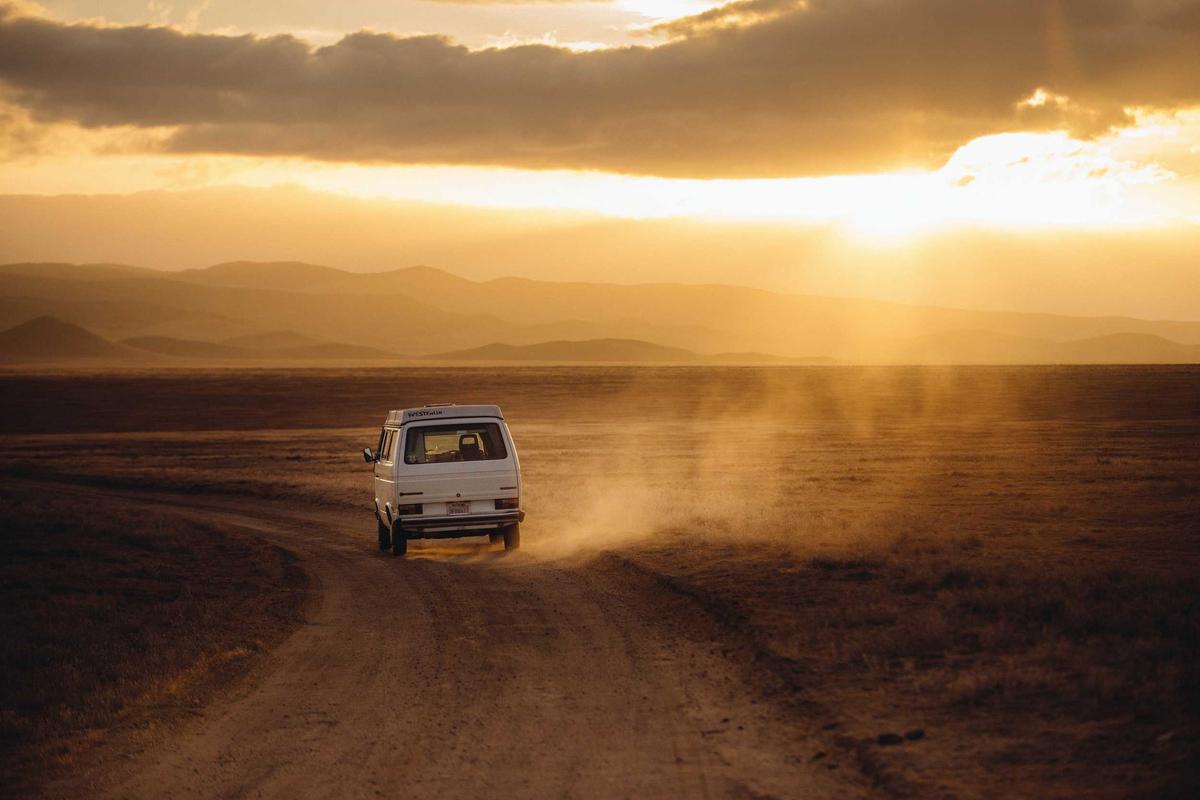
10 Alaska Road Trip Ideas With Hidden Gems
Alaska is the ultimate road trip state in America. With glaciers, wildlife, Arctic tundra, and thousands of miles of open road, no other destination offers this kind of raw, unfiltered adventure. Whether you’re spotting grizzlies fishing for salmon or watching the midnight sun graze the horizon at midnight, an Alaska road trip delivers moments you won’t find anywhere else. Here are ten Alaska road trip ideas that mix iconic routes with hidden gems most travelers never see.
Key Takeaways
- The Denali Highway is a 135-mile mostly gravel road with some of the best mountain views in Alaska — and a fraction of the traffic of the Parks Highway
- The Dalton Highway stretches 414 miles to the Arctic Ocean, crossing the Arctic Circle and the Brooks Range along the way
- Kenai Fjords National Park is reachable by road from Seward and offers calving glaciers, orcas, puffins, and sea otters
- The Seward Highway is an All-American Road with 127 miles of nonstop mountain and coastal scenery
- Wrangell-St. Elias is the largest US national park and you can drive 60 miles into it on the McCarthy Road
- July and August are peak months for wildlife, salmon runs, and 20+ hours of daylight
- Hidden gems include Talkeetna, the Matanuska Glacier, Eagle on the Yukon River, and the Taylor Highway
Introduction: The Road Trip That Changes You
Most visitors to Alaska arrive by cruise ship and see the coast from a railing. That’s a fine way to start. But the real Alaska — the one that changes how you think about wilderness, distance, and silence — reveals itself on the road. When you drive Alaska, you feel the scale. Mountains that looked distant fill your entire windshield. Rivers that seemed small on a map turn out to carve canyons a thousand feet deep. Moose stand in the median like they own the place, because they do.
An Alaska road trip isn’t just about destinations. It’s about the space between them. It’s the pullout where you stop for a photo and end up watching a glacier calve twenty minutes later. It’s the tiny town where the roadhouse serves the best pie in the Arctic. It’s the moment you realize you’ve been driving for three hours and haven’t seen another car. Alaska rewards the patient driver.
These ten road trip ideas range from easy paved highways perfect for any vehicle to remote gravel routes that demand preparation. Together, they show you the Alaska most visitors never see — and make you want to come back for more.
1. The Denali Highway — Wilderness Without the Crowds
About
The Denali Highway runs 135 miles from Cantwell to Paxson, mostly unpaved through the Alaska Range foothills. It was the original route to Denali National Park before the Parks Highway opened in 1971.
Highlights
The road climbs above treeline for miles, offering panoramic views of Denali, Foraker, and the surrounding peaks. Caribou herds roam the tundra, glacial rivers carve valleys below, and alpine lakes mirror the mountains on calm days.
Best Time to Visit
July is ideal. The road is typically open late May through early September, but July offers the best visibility, longest days, and active wildlife. September brings golden tundra colors.
Why You Should Visit
While thousands crowd the Parks Highway corridor, the Denali Highway offers the same stunning mountain views with almost no traffic. It’s Alaska the way it used to be — raw, quiet, and spectacular.
Travel Tips
Bring a high-clearance or 4WD vehicle. There are no services along the route. Fill up fuel in Cantwell or Paxson, carry bug spray, and check road conditions before starting.
2. Seward to Homer — The Kenai Peninsula Loop
About
The Kenai Peninsula drive connects Seward on Resurrection Bay to Homer on Kachemak Bay via the Sterling Highway — roughly 200 miles of coastal Alaska at its best.
Highlights
Exit Glacier near Seward lets you walk right up to a massive ice field. The Kenai River draws anglers from around the world. Homer’s spit juts five miles into Kachemak Bay, surrounded by glaciers and mountains. And the Turnagain Arm section features dramatic tides and beluga whale sightings.
Best Time to Visit
June through August for fishing, wildlife, and long days. July brings peak salmon runs — and the bears and eagles that follow them.
Why You Should Visit
The Kenai packs glaciers, fishing, kayaking, wildlife, and small-town Alaska charm into one compact peninsula. It’s the most versatile road trip on this list.
Travel Tips
Book Seward and Homer lodging well in advance for summer. The Alaska Marine Highway ferry offers extensions to Seward from other coastal towns. Watch for belugas in Turnagain Arm.
3. The Dalton Highway — To the Arctic Ocean
About
The Dalton Highway runs 414 miles from Livengood north of Fairbanks to Deadhorse on the Arctic Ocean. Built for the Trans-Alaska Pipeline in 1974, it’s one of the most remote roads on the continent.
Highlights
The highway crosses the Arctic Circle at Mile 115, climbs Atigun Pass at 4,739 feet, and follows the pipeline through boreal forest and Arctic tundra. The road ends at the shores of the Arctic Ocean — one of the few places you can drive to the polar sea.
Best Time to Visit
June for the midnight sun. August for the warmest temperatures. Services are extremely limited after mid-September.
Why You Should Visit
This is the most remote road trip in America. You can go 200 miles between fuel stops. The landscape looks like another planet. Reaching the Arctic Ocean by car is a genuine bucket-list achievement.
Travel Tips
Rent a vehicle approved for gravel roads. Carry two spare tires, extra fuel, windshield repair kit, and a CB radio. Book the Arctic Ocean tour in Deadhorse in advance.
4. Talkeetna to Denali — The Scenic Approach
About
The drive from quirky Talkeetna to the Denali National Park entrance follows the Parks Highway north through Broad Pass — about 120 miles of increasingly dramatic mountain scenery.
Highlights
Talkeetna is a character-filled mountaineering town with legendary baked goods and flightseeing tours. Broad Pass pullouts offer some of the clearest Denali views on the road system. The park entrance features sled dog kennels, the visitor center, and the start of the 92-mile Park Road.
Best Time to Visit
Mid-June through early September. Denali is only visible about 30% of the time, so spending multiple days increases your odds considerably.
Why You Should Visit
This route gives you a more authentic, less commercialized Denali experience than the train crowds. The mountain is so massive it creates its own weather — and seeing it clear for the first time stops you in your tracks.
Travel Tips
Private vehicles can only drive 15 miles into the park. Beyond that, you need the shuttle bus — book early. Stay in Talkeetna or Healy for better value than the hotels at the park gate.
5. The Glenn Highway — Glaciers Close to Anchorage
About
The Glenn Highway runs 179 miles from Anchorage to Glennallen, following the Matanuska River valley through the Chugach Mountains. It’s one of Alaska’s most scenic and accessible drives.
Highlights
The Matanuska Glacier dominates the view for miles — a 27-mile river of ice visible from the highway. Glacier View offers hiking trails with panoramic glacier views. The road passes waterfalls, Dall sheep on cliff faces, and the broad Matanuska Valley farmlands.
Best Time to Visit
May through September. The road is fully paved and maintained year-round, but summer offers the best hiking and longest days.
Why You Should Visit
This is maximum scenery with minimum hassle. Paved road, frequent pullouts, trailheads, and services make it perfect for a relaxed day trip or the start of a longer Alaska road adventure.
Travel Tips
The Matanuska Glacier access road leads to a small private park — worth the fee. Connecting to the Richardson Highway south creates a natural loop to Valdez.
6. Haines to Skagway — An International Drive
About
Though only 15 miles apart by water, driving from Haines to Skagway requires a 200-mile route through British Columbia and the Yukon via the Chilkat and White Passes.
Highlights
The Chilkat Pass offers glacier views and access to the bald eagle preserve near Haines. Carcross, a former gold rush town, has sand dunes and railway history. Skagway is a beautifully preserved gold rush port and the start of the White Pass Railway.
Best Time to Visit
June through August for reliable road conditions and long days. The Chilkat Eagle Festival in November is spectacular but the pass can be snowy.
Why You Should Visit
This route combines Alaska’s coastal beauty with Yukon gold rush history. You’ll cross an international border, drive through three ecosystems, and end in one of Alaska’s most charming towns.
Travel Tips
Bring your passport for the border crossing. Book the White Pass Railway in Skagway ahead of time — it’s extremely popular with cruise passengers.
7. The Richardson Highway — Valdez to Fairbanks
About
The Richardson Highway is Alaska’s oldest road, running 366 miles from the coastal town of Fairbanks through the Copper River valley and over Thompson Pass.
Highlights
Thompson Pass features dozens of waterfalls cascading down rock faces and is one of the snowiest places in North America. The Worthington Glacier is walkable from the road. The Copper River valley produces some of the world’s most prized wild salmon.
Best Time to Visit
May through September. September fall colors along the Copper River are among Alaska’s best-kept secrets.
Why You Should Visit
The Richardson is Alaska’s quiet backbone — connecting coast to interior without the tourist crowds. It’s the kind of drive where an hour can pass without another car in sight.
Travel Tips
Valdez is worth a day or two on its own — visit Shoup Glacier and the Solomon Gulch Hatchery. Fill gas whenever available; stretches between services are long.
8. Wrangell-St. Elias — The Largest Park by Road
About
Wrangell-St. Elias National Park covers 13.2 million acres — larger than Switzerland. The McCarthy Road, a 60-mile gravel route, leads to the historic mining town of McCarthy deep inside the park.
Highlights
The Kennecott Copper Mine is a National Historic Landmark with massive early-1900s buildings on a glacial moraine. Root Glacier is a short hike from town. The surrounding peaks include four of the sixteen highest mountains in the United States.
Best Time to Visit
June through August only. The road is unmaintained in winter. July offers the best weather; mosquitoes can be fierce.
Why You Should Visit
This is what Alaska looks like without people. The scale is incomprehensible — mountains dwarfing the Alps, glaciers stretching to the horizon, and a silence that feels physical.
Travel Tips
Park at Chitina and take the shuttle or walk the McCarthy Road. Bring all food and supplies. Book Kennecott tours in advance through the park concessionaire.
9. The Seward Highway — America’s Scenic Byway
About
The Seward Highway runs 127 miles from Anchorage to Seward through the Chugach National Forest. It’s an All-American Road — the highest scenic byway designation in the country.
Highlights
Turnagain Arm features 35-foot tidal ranges and summer beluga whale sightings. Waterfalls pour down Chugach cliffs. Mountain goats perch on rock faces visible from the road. Girdwood’s Alyeska Resort offers the Seven Glacier Trail. The road ends at Kenai Fjords National Park in Seward.
Best Time to Visit
Year-round, but May through September offers the best conditions. September fall colors are spectacular. Winter driving requires chains and caution.
Why You Should Visit
If you only do one Alaska road trip, make it this one. The Seward Highway packs absurd scenery into a manageable distance with full services. It’s Alaska at its most accessible and most dramatic.
Travel Tips
Allow four to five hours from Anchorage to Seward with stops. The Alaska Railroad runs parallel and offers a gorgeous alternative to driving. Watch for moose at dawn and dusk.
10. The Taylor Highway — Eagle on the Yukon
About
The Taylor Highway runs 160 miles from Tetlin Junction to Eagle, a town of about 80 people on the Yukon River near the Canadian border. It’s one of Alaska’s least-traveled roads.
Highlights
The drive follows the route of Klondike gold rush stampeders. Fort Egbert in Eagle is a preserved military post from the 1890s. The town is a National Historic Landmark, and the surrounding Yukon River landscape is hauntingly beautiful.
Best Time to Visit
June through August. The road is unmaintained in winter. July offers the best weather and access to Eagle’s limited services.
Why You Should Visit
Eagle is as far from modern Alaska as you can get while staying in the state. Arriving feels like discovering a forgotten outpost. For road trippers who want the real Alaska, this is it.
Travel Tips
Bring everything — fuel, food, spare tires. Eagle has a general store and a few lodges. The road is rough; plan for 30 mph average. Check road conditions with Alaska DOT before starting.
Comparison Table: Alaska Road Trips at a Glance
| Road Trip | Distance | Best Time | Surface |
|---|---|---|---|
| Denali Highway | 135 miles | July – August | Mostly gravel |
| Seward to Homer (Kenai Loop) | 200 miles | June – August | Paved |
| Dalton Highway | 414 miles | June – August | Mostly gravel |
| Talkeetna to Denali | 120 miles | June – September | Paved |
| Glenn Highway | 179 miles | May – September | Paved |
| Haines to Skagway | 200 miles | June – August | Paved |
| Richardson Highway | 366 miles | May – September | Paved |
| Wrangell-St. Elias (McCarthy Road) | 60 miles | June – August | Gravel |
| Seward Highway | 127 miles | May – September | Paved |
| Taylor Highway to Eagle | 160 miles | June – August | Gravel |
>
Frequently Asked Questions
What is the best time for an Alaska road trip?
June through August is peak season. You get the longest daylight — up to 24 hours in northern Alaska — the warmest temperatures, and the most reliable road conditions. July is best for wildlife, as salmon runs bring bears, eagles, and whales to rivers and coastlines. September offers fewer crowds and beautiful fall colors, though some seasonal businesses begin to close.
Do I need 4WD for Alaska road trips?
It depends on the route. The Seward Highway, Glenn Highway, Richardson Highway, and Parks Highway are all paved and fine for any car. The Denali Highway, McCarthy Road, and Taylor Highway are gravel and need at least high-clearance, ideally 4WD. The Dalton Highway demands a sturdy vehicle with spare tires, extra fuel, and emergency supplies. Always check your rental agreement — many standard rentals prohibit gravel roads.
How far ahead should I book lodging?
For popular spots like Seward, Homer, Talkeetna, and Denali in July and August, book two to three months ahead. These towns fill fast. For remote areas like McCarthy or Eagle, options are very limited — book as early as possible. Camping is an excellent alternative throughout Alaska’s extensive public campground network.
What wildlife will I see?
Moose are extremely common along highways across Southcentral and Interior Alaska. Bears appear near rivers during July and August salmon runs. Bald eagles are everywhere along the coast. Caribou cross the Dalton Highway, and Dall sheep cling to cliffs along several routes. Whales, sea otters, and puffins are visible from coastal drives and boat tours in Kenai Fjords and other areas.
Is Alaska road trip driving safe?
Yes, with preparation. The main hazards are wildlife on the road — especially at dawn and dusk — gravel surfaces on remote routes, and fast-changing weather. Carry emergency supplies including food, water, warm layers, and a first aid kit. Cell coverage is extremely limited outside towns, so don’t rely on your phone. Let someone know your itinerary on remote routes, and fill your gas tank at every opportunity.
Can I combine multiple routes into one trip?
Absolutely. Many routes connect naturally. Drive the Seward Highway to Seward, continue to Homer, loop to Anchorage, then head north to Denali via the Parks Highway. The Richardson Highway links Valdez to Fairbanks. A two-week Alaska road trip can easily cover three or four of these routes for a comprehensive taste of the state.
What should I pack?
Pack for all seasons, even in summer. Layers are essential — temperatures can swing 40 degrees in a day. Bring rain gear, warm layers, sturdy hiking shoes, and serious bug spray. A cooler is invaluable for fresh food between towns. Carry a paper map as backup. And bring binoculars — you’ll use them constantly for wildlife.
Conclusion: Hit the Road
An Alaska road trip is one of those rare travel experiences that actually exceeds the hype. The landscapes are bigger, the wildlife is wilder, and the sense of adventure is more real than any brochure can capture. Whether you’re driving the famous Seward Highway with glaciers on one side and ocean on the other, or bouncing along the Dalton Highway toward the Arctic, Alaska rewards every mile with something unforgettable.
These ten routes cover everything from easy paved highways perfect for any traveler to remote gravel roads that test your vehicle and your nerve. The key is to slow down, take the detours, and let Alaska surprise you. The best moments on an Alaska road trip are never the ones you planned — they’re the ones that happen when you pull over for no reason and find yourself watching a glacier calve, or spotting a grizzly in a meadow at golden hour.
Start planning your Alaska road trip today. Book the rental car, map the route, and get ready for the drive of a lifetime. And when you get back, share this post with your friends — because everyone deserves to see Alaska from behind the wheel.

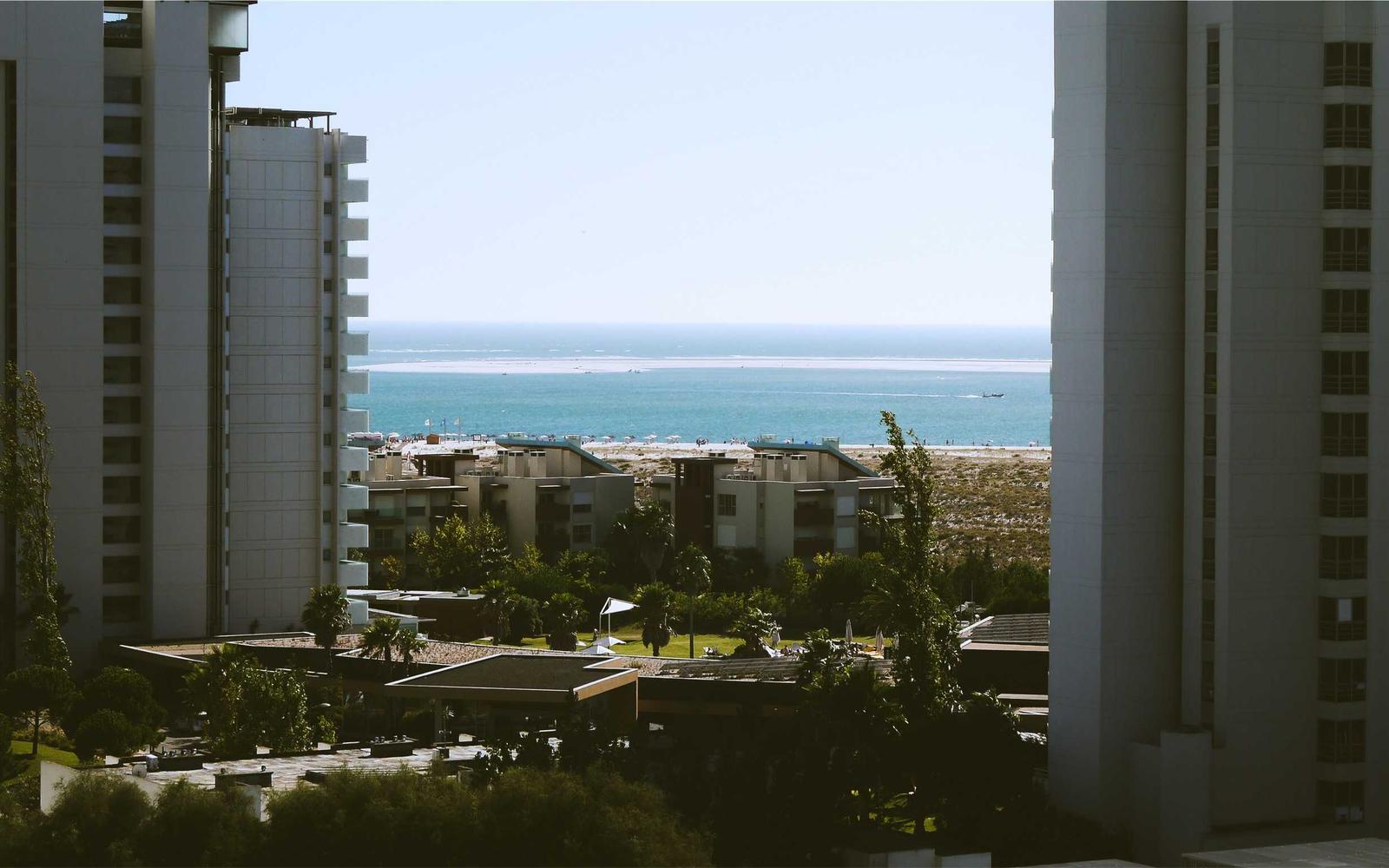
10 Louisiana Road Trip Ideas With Hidden Gems
Louisiana hits different the moment you cross the border. The air gets heavier, the food gets better, and the roads stretch into a world that feels like nowhere else in America. From jazz-filled New Orleans streets to quiet bayous where alligators glide through still water, the Pelican State delivers an experience that sticks with you. This guide covers ten road trip ideas that go beyond the usual tourist stops, with hidden gems most visitors miss.
Key Takeaways
- Louisiana offers incredible diversity, from Cajun country swamps to historic plantations and vibrant cities.
- The best time to visit is spring or fall when temperatures are mild and festivals are in full swing.
- Hidden gems include lesser-known bayous, small-town eateries, and off-the-beaten-path nature trails.
- Each region offers its own food specialties beyond famous New Orleans cuisine.
- Plan for slow driving in rural areas where gravel roads and wildlife crossings are common.
- Many of the best experiences are free, including swamp walks, scenic drives, and historic district strolls.
- Book accommodations in advance during festival season and major holidays.
Introduction
Most people think of New Orleans when they think of Louisiana, and for good reason. But the real magic lies beyond the city limits. Drive an hour in any direction and you will find a completely different world. The Cajun prairies of the southwest, the piney hills of the north, the coastal marshes of the southeast, and the quiet river towns along the Mississippi all offer their own flavor of Louisiana life. These ten road trip ideas combine popular destinations with hidden gems that even many locals do not know about.
1. New Orleans French Quarter and Beyond
About
The French Quarter is the heart of New Orleans, covering about 78 blocks of colorful buildings, iron balconies, and streets walked for over 300 years. While most visitors stick to Bourbon Street, the real charm lies in quieter corners, hidden courtyards, and local haunts. Beyond the Quarter, neighborhoods like the Marigny, Bywater, and Treme offer an even deeper look at the city’s cultural tapestry.
Highlights
Start at Cafe du Monde for beignets, then wander Royal Street for antique shops and art galleries. Jackson Square features street performers and the stunning St. Louis Cathedral. For music, head to Frenchmen Street where local jazz clubs like The Spotted Cat offer world-class performances. The hidden gem is the Historic New Orleans Collection, a free museum on Royal Street most tourists walk right past.
Best Time to Visit
Spring (March to May) brings warm temperatures and events like French Quarter Fest. Fall (October to November) offers cooler weather and fewer tourists. Summer is hot and humid, but hotel prices drop significantly.
Why You Should Visit
New Orleans is one of the most unique cities in America. The architecture, music, food, and people create an atmosphere you cannot find anywhere else. Even returning visitors always find something new in the Quarter’s winding streets.
Travel Tips
Parking in the French Quarter is expensive. Use a garage on the edge and walk in, or take the St. Charles streetcar. For the best local food, ask hotel staff where they eat, not where they send tourists.
2. Bayou Teche Scenic Byway
About
The Bayou Teche Scenic Byway stretches about 184 miles through Cajun country, following the winding bayou from Morgan City to Arnaudville. This route takes you through small towns, past historic plantations, and alongside beautiful waterways. The communities along the bayou have a deep connection to the water, and driving this byway is like stepping back in time.
Highlights
Start in Morgan City, then head north to New Iberia for the Shadows-on-the-Teche plantation and the Tabasco factory on Avery Island. Breaux Bridge is the crawfish capital of the world and perfect for a seafood lunch. The hidden gem is Arnaudville, a tiny community that has become a hub for artists and musicians. Stop at the Little Big Cup for life-changing gumbo.
Best Time to Visit
Spring and fall offer the best weather. February and March are crawfish season. Fall foliage along Bayou Teche is stunning in late October and November.
Why You Should Visit
This is the real Cajun country, where French is still spoken in some homes and zydeco music plays on Friday nights. Strangers are welcomed like family and every meal is an event.
Travel Tips
Take your time and use the pull-offs for photos. Bring cash for small-town restaurants. Time your visit with a local festival or dance hall night for an authentic Cajun experience.
3. Atchafalaya National Heritage Area
About
The Atchafalaya Basin is the largest river swamp in the United States, covering nearly one million acres of bottomland hardwoods, bayous, and oxbow lakes. This vast wetland is home to hundreds of species of birds, fish, and mammals. The landscape has remained largely unchanged for centuries, and the rhythm of life follows the rise and fall of the river.
Highlights
Henderson is a great starting point with boat launches and swamp tour operators. The hidden gem is the Bayou Sorrel area, where quiet backwater roads feel like the edge of the world. The Atchafalaya Welcome Center in Butte La Rose provides excellent information. Birdwatchers should visit the Sherburne Wildlife Management Area for everything from warblers to bald eagles. A sunset drive along Highway 975 offers breathtaking views across the swamp.
Best Time to Visit
Spring is best for wildlife viewing as migratory birds pass through. Fall offers cooler temperatures and beautiful water reflections. Summer is hot and buggy but swamp tours are still worthwhile with good bug spray.
Why You Should Visit
The Atchafalaya Basin is one of America’s great natural treasures. The quiet beauty of the swamp, the abundance of wildlife, and the warmth of local communities make this a destination that stays with you.
Travel Tips
Bring DEET bug spray, especially in summer. A swamp tour is highly recommended. Expect limited cell service and fill up your gas tank before heading into the basin.
4. Natchitoches Historic District
About
Natchitoches is the oldest permanent settlement in the Louisiana Purchase territory, founded in 1714. The historic district along Cane Lake features a beautifully preserved collection of 18th and 19th-century buildings that look like they belong in a European village. The town sits along Cane River Lake, a long oxbow lake that was once part of the Red River.
Highlights
The historic district stretches 33 blocks along the lakefront with brick streets and wrought-iron lampposts. The Cane River Creole National Historical Park tells the story of Creole families along the river. The hidden gem is the Kate Chopin House, the former home of the author of “The Awakening.” During Christmas, the Festival of Lights is one of the best holiday displays in the South.
Best Time to Visit
Spring and fall are most pleasant with mild temperatures and blooming gardens. The Festival of Lights runs November through early January. Summer is warm but the lakefront provides evening breezes.
Why You Should Visit
Natchitoches feels like a well-kept secret even after 300 years of welcoming visitors. The historic district is genuinely beautiful, the food is outstanding (famous for meat pies), and the pace of life is refreshingly slow.
Travel Tips
The district is very walkable, so park and explore on foot. Try the meat pies at Lasyone’s Meat Pie Restaurant. Book well in advance for the Festival of Lights.
5. Avery Island and Jungle Gardens
About
Avery Island is actually a salt dome rising above the coastal marshland, famous as the home of Tabasco sauce. It also houses the stunning Jungle Gardens, a 170-acre botanical garden and bird sanctuary created in the late 19th century. The combination of factory tour and beautiful gardens makes this one of the most unique stops in Louisiana.
Highlights
The free Tabasco factory tour covers the entire process from pepper fields to bottling, with samples included. The Jungle Gardens feature ancient live oaks in Spanish moss, camellia gardens, a Buddha temple from 1936, and Bird City where thousands of snowy egrets nest. The hidden gem is visiting the gardens in early morning when mist rises off the water and birds are most active.
Best Time to Visit
Spring is best as camellias and azaleas bloom and egret populations peak. Fall has comfortable temperatures and fewer crowds. The factory is open year-round.
Why You Should Visit
Avery Island combines natural beauty, culinary history, and a touch of the exotic. The gardens are among the most beautiful botanical spaces in the South, and the factory tour is surprisingly interesting.
Travel Tips
Located off US Highway 90 near New Iberia. Plan at least half a day for both the factory and gardens. Bring binoculars and comfortable walking shoes. There is a small admission fee for the gardens.
6. Poverty Point World Heritage Site
About
Poverty Point is one of the most important archaeological sites in North America, featuring ancient earthworks built between 1700 and 1100 BCE. The site includes concentric semi-circular ridges and massive mounds constructed entirely by hand. Designated a UNESCO World Heritage Site in 2014, it joins the ranks of the Great Wall of China and the Pyramids of Giza.
Highlights
The visitor center features excellent exhibits with artifacts like stone tools and figurines. A guided tram tour provides context you would miss alone. The hidden gem is the view from Mound A, the second-largest prehistoric mound in North America at 72 feet tall. Standing on top, you can appreciate the incredible effort that went into building this site. The surrounding trails are worth exploring on foot.
Best Time to Visit
Spring and fall offer the best weather for outdoor exploration. Summer is hot with little shade, so bring water and sun protection. The site is open year-round.
Why You Should Visit
Poverty Point is a reminder that American history goes back much further than most people realize. The engineering and organization required is truly remarkable, and the site offers a window into a culture that flourished thousands of years before European contact.
Travel Tips
Located about 40 miles east of Monroe. The site is remote, so plan your route and fuel carefully. Allow at least two hours for the tram tour and grounds. There is a small admission fee.
7. Grand Isle State Park
About
Grand Isle is Louisiana’s only inhabited barrier island, sitting at the mouth of Barataria Bay where it meets the Gulf of Mexico. The island is a paradise for beach lovers, anglers, and birdwatchers, with miles of sandy beaches and excellent fishing. The state park offers a wonderfully remote feeling despite being just a couple of hours from New Orleans.
Highlights
The state park beach has gentle waves and soft sand with plenty of space. Fishing is world-class for speckled trout, redfish, and flounder. The hidden gem is the spring and fall bird migration, when oak trees come alive with warblers, orioles, and tanagers using the island as a refueling station after crossing the Gulf. The Grand Isle Migratory Bird Festival in April is fantastic for birders of all levels.
Best Time to Visit
Spring is best for birdwatching with peak migration in April. Summer is peak beach season but also hurricane season. Fall offers excellent fishing and fewer crowds.
Why You Should Visit
Grand Isle offers a Gulf Coast experience completely different from crowded beach towns. It is raw, real, and refreshingly uncommercialized. Whether for fishing, birds, or a quiet beach, Grand Isle delivers.
Travel Tips
The drive through coastal marshland is an experience in itself. Bring everything you need as shopping is limited. A Louisiana fishing license is required. Check the park website for current conditions as hurricanes can affect access.
8. Kisatchie National Forest
About
Kisatchie National Forest is Louisiana’s only national forest, covering about 604,000 acres of longleaf pine uplands, cypress-tupelo swamps, and rolling hills. For a state known for swamps and bayous, Kisatchie provides a completely different experience with hiking trails, scenic drives, and quiet campgrounds that feel a world away from the cities below.
Highlights
Longleaf Vista Recreation Area has a scenic overlook and access to the 10-mile Backbone Trail. The hidden gem is Kisatchie Bayou Recreation Area, where you can swim in clear, spring-fed waters beneath towering cypress trees. The Wild Azalea Trail, at 28 miles, is Louisiana’s longest hiking trail. For scenic driving, take Forest Road 273 through the Evangeline Unit.
Best Time to Visit
Spring is spectacular with wildflowers and azaleas blooming in March and April. Fall offers comfortable hiking temperatures. Summer is hot but swimming areas provide relief.
Why You Should Visit
Kisatchie proves Louisiana offers more than swamps and cities. The forest provides a wilderness experience with excellent hiking, camping, and wildlife viewing. It is a place to disconnect and breathe fresh air.
Travel Tips
The forest is spread out, so you need a car. Download offline maps as cell service is spotty. Ticks and chiggers are common in warm months, so wear long pants and use repellent. Camping is available at several developed campgrounds.
9. Shreveport and the Red River
About
Shreveport is Louisiana’s third-largest city and the cultural hub of the northwest. Situated along the Red River, it has a vibrant arts scene and a food culture blending Southern, Cajun, and Texan influences. The riverfront has undergone significant revitalization with new parks, restaurants, and entertainment venues.
Highlights
The Shreveport Water Works Museum is a hidden gem, a preserved 19th-century pumping station. The R.W. Norton Art Gallery features an impressive collection set in gorgeous free gardens. The Red River district offers restaurants, bars, and live music. The American Rose Center, the largest park in the US dedicated entirely to roses, has over 20,000 bushes representing 100 varieties.
Best Time to Visit
Spring and fall are best, with events like the Red River Revel arts festival in October. Summer is hot but the riverfront comes alive with concerts. Winter is mild with special holiday events.
Why You Should Visit
Shreveport is the underdog of Louisiana tourism. The city has genuine character, friendly people, and attractions that punch well above their weight. The art gallery and rose garden alone are worth the trip.
Travel Tips
Located on the Texas border, about three hours from Dallas. Parking is generally free. The riverfront is walkable for evening strolls. Try local po’boys at Herby K’s.
10. Cane River Creole National Historical Park
About
This park preserves the history and culture of Creole people who lived along Cane River Lake for over 200 years. It includes two historic plantations, Oakland and Magnolia, that tell the complex story of plantation life from the perspectives of owners, enslaved people, and free Creole families. Unlike many plantation sites, this park tells the full story.
Highlights
The Oakland Plantation tour takes you through the main house, slave quarters, and grounds with knowledgeable rangers. Magnolia Plantation has original slave cabins surviving over 150 years. The hidden gem is the self-guided driving tour connecting both plantations through beautiful Cane River landscape and centuries-old communities. Living history demonstrations include blacksmithing and cooking.
Best Time to Visit
Spring and fall offer the best weather. Living history demonstrations are more frequent during these seasons. The park is open year-round with no admission fee.
Why You Should Visit
This is one of the most important historical sites in Louisiana. The Cane River story is a microcosm of the American experience with all its beauty, complexity, and pain. It is a moving and educational experience.
Travel Tips
Located just south of Natchitoches and combinable with a historic district visit. Allow two to three hours for both plantations plus the driving tour. Ranger-led tours are highly recommended. Admission is free.
Comparison Table
| Destination | Region | Best Time to Visit |
|---|---|---|
| New Orleans French Quarter | Southeast | Spring or Fall |
| Bayou Teche Scenic Byway | South Central | Spring for crawfish, Fall for foliage |
| Atchafalaya National Heritage Area | South Central | Spring for wildlife |
| Natchitoches Historic District | Northwest Central | Spring, Fall, or Christmas |
| Avery Island and Jungle Gardens | South Central | Spring for blooms |
| Poverty Point World Heritage Site | Northeastern | Spring or Fall |
| Grand Isle State Park | Gulf Coast | Spring for birds |
| Kisatchie National Forest | Central | Spring for wildflowers |
| Shreveport and the Red River | Northwestern | Spring and Fall |
| Cane River Creole National Historical Park | Northwest Central | Spring and Fall |
Frequently Asked Questions
How long do I need for a Louisiana road trip?
A comprehensive trip covering all ten destinations takes seven to ten days. With less time, focus on one region, such as the New Orleans to Bayou Teche corridor or the northern loop through Natchitoches and Shreveport. Even a long weekend works if you pick two or three destinations.
What is the best time to drive through Louisiana?
Spring (March to May) is the best time with warm weather, blooming wildflowers, and packed festivals. Fall (October to November) is a close second with cooler temperatures and beautiful foliage. Summer is hot and humid but offers lower hotel prices.
Is Louisiana safe for road trippers?
Louisiana is generally safe with common sense. Be aware of surroundings in urban areas at night. Rural roads can be narrow and poorly lit, so drive carefully after dark. Watch for wildlife crossings in swamp and forest areas.
What should I eat on a Louisiana road trip?
In New Orleans, try gumbo, po’boys, beignets, and jambalaya. In Cajun country, look for boudin, crawfish etouffee, and cracklins. In northern Louisiana, expect Southern comfort food like fried catfish and biscuits. Small-town gas stations often sell some of the best boudin in the state.
Do I need a car to explore Louisiana?
Yes, a car is essential. Public transportation outside New Orleans is very limited, and many destinations are in rural areas with no bus or train service. Make sure your vehicle is in good condition for long stretches between gas stations.
Are there alligators in the swamps?
Alligators are common throughout Louisiana’s swamps and bayous. They are generally not aggressive toward humans, but keep a safe distance and never feed or approach them. On hiking trails near water, stay on the path and keep pets leashed.
Conclusion
A road trip through Louisiana is one of the most rewarding travel experiences in America. This state offers a richness of culture, history, food, and natural beauty that is unmatched anywhere else. From the jazz clubs of New Orleans to the ancient earthworks of Poverty Point, from the cypress swamps of the Atchafalaya Basin to the longleaf pine forests of Kisatchie, Louisiana surprises and delights at every turn. Start planning your Louisiana road trip today. The Pelican State is waiting.
Share this post with your friends and start planning your Louisiana adventure today.
10 Connecticut Road Trip Ideas With Hidden Gems
Connecticut may be New England’s smallest state, but it delivers an outsized road trip experience. Charming coastal villages, forested hills, historic covered bridges, and some of the best pizza in America are all packed into an area you can explore in a long weekend. These ten hidden gems take you beyond the interstate and into the real Connecticut — the one most visitors never see.
Key Takeaways
- Connecticut packs coast, forests, rivers, and historic towns into a compact, easy-to-navigate area
- Late September through mid-October is peak season for fall foliage and comfortable weather
- Many top destinations — state parks, scenic drives, free museums — cost nothing to visit
- Local lobster rolls, New Haven-style pizza, and farm-fresh produce are highlights of any trip
- The state’s small size means you can combine multiple destinations in a single day
- Connecticut’s trails and parks are far less crowded than those in neighboring states
- A car is essential — public transit does not reach the hidden gems on this list
Introduction
Most people drive through Connecticut on I-95 without stopping, missing the state entirely. That is their loss. Tucked between Boston and New York, Connecticut offers a New England road trip experience with none of the heavy traffic or tourist crowds. You can watch the sun set over Long Island Sound, hike to a hilltop castle, pick your own peaches at a centuries-old farm, and eat pizza that people drive hours for — all in one day.
This guide highlights ten destinations that showcase the best of Connecticut’s scenery, history, and culture. Each one is a reason to pull over, get out of the car, and explore. Whether you have a weekend or a week, these stops will give you a Connecticut road trip worth remembering.
#1. Gillette Castle State Park
About: Gillette Castle State Park in Hadlyme centers on a eccentric stone castle built by actor William Gillette, the original stage Sherlock Holmes, in the early 1900s. The 184-acre park sits on a hilltop above the Connecticut River, surrounded by woodland trails and river views.
Highlights: The castle interior is full of quirky personal touches — secret doors, custom light switches, and unusual built-in furniture. Guided tours run seasonally. A network of hiking trails winds down to the riverbank, and a small seasonal ferry connects the park to the town of Chester across the water. The views of the Connecticut River Valley from the castle grounds are outstanding.
Best Time to Visit: Late May through October. The castle interior is typically open Memorial Day through Labor Day. October foliage from the hilltop is spectacular.
Why You Should Visit: It is one of the most unusual and delightful places in Connecticut — part medieval castle, part nature park, part river adventure. There is nothing else like it in New England.
Travel Tips: Entry to the grounds is free; castle tours have a small fee. Parking is free but fills on summer weekends — arrive before 10 a.m. Bring a picnic.
#2. Essex and the Connecticut River Valley
About: Essex is a picture-perfect river town on the Connecticut River near Long Island Sound. Its tree-lined main street, colonial homes, and waterfront setting have earned it recognition as one of America’s prettiest towns. It is small, walkable, and full of character.
Highlights: The Essex Steam Train and Riverboat experience combines a vintage train ride with a riverboat cruise through the valley. Downtown has independent shops, galleries, and restaurants in historic buildings. The Connecticut River Museum covers the region’s maritime and ecological history. The town dock is a peaceful spot to sit and watch boats navigate the river.
Best Time to Visit: May through October. The steam train and riverboat run seasonally. Fall color in the valley is stunning.
Why You Should Visit: Essex captures everything people love about New England river towns — history, scenery, and a pace that makes you want to stay all afternoon.
Travel Tips: Book the steam train and riverboat combo in advance during summer. Parking is easiest near the train station lot. Weekdays are quieter.
#3. Bishop’s Orchards in Guilford
About: Bishop’s Orchards is a 313-acre family farm in Guilford that has been operating since the late 1800s. Located along the Connecticut coast, it combines working agriculture with family-friendly activities and views of Long Island Sound.
Highlights: The farm store sells fresh produce, baked goods, and local wines. Pick-your-own fruit runs from strawberries in spring through apples and pumpkins in fall. The on-site winery offers fruit wine tastings. A farm trail provides a short walk with coastal views. Seasonal events — especially fall festivals — draw locals from across the region.
Best Time to Visit: June through October for pick-your-own fruit and the full farm experience. Fall is the most popular season.
Why You Should Visit: It is the kind of authentic, unexpected stop that makes a road trip memorable. Pick fruit, taste wine, walk a coastal trail, and buy a pie — all in one place.
Travel Tips: Check the website for daily pick-your-own availability before driving over. The tasting room is busiest on weekend afternoons. Bring cash for the farm store.
#4. Litchfield Hills
About: The Litchfield Hills in northwestern Connecticut offer rolling farmland, stone walls, covered bridges, and white clapboard churches that look like they belong on a postcard. This is Connecticut’s most scenic and least crowded corner — a concentrated dose of classic New England beauty.
Highlights: The town of Litchfield anchors the region with a historic green, Federal-style homes, and excellent restaurants. White Memorial Conservation Center offers 4,000 acres with boardwalk trails over wetlands. Kent Falls State Park features a 250-foot waterfall on a short paved trail. The West Cornwall Covered Bridge is one of Connecticut’s most photographed landmarks. The Housatonic River through this area is a nationally known fly-fishing stream.
Best Time to Visit: October for peak foliage. May and June for wildflowers and green hillsides. Summer for swimming holes and river activities.
Why You Should Visit: If you want the classic New England experience — quiet country roads, old stone walls, farms, and forests — the Litchfield Hills delivers it all in one compact area.
Travel Tips: Plan a driving loop connecting Litchfield, Kent, and West Cornwall. The back roads are part of the experience. Bring layers — the hills run cooler than the coast.
#5. Mystic Seaport and Downtown Mystic
About: Mystic is Connecticut’s most famous small town, sitting where the Mystic River meets Long Island Sound. A maritime center since the 1600s, it now balances rich history with a thriving food scene and a waterfront that is best explored on foot.
Highlights: Mystic Seaport Museum is the largest maritime museum in the US, with a recreated 19th-century village and historic ships. Downtown Mystic has boutique shops, galleries, and restaurants within easy walking distance. Mystic Aquarium features beluga whales and African penguins. The Mystic River Bascule Drawbridge lifts on the hour in summer. Mystic Pizza, made famous by the 1988 film, still serves slices.
Best Time to Visit: Summer for the fullest experience. September and early October offer warm weather with fewer crowds.
Why You Should Visit: Mystic works for everyone — families, couples, foodies, and history lovers. It is a full-day destination that could easily become an overnight stay.
Travel Tips: Downtown parking is expensive in summer — look for cheaper lots on the edges and walk in. Give the seaport museum at least two to three hours.
#6. Sleeping Giant State Park
About: Sleeping Giant State Park in Hamden takes its name from a traprock ridge that resembles a giant lying on its back. The 1,500-acre park, about ten miles north of New Haven, offers some of the best hiking in southern Connecticut and a welcome surprise for visitors who expect the state to be flat.
Highlights: Over 30 miles of trails range from gentle walks to steep climbs. The trail to the stone tower at the summit delivers panoramic views of the surrounding countryside and Long Island Sound. The yellow trail along the ridge offers spectacular views on both sides. Spring wildflowers and fall color are highlights. The Mill River at the park’s base is a quiet spot to rest after hiking.
Best Time to Visit: April through November. Fall is the standout season. Winter hiking is possible but icy on rocky sections.
Why You Should Visit: Sleeping Giant proves Connecticut has real mountains and real hiking. The summit view is one of the best in southern New England, and the park is completely free.
Travel Tips: Wear proper shoes — the rocky terrain is tough on sandals. The Tower Path from Shepard Avenue is the shortest route up. Weekday mornings are quietest.
#7. Stonington Borough
About: Stonington sits on a peninsula in southeastern Connecticut, looking out over Fishers Island Sound. Its narrow streets, historic captains’ houses, and working waterfront make it one of the most authentic coastal towns in New England — charming without being a tourist trap.
Highlights: The Stonington Lighthouse Museum offers maritime history and views from the top of the 1823 lighthouse. Water Street has small galleries, a bookshop, and excellent seafood restaurants overlooking the harbor. Stonington Vineyards produces award-winning wines just outside town. DuBois Beach is a quiet, town-owned spot for swimming and sunsets. The Whitehall Mansion neighborhood features some of the state’s finest historic homes.
Best Time to Visit: June through September for beach weather. October brings coastal fall color and crisp skies.
Why You Should Visit: Stonington is what every coastal town aspires to be — beautiful, real, and welcoming without being overrun. It rewards slow exploration and long waterfront meals.
Travel Tips: Lighthouse hours are limited — check ahead. For the freshest seafood, ask locals where they eat. Parking along Water Street is limited but available.
#8. Farmington River and Peoples State Forest
About: The upper Farmington River flows through Peoples State Forest and American Legion State Forest in Barkhamsted, offering some of the most beautiful and wild scenery in Connecticut. This stretch rivals anything in Vermont or New Hampshire for quiet natural beauty.
Highlights: Peoples State Forest has miles of trails along the river, including sections of Connecticut’s blue-blazed trail system. The river is a premier cold-water trout stream. Fall foliage reflecting in the clear water creates a photographer’s paradise. Saville Dam’s spillway is a dramatic roadside sight. Route 318 through the forest is one of the state’s most scenic drives. The Riverton General Store is a classic small-town gathering spot.
Best Time to Visit: October for foliage. Summer for river activities and comfortable hiking.
Why You Should Visit: This area reveals Connecticut’s wild side. The deep forests and clear river make you forget you are only two hours from New York City.
Travel Tips: Take the forest roads slowly — the driving is part of the experience. Pull-offs along Route 318 offer easy river access. Fly-fishers should note the catch-and-release, barbless-hook regulations.
#9. Yale and New Haven
About: New Haven is Connecticut’s largest city and home to Yale University. The campus is an architectural treasure, and the city has become a food and culture destination that punches well above its weight. A road trip stop here adds art, architecture, and world-class pizza to your itinerary.
Highlights: The Yale University Art Gallery is the oldest college art museum in the Western Hemisphere — and it is free. The Yale Center for British Art holds the largest British art collection outside the UK in a stunning Louis Kahn building. Campus tours pass Gothic Revival halls and modernist landmarks. Frank Pepe’s and Sally’s Apizza have been competing for best pizza in America for decades. East Rock Park offers a short hike with city and sound views.
Best Time to Visit: September through November, when campus energy is high and fall color is beautiful. Spring is also lovely.
Why You Should Visit: Mixing an urban cultural stop with nature-focused driving gives your trip variety. Yale’s free museums alone are worth the detour, and the pizza is worth any wait.
Travel Tips: Free two-hour street parking is available on many Yale-adjacent streets on weekdays. Both museums are free. For Pepe’s white clam pizza, go at off-peak times to avoid long waits.
#10. Lantern Hill and the Pequot Museum
About: Lantern Hill is a traprock ridge on the Mashantucket Pequot Reservation near Ledyard. It offers one of Connecticut’s most dramatic short hikes and a powerful connection to the region’s indigenous history. While nearby Foxwoods Casino gets the headlines, the natural and cultural treasures here tell a deeper story.
Highlights: The Lantern Hill Trail is a moderate 2.5-mile round trip to the summit, where ruins of an ancient Narragansett fort sit alongside views stretching to Long Island Sound. The Mashantucket Pequot Museum and Research Center is one of the finest tribal museums in the country, with a full-scale recreated Pequot village and 30,000 square feet of exhibits. The approach through reservation lands passes stone walls, fields, and forest.
Best Time to Visit: April through November for hiking. The museum is open year-round. Fall foliage enhances the hike.
Why You Should Visit: Lantern Hill combines great hiking, indigenous history, and panoramic views in one stop. The museum is world-class and adds a meaningful cultural dimension to your trip.
Travel Tips: The trailhead is off Route 2 near the Foxwoods entrance. Some rock scrambling near the summit. The Pequot Museum charges admission but is well worth it — allow two hours minimum.
Comparison Table
| Destination | Region | Best Time to Visit |
|---|---|---|
| Gillette Castle State Park | Hadlyme (River Valley) | May – October |
| Essex and River Valley | Essex (Coastal River) | May – October |
| Bishop’s Orchards | Guilford (Coast) | June – October |
| Litchfield Hills | Northwestern CT | October (foliage peak) |
| Mystic Seaport | Mystic (Coast) | September – October |
| Sleeping Giant State Park | Hamden (South-central) | April – November |
| Stonington Borough | Stonington (Southeast coast) | June – September |
| Farmington River / Peoples Forest | Barkhamsted (Northwest) | October (foliage peak) |
| Yale and New Haven | New Haven (South-central) | September – November |
| Lantern Hill / Pequot Museum | Ledyard (Southeast) | April – November |
Frequently Asked Questions
How many days do I need for a Connecticut road trip?
You can hit the highlights in two to three days by focusing on one region — either the coast or the Litchfield Hills. To cover all ten destinations comfortably, plan four to five days. Connecticut’s small size is an advantage: you can visit two or three spots in a single day. A long weekend combining Mystic, Stonington, and New Haven gives you a great coastal taste. A fall foliage weekend in the Litchfield Hills and Farmington River Valley is equally rewarding.
What is the best season for a Connecticut road trip?
Fall is the standout season. Mid- to late October brings spectacular foliage across the state, especially in the Litchfield Hills, the Connecticut River Valley, and the northwestern forests. September offers warm weather, fewer crowds, and the first hints of color. Late spring brings wildflowers and lush greenery. Summer is ideal for coastal stops but brings the heaviest shoreline traffic. Each season has its own appeal.
Is Connecticut expensive to visit?
Connecticut can be pricier than New Hampshire or Maine for dining and lodging, but many of its best experiences are free — hiking trails, state parks, scenic drives, beaches, and Yale’s museums all cost nothing. A moderate-budget trip is very doable by focusing on free attractions, picnicking at farms and parks, and staying outside peak summer. Save your splurges for local seafood and wine tastings.
What food should I eat on a Connecticut road trip?
Lobster rolls — warm with butter on a split-top bun — are essential, especially along the coast. New Haven-style “apizza” is legendary: thin, charred, and topped with fresh clams in the signature white clam version. Roadside farm stands sell fresh produce from June through October. Connecticut’s wine trail and brewery scene is growing, particularly in the Litchfield Hills. In autumn, apple cider donuts from farm stands are a non-negotiable stop.
Can I do a Connecticut road trip as a day trip from NYC or Boston?
Southern Connecticut destinations like New Haven, Sleeping Giant, Gillette Castle, and Mystic are within two hours of New York City, making ambitious day trips feasible. From Boston, the Litchfield Hills are reachable in about two hours. However, to properly experience multiple destinations from this list, an overnight stay is strongly recommended. Connecticut rewards slow exploration.
Are there good hiking opportunities in Connecticut?
Yes. Connecticut has over 800 miles of blue-blazed trails maintained by the Connecticut Forest and Park Association. Sleeping Giant, Lantern Hill, Peoples State Forest, and White Memorial Conservation Center all offer excellent hikes from easy to strenuous. The Appalachian Trail runs through the state’s northwestern corner. Connecticut’s trails are significantly less crowded than those in neighboring states, which is a major advantage.
Do I need a car?
Absolutely. While Metro-North commuter rail serves the coast from New York City to New Haven, the hidden gems on this list — Litchfield Hills, Peoples State Forest, Lantern Hill, Bishop’s Orchards — are not accessible by public transit. A car is essential for the freedom and flexibility a Connecticut road trip demands.
Conclusion
Connecticut may be small, but these ten destinations prove it delivers a road trip experience as rich and varied as any in New England. Coastal villages, mountain forests, historic castles, world-class museums, working farms, and wild rivers are all within easy reach. The state rewards curiosity and slows you down in the best way. Pick your route, hit the road, and discover the Connecticut that most travelers drive right past. You will be glad you stopped.
Share this guide with your travel friends or start planning your Connecticut road trip today!
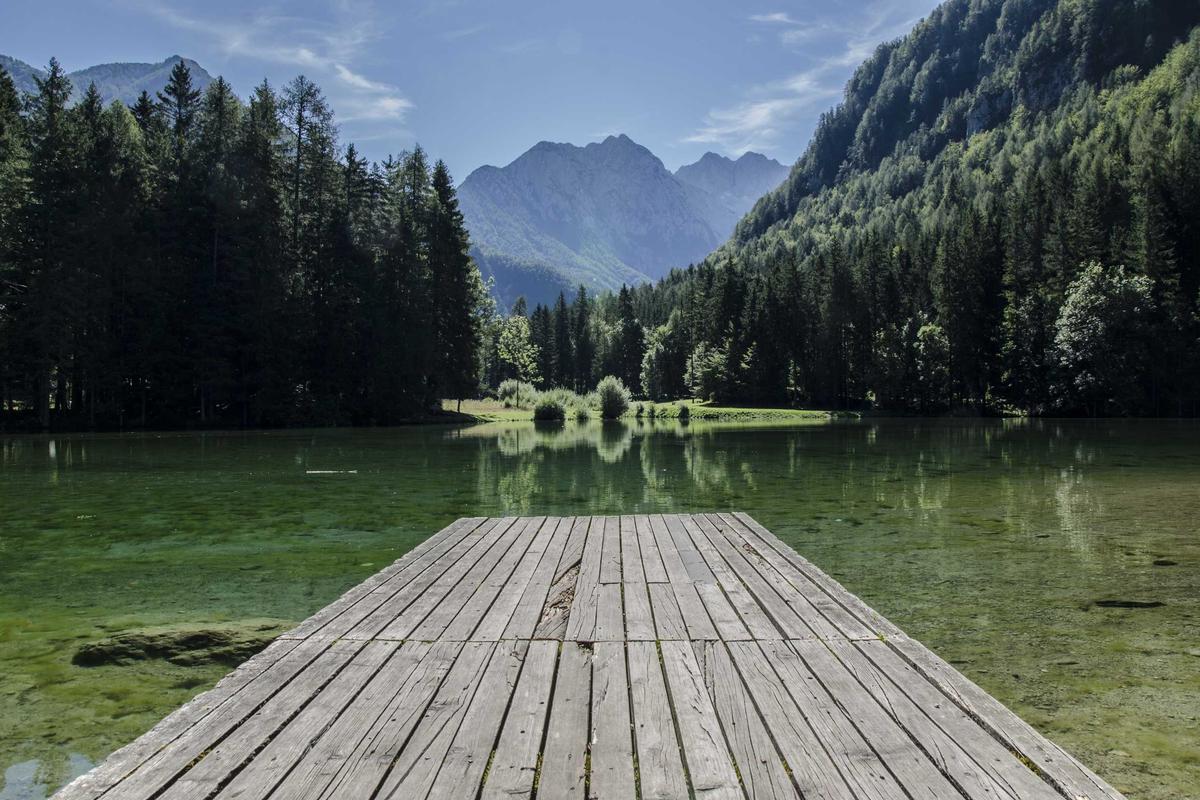
10 Georgia Road Trip Ideas With Hidden Gems
Georgia is a state of wild contrasts. Within a single day, you can stand on a misty mountain peak, wander through a historic southern square, and watch the sun set over a coastal island. From the waterfall-filled canyons of the north Georgia mountains to the alligator-teeming swamps of the southeast, this state delivers an astonishing variety of landscapes and experiences. The best part? Many of Georgia’s most incredible spots are still refreshingly free of crowds. Here are 10 destinations that deserve a place on your Georgia road trip itinerary.
- Explore 10 diverse destinations from mountain peaks to coastal islands
- Visit Providence Canyon, the “Grand Canyon of the South”
- Hike to Georgia’s tallest waterfall at Amicalola Falls
- Wander the historic squares of Savannah and Madison
- Discover wild barrier islands like Jekyll and Tybee
- Experience the primordial beauty of the Okefenokee Swamp
- Find the best times to visit each destination
1. Providence Canyon State Park, Lumpkin
About
Known as the “Grand Canyon of the South,” Providence Canyon features gullies up to 150 feet deep with walls streaked in pink, orange, and red clay. This 1,003-acre park in southwest Georgia was unintentionally created by poor farming practices in the 1800s, making it one of the most unique geological sites in the Southeast.
Highlights
The Canyon Loop Trail descends into the gorge, passing 16 distinct canyons and abandoned farm equipment slowly swallowed by erosion. Spring wildflowers bloom in the canyon bottom, and deer and foxes are commonly spotted. The entrance fee is free, making it one of Georgia’s best undiscovered gems.
Best Time to Visit
Spring (March through May) brings vivid canyon colors and wildflowers. Fall offers cooler temperatures and colorful surrounding forests. Summer is hot with limited shade on the canyon floor.
Why You Should Visit
The dramatic, almost alien landscape is genuinely surprising in the middle of Georgia’s gentle farmland. It is a powerful reminder of how human activity reshapes the land, and the beauty that can emerge from that transformation.
Travel Tips
Bring sturdy shoes with good grip, the trails can be slippery after rain. Pack a lunch for the picnic area near the parking lot. The nearby town of Lumpkin has limited services, so fill up on gas before arriving.
2. Tallulah Gorge State Park, Tallulah Falls
About
Tallulah Gorge plunges nearly 1,000 feet deep, making it one of the deepest gorges in the eastern United States. The Tallulah River carved this dramatic canyon over millions of years, and today the 2,689-acre park offers some of the most thrilling hiking in Georgia.
Highlights
The North and South Rim Trails offer stunning overlooks on easy 1-mile paths. For a bigger challenge, descend over 1,000 steps to the gorge floor suspension bridge with views of six waterfalls. Check the dam release schedule, on release days, the river roars through the gorge with incredible force.
Best Time to Visit
Spring and fall offer the best hiking weather and wildflower displays. Dam release weekends in spring and fall are the most dramatic times to visit. Winter’s bare trees improve gorge visibility.
Why You Should Visit
The scale of Tallulah Gorge is genuinely awe-inspiring. Standing on the suspension bridge with mist rising from the falls below is the kind of experience that stays with you. It perfectly balances accessibility with adventure.
Travel Tips
Arrive early on weekends, the park fills quickly. Free permits for the gorge floor trail are available at the park office and are limited. Wear shoes with excellent traction on the metal stairs.
3. Savannah Historic District, Savannah
About
Savannah’s historic district is one of the most beautifully preserved in America, with 22 tree-shaded squares, antebellum architecture, and centuries of history. Founded in 1733, it is Georgia’s oldest city and a vibrant destination with world-class food, art, and culture.
Highlights
Forsyth Park’s iconic fountain is the perfect starting point. Wander through Monterey Square to see the Mercer-Williams House, explore the shops and galleries along River Street, and visit the Cathedral of St. John the Baptist. Ghost tours after dark add a thrilling dimension, Savannah is considered one of America’s most haunted cities.
Best Time to Visit
Spring (March through May) brings blooming azaleas and perfect walking weather. Fall offers cooler temperatures and fewer tourists. Mid-March brings the massive St. Patrick’s Day parade.
Why You Should Visit
Savannah wraps you in southern charm from the moment you arrive. The combination of stunning architecture, ancient live oaks draped in Spanish moss, and incredible food creates an experience that truly lives up to the hype.
Travel Tips
Use the free downtown shuttle or rent bikes to explore the flat, grid-like streets. Try local favorites like The Olde Pink House or Mrs. Wilkes’ Dining Room. Most squares are free to visit and perfect for people-watching.
4. Amicalola Falls State Park, Dawsonville
About
Amicalola Falls is Georgia’s tallest waterfall, cascading 729 feet down a series of dramatic steps in the north Georgia mountains. The 829-acre park is also the southern approach to the Appalachian Trail at Springer Mountain. The Cherokee word “Amicalola” means “tumbling waters.”
Highlights
A paved walkway leads to the base overlook, while over 600 stairs climb to the summit platform with views looking down the full 729-foot drop. The Appalachian Trail approach trail begins here and covers 8.5 miles to Springer Mountain. A park lodge and restaurant provide comfortable accommodations.
Best Time to Visit
Spring brings strong water flow and spectacular wildflower displays. Fall color on the surrounding mountainside is breathtaking. Summer flow can decrease during dry spells.
Why You Should Visit
Standing at the base of a 729-foot waterfall and feeling the mist on your face is a primal, deeply satisfying experience. The park is both accessible for families and challenging for serious hikers.
Travel Tips
The stair climb is strenuous, take it slow and bring water. The nearby town of Dahlonega offers dining and wineries in Georgia’s wine country. AT thru-hikers should register at the park office.
5. Jekyll Island, Golden Isles
About
Jekyll Island is one of Georgia’s Golden Isles, where Gilded Age mansions meet wild, unspoiled beaches. Once an exclusive retreat for America’s wealthiest families, the island now welcomes visitors to explore its historic district, 10 miles of beaches, and abundant wildlife.
Highlights
The National Historic Landmark District features 33 preserved buildings including the Jekyll Island Club Hotel. The Georgia Sea Turtle Center offers interactive exhibits and rehabilitation programs. Driftwood Beach, with its haunting silver-gray trees, is one of Georgia’s most photographed spots. The island’s 20 miles of biking trails wind through maritime forests and along marshes.
Best Time to Visit
Spring and fall offer pleasant temperatures and fewer crowds. Sea turtle nesting runs May through August, with hatching from July through October. Winter is quiet with mild weather.
Why You Should Visit
Jekyll combines history, natural beauty, and tranquility in a way that is rare on the Georgia coast. Tour a Rockefeller mansion in the morning and watch a sea turtle release in the afternoon. The island’s conservation commitment keeps its landscapes pristine.
Travel Tips
A daily parking fee is required. Biking is the best way to get around, with rentals available near the historic district. For the best Driftwood Beach photos, visit at sunrise. Bring bug spray near the marshes in summer.
6. Chattahoochee National Forest, North Georgia Mountains
About
The Chattahoochee National Forest covers over 750,000 acres across north Georgia, offering some of the best outdoor recreation in the Southeast. From the state’s highest peak to world-class whitewater rivers, this vast forest is Georgia’s wild heart.
Highlights
Brasstown Bald, at 4,784 feet, offers views into four states. The Chattooga River provides legendary whitewater rafting along the Georgia-South Carolina border. Anna Ruby Falls features a stunning double waterfall. The Appalachian Trail and Benton MacKaye Trail both pass through the forest, and hidden swimming holes reward those who venture off the main roads.
Best Time to Visit
Fall (mid-October through early November) brings spectacular hardwood color throughout the mountains. Spring offers wildflowers and rushing waterfalls. Summer is ideal for tubing, swimming, and rafting. Winter offers solitude.
Why You Should Visit
This vast mountain forest offers a completely different Georgia from the peaches and plantations. Whether you are summiting Brasstown Bald, rafting the Chattooge, or sitting by a mountain stream, the forest resets your sense of what matters.
Travel Tips
The towns of Helen, Blairsville, and Clayton serve as good base camps. Cell service is spotty, download offline maps before heading in. Bring layers, mountain temperatures run 10 to 15 degrees cooler than the valleys. Practice Leave No Trace principles.
7. Callaway Gardens, Pine Mountain
About
Callaway Gardens transformed 2,500 acres of eroded farmland into one of the South’s most beautiful garden destinations. Founded in 1952, the property now features world-class horticulture, a butterfly center, lakes, and seasonal displays that ensure something spectacular is always blooming.
Highlights
The Cecil B. Day Butterfly Center houses over 1,000 butterflies in a tropical conservatory. Robin Lake Beach offers swimming and paddleboarding. The azalea collection, with over 700 varieties, peaks in March and April. The TreeTop Adventure zipline provides a thrilling canopy perspective, and “Fantasy in Lights” transforms the gardens each December.
Best Time to Visit
Spring (March through May) is peak season for azalea blooms. Fall brings colorful foliage and comfortable temperatures. Late April or early May offers the best balance of good weather and smaller crowds.
Why You Should Visit
Callaway Gardens proves that humans and nature can create something extraordinary together. The transformation from barren farmland to world-class gardens is inspiring, and the result delights visitors of every age and interest.
Travel Tips
Admission is charged, but lodging packages are available. Bike rentals make exploring easy. Most paths are stroller and wheelchair accessible. Book well in advance for spring bloom season.
8. Okefenokee Swamp, Southeast Georgia
About
The Okefenokee Swamp covers over 438,000 acres of pristine freshwater marsh, making it one of the largest and most untouched wetlands in North America. This National Wildlife Refuge is home to American alligators, over 200 bird species, and an ecosystem that has remained largely unchanged for thousands of years.
Highlights
Guided boat tours navigate narrow cypress-lined waterways where alligators, herons, and sandhill cranes are regularly spotted. The Chesser Island Homestead preserves a 19th-century pioneer home. Canoeing and kayaking the water trails offer a more immersive experience. Sunrise and sunset turn the swamp’s water gold and fill the air with the sounds of birds and frogs.
Best Time to Visit
Spring (March through May) brings high water, wildflowers, and migratory birds. Fall offers beautiful light and comfortable temperatures. Visit early morning or late afternoon for the best wildlife viewing.
Why You Should Visit
Paddling through a cypress swamp with an alligator on the bank and a heron in the shadows connects you to a world that existed long before highways and cities. The Okefenokee is one of those rare places that genuinely changes your perspective.
Travel Tips
Three entrances offer different experiences: Suwannee Canal Recreation Area, Stephen C. Foster State Park, and Okefenokee Swamp Park. Bring strong insect repellent. Stick to marked trails unless experienced. Guided tours are recommended for first-time visitors.
9. Madison Historic District, Madison
About
Madison is a small central Georgia town with over 100 antebellum homes and one of the largest historic districts in the state. Legend holds that Sherman spared the town during his March to the Sea because it was too beautiful to burn. Whether true or not, the result is an architectural treasure that is also a thriving modern community.
Highlights
The self-guided walking tour passes stunning Greek Revival, Federal, and Victorian homes. The Madison-Morgan Cultural Center in an 1895 Romanesque Revival building hosts art and music events. Heritage Hall, built in 1811, offers guided tours of one of Georgia’s finest historic homes. The dining scene punches well above its weight with farm-to-table restaurants and classic Southern comfort food.
Best Time to Visit
Spring and fall offer the best weather for walking. April and May bring blooming gardens that frame the historic architecture beautifully. The December holiday Home Tour is a special treat.
Why You Should Visit
Madison is the kind of small town that reminds you why road trips exist. It is not on the way to anything major, which is exactly what makes its preserved beauty and vibrant community so special.
Travel Tips
Madison is just off I-20, about an hour east of Atlanta. Free parking is available throughout the district. Allow two to three hours for the walking tour. Several charming B&Bs offer overnight stays in historic homes.
10. Tybee Island, Savannah Area
About
Tybee Island is Georgia’s northernmost barrier island, located just 18 miles east of Savannah. This classic beach town offers five miles of sand, a historic 1736 lighthouse, and a laid-back atmosphere that has made it a beloved getaway for generations.
Highlights
Climb the Tybee Island Light Station for panoramic Atlantic views. South Beach near the pier is the most lively area, while North Beach offers excellent birdwatching. Back River Beach is a local favorite for sunsets. Fort Pulaski National Monument on nearby Cockspur Island is a beautifully preserved Civil War fort. Dolphin-watching boat tours depart regularly from the marina.
Best Time to Visit
Late spring (April and May) and early fall (September and October) offer warm weather without peak crowds. Summer is busy but the ocean breeze keeps things comfortable. Winter is mild with minimal crowds.
Why You Should Visit
Tybee is the antidote to overdeveloped beach resorts. It is a place where you can still find quiet sand, eat fresh seafood at a waterside shack, and watch the sunset without fighting crowds. After days of mountain hikes and historic towns, Tybee is the perfect place to slow down and let the ocean wash away the miles.
Travel Tips
Use the ParkMobile app for metered parking. Bike rentals make exploring easy. Try The Crab Shack, a legendary local seafood spot. Bring sunscreen, the Georgia sun is strong even on cloudy days.
Quick Comparison
| Destination | Region | Best Time to Visit |
|---|---|---|
| Providence Canyon State Park | Southwest GA | Spring |
| Tallulah Gorge State Park | Northeast GA | Spring, Fall |
| Savannah Historic District | Southeast GA | Spring |
| Amicalola Falls State Park | North GA | Spring, Fall |
| Jekyll Island | Southeast Coast | Spring, Fall |
| Chattahoochee National Forest | North GA Mountains | Fall |
| Callaway Gardens | West-Central GA | Spring |
| Okefenokee Swamp | Southeast GA | Spring |
| Madison Historic District | Central GA | Spring, Fall |
| Tybee Island | Savannah Coast | Late Spring, Early Fall |
Frequently Asked Questions
How long does a Georgia road trip take?
A full 10-destination road trip requires 10 to 14 days. For shorter trips, split into two loops: a north Georgia mountain loop (4 to 5 days) and a south Georgia coastal loop (4 to 5 days). The mountain loop covers Tallulah Gorge, Amicalola Falls, Chattahoochee National Forest, and Dahlonega. The coastal loop covers Savannah, Tybee Island, Jekyll Island, and Madison.
What is the best season for a Georgia road trip?
Spring (March through May) is the best overall season, with mild weather, blooming wildflowers, and comfortable temperatures statewide. Fall (October and November) is ideal for mountain foliage. Summer works well for beach destinations but brings heat and humidity inland. Winter is mild by northern standards and perfect for crowd-free exploring.
How much does a Georgia road trip cost?
Georgia is one of the more affordable road trip states. Most state parks charge a small $5 parking fee, and many attractions are free. Budget $100 to $150 per night for lodging and enjoy reasonably priced Southern cuisine at local restaurants. A comfortable two-week trip for a couple typically runs $1,500 to $2,500 including lodging, food, and activities.
Are these destinations family-friendly?
Georgia is one of the most family-friendly road trip states. State parks offer easy trails for all ages. Jekyll Island and Tybee Island have calm beaches and attractions like the Georgia Sea Turtle Center. Callaway Gardens has a butterfly center and beach area. Madison’s historic district is stroller-friendly. Boat tours on the Okefenokee are exciting for all ages.
What hidden gems should I look for along the way?
The town of Helen offers Bavarian-themed fun with tubing on the Chattahoochee River. Dahlonega is the site of America’s first gold rush and offers winery tours. The Wormsloe Historic Site near Savannah features a breathtaking 1.5-mile avenue of live oaks. Thomasville, known as the “City of Roses,” has a beautiful historic district. And everywhere you go, stop for roadside peaches, pecans, and boiled peanuts.
Start Your Georgia Adventure
Georgia rewards the curious traveler at every turn. Every back road leads to something unexpected, a hidden waterfall, a family-run restaurant with unforgettable food, or a sunset in colors you did not know existed. These 10 destinations showcase the very best of the Peach State, from Providence Canyon’s dramatic gorges to Tybee Island’s peaceful beaches. Whether you have got a week or a month, Georgia is ready to surprise you. Fill up the tank, download your playlist, and hit the road. Share this guide with your travel buddies and start planning your Georgia adventure today.


The Most Incredible Underwater Waterfalls
The Most Incredible Underwater Waterfalls You Need to Know About When you think of waterfalls, you probably picture water crashing...


10 Louisiana Road Trip Ideas With Hidden Gems
10 Louisiana Road Trip Ideas With Hidden Gems Louisiana hits different the moment you cross the border. The air gets...
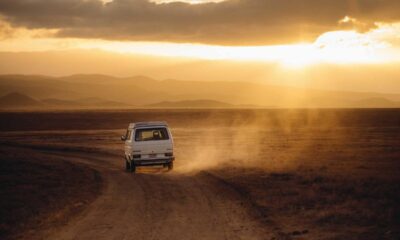

10 Alaska Road Trip Ideas With Hidden Gems
10 Alaska Road Trip Ideas With Hidden Gems Alaska is the ultimate road trip state in America. With glaciers, wildlife,...
-

 World1 year ago
Types of Ants Living in the World and Information
-

 Forests1 year ago
The 10 Best Forests to Visit in the World
-

 Wildlife4 years ago
(10) Insects Are Animals in the world?
-

 Ocean2 years ago
Oceans in the World and Their Information & Locations
-

 Forests4 years ago
What Is The Biggest Rainforest In The World?
-

 Wildlife4 years ago
Most Popular Wild Animals in The World
-

 Forests1 year ago
The Main Factors That Contribute to Forest Destruction
-

 World1 year ago
The 10 Largest Farms in the World