
Nature
15 Best Nature Destinations in North America You Should Visit


15 Best Nature Destinations in North America You Should Visit
North America is home to some of the most jaw-dropping natural scenery on the planet. From towering mountains and ancient forests to wild coastlines and deserts, there is something here for every nature lover. This list covers the absolute best spots you should have on your radar.
Key Takeaways
- This guide covers 15 stunning nature destinations across the United States, Canada, and Mexico
- Each destination includes highlights, best time to visit, why you should go, and practical travel tips
- All spots are beginner-friendly and accessible for a range of budgets
- From famous national parks to hidden gems, there is a mix of well-known and underrated locations
| Place Name | Location | Best Time to Visit |
|---|---|---|
| Grand Canyon | Arizona, USA | March – May, September – November |
| Banff National Park | Alberta, Canada | June – August, December – March |
| Canadian Rockies | British Columbia & Alberta, Canada | June – September |
| Yellowstone National Park | Wyoming, Montana & Idaho, USA | April – May, September – October |
| Great Smoky Mountains | Tennessee & North Carolina, USA | June – October |
| Zion National Park | Utah, USA | March – May, September – November |
| Yosemite National Park | California, USA | May – September |
| Pacific Rim National Park | British Columbia, Canada | May – September |
| Glacier National Park | Montana, USA | July – September |
| Niagara Falls | Ontario, Canada & New York, USA | June – August |
| Big Bend National Park | Texas, USA | October – April |
| Torngat Mountains | Labrador, Canada | July – August |
| Acadia National Park | Maine, USA | June – October |
| Sierra Gorda | Queretaro, Mexico | October – May |
| Waterton Lakes National Park | Alberta, Canada | June – September |
1. Grand Canyon – Arizona, USA
About
The Grand Canyon is one of the most iconic natural landmarks in the world. Carved by the Colorado River over millions of years, it stretches 277 miles long and over a mile deep.
Highlights
The South Rim offers the most accessible viewpoints including Mather Point and Yavapai Station. The North Rim is quieter and more secluded. Inner canyon trails give you a completely different perspective from the rim.
Best Time to Visit
March through May and September through November are ideal. Summer temperatures at the bottom can exceed 100 degrees Fahrenheit, making spring and fall much more comfortable.
Why You Should Visit
Standing on the rim at sunrise is a life-changing moment. The layers of red and orange rock in every direction are humbling. It is one of those places you simply have to see.
Travel Tips
The South Rim is open year-round while the North Rim closes in winter. Book accommodation well in advance. Bring plenty of water and sun protection for any hike below the rim.
2. Banff National Park – Alberta, Canada
About
Banff is Canada’s oldest national park, covering over 2,500 square miles of the Canadian Rockies with glaciers, forests, and alpine meadows.
Highlights
Lake Louise and Moraine Lake are the crown jewels with their famous turquoise water. The Icefields Parkway connecting Banff to Jasper is one of the most scenic drives on the continent. Elk, bears, and bighorn sheep are commonly spotted.
Best Time to Visit
June through August is perfect for hiking. December through March brings excellent skiing conditions. Each season offers a completely different experience.
Why You Should Visit
Banff combines accessibility with raw wilderness few places can match. Drive up to stunning alpine lakes, then take a backcountry trail into solitude the next morning.
Travel Tips
Buy a Parks Canada Discovery Pass for multiple park visits. Lake Louise parking fills up extremely early in summer, so arrive before 7 AM. Bear spray is recommended for backcountry hiking.
3. Canadian Rockies – British Columbia & Alberta, Canada
About
The Canadian Rockies stretch across British Columbia and Alberta, encompassing several national and provincial parks. This range is defined by jagged snow-capped peaks, emerald-green lakes, and vast stretches of untouched wilderness.
Highlights
Jasper, Yoho, and Kootenay National Parks are all part of this region. Emerald Lake, Takakkaw Falls, and the Columbia Icefield are standout attractions. Grizzly bears, mountain goats, and moose are frequently seen.
Best Time to Visit
June through September is the best window. Snow clears from most trails by mid-July, and the long summer days give you plenty of daylight to explore.
Why You Should Visit
If you love mountains, this is the place. The lakes have an almost unreal blue-green shade from glacial meltwater. Every highway turn reveals another stunning view.
Travel Tips
The Icefields Parkway between Lake Louise and Jasper is a must-drive route. Fill up on gas before heading out. Pack layers because mountain weather can shift from sunshine to snow in hours.
4. Yellowstone National Park – Wyoming, Montana & Idaho, USA
About
Yellowstone was the world’s first national park, established in 1872. Sitting on a supervolcano, it features geysers, hot springs, and incredible wildlife across 2.2 million acres.
Highlights
Old Faithful is the most famous geyser, but the Grand Prismatic Spring is arguably more impressive with its vivid rainbow colors. Lamar Valley is known as the Serengeti of North America for its wolf and bison populations.
Best Time to Visit
April through May and September through October offer the best balance of good weather and fewer crowds. Winter visits are magical but most roads are closed to regular vehicles.
Why You Should Visit
The geothermal features are alien-looking with steaming pools in electric blues and oranges. You might spot wolves, bears, bison, and elk all in a single day.
Travel Tips
Book lodging inside the park at least six months in advance. Drive slowly at dawn and dusk when animals are active. Stay at least 100 yards from bears and wolves.
5. Great Smoky Mountains – Tennessee & North Carolina, USA
About
The Great Smoky Mountains are the most visited national park in the United States. Straddling the border between Tennessee and North Carolina, this ancient mountain range is covered in lush forests, misty ridges, and hundreds of miles of trails.
Highlights
Clingmans Dome offers 360-degree views from the highest point. Cades Cove is a historic valley with old cabins and abundant wildlife. The park has over 800 miles of trails and beautiful waterfalls.
Best Time to Visit
June through October is the prime season. Fall foliage in October is legendary. Spring brings wildflowers and rushing waterfalls.
Why You Should Visit
The Smokies have a gentle, welcoming beauty different from the dramatic Rockies. The forests are ancient and diverse, with some of the oldest trees in eastern North America. The morning mist creates an almost magical atmosphere.
Travel Tips
There is no entrance fee, making it one of the most budget-friendly national parks. Cades Cove gets crowded on weekends, so visit on a weekday. Bring rain gear because weather changes quickly at higher elevations.
6. Zion National Park – Utah, USA
About
Zion is a desert canyon park in southwestern Utah. The Virgin River has carved a deep, narrow canyon through red and cream-colored sandstone, creating walls that rise over 2,000 feet. It feels like stepping into another world.
Highlights
Angels Landing is the famous hike with chains along a narrow ridge. The Narrows takes you walking through the Virgin River between towering walls. Observation Point offers panoramic views above.
Best Time to Visit
March through May and September through November are best. Summer temperatures regularly exceed 100 degrees and the park gets extremely crowded.
Why You Should Visit
The scale of the canyon walls is humbling, and the red rock glows in sunlight like it is lit from within. The Narrows is one of the most unique hikes in any national park.
Travel Tips
The park shuttle is mandatory for the main canyon from March through November. Angels Landing requires a permit through a lottery system. Bring water shoes and a hiking pole for The Narrows. Check weather for flash flood risks.
7. Yosemite National Park – California, USA
About
Yosemite is one of the most celebrated national parks in the world. Located in California’s Sierra Nevada, it is famous for granite cliffs, giant sequoias, and powerful waterfalls.
Highlights
El Capitan and Half Dome are the iconic granite monoliths. Yosemite Falls is one of the tallest waterfalls in North America. The Mariposa Grove is home to over 500 mature giant sequoias. Glacier Point offers one of the best panoramic views in any national park.
Best Time to Visit
May through September is the main season. Waterfalls peak in May and June from snowmelt. July and August are warm with all facilities open.
Why You Should Visit
The valley floor surrounded by sheer granite walls and thundering waterfalls is one of the most beautiful scenes in the natural world.
Travel Tips
Reservations are required during peak season, so plan ahead. The free park shuttle is the best way to get around the valley. Half Dome requires a permit for the cable route. Use the provided food storage lockers to protect against bears.
8. Pacific Rim National Park – British Columbia, Canada
About
Pacific Rim National Park sits on the wild west coast of Vancouver Island. This is where the dense temperate rainforest meets the Pacific Ocean, creating a dramatic landscape of rocky shores, sandy beaches, and old-growth forests.
Highlights
Long Beach features miles of sandy coastline backed by rainforest. The Broken Group Islands are a kayaking paradise. The West Coast Trail is a challenging multi-day shoreline trek.
Best Time to Visit
May through September offers the best weather. Summer months are the driest, though rain is always possible. Gray whale migration peaks in March and April.
Why You Should Visit
Pacific Rim feels like the edge of the world. The combination of crashing waves, misty rainforest, and driftwood beaches creates a peaceful yet powerful atmosphere.
Travel Tips
The West Coast Trail requires a reservation and is for experienced hikers only. The Rainforest Trails near the visitor center are beautiful and accessible. Bring waterproof layers regardless of season. Tofino is the nearest town with good services.
9. Glacier National Park – Montana, USA
About
Glacier National Park in northern Montana is called the Crown of the Continent. With over 700 miles of trails, pristine lakes, and rugged peaks, it is one of the most pristine areas in the lower 48.
Highlights
The Going-to-the-Sun Road is one of the most spectacular drives in North America. Grinnell Glacier is a stunning turquoise lake fed by melting ice. Hidden Lake Overlook is a relatively short hike with an outsized payoff. Mountain goats are frequently spotted along the trails.
Best Time to Visit
July through September is the only realistic window since the Going-to-the-Sun Road typically does not fully open until late June. Wildflowers peak in late July and August.
Why You Should Visit
Glacier feels like the Alps dropped into North America. The scenery is dramatic, from glacier-carved valleys to crystal-clear lakes reflecting snow-capped peaks.
Travel Tips
The Going-to-the-Sun Road has vehicle size restrictions. Shuttle buses run along the road and are a stress-free option. Bear spray is essential on all backcountry trails. Book lodging or campsites months in advance.
10. Niagara Falls – Ontario, Canada & New York, USA
About
Niagara Falls straddles the border between Ontario and New York. While it is a major tourist destination, the sheer power and volume of water thundering over the edge is genuinely awe-inspiring. Over 3,000 tons of water flow over every second.
Highlights
The Canadian Horseshoe Falls is the largest and most impressive. Journey Behind the Falls lets you walk through tunnels behind the water. The surrounding parkland offers excellent hiking away from the tourist strip.
Best Time to Visit
June through August is peak season with warm weather and all attractions open. Winter visits offer a quieter experience with ice formations along the gorge.
Why You Should Visit
Niagara Falls lives up to the hype. Standing at the railing with mist on your face while thousands of gallons crash down is a visceral experience. The surrounding gorge trails offer excellent hiking.
Travel Tips
The Canadian side generally offers better views. Buy tickets online in advance for boat tours. The Niagara Glen Nature Reserve has excellent gorge-side hiking trails. Parking near the falls can be expensive, so consider staying within walking distance.
11. Big Bend National Park – Texas, USA
About
Big Bend National Park in southwestern Texas is one of the most remote and least visited national parks in the country. It encompasses the Chisos Mountains, vast stretches of Chihuahuan Desert, and a dramatic bend in the Rio Grande along the US-Mexico border.
Highlights
The Chisos Basin is a mountain oasis surrounded by desert. Santa Elena Canyon is a dramatic gorge with 1,500-foot walls. Big Bend has some of the darkest skies in the lower 48. Over 450 bird species have been recorded here.
Best Time to Visit
October through April is the only comfortable time. Summer temperatures routinely exceed 110 degrees. Winter days are mild and pleasant.
Why You Should Visit
Big Bend is for those who want true remoteness. The night skies are extraordinary with the Milky Way from horizon to horizon. The contrast between the cool Chisos and the desert is remarkable.
Travel Tips
Fill up on gas and bring all food and water you need since towns are far apart. Cell service is very limited inside the park. Bring a good star chart or astronomy app for the incredible night skies.
12. Torngat Mountains – Labrador, Canada
About
The Torngat Mountains in northern Labrador are one of the most remote wilderness areas in North America. This Arctic landscape of fjords, granite peaks, and tundra is home to polar bears and caribou. There are no roads in.
Highlights
Mount Caubvick is the highest peak in mainland Canada east of the Rockies. The fjords are dramatic and largely unexplored. Caribou migrations pass through the valleys in large numbers. Inuit cultural heritage is woven throughout the landscape.
Best Time to Visit
July through August is the only viable window. Even in summer, temperatures are cool and weather is unpredictable. Access is by air or sea only through outfitters based in Nain or Goose Bay.
Why You Should Visit
The Torngat Mountains offer solitude and wildness almost impossible to find elsewhere. This is true Arctic wilderness where polar bears outnumber people. The fjords are as dramatic as anything in Norway, and the sense of being at the edge of the inhabited world is profound.
Travel Tips
This is not a destination for independent travel. Book with an experienced outfitter for logistics, safety, and bear protection. Bring serious cold-weather gear even in summer. A visit here is a genuine expedition.
13. Acadia National Park – Maine, USA
About
Acadia National Park sits on Mount Desert Island along the rugged coast of Maine. It is the only national park in the northeastern United States, offering a unique combination of rocky coastline, forested mountains, and New England character.
Highlights
Cadillac Mountain is the highest point on the Atlantic coast and one of the first places in the US to see the sunrise. The Park Loop Road is a scenic drive connecting major features. Thunder Hole is a natural rock inlet where waves crash with a thunderous sound. Jordan Pond is perfect for kayaking.
Best Time to Visit
June through October is the best period. Fall foliage in October is spectacular. Summer is warm with all facilities open. Spring can be muddy with some roads not fully open until May.
Why You Should Visit
Watching the sunrise from Cadillac Mountain with the Atlantic stretching below is unforgettable. The rocky shoreline, pine forests, and quaint New England towns create a setting that feels both wild and welcoming.
Travel Tips
A vehicle reservation is required for Cadillac Mountain during peak season. The free Island Explorer shuttle is an excellent way to get around. Bar Harbor is the main gateway town. Book accommodation well in advance for fall foliage season.
14. Sierra Gorda – Queretaro, Mexico
About
The Sierra Gorda Biosphere Reserve in Queretaro is one of Mexico’s best-kept secrets. This diverse landscape ranges from tropical and cloud forests to semi-arid scrubland and deep canyons, covering over 950 square miles.
Highlights
The five Franciscan missions are UNESCO World Heritage Sites. Cloud forests are lush with orchids and bromeliads. The Conca River creates beautiful swimming holes and waterfalls. Over 300 bird species live here.
Best Time to Visit
October through May is ideal. The dry season from November to April offers the best hiking. Wildflower displays are best in the months following the rainy season.
Why You Should Visit
Sierra Gorda is a hidden gem most international travelers have never heard of. You can go from a dry cactus canyon to a misty cloud forest in a single day. The local communities are welcoming and the food is some of the best in central Mexico.
Travel Tips
The nearest major city is Queretaro, about three hours by car. A high-clearance vehicle is recommended for remote roads. Local guides are available and highly recommended. Bring cash since many small towns do not accept cards.
15. Waterton Lakes National Park – Alberta, Canada
About
Waterton Lakes National Park is a small but stunning park in southern Alberta bordering Glacier National Park in Montana. Together they form the Waterton-Glacier International Peace Park, with mountains rising directly from the prairies.
Highlights
The Prince of Wales Hotel is an iconic landmark overlooking Upper Waterton Lake. The Crypt Lake Trail is often called the best hike in Canada, featuring a tunnel, a cable section, and a stunning alpine lake. Red Rock Canyon is an easy walk through vividly colored rock.
Best Time to Visit
June through September is the main season. Wildflowers bloom in July and August. The Crypt Lake ferry typically runs from mid-May to mid-October.
Why You Should Visit
Waterton is the hidden gem of the Rockies with all the dramatic scenery of Banff but fewer visitors. The Crypt Lake hike is a genuine adventure. The mountains rising from the prairies is a sight found nowhere else.
Travel Tips
The park is small enough to explore in two to three days. The Crypt Lake hike requires a ferry ride, so check the schedule. Combine a visit with Glacier National Park for an incredible cross-border road trip.
Frequently Asked Questions
What is the best nature destination in North America for beginners?
The Great Smoky Mountains and Acadia National Park are both excellent for beginners. They have well-maintained trails, easy access, and plenty of visitor services. Both offer a range of difficulty levels so you can start with short walks and work up to longer hikes.
How much does it cost to visit these destinations?
US national parks typically charge 20 to 35 dollars per vehicle for a seven-day pass. Canadian parks charge around 10 to 12 Canadian dollars per adult per day. The Great Smoky Mountains are free. A week-long trip to a major park can range from 500 to 2,000 dollars per person including accommodation and food.
Do I need a car to visit most of these destinations?
For most destinations, a car is highly recommended. Many parks are in remote areas with limited public transport. Some parks like Zion and Acadia have free shuttle systems inside the park. Renting a car is usually the most practical option for international visitors.
What should I pack for a nature trip in North America?
Essentials include sturdy hiking shoes, layers for changing weather, a rain jacket, sunscreen, a hat, a reusable water bottle, and a basic first aid kit. For backcountry trips, add a map, compass or GPS, headlamp, and extra food. Bear spray is recommended in grizzly country.
Are these destinations safe for solo travelers?
All 15 destinations are generally safe for solo travelers. National parks have ranger stations, marked trails, and emergency services. Main risks are wildlife encounters, weather changes, and getting lost. Let someone know your plans, stay on marked trails, and carry the ten essentials.
Which destination has the best wildlife viewing?
Yellowstone and the Canadian Rockies are hard to beat. Yellowstone offers wolves, bears, bison, and elk in large numbers. The Canadian Rockies have grizzly bears, moose, and mountain goats. Big Bend is a birdwatcher’s paradise, and Pacific Rim is excellent for whale watching.
Can I visit these places in winter?
Many destinations are accessible in winter but conditions vary. Banff and the Canadian Rockies are world-class for skiing. Yellowstone offers winter snowcoach tours. Big Bend is actually best in winter. However, Glacier and Torngat Mountains are extremely difficult or impossible to access in winter.
Conclusion
North America’s natural diversity is remarkable. From the desert canyons of Utah to the Arctic wilderness of Labrador, from the misty Smokies to the wild Pacific coast, this continent offers an incredible range of landscapes. These 15 destinations represent the very best of what North America has to offer. Start planning your next adventure.
Save this guide for your next trip and share it with someone who loves exploring the outdoors.


The Petrified Forests of the American Southwest — A Complete Guide
Imagine walking through a forest where the trees turned to stone millions of years ago — still standing, still colorful, but made entirely of crystal. That’s exactly what you’ll find at the Petrified Forest National Park in Arizona. It’s one of the most surreal and underrated natural wonders in the United States, and if you haven’t added it to your road trip list yet, you’re missing out.
Key Takeaways
- The Petrified Forest in Arizona holds the world’s largest collection of petrified wood, dating back over 200 million years.
- The park spans more than 200,000 acres of painted desert landscapes, ancient fossils, and archaeological sites.
- Best time to visit is spring (March to May) or fall (September to November) for mild weather and fewer crowds.
- Entry is $25 per vehicle and the park is open year-round, though winter can bring snow.
- No camping is allowed inside the park, but nearby Holbrook and the Painted Desert Inn offer lodging options.
What Exactly Are Petrified Forests?
Petrified forests aren’t forests in the traditional sense. They’re ancient forests that got buried under volcanic ash and sediment millions of years ago. Over time, minerals like silica seeped into the wood and slowly replaced the organic material, turning each log into stone. The result is something that looks and feels like rock but still shows the original tree rings, bark texture, and even insect boreholes.
The process is called permineralization. Groundwater rich in dissolved minerals flows through the buried wood. As the water evaporates, it leaves behind deposits of quartz, calcite, and other minerals inside the wood cells. Bit by bit, the original plant material gets replaced by stone — but the structure stays exactly the same. It’s nature’s version of a perfect mold.
What makes the American Southwest special is that it holds some of the most extensive and best-preserved petrified forests on the planet. The combination of ancient volcanic activity, vast floodplains, and millions of years of geological pressure created perfect conditions for petrification on a massive scale.
The Petrified Forest National Park, Arizona
About the Park
Located in northeastern Arizona between Holbrook and Navajo, the Petrified Forest National Park covers about 221,000 acres. It was designated a national monument in 1906 and became a national park in 1962. Most visitors only see a fraction of it — the main park road runs about 28 miles north to south, connecting all the major viewpoints and hiking trails.
The park sits right on the edge of the Painted Desert, which means the landscape is a constantly shifting palette of red, orange, purple, and gray. It’s beautiful in a way that doesn’t look quite real.
Highlights You Can’t Miss
The Crystal Forest: This is probably the most popular stop, and for good reason. A short 0.75-mile loop trail takes you past some of the most colorful petrified wood specimens in the park. The logs here are scattered across the desert floor like debris from a giant’s campfire — deep reds, purples, yellows, and whites all mixed together.
Agate Bridge: A complete petrified log that stretches across a small gully, forming a natural bridge. It’s one of the most photographed features in the park, and standing next to it gives you a real sense of how massive these ancient trees were.
The Painted Desert Inn: This historic building right off Interstate 40 was originally built in the 1920s and restored by the Civilian Conservation Corps in the 1930s. It’s now a museum and bookstore, and the Hopi murals inside are worth the stop by itself. The views from the back porch stretch for miles across the painted desert.
Blue Mesa: A 3.5-mile loop drive takes you down into a landscape that looks like another planet. The blue, purple, and gray badlands formations here are made of bentonite clay, and the short one-mile trail drops you right into the middle of it. Petrified wood litters the hillsides.
Newspaper Rock: This rock face is covered with over 650 petroglyphs carved by ancestral Puebloan people between 650 and 2,000 years ago. It’s a powerful reminder that this landscape has been meaningful to humans for a very long time.
The Rainbow Forest Museum: Located at the south end of the park, this small museum has excellent displays on the geology of petrification and the Triassic period fossils found in the park. It’s a great place to start your visit to understand what you’re looking at.
The Experience
Most people drive through the park in about two to three hours, but that barely scratches the surface. If you really want to experience it, plan for at least half a day. Hike the Crystal Forest loop, walk down into Blue Mesa, and take the trail to Agate House — a small pueblo built entirely out of petrified wood, dating back about 700 years.
The desert silence here is something else. On a weekday in spring or fall, you can stand on a ridge overlooking the Painted Desert and hear absolutely nothing but wind. It’s the kind of quiet that makes you realize how noisy your normal life actually is.
Photographers will want to be there in the late afternoon. The low sun brings out the colors in the petrified wood and the painted desert in a way that midday light just can’t match. The blue and purple clays of Blue Mesa look almost neon when the light hits them at the right angle.
Best Time to Visit
Spring (March through May) and fall (September through November) are the sweet spots. Temperatures range from the 50s to the 80s Fahrenheit, and the light is gorgeous for photography. Summer is brutally hot — temperatures regularly exceed 100°F, and there’s almost no shade. Winter can be surprisingly cold, with occasional snow, but the park is rarely crowded and the snow on the painted desert is a sight you won’t forget.
Monsoon season runs from July through September. Afternoon thunderstorms can pop up fast, and flash flooding is a real danger in the washes and canyons. If you’re visiting in summer, do your hiking in the morning and be off the trails by early afternoon.
Why You Should Visit
The Petrified Forest is one of those places that changes how you think about time. You’re walking among trees that were alive when dinosaurs were just beginning to appear on Earth. The logs on the ground are over 200 million years old. That’s not a number most of us can really wrap our heads around, but standing next to a petrified log the size of a school bus helps put it in perspective.
It’s also one of the most accessible national parks in the Southwest. You can see the highlights in a few hours, and the main road is paved and easy to drive. It’s right off Interstate 40, so it fits naturally into a road trip that might also include the Grand Canyon, Monument Valley, or the Painted Desert.
Travel Tips
- Don’t take any petrified wood. It’s illegal to remove anything from the park, and rangers do enforce this. People who’ve taken pieces often mail them back with apology letters, claiming the wood brought them bad luck. Whether you believe in bad luck or not, just leave it where it is.
- Bring more water than you think you need. The desert is dry, the sun is intense, and there are very few water sources in the park. A gallon per person per day is a good rule of thumb.
- Wear sunscreen and a hat. There’s almost no shade on most of the trails. Sunburn happens fast at this altitude.
- Stay on marked trails. The clay hills are fragile, and walking off-trail damages the landscape in ways that take decades to heal.
- Fill up your gas tank in Holbrook. There’s no gas station in the park, and the nearest town is about 25 miles away.
Other Petrified Forests Worth Knowing About
While the Petrified Forest National Park in Arizona is the most famous, it’s not the only one in the American Southwest. Here are a few other notable sites:
Petrified Forest National Park, Arizona — The main attraction. Over 200,000 acres of petrified wood, painted desert, and Triassic fossils. Best for first-time visitors and families.
Escalante Petrified Forest State Park, Utah — Located near the Grand Staircase-Escalante National Monument, this smaller park has colorful petrified wood and a pleasant campground. The 1.5-mile Petrified Forest Trail climbs to a ridge covered with petrified logs.
Ginkgo Petrified Forest State Park, Washington — On the banks of the Columbia River, this park preserves petrified wood from trees that grew before the Cascade Mountains existed. Over 50 species of petrified wood have been identified here, which is unusual.
Florissant Fossil Beds National Monument, Colorado — Famous for its incredibly detailed fossilized insects and plants, this site also has massive petrified redwood stumps. The petrified forest here is from the Eocene epoch, about 34 million years ago.
Comparison Table: Petrified Forest Sites in the American Southwest
| Place Name | Location | Best Time to Visit |
|---|---|---|
| Petrified Forest National Park | Arizona (near Holbrook) | March – May, September – November |
| Escalante Petrified Forest State Park | Utah (near Escalante) | April – June, September – October |
| Ginkgo Petrified Forest State Park | Washington (near Vantage) | May – September |
| Florissant Fossil Beds National Monument | Colorado (near Florissant) | June – September |
How Petrified Wood Gets Its Colors
One of the first things visitors notice is how colorful the petrified wood is. The colors come from different minerals that were present during the petrification process:
- Red and orange — Iron oxide (essentially rust). This is the most common color and gives the Painted Desert its name.
- Purple and violet — Manganese oxide. The deep purple pieces are some of the most prized specimens.
- Yellow and brown — Also iron oxide, but in a different chemical form.
- White and gray — Pure silica or quartz. These pieces look the most like fresh wood.
- Blue and green — Chromium, copper, or cobalt minerals. These are rarer and harder to find.
The specific mix of minerals depends on the chemistry of the groundwater that flowed through the wood millions of years ago. That’s why you can find pieces of wildly different colors right next to each other — they were petrified under slightly different conditions.
The Ancient Forest That Used to Be Here
During the Late Triassic period, about 225 million years ago, the area that’s now northeastern Arizona looked nothing like a desert. It was a tropical floodplain with massive rivers, lush vegetation, and a warm, humid climate. The trees were mostly conifers — relatives of modern Araucaria trees — and some of them grew over 200 feet tall with trunks 10 feet in diameter.
When these trees died, they fell into the floodplain and were quickly buried by volcanic ash and river sediment. The burial was key — it sealed the wood off from oxygen, which slowed decay and gave the minerals time to do their work. Over millions of years, the wood was completely replaced by silica, preserving every detail of the original structure.
The same volcanic eruptions that buried the forest also left behind layers of ash that you can still see in the park’s rock formations today. In a very real sense, the destruction of the ancient forest is what made the petrified forest possible.
Frequently Asked Questions
How old is the petrified wood in Arizona?
Most of the petrified wood in the Petrified Forest National Park dates to the Late Triassic period, roughly 210 to 225 million years ago. That makes it older than most dinosaurs.
Can I take petrified wood home from the park?
No. Removing any natural or cultural material from a national park is illegal under federal law. Fines can be substantial. If you want a piece of petrified wood, there are rock shops outside the park that sell legally collected specimens.
Is the Petrified Forest worth visiting if I’ve seen the Grand Canyon?
Absolutely. The two parks offer completely different experiences. The Grand Canyon is about massive scale and depth. The Petrified Forest is about color, texture, and deep time. Many visitors say the Petrified Forest was the surprise highlight of their Southwest road trip.
How much time do I need at the Petrified Forest?
You can drive the main road and hit the major viewpoints in about two to three hours. But if you want to hike the trails and really explore, plan for a full day. The backcountry hiking opportunities are extensive if you’re up for it.
Is the park accessible for people with mobility issues?
Many of the main viewpoints and the Painted Desert Inn are wheelchair accessible. The Crystal Forest loop is paved but has some uneven sections. The Blue Mesa trail is not accessible due to steep, loose terrain. Check with the visitor center for the most current accessibility information.
Are there dinosaurs at the Petrified Forest?
Not exactly. The petrified wood is from the Triassic period, which is actually before the classic dinosaurs like T. rex and Triceratops. But the park does have fossils of early dinosaurs, giant amphibians, and other Triassic creatures. The Rainbow Forest Museum has excellent displays on these finds.
What should I bring when visiting?
Water (at least one gallon per person), sunscreen, a hat, sturdy walking shoes, and a camera. If you’re visiting in summer, bring electrolyte drinks and plan to be off the trails by early afternoon. In winter, bring warm layers — it gets cold.
Conclusion
The Petrified Forests of the American Southwest are one of those places that sound almost too strange to be real. Trees turned to stone. Colors that shouldn’t exist in nature. A landscape that’s been quietly sitting there for over 200 million years, waiting for you to come look at it.
Whether you’re a geology nerd, a photographer chasing the perfect light, a family looking for an easy and educational day trip, or just someone who wants to stand in a place that makes the rest of life feel a little less urgent — this park delivers. It’s not as famous as the Grand Canyon or as flashy as Zion, but it might just be the most thought-provoking place in the entire Southwest.
Start planning your trip today. The petrified wood has been waiting 225 million years — it can wait a little longer, but you shouldn’t put it off.
Share this post with your friends who love road trips and hidden natural wonders. And if you’ve already been to the Petrified Forest, tell us about your experience in the comments below.

How Reforestation Projects Are Fighting Climate Change
Reforestation is one of the most effective tools we have to fight climate change. By planting trees and restoring damaged forests, large-scale projects around the world pull carbon dioxide out of the atmosphere, bring back wildlife, and protect communities from extreme weather. You do not have to be a scientist to understand why this matters. Trees are literally the planet’s lungs, and right now, we need more of them.
Key Takeaways
- Reforestation removes billions of tons of CO2 from the atmosphere every year.
- Projects span every continent except Antarctica, from tropical rainforests to temperate woodlands.
- Community-led planting programs create jobs while restoring ecosystems.
- Without reforestation, climate targets set by the Paris Agreement are nearly impossible to reach.
- You can support these projects directly through donations, volunteering, or choosing sustainably sourced products.
Why Reforestation Matters Right Now
Let’s start with a simple fact. Forests absorb about 2.6 billion tons of carbon dioxide every year. That’s roughly 30 percent of the CO2 humans release by burning fossil fuels. When we cut forests down, we lose that natural carbon sink. What’s worse, the carbon stored in those trees gets released back into the air, making warming even faster.
Deforestation is responsible for about 10 percent of global greenhouse gas emissions. That’s more than every car, truck, airplane, and ship on Earth combined. So when we talk about fighting climate change through reforestation, we’re not discussing a minor side topic. Forests are front and center in this fight.
The good news is that reforestation works. A major study published in the journal Science found that restoring forests on suitable land could capture 205 gigatons of carbon. That’s two-thirds of all the carbon humans have pumped into the atmosphere since the Industrial Revolution. The potential is enormous, and projects are already proving it on the ground.
The Biggest Reforestation Projects on the Planet
Around the world, governments, nonprofits, and local communities are planting trees at a scale that would have seemed impossible just a few decades ago. Here are some of the major projects making a real difference in how reforestation fights climate change.
The Bonn Challenge
Launched in 2011 by the German government and the International Union for Conservation of Nature, the Bonn Challenge set a goal to restore 350 million hectares of degraded land by 2030. That’s an area larger than India. Over 60 countries have pledged land to the initiative, from tropical nations in South America and Africa to temperate regions in Europe and North America.
Some countries are making real progress. Ethiopia planted an estimated 350 million trees in a single day back in 2019. India has planted millions of trees along rivers and highways. Brazil committed to restoring 12 million hectares of forest, though progress has varied depending on political leadership. The Bonn Challenge shows that when the world commits to reforestation, action follows.
The Great Green Wall (Africa)
This is one of the most ambitious reforestation projects ever conceived. The goal is to grow an 8,000-kilometer band of restored land across the entire width of Africa, from Senegal in the west to Djibouti in the east. The project targets the Sahel region, a semi-arid band south of the Sahara Desert where land degradation and desertification threaten millions of lives.
So far, about 18 million hectares of degraded land have been restored across participating countries. Senegal has planted millions of trees. Ethiopia has reclaimed 15 million hectares. Nigeria has restored nearly 5 million hectares. The project is not just about trees. It is about food security, jobs, and stopping the southward spread of the Sahara. Reforestation here is literally a lifeline for communities on the front lines of climate change.
China’s Grain for Green Program
Starting in 1999, China launched one of the world’s largest reforestation programs. Called Grain for Green, the program pays farmers to convert cropland on steep slopes back into forest or grassland. The original goal was to reduce soil erosion and flooding, but the climate benefits have been enormous.
By 2020, China had restored over 28 million hectares. Satellite data shows a measurable increase in vegetation cover across the country. China went from being one of the nations with the worst land degradation to one of the fastest-greening countries on Earth. The Grain for Green program proves that reforestation can transform entire landscapes when done at scale.
Atlantic Forest Restoration (Brazil)
The Atlantic Forest along Brazil’s coast has been reduced to about 12 percent of its original extent. What remains is fragmented and under constant pressure from agriculture and urban expansion. But a massive coalition has committed to restoring 15 million hectares by 2050 through the Atlantic Forest Restoration Pact.
The project focuses on connecting forest fragments so wildlife like jaguars, tapirs, and hundreds of bird species can move between patches. Rivers that had dried up due to deforestation are flowing again. Local communities benefit from improved water quality and new jobs in tree nurseries and planting crews. This is reforestation that helps both people and nature at the same time.
Trillion Tree Campaign (Global)
Launched by the United Nations Environment Programme, the Trillion Tree Campaign aims to conserve, restore, and grow one trillion trees by 2050. The campaign brings together governments, companies, and individuals under one framework.
Major companies have pledged funding. Small community groups in Madagascar, Nepal, and the Philippines are doing the actual planting. The campaign keeps a public tally of trees planted, which creates accountability and momentum. It is a reminder that reforestation is a shared responsibility, and every tree counts toward the goal of fighting climate change.
How Reforestation Actually Fights Climate Change
It is easy to think of tree planting as a feel-good activity that does not really move the needle on climate change. The science tells a very different story. Here is how reforestation directly tackles the climate crisis.
Carbon sequestration: As trees grow, they absorb CO2 through photosynthesis and store the carbon in their trunks, branches, roots, and the soil beneath them. A single mature tree can absorb about 22 kilograms of CO2 per year. Multiply that by millions of trees, and you start to see real numbers. Global reforestation at scale could remove billions of tons of CO2 annually.
Cooling local temperatures: Forests create shade and release water vapor through a process called evapotranspiration. This can lower local temperatures by 2 to 8 degrees Celsius compared to open land. In a world where heatwaves are becoming more frequent and more deadly, this cooling effect matters enormously for both ecosystems and human communities.
Preventing future emissions: When we protect existing forests or replant degraded land, we prevent the stored carbon from being released. This is just as important as the new carbon that trees pull in over time. Old-growth forests store vastly more carbon than newly planted ones, which is why protecting what we still have matters just as much as planting new trees.
Soil carbon storage: Forest soils contain enormous amounts of carbon, often more than the trees themselves. Reforestation restores soil health and increases the amount of carbon locked underground. Healthy forest soil is one of the most effective long-term carbon sinks on the planet, and it is an often-overlooked part of how reforestation fights climate change.
Comparing Major Reforestation Initiatives
| Project Name | Location | Best Time to Visit |
|---|---|---|
| The Bonn Challenge (Various Sites) | 60+ countries worldwide | Depends on region; spring and autumn are generally ideal |
| The Great Green Wall | Sahel Region, Africa (Senegal to Djibouti) | November to February (dry season) |
| Grain for Green Program | Northern and Western China | April to October |
| Atlantic Forest Restoration | Southeastern and Northeastern Brazil | March to May (mild weather, less rain) |
| Trillion Tree Campaign Sites | Global (Madagascar, Nepal, Philippines, and more) | Varies by country |
Challenges and How to Get Reforestation Right
Reforestation sounds straightforward, but it is not as simple as putting a seed in the ground and walking away. Failed projects waste money and can even harm the environment. Understanding the challenges helps us support better reforestion efforts.
Monoculture plantations are one of the biggest problems in global reforestation. Some countries meet planting targets by establishing vast plantations of a single species, usually eucalyptus or pine. These plantations grow fast and look green from satellite photos, but they support almost no biodiversity and store far less carbon than natural forests. Worse, they can dry out waterways and increase fire risk. Real reforestation means restoring diverse, native forests, not planting tree farms.
Planting in the wrong places is another serious issue. Grasslands, peatlands, and savannas are valuable ecosystems in their own right. Planting trees on native grasslands can destroy habitat for species that depend on open landscapes. Some reforestation programs have accidentally planted on peatlands, which released far more carbon than the new trees absorbed. Good reforestation starts with choosing the right places to restore.
Survival rates vary hugely across reforestation projects. In some large-scale campaigns, half or more of the planted trees die within the first few years because of drought, poor species selection, or lack of follow-up care. A project only sequesters carbon if the trees actually survive and grow. The best projects include years of monitoring and care after the initial planting.
The most effective approach to reforestation focuses on natural regeneration wherever possible. Sometimes all you need to do is protect degraded land from grazing and fire, and the forest comes back on its own. Natural forests store more carbon, support more wildlife, and cost less to establish than planted ones. Assisted reforestation fills in the gaps where natural recovery is too slow or unlikely.
How You Can Support Reforestation
You do not have to move to a rainforest to support the fight against climate change through reforestation. Here are practical things you can do from wherever you are.
- Donate to reputable organizations. Groups like the Arbor Day Foundation, One Tree Planted, Trees for the Future, and the Rainforest Alliance all have strong track records in reforestation. Even a small donation can fund the planting of several trees.
- Choose sustainably sourced products. Look for FSC-certified wood and paper. Demand for unsustainable timber is one of the biggest drivers of deforestation, and your purchasing choices send a signal.
- Reduce paper waste. It sounds old-fashioned, but using less paper means less pressure on forests. Go digital when you can and recycle when you cannot.
- Volunteer locally. Many cities and towns have tree planting groups. Getting your hands dirty is one of the best ways to understand why reforests matter for climate change and community health.
- Talk about it. Climate change can feel overwhelming. But reforestation is one solution that is tangible, understandable, and already working around the world. Share what you learn with friends and family.
If you want to learn more about forests and why they matter, check out our guides on what deforestation means for our planet and how rainforests create their own weather. Understanding the full picture makes you a better advocate for reforestation.
Reforestation at Every Scale
Not every reforestation project works the same way. Small community projects and billion-tree initiatives both matter, but they play different roles in the fight against climate change.
Local level: When a village in Kenya plants trees on degraded hillsides, the immediate benefits are soil stability, cleaner water, and firewood. The climate benefit is real but measured in tons, not gigatons. These projects are essential for the communities involved and build the foundation for larger efforts.
National level: When a country restores millions of hectares, the impact becomes significant enough to show up in global carbon budgets. China’s reforestation program alone has added enough vegetation to make it one of the top carbon-sequestering nations in the world. National reforestation policy is where climate commitments become measurable results.
Global level: When dozens of countries commit to restoring hundreds of millions of hectares, you start talking about gigatons of carbon removal. That is the scale needed to make a real dent in atmospheric CO2 levels. International agreements like the Bonn Challenge coordinate global reforestation at a scale no single country could achieve alone.
All three levels matter. You do not have to choose between supporting a small community planting program and advocating for national reforestation policies. They reinforce each other. Local action builds public support, national policy creates the framework, and international cooperation ensures reforestation happens fast enough to meet our climate goals.
Frequently Asked Questions
How many trees would we need to plant to stop climate change?
Trees alone cannot stop climate change. We also need to rapidly reduce fossil fuel emissions. But reforestation could remove 5 to 10 billion tons of CO2 per year at full scale, which would make a meaningful difference alongside emission reductions. Reforestation is a critical piece of the puzzle, but not the only one.
What types of trees are best for fighting climate change?
Native species are almost always the best choice for reforestation. They are adapted to local conditions, support local wildlife, and tend to survive better than imported species. Diverse native forests store more carbon and are more resilient to pests, diseases, and changing climate conditions than single-species plantations.
How long does it take for a reforested area to absorb significant carbon?
Young forests grow fastest and absorb the most carbon during their first 20 to 30 years. But even mature forests continue to sequester carbon, especially in their soils. A reforested area starts providing climate benefits within a few years and continues for decades or centuries. The earlier we start reforestation, the sooner those benefits add up.
Is planting new trees better than protecting existing forests?
Both are essential. Existing forests store enormous amounts of carbon that would take new forests decades to match. Protecting what we have while also restoring what we have lost is the best strategy for reforestation and climate. Think of it as stopping the bleeding while also healing the wound.
How do I know if a reforestation charity is legitimate?
Look for organizations that publish their planting data, use native species, work with local communities, and monitor tree survival rates over time. Reputable groups like One Tree Planted and the Arbor Day Foundation are transparent about where trees go and how many survive. Avoid organizations that only plant monocultures or cannot tell you where their trees are planted.
Can reforestation reduce the effects of climate change where I live?
Yes. Local reforestation cools cities, reduces flooding, improves air quality, and provides green spaces for recreation. Urban tree planting programs are a form of reforestation that directly benefits the people living nearby. The global climate benefits are a bonus on top of these local improvements.
What is the difference between reforestation and afforestation?
Reforestation means restoring forests on land that was recently forested. Afforestation means planting forests on land that has not been forest for a long time, sometimes centuries. Both fight climate change, but reforestation is generally more effective because the soil already contains the nutrients and microbial life that forests need to thrive.
Conclusion
Reforestation is not a silver bullet for climate change, but it is one of the most powerful and proven solutions we have. From community planting programs in Africa to massive national efforts in China, forests are being restored at a scale that would have seemed impossible a generation ago. The science is clear: reforestation can remove billions of tons of CO2 from the atmosphere, cool landscapes, protect wildlife, and improve lives.
But the work is far from done. Deforestation continues to destroy forests faster than we can restore them in many parts of the world. The gap between what we need to do and what we are doing is still wide. Closing that gap requires sustained funding, better policies, and the kind of grassroots support that only comes from people who understand why forests matter.
The fight against climate change needs reforestation, and reforestation needs you. Whether that means donating to a planting charity, choosing sustainable products, volunteering at a local tree planting event, or simply sharing what you have learned here, every action moves us closer to a healthier planet. Start planning your involvement today. Share this post with your friends and family and help spread the word about how reforestation is fighting climate change around the world.

Endangered Animals Around the World You Might Never See Again
Many of the world’s most incredible animals are disappearing fast. From majestic big cats to tiny colorful frogs, species across the globe face extinction due to habitat loss, climate change, poaching, and pollution. In this guide, you’ll learn about some of the most endangered animals on Earth, where they live, and why they matter.
Key Takeaways
- Over 10,000 species are currently threatened with extinction worldwide
- Habitat destruction is the number one cause of animal endangerment
- Conservation efforts have saved species like the giant panda and humpback whale from the brink
- Many endangered animals play critical roles in their ecosystems
- Small actions like supporting conservation organizations can make a real difference
Introduction
You might not think about endangered animals every day, but the truth is, we’re losing species at an alarming rate. Scientists estimate that dozens of animals disappear forever every single day. That’s not a typo. Every 24 hours, creatures that took millions of years to evolve vanish from the planet.
Some of these animals you’ve heard of. Tigers, elephants, polar bears. But many others are lesser-known species that play equally important roles in their ecosystems. The good news is that conservation efforts are working in many cases. The bad news is that we need to do a lot more, a lot faster.
Let’s take a closer look at some of the most endangered animals around the world, what makes them special, and why losing them would be a tragedy for nature.
The Amur Leopard — Fewer Than 100 Left
Deep in the temperate forests of southeastern Russia and northeastern China lives the rarest big cat on Earth. The Amur leopard is a stunning animal with thick, pale fur covered in widely-spaced rosettes. Unlike its African cousins, this leopard has adapted to cold winters with temperatures dropping below minus 25 degrees Celsius.
About: Amur leopards weigh between 75 and 105 pounds and can run up to 37 miles per hour. They’re solitary animals that patrol territories spanning hundreds of square kilometers.
Highlights: Thick pale golden fur, powerful build, incredible agility in snow
Experience: While you won’t see an Amur leopard in the wild easily, visiting the Land of the Leopard National Park in Russia offers the best chance. The park offers guided wildlife tours from May through October.
Best Time to Visit: Late spring (May to June) when temperatures are mild and wildlife is active before summer heat
Why You Should Visit: Seeing this region means supporting ecotourism that directly funds local conservation programs protecting the remaining wild population
Travel Tips: Budget around $100 to 150 USD per day for guided tours. Bring layered clothing for variable weather. Book through official park channels only.
The Sumatran Orangutan — Life in the Canopy
The critically endangered Sumatran orangutan shares 96.4 percent of our DNA. These intelligent great apes spend most of their lives in trees, building new sleeping nests every single night from branches and leaves. Fewer than 14,000 remain in the wild.
About: Found only on the Indonesian island of Sumatra, these orangutans are highly arboreal, rarely touching the ground. They use tools, pass down knowledge through generations, and have distinct cultural behaviors across different populations.
Highlights: Deep reddish-brown fur, incredible intelligence, tool use, close genetic relation to humans
Experience: Gunung Leuser National Park in northern Sumatra is the premier destination. Guided jungle treks offer sightings of wild orangutans feeding on fruit, swinging through the canopy, and mothers carrying babies.
Best Time to Visit: June to September during the dry season when trails are more passable and orangutans are easier to spot near fruiting trees
Why You Should Visit: Orangutans are one of humanity’s closest relatives. Watching them in the wild is a humbling, emotional experience that also supports local conservation employment
Travel Tips: Hire an official licensed guide. Bring waterproof gear, leech socks, and sturdy boots. Budget $80 to 120 USD per day.
The Vaquita — World’s Rarest Marine Mammal
The vaquita is a tiny porpoise found only in the northern Gulf of California, Mexico. With fewer than 10 individuals believed to remain, it is the most endangered marine mammal on Earth. The vaquita has distinctive dark patches around its eyes and lips, giving it a natural “masked” appearance. The species was only discovered by science in 1958, and we may lose it within our lifetime.
About: Vaquitas measure about five feet long and weigh around 120 pounds. They’re shy, slow-moving, and rarely surface for long, making them extremely difficult to observe.
Highlights: Smallest living cetacean, dark eye and lip markings, incredibly rare
Experience: While actually spotting a vaquita is extraordinarily unlikely, visiting the Gulf of California region supports ecotourism dollars that can fund conservation efforts. The town of San Felipe serves as a base for marine wildlife tours.
Best Time to Visit: October to April when weather is pleasant and marine life is abundant
Why You Should Visit: Even if you don’t see a vaquita, your visit supports local communities choosing sustainable fishing and tourism over gillnetting that threatens the species
Travel Tips: Support tour operators committed to vaquita conservation. Budget $60 to 100 USD per day for tours and accommodation.
The Javan Rhino — One of the Rarest Animals Alive
Only about 75 Javan rhinos remain in the wild, all within Ujung Kulon National Park in Java, Indonesia. These ancient-looking animals once roamed across Southeast Asia from India to Indonesia. Today, their entire surviving population lives in one small protected area, making them incredibly vulnerable to disease, natural disasters, and human disturbance.
About: Javan rhinos are smaller than their African cousins, weighing up to 2,300 pounds. They have a single horn that can grow up to ten inches long and mosaic-patterned skin that looks like natural armor plating.
Highlights: Single horn, armor-like skin folds, ancient lineage, critically small population
Experience: Ujung Kulon National Park offers boat trips through mangrove channels where rhinos are occasionally spotted wallowing. The park also features pristine beaches, coral reefs, and other wildlife.
Best Time to Visit: April to October during the dry season
Why You Should Visit: Every visitor’s entrance fee directly funds the park’s rhino protection and monitoring programs. Your tourism literally helps keep this species alive.
Travel Tips: Access is by boat from Labuan. Bring insect repellent, rain gear, and binoculars. Budget $50 to 80 USD per day.
The Mountain Gorilla — Conservation Success Story
Mountain gorillas were on the brink of extinction in the 1980s, with only about 250 animals remaining. Today, thanks to intensive conservation efforts, their population has grown to over 1,000 individuals. They live in the misty highland forests of Rwanda, Uganda, and the Democratic Republic of Congo.
About: Adult male “silverback” mountain gorillas can weigh over 400 pounds. They live in tight family groups led by a dominant silverback and share deep emotional bonds within their troop.
Highlights: Silverback males, strong family bonds, remarkable intelligence, thundering heartbeats of conservation success
Experience: Gorilla trekking is a life-changing experience. You’ll hike through dense bamboo forest with experienced trackers until you encounter a habituated family group. Once found, you have one incredible hour to observe them from a few meters away.
Best Time to Visit: June to September or December to February during drier months when hiking trails are easier
Why You Should Visit: Mountain gorilla conservation is one of the greatest wildlife success stories ever. Your trekking permit, which costs $1,500 Rwanda or $700 in Uganda, directly funds protection efforts
Travel Tips: Permits must be booked months in advance. Bring gloves for grasping vegetation, waterproof layers, and plenty of water. Physical fitness is required.
The Hawksbill Sea Turtle — Ancient Mariner in Danger
Hawksbill sea turtles have been swimming Earth’s oceans for over 100 million years. Now critically endangered, they face threats from poaching for their beautiful shells, loss of nesting beaches, climate change, and accidental capture in fishing gear. Their population has declined by an estimated 80 percent in the last century.
About: Named for their narrow, pointed beak, hawksbills feed primarily on sponges on coral reefs. This diet plays a crucial role in maintaining healthy reef ecosystems. They typically weigh between 100 and 150 pounds and have stunning amber-and-brown patterned shells.
Highlights: Beautiful patterned shell, crucial reef ecosystem role, ancient lineage, long-distance migrations
Experience: Snorkeling and diving at reefs in the Great Barrier Reef in Australia, the Seychelles, Barbados, and Raja Ampat in Indonesia offer the best chances of encountering hawksbill turtles during daylight foraging sessions.
Best Time to Visit: Varies by location. In Australia, October to December. In the Caribbean, June to November nesting season.
Why You Should Visit: Hawksbill turtles are essential to coral reef health. Ecotourism revenue from turtle-inspired travel provides economic incentives to protect nesting beaches and feeding grounds
Travel Tips: Never touch or chase sea turtles. Maintain at least three meters distance. Choose eco-certified dive operators. Budget varies widely by destination.
The Sumatran Elephant — Gentle Giant of the Forest
Sumatran elephants are smaller than their African relatives but no less remarkable. Fewer than 2,400 remain in the wild across Sumatra’s rapidly shrinking forests. These elephants play a vital role as “gardeners of the forest” — they disperse seeds across huge distances, helping regenerate the rainforest.
About: Sumatran elephants stand about nine feet tall and weigh up to five tons. They’re highly intelligent, emotionally complex animals with strong family bonds led by experienced matriarchs.
Highlights: Smallest Asian elephant subspecies, critical seed dispersers, deep family bonds, remarkable memory
Experience: Way Kambas National Park in southern Sumatra offers elephant sanctuary visits and the chance to see semi-wild herds. Tesso Nilo National Park provides a more remote wild experience.
Best Time to Visit: June to September during the dry season
Why You Should Visit: Sumatra’s elephants need massive forest corridors to survive. Supporting ecotourism here creates economic value for standing forests instead of cleared palm oil plantations
Travel Tips: Support only ethical sanctuaries that don’t offer elephant riding. Budget $40 to 70 USD per day for basic tours and accommodation.
TheSaola — The Asian Unicorn
Called the “Asian unicorn” for its rarity and elusive nature, the saola was only discovered by science in 1992 in the Annamite Mountains of Vietnam and Laos. Fewer than 100 are believed to exist today, and no biologist has ever observed one in the wild for more than a few moments. It remains one of the most mysterious large mammals on Earth.
About: The saola is a forest-dwelling bovine related to cattle, with striking white markings on its face and long, parallel horns that can reach 20 inches. It weighs about 200 pounds and is shy beyond belief.
Highlights: Extraordinarily rare, parallel horns, white facial markings, known as “Asian unicorn”
Experience: There is essentially zero chance of seeing a saola, but visiting the protected forests of the Annamite Range supports conservation efforts and lets you explore one of Asia’s most biodiverse yet underexplored regions.
Best Time to Visit: October to December during the cooler dry season
Why You Should Visit: The forests protecting the saola also shelter dozens of other rare species. Tourism revenue strengthens the economic case for preserving these forests
Travel Tips: Trekking in this region requires experienced local guides. Infrastructure is basic. Budget $50 to 80 USD per day.
The Iberian Lynx — Conservation’s Greatest Win
The Iberian lynx went from fewer than 100 individuals in 2002 to over 1,100 by 2022 — making it one of the most remarkable conservation comebacks ever. Found only in southern Spain and Portugal, this medium-sized wild cat with tufted ears and distinctive spotted coat was once the world’s most endangered cat species.
About: Iberian lynx weigh between 20 and 30 pounds and depend almost entirely on European rabbits for food. Their recovery required rabbit habitat restoration, captive breeding, and reintroduction programs spanning two decades.
Highlights: Tufted ears, leopard-spotted coat, dramatic conservation recovery, rabbit-dependent diet
Experience: The Sierra de AndújarNatural Park and Cota Doñana National Park in Andalucía, Spain, offer the best chances of spotting this elusive cat on dedicated wildlife tours.
Best Time to Visit: October to March when lynx are most active during cooler months
Why You Should Visit: The Iberian lynx proves that conservation works when we commit. Visiting supports ongoing monitoring and habitat management
Travel Tips: Lynx-spotting tours run $50 to 100 USD. Patience is required as sightings are never guaranteed. Bring binoculars and a good camera.
The Pangolin — World’s Most Trafficked Mammal
Pangolins are ancient, scale-covered mammals that have been around for 80 million years. Now, all eight species are threatened with extinction, making them the most trafficked wild mammals on Earth. Their scales are falsely believed to have medicinal value in some traditional medicine practices, driving a devastating illegal trade.
About: Pangolins are insectivores that eat up to 70 million ants and termites per year. When threatened, they curl into an impenetrable ball. They’re solitary, nocturnal, and surprisingly fast despite their awkward appearance.
Highlights: Only mammals covered in keratin scales, long sticky tongues, vital pest controllers, curl into ball defense
Experience: South Africa’s Tswalu Kalahari Reserve and Phinda Private Game Reserve offer guided walks specifically focused on nocturnal pangolin sightings. Zimbabwe’s Hwange National Park is another option.
Best Time to Visit: Year-round, but nocturnal winter walks during cold months can be very rewarding
Why You Should Visit: Pangolins need protection far more than they need your curiosity. Visiting reserves that protect pangolins funds anti-poaching patrols and rehabilitation programs
Travel Tips: Night drives require patience and a skilled tracker. Budget $100 to 250 for reserve activities per day depending on location.
The Philippine Eagle — King of the Rainforest Canopy
The Philippine eagle is one of the largest and most powerful eagles on Earth. With only about 400 pairs remaining in the wild, it’s critically endangered. Found only on the Philippine islands of Mindanao, Luzon, Samar, and Leyte, this majestic raptor is the national bird of the Philippines and a symbol of the country’s incredible biodiversity.
About: The Philippine eagle has a wingspan of up to seven feet and a shaggy crest that gives it a distinctive, regal appearance. It feeds primarily on Philippine flying lemurs and monkeys, hunting through the dense rainforest canopy.
Highlights: Seven-foot wingspan, shaggy crest, national bird of Philippines, apex rainforest predator
Experience: The Philippine Eagle Center near Davao City on Mindawan island is the primary place to see these birds. The center runs a captive breeding program and rehabilitation facility surrounded by forest where other wildlife thrives.
Best Time to Visit: December to May during the drier months when trails are accessible
Why You Should Visit: Every visitor supports the breeding and release program that is essential for the species’ long-term survival. The forest surrounding the center protects habitat for dozens of other endemic species
Travel Tips: Entry is affordable at around $5 to 10 USD. Combine with a trip to Mt. Apo, the Philippines’ highest peak. Budget $30 to 60 USD per day for the Davao area.
The Kakapo — World’s Only Flightless Parrot
The kakapo is a large, nocturnal, flightless parrot found only on predator-free offshore islands in New Zealand. After dropping to just 51 birds in 1995, intensive conservation has raised the population to around 250 today. Every single kakapo has a name and is monitored by conservation workers who know them personally.
About: Kakapos weigh up to nine pounds, making them the world’s heaviest parrot. They can live over 90 years, breed only every two to four years, and have a distinctive sweet, musty smell. Males produce an incredible booming call that can be heard for miles during breeding season.
Highlights: Flightless, nocturnal parrot, lives 90 plus years, individually named and monitored, incredible booming call
Experience: The only way to see kakapo is through guided visits to Codfish Island or Whenua Hou, managed by New Zealand’s Department of Conservation. Access is limited and typically arranged through lottery or special conservation volunteer programs.
Best Time to Visit: September to December during breeding season when males are most active and vocal
Why You Should Visit: The kakapo recovery program is one of the most hands-on conservation efforts in history. Visiting or volunteering supports this work directly
Travel Tips: Access is extremely limited and expensive. Consider supporting the New Zealand Department of Conservation kakapo program from home instead, or explore other predator-free island sanctuaries open to visitors.
The Yangtze Giant Softshell Turtle — Rarest Turtle on Earth
With only two or three known individuals remaining, the Yangtze giant softshell turtle may be the rarest animal alive. This enormous freshwater turtle, weighing up to 220 pounds, once inhabited the Yangtze River and surrounding lakes in China and Vietnam. Today, one confirmed individual lives in a zoo in Suzhou, China, and a few possible survivors may exist in remote Vietnamese lakes.
About: These turtles have flat, flexible shells rather than the hard domes most turtles possess. They spend most of their time buried in mud with only their eyes and nose exposed, ambushing fish and crabs.
Highlights: Enormous size, flexible shell, ambush predator fashion, possibly fewer than three individuals remain alive
Experience: Seeing this turtle in person is essentially impossible for the general public, but the story powerfully illustrates how quietly species can slip toward extinction. Visiting zoos and conservation facilities helps raise awareness.
Best Time to Visit: Not applicable for this species
Why This Matters: The Yangtze giant softshell turtle reminds us that not all endangered animals live in exotic locations. Extinction can happen anywhere, including heavily populated regions where development outpaces conservation
Travel Tips: Support organizations like the Turtles Survival Alliance if this species interests you.
Comparison of Endangered Species by Region
| Animal | Region | Estimated Wild Population | Best Country to Support Conservation |
|---|---|---|---|
| Amur Leopard | Russia, Northeast China | Fewer than 100 | Russia |
| Sumatran Orangutan | Sumatra, Indonesia | Fewer than 14,000 | Indonesia |
| Vaquita | Gulf of California, Mexico | Fewer than 10 | Mexico |
| Javan Rhino | Java, Indonesia | About 75 | Indonesia |
| Mountain Gorilla | Rwanda, Uganda, DRC | Over 1,000 | Rwanda or Uganda |
| Hawksbill Sea Turtle | Tropical oceans worldwide | Declining, data limited | Australia, Seychelles |
| Sumatran Elephant | Sumatra, Indonesia | Fewer than 2,400 | Indonesia |
| Saola | Vietnam and Laos | Fewer than 100 | Vietnam or Laos |
| Iberian Lynx | Spain and Portugal | Over 1,100 | Spain |
| Pangolin | Africa and Asia | All 8 species threatened | South Africa |
| Philippine Eagle | Philippines | About 400 pairs | Philippines |
| Kakapo | New Zealand | About 250 | New Zealand |
| Yangtze Softshell Turtle | China and Vietnam | 2 to 3 individuals | China or Vietnam |
Frequently Asked Questions
What is the most endangered animal in the world?
The vaquita porpoise, with fewer than 10 individuals remaining in the Gulf of California, is generally considered the most endangered animal. The Yangtze giant softshell turtle, with only two or threeknown survivors, may tie for this tragic distinction.
Why are animals becoming endangered?
The main causes are habitat destruction (deforestation, urban development), climate change, poaching and illegal wildlife trade, pollution, overfishing, and invasive species. Often, multiple threats combine to push a species toward extinction.
Can endangered species recover?
Yes, absolutely. The mountain gorilla and Iberian lynx are proof that dedicated conservation efforts can save species from the brink. Both were near extinction and have since made remarkable comebacks thanks to sustained protection efforts.
What can I do to help endangered animals?
Support conservation organizations financially, choose ecotourism over exploitative wildlife experiences, reduce your environmental footprint, avoid products made from endangered species, and spread awareness. Even sharing information with friends makes a difference.
Is ecotourism good or bad for endangered animals?
When done right, ecotourism provides essential funding for conservation and creates economic incentives to protect habitats. Look for certified ethical operators that limit group sizes, maintain safe distances from wildlife, and reinvest in local communities.
Are there any recently extinct animals I should know about?
Yes, species like the Western black rhino (declared extinct in 2011), the Pinta Island tortoise (Lonesome George died in 2012), and the Baiji river dolphin (functionally extinct since 2006) were all lost recently. These losses remind us why conservation urgency matters.
Where is the best place to see endangered animals ethically?
The best options are well-managed national parks and private reserves that prioritize animal welfare. Rwanda for gorillas, Sumatra for orangutans, Andalucía for Iberian lynx, and the Great Barrier Reef for sea turtles are all excellent choices that fund conservation.
Conclusion
Learning about endangered animals can feel overwhelming at times. The numbers are stark and the threats are real. But there’s also genuine hope. Conservation works. The mountain gorilla, Iberian lynx, and giant panda — all once on the brink — are living proof that when humanity commits to protecting nature, species can recover.
The key is turning awareness into action. Every time you visit a well-managed reserve, contribute to a conservation group, or simply share what you’ve learned, you’re part of the solution. These animals don’t have a voice in the decisions that affect their survival. But we do.
Start planning your trip today. The world’s most endangered creatures need more people who care enough to show up.
Share this post with your friends and help spread awareness about these incredible animals before it’s too late.


How to Identify Seashells on the Beach
How to Identify Seashells on the Beach Have you ever walked along the beach, picked up a shell, and wondered...


The World’s Oldest Forests That Still Exist Today
The World’s Oldest Forests That Still Exist Today Imagine walking among trees that were already ancient when the Roman Empire...
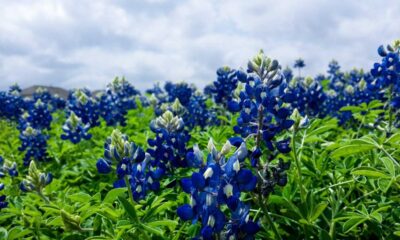

The Most Dangerous Rip Currents and How to Escape Them
The Most Dangerous Rip Currents and How to Escape Them Rip currents are powerful, narrow channels of fast-moving water that...
-

 World2 years ago
Types of Ants Living in the World and Information
-

 Wildlife4 years ago
(10) Insects Are Animals in the world?
-

 Forests2 years ago
The 10 Best Forests to Visit in the World
-

 Ocean2 years ago
Oceans in the World and Their Information & Locations
-

 Forests4 years ago
What Is The Biggest Rainforest In The World?
-

 Wildlife4 years ago
Most Popular Wild Animals in The World
-

 Forests2 years ago
The Main Factors That Contribute to Forest Destruction
-

 World1 year ago
The 10 Largest Farms in the World