
Forests
20 Best Mangrove Forest Destinations Around the World

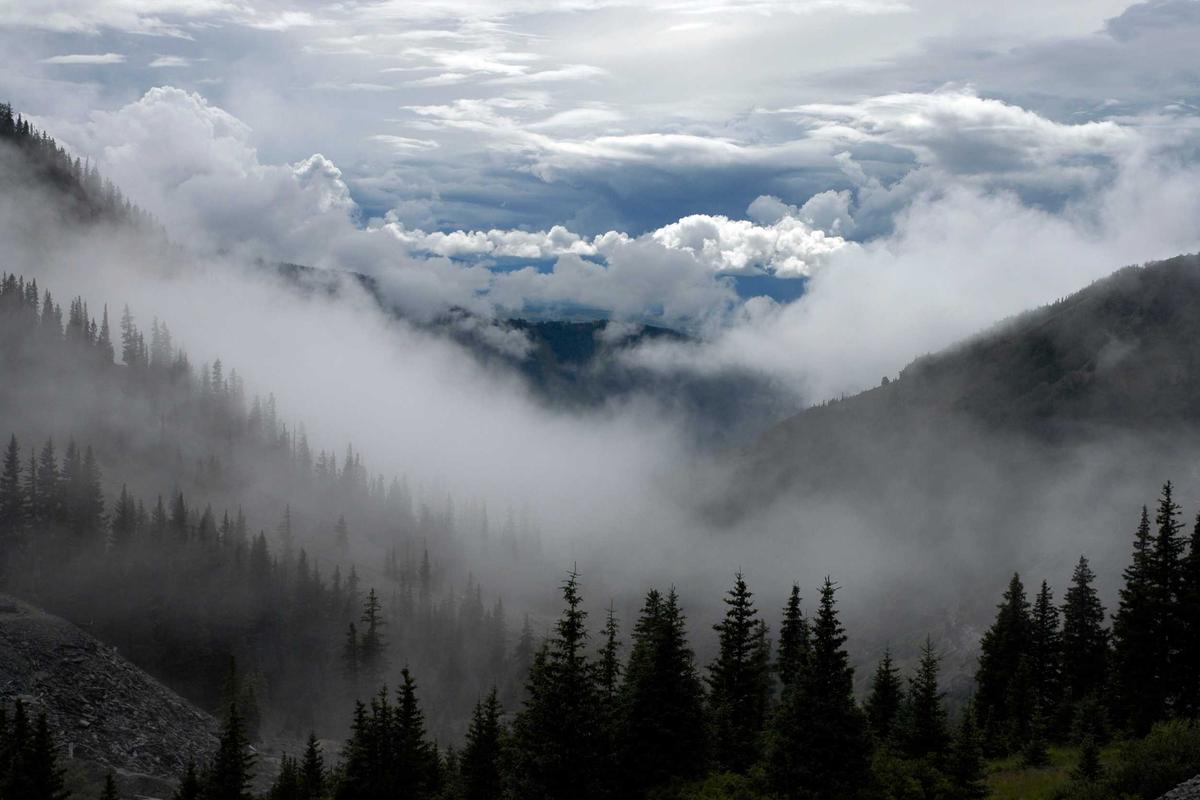
Discover the World’s Most Stunning Mangrove Forests
If you have never walked through a mangrove forest, you are in for a real treat. These unique coastal ecosystems are some of the most fascinating and beautiful natural environments on the planet. Mangroves are not just trees — they are entire worlds teeming with life, where land meets sea in the most extraordinary way.
In this guide, we will take you through 20 of the best mangrove forest destinations around the world. From the dense waterways of Southeast Asia to the tranquil coastlines of Central America, these destinations offer unforgettable experiences for nature lovers, photographers, kayakers, and anyone who appreciates the raw beauty of the natural world.
Key Takeaways
- Mangrove forests are among the most productive and biodiverse ecosystems on Earth
- They protect coastlines, store massive amounts of carbon, and support countless species
- The best way to explore mangroves is by kayak, canoe, or guided boat tour
- Many mangrove destinations offer unique wildlife encounters, from monkeys to manatees
- The dry season is typically the best time to visit most mangrove forests
Why Mangrove Forests Deserve a Spot on Your Travel List
Mangrove forests are often overlooked in favor of rainforests or coral reefs, but they are every bit as spectacular. These salt-tolerant trees grow in tropical and subtropical coastlines, forming dense, tangled root systems that create a maze-like waterway beneath their canopy. The result is a landscape that feels almost otherworldly — quiet, mysterious, and alive with the sounds of birds, fish, and flowing water.
Beyond their beauty, mangroves play a critical role in our planet’s health. They act as natural barriers against storms and erosion, filter pollutants from water, and serve as nurseries for fish, crabs, and shrimp. Visiting a mangrove forest is not just a scenic adventure — it is a chance to witness one of nature’s most important ecosystems up close.
Whether you are an experienced traveler or someone looking for a peaceful escape, these 20 mangrove destinations will inspire you to explore a side of nature that most people never get to see.
1. Sundarbans Mangrove Forest, Bangladesh and India
About
The Sundarbans is the largest mangrove forest in the world, stretching across the delta of the Ganges, Brahmaputra, and Meghna rivers. This UNESCO World Heritage Site covers over 10,000 square kilometers and is shared between Bangladesh and India.
Highlights
The Sundarbans is famous for being one of the last strongholds of the Bengal tiger. The forest is also home to spotted deer, saltwater crocodiles, river dolphins, and hundreds of bird species. The intricate network of tidal waterways, mudflats, and small islands creates a landscape unlike anything else on Earth.
Experience
Visitors typically explore the Sundarbans by boat, gliding through narrow channels surrounded by dense mangrove roots. Guided safaris offer the chance to spot wildlife from a safe distance. Birdwatching is exceptional here, especially during the winter months when migratory species arrive.
Best Time to Visit
October to March, when the weather is cooler and wildlife is more active.
Why You Should Visit
The Sundarbans is a once-in-a-lifetime destination. The sheer scale of the forest, combined with the possibility of seeing a Bengal tiger in the wild, makes it one of the most thrilling nature experiences in Asia.
Travel Tips
Book a licensed tour operator for safety. Bring binoculars, insect repellent, and waterproof bags for your gear. Accommodation is available in nearby towns like Khulna.
2. Bhitarkanika Mangroves, India
About
Located in the state of Odisha on India’s eastern coast, Bhitarkanika is one of the country’s most important mangrove ecosystems. It is the second largest mangrove forest in India and a designated Ramsar wetland site.
Highlights
Bhitarkanika is renowned for its massive saltwater crocodiles, some of which grow over 20 feet long. The area also supports kingfishers, monitor lizards, olive ridley sea turtles, and a rich variety of mangrove species.
Experience
Boat cruises through the mangrove channels are the main attraction. During nesting season, you can witness olive ridley turtles coming ashore to lay eggs on the nearby beaches. The watchtowers throughout the park offer excellent vantage points for wildlife observation.
Best Time to Visit
October to March for general visits. January to March for turtle nesting.
Why You Should Visit
Bhitarkanika offers a raw, less-touristy mangrove experience compared to the Sundarbans. The crocodile sightings alone make it worth the trip.
Travel Tips
The nearest town is Chandbali. Arrange permits and boat guides through the forest department. Carry sunscreen and a hat — the sun can be intense on the water.
3. Can Gio Mangrove Forest, Vietnam
About
Just 50 kilometers southeast of Ho Chi Minh City, the Can Gio Mangrove Biosphere Reserve is a remarkable example of ecological restoration. Once devastated by war, the forest has been replanted and now thrives as a protected area.
Highlights
Can Gio is home to crab-eating macaques, smooth-coated otters, and a variety of bird species. The forest also features a historic war memorial and a monkey island where visitors can interact with troops of playful primates.
Experience
Kayaking through the mangrove tunnels is a highlight. The reserve also has walking trails and observation towers. The nearby Vam Sat eco-tourism area offers guided tours and boat rides.
Best Time to Visit
December to April, during the dry season when trails are accessible and mosquitoes are less prevalent.
Why You Should Visit
Can Gio is an easy day trip from Ho Chi Minh City, making it perfect for travelers who want a nature escape without venturing far from urban comforts.
Travel Tips
Hire a local guide for the best experience. Bring water and snacks, as facilities inside the reserve are limited.
4. Bako National Park, Malaysia
About
Located on the island of Borneo in Sarawak, Malaysia, Bako National Park is one of the oldest national parks in the region. Despite its small size, it contains an incredible diversity of ecosystems, including mangrove forests, cliff vegetation, and tropical rainforest.
Highlights
Bako is famous for its proboscis monkeys, which are found only on Borneo. The park also hosts long-tailed macaques, bearded pigs, monitor lizards, and over 150 bird species. The mangrove areas along the coastline are rich with mudskippers, crabs, and kingfishers.
Experience
Several hiking trails lead through mangrove areas and along coastal cliffs. Boat trips from the park headquarters to nearby beaches and mangrove inlets are also available. The sea stacks and rock formations along the coast are stunning for photography.
Best Time to Visit
March to October, when rainfall is lower and trails are in better condition.
Why You Should Visit
Bako packs an extraordinary amount of biodiversity into a compact area. It is one of the best places in the world to see proboscis monkeys in their natural habitat.
Travel Tips
Take a boat from Kampung Bako to the park. Book accommodation in advance during peak season. Wear sturdy shoes for the trails.
5. Everglades National Park, United States
About
The Everglades in southern Florida is the largest subtropical wilderness in the United States. Its vast mangrove forests cover over 200,000 acres along the southern and western coastlines, forming a critical part of this UNESCO World Heritage Site.
Highlights
The Everglades mangroves are home to manatees, American crocodiles, alligators, dolphins, and hundreds of bird species including roseate spoonbills and wood storks. The mangrove channels serve as vital nurseries for commercially important fish and shellfish.
Experience
Kayaking and canoeing through the mangrove tunnels of the Ten Thousand Islands and the Wilderness Waterway are unforgettable experiences. Guided boat tours, hiking trails, and ranger-led programs are also available throughout the park.
Best Time to Visit
November to April, during the dry season when water levels are lower and wildlife congregates around remaining water sources.
Why You Should Visit
The Everglades offers world-class wildlife viewing and easy accessibility. It is one of the most well-managed and visitor-friendly mangrove destinations in the world.
Travel Tips
Bring plenty of water, sunscreen, and bug spray. Rent a kayak from one of the park’s outfitters or join a guided tour. The Flamingo and Gulf Coast entrances provide the best access to mangrove areas.
6. Galapagos Mangrove Forests, Ecuador
About
The Galapagos Islands are world-famous for their unique wildlife, and the mangrove forests that line many of the islands’ coastlines are an integral part of this extraordinary ecosystem. Several mangrove species thrive here, providing habitat for some of the archipelago’s most iconic animals.
Highlights
Galapagos penguins, marine iguanas, sea turtles, rays, and sharks all rely on mangrove habitats. The forests are also nesting sites for flightless cormorants and pelicans. The contrast between the volcanic landscapes and the lush green mangroves is striking.
Experience
Snorkeling and kayaking through the mangrove lagoons is a magical experience. Many cruise itineraries include visits to mangrove areas, and some islands offer shore-based excursions.
Best Time to Visit
June to December for cooler, nutrient-rich waters. December to May for warmer weather and calmer seas.
Why You Should Visit
Nowhere else on Earth can you snorkel among mangroves alongside penguins and marine iguanas. The Galapagos is a bucket-list destination for good reason.
Travel Tips
Book a certified naturalist-guided tour. Follow all park regulations to protect the fragile ecosystem. Bring a waterproof camera.
7. Kinabatangan River Mangroves, Malaysia
About
The Kinabatangan River in Sabah, Malaysian Borneo, is the longest river in the state and is surrounded by one of the most biodiverse mangrove and freshwater swamp forest ecosystems in Southeast Asia.
Highlights
This area is one of the best places in Borneo to see orangutans, pygmy elephants, proboscis monkeys, and crocodiles. Hornbills, eagles, and kingfishers fill the skies above the mangrove-lined riverbanks.
Experience
River cruises at dawn and dusk offer the best wildlife sightings. Many lodges along the river offer multi-day packages that include jungle walks, night drives, and boat safaris.
Best Time to Visit
March to October, though wildlife can be seen year-round. The drier months make boat travel easier.
Why You Should Visit
The concentration of wildlife along the Kinabatangan is extraordinary. It is one of the most accessible places in Borneo to see orangutans and pygmy elephants in the wild.
Travel Tips
Stay at one of the eco-lodges along the river for the best experience. Book in advance during peak season. Bring a good zoom lens for photography.
8. Tallele Bay Mangrove Forest, Sri Lanka
About
Tallele Bay, near the southern coast of Sri Lanka, is home to one of the country’s most pristine mangrove ecosystems. The area is relatively undeveloped, offering a peaceful and authentic mangrove experience.
Highlights
The mangroves here support a rich variety of fish, crabs, and birds. Monitor lizards and water snakes are commonly spotted. The surrounding area also features coral reefs and sandy beaches.
Experience
Guided canoe tours through the mangrove channels are the best way to explore. Local fishermen often offer tours, providing both an authentic experience and a source of income for the community.
Best Time to Visit
December to March, during the dry season on the southern coast.
Why You Should Visit
Tallele Bay offers a quiet, off-the-beaten-path mangrove experience. It is perfect for travelers who want to escape the crowds and connect with nature in a peaceful setting.
Travel Tips
Arrange tours through local guesthouses. Bring your own snorkeling gear if you plan to explore the nearby reefs.
9. Wadi Wurayah, United Arab Emirates
About
Wadi Wurayah is a protected mountain wadi in the emirate of Fujairah. While not a traditional coastal mangrove forest, it contains unique freshwater mangrove-like habitats and is one of the most important protected areas in the UAE.
Highlights
The area supports rare species including the Arabian tahr, caracal, and Blanford’s fox. The freshwater pools and streams are surrounded by lush vegetation that creates a green oasis in the desert landscape.
Experience
Hiking trails lead through the wadi, offering opportunities to see wildlife and enjoy the dramatic mountain scenery. Swimming in the natural pools is a refreshing reward after a hike.
Best Time to Visit
October to April, when temperatures are more comfortable for outdoor activities.
Why You Should Visit
Wadi Wurayah is a hidden gem that most travelers to the UAE never visit. It offers a completely different side of the country — one of natural beauty and tranquility.
Travel Tips
Access may require permission from the Fujairah municipality. Bring plenty of water and wear sun protection. A 4WD vehicle is recommended for reaching the trailhead.
10. Los Haitises National Park, Dominican Republic
About
Los Haitises National Park on the northeastern coast of the Dominican Republic is one of the Caribbean’s most important protected areas. Its extensive mangrove forests cover much of the coastline and islands within the park.
Highlights
The park is home to the endangered Antillean manatee, brown pelicans, frigatebirds, and several species of sea turtles. The mangroves grow among dramatic limestone karst formations, creating a landscape that feels like something from a fantasy novel.
Experience
Boat tours through the mangrove channels are the primary way to explore. The park also contains ancient Taino cave paintings, adding a cultural dimension to the visit. Kayaking is available in some areas.
Best Time to Visit
December to April, during the dry season when boat tours operate more reliably.
Why You Should Visit
Los Haitises combines natural beauty with cultural history in a way few destinations can match. The combination of mangroves, caves, and wildlife makes it a must-visit in the Caribbean.
Travel Tips
Book a guided tour from Sabana de la Mar or nearby towns. Bring a waterproof bag and insect repellent.
11. Mekong Delta Mangroves, Vietnam
About
The Mekong Delta in southern Vietnam is one of the most productive agricultural regions in the world, but it also contains significant mangrove forests along its coastline. These forests play a vital role in protecting the delta from erosion and storm damage.
Highlights
The mangrove areas of the Mekong Delta support a rich variety of fish, shrimp, and crabs. Birdlife is abundant, including herons, egrets, and kingfishers. The floating markets and riverside villages add cultural richness to the experience.
Experience
Boat tours through the delta’s waterways offer a glimpse into both the natural and human landscapes. Visiting mangrove restoration projects is a meaningful way to learn about conservation efforts in the region.
Best Time to Visit
December to April, during the dry season.
Why You Should Visit
The Mekong Delta is a fascinating blend of nature and culture. Exploring the mangroves here gives you a deeper understanding of how communities depend on and protect these vital ecosystems.
Travel Tips
Base yourself in Can Tho or My Tho for easy access to the delta. Overnight boat trips are a great way to experience the waterways.
12. Rekawa Beach Mangroves, Sri Lanka
About
Rekawa Beach, on Sri Lanka’s southern coast, is known for its sea turtle nesting sites and the mangrove-lined lagoons that sit just inland from the beach. It is a small but ecologically rich area.
Highlights
Five species of sea turtles nest on Rkawa Beach, including the endangered leatherback. The nearby mangrove lagoons are home to a variety of birds, fish, and crustaceans. The area is also known for its natural beauty and peaceful atmosphere.
Experience
Nighttime turtle watching is the main attraction. During the day, you can explore the mangrove lagoons by canoe or on foot. The nearby town of Tangalle offers accommodation and dining options.
Best Time to Visit
April to September for turtle nesting. December to March for general visits and calmer seas.
Why You Should Visit
Rekawa offers a rare combination of turtle nesting and mangrove exploration in a single location. It is a small-scale, community-based tourism destination that benefits local conservation efforts.
Travel Tips
Support the local turtle conservation project by joining their guided night walks. Stay at a guesthouse in Tangalle for easy access.
13. Tanjung Puting National Park, Indonesia
About
Tanjung Puting in Central Kalimantan, Indonesian Borneo, is one of the most famous orangutan conservation areas in the world. The park’s coastal and riverine mangrove forests are a critical part of its ecosystem.
Highlights
Orangutans are the star attraction, but the park also supports proboscis monkeys, gibbons, clouded leopards, and crocodiles. The mangrove forests along the riverbanks are rich with birdlife and serve as feeding grounds for many species.
Experience
The traditional way to explore Tanjung Puting is by klotok, a traditional Indonesian houseboat. Multi-day river cruises take you deep into the park, with stops at orangutan feeding stations and research centers.
Best Time to Visit
June to September, when rainfall is lower and river conditions are favorable.
Why You Should Visit
Tanjung Puting offers one of the most immersive wildlife experiences in Southeast Asia. The klotok journey through the mangrove-lined rivers is unforgettable.
Travel Tips
Book a reputable klotok operator in Kumai. Multi-day trips offer the best value and experience. Bring a rain jacket and insect repellent.
14. Ciénaga Grande de Santa Marta, Colombia
About
The Ciénaga Grande de Santa Marta is the largest coastal lagoon in Colombia and one of the most important mangrove ecosystems in the Caribbean. Located near the city of Santa Marta, it is a vital wetland for migratory birds and local fisheries.
Highlights
The mangrove forests here support a rich variety of fish, shrimp, and crabs. Birdwatching is excellent, with herons, ibises, and pelicans among the most commonly seen species. The surrounding area includes the stunning Sierra Nevada mountains.
Experience
Boat tours through the lagoon and mangrove channels are available from the nearby fishing village of Pueblo Vieco. The village itself, built on stilts over the water, is a fascinating cultural experience.
Best Time to Visit
December to April, during the dry season.
Why You Should Visit
The Ciénaga Grande offers a unique combination of natural beauty and cultural interest. The stilt village and the surrounding mountain scenery make it a truly special destination.
Travel Tips
Arrange tours from Santa Marta. Bring sun protection and water. The area is less developed than other tourist destinations, so come prepared.
15. Saloum Delta, Senegal
About
The Saloum Delta in Senegal is a UNESCO World Heritage Site and one of the most important mangrove ecosystems in West Africa. The delta is formed by the confluence of the Saloum and Gambia rivers and contains hundreds of islands and islets.
Highlights
The mangroves support a rich variety of fish, shellfish, and birds. The area is also known for its ancient shell middens, some of which are over 2,000 years old. Dolphins, monk seals, and sea turtles can be found in the surrounding waters.
Experience
Pirogue (traditional canoe) trips through the mangrove channels are the best way to explore. Fishing with local guides is a popular activity. Birdwatching is excellent, especially during the European winter when migratory species arrive.
Best Time to Visit
November to May, during the dry season.
Why You Should Visit
The Saloum Delta is a hidden gem of West Africa. Its combination of natural beauty, cultural heritage, and warm hospitality makes it a destination that will stay with you long after you leave.
Travel Tips
Base yourself in the town of Foundiougne or on one of the islands. Hire a local guide for the best experience. Bring cash, as ATMs are scarce.
16. Coorong National Park, Australia
About
The Coorong is a lagoon ecosystem in South Australia, separated from the Southern Ocean by the Younghusband Peninsula. While primarily known for its salt lakes and sand dunes, the area also contains important mangrove and samphire habitats.
Highlights
The Coorong is a birdwatcher’s paradise, supporting over 200 species including pelicans, swans, and migratory shorebirds. The area is also culturally significant to the Ngarrindjeri people, who have lived here for thousands of years.
Experience
Birdwatching, kayaking, and fishing are the main activities. The Coorong is also a great place for photography, with its vast, open landscapes and dramatic skies. Camping is available within the park.
Best Time to Visit
September to March for birdwatching. April to October for milder temperatures.
Why You Should Visit
The Coorong offers a unique Australian landscape that is very different from the typical beach or outback experience. Its quiet beauty and rich birdlife make it a rewarding destination for nature lovers.
Travel Tips
The park is accessible by car from Adelaide. Bring your own supplies, as facilities are limited. Check road conditions before visiting, as some tracks can be rough.
17. Manado Bay Mangroves, Indonesia
About
Manado Bay on the island of Sulawesi, Indonesia, is surrounded by lush mangrove forests that serve as a transition zone between the famous Bunaken Marine Park and the mainland. These mangroves are vital to the health of the surrounding coral reefs.
Highlights
The mangroves support a rich variety of marine life, including juvenile fish, crabs, and shrimp. Dugongs have been spotted in the bay’s seagrass meadows. The nearby coral reefs are among the most biodiverse in the world.
Experience
Snorkeling and diving in the bay offer the chance to see the connection between mangroves and coral reefs firsthand. Kayaking through the mangrove channels is also a peaceful and rewarding experience.
Best Time to Visit
April to October, when seas are calmer and visibility is best.
Why You Should Visit
Manado Bay is a gateway to some of the world’s best diving, and the mangrove forests are an essential part of this marine ecosystem. It is a destination that offers both adventure and natural beauty.
Travel Tips
Fly into Sam Ratulangi Airport in Manado. Book diving and snorkeling trips through reputable operators. Combine your visit with a trip to Bunaken National Park.
18. Pichavaram Mangrove Forest, India
About
Pichavaram, located in the state of Tamil Nadu in southern India, is one of the largest mangrove forests in the country. Situated between the Vellar and Coleroon river estuaries, it is a popular eco-tourism destination.
Highlights
The forest consists of a network of islands, canals, and creeks covered with mangrove vegetation. Over 177 species of birds have been recorded here, including herons, egrets, and kingfishers. The area is also rich in fish and shellfish.
Experience
Rowing boats and kayaks are available for exploring the narrow channels between the mangrove islands. The forest is particularly beautiful at sunrise and sunset, when the light filters through the canopy and the water reflects the sky.
Best Time to Visit
November to February, when the weather is pleasant and birdlife is abundant.
Why You Should Visit
Pichavaram is one of the most accessible and well-managed mangrove forests in India. Its peaceful waterways and rich birdlife make it a perfect day trip for nature lovers.
Travel Tips
The nearest town is Chidambaram. Hire a local boatman for the best experience. Bring water and snacks, as facilities are basic.
19. Guadeloupe Mangrove Forests, Caribbean
About
The French Caribbean island of Guadeloupe is home to extensive mangrove forests that fringe its coastline and surround the Grand Cul-de-Sac Marin lagoon. These forests are protected as part of the Guadeloupe National Park.
Highlights
The mangroves support a rich variety of marine and bird life, including herons, frigatebirds, and sea turtles. The lagoon is a popular spot for snorkeling and kayaking. The surrounding rainforest adds to the island’s natural appeal.
Experience
Kayaking through the mangrove channels is the best way to explore. Guided boat tours are also available. The nearby coral reefs offer excellent snorkeling and diving opportunities.
Best Time to Visit
December to May, during the dry season.
Why You Should Visit
Guadeloupe offers a unique blend of French culture and Caribbean nature. The mangrove forests are beautiful, well-preserved, and easy to explore.
Travel Tips
Rent a car to explore the island at your own pace. Book kayak tours through local operators. The town of Sainte-Anne is a good base for exploring the mangroves.
20. Okavango Delta, Botswana
About
While the Okavango Delta is primarily known as a freshwater wetland, its outer edges and seasonal floodplains contain mangrove-like habitats and dense papyrus and reed beds that function similarly to mangrove ecosystems. It is one of Africa’s most extraordinary natural wonders.
Highlights
The Okavango supports an incredible concentration of wildlife, including elephants, lions, leopards, hippos, crocodiles, and over 400 bird species. The delta’s waterways, lined with dense vegetation, create a maze-like landscape that is perfect for exploration.
Experience
Mokoro (dugout canoe) trips through the delta’s channels are the quintessential Okavango experience. Guided walking safaris, boat cruises, and helicopter flights are also available. The delta is a photographer’s dream.
Best Time to Visit
June to October, when the annual flood reaches the delta and wildlife congregates around the water.
Why You Should Visit
The Okavango Delta is one of the Seven Natural Wonders of Africa. Its combination of water, wildlife, and wilderness is unmatched anywhere on the continent.
Travel Tips
Book well in advance, as camps fill up quickly during peak season. Fly into Maun and arrange transfers to your camp. Bring neutral-colored clothing and a good camera.
Frequently Asked Questions
What makes mangrove forests so important?
Mangrove forests are among the most productive ecosystems on Earth. They protect coastlines from erosion and storm surges, store large amounts of carbon dioxide, filter pollutants from water, and serve as nurseries for fish, crabs, and shrimp. They also support a rich diversity of bird and marine life.
Is it safe to visit mangrove forests?
Yes, visiting mangrove forests is generally safe when you follow basic precautions. Always go with a licensed guide, wear appropriate clothing, bring insect repellent, and be aware of local wildlife. Avoid touching unfamiliar plants or animals, and stay on designated paths and waterways.
What is the best way to explore a mangrove forest?
Kayaking and canoeing are the most popular and immersive ways to explore mangroves. Guided boat tours are also excellent, especially for wildlife viewing. Some destinations offer boardwalks and hiking trails through mangrove areas.
What should I bring when visiting a mangrove forest?
Bring sunscreen, insect repellent, a hat, water, snacks, and a waterproof bag for your electronics. Wear lightweight, long-sleeved clothing to protect against sun and insects. Binoculars and a camera with a zoom lens are highly recommended.
Can I see wildlife in mangrove forests?
Absolutely. Mangrove forests are teeming with wildlife, including birds, fish, crabs, monkeys, crocodiles, and even large mammals like tigers and elephants in some destinations. The best time for wildlife viewing is usually early morning or late afternoon.
Are mangrove forests threatened?
Unfortunately, yes. Mangrove forests are under threat from coastal development, pollution, aquaculture, and climate change. An estimated 35% of the world’s mangrove forests have been lost in the last few decades. Visiting mangrove destinations responsibly and supporting conservation efforts can help protect these vital ecosystems.
Which country has the largest mangrove forest?
The Sundarbans, shared between Bangladesh and India, is the largest mangrove forest in the world, covering over 10,000 square kilometers. Indonesia also has extensive mangrove coverage, with more mangrove area than any other country.
Conclusion
Mangrove forests are some of the most remarkable and underrated ecosystems on our planet. From the tiger-filled waterways of the Sundarbans to the tranquil channels of Pichavaram, these 20 destinations offer a window into a world where land and sea merge in the most beautiful way imaginable.
Whether you are paddling through a quiet mangrove tunnel at sunrise, watching a proboscis monkey leap between branches, or simply listening to the gentle lapping of water against ancient roots, a visit to a mangrove forest is an experience that connects you to the very heart of nature.
Start planning your mangrove adventure today. These forests are waiting to be explored, and every visit helps raise awareness about the importance of protecting them for future generations.
Share this guide with your fellow nature lovers and start planning your next adventure to one of these incredible mangrove forests.


The World’s Oldest Forests That Still Exist Today
Imagine walking among trees that were already ancient when the Roman Empire rose and fell. Forests that were old when dinosaurs first appeared. Forests that have been quietly growing for hundreds of millions of years, long before humans ever existed. These places are real, and some of them are still standing today.
The world’s oldest forests include a 385-million-year-old fossil forest in New York, a clonal grove in Utah that has been alive for over 80,000 years, and ancient redwood and bristlecone pine forests in the American West that have been growing for thousands of years. These living ecosystems are among the most remarkable natural wonders on Earth.
Key Takeaways
- The oldest known forest on Earth is the Cairo Fossil Forest in New York, dating back 385 million years
- Pando in Utah is a clonal colony of quaking aspen that has been alive for roughly 80,000 years, making it one of the oldest living organisms on the planet
- The Ancient Bristlecone Pine Forest in California contains trees over 5,000 years old, the oldest known individual living trees
- Australia’s Huon pine forests include clones that have been growing for over 10,000 years
- Many of the world’s oldest forests are protected as national parks or UNESCO World Heritage Sites
- Visiting these forests offers a rare chance to witness living history and understand deep ecological time
Why Old Forests Matter More Than You Think
When we talk about old forests, we’re not just talking about big trees. We’re talking about entire ecosystems that have developed over millennia. These forests hold more biodiversity, store more carbon, and support more complex food webs than younger forests ever could.
Old-growth forests have features that take centuries to develop: massive fallen logs that nurse new seedlings, canopy gaps that create pockets of light for understory plants, and soil layers rich with fungal networks that connect trees in what scientists call a “wood wide web.” Once these forests are cut down, they can’t simply be replanted. It takes 200 to 500 years for old-growth characteristics to develop naturally.
Unfortunately, less than one-third of the world’s remaining forests are old-growth. Most have been logged, cleared for agriculture, or replaced with younger plantation forests. The ones that remain are precious, and many are under threat from climate change, wildfires, and development.
If you’ve ever wanted to feel small in the best possible way, standing in an ancient forest is how you do it. Let’s explore some of the most extraordinary old forests still standing on Earth today.
1. The Cairo Fossil Forest — New York, USA (385 Million Years Old)
About
Near the small town of Cairo in upstate New York, scientists discovered something that changed our understanding of forests forever. Buried in a quarry, they found the remains of a forest that dates back to the Devonian period, roughly 385 million years ago. This is the oldest known forest ever found on Earth.
Highlights
The Cairo Fossil Forest isn’t a living forest you can walk through today. Instead, it’s a preserved snapshot of what the world’s first forests looked like. The fossilized root systems of ancient trees called Archaeopteris are still visible in the rock, showing how these early trees spread their roots and supported each other. Before this discovery, scientists didn’t think forests existed this early in Earth’s history.
Experience
Visiting the site is more of a geological and paleontological experience than a nature walk. The quarry is on private land, but the discovery has been widely studied and written about. For anyone interested in deep time and the origins of forests, it’s a fascinating piece of natural history. Nearby, you can explore the Catskill Mountains, which offer beautiful hiking and a landscape that gives you a sense of the ancient geology of the region.
Best Time to Visit
Late spring through early fall (May to October) is the best time to visit the Catskills region, when trails are clear and the weather is comfortable for outdoor exploration.
Why You Should Visit
The Cairo Fossil Forest represents the very beginning of forests on Earth. Understanding where forests came from helps us appreciate why protecting the ones we still have matters so much. It’s a humbling reminder that forests have been shaping our planet’s atmosphere and ecosystems for nearly 400 million years.
Travel Tips
Since the fossil site itself is on private land, plan to visit the Catskill Park and nearby natural areas instead. The region has excellent hiking, waterfalls, and scenic drives. Check with local visitor centers for guided geology walks and educational programs.
2. Pando — Utah, USA (80,000+ Years Old)
About
Pando is a clonal colony of quaking aspen (Populus tremuloides) located in the Fishlake National Forest of Utah. It looks like a forest of individual trees, but every single stem is genetically identical, connected by a single massive root system. Scientists estimate this root system has been growing for approximately 80,000 years, making Pando one of the oldest and largest living organisms on Earth.
Highlights
Pando covers about 106 acres and weighs an estimated 13 million pounds, making it the heaviest known living organism. The name “Pando” comes from Latin, meaning “I spread.” Each tree trunk, called a ramet, is essentially a clone of the original organism. When one trunk dies, the root system sends up a new one. This process has been repeating for tens of thousands of years.
Experience
Walking through Pando is surreal. In autumn, the entire colony turns golden yellow at once because every tree shares the same genetics and responds to the season in unison. The Fremont River Ranger District maintains trails through the area, and you can drive right up to the grove. It’s accessible and family-friendly, with interpretive signs explaining the science behind this remarkable organism.
Best Time to Visit
Late September to mid-October for the spectacular fall color display. Summer (June to August) is also pleasant, with warm days and cool nights. Winter brings snow that can make access difficult.
Why You Should Visit
Pando is a living lesson in resilience and interconnection. This organism has survived ice ages, droughts, and countless environmental changes. But today, Pando is threatened by overgrazing, drought, and fire suppression. Visiting raises awareness about the need to protect it, and the experience of standing in a forest that has been alive since before human civilization began is genuinely unforgettable.
Travel Tips
Pando is located along Utah Scenic Byway 25, about 6 miles southwest of Fish Lake. The area is remote, so fill up on gas before you go. There are campgrounds nearby, and the Fishlake National Forest offers additional hiking and fishing opportunities. Bring binoculars for wildlife viewing, as deer, elk, and birds are common in the area.
3. Ancient Bristlecone Pine Forest — California, USA (5,000+ Years Old)
About
High in the White Mountains of eastern California, above 10,000 feet in elevation, lives the oldest known individual living trees on Earth. The Ancient Bristlecone Pine Forest contains bristlecone pines (Pinus longaeva) that have been growing for over 5,000 years. The most famous, called Methuselah, is over 4,850 years old, and its exact location is kept secret to protect it.
Highlights
Bristlecone pines survive in one of the harshest environments trees can tolerate: thin, alkaline soil, extreme cold, fierce winds, and very little moisture. Their wood is so dense and resinous that it resists insects, rot, and disease. Some trees in the forest are dead but still standing after thousands of years, their twisted silver forms creating an otherworldly landscape.
Experience
The Schulman Grove and Patriarch Grove are the two main areas open to visitors. The Schulman Grove has a visitor center and the Methuselah Trail, a 4.5-mile loop that takes you past some of the oldest trees in the forest. The Patriarch Grove is home to the largest bristlecone pine, the Patriarch Tree, which is over 1,500 years old. The air is thin at this altitude, so take it slow and bring plenty of water.
Best Time to Visit
Mid-June through September. The roads are typically closed by snow from October through May. Summer days are cool and clear, but afternoon thunderstorms are common, so start your hike early.
Why You Should Visit
Standing next to a tree that was already a thousand years old when the pyramids were built is a perspective-shifting experience. The bristlecone pines have survived longer than any other known individual organism. Their twisted, wind-sculpted forms are hauntingly beautiful, and the high-altitude setting offers sweeping views of the Great Basin to the east.
Travel Tips
The forest is accessed from the town of Bishop, California, via Highway 168 and White Mountain Road. The drive is about 2.5 hours from Bishop and involves a steep, winding mountain road. There is no cell service, no gas stations, and no food available along the route. Bring everything you need. The visitor center at Schulman Grove is staffed seasonally.
4. The Daintree Rainforest — Queensland, Australia (180 Million Years Old)
About
The Daintree Rainforest in northeastern Queensland is considered the oldest tropical rainforest on Earth. While the current forest structure is younger, the ecosystem has been continuously growing for an estimated 180 million years, making it far older than the Amazon. It’s a living museum of plant families that date back to the age of dinosaurs.
Highlights
The Daintree contains 18,000 plant species, including ancient ferns, cycads, and flowering plants that have barely changed in millions of years. It’s home to the Southern cassowary, a large flightless bird that has been around for 60 million years, and the Bennett’s tree kangaroo. The forest meets the Great Barrier Reef at the coast, creating one of the only places on Earth where two UNESCO World Heritage Sites touch each other.
Experience
You can explore the Daintree via boardwalks through the rainforest canopy, river cruises spotting crocodiles and birds, and guided walks with Indigenous Kuku Yalanji guides who share traditional knowledge of the forest. The Mossman Gorge and Cape Tribulation areas are the most popular entry points. The forest is dense, humid, and alive with sound, from birdsong to the rustle of leaves in the canopy above.
Best Time to Visit
May to October (the dry season) offers the most comfortable weather with less rain and fewer mosquitoes. The wet season (November to April) is lush and dramatic but brings heavy downpours and the risk of flooding.
Why You Should Visit
The Daintree is a window into the deep past of life on Earth. Walking through it, you’re seeing plants and ecosystems that existed when Gondwana was still a supercontinent. It’s also a powerful reminder of how fragile ancient ecosystems are, the Daintree faces ongoing threats from development, climate change, and invasive species.
Travel Tips
The Daintree is about 2 hours north of Cairns. You’ll need to take a cable ferry across the Daintree River to reach the northern sections. Accommodation ranges from eco-lodges to campgrounds. Bring insect repellent, rain gear, and sturdy walking shoes. Book Indigenous-guided tours in advance for the most meaningful experience.
5. Yakusugi Forest — Yakushima, Japan (7,000+ Years Old)
About
Yakushima is a small island off the southern coast of Kyushu, Japan, covered in ancient cedar forests. The island’s namesake trees, called Yakusugi, include specimens that are over 7,000 years old. The most famous, Jomon Sugi, is estimated to be between 2,170 and 7,200 years old, depending on how you measure it. The forest was designated a UNESCO World Heritage Site in 1993.
Highlights
Yakushima receives some of the highest rainfall in Japan, up to 10,000 millimeters per year in the mountains. This creates a lush, almost mystical forest of moss-covered cedars, ferns, and ancient root systems. The trees grow slowly in the granite soil, which makes their wood incredibly dense and long-lived. Some Yakusugi have been growing since the Jomon period of Japanese prehistory, which is where the oldest specimen gets its name.
Experience
Hiking to Jomon Sugi is a full-day adventure, about 10 hours round trip from the nearest trailhead. The trail passes through forests of younger cedars, past the Wilson Stump (a massive cut cedar from the 16th century), and through increasingly ancient and atmospheric woodland. The final approach to Jomon Sugi is reverential, the tree sits on a mossy ridge surrounded by its ancient companions. Many visitors say the hike feels like stepping into the world of Studio Ghibli’s Princess Mononoke, which was inspired by these very forests.
Best Time to Visit
May and October offer the best balance of manageable weather and fewer crowds. Spring (March to May) brings fresh green growth, while autumn offers cooler temperatures and beautiful foliage. The rainy season in June and typhoon season in September can make trails slippery and dangerous.
Why You Should Visit
Yakushima’s forests represent a deep cultural and ecological heritage. The Japanese tradition of forest bathing, or shinrin-yoku, was partly inspired by places like this. The island’s ancient cedars have been revered for centuries, and the experience of walking among them connects you to something much larger than yourself.
Travel Tips
Yakushima is reached by ferry from Kagoshima (about 2 hours) or by small plane (35 minutes). The island has guesthouses, hotels, and mountain huts. For the Jomon Sugi hike, start early, bring rain gear regardless of the forecast, and carry enough food and water for a full day. The trail is well-marked but physically demanding, with steep sections and root-covered paths.
6. Huon Pine Forests — Tasmania, Australia (10,000+ Years Old)
About
The Huon pine (Lagarostrobos franklinii) is one of the oldest living organisms on Earth. Found in the remote rainforests and river systems of western Tasmania, individual trees and clonal colonies have been growing for over 10,000 years. Some stands contain trees that were alive before the last ice age ended.
Highlights
Huon pines are incredibly slow-growing, sometimes adding less than 1 millimeter of girth per year. Their wood is naturally resistant to rot and insects due to a high oil content, which means fallen logs can persist in the forest for thousands of years. Scientists have used the distinctive pollen and growth patterns in these logs to reconstruct climate records stretching back over 10,000 years, a field called dendrochronology.
Experience
The best places to see Huon pines are along the Gordon River and in the Tasmanian Wilderness World Heritage Area. River cruises from Strahan take you through dense rainforest where Huon pines line the banks. The Teepookana forest, accessible by the West Coast Wilderness Railway, is another excellent spot. The trees are often draped in moss and surrounded by lush undergrowth, creating a primeval atmosphere.
Best Time to Visit
December to March (Australian summer) offers the warmest and driest weather. However, Tasmania’s weather is unpredictable year-round, so always bring layers and rain gear. Autumn (March to May) is quieter and offers beautiful forest colors.
Why You Should Visit
Huon pines are a living link to the end of the last ice age. They’ve survived in Tasmania’s cool, wet climate while similar species disappeared elsewhere on Earth. Visiting these forests supports conservation efforts, as Huon pine is now strictly protected and logging is prohibited. The wood is salvaged only from naturally fallen trees.
Travel Tips
Western Tasmania is remote. The town of Strahan is the main gateway, accessible by road from Hobart (about 4.5 hours) or Queenstown (about 40 minutes). Book Gordon River cruises in advance during summer. The West Coast Wilderness Railway is a unique way to see the forest and learn about the region’s logging history.
7. Białowieża Forest — Poland and Belarus (8,000+ Years Old)
About
Białowieża Forest straddles the border between Poland and Belarus and is one of the last remaining primeval forests in Europe. It has never been fully logged or cleared, and parts of it have been continuously forested for over 8,000 years. It’s a UNESCO World Heritage Site and home to the European bison, which was brought back from extinction in the wild here.
Highlights
The forest covers over 1,500 square kilometers and contains trees that are several hundred years old, including massive oaks, limes, and spruces. The strict reserve on the Polish side, accessible only with a licensed guide, is the most pristine area. Here, you’ll find trees that have never been touched by human hands, standing alongside fallen logs in various stages of decay, exactly as nature intended. The forest supports over 12,000 animal species, including wolves, lynx, and the largest population of European bison in the world.
Experience
On the Polish side, you can explore the accessible parts of the forest on your own via marked trails, but the strict reserve requires a guide. The experience of walking through Białowieża is unlike any other forest in Europe. The sheer volume of deadwood, the diversity of fungi, and the sense of wilderness are extraordinary. In the Belarusian side, the reserve is managed differently and offers its own network of trails and wildlife viewing opportunities.
Best Time to Visit
May to September for the best weather and wildlife activity. Spring brings wildflowers and migratory birds. Autumn is beautiful with fall colors and active bison. Winter is cold but offers the chance to track animals in the snow.
Why You Should Visit
Białowieża is what much of Europe’s lowland forests looked like before human civilization transformed the continent. It’s a baseline for understanding what a truly natural forest ecosystem looks like. For anyone interested in European nature, conservation, or wildlife, it’s an essential destination.
Travel Tips
The Polish side is accessed from the village of Białowieża, about 4 hours drive from Warsaw. Book guided tours to the strict reserve well in advance, as spots are limited. The Belarusian side requires a visa for most visitors and has its own entry procedures. Accommodation ranges from guesthouses to small hotels in the village.
Comparison of the World’s Oldest Forests
| Forest Name | Location | Estimated Age | Best Time to Visit |
|---|---|---|---|
| Cairo Fossil Forest | New York, USA | 385 million years (fossilized) | May to October |
| Daintree Rainforest | Queensland, Australia | 180 million years (ecosystem) | May to October |
| Pando | Utah, USA | 80,000+ years (clonal colony) | September to October |
| Huon Pine Forests | Tasmania, Australia | 10,000+ years (individual trees) | December to March |
| Białowieża Forest | Poland and Belarus | 8,000+ years (continuous forest) | May to September |
| Yakusugi Forest | Yakushima, Japan | 7,000+ years (individual trees) | May or October |
| Ancient Bristlecone Pine Forest | California, USA | 5,000+ years (individual trees) | June to September |
How These Forests Have Survived So Long
The forests on this list share a few things in common that have helped them survive for thousands or even millions of years. Most are in locations that have been relatively stable climatically, protected by geography from the worst impacts of ice ages and droughts. Many are in areas with poor soil or extreme conditions that discouraged human settlement and logging. And several have benefited from cultural protection, whether through Indigenous stewardship, royal hunting reserves, or modern conservation designations.
But survival is no longer guaranteed. Climate change is altering fire regimes, precipitation patterns, and temperature ranges faster than many ancient forests can adapt. Bark beetle outbreaks, fueled by warmer winters, are killing trees that survived for millennia. And human pressure continues to fragment and degrade even protected areas.
Visiting these forests isn’t just a travel experience. It’s a way to understand what we stand to lose and why protecting old-growth forests is one of the most important things we can do for the planet’s future.
Frequently Asked Questions
What is the oldest forest in the world?
The oldest known forest is the Cairo Fossil Forest in New York, which dates back approximately 385 million years. However, it’s a fossilized forest, not a living one. Among living forests, the Daintree Rainforest in Australia is considered the oldest tropical rainforest ecosystem, with a continuous history of about 180 million years.
What is the oldest living tree in the world?
The oldest known living individual tree is a Great Basin bristlecone pine (Pinus longaeva) in the Ancient Bristlecone Pine Forest of California, estimated to be over 5,000 years old. Its exact location is kept secret to protect it. The oldest known clonal organism is Pando in Utah, a quaking aspen colony estimated to be around 80,000 years old.
Can you visit the world’s oldest forests?
Yes, most of the forests on this list are open to visitors. The Ancient Bristlecone Pine Forest, Pando, the Daintree Rainforest, Yakushima, and Białowieża Forest all have established trails and visitor facilities. Some areas, like the strict reserve in Białowieża or the exact location of Methuselah, have restricted access to protect the trees. Always check current access requirements before planning your trip.
Why are old forests important for the environment?
Old forests store enormous amounts of carbon, support high biodiversity, regulate water cycles, and maintain soil health. They contain complex ecological relationships that take centuries to develop and cannot be replaced by planting new trees. Old-growth forests are also important for scientific research, helping us understand climate history, evolution, and ecosystem dynamics.
How can we protect ancient forests?
Supporting conservation organizations, visiting responsibly, choosing sustainably sourced wood products, and advocating for stronger protections for old-growth forests are all important steps. Many ancient forests are protected as national parks or UNESCO World Heritage Sites, but enforcement and funding are ongoing challenges. You can also support Indigenous communities who have been stewards of these forests for generations.
What is the difference between old-growth and secondary forest?
Old-growth forests have never been significantly disturbed by human activity and have developed complex structural features over centuries, including large old trees, multiple canopy layers, and abundant deadwood. Secondary forests have regrown after being logged or cleared and lack many of these features. It takes 200 to 500 years or more for secondary forests to develop old-growth characteristics.
Are ancient forests threatened by climate change?
Yes, climate change poses a serious threat to many ancient forests. Rising temperatures, changing precipitation patterns, increased wildfire frequency, and outbreaks of pests like bark beetles are all affecting old-growth ecosystems. Some forests, like Pando in Utah, are already showing signs of decline. Protecting these forests requires both local conservation action and global efforts to reduce greenhouse gas emissions.
Conclusion
The world’s oldest forests are among the most extraordinary places on Earth. They connect us to deep time, to the origins of life on land, and to ecological processes that have been running for millions of years. Whether you visit the twisted bristlecone pines of California, the moss-draped cedars of Yakushima, or the primeval wilderness of Białowieża, you’re experiencing something that cannot be replicated or replaced.
These forests remind us that the natural world operates on timescales far beyond our own. They were here long before us, and whether they survive long after us depends on the choices we make now. If you’ve never stood in an ancient forest, put it on your list. It’s one of the most grounding, humbling, and beautiful experiences nature has to offer.
Share this post with your friends who love nature, and start planning your trip to one of these incredible ancient forests today.

The Sundarbans — World’s Largest Mangrove Forest
Have you ever imagined a forest that grows right where the land meets the sea? The Sundarbans is exactly that — a vast, tangled maze of mangrove trees stretching across the border of India and Bangladesh, and it is the largest mangrove forest on the planet. If you are looking for a nature experience that feels like stepping into another world, this is it.
Key Takeaways
- The Sundarbans covers roughly 10,000 square kilometers across India and Bangladesh.
- It is a UNESCO World Heritage Site and home to the famous Bengal tiger.
- The name “Sundarbans” comes from the Sundari trees that dominate the landscape.
- Over 4 million people depend on the Sundarbans for their livelihood.
- Boat travel is the only way to explore most of the forest.
What Makes the Sundarbans So Special
There is no other place on Earth quite like the Sundarbans. This massive mangrove forest sits in the delta formed by three great rivers — the Ganges, the Brahmaputra, and the Meghna — as they pour into the Bay of Bengal. The result is a constantly shifting landscape of tidal waterways, mudflats, and islands covered in dense mangrove trees.
The Sundarbans was designated a UNESCO World Heritage Site in 1987, and for good reason. It supports an incredible range of wildlife, from saltwater crocodiles to spotted deer, and it serves as one of the last strongholds of the Bengal tiger. The forest also acts as a natural shield, protecting millions of people along the coast from cyclones and storm surges.
Wildlife You Can Find in the Sundarbans
The Sundarbans is one of the best places in Asia to see wildlife in its natural habitat. The star attraction is the Bengal tiger, and the Sundarbans population is uniquely adapted to the mangrove environment. These tigers are strong swimmers and are known to cross wide channels between islands in search of prey.
But tigers are only part of the story. The forest is home to:
- Spotted deer (chital) — the most common prey animal, often seen grazing near the water’s edge.
- Wild boar — rooting through the mudflats for food.
- Saltwater crocodiles — some of the largest reptiles in Asia, often spotted basking on riverbanks.
- River dolphins — the endangered Ganges river dolphin navigates these murky waters.
- Kingfishers, herons, and egrets — the Sundarbans is a birdwatcher’s paradise with over 300 species recorded.
- Monitors lizards and olive ridley turtles — both commonly seen along the waterways.
One thing to keep in mind: the Sundarbans is a wild place. The tigers here have a reputation, and visitors are always accompanied by trained forest guides. This is not a zoo — it is nature at its most raw and real.
How to Visit the Sundarbans
Most visitors enter the Sundarbans from the Indian side, starting from the town of Canning or from Godkhali, where boats depart for the forest. On the Bangladesh side, the gateway is usually Khulna, with boats heading into the Sundarbans South Wildlife Sanctuary.
The best way to explore is by boat. Multi-day boat tours let you glide through narrow creeks, stop at watchtowers for wildlife viewing, and experience the forest from the water — the same way the local fishermen and honey collectors have traveled for centuries.
There are a few popular entry points and what they offer:
| Place Name | Location | Best Time to Visit |
|---|---|---|
| Sajnekhali Wildlife Sanctuary | West Bengal, India | November to February |
| Netidhopani Watch Tower | West Bengal, India | December to March |
| Sundarbans South Wildlife Sanctuary | Khulna, Bangladesh | November to March |
| Katka | Bangladesh | December to February |
| Hiron Point (Heron Point) | Bangladesh | November to March |
Sajnekhali Wildlife Sanctuary
Sajnekhali is the most popular entry point on the Indian side and serves as the headquarters of the Sundarbans Tiger Reserve. It has a mangrove interpretation center, a watchtower, and a crocodile sanctuary. You are likely to see spotted deer, crocodiles, and a variety of birds here.
Highlights: Mangrove interpretation center, birdwatching, crocodile sightings.
Experience: A relaxed introduction to the Sundarbans, ideal for first-time visitors and families.
Best Time to Visit: November to February, when the weather is cool and dry.
Why You Should Visit: It is the most accessible part of the Sundarbans and gives you a solid overview of the ecosystem.
Travel Tips: Book through the West Bengal Forest Department or a licensed tour operator. Day trips are available, but overnight stays give you a much richer experience.
Netidhopani Watch Tower
Netidhopani is a bit more remote and offers a deeper feel of the forest. The watchtower here overlooks a watering hole where animals come to drink, and there are ruins of a 400-year-old temple nearby, slowly being reclaimed by the mangroves.
Highlights: Ancient temple ruins, wildlife viewing from the watchtower.
Experience: A quieter, more atmospheric spot where you can feel the forest closing in around you.
Best Time to Visit: December to March.
Why You Should Visit: The combination of history and wildlife makes this a unique stop.
Travel Tips: Accessible only by boat. Combine with a visit to Sajnekhali for a full day.
Sundarbans South Wildlife Sanctuary
On the Bangladesh side, the South Wildlife Sanctuary is the largest of the three sanctuaries and offers some of the best chances to spot tigers, though sightings are never guaranteed. The landscape here is wilder and less developed than the Indian side.
Highlights: Tiger habitat, dense mangrove channels, river dolphins.
Experience: A more adventurous and off-the-beaten-path experience.
Best Time to Visit: November to March.
Why You Should Visit: If you want to see the Sundarbans in its most untouched form, this is the place.
Travel Tips: Arrange tours through the Bangladesh Forest Department or eco-tourism operators based in Khulna.
Katka
Katka is a beautiful spot on the Bangladesh side known for its sandy beaches and deer grazing areas. It is one of the few places in the Sundarbans where you can actually walk on a beach and watch wildlife at the same time.
Highlights: Beach walks, spotted deer, panoramic views of the Bay of Bengal.
Experience: A peaceful contrast to the dense mangrove channels.
Best Time to Visit: December to February.
Why You Should Visit: It offers a different perspective of the Sundarbans — open, coastal, and serene.
Travel Tips: Usually included in multi-day boat tours from Khulna.
Hiron Point (Heron Point)
Hiron Point, also known as Heron Point, is one of the most scenic spots in the Bangladeshi Sundarbans. The area is rich in birdlife, and the dense forest here feels truly remote. It is a great place to simply sit and listen to the sounds of the forest.
Highlights: Birdwatching, pristine mangrove forest, tranquil atmosphere.
Experience: Ideal for nature lovers who want to slow down and absorb the environment.
Best Time to Visit: November to March.
Why You Should Visit: It is one of the quietest and most beautiful corners of the Sundarbans.
Travel Tips: Best reached as part of a multi-day boat expedition.
Why the Sundarbans Matters
Beyond its beauty and wildlife, the Sundarbans plays a critical role in the health of the entire region. The mangrove forest acts as a carbon sink, absorbing large amounts of carbon dioxide from the atmosphere. Studies have shown that mangrove forests store up to four times more carbon per hectare than tropical rainforests, making the Sundarbans one of the most valuable ecosystems on the planet in the fight against climate change.
The forest also protects the coastline from erosion and storm damage. When Cyclone Amphan struck the region in May 2020, the Sundarbans absorbed much of the impact, shielding millions of people living further inland. Without the mangrove buffer, the devastation would have been far worse. This protective role is becoming more important every year as climate change brings stronger and more frequent cyclones to the Bay of Bengal.
But the Sundarbans is under serious threat. Rising sea levels, increased salinity, and human encroachment are putting enormous pressure on this fragile ecosystem. Several islands in the delta have already disappeared underwater, including Ghoramara Island, which lost over 50 percent of its land area in just a few decades. The tigers and other animals are losing habitat, and the freshwater that the mangroves depend on is being diverted upstream for agriculture and industry.
Shrimp farming is another major concern. Large areas of mangrove forest have been cleared to make way for shrimp ponds, which provide short-term income but destroy the long-term health of the ecosystem. Overfishing is also depleting the fish stocks that local communities rely on for food and income.
Visiting the Sundarbans responsibly — and supporting conservation efforts — is one way to help ensure this incredible place survives for future generations. Tourism revenue gives local communities a reason to protect the forest rather than exploit it, and every visitor who leaves with a deeper appreciation for mangroves becomes an advocate for their preservation.
Life Along the Edge — People of the Sundarbans
The Sundarbans is not just a wildlife sanctuary — it is also home to millions of people who live in small villages scattered across the delta. These communities have adapted to life in one of the most challenging environments on Earth, where the land floods twice a day with the tigers and cyclones are a constant threat.
Fishing is the main livelihood for most families. Every day, small wooden boats head out into the creeks and channels to catch fish, crabs, and prawns. Honey collection is another traditional occupation, though it is dangerous work — the honey collectors, known as “mouwali,” must enter the deep forest where tigers roam, and attacks are not uncommon.
Life in the Sundarbans has always been hard, but climate change is making it harder. Saltwater intrusion is ruining farmland, and stronger cyclones are destroying homes and infrastructure. Many families have already been forced to relocate, and experts predict that millions more could become climate refugees in the coming decades.
When you visit the Sundarbans, you will likely encounter these communities — the boatmen who navigate the creeks, the fishermen mending their nets, the women collecting crabs along the mudflats. Taking the time to learn about their lives adds a whole new dimension to the experience and reminds you that conservation is not just about protecting animals — it is about protecting people too.
If you care about mangrove ecosystems, you might also enjoy reading about why mangrove forests are critical for coastal protection or how mangroves protect coastlines from storms.
Travel Tips for the Sundarbans
- Book with licensed operators only. The Sundarbans is a protected area, and you need permits to enter. Reputable operators handle the paperwork for you.
- Bring binoculars. Birdwatching and wildlife spotting are much better with a good pair of binoculars.
- Wear neutral colors. Bright colors can disturb wildlife. Stick to greens, browns, and khakis.
- Carry insect repellent. Mosquitoes can be fierce, especially in the warmer months.
- Respect the forest. Do not litter, do not feed animals, and always follow your guide’s instructions.
- Be patient. Wildlife sightings take time. The Sundarbans rewards those who slow down and pay attention.
Frequently Asked Questions
Is the Sundarbans safe for tourists?
Yes, as long as you travel with licensed guides and follow the rules. Tiger attacks on tourists are extremely rare, but the forest is wild, and it is important to respect the animals and the environment.
What is the best time to visit the Sundarbans?
The best time is between November and March, when the weather is cooler and drier. The monsoon season (June to September) makes travel difficult and many areas are closed.
Can you see tigers in the Sundarbans?
It is possible but not guaranteed. The Sundarbans tigers are elusive and the dense mangrove forest makes sightings challenging. Most visitors see deer, crocodiles, birds, and maybe tracks or signs of tigers.
How do you get to the Sundarbans?
From India, the most common route is from Kolkata to Canning by train, then by boat. From Bangladesh, the gateway is Khulna, with boat tours departing regularly.
How long should you spend in the Sundarbans?
A minimum of two to three days is recommended. This gives you enough time to explore different areas, take boat rides, and have a realistic chance of wildlife sightings.
What should you pack for a Sundarbans trip?
Pack light, breathable clothing in neutral colors, a hat, sunscreen, insect repellent, binoculars, a waterproof bag for your camera, and any medications you might need. There are no pharmacies in the forest.
Is the Sundarbans affected by climate change?
Yes, significantly. Rising sea levels are causing islands to subside, and increased salinity is affecting the mangrove trees and the animals that depend on them. The Sundarbans is one of the most climate-vulnerable ecosystems on Earth.
Conclusion
The Sundarbans is not just a forest — it is a living, breathing world where land and water blend together in a way that feels almost magical. From the silent glide of a boat through narrow mangrove channels to the distant call of a bird you cannot see, every moment in the Sundarbans reminds you how powerful and beautiful nature can be.
Whether you are a wildlife enthusiast, a photographer, or simply someone who wants to experience something truly different, the Sundarbans delivers. It is one of those places that stays with you long after you leave — the smell of the salt air, the tangle of roots in the mud, and the knowledge that somewhere in that green maze, a Bengal tiger is watching.
Start planning your trip today. The Sundarbans is waiting, and it is one adventure you will not forget.
Share this post with your friends and fellow nature lovers — the Sundarbans deserves to be on every traveler’s bucket list.
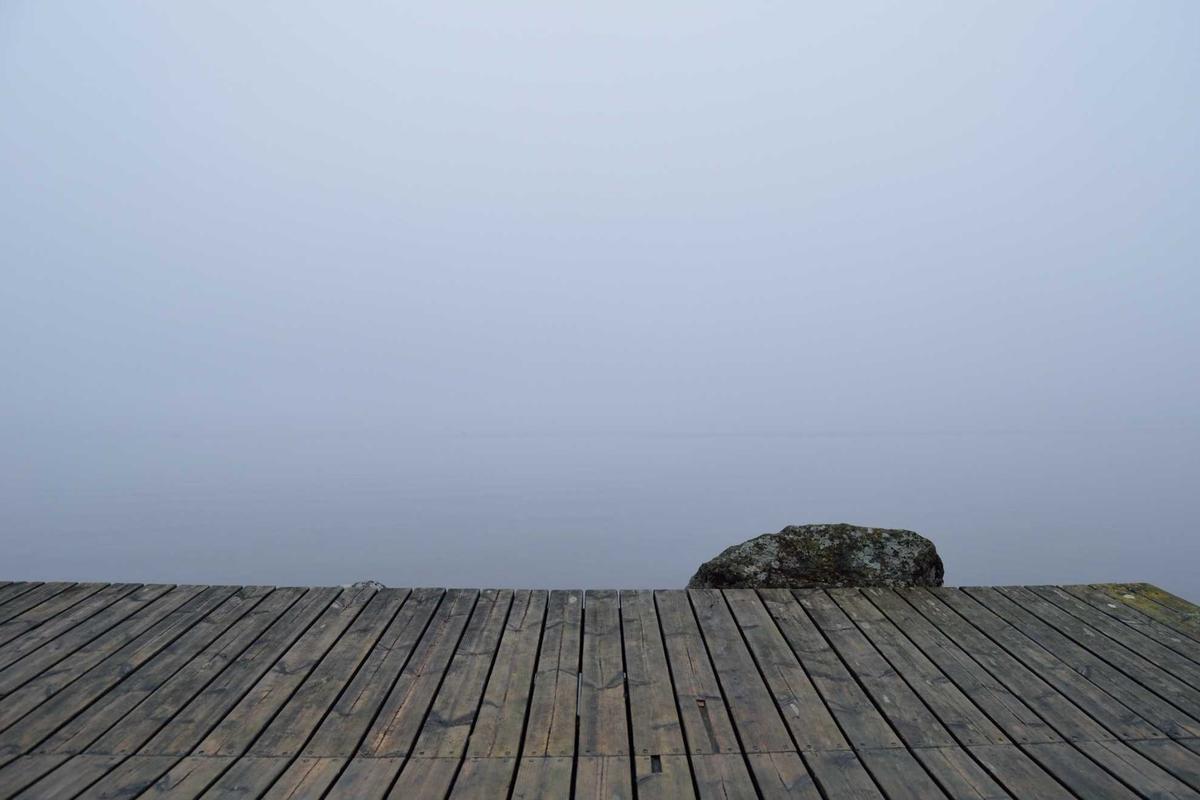
The Most Haunted Forests Around the World
Some forests are so eerie, so wrapped in shadow and silence, that people have told ghost stories about them for centuries. From dense woodlands where strange lights flicker between the trees to jungles where explorers vanish without a trace, the world’s most haunted forests blend natural beauty with spine-tingling mystery. If you love nature and a good chill down your spine, these forests will captivate you.
Key Takeaways
- Haunted forests exist on every continent except Antarctica, each with its own legends and lore.
- Many of these forests have real natural phenomena — like methane gas or magnetic anomalies — that explain the “ghostly” activity.
- Some are protected national parks you can actually visit, while others are best admired from a distance.
- These forests are ecologically important, home to rare species and ancient trees.
- Whether you believe in ghosts or not, visiting one of these forests is an unforgettable experience.
What Makes a Forest “Haunted”?
Before we dive into the list, it’s worth asking: what exactly makes a forest haunted? In most cases, it’s a combination of isolation, unusual natural features, and centuries of human storytelling. Dense canopy cover blocks sunlight, creating perpetual twilight on the forest floor. Strange sounds — creaking branches, animal calls, wind through narrow valleys — get amplified and distorted. And when something can’t be easily explained, humans tend to fill in the supernatural blanks.
That said, some of these forests have genuinely unexplained phenomena. Compasses malfunction. Electronic equipment fails. People report feelings of being watched, sudden temperature drops, and an overwhelming urge to leave. Science offers partial explanations — underground magnetic deposits, toxic gas emissions, infrasound — but not every mystery has been solved.
What we do know is that these forests are real, they’re breathtakingly beautiful, and they’re worth exploring if you have the nerve.
15 of the World’s Most Haunted Forests
1. Aokigahara Forest, Japan
About: Located at the base of Mount Fuji, Aokigahara — also known as the Sea of Trees — is a dense forest that grew over lava flows from the mountain’s last eruption in 864 AD. The forest covers roughly 35 square kilometers and is so thick in places that sunlight barely reaches the ground.
Highlights: The Ice Cave and Wind Cave, two natural lava tubes that stay icy year-round. The eerie silence caused by the dense canopy blocking wind. Ancient lava formations covered in thick moss.
Experience: Walking through Aokigahara feels like entering another world. The ground is uneven volcanic rock, and the trees grow so close together that navigation is difficult. Compasses are said to malfunction due to the iron-rich volcanic soil.
Best Time to Visit: Spring (April–May) or autumn (October–November) for mild weather and clear visibility.
Why You Should Visit: Beyond its dark reputation, Aokigahara is a remarkable geological site and a place of quiet, haunting beauty. The Japanese government has worked to reframe the forest as a destination for nature walks and reflection.
Travel Tips: Stay on marked trails. The forest is genuinely easy to get lost in. Consider hiring a local guide, especially if you want to explore the lava caves.
2. Hoia-Baciu Forest, Romania
About: Just outside the city of Cluj-Napoca in Transylvania, Hoia-Baciu is often called “the world’s most haunted forest.” It covers about 3 square kilometers of oddly shaped trees, clearings where nothing grows, and a long history of UFO sightings and paranormal reports.
Highlights: The Round Glade (Poiana Rotundă), a circular clearing where vegetation refuses to grow. Trees bent and twisted into unnatural shapes. Numerous photographs over the decades showing unexplained lights and orbs.
Experience: Visitors report headaches, anxiety, burns on the skin, and a strong sense of being watched. The forest has been studied by biologists, physicists, and paranormal researchers alike, with no definitive conclusions.
Best Time to Visit: Summer (June–August) when the weather is warm and the forest is most accessible.
Why You Should Visit: Whether you’re a skeptic or a believer, Hoia-Baciu is fascinating. It’s also a great base for exploring Transylvania’s castles, including the famous Bran Castle.
Travel Tips: Visit during daylight hours. The forest is small enough to explore in a few hours, but the trails can be confusing. Bring a GPS device.
3. The Black Forest, Germany
About: The Schwarzwald, or Black Forest, stretches across southwestern Germany for over 160 kilometers. Its name comes from the dense canopy of evergreen trees that blocks out most sunlight, creating a perpetually dark interior. It’s the setting for many of the Brothers Grimm’s darkest fairy tales.
Experience: The Black Forest is less about paranormal activity and more about atmosphere. Walking through the deepest parts on a foggy morning, with mist curling around ancient trunks, you’ll understand exactly why fairy tales of witches and wolves originated here.
Best Time to Visit: Winter (December–February) for the full dark-forest atmosphere, or summer for hiking and outdoor activities.
Why You Should Visit: It’s one of Europe’s most beautiful and accessible forests, with excellent hiking trails, charming villages, and a rich cultural heritage.
Travel Tips: The Black Forest High Road (Schwarzwaldhochstraße) is one of Germany’s most scenic drives. Combine your forest visit with stops at Baden-Baden and Freiburg.
4. Dering Wood, England
About: Located in Kent, Dering Wood is an ancient woodland that has been continuously forested for over 1,000 years. It’s known locally as “the screaming wood” due to unexplained sounds heard at night, including what witnesses describe as human screams.
Highlights: Bluebell carpets in spring that stretch across the forest floor. Ancient oak and beech trees. The ruins of a medieval hunting lodge hidden among the trees.
Experience: By day, Dering Wood is a peaceful and beautiful woodland. At night, the atmosphere changes dramatically. The “screams” are likely foxes — their calls can sound terrifyingly human — but the effect is still unsettling.
Best Time to Visit: Late April to early May for the bluebell bloom, which is one of the best in southern England.
Why You Should Visit: It’s a perfect day trip from London and offers a genuine ancient woodland experience with a side of spooky atmosphere.
Travel Tips: The wood is open to the public year-round. Wear sturdy shoes — the ground can be muddy. Visit at dusk if you want the full “screaming wood” experience.
5. Wychwood Forest, England
About: Once a vast royal hunting forest in Oxfordshire, Wychwood has been reduced to a few scattered fragments, but the remaining woodland is steeped in history. It was mentioned in the Domesday Book and was a favorite hunting ground of English kings.
Highlights: Ancient oak pollards, some over 500 years old. The sense of walking through a forest that has existed since medieval times. Reports of ghostly horsemen and phantom hunting parties.
Experience: Wychwood feels timeless. The remaining woodland areas are quiet and atmospheric, with a sense of deep history that’s hard to shake. Local legends speak of the ghost of a medieval forester who still patrols his old territory.
Best Time to Visit: Autumn (September–November) when the ancient oaks turn gold and copper.
Why You Should Visit: It’s one of the best-preserved examples of ancient English woodland, and the historical atmosphere is unmatched.
Travel Tips: Combine with a visit to the nearby Cotswolds villages. The Wychwood Way is a long-distance footpath that passes through the forest remnants.
6. The Forest of Dean, England
About: This ancient royal forest in Gloucestershire has been a source of timber, iron, and coal for over 2,000 years. It’s one of the oldest surviving forests in England and has a rich tradition of folklore, including sightings of the “Forest Devil” — a spectral black dog.
Highlights: Puzzlewood, a stunning area of ancient quarry workings now covered in moss and ferns (it inspired J.R.R. Tolkien’s Middle-earth). Wild roe deer and boar. The Sculpture Trail through the forest.
Experience: The Forest of Dean is genuinely atmospheric. Puzzlewood in particular feels like stepping into a fantasy novel — the twisted rock formations, deep gorges, and thick moss create an otherworldly landscape.
Best Time to Visit: Spring and autumn for the best light and colors.
Why You Should Visit: Puzzlewood alone is worth the trip. The forest also offers excellent mountain biking, hiking, and wildlife watching.
Travel Tips: Book Puzzlewood tickets in advance during peak season. The forest is well-served by trails for all fitness levels.
7. Crooked Forest, Poland
About: Near the town of Gryfino in western Poland, about 400 pine trees were planted around 1930 that all bend sharply to the north at the base, then curve back upright. No one knows for certain why they grow this way.
Highlights: The uniform, eerie curvature of every single tree. The mystery of their origin — theories range from heavy snowfall to deliberate human manipulation to unknown magnetic forces.
Experience: Walking among the crooked pines is surreal. Every tree bends in exactly the same direction, at exactly the same height, creating a scene that looks deliberately staged but isn’t.
Best Time to Visit: Summer (June–August) for the greenest canopy and easiest access.
Why You Should Visit: It’s one of the world’s most visually unusual forests and a great stop if you’re traveling between Berlin and the Polish coast.
Travel Tips: The forest is small — you can see everything in under an hour. Combine with a visit to nearby Szczecin.
8. Jogulamba Forest, India
About: Located in the southern Indian state of Karnataka, this dense forest is associated with numerous local legends of spirits and supernatural beings. It’s part of a larger forested region that’s home to tigers, elephants, and leopards.
Highlights: Dense tropical dry forest with ancient temples hidden among the trees. Rich biodiversity including several endangered species. Local tribal communities with deep spiritual connections to the forest.
Experience: The forest feels ancient and alive. The combination of wildlife sounds, dense vegetation, and abandoned temple ruins creates an atmosphere that’s both beautiful and unnerving.
Best Time to Visit: October to March, when the weather is cooler and wildlife is more visible.
Why You Should Visit: It’s an off-the-beaten-path destination that offers genuine wilderness, cultural richness, and a sense of adventure.
Travel Tips: Visit with a local guide who knows the forest and its trails. Respect local customs around sacred sites.
9. Epping Forest, England
About: Just northeast of London, Epping Forest is a 2,400-hectare ancient woodland that has been protected since 1878. Despite its proximity to the city, it feels remarkably wild — and it has a dark history as a highwayman’s hideout.
Highlights: Ancient pollarded hornbeam trees, some over 1,000 years old. Ambresbury Banks, an Iron Age hillfort. Reports of ghostly highwaymen and spectral riders.
Experience: Epping Forest is accessible enough for a day trip from London but wild enough to feel like genuine wilderness. On misty mornings, with fog drifting between the ancient trees, it’s easy to imagine ghosts from centuries past.
Best Time to Visit: Autumn for the best atmosphere, or spring for bluebells and wildflowers.
Why You Should Visit: It’s one of the best ancient woodlands near a major city in Europe, with excellent walking and cycling trails.
Travel Tips: Take the London Underground to Epping station — the forest is right there. Multiple well-marked trails range from easy to challenging.
10. Tiveden National Park, Sweden
About: Tiveden is one of Sweden’s oldest national parks, a dense, rocky forest that historically marked the border between the Swedes and the Geats. For centuries, it was considered so dangerous and impassable that people avoided it entirely.
Highlights: Ancient pine forests growing among massive boulders. Crystal-clear lakes hidden deep in the woodland. A genuine sense of wilderness that’s rare in southern Scandinavia.
Experience: Tiveden feels genuinely remote despite being in southern Sweden. The forest floor is a maze of moss-covered boulders, and the silence is profound. Local legends speak of trolls and forest spirits.
Best Time to Visit: Summer (June–August) for the midnight sun and warm hiking weather.
Why You Should Visit: It’s one of Scandinavia’s most atmospheric forests, with excellent hiking and a real sense of adventure.
Travel Tips: The park has several marked trails of varying difficulty. Bring insect repellent — Swedish summer mosquitoes are no joke.
11. Argyll Forest, Scotland
About: Scotland’s first national forest, Argyll covers a vast area of the Scottish Highlands with ancient Caledonian pine forest, lochs, and mountains. Scottish forests have deep connections to Celtic mythology, and Argyll is no exception.
Highlights: Remnants of the ancient Caledonian Forest, with Scots pines over 300 years old. Red squirrels, golden eagles, and pine martens. The “Dark Walk,” a trail through the densest, most atmospheric part of the forest.
Experience: The Scottish Highlands have a wild, ancient quality that’s hard to match anywhere else. Argyll Forest, with its combination of dark pine woods, misty lochs, and mountain backdrops, feels like the setting of an old legend — because it is.
Best Time to Visit: Late spring (May–June) for long days and fewer midges, or autumn for dramatic colors.
Why You Should Visit: It’s one of the best places in Scotland to experience the ancient Caledonian Forest and Highland wilderness.
Travel Tips: Combine with a visit to Loch Lomond and the Trossachs National Park. The forest is well-marked but remote — bring proper hiking gear.
12. The Devil’s Tramping Ground, North Carolina, USA
About: In the forests of North Carolina, there’s a bare circular patch of ground about 40 feet in diameter where nothing has grown for over 100 years. Local legend says it’s where the Devil paces at night, plotting his next move.
Highlights: The mysterious bare circle in the middle of dense forest. The surrounding longleaf pine ecosystem, which is itself ecologically fascinating. A genuine unsolved natural mystery.
Experience: The Tramping Ground is a small site — you can see it in minutes — but the mystery is compelling. Scientists have tested the soil and found nothing that explains why nothing grows there. Whether you believe the legend or not, it’s a fascinating stop.
Best Time to Visit: Spring or fall for pleasant weather in the North Carolina Piedmont.
Why You Should Visit: It’s one of America’s most enduring natural mysteries and a great addition to a road trip through the Carolinas.
Travel Tips: The site is on private land but accessible. Be respectful and don’t leave trash. Combine with a visit to nearby Jordan Lake State Recreation Area.
13. Aokigahara’s Neighbor: Yoshida Trail Forest, Japan
About: While not as famous as Aokigahara, the forest along the Yoshida Trail up Mount Fuji has its own eerie reputation. Pilgrims have walked this route for centuries, and the forest is dotted with shrines, stone markers, and caves used by ascetic monks.
Highlights: Ancient volcanic rock formations covered in moss. Small shrines and Jizo statues (protectors of travelers and children). The transition from dense forest to barren volcanic landscape as you climb.
Experience: Hiking through this forest at dawn, with mist rising from the canopy and the silhouette of Fuji ahead, is a spiritual experience regardless of your beliefs. The forest feels like a threshold between the human world and the mountain’s sacred space.
Best Time to Visit: July–August during the official climbing season.
Why You Should Visit: It’s the most popular route up Mount Fuji and offers a unique combination of natural beauty, cultural heritage, and atmospheric forest walking.
Travel Tips: Start early to avoid crowds. Bring layers — it’s much colder at the summit. Book mountain hut accommodation in advance if you plan to overnight.
14. Tarkine Forest, Tasmania, Australia
About: The Tarkine is one of the largest temperate rainforests in the Southern Hemisphere, covering nearly 4,000 square kilometers of northwestern Tasmania. It’s home to ancient myrtle trees, Aboriginal heritage sites, and a creature locals call the “Tasmanian Tiger” — officially extinct but still reportedly sighted.
Highlights: Ancient myrtle beech trees over 1,000 years old. Aboriginal cave systems with 40,000 years of human history. The Savage River, which winds through some of the most remote forest in Australia.
Experience: The Tarkine feels primordial. The forest is so dense and vast that large areas have never been properly surveyed. Walking here, you get a genuine sense of what the world looked like before humans — and why early people might have believed in forest spirits.
Best Time to Visit: Summer (December–February) for the warmest weather, though the forest is beautiful year-round.
Why You Should Visit: It’s one of the last great temperate rainforests on Earth, with extraordinary biodiversity and deep cultural significance.
Travel Tips: Much of the Tarkine is accessible only by 4WD or on foot. Join a guided tour for the best experience. Respect Aboriginal cultural sites.
15. Białowieża Forest, Poland/Belarus
About: Straddling the border between Poland and Belarus, Białowieża is Europe’s last primeval forest — a vast woodland that has never been cleared by humans. It’s home to the European bison, which was reintroduced here after going extinct in the wild. The forest has a deep, ancient atmosphere that feels genuinely untouched by time.
Highlights: European bison (żubr) in their natural habitat. Trees that have been growing undisturbed for over 500 years. The strict nature reserve, where access is limited to guided tours — it feels like stepping back millennia.
Experience: Białowieża is not “haunted” in the traditional sense, but its sheer age and wildness create an atmosphere that’s profoundly moving. Standing among trees that were old when Columbus sailed is a humbling experience. Local folklore speaks of forest spirits and ancient gods who still dwell in the deepest parts.
Best Time to Visit: Spring (April–May) for birdlife and wildflowers, or autumn (September–October) for bison sightings and fall colors.
Why You Should Visit: It’s one of the most important and unique forests in the world — a living example of what Europe’s original forests looked like.
Travel Tips: Book guided tours of the strict nature reserve well in advance. The Polish side is more accessible than the Belarusian side. Combine with a visit to the nearby Białowieża village.
Comparison of Haunted Forests
| Forest Name | Location | Best Time to Visit |
|---|---|---|
| Aokigahara Forest | Japan (Mount Fuji) | Spring or Autumn |
| Hoia-Baciu Forest | Romania (Transylvania) | Summer |
| The Black Forest | Germany (Southwest) | Winter or Summer |
| Dering Wood | England (Kent) | Late April–May |
| Wychwood Forest | England (Oxfordshire) | Autumn |
| Forest of Dean | England (Gloucestershire) | Spring or Autumn |
| Crooked Forest | Poland (Gryfino) | Summer |
| Jogulamba Forest | India (Karnataka) | October–March |
| Epping Forest | England (Essex) | Autumn or Spring |
| Tiveden National Park | Sweden (Southern) | Summer |
| Argyll Forest | Scotland (Highlands) | Late Spring |
| Devil’s Tramping Ground | USA (North Carolina) | Spring or Fall |
| Yoshida Trail Forest | Japan (Mount Fuji) | July–August |
| Tarkine Forest | Australia (Tasmania) | Summer |
| Białowieża Forest | Poland/Belarus | Spring or Autumn |
Are Haunted Forests Safe to Visit?
The short answer is yes — with common sense. Most of the forests on this list are protected areas with established trails and visitor facilities. The “haunting” is almost entirely atmospheric rather than dangerous. That said, there are real risks in any remote forest: getting lost, encountering wildlife, and dealing with changing weather.
Here are some basic safety rules for visiting any of these forests:
- Stay on marked trails. This is especially important in dense forests like Aokigahara where it’s genuinely easy to become disoriented.
- Tell someone your plans. If you’re hiking alone, let someone know where you’re going and when you expect to return.
- Bring a map and compass. GPS devices can fail, especially in dense canopy or areas with magnetic anomalies.
- Don’t visit alone at night. Even if you’re not afraid of ghosts, forests are genuinely more dangerous in the dark.
- Respect local customs and sacred sites. Many of these forests have cultural or spiritual significance to local communities.
Frequently Asked Questions
1. What is the most haunted forest in the world?
Hoia-Baciu Forest in Romania is widely considered the world’s most haunted forest, with decades of documented paranormal reports, UFO sightings, and scientific studies that haven’t fully explained the phenomena. Aokigahara in Japan is probably the most famous, though its reputation is more cultural than paranormal.
2. Can you visit Aokigahara Forest?
Yes, Aokigahara is open to visitors and there are marked trails. The Japanese government has installed signs and volunteer patrols along the trails. However, visitors should stay on marked paths, as the volcanic terrain makes it very easy to get lost. Guided tours are available and recommended for first-time visitors.
3. Why do compasses fail in some forests?
Compasses can malfunction in areas with high concentrations of magnetic minerals in the soil, such as iron-rich volcanic rock. Aokigahara, built on Mount Fuji’s lava flows, is one such area. Hoia-Baciu also reports compass anomalies, possibly due to underground mineral deposits.
4. Are there haunted forests in the United States?
Yes. Beyond the Devil’s Tramping Ground in North Carolina, there are numerous forests with ghost lore across the US, including the Pine Barrens of New Jersey (home of the Jersey Devil), the Hoosier National Forest in Indiana, and the vast forests of the Pacific Northwest with their Bigfoot legends.
5. What should I bring when visiting a haunted forest?
Bring the same gear you’d take on any forest hike: sturdy shoes, water, a map, a flashlight, and layers for changing weather. A fully charged phone is useful, but don’t rely on it — signal can be poor under dense canopy. If you’re visiting a forest known for magnetic anomalies, bring a paper map and a physical compass as backup.
6. Are haunted forests dangerous?
The forests themselves aren’t dangerous beyond the normal risks of any wilderness area. The “haunting” is atmospheric and cultural. Real risks include getting lost, wildlife encounters, and weather changes — all manageable with proper preparation and common sense.
7. What’s the best haunted forest for beginners?
Epping Forest in England is the most accessible haunted forest on this list — you can reach it via the London Underground. The Black Forest in Germany is another excellent choice, with well-developed tourist infrastructure, excellent trails, and charming villages nearby. Both offer the atmospheric forest experience without requiring wilderness survival skills.
Conclusion
The world’s most haunted forests remind us that nature doesn’t need ghosts to be awe-inspiring. The creak of ancient trees, the play of light through dense canopy, the sudden silence when the wind stops — these forests are naturally atmospheric in ways that no haunted house could ever replicate.
Whether you visit Hoia-Baciu to test your nerve, walk the Black Forest for its fairy tale atmosphere, or stand among the ancient pines of Białowieża to feel the weight of centuries, these forests offer something that’s increasingly rare in our modern world: genuine mystery.
You don’t need to believe in ghosts to feel the magic of these places. You just need to step off the path, look up at the canopy, and let the forest do the rest.
Share this post with your friends who love a good adventure — and start planning your trip to one of these incredible forests today.


The Most Beautiful Mountain Railways in the World
The Most Beautiful Mountain Railways in the World Some train journeys are about getting from point A to point B....


How to Identify Seashells on the Beach
How to Identify Seashells on the Beach Have you ever walked along the beach, picked up a shell, and wondered...


The World’s Oldest Forests That Still Exist Today
The World’s Oldest Forests That Still Exist Today Imagine walking among trees that were already ancient when the Roman Empire...
-

 World2 years ago
Types of Ants Living in the World and Information
-

 Wildlife4 years ago
(10) Insects Are Animals in the world?
-

 Forests2 years ago
The 10 Best Forests to Visit in the World
-

 Ocean2 years ago
Oceans in the World and Their Information & Locations
-

 Forests4 years ago
What Is The Biggest Rainforest In The World?
-

 Wildlife4 years ago
Most Popular Wild Animals in The World
-

 Forests2 years ago
The Main Factors That Contribute to Forest Destruction
-

 World1 year ago
The 10 Largest Farms in the World