Connect with us

Plants and Trees

The Impact on the Environment Due to the Destruction of Plants and Trees

Published

on

The Impact on the Environment Due to the Destruction of Plants and Trees
Key Takeaways

  • Plants and trees are vital for oxygen production, biodiversity, and climate regulation.
  • Deforestation leads to severe environmental consequences like climate change and biodiversity loss.
  • Human activities, such as agriculture and urban expansion, are primary causes of tree destruction.
  • Solutions like reforestation, sustainable practices, and conservation laws can help mitigate the damage.

Introduction

Imagine a world without trees. The air feels heavy, the rivers run dry, and wildlife vanishes. It’s not a distant future—it’s a reality we inch closer to every time a forest is cleared. Trees and plants are the backbone of life on Earth, providing oxygen, stabilizing the soil, and supporting countless species. Yet, humans continue to destroy them at an alarming rate.

In this article, we’ll explore the causes and effects of plant and tree destruction and why it’s such a pressing environmental issue. We’ll also discuss solutions to help turn the tide. So, whether you’re a nature lover or just curious about how trees impact the environment, keep reading—you might be surprised by what you learn.


Why Are Plants and Trees So Important?

Plants and trees do more than just look pretty or provide shade. They’re essential for the survival of life on Earth.

  1. Oxygen and Clean Air
    Trees act as Earth’s lungs, absorbing carbon dioxide and releasing oxygen. A single mature tree can produce enough oxygen for up to four people a day.
  2. Biodiversity Hotspots
    Forests are home to more than 80% of terrestrial animals, plants, and fungi. When trees are destroyed, countless species lose their homes.
  3. Climate Regulators
    Trees help regulate temperature and rainfall patterns by releasing water vapor and absorbing sunlight. Without them, the planet’s climate becomes unbalanced.
  4. Preventing Soil Erosion
    Tree roots anchor the soil, preventing it from washing away during heavy rains. Without trees, fertile land can turn into deserts.
  5. Water Cycle Support
    Trees play a critical role in maintaining the water cycle by drawing groundwater and releasing it into the atmosphere as vapor.

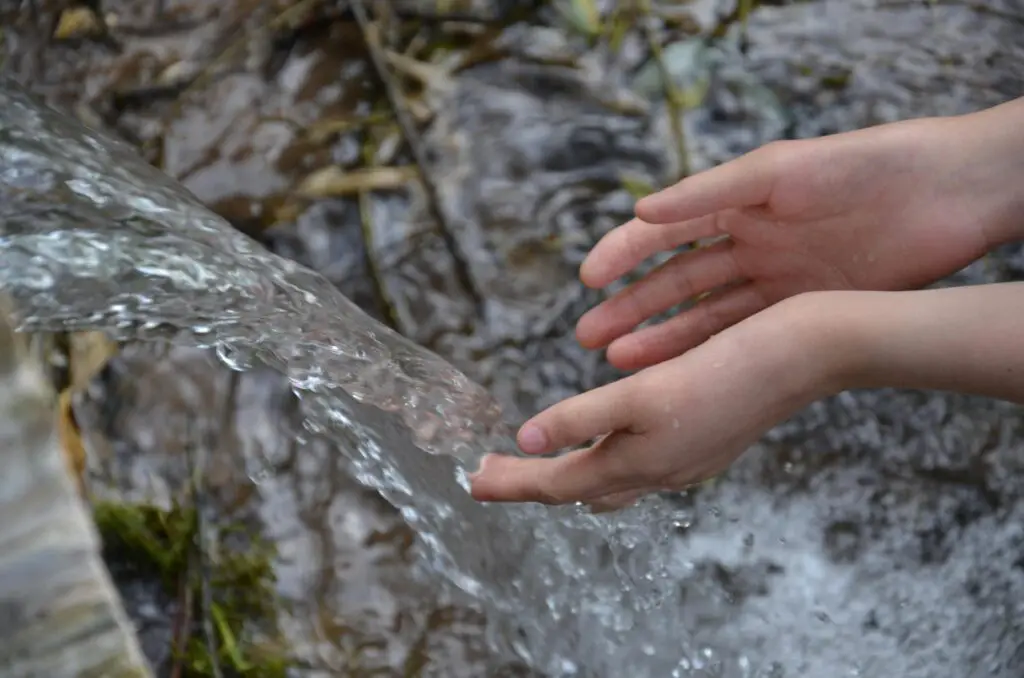
Causes of Plant and Tree Destruction

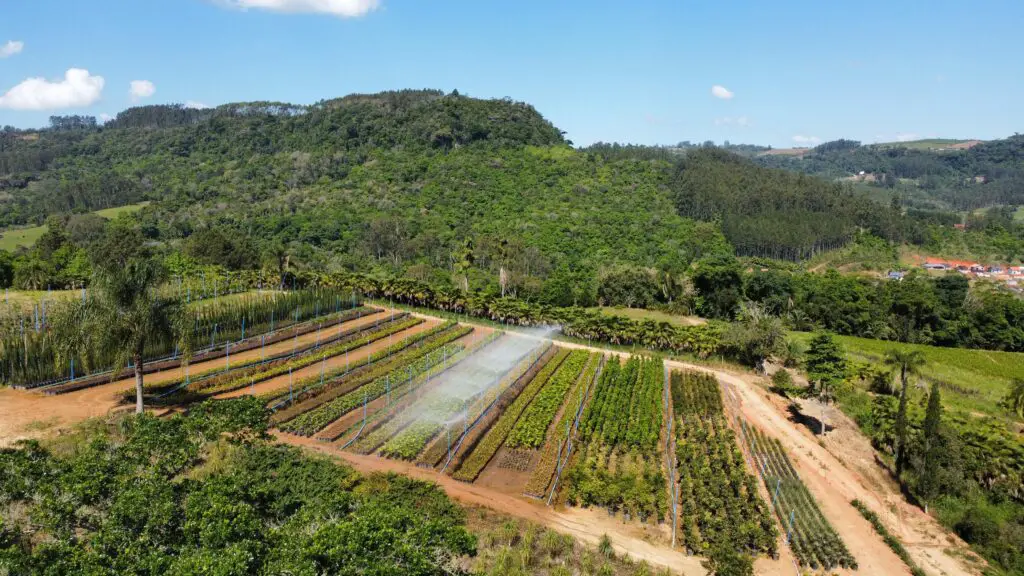
1. Deforestation for Agriculture

Farmers often clear forests to grow crops or raise livestock. While this boosts food production, it comes at the cost of environmental stability.
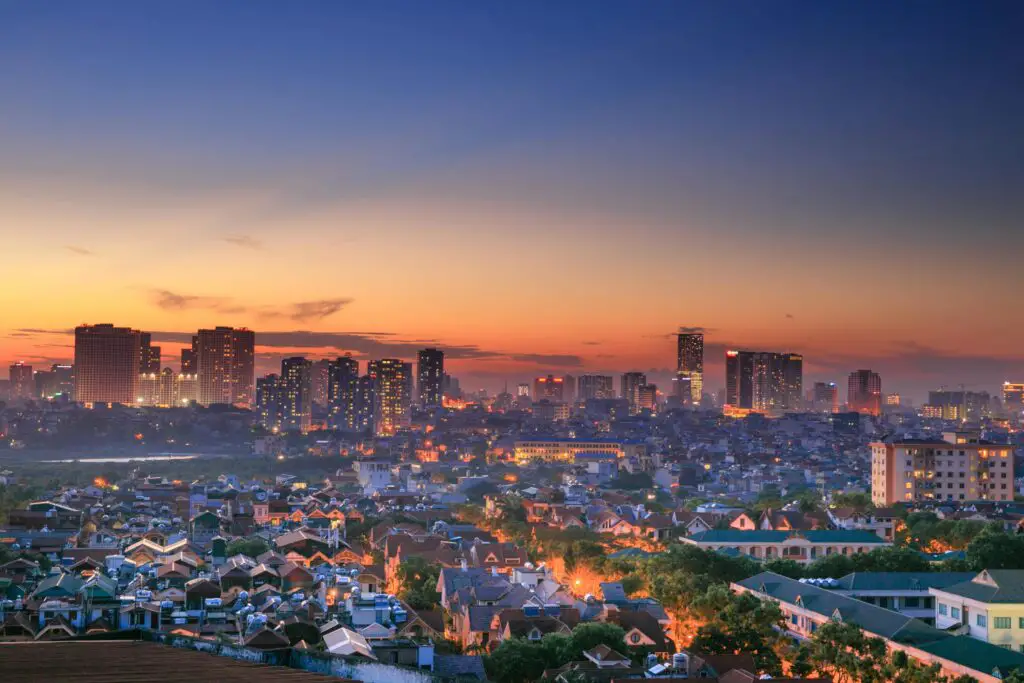
2. Urban Expansion

As cities grow, forests are cleared to make way for housing, roads, and infrastructure. This not only destroys trees but also fragments habitats.
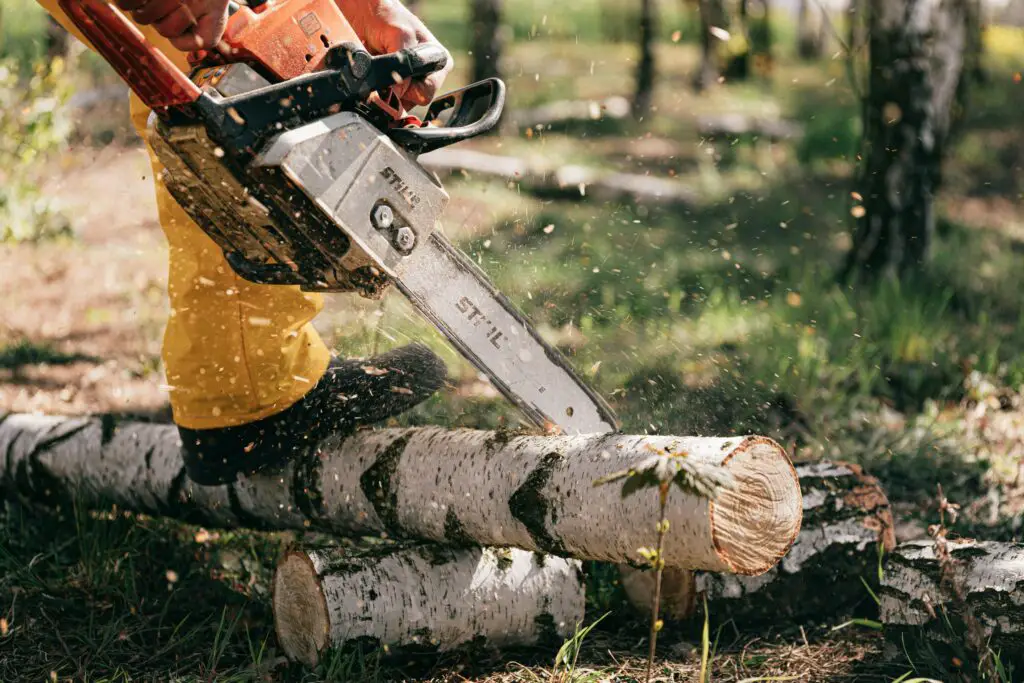
3. Logging and Wood Industry

The demand for paper, furniture, and construction materials drives large-scale logging, which is often unsustainable.
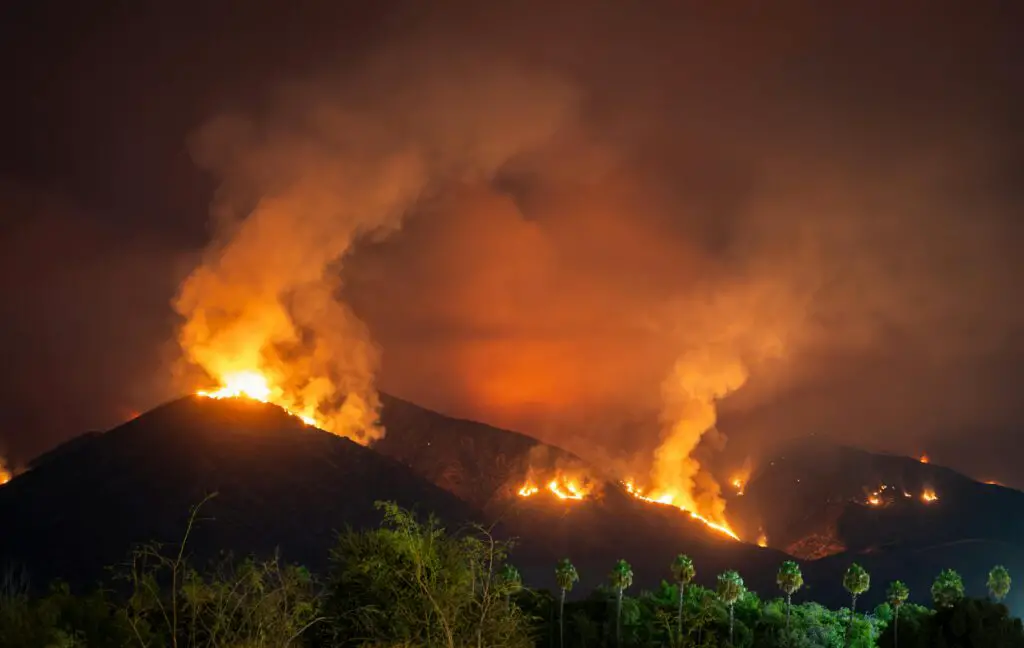
4. Wildfires

Some fires occur naturally, but many are caused by human negligence, like unattended campfires or discarded cigarettes.
5. Mining and Infrastructure Projects

Activities like mining and dam construction often require large areas of land, leading to significant deforestation.

Mining and Infrastructure Projects

Environmental Impacts of Tree and Plant Destruction

1. Climate Change

When trees are cut down, they release stored carbon dioxide, contributing to global warming. Deforestation accounts for nearly 15% of global carbon emissions.

2. Loss of Biodiversity

Deforestation forces animals and plants to adapt, migrate, or face extinction. This disrupts ecosystems and reduces biodiversity.

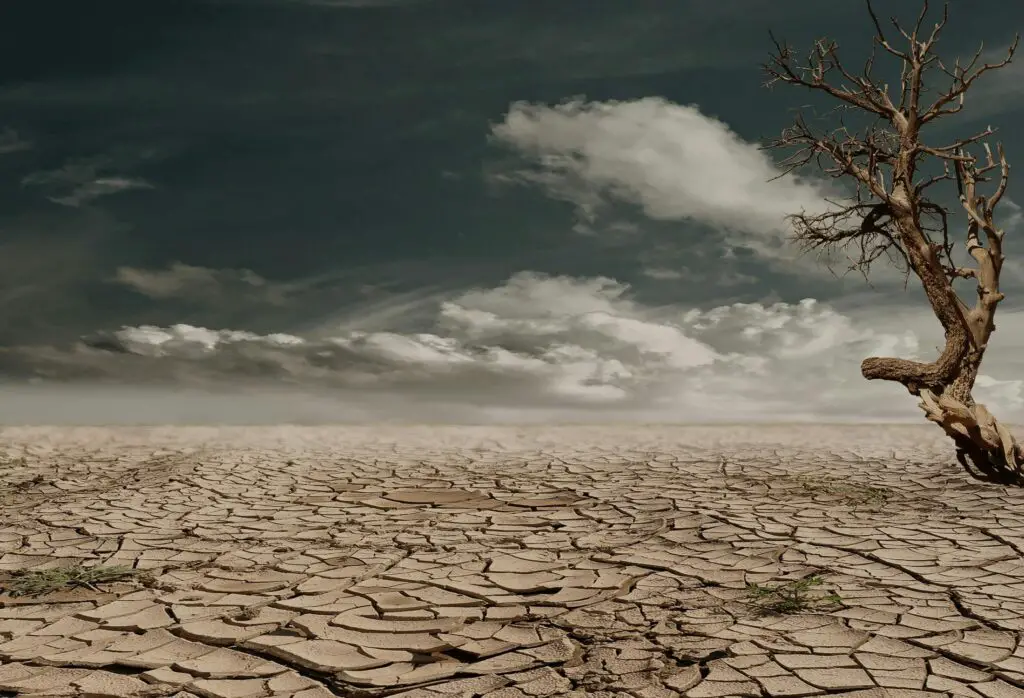
3. Soil Degradation and Desertification

Without tree roots to hold it together, soil becomes prone to erosion. Over time, this can turn fertile land into barren deserts.

4. Disruption of Water Cycles

Fewer trees mean less water vapor in the atmosphere, leading to reduced rainfall and drier conditions.

5. Increased Natural Disasters

Tree loss can worsen floods and landslides since there’s no vegetation to absorb water or stabilize slopes.

How Does This Affect People?

Deforestation doesn’t just harm the environment—it impacts human lives too.

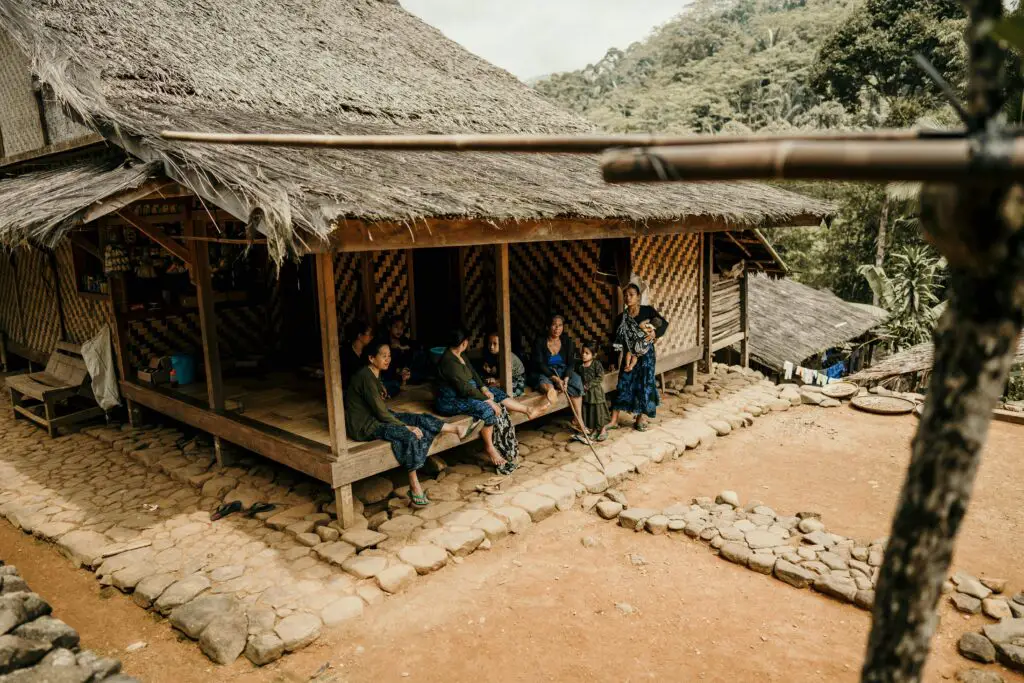
  • Indigenous Communities: Many indigenous groups rely on forests for food, medicine, and shelter. Tree destruction threatens their way of life.
  • Agriculture: Without trees, soil quality declines, making farming less productive.
  • Natural Disasters: More floods, droughts, and landslides mean higher costs for communities and governments.

Solutions to Protect Trees and Plants

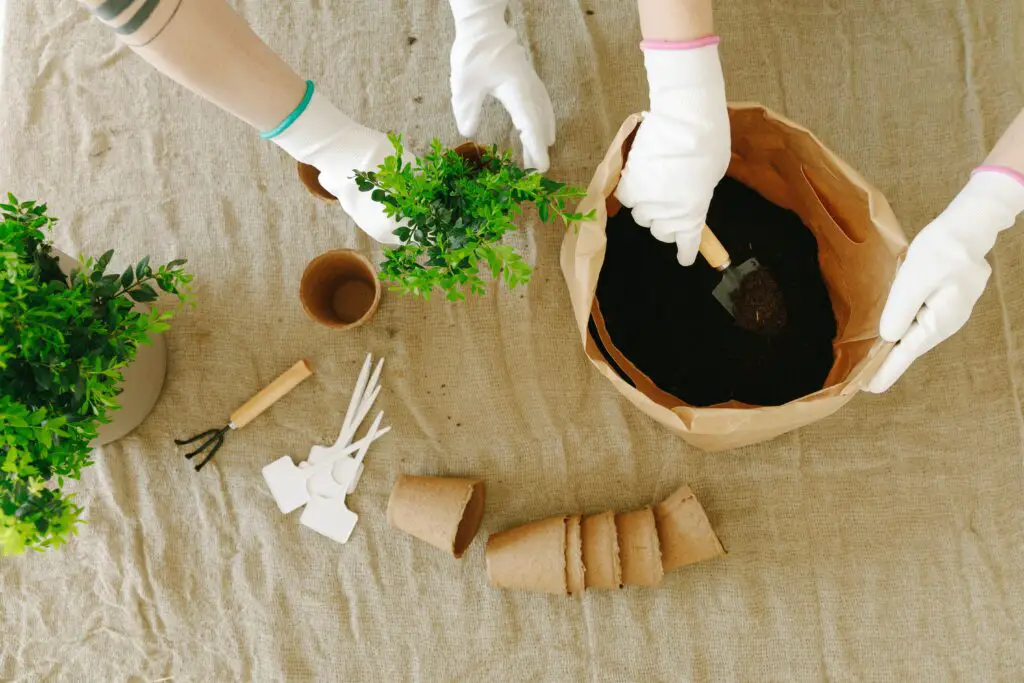
1. Reforestation and Afforestation

Planting trees can restore degraded land and offset carbon emissions.

2. Sustainable Practices

Using wood and paper products responsibly and supporting companies that follow ethical sourcing practices can make a difference.

3. Stronger Laws and Policies

Governments must enforce stricter rules to prevent illegal logging and deforestation.

4. Education and Awareness

Teaching people about the importance of trees can inspire them to take action.

5. Support NGOs

Organizations like WWF and Greenpeace work tirelessly to protect forests. Supporting them can amplify conservation efforts.

Short Answer to the Problem

The destruction of plants and trees harms the environment by increasing carbon emissions, reducing biodiversity, and causing soil and water imbalances. To combat this, we need global efforts like reforestation, sustainable logging, and stronger laws to protect forests.


FAQs

1. Why are trees important for the environment?

Trees produce oxygen, absorb carbon dioxide, and support ecosystems by providing shelter and food for wildlife.

2. What are the main causes of deforestation?

Key causes include agriculture, urbanization, logging, and mining.

3. How does tree destruction affect climate change?

Cutting down trees releases stored carbon dioxide, contributing to global warming.

4. What can individuals do to help?

Plant trees, reduce paper waste, support eco-friendly products, and spread awareness about deforestation.


Conclusion

The destruction of plants and trees isn’t just an environmental issue—it’s a threat to life itself. From climate change to biodiversity loss, the ripple effects are felt far and wide. But it’s not too late to make a change. By understanding the importance of trees and taking collective action, we can protect our planet for future generations.

Let’s act now, before the last tree falls.

Click to comment

Leave a Reply

Your email address will not be published. Required fields are marked *

Plants and Trees

20 Most Beautiful Cherry Blossom Forest Destinations in Spring

Published

on

By

20 Most Beautiful Cherry Blossom Forest Destinations in Spring

There is something almost otherworldly about walking through a forest painted in soft pink and white. Cherry blossom forests offer one of the most breathtaking nature experiences on the planet, and these 20 destinations will leave you planning your next spring getaway.

Key Takeaways

  • Cherry blossom forests bloom for just one to three weeks each spring, making them a fleeting natural spectacle
  • From Japan’s iconic sakura parks to hidden valleys in the United States and South Korea, these forests offer diverse cultural and natural experiences
  • Most destinations listed are budget-friendly and accessible for first-time travelers
  • Peak bloom times vary by region, so planning ahead is essential
  • Many of these forests also offer hiking, photography, and cultural festivals during the blooming season

Introduction

Every spring, nature puts on one of its most delicate and fleeting performances. For a brief window of one to three weeks, cherry blossom forests transform into wonderlands of soft pink and white petals, drawing millions of visitors from around the world. These forests are more than just beautiful backdrops for photographs. They represent renewal, the arrival of spring, and in many cultures, a deep connection to the natural world.

Whether you are a seasoned traveler looking for a new destination or a beginner planning your nature escape, this guide covers 20 of the most stunning cherry blossom forests on Earth. Each destination offers something unique, from midnight picnics under illuminated trees to quiet mountain hikes surrounded by blossoms.

Cherry Blossom Forest Destinations Overview

Place Name Location Best Time to Visit
Philosopher’s Path Cherry Blossoms Kyoto, Japan Late March to early April
Mount Yoshino Cherry Blossom Forest Nara, Japan Early to mid April
Yoshitaki Takahara Cherry Blossom Park Fukushima, Japan Mid to late April
Himeji Castle Cherry Blossom Gardens Himeji, Japan Late March to early April
Jinhae Cherry Blossom Festival Area Changwon, South Korea Late March to early April
Yeouido Cherry Blossom Road Seoul, South Korea Early to mid April
Washington Tidal Basin Cherry Blossoms Washington D.C., USA Late March to mid April
Brooklyn Botanic Garden Cherry Walk New York, USA Mid to late April
Macon International Cherry Blossom Forest Macon, Georgia, USA Mid to late March
Himeji Cherry Blossom Avenue Hyogo, Japan Early to mid April
Parc de Sceaux Cherry Blossom Grove Paris, France Early to mid April
Kema Sakuranomiya Park Osaka, Japan Late March to early April
Gyeongju Cherry Blossom Hill Roads Gyeongju, South Korea Late March to early April
Cherry Blossom Forest at Mount Hallasan Jeju Island, South Korea Early to mid April
Eleanor Roosevelt Island Cherry Trees Washington D.C., USA Late March to mid April
Hokkaido Cherry Blossom Trail Hokkaido, Japan Late April to early May
Taipei Yangmingshan Cherry Blossom Area Taipei, Taiwan Late January to mid March
Cherry Blossom Avenue at Ueno Park Tokyo, Japan Late March to early April
Alnwick Garden Cherry Blossom Walk Northumberland, UK Mid to late April
Vancouver Cherry Blossom Festival Routes Vancouver, Canada Late March to mid April

1. Philosopher’s Path Cherry Blossoms, Kyoto, Japan

About

Named after the famous philosopher Nishida Kitaro, who meditated while walking this canal-side path every day, the Philosopher’s Path in Kyoto stretches for about two kilometers. Hundreds of cherry trees line both sides of the narrow canal, creating a tunnel of pink blossoms that is widely considered one of the most beautiful cherry blossom walks in Japan.

Highlights

The soft pink canopy over the canal creates stunning reflections on the water below. Small temples and shrines dot the route along with local cafes where you can sit and simply take in the beauty. The surrounding Higashi Yamachi neighborhood adds a charming local flavor to the experience.

Experience

This is a walking destination at its finest. Visitors typically spend one to two hours strolling the path at a leisurely pace. Early morning visits are the most peaceful, before crowds arrive. You will find locals doing their daily practice walks and a few quiet spots to sit on benches beneath the trees.

Best Time to Visit

Late March to early April, depending on the year’s weather. The bloom typically lasts about ten days at this location.

Why You Should Visit

The Philosopher’s Path offers a contemplative, almost spiritual cherry blossom experience. It is less crowded than some of Kyoto’s more famous spots, and the combination of water, stone path, and blossoms creates a scene that feels like stepping into a painting.

Travel Tips

Visit early in the morning before 9 AM for the most peaceful experience. Kyoto has excellent public transportation, and the path is easily accessible by bus. Budget around 500 to 1,000 yen for local transport. Bring a light jacket as spring mornings in Kyoto can still be cool.

2. Mount Yoshino Cherry Blossom Forest, Nara, Japan

About

Mount Yoshino is arguably the most famous cherry blossom destination in all of Japan. The mountain is covered with over 30,000 cherry trees planted across four distinct elevation zones, creating a cascading wave of pink that moves up the mountain as spring progresses. It has been a UNESCO World Heritage Site since 2004.

Highlights

The sheer scale of the bloom is what sets Mount Yoshino apart. The trees are planted in four groves at different altitudes, so the blossoms appear at different times as you ascend. The panoramic views from the upper groves, looking out over thousands of trees below, are absolutely breathtaking.

Experience

Hiking up through the cherry groves is the main activity. The trail is well-maintained and suitable for most fitness levels, though the full ascent takes about two to three hours. There are rest stops, tea houses, and viewing platforms along the way. Many visitors bring bento boxes for a picnic among the trees.

Best Time to Visit

Early to mid April. The bloom moves up the mountain over about two weeks, so timing your visit for the middle groves gives the best overall experience.

Why You Should Visit

Mount Yoshino is the gold standard of cherry blossom viewing in Japan. The tradition of hanami, or flower viewing, has been practiced here for over a thousand years. If you can only visit one cherry blossom destination in your lifetime, this should be on your shortlist.

Travel Tips

Take the Kintetsu Yoshino Line from Osaka or Nara directly to Yoshino Station. The mountain trail starts right from the station. Wear comfortable hiking shoes and bring water. Accommodation in Yoshino town is limited during peak season, so book well in advance or plan a day trip.

3. Yoshitaki Takahara Cherry Blossom Park, Fukushima, Japan

About

Located in the mountainous interior of Fukushima Prefecture, Yoshitaki Takahara is a hidden gem that most international visitors have never heard of. The park features a stunning combination of cherry blossoms, a rushing river, and dramatic mountain backdrops that create one of the most photogenic cherry blossom settings in Japan.

Highlights

The contrast between the delicate pink petals and the powerful river below is what makes this spot special. A red bridge crosses the river, framed by cherry trees on both banks. The surrounding mountains often still have snow on their peaks in mid April, adding another layer of beauty to the scene.

Experience

This is a quiet, contemplative destination. You can walk along the riverbank, cross the bridge for different perspectives, and find a spot on the grass to simply relax. The sound of the river combined with falling petals creates a deeply peaceful atmosphere.

Best Time to Visit

Mid to late April, as Fukushima’s interior blooms slightly later than coastal areas.

Why You Should Visit

If you want to escape the crowds of Kyoto and Tokyo and experience cherry blossoms in a raw, natural mountain setting, Yoshitaki Takahara is the place. It is the kind of hidden gem that makes you feel like you have discovered something truly special.

Travel Tips

This destination requires a car or a local bus from Fukushima City. It is about a 90-minute drive. Pack a lunch as there are limited food options nearby. The area is also known for its hot springs, so consider combining your visit with an onsen stay.

4. Himeji Castle Cherry Blossom Gardens, Himeji, Japan

About

Himeji Castle is Japan’s most spectacular original castle, and when its surrounding gardens burst into cherry blossom bloom, the combination is nothing short of magical. The castle grounds contain over 1,000 cherry trees that frame the white castle walls in soft pink.

Highlights

The view of the castle’s white towers rising above a sea of cherry blossoms is one of the most iconic images in Japan. The gardens are beautifully maintained, with different varieties of cherry trees providing a range of pink and white tones. The castle itself is a UNESCO World Heritage Site and is worth exploring inside as well.

Experience

Plan to spend half a day here. Tour the castle interior first, then explore the gardens at your own pace. During cherry blossom season, special evening illuminations light up the trees, creating a completely different atmosphere after dark. The nearby Koko-en garden is also worth a visit.

Best Time to Visit

Late March to early April.

Why You Should Visit

Few places in the world combine architectural beauty and natural beauty as perfectly as Himeji Castle during cherry blossom season. It is a must-visit for anyone traveling through western Japan in spring.

Travel Tips

Himeji is easily accessible by Shinkansen from Osaka or Tokyo. The castle is a 15-minute walk from Himeji Station. Entry to the castle and gardens costs around 1,000 yen. Visit on a weekday if possible to avoid the largest crowds.

5. Jinhae Cherry Blossom Festival Area, Changwon, South Korea

About

The Jinhae Gunhangje Festival is South Korea’s largest and most famous cherry blossom event, drawing over a million visitors each spring. The festival takes place in the naval city of Jinhae, about an hour from Busan, and features over 350,000 cherry trees lining streets, streams, and parks.

Highlights

The Yeojwacheon Stream is the crown jewel of the festival. The stream is lined with cherry trees whose branches arch over the water, creating a tunnel of blossoms. At night, the area is illuminated with lanterns and colorful lights. The nearby Gyeonghwa Station features a cherry blossom railway track that is one of the most photographed spots in Korea.

Experience

The festival runs for about ten days and includes parades, street performances, and military band concerts, reflecting Jinhae’s naval heritage. Walking along the stream and through the railway path are the most popular activities. Food vendors line the streets with Korean street food specialties.

Best Time to Visit

Late March to early April, coinciding with the festival dates.

Why You Should Visit

The Jinhae Festival offers a completely different cherry blossom experience from Japan. The combination of Korean culture, food, music, and the sheer number of trees makes it a vibrant and joyful celebration of spring.

Travel Tips

Take an intercity bus from Busan, which takes about 40 minutes. Accommodation fills up fast during the festival, so book early. The festival is free to attend. Bring cash for street food and souvenirs.

6. Yeouido Cherry Blossom Road, Seoul, South Korea

About

Right in the heart of Seoul, the Yeouido Cherry Blossom Road runs along the banks of the Han River through the city’s financial district. About 1,800 cherry trees line a six-kilometer stretch of road, creating a stunning urban cherry blossom corridor that is completely free to visit.

Highlights

The contrast between the modern skyscrapers of Yeouido and the delicate pink blossoms below is uniquely Seoul. The road is wide and flat, making it perfect for cycling or leisurely walking. The nearby Yeouido Hangok Park offers a more natural, wooded cherry blossom experience just off the main road.

Experience

This is an urban cherry blossom experience at its best. Locals come here after work to walk under the illuminated trees at night. Street food vendors set up along the route, and the atmosphere is lively and social. You can rent a bike from one of the many rental stations along the river.

Best Time to Visit

Early to mid April.

Why You Should Visit

Yeouido proves that you do not need to leave the city to experience incredible cherry blossoms. It is one of the most accessible and festive cherry blossom spots in Asia, and it is completely free.

Travel Tips

Take the subway to Yeouinaru Station on Line 5. The cherry blossom road is right outside the station. Visit in the evening for the illuminated trees. Combine your visit with a walk along the Han River promenade.

7. Washington Tidal Basin Cherry Blossoms, Washington D.C., USA

About

The National Cherry Blossom Festival in Washington D.C. is one of the most famous spring events in the United States. The Tidal Basin, a man-made reservoir surrounded by the city’s iconic monuments, is lined with over 3,000 cherry trees gifted by Japan in 1912.

Highlights

The sight of cherry blossoms framing the Jefferson Memorial, the Martin Luther King Jr. Memorial, and the Washington Monument is truly spectacular. The trees around the Tidal Basin create a continuous ring of pink that is best experienced by walking the 3.2-kilometer loop path. Peak bloom, when 70 percent of the blossoms are open, is the most magical time.

Experience

Walking or biking around the Tidal Basin is the main activity. Paddle boats are also available for rent, offering a unique water-level perspective of the blossoms. The National Cherry Blossom Festival includes a parade, cultural performances, and fireworks during the blooming period.

Best Time to Visit

Late March to mid April. The National Park Service publishes bloom predictions each year to help visitors plan.

Why You Should Visit

The Tidal Basin combines natural beauty with American history in a way that no other cherry blossom destination can match. It is a celebration of international friendship and the arrival of spring, all in one of the world’s great capital cities.

Travel Tips

The Tidal Basin is easily accessible by Metro. The Smithsonian Station is the closest. Parking is extremely limited during peak bloom, so use public transport. Visit early in the morning or on weekdays to avoid the largest crowds. The festival events are free.

8. Brooklyn Botanic Garden Cherry Walk, New York, USA

About

The Brooklyn Botanic Garden is home to one of the most diverse cherry blossom collections outside of Asia. The garden’s Cherry Esplanade and Cherry Walk feature over 200 trees representing more than 40 different varieties, ensuring a longer blooming season than most single-variety locations.

Highlights

The Cherry Esplanade is a grand, formal lawn flanked by rows of cherry trees that create a stunning pink corridor. The Japanese Hill-and-Pond Garden within the garden offers a more traditional setting with cherry trees reflected in a tranquil pond. The variety of cherry species means you can see early, mid, and late-blooming trees all in one visit.

Experience

The garden hosts the popular Sakura Matsuri festival each spring, celebrating Japanese culture with performances, workshops, and food. Even outside the festival, the garden is a peaceful retreat from the city. Photography is a major draw, and the garden offers dedicated photography hours during peak bloom.

Best Time to Visit

Mid to late April, with different varieties blooming at different times throughout the month.

Why You Should Visit

The Brooklyn Botanic Garden offers the most comprehensive cherry blossom experience in New York City. The diversity of varieties means a longer window for viewing, and the cultural programming adds depth to the visit.

Travel Tips

The garden is accessible by subway via the B/Q to Prospect Park or the 2/3 to Eastern Parkway. Admission is around 18 dollars for adults. Check the garden’s website for their cherry blossom tracker, which updates bloom status in advance. Weekday mornings are the quietest times to visit.

9. Macon International Cherry Blossom Forest, Macon, Georgia, USA

About

Macon, Georgia, holds a surprising title. It is the cherry blossom capital of the world, with over 350,000 Yoshino cherry trees, more than even Washington D.C. The city celebrates with the International Cherry Blossom Festival each March, a ten-day event that transforms the town into a pink wonderland.

Highlights

The sheer number of trees means that entire neighborhoods turn pink during peak bloom. The Central City Park and the roads around Carolyn Park are particularly stunning. The festival includes a parade, concerts, a formal gala, and a spectacular fireworks display over the blossoms.

Experience

Driving or cycling through the tree-lined neighborhoods is the best way to take in the scale of Macon’s cherry blossom display. The festival events are spread across the city, and many are free. Local restaurants offer special cherry blossom-themed menus during the festival.

Best Time to Visit

Mid to late March, during the International Cherry Blossom Festival.

Why You Should Visit

Macon is a hidden gem that most people do not associate with cherry blossoms. The small-town Southern hospitality combined with an extraordinary number of trees makes for a warm and memorable experience.

Travel Tips

Macon is about 85 miles south of Atlanta, easily reachable by car. Accommodation is affordable compared to major cities. Most festival events are free. Bring a picnic and enjoy the blossoms in one of Macon’s many parks.

10. Himeji Cherry Blossom Avenue, Hyogo, Japan

About

While Himeji Castle gets most of the attention, the city of Himeji also boasts a magnificent cherry blossom avenue that stretches through the city center. This tree-lined boulevard offers a more relaxed, local cherry blossom experience away from the castle crowds.

Highlights

The avenue features hundreds of cherry trees that form a continuous pink canopy over the road. The trees are illuminated at night, creating a glowing tunnel effect. Local shops and restaurants along the avenue offer cherry blossom-themed treats and drinks during the season.

Experience

This is a perfect spot for an evening stroll. The illuminated trees create a romantic atmosphere, and the local businesses along the route add a community feel. It is a great complement to a daytime visit to Himeji Castle.

Best Time to Visit

Early to mid April.

Why You Should Visit

For a more local, less touristy cherry blossom experience in the Himeji area, this avenue is ideal. It shows how cherry blossoms are woven into everyday Japanese life, not just famous tourist sites.

Travel Tips

The avenue is within walking distance of Himeji Station. Combine with a visit to the castle earlier in the day. Evening visits are best for the illuminations.

11. Parc de Sceaux Cherry Blossom Grove, Paris, France

About

Just south of central Paris, the Parc de Sceaux is home to one of Europe’s most beautiful cherry blossom groves. The park, designed by the same landscape architect who created the gardens at Versailles, features two large groves of cherry trees that bloom in spectacular fashion each spring.

Highlights

The formal French garden design provides a strikingly different backdrop for cherry blossoms compared to Asian settings. The trees are planted in neat rows within the park’s geometric layout, creating a structured yet beautiful display. The chateau at the center of the park adds historical grandeur to the scene.

Experience

The park is perfect for a spring picnic. Spread a blanket under the trees and enjoy the blossoms with a baguette and cheese, very Paris. The park also features canals, fountains, and walking paths that make for a full afternoon of relaxation.

Best Time to Visit

Early to mid April.

Why You Should Visit

Parc de Sceaux offers a uniquely European cherry blossom experience. It is easily accessible from central Paris and provides a peaceful escape from the city’s busy streets.

Travel Tips

Take the RER B line from central Paris to Parc de Sceaux Station, about 30 minutes. The park is free to enter. Bring a picnic and make an afternoon of it. Weekdays are quieter than weekends.

12. Kema Sakuranomiya Park, Osaka, Japan

About

Stretching along the Okawa River in northern Osaka, Kema Sakuranomiya Park is one of the city’s most beloved cherry blossom spots. Over 5,000 cherry trees line the riverbank for several kilometers, creating a continuous ribbon of pink through the urban landscape.

Highlights

The riverside setting is what makes this park special. You can walk or jog along the river with blossoms overhead, or sit on the grassy banks and watch the petals fall into the water. The park is also popular for cycling, with rental bikes available nearby.

Experience

This is a lively, social cherry blossom spot. Locals gather for hanami parties, spreading blue tarps under the trees and sharing food and drinks. The atmosphere is festive and welcoming, and visitors are often invited to join in. The nearby Osaka Mint Bureau also opens its cherry blossom lane to the public for one week each year.

Best Time to Visit

Late March to early April.

Why You Should Visit

Kema Sakuranomiya Park offers the quintessential Japanese hanami experience in a major city. The combination of river, trees, and community spirit makes it a joyful and authentic destination.

Travel Tips

The park is accessible via the JR Loop Line to Sakuranomiya Station. It is free to visit. Bring a picnic blanket if you want to join a hanami party. The Osaka Mint Bureau lane, nearby, is only open for one week, so check dates in advance.

13. Gyeongju Cherry Blossom Hill Roads, Gyeongju, South Korea

About

Gyeongju, often called the museum without walls, is South Korea’s ancient capital and one of the country’s most historically significant cities. During cherry blossom season, the city’s hills, temple grounds, and ancient tomb mounds are blanketed in pink, creating a scene where history and nature merge beautifully.

Highlights

The cherry tree-lined roads around the Royal Tomb Complex are particularly stunning. The ancient Silla Dynasty burial mounds, covered in green grass and surrounded by cherry trees, create a landscape that is both historically rich and visually breathtaking. The nearby Bulguksa Temple and Seokguram Grotto are also surrounded by blooming trees.

Experience

Renting a bicycle is the best way to explore Gyeongju’s cherry blossom roads. The city is relatively flat and very bike-friendly. Cycling through the tomb complex with blossoms drifting down around you is an unforgettable experience. The city also has a dedicated cherry blossom festival with cultural performances.

Best Time to Visit

Late March to early April.

Why You Should Visit

Gyeongju offers a cherry blossom experience that is deeply connected to Korean history and culture. The combination of ancient monuments and spring blossoms creates a sense of timelessness that is hard to find anywhere else.

Travel Tips

Gyeongju is accessible by KTX high-speed train from Seoul, taking about two hours. Bicycle rentals are available near the tomb complex for a few thousand won per day. The city is compact enough to explore entirely by bike. Combine your visit with trips to Bulguksa Temple and Anapji Pond.

14. Cherry Blossom Forest at Mount Hallasan, Jeju Island, South Korea

About

Mount Hallasan, the highest peak in South Korea, dominates the center of Jeju Island. During spring, the lower slopes of the mountain are covered in cherry blossoms, creating a stunning contrast between the volcanic rock landscape and the delicate pink flowers. Jeju’s cherry blossoms are particularly vibrant, with a deeper pink color than many mainland varieties.

Highlights

The cherry blossoms on Jeju Island are famous for their intense color. The trees along the roads leading up to Mount Hallasan and around the Jeju National University campus are particularly impressive. The island’s unique volcanic landscape, with lava rock walls and green fields, provides a dramatic backdrop for the blossoms.

Experience

Jeju Island is best explored by car, and driving through the cherry blossom-lined roads is a highlight of any spring visit. Hiking the lower trails of Mount Hallasan with blossoms overhead is also a wonderful experience. The island’s famous tangerine farms, with their dark green leaves and bright orange fruit, add another layer of color to the landscape.

Best Time to Visit

Early to mid April.

Why You Should Visit

Jeju Island offers a completely different cherry blossom experience from the mainland. The combination of volcanic landscapes, ocean views, and intensely colored blossoms makes it one of the most unique cherry blossom destinations in Asia.

Travel Tips

Jeju is accessible by a one-hour flight from Seoul or by ferry from the mainland. Renting a car is highly recommended as public transport outside the main city is limited. Accommodation ranges from budget guesthouses to luxury resorts. The island is also known for its seafood and black pork cuisine.

15. Eleanor Roosevelt Island Cherry Trees, Washington D.C., USA

About

Tucked away in the Potomac River, Theodore Roosevelt Island, and nearby areas along the George Washington Memorial Parkway, feature beautiful cherry blossom trees that offer a quieter alternative to the Tidal Basin. The trails through these areas wind through wooded groves where cherry trees bloom alongside native spring wildflowers.

Highlights

The natural, wooded setting of these cherry groves feels more like a forest than a city park. The trails are shaded and peaceful, with cherry blossoms mixing with dogwood and redbud trees. The Potomac River views add to the scenic beauty, and the relative quiet makes this a perfect spot for reflection.

Experience

Hiking the island’s trails is the main activity. The loop trail is about 2.5 miles and takes about an hour at a leisurely pace. Bird watching is also popular, as the island is a designated wildlife refuge. The cherry blossoms here are less crowded than the Tidal Basin, making it ideal for photography.

Best Time to Visit

Late March to mid April.

Why You Should Visit

If you want to experience cherry blossoms in a natural, forested setting without the crowds of the Tidal Basin, this is the place. It is a hidden gem within Washington D.C. that most visitors overlook.

Travel Tips

Access the island from the parking lot on the George Washington Memorial Parkway. The island is free to visit. Bring water and snacks as there are no facilities on the island. Combine with a visit to the nearby Mount Vernon Trail for a longer outing.

16. Hokkaido Cherry Blossom Trail, Hokkaido, Japan

About

Hokkaido, Japan’s northernmost island, experiences cherry blossom season much later than the rest of the country, typically in late April to early May. This means you can extend your cherry blossom viewing by traveling north. Hokkaido’s cherry trees are hardier varieties that produce slightly different blossoms, often with a more compact, clustered appearance.

Highlights

Matsumae Park in southern Hokkaido is the star destination, with over 10,000 cherry trees of 250 different varieties. The park’s cherry blossom season lasts for about a month due to the variety of species. The combination of cherry blossoms with Hokkaido’s dramatic landscapes, including mountains and open farmland, creates a unique viewing experience.

Experience

Hokkaido in late spring is mild and pleasant, making it ideal for outdoor exploration. The longer blooming season means you have more flexibility with timing. The island’s famous onsen, or hot springs, provide a perfect way to relax after a day of cherry blossom viewing.

Best Time to Visit

Late April to early May.

Why You Should Visit

Hokkaido offers the latest cherry blossom season in Japan, giving you a chance to catch the blooms if you missed them further south. The variety of species and the northern landscape make it a distinctly different experience.

Travel Tips

Fly into New Chitose Airport or take the Shinkansen to Hakodate. Matsumae Park is about two hours by car from Hakodate. Hokkaido is larger than most visitors realize, so plan your transport carefully. The island is also famous for its dairy products and seafood.

17. Taipei Yangmingshan Cherry Blossom Area, Taipei, Taiwan

About

Yangmingshan National Park, just a short bus ride from downtown Taipei, is Taiwan’s premier cherry blossom destination. The park’s volcanic landscape, with hot springs and fumaroles, provides a dramatic backdrop for the cherry trees that bloom across its hillsides from late January through March.

Highlights

The combination of cherry blossoms and volcanic activity is what makes Yangmingshan unique. You can see steam rising from fumaroles while surrounded by pink blossoms, a surreal and beautiful contrast. The Flower Clock area and the park’s main road are particularly scenic during peak bloom. The park also features calla lilies and azaleas that bloom alongside the cherries.

Experience

Hiking the park’s many trails is the best way to experience the cherry blossoms. The trails range from easy walks to more challenging mountain hikes. After your hike, soak in one of the area’s public hot springs, a perfect way to end a day of cherry blossom viewing.

Best Time to Visit

Late January to mid March, with peak bloom typically in February.

Why You Should Visit

Yangmingshan offers a cherry blossom experience unlike any other, combining volcanic landscapes with delicate flowers. It is also one of the earliest cherry blossom destinations in Asia, making it perfect for travelers who cannot wait until April.

Travel Tips

Take bus R5 or 260 from Jiantan MRT Station in Taipei to Yangmingshan. The journey takes about 30 minutes. The park is free to visit. Bring warm clothing as it can be cool and windy at higher elevations. The hot springs have both free public baths and private resort options.

18. Cherry Blossom Avenue at Ueno Park, Tokyo, Japan

About

Ueno Park is Tokyo’s most famous cherry blossom destination, attracting millions of visitors each spring. The park’s central avenue is lined with over 800 cherry trees that create a magnificent pink tunnel. The park is also home to several of Tokyo’s most important museums and a zoo, making it a full-day destination.

Highlights

The main avenue is the heart of the experience, with trees so dense that their branches interlock overhead. The nearby Shinobazu Pond features cherry trees reflected in the water, with a temple on a small island in the center. At night, the trees are illuminated with paper lanterns, creating a magical atmosphere that draws huge crowds.

Experience

Hanami parties are the main social activity at Ueno Park. Locals and tourists alike spread tarps under the trees from early morning to secure the best spots. The atmosphere is festive and communal, with food, drinks, and music filling the park. The surrounding museums, including the Tokyo National Museum, offer a cultural complement to the natural beauty.

Best Time to Visit

Late March to early April.

Why You Should Visit

Ueno Park is the most iconic cherry blossom spot in Tokyo and one of the most famous in the world. The combination of natural beauty, cultural institutions, and the energy of hanami season makes it an essential experience.

Travel Tips

Ueno Park is directly accessible from Ueno Station, served by multiple train and subway lines. The park is free to visit. Arrive early if you want to secure a good spot for a hanami party. The surrounding Ueno neighborhood has excellent street food and restaurants.

19. Alnwick Garden Cherry Blossom Walk, Northumberland, UK

About

Alnwick Garden, located in the northeast of England near the Scottish border, is one of the most ambitious garden projects in the world. The garden features a dedicated cherry blossom walk that blooms beautifully each spring, offering a taste of Japanese cherry blossom culture in a distinctly British setting.

Highlights

The cherry blossom walk is set within the garden’s contemporary landscape design, which includes water features, themed garden rooms, and the famous poison garden. The contrast between the formal English garden style and the delicate Japanese cherry blossoms creates a unique aesthetic. The nearby Alnwick Castle, famous from the Harry Potter films, adds historical interest.

Experience

The garden is designed for leisurely exploration. The cherry blossom walk is one of several themed areas, and you can easily spend half a day exploring the entire garden. The treehouse cafe, one of the largest in the world, is a fun stop for families. The garden also hosts spring events and workshops.

Best Time to Visit

Mid to late April.

Why You Should Visit

Alnwick Garden offers a European cherry blossom experience that is both beautiful and culturally interesting. It is a great option for travelers in the UK or northern Europe who want to experience cherry blossoms without traveling to Asia.

Travel Tips

Alnwick is accessible by train from Edinburgh or Newcastle, about one hour from either city. Garden admission is around 16 pounds for adults. Combine your visit with a tour of Alnwick Castle. The town of Alnwick is charming and has good pubs and restaurants.

20. Vancouver Cherry Blossom Festival Routes, Vancouver, Canada

About

Vancouver is home to over 40,000 cherry trees, making it one of the best cherry blossom cities in North America. The Vancouver Cherry Blossom Festival celebrates this abundance with a month of events, including concerts, art exhibitions, and guided walks through the city’s most beautiful cherry tree neighborhoods.

Highlights

The festival maps out the best cherry blossom routes across the city, with trees identified by variety. The West 7th Avenue corridor, Queen Elizabeth Park, and the University of British Columbia campus are among the most spectacular locations. The variety of cherry species means the bloom extends over several weeks, with different trees peaking at different times.

Experience

The festival’s signature event is the Cherry Blossom Picnic, where thousands gather in a park for music and food under the trees. Guided walks led by local experts help visitors identify different cherry varieties and learn about the history of the trees. Cycling the blossom routes is also popular, with bike rentals widely available.

Best Time to Visit

Late March to mid April, with the festival typically running for about a month.

Why You Should Visit

Vancouver’s cherry blossom festival is one of the most community-oriented and accessible in North America. The city’s mild climate, beautiful natural setting, and diverse cherry tree population make it a world-class destination for spring blooms.

Travel Tips

Vancouver is easily accessible by air from most major cities. The city has excellent public transportation, including buses and the SkyTrain. Most festival events are free. The city’s food scene is excellent, with a strong emphasis on fresh, local ingredients. Combine your visit with a trip to Stanley Park or Granville Island.

Frequently Asked Questions

How long do cherry blossoms last?

Cherry blossoms typically last between one and three weeks, depending on the variety and weather conditions. Wind and rain can shorten the blooming period significantly. Some locations with multiple varieties, like the Brooklyn Botanic Garden and Vancouver, offer a longer overall blooming season of up to a month.

What is the best month to see cherry blossoms?

It depends on the location. In Japan and South Korea, late March to mid April is generally peak season. In Washington D.C. and the southeastern United States, late March to mid April is also ideal. In Hokkaido, Japan, and northern Europe, late April to mid May is best. In Taiwan, the season starts as early as late January.

Do I need to book accommodation in advance for cherry blossom season?

Yes, absolutely. Cherry blossom season is peak travel season in Japan, South Korea, and Washington D.C. Hotels and guesthouses fill up quickly, and prices can be significantly higher than usual. Book at least two to three months in advance for the best selection and rates.

Are cherry blossom destinations expensive to visit?

It varies widely. Many cherry blossom spots in public parks and along streets are completely free to visit. Festival events are often free as well. The main costs are accommodation, food, and transportation. Budget destinations like Macon, Georgia, and Gyeongju, South Korea, offer excellent cherry blossom experiences at lower costs than major cities like Tokyo or Paris.

Can I see cherry blossoms without traveling to Asia?

Yes. Washington D.C., New York, Macon in Georgia, Vancouver in Canada, and Paris all offer excellent cherry blossom experiences. The Alnwick Garden in the UK is another great option. These destinations prove that you do not need to travel to Asia to enjoy the beauty of cherry blossoms.

What should I wear during cherry blossom season?

Spring weather can be unpredictable. Dress in layers and bring a light jacket or sweater, especially for morning and evening visits. Comfortable walking shoes are essential, as most cherry blossom destinations involve a fair amount of walking. An umbrella or light rain jacket is also a good idea.

Is cherry blossom season good for photography?

Cherry blossom season is one of the best times of year for nature photography. Early morning light creates soft, warm tones that complement the pink petals. Overcast days are also excellent, as the clouds act as a natural diffuser. For the most dramatic shots, try visiting during the golden hour just after sunrise or before sunset. Many destinations also offer special evening illuminations that create stunning night photography opportunities.

Conclusion

Cherry blossom forests are one of nature’s most beautiful and fleeting gifts. Whether you choose the ancient groves of Mount Yoshino, the urban elegance of the Tidal Basin, or the volcanic landscapes of Yangmingshan, each destination offers a unique way to experience the magic of spring. The key is to plan ahead, be flexible with your timing, and most importantly, take a moment to simply stand beneath the trees and let the falling petals remind you to appreciate the present.

Start planning your cherry blossom adventure today. Share this guide with your friends and family, and let the beauty of these 20 incredible destinations inspire your next spring getaway.

Continue Reading

Plants and Trees

Human Benefits from Growing Plants

Published

on

By

Human Benefits from Growing Plants

Gardening isn’t just a hobby; it’s a life-changing activity with benefits that go beyond the soil. Whether you’re growing plants in a backyard, on your balcony, or in tiny pots indoors, the rewards are immense. This guide breaks down how cultivating plants enriches our lives—physically, mentally, socially, and even financially.

Key Takeaways

  • Growing plants improves physical and mental health.
  • Plants clean the air, support biodiversity, and fight climate change.
  • Gardening can save money and build community connections.
  • Simple gardening tips can help anyone get started.

Why Growing Plants Matters

Imagine a world without greenery. No fresh vegetables on the plate, no trees filtering the air, and no blooming flowers to brighten our moods. Plants aren’t just decorations—they’re essential to our survival and well-being.

From reducing stress to combating climate change, the act of growing plants is like giving yourself and the planet a priceless gift. Let’s explore these benefits in detail.
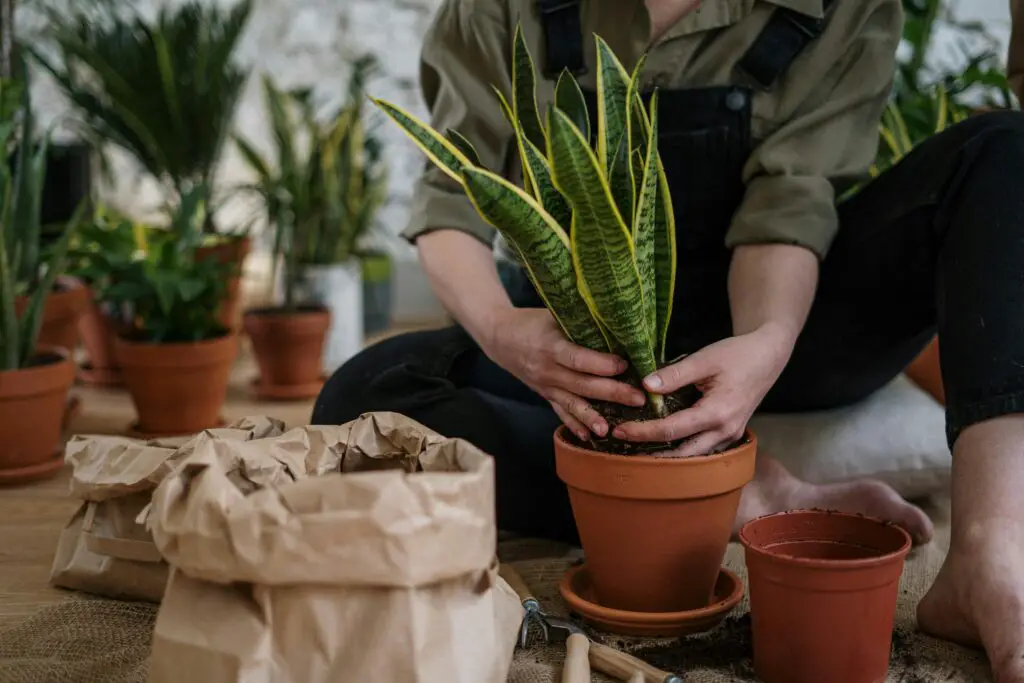

How Growing Plants Improves Physical Health

1. Better Air Quality

Plants act like natural air purifiers. They absorb harmful pollutants like carbon dioxide and release oxygen, making the air fresher and cleaner. Indoor plants like snake plants and pothos are especially good at improving air quality in homes.

2. Access to Nutritious Food

Growing your own fruits, vegetables, and herbs means you get fresh, chemical-free produce. Plus, eating homegrown food is healthier and tastier than store-bought alternatives. Imagine plucking a ripe tomato or fresh basil for your salad—pure joy!

3. A Natural Way to Exercise

Gardening is surprisingly physical. Tasks like digging, planting, weeding, and watering are great for burning calories and strengthening muscles. Unlike a gym, gardening is enjoyable and rewarding—you’re creating life while staying active.
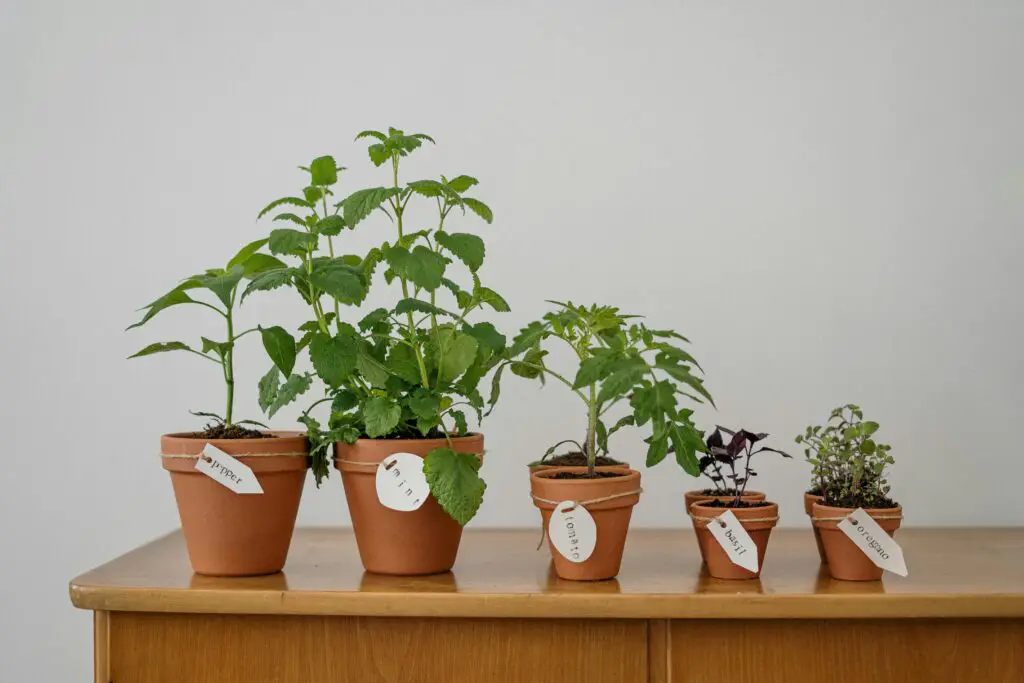

Mental Health Boost from Gardening

1. Stress and Anxiety Relief

There’s something magical about spending time with plants. The simple act of touching soil can reduce stress hormones and help you relax. Gardening works as a natural therapy that soothes the mind and body.

2. Gardening as Therapy

Many therapists recommend gardening to improve mental health. It helps people struggling with depression, PTSD, or anxiety find peace and purpose. Even small steps, like nurturing a tiny plant, bring immense joy.

3. Improved Focus and Creativity

Being around plants has been shown to boost concentration and creativity. Whether you’re working from home or studying, having greenery nearby can sharpen your mind and keep distractions away.
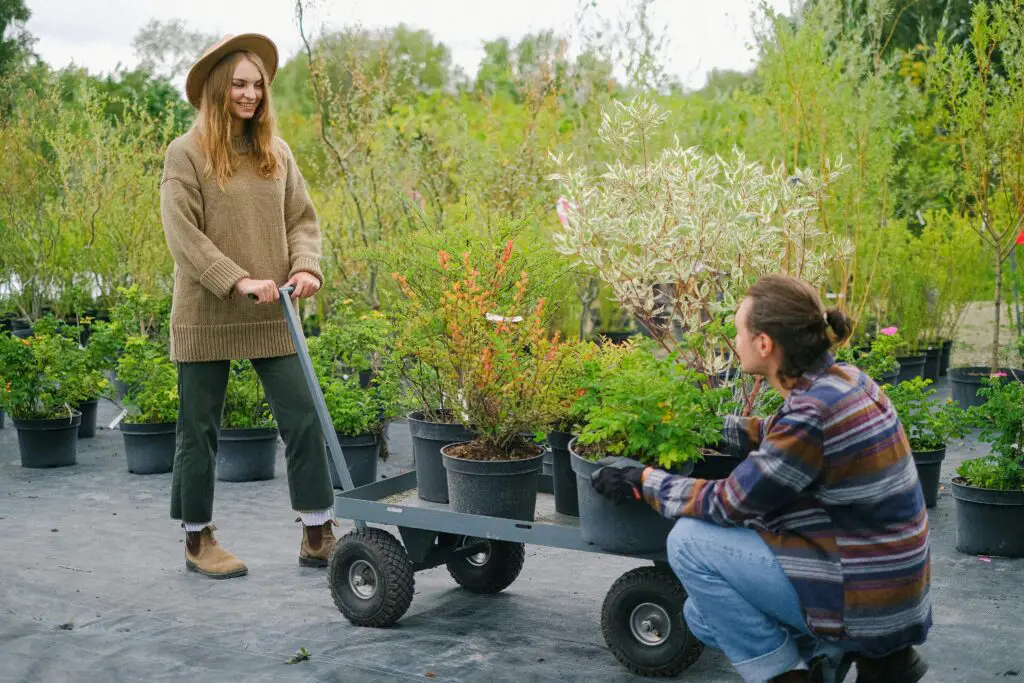

Environmental Benefits of Growing Plants

1. Fighting Pollution

Plants play a crucial role in cleaning the environment. They absorb pollutants, trap dust, and release fresh oxygen, making urban areas more livable.

2. Combatting Climate Change

Every plant you grow helps fight climate change. Trees and shrubs absorb carbon dioxide, a major greenhouse gas, and reduce the overall temperature of the planet.

3. Supporting Biodiversity

Growing a variety of plants in your garden invites bees, butterflies, and birds to thrive. These creatures are vital for pollination, which ensures that plants and crops can reproduce.
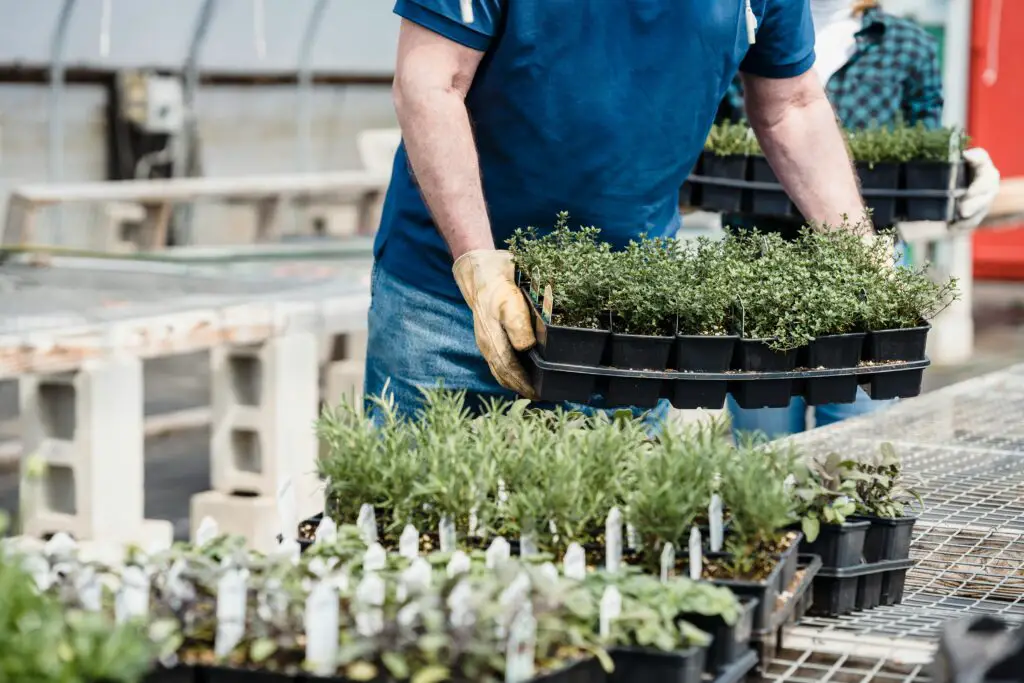

Social and Community Perks

1. Building Stronger Communities

Community gardens bring neighbors together. They provide a space for people to share tips, harvests, and stories while working toward a greener world.

2. Teaching Sustainability

Gardening teaches kids and adults about the importance of sustainability. It’s a hands-on way to understand the value of food, water, and effort in maintaining a healthy ecosystem.

Financial Savings and Sustainability

1. Cutting Grocery Bills

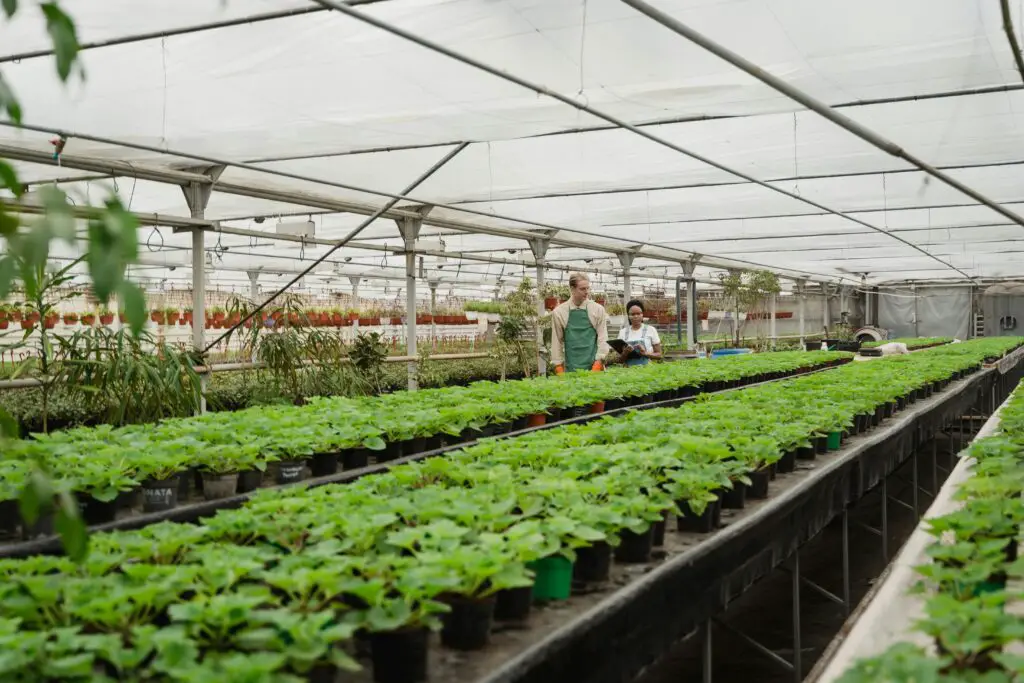
Growing your own produce can save you money. A small vegetable patch can provide a steady supply of seasonal fruits and vegetables.

2. Reducing Waste

Home gardens reduce the need for plastic packaging and long supply chains. It’s a step toward sustainable living that cuts down on waste and promotes self-sufficiency.


Emotional Fulfillment

1. Sense of Achievement

There’s no feeling quite like watching a seed sprout or a flower bloom under your care. Gardening gives you a sense of accomplishment and pride.

2. Reconnecting with Nature

In a fast-paced digital world, gardening is a way to slow down and reconnect with the earth. It’s a reminder of how deeply we’re tied to nature.


How to Get Started with Growing Plants

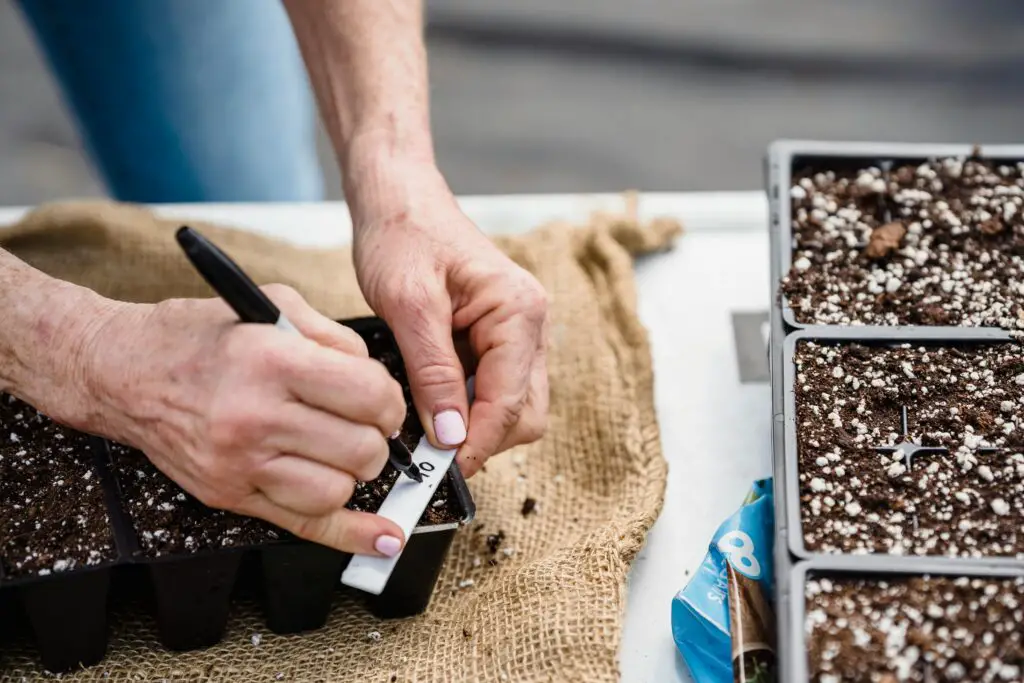
  1. Pick the Right Plants: Choose easy-to-grow options like tomatoes, basil, or succulents if you’re a beginner.
  2. Gather Basic Tools: You’ll need pots, soil, gloves, and watering equipment.
  3. Learn Plant Needs: Some plants love sunlight; others prefer shade. Know your plants’ requirements before planting.
  4. Start Small: Begin with a small area or a few pots to avoid feeling overwhelmed.
  5. Use Eco-Friendly Methods: Opt for compost, organic fertilizers, and natural pest control methods to grow sustainably.
FAQs

1. What are the easiest plants to grow for beginners?

Herbs like basil and mint, vegetables like lettuce, and succulents are great choices for beginners.

2. Can I grow plants in a small space?

Absolutely! Container gardening and vertical gardens are perfect for balconies or limited spaces.

3. How do plants improve mental health?

Caring for plants reduces stress, improves focus, and provides a sense of calm and purpose.


Conclusion

Growing plants is more than just a pastime—it’s a way to nurture your body, mind, and the environment. Whether you’re planting flowers for beauty, vegetables for food, or trees for shade, the benefits ripple through every part of your life. Start small, stay consistent, and watch how something as simple as growing a plant can transform your world.
Continue Reading

Plants and Trees

The Most Valuable Herbs in the World

Published

on

By

The Most Valuable Herbs in the World

Key Takeaways

  • Herbs have been prized for centuries for their healing, culinary, and aromatic properties.
  • Some herbs are incredibly valuable due to their rarity, labor-intensive harvesting, or powerful benefits.
  • This article dives deep into the most valuable herbs globally, covering their uses, origin, and why they’re so precious.

Are you curious about what makes some herbs worth more than gold? Whether you’re a herb enthusiast or just starting your journey, this guide will uncover the secrets of the most valuable herbs in the world. We’ll explore their unique qualities, why they’re in such high demand, and how they’re used.


What Makes Herbs Valuable?

Not all herbs are created equal. The value of a herb depends on several factors:

  1. Rarity: Some herbs are challenging to grow or harvest, making them rare and expensive.
  2. Medicinal Uses: Herbs with proven health benefits often fetch high prices.
  3. Culinary Demand: Flavorful and aromatic herbs are prized in kitchens worldwide.
  4. Cultural Significance: Herbs used in rituals or traditions hold significant value.

Now, let’s dive into the most valuable herbs and see what sets them apart.


Saffron – The Red Gold

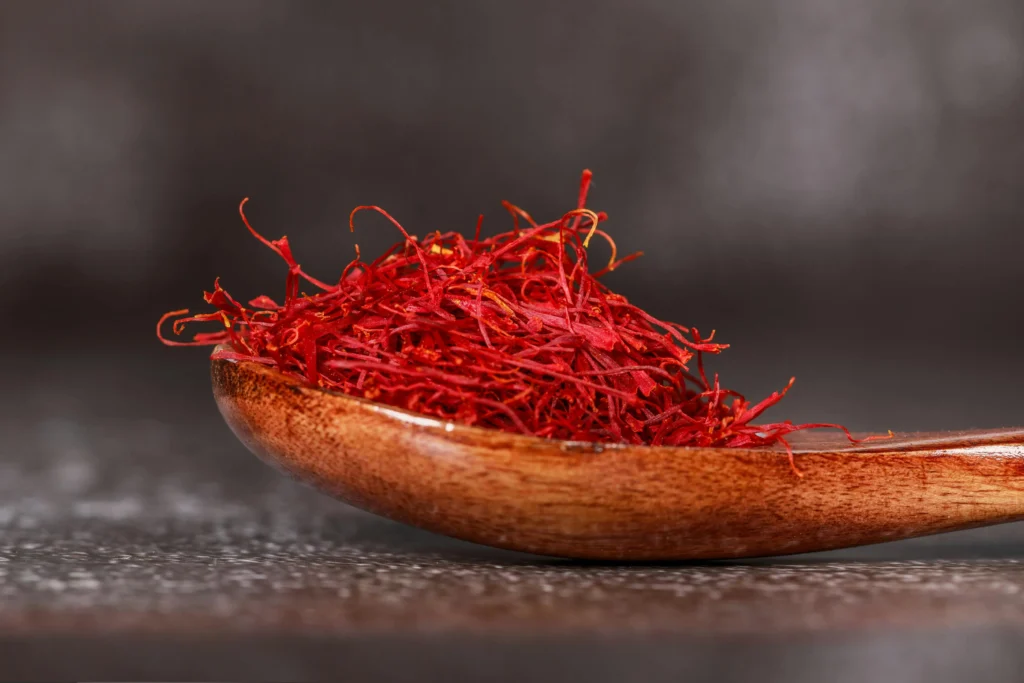
Saffron, often called “red gold,” is the world’s most expensive spice. It comes from the tiny threads of the Crocus sativus flower, primarily grown in Iran, Kashmir, and Spain.

Why Is Saffron So Expensive?

  • Each flower produces only three delicate threads, and it takes about 75,000 flowers to produce just one pound of saffron.
  • The harvesting process is entirely manual, requiring skilled labor.

Uses of Saffron

  • Culinary: Adds a rich aroma and golden hue to dishes like paella and biryani.
  • Medicinal: Known for its mood-boosting, anti-inflammatory, and antioxidant properties.
  • Beauty: Used in skincare for its brightening effects.
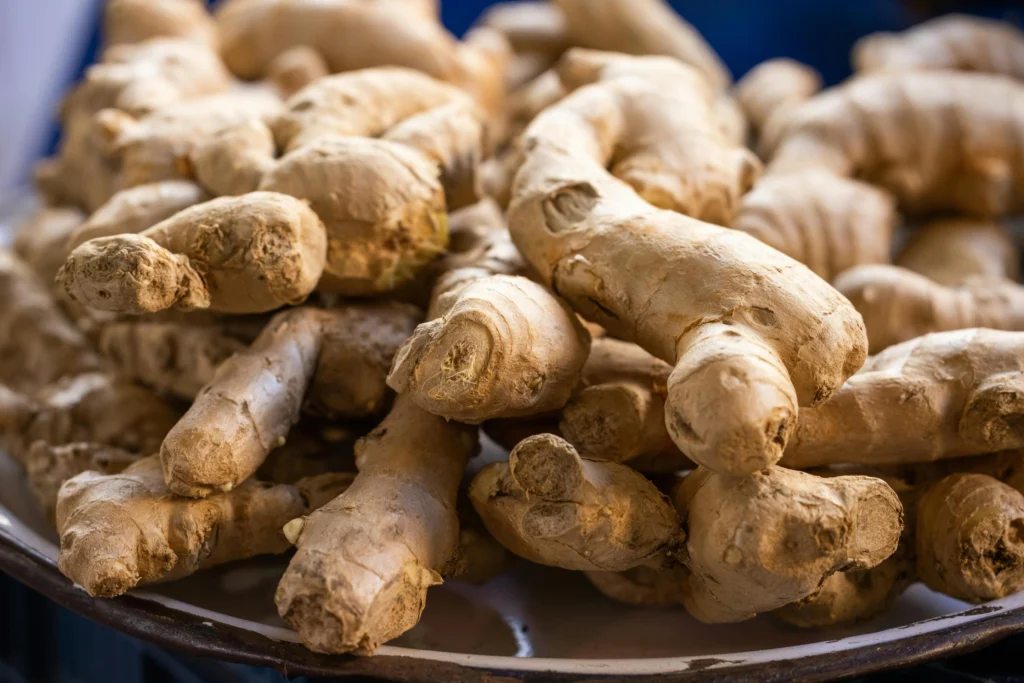
Ginseng – Nature’s Energy Booster

Ginseng is a root herb valued for its health benefits. Two primary types, American Ginseng and Asian Ginseng, dominate the market.

Why Is Ginseng Valuable?

  • Ginseng takes years to mature, and wild-grown varieties are incredibly rare.
  • It’s highly sought after in traditional Chinese medicine.

Benefits of Ginseng

  • Boosts energy and reduces fatigue.
  • Enhances cognitive function and memory.
  • Helps the body fight stress and inflammation.
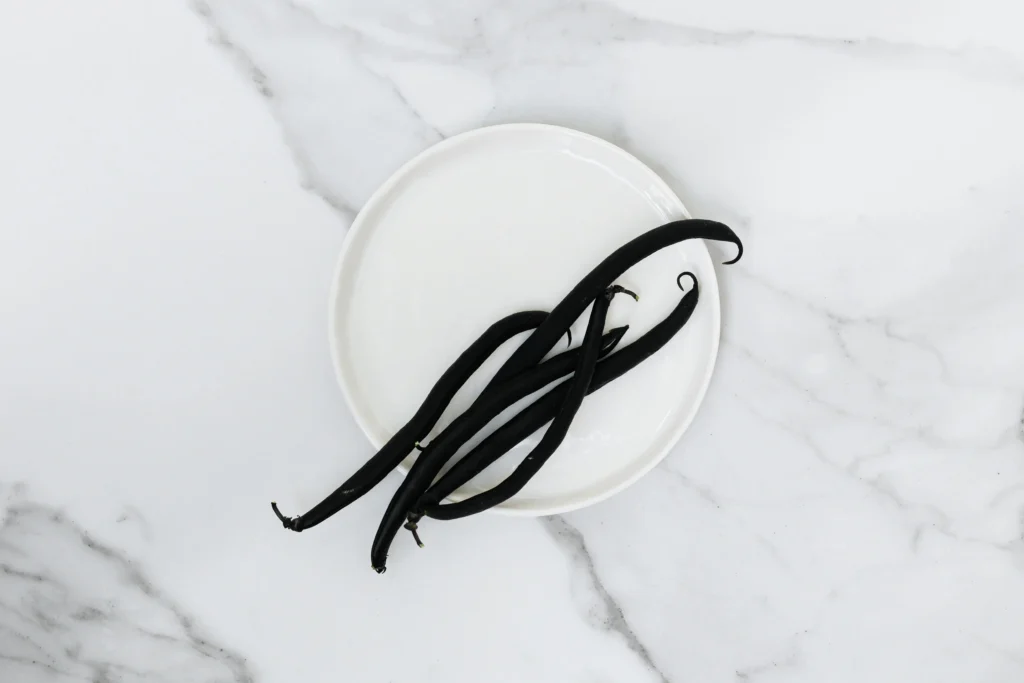
Vanilla – The Sweet Treasure

Vanilla, derived from the pods of the Vanilla planifolia orchid, is a staple in desserts and perfumes.

Why Is Vanilla So Costly?

  • Pollination must be done manually since natural pollinators are rare.
  • The curing process is long and labor-intensive.

Uses of Vanilla

  • Culinary: Adds flavor to cakes, ice creams, and beverages.
  • Fragrance: Used in perfumes and aromatherapy.
  • Medicine: Sometimes used for its calming properties.
Yarsagumba – The Himalayan Gold

Also known as “caterpillar fungus,” Yarsagumba is a rare herb found in the Himalayan region.

Why Is Yarsagumba So Expensive?

  • It grows at high altitudes and only under specific conditions.
  • Harvesting is extremely labor-intensive and risky.

Uses of Yarsagumba

  • Medicinal: Known for boosting energy, immunity, and libido.
  • Cultural: Used in traditional Tibetan and Nepalese medicine.

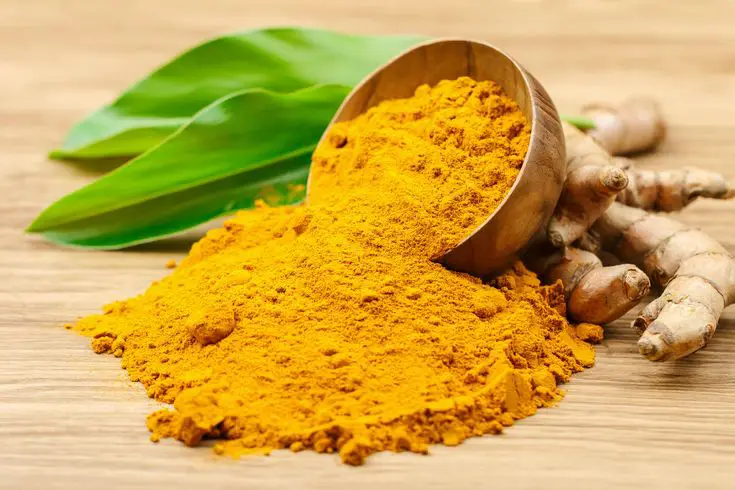
Turmeric – The Golden Spice

Turmeric, a staple in Indian cuisine, is gaining global recognition for its health benefits.

Why Is Turmeric Valuable?

  • Contains curcumin, a compound with potent anti-inflammatory and antioxidant properties.
  • Its demand in health supplements has skyrocketed.

Uses of Turmeric

  • Culinary: Adds a vibrant yellow color and earthy flavor to dishes.
  • Medicinal: Supports joint health, digestion, and skin healing.
  • Beauty: Used in face masks and scrubs for glowing skin.
FAQs

1. Which herb is the most expensive in the world?
Saffron is the most expensive herb due to its labor-intensive harvesting and limited supply.

2. Why are herbs like ginseng and Yarsagumba so valuable?
Their rarity, extensive harvesting process, and proven health benefits drive up their value.

3. Are valuable herbs sustainable?
Some valuable herbs face sustainability challenges due to overharvesting and climate change. Supporting ethical sourcing and fair trade helps protect them.


Conclusion

Herbs like saffron, ginseng, vanilla, Yarsagumba, and turmeric aren’t just everyday plants—they’re treasures with unique qualities that make them highly sought after. Whether they’re used for cooking, healing, or rituals, these herbs are a testament to nature’s incredible bounty.

Explore these herbs with care, and remember to support sustainable and ethical practices to ensure their availability for generations to come.
Continue Reading

Trending