Connect with us

World

Things to Do to Protect the Atmosphere: A Complete Guide

Published

on

Things to do to protect the atmosphere

Key Takeaways

  • Protecting the atmosphere ensures the survival of humans, animals, and plants.
  • Simple actions like reducing waste, planting trees, and using clean energy make a big difference.
  • Governments, organizations, and individuals all play vital roles in saving the atmosphere.

Introduction: Why the Atmosphere Matters

Imagine waking up to a world where clean air is scarce, temperatures are extreme, and nature struggles to survive. The atmosphere—the invisible shield protecting Earth—is under threat from human activities like burning fossil fuels, deforestation, and pollution. If we don’t act now, the consequences could be devastating for generations to come.

But here’s the good news: everyone can help protect the atmosphere. Whether it’s small lifestyle changes or joining global initiatives, your actions matter. Let’s explore practical and effective ways to safeguard the air we all share.


What You Can Do to Protect the Atmosphere

1. Switch to Clean Energy

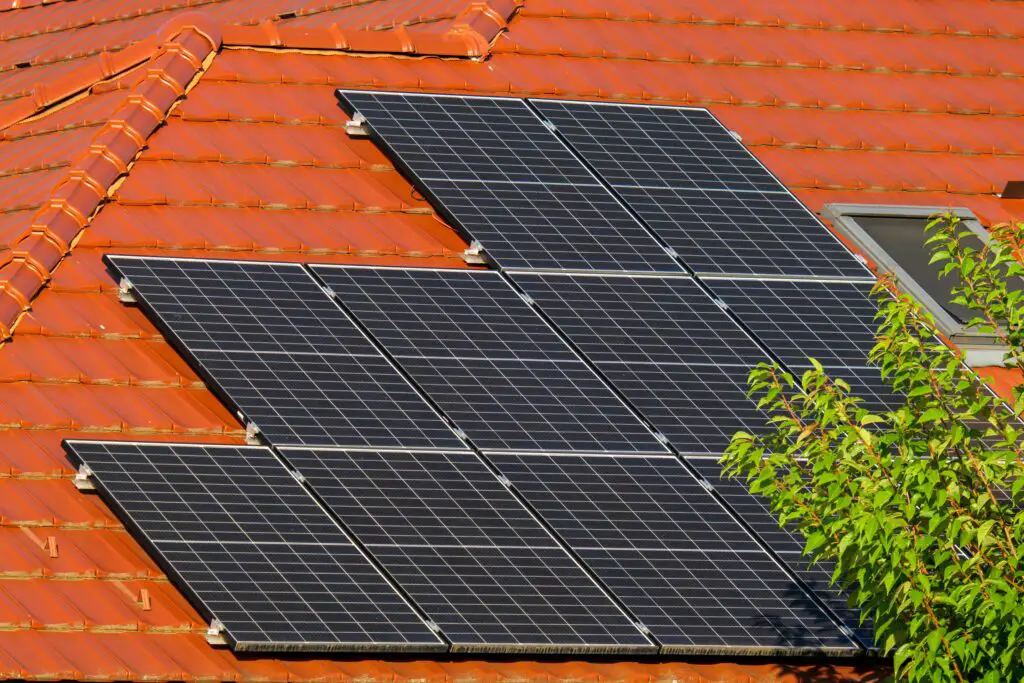
Burning coal, oil, and gas releases harmful gases into the atmosphere. By switching to renewable energy sources like solar, wind, or hydro, you can significantly reduce air pollution.

  • What you can do: Install solar panels at home, or choose energy suppliers that use renewable energy.
  • Why it helps: Clean energy doesn’t release carbon dioxide, a major cause of climate change.
2. Reduce Vehicle Emissions

Cars and trucks contribute a lot to air pollution and greenhouse gas emissions. Reducing your reliance on them can make a big difference.

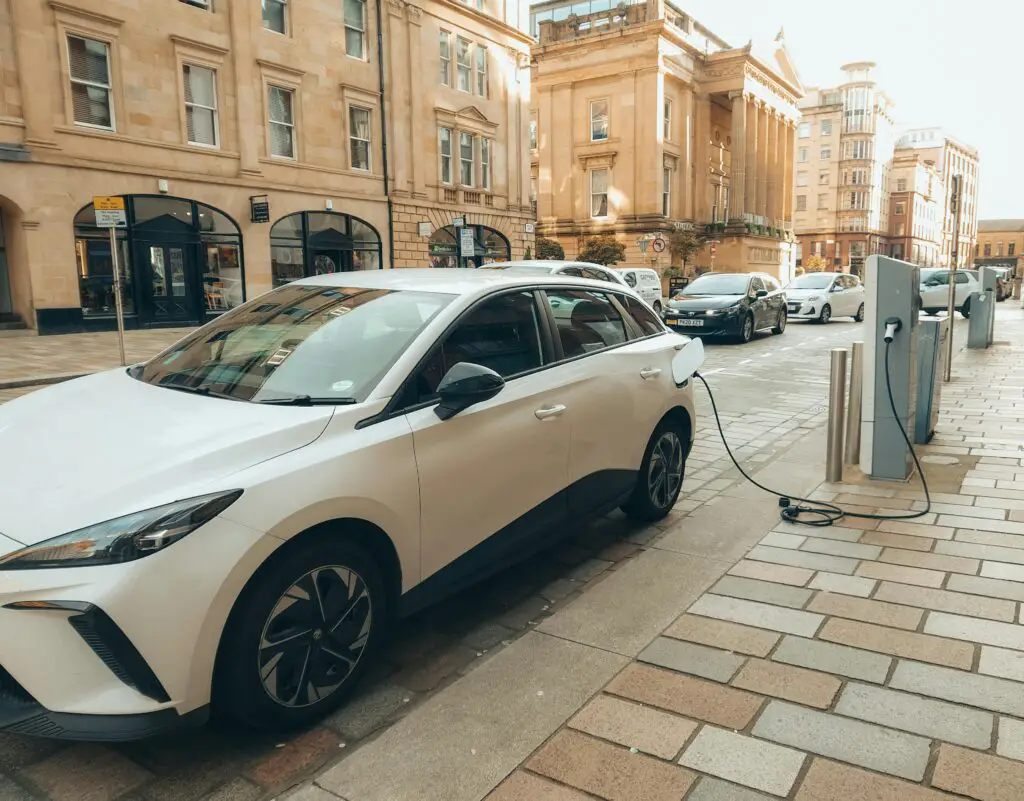
  • What you can do: Walk, bike, carpool, or use public transport. If possible, invest in an electric or hybrid car.
  • Why it helps: Fewer emissions mean cleaner air and a healthier planet.
3. Conserve Energy at Home

Wasting electricity not only increases your bills but also harms the environment. Most electricity comes from burning fossil fuels, which pollute the air.

  • What you can do: Turn off lights and devices when not in use. Use energy-efficient appliances and switch to LED bulbs.
  • Why it helps: Saving energy reduces the demand for power plants to burn fossil fuels.

4. Reduce, Reuse, Recycle

The more waste we create, the more methane (a powerful greenhouse gas) ends up in the atmosphere from landfills.

  • What you can do: Buy reusable products, recycle plastic, and compost organic waste.
  • Why it helps: Recycling reduces pollution and saves natural resources.

5. Plant Trees and Support Reforestation

Trees absorb carbon dioxide and release oxygen, making them essential for a healthy atmosphere.

  • What you can do: Plant trees in your garden or join reforestation projects. Support organizations working to restore forests.
  • Why it helps: More trees mean cleaner air and a more stable climate.

6. Advocate for Green Policies

Big changes often come from collective action. Supporting policies that protect the atmosphere is one way to create lasting change.

  • What you can do: Write to your local representatives or sign petitions supporting clean energy and anti-pollution laws.
  • Why it helps: Governments have the power to enforce large-scale environmental protection measures.
The Role of Global and Community Efforts

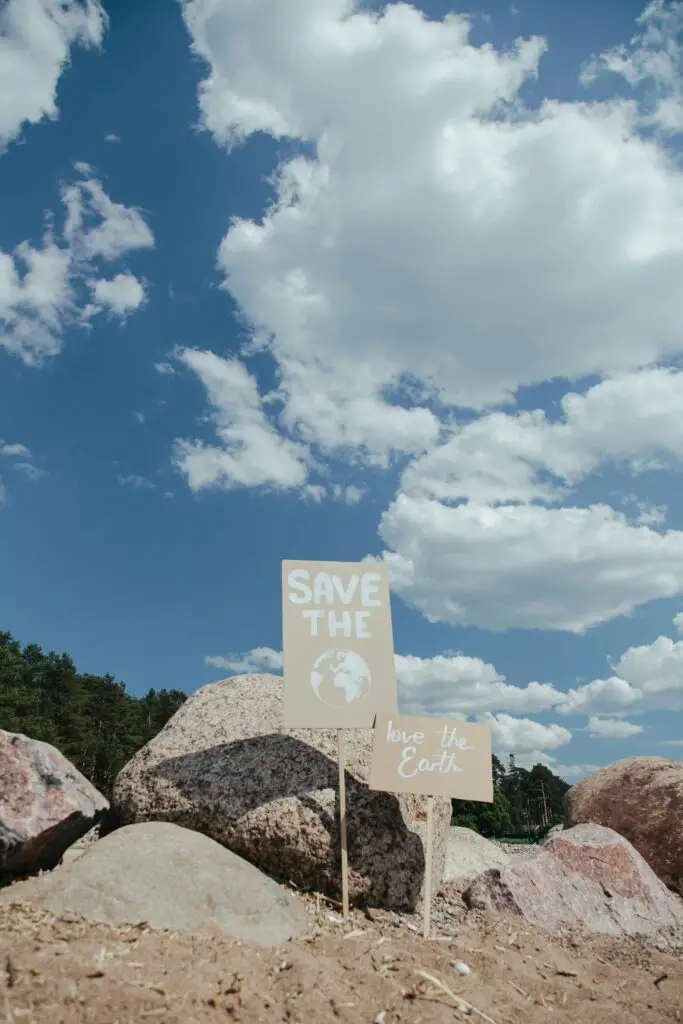
Governments and organizations worldwide are working hard to protect the atmosphere. Agreements like the Paris Accord aim to reduce greenhouse gas emissions and limit global warming. Locally, community initiatives like car-free days and tree-planting drives also contribute.

You can join these efforts by staying informed and participating in events near you. Even small actions like volunteering for clean-up drives or supporting eco-friendly businesses help the cause.


Spreading Awareness

Change begins with knowledge. Many people don’t realize how their everyday actions affect the atmosphere. Educating friends, family, and your community can make a huge impact.

  • Share tips on conserving energy or reducing waste.
  • Organize workshops or discussions about environmental issues.
  • Use social media to spread the word about protecting the atmosphere.
FAQs

1. What’s the biggest threat to the atmosphere?
Burning fossil fuels, deforestation, and industrial pollution are some of the largest threats to the atmosphere.

2. How does planting trees help?
Trees absorb carbon dioxide, one of the main greenhouse gases, and release oxygen. They also provide shade, cool the environment, and prevent soil erosion.

3. Can individuals really make a difference?
Absolutely! Every small action adds up. When individuals adopt eco-friendly habits, it creates a ripple effect that inspires others and reduces overall pollution.

4. What are some easy steps to protect the atmosphere?
Start by conserving energy, reducing waste, planting trees, and switching to renewable energy sources. Every step counts!


Conclusion: Your Role in Protecting the Atmosphere

Protecting the atmosphere isn’t just the job of governments or big organizations—it’s something we all need to do. By making small, sustainable changes in your daily life, you can contribute to a healthier planet. From saving energy to planting trees, your actions matter more than you think.

Together, we can ensure that future generations inherit a world with clean air, stable climates, and thriving ecosystems. So, why not start today? Take that first step toward protecting the atmosphere—it’s easier than you think!

Click to comment

Leave a Reply

Your email address will not be published. Required fields are marked *

World

Top 20 Travel Destinations in Europe

Published

on

By

travel destinations in europe

Quick Answer: Europe offers incredible natural beauty from Iceland’s glaciers to Croatia’s waterfalls. The top 20 destinations include Norway’s fjords, Swiss Alps, Scottish Highlands, Plitvice Lakes, and many more stunning locations perfect for nature enthusiasts seeking adventure and peace.

Key Takeaways

  • Europe has diverse landscapes including mountains, forests, beaches, and lakes
  • Best visiting times vary by destination – summer for Nordic countries, spring/fall for Mediterranean
  • Many destinations are beginner-friendly with accessible trails and facilities
  • Budget options exist alongside luxury experiences
  • Most locations offer activities like hiking, photography, and wildlife watching

Introduction

Are you dreaming of exploring Europe’s most beautiful natural wonders? You’re not alone. Europe is home to some of the world’s most breathtaking landscapes that will leave you speechless.

From the dramatic fjords of Norway to the crystal-clear lakes of Croatia, Europe has something special waiting for you. Whether you’re a beginner hiker or an experienced explorer, these destinations will give you memories that last forever.

We’ve got something for every nature lover! Get ready to discover 20 amazing places that should be on your travel list.


Quick Overview: Top 20 Nature Destinations in Europe

Place NameLocationBest Time to Visit
1. Norwegian FjordsNorwayMay – September
2. Swiss AlpsSwitzerlandJune – September
3. Plitvice LakesCroatiaApril – October
4. Scottish HighlandsScotlandMay – September
5. Lofoten IslandsNorwayJune – August
6. IcelandIcelandJune – August
7. DolomitesItalyJune – September
8. Lake BledSloveniaMay – September
9. Azores IslandsPortugalMay – October
10. Cinque TerreItalyApril – October
11. Black ForestGermanyMay – October
12. Faroe IslandsDenmarkJune – August
13. Lake DistrictEnglandMay – September
14. SantoriniGreeceApril – October
15. Algarve CoastPortugalMay – September
16. TrolltungaNorwayJune – September
17. Giant’s CausewayNorthern IrelandApril – October
18. HallstattAustriaMay – September
19. French AlpsFranceJune – September
20. ZakynthosGreeceMay – October

1. Norwegian Fjords

About

The Norwegian Fjords are located along Norway’s western coast. These deep blue waterways are surrounded by towering cliffs and green mountains. The most famous fjords include Geirangerfjord and Sognefjord.

Highlights

  • Dramatic cliffs rising over 1,000 meters
  • Waterfalls cascading down mountainsides
  • Deep blue waters perfect for boat tours
  • Small villages tucked into the landscape
  • Wildlife including seals and eagles

Experience

You can explore the fjords by taking boat cruises that give you stunning views from the water. Hiking trails offer breathtaking viewpoints. Try kayaking for a closer look at the cliffs and waterfalls. Don’t miss the chance to visit small coastal villages.

Best Time to Visit

Visit between May and September when the weather is mild and all activities are available. Summer gives you long daylight hours to explore more.

Why You Should Visit

The Norwegian Fjords are a true hidden gem that looks like something from a fantasy movie. The peaceful atmosphere and natural beauty will take your breath away.

Travel Tips

  • Book accommodations early, especially in summer
  • Bring layers – weather changes quickly
  • Consider buying a Norway in a Nutshell pass for easy travel
  • Budget around $150-200 per day

2. Swiss Alps

About

The Swiss Alps stretch across Switzerland, offering some of Europe’s most iconic mountain scenery. Popular areas include Zermatt, Interlaken, and Jungfrau region.

Highlights

  • Matterhorn – one of the world’s most photographed mountains
  • Alpine meadows filled with wildflowers
  • Pristine lakes reflecting mountain peaks
  • Charming villages with traditional architecture
  • Year-round activities from skiing to hiking

Experience

Summer brings perfect hiking conditions with well-marked trails for all levels. Take cable cars up to viewing platforms for amazing panoramas. Try paragliding for an unforgettable adventure. Winter transforms the region into a ski paradise.

Best Time to Visit

June to September for hiking and outdoor activities. December to March for winter sports.

Why You Should Visit

The Swiss Alps offer picture-perfect scenery at every turn. It’s a breath of fresh air that will refresh your soul.

Travel Tips

  • Switzerland is expensive – budget $200-300 per day
  • Buy a Swiss Travel Pass for unlimited train travel
  • Book mountain accommodations months in advance
  • Carry sunscreen – UV rays are strong at high altitude

3. Plitvice Lakes National Park

About

Located in Croatia, Plitvice Lakes is a UNESCO World Heritage site featuring 16 terraced lakes connected by waterfalls. The park covers nearly 300 square kilometers of forest and water.

Highlights

  • Turquoise lakes with incredible water clarity
  • 90+ waterfalls of various sizes
  • Wooden walkways allowing close-up views
  • Dense forests home to bears and wolves
  • Unique travertine formations

Experience

Walk along wooden pathways that wind through the lakes and waterfalls. Take an electric boat ride across the largest lake. Explore different hiking trails ranging from 2 to 8 hours. Photography opportunities are endless here.

Best Time to Visit

April to October offers the best weather. Spring brings full waterfalls, while autumn shows beautiful fall colors.

Why You Should Visit

This is nature at its finest – a magical place where water and forest create something truly special. You won’t believe the water colors are real.

Travel Tips

  • Arrive early to avoid crowds
  • Wear comfortable waterproof shoes
  • Entry costs around $25-40 depending on season
  • Stay in nearby Rastoke village for a complete experience

4. Scottish Highlands

About

The Scottish Highlands cover the northern part of Scotland, featuring rugged mountains, deep lochs, and ancient castles. This wild landscape inspired countless legends and stories.

Highlights

  • Loch Ness – home to the famous monster legend
  • Ben Nevis – Britain’s highest mountain
  • Glen Coe – dramatic valley with dark history
  • Wild landscapes untouched by modern development
  • Historic castles dotting the countryside

Experience

Hike through glens and climb munros (mountains over 3,000 feet). Drive the scenic North Coast 500 route. Visit whisky distilleries to taste local spirits. Search for the Loch Ness monster from boat tours.

Best Time to Visit

May to September provides the most pleasant weather, though expect rain anytime. Midges (small insects) are worst in July-August.

Why You Should Visit

The Highlands offer raw, untamed beauty that makes you feel truly alive. Every view looks like a postcard.

Travel Tips

  • Rent a car for flexibility
  • Pack rain gear – it rains often
  • Budget $100-150 per day
  • Stay in B&Bs for authentic Scottish hospitality

5. Lofoten Islands

About

The Lofoten Islands lie above the Arctic Circle in Norway. This archipelago features dramatic peaks rising directly from the sea, fishing villages, and incredible natural light.

Highlights

  • Midnight sun in summer – 24-hour daylight
  • Northern lights in winter
  • Dramatic mountains meeting the ocean
  • Traditional fishing villages with red cabins
  • Arctic wildlife including whales and sea eagles

Experience

Hike mountains with ocean views at every turn. Go surfing in Arctic waters (yes, really!). Take photography tours to capture the unique light. Try sea kayaking among the islands. Join fishing trips with local fishermen.

Best Time to Visit

June to August for midnight sun and warmest weather. September to March for northern lights.

Why You Should Visit

Lofoten is a hidden gem where mountains, ocean, and light create magic. It’s unlike anywhere else on Earth.

Travel Tips

  • Book accommodations 6+ months ahead
  • Rent a car – public transport is limited
  • Budget $150-200 per day
  • Bring warm clothes even in summer

6. Iceland

About

Iceland is an island nation between Europe and North America, famous for its volcanic landscapes, glaciers, hot springs, and waterfalls. It’s known as the “Land of Fire and Ice.”

Highlights

  • Powerful waterfalls like Gullfoss and Skógafoss
  • Blue Lagoon geothermal spa
  • Glaciers covering 11% of the country
  • Black sand beaches with basalt columns
  • Active volcanoes and geysers

Experience

Drive the Golden Circle to see major attractions. Explore ice caves in winter. Hike on glaciers with guides. Relax in natural hot springs. Watch whales and puffins. Hunt for northern lights.

Best Time to Visit

June to August for accessibility and mild weather. Winter for northern lights and ice caves.

Why You Should Visit

Iceland feels like another planet. Every landscape is dramatic and beautiful – you’ll run out of storage space for photos!

Travel Tips

  • Very expensive – budget $200-300 per day
  • Weather changes fast – pack layers
  • Rent a 4×4 for better road access
  • Book everything in advance, especially summer

7. Dolomites

About

The Dolomites are a mountain range in northeastern Italy, known for their unique pale limestone peaks. This UNESCO World Heritage site offers some of Europe’s most stunning alpine scenery.

Highlights

  • Distinctive pale peaks that glow pink at sunset
  • Via ferratas – thrilling climbing routes
  • Alpine meadows with mountain huts
  • Crystal-clear lakes like Lago di Braies
  • Italian-Austrian culture blend

Experience

Hike numerous well-marked trails with refugios (mountain huts) for rest and food. Try via ferrata routes for exciting climbs with safety cables. Drive scenic passes with hairpin turns. Mountain bike through valleys. Enjoy Italian cuisine in alpine settings.

Best Time to Visit

June to September for hiking. December to March for skiing. September offers fewer crowds and beautiful colors.

Why You Should Visit

The Dolomites combine Italian culture with alpine beauty. The dramatic peaks create scenery that doesn’t seem real.

Travel Tips

  • Learn basic Italian phrases
  • Book refugios if doing multi-day hikes
  • Budget $120-180 per day
  • Cortina d’Ampezzo makes a good base

8. Lake Bled

About

Lake Bled sits in the Julian Alps of Slovenia, featuring an island church, medieval castle, and emerald-green water. This small alpine lake is one of Europe’s most photographed spots.

Highlights

  • Church on an island – the only island in Slovenia
  • Medieval castle perched on a cliff
  • Emerald-green lake surrounded by mountains
  • Traditional pletna boats rowed by locals
  • Bled cream cake – famous local dessert

Experience

Row or take a pletna boat to the island and ring the church bell. Hike up to Bled Castle for panoramic views. Walk or cycle around the lake (6 km path). Try the famous Bled cream cake at Park Hotel. Swim in the clean lake water.

Best Time to Visit

May to September offers warmest weather. December brings Christmas markets and winter charm.

Why You Should Visit

Lake Bled looks like a fairytale come to life. It’s peaceful, beautiful, and easy to explore – perfect for beginners.

Travel Tips

  • Very affordable – budget $80-120 per day
  • Base yourself in Bled town
  • Combine with nearby Vintgar Gorge
  • Try to visit on weekdays to avoid crowds

9. Azores Islands

About

The Azores are nine volcanic islands in the middle of the Atlantic Ocean, belonging to Portugal. These remote islands offer dramatic landscapes, hot springs, and unique wildlife.

Highlights

  • Volcanic crater lakes with different colors
  • Hot springs and thermal pools
  • Whale watching – over 20 species visit
  • Green landscapes from abundant rainfall
  • Tea plantations – Europe’s only tea farms

Experience

Go whale and dolphin watching on boat tours. Hike to volcanic crater lakes with stunning views. Swim in natural hot springs heated by volcanic activity. Explore caves and lava tubes. Try canyoning in waterfalls.

Best Time to Visit

May to October for best weather and whale watching. September and October are warmest.

Why You Should Visit

The Azores are a hidden gem that most people haven’t discovered yet. You’ll feel like an explorer finding paradise.

Travel Tips

  • Rent a car on each island
  • São Miguel is best for first-time visitors
  • Budget $100-150 per day
  • Book whale watching tours in advance

10. Cinque Terre

About

Cinque Terre consists of five colorful fishing villages perched on cliffs along Italy’s Ligurian coast. The name means “Five Lands” in Italian.

Highlights

  • Colorful houses built into cliffsides
  • Coastal hiking trails connecting villages
  • Crystal-clear Mediterranean water
  • Terraced vineyards producing local wine
  • Fresh seafood and Italian cuisine

Experience

Hike the scenic coastal path between villages (some sections require fees). Take trains that connect all five towns. Swim in the clear Mediterranean Sea. Try local pesto and focaccia. Watch sunset from village viewpoints.

Best Time to Visit

April to October, avoiding August crowds if possible. September and October offer pleasant weather with fewer tourists.

Why You Should Visit

Cinque Terre combines natural beauty with Italian charm. It’s a breath of fresh air where mountains meet the sea.

Travel Tips

  • Buy a Cinque Terre Card for trails and trains
  • Stay overnight to experience villages after day-trippers leave
  • Budget $120-180 per day
  • Wear good hiking shoes for coastal trails

11. Black Forest

About

The Black Forest (Schwarzwald) is a mountainous region in southwest Germany, famous for dense forests, charming villages, and cuckoo clocks.

Highlights

  • Dense evergreen forests
  • Traditional villages with timber houses
  • Scenic hiking trails through woods
  • Waterfalls like Triberg Falls
  • Local culture – cuckoo clocks and Black Forest cake

Experience

Hike through endless forest trails suitable for all levels. Visit traditional villages selling cuckoo clocks. Try authentic Black Forest cake (Schwarzwälder Kirschtorte). Swim in clear forest lakes. Explore the scenic Schwarzwaldhochstrasse (Black Forest High Road).

Best Time to Visit

May to October for hiking. December for magical Christmas markets.

Why You Should Visit

The Black Forest offers peaceful nature and German culture. It’s perfect if you want to relax and disconnect.

Travel Tips

  • Rent a car for exploring
  • Stay in traditional guesthouses
  • Budget $100-150 per day
  • Freiburg makes an excellent base

12. Faroe Islands

About

The Faroe Islands are 18 volcanic islands between Iceland and Norway, belonging to Denmark. These remote islands feature dramatic cliffs, green hills, and unique culture.

Highlights

  • Sea cliffs among Europe’s highest
  • Waterfalls falling into the ocean
  • Colorful turf-roofed houses
  • Abundant birdlife including puffins
  • Untouched landscapes with few tourists

Experience

Hike to dramatic viewpoints over ocean cliffs. Visit small villages connected by tunnels. Watch puffins and other seabirds. Drive through underwater tunnels between islands. Experience local Faroese culture and cuisine.

Best Time to Visit

June to August for mildest weather and longest days. Bird lovers should visit in summer for puffins.

Why You Should Visit

The Faroe Islands are a true hidden gem that feels like the edge of the world. Raw beauty everywhere you look.

Travel Tips

  • Expensive – budget $200-250 per day
  • Weather changes rapidly – bring layers
  • Rent a car for flexibility
  • Book accommodations well in advance

13. Lake District

About

The Lake District is in northwest England, featuring mountains (called fells), valleys, and beautiful lakes. This inspired poets like William Wordsworth.

Highlights

  • 16 major lakes surrounded by mountains
  • Scafell Pike – England’s highest mountain
  • Charming villages like Grasmere
  • Literary history – Wordsworth and Beatrix Potter
  • Well-maintained hiking paths

Experience

Hike mountains with stunning lake views. Take boat cruises on Windermere and other lakes. Visit historic houses and gardens. Explore quaint villages with tea rooms. Try local Cumberland sausage.

Best Time to Visit

May to September for best weather, though rain is common year-round.

Why You Should Visit

The Lake District offers peaceful English countryside and culture. It’s easy to explore and beginner-friendly.

Travel Tips

  • Base yourself in Keswick or Windermere
  • Public transport is good but car offers more freedom
  • Budget $120-170 per day
  • Pack rain gear – it rains often

14. Santorini

About

Santorini is a Greek island formed by a volcanic eruption, creating its famous caldera and dramatic cliffs. White-washed villages perch on cliff edges overlooking the deep blue Aegean Sea.

Highlights

  • Iconic white buildings with blue domes
  • Dramatic caldera views
  • Volcanic black sand beaches
  • Stunning sunsets in Oia village
  • Ancient ruins at Akrotiri

Experience

Watch the famous sunset from Oia village. Hike from Fira to Oia along the caldera rim. Visit unique red and black sand beaches. Explore wineries producing volcanic wines. Take boat tours to volcanic islands in the caldera.

Best Time to Visit

April to October, with May, September, and October being less crowded than summer.

Why You Should Visit

Santorini combines dramatic natural beauty with Greek island charm. The views will take your breath away.

Travel Tips

  • Book accommodations early for caldera views
  • Rent an ATV or car to explore
  • Budget $150-200 per day
  • Visit Oia in early morning to avoid crowds

15. Algarve Coast

About

The Algarve is Portugal’s southern coast, featuring golden cliffs, hidden beaches, and charming fishing villages. It’s known for its warm climate and beautiful coastline.

Highlights

  • Golden limestone cliffs
  • Hidden beach caves and grottos
  • Crystal-clear Atlantic water
  • Charming coastal towns like Lagos
  • Fresh seafood and Portuguese cuisine

Experience

Explore hidden beaches and sea caves by boat. Hike along dramatic coastal trails. Try water sports like surfing and paddleboarding. Visit traditional fishing villages. Enjoy fresh seafood with ocean views.

Best Time to Visit

May to September for beach weather. April and October are quieter with pleasant temperatures.

Why You Should Visit

The Algarve offers stunning coastal scenery with affordable prices. It’s a breath of fresh air by the ocean.

Travel Tips

  • Rent a car to access hidden beaches
  • Lagos makes a great base
  • Budget $80-130 per day
  • Try fresh grilled sardines

16. Trolltunga

About

Trolltunga (“Troll’s Tongue”) is a dramatic rock formation in Norway, jutting out 700 meters above Lake Ringedalsvatnet. It’s become one of Norway’s most iconic photo spots.

Highlights

  • Dramatic rock ledge over a lake
  • Challenging hike (10-12 hours round trip)
  • Mountain scenery along the trail
  • Rewarding views from the top
  • Sense of achievement

Experience

Complete the challenging but rewarding hike to the rock formation. Take photos on the famous ledge. Enjoy packed lunch with incredible views. Experience Norwegian mountain nature. Camp overnight for sunrise photos.

Best Time to Visit

June to September when the trail is snow-free and safest. July and August are busiest.

Why You Should Visit

Trolltunga offers one of Europe’s most dramatic viewpoints. Standing on the ledge is an unforgettable experience.

Travel Tips

  • Must be fit – it’s a difficult hike
  • Start very early (before 6 AM)
  • Bring plenty of water and food
  • Book guided tours if you’re inexperienced
  • Budget $100-150 for the area

17. Giant’s Causeway

About

The Giant’s Causeway is on the coast of Northern Ireland, featuring about 40,000 interlocking basalt columns created by volcanic activity. It’s a UNESCO World Heritage site.

Highlights

  • Hexagonal basalt columns
  • Unique geological formation
  • Coastal scenery and cliffs
  • Local legends about giants
  • Easy accessibility for all ages

Experience

Walk among the unique rock formations. Learn about the geology and legends at the visitor center. Hike coastal paths with ocean views. Visit nearby Carrick-a-Rede rope bridge. Explore the Causeway Coastal Route.

Best Time to Visit

April to October for best weather. Sunrise or sunset offers the best light and fewer crowds.

Why You Should Visit

The Giant’s Causeway is a natural wonder that looks like it was built by giants. It’s a must-see geological marvel.

Travel Tips

  • Entry to visitor center costs around £13
  • Arrive early or late to avoid tour buses
  • Wear sturdy shoes – rocks can be slippery
  • Budget $100-150 per day for the area

18. Hallstatt

About

Hallstatt is a small village in Austria’s Salzkammergut region, nestled between a mountain and a pristine lake. It’s often called the world’s most beautiful village.

Highlights

  • Picture-perfect lake setting
  • Traditional Alpine architecture
  • Ancient salt mines dating back thousands of years
  • Mountain backdrop with hiking trails
  • Charming town square

Experience

Stroll the picturesque lakeside streets. Visit the world’s oldest salt mine with underground slides. Take boat rides on Hallstätter See. Hike to viewpoints for iconic village photos. Visit the unique bone chapel (Beinhaus).

Best Time to Visit

May to September for warmest weather. September and October offer beautiful fall colors with fewer crowds.

Why You Should Visit

Hallstatt looks like a fairytale village. It’s peaceful, beautiful, and perfect for photography lovers.

Travel Tips

  • Extremely popular – visit early morning or stay overnight
  • Park outside and walk in
  • Budget $150-200 per day
  • Combine with nearby Salzburg

19. French Alps

About

The French Alps stretch across eastern France, featuring Europe’s highest peak (Mont Blanc) and world-class mountain resorts like Chamonix and Annecy.

Highlights

  • Mont Blanc – Western Europe’s highest peak
  • Alpine lakes like Lake Annecy
  • Charming mountain towns
  • Excellent hiking trails
  • French Alpine culture and cuisine

Experience

Ride cable cars to high viewpoints. Hike trails suitable for all levels. Visit beautiful Alpine lakes. Try paragliding with mountain views. Enjoy French mountain cuisine like fondue and raclette.

Best Time to Visit

June to September for summer activities. December to March for world-class skiing.

Why You Should Visit

The French Alps combine stunning natural beauty with excellent infrastructure and delicious French food. You won’t want to leave!

Travel Tips

  • Chamonix and Annecy are great bases
  • Buy a lift pass for multiple cable cars
  • Budget $150-220 per day
  • Learn basic French phrases

20. Zakynthos

About

Zakynthos (Zante) is a Greek island in the Ionian Sea, famous for its incredible Navagio Beach (Shipwreck Beach) and crystal-clear turquoise waters.

Highlights

  • Navagio Beach with shipwreck and white cliffs
  • Blue Caves with incredible water colors
  • Turquoise waters perfect for swimming
  • Sea turtle sanctuary (Caretta caretta)
  • Traditional Greek villages

Experience

Visit the iconic Shipwreck Beach from viewpoints or by boat. Explore the Blue Caves by boat tour. Swim in crystal-clear turquoise water. See loggerhead turtles at Laganas Bay. Watch sunset from cliff-top viewpoints.

Best Time to Visit

May to October for beach weather. June and September are less crowded than July-August.

Why You Should Visit

Zakynthos has some of the most beautiful water colors you’ll ever see. Shipwreck Beach is absolutely breathtaking.

Travel Tips

  • Rent a car or scooter to explore
  • Book boat tours to Shipwreck Beach
  • Budget $100-160 per day
  • Stay in quieter areas away from party zones

Frequently Asked Questions

What is the best month to visit Europe for nature lovers?

May to September is generally the best time for nature destinations in Europe. Summer (June-August) offers the warmest weather and longest days, perfect for hiking and outdoor activities. However, shoulder seasons (May and September) often provide better value, fewer crowds, and pleasant weather. For northern destinations like Norway and Iceland, summer is essential for accessibility.

Which European nature destination is best for beginners?

Lake Bled in Slovenia and Lake District in England are excellent for beginners. Both offer well-marked trails, good infrastructure, and easy accessibility. The Swiss Alps and Cinque Terre also work well for beginners, with options ranging from simple walks to more challenging hikes. These destinations have good public transport and English-speaking locals.

How much should I budget for a nature trip to Europe?

Budget varies by destination. Eastern European locations like Croatia and Slovenia cost $80-120 per day. Central European destinations like Switzerland and Norway range from $150-300 per day. Mediterranean locations like Greece and Portugal fall in between at $100-160 per day. These estimates include accommodation, food, transport, and activities for mid-range travelers.

Do I need special equipment for hiking in Europe?

For most trails, you’ll need good hiking boots, layers of clothing, a waterproof jacket, sunscreen, and a daypack. Bring a reusable water bottle and snacks. More challenging hikes might require trekking poles. For via ferratas in the Dolomites or glacier hiking in Iceland, you’ll need specialized gear often provided by tour companies.

Are European nature destinations family-friendly?

Yes! Many European nature destinations welcome families. Lake Bled, Swiss Alps (lower elevations), Lake District, and Cinque Terre are excellent for children. Most have easy trails, playgrounds, and family-friendly accommodations. The Giant’s Causeway and Plitvice Lakes offer relatively easy walks suitable for kids.

Can I visit these destinations without a car?

Some destinations have excellent public transport (Swiss Alps, Lake District, Cinque Terre), making them accessible without a car. However, remote locations like Lofoten Islands, Scottish Highlands, Faroe Islands, and Algarve are much easier to explore with a rental car. Research specific destinations before deciding.

What’s the most underrated nature destination in Europe?

The Azores Islands are incredibly underrated. Most travelers haven’t heard of them, yet they offer volcanic landscapes, whale watching, hot springs, and lush greenery. The Faroe Islands and Albania’s Accursed Mountains are also overlooked gems worth exploring.


Conclusion

Europe’s natural beauty is truly remarkable. From Norway’s dramatic fjords to Greece’s turquoise waters, these 20 destinations offer something special for every nature lover.

Whether you’re looking for challenging mountain hikes, peaceful lake views, or stunning coastal scenery, Europe has it all. Most destinations are accessible for beginners, and many won’t break your budget.

Remember to plan ahead, book accommodations early for popular spots, and always respect nature by following Leave No Trace principles. Each destination offers unique experiences that will create memories lasting a lifetime.


Start Planning Your Trip Today!

Which destination caught your eye? Pick one or two spots that match your interests and start planning your nature adventure. Don’t wait – some of these hidden gems won’t stay hidden forever!

Share this post with friends who love nature and start planning your European adventure together!

Continue Reading

World

25 Best Most Beautiful Nature Destinations in the World

Published

on

By

25 best most beautiful nature destinations in the world

Looking for the world’s most stunning natural wonders? Our planet is filled with breathtaking landscapes that will leave you speechless. From towering mountains to pristine beaches, these 25 destinations showcase nature at its finest and offer unforgettable experiences for every type of traveler.

Key Takeaways

  • Explore 25 stunning nature destinations across all seven continents
  • Discover the best time to visit each location for optimal weather
  • Learn what makes each destination unique and worth visiting
  • Get practical travel tips for planning your nature adventure
  • Find destinations suitable for beginners and experienced travelers alike
  • Experience diverse landscapes from glaciers to tropical rainforests

Introduction

Have you ever dreamed of standing before a massive waterfall, hiking through ancient forests, or watching the sunset over crystal-clear waters? You’re not alone. Nature has a special way of making us feel alive, peaceful, and connected to something bigger than ourselves.

The world is packed with incredible natural wonders waiting to be explored. Whether you’re a seasoned adventurer or someone who’s just starting to appreciate the great outdoors, there’s a perfect destination calling your name.

In this guide, we’ve handpicked 25 of the most beautiful nature destinations across the globe. From the icy landscapes of Antarctica to the lush rainforests of South America, we’ve got something for every nature lover! Each destination offers its own magic, and we’ll help you discover what makes them special, when to visit, and how to make the most of your trip.

Ready to start your journey? Let’s dive in!


Quick Reference Table

DestinationLocationBest Time to Visit
1. Banff National ParkCanadaJune-September
2. SantoriniGreeceApril-October
3. PatagoniaArgentina/ChileDecember-February
4. IcelandNorthern EuropeJune-August
5. New ZealandOceaniaDecember-February
6. Norwegian FjordsNorwayMay-September
7. Swiss AlpsSwitzerlandJune-September
8. Amazon RainforestBrazilJune-November
9. Great Barrier ReefAustraliaJune-October
10. Plitvice LakesCroatiaApril-October
11. Yosemite National ParkUSAApril-October
12. Serengeti National ParkTanzaniaJune-October
13. ZhangjiajieChinaApril-November
14. FiordlandNew ZealandDecember-April
15. CappadociaTurkeyApril-June, September-November
16. Victoria FallsZambia/ZimbabweFebruary-May
17. Scottish HighlandsScotlandMay-September
18. YellowstoneUSAApril-October
19. BaliIndonesiaApril-October
20. Torres del PaineChileOctober-April
21. MaldivesIndian OceanNovember-April
22. Grand CanyonUSAMarch-May, September-November
23. FjällrävenSwedenJune-September
24. Lake BledSloveniaMay-September
25. Galápagos IslandsEcuadorDecember-May

1. Banff National Park

About

Located in the Canadian Rockies of Alberta, Banff National Park is Canada’s oldest national park and one of the most visited destinations in North America. Established in 1885, this stunning wilderness area covers over 6,600 square kilometers of mountain terrain.

Highlights

  • Turquoise glacial lakes including Lake Louise and Moraine Lake
  • Towering mountain peaks reaching over 3,000 meters
  • Abundant wildlife including elk, bears, and mountain goats
  • The famous Banff hot springs
  • Pristine forests and meadows filled with wildflowers

Experience

You’ll love exploring the countless hiking trails that range from easy lakeside walks to challenging mountain climbs. In winter, the park transforms into a snowy wonderland perfect for skiing and snowboarding. Don’t miss the chance to soak in the natural hot springs after a long day of adventure. Photography lovers will find endless opportunities, especially at sunrise when the lakes reflect the mountains like mirrors.

Best Time to Visit

June to September offers the warmest weather and access to all hiking trails. July and August are peak tourist season with pleasant temperatures. For winter sports enthusiasts, December through March is ideal for skiing and ice skating.

Why You Should Visit

Banff is a true hidden gem that combines accessibility with raw natural beauty. It’s beginner-friendly with well-marked trails and modern facilities, yet wild enough to feel like a real adventure. The combination of mountains, lakes, and forests creates landscapes you won’t find anywhere else.

Travel Tips

  • Book accommodations well in advance, especially for summer visits
  • Consider purchasing a Parks Canada Discovery Pass
  • Bring layers – mountain weather changes quickly
  • Rent a car for easy access to different areas
  • Watch for wildlife but maintain safe distances
  • Budget around $100-200 per day including accommodation

Learn more about Banff National Park


2. Santorini

About

Santorini is a volcanic island in the Aegean Sea, part of Greece’s Cyclades islands. This crescent-shaped paradise was formed by a massive volcanic eruption thousands of years ago, creating the dramatic cliffs and caldera views that make it famous today.

Highlights

  • Iconic white-washed buildings with blue-domed roofs
  • Stunning sunset views from Oia village
  • Black, red, and white volcanic beaches
  • Crystal-clear Mediterranean waters
  • Ancient ruins and archaeological sites

Experience

Walking through the narrow streets of Oia and Fira feels like stepping into a postcard. You can swim at unique volcanic beaches, explore ancient Akrotiri ruins, or take a boat tour around the caldera. The island’s wineries offer tastings of local varieties grown in volcanic soil. Evening brings the world’s most photographed sunsets – trust us, they’re worth the hype!

Best Time to Visit

April to October provides warm, sunny weather perfect for beach activities. May and September offer pleasant temperatures with fewer crowds than peak summer. June through August is busiest but also warmest for swimming.

Why You Should Visit

Santorini perfectly blends natural beauty with cultural charm. It’s not just about pretty views – the island tells a story of volcanic forces shaping landscapes and human resilience. Plus, it’s surprisingly easy to navigate, making it perfect for first-time travelers to Greece.

Travel Tips

  • Book sunset viewing spots in advance during peak season
  • Wear comfortable shoes for cobblestone streets
  • Try local specialties like fava and tomatokeftedes
  • Consider staying in Fira for budget-friendly options
  • Rent an ATV to explore the island independently
  • Budget $150-300 per day

Explore Santorini tourism


3. Patagonia

About

Patagonia spans the southern regions of both Argentina and Chile, covering roughly 1 million square kilometers of diverse terrain. This remote wilderness represents one of Earth’s last truly wild places, where nature dominates and human presence feels small.

Highlights

  • Massive glaciers including the famous Perito Moreno
  • Jagged mountain peaks of the Andes
  • Vast steppes and grasslands
  • Unique wildlife like guanacos and condors
  • Pristine lakes with impossibly blue water

Experience

Patagonia is an adventurer’s paradise. You can trek the famous W Circuit in Torres del Paine, kayak among icebergs, or simply marvel at glaciers calving into turquoise lakes. The region offers everything from gentle day hikes to multi-day expeditions. Wildlife watching is spectacular – you might spot penguins, sea lions, and even whales depending on the season and location.

Best Time to Visit

December to February (summer in the Southern Hemisphere) offers the warmest weather and longest days. March and November provide shoulder season advantages with fewer tourists and still decent weather.

Why You Should Visit

Patagonia represents nature on a grand scale. The landscapes here make you feel tiny in the best way possible. It’s a place that challenges you, inspires you, and stays with you forever. If you’re looking for that once-in-a-lifetime nature experience, this is it.

Travel Tips

  • Pack for all seasons – weather changes rapidly
  • Book tours and accommodations months in advance
  • Bring quality hiking boots and waterproof gear
  • Consider guided tours for glacier walking
  • Budget $100-250 per day depending on activities
  • Learn basic Spanish phrases

Discover Patagonia


4. Iceland

About

Iceland sits in the North Atlantic Ocean, just below the Arctic Circle. This island nation is a geological wonderland where fire and ice coexist, creating landscapes unlike anywhere else on Earth. With a population of just 360,000, nature truly dominates here.

Highlights

  • Active volcanoes and geothermal hot springs
  • Massive glaciers and ice caves
  • Powerful waterfalls like Gullfoss and Seljalandsfoss
  • The magical Northern Lights (Aurora Borealis)
  • Black sand beaches and basalt columns
  • Geysers shooting boiling water skyward

Experience

Driving Iceland’s Ring Road takes you through constantly changing scenery. You can bathe in the famous Blue Lagoon, explore ice caves inside glaciers, or chase waterfalls (there are hundreds!). Summer brings the midnight sun, while winter offers Northern Lights hunting. The country is incredibly safe and easy to navigate, making it perfect for independent travelers.

Best Time to Visit

June to August offers mild weather, the midnight sun, and access to highland roads. September through March is ideal for Northern Lights, though weather is colder and some areas become inaccessible.

Why You Should Visit

Iceland feels like another planet. Where else can you stand between two continental plates, walk behind a waterfall, and soak in a natural hot spring all in one day? It’s a nature lover’s dream that’s also surprisingly beginner-friendly with good infrastructure.

Travel Tips

  • Rent a 4WD vehicle for flexibility
  • Don’t miss the Golden Circle route
  • Bring waterproof clothing year-round
  • Book the Blue Lagoon in advance
  • Groceries are expensive – consider bringing snacks
  • Budget $150-300 per day
  • Download offline maps

Visit Iceland


5. New Zealand

About

New Zealand consists of two main islands in the southwestern Pacific Ocean. Known as “Aotearoa” in Māori, this country packs incredible diversity into a relatively small area. From subtropical beaches to snow-capped mountains, you’ll find it all here.

Highlights

  • Dramatic fjords of Milford Sound and Doubtful Sound
  • Geothermal wonders in Rotorua
  • Snow-capped Southern Alps
  • Pristine beaches and coastal walks
  • Ancient rainforests and glow-worm caves
  • Unique wildlife found nowhere else

Experience

New Zealand is an outdoor playground. You can bungee jump in Queenstown, hike the famous Tongariro Alpine Crossing, kayak in Abel Tasman, or simply relax on beautiful beaches. The country offers excellent infrastructure, making it easy to explore independently. Lord of the Rings fans will recognize many filming locations throughout both islands.

Best Time to Visit

December to February (summer) provides warmest weather for beach and hiking activities. March to May offers beautiful autumn colors and fewer crowds. June to August is perfect for skiing and snowboarding.

Why You Should Visit

New Zealand combines incredible natural diversity with friendly people and excellent facilities. It’s safe, English-speaking, and designed for travelers. Whether you want relaxation or adventure, you’ll find it here.

Travel Tips

  • Rent a campervan for the ultimate road trip
  • Book the Milford Sound cruise in advance
  • Don’t rush – both islands deserve time
  • Try traditional Māori hangi food
  • Sandflies can be annoying – bring repellent
  • Budget $100-200 per day

Explore New Zealand


6. Norwegian Fjords

About

Norway’s western coast is carved by hundreds of deep fjords – narrow inlets surrounded by steep cliffs. These natural wonders were created by glaciers over millions of years. The fjord region stretches from Stavanger in the south to the Arctic Circle in the north.

Highlights

  • Deep blue waters surrounded by towering cliffs
  • Dramatic waterfalls cascading from mountain heights
  • Charming villages nestled along fjord shores
  • Opportunities for glacier hiking
  • Spectacular viewpoints like Preikestolen (Pulpit Rock)
  • Northern Lights in winter months

Experience

Cruising through the fjords is breathtaking – you’ll feel dwarfed by the massive cliffs rising from the water. Popular activities include hiking to famous viewpoints, kayaking on calm fjord waters, and taking the scenic Flåm Railway. You can visit traditional stave churches and experience authentic Norwegian culture in small villages.

Best Time to Visit

May to September offers the best weather and longest days. June and July provide mild temperatures and blooming wildflowers. September brings autumn colors and fewer tourists.

Why You Should Visit

The Norwegian fjords offer nature on a grand scale. The combination of water, mountains, and waterfalls creates scenery that photographs can’t fully capture. It’s a peaceful, almost spiritual experience that reminds you how powerful nature can be.

Travel Tips

  • Consider a fjord cruise for easy sightseeing
  • Book the Flåm Railway tickets in advance
  • Pack layers and rain gear
  • Norway is expensive – budget accordingly
  • Many activities are free (hiking, viewpoints)
  • Budget $150-300 per day

Discover Norwegian Fjords


7. Swiss Alps

About

The Swiss Alps cover roughly 65% of Switzerland’s total area. These majestic mountains have been attracting visitors for centuries with their perfect combination of natural beauty and Swiss efficiency. The region includes famous peaks like the Matterhorn and Jungfrau.

Highlights

  • Iconic mountain peaks including the Matterhorn
  • Pristine alpine lakes with crystal-clear water
  • Charming mountain villages and chalets
  • Extensive network of hiking trails
  • World-class ski resorts
  • Scenic train journeys like the Glacier Express

Experience

The Swiss Alps offer four-season beauty. Summer brings wildflower-covered meadows perfect for hiking, while winter transforms the region into a snowy paradise for skiing. You can ride cable cars to mountain tops, take scenic train journeys, or simply relax lakeside enjoying the views. The infrastructure here is excellent, making even remote areas easily accessible.

Best Time to Visit

June to September for hiking and summer activities with warm weather. December to March for winter sports and snow-covered landscapes. Spring and fall offer quieter periods with lower prices.

Why You Should Visit

The Swiss Alps represent mountain beauty at its finest. Clean air, well-maintained trails, efficient transportation, and stunning scenery combine to create an unforgettable experience. It’s perfect for travelers who want wilderness with comfort.

Travel Tips

  • Purchase a Swiss Travel Pass for unlimited train travel
  • Stay in mountain villages for authentic experiences
  • Try traditional Swiss fondue
  • Hiking trails are well-marked and maintained
  • Switzerland is expensive – budget carefully
  • Budget $200-400 per day

Visit Switzerland


8. Amazon Rainforest

About

The Amazon Rainforest spans nine countries in South America, with Brazil containing about 60% of this massive ecosystem. It’s the world’s largest tropical rainforest, covering approximately 5.5 million square kilometers. Often called “the lungs of the Earth,” it produces 20% of the world’s oxygen.

Highlights

  • Incredible biodiversity with millions of species
  • The mighty Amazon River and its tributaries
  • Dense jungle canopy teeming with life
  • Indigenous communities preserving ancient traditions
  • Colorful birds, monkeys, sloths, and exotic wildlife
  • Unique pink river dolphins

Experience

Exploring the Amazon is unlike any other adventure. You’ll typically stay in jungle lodges or take river cruises, venturing out on guided walks and canoe trips. Listen to the symphony of jungle sounds at night, spot wildlife from canopy walkways, and learn about medicinal plants from local guides. Piranha fishing and nighttime caiman spotting are popular activities.

Best Time to Visit

June to November (dry season) offers easier hiking and better wildlife spotting. December to May (wet season) brings higher water levels, allowing deeper jungle exploration by boat.

Why You Should Visit

The Amazon represents nature’s raw power and diversity. It’s humbling to realize how much life exists in this ecosystem. This experience will change how you view our planet and the importance of conservation.

Travel Tips

  • Book reputable tour operators for safety
  • Get required vaccinations and malaria prevention
  • Bring insect repellent and lightweight clothing
  • Rubber boots are essential for jungle walks
  • Respect local communities and wildlife
  • Budget $150-300 per day including lodge stays

Learn about Amazon tours


9. Great Barrier Reef

About

Located off the coast of Queensland, Australia, the Great Barrier Reef is the world’s largest coral reef system. Stretching over 2,300 kilometers, it’s the only living thing visible from space. This UNESCO World Heritage site contains approximately 2,900 individual reefs and 900 islands.

Highlights

  • Vibrant coral formations in countless colors
  • Over 1,500 species of tropical fish
  • Sea turtles, dolphins, and reef sharks
  • Crystal-clear turquoise waters
  • Pristine white sand islands
  • Seasonal whale migrations

Experience

Snorkeling or diving the Great Barrier Reef is like entering another world. You’ll swim among colorful fish, spot sea turtles gliding past, and marvel at intricate coral formations. Options range from day trips to liveaboard boats for multi-day adventures. Glass-bottom boat tours work great if you prefer staying dry. Many islands offer beach relaxation between reef excursions.

Best Time to Visit

June to October provides optimal conditions with calm seas, good visibility, and pleasant temperatures. November to May brings warmer water but also stinger season (protective suits required).

Why You Should Visit

The Great Barrier Reef is a natural wonder that’s unfortunately threatened by climate change. Seeing this incredible ecosystem now is both a privilege and a reminder of what we need to protect. The underwater beauty here is simply unmatched.

Travel Tips

  • Cairns and Port Douglas are main gateway towns
  • Book reef tours in advance during peak season
  • Choose eco-certified operators supporting reef conservation
  • Bring reef-safe sunscreen
  • Consider getting diving certified beforehand
  • Budget $150-250 per day

Explore the Great Barrier Reef


10. Plitvice Lakes National Park

About

Located in central Croatia, Plitvice Lakes National Park is the country’s oldest and largest national park. Established in 1949, it features 16 terraced lakes connected by waterfalls. The park’s unique geology creates natural dams that formed these stunning lakes over thousands of years.

Highlights

  • 16 interconnected turquoise and emerald lakes
  • Numerous waterfalls ranging from small cascades to large drops
  • Wooden walkways allowing close-up views
  • Ancient forests surrounding the lakes
  • Diverse wildlife including bears, wolves, and rare birds
  • Ever-changing colors depending on minerals and organisms

Experience

Walking through Plitvice feels magical. Wooden pathways take you over and around the crystal-clear waters, offering stunning views at every turn. The sound of waterfalls accompanies your entire journey. Well-marked trails range from short 2-hour walks to full-day hikes. Electric boats ferry visitors across the largest lake, adding to the adventure.

Best Time to Visit

April to October offers the best weather and access to all trails. May and June feature high water flow and blooming vegetation. September provides beautiful autumn colors with fewer crowds than summer.

Why You Should Visit

Plitvice is a hidden gem that rivals more famous destinations. It’s relatively affordable, easy to navigate, and absolutely stunning. The park feels both peaceful and dramatic – perfect for nature lovers seeking something special without extreme adventure.

Travel Tips

  • Arrive early to avoid crowds, especially in summer
  • Wear comfortable waterproof shoes
  • Bring your camera – photo opportunities are endless
  • Swimming is not allowed in the lakes
  • Stay in nearby villages for better prices
  • Budget $50-100 per day

Visit Plitvice Lakes


11. Yosemite National Park

About

Yosemite National Park sits in California’s Sierra Nevada mountains, covering nearly 1,200 square miles. Established in 1890, it’s one of America’s most beloved national parks. The park is famous for its massive granite cliffs, giant sequoia trees, and spectacular waterfalls.

Highlights

  • Iconic granite formations like Half Dome and El Capitan
  • Stunning waterfalls including Yosemite Falls (North America’s tallest)
  • Giant sequoia groves with trees thousands of years old
  • Glacier Point offering panoramic valley views
  • Clear mountain streams and meadows
  • Excellent rock climbing opportunities

Experience

Yosemite offers something for everyone. Easy valley floor walks let you admire towering cliffs and waterfalls. More adventurous visitors can hike to the top of Half Dome or backpack through the wilderness. Spring brings thundering waterfalls from snowmelt, while fall offers beautiful colors and fewer crowds. Wildlife spotting includes black bears, deer, and countless bird species.

Best Time to Visit

April to October provides the best access and weather. Late spring (May-June) features peak waterfall flow. September and October offer pleasant weather with smaller crowds.

Why You Should Visit

Yosemite showcases nature’s grandeur like few places can. Standing in the valley surrounded by massive granite walls creates an unforgettable sense of scale. It’s accessible yet wild, crowded yet vast enough to find solitude.

Travel Tips

  • Book accommodations well in advance (up to a year)
  • Use the free shuttle system in Yosemite Valley
  • Secure permits early for popular hikes like Half Dome
  • Store food properly to avoid bear encounters
  • Visit midweek to avoid weekend crowds
  • Budget $100-200 per day

Explore Yosemite


12. Serengeti National Park

About

The Serengeti ecosystem in Tanzania covers approximately 30,000 square kilometers of African savanna. The national park, established in 1951, is home to the world’s largest terrestrial mammal migration and represents Africa’s wildlife at its finest.

Highlights

  • The Great Migration of over 1.5 million wildebeest
  • Africa’s “Big Five” (lions, elephants, leopards, rhinos, buffalo)
  • Endless golden grasslands stretching to the horizon
  • Dramatic predator-prey interactions
  • Over 500 bird species
  • Ancient rock formations and kopjes

Experience

Safari game drives through the Serengeti create memories that last forever. You’ll watch lions lounging under trees, elephants marching across plains, and countless zebras grazing peacefully. The Great Migration (usually July-October) is nature’s most spectacular show. Hot air balloon safaris offer bird’s-eye views at sunrise. Staying in safari camps lets you fall asleep to lions roaring in the distance.

Best Time to Visit

June to October (dry season) offers the best wildlife viewing as animals gather around water sources. January to March brings calving season with baby animals. The migration timing varies by location within the park.

Why You Should Visit

The Serengeti represents Africa in its purest form. Witnessing wildlife in this vast, unspoiled landscape reminds us of Earth’s incredible natural heritage. It’s a humbling, awe-inspiring experience that everyone should have.

Travel Tips

  • Book with reputable safari companies
  • Bring binoculars and a good camera with zoom lens
  • Pack neutral-colored clothing
  • Follow your guide’s safety instructions always
  • Respect wildlife by maintaining distance
  • Budget $300-600 per day including accommodation

Discover the Serengeti


13. Zhangjiajie National Forest Park

About

Located in China’s Hunan Province, Zhangjiajie National Forest Park is famous for its towering sandstone pillars. These unique formations, some reaching over 200 meters high, inspired the floating mountains in the movie “Avatar.” The park became China’s first national forest park in 1982.

Highlights

  • Thousands of quartzite sandstone pillars
  • Glass walkways attached to cliff faces
  • The world’s longest and highest glass bridge
  • Foggy mornings creating mystical atmospheres
  • Ancient cable cars offering aerial views
  • Lush subtropical vegetation

Experience

Exploring Zhangjiajie feels surreal. Walk along glass bridges suspended between pillars, ride cable cars over misty valleys, and hike trails through otherworldly rock forests. The Bailong Elevator, built into a cliff face, takes you 326 meters up in under two minutes. Foggy days add mystery to the landscape, though clear days offer better photography.

Best Time to Visit

April to November provides the most comfortable weather. April and October offer pleasant temperatures and fewer crowds. Summer (June-August) can be hot and busy but also very green.

Why You Should Visit

Zhangjiajie’s landscape looks like something from a fantasy world. These formations exist nowhere else on Earth. If you want to experience nature that seems impossible yet real, this is your destination.

Travel Tips

  • Wear comfortable hiking shoes
  • Visit early morning for fewer crowds and mystical fog
  • The park is large – plan at least two days
  • Bring layers as temperature varies with altitude
  • Learn basic Mandarin phrases or use translation apps
  • Budget $80-150 per day

Visit Zhangjiajie


14. Fiordland National Park

About

Fiordland occupies New Zealand’s southwestern corner, covering over 12,500 square kilometers. It’s the country’s largest national park and one of the world’s great wilderness areas. Carved by glaciers, the region features dramatic fjords, ancient rainforests, and pristine lakes.

Highlights

  • Milford Sound, often called the “eighth wonder of the world”
  • Doubtful Sound’s remote wilderness
  • Mirror-like lakes reflecting mountain peaks
  • Powerful waterfalls plunging into fjords
  • Ancient temperate rainforests
  • Unique wildlife including the rare takahē bird

Experience

A cruise through Milford Sound is absolutely breathtaking. Waterfalls cascade from cliffs into the fjord, seals bask on rocks, and dolphins sometimes swim alongside boats. The famous Milford Track offers a multi-day hiking experience through pristine wilderness. Kayaking provides intimate encounters with the fjord’s beauty. Even rainy days create magic as hundreds of temporary waterfalls appear.

Best Time to Visit

December to April (summer and early autumn) offers the most settled weather. However, Fiordland is one of the wettest places on Earth, so expect rain anytime. December and January are warmest but busiest.

Why You Should Visit

Fiordland represents untouched nature at its most dramatic. The scale and beauty here humble even experienced travelers. It’s remote, wild, and absolutely stunning – everything a nature destination should be.

Travel Tips

  • Book Milford Sound cruises in advance
  • Consider overnight cruises for a special experience
  • The drive to Milford Sound is spectacular but challenging
  • Join guided tours if uncomfortable driving mountain roads
  • Bring sandfly repellent
  • Budget $100-200 per day

Explore Fiordland


15. Cappadocia

About

Cappadocia is a historical region in central Turkey famous for its unique geological formations called “fairy chimneys.” Volcanic eruptions millions of years ago created soft rock that wind and water sculpted into bizarre shapes. Humans carved homes and churches into these formations, creating a landscape where nature and history blend.

Highlights

  • Otherworldly rock formations and fairy chimneys
  • Ancient cave dwellings and underground cities
  • Hot air balloon rides at sunrise
  • Unique cave hotels carved into rock
  • Valleys perfect for hiking and exploration
  • Rock-cut churches with ancient frescoes

Experience

Watching hundreds of hot air balloons float over Cappadocia at sunrise is magical. You can explore underground cities carved multiple stories into rock, hike through valleys filled with fairy chimneys, and sleep in cave hotels that blend comfort with history. The region feels like stepping onto another planet while still experiencing human history spanning thousands of years.

Best Time to Visit

April to June and September to November offer pleasant temperatures perfect for outdoor activities. Summer (July-August) can be very hot. Spring brings blooming flowers, while autumn offers clear skies ideal for ballooning.

Why You Should Visit

Cappadocia combines natural wonder with human ingenuity. Where else can you sleep in a cave, fly over fairy chimneys in a hot air balloon, and explore underground cities all in one place? It’s unique, accessible, and absolutely unforgettable.

Travel Tips

  • Book hot air balloon rides in advance
  • Stay in Göreme for central location
  • Hire a guide or rent a car to explore valleys
  • Try traditional Turkish pottery classes
  • Sunrise balloon rides require very early wake-ups
  • Budget $80-150 per day

Discover Cappadocia


16. Victoria Falls

About

Victoria Falls sits on the border between Zambia and Zimbabwe in southern Africa. The Zambezi River plunges over 100 meters into a narrow gorge, creating one of the world’s largest waterfalls. Local people call it “Mosi-oa-Tunya” – “The Smoke That Thunders” – perfectly describing the massive spray visible from kilometers away.

Highlights

  • One of the world’s largest waterfalls (1,708 meters wide)
  • Massive spray creating constant rainbows
  • The terrifying Devil’s Pool swim spot
  • Powerful Zambezi River
  • Surrounding wildlife parks
  • Adventure activities like bungee jumping

Experience

The sheer power of Victoria Falls is overwhelming. Walking along viewpoints, you’ll get soaked by spray while witnessing nature’s raw force. Adventurous visitors can swim in Devil’s Pool right at the edge of the falls (seasonal and supervised). White water rafting below the falls offers extreme thrills. Sunset cruises on the Zambezi provide peaceful contrast to the falls’ drama.

Best Time to Visit

February to May features peak water flow creating the most dramatic falls. June to August offers good views with less spray. September to January shows less water but allows better views of the rock face.

Why You Should Visit

Victoria Falls showcases water’s incredible power. Standing near the edge, feeling the ground shake, and being drenched by spray creates an unforgettable visceral experience. It’s one of nature’s most impressive displays.

Travel Tips

  • Choose Zambian or Zimbabwean side (or visit both)
  • Bring waterproof bags for cameras and phones
  • Wear quick-dry clothing
  • Devil’s Pool only operates during low water season
  • Combine with safari in nearby national parks
  • Budget $100-200 per day

Visit Victoria Falls


17. Scottish Highlands

About

The Scottish Highlands cover the rugged northern region of Scotland, characterized by mountains, glens (valleys), lochs (lakes), and coastal areas. This sparsely populated region preserves Scotland’s wild character and Celtic heritage. The landscape has inspired countless stories, legends, and films.

Highlights

  • Dramatic mountain ranges and deep valleys
  • Mysterious lochs including famous Loch Ness
  • Ancient castles perched on clifftops
  • Remote beaches with white sand
  • Highland cattle and red deer
  • Charming villages preserving Scottish culture

Experience

Driving through the Highlands takes you through constantly changing scenery. You’ll visit historic castles, hike mountain trails, search for the Loch Ness Monster, and enjoy whisky tastings at distilleries. The region offers excellent hiking, from gentle loch-side walks to challenging mountain climbs. Small villages provide authentic Scottish hospitality and traditional food.

Best Time to Visit

May to September offers the best weather and longest days. June provides beautiful light until late evening. September brings autumn colors and fewer midges (tiny biting insects that can be annoying in summer).

Why You Should Visit

The Scottish Highlands offer wild beauty with rich history. Misty mountains, moody lochs, and ancient castles create romantic, atmospheric landscapes. It’s perfect for travelers seeking nature with cultural depth.

Travel Tips

  • Rent a car for flexibility on Highland roads
  • Drive on the left side of the road
  • Book accommodation in advance during summer
  • Pack rain gear regardless of season
  • Try traditional haggis, neeps, and tatties
  • Budget $100-180 per day

Explore the Scottish Highlands


18. Yellowstone National Park

About

Yellowstone, established in 1872, was the world’s first national park. Located primarily in Wyoming, it sits atop a massive volcanic hotspot creating unique geothermal features. The park covers nearly 3,500 square miles of wilderness filled with wildlife, waterfalls, and natural wonders.

Highlights

  • Old Faithful geyser and thousands of other geothermal features
  • Grand Prismatic Spring’s vibrant rainbow colors
  • Abundant wildlife including bison, bears, wolves, and elk
  • Dramatic waterfalls and canyons
  • Pristine forests and meadows
  • Yellowstone Lake, one of North America’s largest alpine lakes

Experience

Yellowstone offers incredible diversity. You’ll watch Old Faithful erupt right on schedule, marvel at colorful hot springs, spot bison herds crossing roads, and hike through steaming geothermal basins. Wildlife watching is exceptional – bears, wolves, and elk roam freely. The Grand Canyon of Yellowstone features spectacular waterfalls. Each area of the park offers something different.

Best Time to Visit

April to October for road access to most areas. May and June offer baby animals and active wildlife. September provides pleasant weather, beautiful colors, and smaller crowds. Winter (December-March) brings snow sports and unique thermal features surrounded by ice.

Why You Should Visit

Yellowstone combines geothermal wonders found nowhere else in the world with abundant wildlife and stunning landscapes. It’s a complete nature experience accessible to all fitness levels with excellent facilities.

Travel Tips

  • Plan your route – the park is huge
  • Stay inside the park if possible for convenience
  • Maintain safe distances from all wildlife (especially bison)
  • Arrive at popular spots early to avoid crowds
  • Bring binoculars for wildlife watching
  • Budget $100-200 per day

Visit Yellowstone


19. Bali

About

Bali is an Indonesian island paradise blending lush nature with rich culture. While known as a beach destination, Bali offers diverse landscapes from volcanic mountains to terraced rice fields. The island’s Hindu culture creates a unique atmosphere different from the rest of Muslim-majority Indonesia.

Highlights

  • Iconic emerald rice terraces
  • Sacred temples including Tanah Lot and Uluwatu
  • Active volcanoes like Mount Batur
  • Beautiful beaches from black sand to white sand
  • Lush jungle and waterfalls
  • Vibrant coral reefs for snorkeling

Experience

Bali offers endless variety. Watch sunrise from a volcano summit, explore ancient temples, surf world-class waves, or simply relax on beautiful beaches. The famous Tegalalang rice terraces provide stunning photo opportunities. You can learn to surf, take yoga classes, visit monkey forests, and enjoy Balinese dance performances. The island caters to all budgets and travel styles.

Best Time to Visit

April to October (dry season) offers the best weather for beach and outdoor activities. May, June, and September provide pleasant conditions with fewer crowds than July-August.

Why You Should Visit

Bali perfectly blends natural beauty with cultural richness. It’s affordable, friendly, and offers something for everyone – from budget backpackers to luxury seekers. The combination of beaches, mountains, culture, and warmth creates magic.

Travel Tips

  • Rent a scooter for easy transportation (if comfortable)
  • Respect temple dress codes and customs
  • Try authentic Balinese food at local warungs
  • Avoid peak season (July-August) for better prices
  • Stay in Ubud for culture, beaches for relaxation
  • Budget $40-100 per day

Discover Bali


20. Torres del Paine National Park

About

Torres del Paine sits in Chilean Patagonia, covering approximately 935 square miles of dramatic wilderness. Established in 1959, the park showcases southern Patagonia’s most spectacular scenery. Three granite towers (torres) give the park its name and iconic profile.

Highlights

  • Three massive granite towers reaching skyward
  • Turquoise lakes fed by glaciers
  • Massive Grey Glacier
  • Diverse wildlife including guanacos and pumas
  • Dramatic weather creating ever-changing landscapes
  • World-class trekking routes

Experience

Torres del Paine offers some of the world’s best trekking. The famous “W Trek” takes 4-5 days through the park’s highlights. Day hikers can enjoy shorter trails to viewpoints and lakes. Wildlife watching is excellent – you might spot rare Andean condors soaring overhead or even elusive pumas. The weather changes rapidly, adding drama to every moment.

Best Time to Visit

October to April (Southern Hemisphere summer) provides the best trekking conditions. December to February offers warmest weather but draws most crowds. Shoulder seasons (October-November, March-April) balance decent weather with fewer people.

Why You Should Visit

Torres del Paine represents Patagonian beauty at its finest. The combination of granite peaks, glaciers, and turquoise lakes creates scenery that seems almost unreal. It’s challenging yet accessible, remote yet organized.

Travel Tips

  • Book refugios (mountain huts) months in advance
  • Bring quality gear for unpredictable weather
  • Consider guided tours if inexperienced with wilderness camping
  • Puerto Natales is the gateway town
  • Pack out all trash – leave no trace
  • Budget $150-300 per day including trekking permits

Explore Torres del Paine


21. Maldives

About

The Maldives is an island nation in the Indian Ocean consisting of 26 atolls formed from coral reefs. With an average ground level of just 1.5 meters above sea level, it’s the world’s lowest country. The nation comprises nearly 1,200 islands, with about 200 inhabited and around 100 developed as resort islands.

Highlights

  • Crystal-clear turquoise waters
  • Pristine white sand beaches
  • Vibrant coral reefs teeming with marine life
  • Overwater bungalows offering luxury in paradise
  • Bioluminescent plankton creating glowing beaches at night
  • Incredible diving and snorkeling opportunities

Experience

The Maldives is paradise perfected. Snorkel with manta rays and sea turtles, dive among colorful fish and sharks, or simply relax on perfect beaches. Many resorts offer overwater bungalows where you can step directly into the ocean. At night, watch bioluminescent plankton light up the water like stars. The Maldives specializes in romance, relaxation, and underwater beauty.

Best Time to Visit

November to April (dry season) provides the best weather with calm seas and sunny skies. December to March is peak season with highest prices. May to October brings occasional rain but also better deals.

Why You Should Visit

The Maldives represents tropical paradise in its purest form. The combination of perfect beaches, clear waters, and incredible marine life creates an unforgettable escape from reality. It’s special-occasion worthy and absolutely beautiful.

Travel Tips

  • Many islands are single-resort destinations
  • Book all-inclusive packages for best value
  • Some local islands offer budget alternatives
  • Respect conservative local customs on inhabited islands
  • Bring reef-safe sunscreen
  • Budget $200-500+ per day depending on resort

Visit Maldives


22. Grand Canyon

About

The Grand Canyon in Arizona is one of America’s most iconic natural wonders. Carved by the Colorado River over millions of years, this massive gorge stretches 277 miles long, up to 18 miles wide, and over a mile deep. The exposed rock layers tell billions of years of geological history.

Highlights

  • Immense scale and depth creating breathtaking vistas
  • Colorful rock layers showing Earth’s history
  • Colorado River flowing through the canyon floor
  • Sunrise and sunset transforming the canyon colors
  • Diverse ecosystems from rim to river
  • Ancient petroglyphs and Native American heritage

Experience

Standing at the rim, you’ll struggle to comprehend the canyon’s size. Hiking trails range from easy rim walks to challenging descents into the canyon. The Bright Angel Trail and South Kaibab Trail are most popular. Helicopter tours offer aerial perspectives. Rafting the Colorado River through the canyon is a bucket-list adventure. Even just watching sunset from the rim creates powerful memories.

Best Time to Visit

March to May and September to November offer pleasant weather and manageable crowds. Summer (June-August) is very hot, especially in the canyon. Winter brings snow and cold but also solitude and beauty.

Why You Should Visit

The Grand Canyon showcases nature’s power to shape landscapes over deep time. Its scale humbles visitors and creates perspective. It’s accessible yet wild, crowded yet vast enough for solitude.

Travel Tips

  • South Rim is most accessible and open year-round
  • Book accommodations well in advance
  • Start hikes early to avoid afternoon heat
  • Don’t underestimate hiking difficulty – going down is easy, coming up is hard
  • Bring plenty of water
  • Budget $100-200 per day

Explore Grand Canyon


23. Swedish Lapland

About

Swedish Lapland covers the northernmost quarter of Sweden, extending above the Arctic Circle. This remote region offers pristine wilderness, indigenous Sami culture, and dramatic seasonal contrasts. Winter brings Northern Lights and polar nights, while summer features the midnight sun.

Highlights

  • Northern Lights (Aurora Borealis) dancing across winter skies
  • Midnight sun in summer when darkness never comes
  • Vast forests and pristine wilderness
  • Traditional Sami culture and reindeer herding
  • Excellent skiing and dog sledding
  • Remote mountain landscapes

Experience

Swedish Lapland offers different experiences by season. Winter brings opportunities for dog sledding, snowmobiling, ice fishing, and Northern Lights hunting. Stay in ice hotels or cozy wilderness cabins. Summer offers endless daylight for hiking, kayaking, and wildlife watching. You can learn about Sami culture, try reindeer sledding, and experience true wilderness.

Best Time to Visit

June to September for midnight sun, hiking, and comfortable temperatures. December to March for winter activities, Northern Lights, and snow experiences. September offers autumn colors and fewer tourists.

Why You Should Visit

Swedish Lapland represents Europe’s last true wilderness. The dramatic seasonal differences create unique experiences you can’t find elsewhere. It’s remote, beautiful, and offers both adventure and cultural immersion.

Travel Tips

  • Kiruna and Abisko are main gateway towns
  • Book Northern Lights tours for best viewing spots
  • Winter requires serious cold-weather gear
  • Flights are often necessary due to distances
  • Respect reindeer crossings on roads
  • Budget $150-300 per day

Discover Swedish Lapland


24. Lake Bled

About

Lake Bled sits in northwestern Slovenia, surrounded by the Julian Alps. This glacial lake features a tiny island with a church and a medieval castle perched on a cliff overlooking the water. The area has been a resort destination since the 19th century, combining natural beauty with fairytale charm.

Highlights

  • Emerald-green lake with a picturesque island
  • Medieval castle offering panoramic views
  • Tiny island church accessible by traditional pletna boats
  • Surrounding mountains providing stunning backdrop
  • Traditional cream cake (kremšnita) – a local specialty
  • Easy access to Triglav National Park

Experience

Walking or biking around Lake Bled (about 6 km) offers constantly changing views of the island, castle, and mountains. Take a traditional wooden boat to the island and ring the church bell for good luck. Hike up to the castle for incredible panoramic views. Adventurous visitors can hike to nearby viewpoints or explore Vintgar Gorge. Simply relaxing lakeside with kremšnita cake is also perfectly acceptable!

Best Time to Visit

May to September provides warmest weather for swimming and outdoor activities. June and September offer pleasant temperatures with fewer tourists than July-August. December brings Christmas markets and winter charm.

Why You Should Visit

Lake Bled looks like something from a storybook. It’s compact, beautiful, and incredibly photogenic. Perfect for travelers seeking scenic beauty without extreme adventure. It’s also affordable and easy to navigate.

Travel Tips

  • Base yourself in Bled village
  • Walk around the lake at sunrise for magical light
  • Try the famous kremšnita at Park Hotel
  • Combine with visits to nearby Ljubljana and Triglav NP
  • Swimming is allowed and popular in summer
  • Budget $80-150 per day

Visit Lake Bled


25. Galápagos Islands

About

The Galápagos Islands sit about 1,000 kilometers off Ecuador’s coast in the Pacific Ocean. This volcanic archipelago consists of 13 major islands and numerous smaller ones. The islands’ isolation created unique ecosystems where wildlife evolved without fear of humans. Charles Darwin’s visit here inspired his theory of evolution.

Highlights

  • Unique wildlife found nowhere else on Earth
  • Fearless animals allowing close encounters
  • Giant tortoises living over 100 years
  • Marine iguanas swimming in the ocean
  • Blue-footed boobies with distinctive feet
  • Excellent snorkeling with sea lions and penguins

Experience

The Galápagos offers wildlife encounters unlike anywhere else. Sea lions might join you while snorkeling, giant tortoises walk right past you on trails, and birds show no fear of humans. Cruise-based tours visit multiple islands, while land-based options offer more budget-friendly alternatives. Guided walks, snorkeling, and kayaking provide constant wildlife interactions.

Best Time to Visit

December to May (warm season) brings warmer water, calmer seas, and better snorkeling. June to November (cool season) offers clearer skies and active wildlife. Really, any time works – each season has advantages.

Why You Should Visit

The Galápagos represents evolution in action and wildlife without fear. Walking among giant tortoises and swimming with penguins creates once-in-a-lifetime experiences. It’s expensive but absolutely worth it for nature lovers.

Travel Tips

  • Book certified tour operators supporting conservation
  • Cruises offer best island coverage but cost more
  • Follow strict rules protecting wildlife and ecosystems
  • Bring good snorkeling gear or rent quality equipment
  • Puerto Ayora on Santa Cruz is the main hub
  • Budget $250-500+ per day including tours

Explore Galápagos


FAQ Section

What are the most beautiful nature destinations in the world?

The world offers countless stunning nature destinations, but standouts include Iceland’s dramatic landscapes, New Zealand’s diverse scenery, Patagonia’s raw wilderness, the Norwegian Fjords, and the Galápagos Islands’ unique wildlife. Each destination offers something special – from waterfalls and glaciers to pristine beaches and ancient forests.

When is the best time to visit nature destinations?

It depends on the destination and what you want to experience. Generally, shoulder seasons (spring and fall) offer pleasant weather with fewer crowds. Summer works best for mountain destinations, while tropical locations often shine during their dry seasons. Always research specific destinations as timing can dramatically affect your experience.

How much does it cost to visit these nature destinations?

Costs vary widely. Budget-friendly options like Bali, Croatia’s Plitvice Lakes, and Slovenia’s Lake Bled can cost $50-100 per day. Mid-range destinations like Iceland, New Zealand, and Patagonia run $150-250 daily. Luxury destinations like the Maldives, Galápagos, and remote safari lodges can exceed $300-500 per day. Planning ahead and traveling during shoulder seasons helps reduce costs.

Are these destinations suitable for beginner travelers?

Many destinations on this list welcome beginners! Iceland, New Zealand, Switzerland, and Lake Bled offer excellent infrastructure making them easy to navigate. National parks like Yosemite and Banff provide well-marked trails and facilities. Start with more accessible destinations to build confidence before tackling remote areas like Patagonia or the Amazon.

What should I pack for nature travel?

Essential items include comfortable hiking shoes, layered clothing for changing weather, rain gear, sunscreen, insect repellent, reusable water bottle, and a basic first-aid kit. Bring a good camera to capture memories. Specific destinations may require additional items like mosquito nets (Amazon), warm gear (Iceland, Patagonia), or snorkeling equipment (Maldives, Great Barrier Reef).

How can I travel responsibly to protect these natural areas?

Follow Leave No Trace principles by packing out all trash, staying on marked trails, and respecting wildlife by maintaining distance. Choose eco-certified tour operators supporting conservation. Avoid single-use plastics, use reef-safe sunscreen in marine areas, and never touch or feed wildlife. Support local communities by choosing locally-owned accommodations and restaurants.

Do I need special permits or vaccinations?

Requirements vary by destination. Popular hiking routes like Half Dome in Yosemite require advance permits. The Galápagos has strict entry rules. Tropical destinations like the Amazon and parts of Africa require vaccinations for yellow fever and malaria prevention. Always check specific requirements well before traveling and consult with a travel medicine specialist.


Conclusion

Our planet offers incredible natural beauty waiting to be explored. These 25 destinations represent nature at its finest – from towering mountains and pristine beaches to ancient forests and unique wildlife. Each place tells its own story and creates its own magic.

Whether you’re drawn to the icy landscapes of Iceland, the tropical paradise of the Maldives, or the wild savannas of the Serengeti, there’s a perfect nature destination calling your name. Start planning your adventure today, respect these precious places, and create memories that will last forever.

Remember, the best time to visit these amazing destinations is when you’re ready to truly experience them. Take your time, travel responsibly, and let nature inspire you.


Start Your Nature Adventure Today!

Which of these 25 beautiful destinations will you explore first? Share this guide with your travel friends and start planning your next nature escape! Don’t forget to bookmark this page for future trip planning.

Ready to experience the world’s natural wonders? Your adventure begins now!

Continue Reading

Nature

The 10 Largest Farms in the World

Published

on

By

The 10 largest farms in the world

Key Takeaways

  • The world’s biggest farms are mainly found in Australia, China, and the USA.
  • These farms cover millions of acres, with some larger than entire countries.
  • Cattle farming dominates large-scale agriculture, but some farms focus on dairy or conservation.
  • Advancements in technology, sustainability, and climate adaptation shape the future of large farms.
  • Large farms play a vital role in global food production and economic impact.

What Are the Largest Farms in the World?

Farms come in all shapes and sizes, but some are so big they look more like small countries than agricultural businesses. These massive farms produce meat, dairy, and crops on an unimaginable scale. Most of them are located in remote regions, where vast open lands allow livestock and crops to thrive.

The largest farm in the world covers a staggering 22 million acres, nearly the size of Portugal! If you’re curious about these farming giants, let’s explore the top 10 biggest farms and what makes them so massive.


How Do We Measure Farm Size?

Before diving into the list, it’s important to understand what makes a farm “big.” Farms can be measured by:

  • Total land area (acres or hectares).
  • Number of livestock (cattle, sheep, etc.).
  • Crop production volume (tons of wheat, corn, etc.).

For this list, we are ranking farms based on total land area, as it’s the easiest way to compare their sheer size.


The 10 Largest Farms in the World

1. Mudanjiang City Mega Farm (China) – 22 Million Acres

  • Location: China
  • Type: Dairy farm
  • Main Products: Milk, dairy products
  • Why It’s Huge: This farm is the largest dairy farm on Earth, producing milk for China’s growing population. It has over 100,000 cows and supplies milk that would otherwise be imported from New Zealand.
Mudanjiang City Mega Farm China – 22 Million Acres 1

2. Anna Creek Station (Australia) – 6 Million Acres

  • Location: South Australia
  • Type: Cattle farm
  • Main Products: Beef
  • Why It’s Huge: This cattle station is bigger than the country of Israel! It has been a key player in Australia’s beef industry for decades, despite being located in one of the driest regions on the planet.
3. Clifton Hills Station (Australia) – 4.2 Million Acres

  • Location: South Australia
  • Type: Cattle farm
  • Main Products: Beef
  • Why It’s Huge: This farm is another massive Australian cattle station, taking advantage of the vast open lands to raise thousands of cows.
Clifton Hills Station Australia

4. Alexandria Station (Australia) – 4 Million Acres

  • Location: Northern Territory, Australia
  • Type: Cattle farm
  • Main Products: Beef
  • Why It’s Huge: One of the biggest pastoral leases in Australia, known for its ability to withstand extreme weather conditions.
Alexandria Station Australia

5. Davenport Downs (Australia) – 3.7 Million Acres

  • Location: Queensland, Australia
  • Type: Cattle farm
  • Main Products: Beef
  • Why It’s Huge: With more than 200,000 cattle, this farm is a powerhouse of beef production.
Davenport Downs Australia

6. Home Valley Station (Australia) – 3.5 Million Acres

  • Location: Western Australia
  • Type: Cattle farm & tourism
  • Main Products: Beef, eco-tourism
  • Why It’s Huge: This farm is unique because it also focuses on sustainable tourism, offering visitors a chance to experience the outback lifestyle.
Home Valley Station Australia

7. Innamincka Station (Australia) – 3.3 Million Acres

  • Location: South Australia
  • Type: Cattle farm
  • Main Products: Beef
  • Why It’s Huge: This historic farm has been operating for over 100 years and remains a key player in Australia’s livestock industry.
Innamincka Station Australia

8. Wave Hill (Australia) – 3.3 Million Acres

  • Location: Northern Territory, Australia
  • Type: Cattle farm
  • Main Products: Beef
  • Why It’s Huge: This station is known for its role in Indigenous land rights history and is still an important cattle operation today.
Wave Hill Australia

9. King Ranch (USA) – 825,000 Acres

  • Location: Texas, USA
  • Type: Cattle farm
  • Main Products: Beef, horse breeding
  • Why It’s Huge: The largest ranch in the United States, known for its high-quality cattle and thoroughbred horses.
King Ranch USAc

10. Vermejo Park Ranch (USA) – 590,000 Acres

  • Location: New Mexico, USA
  • Type: Conservation & ranching
  • Main Products: Wildlife conservation, cattle
  • Why It’s Huge: Owned by media mogul Ted Turner, this farm focuses on environmental conservation and sustainable ranching.
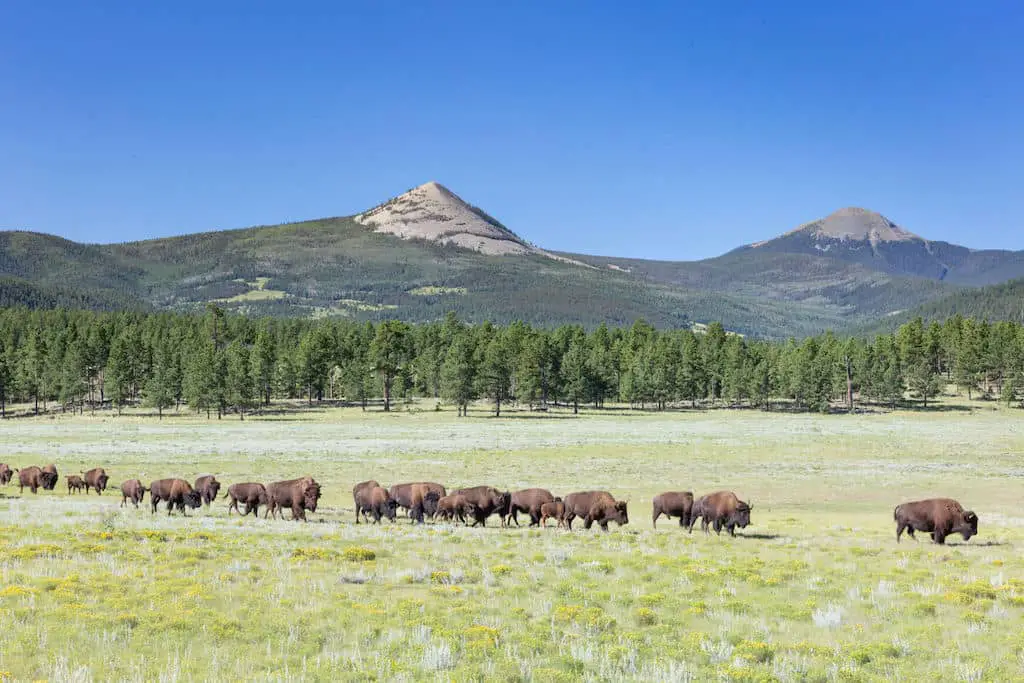
Vermejo Park Ranch USA

What Do These Farms Have in Common?

The biggest farms in the world share some key features:

  • Vast, open landscapes: Most are in remote, dry regions.
  • Livestock dominance: Cattle farming is the most common operation.
  • Advanced technology: Many use drones, satellite tracking, and automated feeding systems.
  • Economic impact: These farms contribute significantly to local and global agriculture.

The Future of Large-Scale Farming

As farming technology improves, we may see:

  • More automation and AI to increase efficiency.
  • Better water management to sustain large-scale farms.
  • Sustainability efforts to reduce environmental impact.
  • Alternative farming techniques like vertical and lab-grown food production.

Conclusion

The world’s largest farms are not just about size—they’re about feeding millions, sustaining economies, and pushing farming technology forward. From China’s dairy giant to Australia’s massive cattle stations, these farms are essential for global food production.

As the demand for food grows, these farms will continue to evolve, embracing new technology and sustainable practices to meet the world’s needs.


FAQs

1. What is the largest farm in the world?

The Mudanjiang City Mega Farm in China is the largest farm in the world, covering 22 million acres and focusing on dairy production.

2. Why are most of the biggest farms in Australia?

Australia has vast, open lands perfect for large-scale cattle farming, making it home to most of the world’s biggest farms.

3. Do these large farms use advanced technology?

Yes! Many large farms use drones, GPS tracking, automated irrigation, and AI-driven management systems to operate efficiently.

4. Are there large farms in other parts of the world?

Yes, but they are much smaller compared to those in Australia, China, and the USA. Some large farms exist in Brazil, Russia, and Argentina.


These farms are more than just land—they’re powerhouses of food production that help feed the world! 🌎🍽️
Continue Reading

Trending