
Mountain
12 Most Beautiful Patagonia Nature Spots to Explore

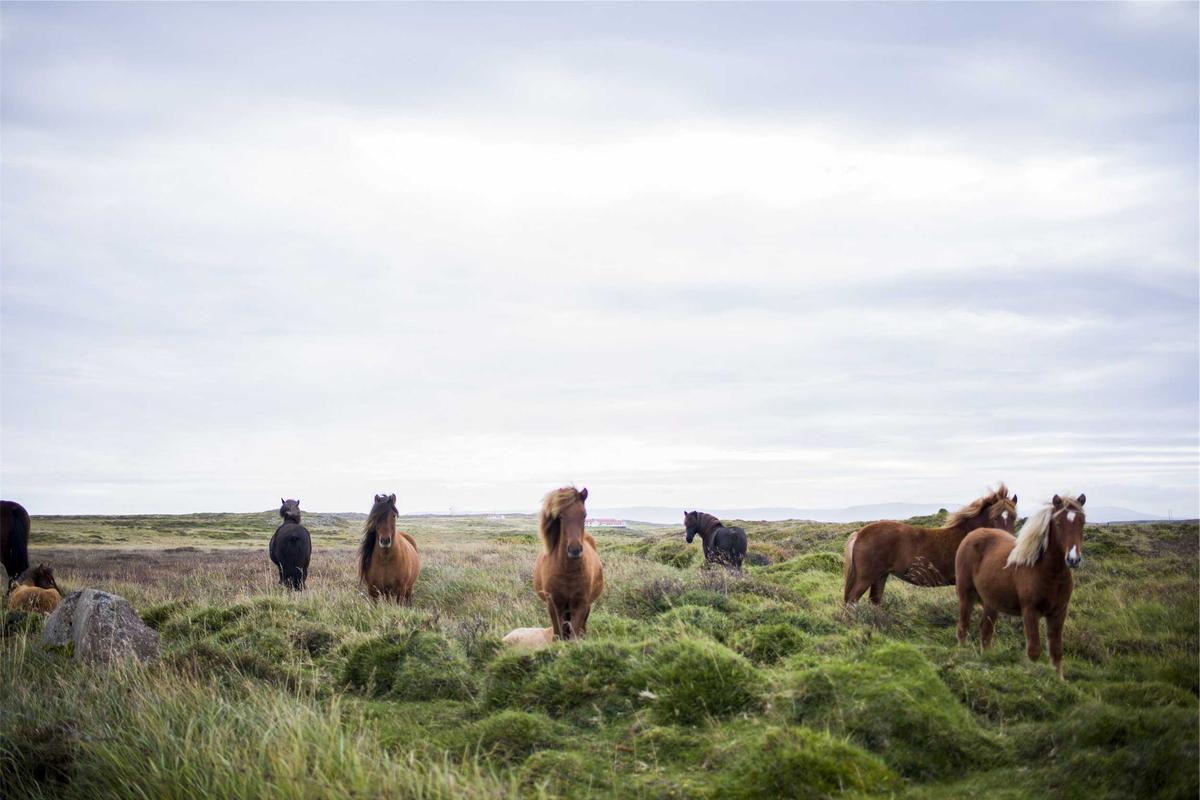
Discover the Raw Beauty of Patagonia
Patagonia is one of those places that stays with you long after you leave. Stretching across the southern tips of Argentina and Chile, this vast wilderness delivers some of the most dramatic landscapes on Earth — towering granite peaks, massive glaciers, turquoise lakes, and endless stretches of untouched nature. If you have been dreaming of a trip that combines adventure with pure natural beauty, these Patagonia nature spots should be at the top of your list.
Key Takeaways
- Patagonia spans southern Argentina and Chile, offering diverse landscapes from glaciers to deserts
- The best time to visit most Patagonia destinations is between November and March (austral summer)
- You will find world-class hiking, wildlife watching, and photography opportunities throughout the region
- Patagonia suits all types of travelers, from hardcore trekkers to casual nature lovers
- Planning ahead is essential — some spots require permits or advance bookings
Why Patagonia Deserves a Spot on Your Bucket List
You have probably seen photos of Patagonia before — the jagged peaks of Fitz Roy, the cracking blue ice of Perito Moreno, the vast open steppe. But nothing quite prepares you for standing in front of these landscapes in person. The scale is humbling. The air feels cleaner. The silence is something you did not know you needed.
What makes Patagonia special is its sheer variety. Within a single trip, you can walk on glaciers, trek through ancient forests, spot penguins and condors, and camp under some of the darkest skies in the world. It is a region that rewards curiosity and a willingness to embrace the unpredictable. Weather changes fast here, but that is part of the charm.
Whether you are an experienced hiker or someone who just wants to soak in beautiful views, Patagonia has something for you. Here are twelve of the most beautiful Patagonia nature spots to explore.
1. Torres del Paine National Park, Chile
About: Torres del Paine is the crown jewel of Chilean Patagonia and one of the most famous national parks in South America. Located in the southern part of Chile, it covers over 180,000 hectares of glaciers, lakes, rivers, and granite mountains.
Highlights: The iconic Torres del Paine towers — three massive granite spires that rise dramatically above the surrounding landscape. The park also features the Grey Glacier, the French Valley, and the stunning Lake Pehoe with its vivid turquoise waters.
Experience: The W Trek and the Full Circuit are two of the most popular multi-day hikes in the world. You can also do day hikes to the base of the towers, go kayaking on the glaciers, or take boat tours across the lakes. Wildlife watching is excellent — look for guanacos, condors, and even pumas.
Best Time to Visit: November to March, with December through February offering the longest days and warmest temperatures.
Why You Should Visit: Torres del Paine delivers the full Patagonian experience in one concentrated area. The combination of mountains, glaciers, and wildlife is hard to beat anywhere else on the planet.
Travel Tips: Book refugios (mountain huts) or campsites well in advance, especially during peak season. Bring layers — wind is constant and temperatures can shift quickly. Entrance fees apply, so budget accordingly.
2. Perito Moreno Glacier, Argentina
About: Located in Los Glaciares National Park in Argentine Patagonia, the Perito Moreno Glacier is one of the few advancing glaciers in the world. It stretches about 30 kilometers long and rises roughly 70 meters above the surface of Lago Argentino.
Highlights: The sheer wall of blue-white ice is breathtaking. Watching massive chunks of ice calve into the lake below is an unforgettable experience. The glacier’s surface features deep crevasses and milky-blue ice formations.
Experience: Walk along the extensive network of viewing platforms that give you different perspectives of the glacier. For something more adventurous, you can book a mini-trekking tour that takes you walking on the glacier itself with crampons.
Best Time to Visit: October through April offers the best access and viewing conditions.
Why You Should Visit: Perito Moreno is one of the most accessible large glaciers in the world, and the calving events are genuinely thrilling to witness. It is a living, moving wall of ice that reminds you how powerful nature really is.
Travel Tips: The nearest town is El Calafate, which has good accommodation and dining options. Arrive early in the day to avoid crowds at the viewing platforms. Bring sunglasses — the glare off the ice is intense.
3. Mount Fitz Roy, Argentina
About: Mount Fitz Roy (also known as Cerro Chaltén) stands at 3,405 meters near the small trekking village of El Chaltén in Argentine Patagonia. It is one of the most challenging and iconic peaks in the world.
Highlights: The jagged granite summit is often shrouded in clouds, creating dramatic and moody scenery. Laguna de los Tres, a glacial lake at the base of the mountain, offers one of the most photographed views in all of Patagonia.
Experience: The day hike to Laguna de los Tres is about 25 kilometers round trip with a steep final ascent, but the reward is extraordinary. El Chaltén also offers shorter trails to Laguna Capri and the Condor and Eagle lookouts for easier options.
Best Time to Visit: December through February for the most stable weather, though November and March can also work well.
Why You Should Visit: Fitz Roy is a bucket-list destination for hikers and photographers. The landscape around El Chaltén feels wild and remote, and the sense of accomplishment after reaching the lake is hard to describe.
Travel Tips: El Chaltén is a small, walkable town with free camping options and basic services. Pack for all weather conditions — even in summer, wind and rain are common. Start your hikes early to avoid afternoon weather changes.
4. Valdes Peninsula, Argentina
About: The Valdes Peninsula is a UNESCO World Heritage Site on the Atlantic coast of Argentine Patagonia. It is one of the best wildlife viewing destinations in the entire region.
Highlights: Southern right whales (June to December), orcas, Magellanic penguins, elephant seals, sea lions, and a huge variety of seabirds. The peninsula is also home to guanacos and rheas on its arid interior plains.
Experience: Take a whale-watching boat tour from Puerto Piramides, visit the penguin colonies at Estancia San Lorenzo, and drive the peninsula’s dirt roads to spot wildlife from your car. The orcas here are famous for their unique beaching technique to catch elephant seal pups.
Best Time to Visit: June to December for whales, October to March for penguins and orcas. Each season offers different wildlife spectacles.
Why You Should Visit: If you love animals, Valdes Peninsula is a dream. Nowhere else in Patagonia offers this density and variety of marine wildlife in such an accessible setting.
Travel Tips: The nearest city is Puerto Madryn, about 200 kilometers away. Bring binoculars and a good camera with a zoom layer. Book whale-watching tours in advance during peak season.
5. Tierra del Fuego National Park, Argentina
About: Located just outside Ushuaia — the southernmost city in the world — Tierra del Fuego National Park protects a unique landscape where the Andes meet the sea. It is the southernmost national park in Argentina.
Highlights: Sub-Antarctic forests of lenga and guindo trees, pristine lakes like Lago Roca, rugged coastline along the Beagle Channel, and the famous End of the World Train.
Experience: Hike the coastal trail along the Beagle Channel for stunning views and birdwatching. Take the historic End of the World Train for a unique perspective on the park’s history. Kayaking on the Beagle Channel gets you close to cormorant colonies and sea lions.
Best Time to Visit: November through March, with the warmest weather from December to February.
Why You Should Visit: There is something magical about being at the literal end of the world. The combination of forests, coastline, and mountains creates a landscape that feels both peaceful and adventurous.
Travel Tips: Ushuaia has plenty of accommodation and serves as a base for Antarctic cruises as well. Bring warm, waterproof clothing regardless of the season. The park is easily reached by car or shuttle from town.
6. Queulat National Park, Chile
About: Queulat National Park is a hidden gem in the Aysén region of Chilean Patagonia. It is less visited than Torres del Paine but equally stunning, with hanging glaciers, dense temperate rainforests, and dramatic fjords.
Highlights: The Queulat Hanging Glacier is the park’s star attraction — a massive glacier suspended above a valley that periodically calves ice into the river below. The park also features the beautiful Lake Risopatron and lush Valdivian rainforest.
Experience: The hanging glacier viewpoint is accessible via a moderate hike through ancient forest. The Carretera Austral highway runs along the park’s edge, offering spectacular views of the Ventisquero Colgante (hanging glacier) from the road.
Best Time to Visit: December through March for the best hiking conditions.
Why You Should Visit: Queulat offers a more intimate, less crowded Patagonian experience. The combination of glacier and rainforest is rare and beautiful, and the sense of discovery here is real.
Travel Tips: The Carretera Austral is partially unpaved, so a sturdy vehicle is recommended. Bring rain gear — this is one of the wettest parts of Patagonia. Accommodation options are limited, so plan ahead.
7. Marble Caves, Chile
About: The Marble Caves (Capillas de Marmol) are a series of stunning caverns and tunnels carved into marble rock by the waters of General Carrera Lake in Chilean Patagonia. They are located near the small town of Puerto Rio Tranquilo.
Highlights: The swirling blue and white patterns on the cave walls, created by millennia of lake water erosion, are mesmerizing. The turquoise water of the lake reflects onto the cave ceilings, creating an otherworldly glow.
Experience: Take a boat tour or kayak to explore the caves up close. The water level and light conditions change throughout the day, so early morning and late afternoon visits offer the most dramatic colors.
Best Time to Visit: December through February when water levels are lower and boat tours operate most reliably.
Why You Should Visit: The Marble Caves are unlike anything else in Patagonia — or anywhere else in the world. The natural artistry of the swirling marble patterns is something you will want to photograph from every angle.
Travel Tips: Puerto Rio Tranquilo is a small, charming town on the Carretera Austral. Boat tours are affordable and run frequently in summer. Bring a waterproof camera or phone case.
8. Los Alerces National Park, Argentina
About: Los Alerces National Park is a UNESCO World Heritage Site in Chubut Province, Argentine Patagonia. It protects one of the largest alerce forest ecosystems in the world. The alerce tree is a long-lived conifer that can reach over 3,000 years old.
Highlights: Ancient alerce forests, crystal-clear lakes like Lago Futalaufquen and Lago Rivadavia, and the stunning Arrayanes River. The park’s largest alerce tree is over 2,600 years old and can be reached by boat.
Experience: Take a boat tour across the lakes to see the ancient alerce trees. Hiking trails range from easy lakeside walks to more challenging mountain routes. The Arrayanes River walk is particularly beautiful, with its emerald-green water and lush surroundings.
Best Time to Visit: November through April, with the warmest weather from December to March.
Why You Should Visit: Walking among trees that were already ancient when the Roman Empire fell is a humbling experience. The forests here are peaceful, pristine, and deeply beautiful.
Travel Tips: The nearest town is Esquel, which has good services and is also home to the historic La Trochita narrow-gauge railway. The park is large, so allow at least two days to explore properly.
9. Punta Tombo, Argentina
About: Punta Tombo is a narrow peninsula extending into the Atlantic Ocean in Chubut Province, Argentine Patagonia. It hosts the largest colony of Magellanic penguins in the world, with over a million birds during peak season.
Highlights: Hundreds of thousands of Magellanic penguins nesting, waddling, and swimming right alongside the walking trails. You can also spot guanacos, rheas, and cormorants on the peninsula.
Experience: Walk the designated trails that wind through the penguin colony. The penguins are accustomed to humans and often come quite close. It is one of the most accessible and intimate wildlife encounters in South America.
Best Time to Visit: September through April, with peak penguin numbers from October to February.
Why You Should Visit: If you have ever wanted to walk among penguins in the wild, Punta Tombo is the place. The sheer number of birds and their charming behavior make this an unforgettable stop.
Travel Tips: The nearest town is Trelew, about 180 kilometers away. Bring sun protection — the peninsula is exposed and can be hot. Stay on the marked trails to protect the nesting birds.
10. San Rafael Lagoon, Chile
About: San Rafael Lagoon is a stunning glacial lagoon in the Aysén region of Chilean Patagonia, accessible only by boat or helicopter. It is part of the larger Laguna San Rafael National Park, a UNESCO Biosphere Reserve.
Highlights: The San Rafael Glacier calves massive icebergs directly into the lagoon. The surrounding scenery includes steep fjords, dense rainforest, and snow-capped mountains. The blue ice floating in the water is mesmerizing.
Experience: Take a boat tour from Puerto Chacabuco or Puerto Montt that navigates through narrow fjords to reach the lagoon. Watching the glacier calve while surrounded by pristine wilderness is a once-in-a-lifetime experience.
Best Time to Visit: October through March, when boat tours operate regularly.
Why You Should Visit: San Rafael feels like the edge of the world. The journey through the fjords is as spectacular as the destination, and the glacier calving displays are genuinely awe-inspiring.
Travel Tips: The boat journey takes several hours each way, so be prepared for a full-day excursion. Seasickness medication is recommended if you are prone to it. Book tours in advance during summer.
11. Cerro Castillo National Park, Chile
About: Cerro Castillo is a dramatically jagged mountain in the Aysén region of Chilean Patagonia, surrounded by a national park of the same name. It is often called the “Torres del Paine of the north” but with a fraction of the visitors.
Highlights: The jagged basalt spires of Cerro Castillo, the turquoise waters of Lago Cerro Castillo, and the beautiful forests of lenga and coigue trees. The park also features the stunning Las Horquetas trail.
Experience: The Cerro Castillo trek is a challenging but rewarding multi-day hike that passes through forests, over mountain passes, and alongside glacial rivers. Day hikes to the base of the mountain are also available for those who prefer shorter outings.
Best Time to Visit: December through March for the best hiking conditions.
Why You Should Visit: If you want the dramatic mountain scenery of Torres del Paine without the crowds, Cerro Castillo is your answer. The landscapes are raw, wild, and deeply rewarding.
Travel Tips: The nearest town is Coyhaique, which serves as the gateway to the Aysén region. The Carretera Austral provides access. Bring full hiking gear and be prepared for variable weather.
12. Laguna de los Tres and Fitz Roy Massif, Argentina
About: While Mount Fitz Roy was already mentioned, the broader Fitz Roy massif and its surrounding glacial lakes deserve their own spotlight. The area around El Chaltén contains a network of trails leading to some of the most spectacular alpine scenery in the world.
Highlights: Beyond Laguna de los Tres, the area offers Laguna Torre (home to the granite spire of Cerro Torre), the Viedma Glacier, and countless viewpoints along the Rio de las Vueltas valley. The entire massif is a photographer’s paradise.
Experience: Spend several days in El Chaltén exploring different trails. The Laguna Torre day hike offers views of another iconic Patagonian peak. For the truly ambitious, multi-day treks connect several of these destinations into an epic adventure.
Best Time to Visit: November through March, with the most reliable weather from December to February.
Why You Should Visit: The Fitz Roy area is arguably the most beautiful mountain landscape in all of South America. Every trail leads to another jaw-dropping view, and the sense of wilderness here is profound.
Travel Tips: El Chaltén is a free-entry trekking paradise — no park fees required. The town has a range of accommodation from hostels to hotels. Bring cash, as ATMs can be unreliable. Start hikes at dawn for the best light and clearest views of the peaks.
Complete Patagonia Spots Overview
| Place Name | Location | Best Time to Visit |
|---|---|---|
| Torres del Paine National Park | Chilean Patagonia | November – March |
| Perito Moreno Glacier | Argentine Patagonia (Los Glaciares NP) | October – April |
| Mount Fitz Roy | Argentine Patagonia (El Chaltén) | December – February |
| Valdes Peninsula | Argentine Patagonia (Atlantic Coast) | June – December |
| Tierra del Fuego National Park | Argentine Patagonia (Ushuaia) | November – March |
| Queulat National Park | Chilean Patagonia (Aysén Region) | December – March |
| Marble Caves | Chilean Patagonia (Puerto Rio Tranquilo) | December – February |
| Los Alerces National Park | Argentine Patagonia (Chubut Province) | November – April |
| Punta Tombo | Argentine Patagonia (Chubut Province) | September – April |
| San Rafael Lagoon | Chilean Patagonia (Aysén Region) | October – March |
| Cerro Castillo National Park | Chilean Patagonia (Aysén Region) | December – March |
| Fitz Roy Massif and Glacial Lakes | Argentine Patagonia (El Chaltén) | November – March |
Frequently Asked Questions
What is the best time to visit Patagonia?
The austral summer from November to March is the best time for most Patagonia destinations. December through February offers the warmest weather and longest days, but also the largest crowds. Shoulder months like November and March can be excellent with fewer tourists and still-decent weather.
Is Patagonia safe for solo travelers?
Yes, Patagonia is generally very safe for solo travelers. The main risks are related to weather and outdoor activities rather than crime. Always let someone know your hiking plans, carry proper gear, and check weather forecasts before heading out on trails.
How much does a trip to Patagonia cost?
Patagonia can be expensive, especially in peak season. Budget travelers can get by on around $50-80 USD per day by camping, cooking their own food, and using public transport. Mid-range travelers should budget $150-250 per day. Park fees, tours, and transportation between destinations add up, so plan your budget carefully.
Do I need to book accommodations in advance?
For popular destinations like Torres del Paine and El Calafate during peak season (December to February), booking accommodations and campsites several months in advance is essential. For less visited areas, you can often find availability on shorter notice, but it is still wise to book ahead.
What should I pack for Patagonia?
Layering is key. Bring a waterproof and warm outer layer, warm mid-layers, moisture-wicking base layers, sturdy hiking boots, a warm hat, gloves, sunglasses, and sunscreen. The wind is often the biggest challenge, so a good windbreaker is essential. Do not underestimate how cold it can get, even in summer.
Can I visit both Chilean and Argentine Patagonia in one trip?
Absolutely. Many travelers combine destinations in both countries. Overland border crossings are possible at several points, and bus services connect major towns. Just make sure to check visa requirements for both countries and allow extra time for border crossings.
Is Patagonia suitable for beginners?
Yes, many Patagonia destinations are perfect for beginners. Places like Perito Moreno Glacier, the Marble Caves, and Punta Tombo require no technical hiking skills. Even Torres del Paine has day hikes suitable for people with basic fitness. Start with easier destinations and work your way up to more challenging treks.
Start Planning Your Patagonia Adventure
Patagonia is one of those rare destinations that lives up to the hype — and then exceeds it. From the thundering glaciers of Perito Moreno to the ancient forests of Los Alerces, from the penguin colonies of Punta Tombo to the towering peaks of Fitz Roy, this region offers an incredible diversity of natural wonders.
The best part is that Patagonia works for every type of traveler. You do not need to be an experienced mountaineer to fall in love with this place. A short walk to a viewpoint, a boat ride across a glacial lake, or a quiet moment watching wildlife can be just as powerful as a multi-day trek.
Start by picking one or two destinations from this list that speak to you, and build your trip from there. Whether you choose the well-known highlights or venture off the beaten path to places like Queulat or Cerro Castillo, you are in for an experience that will stay with you forever.
Save this guide for your next adventure, and start planning your Patagonia trip today. The mountains, glaciers, and wildlife are waiting.


The Most Beautiful Mountain Railways in the World
Some train journeys are about getting from point A to point B. Then there are mountain railways that make the journey itself the destination. These incredible rail lines wind through towering peaks, cross dramatic gorges, and climb to altitudes that will leave you breathless — both from the height and the views.
We’ve rounded up ten of the most stunning mountain railways on the planet, from century-old engineering marvels to modern lines cutting through dramatic landscapes. Whether you are a train enthusiast or a nature lover, these routes deserve a spot on your travel list.
Key Takeaways
- Mountain railways offer some of the most scenic train journeys on Earth, crossing high-altitude passes, deep valleys, and dramatic landscapes
- Many of these lines are engineering marvels built over a century ago, still running with original carriages and steam locomotives
- The best time to ride most mountain railways is between May and October, when weather is clear and mountain views are at their peak
- Some routes require advance booking, especially during summer months and holiday seasons
- These railways are perfect for travelers who want to experience high-altitude landscapes without the physical demands of hiking
Why Mountain Railways Are So Special
There is something about watching mountains roll past your train window that no airplane or car can replicate. You move slowly enough to absorb every detail — the way light shifts across a glacier, the tiny wildflowers clinging to a cliff face, the distant sound of a waterfall you cannot quite see.
Mountain railways were often built as feats of engineering necessity, connecting isolated communities through terrain that seemed impossible to cross. Today, many of these lines have become heritage attractions, drawing travelers from around the world who want to experience the golden age of rail travel against some of the most dramatic backdrops on Earth.
The Most Beautiful Mountain Railways in the World
1. The Glacier Express, Switzerland
About: Often called the “slowest express train in the world,” the Glacier Express runs 291 kilometers between Zermatt and St. Moritz through the heart of the Swiss Alps, crossing 291 bridges and passing through 91 tunnels.
Highlights: The Oberalp Pass at 2,033 meters offers panoramic views of snow-capped peaks and the Rhine Gorge, sometimes called the “Swiss Grand Canyon.” Panoramic windows are designed specifically for sightseeing.
Best Time to Visit: June through September for the clearest views. December through March is stunning for snow-covered landscapes.
Why You Should Visit: Widely considered the most scenic train ride in Europe, connecting two iconic mountain resorts through dramatic Alpine scenery.
Travel Tips: Reserve seats 2-3 months ahead in summer. Panorama car seats cost extra but are worth it. Bring sunglasses for snow glare at altitude. Official Glacier Express website
2. The Darjeeling Himalayan Railway, India
About: This narrow-gauge railway, known as the “Toy Train,” runs 88 kilometers from New Jalpaiguri up to Darjeeling in West Bengal. Built between 1879 and 1881, it climbs to over 2,200 meters and is a UNESCO World Heritage Site.
Highlights: The line passes through tea plantations and dense forests with views of Kanchenjunga, the world’s third-highest mountain. The loop at Batty Loop and spiral at Agony Point are remarkable engineering feats.
Best Time to Visit: October through December for the clearest mountain views. March and April bring blooming rhododendrons. Avoid monsoon season (June-September).
Why You Should Visit: One of the most charming heritage railways in the world, combining colonial-era engineering, Himalayan scenery, and the cultural richness of the Darjeeling region.
Travel Tips: The full journey takes about 7 hours. The “Joy Train” joyride from Darjeeling to Ghum is a good shorter option. Wikipedia: Darjeeling Himalayan Railway
3. The Bernina Express, Switzerland to Italy
About: Running from Chur, Switzerland, to Tirano, Italy, the Bernina Express crosses the Bernina Pass at 2,253 meters — the highest adhesion railway in Europe. The route is part of the Rhaetian Railway UNESCO World Heritage site.
Highlights: The Landwasser Viaduct — a curved stone bridge plunging into a tunnel carved through solid rock — is unforgettable. You will pass glaciers, alpine meadows, and the stunning Lago Bianco before descending into Mediterranean Italy.
Best Time to Visit: May through October for clear views. Autumn is spectacular when larch trees turn gold between Ospizio Bernina and Poschiavo.
Why You Should Visit: This railway crosses one of the most dramatic altitude changes in Europe, taking you from Alpine glaciers to Mediterranean landscapes in just a few hours.
Travel Tips: Seat reservation is mandatory. The Swiss Travel Pass covers the route but not the reservation fee. Bring layers — it is much colder at the pass summit. Rhaetian Railway official site
4. The Rocky Mountaineer, Canada
About: The Rocky Mountaineer operates daylight-only routes through the Canadian Rockies, with the flagship “First Passage to the West” running from Vancouver to Banff and Lake Louise.
Highlights: The route passes through the Fraser Canyon, crosses the Continental Divide, and winds along the Kicking Horse River. Glaciers, turquoise lakes, and wildlife including bears and mountain goats are visible from glass-domed carriages.
Best Time to Visit: April through October. September is particularly beautiful when larch trees turn brilliant gold at higher elevations.
Why You Should Visit: The Canadian Rockies are among the most dramatic mountain landscapes on Earth, and the daylight-only schedule means every minute is spent soaking in the views.
Travel Tips: GoldLeaf service starts around $1,500 USD for the two-day journey. Book 3-6 months ahead for summer. Bring binoculars and a polarizing filter for the turquoise lakes. Rocky Mountaineer official site
5. The Tren a las Nubes, Argentina
About: One of the highest railways in the world, the Tren a las Nubes runs from Salta to the La Polvorilla viaduct in northwestern Argentina, reaching 4,220 meters as it crosses the Andes.
Highlights: The La Polvorilla viaduct — a curved steel bridge 64 meters high spanning a deep gorge at extreme altitude — is the star. The Quebrada del Toro’s red-rock canyon formations look almost otherworldly.
Best Time to Visit: April through November (dry season) for the clearest skies. The service can be disrupted by weather between December and March.
Why You Should Visit: Riding a train above the clouds at over 4,000 meters is a bucket-list experience. The stark, colorful landscapes of the Argentine Andes are unlike anything else on Earth.
Travel Tips: Take altitude sickness seriously — drink water, avoid alcohol the night before, and bring warm layers. A doctor travels on every trip. Wikipedia: Tren a las Nubes
6. The Flåm Railway, Norway
About: One of the steepest standard-gauge railways in the world, the Flåm Railway descends 864 meters over just 20 kilometers from Myrdal to the village of Flåm on the Aurlandsfjord.
Highlights: The train passes through 20 tunnels and crosses gorges with waterfalls cascading down sheer rock faces. The Kjosfossen waterfall stop lets passengers watch water plunge 225 meters down the mountainside.
Best Time to Visit: May through September for the best weather. The Kjosfossen waterfall is most impressive in late spring during snowmelt.
Why You Should Visit: Incredible scenery packed into a one-hour journey. Easily combined with a fjord cruise on the UNESCO-listed Nærøyfjord for one of Norway’s best day trips.
Travel Tips: Sit on the right side for the best views on the descent. Book online in advance — it is extremely popular in summer. Flåm Railway official site
7. The Qinghai-Tibet Railway, China
About: The highest railway in the world, climbing to 5,072 meters at the Tanggula Pass on its 1,956-kilometer route from Xining to Lhasa across the Tibetan Plateau.
Highlights: The train passes Qinghai Lake, crosses the Kunlun and Tanggula ranges, and traverses vast grasslands with snow-capped peaks on the horizon. Tibetan antelope and wild yaks can sometimes be spotted from the train.
Best Time to Visit: May through October for the best weather. September and October offer stable conditions and excellent visibility.
Why You Should Visit: A journey across one of the most extreme and beautiful landscapes on the planet. The engineering required to build a railway across permafrost at 5,000 meters is staggering.
Travel Tips: You need a Tibet Travel Permit in addition to your Chinese visa. Acclimatize in Xining (2,200m) before continuing to Lhasa (3,650m). Bring warm clothing even in summer. Wikipedia: Qinghai-Tibet Railway
8. The Semmering Railway, Austria
About: Built between 1848 and 1854, the Semmering Railway was the first mountain railway in Europe built with a standard-gauge track. It runs 41 kilometers through the Semmering Pass and is a UNESCO World Heritage Site.
Highlights: Sixteen viaducts and 15 tunnels cross the pass, with stone arch bridges blending seamlessly into forested mountains. The views of rolling green hills and distant Alpine peaks are stunning in every season.
Best Time to Visit: May through October for green mountain views. December through February for a snowy winter wonderland.
Why You Should Visit: This is where mountain railway history began. The viaducts and tunnels are the same ones engineers built 170 years ago, and the scenery has not changed a bit.
Travel Tips: Regular Austrian Federal Railways (ÖBB) trains run this route — no special ticket needed. Check for special steam train runs on select weekends. Wikipedia: Semmering Railway
9. The PeruRail Central Andean Railway, Peru
About: Running from Cusco to Puno on Lake Titicaca, this railway crosses the Andean altiplano at altitudes up to 4,313 meters, covering about 388 kilometers in approximately 10 hours.
Highlights: The vast altiplano grassland dotted with llamas and alpacas, the La Raya Pass at 4,313 meters, and small Andean villages where locals sell handmade textiles at station stops.
Best Time to Visit: May through September (dry season) for the clearest skies and best views.
Why You Should Visit: Dramatic mountain scenery, indigenous culture, and the sheer altitude make this one of the most unique rail experiences in the world, ending at the world’s highest navigable lake.
Travel Tips: Acclimatize in Cusco (3,400m) for at least a day before riding. Bring warm layers, sunscreen, and water. The observation car is worth the upgrade. PeruRail official site
10. The West Highland Line, Scotland
About: Running from Glasgow to Mallaig on Scotland’s west coast, this 264-kilometer line passes through some of the most wild and beautiful landscapes in the British Isles, including the famous Glenfinnan Viaduct.
Highlights: The Glenfinnan Viaduct — a 21-arch curved stone bridge crossing a deep valley with Loch Shiel behind it — is the showstopper. Rannoch Moor, a vast and desolate expanse of bog and water, feels like the edge of the world.
Best Time to Visit: May through September for the longest days. The Jacobite steam train runs from May to October. Autumn brings beautiful heather colors to the moors.
Why You Should Visit: One of the most atmospheric train journeys in the world. Rugged moors, misty lochs, and historic viaducts create a landscape that feels ancient and untamed.
Travel Tips: Sit on the left side for the best views. The regular ScotRail service is much cheaper than the Jacobite steam train. Book the Jacobite months ahead for summer. ScotRail official site
Comparison Table: Mountain Railways at a Glance
| Railway | Country | Max Altitude | Best Time to Visit |
|---|---|---|---|
| Glacier Express | Switzerland | 2,033 m | Jun – Sep |
| Darjeeling Himalayan Railway | India | 2,200 m | Oct – Dec |
| Bernina Express | Switzerland / Italy | 2,253 m | May – Oct |
| Rocky Mountaineer | Canada | 1,600 m | Jun – Sep |
| Tren a las Nubes | Argentina | 4,220 m | Apr – Nov |
| Flåm Railway | Norway | 864 m | May – Sep |
| Qinghai-Tibet Railway | China | 5,072 m | May – Oct |
| Semmering Railway | Austria | 898 m | May – Oct |
| PeruRail Central Andean | Peru | 4,313 m | May – Sep |
| West Highland Line | Scotland | 411 m | May – Sep |
Tips for Making the Most of Your Mountain Railway Journey
Book early. The most popular railways — the Glacier Express, Rocky Mountaineer, and Jacobite Steam Train — sell out months in advance during peak season. Aim to reserve at least 3 months ahead for summer trips.
Choose your seat wisely. One side of the train almost always offers better views. On the Flåm Railway, sit right for the descent. On the West Highland Line, sit left. Research the route before you book.
Bring the right gear. Pack warm layers, sunglasses, and sunscreen even in summer. For routes above 3,000 meters, bring water and consider altitude sickness medication.
Camera ready. The best views come and go in seconds. Keep your camera charged and within reach. A polarizing filter helps with mountain lake and snow glare.
Frequently Asked Questions
Q: Are mountain railways safe for people afraid of heights?
A: Most are very safe and travel at moderate speeds. Some routes cross high viaducts that can be intense for acrophobic travelers. If heights bother you, choose a center seat and focus on the mountains rather than the drops below.
Q: What is the highest railway in the world?
A: The Qinghai-Tibet Railway in China reaches 5,072 meters at the Tanggula Pass. The Tren a las Nubes in Argentina is second at 4,220 meters. Both require preparation for altitude sickness.
Q: How much does a mountain railway journey cost?
A: Prices range dramatically. Scotland’s West Highland Line costs around $50-80 USD. The Glacier Express runs about $150-300 USD. The Rocky Mountaineer starts at around $1,500 USD for the two-day GoldLeaf experience.
Q: Do mountain railways operate in winter?
A: Most do, though schedules may be reduced. Winter rides through snow-covered mountains can be spectacular. The Flåm, Semmering, and West Highland lines operate year-round. The Rocky Mountaineer and Tren a las Nubes are seasonal.
Q: Can I use a rail pass?
A: In Europe, the Eurail Pass covers the Semmering and West Highland lines. The Swiss Travel Pass covers the Glacier Express route (seat reservations extra). Premium experiences like the Rocky Mountaineer require separate tickets.
Q: What should I pack for a mountain railway trip?
A: Warm layers, sunscreen, sunglasses, a water bottle, snacks, and a camera. For routes above 3,000 meters, bring altitude sickness medication. For longer journeys, bring a book or downloaded entertainment for the less scenic stretches.
Conclusion
Mountain railways offer something no other form of travel can match — the chance to sit comfortably while the world’s most dramatic landscapes unfold outside your window. From the snow-capped Swiss Alps to the vast Tibetan Plateau, from the red-rock canyons of Argentina to the misty Scottish Highlands, these routes prove that sometimes the journey really is better than the destination.
These railways were built by people who refused to let mountains stand in their way. Riding them is a reminder of what human ingenuity can achieve — and a promise that some of the best views in the world are best enjoyed from a train seat.
Share this post with your friends and start planning your next mountain railway adventure today.
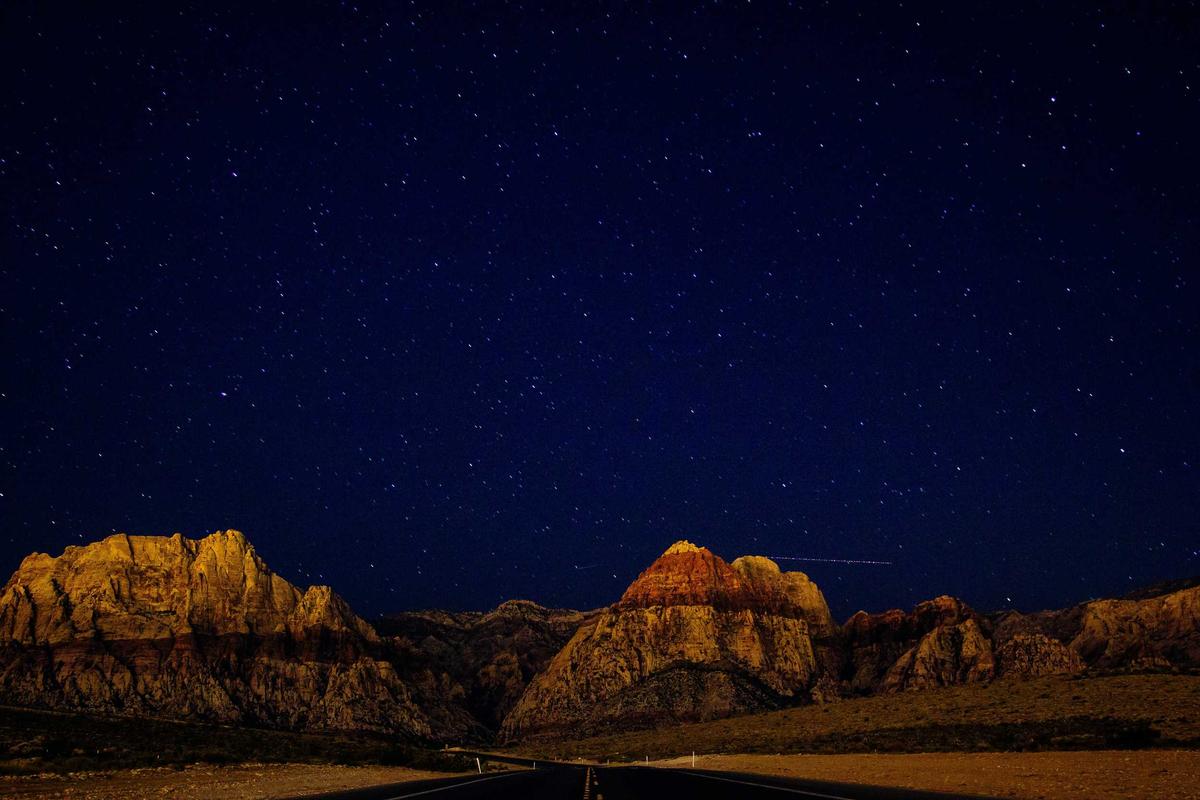
The Sierra Nevada — California’s Mountain Treasure
The Sierra Nevada is one of the most spectacular mountain ranges in North America, stretching 400 miles through eastern California and into Nevada. If you are looking for a destination that combines dramatic peaks, crystal-clear lakes, ancient forests, and some of the best hiking in the United States, this is it. From the granite walls of Yosemite to the summit of Mount Whitney, the Sierra Nevada delivers an experience that stays with you for life.
Key Takeaways
- The Sierra Nevada spans roughly 400 miles along California edge, with peaks reaching over 14,000 feet.
- Yosemite, Sequoia, and Kings Canyon National Parks all sit within the range, offering world-class hiking, camping, and wildlife viewing.
- The range is home to giant sequoia trees, the largest living organisms on Earth by volume.
- Best time to visit is late June through September for hiking, and December through March for winter sports.
- Over 400 miles of trails cater to everyone from casual day hikers to serious backpackers.
What Makes the Sierra Nevada Special
There is something about the Sierra Nevada that hits different from other mountain ranges. Maybe it is the way the granite catches the light at sunset, turning entire cliff faces gold and pink. Maybe it is the sheer scale of the landscape — valleys carved by glaciers millions of years ago, now filled with rivers and meadows so green they look photoshopped. Or maybe it is the fact that you can stand at the summit of the highest peak in the contiguous United States and see wilderness stretching in every direction.
The range runs north to south along California eastern side, forming a natural wall between the Central Valley and the Great Basin. Its name means snowy range in Spanish, and for good reason — winter storms dump massive amounts of snow here, feeding rivers that supply much of California water. The snowpack is so important that scientists measure it every year to predict water availability for the entire state.
But the Sierra Nevada is not just about snow and water. It is a place of incredible biodiversity. You will find ecosystems ranging from oak woodlands at lower elevations to alpine tundra above the tree line. Black bears, mule deer, coyotes, and mountain lions all call these mountains home. And if you are lucky, you might spot a Sierra Nevada bighorn sheep — one of the rarest mammals in North America.
The Iconic Parks and Destinations
Yosemite National Park
No conversation about the Sierra Nevada is complete without Yosemite. This is the crown jewel, the place that made people realize mountains were worth protecting. El Capitan rises 3,000 feet from the valley floor, a sheer granite wall that draws rock climbers from around the world. Half Dome, with its distinctive sliced profile, is one of the most recognizable landmarks on the planet.
But Yosemite is not just about the big names. Walk the Mist Trail to Vernal Fall on a spring morning and you will feel the spray on your face as thousands of gallons of water crash over the edge. Drive up to Glacier Point for a view that will make your jaw drop. Or simply sit by the Merced River in Yosemite Valley and watch the light change on the cliffs as the day goes by.
Best time to visit: May through October. Spring brings the waterfalls at peak flow. Summer offers warm days and access to high-country trails. Fall is quieter, with fewer crowds and beautiful color in the valley.
Sequoia and Kings Canyon National Parks
Head south and you will find Sequoia and Kings Canyon, two parks that share a border and a common claim to fame: giant sequoia trees. These are the largest trees on Earth by volume, and standing next to one is a humbling experience. The General Sherman Tree, located in the Giant Forest, is the biggest of them all — 275 feet tall and over 36 feet in diameter at the base.
Kings Canyon itself is one of the deepest canyons in North America, deeper than the Grand Canyon in some measurements. The Kings River has carved a dramatic gorge through the granite, and the drive down into the canyon is one of the most scenic in California.
Best time to visit: June through September. The road to Cedar Grove in Kings Canyon typically opens in late April or May and closes after the first significant snowfall, usually in November.
Lake Tahoe
Straddling the California-Nevada border, Lake Tahoe is the largest alpine lake in North America. The water is famously clear — on a calm day, you can see down 70 feet or more. The lake sits at 6,225 feet elevation, surrounded by peaks that rise another 3,000 to 4,000 feet above the shoreline.
In summer, Tahoe is a paradise for swimming, kayaking, and paddleboarding. The water is cold — it rarely gets above 68 degrees even in August — but that is part of the appeal. In winter, the area transforms into one of the premier ski destinations in the country, with resorts like Palisades Tahoe, Heavenly, and Northstar drawing millions of visitors.
Best time to visit: Year-round. Summer for water activities and hiking, winter for skiing and snowboarding, fall for fewer crowds and beautiful aspen color.
Mount Whitney
At 14,505 feet, Mount Whitney is the highest peak in the contiguous United States. The summit is accessible via a 22-mile round-trip trail that starts at Whitney Portal, elevation 8,360 feet. It is a serious hike — most people take two to three days — but you do not need technical climbing skills to reach the top. You do need a permit, and they are competitive. Apply early through the Inyo National Forest lottery system.
The view from the summit is extraordinary. On a clear day, you can see the Central Valley to the west and the Great Basin to the east. It is a reminder of just how vast and wild the Sierra Nevada really is.
Best time to visit: July through September, when most of the snow has melted and the trail is clear.
Devils Postpile National Monument
This is one of the Sierra Nevada hidden gems. Devils Postpile is a formation of columnar basalt — tall, hexagonal columns of cooled lava that look like they were carved by human hands. They are actually a natural phenomenon, formed when lava cooled slowly and evenly about 100,000 years ago.
The monument is located near Mammoth Lakes and is accessible via a short hike. Combine it with a visit to Rainbow Falls, a 101-foot waterfall on the Middle Fork of the San Joaquin River, for a perfect day trip.
Best time to visit: Mid-June through October. Access is typically limited to summer months due to snow.
Comparison of Top Sierra Nevada Destinations
| Place Name | Location | Best Time to Visit |
|---|---|---|
| Yosemite National Park | Central Sierra Nevada, CA | May – October |
| Sequoia and Kings Canyon | Southern Sierra Nevada, CA | June – September |
| Lake Tahoe | Northern Sierra, CA/NV border | Year-round |
| Mount Whitney | Eastern Sierra, CA | July – September |
| Devils Postpile | Near Mammoth Lakes, CA | Mid-June – October |
Wildlife You Might Encounter
The Sierra Nevada supports a rich variety of wildlife, and encountering animals in their natural habitat is one of the highlights of any visit. Black bears are common throughout the range — they are generally not aggressive, but you should always store food properly and keep your distance. Mule deer graze in meadows at dawn and dusk. Coyotes are heard more than seen, their calls echoing through canyons at night.
At higher elevations, you might spot a yellow-bellied marmot sunning itself on a rock, or a pika gathering grass for winter in a talus field. The pika is particularly interesting — it is considered an indicator species for climate change because it is extremely sensitive to warm temperatures. As the Sierra Nevada warms, pika populations are being pushed higher and higher.
Birdwatchers will find plenty to keep them busy. Steller jays are bold and colorful, often visiting campgrounds looking for handouts (please do not feed them). Red-tailed hawks soar over open meadows. And if you are very lucky, you might spot a great gray owl — one of the largest owls in North America and a rare resident of the Sierra Nevada.
Tips for Planning Your Trip
The Sierra Nevada is a big place, and a little planning goes a long way. Here are some tips to help you make the most of your visit.
Book accommodations early. Campsites in Yosemite and other popular parks fill up months in advance, especially for summer weekends. If you cannot get a campsite, look for lodging in gateway communities like Mariposa, El Portal, or Groveland near Yosemite, or Three Rivers near Sequoia.
Prepare for altitude. Many destinations in the Sierra Nevada sit above 6,000 feet, and some trailheads start above 8,000. If you are coming from sea level, give yourself a day or two to acclimate before attempting strenuous hikes. Drink plenty of water, and do not push yourself too hard on the first day.
Check road conditions. Several major roads through the Sierra Nevada close in winter. Tioga Road (Highway 120 through Yosemite) and Glacier Point Road are typically closed from November through May, depending on snowfall. Always check current conditions before you go.
Pack layers. Mountain weather changes fast. It can be 85 degrees in the valley and 45 degrees at the summit, sometimes on the same day. Bring a warm layer, rain gear, and sun protection no matter when you visit.
Respect the wilderness. The Sierra Nevada is a fragile environment. Stay on established trails, pack out all your trash, and follow Leave No Trace principles. These mountains belong to everyone, and it is up to all of us to keep them wild.
Why the Sierra Nevada Matters
Beyond its beauty, the Sierra Nevada plays a critical role in California ecosystem and economy. The range snowpack provides roughly 30 percent of the state water supply. Its forests store massive amounts of carbon. Its rivers support fisheries, agriculture, and hydroelectric power generation.
The Sierra Nevada is also a living laboratory for scientists studying climate change. Glaciers that have existed for thousands of years are shrinking. Wildfires are becoming more frequent and intense. Species are shifting their ranges upward in elevation as temperatures rise. What happens in the Sierra Nevada in the coming decades will have implications far beyond California.
But perhaps the most important thing about the Sierra Nevada is what it offers each of us personally. It is a place to disconnect from the noise of daily life and reconnect with something bigger. Standing on a granite summit with nothing but wilderness in every direction, you remember what it feels like to be small — and how good that feeling can be.
Frequently Asked Questions
What is the best time of year to visit the Sierra Nevada?
The best time depends on what you want to do. For hiking and backpacking, July through September offers the most accessible trails and the warmest weather. For waterfall viewing, May and June are ideal when snowmelt is at its peak. Winter visitors will find excellent skiing and snowboarding from December through March.
Do I need a permit to hike in the Sierra Nevada?
Day hikes generally do not require permits, though you may need to pay an entrance fee at national parks. Overnight backpacking trips in wilderness areas do require permits, and popular trails like the John Muir Trail and Mount Whitney have competitive permit systems. Apply as early as possible — some permits are distributed by lottery months in advance.
Are there bears in the Sierra Nevada?
Yes, black bears are common throughout the range. They are generally not aggressive toward people, but they are attracted to food. Always use bear-proof food storage containers when camping, and never leave food unattended at your campsite. In Yosemite and other developed areas, bear boxes are provided at campsites and trailheads.
How difficult is the hike to the summit of Mount Whitney?
The Mount Whitney Trail is 22 miles round trip with about 6,100 feet of elevation gain. It is strenuous but does not require technical climbing skills. Most fit hikers complete it in 12 to 14 hours as a long day hike, though many prefer to camp at Trail Camp or Outpost Camp and summit over two days. A wilderness permit is required.
Can I visit the Sierra Nevada on a budget?
Absolutely. Dispersed camping is available throughout the Sierra National Forest and Inyo National Forest at no cost. Many trailheads offer free or low-cost parking. If you prefer developed campsites, they typically run 5 to 5 per night. The America the Beautiful Pass, at 0 per year, covers entrance fees at all national parks and federal recreation areas.
What should I pack for a trip to the Sierra Nevada?
Essentials include sturdy hiking boots, layers for changing weather, a rain jacket, sunscreen, a hat, plenty of water (or a water filter for refilling from streams), a map and compass or GPS, and a first aid kit. If you are camping, add a warm sleeping bag (temperatures drop below freezing at elevation even in summer), a headlamp, and a bear canister for food storage.
Is the Sierra Nevada safe for beginner hikers?
Yes, there are plenty of trails suitable for beginners. Yosemite Valley has several flat, well-maintained trails with stunning views. The Mist Trail to the foot of Vernal Fall is moderate and very popular. Around Lake Tahoe, the Eagle Falls Trail and Vikingsholm Trail are great options for those new to hiking. Start with shorter hikes at lower elevation and work your way up as your fitness improves.
Conclusion
The Sierra Nevada is more than a mountain range — it is a destination that rewards every kind of traveler. Whether you are a hardcore backpacker looking to tackle the John Muir Trail, a family wanting to see giant sequoias for the first time, or someone who just needs a weekend away from the city, these mountains have something for you. The granite peaks, the alpine lakes, the ancient forests, and the wild open spaces are waiting. All you have to do is show up.
Start planning your trip today. Pick a trail, book a campsite, or just point your car toward the mountains and see where the road takes you. The Sierra Nevada has been here for millions of years, and it is not going anywhere. But the experience of discovering it for yourself — that is something you create. And once you do, you will understand why people have been falling in love with these mountains for generations.
Share this post with your friends and start planning your Sierra Nevada adventure today.
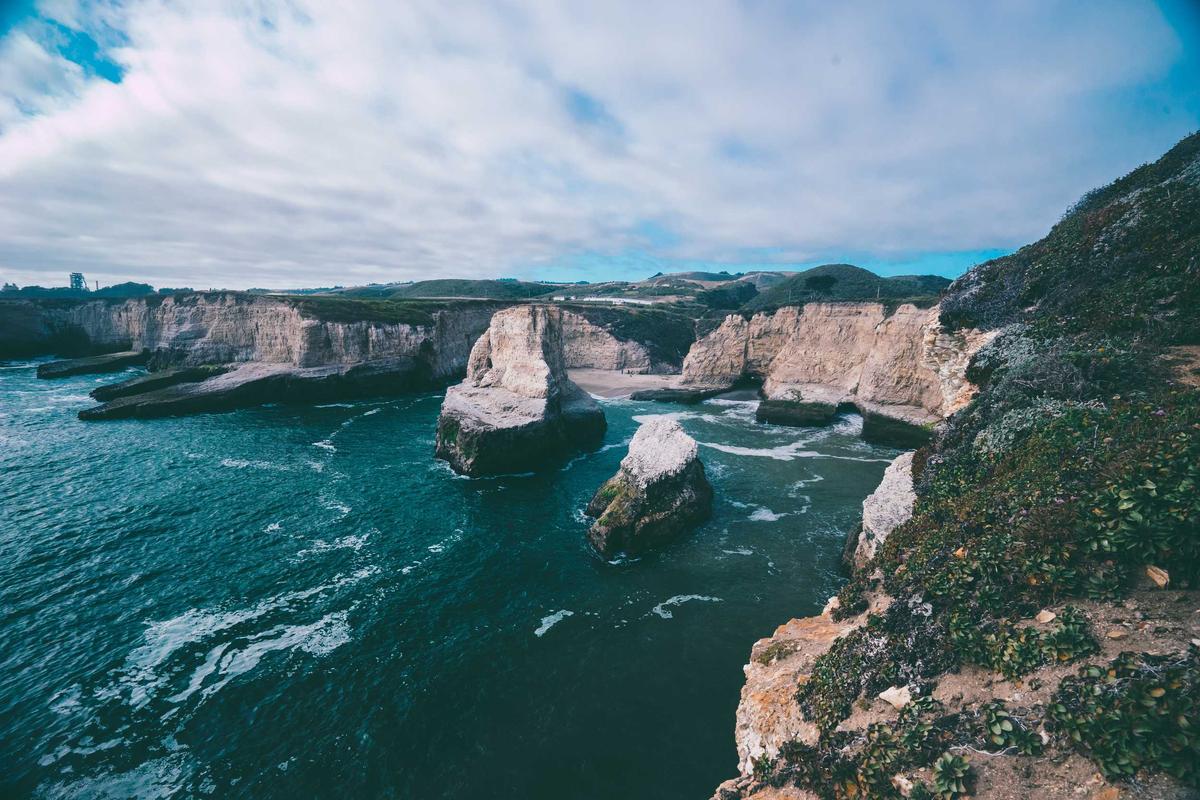
The Incredible Migration of Wildebeest in Africa
Every year, over 1.5 million wildebeest march across the plains of East Africa in one of the most spectacular wildlife events on Earth. This journey spans roughly 1,800 kilometers through Tanzania and Kenya, and it doesn’t just involve wildebeest — hundreds of thousands of zebras, gazelles, and other animals join in. It is the largest terrestrial mammal migration in the world, and witnessing it in person is one of those life-changing experiences that stays with you forever.
If you have ever dreamed of seeing Africa’s wildlife at its most raw and dramatic, this is the trip to plan for. Here is everything you need to know about the great wildebeest migration — when it happens, where to go, and how to make the most of it.
Key Takeaways
- The wildebeest migration involves over 1.5 million animals moving in a circular route between Tanzania’s Serengeti and Kenya’s Maasai Mara.
- The migration follows seasonal rainfall patterns and happens year-round — there’s always something going on.
- The best times to witness major river crossings are roughly July through October.
- The migration passes through some of Africa’s most iconic national parks and reserves.
- Planning your trip around the right season and location dramatically increases your chances of seeing dramatic action.
What Exactly Is the Wildebeest Migration?
The great wildebeest migration is a continuous, year-round movement of animals following the rains in search of fresh grass and water. Unlike a migration with a clear start and end point, this one is a loop — the herds travel clockwise through the Serengeti ecosystem in Tanzania and the Maasai Mara in Kenya, covering about 1,800 kilometers in total.
While wildebeest are the main characters — making up the vast majority of the migrating herd — they don’t travel alone. Around 200,000 zebras, 500,000 Thomson’s gazelles, and 18,000 elands join the procession. Predators like lions, cheetahs, leopards, and hyenas follow closely behind, which means predator-prey interactions are common and often dramatic to watch.
This isn’t a staged event. It’s a raw, natural process driven by survival. The wildebeest are following instinct, chasing the youngest, most nutritious grass that only appears after seasonal rains. Nature has been running this show for tens of thousands of years.
What Is a Plunge Pool and How Does It Form
Along the migration route, several major rivers cross the path of the herds — and these river crossings are what most travelers come to see. When wildebeest gather at a riverbank, the tension is incredible. They know there are Nile crocodiles lurking in the water. Sometimes they wait for hours. Sometimes they don’t wait at all.
The crossings at the Grumeti River (in Tanzania) and the Mara River (on the Kenya-Tanzania border) are the most famous. Hundreds or thousands of wildebeest may plunge into the water at once, Stampeding across in massive groups. The noise, the splashing, the crocodiles — it is genuinely one of the most intense things you will ever see as a traveler.
Important to note: River crossings don’t happen on a schedule. Patience is essential. You might sit at a river for an entire day and see nothing. Or you might arrive just as the first brave wildebeest takes the leap and triggers a massive crossing. That unpredictability is part of what makes it so special.
Month-by-Month Breakdown of the Migration
Since the migration moves continuously, the best place to be depends entirely on when you visit. Here is a month-by-month guide to where the herds typically are:
January to March — Southern Serengeti Calving Season
The herds gather on the short-grass plains of the southern Serengeti (in Tanzania) for the calving season. In just a few weeks, around 500,000 wildebeest calves are born. This is an extraordinary time to visit because the newborn calves make easy pickings for predators. You will see lions, cheetahs, and hyenas hunting constantly. The landscape is open and flat, which makes for excellent photography.
April to May — Moving Northwest Toward the Western Corridor
As the rains end, the herds begin moving northwest through the central and western Serengeti. The columns of wildebeest can stretch for kilometers across the landscape. This is the least touristy time to follow the migration, partly because the long rains can make roads muddy and access tricky.
June — Reaching the Grumeti River
The herds arrive at the Grumeti River in western Serengeti. The first major river crossings happen here. The crocodiles in the Grumeti are large, and crossings can be dramatic, though this location receives fewer tourists than the Mara.
July to October — The Mara River Crossings (Peak Season)
This is the headline act. The herds push north into Kenya’s Maasai Mara, and the Mara River crossings are what most nature documentaries show. The river is deep, the currents are strong, and the crocodiles are massive. Crossings happen repeatedly during this window, and the Mara’s open grasslands offer superb visibility.
August and September are widely considered the absolute best months for seeing crossings, but July and October can also deliver incredible action. If you only have one chance to see the migration, aim for this window.
November to December — Returning South
As the short rains begin in Tanzania, the herds start their long trek back south toward the Serengeti plains. By December, they are typically arriving back in the southern Serengeti, ready to do it all again.
Where to Stay During the Migration
The Serengeti and Maasai Mara offer a range of accommodation options, from luxury safari lodges to mobile tented camps that move with the migration. Mobile camps are especially popular during migration season because they position themselves close to where the herds are at any given time.
For the calving season in January and March, look at camps in the southern Serengeti near Kusini, Ndutu, or the Ngorongoro Conservation Area. For the Mara crossings between July and October, focus on camps along the Mara River in the Maasai Mara or the northern Serengeti.
A tip that experienced safari-goers know: Book well in advance, especially for July through October. The best migration camps fill up months ahead of time — sometimes a year in advance for the most sought-after spots.
The Spectacular Wildlife Beyond Wildebeest
While the wildebeest are the stars, the migration puts you in one of the richest wildlife areas on the planet. During a migration safari, you are very likely to see the Big Five (lion, leopard, elephant, buffalo, and rhino) along with hippos, giraffes, warthogs, jackals, and dozens of bird species.
The Maasai Mara alone is home to one of the highest densities of lions in Africa. Cheetahs hunt openly on the grasslands. Even elephants in the area become part of the backdrop of an already unforgettable experience.
For bird enthusiasts, the Serengeti and Mara host over 450 and 470 bird species respectively — from lilac-breasted rollers to martial eagles. Bring binoculars even if birds aren’t your primary interest; the variety is remarkable.
Practical Tips for Planning Your Migration Safari
1. Choose the right operator. A good safari company makes all the difference. Look for operators with experienced guides who understand migration patterns, and who work with conservation-minded lodges. Ask about group size — smaller vehicles mean better views and more flexibility.
2. Budget realistically. Migration safaris in Kenya and Tanzania aren’t cheap. Expect to pay anywhere from $300 to $1,000+ per person per day for accommodation and game drives, depending on the level of luxury. That usually includes meals, park fees, and guided drives, but confirm what’s included.
3. Pack for early mornings. Game drives start at dawn, when animals are most active. Mornings in the Serengeti and Mara can be surprisingly cold — bring a warm layer, a windbreaker, and a hat. Midday heat is intense, so breathable clothing and sun protection are equally important.
4. Bring good optics. While your guide will get you close to the action, a quality pair of binoculars (8×42 or 10×42) will dramatically improve your experience. If you’re into photography, a telephoto lens of at least 200mm (ideally 300mm or more) is essential.
5. Be patient. Wildlife doesn’t perform on command. The best migration viewing often comes down to waiting — sometimes at a river crossing for hours. Let go of your schedule and let the wilderness set the pace.
Why You Should Visit
There is a reason the wildebeest migration is on almost every serious wildlife traveler’s bucket list. It isn’t just about the animals, though the sheer numbers are mind-blowing. It is about witnessing a process that has shaped the African landscape for millennia. It is about standing on the edge of a river and feeling the ground shake as thousands of wildebeest charge toward the water. It is about watching a cheetah teach her cubs to hunt on grasslands that seem to go on forever.
Modern life rarely offers moments this pure. The migration is the opposite of controlled, predictable, and convenient — and that is exactly what makes it worth the effort.
Comparison of Key Migration Locations
| Location | Country | Best Time to Visit |
|---|---|---|
| Southern Serengeti (Ndutu / Kusini) | Tanzania | January – March (calving season) |
| Western Serengeti (Grumeti River) | Tanzania | May – June (river crossings) |
| Northern Serengeti | Tanzania | July – October (Mara crossings) |
| Maasai Mara National Reserve | Kenya | July – October (peak crossings) |
Frequently Asked Questions
Q: How long does the wildebeest migration last?
The migration is year-round — it never stops. The herds are always moving. The timing of dramatic events like river crossings and calving is seasonal, so plan your trip around those windows.
Q: Is it better to see the migration in Kenya or Tanzania?
Both are extraordinary. The Maasai Mara in Kenya offers more concentrated wildlife during July to October and is generally easier to access. The Serengeti in Tanzania gives you access to the full migration cycle across a much larger area, including the incredible calving season. Many travelers do both.
Q: What is the cheapest month to see the migration?
The green season (March to May) tends to have lower rates, but road conditions can be challenging. November and early December also offer good value as the herds are moving south.
Q: How close can you get to the animals during a crossing?
Your guide will position the vehicle at a safe distance that doesn’t disturb the wildlife. In the Mara, you can sometimes get within 50 to 100 meters of river crossings. Telephoto lenses are very helpful.
Q: Do I need vaccinations or malaria medication for Tanzania or Kenya?
Yes. Talk to a travel health clinic at least 6 weeks before your trip. Yellow fever vaccination is often required. Malaria prophylaxis is strongly recommended for both countries. Your doctor will advise based on your travel dates and itinerary.
Q: Can I see the migration on a budget?
It’s possible, though not easy. Budget camping safari options exist in both Kenya and Tanzania. Sharing vehicle costs with other travelers also helps. Expect to spend a minimum of $200-300 per day for a basic but functional safari experience.
Q: What is the difference between the Serengeti and the Maasai Mara?
They are actually one continuous ecosystem split by a national border. The Serengeti is in Tanzania and is much larger — about 14,750 square kilometers. The Maasai Mara in Kenya is smaller at about 1,510 square kilometers, but has higher wildlife density. Together, they form the stage for the entire migration.
Conclusion
The great wildebeest migration is one of those rare natural events that lives up to the hype — and then exceeds it. Whether you time it for the drama of a Mara River crossing, the vulnerability of the calving season, or the sheer spectacle of a million animals moving across an ancient landscape, this is a journey that reshapes what you think nature is capable of.
Start planning now. Talk to a reputable safari operator, pick your season, and commit. The migration waits for no one, but if you get your timing right, you will witness something that a lifetime of nature documentaries cannot come close to capturing.
Share this post with your friends who love wildlife and adventure — someone in your circle deserves to see this.


The Mariana Trench — Journey to the Deepest Point
The Mariana Trench — Journey to the Deepest Point Imagine descending into total darkness, where the pressure would crush a...


Why Tigers Are Endangered and Where They Still Exist
Why Tigers Are Endangered and Where They Still Exist Tigers are endangered because of habitat loss, poaching, and human-wildlife conflict....


The Secret Social Lives of Dolphins
The Secret Social Lives of Dolphins Dolphins are some of the most social animals on the planet. They form lifelong...
-

 World2 years ago
Types of Ants Living in the World and Information
-

 Wildlife4 years ago
(10) Insects Are Animals in the world?
-

 Forests2 years ago
The 10 Best Forests to Visit in the World
-

 Ocean2 years ago
Oceans in the World and Their Information & Locations
-

 Forests4 years ago
What Is The Biggest Rainforest In The World?
-

 Wildlife4 years ago
Most Popular Wild Animals in The World
-

 Forests2 years ago
The Main Factors That Contribute to Forest Destruction
-

 World1 year ago
The 10 Largest Farms in the World