
Animals
The World’s Most Colorful Frogs and Their Habitats


The World’s Most Colorful Frogs and Their Habitats
Nature didn’t hold back when it comes to painting frogs. Some of the most stunning colors in the animal kingdom belong to tiny amphibians hiding in rainforests, cloud forests, and jungle floors around the world. If you’ve ever wondered which frogs wear the brightest coats and where you might find them, this guide covers the most colorful species on Earth and the habitats they call home.
Key Takeaways
- The most colorful frogs are found in tropical rainforests, mainly in Central and South America, Madagascar, and Southeast Asia.
- Bright colors in frogs often serve as a warning to predators that they are toxic.
- Many colorful frog species are endangered due to habitat loss and climate change.
- Frogs play a vital role in their ecosystems by controlling insect populations.
- Several colorful frog species are now popular in the pet trade, which can threaten wild populations.
Why Are Some Frogs So Colorful?
Frogs come in just about every color you can imagine, and there is a good reason for it. In nature, bright colors are like a stop sign. They tell predators “don’t eat me, I taste terrible or I’m poisonous.” This strategy is called aposematic coloring, and it works incredibly well.
Not all colorful frogs are toxic, though. Some evolved bright colors through mimicry, copying the look of poisonous species to gain protection without producing toxins themselves. Others use color for mating displays or to blend into surprisingly colorful environments, like mossy rocks or flower-covered forest floors.
The pigments in frog skin come from specialized cells called chromatophores. These cells contain different pigments like melanin (black and brown), pteridines (yellows and reds), and carotenoids (oranges and reds). Some frogs also produce structural color, where microscopic structures in the skin reflect light to create blues and greens that seem to glow.
The Most Colorful Frogs on Earth
Here are some of the world’s most colorful frogs you should know about, along with where they live and what makes each one special.
1. Poison Dart Frog (Dendrobatidae Family)
Perhaps no frog is more famous for its color than the poison dart frog. These tiny frogs, some barely bigger than your thumbnail, come in electric blues, fiery reds, bright yellows, and vivid greens. They are found in the rainforests of Central and South America, from Nicaragua all the way to Bolivia and Brazil.
Their bright skin is loaded with alkaloid toxins they get from their diet of ants, mites, and other small insects. Indigenous peoples of Colombia famously used the toxins on blow darts for hunting, which is how they got their name. The golden poison frog (Phyllobates terribilis) is among the most toxic animals on Earth, and its bright golden yellow color leaves no doubt about the danger it carries.
Not all poison dart frogs are deadly. The strawberry poison frog (Oophaga pumilio) comes in over 30 color morphs, ranging from solid red to blue legs with red bodies. These frogs are common in captivity but face habitat loss in the wild.
2. Red-Eyed Tree Frog (Agalychnis callidryas)
This is the frog you’ve probably seen on posters, calendars, and nature documentaries. The red-eyed tree frog has stunning scarlet eyes, a bright green body, blue stripes along its sides, and orange feet. It is the poster child of Central American rainforests and one of the most photographed amphibians in the world.
Found from southern Mexico through Panama and into Colombia, these frogs spend most of their time in the canopy. Their incredible eyes are thought to startle predators, a defense strategy called startle coloration. When a predator approaches, the frog flashes its bright red eyes, and by the time the predator recovers from the surprise, the frog has already jumped away.
Despite their flashy appearance, red-eyed tree frogs are not poisonous. They rely on camouflage to hide during the day, tucking their bright sides under their body and closing their eyes to become a simple green leaf on a branch.
3. Blue Poison Dart Frog (Dendrobates tinctorius “azureus”)
This frog looks like someone dipped a living creature in blue ink. The blue poison dart frog is a deep, vivid cobalt blue with darker blue spots, and it is absolutely striking. It lives in a small region of the Sipaliwini savanna in southern Suriname and northern Brazil, where it is found on a few isolated forest islands scattered across the grassland.
Unlike poison dart frogs that live in dense rainforest, the blue poison dart frog prefers slightly drier, more open forest patches. It feeds on ants and other small invertebrates that contain the alkaloids it uses to make its skin toxic. In captivity, these frogs lose their toxicity because their diet doesn’t include the same wild prey.
The blue poison dart frog is considered vulnerable in the wild due to its extremely limited range. Collectors prize it for the pet trade, and even small amounts of habitat disturbance can have big impacts on its population.
4. Tomato Frog (Dyscophus antongilii)
Found only in northeastern Madagascar, the tomato frog is bright orange-red, just like its namesake. Females are especially large and vividly colored, reaching up to 10 centimeters in length. Males are smaller and less brightly colored, usually more orange than red.
These frogs live in rainforests, swamps, and marshy areas near slow-moving water. When threatened, the tomato frog puffs up its body and secretes a sticky, white substance from its skin that is mildly irritating and can gum up a predator’s mouth. It is a clever defense for an animal that doesn’t have fangs or claws.
The tomato frog is listed as Near Threatened by the IUCN. Madagascar’s rapid deforestation threatens its habitat, and it has been collected heavily for the international pet trade in the past.
5. Malagasy Rainbow Frog (Scaphiophryne gottlebei)
This small frog from Madagascar looks like it was designed by an artist. Its back is covered in a mosaic of bright orange, green, white, and black markings that give it a jewel-like appearance. It is found only in the Isalo Massif in southern Madagascar, living in narrow sandstone canyons.
The rainbow frog is unique because it is adapted to a primarily terrestrial lifestyle, unlike many of its tree-dwelling colorful cousins. It spends much of its time burrowing in sandy soil, emerging during the rainy season to breed in temporary pools.
This species is classified as Endangered due to its small range, habitat degradation from fire and woodcutting, and illegal collection for the pet trade. Conservation efforts in Isalo National Park are critical for its survival.
6. Amazon Milk Frog (Trachycephalus resinifictrix)
The Amazon milk frog is a beautiful creature with a light blue-green body covered in darker brown and cream bands. Its skin has a unique, almost marbled texture, and its eyes are golden with horizontal pupils. It is found throughout the Amazon Basin in South America, including parts of Brazil, Peru, Colombia, Ecuador, and Venezuela.
These frogs get their name from the milky white secretion they produce when stressed. They are arboreal, spending their lives high in the trees, often in water-filled tree holes where they lay their eggs. Their tadpoles develop in these small pools, safe from many aquatic predators.
Amazon milk frogs are popular in the pet trade because of their striking appearance and relatively calm temperament. They are not considered endangered, but deforestation across the Amazon threatens their long-term survival.
7. Yellow-Banded Poison Frog (Dendrobates leucomelas)
This bold frog wears bright yellow and black stripes like a tiny warning sign. It is one of the most commonly kept poison dart frogs in captivity and is found in the northern parts of South America, including Venezuela, Guyana, Brazil, and eastern Colombia.
Unlike many poison dart frogs that prefer dense forest, the yellow-banded poison frog is often found in more open areas, including forest edges and rocky outcrops. It is active during the day, hopping boldly across the forest floor in full view of predators, confident in its toxic defense.
This species is considered one of the easier poison dart frogs to keep in captivity, which has helped reduce pressure on wild populations. However, habitat loss remains a concern across its range.
8. Splash-Backed Poison Frog (Adelphobates galactonotus)
This Central and South American frog has a dark body with a bright splash of color on its back that can be orange, yellow, or even white, depending on the population. It is found in the lowland rainforests of the Amazon Basin, particularly in Brazil.
What makes this frog particularly interesting is the variation in color across different populations. Some populations are nearly black with bright orange backs, while others are dark with pale yellow or cream markings. Scientists believe this variation may be related to differences in local predator communities or available prey.
Like other poison dart frogs, the splash-backed poison frog carries toxins in its skin. It is a ground-dwelling species that breeds in small pools of water that collect in leaf litter or tree hollows.
Comparison of Colorful Frog Species
| Frog Species | Primary Colors | Location | Best Time to See |
|---|---|---|---|
| Poison Dart Frog | Blue, red, yellow, green | Central and South America | Rainy season (June to October) |
| Red-Eyed Tree Frog | Green, red, blue, orange | Mexico to Colombia | May to December (wet season) |
| Blue Poison Dart Frog | Cobalt blue with dark spots | Suriname and northern Brazil | Year-round in captivity; wet season in wild |
| Tomato Frog | Bright orange-red | Northeastern Madagascar | October to April (rainy season) |
| Malagasy Rainbow Frog | Orange, green, white, black | Isalo Massif, Madagascar | November to March (rainy season) |
| Amazon Milk Frog | Blue-green with brown bands | Amazon Basin, South America | Year-round; most active at night |
| Yellow-Banded Poison Frog | Yellow and black stripes | Venezuela, Guyana, Brazil | Rainy season (May to November) |
| Splash-Backed Poison Frog | Black with orange/yellow back | Amazon Basin, Brazil | Rainy season (December to May) |
Where Colorful Frogs Live
The world’s most colorful frogs are concentrated in tropical regions. Central and South America are home to the greatest diversity of colorful species, particularly poison dart frogs. Madagascar, an island off the coast of Africa, has its own unique set of colorful frogs found nowhere else on Earth. Southeast Asia also hosts several stunning species, including various tree frogs with vivid green and blue coloring.
These frogs share a few things in common. They need moisture, warmth, and plenty of cover. Most live in or near rainforests, where humidity stays high and temperatures remain stable. They are often found near water sources like streams, ponds, or water-filled tree holes where they breed.
The health of colorful frog populations is directly tied to the health of their habitats. When forests are cleared for agriculture, logging, or development, these frogs lose the environment they need to survive. Many species have very small ranges, meaning the loss of even a single forest patch can wipe out an entire population.
Why Colorful Frogs Matter
Frogs are more than just pretty faces. They are critical parts of their ecosystems. As predators of insects, they help control populations of mosquitoes, flies, and other invertebrates. As prey, they feed birds, snakes, and small mammals. Remove frogs from an ecosystem, and the effects ripple outward in ways scientists are still working to fully understand.
Colorful frogs also serve as indicators of environmental health. Because they absorb water and chemicals directly through their skin, they are extremely sensitive to pollution and habitat changes. When frog populations decline, it is often an early warning that something is wrong with the environment.
Several colorful frog species are also important in medical research. The alkaloid toxins produced by poison dart frogs have been studied for their potential as painkillers and muscle relaxants. Epibatidine, a compound derived from the skin of the phantasmal poison frog, is 200 times more potent than morphine as a painkiller, though it is too toxic for direct medical use. Researchers are working to develop safer versions of these compounds.
Threats to Colorful Frogs
Many of the world’s most colorful frogs are in trouble. The biggest threats include:
- Habitat loss: Deforestation for agriculture, logging, and urban development destroys the forests where these frogs live. In Madagascar, over 90% of the original forest has been cleared, putting species like the rainbow frog at serious risk.
- Climate change: Changes in temperature and rainfall patterns can disrupt breeding cycles and dry up the small pools where frogs lay their eggs. Some species are being pushed to higher elevations as lowland areas become too warm.
- Disease: The chytrid fungus (Batrachochytrium dendrobatidis) has devastated frog populations worldwide. This deadly skin disease has driven dozens of species to extinction and continues to threaten many more.
- Illegal collection: The demand for exotic pets drives the illegal capture of wild frogs. While captive breeding has reduced pressure on some species, others are still taken from the wild in unsustainable numbers.
- Pollution: Pesticides, herbicides, and other chemicals can poison frogs directly or reduce the insect populations they depend on for food.
How to Help Protect Colorful Frogs
If you care about these incredible animals, there are real things you can do. Support organizations that protect tropical forests and the species that live in them. Groups like the Amphibian Survival Alliance and the World Wildlife Fund work to conserve frog habitats around the world.
If you are considering a colorful frog as a pet, make sure it comes from a reputable breeder, not from the wild. Wild-caught frogs often do not survive well in captivity, and the demand for them drives illegal collection. Captive-bred frogs are healthier, hardier, and their purchase does not harm wild populations.
You can also reduce your own environmental impact by supporting sustainable products, reducing pesticide use in your garden, and spreading awareness about the importance of amphibian conservation. Every small action adds up.
Frequently Asked Questions
Are all colorful frogs poisonous?
No. While many brightly colored frogs are toxic, not all of them are. Some use mimicry to look like poisonous species without actually producing toxins. Others are colorful for reasons unrelated to defense, such as mating displays. However, it is always best to avoid handling wild frogs, as some species can cause skin irritation or worse.
Can you keep colorful frogs as pets?
Yes, several species of colorful frogs are popular in the pet trade, including poison dart frogs, red-eyed tree frogs, and tomato frogs. However, you should only purchase captive-bred animals from reputable breeders. Wild-caught frogs often carry diseases, do not adapt well to captivity, and their removal from the wild harms natural populations.
Why are frogs disappearing around the world?
Frog populations are declining due to a combination of habitat loss, climate change, disease (especially the chytrid fungus), pollution, and over-collection for the pet trade. Scientists estimate that more than 200 frog species have gone extinct since the 1970s, and many more are at risk.
What is the most colorful frog in the world?
There is no single “most colorful” frog, as beauty is subjective. However, the Malagasy rainbow frog, the red-eyed tree frog, and various poison dart frog species are frequently cited as among the most visually stunning amphibians on Earth.
Where can I see colorful frogs in the wild?
The best places to see colorful frogs in the wild include Costa Rica, Panama, Ecuador, Peru, Brazil, and Madagascar. Many eco-lodges and guided nature tours in these regions offer night walks specifically designed to spot frogs. National parks and protected areas are your best bet for seeing them in their natural habitat.
Do colorful frogs change color?
Some frog species can change color to a limited degree, usually becoming lighter or darker depending on temperature, humidity, or stress levels. However, the bright patterns and base colors of most colorful frogs are fixed and do not change dramatically. Chameleons are the masters of color change, not frogs.
How long do colorful frogs live?
Lifespan varies by species. Small poison dart frogs typically live 5 to 15 years in captivity, while larger species like the Amazon milk frog can live 10 to 20 years with proper care. In the wild, most frogs have shorter lifespans due to predation, disease, and environmental challenges.
Conclusion
The world’s most colorful frogs are a reminder of how creative nature can be. From the electric blue of the poison dart frog to the mosaic pattern of the Malagasy rainbow frog, these tiny amphibians carry colors that rival any bird or butterfly. But their beauty comes with vulnerability. Many of these species are threatened by habitat loss, disease, and climate change, and some may disappear before most people ever learn they exist.
The good news is that conservation efforts are making a difference. Protected areas, captive breeding programs, and growing public awareness are helping to safeguard these remarkable creatures. By learning about them, sharing their stories, and supporting conservation, you can play a part in making sure these colorful frogs are around for generations to come.
Start planning your next nature adventure today. Whether it is a trip to the rainforests of Costa Rica or a visit to a local nature center with a frog exhibit, getting closer to these animals is the first step toward caring about their future.


How Do Penguins Survive in Antarctica? A Complete Guide
Imagine standing on the ice in Antarctica. The temperature has dropped to minus 40 degrees. A windstorm is blowing snow sideways. You’re bundled in every piece of clothing you own, and you’re still freezing. Now look down. A colony of Emperor penguins is standing right there, in the open, with nothing but their feathers between them and the cold. And they’re not just surviving — they’re raising babies.
Penguins are some of the most resilient birds on the planet. While most animals would die within hours in Antarctic conditions, penguins have evolved an incredible set of adaptations that let them thrive where almost nothing else can. So how do they actually do it?
Key Takeaways
- Emperor penguins can survive temperatures as low as -60°C (-76°F) and winds up to 200 km/h
- They huddle together in groups of thousands, taking turns on the cold outer edge
- Their feathers are the densest of any bird — about 100 feathers per square inch
- A thick layer of blubber acts like a built-in winter coat
- They can slow their heart rate and reduce blood flow to extremities to conserve heat
- There are 18 species of penguins, but only two live and breed on the Antarctic continent itself
Built for the Cold: Penguin Body Adaptations
Every part of a penguin’s body has been shaped by millions of years of evolution to handle extreme cold. Let’s break down what makes them so tough.
The Feather Coat
Penguin feathers are nothing like the feathers on a regular bird. They’re short, dense, and overlap like shingles on a roof. Emperor penguins have roughly 100 feathers per square inch, making their plumage the densest of any bird species. These feathers trap a layer of air against the skin, which acts as insulation. Before swimming, penguins preen carefully, coating each feather with oil from a gland near their tail. This makes their outer layer completely waterproof — critical when you’re diving into water that’s below freezing.
Underneath the outer feathers is a layer of downy fluff that provides even more insulation. Think of it like wearing a down jacket under a waterproof shell. That’s basically what a penguin is doing, except nature figured it out millions of years before humans did.
Blubber: The Built-In Heater
Underneath their skin, penguins carry a thick layer of fat called blubber. In Emperor penguins, this layer can be up to 3 centimeters thick. Blubber serves two purposes: it insulates against the cold and it stores energy for long periods when food is scarce. During the breeding season, male Emperor penguins don’t eat for up to 115 days. They survive entirely on their fat reserves while they incubate their egg through the worst winter on Earth.
Circulatory System: A Heat Exchange Marvel
Here’s something most people don’t know. Penguins have a built-in heat exchange system in their legs and flippers. The arteries and veins in these extremities run very close together. Warm blood flowing out to the feet heats up the cold blood flowing back into the body. This counter-current heat exchange means penguins can stand on ice for hours without losing dangerous amounts of body heat through their feet.
They can also constrict blood flow to their extremities when it gets really cold, keeping warm blood concentrated around their vital organs. Their heart rate can drop significantly during dives, conserving oxygen and energy.
The Power of Huddling
Even with all those physical adaptations, no single penguin could survive an Antarctic blizzard alone. That’s where huddling comes in — and it’s one of the most remarkable behaviors in the animal kingdom.
When winter storms hit, Emperor penguins gather into tight groups that can include several thousand individuals. They press together so tightly that there’s barely any space between them. The temperature inside the huddle can reach up to 37°C (99°F) — that’s warmer than a summer day in many places.
But here’s the really impressive part: the huddle is constantly rotating. Penguins on the outside of the group bear the brunt of the wind and cold. Every 30 to 60 seconds, the birds shift position, and those on the outside slowly work their way toward the warm center. It’s a completely cooperative system. No penguin gets to stay in the warm middle forever. Everyone takes their turn on the cold edge.
Researchers using time-lapse cameras have found that these huddle movements travel through the group like waves. One penguin takes a small step, and that triggers its neighbors to move, which triggers the next row, and so on. The whole group coordinates without any leader or plan. It’s collective behavior at its finest.
Which Penguins Live in Antarctica?
There are 18 species of penguins in the world, and they live in many different places — from the Galápagos Islands near the equator to the coasts of South Africa and New Zealand. But when it comes to the Antarctic continent itself, only two species actually breed there:
| Penguin Species | Location | Best Time to Visit |
|---|---|---|
| Emperor Penguin | Antarctic coast and sea ice | October to February (austral summer) |
| Adélie Penguin | Antarctic coastline and islands | November to March |
Several other species live in the sub-Antarctic islands surrounding the continent, including Chinstrap, Gentoo, Macaroni, and King penguins. But the Emperor is the true Antarctic specialist — it’s the only animal that breeds on the Antarctic mainland during winter.
Emperor Penguins: The Ultimate Survivors
Emperor penguins are the largest of all penguin species, standing up to 120 cm (4 feet) tall and weighing up to 45 kg (100 pounds). Their size is actually an advantage in the cold — larger animals have a smaller surface area relative to their volume, which means they lose heat more slowly.
What makes Emperor penguins truly extraordinary is their breeding cycle. They are the only penguin species that breeds during the Antarctic winter. In March or April, when the ice is thickest and the weather is at its worst, females lay a single egg. The mother then carefully transfers the egg to the father’s feet, where it rests under a warm fold of skin called a brood pouch.
The father then incubates the egg for about 65 days, standing on the ice through the darkest, coldest period of the year. He doesn’t eat a single thing the entire time. He can lose up to 45% of his body weight during this period. When the mother returns from the ocean with food, the father finally gets to eat and head to the sea to feed himself.
This breeding strategy actually makes sense from a survival standpoint. By starting in winter, the chicks are ready to fledge and head to the ocean during the summer, when food is most abundant. It’s a brutal schedule, but it works.
Adélie Penguins: The Tough Little Survivors
Adélie penguins are much smaller than Emperors — about 70 cm tall and 5 kg — but they’re no less tough. They breed along the Antarctic coastline and on nearby islands during the summer months. Their colonies can be enormous, with some containing over 100,000 breeding pairs.
Adélies are known for their feisty personalities. They’ve been documented stealing rocks from their neighbors’ nests, getting into fights, and even approaching much larger animals without fear. They’re also incredible swimmers, reaching speeds of up to 8 km/h underwater and diving to depths of 175 meters to catch krill and fish.
One fascinating fact about Adélie penguins: they use pebbles to build their nests. Males will sometimes present a particularly nice pebble to a female as part of courtship. It’s one of the few examples of gift-giving in the bird world.
How Penguins Find Food in Antarctic Waters
Surviving the cold is only half the battle. Penguins also need to eat, and finding food in the Southern Ocean is no simple task.
Emperor penguins are the deepest-diving of all penguin species. They can dive to depths of over 500 meters and hold their breath for more than 20 minutes. To put that in perspective, the deepest a human has ever free-dived is about 214 meters. Penguins do this routinely, in water that’s -1.8°C (just below freezing), hunting for fish, squid, and krill.
They have several adaptations that make these extreme dives possible. Their bones are solid rather than hollow (unlike most birds), which reduces the risk of decompression sickness. They can slow their heart rate from about 60-70 beats per minute to as low as 15 beats per minute during a dive. And they have a higher concentration of myoglobin in their muscles, which stores oxygen and allows them to function during long periods underwater.
Threats to Penguin Survival
Despite their incredible adaptations, penguins face serious threats today. Climate change is the biggest concern. As sea ice melts and ocean temperatures rise, the ecosystems that penguins depend on are being disrupted.
Emperor penguins are particularly vulnerable because they depend on sea ice for breeding. If the ice breaks up too early, chicks may not have developed their waterproof feathers yet and can drown or freeze. In 2022, researchers documented the first known mass breeding failure of Emperor penguins linked to early sea ice loss in the Bellingshausen Sea region. Four out of five colonies in the area lost their chicks that year.
Adélie penguins are also affected. In some parts of the Antarctic Peninsula, populations have declined by more than 75% over the past 50 years. However, in other areas further south, Adélie populations are actually increasing as ice conditions change. The picture is complex and varies by region.
Other threats include overfishing of krill (a key food source), oil spills, and disturbance from tourism and research activities. Several penguin species around the world are classified as vulnerable or endangered.
Where to See Penguins in the Wild
If you want to see penguins in their natural habitat, there are several incredible destinations to consider:
Antarctica: The ultimate penguin-watching destination. Expedition cruises depart from Ushuaia, Argentina, between November and March. You can see Emperor, Adélie, Chinstrap, and Gentoo penguins. It’s not cheap, but it’s a once-in-a-lifetime experience. Most trips take 10-20 days and cross the Drake Passage, which is known for rough seas.
South Georgia Island: Home to one of the largest King penguin colonies on Earth — over 100,000 breeding pairs. The island is remote and can only be reached by expedition cruise, but the wildlife spectacle is unmatched.
Falkland Islands: One of the more accessible penguin destinations, with five species breeding on the islands. You can see Gentoo, Magellanic, Rockhopper, King, and Macaroni penguins.
Galápagos Islands: The Galápagos penguin is the only species found north of the equator. It’s also the rarest penguin species, with fewer than 2,000 individuals remaining.
When visiting penguin colonies, always follow the guidelines set by tour operators and conservation organizations. Keep a respectful distance (usually at least 5 meters), never touch the birds, and don’t block their paths to and from the ocean.
Fascinating Penguin Facts You Might Not Know
- Penguins can drink salt water. They have a special gland above their eyes that filters excess salt from their bloodstream, which they then sneeze out.
- Emperor penguins can live for up to 50 years in the wild, though the average is closer to 20 years.
- Gentoo penguins are the fastest underwater swimmers, reaching speeds of up to 36 km/h.
- Little Blue penguins (also called Fairy penguins) are the smallest species, standing just 33 cm tall. They live in Australia and New Zealand.
- Penguins molt all their feathers at once once a year, a process called a “catastrophic molt.” During this 2-3 week period, they can’t swim and must stay on land.
Macaroni penguins have the largest population of any penguin species, with an estimated 12 million breeding pairs.
Frequently Asked Questions
How cold does it get where penguins live?
In the interior of Antarctica, temperatures can drop to -80°C (-112°F). On the coast, where most penguins live, winter temperatures typically range from -20°C to -40°C. Emperor penguins breed during the coldest months, enduring temperatures that would kill most mammals within hours.
Do all penguins live in cold places?
No. While we associate penguins with ice and snow, many species live in temperate or even warm climates. The Galápagos penguin lives on tropical islands near the equator. African penguins live along the coasts of South Africa and Namibia, where temperatures can exceed 30°C. Humboldt penguins live along the coast of Peru and Chile in South America.
How long can penguins hold their breath?
It depends on the species. Emperor penguins are the champions, holding their breath for over 20 minutes during deep dives. Most smaller species dive for 2-5 minutes at a time. Their bodies are incredibly efficient at using oxygen during dives.
Why don’t penguins’ feet freeze on the ice?
Penguins have a counter-current heat exchange system in their legs. Warm arterial blood flowing to the feet heats up the cold venous blood returning to the body. This keeps the feet just above freezing — cold enough to prevent frostbite but warm enough to avoid sticking to the ice. They can also reduce blood flow to their feet in extreme cold.
What do penguins eat?
Most Antarctic penguins feed primarily on krill — small shrimp-like crustaceans that are incredibly abundant in the Southern Ocean. They also eat fish and squid. Emperor penguins tend to eat more fish than other species. A large penguin colony can consume thousands of tons of krill in a single breeding season.
Are penguins endangered?
Of the 18 penguin species, 10 are classified as threatened or near-threatened by the IUCN. Emperor penguins were recently reclassified as “near threatened” due to climate change impacts on sea ice. The Galápagos penguin and African penguin are classified as endangered. However, some species like the Adélie and King penguins currently have stable or growing populations.
Can penguins fly?
No penguin species can fly. Over millions of years, their wings evolved into flippers that are perfectly adapted for swimming but useless for flight. In a way, penguins “fly” underwater — their flipper movements are remarkably similar to the wing movements of flying birds. They’re just doing it in water instead of air.
Conclusion
Penguins are a testament to the power of evolution. Through a combination of physical adaptations — dense feathers, thick blubber, heat-exchanging circulatory systems — and remarkable social behaviors like huddling, they’ve conquered one of the most hostile environments on Earth. The fact that Emperor penguins can breed during the Antarctic winter, the darkest and coldest period on the planet, is one of the most extraordinary achievements in the natural world.
But their survival is not guaranteed. As climate change reshapes Antarctica, the sea ice and ocean ecosystems that penguins depend on are shifting in ways that could threaten their future. Understanding how penguins survive isn’t just fascinating — it’s a reminder of how remarkable and fragile nature can be.
If you ever get the chance to see penguins in the wild, take it. Watching these animals in their natural habitat, whether on the ice of Antarctica or the shores of a remote island, is an experience that stays with you forever.
Share this post with your friends who love wildlife, and start planning your own Antarctic adventure today.

Why Monarch Butterflies Are Disappearing and What It Means for Our Planet
Imagine walking through a forest in Mexico and seeing the trees covered in a living blanket of orange and black. Thousands of monarch butterflies hanging from branches, filling the air when they take flight. Now imagine that forest almost silent. That is exactly what is happening. Monarch butterflies are disappearing at an alarming rate, and scientists are deeply concerned about what their loss means for the rest of the natural world.
Key Takeaways
- Monarch butterfly populations have declined by roughly 90 percent since the 1990s. Their migration is one of the most incredible natural events on Earth, but it is under serious threat.
- The biggest threats to monarchs include habitat loss, climate change, pesticide use, and the destruction of milkweed, the only plant their caterpillars can eat.
- Monarchs play a vital role as pollinators and as a food source for birds and other animals. Their decline affects entire ecosystems.
- There are real things you can do to help, from planting milkweed in your garden to supporting conservation organizations.
- The monarch migration is still happening, but it needs our protection to survive for future generations.
The Monarch Butterfly Migration Is One of Nature’s Greatest Wonders
Every year, millions of monarch butterflies travel up to 3,000 miles from the United States and Canada to the mountain forests of central Mexico. Some populations on the west coast migrate to coastal California instead. This journey takes multiple generations to complete. The butterflies that leave Mexico in spring are not the same ones that return in fall. It is their great-great-grandchildren that make the trip back, somehow finding the exact same trees their ancestors used.
Scientists still do not fully understand how monarchs navigate such enormous distances. They appear to use a combination of the sun’s position and an internal magnetic compass. What we do know is that this migration is one of the most remarkable feats in the animal kingdom. No other butterfly species migrates like this. And right now, it is in danger of disappearing.
Why Monarch Butterflies Are Disappearing
The decline of monarch butterflies is not caused by one single problem. It is a combination of several threats that are all happening at the same time. Understanding these threats is the first step toward fixing them.
Habitat Loss Along the Migration Route
Monarchs need places to rest and feed during their long journey. They rely on wildflower meadows, prairies, and forest edges along the way. But across North America, these habitats are disappearing fast. Farmland expansion, urban development, and road construction have eaten up millions of acres of the wild spaces monarchs depend on.
In Mexico, the oyamel fir forests where monarchs spend their winter are being destroyed by illegal logging. Even though the Mexican government has established protected areas, enforcement remains a challenge. The trees that monarchs cluster on during winter are being cut down, leaving the butterflies exposed to cold and rain they cannot survive.
The Milkweed Crisis
Here is a fact that surprises most people. Monarch caterpillars can only eat one type of plant. Milkweed. No milkweed means no monarch babies. It is that simple.
Milkweed used to grow abundantly in fields and along roadsides across the United States. But the widespread use of herbicides in industrial agriculture has wiped out most of it. When farmers spray their fields to kill weeds, milkweed dies too. The result is that monarchs are losing the one plant they absolutely need to reproduce.
Without milkweed, female monarchs have nowhere to lay their eggs. Without eggs, there are no caterpillars. Without caterpillars, there are no new butterflies. The entire life cycle breaks down.
Climate Change Is Disrupting the Migration
Monarchs are extremely sensitive to temperature changes. They time their migration based on seasonal cues like day length and temperature. But as the climate warms, these cues are getting out of sync. Spring arrives earlier in some years, but the milkweed may not be ready when monarchs need it. Fall temperatures stay warmer longer, which can delay the southward migration and leave butterflies caught in freezing weather.
Extreme weather events are also taking a toll. Severe storms, droughts, and unseasonable freezes can kill large numbers of monarchs during migration. In 2002, a single winter storm in Mexico killed an estimated 80 percent of the monarch population in one reserve. Events like this are becoming more common as the climate becomes more unpredictable.
Pesticides and Insecticides
Neonicotinoids and other systemic pesticides are widely used in agriculture and even in home gardens. These chemicals do not just kill pest insects. They also harm beneficial insects like monarch butterflies. Even low levels of exposure can affect a monarch’s ability to navigate, feed, and reproduce.
Studies have shown that monarch caterpillars exposed to neonicotinoids are less likely to survive to adulthood. Adult butterflies exposed to these chemicals may have trouble finding milkweed plants and may lay fewer eggs. The cumulative effect of widespread pesticide use is a significant factor in the monarch’s decline.
What the Numbers Tell Us
The data is sobering. In the 1990s, scientists estimated that roughly one billion monarchs made the migration to Mexico each winter. By 2014, that number had dropped to about 33 million. While there have been some years with modest recovery, the overall trend is still downward.
The western monarch population, which overwinters in California, has fared even worse. In 2020, fewer than 2,000 western monarchs were counted at their wintering sites. That is a decline of more than 99 percent from the millions that used to gather there in the 1980s.
In 2020, the US Fish and Wildlife Service determined that monarchs warranted protection under the Endangered Species Act but did not list them, citing higher-priority species. The International Union for Conservation of Nature listed the monarch migration as an endangered phenomenon in 2022. These are clear warning signs that we cannot ignore.
Why Monarch Butterflies Matter More Than You Think
Some people might wonder why we should care so much about one butterfly species. The answer is that monarchs are what scientists call an indicator species. Their health reflects the health of the entire ecosystem they live in.
Monarchs are important pollinators. As they feed on nectar from wildflowers, they carry pollen from plant to plant, helping those plants reproduce. Many of the same wildflowers that monarchs depend on are also used by bees, hummingbirds, and other pollinators. When monarchs decline, it often means the whole pollinator community is struggling.
Monarchs are also a food source for birds, mice, and other animals. Their caterpillars and eggs are an important part of the food web. Removing monarchs from the equation has ripple effects that scientists are still working to understand.
Beyond their ecological role, monarchs have deep cultural significance. In Mexico, monarchs are associated with the Day of the Dead and are believed to carry the spirits of departed loved ones. For many communities, the monarch migration is a source of pride, tourism revenue, and cultural identity.
Where to See Monarch Butterflies in the Wild
If you want to witness the monarch migration for yourself, there are several incredible places to visit. Here is a comparison of the best spots.
| Location | Country | Best Time to Visit |
|---|---|---|
| Monarch Butterfly Biosphere Reserve (Michoacan) | Mexico | November to March |
| El Rosario Sanctuary | Mexico | January to March |
| Pismo Beach Monarch Butterfly Grove | USA (California) | October to February |
| Natural Bridges State Beach | USA (California) | October to February |
| Point Pelee National Park | Canada | September to October |
| Cape May | USA (New Jersey) | September to October |
| St. Marks National Wildlife Refuge | USA (Florida) | October to November |
| Monarch Grove Sanctuary (Pacific Grove) | USA (California) | October to February |
Monarch Butterfly Biosphere Reserve, Mexico
This is the crown jewel of monarch watching. Located in the mountains of Michoacan, this UNESCO World Heritage Site hosts the largest concentration of overwintering monarchs on Earth. The sight of millions of butterflies covering the oyamel fir trees is something you will never forget. The best time to visit is January and February, when the butterflies are most active on warmer days.
Travel Tips: The reserve is at high altitude, so bring warm layers even on sunny days. Hire a local guide at the entrance. Wear comfortable hiking shoes. Respect the rules about staying on marked paths and keeping your voice down.
Pismo Beach Monarch Butterfly Grove, California
One of the largest monarch groves in California, this site is easily accessible and perfect for families. The butterflies cluster in eucalyptus and Monterey pine trees right next to the beach. Interpretive signs help you understand what you are seeing. The grove is free to visit.
Travel Tips: Visit on a warm afternoon when the butterflies are most likely to be flying. Bring binoculars for a closer look. Check the grove’s website before visiting, as numbers vary significantly from year to year.
Point Pelee National Park, Canada
Point Pelee is one of the best places in Canada to see monarchs during their southward migration. The park sits at the southernmost point of mainland Canada, making it a natural funnel for migrating butterflies. September and October are the peak months.
Travel Tips: Combine your monarch watching with bird migration viewing, as Point Pelee is also a world-class birding destination. Bring a field guide and a camera with a zoom lens.
Cape May, New Jersey
Cape May is legendary among bird and butterfly watchers. The peninsula’s geography concentrates migrating monarchs as they head south over the Delaware Bay. Hawk Watch Platform at Cape May Point State Park is a great spot to observe the migration.
Travel Tips: Visit during a northwest wind in September or October for the best monarch numbers. The Cape May Bird Observatory often posts daily migration counts online.
What You Can Do to Help Save Monarch Butterflies
The good news is that ordinary people can make a real difference for monarchs. You do not need to be a scientist or a politician. Here are practical steps you can take right now.
Plant Milkweed in Your Garden
This is the single most helpful thing you can do. If you have a garden, a balcony, or even a window box, plant native milkweed species. Common milkweed, swamp milkweed, and butterfly weed are all excellent choices depending on your region. Make sure you are planting species native to your area, as tropical milkweed can actually cause problems for monarchs in some climates.
You can find milkweed seeds and plants at many native plant nurseries. Organizations like the Xerces Society and Monarch Watch also offer resources for finding the right milkweed for your region.
Create a Pollinator-Friendly Garden
Beyond milkweed, plant a variety of native wildflowers that bloom at different times of year. Monarchs need nectar from spring through fall. Coneflowers, black-eyed Susans, asters, goldenrod, and Joe-Pye weed are all excellent choices. Avoid using pesticides in your garden, especially neonicotinoids.
Even a small patch of wildflowers on a balcony or in a community garden can provide important fuel for migrating monarchs. Every little bit helps.
Support Conservation Organizations
Several organizations are working hard to protect monarchs and their habitat. Consider donating to or volunteering with groups like the Monarch Joint Venture, the Xerces Society, the World Wildlife Fund Mexico, or the Monarch Butterfly Fund. These groups work on habitat restoration, scientific research, and policy advocacy.
Citizen Science
You can contribute to monarch research by participating in citizen science programs. Journey North allows you to report monarch sightings and track the migration in real time. The Western Monarch Milkweed Mapper helps scientists understand where monarchs and milkweed are found in the western United States. Your observations, even from your own backyard, provide valuable data.
Spread the Word
Talk to your friends, family, and neighbors about monarchs. Share what you have learned. The more people who understand the problem, the more support there will be for solutions. Encourage your local schools, parks, and community groups to plant pollinator gardens.
The Bigger Picture
The story of the monarch butterfly is really a story about all of us. The same forces that are driving monarchs toward extinction, habitat destruction, climate change, pesticide overuse, are affecting countless other species. Bees, birds, amphibians, and many other pollinators are all in decline. The monarch is just the most visible symbol of a much larger crisis.
But here is the thing. We know what to do. We know how to protect habitat. We know how to reduce pesticide use. We know how to fight climate change. The question is whether we will act fast enough. The monarch migration has survived for thousands of years. It can survive the challenges of the modern world too, but only if we give it a fighting chance.
Frequently Asked Questions
Why are monarch butterflies disappearing?
Monarch butterflies are disappearing due to a combination of habitat loss, climate change, pesticide use, and the destruction of milkweed plants. Their overwintering forests in Mexico are being logged, and the wildflower meadows they depend on during migration are being converted to farmland or developed for housing and industry.
How many monarch butterflies are left?
Scientists estimate that the eastern monarch population has declined by roughly 90 percent since the 1990s. The western population has declined by more than 99 percent. While numbers fluctuate from year to year, the long-term trend is deeply concerning.
What do monarch butterflies eat?
Adult monarchs feed on nectar from a variety of wildflowers. Monarch caterpillars, however, can only eat milkweed. This makes milkweed absolutely essential for monarch reproduction. Without it, monarchs cannot complete their life cycle.
Where do monarch butterflies migrate to?
Eastern monarchs migrate to the oyamel fir forests in the mountains of central Mexico. Western monarchs migrate to coastal California, where they cluster in trees along the Pacific coast. The journey can be up to 3,000 miles long.
Can I help monarch butterflies in my own garden?
Absolutely. Planting native milkweed and nectar-rich wildflowers is the best thing you can do. Avoid using pesticides, especially neonicotinoids. Even a small garden or balcony planter can provide important resources for migrating monarchs.
Are monarch butterflies endangered?
As of now, monarch butterflies are not officially listed as endangered under the US Endangered Species Act, though they have been found to warrant listing. The International Union for Conservation of Nature classified the monarch migration as an endangered phenomenon in 2022. Their status is being closely monitored.
When is the best time to see monarch butterflies?
The best time depends on where you are. In Mexico, visit between January and March. In California, visit between October and February. During the fall migration through the United States and Canada, September and October are the peak months. Spring migration can be observed from March through May.
Conclusion
The monarch butterfly is more than just a pretty insect. It is a symbol of the interconnectedness of nature, a reminder that even the smallest creatures play a vital role in the health of our planet. The fact that they are disappearing should concern all of us, not just butterfly enthusiasts.
The solutions are within our reach. Plant milkweed. Protect wild spaces. Reduce pesticide use. Support organizations that are fighting for pollinators. Talk to the people around you about why this matters. The monarch migration has been happening for millennia. Let us make sure it continues for millennia to come.
Start planning your trip to see the monarch migration, or better yet, start planting milkweed in your own backyard today. Every action counts.

The World’s Rarest Big Cats and Where They Still Roam
Big cats are some of the most awe-inspiring animals on Earth. But many of them are slipping closer to extinction every year. If you have ever wanted to know which big cats are the rarest, where they live, and what makes each one special, this guide will walk you through all of them. Some of these animals you may have never even heard of.
Key Takeaways
- There are roughly 40 species of wild cats in the world, but the “big cats” — those in the genus Panthera and a few close relatives — are the most threatened.
- The Amur leopard is considered the rarest big cat, with fewer than 100 individuals left in the wild.
- Snow leopards, Bengal tigers, and Iberian lynx have all shown population recoveries thanks to conservation efforts.
- Habitat loss, poaching, and human-wildlife conflict are the biggest threats to all rare big cats.
- Several of these cats live in places you could actually visit, and responsible wildlife tourism supports their protection.
Why Big Cats Are So Important
Big cats sit at the top of the food chain. When their populations decline, entire ecosystems feel the ripple effects. Fewer predators means overpopulation of herbivores, which leads to overgrazing, degraded forests, and collapsing biodiversity. Protecting big cats is not just about saving beautiful animals. It is about keeping the natural world in balance.
Unfortunately, most big cat populations have dropped dramatically over the past century. The good news is that conservation efforts are working in several regions. Some species are slowly clawing their way back from the brink. Let us look at the world’s rarest big cats and where you can still find them.
The Amur Leopard — The World’s Rarest Big Cat
Where it lives: Far eastern Russia and small parts of northeastern China
Population: Around 80 to 100 individuals in the wild
The Amur leopard is, by most counts, the rarest big cat on the planet. It lives in the temperate forests of the Russian Primorsky Krai region, near the border with China. Unlike its African cousins, this leopard has adapted to cold, snowy winters. Its coat is paler and thicker, with widely spaced rosettes that help it blend into the dappled forest light.
What makes the Amur leopard so vulnerable is its tiny range and low genetic diversity. Decades of logging, road building, and poaching pushed it to the edge. But things are slowly improving. The establishment of Land of the Leopard National Park in Russia in 2012 gave the species a protected stronghold. Chinese authorities have also created the Northeast Tiger and Leopard National Park, which now connects habitat across the border.
Why you should visit: Seeing an Amur leopard in the wild is extraordinarily rare, but visiting the region supports the local conservation economy. Guided wildlife tours in Primorsky Krai offer a chance to track these cats and learn about ongoing protection work.
Best time to visit: Late autumn to early winter (October to December), when leopards are more active and the forest is quiet.
Travel tips: Access is limited. Work with a licensed wildlife tour operator based in Vladivostok. Bring warm clothing and be prepared for rugged terrain.
The Snow Leopard — Ghost of the Mountains
Where it lives: Mountain ranges of Central Asia, including the Himalayas, Hindu Kush, and Altai
Population: Estimated 4,000 to 6,500 individuals
Snow leopards are often called the “ghost of the mountains” because they are so rarely seen. They live at altitudes between 3,000 and 5,500 meters across 12 countries, from Mongolia to Afghanistan. Their thick, smoky-gray fur with dark rosettes makes them nearly invisible against rocky slopes.
These cats are solitary and incredibly well adapted to cold, thin air. Their wide, fur-covered paws act as natural snowshoes, and their long, thick tails help with balance on steep terrain. They can leap up to 15 meters in a single bound.
Conservation programs in countries like Mongolia, Kyrgyzstan, and India have helped stabilize some populations. Community-based tourism and livestock insurance programs have reduced retaliatory killings by herders whose animals are sometimes preyed upon by snow leopards.
Why you should visit: Tracking snow leopards is one of the most rewarding wildlife experiences in the world. Even if you do not spot one, the mountain landscapes are breathtaking.
Best time to visit: Winter (December to March), when snow leopards descend to lower elevations and are easier to track.
Travel tips: Popular destinations include Ladakh in India, the Altai Mountains in Mongolia, and the Tost Mountains. Hire local guides who work with conservation organizations.
The Bengal Tiger — Icon Under Threat
Where it lives: India, Bangladesh, Nepal, Bhutan, and small pockets of Myanmar
Population: Around 3,000 to 4,500 individuals (mostly in India)
The Bengal tiger is probably the most famous big cat in the world, but it is also one of the most endangered. India is home to roughly 75 percent of the world’s wild tigers, thanks to Project Tiger, which launched in 1973 and now manages over 50 tiger reserves across the country.
Tigers need vast territories. A single male can require up to 100 square kilometers of forest. As human populations expand and forests shrink, tigers are increasingly forced into conflict with people. Poaching for tiger bones, skin, and other body parts remains a serious problem, driven by demand in traditional medicine markets.
Despite these challenges, India’s tiger population has grown from about 1,400 in 2006 to over 3,000 today. Nepal and Bhutan have also seen encouraging increases.
Why you should visit: India’s tiger reserves offer some of the best wildlife viewing on Earth. Seeing a Bengal tiger in the wild is a life-changing experience.
Best time to visit: March to June, when water sources are scarce and tigers congregate near rivers and lakes.
Travel tips: Top reserves include Bandhavgarh, Kanha, Ranthambore, and Jim Corbett National Park. Book safari permits well in advance, especially for the most popular parks.
The Iberian Lynx — A Conservation Success Story
Where it lives: Southern Spain and parts of Portugal
Population: Over 1,100 individuals (up from fewer than 100 in 2002)
The Iberian lynx is the world’s most endangered cat species that has made a remarkable comeback. By 2002, fewer than 100 remained, mostly in fragmented scrubland in Andalusia. Intensive conservation efforts — including captive breeding, rabbit population recovery (the lynx’s primary prey), and habitat restoration — have brought the species back from the edge.
The Iberian lynx is smaller than its Eurasian cousin, with distinctive tufted ears, a ruff of fur around its face, and a spotted coat. It is a specialist predator that depends almost entirely on European rabbits, which makes it vulnerable to disease outbreaks in rabbit populations.
Why you should visit: The Iberian lynx recovery is one of the greatest conservation stories of the 21st century. Visiting the region supports the ongoing work.
Best time to visit: Autumn and winter (October to February), when lynxes are more active during the day.
Travel tips: The Sierra de Andujar and Doñana National Park in Spain are the best areas. Guided wildlife tours are available through local conservation groups.
The Asiatic Cheetah — On the Brink
Where it lives: Central deserts of Iran
Population: Fewer than 50 individuals
The Asiatic cheetah once ranged from the Middle East to India. Today, it survives only in the arid, open landscapes of Iran’s Kavir Desert and the Touran National Park. It is one of the rarest large mammals on Earth.
Unlike African cheetahs, the Asiatic subspecies is slightly smaller, with a paler coat and thicker fur for cooler desert nights. It preys on gazelles, wild sheep, and hares. The main threats are habitat loss, road kills on highways that cut through its range, and a dwindling prey base.
Iran’s government and international organizations like the UNDP have been working to protect the remaining population, but progress is slow and the situation remains critical.
Why you should visit: Tourism infrastructure is limited, but visiting Iran’s desert parks raises awareness and supports local economies that benefit from conservation.
Best time to visit: Cooler months (November to March).
Travel tips: Access to core cheetah areas is restricted. Contact the Iranian Department of Environment or international conservation groups for guidance.
The Sumatran Tiger — The Last of the Island Tigers
Where it lives: Sumatra, Indonesia
Population: Around 400 to 600 individuals
The Sumatran tiger is the only surviving tiger subspecies in Indonesia. The Bali and Javan tigers were driven to extinction in the 20th century. Sumatran tigers are the smallest living tigers, with darker, narrower stripes and a distinctive ruff of fur around the face.
Sumatra’s rainforests are being cleared at an alarming rate for palm oil plantations, logging, and mining. This is the single biggest threat to the species. Anti-poaching patrols and forest protection programs are critical, but enforcement remains a challenge across such a vast and remote landscape.
Why you should visit: Sumatra’s national parks, like Kerinci Seblat and Gunung Leuser, are among the last places on Earth where you might encounter a wild Sumatran tiger.
Best time to visit: Dry season (May to September).
Travel tips: Trekking with local guides in Kerinci Seblat National Park offers the best chance of signs of tigers, though actual sightings are extremely rare.
The Clouded Leopard — The Tree-Climbing Big Cat
Where it lives: Forests of Southeast Asia, from Nepal to Borneo
Population: Estimated fewer than 10,000, but poorly studied
Clouded leopards are not true “big cats” in the Panthera genus, but they are among the most impressive medium-sized cats. They have the longest canine teeth relative to body size of any living cat, earning them the nickname “modern-day saber-tooth.” They are also incredible climbers, able to hang from branches by their hind feet and descend trees headfirst.
Their cloud-shaped markings provide excellent camouflage in the dappled light of tropical and subtropical forests. They are shy and nocturnal, which makes them very difficult to study in the wild.
Why you should visit: Clouded leopards are a highlight of any wildlife trip to Southeast Asian rainforests, even if sightings are rare.
Best time to visit: Varies by country; generally during the dry season in each region.
Travel tips: Taman Negara in Malaysia, Borneo’s Danum Valley, and forests in Bhutan are good areas to explore with experienced local guides.
The Arabian Leopard — Desert Survivor
Where it lives: Mountains of Oman, Yemen, Saudi Arabia, and Israel
Population: Fewer than 200 individuals
The Arabian leopard is the smallest leopard subspecies, adapted to the harsh, dry mountains of the Arabian Peninsula. It needs large territories and access to prey like ibex, hyrax, and gazelles. Habitat fragmentation and prey depletion have pushed it to critically low numbers.
Oman’s Jebel Samhan Nature Reserve is one of the last strongholds. Saudi Arabia’s Royal Commission for AlUla has also launched conservation programs to protect and potentially reintroduce the species.
Why you should visit: The mountains of Oman are stunning, and visiting supports the local conservation economy.
Best time to visit: October to March, when temperatures are cooler.
Travel tips: Jebel Samhan in Oman requires a permit and a 4×4 vehicle. Local guides are recommended.
Comparison of the World’s Rarest Big Cats
| Big Cat | Location | Estimated Population | Best Time to Visit |
|---|---|---|---|
| Amur Leopard | Russia, China | 80–100 | October–December |
| Snow Leopard | Central Asia (12 countries) | 4,000–6,500 | December–March |
| Bengal Tiger | India, Nepal, Bhutan, Bangladesh | 3,000–4,500 | March–June |
| Iberian Lynx | Spain, Portugal | 1,100+ | October–February |
| Asiatic Cheetah | Iran | Fewer than 50 | November–March |
| Sumatran Tiger | Sumatra, Indonesia | 400–600 | May–September |
| Clouded Leopard | Southeast Asia | Fewer than 10,000 | Dry season (varies) |
| Arabian Leopard | Oman, Saudi Arabia, Yemen | Fewer than 200 | October–March |
How You Can Help Protect Rare Big Cats
You do not have to be a scientist to make a difference. Here are a few practical ways to help:
- Support conservation organizations. Groups like Panthera, the Wildlife Conservation Society, and the World Wildlife Fund run programs that directly protect big cats and their habitats.
- Choose responsible wildlife tourism. When you visit big cat destinations, book with operators that support local communities and follow ethical wildlife viewing practices.
- Avoid products linked to habitat destruction. Palm oil, illegal timber, and products from unsustainable supply chains contribute to the loss of big cat habitat.
- Spread the word. Share what you have learned. The more people know about these animals, the more support conservation efforts will receive.
Frequently Asked Questions
What is the rarest big cat in the world?
The Amur leopard is generally considered the rarest big cat, with fewer than 100 individuals left in the wild. The Asiatic cheetah, with fewer than 50 individuals, is also critically rare but is technically a separate subspecies rather than a “big cat” in the Panthera genus.
Are snow leopards endangered?
Snow leopards are classified as vulnerable by the IUCN. Their population is estimated at 4,000 to 6,500 individuals. While this is higher than some other rare big cats, their remote habitat makes accurate counts difficult, and they face ongoing threats from poaching and habitat loss.
Can you see big cats in the wild?
Yes, but it requires patience and the right destination. India’s tiger reserves offer the best odds for seeing a big cat. Snow leopard tracking in Ladakh or Mongolia is another option, though sightings are never guaranteed. Always go with experienced local guides.
What is the biggest threat to big cats?
Habitat loss is the single biggest threat. As forests are cleared and grasslands are converted to farmland, big cats lose both their homes and their prey. Poaching for skins, bones, and traditional medicine is the second major threat.
How many tiger subspecies are left?
There are six surviving tiger subspecies: Bengal, Indochinese, Malayan, Siberian (Amur), South China, and Sumatran. The Bali, Javan, and Caspian tigers are already extinct. The South China tiger is functionally extinct in the wild.
What makes the Iberian lynx special?
The Iberian lynx is the world’s most endangered cat species that has been brought back from the brink. Its population grew from fewer than 100 in 2002 to over 1,100 today, thanks to intensive captive breeding and habitat restoration in Spain and Portugal.
Where is the best place to see a Bengal tiger?
India’s Bandhavgarh and Kanha National Parks have some of the highest tiger densities in the world. Ranthambore is also famous and more accessible. Book safari permits early, especially for the peak season from March to June.
Conclusion
The world’s rarest big cats are fighting for survival, but there is real reason for hope. From the Amur leopard’s slow recovery in Russia to the Iberian lynx’s remarkable comeback in Spain, conservation works when communities, governments, and travelers come together. These animals are not just symbols of wilderness. They are essential pieces of the ecosystems we all depend on.
If you have ever dreamed of seeing a tiger in the wild, tracking a snow leopard through mountain passes, or simply learning more about these incredible predators, now is the time to start planning. Every visit, every donation, and every conversation about these animals helps keep them alive for future generations.
Share this post with your friends who love wildlife. The more people know about these rare big cats, the better their chances of survival.


Why the Ocean Smells Like the Ocean
Why the Ocean Smells Like the Ocean That unmistakable ocean scent you breathe in at the beach? It is not...


How Waves Form and Why Some Beaches Have Bigger Waves
How Waves Form and Why Some Beaches Have Bigger Waves Ever stood on a beach and wondered why some days...
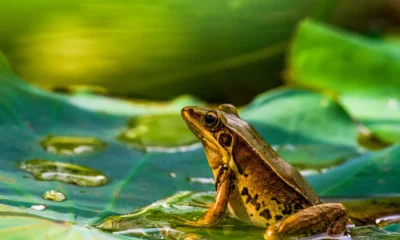

The World’s Most Colorful Frogs and Their Habitats
The World’s Most Colorful Frogs and Their Habitats Nature didn’t hold back when it comes to painting frogs. Some of...
-

 World1 year ago
Types of Ants Living in the World and Information
-

 Forests1 year ago
The 10 Best Forests to Visit in the World
-

 Wildlife4 years ago
(10) Insects Are Animals in the world?
-

 Ocean2 years ago
Oceans in the World and Their Information & Locations
-

 Wildlife4 years ago
Most Popular Wild Animals in The World
-

 Forests4 years ago
What Is The Biggest Rainforest In The World?
-

 Forests2 years ago
The Main Factors That Contribute to Forest Destruction
-

 World1 year ago
The 10 Largest Farms in the World