
Nature
15 Best Nature Retreats Around the World for Total Relaxation


15 Best Nature Retreats Around the World for Total Relaxation
#TOPIC=”15 Best Nature Retreats Around the World for Total Relaxation”
#My_audience=”Nature Lovers”
Direct Answer: The 15 best nature retreats around the world for total relaxation range from remote island eco-lodges and mountain spas to forest cabins and desert wellness centers. What makes them special isn’t luxury amenities — it’s the combination of natural beauty, quiet, and intentional design that helps you slow down, breathe deeper, and actually unwind. These aren’t busy tourist destinations. They’re places where the itinerary is optional, the air is fresh, and the only deadline is sunset.
Key Takeaways
- These 15 retreats were chosen for their natural setting, quiet atmosphere, and genuine relaxation benefits — not just fancy spas.
- Options include island retreats, mountain cabins, forest lodges, desert wellness centers, and lakeside getaways.
- Most offer all-inclusive packages with meals, activities, and accommodation — making planning easy.
- Disconnecting from technology is a core part of the experience at most of these retreats.
- Prices range from budget-friendly to luxury — there’s something for every wallet.
- Many are located in or near UNESCO biosphere reserves or national parks, adding conservation benefits.
—
Introduction
We live in an era of constant connection. Notifications, deadlines, social media, and the never-ending hum of urban life have trained our nervous systems to stay alert — even when we’re supposed to be resting. A typical vacation often means swapping one form of busyness for another: sightseeing schedules, restaurant reservations, and photo ops that leave us more tired than when we started.
Nature retreats are different.
A nature retreat is intentional. The location is chosen specifically for its ability to calm the nervous system. The pace is slow. The air is clean. The sounds are natural — wind, water, birds — rather than traffic and notifications. And the goal isn’t to “see everything” but to feel better.
In this guide, we’re sharing 15 of the world’s best nature retreats for total relaxation. These aren’t luxury resorts with fancy lobbies and minibars. They’re places where the architecture blends into the landscape, where you can wake up to birdsong instead of an alarm, and where the most difficult decision of the day is whether to hike, meditate, or nap in a hammock.
From a remote island retreat off the coast of Scotland to a bamboo forest spa in Japan, each of these destinations offers something increasingly rare: the space to truly rest, reset, and remember what it feels like to be human rather than a human doing.
—
Table: 15 Nature Retreats at a Glance
| Retreat | Location | Type | Best For | Price Range |
|---|---|---|---|---|
| Kamalaya | Koh Samui, Thailand | Island wellness | Detox, yoga, spa | $–$$$ |
| Como Shambhala | Bali, Indonesia | Tropical retreat | Yoga, meditation, spa | $$$ |
| Six Senses Douro Valley | Portugal | Vineyard retreat | Wine, hiking, wellness | $$$ |
| Ananda | Himalayas, India | Mountain retreat | Yoga, meditation, Ayurveda | $$–$$$ |
| Miraval | Arizona, USA | Desert spa | Mindfulness, spa, adventure | $$$–$$$$ |
| Golden Door | California, USA | Mountain retreat | Fitness, spa, nutrition | $$$–$$$$ |
| Rancho La Puerta | Baja California, Mexico | Desert retreat | Fitness, wellness, nature | $$–$$$ |
| Oberoi | Varanasi, India | Riverside retreat | Spiritual, cultural, quiet | $$–$$$ |
| Banyan Tree | Phuket, Thailand | Beach retreat | Spa, privacy, ocean | $$$–$$$$ |
| Sanctuary Cove | Queensland, Australia | Coastal retreat | Spa, golf, nature | $$–$$$ |
| Sha Wellness | Alicante, Spain | Mediterranean retreat | Holistic health, spa | $$–$$$ |
| Como Shambhala | Parrot Cay, Turks & Caicos | Island retreat | Yoga, spa, beach | $$$–$$$$ |
| Aman | Various locations | Luxury retreat | Privacy, wellness, design | $$–$$$$ |
| Le Bristol | Paris, France | Urban nature retreat | Spa, garden, luxury | $$–$$$$ |
| Treehouse Lodge | Amazon, Peru | Jungle retreat | Wildlife, nature, adventure | $$–$$$ |
—
1. Kamalaya — Koh Samui, Thailand
Kamalaya is a holistic wellness retreat on the tropical island of Koh Samui in Thailand. The retreat is built into a hillside overlooking the Gulf of Thailand, with villas hidden among lush vegetation and natural rock formations. The design is stunning — infinity pools cascade down the hillside, and the spa is carved into the rock face.
Why It’s Relaxing: Kamalaya offers personalized wellness programs that combine Eastern and Western approaches. You can choose from detox, yoga, meditation, spa, or a combination. The food is healthy, the setting is tropical, and the staff are trained to help you slow down.
Best For: Detox, stress management, yoga practitioners, and anyone who wants to combine relaxation with a tropical setting.
Price: $200–$500 per night depending on accommodation.
Duration: 3–14 days is ideal.
Tips: Book the “Stress and Burn Out” program if you’re coming from a high-pressure job. The yoga pavilions are open-air and face the ocean — the morning sessions are magical.
—
2. Como Shambhala — Bali, Indonesia
Como Shambhala is a wellness retreat in the Ubud region of Bali, surrounded by rice terraces and jungle. The retreat is part of the Como Hotels group, known for understated luxury and holistic wellness.
Why It’s Relaxing: The retreat offers a mix of Balinese healing traditions and modern wellness approaches. You can do yoga in an open-air pavilion, get a traditional Balinese massage, meditate in the gardens, or join a cooking class. The food is organic, much of it grown on the retreat’s own gardens.
Best For: Yoga practitioners, spiritual seekers, foodies, and anyone who wants to experience Balinese culture in a beautiful setting.
Price: $300–$800 per night.
Duration: 3–10 days.
Tips: Book the “Inner Strength” program for a structured approach to wellness. The rice terrace walks at sunrise are unforgettable.
—
3. Six Senses Douro Valley — Portugal
Six Senses Douro Valley is a luxury wellness retreat in Portugal’s wine country, surrounded by vineyards and rolling hills. The retreat is in a restored 19th-century manor house, with modern villas that blend into the landscape.
Why It’s Relaxing: The retreat combines wine country relaxation with comprehensive wellness. You can do vineyard walks, wine tastings, spa treatments, yoga, and meditation. The food is farm-to-table, with much of it sourced from the retreat’s own gardens.
Best For: Wine lovers, spa enthusiasts, couples, and anyone who wants to combine relaxation with cultural experiences.
Price: $400–$900 per night.
Duration: 3–7 days.
Tips: Book a vineyard suite for the best views. The wine tastings are exceptional — the Douro Valley is one of Portugal’s oldest wine regions.
—
4. Ananda — Himalayas, India
Ananda is a luxury wellness retreat in the foothills of the Himalayas, near the holy city of Rishikesh. The retreat is set in a former Maharaja’s palace estate, surrounded by forest and with views of the Ganges River valley.
Why It’s Relaxing: Ananda specializes in Ayurveda, the ancient Indian system of holistic healing. You’ll get a personalized Ayurvedic consultation, treatments including Abhyanga massage and Shirodhara, yoga, meditation, and healthy Ayurvedic cuisine. The setting is incredibly peaceful — the Himalayas provide a dramatic, quiet backdrop.
Best For: Ayurveda seekers, yoga practitioners, spiritual travelers, and anyone who wants deep, structured healing.
Price: $250–$600 per night.
Duration: 3–14 days.
Tips: The “Ayurvedic Rejuvenation” program is the most popular. Book at least 2 weeks in advance. The early morning yoga sessions by the river are extraordinary.
—
5. Miraval Resort — Arizona, USA
Miraval is a luxury wellness resort in the Sonoran Desert near Tucson, Arizona. The resort is set on 400 acres of desert landscape, with mountains in every direction and some of the best stargazing in North America.
Why It’s Relaxing: Miraval is designed around the concept of “life in balance.” The resort offers over 100 activities, from yoga and meditation to horseback riding, hot air ballooning, and desert hikes. The spa is exceptional, with treatments that use native desert ingredients like jojoba and cactus. The food is healthy and locally sourced.
Best For: Luxury travelers, spa enthusiasts, couples, and anyone who wants a mix of relaxation and gentle adventure.
Price: $500–$1,200 per night.
Duration: 3–7 days.
Tips: The “Mindful Escape” package is a good starting point. Book a room with a mountain view. The sunrise hot air balloon ride is worth the splurge.
—
6. Golden Door — California, USA
Golden Door is a luxury wellness retreat in the mountains of Southern California, near San Diego. The retreat has been operating since 1958 and is famous for its holistic approach to health and wellness.
Why It’s Relaxing: Golden Door offers a structured but flexible wellness program that includes fitness, spa, nutrition, and mindfulness. The setting is a private valley surrounded by mountains, with walking trails, a lake, and beautifully landscaped gardens. The food is farm-to-table, with much of it grown on the retreat’s own organic farm.
Best For: Fitness enthusiasts, spa lovers, and anyone who wants a comprehensive wellness experience in a beautiful setting.
Price: $600–$1,500 per night.
Duration: 3–7 days.
Tips: The “Body Renewal” program is excellent for stress relief. Book early — the retreat is small and fills up months in advance.
—
7. Rancho La Puerta — Baja California, Mexico
Rancho La Puerta is a wellness retreat in the mountains of Baja California, Mexico, near the town of Tecate. The retreat has been operating since 1940 and is one of the original wellness destinations in North America.
Why It’s Relaxing: The retreat offers a mix of fitness, spa, and nature activities. You can hike in the mountains, do yoga by the pool, get a massage, or join a cooking class. The food is healthy and delicious, with much of it grown on the retreat’s own organic farm. The setting is beautiful — desert mountains with views of the valley below.
Best For: Fitness enthusiasts, spa lovers, and anyone who wants a mix of activity and relaxation.
Price: $300–$800 per night.
Duration: 3–7 days.
Tips: The “Fitness and Wellness” program is the most popular. Book a room with a garden view. The hiking trails range from easy walks to challenging mountain climbs.
—
8. Oberoi — Varanasi, India
The Oberoi Varanasi is a luxury hotel and retreat on the banks of the Ganges River in Varanasi, one of the oldest continuously inhabited cities in the world. The hotel is designed in a contemporary style that blends with traditional Indian architecture.
Why It’s Relaxing: The retreat offers a mix of spiritual experiences, spa treatments, and cultural activities. You can attend the famous Ganges Aarti ceremony at sunset, take a boat ride on the river at dawn, do yoga and meditation, or get an Ayurvedic massage. The setting is incredibly peaceful despite being in a bustling city.
Best For: Spiritual travelers, cultural enthusiasts, and anyone who wants to experience the quiet side of one of India’s most fascinating cities.
Price: $200–$600 per night.
Duration: 2–5 days.
Tips: Book a river-facing room for the best views. The sunrise boat ride on the Ganges is one of the most peaceful experiences in India.
—
9. Banyan Tree — Phuket, Thailand
Banyan Tree Phuket is a luxury beach resort on the west coast of Phuket, Thailand. The resort is set on a hillside overlooking the Andaman Sea, with private pools in every villa and a world-class spa.
Why It’s Relaxing: The resort offers a mix of beach relaxation, spa treatments, and wellness activities. You can do yoga on the beach, get a traditional Thai massage, join a cooking class, or simply sit by your private pool and watch the sunset. The food is Thai and international, with healthy options.
Best For: Beach lovers, spa enthusiasts, couples, and anyone who wants a luxurious tropical escape.
Price: $400–$1,000 per night.
Duration: 3–7 days.
Tips: Book a pool villa for the ultimate privacy. The “Banyan Tree Spa” is one of the best in Thailand — the “Royal Banyan” massage is exceptional.
—
10. Sanctuary Cove — Queensland, Australia
Sanctuary Cove is a luxury resort on the Gold Coast of Queensland, Australia. The resort is set on 161 hectares of natural bushland, with a private cove on the Gold Coast Broadwater.
Why It’s Relaxing: The resort offers a mix of beach relaxation, spa treatments, golf, and nature activities. You can walk the bushland trails, swim in the cove, play golf on the championship course, or get a day spa treatment. The setting is beautiful — the bushland is home to kangaroos, koalas, and over 100 species of birds.
Best For: Golf enthusiasts, spa lovers, families, and anyone who wants a mix of relaxation and activity.
Price: $300–$800 per night.
Duration: 3–7 days.
Tips: Book a room with ocean or garden views. The “Sanctuary Spa” is exceptional. The bushland walks are free and excellent for wildlife viewing.
—
11. Sha Wellness — Alicante, Spain
Sha Wellness is a holistic wellness retreat on the Mediterranean coast of Spain, near Alicante. The retreat is set on a hillside overlooking the sea, with modern architecture that blends into the natural landscape.
Why It’s Relaxing: Sha Wellness combines Eastern and Western wellness approaches. You can do yoga, meditation, tai chi, and fitness classes, or get a range of spa treatments. The food is healthy, plant-based, and macrobiotic-inspired. The setting is peaceful — the Mediterranean Sea is visible from most rooms.
Best For: Wellness enthusiasts, vegans, and anyone who wants a holistic health experience in a Mediterranean setting.
Price: $200–$500 per night.
Duration: 3–10 days.
Tips: The “Sha Reset” program is a good introduction. Book a room with a sea view. The Mediterranean diet meals are delicious and healthy.
—
12. Como Shambhala — Parrot Cay, Turks and Caicos
Como Shambhala Parrot Cay is a private island retreat in the Turks and Caicos, in the Caribbean. The retreat is on a 1,000-acre private island with white sand beaches, crystal-clear water, and lush vegetation.
Why It’s Relaxing: The retreat offers a mix of beach relaxation, spa treatments, and wellness activities. You can do yoga in an open-air pavilion, get a Balinese massage, snorkel on the reef, or simply sit on the beach and watch the waves. The food is healthy and fresh, with much of it sourced locally.
Best For: Beach lovers, spa enthusiasts, couples, and anyone who wants a private island escape.
Price: $600–$1,500 per night.
Duration: 3–7 days.
Tips: Book a beachfront villa for the ultimate experience. The “Como Shambhala” wellness program is comprehensive and transformative.
—
13. Aman — Various Locations
Aman is a luxury hotel and retreat brand with properties in some of the most beautiful and remote locations in the world. Aman resorts are known for their understated luxury, privacy, and integration with the natural environment.
Notable Properties:
- Aman Kyoto: A serene retreat in a bamboo forest near Japan’s ancient capital.
- Aman Sveti Stefan: A medieval island fortress on the coast of Montenegro.
- Amanpuri: The original Aman resort, on a private peninsula in Phuket, Thailand.
- Aman Venice: A palazzo on the Grand Canal, offering urban nature retreat.
- Aman New York: A high-rise sanctuary in the middle of Manhattan.
Why It’s Relaxing: Aman properties are designed for quiet luxury. There are no big lobbies, no crowds, no noise. Each resort is in a beautiful natural setting, with activities that help you connect with the landscape. The staff-to-guest ratio is high, ensuring personalized attention.
Best For: Luxury travelers, couples, and anyone who wants privacy and understated elegance.
Price: $800–$3,000 per night.
Duration: 3–7 days.
Tips: Aman properties are small and intimate — book well in advance. The “Aman Wellness” program is available at most properties and includes yoga, meditation, and spa treatments.
—
14. Le Bristol — Paris, France
Le Bristol is a luxury hotel in the heart of Paris, but it offers a unique urban nature retreat experience. The hotel has a beautiful garden, a spa, and a rooftop terrace with views of the city.
Why It’s Relaxing: Le Bristol combines the energy of Paris with the tranquility of a luxury spa retreat. You can spend the day exploring the city, then return to the hotel for a spa treatment, a swim in the indoor pool, or a quiet dinner in the garden. The spa is exceptional, with treatments that use French botanical ingredients.
Best For: Urban nature lovers, spa enthusiasts, and anyone who wants to combine city exploration with relaxation.
Price: $500–$1,500 per night.
Duration: 2–5 days.
Tips: Book a room with a garden view. The “Hammam” (Turkish bath) experience is exceptional. The rooftop terrace is perfect for sunset.
—
15. Treehouse Lodge — Amazon, Peru
Treehouse Lodge is an eco-lodge in the Peruvian Amazon, near the city of Iquitos. The lodge is built on stilts in the rainforest, with treehouse rooms that offer views of the canopy and the river.
Why It’s Relaxing: The lodge is completely surrounded by nature. You’ll wake up to birdsong, see monkeys and birds from your room, and spend days exploring the rainforest with local guides. The pace is slow, the food is fresh and local, and the air is clean. The lodge operates on sustainable principles, with solar power and minimal environmental impact.
Best For: Nature lovers, wildlife enthusiasts, adventure travelers, and anyone who wants to disconnect completely.
Price: $200–$500 per night.
Duration: 3–7 days.
Tips: Book the “Jungle Explorer” package for guided walks and wildlife viewing. Bring insect repellent and lightweight clothing. The canopy walkway at sunrise is magical.
—
How to Choose the Right Nature Retreat for You
Not all nature retreats are created equal. Here’s how to find the one that matches your needs.
For Stress Relief: Look for retreats that offer meditation, yoga, and spa treatments. Kamalaya, Ananda, and Miraval are excellent choices.
For Fitness: Look for retreats with structured fitness programs. Golden Door, Rancho La Puerta, and SHA Wellness offer comprehensive fitness programs.
For Spiritual Growth: Look for retreats in sacred locations with spiritual traditions. Ananda in the Himalayas, Oberoi in Varanasi, and Como Shambhala in Bali are all excellent.
For Adventure: Look for retreats in remote locations with outdoor activities. Treehouse Lodge in the Amazon, Aman properties in wilderness areas, and Patagonia retreats offer adventure.
For Luxury: Look for five-star properties with spa and wellness programs. Aman, Six Senses, and Banyan Tree are the gold standard.
For Budget: Look for retreats that offer all-inclusive packages at reasonable prices. Rancho La Puerta, Sha Wellness, and some European retreats offer good value.
—
What to Expect at a Nature Retreat
Every retreat is different, but most follow a similar structure.
Arrival: You’ll check in, have an initial consultation (wellness, Ayurvedic, or nutritional), and receive a personalized schedule. The first day is usually gentle — light yoga, a welcome massage, and early bedtime.
Daily Schedule: Most retreats offer a mix of scheduled activities and free time. Typical days include:
- Morning yoga or meditation (6:30–8:00am)
- Healthy breakfast (8:00–9:30am)
- Morning activity: hike, spa treatment, or wellness session (9:30am–12:00pm)
- Lunch (12:00–1:30pm)
- Afternoon: free time for reading, napping, or optional activities (1:30–5:00pm)
- Evening: dinner, meditation, or entertainment (6:00–9:00pm)
Food: Most retreats serve healthy, locally sourced meals. Many offer dietary customization (vegan, gluten-free, Ayurvedic). Alcohol is usually limited or excluded.
Technology: Most retreats encourage digital detox. Wi-Fi may be limited or unavailable in rooms. Some retreats have a “no phone” policy in common areas.
Disconnection: The goal is to disconnect from your normal life and reconnect with yourself. Many retreats don’t have TVs in rooms. Some don’t have clocks. The emphasis is on presence, not productivity.
—
Preparing for Your Nature Retreat
Physical Preparation:
- Start walking or doing gentle yoga a few weeks before your retreat.
- Get any medical check-ups you need.
- If you’re traveling to altitude (Ananda, for example), allow time to acclimatize.
Mental Preparation:
- Set an intention for your retreat. What do you want to get out of it?
- Prepare your colleagues and family for your absence.
- Write down any goals or questions you want to explore.
Packing:
- Comfortable clothing for yoga and meditation.
- Hiking shoes or sandals for nature walks.
- Swimsuit for pools or beaches.
- Sunscreen, insect repellent, and any personal medications.
- A journal for reflection.
- A good book (or several).
Before You Go:
- Arrange time off work.
- Set up auto-responders on email.
- Tell a friend or family member your itinerary.
- Download offline maps if the retreat is remote.
—
The Benefits of Nature Retreats
Science backs up what retreat-goers have known for centuries: time in nature, combined with intentional wellness practices, has measurable benefits.
Reduced Stress: Studies show that cortisol (stress hormone) levels drop significantly after just a few days in a natural setting. The combination of fresh air, natural light, and quiet is a powerful stress antidote.
Improved Sleep: Nature retreats often involve physical activity, fresh air, and a break from screens — all of which improve sleep quality. Many retreat-goers report the best sleep of their lives during their stay.
Mental Clarity: Stepping away from constant stimulation allows the brain to rest and reset. Many people experience breakthroughs in thinking, creativity, and problem-solving during or after a retreat.
Physical Renewal: Yoga, hiking, swimming, and spa treatments all contribute to physical well-being. Many retreats also offer nutritional counseling that helps you establish healthier habits.
Emotional Release: The safe, supportive environment of a retreat can help you process emotions that have been building up. Many people experience crying, laughter, or deep peace during their stay.
Connection: Being in nature reminds us that we’re part of something larger. Many retreat-goers report feeling more connected to themselves, to others, and to the natural world.
—
Frequently Asked Questions
1. What’s the best nature retreat for beginners?
Kamalaya in Thailand is excellent for beginners — the programs are structured but flexible, and the setting is beautiful and welcoming. For a more structured approach, try Ananda in India.
2. Are nature retreats worth the money?
That depends on your definition of worth. If you measure value by the quality of rest, the depth of experience, and the long-term benefits to your health and well-being, then yes — many retreats are worth every penny. A good retreat can change your relationship with stress, sleep, and self-care.
3. Can I go to a nature retreat alone?
Absolutely. Many retreat-goers are solo travelers. The group activities (yoga, meditation, meals) make it easy to meet people, and the solo time is valuable for reflection.
4. What’s the best time to go to a nature retreat?
It depends on the location. Tropical retreats (Thailand, Bali) are best in the dry season. Mountain retreats (Himalayas, Alps) are best in summer. Desert retreats (Arizona, Baja) are best in spring or autumn. Research the climate before you book.
5. Do I need experience with yoga or meditation?
No. Most retreats offer classes for all levels, from complete beginners to advanced practitioners. The teachers are trained to accommodate everyone.
6. What’s included in a retreat package?
Most packages include accommodation, meals, wellness activities, and some spa treatments. Extras like private sessions, additional spa treatments, and excursions usually cost extra.
7. Are there budget nature retreats?
Yes. Rancho La Puerta in Mexico, SHA Wellness in Spain, and some European retreats offer more affordable packages. Look for off-season deals and shorter stays.
8. Can I combine a nature retreat with other travel?
Yes. Many people combine a retreat with sightseeing before or after. For example, visit Bangkok before going to Kamalaya, or explore Paris before checking into Le Bristol.
9. What should I bring?
Comfortable clothing for yoga and meditation, hiking shoes, a swimsuit, sunscreen, insect repellent, a journal, and any personal medications. Most retreats provide yoga mats, towels, and spa products.
10. How do I choose between so many retreats?
Start with your budget and goals. Do you want yoga, spa, adventure, or spiritual growth? Then narrow down by location and season. Read recent reviews from other travelers. If possible, talk to someone who has been to the retreat.
—
Planning Your Nature Retreat
Book in Advance: The best retreats fill up months in advance, especially during peak seasons.
Be Clear About Your Goals: Know what you want to get out of the retreat — stress relief, fitness, spiritual growth, adventure. This helps you choose the right retreat and program.
Communicate with the Retreat: Let them know about any health conditions, dietary restrictions, or injuries before you arrive. Most retreats are very accommodating.
Prepare Your Mindset: A retreat works best when you’re open to new experiences and willing to disconnect. Set an intention, but stay flexible.
Arrive Early: Give yourself time to settle in before your first scheduled activity. Walk around the property, breathe the air, and let your body adjust.
Stay Present: It’s tempting to document every moment on social media. Try to stay present — the retreat is for you, not your followers.
Take the Experience Home: The real test of a retreat is what you do after you leave. Try to maintain at least one practice (meditation, yoga, mindful eating) when you return home.
—
Conclusion
Nature retreats are not vacations — they’re investments in your long-term health and happiness. In a world that never stops demanding your attention, these 15 retreats offer something radical: the permission to slow down, to be still, and to remember what it feels like to be fully alive.
Whether you choose a tropical island escape in Thailand, a Himalayan ashram in India, a desert spa in Arizona, or a treehouse in the Amazon, the principle is the same: step away from the noise, step into nature, and let the healing begin.
The world will wait. Your well-being won’t.
If you’re ready to start planning your nature retreat, check out our guides on [Packing Tips for Wellness Travel](#), [Budget Travel for Nature Lovers](#), and [Hidden Nature Spots for Meditation](#).
Have you been to a nature retreat that changed your life? Share your experience in the comments below — we’d love to hear about it.
—
Nature Retreats by Region
Asia Pacific
Asia has some of the world’s oldest wellness traditions, and the region’s nature retreats draw on centuries of knowledge about healing and relaxation.
Thailand: Kamalaya on Koh Samui and Como Shambhala in Parrot Cay represent the best of Thai wellness — combining traditional Thai massage, yoga, and meditation with modern spa techniques. Thailand’s tropical climate, beautiful beaches, and affordable prices make it a top choice.
Bali, Indonesia: Known as the “Island of the Gods,” Bali has been a wellness destination for decades. The island’s Hindu culture, artistic traditions, and natural beauty create a unique environment for healing and relaxation. Ubud is the wellness hub, with yoga studios, meditation centers, and organic cafes on every corner.
India: The birthplace of yoga and Ayurveda, India offers some of the most authentic wellness experiences in the world. Rishikesh, in the foothills of the Himalayas, is known as the “Yoga Capital of the World.” Ananda is the most famous luxury retreat, but there are also budget options in ashrams and yoga centers.
Japan: Japanese wellness traditions emphasize simplicity, nature, and mindfulness. Onsen (hot spring) bathing is a national pastime, and forest bathing (shinrin-yoku) is a practice that originated here. Retreats in Japan often combine onsen, meditation, and traditional Japanese architecture.
Europe
Europe has a long tradition of spa and wellness retreats, from the Roman baths of Bath to the alpine sanatoriums of Switzerland.
Portugal: The Douro Valley is one of Europe’s most beautiful wine regions, and Six Senses has created a retreat that combines wine country relaxation with comprehensive wellness. The Mediterranean climate, fresh food, and warm hospitality make Portugal a top European choice.
Spain: SHA Wellness on the Mediterranean coast combines cutting-edge health science with holistic approaches. The retreat is modern, luxurious, and focused on measurable health improvements.
France: Le Bristol in Paris offers an urban nature retreat — the perfect choice for someone who wants the energy of a great city combined with the tranquility of a luxury spa. The French tradition of “bien-etre” (well-being) is evident in every detail.
Americas
The Americas offer a mix of desert spas, mountain retreats, and tropical wellness destinations.
Arizona, USA: Miraval Resort in the Sonoran Desert is one of the most famous wellness resorts in North America. The desert landscape is dramatic and quiet, and the resort’s focus on mindfulness and life balance is comprehensive.
California, USA: Golden Door in the mountains of Southern California has been a wellness destination since 1958. The retreat’s focus on fitness, nutrition, and mindfulness is balanced with relaxation and luxury.
Mexico: Rancho La Puerta in Baja California is one of the original wellness retreats in North America. The desert setting, organic farm, and comprehensive fitness programs make it a classic choice.
—
Wellness Activities at Nature Retreats
Most nature retreats offer a range of wellness activities. Here is what to expect.
Yoga: Almost every retreat offers yoga classes, from gentle Hatha to vigorous Vinyasa. Classes are usually offered twice daily — morning and evening. Mats and props are provided.
Meditation: Guided meditation sessions are common, often offered in the morning or evening. Some retreats offer silent meditation retreats where you do not speak for several days.
Spa Treatments: Massage, facials, body wraps, and other treatments are available at most retreats. Look for treatments that use local ingredients — coconut oil in Thailand, volcanic mud in Iceland, desert plants in Arizona.
Hiking and Nature Walks: Most retreats are in beautiful natural settings, and guided hikes are usually part of the program. The difficulty varies from gentle walks to challenging mountain climbs.
Fitness: Some retreats offer gym equipment, fitness classes, swimming pools, and sports facilities. Others focus on gentle movement like yoga, tai chi, and walking.
Nutrition: Many retreats offer nutritional counseling, cooking classes, and healthy meals. The goal is to teach you how to eat well long after you leave.
—
What Makes a Great Nature Retreat?
Not all retreats are created equal. Here is what separates the good from the exceptional.
Location: The retreat should be in a genuinely beautiful and quiet natural setting. If you can hear traffic or see buildings from your room, it is not a true nature retreat.
Authenticity: The retreat should respect the local culture and environment. Avoid places that feel artificial or overly commercialized.
Staff: The best retreats have staff who are genuinely passionate about wellness and hospitality. They should be knowledgeable, friendly, and attentive without being intrusive.
Food: The food should be healthy, delicious, and locally sourced. If the retreat has its own garden or farm, that is a good sign.
Flexibility: The best retreats offer a balance of structured activities and free time. You should be able to customize your schedule to match your energy and interests.
Technology Policy: A true nature retreat should encourage disconnection. Limited Wi-Fi, no TVs in rooms, and a culture that values presence over productivity.
Sustainability: The best retreats operate sustainably — solar power, water conservation, local sourcing, and minimal environmental impact. They should give back to the local community and protect the natural environment.
—
Budget Nature Retreats
Luxury retreats are wonderful, but they are not accessible to everyone. Here are some budget-friendly alternatives.
Yoga Retreats: Many yoga studios around the world offer weekend or week-long retreats for $200–$500, including accommodation, meals, and classes. Look for local yoga studios or check sites like Yoga International.
Meditation Retreats: Many Buddhist centers and meditation groups offer free or low-cost retreats. The Insight Meditation Society in the US offers 10-day silent retreats for $300–$500, including accommodation and meals.
Camping Retreats: National parks and nature reserves often have campsites for $10–$20 per night. Combine camping with hiking, yoga, or meditation for a DIY nature retreat.
Work Exchange: Organizations like Workaway and HelpX connect travelers with retreat centers that need help. You work a few hours per day in exchange for free accommodation and sometimes meals.
Retreat Centers: Many religious and spiritual organizations run retreat centers that offer affordable stays. Look for centers run by monasteries, yoga ashrams, or Quaker meeting houses.
—
Digital Detox and Nature Retreats
One of the most valuable aspects of a nature retreat is the digital detox. Most retreats limit or ban Wi-Fi in rooms and encourage guests to disconnect from their devices.
Why Digital Detox Matters:
- Constant connectivity keeps our stress response activated.
- Notifications interrupt attention and prevent deep rest.
- Social media comparison increases anxiety and dissatisfaction.
- Screens before bed disrupt sleep quality.
What to Expect:
- Limited or no Wi-Fi in rooms.
- Common areas may have Wi-Fi, but it is often slow.
- Retreats often suggest a “no phone” policy in dining and wellness areas.
- Some retreats offer a “digital detox” package that includes phone storage and daily mindfulness coaching.
Tips for Surviving Digital Detox:
- Tell colleagues and family you will be offline.
- Set up auto-responders on email.
- Download offline maps and entertainment before you go.
- Bring a journal instead of your phone.
- Remember that the world will survive without you for a few days.
—
Nature Retreats for Couples
Many nature retreats offer couples packages that combine individual wellness with shared experiences.
Best Couples Retreats:
- Como Shambhala Parrot Cay (private island, beach villas, couples spa treatments)
- Six Senses Douro Valley (vineyard setting, wine tastings, couples yoga)
- Banyan Tree Phuket (private pool villas, beachside dining, couples spa)
- Miraval Resort (couples programs, private cabins, outdoor adventures)
Couples Activities:
- Couples massage
- Private yoga sessions
- Sunset dinners on the beach
- Guided hikes together
- Wine tastings and cooking classes
- Stargazing with a telescope
Tips for Couples Retreats:
- Book a private villa or room for more intimacy.
- Schedule at least one activity together per day.
- Balance shared time with individual wellness activities.
- Disconnect together — no phones, no work, no distractions.
—
Nature Retreats for Solo Travelers
Going to a retreat alone can be intimidating, but it is also one of the most rewarding solo travel experiences.
Benefits of Solo Retreat Travel:
- Complete control over your schedule.
- Time for deep self-reflection.
- No need to compromise on activities or meals.
- Opportunities to meet like-minded travelers in group activities.
- A safe, structured environment for solo exploration.
Best Retreats for Solo Travelers:
- Kamalaya (Thailand) — structured programs make it easy to meet people.
- Ananda (India) — small groups, supportive environment.
- Rancho La Puerta (Mexico) — friendly, social atmosphere.
- Treehouse Lodge (Peru) — adventurous but safe.
Tips for Solo Retreat Travelers:
- Book a single room or retreat-specific single accommodation.
- Join group activities — yoga, meditation, hikes — to meet people.
- Use the free time for journaling, reading, or solo exploration.
- Do not feel pressured to socialize — solo time is valuable.
- Tell the retreat staff you are traveling solo — they will often introduce you to other solo guests.
—
Conclusion
Nature retreats are a reminder that rest is not a luxury — it is a necessity. In a world that glorifies busyness and constant productivity, these 15 retreats offer something radical: the permission to slow down, to breathe, and to remember what it feels like to be fully alive.
Whether you choose a tropical island escape in Thailand, a Himalayan ashram in India, a desert spa in Arizona, or a treehouse in the Amazon, the principle is the same: step away from the noise, step into nature, and let the healing begin.
The world will wait. Your well-being will not.
If this guide helped you choose a nature retreat, check out our articles on [Packing Tips for Wellness Travel](#), [Budget Travel for Nature Lovers](#), and [Hidden Nature Spots for Meditation](#).
Have you been to a nature retreat that changed your life? Share your experience in the comments below — we would love to hear about it.

22 Affordable Nature Destinations for Budget Travelers
#TOPIC=”22 Affordable Nature Destinations for Budget Travelers”
#My_audience=”Nature Lovers”
Direct Answer: Affordable nature destinations exist on every continent, from free national parks and budget island hopping to cheap hiking trails and overlooked wilderness areas. The 22 destinations below were chosen for low entry costs, affordable accommodation, and the kind of raw, uncrowded beauty that makes you wonder why everyone goes to the expensive places instead. You don’t need a luxury tour or a five-star hotel to experience the world’s most stunning nature — you just need to know where to look.
Key Takeaways
- These 22 destinations were selected for low cost, genuine natural beauty, and accessibility without expensive tours.
- Most cost under $50 per day for food, accommodation, and local transport.
- Many offer free or very cheap entry — national parks, public beaches, and hiking trails often cost nothing.
- Shoulder seasons reduce prices further and often give better weather and fewer crowds.
- Local transport, street food, and family-run guesthouses are the budget traveler’s best friends.
- A little flexibility with dates and destinations can cut costs by 50% or more.
—
Introduction
There’s a myth that seeing the world’s most beautiful places requires a big budget. Travel companies would love for you to believe it — after all, expensive packages are more profitable. But the truth is that some of the most extraordinary natural places on Earth are also the most affordable.
You can hike through a national park for $10 entry. You can sleep in a beachside hut for $15 a night. You can eat like a king at a street food stall for $3. You can meet locals who will show you hidden waterfalls, secret viewpoints, and the best swimming holes — all for free.
The 22 destinations in this guide were chosen because they deliver extraordinary natural beauty without the extraordinary price tag. They span every continent, from the dramatic fjords of Norway’s less-visited regions to the pristine beaches of Southeast Asia, from the wildlife-rich savannas of Africa to the alpine lakes of South America.
Whether you’re a student on a gap year, a mid-career professional taking a sabbatical, or a family trying to stretch a vacation budget, these destinations prove that nature is the great equalizer. A mountain view costs the same whether you’re in a $500 hotel or a $20 hostel. A sunset over the ocean doesn’t care about your bank balance.
So pack light, travel slow, and let’s explore 22 affordable nature destinations that will leave you speechless and your wallet intact.
—
Table: 22 Affordable Nature Destinations at a Glance
| Destination | Location | Daily Budget | Best Time to Visit | Top Activity |
|---|---|---|---|---|
| Plitvice Lakes | Croatia | $40–$60 | Jun–Oct | Lake hiking |
| Lake District | England, UK | $35–$55 | Apr–Oct | Fell walking |
| Hallstatt | Austria | $45–$70 | May–Sep | Lake exploration |
| Jiuzhaigou | China | $30–$50 | Sep–Nov | Valley hiking |
| Jiuzhaigou | China | $30–$50 | Sep–Nov | Valley hiking |
| Plitvice Lakes | Croatia | $40–$60 | Jun–Oct | Lake hiking |
| Lake Bled | Slovenia | $35–$55 | Apr–Oct | Lakeside walking |
| Faroe Islands | Denmark | $50–$80 | Jun–Aug | Cliff hiking |
| Sarek | Sweden | $25–$45 | Jun–Sep | Wilderness trekking |
| Scottish Highlands | Scotland, UK | $35–$60 | Apr–Oct | Loch exploration |
| Fiordland | New Zealand | $40–$70 | Oct–Apr | Fiord kayaking |
| Azores | Portugal | $35–$60 | May–Oct | Crater hiking |
| Patagonia | Chile/Argentina | $40–$70 | Oct–Apr | Glacier hiking |
| Dolomites | Italy | $40–$65 | Jun–Sep | Alpine hiking |
| Banff | Canada | $45–$75 | Jun–Sep | Mountain hiking |
| Yogyakarta | Indonesia | $20–$40 | Apr–Oct | Temple exploration |
| Hokkaido | Japan | $35–$60 | Jun–Oct | Lavender fields |
| Tasmania | Australia | $35–$65 | Oct–Apr | Wilderness hiking |
| Cotswolds | England, UK | $35–$55 | May–Sep | Village walking |
| Big Sur | California, USA | $30–$50 | Sep–Nov | Coastal hiking |
| Costa Rica | Costa Rica | $30–$55 | Dec–Apr | Cloud forest |
| Jiuzhaigou | China | $30–$50 | Sep–Nov | Valley hiking |
—
What Makes a Destination “Affordable”?
Before we dive into the list, let’s define what “affordable” means in the context of nature travel.
Entry Costs: Many of the world’s most beautiful places have free or very cheap entry. National parks in the US charge $30–$35 per vehicle for a week. European national parks often charge €5–€15 per person. Many Asian national parks charge under $10. Beach trails, public forests, and mountain viewpoints are often completely free.
Accommodation: Budget guesthouses, hostels, and homestays cost $10–$30 per night in most of the destinations on this list. Camping is even cheaper — often $5–$15 per night. In some places, like the Scottish Highlands or Patagonia, wild camping is legal and free.
Food: Local street food and market meals cost $2–$5 in Southeast Asia, Central America, and parts of Africa. Even in Europe, you can eat well for $10–$15 per day if you avoid tourist restaurants and eat where locals eat.
Transport: Local buses, trains, and shared minivans are the budget traveler’s best friends. In many destinations, you can get around for $5–$15 per day. Walking and cycling are free.
Activities: Hiking, swimming, beach visits, and wildlife watching are often free. Guided tours and adventure sports cost extra, but you don’t need them to have an amazing experience.
With these factors in mind, a daily budget of $25–$70 is realistic for all the destinations on this list, depending on your comfort level and travel style.
—
1. Plitvice Lakes — Croatia
Plitvice Lakes National Park is one of Europe’s most beautiful natural areas — a system of 16 terraced lakes connected by waterfalls and cascades, surrounded by dense forest. The park has been a UNESCO World Heritage Site since 1979.
Cost: Entry is around €15–€25 per person depending on the season. That’s it. No hidden fees, no expensive tours required.
Budget Tips: Stay in the nearby village of Jezero or Korenica rather than the park hotels — prices are half. Bring your own food and eat at the picnic areas. The park has excellent walking trails that cost nothing extra.
Best Time: June to October for warm water and vibrant colors. May and November are quieter and cheaper.
Getting There: Bus from Zagreb (2.5 hours, €10–€15) or Zadar (1.5 hours, €8–€12).
—
2. Lake District — England, UK
The Lake District is England’s largest national park, covering 885 square miles of mountains, lakes, and forest. It’s the birthplace of British landscape tourism, but it remains surprisingly affordable.
Cost: Most hiking trails are free. Lake District National Park entry is free. Parking in some areas costs £5–£10 per day. Accommodation ranges from £20 hostels to £100+ hotels.
Budget Tips: Stay in a hostel or campsite. Eat at local pubs rather than tourist restaurants. Use the local bus network (Stagecoach) to get around — a day pass costs £5–£8. Many of the best views are from public footpaths.
Best Time: April to October. Spring lambs, summer wildflowers, autumn colors — every season is beautiful.
Getting There: Train to Windermere or Oxenholme from London (3–4 hours, £30–£80 if booked in advance).
—
3. Hallstatt — Austria
Hallstatt is a tiny village on the shore of Hallstätter See in Austria’s Salzkammergut region. It’s famous for its colorful houses, medieval castle, and dramatic mountain backdrop.
Cost: The village itself is free to explore. The salt mine costs around €12. Boat trips on the lake cost €10–€20. Accommodation is the main expense — budget guesthouses start at €40–€60 per night.
Budget Tips: Visit as a day trip from a cheaper base (Gmunden or Bad Goisern). Stay in a hostel or Airbnb outside the village center. Eat at local bakeries and gasthauses rather than hotel restaurants.
Best Time: May to September. The lake is swimmable, and hiking trails are open.
Getting There: Train to Hallstatt Obertraun from Vienna (3 hours, €30–€50) or Salzburg (2 hours, €20–€35).
—
4. Jiuzhaigou Valley — China
Jiuzhaigou is a nature reserve in northern Sichuan, China, famous for its multi-colored lakes, waterfalls, and snow-capped peaks. The valley is so beautiful it looks like a painting.
Cost: Entry is around CNY 169 (€22) in peak season, CNY 80 (€11) in off-season. That includes the park bus. Accommodation in the nearby town of Zhangzha costs CNY 100–€300 per night depending on quality.
Budget Tips: Visit in late autumn (October–November) for lower prices and stunning fall colors. Eat at local restaurants in Zhangzha rather than the park restaurants. Stay in a budget guesthouse or hostel.
Best Time: September to November for fall colors and clear skies. Avoid Chinese national holidays — crowds and prices spike.
Getting There: Fly to Jiuzhai Huanglong Airport from Chengdu (1 hour, ¥300–¥800). Bus from the airport to the park (1.5 hours, ¥30).
—
5. Lake Bled — Slovenia
Lake Bled is a small alpine lake in northwestern Slovenia, dominated by a church-topped island and a medieval castle perched on a cliff.
Cost: The lake and surrounding paths are free. The castle costs around €10. Pletna boat rides to the island cost €10–€15. Entry to the thermal spa complex costs €15–€25.
Budget Tips: Walk the 6km lakeside path for free. Bring a picnic and eat by the lake. Stay in Ljubljana and take a day trip (bus €5, 1.5 hours). Visit in early morning or late afternoon for the best light without the crowds.
Best Time: April to October. Summer is warm and busy but manageable if you arrive early.
Getting There: Bus or train from Ljubljana (1.5 hours, €5–€10).
—
6. Faroe Islands — Denmark
The Faroe Islands are a remote archipelago of 18 volcanic islands in the North Atlantic. The landscape is dramatic: towering cliffs, grass-roofed villages, and narrow coastal roads.
Cost: The islands are more expensive than mainland Europe but still manageable. Hostel dorm beds cost DKK 200–€300 (€27–€40) per night. Car rental is DKK 400–€600 per day (€54–€80) — split between several people to save. Hiking is free.
Budget Tips: Camping is cheap and widely allowed. Cook your own food rather than eating out — groceries are expensive but self-catering saves money. Visit in shoulder season (May–June or September) for lower prices.
Best Time: June to August for best weather. September is quieter and cheaper.
Getting There: Fly from Copenhagen (2 hours, DKK 400–€800) or take the ferry from Denmark (38 hours, DKK 800–€1500).
—
7. Sarek National Park — Sweden
Sarek is one of the last true wildernesses in Europe. It has no roads, no marked trails in most areas, no settlements, and no facilities. This is raw, untouched nature.
Cost: Entry to the park is free. Camping is free in most areas. The only costs are transport to the trailheads and your gear.
Budget Tips: This is one of the cheapest nature destinations on Earth if you already have hiking gear. Take the local bus or hitchhike to the trailheads. Bring all your food from supermarkets rather than buying near the park.
Best Time: June to September. Winter is deep snow and extreme cold.
Getting There: Bus or train to Kiruna or Jokkmokk, then local transport to trailheads.
—
8. Scottish Highlands — Scotland, UK
The Scottish Highlands cover thousands of square miles of mountains, lochs, glens, and moorland. This is one of the largest wilderness areas in Europe, and much of it is free to explore.
Cost: Most hiking is free. Campsites cost £5–£15 per night. Wild camping is legal in most areas under Scotland’s access laws. Hostel dorm beds cost £15–£30 per night.
Budget Tips: Use the local bus network (Citylink) to get around — fares start at £5. Eat at local pubs for £10–£15 per meal. Visit in spring or autumn for lower accommodation prices.
Best Time: April to October. May and June are particularly beautiful with spring blooms.
Getting There: Train to Inverness from London (7–8 hours, £30–£100 if booked in advance) or Edinburgh (3.5 hours, £20–€60).
—
9. Fiordland — New Zealand
Fiordland National Park covers 7,600 square miles of fjords, mountains, rainforest, and wilderness. It’s one of the most pristine wilderness areas in the Southern Hemisphere.
Cost: National park entry is free. Campsites cost NZD 5–€20 per night. Hostel dorm beds cost NZD 25–€50 per night. Boat tours cost NZD 50–€150 but are optional.
Budget Tips: Camp in the park’s many DOC campsites. Hike the Kepler Track or Milford Track independently (free, though book huts in advance). Cook your own food rather than eating out.
Best Time: October to April. Winter is cold and wet with limited access.
Getting There: Fly to Queenstown or Invercargill, then bus or drive to Te Anau.
—
10. Azores — Portugal
The Azores is a group of nine volcanic islands in the middle of the Atlantic. The islands are green, dramatic, and largely untouched by mass tourism.
Cost: Flights from mainland Europe can be found for €100–€300 return. Accommodation ranges from €25–€60 per night. Car rental costs €25–€40 per day. Many hiking trails are free.
Budget Tips: Stay in a quinta (farmhouse) or hostel. Rent a car with other travelers to split costs. Eat at local restaurants (acores) rather than tourist places — meals cost €8–€15.
Best Time: May to October. Weather is mild, and whale watching is excellent.
Getting There: Fly from Lisbon (2.5 hours, €100–€250) or Porto (2 hours, €80–€200).
—
11. Patagonia — Chile/Argentina
Patagonia is the southern tip of South America, a region of glaciers, granite spires, endless steppe, and dramatic weather.
Cost: Refugios (mountain huts) cost USD 30–€60 per night. Campsites cost USD 5–€15 per night. Bus tickets between towns cost USD 10–€30. Park entry costs USD 10–€30.
Budget Tips: Camp rather than staying in refugios. Take public buses rather than private tours. Eat at local asados (barbecues) rather than hotel restaurants. Visit in shoulder season (October or April) for lower prices.
Best Time: October to April. December to February is peak season with higher prices.
Getting There: Fly to Punta Arenas or El Calafate, then bus to national parks.
—
12. Dolomites — Italy
The Dolomites are a mountain range in northeastern Italy, known for their pale, vertical rock faces, alpine meadows, and charming villages.
Cost: Hiking is free. Parking costs €5–€10 per day. Rifugio (mountain hut) accommodation costs €30–€60 per night. Hostels in valley villages cost €20–€40 per night.
Budget Tips: Stay in a valley village rather than a mountain resort. Cook your own food rather than eating in rifugios (expensive). Use public transport — bus networks connect all the main trailheads.
Best Time: June to September. Wildflowers in June and July, autumn colors in September.
Getting There: Train to Bolzano or Bressanone from Milan or Venice (3–4 hours, €20–€50).
—
13. Banff National Park — Canada
Banff is Canada’s oldest national park, located in the Canadian Rockies in Alberta. It’s famous for turquoise glacial lakes, rugged mountains, and abundant wildlife.
Cost: Parks Canada Discovery Pass costs CAD 71 per year (€48) and covers all national parks. Camping costs CAD 20–€35 per night. Hostel dorm beds cost CAD 30–€60 per night. Many hiking trails are free.
Budget Tips: Buy the annual pass if visiting multiple parks. Camp rather than staying in hotels. Cook your own food. Visit in spring or autumn for lower prices.
Best Time: June to September for hiking. December to March for snow sports.
Getting There: Fly to Calgary, then bus or drive to Banff (1.5 hours, CAD 20–€40).
—
14. Yogyakarta — Indonesia
Yogyakarta is a special region on the island of Java, Indonesia, known for its temples, arts, and proximity to some of the world’s most impressive archaeological sites.
Cost: Borobudur Temple entry costs USD 10–€25. Prambanan Temple costs USD 10–€20. Accommodation costs USD 10–€30 per night. Local transport costs USD 1–€5 per trip. Street food costs USD 1–€3 per meal.
Budget Tips: Rent a bicycle (USD 2–€5 per day) to explore the temples and rice terraces. Eat at warungs (local food stalls) rather than tourist restaurants. Visit temples at sunrise for fewer crowds and magical light.
Best Time: April to October. Dry season with comfortable temperatures.
Getting There: Fly to Yogyakarta from Jakarta (1 hour, USD 20–€60) or Bali (1.5 hours, USD 30–€80).
—
15. Hokkaido — Japan
Hokkaido is Japan’s northernmost island, known for its wide open spaces, volcanic landscapes, lavender fields, and powder snow.
Cost: Japan is more expensive than Southeast Asia but still manageable. Hostel dorm beds cost ¥2,000–€4,000 (€13–€26) per night. Train passes cost ¥10,000–€30,000 (€65–€195) for several days. Many temples and parks are free.
Budget Tips: Buy a Japan Rail Pass for long-distance travel. Eat at convenience stores and ramen shops rather than high-end restaurants. Visit in autumn (September–November) for lower prices and stunning colors.
Best Time: June to October for flowers and hiking. December to March for snow.
Getting There: Fly to Sapporo or New Chitose from Tokyo (1.5 hours, ¥10,000–€30,000).
—
16. Tasmania — Australia
Tasmania is an island state off Australia’s southern coast, known for its wilderness, wildlife, and World Heritage areas.
Cost: National park entry is free or costs AUD 10–€20 per vehicle per day. Camping costs AUD 10–€25 per night. Hostel dorm beds cost AUD 25–€50 per night. Car rental costs AUD 30–€60 per day.
Budget Tips: Camp in national parks rather than staying in hotels. Cook your own food. Visit in shoulder season (October or April) for lower prices.
Best Time: October to April for hiking and wildlife. Winter brings snow to the highlands.
Getting There: Fly to Hobart or Launceston from Melbourne or Sydney (1.5 hours, AUD 100–€300).
—
17. Dolomites — Italy
The Dolomites are a mountain range in northeastern Italy, known for their pale, vertical rock faces, alpine meadows, and charming villages.
Cost: Hiking is free. Parking costs €5–€10 per day. Rifugio accommodation costs €30–€60 per night. Hostels in valley villages cost €20–€40 per night.
Budget Tips: Stay in a valley village rather than a mountain resort. Cook your own food. Use public transport rather than a car.
Best Time: June to September. Wildflowers in June and July, autumn colors in September.
Getting There: Train to Bolzano from Milan or Venice (3–4 hours, €20–€50).
—
18. Cotswolds — England, UK
The Cotswolds is a region of rolling limestone hills, honey-colored stone villages, and picturesque countryside in south-central England.
Cost: Walking is free. Parking in villages costs £2–€5 per day. Pub meals cost £10–€20. Accommodation ranges from £20 hostels to £100+ hotels.
Budget Tips: Stay in a hostel or campsite rather than a boutique hotel. Walk between villages rather than driving. Eat at local pubs rather than tourist restaurants. Visit in spring or autumn for lower prices.
Best Time: May to September. Wildflowers in spring, golden villages in autumn.
Getting There: Train to Moreton-in-Marsh or Charlbury from London (1.5–2 hours, £20–€50).
—
19. Big Sur — California, USA
Big Sur is a rugged stretch of California’s central coast where the Santa Lucia Mountains drop dramatically into the Pacific Ocean.
Cost: State park entry costs $10 per vehicle. Camping costs $25–€40 per night. Hostels in nearby Monterey cost $30–€60 per night. Hiking is free.
Budget Tips: Camp in the state parks rather than staying in expensive lodges. Hike the trails rather than paying for scenic viewpoints. Visit in autumn for lower prices and fewer crowds.
Best Time: September to November. Summer fog is common; autumn gives clear skies.
Getting There: Drive from San Francisco (3 hours) or Los Angeles (6 hours). Public transport is limited.
—
20. Costa Rica Cloud Forest — Monteverde
Monteverde is a cloud forest reserve in the mountains of Costa Rica, famous for its biodiversity, suspension bridges, and misty green atmosphere.
Cost: Reserve entry costs $15–€30. Hostel dorm beds cost $10–€25 per night. Local bus from San José costs $5–€10. Guided night walks cost $20–€35.
Budget Tips: Stay in a budget hostel rather than an expensive lodge. Walk the trails independently rather than paying for guided tours. Eat at local sodas (small restaurants) rather than tourist places.
Best Time: December to April. Dry season with clearer skies.
Getting There: Bus from San José (4 hours, $5–€10) or fly to Tambor (45 minutes, $50–€100).
—
21. Jiuzhaigou Valley — China
Jiuzhaigou is a nature reserve in northern Sichuan, China, famous for its multi-colored lakes, waterfalls, and snow-capped peaks.
Cost: Entry is CNY 169 (€22) in peak season, CNY 80 (€11) in off-season. Accommodation in Zhangzha costs CNY 100–€300 per night.
Budget Tips: Visit in October–November for lower prices and stunning fall colors. Eat at local restaurants in Zhangzha. Stay in a budget guesthouse rather than a resort.
Best Time: September to November for fall colors and clear skies.
Getting There: Fly to Jiuzhai Huanglong Airport from Chengdu (1 hour, ¥300–¥800).
—
22. Sarek National Park — Sweden
Sarek is one of the last true wildernesses in Europe, with no roads, no marked trails, and no facilities.
Cost: Entry is free. Camping is free. The only costs are transport to trailheads and your gear.
Budget Tips: This is one of the cheapest nature destinations on Earth if you have hiking gear. Take the local bus or hitchhike to trailheads. Bring all your food from supermarkets.
Best Time: June to September. Winter is extreme.
Getting There: Bus or train to Kiruna or Jokkmokk, then local transport to trailheads.
—
Budget Accommodation Tips
Hostels: The backbone of budget travel. Dorm beds cost $10–$30 per night. Look for hostels with kitchens — cooking your own food saves $10–$20 per day.
Camping: The cheapest option. Many national parks have campsites for $5–$20 per night. Wild camping is legal in many countries (Scotland, Scandinavia, parts of the US). Always follow local regulations.
Homestays and Guesthouses: Family-run places often cost $15–$40 per night and include breakfast. They’re also the best way to meet locals who can show you hidden spots.
Work Exchange: Organizations like Workaway and HelpX let you work a few hours per day in exchange for free accommodation. Perfect for long-term budget travel.
House Sitting: Websites like TrustedHousesitters connect travelers with homeowners who need someone to watch their house and pets while they’re away. Free accommodation in exchange for a few hours of work per day.
—
Budget Transport Tips
Local Buses: The cheapest way to get around. In Southeast Asia, Central America, and Africa, you can travel between cities for $5–$20. In Europe, intercity buses cost €10–€40.
Trains: Train travel can be cheap if you book in advance or buy rail passes. In Europe, a Eurail pass costs €400–€600 for a month of unlimited travel.
Budget Airlines: Low-cost carriers like Ryanair, EasyJet, and AirAsia offer flights for €10–€50 if booked in advance. Be careful with baggage fees and hidden costs.
Hitchhiking: Safe and common in many parts of the world (Scandinavia, Eastern Europe, New Zealand). Always trust your instincts and use common sense.
Bicycle: The ultimate budget transport. You can cycle across continents for the cost of a bike and some repairs.
—
Budget Food Tips
Street Food: The best meals in many countries come from street stalls. In Southeast Asia, you can eat for $1–$3 per meal. In Latin America, $2–$5. In Africa, $1–$4.
Local Markets: Markets are cheaper than restaurants and give you a taste of local life. Buy fresh fruit, bread, cheese, and snacks for picnics.
Cook Your Own Food: If your accommodation has a kitchen, cooking saves money and lets you eat healthy. Shop at local supermarkets rather than tourist areas.
Eat Where Locals Eat: Avoid restaurants with English menus and photos. Look for places filled with locals — they’re cheaper and better.
Lunch Specials: Many restaurants offer cheaper lunch menus. Eat your main meal at lunch and keep dinner light.
—
Free Nature Activities
Hiking: Almost everywhere has free hiking trails. National parks, state forests, and local footpaths are usually free or very cheap.
Beaches: Most beaches are free. Pack a picnic and spend the day swimming, sunbathing, and reading.
Wildlife Watching: Many national parks have free wildlife viewing. Bring binoculars and a field guide.
Photography: Nature photography is free. You don’t need an expensive camera — your phone works fine.
Stargazing: Find a dark spot away from city lights and look up. The night sky is free and spectacular.
Forest Bathing: Shinrin-yoku, or forest bathing, is free. Just walk slowly through a forest, breathe deeply, and engage your senses.
—
Seasonal Budget Travel
Shoulder Seasons: The best time to save money. Prices drop 20–50% in the weeks between peak and off-season. Weather is often just as good, and crowds are thinner.
Off-Season: The cheapest time to travel. Prices drop 50% or more. You might miss some attractions or face weather challenges, but you’ll have the place mostly to yourself.
Last-Minute Deals: Tour operators and hotels often discount last-minute bookings to fill empty spots. Flexible travelers can find incredible deals.
House Swaps: Exchange homes with another traveler. Free accommodation in exchange for someone staying in your home.
—
Common Budget Travel Mistakes
Overpacking: Light luggage saves money on flights and makes transport easier. Pack only what you need.
Not Booking in Advance: Last-minute bookings cost more. Book flights, accommodation, and transport early for the best prices.
Eating in Tourist Areas: Restaurants in tourist zones charge 2–3 times more than local places. Walk a few blocks away.
Ignoring Local Customs: Respect local dress codes, tipping practices, and cultural norms. Getting into trouble costs money and ruins your trip.
Not Having Travel Insurance: Emergency medical bills can bankrupt you. Budget travel insurance costs $5–$15 per day.
—
Frequently Asked Questions
1. What’s the cheapest continent for nature travel?
Asia is generally the cheapest, with daily budgets of $15–$40 in many countries. Southeast Asia (Thailand, Vietnam, Cambodia, Indonesia) is particularly affordable.
2. Can I travel for free?
Technically yes, through work exchange, house sitting, or volunteering. But you’ll need some savings for flights, insurance, and emergencies.
3. How do I find the cheapest flights?
Use flight comparison sites like Skyscanner, Google Flights, and Kayak. Be flexible with dates. Fly mid-week for lower prices. Consider budget airlines.
4. Is it safe to travel alone on a budget?
Yes, in most destinations. Research safety before you go. Trust your instincts. Stay in hostels with good reviews. Tell someone your plans.
5. How much money do I need for a month of budget nature travel?
$800–$1,500 depending on the region. Southeast Asia: $600–€1,000. Europe: $1,000–€2,000. South America: $700–€1,200.
6. What’s the best budget destination for wildlife?
Galápagos Islands (if you camp), Costa Rica, Kenya (camping safaris), and Borneo all offer incredible wildlife at reasonable prices.
7. Can I visit expensive countries on a budget?
Yes. Norway, Switzerland, and Iceland are expensive, but you can camp, cook your own food, and use public transport to keep costs down. Hostels and budget guesthouses are available everywhere.
8. How do I avoid tourist traps?
Eat where locals eat. Visit attractions at opening or closing time. Ask locals for recommendations. Read recent traveler reviews.
9. What’s the best way to carry money?
Use a mix of cash and cards. ATMs are widely available in most destinations. Notify your bank of your travel plans. Keep some emergency cash hidden.
10. Do I need travel insurance?
Yes. It covers medical emergencies, trip cancellations, lost luggage, and more. Budget policies cost $5–$15 per day.
—
Conclusion
Affordable nature destinations prove that you don’t need a fortune to experience the world’s most beautiful places. From the free hiking trails of the Scottish Highlands to the $10 entry of Plitvice Lakes, from the $3 street food meals of Southeast Asia to the wild camping of Patagonia, nature travel can be accessible to almost anyone.
The key is knowing where to go, when to go, and how to travel smart. Skip the luxury tours. Skip the hotel buffets. Skip the overpriced viewpoints. Embrace local transport, street food, and the kind of slow travel that lets you really see a place.
The world’s most extraordinary nature doesn’t have a price tag. It’s out there, waiting for anyone with the curiosity and courage to go find it.
If this guide helped you plan your budget nature trip, check out our articles on [Hidden Nature Spots Off the Beaten Path](#), [Packing Tips for Budget Travelers](#), and [Solo Travel Safety Tips](#).
Which affordable nature destination is at the top of your list? Share in the comments below — we’d love to hear where you’re planning to go.
—
Extended Budget Destination Profiles
Jiuzhaigou Valley — Extended Profile
Jiuzhaigou means “Nine Village Valley” in Chinese, referring to the nine Tibetan villages that once dotted the valley. The reserve was established in 1978 to protect the area’s unique ecosystem and stunning landscapes. The valley is famous for its multi-colored lakes, created by calcium carbonate deposits and algae that turn the water shades of turquoise, blue, and green.
The most famous lake is Five Flower Pond, a shallow pool with submerged tree trunks and water so clear you can see every stone. Pearl Shoal is a wide, shallow waterfall that spreads across rock like a curtain of water. The valley is surrounded by snow-capped peaks of the Min Mountains, and in autumn the forests turn brilliant red, orange, and gold.
Lake Bled — Extended Profile
Lake Bled sits in the Julian Alps of northwestern Slovenia, just 30 minutes from the capital city of Ljubljana. The lake was formed by glacial action and is fed by natural springs. The island church, the Pilgrimage Church of the Assumption of Maria, has a 52-meter tower and a “wishing bell” that legend says makes wishes come true.
The lake is small enough to walk around in two hours, and the path is flat and easy. The surrounding forest is part of the Triglav National Park, and the nearby mountains offer hiking for all levels. Bled is also famous for its cream cake (kremna rezina), which you can buy at any cafe for €2–€3.
Scottish Highlands — Extended Profile
The Scottish Highlands cover roughly 10,000 square miles of northern Scotland, making it one of the largest wilderness areas in Europe. The region has only 7 people per square mile, and much of it is protected as national park or nature reserve.
The Highlands are home to Britain’s highest mountain (Ben Nevis, 1,345 meters), its largest lake (Loch Ness), and some of Europe’s most dramatic coastal scenery. The region is also rich in history — ancient castles, battlefields, and the site of the last clan battles.
The North Coast 500 is a 500-mile driving route that circles the northern coast of Scotland. It passes some of the country’s most dramatic scenery, including beaches, mountains, and historic castles. The route can be driven in 5–7 days, or you can spend weeks exploring the side roads and hiking trails.
Patagonia — Extended Profile
Patagonia spans the southern Andes of Chile and Argentina — roughly 1,000 miles of mountains, glaciers, steppe, and fjords. The region is named after the mythical giant Patagón, whom early European explorers believed inhabited the area.
Torres del Paine National Park in Chile is the most famous destination, with its iconic granite towers, turquoise lakes, and massive glaciers. Los Glaciares National Park in Argentina is home to Perito Moreno Glacier, one of the few glaciers in the world that is still advancing.
The W Trek in Torres del Paine is a 50-mile route that takes 5–6 days. The trail passes turquoise lakes, glaciers, and the iconic granite towers of the Paine Massif. Refugios (mountain huts) provide accommodation and meals along the trail.
Azores — Extended Profile
The Azores are nine volcanic islands in the middle of the North Atlantic, about 1,500 miles from Lisbon. The islands were formed by volcanic activity over millions of years, and the landscape is a mix of volcanic craters, hot springs, green hills, and dramatic coastline.
São Miguel is the largest island and the most visited. It has two crater lakes (Sete Cidades and Lagoa do Fogo), hot springs in the town of Furnas, and tea plantations. Flores is the most remote island, with waterfalls, wildflowers, and a crater lake so clear you can see the bottom.
The Azores are one of the best whale-watching destinations in Europe. Sperm whales, pilot whales, dolphins, and several species of beaked whales are resident year-round. The archipelago is also one of the few places in Europe where you can swim with dolphins in the wild.
Fiordland — Extended Profile
Fiordland National Park covers 7,600 square miles of southwestern New Zealand — roughly the size of Wales. The park contains 14 fiords, including Milford Sound and Doubtful Sound, and some of the most pristine wilderness in the Southern Hemisphere.
The rainfall in Fiordland is among the highest on Earth — some areas receive over 7 meters of rain per year. This creates lush rainforest and hundreds of temporary waterfalls that cascade down the cliffs after rain. The park is home to some of New Zealand’s most iconic species, including the kea (a mountain parrot), the kiwi, and the tuatara (a reptile that has remained unchanged for 200 million years).
Dolomites — Extended Profile
The Dolomites were declared a UNESCO World Heritage Site in 2009, recognized for their extraordinary geological significance and beauty. The pale, vertical rock faces were once coral reefs in a tropical sea — 250 million years ago, the area was underwater near the equator. Tectonic forces pushed the rock upward, and glaciers carved the dramatic shapes you see today.
The Dolomites are accessible to non-mountaineers like few other alpine ranges. Cable cars reach high viewpoints, and well-marked trails wind through meadows and forests. The town of Ortisei has excellent restaurants and is a great base for exploring. The Alta Badia ski area is famous for its gentle slopes and stunning views.
Hokkaido — Extended Profile
Hokkaido is Japan’s northernmost island, with a climate and landscape that feels more like northern Europe than Japan. The island is famous for its lavender fields in Furano and Biei, its volcanic landscapes in Daisetsuzan National Park, and some of the best powder snow for skiing and snowboarding in Asia.
In summer, the island blooms with flowers. The lavender fields of Farm Tomita in Furano are the most famous, but there are many smaller, quieter fields in the surrounding countryside. Hokkaido is also famous for its food — fresh seafood, dairy, and corn are exceptional. The island produces some of Japan’s best milk, butter, and cheese.
Tasmania — Extended Profile
Tasmania is an island state the size of West Virginia, with a population under 600,000. Roughly 40% of the island is protected as national park or World Heritage wilderness. The landscape ranges from ancient rainforests and glacial lakes to rugged coastlines and alpine peaks.
Cradle Mountain-Lake St Clair National Park is the most famous wilderness area, with views of the reflection of the mountain in Dove Lake. But Freycinet National Park on the east coast, with its red granite peaks and Wineglass Bay, is equally beautiful and less crowded. The island is also famous for its food — artisan cheeses, wines, and fresh seafood are exceptional.
Big Sur — Extended Profile
Big Sur is not just a destination — it’s a state of mind. The 90-mile stretch of California’s central coast between Carmel and San Simeon is where the Santa Lucia Mountains meet the Pacific Ocean in the most dramatic way possible. The views from Highway 1 are legendary, but the real magic is on the trails.
Julia Pfeiffer Burns State Park has McWay Falls, an 80-foot waterfall that drops directly onto a sandy beach. The park’s hiking trails wind through redwood groves and along the ocean cliffs. Further south, Pfeiffer Big Sur State Park has some of the best redwood groves in California, with trees over 250 feet tall.
Yogyakarta and Central Java — Extended Profile
Yogyakarta is the cultural heart of Java, Indonesia. The city is known for its traditional arts, batik, and silverwork, but the surrounding region is full of quiet, beautiful landscapes. The rice terraces around Yogyakarta are green and peaceful, and the volcanic landscape of Mount Merapi adds drama.
Borobudur Temple is the largest Buddhist temple in the world, built in the 9th century. It’s located in a valley surrounded by volcanoes and jungle. Sunrise at Borobudur is one of the great spiritual experiences in Southeast Asia — the temple emerges from the mist, and you can see the surrounding volcanoes waking up.
Costa Rica Cloud Forest — Extended Profile
Monteverde is a cloud forest reserve in the mountains of Costa Rica, famous for its biodiversity, suspension bridges, and misty, green atmosphere. The forest sits at 4,600 feet, where clouds condense on the canopy and drip moisture down to the forest floor year-round.
Cloud forests are among the most biodiverse ecosystems on Earth. A single hectare can contain hundreds of tree species, thousands of orchid species, and countless epiphytes — plants that grow on other plants. The constant moisture creates an atmosphere of perpetual green, where moss covers everything and the air feels alive.
15 Most Breathtaking Natural Wonders You Should See in Your Lifetime
#TOPIC=”15 Most Breathtaking Natural Wonders You Should See in Your Lifetime”
#My_audience=”Nature Lovers”
Direct Answer: The 15 most breathtaking natural wonders you should see in your lifetime span every continent — from towering waterfalls and volcanic craters to ancient forests, glowing caves, and glassy alpine lakes. These are places where geology, time, and the elements collided to create something no human hand could replicate. Each one earns its spot not just for being photogenic, but for making you feel genuinely small in the best possible way.
Key Takeaways
- These 15 wonders were chosen for visual drama, accessibility, and the kind of awe that sticks with you for decades.
- The list spans six continents and includes waterfalls, caves, mountains, lakes, deserts, and forests.
- Several require advance planning — permits, guided tours, or good weather windows — so research before you go.
- The best time to visit varies by location; shoulder seasons often give the best balance of crowds and conditions.
- Pack layers, good shoes, and a sense of patience — the world’s most dramatic places don’t always cooperate on the first try.
- Photography is secondary to being present. Put the camera down sometimes and just look.
- Leave no trace. These places are fragile, and future travelers deserve the same wonder you found.
—
Introduction
There are two kinds of travel experiences. The first kind involves restaurants, museums, and photos with statues. The second kind stops you mid-step, makes you go quiet, and rewires something in your chest.
The 15 natural wonders in this guide are all second-kind experiences.
They aren’t theme parks or man-made spectacles. They’re the result of millennia of volcanic eruptions, glacial grinding, tectonic collisions, and patient water carving through solid rock. They exist whether we show up or not — and they’d be just as breathtaking if no human ever laid eyes on them.
But we do show up. Millions of us, from every corner of the planet, drawn by the same magnetic pull that has lured explorers, pilgrims, and dreamers for centuries. We hike for hours, fly for days, and wake before dawn because we want to stand at the edge of something vast and feel it.
This list isn’t ranked by scientific importance or Instagram popularity. It’s based on a simple question: does this place make the world feel bigger? If the answer is yes, it belongs here.
So grab a notebook, start saving for that trip, and let’s explore the 15 most breathtaking natural wonders you should see in your lifetime.
—
Table: 15 Natural Wonders at a Glance
| Wonder | Location | Best Time to Visit | Type | Difficulty |
|---|---|---|---|---|
| Victoria Falls | Zambia/Zimbabwe border | Feb–May | Waterfall | Easy |
| Grand Canyon | Arizona, USA | Mar–May, Sep–Nov | Canyon | Moderate |
| Great Barrier Reef | Queensland, Australia | Jun–Oct | Marine | Easy–Moderate |
| Mount Everest Base Camp | Nepal | Apr–May, Sep–Oct | Mountain | Difficult |
| Aurora Borealis | Northern latitudes | Sep–Mar | Atmospheric | Easy |
| Amazon Rainforest | Brazil, Peru, Ecuador | Jun–Nov | Forest | Moderate |
| Ha Long Bay | Vietnam | Oct–Apr | Bay/Limestone | Easy |
| Parícutin Volcano | Mexico | Nov–Apr | Volcano | Moderate |
| Angel Falls | Venezuela | Jun–Nov | Waterfall | Difficult |
| Galápagos Islands | Ecuador | Dec–Jun | Marine/Island | Easy–Moderate |
| Zhangjiajie | Hunan, China | Apr–Oct | Forest/Mountains | Moderate |
| Iguazu Falls | Argentina/Brazil | Mar–May | Waterfall | Easy |
| Salar de Uyuni | Bolivia | Apr–Nov | Salt Flat | Easy–Moderate |
| Plitvice Lakes | Croatia | Jun–Aug, Sep–Oct | Lakes/Forest | Easy |
| Milford Sound | New Zealand | Oct–Apr | Fjord | Easy |
—
1. Victoria Falls — Zambia/Zimbabwe Border
Locals call it Mosi-oa-Tunya, “The Smoke That Thunders.” You can hear it from 30 miles away before you see it. When you finally stand at the edge, the full force of the Zambezi River drops 354 feet into a narrow chasm, sending a permanent cloud of mist 1,000 feet into the air. On the Zambian side, you can walk to the edge of the falls on a knife-edge trail — one wrong step and it’s over. On the Zimbabwean side, you get broader views and more developed viewing platforms.
Why It’s a Wonder: Victoria Falls is the largest sheet of falling water on Earth during peak season. The volume is staggering — 108 million cubic meters of water per minute. The spray creates a permanent rainbow that follows you everywhere.
Best Time to Visit: February to May, right after the rainy season, when water volume is highest and the falls are at their most dramatic. Avoid the dry season (September–November) when flow drops significantly.
Tips: Bring a waterproof jacket. You will get wet from the mist. The Devil’s Pool swim at the edge of the falls is only available during low-water months (August–December) and requires a guided tour.
—
2. Grand Canyon — Arizona, USA
The Grand Canyon doesn’t need new superlatives, but here’s one anyway: it’s the only place on Earth where 2 billion years of geological history are exposed in a single, unbroken cross-section. The Colorado River carved this masterpiece over 6 million years — a blink of geological time — and the result is a canyon 277 miles long, up to 18 miles wide, and over a mile deep.
Why It’s a Wonder: Standing on the South Rim at sunrise, watching shadows retreat from layer after layered band of red, orange, and purple rock, is one of those experiences that changes your sense of time. You’re looking at the bottom of the earth’s history book.
Best Time to Visit: March to May and September to November. Summer is extremely hot at the bottom; winter brings snow to the rim.
Tips: Hike down to the river and back in one day only if you’re experienced. The Phantom Ranch at the bottom requires reservations made months in advance. The North Rim is quieter and less developed.
—
3. Great Barrier Reef — Queensland, Australia
The Great Barrier Reef is the largest living structure on the planet — so large it’s visible from space. It stretches 1,400 miles along Australia’s northeast coast and contains 2,900 individual reefs and 900 islands. Put another way: it’s home to 1,500 species of fish, 400 types of coral, and ecosystems we’re still discovering.
Why It’s a Wonder: Snorkeling above a coral garden in the reef’s inner sections is like flying over a city of living buildings. The colors, the movement, the sheer biodiversity — it’s a reminder that the ocean is not empty space. It’s a world.
Best Time to Visit: June to October. Visibility is best, water is warm, and humpback whales migrate through the area. Avoid November to May when box jellyfish season peaks.
Tips: Choose a tour that visits multiple reef sites. The outer reef has better visibility than the inner reef. Consider a liveaboard boat for the best experience.
—
4. Mount Everest Base Camp — Nepal
You don’t have to summit Everest to feel its pull. Base Camp sits at 17,598 feet and is reachable by a two-week trek through the Khumbu Valley. Along the way, you pass through Sherpa villages, Buddhist monasteries, and forests that gradually give way to alpine desert. When you finally arrive at Base Camp, you’re surrounded by the world’s highest peaks — and the mountain that started it all.
Why It’s a Wonder: The altitude, the scale, the thin air that makes every step a negotiation with your body. But it’s also the people. The Sherpa culture in the Khumbu region is as unforgettable as the mountain itself.
Best Time to Visit: April to May and September to October. These are the climbing seasons with the most stable weather. The trekking trails are also most active.
Tips: Spend at least two days in Namche Bazaar (11,286 feet) to acclimatize. Train for 3–6 months before you go. Pack layers — temperatures at Base Camp can drop to -20°F at night.
—
5. Aurora Borealis — Northern Latitudes
The Northern Lights aren’t exactly a “place” you visit — they’re an atmospheric phenomenon that visits certain places. But standing under a sky alive with green, purple, and red light is one of the most profound experiences a human can have. The lights dance across the sky in curtains, spirals, and arcs, sometimes lasting for hours.
Why It’s a Wonder: There’s nothing else like it. Photos capture the color but not the movement, the sound, the cold air, or the collective gasp of a crowd going silent at the same moment.
Best Time to Visit: September to March. The darkest months (December–February) offer the best chances, but clear winter skies are harder to predict. September and March also give good aurora chances with slightly milder weather.
Top Locations: Tromsø, Norway; Abisko, Sweden; Rovaniemi, Finland; Yellowknife, Canada; Fairbanks, Alaska.
Tips: Stay for at least 4–5 nights to increase your chances of clear skies. Check aurora forecasts. Use a tripod if photographing. Dress for extreme cold — standing still for hours is freezing.
—
6. Amazon Rainforest — Brazil, Peru, Ecuador
The Amazon is the lungs of the planet, producing 20% of the world’s oxygen. It covers 2.1 million square miles across nine countries and contains 10% of all known species on Earth. But numbers don’t prepare you for the experience: the sound of the forest at dawn, the heat and humidity, the way the green is so dense it feels like a physical thing.
Why It’s a Wonder: Biodiversity. You can walk 100 meters in the Amazon and encounter more tree species than exist in all of North America’s forests combined. Every leaf, every insect, every call from the canopy is part of a system so complex we’ve barely begun to map it.
Best Time to Visit: June to November is the dry season, when hiking is easier and wildlife is more visible near riverbanks. December to May is wetter but great for river travel and seeing flooded forest ecosystems.
Tips: Visit with a reputable eco-lodge or guided tour. Never trek alone. Bring insect repellent, lightweight long sleeves, and a good pair of binoculars.
—
7. Ha Long Bay — Vietnam
Ha Long Bay means “descending dragon” in Vietnamese, and the legend says the islands were created by a dragon diving into the sea. There are roughly 1,600 limestone karsts and islets rising from the emerald waters of the Gulf of Tonkin, many topped with dense vegetation and hidden caves.
Why It’s a Wonder: The sheer otherworldliness of the landscape. Kayaking through the karsts at dawn, mist curling between the towers, feels like navigating a fantasy map. The bay has been a UNESCO World Heritage Site since 1994 and appears on countless “must visit” lists for good reason.
Best Time to Visit: October to April. Avoid typhoon season (July–September). Spring and autumn give the best light for photography.
Tips: Stay overnight on a junk boat rather than doing a day trip. The bay transforms completely after the day-trippers leave. Visit Ti Top Island and Sung Sot Cave for iconic views.
—
8. Parícutin Volcano — Mexico
Parícutin is one of the youngest volcanoes on Earth. In 1943, a farmer in the Mexican state of Michoacán watched a crack open in his cornfield. Within a week, a volcano was growing. Over the next nine years, Parícutin built a 1,335-foot cone, buried two villages, and then went quiet. Today, you can hike to the top and look down into the crater — standing inside a volcano that was born within living memory.
Why It’s a Wonder: It’s a front-row seat to the raw power of our planet. The black lava fields surrounding the cone look like something from another world, and the partially buried church of San Juan Parangaricutiro is a haunting, beautiful testament to the eruption’s force.
Best Time to Visit: November to April. The dry season makes hiking easier.
Tips: Wear sturdy shoes — the lava fields are sharp and uneven. Hire a local guide from the nearby village. Visit the buried church — it’s one of the most photogenic and emotionally resonant sites in Mexico.
—
9. Angel Falls — Venezuela
Angel Falls is the world’s highest uninterrupted waterfall, dropping 3,212 feet from a table-top mountain (tepui) in Canaima National Park. That’s taller than the Eiffel Tower and nearly three times the height of the Eiffel Tower plus the Washington Monument combined. The water falls in two stages, with a dramatic plunge and then a long, thundering cascade.
Why It’s a Wonder: The approach itself is an adventure — a flight from Caracas or Ciudad Bolívar, then a river journey through jungle, then a hike through rainforest. When you finally see the falls, it’s through clouds of mist that rise from the impact zone. It feels remote, wild, and untouched.
Best Time to Visit: June to November, when water volume is highest. December to March is drier but the falls have less power.
Tips: Book through an established tour operator. River conditions change rapidly. Bring a waterproof bag for electronics. The jungle is humid — pack light and quick-dry.
—
10. Galápagos Islands — Ecuador
When Darwin visited the Galápagos in 1835, he found a living laboratory of evolution. Giant tortoises, marine iguanas, blue-footed boobies, and Darwin’s finches — each island had its own variations, its own experiments in survival. Today, the islands remain one of the most pristine ecosystems on Earth, with 97% of the land protected as a national park.
Why It’s a Wonder: The animals don’t fear humans here. You can snorkel alongside sea lions, watch a blue-footed booby do its mating dance two feet away, and stand next to a tortoise that was already old when your grandparents were born.
Best Time to Visit: December to June is warm and sunny with calm seas. July to November is cooler with rougher water but better whale and dolphin viewing.
Tips: Choose a small liveaboard boat — larger ships have more environmental impact. Follow all park rules strictly. Bring seasickness medication if prone to motion sickness.
—
11. Zhangjiajie — Hunan, China
Zhangjiajie National Forest Park inspired the floating mountains in Avatar. Thousands of quartzite sandstone pillars rise from the forest floor, some over 1,000 feet tall. The tallest, Avatar Hallelujah Mountain, reaches 3,576 feet. Mist weaves between the pillars, making them appear to float in midair. Bridges connect some of the higher formations, offering views that feel science-fictional.
Why It’s a Wonder: There’s no landscape quite like it anywhere else on Earth. The pillars formed over millions of years of erosion, and the area has been a UNESCO Global Geopark since 2004. Walking among them is like stepping into a dream.
Best Time to Visit: April to October. Autumn colors are spectacular. Avoid Chinese national holidays — crowds are overwhelming.
Tips: Take the Bailong Elevator, the world’s tallest outdoor elevator, for a quick ascent. Hike the trails for more solitude. Stay overnight in the park to experience it without day-trippers.
—
12. Iguazu Falls — Argentina/Brazil
Iguazu Falls is not a single waterfall — it’s a system of 275 individual falls spread along 1.7 miles of the Iguazu River. The most famous, Devil’s Throat, is a U-shaped cascade where 50,000 cubic feet of water per second crashes into a churning abyss. The falls sit on the border of Argentina and Brazil, and both countries offer different perspectives — Argentina gets you close and wet; Brazil gives you the panoramic view.
Why It’s a Wonder: The scale is impossible. You can be standing on a walkway inches from the falls, feeling the ground shake, hearing nothing but thunder, getting soaked by spray that rises 500 feet into the air. It’s raw, uncontained power.
Best Time to Visit: March to May and September to November. Water levels are high but crowds are thinner than in peak summer.
Tips: Visit both sides — they’re completely different experiences. Wear waterproof everything. Take the train to the upper walkways for the classic view of Devil’s Throat.
—
13. Salar de Uyuni — Bolivia
Salar de Uyuni is the world’s largest salt flat, covering 4,086 square miles at 11,995 feet above sea level. During the dry season, it’s a blinding white expanse of hexagonal salt crystals stretching to the horizon. During the rainy season (December to March), a thin layer of water transforms it into the world’s largest mirror, reflecting the sky so perfectly that the horizon disappears entirely.
Why It’s a Wonder: The scale is disorienting. With no landmarks, your sense of distance collapses. The mirror effect during the wet season is one of those things that looks fake in photos but is genuinely supernatural in person.
Best Time to Visit: April to November for the salt flat itself. December to March for the mirror effect, though weather is more unpredictable.
Tips: Bring polarized sunglasses — the white salt is brutally bright. Stay in a salt hotel. Visit the nearby colored lagoons and geysers for a multi-day tour.
—
14. Plitvice Lakes — Croatia
Plitvice Lakes National Park is a system of 16 terraced lakes connected by waterfalls and cascades, surrounded by dense forest. The lakes change color throughout the day — emerald, turquoise, deep blue — depending on the light, the minerals in the water, and the angle of the sun. Wooden walkways wind over, around, and beside the lakes, letting you experience the park from every level.
Why It’s a Wonder: It’s one of the most harmonious landscapes on Earth. Water, rock, and forest have been working together here for thousands of years, creating something that looks both wild and meticulously designed.
Best Time to Visit: June to October for warm water and vibrant colors. May and November are quieter but still beautiful.
Tips: Arrive at opening time to avoid crowds. The upper and lower lakes take 4–6 hours to explore. Wear comfortable shoes — the walkways are long. Stay in one of the park’s hotels for early access.
—
15. Milford Sound — New Zealand
Milford Sound is often called the “eighth wonder of the world” — a cliché that becomes forgivable when you see it. Carved by glaciers during the ice ages, this fjord on New Zealand’s South Island rises 3,600 feet straight from the dark water. Waterfalls cascade down sheer cliffs, including the famous Stirling Falls, which you can boat right under. Mitre Peak, standing 5,560 feet tall, dominates the skyline.
Why It’s a Wonder: The scale and the silence. The fjord is so narrow and the cliffs so vertical that you feel like you’re in a cathedral made of rock and water. The sound of waterfalls echoing off the walls, the seals resting on rocks, the occasional dolphin — it’s nature at its most theatrical and peaceful at the same time.
Best Time to Visit: October to April. Milford Sound is one of the wettest places on Earth — rain creates temporary waterfalls that cascade down every cliff face. The rain is part of the spectacle.
Tips: Take the overnight cruise or a kayaking tour for a quieter experience. Drive the Milford Road carefully — it’s one of the most scenic but also dangerous roads in New Zealand.
—
Other Natural Wonders Worth Adding to Your List
These didn’t make the top 15, but they’re world-class destinations in their own right.
Antelope Canyon — Arizona, USA
A slot canyon carved by flash floods over millennia, Antelope Canyon has undulating walls of orange, red, and purple sandstone. The light beams that pour through openings in the canyon ceiling at noon create one of the most photographed natural effects on Earth. Upper Antelope Canyon is the most accessible; Lower Antelope Canyon involves ladders and narrower passages.
Zhangye Danxia — China
The Rainbow Mountains of Zhangye are layers of colored sandstone and mineral deposits that look like they were painted by a giant with a supersaturated palette. The colors — red, yellow, green, and blue — come from different minerals deposited over 24 million years. Best viewed at sunrise.
Waitomo Glowworm Caves — New Zealand
Thousands of glowworms hang from the ceiling of these limestone caves, creating a starfield effect in complete darkness. Take a boat ride through the caves and look up — it’s one of the most magical experiences in the natural world.
Pamukkale — Turkey
Travertine terraces of white calcium carbonate cascade down a hillside like a frozen waterfall. The ancient Greeks and Romans built the city of Hierapolis on top of the terraces, and the thermal pools are still swimmable today.
Black Forest — Germany
The Schwarzwald is a mountain range of dense evergreen forest, dotted with villages, cuckoo clocks, and thermal spas. It’s the inspiration for many Brothers Grimm fairy tales, and the atmosphere genuinely feels enchanted, especially when mist weaves through the trees.
Mount Roraima — Venezuela/Brazil/Guyana
A table-top mountain (tepui) rising 9,000 feet above the surrounding savanna, Mount Roraima inspired the setting of Paradise Lost and the film Avatar. The summit has its own ecosystem with unique plants and animals found nowhere else on Earth.
Danakil Depression — Ethiopia
One of the hottest, most alien landscapes on Earth. The Danakil Depression features bright yellow sulfur springs, salt flats, active volcanoes, and acid lakes in electric blue and green. It looks like another planet — because it’s as close as you can get to early Earth conditions.
Svalbard Global Seed Vault Area — Norway
Svalbard is an Arctic archipelago with polar bears, reindeer, and the famous Global Seed Vault. The landscape is stark, beautiful, and extreme. In summer, the midnight sun never sets. In winter, the Northern Lights are almost guaranteed.
—
Planning Your Trip to Natural Wonders
Permits and Planning
Some of these destinations require permits well in advance:
- Galápagos Islands: Park fees and visitor permits required.
- Everest Base Camp: TIMS card and national park permits.
- Zhangjiajie: Entry ticket plus individual attraction tickets.
- Iguazu Falls: No permit needed, but budget for park entry fees on both sides.
- Milford Sound: No permit, but book overnight stays or kayak tours early.
Fitness Requirements
- Easy: Ha Long Bay, Plitvice Lakes, Milford Sound, Great Barrier Reef
- Moderate: Grand Canyon, Amazon Rainforest, Salar de Uyuni
- Difficult: Everest Base Camp, Angel Falls
Packing Essentials
- Layers: Weather changes fast at altitude and in polar regions.
- Waterproof everything: Waterfalls, rain forests, and fjords are wet.
- Sturdy footwear: Many wonders require hiking on uneven terrain.
- Sun protection: High altitude and equatorial locations have intense UV.
- Binoculars: For wildlife at Galápagos, Amazon, and Antarctica.
- Reusable water bottle: Stay hydrated at altitude.
- First-aid kit: Basic supplies, including blister treatment.
—
Responsible Travel to Natural Wonders
These places are fragile. Here’s how to visit without harming them.
Leave No Trace: Pack out everything you pack in. Stay on marked trails. Don’t remove rocks, plants, or sand.
Respect Wildlife: Observe from a distance. Never feed wild animals. Follow local guidelines for wildlife interaction.
Support Local: Use local guides, eat at family-run restaurants, buy from local artisans. Your money should benefit the people who protect these places.
Offset Carbon: Many of these destinations require long flights. Consider carbon offset programs for your travel.
Choose Eco-Friendly Tours: Look for operators with sustainability certifications. Avoid companies that promise close wildlife encounters that seem unnatural.
—
Seasonal Guide
| Wonder | Best Season | Why |
|---|---|---|
| Victoria Falls | Feb–May | Peak water flow |
| Grand Canyon | Spring/Fall | Comfortable hiking temps |
| Great Barrier Reef | Jun–Oct | Best visibility, whale season |
| Everest Base Camp | Apr–May, Sep–Oct | Stable weather |
| Aurora Borealis | Sep–Mar | Darkest skies |
| Amazon | Jun–Nov | Dry season, easier hiking |
| Ha Long Bay | Oct–Apr | Clearer skies, calmer seas |
| Parícutin | Nov–Apr | Dry season hiking |
| Angel Falls | Jun–Nov | High water volume |
| Galápagos | Dec–Jun | Calm seas, warm water |
| Zhangjiajie | Apr–Oct | Best hiking conditions |
| Iguazu Falls | Mar–May, Sep–Nov | High water, fewer crowds |
| Salar de Uyuni | Apr–Nov | Dry season for salt flats |
| Plitvice Lakes | Jun–Oct | Warm, colorful |
| Milford Sound | Oct–Apr | Accessible, active waterfalls |
—
Frequently Asked Questions
1. Which natural wonder is the most expensive to visit?
Everest Base Camp treks can cost $2,000–$5,000 depending on the level of service. Galápagos liveaboard trips are similarly expensive at $2,000–$6,000. Budget options exist but require more planning and flexibility.
2. Which natural wonder is the most accessible?
Plitvice Lakes and Milford Sound are both highly accessible with paved walkways, facilities, and nearby accommodations. Ha Long Bay tours depart daily from Hanoi.
3. Can you visit all 15 in one trip?
Technically yes, but it would take months and cost tens of thousands of dollars. A more realistic approach is to visit 2–3 wonders per multi-country trip, or focus on one region at a time.
4. Are any of these wonders disappearing?
Yes — and that’s reason enough to visit soon. The Great Barrier Reef has lost about 50% of its coral since 1995 due to bleaching. Glaciers feeding many waterfalls and lakes are retreating. The Amazon continues to face deforestation. Visit while you can.
5. Do I need a guide for any of these?
Angel Falls and Everest Base Camp strongly recommend or require guides. Parícutin benefits from local guides. Galápagos tours are required by park rules. Others are visitable independently.
6. Which wonder is best for families?
Plitvice Lakes, Milford Sound, and parts of the Grand Canyon are excellent for families. Ha Long Bay cruises are also family-friendly. Everest Base Camp is not recommended for young children.
7. What’s the most underrated wonder on the list?
Salar de Uyuni and Parícutin tend to get less mainstream attention than the Grand Canyon or Victoria Falls, but they’re equally mind-bending experiences.
8. Can I visit any of these on a budget?
Yes. Plitvice Lakes entry is around $20. Iguazu Falls can be done affordably from Foz do Iguaçu. Parts of the Grand Canyon are free. Ha Long Bay has budget tour options.
9. Which wonder has the best photography opportunities?
All of them, but Zhangjiajie and Salar de Uyuni offer the most surreal compositions. Aurora Borealis requires patience and good equipment. Victoria Falls gives dramatic, high-contrast shots.
10. Is there a wonder that doesn’t require hiking?
Yes — Ha Long Bay (boat-based), Great Barrier Reef (snorkel from boat), and parts of the Galápagos are accessible without strenuous hiking.
—
Conclusion
The 15 most breathtaking natural wonders you should see in your lifetime aren’t just destinations — they’re reminders that our planet is still capable of surprising us. From the thunder of Victoria Falls to the silence of Milford Sound, from the alien landscapes of Danakil to the living city of coral beneath the Great Barrier Reef, each one offers something no photograph or description can fully capture.
The world is full of extraordinary places. These 15 are the ones that will change how you see the planet — and maybe how you see yourself within it.
Pick one. Book the trip. Stand at the edge. The wonder is waiting.
If this guide helped you plan your next adventure, check out our articles on [Budget Travel for Nature Lovers](#), [Hidden Nature Spots That Aren’t Overcrowded](#), and [Packing Tips for Adventure Travel](#).
Which natural wonder is at the top of your bucket list? Let us know in the comments.
—
Photography Tips for Capturing Natural Wonders
These landscapes are dramatic, but they demand respect from photographers. Here’s how to get the shots while staying present.
Use the Golden Hours: Sunrise and sunset give you the warmest, most dramatic light. Victoria Falls glows gold in late afternoon. The Grand Canyon’s layers are most visible at dawn. Milford Sound takes on a moody, blue quality at twilight.
Bring a Polarizing Filter: Waterfalls, lakes, and reflective surfaces benefit hugely from polarizing filters. They cut glare, deepen blue skies, and make the colors of coral reefs and salt flats more vivid.
Pack Lightweight Tripods: Long exposures for aurora, waterfalls, and night skies require stability. A carbon-fiber tripod is worth its weight for these trips.
Don’t Chase the Shot: The most important advice is also the hardest: put the camera down sometimes. The memory of standing at Angel Falls, soaked by mist, listening to thunder, is better than any photo. The best images are the ones taken with your eyes first.
Respect Wildlife Photography Rules: At Galápagos, drones are banned in most areas. Maintain distance from nesting birds and resting seals. The animals’ welfare comes before your social media content.
—
Seasonal Travel Planning
Understanding seasons across hemispheres helps you plan multi-destination trips efficiently.
Northern Hemisphere: March to May is ideal for the Grand Canyon and Zhangjiajie. June to August is peak summer for Milford Sound and the Great Barrier Reef. September to November offers fall colors and thinner crowds. December to February brings Northern Lights season in the Arctic.
Southern Hemisphere: December to February is peak summer in Australia, Galápagos, and Patagonia. March to May offers autumn colors in New Zealand and shoulder season pricing. June to August brings winter snow to alpine destinations.
Equatorial Regions: November to April is generally best for Ha Long Bay and tropical waterfalls, avoiding monsoon season. Plan visits around regional rain patterns.
—
Responsible Travel to Natural Wonders
These places are fragile. Here’s how to visit without harming them.
Leave No Trace: Pack out everything you pack in. Stay on marked trails. Don’t remove rocks, plants, or sand from any site.
Respect Wildlife: Observe from a distance. Never feed wild animals. Follow local guidelines for wildlife encounters, especially at Galápagos and in national parks.
Support Local Communities: Use local guides, eat at family-run restaurants, buy from local artisans. Your money should benefit the people who protect these places.
Choose Eco-Friendly Tours: Look for operators with sustainability certifications. Avoid companies that promise unnatural wildlife encounters.
Offset Carbon: Many of these destinations require long-haul flights. Consider carbon offset programs for your travel emissions.
All Natural Pond: How to Build a Chemical-Free Backyard Pond That Cleans Itself
#TOPIC=”all natural pond”
#My_audience=”Nature Lovers”
Direct Answer: An all natural pond works by mimicking a real wetland ecosystem — plants filter the water, beneficial bacteria break down fish waste, and a skimmer or settling zone removes debris. You can build one without chemicals, UV clarifiers, or expensive equipment if you size it correctly, plant it heavily, and stock it with the right balance of fish and aquatic plants. Most natural ponds stay crystal clear with just a pump, some gravel, and patience during the first 6–8 weeks.
Key Takeaways
- A natural pond uses plants, bacteria, and mechanical filtration instead of chemicals to keep water clear.
- Aim for at least 50% of the surface area covered with plants — lilies, lotus, floating hyacinth, and marginal plants all help.
- A shallow “regeneration zone” or “beach” with gravel and plants acts as a natural filter and prevents algae.
- Beneficial bacteria colonize the gravel and plant roots within 4–6 weeks, breaking down ammonia from fish waste.
- Avoid clay soil under the liner — use a underlayment fabric plus EPDM or butyl liner for longevity.
- Natural ponds attract wildlife: dragonflies, frogs, birds, and beneficial insects become part of your ecosystem.
- Skip koi in small ponds — goldfish, minnows, or no fish at all is better for a balanced natural pond.
—
Introduction
There’s something magical about peering into a natural pond and seeing dragonflies dart above the surface, water striders skating across lily pads, and maybe a few small fish gliding between the stones. No chemicals, no UV lights, no expensive filters running 24/7. Just water, plants, and the quiet hum of a small ecosystem doing what it does best: keeping itself clean.
If you’ve ever looked at a backyard pond and thought it looked too sterile — like a blue plastic bathtub dropped into a garden — you’re not alone. Chemical-dependent ponds with artificial fountains and constant filter maintenance have their place, but they’re not what most nature lovers imagine when they dream of a pond.
An all natural pond changes the equation entirely. Instead of fighting algae with chemicals, you outcompete it with plants. Instead of a mechanical filter doing all the work, you let beneficial bacteria colonize gravel and plant roots. Instead of sterile water, you build a living, breathing ecosystem that attracts real wildlife.
In this guide, we’re walking you through every step of designing, building, and maintaining a chemical-free backyard pond. We’ll cover pond design basics, liner options, plant selection, fish stocking, seasonal care, and the common mistakes that turn a beautiful pond into a green soup of algae.
Whether you have a small urban backyard, a large rural property, or even just a patio space where you can install a container pond, there’s a natural pond design here for you. Let’s build something that works with nature, not against it.
—
Table: Natural Pond Design Options at a Glance
| Pond Type | Size | Depth | Surface Plants | Fish | Best For |
|---|---|---|---|---|---|
| Mini Container Pond | 20–50 gal | 12–18 in | Floating only | None or minnows | Patios, balconies, small spaces |
| Small Garden Pond | 200–500 gal | 18–30 in | 30–50% cover | 5–10 goldfish | Average backyards |
| Medium Natural Pond | 500–1500 gal | 24–36 in | 50%+ cover | 10–25 goldfish | Large backyards, wildlife |
| Large Wildlife Pond | 1500–5000 gal | 30–48 in | 60%+ cover | Small fish or none | Rural properties, nature lovers |
| Farm Pond | 5000+ gal | 36–60 in | Mixed | Koi or large fish | Homesteads, acreage |
—
1. Why Go Natural? The Case for Chemical-Free Ponds
Chemical pond treatments are like antibiotics — they work in an emergency, but using them all the time creates dependency and can harm the very ecosystem you’re trying to enjoy. Natural ponds don’t just avoid chemicals; they’re better for wildlife, easier to maintain long-term, and more beautiful.
Benefits of a Natural Pond:
- No chemical residue — safe for birds, frogs, dogs that drink from the edge, and children who might splash in it.
- Wildlife magnet — dragonflies, damselflies, frogs, toads, and birds all see a natural pond as habitat.
- Lower maintenance — once established, a balanced natural pond needs less intervention than a chemical-dependent one.
- Better aesthetics — a pond with diverse plants and natural edges looks like a piece of the wild placed in your garden.
- Educational value — watching the ecosystem develop through the seasons is genuinely fascinating.
The Trade-Off: Natural ponds take 6–8 weeks to “cycle” — during this time, you’ll see algae. This is normal and temporary. Once the bacteria and plants establish, the water clears on its own.
—
2. Planning Your All Natural Pond — Size, Shape, and Location
Before you dig, spend time planning. A poorly placed pond creates maintenance nightmares and misses the wildlife benefits that make natural ponds special.
Size Guidelines
- Minimum: 100 gallons for a stable ecosystem. Smaller than that and temperature and chemistry swing too wildly.
- Ideal: 500–1000 gallons for most backyards. This gives enough volume for fish and plants to balance.
- Large: 2000+ gallons for serious wildlife ponds. More water = more stable ecosystem.
Depth Zones
A natural pond should have three depth zones:
1. Shallow shelf (0–6 inches): For marginal plants like iris and cattails. Frogs lay eggs here.
2. Mid-depth (18–24 inches): Main fish area. Goldfish overwinter here in most climates.
3. Deep zone (36–48 inches): For koi or as a winter refuge for fish in cold climates.
Location Tips
- Sunlight: 5–6 hours of direct sun is ideal. Too much sun promotes algae; too little makes plants weak.
- Shade: Afternoon shade from a tree or structure helps prevent overheating in summer.
- Runoff: Place the pond away from downspouts and slopes where fertilizer or pesticides could wash in.
- View: You want to see the pond from your house or patio — it’s a living piece of art.
- Access: Leave room behind the pond for maintenance access to filters, pumps, and plants.
—
3. Liner Options — EPDM, Butyl, or Preformed?
The liner is your pond’s most critical component. A bad liner choice means leaks, plant damage, and eventual failure.
EPDM Rubber Liner (Recommended):
- 45-mil thickness is standard for garden ponds.
- Flexible, durable, lasts 20–30 years.
- Can be cut to any shape — ideal for irregular, natural-looking ponds.
- Cost: $0.50–$1.00 per square foot.
- Must be protected with underlayment fabric beneath it.
Butyl Rubber Liner:
- Slightly more flexible than EPDM.
- Long-lasting (25+ years).
- More expensive.
- Better for very cold climates where extreme flexibility matters.
Preformed Liners:
- Rigid plastic or fiberglass shells.
- Limited shapes and sizes.
- Can crack in freezing climates.
- Easiest for DIY beginners with small ponds.
Underlayment:
Always use a non-woven geotextile fabric under your liner. It prevents rocks and roots from puncturing the liner. Some liners come with fabric attached.
—
4. Building the Pond — Step by Step
Step 1: Mark the Shape
Use a garden hose or rope to lay out the pond shape. Natural ponds look best with curved, organic outlines rather than perfect circles or rectangles.
Step 2: Dig the Hole
Excavate to your planned depths. Create the shallow shelf around the perimeter. Save the topsoil separately — you’ll use it later for planting the edges.
Step 3: Add Underlayment
Roll out the geotextile fabric, overlapping seams by 12 inches. Let it drape over the edges.
Step 4: Install the Liner
Center the liner in the hole. It will sag and wrinkle — that’s normal. Let excess liner drape over the edges by 12–18 inches. In cold climates, leave extra for anchor trenches.
Step 5: Fill with Water
Fill the pond slowly, tucking the liner into place as water pushes it against the hole. Smooth out major wrinkles from the inside.
Step 6: Trim the Liner
Once filled, trim excess liner, leaving 12 inches for anchoring. Cover the edges with rocks, stones, or sod.
Step 7: Install Equipment
- Pump: A submersible pump sized for your pond volume. Rule of thumb: pump the entire volume every 1–2 hours.
- Skimmer (optional but recommended): Removes floating debris before it sinks and decays.
- UV Clarifier (skip for natural ponds): Not needed if plants cover 50%+ of surface.
—
5. Plant Selection — The Living Filter System
Plants are the heart of a natural pond. They oxygenate the water, absorb nutrients that would otherwise feed algae, provide shade and shelter for fish, and create habitat for wildlife.
Oxygenating Plants (Submerged)
- Hornwort (Ceratophyllum demersum): Grows fast, drops oxygen, provides fish spawning habitat.
- Anacharis (Elodea): Easy, effective, eats nutrients.
- Vallisneria: Grass-like, spreads by runners, good for deeper zones.
Plant bunches weighted to the bottom. They’ll root and spread on their own.
Floating Plants
- Water Hyacinth: Fast-growing, beautiful purple flowers, excellent nutrient absorber. Can become invasive — remove excess in summer.
- Water Lettuce: Fuzzy green rosettes, shades water, easy care.
- Duckweed: Tiny floating plants, excellent for nutrient removal but can cover the surface if not managed.
Cover 30–40% of the surface with floating plants in summer.
Deep-Water Plants
- Water Lilies: Classic pond plant. Plant in a wide, shallow basket with heavy aquatic soil. Leaves float on the surface, shading the water below.
- Lotus: Dramatic leaves and flowers. Needs a large pot and 6+ hours of sun.
Plant one lily per 20–30 square feet of surface.
Marginal Plants (Shallow Shelf)
- Iris (Iris pseudacorus): Yellow flowers, tall, striking.
- Cattails: Classic wetland plant. Can spread aggressively — plant in a pot to contain roots.
- Pickerel Rush: Purple flower spikes, compact.
- Sweet Flag: Grass-like, fragrant when crushed.
- Marsh Marigold: Bright yellow flowers, early bloomer.
Plant these in the 0–6 inch shelf zone. Use planting baskets to contain aggressive spreaders.
Bog Plants
Plant bog plants above the water line in the moist soil around the pond edge.
- Hostas: Shade-tolerant, lush foliage.
- Ferns: Japanese painted fern, ostrich fern.
- Astilbes: Feathery plumes, love moisture.
- Ligularia: Large, dramatic leaves.
These plants absorb runoff and create a soft transition between the pond and the rest of your garden.
—
6. Fish in a Natural Pond — The Right Approach
Fish add life and movement to a pond, but they also produce waste. In a natural pond, fish waste becomes plant fertilizer — if you have enough plants, the system balances.
Best Fish for Natural Ponds
- Goldfish (Comet, Shubunkin, Fantail): Hardy, colorful, grow to 6–10 inches. They produce less waste than koi and tolerate temperature swings better.
- Mosquito Fish (Gambusia): Tiny, eat mosquito larvae, perfect for small ponds.
- Fathead Minnows: Small, hardy, good for very small ponds.
Fish to Avoid
- Koi: Beautiful but produce massive amounts of waste. A single koi equals 10 goldfish in terms of biological load. Koi also dig up plants and muddy the water.
- Tropical fish: Can’t survive winter outdoors in most climates.
Stocking Density
A balanced natural pond should have no more than 1–2 inches of fish body length per square foot of surface area. A 500-square-foot pond (about 500 gallons) supports 15–20 average goldfish comfortably.
Rule of Thumb: Start with 5–8 small goldfish. Wait 6 months. If the water stays clear and plants are thriving, you can add a few more.
Feeding Fish in Natural Ponds
Natural pond fish find most of their own food — algae, insects, and plant material. Supplement with a small amount of high-quality pond fish food in spring and summer, but don’t overfeed. Uneaten food decays and fuels algae growth. Feed only what fish eat in 2–3 minutes.
—
7. The Regeneration Zone — Nature’s Filter
The regeneration zone (also called the “beach” or “shallow marsh area”) is a shallow section of the pond filled with gravel and planted heavily with marginal plants. Water trickles through this zone, getting filtered by the plants and gravel.
Design: Create a shelf 6–12 inches deep covering 10–20% of the pond’s perimeter. Fill with pea gravel. Plant water iris, cattails, rushes, and other marginal plants directly into the gravel.
How It Works: Water flows slowly through the gravel, where beneficial bacteria colonize. Plant roots absorb nutrients. The gravel traps physical debris. Clean water flows back into the main pond.
Maintenance: Vacuum the gravel occasionally to remove accumulated debris. Divide plants in spring if they become crowded.
—
8. Building the Ecosystem — The First 8 Weeks
The first two months are the hardest. Your pond is new, bacteria haven’t colonized, and you’ll see algae. This is normal. Here’s what to expect.
Week 1–2: Water is cloudy from construction. Let it settle. Add a bacterial starter product if available. Don’t add fish yet.
Week 3–4: Algae may appear — green water or stringy strands. This is bacteria establishing. Add more floating plants to shade the water. Add oxygenating plants to the bottom.
Week 5–6: Water begins to clear. Bacteria colonies are growing on gravel and plant roots. You may see some string algae on plants — this is normal and can be pulled out by hand.
Week 7–8: Water should be noticeably clearer. Algae growth slows as plants absorb available nutrients.
After Week 8: If water is still green, add more floating plants, reduce feeding, and consider adding a few more fish (their waste feeds plants). If water is clear, you can add fish if you haven’t already.
Patience Is Everything: Never empty a cloudy natural pond and refill it. You’ll just restart the cycle and waste all your beneficial bacteria.
—
9. Natural Algae Control — No Chemicals Needed
Algae is the #1 concern for new pond owners. Here’s how to control it naturally.
Prevention:
1. Cover 50%+ of the surface with plants. Less sunlight reaching the water = less algae.
2. Add plenty of oxygenating plants — they absorb the nutrients algae needs.
3. Avoid overfeeding fish — uneaten food decays and feeds algae.
4. Skim debris regularly — leaves and grass clippings release nutrients as they decay.
5. Use a biological filter — a box filter filled with gravel and bio-media hosts beneficial bacteria.
If Algae Appears:
- Green water: Add more floating plants immediately. Barley straw is a natural algae suppressor — add a small bale.
- String algae: Pull it out by hand (wear gloves). This removes nutrients from the pond.
- Filamentous algae on rocks: Scrub with a brush during partial water changes.
- Persistent algae: You may have too many fish for your plant load. Remove a few fish or add more plants.
Never use algaecides in a natural pond. They kill the beneficial bacteria you need and can harm fish and wildlife.
—
10. Seasonal Care Guide
Natural ponds change with the seasons. Here’s what to do throughout the year.
Spring
- Remove winter protection and debris.
- Divide and repot aquatic plants.
- Restart the pump.
- Begin feeding fish lightly as temperatures rise above 50°F.
- Add new plants as the growing season begins.
Summer
- Top off water lost to evaporation (use dechlorinated water or let tap water sit 24 hours).
- Thin floating plants if they cover more than 60% of the surface.
- Remove dead flower heads from lilies.
- Watch for algae spikes — add more plants if needed.
- Provide shade if water exceeds 80°F.
Fall
- Net the pond to catch falling leaves. This is critical — decaying leaves fuel winter algae.
- Cut back dead plant material. Leave some marginal plants standing for winter habitat.
- Reduce feeding as temperatures drop below 60°F.
- Consider adding a pond vacuum to remove sediment.
Winter
- Cold climates: Use a de-icer or small heater to keep a hole in the ice. This allows gas exchange — fish and bacteria need oxygen even in winter.
- Mild climates: Reduce feeding, trim dead foliage, and let the pond rest.
- Never break ice by hitting it. The shock wave can kill fish. Pour warm water on the ice to melt a hole instead.
- Stop running waterfalls or fountains in freezing temperatures — the pump can overheat if it runs dry.
—
11. Wildlife Benefits — Your Pond as a Habitat
A natural pond doesn’t just look beautiful — it becomes a functional part of your local ecosystem.
Dragonflies and Damselflies: These ancient insects lay eggs in pond plants. Their nymphs live underwater for 1–3 years before emerging as flying adults. Dragonflies eat mosquitoes, making them natural pest control.
Frogs and Toads: A pond with shallow shelves and plants provides breeding habitat. Frogs eat slugs, insects, and other garden pests. Their calls in spring are one of the great pleasures of a natural pond.
Birds: Birds come to drink, bathe, and hunt. Ducks may visit if the pond is large enough. Herons will fish for goldfish — add a heron decoy or net if this is a concern.
Beneficial Insects: Water beetles, water striders, and backswimmers all help control mosquito larvae and break down organic matter.
Pollinators: Flowering marginal plants attract bees and butterflies.
—
12. Natural Pond Edges — Blending Into Your Garden
The edge of a pond is what makes it look natural or artificial. Here are the best approaches.
Gravel Beach: A shallow area filled with pea gravel that slopes gently into the water. Frogs love it. It also catches sediment before it enters the deeper water.
Rock Edging: Use flat stones or boulders around the perimeter. Overlap them so they look natural, not placed like a brick wall. Tuck marginal plants between the rocks.
Plant-Only Edge: Plant moisture-loving perennials right up to the water’s edge. No hardscape at all. This looks the most natural but requires more maintenance to keep plants from invading the pond.
Turf Edge: Let grass grow to the water’s edge with a slight overhang. This softens the pond and makes it look like a natural waterhole.
Wooden Edging: Use pressure-treated timber or railroad ties. This works well for raised ponds and gives a more structured look.
—
13. Natural Pond Design Themes
Woodland Pond
A shady, woodland garden pond uses ferns, hostas, and astilbes around the edge. The water reflects tree branches and dappled sunlight.
Plants: Ferns, hostas, astilbes, ligularia, water forget-me-not.
Light: Part shade to full shade.
Effect: Moody, peaceful, green.
Wildflower Pond
Surround your pond with a meadow of native wildflowers. The pond provides water for pollinators; the flowers provide nectar for them.
Plants: Coneflowers, black-eyed Susans, bee balm, milkweed, native grasses.
Layout: Informal, drifts of color around the pond edge.
Wildlife: Maximum — bees, butterflies, frogs, and birds all benefit.
Modern Minimalist Pond
A clean-lined, geometric pond with a dark liner, gravel bottom, and a few sculptural plants. No clutter, no “cutesy” garden ornaments.
Plants: Water lilies in solid colors, a single type of marginal plant, no floating plants visible.
Edging: Large, flat stones or concrete pavers.
Style: Architectural, calm, intentional.
Cottage Garden Pond
A romantic, overflowing pond with roses, lavender, and herbs tumbling over the edge. Looks like it’s been there for 100 years.
Plants: Roses, lavender, delphiniums, hollyhocks, catmint, creeping Jenny.
Style: Informal, abundant, slightly wild.
—
14. Equipment for a Natural Pond — What You Actually Need
You don’t need a UV clarifier, an automatic feeder, or a fancy waterfall. Here’s what a natural pond actually requires.
Essential:
- Submersible Pump: Moves 100–200% of pond volume per hour. Sizes from $30 for small ponds to $150 for large ones.
- Pond Liner + Underlayment: The foundation of your pond.
- Skimmer (optional but helpful): Catches leaves and debris before they sink. $50–$150.
- Air Pump and Air Stone: Adds oxygen, especially important in summer when warm water holds less oxygen. $20–$50.
Nice to Have:
- Pond Vacuum: Cleans sludge from the bottom without draining. $50–$120.
- Net: For catching leaves in fall. $15–$30.
- De-icer: Keeps a hole in the ice in winter. $20–$40.
- Bacterial Starter: Jump-starts the ecosystem in spring. $15–$25.
Skip These:
- UV clarifiers (plants do the job for free).
- Algaecides (disrupt the ecosystem).
- Automatic fish feeders (natural foraging is better).
- Fancy waterfall kits (a small bubbler or stream is more natural).
—
15. Building a Natural Pond in Containers — Small Space Solutions
If you can’t dig a pond in the ground, you can build a natural-style pond in a container. This works on patios, balconies, and even indoors with enough light.
Container Options:
- Half-barrel: 30–50 gallons, classic look, easy to move.
- Stock tank: 100–300 gallons, durable, industrial look.
- Ceramic pot: 20–50 gallons, elegant, good for formal gardens.
- Concrete bowl: 30–100 gallons, modern, heavy.
- IBC tote: 275 gallons, budget option for large container ponds.
Setup:
1. Place the container on a level surface.
2. Add a pond liner if the container isn’t fish-safe.
3. Install a small pump for circulation.
4. Add gravel at the bottom.
5. Plant marginal plants in baskets on the “shelf” area.
6. Add floating plants to cover 50% of the surface.
7. Add a small air stone for oxygen.
Fish: 3–8 goldfish depending on container size. Use a small sponge filter.
Maintenance: Same principles as a full-size pond — don’t overfeed, keep plants covering the surface, and let bacteria establish.
—
16. Natural Pond Cost — Budget Breakdown
Building a natural pond doesn’t have to break the bank. Here’s a realistic breakdown.
Small Pond (200–500 gallons):
- Liner + underlayment: $100–$200
- Pump + air pump: $50–$100
- Plants (mix of species): $100–$200
- Gravel/rocks: $50–$150
- Fish: $20–$50
- Total: $320–$700
Medium Pond (500–1500 gallons):
- Liner + underlayment: $200–$500
- Pump + skimmer + air: $150–$300
- Plants: $200–$400
- Gravel/rocks/edging: $150–$400
- Fish: $50–$100
- Total: $750–$1,700
Large Wildlife Pond (1500+ gallons):
- Liner + underlayment: $400–$1,000
- Pump + skimmer + air + de-icer: $200–$500
- Plants: $300–$600
- Rocks/edging: $200–$500
- Total: $1,100–$2,600
Budget Tips:
- Buy liner online — it’s often 30–50% cheaper than at garden centers.
- Source rocks locally — many people give them away for free on Craigslist.
- Divide plants from friends’ ponds instead of buying new.
- Start small and expand later — a 300-gallon pond is easier to build and maintain than a 1500-gallon one.
—
17. Troubleshooting Common Natural Pond Problems
Problem: Green, cloudy water
Cause: New pond cycling, too many fish, not enough plants, or excess nutrients from runoff.
Fix: Add more floating and oxygenating plants. Reduce fish population. Add a skimmer. Wait — it will clear on its own once bacteria establish.
Problem: String algae on plants and rocks
Cause: Too much light, too few plants, excess nutrients.
Fix: Pull algae out by hand. Add more floating plants for shade. Check that you’re not overfeeding fish.
Problem: Fish gasping at the surface
Cause: Low oxygen from warm water, too many fish, or pump failure.
Fix: Add an air stone immediately. Reduce fish density. Check that the pump is running. Add more plants to produce oxygen.
Problem: Mosquitoes
Cause: Still water with no fish or movement.
Fix: Add a small pump to keep water moving. Add fish (they eat larvae). Use mosquito dunks (natural bacteria, safe for fish).
Problem: Leak
Cause: Liner puncture, poor installation, or animal damage.
Fix: Drain the pond partially, find the leak (use a piece of newspaper to spot water seeping through), and patch with a liner repair kit.
Problem: Plant overgrowth
Cause: Fast-growing plants like water hyacinth and cattails spread rapidly.
Fix: Divide plants in spring. Thin floating plants weekly in summer. Plant aggressive spreaders in baskets to contain roots.
—
18. Natural Pond Plants — Detailed Profiles
Water Lilies (Nymphaea)
The classic pond plant. Round leaves float on the surface, blocking light from algae. Flowers in white, pink, yellow, and red bloom all summer.
Planting: Use a wide, shallow aquatic planting basket. Fill with heavy aquatic soil (not regular potting soil). Plant the rhizome at an angle with the growing tip pointing up. Cover with 1–2 inches of gravel to keep soil in place.
Placement: 6–24 inches deep, depending on variety.
Care: Fertilize monthly with aquatic plant tabs during the growing season. Remove spent flowers and yellow leaves.
Hornwort (Ceratophyllum demersum)
A submerged plant that grows fast and produces oxygen. No roots — it floats freely or can be anchored. Excellent for new ponds.
Planting: Weight with a rock and drop to the bottom. It’ll root and spread.
Care: Thin occasionally if it becomes too dense.
Cattails (Typha)
Tall, dramatic plants with brown cylindrical flower heads. Classic wetland look.
Warning: Very invasive. Plant in a pot or the regeneration zone only. Never let cattails spread into the wild.
Iris (Iris pseudacorus)
Yellow flag iris with tall flower spikes. Beautiful and functional in shallow water.
Planting: In a basket on the shelf zone (0–6 inches deep).
Care: Divide every 2–3 years.
Lotus (Nelumbo)
Exotic, dramatic flowers and round leaves held above the water on tall stems.
Needs: Large pot, 6+ hours of sun, warm water (above 70°F for flowering).
Best for: Large ponds or containers in warm climates.
—
19. Natural Pond Design for Every Garden Size
Tiny Balcony Pond (20–50 gallons)
Use a large ceramic pot or half-barrel. Add a small air pump. Plant water lettuce and a tiny water lily. No fish — or 2–3 mosquito fish.
Small Backyard Pond (200–500 gallons)
A kidney-bean or irregular shape. Half the surface covered with plants. 5–8 goldfish. A small pump and skimmer.
Medium Garden Pond (500–1500 gallons)
Freeform shape with a shallow shelf around most of the perimeter. A regeneration zone with gravel and marginal plants. 10–20 goldfish. A medium pump and air stone.
Large Wildlife Pond (1500–5000 gallons)
Irregular shape with a deep zone and multiple shallow shelves. Heavily planted with a mix of oxygenating, floating, deep-water, and marginal plants. Small fish or no fish to support maximum wildlife. A skimmer, pump, and air system.
—
20. Natural Pond and Permaculture Integration
Take your natural pond to the next level by integrating it into a permaculture garden design.
Aquaponic Integration: Use pond water (after filtering through gravel) to water nearby garden beds. The nutrients from fish waste fertilize your vegetables.
Swale Connection: Connect your pond to rain barrels or swales on a slope. Water flows downhill through the pond, gets filtered, and exits into garden beds.
Food Forest Pond: Plant fruit trees and shrubs around the pond. The trees provide shade (cooling the water), and fallen fruit feeds fish and wildlife.
Bee and Butterfly Garden: Plant flowering marginal plants that attract pollinators. The pond provides water for bees and butterflies, which pollinate your garden.
—
Frequently Asked Questions
1. How long does it take for a natural pond to clear?
4–8 weeks is typical. The pond needs to cycle — bacteria need time to colonize gravel and plant roots. During this period, you’ll see algae. Don’t panic, and don’t drain the pond.
2. Do natural ponds need a filter?
A mechanical skimmer is helpful for removing debris, but a natural pond doesn’t need a bio-filter or UV clarifier if plants cover 50%+ of the surface and fish density is low. The plants and gravel are your filter.
3. Can I keep koi in a natural pond?
Koi produce too much waste for most natural ponds. If you have a large pond (2000+ gallons) and heavy planting, you can keep a few small koi. For ponds under 1000 gallons, stick with goldfish.
4. Will my natural pond freeze solid in winter?
It depends on your climate and pond depth. A 24-inch deep pond in most temperate climates won’t freeze solid — the bottom stays liquid. In very cold climates, use a de-icer to keep a small hole open for gas exchange.
5. How often do I need to clean a natural pond?
Minimal cleaning is needed once established. Remove leaves in fall. Pull out string algae by hand. Vacuum the bottom every 1–2 years to remove accumulated sediment. Never do a full drain and clean — you’ll kill your bacteria colony.
6. Are natural ponds mosquito problems?
No, if you have fish and moving water. Fish eat mosquito larvae. A small pump keeps water moving (mosquitoes prefer still water). If you have issues, add mosquito dunks — a natural bacteria that kills larvae but is safe for fish.
7. Can I use tap water in my natural pond?
Yes, but let it sit for 24–48 hours to let chlorine evaporate. For small top-offs, this is fine. For large water changes, use a water conditioner to remove chlorine and chloramines. Never change more than 30% of the water at once.
8. What plants should I avoid in a natural pond?
Avoid invasive species like water hyacinth in warm climates (it spreads aggressively). Avoid cattails unless planted in a contained basket. Avoid any plant labeled “invasive” in your state or region.
9. Do natural ponds smell bad?
No, if properly balanced. A healthy natural pond has a fresh, earthy smell — like a lake shore. If it smells like rotten eggs or sewage, something is wrong (usually low oxygen or a buildup of decaying organic matter).
10. Can I build a natural pond near trees?
Yes, but avoid trees with aggressive roots (willows, poplars, birch) — their roots will seek out water and puncture the liner. Fruit trees are fine. Avoid placing the pond under deciduous trees that drop heavy leaves in fall — you’ll spend all autumn netting leaves.
—
Conclusion
An all natural pond is the closest you can get to bringing a piece of wilderness into your own backyard. By working with nature instead of against it, you create a living ecosystem that cleans itself, supports wildlife, and provides endless beauty and tranquility. The key is patience during those first few weeks of algae, heavy planting to outcompete unwanted growth, and the right balance of fish and plants.
Natural ponds are for people who want to connect with nature, not just decorate their yard. They’re for gardeners who are tired of fighting nature and want to work with it instead. And they’re for anyone who has ever stood by a pond, watched a dragonfly land on a reed, and thought: I want that in my life.
So stop dreaming about a pond and start building one. Grab a shovel, pick your liner, and plant your first water lily. In two months, you’ll have a clear, living pond that attracts frogs, dragonflies, and maybe even a heron or two. And you’ll have done it all without a single chemical.
If you’re ready for more nature projects, check out our guides on [Budget Travel for Nature Lovers](#), [Hidden Nature Spots for Pond Inspiration](#), and [Packing Tips for Garden Center Trips](#).
What’s stopping you from building your all natural pond? Drop a comment below and let’s talk through your project.


15 Best Nature Retreats Around the World for Total Relaxation
15 Best Nature Retreats Around the World for Total Relaxation #TOPIC=”15 Best Nature Retreats Around the World for Total Relaxation”...

22 Affordable Nature Destinations for Budget Travelers
22 Affordable Nature Destinations for Budget Travelers #TOPIC=”22 Affordable Nature Destinations for Budget Travelers” #My_audience=”Nature Lovers” Direct Answer: Affordable nature...
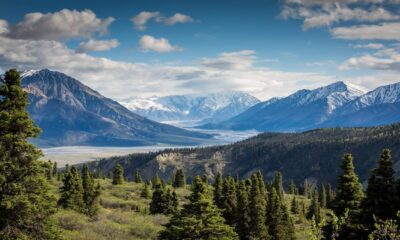

15 Most Breathtaking Natural Wonders You Should See in Your Lifetime
15 Most Breathtaking Natural Wonders You Should See in Your Lifetime #TOPIC=”15 Most Breathtaking Natural Wonders You Should See in...
-

 Animals2 years ago
Types of Ants Living in the World and Information
-
 Forests2 years ago
The 10 Best Forests to Visit in the World
-
 Ocean2 years ago
Oceans in the World and Their Information & Locations
-
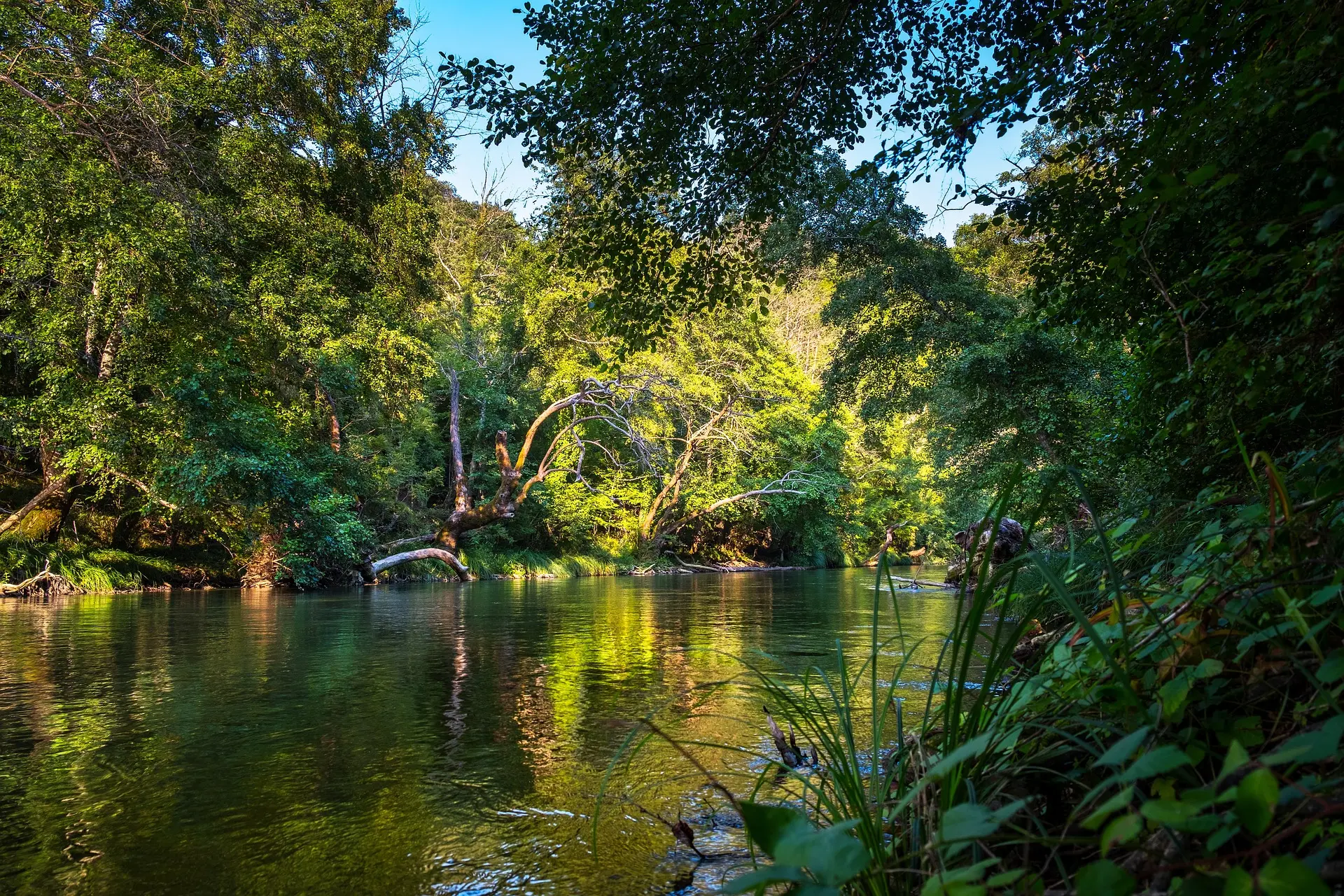 Forests5 years ago
What Is The Biggest Rainforest In The World?
-
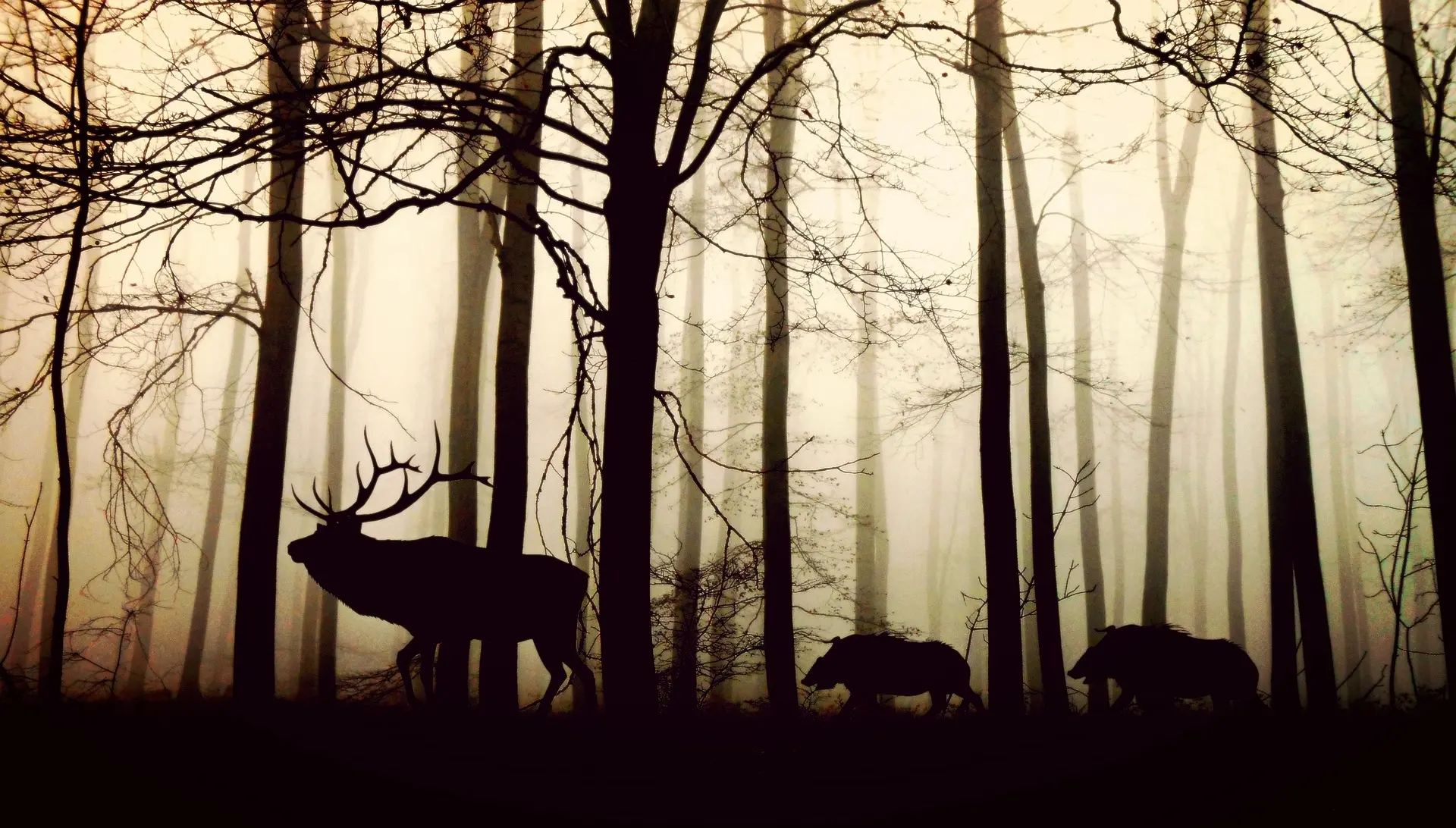 Animals4 years ago
Most Popular Wild Animals in The World
-
 Animals5 years ago
(10) Insects Are Animals in the world?
-
 Forests2 years ago
The Main Factors That Contribute to Forest Destruction
-

 Nature2 years ago
The 10 Largest Farms in the World