
Nature
20 Most Beautiful Delta River Nature Destinations

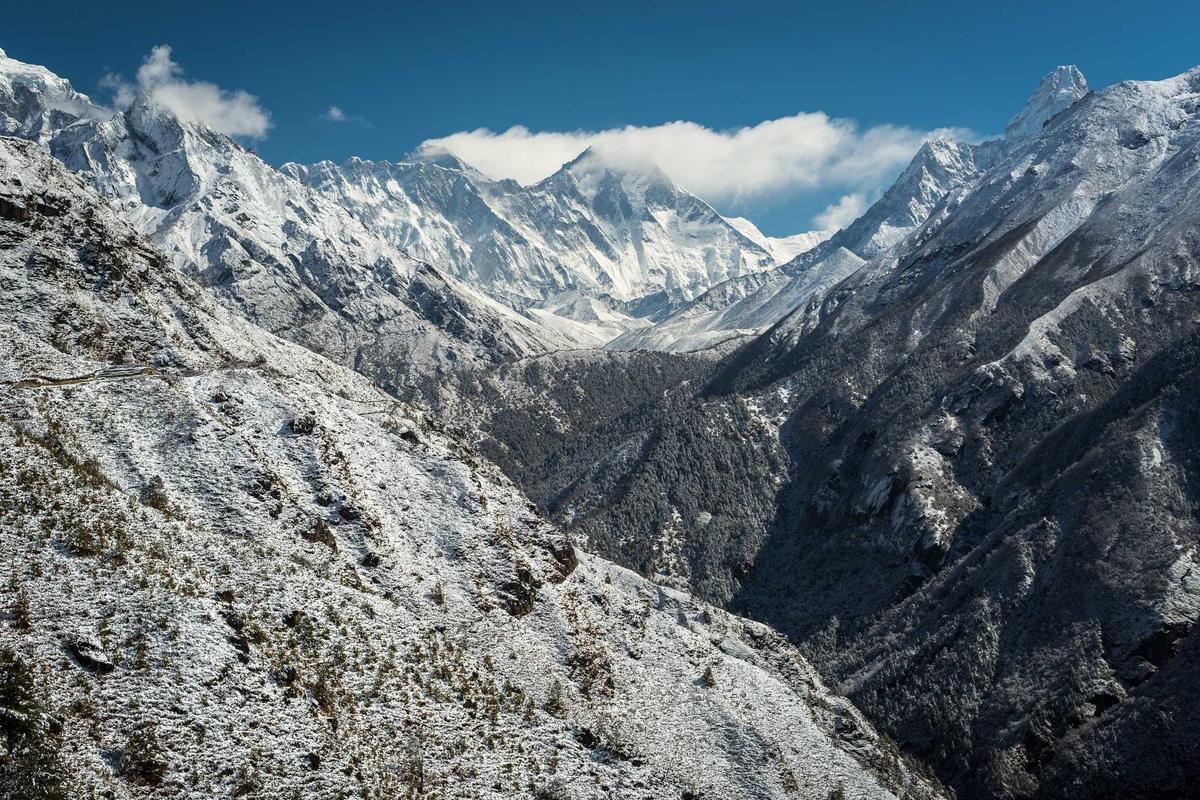
Where rivers meet the sea, something extraordinary happens. Sediment settles, islands form, and ecosystems explode with life in ways you won’t find anywhere else on Earth. Delta rivers are nature’s crossroads — places where freshwater and saltwater collide, creating some of the most biodiverse and visually stunning landscapes imaginable.
If you have never stood at the edge of a river delta and watched water fan out toward the horizon, you are missing one of nature’s quiet masterpieces. These places offer a mix of serene waterways, rich wildlife, and landscapes that shift with every tide and season.
Key Takeaways
- River deltas are among the most ecologically rich environments on the planet
- The world’s most beautiful delta destinations offer kayaking, birdwatching, boat tours, and stunning photography
- Each delta has its own unique character shaped by geography, climate, and local ecosystems
- Best times to visit vary, but spring and fall tend to offer the best conditions in most regions
- Many delta regions are accessible to casual travelers, not just adventure seekers
1. The Sundarbans Delta, Bangladesh and India
About: The Sundarbans is the largest mangrove forest in the world, formed where the Ganges, Brahmaputra, and Meghna rivers meet the Bay of Bengal. Spanning roughly 10,000 square kilometers across Bangladesh and India, it is a UNESCO World Heritage Site and one of the most important delta ecosystems anywhere.
Highlights: Dense mangrove forests, winding tidal channels, and an incredible array of wildlife including the Bengal tiger, saltwater crocodile, spotted deer, and hundreds of bird species. The landscape is constantly shifting with the tides, making every visit feel different.
Experience: Boat safaris through narrow mangrove channels are the main way to explore. You will drift past trees whose roots twist above the waterline, watch monkeys leap between branches, and maybe — if you are lucky and patient — catch a glimpse of a tiger on the banks.
Best Time to Visit: November to February, when temperatures are cooler and wildlife is more active during the day.
Why You Should Visit: Nowhere else on Earth combines the raw power of a massive river delta with such rich biodiversity. It is humbling and thrilling in equal measure.
Travel Tips: Book through licensed local tour operators who follow national park regulations. Bring binoculars, sun protection, and plenty of water. Hire naturalist guides for the best wildlife sightings.
2. Mekong Delta, Vietnam
About: The Mekong Delta in southern Vietnam is a vast labyrinth of rivers, swamps, and islands covering approximately 40,000 square kilometers. Often called Vietnam’s “rice bowl,” this delta supports millions of people and an extraordinary range of ecosystems.
Highlights: Floating markets, fruit orchards, traditional villages, and a pace of life that feels like stepping back in time. The Cai Rang Floating Market near Can Tho is one of the most famous in Southeast Asia.
Experience: Take a boat trip at dawn to watch the floating markets come alive. Visit orchards where you can taste tropical fruits picked fresh from the trees. Cycle along quiet paths between villages and watch daily life unfold along the waterways.
Best Time to Visit: December to April during the dry season, when water levels are manageable and roads are passable.
Why You Should Visit: The Mekong Delta offers a cultural and natural experience that is hard to beat. The combination of lush scenery, warm hospitality, and living traditions makes it unforgettable.
Travel Tips: Can Tho is a good base. Hire a local guide for boat trips to get beyond the tourist circuit. Try the local coffee — it is some of the best in Vietnam.
3. Nile Delta, Egypt
About: The Nile Delta is one of the oldest and most historically significant river deltas on Earth. Stretching from Alexandria to Cairo where the Nile spreads out into the Mediterranean Sea, this fertile region has supported civilizations for thousands of years.
Highlights: Ancient archaeological sites, traditional fishing villages, wetlands teeming with migratory birds, and the sprawling energy of Egypt’s northern coast. Lake Burullus and Lake Manzala are important protected areas.
Experience: Birdwatching is exceptional here, especially during migration seasons when the delta’s lakes become staging grounds for flamingos, herons, pelicans, and waders. You can also visit centuries-old villages where fishing traditions remain unchanged.
Best Time to Visit: October to April, with the best birdwatching from November to February.
Why You Should Visit: The Nile Delta connects you to deep human history while offering real wildlife encounters. It is a place where ancient and modern Egypt merge.
Travel Tips: Combine a delta visit with trips to Alexandria or Cairo. Hire a local birding guide for the best results at Lake Manzala. Light layers work best for the climate.
4. Danube Delta, Romania
About: The Danube Delta is Europe’s largest remaining natural wetland and one of the continent’s most important wildlife areas. Where the Danube River empties into the Black Sea, it creates a 5,800-square-kilometer maze of channels, lakes, reed islands, and sandbars.
Highlights: Over 300 species of birds, including the largest colony of Dalmatian pelicans in Europe. Reed beds stretching to the horizon, wild horses on Letea Beach, and traditional fishing villages where life moves at river speed.
Experience: Boat trips through the narrow channels are the heart of the experience. You will glide past water lily meadows, spot cormorants drying their wings on fallen logs, and visit villages accessible only by water. The floating reed islands called “plauri” are a unique geological feature.
Best Time to Visit: May to September for the best weather and birdwatching. Spring brings nesting colonies; autumn brings migration.
Why You Should Visit: This is Europe at its wildest and most peaceful. The Danube Delta feels wonderfully remote despite being relatively easy to reach.
Travel Tips: Tulcea is the main gateway town. Book overnight trips for the best experience. Bring insect repellent for summer visits. A local guide is almost essential for navigating the channels.
5. Ganges Delta, India
About: The Ganges Delta, also known as the Bengal Delta, is the world’s largest delta, forming where the Ganges, Brahmaputra, and Meghna rivers converge before emptying into the Bay of Bengal. It covers over 100,000 square kilometers across Bangladesh and the Indian state of West Bengal.
Highlights: The Sundarbans mangrove forest is the crown jewel, but the wider delta region also features the vibrant culture of Kolkata, sacred river ghats, and wetlands filled with kingfishers, eagles, and river dolphins.
Experience: Explore the river ghats of Kolkata at sunrise, take boat rides through the Hooghly River channels, and venture into the Sundarbans for wildlife encounters. The contrast between urban river life and wild delta channels is striking.
Best Time to Visit: October to March for the best weather and accessibility.
Why You Should Visit: The Ganges Delta is one of the most densely populated and spiritually significant landscapes on Earth. It is a place where nature and human culture are completely intertwined.
Travel Tips: Kolkata is your best entry point. For Sundarbans excursions, use registered tour operators. Be respectful of religious and cultural sites along the river.
6. Mississippi Delta, United States
About: The Mississippi River Delta in Louisiana is one of North America’s most ecologically and culturally significant wetland systems. Where the mighty Mississippi meets the Gulf of Mexico, it creates a landscape of bayous, marshes, barrier islands, and swamp forests.
Highlights: Alligators, bald eagles, roseate spoonbills, and the Atchafalaya Basin — the largest river swamp in the United States. The region is also the birthplace of the blues, adding deep cultural resonance to every visit.
Experience: Swamp boat tours are essential. Glide through cypress-tupelo swamps draped in Spanish moss, spot alligators sunning on muddy banks, and learn about Cajun and Creole culture. Kayaking through the Atchafalaya Basin is a more intimate alternative.
Best Time to Visit: March to May and September to November for the best weather and wildlife activity.
Why You Should Visit: The Mississippi Delta offers a distinctly American blend of wild landscapes, deep history, and living culture. It is unlike anywhere else on the continent.
Travel Tips: New Orleans is the best base. Book swamp tours with operators who respect wildlife. Bring a good camera with a zoom lens for bird photography.
7. Okavango Delta, Botswana
About: The Okavango Delta is one of Africa’s most remarkable natural phenomena. Unlike most deltas, the Okavango River does not reach the sea — instead, it spills into the Kalahari Desert, creating a vast inland delta of approximately 15,000 square kilometers of wetland paradise.
Highlights: Elephants wading through shallow channels, leopards resting in fig trees, hippos grunting in lagoons, and thousands of bright pink flamingos gathering at the water’s edge. The annual flood transforms the desert into a lush wetland.
Experience: Explore by traditional mokoro — a dugout canoe poled through shallow waterways. Game drives in surrounding dry areas reveal lions, wild dogs, and antelope. Guided walking safaris add another dimension entirely.
Best Time to Visit: June to October, when the annual flood reaches the delta and wildlife concentrates around the water.
Why You Should Visit: The Okavango is a living miracle — a massive oasis in one of Africa’s driest regions. The sheer abundance of wildlife will take your breath away.
Travel Tips: This is a premium destination with significant costs, but the experience is worth every penny. Book well in advance. Fly-in safaris are the most common approach. Bring neutral-colored clothing and excellent sun protection.
8. Amazon Delta, Brazil
About: Where the Amazon River meets the Atlantic Ocean, it creates one of the largest river deltas on Earth. The Amazon Delta stretches across an enormous area of northern Brazil, featuring thousands of islands, dense rainforest, and a river so powerful it pushes fresh water dozens of kilometers out to sea.
Highlights: The Marajo Island — the largest fluvial island in the world. Mangrove forests, river dolphins, macaws, and a unique river island culture that has existed for thousands of years. The Pororoca, a massive tidal bore, is a spectacle that draws surfers from around the world.
Experience: Visit Marajo Island to see water buffalo roaming the beaches, explore local pottery workshops with roots in pre-Columbian cultures, and take boat trips into the delta channels. The city of Belem serves as a gateway with excellent markets and colonial architecture.
Best Time to Visit: June to November during the drier season for easier navigation.
Why You Should Visit: The Amazon Delta connects you to the raw power of the world’s greatest river. It is a place of superlatives and genuine wonder.
Travel Tips: Belem is the main hub. Be prepared for heat and humidity. Vaccinations may be recommended — check with your doctor before traveling. Bring strong insect repellent.
9. Volga Delta, Russia
About: The Volga Delta stretches across southern Russia where Europe’s longest river empties into the Caspian Sea. Covering roughly 27,000 square kilometers, it is one of the largest river deltas in Europe and a critical habitat for migratory birds and the endangered Caspian sturgeon.
Highlights: Spectacular lotus flower fields, vast reed beds, sturgeon fisheries, and enormous flocks of flamingos, pelicans, and herons. The city of Astrakhan sits at the delta’s heart and has a fascinating mix of Russian, Tatar, and Central Asian influences.
Experience: Boat tours through lotus fields in summer are nothing short of magical — imagine thousands of pink lotus flowers stretching to the horizon. Birdwatching is exceptional, and fishing traditions remain a vital part of local life.
Best Time to Visit: June to August for the lotus bloom. September to October for bird migration.
Why You Should Visit: The Volga Delta is one of Europe’s great hidden natural treasures. The lotus fields alone are worth the trip.
Travel Tips: Astrakhen is accessible from Moscow by flight or train. Russian visa requirements apply for most visitors. Boat tours should be arranged through local operators. Summer heat can be intense.
10. Irrawaddy Delta, Myanmar
About: The Irrawaddy Delta in southwestern Myanmar is one of Southeast Asia’s most productive and culturally rich delta regions. The Irrawaddy River fans out into a network of channels and islands before reaching the Andaman Sea.
Highlights: Rice paddies stretching endlessly, fishing villages built on stilts, pagodas dotting the riverbanks, and a pace of life dictated by the tides. The delta is also home to the endangered Irrawaddy dolphin.
Experience: Travel by longboat between villages, visit local markets, and try to spot Irrawaddy dolphins in the main river channels. The sunset views over the flat delta landscape are genuinely stunning.
Best Time to Visit: November to February during the cool, dry season.
Why You Should Visit: Myanmar’s delta region offers a rare glimpse into a traditional way of life that has changed remarkably little over the centuries.
Travel Tips: Yangon is the gateway. Check current travel advisories before visiting. Local boat transport is the primary means of getting around. Bring cash as card facilities are limited.
11. Niger Delta, Nigeria
About: The Niger Delta is Africa’s largest delta and one of the world’s largest wetland systems. Where the Niger River meets the Gulf of Guinea, it creates a complex network of creeks, mangrove swamps, and low-lying islands covering approximately 70,000 square kilometers.
Highlights: The largest mangrove forests in Africa, extraordinary fish diversity, traditional fishing communities, and vibrant local culture. Protected areas like the Upper Urashi Forest Reserve offer glimpses of the delta’s natural richness.
Experience: Canoe trips through mangrove creeks, visits to stilt villages, and opportunities to learn about the complex relationship between local communities and the delta’s natural resources. The delta is also a birdwatcher’s paradise with species found nowhere else.
Best Time to Visit: November to February during the dry season.
Why You Should Visit: The Niger Delta is a place of immense natural beauty and deep cultural significance. It is one of Africa’s most important — and least visited — wetland regions.
Travel Tips: Port Harcourt is the main entry point. Travel with local guides familiar with the region. Security conditions vary across the delta, so research thoroughly before visiting.
12. Lena Delta, Russia
About: The Lena River in northeastern Siberia empties into the Laptev Sea, creating one of the most remote and pristine deltas on Earth. This vast Arctic wilderness covers approximately 30,000 square kilometers and remains largely untouched by human development.
Highlights: Polar bears, Arctic foxes, snow geese, tundra swans, and the famous Lena Pillars — towering rock formations along the river banks. In winter, the delta becomes a landscape of ice and snow; in summer, it transforms into a breeding ground for migratory birds.
Experience: This is true expedition territory. Summer river cruises from Yakutsk offer the most accessible way to experience the delta. Watch for wildlife gathering at the river mouth, and take in the overwhelming sense of isolation and scale.
Best Time to Visit: Late June to August for the brief Arctic summer when wildlife is active and accessible.
Why You Should Visit: The Lena Delta offers a raw, untamed experience that is increasingly rare in our connected world. It is one of the last great wild places.
Travel Tips: This is a serious expedition destination. Work with experienced Arctic tour operators. Yakutsk is the gateway city. Be prepared for cold temperatures even in summer. Travel insurance is essential.
13. Indus Delta, Pakistan
About: The Indus Delta in southern Pakistan covers roughly 600,000 hectares where the Indus River meets the Arabian Sea. Despite facing environmental pressures, it remains one of Asia’s most important coastal wetland systems and is home to significant mangrove forests.
Highlights: Mangrove forests, fishing communities, flamingos, pelicans, and the ancient site of Banbhore — a city dating back to the first century AD. The contrast between the dry Thar Desert and the lush delta channels is remarkable.
Experience: Visit the lakes and marshes of the central delta for birdwatching. Take boat trips through mangrove-lined channels and engage with the fishing communities who depend on the delta’s riches.
Best Time to Visit: November to February for the best birdwatching and most comfortable temperatures.
Why You Should Visit: The Indus Delta is a place where ancient river systems, modern communities, and wild ecosystems coexist in a landscape that few tourists ever see.
Travel Tips: Karachi and Thatta are the main access points. Hire local boatmen for delta exploration. Check travel advisories for the region. Bring sun protection and plenty of water.
14. Po Delta, Italy
About: The Po Delta in northeastern Italy is where Italy’s longest river meets the Adriatic Sea. This beautifully managed delta region combines rich biodiversity with centuries of Italian culture, cuisine, and landscape management.
Highlights: Flamingos painting the lagoons pink, traditional fishing huts called “casoni,” pine forests, and the atmospheric Comacchio — a town built on islands connected by bridges. The Po Delta is a UNESCO Biosphere Reserve in the making.
Experience: Cycle along dedicated paths through the delta, visit the flamingo colonies at the Comacchio valleys, sample fresh eel and local seafood, and explore the Abbey of Pomposa — an architectural gem from the early Middle Ages.
Best Time to Visit: April to June for the best weather and birdwatching. Autumn is excellent for food festivals and harvest season.
Why You Should Visit: The Po Delta combines Italian natural beauty with world-class food and culture. It is accessible, affordable, and genuinely charming.
Travel Tips: Ferrara or Ravenna make excellent bases. Bikes are available for rent throughout the region. The delta is perfect for a relaxing weekend trip. Try the local eel — it is a regional specialty.
15. Mackenzie Delta, Canada
About: The Mackenzie Delta is where Canada’s longest river — the mighty Mackenzie — empties into the Beaufort Sea in the Northwest Territories. This Arctic delta covers approximately 13,000 square kilometers of tundra, lakes, and channels.
Highlights: Snow geese and tundra swans by the thousands, caribou herds crossing the delta, beluga whales gathering near the river mouth in summer, and the remote northern community of Tuktoyaktuk — reachable by the Dempster Highway.
Experience: Visit Tuktoyaktuk and walk on permafrost pingos — ice-cored hills unique to the region. Summer boat trips reveal beluga whales in the river mouth. The midnight sun of June and July creates an ethereal quality of light over the flat landscape.
Best Time to Visit: June to August for the midnight sun and wildlife activity.
Why You Should Visit: The Mackenzie Delta is one of the last truly remote places in North America. The scale of the wilderness and the warmth of the Inuvialuit communities make it extraordinary.
Travel Tips: Inuvik is the gateway. The Dempster Highway is a gravel road — prepare accordingly. Warm layers are essential even in summer. Book accommodation in advance as options are limited.
16. Zambezi Delta, Mozambique
About: The Zambezi Delta in central Mozambique is where Africa’s fourth-largest river meets the Indian Ocean. This vast wetland system features mangrove forests, grasslands, and a rich diversity of wildlife that has been recovering since the end of Mozambique’s civil war.
Highlights: Elephants, buffalo, lions, and wild dogs in the Marromeu Buffalo Reserve. Wading birds, kingfishers, and fish eagles along the river channels. The delta’s mangroves are among the most extensive in East Africa.
Experience: Boat safaris through the delta channels offer close encounters with hippos and crocodiles. The Marromeu Reserve provides game drives in a landscape that feels wonderfully off the beaten path.
Best Time to Visit: May to October during the dry season when wildlife concentrates around water sources.
Why You Should Visit: The Zambezi Delta is one of Africa’s most underrated wildlife destinations. It offers safari experiences without the crowds.
Travel Tips: Beira is the nearest major city. Access to the delta requires planning — work with local operators. Bring malaria prophylaxis and follow health advice for the region.
17. Orinoco Delta, Venezuela
About: The Orinoco Delta in northeastern Venezuela is one of South America’s most impressive wetland systems. The Orinoco River fans out into hundreds of channels called “caños” as it approaches the Atlantic Ocean, creating a labyrinth of waterways through dense tropical forest.
Highlights: The Warao indigenous communities who have lived on the delta for thousands of years, building stilt houses and navigating by canoe. River dolphins, howler monkeys, macaws, and the sheer density of life in every channel and forest clearing.
Experience: Travel by curiara — a traditional dugout canoe — through the delta channels. Visit Warao communities to learn about their way of life. Spot river dolphins in the main channels and watch for macaws flying overhead at dawn and dusk.
Best Time to Visit: December to April during the dry season when water levels are lower and travel is easier.
Why You Should Visit: The Orinoco Delta offers a rare combination of indigenous culture and pristine tropical wilderness. It is one of South America’s most authentic travel experiences.
Travel Tips: Tucupita is the gateway town. Travel with local guides who have relationships with Warao communities. Be respectful of indigenous customs and ask permission before photographing people.
18. Fraser Delta, Canada
About: The Fraser Delta in British Columbia is where the Fraser River — British Columbia’s longest river — meets the Strait of Georgia near Vancouver. This delta is one of the most important migratory bird habitats in the Pacific Flyway.
Highlights: Millions of snow geese stopping over during migration, bald eagles, great blue herons, and the Reifel Migratory Bird Sanctuary. The delta’s agricultural lands and wetlands create a patchwork landscape that is both productive and beautiful.
Experience: Visit the Reifel Bird Sanctuary for close encounters with snow geese and shorebirds. Cycle the dyke trails that crisscross the delta, and explore the fishing community of Steveston at the delta’s edge.
Best Time to Visit: October to November for the snow goose migration. April to May for spring shorebirds.
Why You Should Visit: The Fraser Delta proves that world-class wildlife experiences can exist right next to a major city. It is accessible, beautiful, and full of life.
Travel Tips: Vancouver is just a short drive away. The Reifel Sanctuary has a small admission fee. Bring binoculars and a field guide. The dyke trails are flat and suitable for all fitness levels.
19. Rhone Delta, France
About: The Rhone Delta in southern France is better known as the Camargue — one of Europe’s most distinctive and celebrated natural regions. Where the Rhone River splits into two branches before reaching the Mediterranean, it creates a landscape of salt flats, lagoons, marshes, and sandbars.
Highlights: Wild white horses, flamingos by the thousands, black bulls, and the unique culture of the Camargue gardians (cowboys). The salt flats create surreal pink-tinged landscapes, and the birdlife is simply extraordinary.
Experience: Watch the famous Camargue horses galloping through shallow water. Visit the Parc Ornithologique for close-up birdwatching. Explore the medieval town of Aigues-Mortes, and sample local specialties like Camargue red rice and bull meat.
Best Time to Visit: April to June for the best weather and bird activity. September for the grape harvest and autumn light.
Why You Should Visit: The Camargue is one of Europe’s most photogenic and culturally rich natural areas. It feels like a different country within France.
Travel Tips: Aries is a charming base. Rent a bike to explore the flat landscape. Mosquitoes can be fierce in summer — bring repellent. The region is perfect for a long weekend.
20. Yellow River Delta, China
About: The Yellow River Delta in Shandong Province is where China’s second-longest river meets the Bohai Sea. The Yellow River carries enormous amounts of sediment, which means the delta is literally growing — new land is being created before your eyes.
Highlights: The surreal sight of watching new land form at the river mouth, vast reed beds, red “sea purslane” tidal flats that turn crimson in autumn, and important habitats for red-crowned cranes and Saunders’s gulls.
Experience: Visit the Yellow River Delta National Nature Reserve to see the unique wetland ecosystems. Watch the sediment-laden river water meet the clear sea — the color contrast is striking. In autumn, the red tidal flats create one of China’s most photographed natural scenes.
Best Time to Visit: September to November for the red autumn foliage on the tidal flats. April to May for bird migration.
Why You Should Visit: The Yellow River Delta offers a rare chance to witness geological processes in real time. It is a landscape that is actively being born.
Travel Tips: Dongying is the nearest city. The nature reserve has visitor facilities and guided tours. Check visa requirements for China. Autumn visits offer the most dramatic scenery.
Summary Table
| Place Name | Location | Best Time to Visit |
|---|---|---|
| Sundarbans Delta | Bangladesh and India | November to February |
| Mekong Delta | Vietnam | December to April |
| Nile Delta | Egypt | October to April |
| Danube Delta | Romania | May to September |
| Ganges Delta | India | October to March |
| Mississippi Delta | United States (Louisiana) | March to May, Sept to Nov |
| Okavango Delta | Botswana | June to October |
| Amazon Delta | Brazil | June to November |
| Volga Delta | Russia | June to August |
| Irrawaddy Delta | Myanmar | November to February |
| Niger Delta | Nigeria | November to February |
| Lena Delta | Russia (Siberia) | June to August |
| Indus Delta | Pakistan | November to February |
| Po Delta | Italy | April to June |
| Mackenzie Delta | Canada (Northwest Territories) | June to August |
| Zambezi Delta | Mozambique | May to October |
| Orinoco Delta | Venezuela | December to April |
| Fraser Delta | Canada (British Columbia) | October to November |
| Rhone Delta (Camargue) | France | April to June |
| Yellow River Delta | China (Shandong) | September to November |
Frequently Asked Questions
What makes a river delta special for nature lovers?
River deltas are where freshwater meets saltwater, creating unique ecosystems that support an incredible diversity of plant and animal life. The mixing of nutrients from upstream with tidal influences from the sea creates conditions that are richer than almost any other environment. For travelers, this means exceptional birdwatching, wildlife encounters, and landscapes that are constantly changing with the seasons and tides.
Are river delta destinations safe for families?
Many delta destinations are very family-friendly. The Po Delta in Italy, the Camargue in France, and the Fraser Delta in Canada are all excellent choices for families with children. More remote deltas like the Okavango or Lena require more planning and physical preparation. Always research your specific destination and travel with reputable local operators.
What is the best way to explore a river delta?
Boats are almost always the best way to experience a delta. Whether it is a traditional mokoro in Botswana, a longboat in Myanmar, or a kayak in Louisiana, being on the water puts you at the heart of the delta experience. Many deltas also offer cycling and walking trails along dykes and through surrounding landscapes.
Do I need special permits to visit river deltas?
Some deltas within national parks or protected areas require permits or entrance fees. The Sundarbans, Okavango Delta, and several others have regulated access to protect wildlife. Always check requirements before you go and book through authorized operators. In most cases, the permit process is straightforward and handled by your tour operator.
What should I pack for a river delta trip?
Essentials include binoculars, sun protection (hat, sunscreen, sunglasses), insect repellent, quick-drying clothing, waterproof bags for electronics, and a good camera. For remote destinations, add a first aid kit, water purification tablets, and appropriate layers for the climate. Comfortable water-friendly footwear is a must.
Can I visit river deltas on a budget?
Absolutely. Deltas like the Mekong Delta, Irrawaddy Delta, and Niger Delta are very affordable destinations where local transport, food, and accommodation are inexpensive. Even the Po Delta and Camargue can be visited on a modest budget if you use public transport and stay in guesthouses. The most expensive delta trips tend to be in remote locations like the Okavango or Lena, where logistics drive up costs.
How are river deltas affected by climate change?
Many of the world’s deltas are under threat from rising sea levels, reduced sediment flow from dammed rivers, and increasing storm intensity. The Mississippi Delta is losing land at an alarming rate, and the Indus Delta has shrunk significantly due to upstream water diversion. Visiting these places raises awareness about the importance of protecting these fragile ecosystems.
Conclusion
River deltas are some of the most dynamic, life-rich, and beautiful landscapes on our planet. From the flamingo-filled lagoons of Romania to the tiger-haunted channels of the Sundarbans, from the lotus fields of Russia to the wild horses of the Camargue, each delta tells its own story about the relationship between water, land, and life.
Whether you are a birder, a photographer, a culture enthusiast, or simply someone who loves being on the water, the world’s delta rivers have something extraordinary to offer. These 20 destinations represent the very best of what river deltas can deliver — beauty, wildlife, adventure, and a deep sense of connection to the natural world.
Start planning your next adventure today. Pick a delta that speaks to you, book a boat trip, and prepare to be amazed by what happens where rivers meet the sea.

What Makes Floodplain and River Basin Destinations So Special?
There is something deeply calming about standing at the edge of a great river basin, watching water stretch toward the horizon, knowing that hundreds of miles of tributaries have all converged right here. Floodplains and river basins are some of the most ecologically rich and visually stunning landscapes on our planet. They are where water meets land in the most dramatic ways, carving valleys, nourishing wetlands, and supporting an incredible diversity of wildlife.
If you have ever dreamed of visiting places where mighty rivers fan out across vast plains, where seasonal floods transform the landscape into a shimmering mirror, and where ancient ecosystems thrive in the constant rhythm of water, then this guide is for you. Here are twenty of the best floodplain and river basin nature destinations worth adding to your travel list.
Key Takeaways
- Floodplains and river basins support some of the most biodiverse ecosystems on Earth
- These destinations offer unique experiences like river safaris, seasonal flood tours, and wetland wildlife watching
- The best time to visit most river basin destinations is during the wet season when water levels peak and wildlife congregates
- Many of these areas are affordable and accessible for budget travelers
- River basin tourism supports local conservation efforts and indigenous communities
Why Visit Floodplain and River Basin Destinations
River basins are the lifeblood of our planet. They drain approximately 75 percent of the Earth’s land surface and support billions of people along with countless species of plants and animals. Visiting these places gives you a front-row seat to nature at its most productive and dynamic.
What makes these destinations truly special is the seasonal transformation. A floodplain that looks like dry grassland in one season can become a vast inland sea just weeks later. This constant change creates extraordinary opportunities for wildlife viewing, photography, and simply marveling at the power of water.
Whether you are a birdwatcher hoping to spot rare species, a photographer chasing golden hour reflections on still water, or a traveler who just wants to feel small beside something magnificent, river basins deliver an experience that is hard to find anywhere else.
20 Best Floodplain and River Basin Nature Destinations
Number of destinations to explore: 20
| # | Place Name | Location | Best Time to Visit |
|---|---|---|---|
| 1 | Okavango Delta | Botswana | June to August |
| 2 | Amazon River Basin | Brazil / Peru / Colombia | June to September |
| 3 | Pantanal Wetlands | Brazil / Bolivia / Paraguay | May to September |
| 4 | Mekong River Floodplain | Cambodia / Vietnam | July to November |
| 5 | Ganges-Brahmaputra Delta | Bangladesh / India | November to February |
| 6 | Nile River Basin | Egypt / Sudan / Uganda | October to April |
| 7 | Danube Delta | Romania / Ukraine | May to September |
| 8 | Zambezi River Basin | Zambia / Zimbabwe | March to October |
| 9 | Mississippi River Floodplain | United States (Louisiana to Minnesota) | April to October |
| 10 | Murray-Darling Basin | Australia | September to November |
| 11 | Everglades National Park | United States (Florida) | December to March |
| 12 | Niger Inland Delta | Mali | November to February |
| 13 | Sundarbans Mangrove Forest | Bangladesh / India | November to February |
| 14 | Orinoco River Basin | Venezuela / Colombia | June to November |
| 15 | Congo River Basin | Democratic Republic of Congo | June to August |
| 16 | Lena River Delta | Russia (Siberia) | June to August |
| 17 | Yangtze River Basin | China | April to June, September to November |
| 18 | Indus River Floodplain | Pakistan | October to March |
| 19 | Volga River Delta | Russia (Astrakhan region) | May to July |
| 20 | Inner Niger Delta Floodplain | Mali (Mopti region) | November to February |
1. Okavango Delta, Botswana
About
The Okavango Delta is often called the jewel of the Kalahari, and for good reason. Unlike most rivers that flow into the sea, the Okavango River flows into the Kalahari Desert, creating one of the world’s largest inland deltas. It is a UNESCO World Heritage Site and one of Africa’s most remarkable wetland ecosystems.
Highlights
The delta is a patchwork of lagoons, channels, and islands that pulse with life. You will find hippos lounging in crystal clear channels, elephants wading through papyrus-lined waterways, and hundreds of bird species nesting in the reeds. The contrast between the surrounding desert and the lush green delta is absolutely striking.
Experience
The best way to explore the Okavango is by traditional mokoro canoe, gliding silently through the channels as your poler guides you past water lilies and reed banks. Guided safari walks on the delta islands offer close encounters with big game, and helicopter scenic flights provide a breathtaking aerial perspective of this vast wetland system.
Best Time to Visit
June to August is the peak season when floodwaters from Angola reach the delta at their highest levels, concentrating wildlife around shrinking water sources and making animals easier to spot.
Why You Should Visit
The Okavango Delta is one of the last truly wild places on Earth. It offers a safari experience unlike anywhere else, where the vehicle is a canoe and the soundtrack is the call of the African fish eagle. No visit to Africa is complete without witnessing this watery paradise.
Travel Tips
Book well in advance as camps fill up quickly during peak season. Fly-in safaris are the most popular option. Bring neutral-colored clothing, binoculars, sunscreen, and a good camera. Budget travelers should consider shoulder season (May or September) for better rates.
2. Amazon River Basin, Brazil / Peru / Colombia
About
The Amazon River Basin is the largest river basin in the world, covering approximately seven million square kilometers across nine countries. It contains about 20 percent of all the freshwater on Earth and is home to the Amazon rainforest, the most biodiverse terrestrial ecosystem on the planet.
Highlights
The Amazon is teeming with life. Pink river dolphins navigate flooded forests, jaguars patrol riverbanks at dusk, and macaws gather on clay licks along the river edges. The varzea floodplain forests, which are submerged for months each year, create a surreal underwater canopy that is unlike anything else in nature.
Experience
River cruises from Manaus or Iquitos take you deep into the basin, where you can fish for piranhas, kayak through flooded forests, night-spot caimans, and hike jungle trails with indigenous guides. Staying at a riverside eco-lodge gives you the chance to wake to the sound of howler monkeys and fall asleep under a sky thick with stars.
Best Time to Visit
June to September is the dry season when water levels recede and wildlife concentrates along remaining rivers and lakes. This is the best time for hiking and spotting land animals. The wet season (December to May) is ideal for boat-based exploration through flooded forests.
Why You Should Visit
Visiting the Amazon is a once-in-a-lifetime experience. The sheer scale of the river basin, the density of wildlife, and the cultural richness of indigenous communities make it one of the most important nature destinations on Earth.
Travel Tips
Choose operators with strong eco-credentials and indigenous partnerships. Vaccinations and malaria prophylaxis are recommended. Bring lightweight rain gear, insect repellent, waterproof bags, and sturdy water shoes. Budget hostels are available in Manaus and Iquitos.
3. Pantanal Wetlands, Brazil / Bolivia / Paraguay
About
The Pantanal is the world’s largest tropical wetland, covering an area roughly the size of France across Brazil, Bolivia, and Paraguay. During the rainy season, up to 80 percent of the floodplain is submerged, creating a vast seasonal lake that supports an astonishing concentration of wildlife.
Highlights
This is arguably the best place in South America to see wildlife. Jaguars are regularly spotted along riverbanks, capybaras graze in enormous herds, caimans line every waterway, and hyacinth macaws flash their brilliant blue feathers in the canopy. The birdlife is extraordinary, with over 650 species recorded.
Experience
Stay at a fazenda (ranch) lodge for horseback rides through the floodwaters, guided boat safaris at dawn, and night drives to spot nocturnal species. Canoe trips through narrow channels bring you face to face with caimans and giant river otters. Hiking trails offer panoramic views across the flooded plains.
Best Time to Visit
May to September (dry season) is the optimal time. Water levels are lower, concentrating animals along remaining water sources. This is when jaguar sightings are most frequent along the Cuiaba River and its tributaries.
Why You Should Visit
If wildlife is your priority, the Pantanal should be at the top of your list. It offers better animal sightings than the Amazon, with easier access and more open landscapes for photography. It is a hidden gem that deserves far more attention than it gets.
Travel Tips
Fly to Campo Grande or Cuiaba in Brazil. Many lodges include all meals, transfers, and guided activities. Bring a telephoto lens for wildlife photography and very strong insect repellent. Sunscreen, hats, and polarized sunglasses are essential.
4. Mekong River Floodplain, Cambodia and Vietnam
About
The Mekong River is the lifeblood of Southeast Asia, flowing nearly 4,400 kilometers from the Tibetan Plateau to the South China Sea. Its floodplain in Cambodia and Vietnam is one of the most productive freshwater ecosystems on Earth, supporting the livelihoods of over 60 million people.
Highlights
The Tonle Sap Lake in Cambodia is a natural wonder. During monsoon season, the Tonle Sap River reverses its flow and floods the lake to five times its dry season size, creating a massive nursery for fish. Floating villages, flooded forests, and an incredible density of birdlife make this one of Asia’s most unique wetland systems. In Vietnam, the Mekong Delta is a labyrinth of rivers, rice paddies, and fruit orchards buzzing with local life.
Experience
Take a boat tour through the floating villages of Tonle Sap, visit the Prek Toal bird sanctuary, and explore the waterways of the Mekong Delta by longtail boat. Fish with local fishermen at dawn, sample tropical fruit at riverside markets, and cycle through peaceful village roads in the delta.
Best Time to Visit
July to November coincides with the monsoon season when the flood pulse transforms the landscape. This is the best time to see the reversed river flow and experience the delta at its most dramatic. December to February is drier and more comfortable for land-based exploring.
Why You Should Visit
The Mekong floodplain is a living example of how communities have adapted to life with seasonal floods. It is beautiful, culturally rich, and deeply humbling to witness the scale of natural forces that shape this region every year.
Travel Tips
Fly into Siem Reap for Tonle Sap or Ho Chi Minh City for the delta. Budget accommodation is widely available. Bring a hat, sunscreen, and water bottle for boat trips. Respect local communities by asking before photographing people.
5. Ganges-Brahmaputra Delta, Bangladesh and India
About
The Ganges-Brahmaputra Delta, also known as the Bengal Delta, is the largest river delta on Earth, covering over 100,000 square kilometers across Bangladesh and the Indian state of West Bengal. It is formed by the confluence of the Ganges, Brahmaputra, and Meghna rivers.
Highlights
The Sundarbans, the world’s largest mangrove forest, guards the southern edge of the delta. It is home to the Bengal tiger, river dolphins, spotted deer, and hundreds of bird species. The delta itself is a lush tapestry of rice fields, tidal channels, and river islands that shift and reshape with every monsoon season.
Experience
Explore the Sundarbans by boat, keeping an eye out for tigers on the riverbanks and saltwater crocodiles basking in the mud. Visit the Hooghly River ghats in Kolkata for a cultural experience, take a ferry across the Padma River, and wander through the rural backwaters of Bangladesh where life moves at the pace of the current.
Best Time to Visit
November to February offers the most comfortable weather with cooler temperatures and lower humidity. Wildlife viewing in the Sundarbans is best during this period. The monsoon season (June to September) brings dramatic flooding that is fascinating to witness but can disrupt travel.
Why You Should Visit
The scale of this delta is mind-boggling. Standing on its banks, you are witnessing the combined outflow of some of Asia’s greatest rivers. The cultural significance, ecological richness, and sheer beauty of the landscape make it an essential destination for anyone interested in river systems.
Travel Tips
Fly into Kolkata or Dhaka. Guided Sundarbans tours can be arranged from either city. Bring binoculars and a good camera with a zoom lens. Respect local customs, especially around religious sites along the Ganges. Budget accommodation is plentiful.
6. Nile River Basin, Egypt / Sudan / Uganda
About
The Nile is the longest river in Africa, stretching over 6,600 kilometers through eleven countries. Its basin has supported human civilization for millennia and remains one of the most important ecological corridors on the continent. The annual flooding of the Nile created the fertile lands that built ancient Egypt.
Highlights
From the lush Sudd wetlands in South Sudan to the sun-drenched banks of the Egyptian Nile, the basin offers extraordinary diversity. Wildlife includes Nile crocodiles, hippos, shoebill storks in the Sudd, and countless migratory birds. The ancient temples and monuments that line the river in Egypt add a fascinating human dimension to the natural landscape.
Experience
Take a felucca sailboat down the Nile in Egypt at sunset, explore the Sudd wetlands by airboat, visit Murchison Falls in Uganda where the Nile forces its way through a narrow gorge, and trek through the Murchison Falls National Park for wildlife drives along the riverbank.
Best Time to Visit
October to April offers the best weather across most of the Nile Basin. In Uganda, the dry seasons (June to August and December to February) are ideal for wildlife viewing. Egypt is most pleasant from October to April when temperatures are milder.
Why You Should Visit
The Nile connects cultures, ecosystems, and ancient history in a way no other river basin can. Standing where pharaohs once stood, watching the same waters flow toward the Mediterranean, is a profoundly moving travel experience.
Travel Tips
Each country offers distinct experiences. Egypt is the most tourist-friendly with established Nile cruises. Uganda offers excellent wildlife. Sudan is less developed for tourism but incredibly rewarding for adventurous travelers. Bring layers for cool desert evenings and sun protection for daytime.
7. Danube Delta, Romania and Ukraine
About
The Danube Delta is Europe’s largest wetland and one of the continent’s best-kept natural secrets. Where the Danube River meets the Black Sea, it fans out into a paradise of channels, lakes, reed islands, and sandbanks spread across nearly 6,000 square kilometers. It is a UNESCO Biosphere Reserve.
Highlights
The delta hosts over 300 species of birds, including the largest colony of Dalmatian pelicans in Europe and massive flocks of pygmy cormorants. The landscapes shift from dense reed beds to floating islands of vegetation, open lakes fringed with water lilies, and forested dunes rising from the wetlands. It is Europe’s answer to the Okavango.
Experience
Rent a boat or join a guided water tour through the delta’s three main channels. Visit the town of Tulcea, the gateway to the delta, and take a traditional fisherman’s boat deep into the reedlands. Birdwatching here is world-class, and sunset on the delta is one of Europe’s most underrated natural spectacles.
Best Time to Visit
May to September is the best period, with June and July offering peak bird breeding activity. Spring (May to June) brings wildflowers and nesting birds, while early autumn sees impressive migrations. Summer temperatures are warm but comfortable on the water.
Why You Should Visit
If you thought Europe had no wild places left, the Danube Delta will change your mind. It is a place where nature calls the shots, where seasonal floods reshape the landscape every year, and where birdlife thrives in numbers that rival any African wetland.
Travel Tips
Fly to Bucharest and drive to Tulcea (about 4 hours), or take a train. Budget accommodation is available in Tulcea and surrounding villages. Bring binoculars, insect repellent, sunscreen, and a rain jacket. Guided boat tours can be booked affordably through local operators.
8. Zambezi River Basin, Zambia and Zimbabwe
About
The Zambezi River Basin spans eight countries in southern Africa, but its most dramatic stretch runs along the border of Zambia and Zimbabwe. This is the river that creates Victoria Falls, one of the Seven Natural Wonders of the World, and continues its journey through a landscape of breathtaking beauty and ecological importance.
Highlights
Victoria Falls is the crown jewel, but the Zambezi basin offers so much more. The Lower Zambezi National Park in Zambia is a riverine wilderness of ebony forests, acacia woodlands, and floodplain grasslands teeming with elephants, lions, lechwe antelope, and enormous crocodiles. Lake Kariba, one of the world’s largest man-made lakes, creates a stunning reservoir ecosystem along the river’s middle course.
Experience
Take a sunset cruise on the Zambezi above Victoria Falls, where hippos surface beside your boat and elephants come to drink at the water’s edge. Go on game drives in the Lower Zambezi, fish for tigerfish on Lake Kariba, and take a canoe safari through the flooded channels of Mana Pools National Park.
Best Time to Visit
March to October covers both the wet and dry seasons, each offering different experiences. The falls are most dramatic from March to May (though spray can obscure views), while wildlife viewing along the lower Zambezi is best from June to October during the dry season.
Why You Should Visit
The Zambezi is Africa’s fourth-longest river, and its basin offers an extraordinary combination of natural wonders, big game, and adventure activities. From the roar of Victoria Falls to the quiet intimacy of a canoe safari, this is a river basin that delivers unforgettable moments at every bend.
Travel Tips
Fly into Livingstone (Zambia) or Victoria Falls (Zimbabwe). Both sides offer excellent lodges and camps. Bring a waterproof camera for the falls, binoculars for wildlife, and layers for cool mornings on the river. Budget backpacker hostels are available in Livingstone and Victoria Falls town.
9. Mississippi River Floodplain, United States
About
North America’s greatest river system, the Mississippi drains 41 percent of the continental United States across 31 states. Its floodplain, stretching from the bayous of Louisiana to the bottomland hardwoods of the upper Midwest, is one of the most important flyways for migratory birds in the Western Hemisphere.
Highlights
The Atchafalaya Basin in Louisiana is the largest river swamp in the United States, a hauntingly beautiful maze of cypress-tupelo swamps, bayous, and oxbow lakes draped in Spanish moss. Further north, the Upper Mississippi River National Wildlife and Fish Refuge protects over 240,000 acres of floodplain habitat where bald eagles nest in towering cottonwoods and migratory waterfowl darken the sky in autumn.
Experience
Paddle a kayak through the Atchafalaya Basin, spotting alligators, herons, and barred owls among the cypress. Take a guided swamp tour for a deeper understanding of this ecosystem. In the upper reaches, drive the Great River Road along the Mississippi, stopping at wildlife refuges and river towns along the way. Eagle watching in winter is a highlight.
Best Time to Visit
April to October is generally the best period. Spring brings thundering waterfowl migrations and wildflowers on the floodplain. Summer is lush but hot and humid in the lower Mississippi. Fall offers comfortable weather and stunning foliage along the upper river. Winter is prime eagle watching season.
Why You Should Visit
The Mississippi floodplain is an ecological treasure that most Americans never think to explore. Its wetlands, swamps, and bottomland forests harbor extraordinary wildlife and offer a uniquely American nature experience, complete with steamboat history and Cajun culture along the lower reaches.
Travel Tips
Baton Rouge and New Orleans are great bases for the lower floodplain. La Crosse, Wisconsin, and Quincy, Illinois, serve the upper reaches. Rental car is the best way to explore. Bring bug spray for summer visits and binoculars for birdwatching year-round. Budget motels and campgrounds are plentiful.
10. Murray-Darling Basin, Australia
About
The Murray-Darling Basin covers over one million square kilometers of southeastern Australia, making it the country’s most important agricultural region and a critical wetland system. The Murray River, Australia’s longest, and its tributary the Darling, wind through a landscape of river red gums, billabongs, and arid plains that flood and recede with the seasons.
Highlights
The basin’s wetlands, including the Ramsar-listed Hattah-Kulkyne National Park and the Macquarie Marshes, are vital breeding grounds for waterbirds. River red gum forests line the Murray, their gnarled trunks and spreading canopies creating one of Australia’s most iconic landscapes. Red kangaroos, emus, and wedge-tailed eagles inhabit the surrounding plains.
Experience
Hire a houseboat on the Murray River for a multi-day floating holiday through the river red gum forests. Explore the Hattah-Kulkyne wetlands by canoe, camp under the stars on sandy riverbanks, and visit the historic river towns of Mildura and Echuca. Birdwatching at dawn and dusk is spectacular around the billabongs.
Best Time to Visit
September to November (Australian spring) brings wildflowers, active birdlife, and comfortable temperatures. The basin is also beautiful in autumn (March to May). Summer can be extremely hot, especially in the western reaches. Winter is mild but some wetlands may be dry.
Why You Should Visit
The Murray-Darling Basin is the agricultural heart of Australia, but it is also a natural wonder that most international visitors overlook. The serenity of paddling a canoe through ancient red gum forests, the sounds of kookaburras laughing at sunrise, and the vastness of the Australian bush make this a deeply peaceful destination.
Travel Tips
Fly into Melbourne or Adelaide and drive to the basin. Mildura and Renmark are good bases. Houseboat hire ranges from budget to luxury. Bring a hat, sunscreen, plenty of water, and sturdy shoes for bushwalks. Self-drive is the most flexible option for exploring.
11. Everglades National Park, United States (Florida)
About
The Everglades is often called a river of grass, and that description is surprisingly accurate. This slow-moving sheet of water flows south from Lake Okeechobee through a vast sawgrass marsh, creating a unique wetland ecosystem unlike anywhere else in the world. It is a UNESCO World Heritage Site and an International Biosphere Reserve.
Highlights
The Everglades is the only place on Earth where alligators and crocodiles coexist naturally. It is home to the endangered Florida panther, manatees, roseate spoonbills, and the snail kite, a raptor found nowhere else in the United States. The mangrove estuaries at its southern edge where freshwater meets saltwater are among the most productive ecosystems on the continent.
Experience
Take an airboat ride through the sawgrass marshes, keeping an eye out for alligators and wading birds. Walk the Anhinga Trail, where you can see dozens of birds and reptiles from a boardwalk over a freshwater slough. Kayak through the mangrove tunnels at the Ten Thousand Islands, and visit Shark Valley for a tram tour through the heart of the glades.
Best Time to Visit
December to March (dry season) is the best time. Water levels are lower, concentrating wildlife along remaining waterways. Mosquitoes are less intense, and temperatures are pleasant. The wet season (May to November) brings dramatic afternoon thunderstorms and higher water levels but lush green vegetation.
Why You Should Visit
The Everglades is one of America’s most unique ecosystems. It is not a forest, not a swamp, not a river, but something entirely its own. It is a place of quiet beauty, where patience is rewarded with intimate wildlife encounters and a deep sense of connection to wild Florida.
Travel Tips
The park is easily accessible from Miami (about 1 hour drive). Bring mosquito repellent (strong stuff), sunscreen, water, and a hat. Early morning visits are best for wildlife. Budget hotels are available in Homestead and Florida City. Bicycle rental is available at Shark Valley.
12. Niger Inland Delta, Mali
About
The Niger Inland Delta in central Mali is one of Africa’s most remarkable wetland systems. When the Niger River floods seasonally, it creates a vast inland sea that stretches across the Sahel, transforming arid land into a lush wetland teeming with life. It is sometimes called the Inner Niger Delta and parallels the Okavango in many ways.
Highlights
During peak flood (October to February), the delta becomes a labyrinth of channels, lakes, and flooded plains that support enormous colonies of waterbirds, including pelicans, herons, and the endangered West African black crowned crane. Fishing communities navigate the waters in traditional pirogues, and pastoralists bring their cattle to graze on the lush floodplain grasses.
Experience
Travel by traditional pirogue through the waterways, visiting Fulani and Bozo fishing villages along the way. The town of Mopti, situated at the confluence of the Niger and Bani rivers, makes an excellent base. Boat trips from Lake Debo, the largest lake in the delta, offer stunning birdwatching and the chance to see hippos in the remaining waterholes.
Best Time to Visit
November to February is ideal, when the floodwaters are receding and wildlife is concentrated around shrinking lakes. The cooler dry season weather is comfortable for travel. However, check current travel advisories for Mali before planning a visit.
Why You Should Visit
The Niger Inland Delta is one of Africa’s least-visited natural wonders, and that is precisely what makes it so special. It offers an authentic glimpse into how communities have lived with the rhythm of seasonal flooding for centuries, and the birdlife rivals anything on the continent.
Travel Tips
Fly into Bamako and travel overland to Mopti (or arrange a domestic flight). Hire local guides in Mopti for delta expeditions. Bring warm layers for cool desert evenings, sun protection, and waterproof bags for boat travel. Budget guesthouses are available in Mopti.
13. Sundarbans Mangrove Forest, Bangladesh and India
About
The Sundarbans is the world’s largest contiguous mangrove forest, straddling the border of Bangladesh and India where the Ganges, Brahmaputra, and Meghna rivers meet the Bay of Bengal. This UNESCO World Heritage Site is a labyrinth of tidal waterways, mudflats, and forested islands that supports one of the last viable populations of wild Bengal tigers.
Highlights
The Sundarbans is a place of haunting beauty and constant tension between land and sea. Royal Bengal tigers swim between islands, saltwater crocodiles patrol the mudflats, Ganges river dolphins surface in murky channels, and spotted deer graze at the water’s edge. The mangrove forests themselves are adapted to survive daily saltwater flooding, creating an otherworldly landscape of stilt roots and tangled branches.
Experience
Take a multi-day boat safari through the mangrove channels, staying on the vessel overnight. Watch for tigers from elevated observation towers, visit crocodile breeding centers, and explore the smaller channels by dinghy at dawn when wildlife is most active. Fishing villages on the forest edge offer cultural insights into life in this challenging environment.
Best Time to Visit
November to February is the peak season with cool, dry weather and good wildlife visibility. March to May offers warmer conditions and the possibility of tiger sightings at waterholes. The monsoon season (June to September) is best avoided due to heavy rain and rough seas.
Why You Should Visit
The Sundarbans is one of the most unique ecosystems on Earth. It is a place where the land itself seems to shift with every tide, where apex predators swim, and where the boundary between water and forest is beautifully blurred. It is adventure travel at its finest.
Travel Tips
Book through licensed operators from Khulna in Bangladesh or Canning/ Kolkata in India. Multi-day boat trips range from basic to comfortable. Bring binoculars, a camera with zoom, sunscreen, and insect repellent. Motion sickness medication is recommended for boat travel.
14. Orinoco River Basin, Venezuela and Colombia
About
The Orinoco River Basin covers approximately 880,000 square kilometers across Venezuela and Colombia, making it one of South America’s great river systems. Its seasonal flooding creates vast llanos (plains) grasslands and gallery forests that support an extraordinary density of wildlife.
Highlights
The Orinoco llanos is one of the premier wildlife destinations in South America. During the dry season, animals concentrate around shrinking water sources, making it possible to see hundreds of caimans, capybaras, anacondas, giant anteaters, and scarlet ibises in a single day. The river’s Casiquiare Canal, a natural waterway connecting the Orinoco to the Amazon basin, is a hydrological marvel found nowhere else on Earth.
Experience
Stay at a llanos ranch (hato) for the full experience. Morning and evening safari drives through the grasslands offer exceptional wildlife viewing. Boat trips along the Orinoco channels reveal river dolphins, piranhas, and wading birds. Visit the Ciudad Bolivar region for dramatic views of the river as it passes through ancient granite formations.
Best Time to Visit
June to November (wet season) transforms the llanos into a vast wetland, wonderful for bird photography and water-based activities. The dry season (December to March) concentrates animals and makes land-based safaris more productive. Both seasons offer unique experiences.
Why You Should Visit
The Orinoco Basin delivers wildlife encounters that rival any national park in Africa. The openness of the llanos means animals are easy to spot, and the sheer volume of wildlife during the dry season is staggering. It is a destination that serious nature travelers should not overlook.
Travel Tips
Fly to Caracas (Venezuela) or Bogota (Colombia) and arrange transfers to the llanos. Many hatos include all-inclusive packages. Bring neutral-colored clothing, polarized sunglasses, a wide-brim hat, and excellent insect repellent. Budget options exist in smaller towns along the river.
15. Congo River Basin, Democratic Republic of Congo
About
The Congo River Basin is the world’s second-largest river basin and contains the second-largest tropical rainforest on Earth. The river itself is the deepest in the world, with depths exceeding 220 meters in places, and its flow is so powerful that it has carved a deep trench across the Atlantic seabed.
Highlights
This is one of the last great wildernesses on the planet. The Congo Basin is home to forest elephants, western lowland gorillas, bonobos, okapi (the forest giraffe), and thousands of other species found nowhere else. The river’s flooded forests, rapids, and wide navigable stretches create a landscape of extraordinary power and beauty.
Experience
Gorilla trekking in the Odzala-Kokoua National Park or the Virunga region is a life-changing experience. River expeditions from Kinshasa offer an unforgettable journey through the heart of the forest, and visits to community-managed reserves support local conservation. Birdwatching in the Lomami and Salonga national parks reveals rare species found nowhere else.
Best Time to Visit
June to August is the dry season and the best time for gorilla trekking and river travel. The wet season (September to May) makes forest trails difficult but brings lush vegetation and active wildlife. Check current safety conditions before travel.
Why You Should Visit
The Congo Basin is raw, wild, and genuinely untamed. It is not the easiest place to travel, but for those willing to venture off the beaten path, it offers encounters with species and landscapes that exist nowhere else on Earth. It is the ultimate river basin adventure.
Travel Tips
Work with specialized adventure travel operators who know the region. Vaccinations and health precautions are essential. Bring waterproof gear, sturdy boots, and a spirit of adventure. Budget carefully as infrastructure can be limited in remote areas.
16. Lena River Delta, Russia (Siberia)
About
The Lena River is one of Siberia’s greatest rivers, flowing over 4,400 kilometers from the Baikal Mountains to the Laptev Sea in the Arctic Ocean. Its delta is one of the largest in the world, stretching across over 30,000 square kilometers of tundra, channels, and islands in one of the most remote and dramatic landscapes on Earth.
Highlights
The Lena Delta is a wilderness of extremes. In summer, the endless daylight brings a brief explosion of wildflowers and nesting birds as millions of migratory species arrive to breed in the tundra wetlands. In winter, the frozen delta is a surreal landscape of ice, snow, and silence. The Lena Pillars, dramatic rock formations along the river upstream from the delta, are a UNESCO World Heritage Site.
Experience
Summer river cruises from Yakutsk navigate the delta channels, visiting nesting sites for Siberian cranes, geese, and shorebirds. Fishing for Arctic char and other cold-water species is popular. Helicopter flights over the delta reveal its staggering scale. For the intrepid, winter visits offer dog sledding and the chance to see the landscape transformed by ice.
Best Time to Visit
June to August is the brief Siberian summer when the delta comes alive with birdlife and wildflowers. Temperatures are mild (10 to 20 degrees Celsius) and the midnight sun provides endless daylight. September brings the northern lights and autumn colors before winter sets in.
Why You Should Visit
The Lena Delta is about as remote as you can get and still see another human being. It is a place of stark, powerful beauty where the Arctic wilderness unfolds in every direction. For experienced travelers seeking solitude and raw nature, this is one of the last great frontiers.
Travel Tips
Fly to Yakutsk, one of the coldest cities on Earth. River cruises and helicopter tours can be arranged through specialized operators. Bring warm layers even in summer, insect repellent (mosquitoes can be fierce), and high-quality cold-weather photography gear. This is not a budget destination.
17. Yangtze River Basin, China
About
The Yangtze River is Asia’s longest river, flowing over 6,300 kilometers from the Tibetan Plateau to the East China Sea. Its basin supports one-third of China’s population and contains some of the country’s most spectacular natural scenery, including the Three Gorges and the Jiuzhaigou Valley.
Highlights
The Three Gorges section of the Yangtze cuts through towering limestone cliffs draped in mist and forest, creating what many consider one of the most beautiful river landscapes in the world. The basin is home to the critically endangered Yangtze finless porpoise, the Chinese sturgeon, and the giant panda in its upper watershed forests. Seasonal flooding in the lower reaches creates vast wetland systems important for migratory birds.
Experience
A Yangtze River cruise through the Three Gorges is the classic experience, combining dramatic scenery with cultural stops at ancient temples and towns. Visit the Dongting Lake wetlands in Hunan for winter birdwatching, explore the ancient water towns of the Yangtze Delta, and trek into the upper reaches near Lijiang for mountain river scenery that takes your breath away.
Best Time to Visit
April to June brings spring flowers and comfortable temperatures. September to November offers crisp autumn air and beautiful foliage along the gorges. Summer (July to August) can be hot and humid but is the wettest season when the rivers run fullest. Winter is cool but the lower reaches remain accessible.
Why You Should Visit
The Yangtze is not just a river; it is the cultural spine of China. Its basin encompasses ancient history, breathtaking landscapes, and extraordinary biodiversity. Whether you cruise the famous gorges or explore the wild upper reaches, the Yangtze delivers an experience that is both deeply Chinese and universally awe-inspiring.
Travel Tips
Cruises depart from Chongqing or Yichang. Book early for peak seasons. Bring comfortable walking shoes for shore excursions, layers for changing temperatures, and a camera with a good zoom. Budget accommodation is available in cities along the river, but mountain areas require more planning.
18. Indus River Floodplain, Pakistan
About
The Indus River flows over 3,100 kilometers from Tibet through the Karakoram and Himalayan ranges to the Arabian Sea in Pakistan. Its floodplain in the Punjab and Sindh provinces is one of the oldest sites of human civilization and remains one of the most agriculturally productive and ecologically important river basins in Asia.
Highlights
The Indus floodplain supports remarkable wildlife populations including the Indus river dolphin, one of the world’s rarest mammals, the gharial crocodile, and migratory birds that use the wetlands as a stopover on the Central Asian Flyway. The ancient ruins of Mohenjo-daro in the Sindh floodplain connect the natural river landscape to one of humanity’s first urban civilizations.
Experience
Visit the Indus River dolphin sanctuary near Sukkur in the Sindh province to see one of the rarest cetaceans on Earth. Explore the wetlands of the Uchali Complex near Lahore for birdwatching. Float downstream from Sukkur on a traditional wooden boat, watching life unfold along the riverbanks just as it has for thousands of years.
Best Time to Visit
October to March is the ideal period with mild temperatures, lower river levels, and wintering migratory birds. Spring (March to April) brings flowers to the plains. The monsoon season (July to September) brings dramatic flooding but can make travel difficult.
Why You Should Visit
The Indus floodplain is where natural and human history converge. To travel along this river is to trace the story of civilization itself, from ancient cities to modern communities that still depend on the annual flood pulse. The wildlife is extraordinary, and the landscapes are hauntingly beautiful.
Travel Tips
Major cities like Lahore, Karachi, and Islamabad provide comfortable bases. Hire local guides for wildlife trips. Bring conservative clothing for rural areas, comfortable walking shoes, sun protection, and binoculars. Budget guesthouses and hotels are widely available.
19. Volga River Delta, Russia
About
The Volga River, Europe’s longest river, ends its 3,500-kilometer journey in a magnificent delta where it empties into the Caspian Sea. The Volga Delta covers over 27,000 square kilometers of channels, reed beds, and mud flats in Russia’s Astrakhan region and is one of the most important wetlands in the Northern Hemisphere.
Highlights
The delta is a paradise for birds. Pelicans, cranes, swans, herons, and eagles breed here in enormous numbers, and the wetlands serve as a critical staging area for millions of migratory birds traveling between Siberia and Africa or South Asia. The lotus flowers that bloom across the shallow lakes in summer are one of the delta’s most enchanting sights.
Experience
Take a boat tour through the delta channels, gliding past lotus beds and watching pelicans dive for fish. The city of Astrakhan serves as the gateway to the delta, and local guides offer half-day and full-day excursions. The Astrakhan Nature Reserve, which protects a portion of the delta, offers organized tours to see breeding colonies and lotus fields.
Best Time to Visit
May to July is the best time to visit. Lotus flowers bloom in June and July, and bird breeding activity is at its peak. Temperatures are warm and pleasant. Early autumn (September) brings impressive migrations as birds gather for their southward journey.
Why You Should Visit
The Volga Delta is a masterclass in how a river creates life. It is a place where the pulse of seasonal water creates an explosion of biological productivity that supports millions of birds and countless other species. The lotus fields alone are worth the trip.
Travel Tips
Fly to Astrakhan from Moscow (about 2 hours). Local boat tours are affordable and can be arranged through hotels or travel agencies. Bring mosquito repellent (essential in summer), binoculars, a sun hat, and a camera. Budget accommodation is available in Astrakhan.
20. Inner Niger Delta Floodplain, Mali (Mopti Region)
About
This is a deeper look at the Inner Niger Delta centered on the Mopti region, one of West Africa’s most visually and culturally stunning floodplain areas. Known as the Macina region, the annual flooding transforms a semi-arid landscape into a vast network of lakes, channels, and floating pastures that sustain one of Africa’s most fascinating pastoral cultures.
Highlights
The Macina floodplain is home to the Bozo fisherman culture, whose villages dot the waterways. The sight of hundreds of huge pelican colonies nesting on islands in the flooded plains is unforgettable. Large herds of cattle, guided by Fulani herders in brilliantly colored outfits, wade through the flooded grasslands in one of Africa’s most photogenic scenes. The diversity of fish species in the delta supports one of the continent’s richest freshwater fisheries.
Experience
Travel by pirogue from Mopti through the flooded channels to reach remote Bozo villages. Witness the spectacular departure of Fulani herders and their cattle during the dry season transhumance, one of West Africa’s great annual events. Camp on a sandbank under the stars, and watch fishermen cast their nets over flooded plains at first light.
Best Time to Visit
November to February when the floodwaters are receding and the weather is cool and dry. This is also when the Fulani transhumance occurs, providing a spectacle of culture and nature intertwined. The pelican colonies are most active from December to March.
Why You Should Visit
The Inner Niger Delta is not just a natural destination; it is a cultural one. The people who live on and with the flood have developed traditions and ways of life that are perfectly adapted to this watery landscape. It is a reminder that nature and human culture are often beautifully intertwined, and that the greatest travel experiences come from engaging with both.
Travel Tips
Fly to Mopti from Bamako (or drive with a guide). The Hotel Kanaga and other Mopti accommodations offer boat trips. Bring warm layers for cool evenings, a hat, sunscreen, and waterproof bags for valuables. Hire a local guide who knows the waterways. Budget guesthouses are available in Mopti.
Frequently Asked Questions
What is a floodplain and why is it important?
A floodplain is a flat area of land adjacent to a river that is subject to periodic flooding. Floodplains are among the most fertile and productive ecosystems on Earth because floodwaters deposit nutrient-rich sediment. They support agricultural production for billions of people and provide critical habitat for wildlife, especially birds, fish, and amphibians.
When is the best time to visit river basin destinations?
It depends on what you want to see. The wet or monsoon season is ideal for seeing floodwaters at their peak and experiencing the full drama of transforming landscapes. The dry season is usually better for wildlife viewing, as animals concentrate around remaining water sources. Each season offers unique advantages for photography and nature observation.
Are floodplain destinations safe for travelers?
Most popular river basin destinations are well-established tourist areas with good safety infrastructure. However, always check travel advisories, especially for regions in West Africa and parts of Central Africa. Bring appropriate vaccinations, use insect repellent in tropical areas, and book through reputable operators who know the local conditions.
What wildlife can I expect to see in river basins?
River basins support an incredible diversity of wildlife. Hippos, crocodiles, river dolphins, and large fish are common in tropical rivers. Birdlife is often spectacular, with pelicans, herons, eagles, and migratory waterfowl in huge numbers. In Africa and South America, you may also see elephants, big cats, and primates along riverbanks.
How do I choose which river basin to visit?
Consider your interests. If you want big game, the Okavango, Pantanal, and Zambezi are hard to beat. For birdwatching, the Danube Delta, Volga Delta, and Niger Inland Delta are world-class. For cultural experiences, the Mekong, Ganges, and Indus floodplains offer rich human history alongside natural beauty. Budget, travel time, and comfort level with remote destinations should also guide your choice.
Do I need special equipment to visit floodplain destinations?
Basic nature travel gear is sufficient for most destinations. Binoculars, a camera with zoom, insect repellent, sunscreen, a hat, and waterproof bags are essential. For boat-based destinations, bring motion sickness medication and quick-dry clothing. A good field guide to local birds or wildlife enhances the experience significantly.
How does river basin tourism support conservation?
Tourism revenue provides economic incentives for communities and governments to protect wetlands and floodplains. Many river basin destinations are managed as national parks or reserves where entrance fees fund conservation programs. Choosing eco-certified operators and supporting community-based tourism projects directly contributes to protecting these vital ecosystems for future generations.
Conclusion
Floodplains and river basins are among the most dynamic, life-giving, and awe-inspiring landscapes on our planet. From the vast Okavango Delta to the remote Lena River Delta in Siberia, from the ancient Indus floodplain to the teeming Pantanal wetlands, these destinations remind us that water is the ultimate architect of natural beauty.
Each of the twenty destinations on this list offers something unique, whether it is the chance to see a Bengal tiger swimming between mangrove islands, to glide through the Danube Delta in a traditional boat at sunset, or to witness the annual flood pulse that transforms the Niger Inland Delta into a vast inland sea.
The best part is that many of these destinations remain relatively undiscovered by mainstream tourism, which means you can experience them in a way that feels authentic and unhurried. So start planning your next adventure, pack your binoculars, and get ready to explore the world’s most magnificent river basins. The water is waiting.
Share this guide with your fellow nature lovers and start planning your next river basin adventure today.
18 Most Beautiful Crater Lake Nature Spots to Visit
If you have ever seen a photo of a perfectly circular lake glowing in impossible shades of blue or green, surrounded by sheer volcanic walls, chances are you were looking at a crater lake. These natural wonders form when a volcanic crater or caldera fills with water over thousands of years, creating some of the most striking bodies of water on the planet. The colors are caused by mineral content, depth, sunlight, and sometimes unique algae that thrive in these isolated ecosystems.
Crater lakes are not just pretty. They are windows into the geological heart of our planet, places where fire and water meet in the most dramatic way possible. Some are warm to the touch. Others are so clear you can see dozens of meters down. A few are sacred to local communities and have been for centuries.
If you are looking for a travel experience that blends adventure, natural beauty, and a sense of wonder, this guide covers 18 of the most beautiful crater lake nature spots to visit around the world.
Key Takeaways
- Crater lakes form in volcanic calderas and craters, creating uniquely vivid colors and dramatic landscapes
- Some of the most famous crater lakes are found on every continent except Antarctica
- Best times to visit vary by location, but generally fall during dry seasons
- Many crater lakes offer hiking, swimming, photography, and wildlife watching
- Some crater lakes are considered sacred by indigenous communities and deserve respectful visitation
1. Crater Lake, Oregon, United States
About: Crater Lake is the crown jewel of Oregon and the deepest lake in the United States at 594 meters. It formed about 7,700 years ago when Mount Mazama collapsed during a massive eruption. The lake is famous for its deep blue color and remarkable clarity.
Highlights: The deep sapphire blue water, Wizard Island (a cinder cone rising from the lake), the 22.5-kilometer Rim Drive with over 30 lookout points, and the surrounding ancient hemlock and fir forests.
Experience: Drive the Rim Drive loop, hike the Garfield Peak Trail for panoramic views, take a boat tour to Wizard Island, or photograph the lake from Phantom Ship Overlook at sunset. Winter visitors can enjoy snowshoeing and cross-country skiing.
Best Time to Visit: July through September, when most roads and trails are snow-free.
Why You Should Visit: It is one of the purest and most visually stunning lakes in the world. The color alone is worth the trip.
Travel Tips: The North entrance opens only in summer. Book boat tours early. Bring layers even in summer, as temperatures drop at the rim. Budget around $30 for the park entry fee.
2. Kelimutu Crater Lakes, Flores, Indonesia
About: Kelimutu volcano hosts three crater lakes that change color independently, ranging from turquoise to blood red to dark brown. The local Lio people believe the lakes are the resting place of souls.
Highlights: The three color-changing lakes (Tiwu Ata Mbupu, Tiwu Nua Muri Kooh Tai, and Tiwu Ata Polo), the sunrise viewpoint at the summit, and the misty volcanic highland scenery.
Experience: Hike to the summit before dawn to watch the sunrise illuminate the three lakes at once. Visit the nearby villages to learn about local spiritual traditions. The trail is steep but takes only about 30 minutes.
Best Time to Visit: April to October, during the dry season.
Why You Should Visit: Nowhere else on Earth offers three lakes in one volcanic summit that shift colors like a mood ring driven by volcanic gases.
Travel Tips: Stay in Moni village at the base of the mountain and depart by 4 a.m. for sunrise. Bring a warm jacket and a flashlight. Entry is about $5 USD.
3. Lake Atitlan, Guatemala
About: Often called the most beautiful lake in the world, Lake Atitlan sits inside a massive volcanic caldera in the Guatemalan highlands. The surrounding volcanoes and indigenous Maya villages add layers of cultural richness to the scenery.
Highlights: Three volcanoes (Atitlan, Toliman, and San Pedro), the colorful lakeside towns of Panajachel and San Marcos, Mayan traditions and textiles, and dramatic cliff-lined shores.
Experience: Hike Volcan San Pedro for sunrise views above the clouds, kayak across the lake, visit the market at Chichicastenango, and explore the quieter villages accessible only by boat.
Best Time to Visit: November to April for drier weather.
Why You Should Visit: It combines natural beauty with deep cultural heritage in a way very few places on Earth can match.
Travel Tips: Budget travelers can stay in San Marcos for very little. Flies connect from Guatemala City to airports near the lake region by shuttle. Bring sunscreen, as the high altitude intensifies UV exposure.
4. Deriba Crater Lake, Sudan
About: Located in the Marra Mountains of western Sudan, Deriba is a volcanic caldera that contains two lakes, one freshwater and one more mineral-rich. It is one of Africa’s most remote and least-visited crater lakes.
Highlights: Two distinctly colored lakes inside a massive caldera wall, volcanic hot springs, isolation from mass tourism, and rugged mountain scenery.
Experience: Trek through volcanic landscapes, soak in hot springs, stargaze without light pollution, and experience one of the most off-the-beaten-path crater lakes on the planet.
Best Time to Visit: November to February, when temperatures are more manageable.
Why You Should Visit: If you want a crater lake experience without crowds, this is about as remote and untouched as it gets.
Travel Tips: This is a serious expedition destination. You will need a local guide, sturdy boots, and self-sufficiency. Sudan’s infrastructure is limited, so plan carefully.
5. Lake Toba, North Sumatra, Indonesia
About: Lake Toba is the largest volcanic lake in the world, formed by a supervolcanic eruption about 74,000 years ago. In the middle of the lake sits Samosir Island, which is nearly the size of Singapore.
Highlights: Vast blue lake views, Samosir Island with its Batak cultural heritage, traditional tongkonan houses, waterfalls, and hot springs along the shore.
Experience: Visit the ancient Batak stone chairs and tombs on Samosir Island, swim in the lake, rent a motorbike to explore the island, and sample local delicacies like arsik (spiced carp).
Best Time to Visit: May to September for drier conditions.
Why You Should Visit: The scale is staggering. Standing on the shore, you feel like you are looking at an ocean, but it is a freshwater lake high in the mountains.
Travel Tips: Take the ferry to Samosir Island. The town of Tuk Tuk is the main tourist base. Budget accommodation is plentiful and affordable.
6. Quilotoa Crater Lake, Ecuador
About: The Quilotoa crater lake sits at 3,914 meters in the Ecuadorian Andes and glows a striking emerald green from dissolved minerals. The caldera rim offers one of the most rewarding hikes in South America.
Highlights: Emerald green water in a volcanic caldera, a challenging rim hike, indigenous Quechua villages, and sweeping Andean views.
Experience: Hike the caldera rim (about 10 kilometers and strenuous at altitude), descend to the lake shore and rent a kayak, visit the small interpretation center, and shop for handwoven crafts from the local community.
Best Time to Visit: June to September, the dry season.
Why You Should View: The contrast between the green water and the stark caldera walls is absolutely unforgettable, especially from the rim at sunrise.
Travel Tips: Spend a night in Quilotoa village to acclimatize to the altitude before hiking. Bring warm clothing and water. The hike down to the water is tough on the way back up.
7. Crater Lake, Mount Zuquala, Ethiopia
About: This sacred crater lake sits atop Mount Zuquala north of Addis Ababa. Ethiopian Orthodox Christians consider it holy, and monks have maintained a monastery on the crater rim for centuries.
Highlights: Sacred lake pilgrimage site, monastery ruins, bird species including the endangered Ethiopian highland raptor, and views across the Great Rift Valley.
Experience: Hike the mountain, visit the monastery ruins, learn about the spiritual significance of the lake, and birdwatch for endemic Ethiopian species.
Best Time to Visit: October to February.
Why You Should Visit: It is a rare combination of spiritual depth and natural beauty in one of Africa’s most interesting countries.
Travel Tips: Access is via dirt tracks and a moderate hike. Bring supplies as facilities are minimal. Respect the religious sites by dressing modestly and asking permission before photographing.
8. Seven Crater Lakes of Mendanao (Maar Lakes), Philippines
About: The town of San Pablo in Laguna province contains seven maar lakes (explosion craters filled with water), making it one of the densest concentrations of crater lakes anywhere.
Highlights: Seven distinct small lakes (Lake Sampaloc, Lake Pandin, Lake Yambo, Lake Bunot, Lake Palakpakin, Lake Muhikap, and Lake Calibato), lakeside fishing communities, and serene picnic areas.
Experience: Rent a motorbike to visit each lake in a day, enjoy fresh tilapia meals at lakeside restaurants, photograph the reflections, and interact with local fishing communities.
Best Time to Visit: November to February for cooler, drier weather.
Why You Should Visit: It is an underrated destination that offers seven crater lake experiences in a compact area, perfect for a relaxing weekend.
Travel Tips: Stay in San Pablo town and take day trips to each lake. Local food is incredibly affordable. Lake Sampaloc is the largest and most developed.
9. Lake Rotorua, New Zealand
About: Lake Rotorua sits in one of the most volcanically active regions on Earth and is part of the Taupo Volcanic Zone. The lake has a distinctive sulfur smell and warm, geothermally heated edges.
Highlights: Geothermal hot springs around the shore, Maori cultural experiences, mountain biking trails through Redwood forests, and flying fox ziplines with lake views.
Experience: Soak in natural hot springs at Hamurana Springs, visit the Buried Village of Te Wairoa (covered by a volcanic eruption), go mountain biking in the Whakarewarewa Forest, and attend a traditional Maori cultural performance.
Best Time to Visit: December to February for the New Zealand summer, though it is enjoyable year-round.
Why You Should Visit: Rotorua blends crater lake scenery with an incredibly active geothermal landscape and living Maori culture.
Travel Tips: Book Maori cultural performances in advance. The smell of sulfur is noticeable but you get used to it. Hamurana Springs requires a small entry fee.
10. Batur Caldera Lake, Bali, Indonesia
About: Lake Batur fills the caldera of an active volcano on Bali. The lake, which feeds irrigation systems for the island, is considered sacred by Balinese Hindus who worship at the lakeside temple of Ulun Danu Batur.
Highlights: Views of the active Mount Batur volcano, the sacred temple, fishing villages along the shore, and natural hot springs at the base of the volcano.
Experience: Trek to the summit of Mount Batur for sunrise, soak in the Toya Devasya natural hot springs overlooking the lake, visit the temple, and eat a lakeside lunch with volcano views.
Best Time to Visit: April to October.
Why You Should Visit: The combination of an active volcano, a sacred lake, and Balinese culture makes this one of the most complete crater lake experiences anywhere.
Travel Tips: Sunrise treks cost around $40-65 USD and include a guide. The hot springs at Toya Devasya are open to the public for a small fee and are an excellent way to recover after hiking.
11. Heaven Lake (Tianchi), China and North Korea Border
About: Heaven Lake sits in the caldera of Mount Paektu, an active stratovolcano on the border between China and North Korea. The lake is 215 meters deep and is considered sacred in both Korean and Chinese cultures.
Highlights: The snow-capped caldera rim, almost impossibly clear blue water, views into North Korea along the border, waterfalls at the northern end, and surrounding alpine meadows.
Highlights: Hike along viewpoints on the Chinese side, visit the alpine meadows in summer, photograph the mirror-like reflections, and learn about the mountain’s role in both nations’ origin stories.
Best Time to Visit: July to September. The lake is frozen or inaccessible for much of the year.
Why You Should Visit: It is one of the most remote and politically fascinating crater lakes in the world, with breathtaking beauty that rewards the journey.
Travel Tips: You must approach from the Chinese side (Jilin Province). Chinese visa required. The road to the summit involves a jeep transfer. Book accommodation in Baishan or Antu County.
12. Ijen Crater Lake, East Java, Indonesia
About: Ijen is home to the world’s largest acidic crater lake, a turquoise body of water so acidic it can dissolve metal. Below the kiln-blue surface, miners extract sulfur by hand under conditions most people cannot imagine.
Highlights: The acidic turquoise crater lake, blue fire phenomenon at dawn, sulfur mining operations, and panoramic views of the volcanic highlands.
Experience: Night hike to witness the electric blue sulfuric flames, watch miners carry heavy sulfur blocks by hand, peer down into the turquoise lake, and explore the surrounding highlands.
Best Time to Visit: April to October.
Why You Should Visit: The combination of the acidic lake, the blue fire, and the human story of the sulfur miners makes this one of the most extraordinary places on the planet.
Travel Tips: Rent a gas mask at the entrance. The night hike starts around 2 a.m. and is about 3.5 kilometers uphill. This is physically demanding. Boots with good grip are essential.
13. Askja Caldera and Viti Crater Lake, Iceland
About: Deep in Iceland’s interior highlands, the Askja caldera contains Viti (meaning “hell”), a warm crater lake where you can actually swim. The surrounding landscape looks like Mars, and NASA trained astronauts here.
Highlights: The warm Viti crater lake, the massive Askja caldera, the Drekagil canyon (Canyon of Dragons), and the lunar-like highland desert.
Experience: Hike into the caldera, swim in the warm Viti lake (one of the few crater lakes where this is possible), photograph the otherworldly landscape, and visit the nearby Herdubreidarlindir oasis.
Best Time to Visit: July to August, when highland roads (F-roads) are open.
Why You Should Visit: Swimming inside a volcanic crater in Iceland is a bucket-list experience, and the surrounding landscape is unlike anything else in Europe.
Travel Tips: A 4×4 vehicle is mandatory. The F-roads are rough and river crossings are common. Bring all supplies, as there are no services in the highlands. Check road conditions at road.is.
14. Lake Pinatubo, Luzon, Philippines
About: The 1991 eruption of Mount Pinatubo created a stunning turquoise crater lake that has become one of the Philippines’ most popular adventure destinations. The journey to reach it is an adventure in itself.
Highlights: Turquoise crater lake, dramatic lahar-sculpted valleys, 4×4 jeep ride through volcanic terrain, and indigenous Aeta community interactions.
Experience: Take a 4×4 jeep through the lahar fields, trek the final 3-4 kilometers to the crater rim, photograph the lake from above, and learn about the 1991 eruption that changed the region forever.
Best Time to Visit: November to February for the driest conditions.
Why You Should Visit: The journey through the devastated landscape to reach the beautiful lake is a powerful reminder of nature’s destructive and creative power.
Travel Tips: Tours depart from Capas, Tarlac. The 4×4 ride plus trek takes about 5-6 hours round trip. Bring plenty of water and sun protection. Book through a reputable local operator.
15. Lake Chala, Kenya and Tanzania Border
About: Lake Chala is a crater lake straddling the border between Kenya and Tanzania. Its deep turquoise waters are home to Nile crocodiles and a variety of fish species, and the surrounding forest is rich in birdlife.
Highlights: Deep turquoise water, lush crater rim forest, birdwatching opportunities, kayaking, and views of Mount Kilimanjaro on clear days.
Experience: Kayak on the lake, hike the crater rim trail, birdwatch for African fish eagles and kingfishers, and camp under the stars at the lakeside campsite.
Best Time to Visit: June to October and January to February.
Why You Should Visit: It is a peaceful, uncrowded crater lake with excellent wildlife viewing and the bonus of Kilimanjaro views.
Travel Tips: The lake is accessible from Taveta (Kenya) or Moshi (Tanzania). Bring your own camping gear or book through a local operator. Be aware of crocodiles and do not swim in the lake.
16. Lake Yeak Laom, Ratanakiri, Cambodia
About: This nearly perfect circular crater lake in northeastern Cambodia is sacred to the Tampuan indigenous people. The lake is surrounded by lush forest and has maintained its pristine condition thanks to community-based tourism efforts.
Highlights: Perfectly circular emerald lake, surrounding evergreen forest, Tampuan cultural experiences, and a peaceful atmosphere far from Cambodia’s tourist trail.
Experience: Swim in the cool, clear water, hike the forest trail around the lake, visit nearby Tampuan villages, and learn about the legends surrounding the lake’s creation.
Best Time to Visit: November to February.
Why You Should Visit: It is one of Southeast Asia’s most beautiful and least-known crater lakes, and the community tourism model means your visit directly supports local people.
Travel Tips: Stay in Banlung, the provincial capital, and take a tuk-tuk to the lake. Entry fee is about $1 USD. Bring a swimsuit and insect repellent.
17. Boiling Lake, Dominica
About: Dominica’s Boiling Lake is the second-largest hot spring in the world and sits inside a flooded volcanic fumarole. The water is literally boiling at the edges, and steam rises constantly from the surface.
Highlights: A lake where the water actually boils, the Valley of Desolation with its colorful mineral deposits, sulfur vents, and challenging jungle trekking.
Experience: Complete the demanding 13-kilometer round-trip hike through rainforest and volcanic terrain, photograph the steaming lake, explore the Valley of Desolation, and soak in nearby hot springs to recover.
Best Time to Visit: January to May, during the drier season.
Why You Should Visit: Standing at the edge of a boiling lake surrounded by steaming volcanic terrain is one of the most primal nature experiences you can have.
Travel Tips: A guide is mandatory and can be arranged through the Dominica Forestry Division. The hike is strenuous and takes 6-8 hours. Bring at least 3 liters of water, rain gear, and sturdy boots.
18. Lake Nyos, Cameroon
About: Lake Nyos is a crater lake in northwestern Cameroon that gained tragic notoriety in 1986 when a limnic eruption released a massive cloud of carbon dioxide that devastated nearby villages. Today, degassing pipes have been installed to prevent future disasters, and the lake is safe to visit.
Highlights: The deep blue crater lake, surrounding green hills, the story of the 1986 disaster and recovery, and the unique degassing infrastructure.
Experience: Visit the lake and learn about the geological phenomenon, explore the surrounding villages, and reflect on the intersection of natural hazards and human resilience.
Best Time to Visit: November to February.
Why You Should Visit: It is a powerful reminder of the forces that shape our planet and the ingenuity of the scientists who worked to make the lake safe again.
Travel Tips: Access is via dirt roads from Bamenda. A local guide is recommended. This is not a typical tourist destination, so approach with respect for the communities affected by the 1986 event.
Summary Table
| Place Name | Location | Best Time to Visit |
|---|---|---|
| — | — | — |
| Crater Lake | Oregon, USA | July to September |
| Kelimutu Crater Lakes | Flores, Indonesia | April to October |
| Lake Atitlan | Guatemala | November to April |
| Deriba Crater Lake | Sudan | November to February |
| Lake Toba | North Sumatra, Indonesia | May to September |
| Quilotoa Crater Lake | Ecuador | June to September |
| Crater Lake, Mount Zuquala | Ethiopia | October to February |
| Seven Crater Lakes of Mendanao | Philippines | November to February |
| Lake Rotorua | New Zealand | December to February |
| Batur Caldera Lake | Bali, Indonesia | April to October |
| Heaven Lake (Tianchi) | China/North Korea Border | July to September |
| Ijen Crater Lake | East Java, Indonesia | April to October |
| Askja Caldera and Viti | Iceland | July to August |
| Lake Pinatubo | Luzon, Philippines | November to February |
| Lake Chala | Kenya/Tanzania Border | June to October, Jan-Feb |
| Lake Yeak Laom | Cambodia | November to February |
| Boiling Lake | Dominica | January to May |
| Lake Nyos | Cameroon | November to February |
Frequently Asked Questions
What exactly is a crater lake?
A crater lake forms when water fills a volcanic crater or caldera. The water comes from rain, snowmelt, or underground springs. Over time, minerals from the volcanic rock dissolve into the water, often creating vivid colors.
Are crater lakes safe to visit?
Most crater lakes are perfectly safe. However, some have high acidity, extreme heat, or dangerous gas emissions. Always check local conditions, follow posted warnings, and hire guides where recommended.
Can you swim in crater lakes?
Some crater lakes allow swimming, like Viti in Iceland and Lake Yeak Laom in Cambodia. Others are too acidic, too hot, or home to dangerous wildlife. Always check before entering the water.
Why are crater lake colors so vivid?
The colors come from dissolved minerals, volcanic gases, algae, and the depth of the water. Different mineral combinations produce different colors, which is why some crater lakes appear turquoise, emerald, or even blood red.
What is the deepest crater lake in the world?
Crater Lake in Oregon is the deepest in the United States at 594 meters. Lake Toba in Indonesia is the largest by surface area. The deepest crater lake overall is generally considered to be Crater Lake in Oregon.
Do crater lakes change color?
Some do. The Kelimutu crater lakes in Indonesia are famous for changing color unpredictably due to variations in volcanic gas input and oxidation states of the minerals in the water.
How long does it take for a crater lake to form?
It varies. Some crater lakes form within decades of an eruption, while others take thousands of years to fill. Crater Lake in Oregon took about 700 years to reach its current level after the collapse of Mount Mazama.
Conclusion
Crater lakes are among the most extraordinary natural features on Earth. They remind us that our planet is alive, constantly reshaping itself through fire and water. From the deep blue perfection of Crater Lake in Oregon to the color-shifting mystery of Kelimutu, from the sacred waters of Lake Yeak Laom to the boiling fury of Dominica’s Boiling Lake, each of these 18 destinations offers something unique.
Whether you are a seasoned adventurer looking for your next challenge or a casual traveler seeking beauty and peace, crater lakes deliver an experience that stays with you long after you leave. They are places where geology, ecology, and human culture intersect in the most spectacular ways.
Start planning your trip today. Pick one of these incredible crater lakes, do your research, and go see it for yourself. The photos are stunning, but nothing compares to standing at the rim and looking down into water that has been there for thousands of years, quietly glowing in colors that seem almost impossible.
Share this guide with your fellow nature lovers and start checking these crater lakes off your travel list one by one.
Discover the World’s Most Stunning Mountain Valleys
If you have ever dreamed of standing between towering peaks with a river winding through a green valley below, you are in the right place. This guide covers 20 of the best mountain valley destinations on the planet — places where fresh air, breathtaking scenery, and peaceful surroundings come together in the most unforgettable way.
Key Takeaways
- Mountain valleys offer some of the most spectacular scenery in the world
- This list covers destinations across six continents for every type of traveler
- Each valley includes details on highlights, best times to visit, and practical travel tips
- From beginner-friendly walks to challenging hikes, there is something for everyone
- Budget options and luxury experiences are both represented here
Why Mountain Valleys Are Every Nature Lover’s Dream
There is something about a mountain valley that just hits different. Maybe it is the way the morning mist settles low while the peaks above catch the first light. Maybe it is the sound of a river that has been carving its path for thousands of years. Whatever it is, mountain valleys have a way of making the rest of the world feel very far away.
Whether you are an experienced hiker looking for your next big adventure or someone who just wants to sit on a cabin porch and breathe in clean mountain air, this list has a valley with your name on it. These 20 destinations span the globe, from the Himalayas to the Andes, from the Alps to the Rockies, and each one offers something truly special.
Let us dive in.
1. Yosemite Valley, California, USA
About: Yosemite Valley is the crown jewel of America’s national park system. Nestled in the Sierra Nevada mountains of California, this seven-mile-long valley draws over four million visitors every year — and for good reason.
Highlights: Towering granite cliffs like El Capitan and Half Dome, thundering waterfalls including Yosemite Falls and Bridalveil Fall, ancient giant sequoia meadows, and abundant wildlife including black bears and mule deer.
Experience: Hiking trails range from easy valley floor walks to the challenging Half Dome summit. Rock climbing, photography, camping, and stargazing are all world-class here.
Best Time to Visit: May through September for full access; spring for peak waterfall flow.
Why You Should Visit: Few places on Earth combine dramatic geology, accessible trails, and raw natural beauty the way Yosemite does. It is a bucket-list destination for a reason.
Travel Tips: Reserve accommodations months in advance. Use the free valley shuttle to get around. Bring layers — temperatures swing widely between day and night.
2. Lauterbrunnen Valley, Switzerland
About: Lauterbrunnen is a narrow U-shaped valley in the Bernese Oberland region of Switzerland, flanked by sheer limestone cliffs and no fewer than 72 waterfalls.
Highlights: The iconic Staubbach Falls plunging 300 meters, access to the Jungfrau region, alpine meadows bursting with wildflowers, and the car-free village of Murren perched on a cliff ledge.
Experience: Hiking, paragliding, skiing in winter, and riding the Jungfraujoch railway to the “Top of Europe.” The valley is also a gateway to the Schilthorn, famous from a James Bond film.
Best Time to Visit: June through September for hiking; December through March for skiing.
Why You Should Visit: It looks like something out of a fairy tale. The combination of waterfalls, alpine peaks, and charming Swiss villages is hard to beat anywhere in the world.
Travel Tips: The Swiss Travel Pass saves money on trains and cable cars. Stay in Interlaken for more budget-friendly options. Pack a rain jacket — weather changes fast in the mountains.
3. Kathmandu Valley, Nepal
About: Surrounded by the Himalayan foothills, Kathmandu Valley is a cultural and natural treasure. It is home to seven UNESCO World Heritage Sites and serves as the gateway to the world’s greatest mountain range.
Highlights: Ancient temples and durbar squares, terraced hillsides, views of the Langtang and Ganesh Himal ranges, and rich Newari culture and cuisine.
Experience: Explore the historic cities of Kathmandu, Patan, and Bhaktapur. Take day hikes to viewpoints like Nagarkot for sunrise over the Himalayas. Visit the sacred Swayambhunath temple, also known as the Monkey Temple.
Best Time to Visit: October through November and March through April for clear mountain views and comfortable temperatures.
Why You Should Visit: Where else can you experience ancient culture and Himalayan grandeur in a single valley? It is a place that engages every sense.
Travel Tips: Hire local guides for treks. Drink only bottled or purified water. Respect local customs at temples — remove shoes and dress modestly.
4. Colca Valley, Peru
About: Located in southern Peru, Colca Valley is one of the deepest canyons in the world — twice as deep as the Grand Canyon — and one of the best places on Earth to see Andean condors soaring on thermal updrafts.
Highlights: Andean condor sightings at Cruz del Condor, pre-Inca agricultural terraces, natural hot springs, traditional villages, and dramatic volcanic peaks.
Experience: Canyon viewpoints, hiking into the canyon floor, soaking in natural hot springs, and visiting traditional weaving cooperatives in the town of Chivay.
Best Time to Visit: May through September (dry season) for the best weather and clearest skies.
Why You Should Visit: Watching a condor with a three-meter wingspan glide silently past you at eye level is a moment you will never forget.
Travel Tips: Acclimatize in Arequipa first — the valley rim sits at over 3,000 meters. Bring warm nights clothing. Book a guided tour for the best condor viewing experience.
5. Jiuzhaigou Valley, China
About: Jiuzhaigou, meaning “Nine Village Valley,” is a UNESCO World Heritage Site in Sichuan Province, China. It is famous for its multi-colored lakes, cascading waterfalls, and snow-capped peaks.
Highlights: Turquoise and emerald lakes like Five Flower Lake and Panda Lake, Nuorilang Falls (one of China’s widest waterfalls), Tibetan and Qiang minority villages, and dense forests that turn golden in autumn.
Experience: Boardwalk trails wind through the valley, making it accessible for most fitness levels. Photography is extraordinary here, especially in October when fall colors reflect in the lakes.
Best Time to Visit: October for autumn colors; April through June for spring blooms and fewer crowds.
Why You Should Visit: The water in Jiuzhaigou’s lakes is so vividly colored it almost looks unreal. It is one of the most photogenic valleys in all of Asia.
Travel Tips: The park has a shuttle bus system — use it. Altitude is high (2,000–3,100 meters), so take it easy on your first day. Fly into Jiuzhai Huanglong Airport to save time.
6. Valley of the Gods, Utah, USA
About: Tucked between Mexican Hat and Goulding’s Trading Post in southeastern Utah, the Valley of the Gods is a quieter, free alternative to nearby Monument Valley — with equally dramatic scenery.
Highlights: Towering sandstone buttes and mesas, vast desert panoramas, solitude, and stunning sunrise and sunset light that turns the rock formations into shades of red, orange, and gold.
Experience: A 17-mile dirt road loops through the valley, perfect for a scenic drive or mountain biking. Camping is free and dispersed — you can sleep surrounded by these ancient formations.
Best Time to Visit: March through May and September through November for mild temperatures.
Why You Should Visit: If you want Monument Valley’s magic without the crowds and entrance fees, this is your place. The silence out here is profound.
Travel Tips: The dirt road is passable in a regular car in dry conditions but a high-clearance vehicle is better. Bring all your own water and supplies — there are no services.
7. Ordesa Valley, Spain
About: Located in the Spanish Pyrenees within Ordesa y Monte Perdido National Park, this glacial valley is a UNESCO Biosphere Reserve and one of Europe’s most beautiful hiking destinations.
Highlights: The dramatic Cola de Caballo (Horse Tail) waterfall, Monte Perdido (the third-highest peak in the Pyrenees), deep limestone canyons, and wildlife including chamois, griffon vultures, and even brown bears.
Experience: The popular Ruta de las Cascadas trail follows a river past multiple waterfalls. The more challenging Faja de Pelay circuit offers jaw-dropping cliff-edge views.
Best Time to Visit: June through September for hiking; July and August are busiest.
Why You Should Visit: Ordesa combines the grandeur of the Alps with the warmth of Spain. The hiking is world-class, and the valley feels wonderfully wild and unspoiled.
Travel Tips: In peak season, access to the valley by private vehicle is restricted — use the shuttle bus from Torla. Book refugios (mountain huts) well in advance for multi-day hikes.
8. Barun Valley, Nepal
About: Barun Valley is a hidden gem in eastern Nepal, lying in the shadow of Makalu — the world’s fifth-highest mountain. It is one of the most pristine and least-visited valleys in the Himalayas.
Highlights: Views of Makalu and surrounding peaks, rare wildlife including red pandas and snow leopards, pristine alpine lakes, subtropical forests at lower elevations, and unique Sherpa and Limbu cultures.
Experience: The valley is accessed via the Makalu Base Camp trek, a challenging but incredibly rewarding route through rhododendron forests, high pastures, and glacial moraines.
Best Time to Visit: October through November and March through April.
Why You Should Visit: If you want a true wilderness experience far from the crowded Everest trails, Barun Valley delivers. It is raw, remote, and absolutely magnificent.
Travel Tips: This is a serious trek — you need a guide, permits, and proper gear. Fitness preparation is essential. Bring altitude sickness medication as a precaution.
9. Kamikochi Valley, Japan
About: Kamikochi is a highland valley in the Japanese Alps, often called “Japan’s Yosemite.” It sits at about 1,500 meters elevation and is completely closed to private vehicles, preserving its pristine character.
Highlights: The crystal-clear Azusa River, views of the Hotaka mountain range, the iconic Kappa Bridge, serene marshes like Taisho Pond, and Japanese macaques and serow (goat-antelope) wildlife.
Experience: Day hikes along the river, multi-day alpine traverses, photography, and simply soaking in the peaceful atmosphere. The valley has a spiritual quality that many visitors find deeply moving.
Best Time to Visit: Late April through mid-November; autumn colors in October are spectacular.
Why You Should Visit: Kamikochi offers Japanese precision and natural beauty in perfect balance. The trails are immaculately maintained, and the scenery rivals anything in the North American or European Alps.
Travel Tips: Take a bus from Matsumoto or Takayama — no private cars allowed. Accommodation books out months ahead for peak seasons. Bring cash, as many places do not accept cards.
10. Fjaðrárgljúfur Valley, Iceland
About: Fjaðrárgljúfur is a stunning canyon-valley in southeast Iceland, carved by glacial meltwater over two million years. It stretches about two kilometers and plunges up to 100 meters deep.
Highlights: Winding river at the canyon base, moss-covered canyon walls, waterfalls along the rim, and a walking trail along the edge with multiple viewpoints.
Experience: A relatively easy hike along the rim offers spectacular views into the canyon. The valley is part of the larger Vatnajökull National Park area and pairs well with visits to nearby Skaftafell and Jökulsárlón glacier lagoon.
Best Time to Visit: June through August for accessibility; winter visits are possible but trails may be icy.
Why You Should Visit: Iceland’s landscapes feel otherworldly, and Fjaðrárgljúfur is one of the most dramatic examples. The scale and beauty of this valley are humbling.
Travel Tips: The canyon was closed for a period due to erosion from foot traffic — stay on marked trails to protect the fragile moss. Rent a car for flexibility; it is about 250 km from Reykjavik.
11. Kaghan Valley, Pakistan
About: The Kaghan Valley in Pakistan’s Khyber Pakhtunkhwa province is a lush, green corridor running through the Himalayan foothills, connecting the plains of Pakistan to the high mountains near Naran and Babusar Pass.
Highlights: Saif-ul-Malook Lake (famous for its fairy-tale beauty), Lalazar meadows, Shogran hill station, dense pine and deodar forests, and views of the Nanga Parbat massif.
Experience: Road trips through the valley, trekking to high-altitude lakes, camping in alpine meadows, and experiencing warm Pakistani hospitality in small mountain villages.
Best Time to Visit: May through September; the road is closed in winter due to snow.
Why You Should Visit: Pakistan’s mountain valleys are among the most underrated in the world. Kaghan offers incredible beauty at a fraction of the cost of comparable destinations elsewhere.
Travel Tips: Hire a local driver familiar with mountain roads. Check security conditions before traveling. Bring warm clothing even in summer — nights get cold at altitude.
12. Val d’Orcia, Italy
About: Val d’Orcia in Tuscany is a UNESCO World Heritage Site known for its rolling hills, cypress-lined roads, and picture-perfect medieval towns. It is a gentler kind of valley experience — more about beauty and culture than adrenaline.
Highlights: Iconic Tuscan landscapes, the towns of Pienza and Montalcino, thermal baths at Bagno Vignoni, vineyards producing Brunello wine, and golden wheat fields that stretch to the horizon.
Experience: Wine tasting, cycling through the valley, visiting cheese farms for pecorino, soaking in natural hot springs, and photographing some of Italy’s most beloved scenery.
Best Time to Visit: May through June and September through October for pleasant weather and fewer tourists.
Why You Should Visit: Not all mountain valleys require hiking boots. Val d’Orcia proves that a valley can be a feast for the soul through food, wine, art, and landscape alone.
Travel Tips: Rent a car to explore at your own pace. Book agriturismo (farm stay) accommodations for an authentic experience. Visit Pienza at sunset for the best light.
13. Annapurna Sanctuary, Nepal
About: The Annapurna Sanctuary is a high glacial basin surrounded by the Annapurna mountain range in central Nepal. It is reached via one of the world’s most popular treks and offers a 360-degree panorama of towering peaks.
Highlights: Views of Annapurna I (8,091m), Machapuchare (the iconic “Fishtail” peak), Hiunchuli, and Annapurna South. Rhododendron forests, terraced hillsides, and traditional Gurung villages line the route.
Experience: The Annapurna Base Camp trek takes 7–12 days and passes through diverse ecosystems from subtropical forest to alpine meadow. Tea-house trekking means you do not need to carry camping gear.
Best Time to Visit: October through November and March through April.
Why You Should Visit: Standing in the sanctuary, ringed by some of the highest peaks on Earth, is a humbling and exhilarating experience. The trek is accessible to fit beginners with no technical climbing required.
Travel Tips: Book through a registered trekking agency. Travel insurance covering high-altitude trekking is essential. Pack layers — you will experience multiple climate zones in a single day.
14. Teton Valley, Wyoming, USA
About: Teton Valley sits just west of the Teton Range in Wyoming, offering a quieter alternative to nearby Jackson Hole with equally spectacular mountain scenery.
Highlights: The jagged Teton peaks, Grand Teton National Park, the Snake River, wildflower meadows, and wildlife including moose, elk, bison, and bald eagles.
Experience: Hiking, kayaking and rafting on the Snake River, wildlife photography, mountain biking, and skiing at Grand Targhee Resort in winter.
Best Time to Visit: June through September for summer activities; December through March for skiing.
Why You Should Visit: The Tetons are among the most photogenic mountains in North America, and the valley offers a more relaxed, less commercialized experience than many famous mountain destinations.
Travel Tips: Stay in Driggs or Victor for lower prices than Jackson. Bear spray is recommended for hiking. Book campsites up to six months in advance through Recreation.gov.
15. Swat Valley, Pakistan
About: Often called the “Switzerland of Pakistan,” Swat Valley in the country’s northern region is a lush, green valley surrounded by snow-capped peaks, dotted with rivers, waterfalls, and alpine lakes.
Highlights: Mahodand Lake, Udegram Buddhist ruins, Malam Jabba ski resort, the Swat River, and dense forests of pine, cedar, and juniper.
Experience: Trekking to high-altitude lakes, skiing at Malam Jabba, exploring ancient archaeological sites, and experiencing the legendary hospitality of the local Pashtun and Kohistani communities.
Best Time to Visit: May through October for trekking and sightseeing; December through February for skiing.
Why You Should Visit: Swat Valley combines natural beauty with deep historical significance. It is a place where ancient Buddhist heritage meets stunning mountain scenery.
Travel Tips: Check current travel advisories before planning. Hire local guides for treks. The road from Mingora to Kalam is scenic but winding — motion-sickness medication helps.
16. Zermatt Valley, Switzerland
About: Zermatt is a car-free village at the foot of the Matterhorn, one of the most recognizable mountains on Earth. The valley offers year-round alpine adventure in a charming, traditional Swiss setting.
Highlights: The Matterhorn, the Gornergrat railway (Europe’s highest open-air railway), the Matterhorn Glacier Paradise (Europe’s highest cable car station), and over 400 kilometers of hiking trails.
Experience: Skiing and snowboarding on glaciers year-round, hiking the famous Five Lakes Walk, riding the Gornergrat railway for panoramic views, and dining at mountain restaurants with Matterhorn views.
Best Time to Visit: July through September for hiking; December through April for skiing.
Why You Should Visit: The Matterhorn alone is worth the trip, but Zermatt offers so much more — world-class skiing, incredible hiking, and a car-free village atmosphere that feels like stepping back in time.
Travel Tips: Park your car in Täsch and take the shuttle train. Zermatt is expensive — consider staying in Täsch for budget options. Book the Gornergrat railway early in the morning for the clearest Matterhorn views.
17. Parvati Valley, India
About: Parvati Valley in Himachal Pradesh, India, runs from the town of Bhuntar to the Pin Parvati Pass at over 5,300 meters. It is one of India’s most beautiful and spiritually significant valleys.
Highlights: The turquoise Parvati River, the hot springs of Manikaran and Kheerganga, the village of Kasol (called “Mini Israel of India” for its popularity with Israeli travelers), pine forests, and views of the Pir Panjal range.
Experience: Trekking to Kheerganga (famous for its natural hot springs and camping), visiting the gurdwara and temples at Manikaran, exploring the village of Tosh, and simply relaxing by the river.
Best Time to Visit: April through June and September through November.
Why You Should Visit: Parvati Valley has a unique blend of natural beauty, spiritual energy, and backpacker culture. It is the kind of place where you arrive for a week and stay for a month.
Travel Tips: Buses run from Bhuntar to Kasol regularly. Carry cash — ATMs are unreliable. Respect local customs, especially at religious sites. Be prepared for basic facilities in remote areas.
18. Ubari Valley (Sand Sea), Libya
About: The Ubari Sand Sea in southwestern Libya contains a series of stunning desert lakes set among massive sand dunes — a surreal mountain-of-sand valley experience in the heart of the Sahara.
Highlights: Lake Mandra, Lake Gaberoun, and Umm al-Maa (Mother of Water) — vivid blue-green lakes surrounded by towering dunes. Ancient rock art sites and the dramatic transition from desert to oasis.
Experience: 4×4 desert expeditions, swimming in warm desert lakes, camping under the stars, and exploring prehistoric rock art at Tadrart Acacus (a UNESCO World Heritage Site).
Best Time to Visit: October through March for cooler temperatures.
Why You Should Visit: This is one of the most surreal landscapes on Earth. Finding a warm, blue lake surrounded by nothing but sand dunes and sky is an experience that defies description.
Travel Tips: Libya has complex security conditions — research thoroughly and travel only with experienced local guides. This is a serious expedition, not a casual trip. Bring all supplies including fuel and water.
19. Waipi’o Valley, Hawaii, USA
About: Waipi’o Valley, known as the “Valley of the Kings,” is a lush, remote valley on the Big Island of Hawaii. Steep cliffs, tropical vegetation, and a black sand beach make it one of Hawaii’s most dramatic landscapes.
Highlights: Hi’ilawe Falls (one of Hawaii’s tallest waterfalls), taro farms, wild horses, a black sand beach, and towering valley walls draped in green vegetation and smaller cascading waterfalls.
Experience: The steep trail down into the valley is a workout, but the reward is a tropical paradise. Guided tours are available for those who prefer not to hike. The valley has deep cultural significance to Native Hawaiians.
Best Time to Visit: Year-round, though winter (November through March) brings more rain and higher waterfall flow.
Why You Should Visit: Waipi’o feels like stepping into a lost world. The combination of Hawaiian culture, tropical beauty, and dramatic geology makes it unlike anywhere else on this list.
Travel Tips: The trail is steep and slippery — wear proper shoes and bring water. Respect the valley’s cultural significance. Access may be restricted — check current conditions before visiting.
20. Yarlung Tsangpo Valley, Tibet
About: The Yarlung Tsangpo Grand Canyon is the deepest canyon in the world, and the valley it carves through southern Tibet is one of the most remote and awe-inspiring places on the planet.
Highlights: The Yarlung Tsangpo River (Brahmaputra), views of Namcha Barwa (7,782m) and Gyala Peri (7,294m), subtropical forests at the canyon floor giving way to alpine peaks, and Tibetan Buddhist monasteries.
Experience: This is expedition-level travel. The full canyon trek takes weeks and crosses some of the most challenging terrain on Earth. Even visiting the region’s gateway towns offers a glimpse into traditional Tibetan life.
Best Time to Visit: April through May and September through October.
Why You Should Visit: For the adventurous traveler, the Yarlung Tsangpo represents the ultimate mountain valley experience — vast, wild, and largely untouched by modern tourism.
Travel Tips: Tibet travel requires special permits arranged through a tour operator. Altitude is extreme — proper acclimatization is critical. This is not a destination for casual travelers.
Complete Overview Table
| Place Name | Location | Best Time to Visit |
|---|---|---|
| Yosemite Valley | California, USA | May – September |
| Lauterbrunnen Valley | Switzerland | June – September |
| Kathmandu Valley | Nepal | October – November, March – April |
| Colca Valley | Peru | May – September |
| Jiuzhaigou Valley | Sichuan, China | October, April – June |
| Valley of the Gods | Utah, USA | March – May, September – November |
| Ordesa Valley | Spanish Pyrenees, Spain | June – September |
| Barun Valley | Eastern Nepal | October – November, March – April |
| Kamikochi Valley | Japanese Alps, Japan | Late April – mid-November |
| Fjaðrárgljúfur Valley | Southeast Iceland | June – August |
| Kaghan Valley | Khyber Pakhtunkhwa, Pakistan | May – September |
| Val d’Orcia | Tuscany, Italy | May – June, September – October |
| Annapurna Sanctuary | Central Nepal | October – November, March – April |
| Teton Valley | Wyoming, USA | June – September (summer), December – March (skiing) |
| Swat Valley | Northern Pakistan | May – October |
| Zermatt Valley | Switzerland | July – September (hiking), December – April (skiing) |
| Parvati Valley | Himachal Pradesh, India | April – June, September – November |
| Ubari Sand Sea | Southwestern Libya | October – March |
| Waipi’o Valley | Big Island, Hawaii, USA | Year-round |
| Yarlung Tsangpo Valley | Tibet, China | April – May, September – October |
Frequently Asked Questions
What makes a mountain valley different from a regular valley?
Mountain valleys are typically formed by glacial or river erosion between mountain peaks, creating dramatic elevation changes, unique microclimates, and concentrated biodiversity. The surrounding peaks create a sense of enclosure and grandeur that lowland valleys rarely match.
Do I need to be an experienced hiker to visit mountain valleys?
Not at all. Many valleys on this list, like Yosemite, Kamikochi, and Val d’Orcia, offer accessible trails and viewpoints suitable for beginners and families. Others, like Barun Valley and Yarlung Tsangpo, require serious trekking experience. There is something for every fitness level.
What is the best season for mountain valley travel?
It depends on the destination. Generally, late spring through early autumn offers the best weather and trail access in the Northern Hemisphere. In the Himalayas, the post-monsoon months of October and November provide the clearest mountain views. Always research your specific destination before booking.
How do I prepare for high-altitude valley destinations?
Acclimatize gradually — spend a day or two at moderate altitude before going higher. Stay hydrated, avoid alcohol on your first day, and consider consulting a doctor about altitude sickness medication. Listen to your body and descend if you feel seriously unwell.
Are mountain valley destinations safe for solo travelers?
Many are. Destinations like Yosemite, Lauterbrunnen, Kamikochi, and Zermatt are very popular with solo travelers and have excellent infrastructure. More remote valleys like Barun and Yarlung Tsangpo should only be attempted with experienced guides. Always share your itinerary with someone back home.
What should I pack for a mountain valley trip?
Layered clothing is essential — mountain weather changes rapidly. Sturdy footwear, rain protection, sun protection, a reusable water bottle, and a basic first-aid kit are must-haves. For higher-altitude destinations, add thermal layers, a warm hat, and gloves even in summer.
How can I visit mountain valleys on a budget?
Destinations in Pakistan, India, and Nepal offer incredible mountain valley experiences at a fraction of the cost of European or North American destinations. Camping, public transportation, and eating local food all help keep costs down. Even in expensive countries like Switzerland, staying in nearby towns rather than resort villages saves significantly.
Final Thoughts
Mountain valleys are among the most powerful reminders of how beautiful our planet is. Whether you are gazing into the depths of Colca Canyon, walking through the lavender fields above Val d’Orcia, or watching a condor ride the thermals above a Peruvian valley, these places have a way of putting everything into perspective.
The 20 destinations on this list span the full spectrum of mountain valley experiences — from easy day trips to multi-day expeditions, from tropical paradises to glacial wilderness. No matter your budget, fitness level, or travel style, there is a valley here waiting for you.
Start planning your next adventure today. Pick a valley that speaks to you, do your research, and go. The mountains are calling, and you should definitely answer.
Share this guide with your fellow nature lovers and start dreaming about your next mountain getaway.


15 Most Beautiful Alpine Lake Nature Destinations
# 15 Most Beautiful Alpine Lake Nature Destinations If you have ever dreamed of standing beside a crystal-clear lake surrounded...


20 Best Floodplain and River Basin Nature Destinations
What Makes Floodplain and River Basin Destinations So Special? There is something deeply calming about standing at the edge of...

12 Most Stunning Frozen Waterfall Nature Spots in Winter
There is something almost otherworldly about standing at the base of a waterfall in deep winter, watching millions of gallons...
-
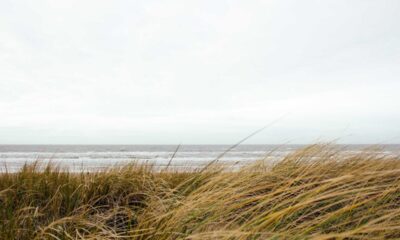
 World1 year ago
Types of Ants Living in the World and Information
-

 Forests1 year ago
The 10 Best Forests to Visit in the World
-

 Wildlife4 years ago
(10) Insects Are Animals in the world?
-
 Ocean1 year ago
Oceans in the World and Their Information & Locations
-

 Forests4 years ago
What Is The Biggest Rainforest In The World?
-

 Wildlife4 years ago
Most Popular Wild Animals in The World
-

 Forests1 year ago
The Main Factors That Contribute to Forest Destruction
-
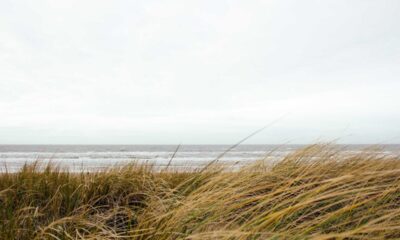
 World1 year ago
The 10 Largest Farms in the World