
Forests
The Tongass National Forest — America’s Largest


The Tongass National Forest — America’s Largest Wilderness You Need to Visit
The Tongass National Forest is the largest national forest in the United States, covering nearly 17 million acres of southeastern Alaska. It is a place where ancient trees tower above misty fjords, bears catch salmon in crystal-clear streams, and eagles soar over untouched coastline. If you have ever dreamed of true wilderness, this is the kind of place that makes it real.
Most people have never heard of the Tongass, even though it is bigger than many countries. It stretches across the Alaska Panhandle, a maze of islands, inlets, and mountains draped in old-growth rainforest. This is not a manicured park with gift shops and paved trails. It is wild, remote, and absolutely breathtaking.
Key Takeaways
- The Tongass National Forest spans nearly 17 million acres, making it the largest national forest in the United States.
- It is home to the largest remaining temperate rainforest in North America.
- The forest supports brown bears, black bears, bald eagles, Sitka black-tailed deer, and all five species of Pacific salmon.
- It stores massive amounts of carbon, making it one of the most important forests for climate regulation on the planet.
- Visitors can explore by kayak, hiking trail, flightseeing tour, or ferry along the Alaska Marine Highway.
Why the Tongass Matters More Than You Think
When people think of America’s great wild places, they usually picture the Grand Canyon, Yellowstone, or the Rocky Mountains. The Tongass rarely makes that list, even though it is arguably one of the most ecologically important landscapes in the entire country.
This forest is a temperate rainforest, which means it gets enormous amounts of rain and stays cool and damp most of the year. That combination creates the perfect conditions for some of the tallest, oldest trees on Earth. Sitka spruce and western hemlock dominate the canopy, some growing over 300 feet tall and living for more than 800 years. Walking among them feels like stepping into a cathedral built by nature.
But the Tongass is not just about trees. It is a complete ecosystem, from the ocean floor to the mountain peaks. Its rivers and streams are spawning grounds for all five species of Pacific salmon, which in turn feed bears, eagles, and the forest itself. When salmon die after spawning, their bodies deliver nutrients from the ocean deep into the forest, feeding the soil and the trees. Scientists call this a “marine-derived nutrient cycle,” and it is one of the reasons this forest is so incredibly productive.
Wildlife You Can Actually See
One of the biggest draws of the Tongass is its wildlife. Unlike many wilderness areas where animals are scarce and elusive, the Tongass is teeming with life.
Bears. Both brown bears and black bears live here, and they are often seen fishing for salmon at places like the Anan Wildlife Observatory near Wrangell and the Mendenhall Wetlands near Juneau. During the summer salmon runs, you can watch bears standing in shallow water, scooping fish right out of the current.
Bald Eagles. The Tongass has one of the highest concentrations of bald eagles in the world. You will see them perched in snags along the shoreline, soaring over open water, or gathered in large numbers near salmon streams. In some areas, dozens of eagles can be spotted in a single afternoon.
Whales and Marine Life. The waters around the Tongass are home to humpback whales, orcas, sea lions, harbor seals, and porpoises. Whale watching tours out of Juneau, Sitka, and Petersburg regularly encounter humpback whales bubble-net feeding, a cooperative hunting behavior that is one of the most spectacular wildlife events you can witness anywhere.
Sitka Black-Tailed Deer. These small, adaptable deer are found throughout the forest and are a primary food source for the Alexander Archipelago wolf, a rare subspecies found only in southeastern Alaska.
How to Explore the Tongass
The Tongass is not the kind of place you can see from a car window. It demands a little more effort, but that is exactly what makes it special.
By Kayak or Canoe
Paddling through the sheltered waterways of the Tongass is one of the most intimate ways to experience it. You can glide past old-growth forests that drop straight into the sea, pull up on remote beaches, and camp under the stars with nothing but the sound of waves and wind. Popular paddling routes include the waters around Admiralty Island, the Misty Fjords National Monument, and the channels near Ketchikan.
By Hiking Trail
There are hundreds of miles of trails in the Tongass, ranging from short boardwalks to multi-day backcountry routes. The Perseverance Trail near Juneau is a local favorite, winding through old-growth forest, past alpine meadows, and up to stunning mountain views. The West Glacier Trail on Douglas Island offers a relatively easy hike to the edge of a glacier.
By Flightseeing
If you want to understand the sheer scale of the Tongass, take a flightseeing tour. Small planes and helicopters can lift you above the canopy and give you a bird’s-eye view of the endless green carpet of forest, the jagged peaks of the Coast Mountains, and the deep blue channels of the Inside Passage. Many tours land on remote glaciers where you can walk on ice that has existed for thousands of years.
By Ferry
The Alaska Marine Highway System runs ferries through the heart of the Tongass, connecting small communities like Ketchikan, Wrangell, Petersburg, and Sitka. The ferries are affordable, and the journey itself is a wildlife-watching adventure. Keep your eyes on the water for whales, sea lions, and Dall’s porpoises.
Comparison of Key Areas Within the Tongass
| Area | Location | Best Time to Visit |
|---|---|---|
| Misty Fjords National Monument | Near Ketchikan, southern Tongass | June to September |
| Admiralty Island | Near Juneau, central Tongass | July to September |
| Anan Wildlife Observatory | Near Wrangell, central Tongass | July to August |
| Glacier Bay National Park | Northern Tongass boundary | May to September |
| Mendenhall Wetlands | Juneau, central Tongass | May to October |
Why the Tongass Is Important for the Planet
Beyond its beauty and wildlife, the Tongass plays a critical role in regulating the Earth’s climate. Old-growth forests like these store enormous amounts of carbon in their trees, roots, and soil. Scientists estimate that the Tongass holds more carbon per acre than almost any other forest on the planet.
When old-growth forests are logged, that carbon is released back into the atmosphere, accelerating climate change. Protecting the Tongass is not just about preserving a pretty landscape. It is about keeping a massive carbon sink intact for future generations.
The forest also filters water, prevents erosion, and supports fisheries that feed millions of people. The salmon that spawn in Tongass streams are not just local wildlife. They are the foundation of a food web that extends across the entire North Pacific.
Best Time to Visit the Tongass
The summer months, from June through September, are the best time to visit. This is when the weather is mildest, the days are longest, and the wildlife is most active. Salmon runs peak in July and August, which is when bear viewing is at its best.
That said, the Tongass is a rainforest, and rain is part of the experience no matter when you visit. Bring good rain gear, waterproof boots, and layers. The temperatures are generally cool, ranging from the mid-40s to the mid-60s Fahrenheit, even in summer.
May and October can also be rewarding, with fewer visitors and beautiful seasonal changes. May brings wildflowers and migrating birds, while October offers fall colors and the chance to see the northern lights on clear nights.
Travel Tips for First-Time Visitors
Fly into Juneau, Ketchikan, or Sitka. These are the main gateway cities, all served by flights from Seattle and Anchorage. Juneau is the largest and has the most services, but Ketchikan and Sitka are closer to some of the best wilderness areas.
Book tours in advance. Popular activities like bear viewing at Anan, whale watching, and flightseeing tours fill up quickly in summer. Reserve your spots at least a few weeks ahead.
Pack for rain. This is a temperate rainforest. Expect wet weather every day, and be grateful for the dry spells. A good rain jacket and waterproof boots are non-negotiable.
Respect wildlife. Bears are common in the Tongass, and they are wild animals. Carry bear spray, make noise on trails, and never approach or feed wildlife. Follow all park guidelines for safe viewing distances.
Consider a multi-day trip. The Tongass is vast, and trying to see it all in a day or two will leave you frustrated. Plan for at least four to five days, and ideally a week or more, to really experience what this place has to offer.
Frequently Asked Questions
Where is the Tongass National Forest located?
The Tongass National Forest is located in southeastern Alaska, covering the Alaska Panhandle. It stretches from the Canadian border in the south to Yakutat in the north, encompassing the cities of Juneau, Ketchikan, Sitka, and Wrangell.
How big is the Tongass National Forest?
The Tongass covers approximately 16.7 million acres, making it the largest national forest in the United States. It is larger than the state of West Virginia.
Is the Tongass a rainforest?
Yes. The Tongass is a temperate rainforest, one of the largest remaining in North America. It receives heavy rainfall throughout the year, which supports its dense old-growth forests of Sitka spruce, western hemlock, and western red cedar.
What animals live in the Tongass National Forest?
The Tongass is home to brown bears, black bears, bald eagles, Sitka black-tailed deer, moose, wolves, humpback whales, orcas, sea lions, harbor seals, and all five species of Pacific salmon. It is one of the most wildlife-rich areas in North America.
Can you camp in the Tongass National Forest?
Yes. There are developed campgrounds as well as opportunities for backcountry camping. Dispersed camping is allowed in many areas, but you should follow Leave No Trace principles and check local regulations before setting up camp.
How do you get to the Tongass National Forest?
Most visitors fly into Juneau, Ketchikan, or Sitka. You can also reach the area by ferry through the Alaska Marine Highway System. Once there, small planes, boats, and kayaks are the primary ways to explore the more remote areas.
What is the best time of year to visit the Tongass?
June through September is the best time to visit. July and August offer the best bear viewing and whale watching, while September brings fewer crowds and beautiful fall colors.
Conclusion
The Tongass National Forest is one of those rare places that lives up to the hype. It is vast, wild, and full of life in a way that is increasingly hard to find in our modern world. Whether you are paddling through its misty waterways, watching bears fish for salmon, or simply standing beneath trees that were alive when Columbus sailed, the Tongass has a way of putting things in perspective.
This is not just a forest. It is a living system that connects the ocean to the mountains, the past to the present, and all of us to the natural world in ways we are only beginning to understand. If you are looking for a true wilderness adventure, the Tongass should be at the top of your list.
Start planning your trip today. The Tongass is waiting, and it is every bit as wild and wonderful as you imagine.
A Brief History of the Tongass
The Tongass has been home to indigenous peoples for thousands of years. The Tlingit, Haida, and Tsimshian communities have lived along these coasts and waterways since long before European contact, building cultures deeply intertwined with the forest and the sea. Their totem poles, longhouses, and traditions are still very much alive in communities throughout the region today.
When the United States purchased Alaska from Russia in 1867, the Tongass became federal land. It was designated as the Tongass National Forest in 1907, making it one of the oldest national forests in the country. Over the decades, it has been the subject of intense debate between conservationists, logging companies, and indigenous communities. In recent years, significant protections have been put in place to limit old-growth logging and preserve the forest’s ecological integrity.
What Makes a Temperate Rainforest Different
Most people think of rainforests as tropical places, full of parrots, monkeys, and sweltering heat. The Tongass is something entirely different. It is a temperate rainforest, which means it exists in a cool, maritime climate rather than a tropical one.
Temperate rainforests are rare. They exist only in a handful of places around the world where mountains meet the ocean and prevailing winds push moist air inland. Besides the Tongass, temperate rainforests are found in parts of Chile, New Zealand, Tasmania, the Pacific Northwest of the United States, and a few other scattered locations. Together, these forests cover less than one percent of the Earth’s surface, but they store a disproportionate amount of carbon and support incredible biodiversity.
What sets the Tongass apart even among temperate rainforests is its relatively pristine condition. While similar forests in the Pacific Northwest of the lower 48 states have been heavily logged, large portions of the Tongass remain intact. This makes it an invaluable reference point for scientists studying how these ecosystems function without human interference.
Planning Your Budget for a Tongass Trip
Alaska is not a cheap destination, but a trip to the Tongass does not have to break the bank. Here are some realistic cost considerations to help you plan.
Flights. Round-trip flights from Seattle to Juneau, Ketchikan, or Sitka typically range from $300 to $600, depending on the season and how far in advance you book. Flying from other parts of the country will cost more.
Accommodation. Hotels and lodges in the gateway cities range from $150 to $300 per night in summer. Budget options like hostels and campgrounds can bring that down to $30 to $80 per night.
Tours. Whale watching tours cost around $150 to $250 per person. Bear viewing at Anan can cost $100 to $200. Flightseeing tours range from $250 to $500. These are the biggest expenses, but they are also the most memorable parts of any Tongass trip.
Food. Dining out in small Alaskan towns is moderately expensive. Expect to pay $15 to $30 for a restaurant meal. Groceries are available but cost more than in the lower 48 due to shipping.
A realistic budget for a five-day trip, including flights, accommodation, a couple of tours, and food, would be around $2,000 to $3,500 per person. It is an investment, but for a wilderness experience of this caliber, most visitors feel it is worth every penny.

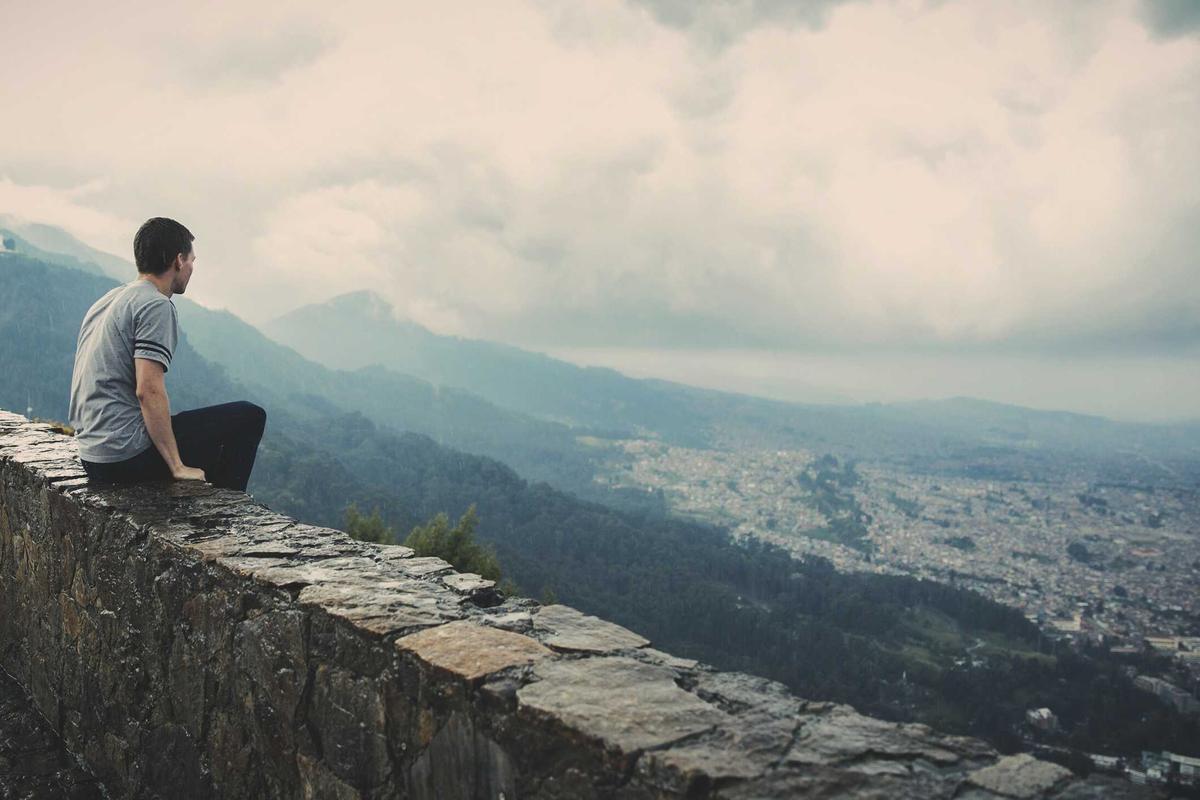
What Is a Temperate Rainforest and Where Are They
If you have ever walked through a forest so green and lush that it felt like the air itself was dripping with life, you might have been standing in a temperate rainforests without even knowing it. These are some of the most magical and least understood ecosystems on the planet. They are not as famous as their tropical cousins, but they are just as important and just as beautiful.
In this guide, you will learn exactly what makes a temperate rainforests different from other forests, where they are found around the world, and why they matter so much for the health of our planet. Whether you are a nature lover planning your next trip or just curious about the world, this article has everything you need.
Key Takeaways
- Temperate rainforests receive at least 55 inches of rain per year and are found in mild coastal climates.
- They cover less than 1 percent of the Earth land surface but store enormous amounts of carbon.
- The largest temperate rainforests are found along the Pacific coasts of North America, South America, Australia, and New Zealand.
- These forests are home to unique species found nowhere else on Earth, including the spirit bear and the mountain beaver.
- Temperate rainforests are threatened by logging, climate change, and development, making conservation efforts critical.
What Exactly Is a Temperate Rainforest
A temperate rainforests is a type of forest that grows in regions with mild temperatures and very high rainfall. Unlike tropical rainforests, which sit near the equator and stay hot all year, temperate rainforests are found in the middle latitudes, between about 25 and 50 degrees from the equator. They experience distinct seasons, including cool winters, but temperatures rarely drop below freezing for long periods.
The defining feature is the rain. To qualify as a temperate rainforests, a forest needs at least 55 inches of precipitation per year, though many receive well over 100 inches. Some of the wettest temperate rainforests on record get more than 200 inches annually. That is more than 16 feet of rain in a single year.
What makes these forests truly special is the combination of heavy rainfall and mild temperatures. This creates an environment where plant life explodes in every direction. Trees grow enormous. Mosses and ferns carpet every surface. The forest floor is thick with decaying wood and rich soil. The air is heavy with moisture and smells like earth and cedar and something ancient.
How Temperate Rainforests Differ From Tropical Rainforests
People often assume all rainforests are the same, but temperate and tropical rainforests are quite different in several important ways.
Temperature. Tropical rainforests stay warm year round, with average temperatures between 75 and 85 degrees Fahrenheit. Temperate rainforests are much cooler, averaging between 35 and 65 degrees depending on the season. You will not need shorts and a t-shirt in a temperate rainforests. You will need a rain jacket and layers.
Biodiversity. Tropical rainforests win the biodiversity contest by a huge margin. A single hectare of Amazon rainforest can contain more than 400 tree species. Temperate rainforests have fewer species overall, but the sheer abundance of life is staggering. A single tree in a temperate rainforests can host dozens of species of moss, lichen, ferns, and even small shrubs growing on its branches.
Tree types. Tropical rainforests are dominated by broadleaf evergreen trees. Temperate rainforests are often dominated by conifers, especially massive species like Sitka spruce, western red cedar, Douglas fir, and coast redwood. However, some temperate rainforests, particularly in Australia and southern South America, are dominated by broadleaf and southern beech trees.
Soil. Tropical rainforest soils are surprisingly poor in nutrients because heavy rains wash them away quickly. Temperate rainforest soils tend to be richer because cooler temperatures slow down decomposition, allowing organic matter to build up over time.
Where Are Temperate Rainforests Found
Temperate rainforests are found on every continent except Africa and Antarctica. They all share a common pattern: they grow on the western coasts of continents, where moist ocean air hits mountain ranges and drops its rain. Here are the major temperate rainforest regions of the world.
| Place Name | Location | Best Time to Visit |
|---|---|---|
| Pacific Northwest | British Columbia to Northern California, USA and Canada | May to September |
| Valdivian Rainforest | Southern Chile and Argentina | November to March |
| Tasmanian Wilderness | Tasmania, Australia | December to March |
| New Zealand Rainforests | West Coast of South Island, New Zealand | November to April |
| Japanese Temperate Rainforest | Honshu and Kyushu, Japan | April to October |
| Atlantic Rainforest (Small Patches) | Ireland, Scotland, Norway, Iberian Peninsula | June to September |
| Knysna Forest | Western Cape, South Africa | September to May |
The Pacific Northwest Temperate Rainforest
This is the largest and most famous temperate rainforests region in the world. It stretches from northern California all the way through Oregon, Washington, British Columbia, and into southeastern Alaska. It is home to some of the tallest and oldest trees on the planet.
About. The Pacific Northwest temperate rainforests is defined by its massive conifers. Sitka spruce can grow over 300 feet tall. Coast redwoods, found in the southern portion, are the tallest living things on Earth. Western hemlock, western red cedar, and Douglas fir dominate the canopy. The forest floor is a thick layer of ferns, mosses, and fallen logs that can take centuries to decompose.
Highlights. The Hoh Rainforest in Olympic National Park in Washington receives about 140 inches of rain per year and feels like stepping into another world. The Great Bear Rainforest in British Columbia is one of the last intact temperate rainforests on Earth and is home to the rare spirit bear, a white-furred subspecies of the black bear. Redwood National and State Parks in California protects the tallest trees alive.
Experience. Walking through this forest is unlike anything else. The canopy is so thick that sunlight filters through in soft green beams. Everything is damp and alive. You can hear streams running under moss-covered logs. Roosevelt elk graze in clearings. Bald eagles perch on snags. The air smells like cedar and rain.
Best Time to Visit. Summer, from June through September, offers the driest and warmest weather. Even then, you should bring rain gear. Winter is dramatic with storms rolling through, but many roads and trails close due to snow and flooding.
Why You Should Visit. This is one of the last places on Earth where you can walk through an ancient forest that has never been logged. The scale of the trees alone is worth the trip. Standing at the base of a 300 foot Sitka spruce that has been alive for 800 years changes the way you see the world.
Travel Tips. Book accommodations well in advance, especially near Olympic National Park and the Oregon Coast. Bring waterproof boots, not just rain jackets. The trails can be muddy year round. If you want to see wildlife, go early in the morning or at dusk.
The Valdivian Temperate Rainforest
Stretching along the southern coast of Chile and into parts of Argentina, the Valdivian temperate rainforests is the largest in South America and one of the most unique on Earth.
About. This forest is dominated by southern beech trees, known as nire and lenga, along with giant ferns and bamboo. It has a prehistoric feel, with plants that have been growing here since the time of the dinosaurs. The Valdivian rainforest receives between 55 and more than 100 inches of rain per year, depending on the location.
Highlights. The forest is home to the pudu, the world smallest deer, which stands only about 13 inches tall. The monito del monte, a tiny marsupial that is a living fossil, lives here too. The alerce tree, a type of cypress, can live for more than 3,600 years, making it one of the oldest living organisms on the planet.
Experience. The Valdivian forest feels wild and remote. Many areas are accessible only by boat or long hikes. The understory is dense with bamboo and ferns, and the trees are draped in moss. It is quieter and less visited than the Pacific Northwest, which is part of its appeal.
Best Time to Visit. The southern hemisphere summer, from November to March, is the best time. Days are longer and temperatures are mild, between 50 and 65 degrees Fahrenheit.
Why You Should Visit. If you want to experience a temperate rainforests that feels truly untouched, this is it. The Valdivian forest is far less developed for tourism than North American rainforests, which means fewer crowds and a more authentic wilderness experience.
Travel Tips. Base yourself in Puerto Varas or Pucón in Chile. Many of the best forest areas require a guide or local knowledge to access. Spanish is helpful but not always necessary in tourist areas.
Tasmanian Wilderness Rainforests
Tasmania, the island state of Australia, holds some of the most ancient temperate rainforests in the world. These forests are part of the Tasmanian Wilderness World Heritage Area, one of the largest conservation areas in Australia.
About. Tasmanian temperate rainforests are dominated by southern beech, Huon pine, and King Billy pine. Huon pine is one of the slowest growing and longest living trees in the world, with some individuals more than 10,000 years old. The forests here are cool, wet, and incredibly dense.
Highlights. The Tarkine region in northwest Tasmania contains the largest temperate rainforests in Australia. It is home to the Tasmanian devil, wedge-tailed eagles, and the endangered Tasmanian wedge-tailed eagle. The forests here also contain Aboriginal heritage sites that are thousands of years old.
Experience. Walking through a Tasmanian rainforest feels like stepping back in time. The trees are gnarled and ancient. The forest floor is thick with moss and fungi. Waterfalls tumble down rock faces into clear streams. It is cool, quiet, and deeply peaceful.
Best Time to Visit. Summer in the southern hemisphere, from December to March, is ideal. The weather is mild and days are long. Winter can be cold and wet, with snow at higher elevations.
Why You Should Visit. Tasmania offers a temperate rainforests experience that is completely different from anything in the Northern Hemisphere. The wildlife, the plants, and the landscape are all unique. It is one of the best places in the world to see a temperate rainforests in a truly wild setting.
Travel Tips. Rent a car to explore the island. The Tarkine region has limited facilities, so plan ahead. Bring warm layers even in summer, as the weather can change quickly.
New Zealand Temperate Rainforests
New Zealand west coast, particularly on the South Island, is home to spectacular temperate rainforests that receive some of the highest rainfall totals on Earth.
About. These forests are dominated by southern beech, rimu, and kahikatea. The West Coast region can receive up to 200 inches of rain per year in some areas. The forests here grow right down to the coastline, creating dramatic scenery where rainforest meets the Tasman Sea.
Highlights. The Catlins region in the South Island has beautiful temperate rainforests with waterfalls and coastal views. Fiordland National Park, while not strictly a temperate rainforests, has rainforest like conditions in its lower valleys. The kiwi bird, New Zealand iconic flightless bird, lives in these forests.
Experience. New Zealand rainforests are lush and green beyond imagination. The ferns are enormous. The birdsong is constant. The rivers run clear and cold. It is one of the most beautiful temperate rainforests regions in the world.
Best Time to Visit. November through April is the warmest and driest period. Even then, rain is frequent, so come prepared.
Why You Should Visit. New Zealand makes it easy to access temperate rainforests. The infrastructure is excellent, the trails are well maintained, and the scenery is world class. It is one of the most welcoming places for nature lovers.
Travel Tips. The West Coast drive along State Highway 6 is one of the most scenic drives in the world. Stop at the Pancake Rocks in Punakaiki for a unique coastal experience. Book accommodations early during the summer months.
Why Temperate Rainforests Matter
Temperate rainforests are not just beautiful. They are essential to the health of our planet in ways that many people do not realize.
Carbon storage. These forests store enormous amounts of carbon in their trees, soil, and decaying wood. Old growth temperate rainforests can store more carbon per hectare than almost any other ecosystem on Earth. Protecting them is one of the most effective ways to fight climate change.
Water filtration. Temperate rainforests act as natural water filters. Rain passes through the forest canopy, down through layers of moss and soil, and emerges in streams and rivers as some of the cleanest water on the planet. Many cities, including Seattle and Vancouver, get their drinking water from temperate rainforest watersheds.
Biodiversity. While they may not match tropical rainforests in species count, temperate rainforests support an incredible range of life. From salmon that spawn in forest streams to bears that feed on those salmon, the food webs here are complex and interconnected. Many species, like the spotted owl and the marbled murrelet, depend entirely on old growth temperate rainforests to survive.
Climate regulation. These forests influence local and regional climates. They generate rainfall, moderate temperatures, and protect coastlines from storms. Losing them would have cascading effects on weather patterns far beyond the forest itself.
Threats to Temperate Rainforests
Despite their importance, temperate rainforests are under serious threat. Only about 5 percent of the original temperate rainforests in the Pacific Northwest remains. The situation is similar in other parts of the world.
Logging. Old growth temperate rainforests have been heavily logged for timber. The massive trees produce valuable wood, and the pressure to harvest them continues. Second growth forests, which have regrown after logging, do not provide the same habitat or store the same amount of carbon as old growth.
Climate change. Rising temperatures and changing rainfall patterns are altering temperate rainforests. Warmer winters mean less snowpack, which affects stream flows and the species that depend on them. Some temperate rainforests are already experiencing drought stress.
Development. Coastal development, road building, and urban expansion continue to eat away at temperate rainforest habitat. In places like the Pacific Northwest, the pressure from population growth is constant.
Invasive species. Non-native plants and animals can disrupt the delicate balance of temperate rainforest ecosystems. In New Zealand, introduced possums have devastated native forests by eating leaves and buds.
How to Help Protect Temperate Rainforests
You do not have to live near a temperate rainforests to make a difference. Here are some things you can do.
- Support organizations that protect temperate rainforests, such as the Rainforest Conservation Foundation, the Wilderness Committee, and local land trusts.
- Buy wood products certified by the Forest Stewardship Council, which ensures they come from responsibly managed forests.
- Reduce your carbon footprint. Climate change is one of the biggest long term threats to temperate rainforests.
- Visit temperate rainforests responsibly. Stay on trails, pack out your trash, and support local eco tourism businesses that give back to conservation.
- Spread the word. Most people do not know temperate rainforests exist. Share what you have learned with friends and family.
Frequently Asked Questions
What is the difference between a temperate rainforest and a tropical rainforest
The main difference is location and temperature. Tropical rainforests are found near the equator and stay hot year round, while temperate rainforests are found in the middle latitudes and experience cool seasons. Temperate rainforests receive less total rainfall on average but still get enough to support incredibly lush plant life. The tree species are also different, with temperate rainforests dominated by conifers or southern beech trees rather than the broadleaf evergreens of the tropics.
Where is the largest temperate rainforest in the world
The largest temperate rainforests in the world is the Pacific Northwest temperate rainforests, which stretches from northern California through Oregon, Washington, British Columbia, and into southeastern Alaska. It covers approximately 25 million acres and contains some of the tallest and oldest trees on Earth.
What animals live in temperate rainforests
Temperate rainforests are home to a wide variety of animals. In the Pacific Northwest, you can find Roosevelt elk, black bears, mountain lions, bald eagles, spotted owls, and salmon. The Great Bear Rainforest is home to the rare spirit bear. In the Valdivian rainforest of South America, you can find the pudu, the world smallest deer, and the monito del monte, a living fossil marsupial. New Zealand temperate rainforests are home to the kiwi and many unique bird species.
Can you visit temperate rainforests
Absolutely. Many temperate rainforests are accessible to visitors. Olympic National Park in Washington, the Great Bear Rainforest in British Columbia, Redwood National Park in California, and the West Coast of New Zealand are all popular destinations. There are well maintained trails, visitor centers, and guided tours available in most major temperate rainforest regions.
What is the best time of year to visit a temperate rainforest
The best time to visit depends on the location, but in general, the summer months offer the driest and warmest weather. For the Pacific Northwest, that means June through September. For temperate rainforests in the southern hemisphere, like those in Chile, New Zealand, and Tasmania, the best time is November through March. Even in the dry season, you should always bring rain gear.
Are temperate rainforests endangered
Yes. Temperate rainforests are among the most threatened forest types on Earth. Only a small fraction of the original temperate rainforests remains, particularly in the Pacific Northwest and the Valdivian region of South America. Logging, climate change, and development continue to put pressure on these ecosystems. Conservation efforts are critical to their survival.
What makes temperate rainforests so wet
Temperate rainforests are wet because they are located on the western coasts of continents, where prevailing winds carry moist ocean air inland. When this moist air hits coastal mountain ranges, it is forced upward, cools, and drops its moisture as rain or snow. This process, called orographic lift, is why temperate rainforests receive so much precipitation while areas just a few miles inland may be much drier.
Conclusion
Temperate rainforests are some of the most extraordinary ecosystems on our planet. They are quieter than tropical rainforests, less famous, and in many ways more fragile. But they are no less important. From the towering redwoods of California to the ancient Huon pines of Tasmania, from the spirit bears of British Columbia to the pudu deer of Chile, these forests are home to life found nowhere else on Earth.
They clean our water, store our carbon, and remind us what the world looked like before we changed it. If you have never walked through a temperate rainforests, put it on your list. There is nothing quite like standing in a forest that has been growing for thousands of years, with moss dripping from every branch and the sound of water everywhere around you.
Start planning your trip today. These forests have been waiting a long time for visitors, and they are worth every mile it takes to get there.
The Black Forest in Germany — History and Nature Guide
If you have ever dreamed of walking through a dark, enchanted woodland filled with ancient legends, charming villages and the scent of pine in the air, the Black Forest in Germany is waiting for you. This famous region in southwestern Germany is one of Europe’s most beloved natural destinations, drawing millions of visitors every year.
In this guide, we will take you through everything you need to know about the Black Forest. From its deep history and rich culture to its stunning hiking trails and wildlife, this article will help you plan an unforgettable trip.
Key Takeaways
- The Black Forest covers over 6,000 square kilometers of woodlands, meadows and lakes in Baden-Württemberg, Germany
- It is home to more than 20,000 kilometers of hiking trails ranging from easy walks to challenging alpine routes
- The region is famous for its clock-making tradition, spa towns and traditional cuckoo clocks
- Visitors can explore deep glacial lakes, high mountain peaks and lush green valleys all in one trip
- Spring through fall is the best time to visit, with each season offering a different experience
- The Black Forest is easily accessible from Frankfurt, Stuttgart and Basel by train and car
What Is the Black Forest?
The Black Forest, known as Schwarzwald in German, is a large forested mountain state in southwestern Germany. It stretches about 160 kilometers from the city of Karlsruhe in the north to the Swiss border in the south, and roughly 30 to 60 kilometers wide. The region gets its name from the dense canopy of evergreen trees that blocks out much of the sunlight, creating a dark, almost mysterious atmosphere especially in the deeper parts of the forest.
The Black Forest is not just one single forest. It is an entire landscape of rolling hills, steep valleys, fast-flowing rivers, crystal-clear lakes and high mountain peaks. The highest point is the Feldberg, which rises to 1,493 meters above sea level. The Rhine River forms its western boundary, while the Danube has its origins among the eastern slopes.
For centuries, this region has captured the imaginations of writers, artists and travelers. The Brothers Grimm set many of their fairy tales here, and even today you can feel that fairy-tale quality as you wander through the misty woodlands and discover hidden waterfalls around every corner.
A Brief History of the Black Forest
The Black Forest has been inhabited for thousands of years. Archaeological evidence shows that people lived here as far back as the Stone Age. The Celts were among the first known settlers, followed by the Romans who established roads and trading posts along the Rhine valley.
During the Middle Ages, the Black Forest was considered a wild and dangerous place. Its dense woodlands were home to wolves, bears and wild boar, and travelers feared getting lost among the towering trees. Monks from nearby monasteries began clearing parts of the forest for agriculture and settlements, slowly opening up the region.
By the 16th and 17th centuries, the Black Forest had become an important center for mining, particularly silver and lead. Timber from the forest was also in high demand for shipbuilding and construction. This led to significant deforestation in some areas, though reforestation efforts in the 18th and 19th centuries restored much of the woodland.
The 19th century brought a new chapter to the Black Forest story. As the Romantic movement swept through Europe, artists and writers began to see the forest not as a place to fear but as a source of beauty and inspiration. The region became a popular destination for wealthy Europeans seeking fresh air and natural scenery. Spa towns like Baden-Baden and Bad Wildbad flourished, attracting visitors from across the continent.
Today, the Black Forest is a protected landscape with several nature reserves and national park areas. It remains one of Germany’s most popular tourist destinations, welcoming visitors who come for the hiking, the culture, the food and the sheer beauty of the natural surroundings.
Top Places to Visit in the Black Forest
The Black Forest is packed with incredible places to explore. Here are some of the top destinations you should not miss.
1. Triberg Waterfalls
The Triberg Waterfalls are the highest waterfalls in Germany, dropping 163 meters in seven cascading steps. Located near the town of Triberg, this natural wonder is one of the most visited attractions in the entire region. Well-maintained walking paths take you right past the cascading pools, and on sunny days you can often see rainbows forming in the mist. The surrounding forest is equally beautiful, with towering fir and beech trees lining the trail.
2. Lake Titisee
Lake Titisee is a glacial lake formed during the last ice age, nestled among forested hills at an elevation of 840 meters. The water is remarkably clear and takes on a beautiful emerald-green color. In summer, you can rent a paddle boat and explore the lake at your own pace. In winter, the surrounding area transforms into a popular ski resort. The nearby town of Titisee-Neustadt offers plenty of restaurants, shops and accommodation options.
3. Freiburg im Breisgau
Freiburg is the gateway city to the Black Forest and well worth a visit on its own. This vibrant university city sits right at the edge of the forest and offers a wonderful mix of medieval architecture, modern sustainability and a lively cultural scene. The Freiburg Minster, a stunning Gothic cathedral, dominates the skyline. The city is also known as one of the sunniest places in Germany, making it a pleasant base for exploring the surrounding forest.
Baden-Baden is one of Europe’s most elegant spa towns, with a history of wellness that stretches back to Roman times. The thermal baths here have been used for over 2,000 years, and the town became famous in the 19th century as a playground for European royalty. Today you can still enjoy the luxurious spas, stroll through the beautiful Lichtentaler Allee park, or try your luck at the historic casino. This fascinating open-air museum near Gutach gives you a glimpse into rural life in the Black Forest over the past several centuries. Historic farmhouses, barns and workshops have been carefully relocated and restored, and costumed interpreters demonstrate traditional crafts like clock-making, baking and woodcarving. It is a wonderful place to visit with families and anyone interested in the cultural heritage of the region. The Schluchsee is the largest lake in the Black Forest, covering an area of about 5.1 square kilometers. Surrounded by forested hills, it is a popular spot for swimming, sailing and windsurfing in summer. A walking trail circles the entire lake, offering beautiful views and plenty of spots to stop for a picnic. The nearby town of Schluchsee has a relaxed, friendly atmosphere with several good restaurants. The Mummelsee is a small but incredibly scenic cirque lake on the western slopes of the Black Forest. According to local legend, the lake is home to water spirits and nixies that emerge at night. Whether you believe in the legends or not, the setting is undeniably magical. A well-maintained trail circles the lake, and there is a hotel and restaurant where you can enjoy a meal with a view of the water. The Feldberg is the highest peak in the Black Forest at 1,493 meters, and it offers panoramic views that stretch all the way to the Alps on clear days. In winter, it is one of the most popular skiing areas in southern Germany. In summer, the summit is a fantastic hiking destination with trails ranging from gentle to challenging. The Feldberg Tower at the top provides a 360-degree view of the surrounding landscape. The Black Forest is home to a rich variety of wildlife. As you hike through the woodlands, you might spot red deer, roe deer and wild boar. Foxes and badgers are common, though they tend to be more active at dawn and dusk. Birdwatchers will be delighted to find species like the black woodpecker, the Eurasian pygmy owl and the capercaillie, a large and impressive forest grouse. The forest itself is dominated by Norway spruce, silver fir and beech trees. In spring, the forest floor comes alive with wildflowers including wood anemones, hepaticas and wild garlic, which creates a beautiful white carpet in some areas. The higher elevations feature alpine meadows with their own unique flora. One of the most special natural features of the Black Forest is its network of streams and rivers. The Danube, one of Europe’s great rivers, actually begins here as two small streams called the Brigach and the Breg, which join together in the town of Donaueschingen. The Neckar and the Rench also flow through the region, carving deep valleys through the forested hills. The Black Forest is a year-round destination, but the best time to visit depends on what you want to do. Spring (April to May) is a wonderful time to visit as the forest comes alive with wildflowers and the snow melts from the higher elevations. The waterfalls are at their most powerful from the snowmelt, and the weather is generally mild. Crowds are smaller than in summer, making this a peaceful time to explore. Summer (June to August) is the most popular season. The weather is warm and sunny, with temperatures typically ranging from 20 to 28 degrees Celsius. All hiking trails and attractions are open, and the long daylight hours give you plenty of time to explore. This is also the busiest time, so book accommodation in advance. Autumn (September to October) brings stunning fall colors to the Black Forest. The beech and maple trees turn brilliant shades of gold, orange and red, creating a spectacular display. The weather is still pleasant for hiking, and the crowds begin to thin out after the summer peak. Winter (December to March) transforms the Black Forest into a snowy wonderland. Skiing, snowshoeing and cross-country skiing are popular activities, especially around the Feldberg. The famous Christmas markets in towns like Freiburg and Baden-Baden add a magical atmosphere to the season. No visit to the Black Forest is complete without learning about its most famous cultural export: the cuckoo clock. The tradition of carving wooden cuckoo clocks in the Black Forest dates back to the 17th century. Local craftsmen, working during the long winter months when farming was not possible, began creating intricate wooden clocks with mechanical cuckoo birds that call the hours. Today, you can visit workshops where master clockmakers still produce these beautiful timepieces by hand. The House of 1000 Clocks in Titisee-Neustadt and the Deutsches Uhrenmuseum (German Clock Museum) in Furtwangen are excellent places to see the craft in action and learn about the history of this tradition. The Black Forest is also known for its traditional costumes, called Tracht, which you can still see worn at festivals and special occasions. The most iconic element is the Bollenhut, a wide-brimmed hat decorated with large red or black woolen balls. The red Bollenhut is traditionally worn by unmarried women, while the black version is for married women. The regional cuisine is hearty and delicious. Try the famous Black Forest ham, smoked over fir and spruce wood for its distinctive flavor. Black Forest cake, or Schwarzwälder Kirschtorte, is a rich chocolate cake layered with cherries and whipped cream that has become famous around the world. Local trout from the mountain streams is another must-try dish. The Black Forest is very easy to reach. The nearest major airports are in Frankfurt (about 2 hours by train), Stuttgart (about 1 hour) and Basel in Switzerland (about 1 hour). From any of these cities, regular trains run to major Black Forest towns like Freiburg, Baden-Baden and Offenburg. If you prefer to drive, the A5 autobahn runs along the western edge of the Black Forest, and the A81 connects from the south. Driving gives you the most flexibility for exploring the smaller villages and hidden corners of the region. The Schwarzwaldhochstrasse, or Black Forest High Road, is one of the most scenic drives in Germany, running along the ridge of the northern Black Forest with spectacular views. Once in the Black Forest, the public transport system is excellent. The regional train network connects most towns, and buses serve the smaller villages and trailheads. If you plan to hike extensively, consider getting the SchwarzwaldCard, which gives you free access to many attractions and free use of public transport in the region. The Black Forest offers something for every type of traveler. If you love hiking, you will find hundreds of well-marked trails through stunning scenery. If you are interested in culture and history, the museums, churches and traditional festivals provide endless fascination. If you simply want to relax, the spa towns and peaceful lakeside settings are perfect for unwinding. Unlike some of Europe’s more famous natural destinations, the Black Forest has managed to retain an authentic, unspoiled character. The villages are still lived in by local people, the farms still produce food in traditional ways, and the forests still feel wild and genuine. This is not a theme park version of nature. It is the real thing. The Black Forest is also remarkably accessible. You do not need to be an experienced mountaineer to enjoy it. Many of the most beautiful spots are just a short walk from a parking area or bus stop. Families with children, older travelers and people with limited mobility can all find ways to experience the beauty of this region. The Black Forest is located in the state of Baden-Württemberg in southwestern Germany. It stretches from the city of Karlsruhe in the north to the Swiss border in the south, and from the Rhine valley in the west to the Danube valley in the east. The nearest major cities are Freiburg, Stuttgart, Strasbourg in France and Basel in Switzerland. From Frankfurt, you can take a direct train to Freiburg, which takes about 2 hours. There are also direct trains to Baden-Baden and Offenburg. By car, the drive takes about 2 to 2.5 hours via the A5 autobahn. The closest major airports are Frankfurt Airport, Stuttgart Airport and EuroAirport Basel-Mulhouse-Freiburg. The best time depends on your interests. Summer (June to August) offers the warmest weather and all attractions are open. Autumn (September to October) brings beautiful fall colors and fewer crowds. Spring (April to May) is ideal for seeing wildflowers and powerful waterfalls from snowmelt. Winter (December to March) is perfect for skiing and experiencing the magical Christmas markets. The Black Forest can be surprisingly affordable compared to other European destinations. Accommodation ranges from budget guesthouses to luxury spa hotels. Many hiking trails and natural attractions are free to visit. The SchwarzwaldCard provides free access to over 200 attractions and free public transport, which can save you a lot of money. Eating at local restaurants is reasonably priced, especially if you try the daily specials. A car gives you more flexibility, but it is not essential. The Black Forest has an excellent public transport system with trains and buses connecting most towns and attractions. Many trailheads are accessible by bus. If you do not want to drive, you can base yourself in Freiburg or Baden-Baden and use public transport to reach the main sights. Absolutely. The Black Forest is one of the most family-friendly destinations in Germany. There are easy walking trails suitable for young children, interactive museums like the Vogtsbauernhof open-air museum, and plenty of playgrounds and swimming spots. Many hotels and restaurants cater specifically to families, and the region is very safe and welcoming to visitors of all ages. Pack comfortable walking shoes or hiking boots, layers of clothing for changing weather, a waterproof jacket, sunscreen and a hat. If you are visiting in winter, bring warm clothing, gloves and a hat. A daypack for carrying water, snacks and a camera is useful for hiking. Do not forget an adapter for European power outlets if you are coming from outside Europe. A minimum of 3 to 4 days is recommended to see the main highlights. With a week, you can explore the region more thoroughly, including some of the less-visited areas in the central and northern Black Forest. If you plan to do extensive hiking, 10 days to 2 weeks will allow you to cover many of the best trails at a relaxed pace. The Black Forest is one of those rare places that lives up to the hype. Its combination of stunning natural beauty, rich cultural heritage and warm hospitality makes it a destination that stays with you long after you leave. Whether you come for the hiking, the history, the food or simply the peace and quiet of the forest, you will find something to love in this remarkable corner of Germany. From the thundering Triberg Waterfalls to the serene shores of Lake Titisee, from the elegant spa town of Baden-Baden to the snowy summit of the Feldberg, the Black Forest offers an incredible variety of experiences. It is a place where fairy tales feel real, where nature is still wild and beautiful, and where tradition and modernity exist side by side in perfect harmony. So start planning your trip today. The Black Forest is waiting for you, and it is every bit as magical as you have imagined. Share this post with your friends who love nature and travel. If you have visited the Black Forest, tell us about your experience in the comments below.5. The Black Forest Open Air Museum Vogtsbauernhof
6. Schluchsee
7. Mummelsee
8. Feldberg
Comparison of Top Black Forest Destinations
Place Name
Location
Best Time to Visit
Triberg Waterfalls
Central Black Forest, near Triberg
April to October
Lake Titisee
Southern Black Forest, near Titisee-Neustadt
May to September
Freiburg im Breisgau
Southwestern edge of the Black Forest
Year round
Baden-Baden
Northern Black Forest
Year round
Vogtsbauernhof Museum
Central Black Forest, near Gutach
April to October
Schluchsee
Southern Black Forest
May to September
Mummelsee
Western Black Forest, near Seebach
May to October
Feldberg
Southern Black Forest, highest peak
June to September for hiking, December to March for skiing
Wildlife and Nature in the Black Forest
Best Time to Visit the Black Forest
Traditional Culture and Cuckoo Clocks
Getting There and Getting Around
Why You Should Visit the Black Forest
Travel Tips for the Black Forest
Frequently Asked Questions
Where is the Black Forest located in Germany?
How do I get to the Black Forest from Frankfurt?
What is the best time of year to visit the Black Forest?
Is the Black Forest expensive to visit?
Do I need a car to explore the Black Forest?
Is the Black Forest suitable for families with children?
What should I pack for a trip to the Black Forest?
How many days do I need in the Black Forest?
Conclusion

How Insects Keep Forests Healthy
If you have ever walked through a forest and noticed a fallen log slowly crumbling into the soil, or watched a line of ants marching across the trail, you have witnessed insects doing some of the most important work in nature. Insects are the tiny engineers that keep forests running. Without them, the forests we love to explore would grind to a halt.
Short answer: Insects keep forests healthy by breaking down dead matter, pollinating plants, controlling pest populations, aerating soil, and forming the base of the food chain that supports birds, mammals, and reptiles.
Key Takeaways
- Insects decompose dead wood and leaf litter, returning nutrients to the soil
- Many forest plants depend on insect pollinators to reproduce
- Predatory insects keep destructive pest populations under control
- Ants and beetles improve soil structure and help seeds germinate
- Insects are the primary food source for most forest birds, frogs, and small mammals
- A decline in insect populations can trigger a collapse across the entire forest ecosystem
Why Insects Matter More Than You Think
When most people think about a healthy forest, they picture tall trees, clean streams, and maybe a deer or two. But the real work happens at a scale most of us never notice. Beneath every square foot of forest floor, billions of tiny creatures are recycling, building, and sustaining the ecosystem from the ground up.
Insects make up roughly 80 percent of all known animal species on Earth. In a single hectare of temperate forest, you can find over 1,000 species of insects. In tropical forests, that number can be several times higher. Each one plays a role, and together they form a web of activity that keeps the forest alive.
Think of insects as the maintenance crew of the forest. They work around the clock, breaking down what is dead, feeding what is alive, and making sure nutrients cycle back into the ground where new growth can use them. Without this crew, dead trees would pile up, plants could not reproduce, and the animals that depend on those plants would disappear.
Nature’s Recyclers: Decomposition and Nutrient Cycling
One of the most critical jobs insects perform is decomposition. When a tree falls or leaves drop to the ground, that organic matter does not just vanish on its own. It takes a community of organisms to break it down, and insects are at the center of that process.
Beetles are among the first to arrive at dead wood. Bark beetles bore into fallen logs and create tunnels that let moisture and fungi penetrate deeper. Longhorn beetle larvae chew through heartwood, turning solid timber into fine particles that mix with the soil. A single dead tree can host dozens of beetle species, each working on a different part of the wood.
Termites are the heavy lifters of the insect world. In tropical and subtropical forests, termites process an enormous amount of dead plant material. Studies have shown that in some tropical forests, termites are responsible for decomposing up to 20 percent of the annual leaf fall. They break down cellulose, a substance very few animals can digest, and turn it into rich organic matter that feeds the soil.
Ants also contribute to decomposition, though in a less direct way. They carry organic material into their nests, where it mixes with soil and breaks down faster. Their tunneling aerates the ground, allowing water and oxygen to reach plant roots. In fact, ants move more soil than earthworms in many forest ecosystems.
All of this activity returns nitrogen, phosphorus, and potassium to the soil, which trees and other plants need to grow. Without insects doing this recycling work, nutrients would stay locked up in dead matter and the forest would slowly starve.
Pollination: The Hidden Partnership Between Insects and Forest Plants
When you think of pollination, you might picture a garden full of flowers. But many forest plants, including trees, depend on insects to reproduce. In tropical forests, up to 90 percent of flowering plants rely on animal pollinators, and insects make up the vast majority of those visitors.
Bees are the most well-known pollinators, and they are essential in forests around the world. Native bees, including bumblebees and solitary bees, visit wildflowers, shrubs, and tree blossoms. In temperate forests, bees pollinate spring wildflowers like trillium and bloodroot. In tropical forests, orchids, bromeliads, and countless tree species depend on specific bee species for reproduction.
Butterflies and moths also play a role, especially in the forest canopy. Many tropical trees produce flowers that are pollinated by moths at night. The relationship between fig trees and fig wasps is one of the most remarkable examples of insect pollination in forests. Each of the over 750 species of fig tree has its own species of wasp that pollinates it. Without that specific wasp, the fig tree cannot reproduce, and the dozens of animal species that eat figs would lose a critical food source.
Flies and beetles are often overlooked as pollinators, but they are important in many forest ecosystems. In some forests, flies are the primary pollinators of certain understory plants. Beetles pollinate magnolias, spicebushes, and water lilies, some of the oldest flowering plant lineages on Earth.
This pollination service is not just about pretty flowers. It is about the regeneration of the forest itself. When insects pollinate trees, they enable seed production. Those seeds grow into the next generation of trees. Without pollinators, forests would age out and eventually decline.
Pest Control: Predatory Insects as Forest Guardians
Not all insects are helpful to every plant, and that is exactly the point. Predatory insects keep any single species from taking over the forest. This natural pest control is one of the most valuable services insects provide.
Ladybugs (or ladybird beetles) are voracious predators of aphids. A single ladybug can eat over 5,000 aphids in its lifetime. Aphids feed on plant sap and can weaken or kill young trees and shrubs if their populations explode. Ladybugs keep those populations in check without any human intervention.
Ground beetles hunt caterpillars, slugs, and other leaf-eating insects on the forest floor. They are especially important in deciduous forests where caterpillars can defoliate trees during outbreaks. A healthy population of ground beetles can prevent a minor caterpillar problem from becoming a major forest die-off.
Parasitic wasps are some of the most effective pest controllers in the forest. These tiny wasps lay their eggs inside or on the bodies of other insects, like caterpillars, beetles, and flies. When the wasp larvae hatch, they consume the host insect from the inside. This sounds brutal, but it is incredibly effective at controlling pest populations. Scientists estimate that parasitic wasps help regulate populations of thousands of insect species in forests worldwide.
Lacewings, hoverflies, and assassin bugs are other important predators. Together, these insects create a natural balance. No single pest species can dominate because there is always a predator keeping it in check. This is why healthy forests rarely suffer the kind of devastating insect outbreaks that monoculture plantations experience.
Soil Engineers: How Ants and Termites Shape the Forest Floor
The ground beneath a forest is not just dirt. It is a living system, and insects are some of its most important architects. Ants and termites, in particular, transform the physical structure of the soil in ways that benefit the entire forest.
Ant colonies create extensive underground networks of tunnels and chambers. These tunnels allow rainwater to soak into the soil instead of running off the surface. This reduces erosion and helps the forest retain moisture during dry periods. The chambers also create pockets of air that roots and other soil organisms need.
Termites build mounds that can reach several meters in height in tropical forests. These mounds are made of soil mixed with saliva and organic matter, and they are incredibly rich in nutrients. Research has shown that termite mounds create “islands of fertility” in otherwise poor soils. Trees and other plants grow better on and around termite mounds because the soil there is richer and better structured.
Both ants and termites also help with seed dispersal. Many forest plants produce seeds with a small, nutrient-rich attachment called an elaiosome. Ants carry these seeds back to their nests, eat the elaiosome, and discard the seed in their nutrient-rich waste piles. This gives the seed an ideal spot to germinate. Plants like violets, bloodroot, and trillium rely on ants to spread their seeds through the forest.
The Food Web Foundation: Insects Feed the Forest
Perhaps the most visible role insects play in forests is as food. Almost every animal you see in a forest depends on insects, either directly or indirectly.
Birds are the most obvious example. During breeding season, the vast majority of forest songbirds feed their chicks insects. A single pair of chickadees can feed their nestlings up to 6,000 caterpillars before the young birds fledge. Woodpeckers, warblers, flycatchers, and vireos all rely heavily on insects. Without a healthy insect population, these birds simply could not raise their young.
Frogs, toads, and salamanders are also insect-dependent. These amphibians are important predators of insects in the forest, and they are themselves food for larger animals. This creates a chain: insects feed amphibians, amphibians feed snakes and birds, and so on up the food web.
Bats consume enormous quantities of insects. A single little brown bat can eat up to 1,000 mosquitoes in an hour. In tropical forests, fruit bats also pollinate trees and disperse seeds, adding another layer to the insect-forest connection.
Even large mammals like bears depend on insects. Bears dig up ant nests and termite mounds to eat the larvae, especially in spring when other food is scarce. In some forests, insects provide a significant portion of a bear’s diet during certain seasons.
This means that when insect populations decline, the effects ripple upward through the entire food web. Fewer insects mean fewer birds, fewer frogs, and less food for larger animals. The whole forest suffers.
Comparison of Key Insect Roles in Forests
| Insect Group | Primary Role | Forest Benefit |
|---|---|---|
| Beetles | Decomposition of dead wood | Recycles nutrients, creates habitat for other species |
| Termites | Breaking down cellulose in dead plant matter | Enriches soil, improves soil structure |
| Ants | Soil aeration, seed dispersal, nutrient cycling | Improves root health, spreads plant diversity |
| Bees | Pollination of flowers and trees | Enables forest regeneration and plant reproduction |
| Butterflies & Moths | Pollination (especially canopy and night-blooming plants) | Supports reproduction of diverse plant species |
| Ladybugs & Lacewings | Predation on aphids and other pests | Protects trees from defoliation and disease |
| Parasitic Wasps | Population control of pest insects | Prevents outbreaks that could damage the forest |
What Happens When Insect Populations Decline
Scientists around the world have been documenting a troubling trend: insect populations are declining in many regions. A landmark study published in 2017 found that insect biomass in German nature reserves had dropped by more than 75 percent over 27 years. Similar declines have been reported in Puerto Rico, the United Kingdom, and parts of North America.
The causes are multiple. Habitat loss from deforestation and development is a major factor. Pesticide use, even in areas near forests, can kill beneficial insects. Climate change disrupts the timing of insect life cycles, so that insects emerge before or after the plants they depend on are available. Light pollution in and near forests also disrupts nocturnal insects like moths.
The consequences for forests are serious. When decomposer insects decline, dead matter accumulates and nutrient cycling slows. When pollinators decline, plants produce fewer seeds and forest regeneration stalls. When predatory insects decline, pest populations can explode and damage trees. The entire ecosystem becomes less resilient.
This is not just an ecological problem. It is a human problem too. Forests provide us with clean air, clean water, timber, and the mental health benefits of spending time in nature. When insects decline and forests weaken, we all lose something.
How You Can Help Insects Keep Forests Healthy
The good news is that there are real, practical things you can do to support insect populations in forests and beyond.
Support forest conservation. The most important thing is to protect existing forests. When forests are cleared for agriculture or development, insect habitat is destroyed. Supporting organizations that protect forests, or choosing products that do not contribute to deforestation, makes a difference.
Reduce pesticide use. If you have a garden or yard near a wooded area, avoid using broad-spectrum insecticides. These chemicals do not distinguish between harmful pests and beneficial insects. Natural alternatives like neem oil, companion planting, and encouraging native predators are safer for the ecosystem.
Plant native species. Native plants have evolved alongside native insects and provide the food and habitat they need. If you live near a forest, planting native wildflowers, shrubs, and trees in your yard can create a buffer zone that supports insect populations.
Leave some mess. A perfectly manicured yard is an insect desert. Leaving fallen logs, leaf litter, and dead plant stems provides habitat for many beneficial insects. If you have a wooded property, resist the urge to clean up every fallen branch.
Turn off outdoor lights at night. Artificial light disrupts the behavior of nocturnal insects like moths, which are important pollinators and food for bats and birds. Using motion-sensor lights or warm-colored bulbs reduces the impact.
Learn and share. The more people understand how important insects are, the more likely they are to take action. Share what you have learned with friends, family, and your community. Visit a local forest and look closely at the small things happening on the ground, in the bark, and under the leaves.
Frequently Asked Questions
Why are insects important to forests?
Insects are essential to forest health because they decompose dead organic matter, pollinate plants, control pest populations, aerate the soil, and serve as the primary food source for most forest animals. Without insects, forests could not function as healthy ecosystems.
What insects are most important for forest decomposition?
Beetles, termites, and flies are the most important decomposers in forests. Beetles break down dead wood, termites process cellulose in fallen leaves and timber, and fly larvae (maggots) help decompose animal remains and other organic matter.
Do all insects harm trees?
No. While some insects like bark beetles and certain caterpillars can damage or kill trees, the vast majority of insect species are beneficial or neutral. Predatory insects actually protect trees by eating the species that cause harm. Even bark beetles play a natural role by breaking down dead and dying wood.
How do ants help forests?
Ants help forests in several ways. They aerate the soil through their tunneling, disperse seeds for many forest plants, recycle organic matter into the soil, and prey on pest insects. In tropical forests, ants are among the most important seed dispersers.
Can a forest survive without insects?
A forest could not survive in its current form without insects. Without decomposers, dead matter would pile up and nutrients would become locked away. Without pollinators, many plants could not reproduce. Without insects as food, most forest birds and amphibians would disappear. The ecosystem would collapse.
What is causing insect populations to decline in forests?
The main drivers of insect decline are habitat loss from deforestation, pesticide use, climate change, and light pollution. Invasive species and diseases also play a role in some regions. Addressing these factors requires both individual action and policy changes.
How can I see insects working in a forest?
Go for a slow, quiet walk and pay attention to the small details. Look under logs (carefully, and put them back), watch ant trails on the ground, examine fallen logs for beetle holes, and observe wildflowers for visiting bees and butterflies. Early morning and late afternoon are the best times to see the most insect activity.
Conclusion
Insects may be small, but their impact on forests is enormous. They are the unseen workforce that keeps every layer of the forest functioning, from the soil beneath your feet to the canopy high above. They break down the dead, feed the living, pollinate the flowers, and control the pests. Without them, the forests we hike through, camp in, and find peace within would simply fall apart.
The next time you walk through a forest, take a moment to look down. That rotting log, that line of ants, that beetle scurrying across the trail — they are all part of an ancient partnership between insects and trees that has been running for hundreds of millions of years. Understanding and protecting that partnership is one of the most important things we can do for the future of our planet.
Share this post with your friends who love the outdoors. The more people understand how forests really work, the better we can protect them together.

What Is a Temperate Rainforest and Where Are They
What Is a Temperate Rainforest and Where Are They If you have ever walked through a forest so green and...


Why Mountains Are Called Water Towers of the World
Why Mountains Are Called Water Towers of the World Mountains are often called the water towers of the world, and...

The Carpathian Mountains – Europe’s Wild Frontier
The Carpathian Mountains — Europe’s Wild Frontier Imagine a mountain range where wolves roam freely through ancient forests, where brown...
-

 World2 years ago
Types of Ants Living in the World and Information
-

 Wildlife4 years ago
(10) Insects Are Animals in the world?
-

 Forests2 years ago
The 10 Best Forests to Visit in the World
-

 Ocean2 years ago
Oceans in the World and Their Information & Locations
-

 Forests4 years ago
What Is The Biggest Rainforest In The World?
-

 Wildlife4 years ago
Most Popular Wild Animals in The World
-

 Forests2 years ago
The Main Factors That Contribute to Forest Destruction
-

 World1 year ago
The 10 Largest Farms in the World